
Read & listen
Every character has a story
Every character in every Spark & Anvil app has their own illustrated chapter book and audio drama. Each one embodies a specific idea the app teaches — together they tell the whole subject.
1092 chapter books · 774 audio dramas · 82 ensemble stories · 143 apps · ~1053K words
- Storybooks & audio dramas Browse and filter all 1092 illustrated chapter books — 774 with a narrated audio drama.
- Meet the cast The full cast gallery — every character across the whole portfolio, by app and cluster.
- Printable books Download per-app anthologies as PDF books — standard and advanced reading tiers.
Browse the library
-

Cheer
sportsmanship is a learnable skill, not a personality trait.
ActiveForge Audio
-
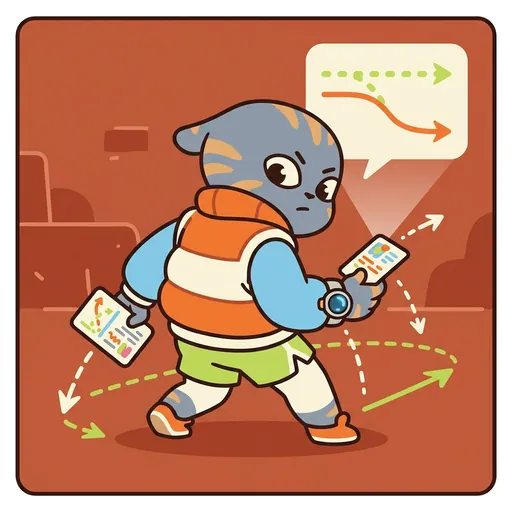
Dodge
*read the space and move EARLIER, not faster.*
ActiveForge Audio
-
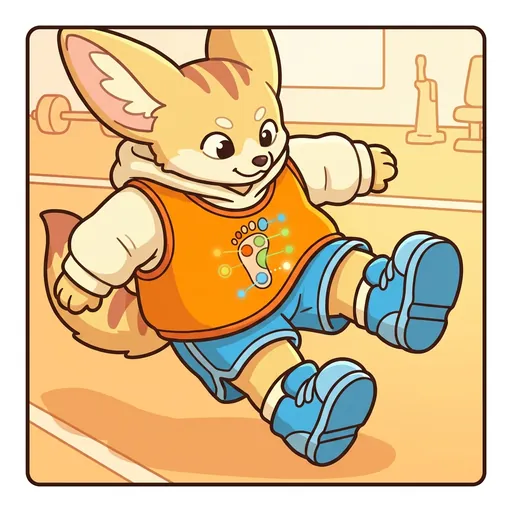
Kick
*five different parts of the foot, five different kicks. choose the foot-part for the job.*
ActiveForge Audio
-

Roll
*the fall is part of the move. land soft. get up smiling.*
ActiveForge Audio
-

Throw
*step-rotate-release. the body remembers what the mind teaches.*
ActiveForge Audio
-
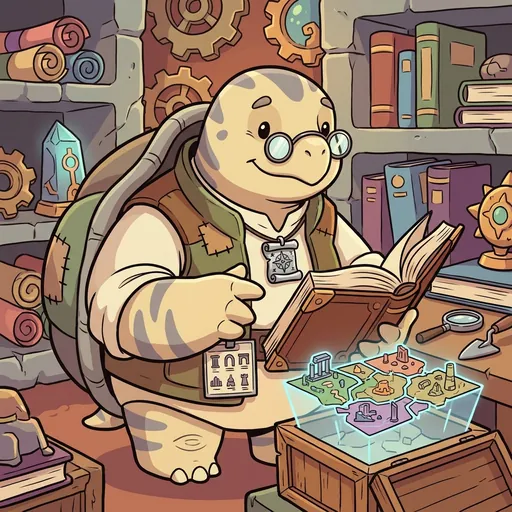
Archivist Atlas
every history craft is a careful uncovering. match the question to the right ruin.
AdventureHub Audio
-

Dr. Quark
every science craft is an investigation. pick a lab and start asking.
AdventureHub Audio
-

Loresinger Mae
listening to a question until it names the trail that fits.
AdventureHub Audio
-

Maestro Mira
every creative craft is a way of making. she finds the studio that fits your hands.
AdventureHub Audio
-

Trailmaster Theo
every math craft is a trail through the mountains. find the one that fits where you are.
AdventureHub Audio
-
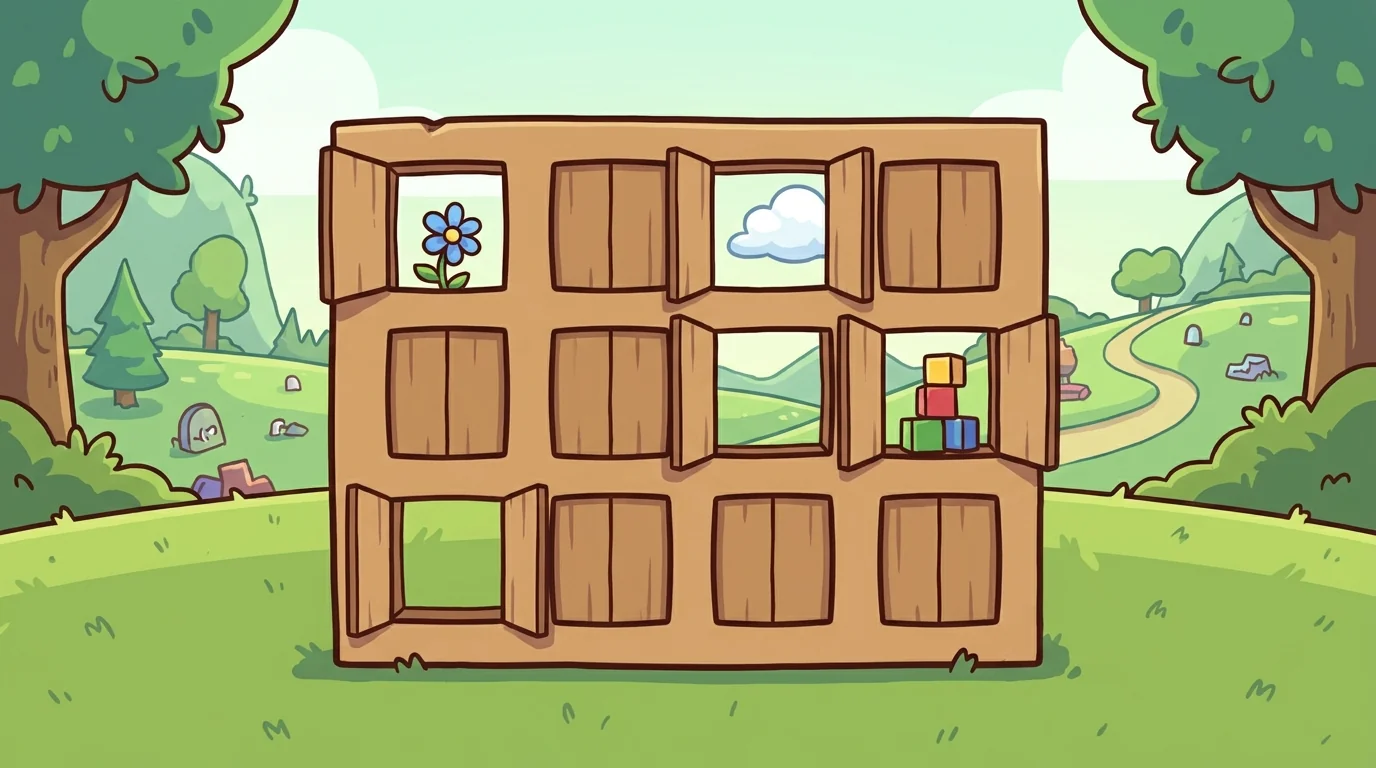
Cue
*a model decides from the clues you give it; choose good clues.* The AI-literacy primitive of *features* — recognizing that a model doesn't see the whole world, only the specific clues (features) it was built to look at, so the choice of clues shapes everything it can do.
AiForge
-
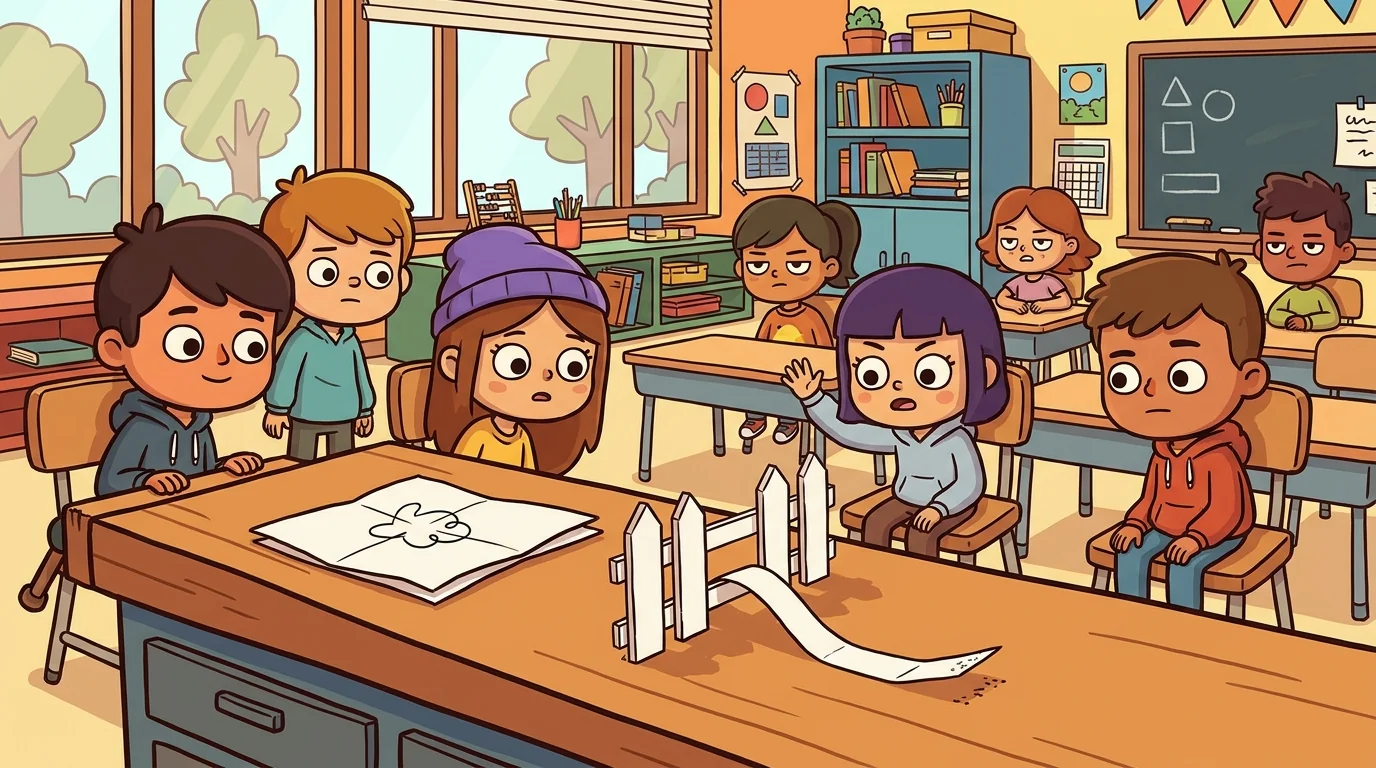
Edge
*what a model can't do; modeling 'I don't know' as a good answer.* The AI-literacy primitive of *recognizing that every model has edges — places where it cannot reliably answer.*
AiForge Audio
-
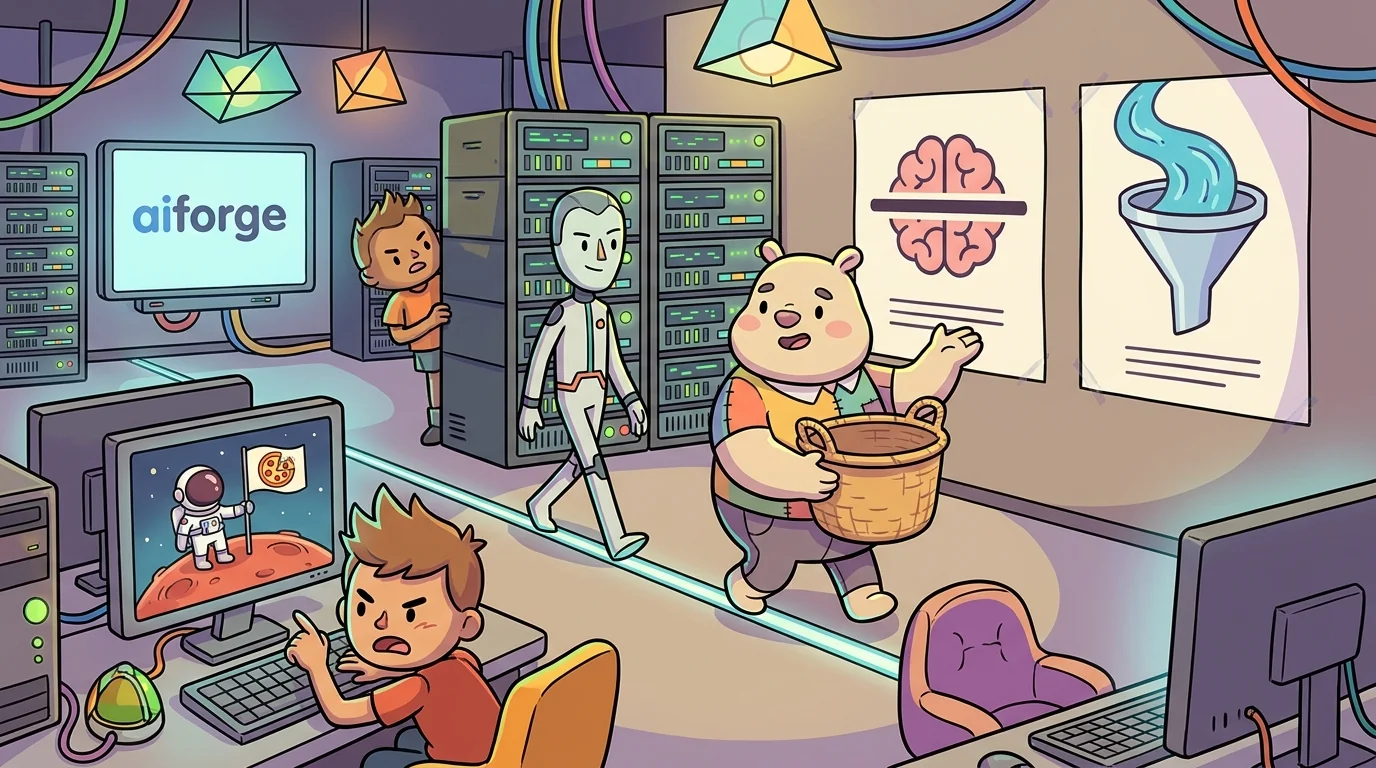
Edge and Feed
Edge is the boundary of what a model knows (training cutoff, hallucination, refusal). Feed is the data that goes into a model (provenance, bias, consent). Together they teach the two questions a kid should always ask of an AI: what does it know, and what was it fed.
AiForge Ensemble
-
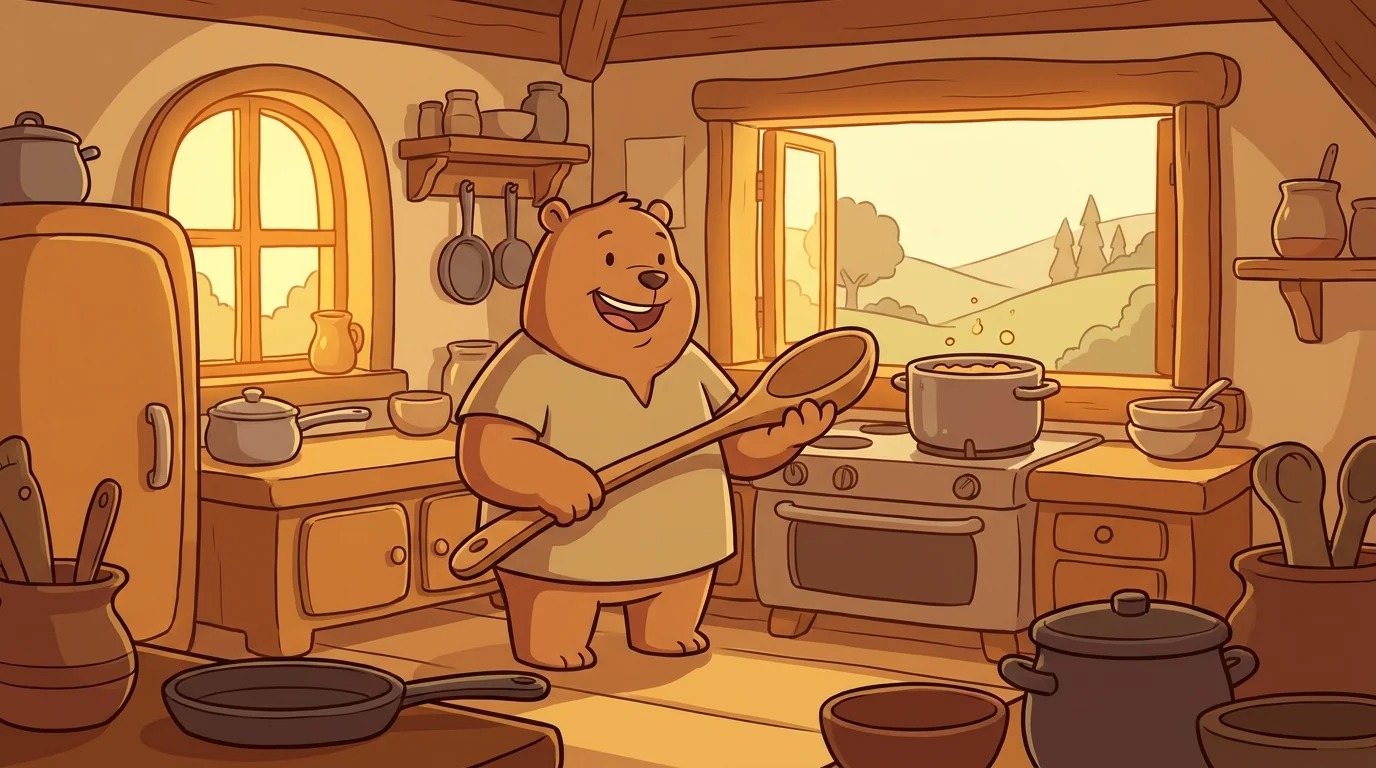
Feed
*the examples a model learns from; garbage-in-garbage-out.* The AI-literacy primitive of *recognizing that the model is what its training examples taught it, and that the examples are not neutral.*
AiForge Audio
-
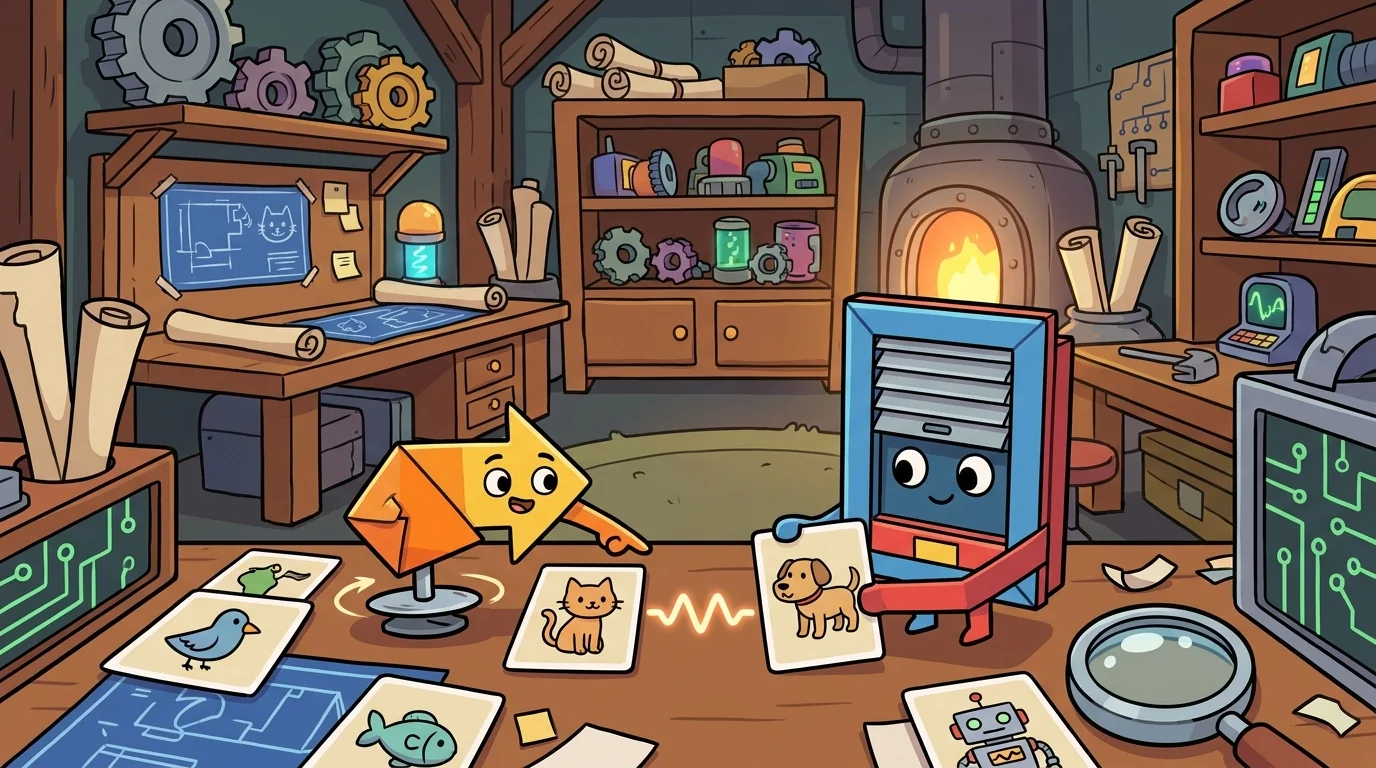
Guess and Grade
*guess, check the guess against the true answer, and let the gap fix the model.* The AI-literacy primitive of the training loop — a model makes a prediction, an answer key marks how far off it was, and that measured error is exactly what nudges the model to do better next time.
AiForge Ensemble
-
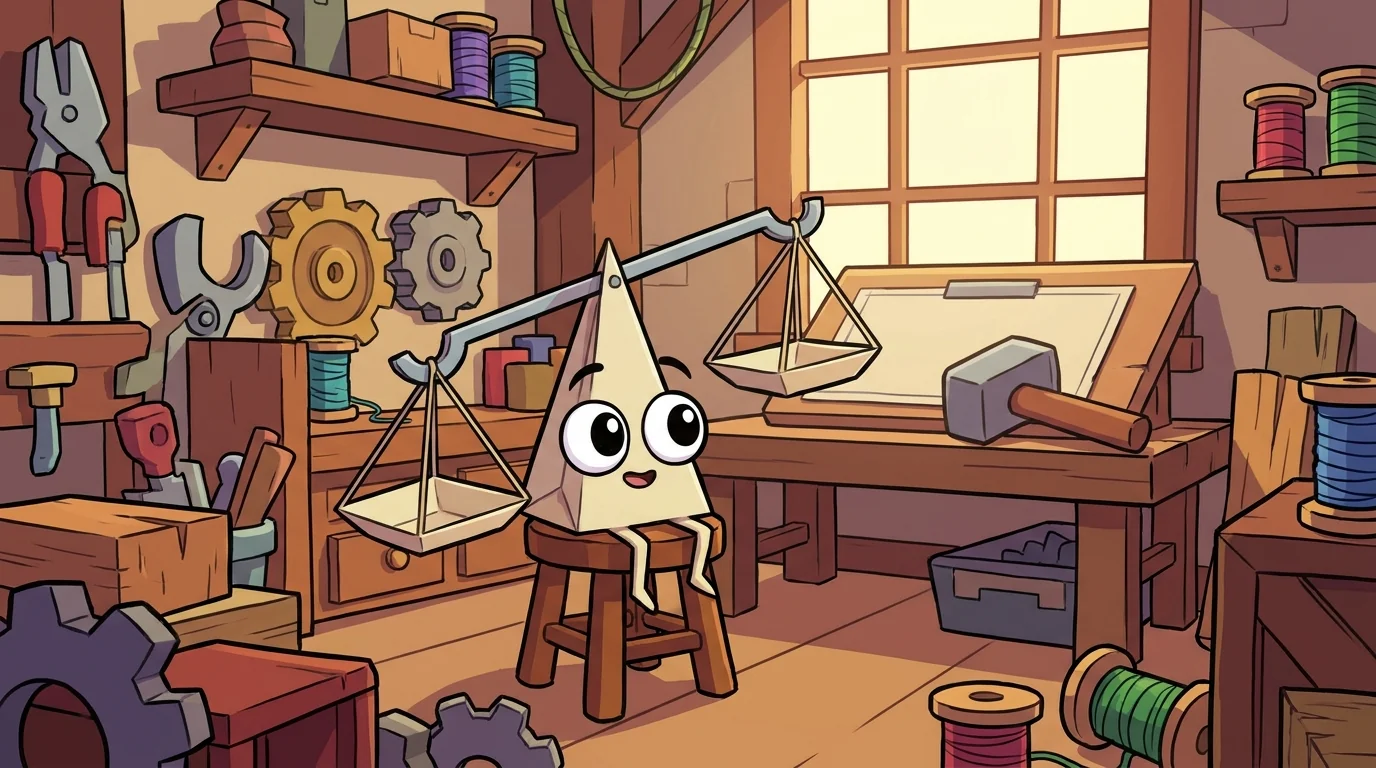
Skew
*where AI systems go wrong when training examples lean.* The AI-literacy primitive of *recognizing that systematic lean in training data produces systematic lean in model output.*
AiForge Audio
-
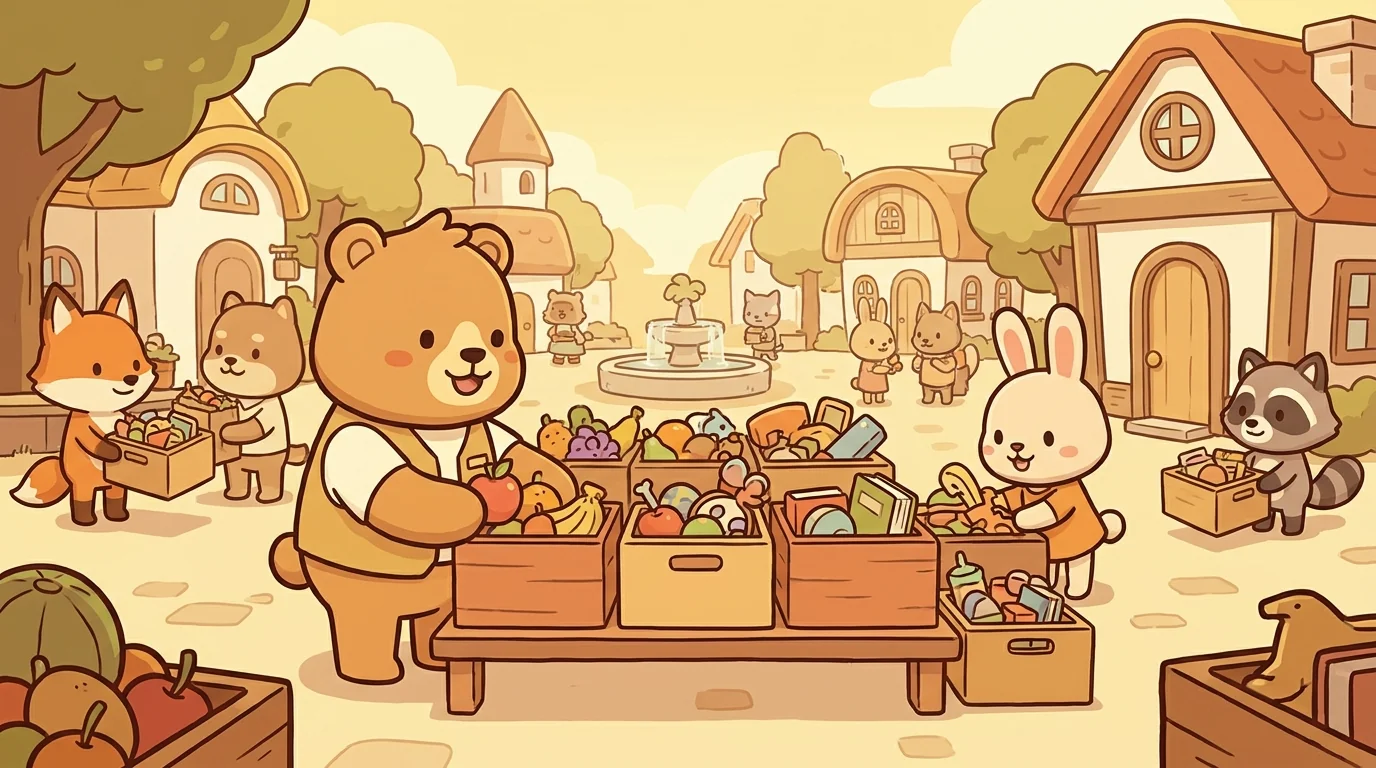
Sort
*the simplest ML; putting things in categories.* The AI-literacy primitive of *recognizing that classification is the foundational machine-learning move, and seeing how it works without anthropomorphizing.*
AiForge Audio
-

Split
*keep some examples hidden, so you can tell learning from memorizing.* The AI-literacy primitive of holding back a portion of the examples to check whether a model truly learned the pattern or just memorized the answers it saw.
AiForge
-
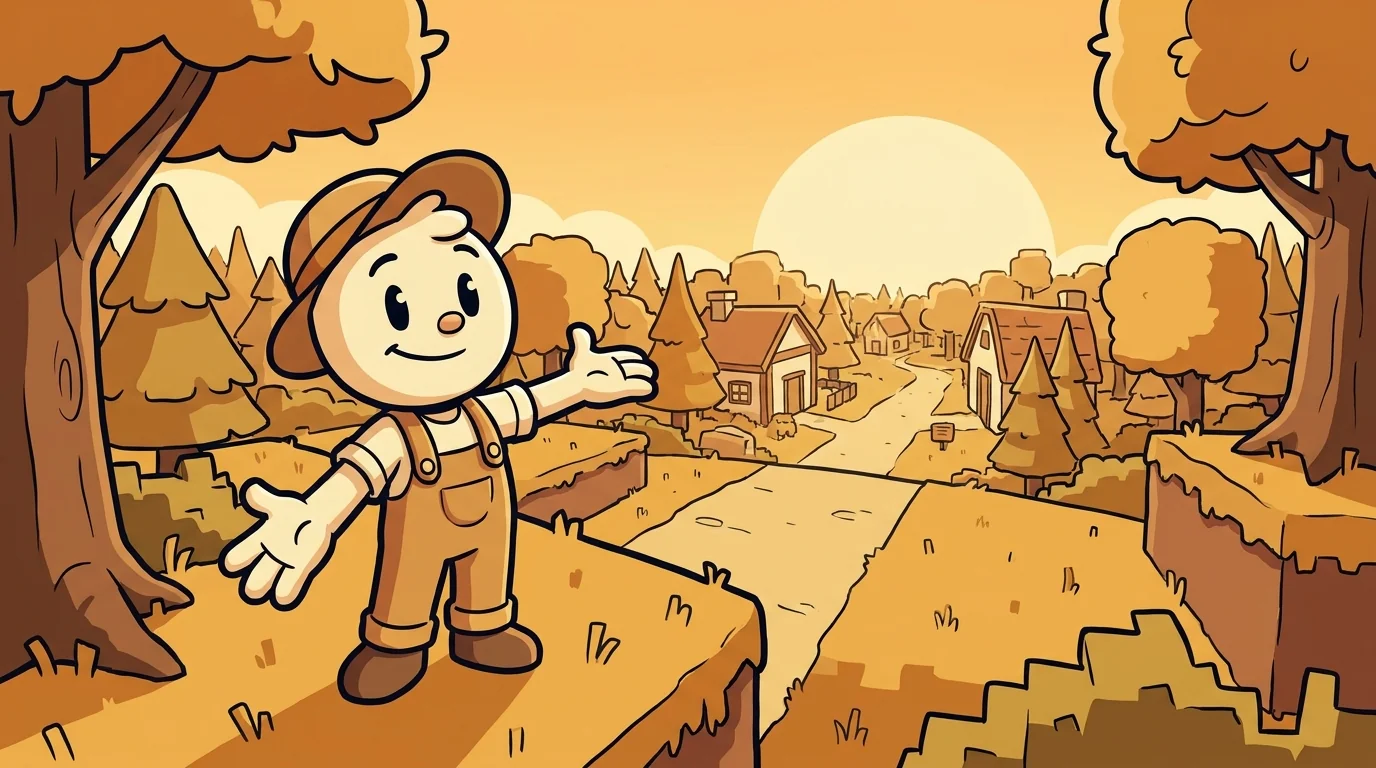
Stake
what's at stake in deploying AI; people choosing, not rules-from-the-sky. Recognizing that every AI deployment is a human choice with human stakes.
AiForge Audio
-

Sure
*a model doesn't just answer; it reports how sure it is.* The AI-literacy primitive of *confidence* — reading a model's answer as a probability ("70% cat"), and treating a low-confidence answer as a signal to slow down and check rather than a verdict to trust.
AiForge
-
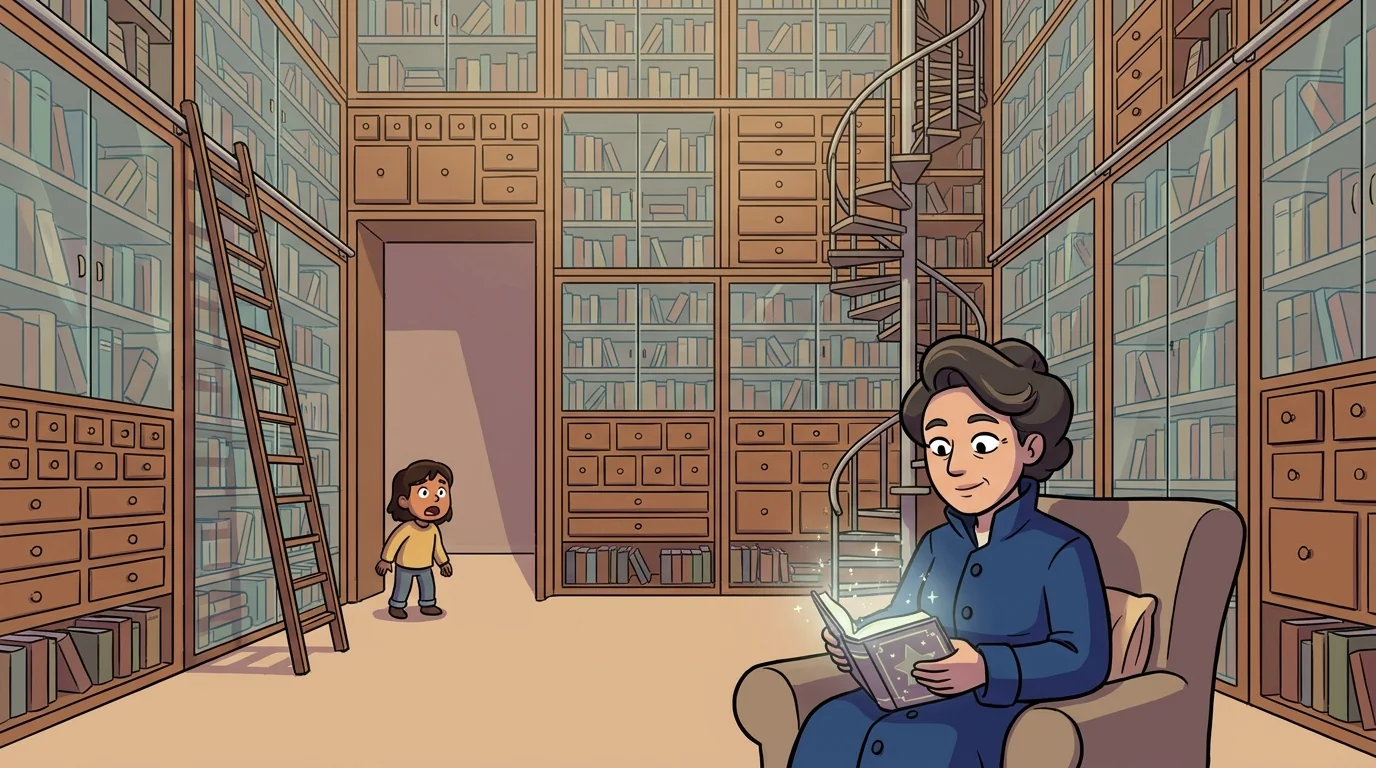
Alcuin
picking the next problem at the edge of competence
AlcumusForge Audio
-

Edge Goldi
practicing at the just-right level, a little past easy but not into too-hard
AlcumusForge
-
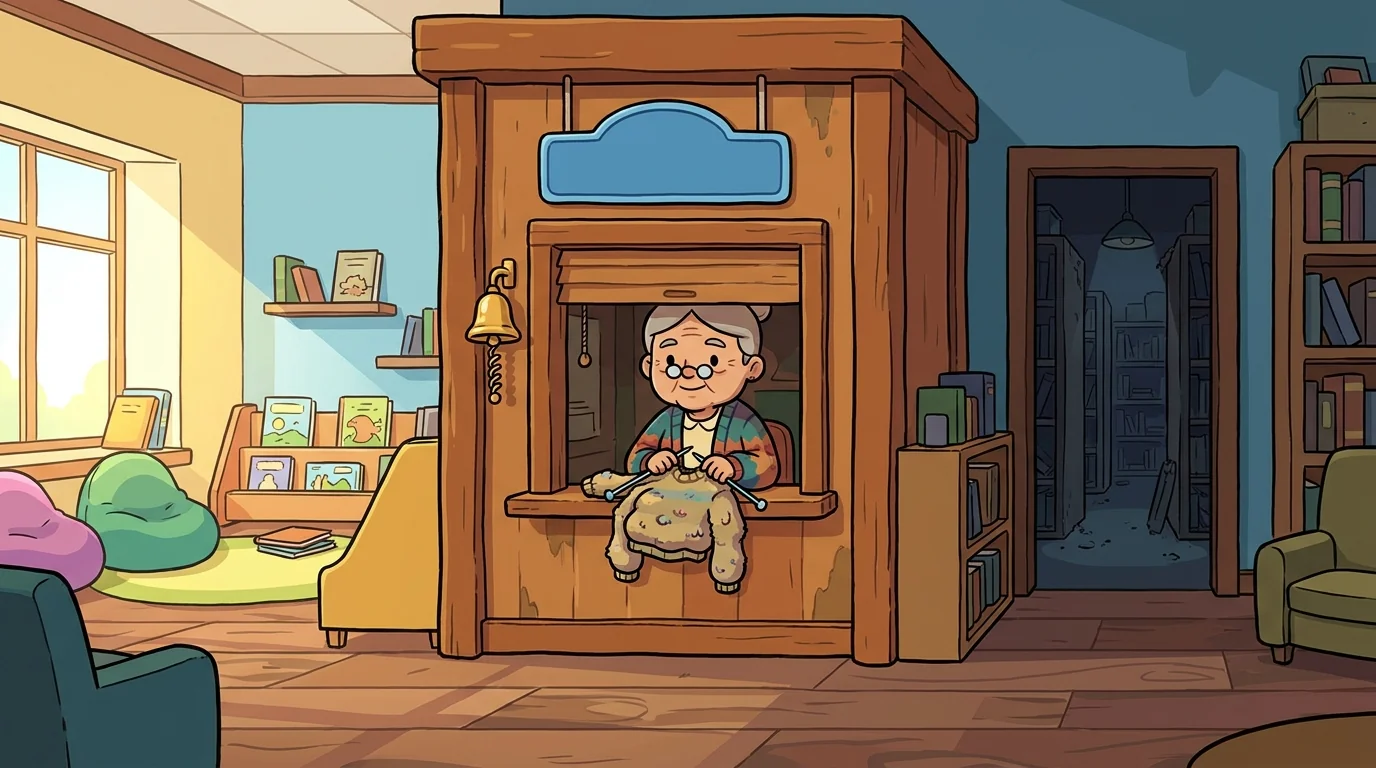
Hint Hertha
hints that are themselves problems
AlcumusForge Audio
-
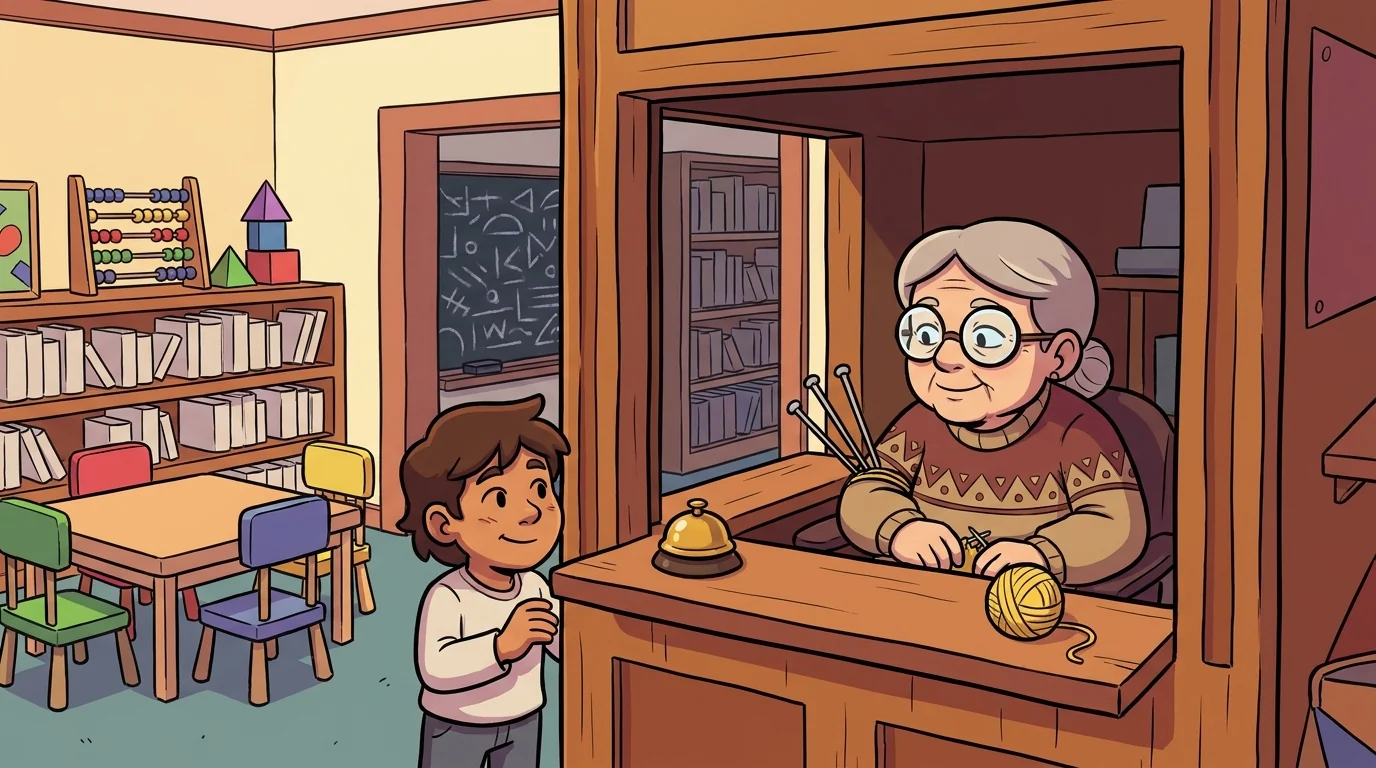
Hint Hertha and Stretch Sage
deep mastery happens when you SHRINK a hard problem to find the meaning AND widen a solved problem to find the structure. Two directions. One discipline.
AlcumusForge Ensemble
-
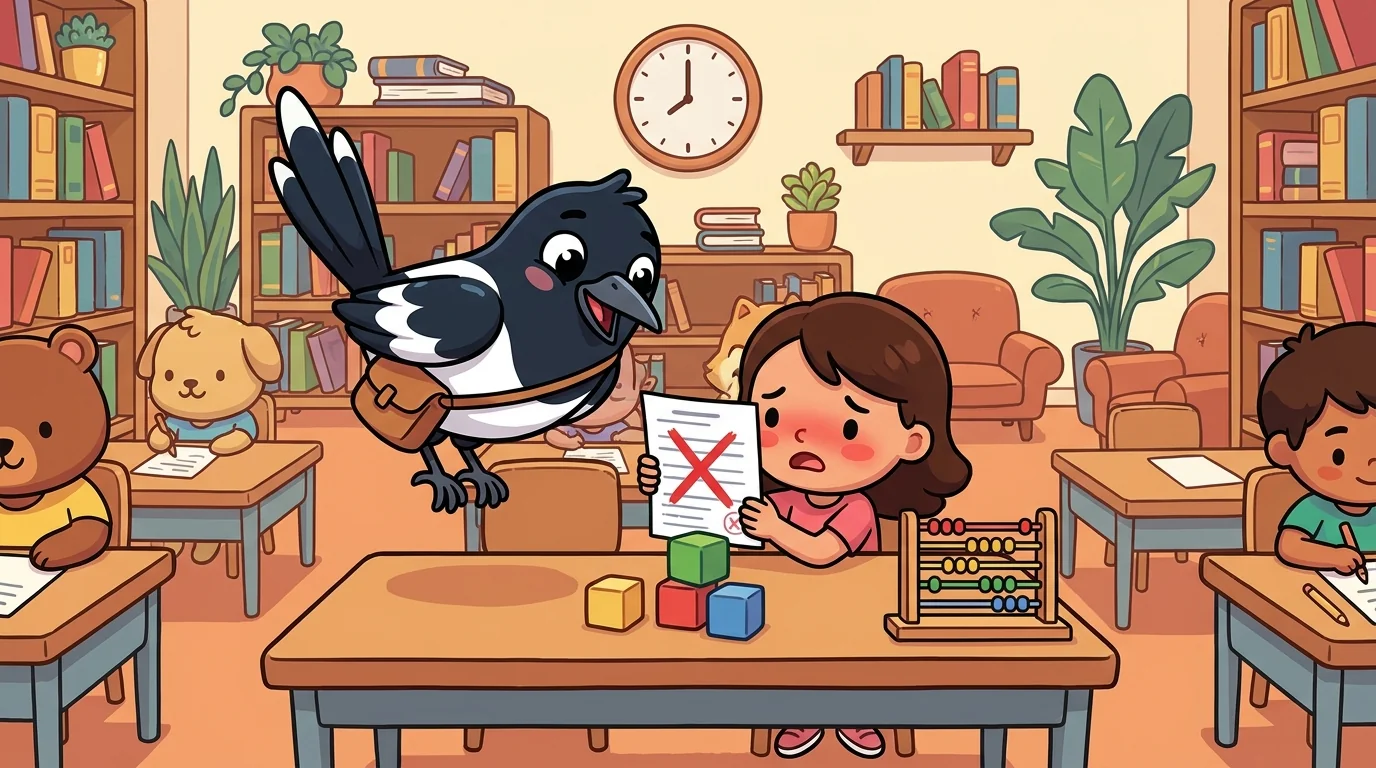
Mistake Mabel
treating each error as a clue that shows exactly what to practice next
AlcumusForge
-
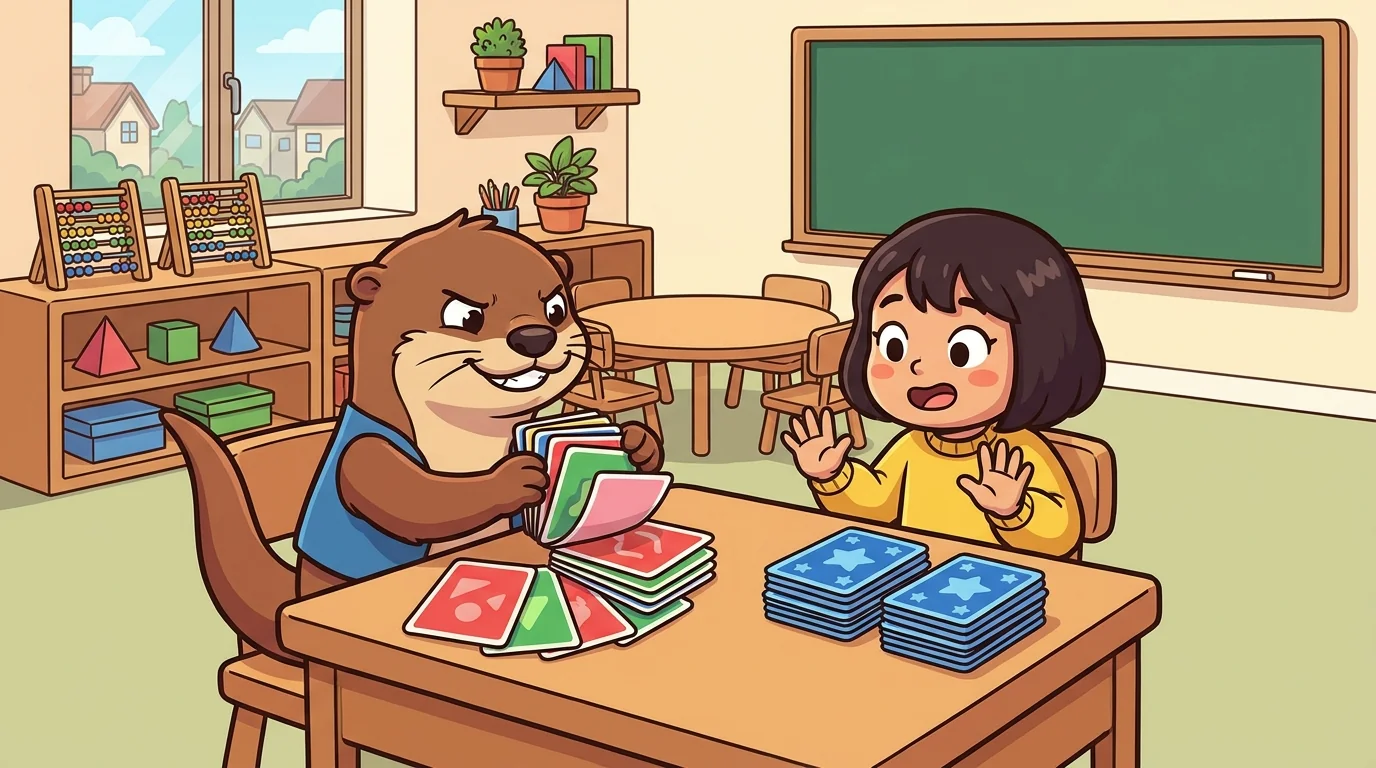
Mix Margo
mixing different kinds of problems together instead of doing many of the same in a row
AlcumusForge
-
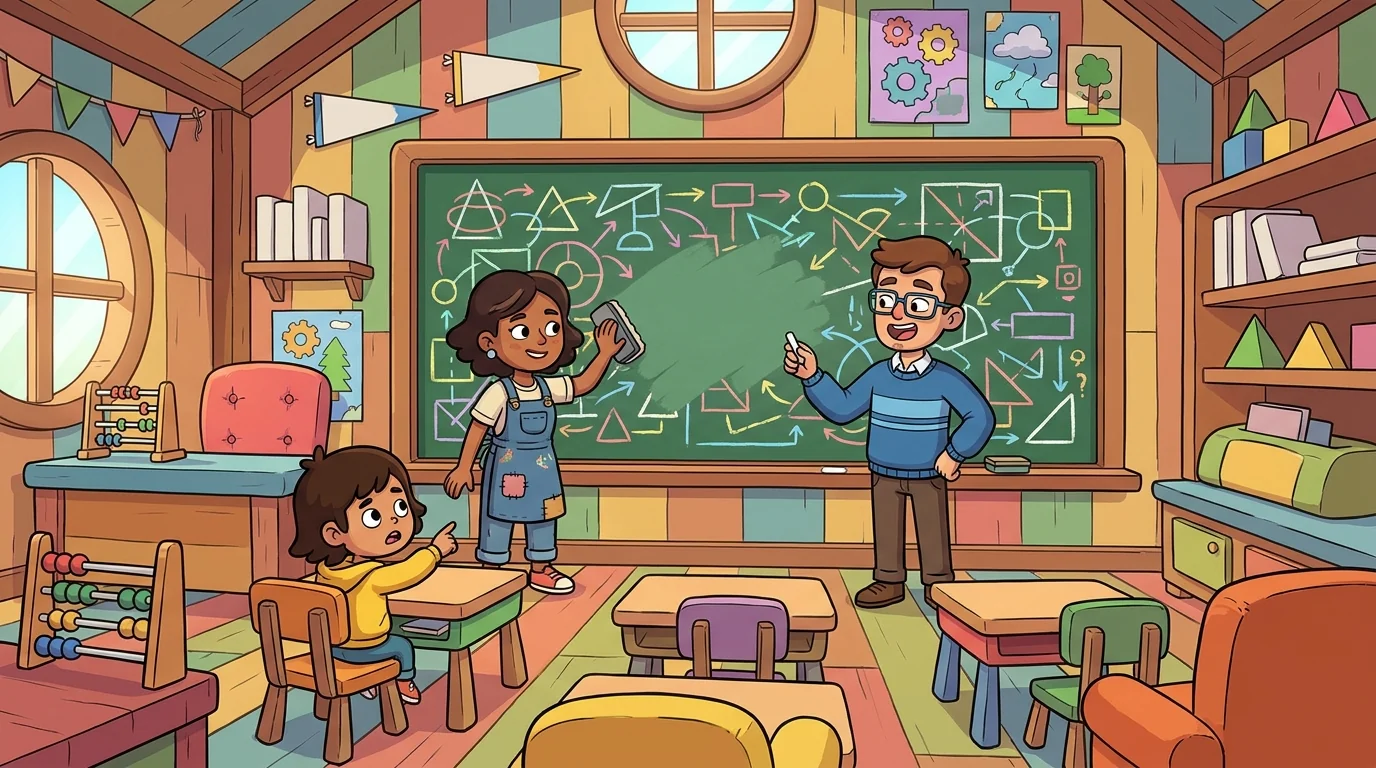
Model Milo and Fade Faye
you learn a hard method fastest by first studying a complete worked example (every step shown), then practicing problems where the support is removed a little at a time (some steps filled in, then fewer, then none) until you can do the whole thing alone. The full model teaches the shape; the fading hands you independence.
AlcumusForge Ensemble
-
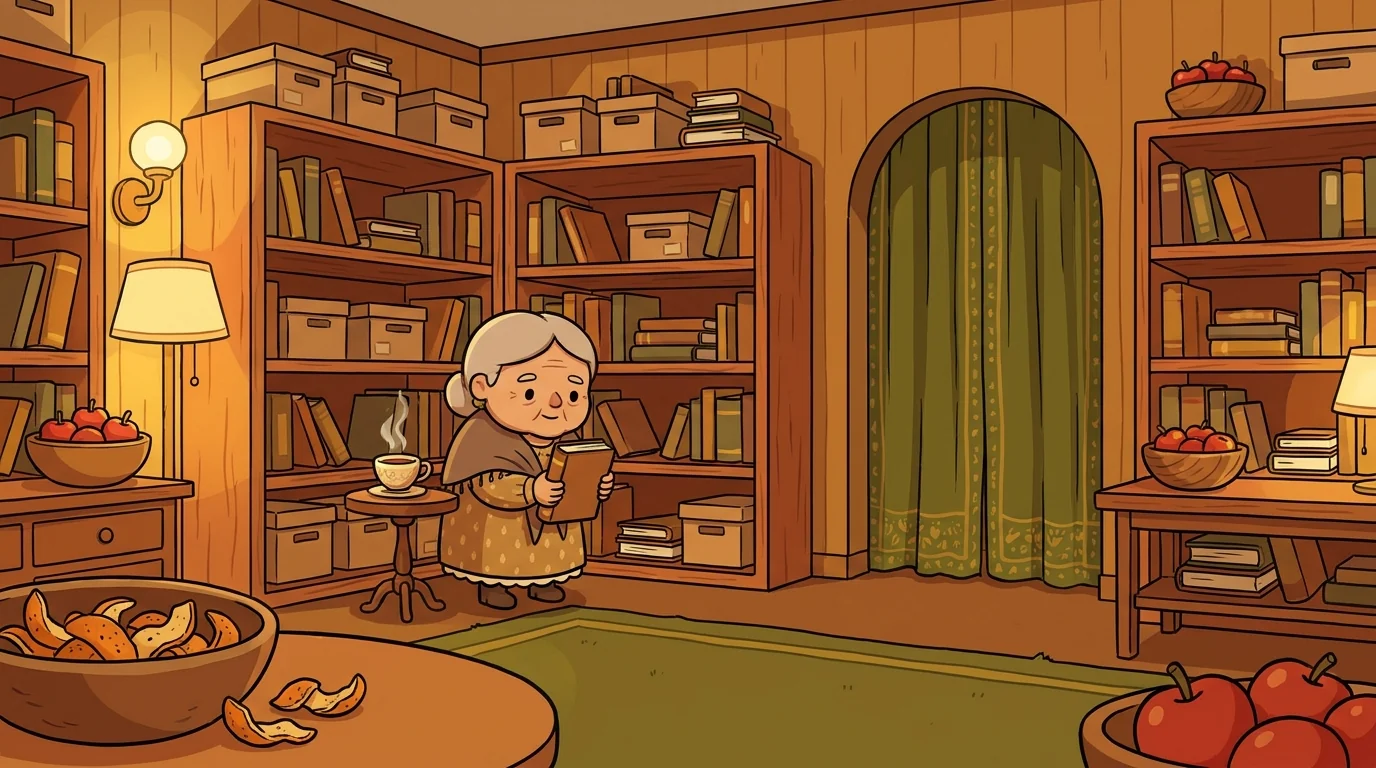
Practice Patience
returning to a problem after a delay
AlcumusForge Audio
-

Recall Remy
closing the book and trying to remember beats reading it again
AlcumusForge
-
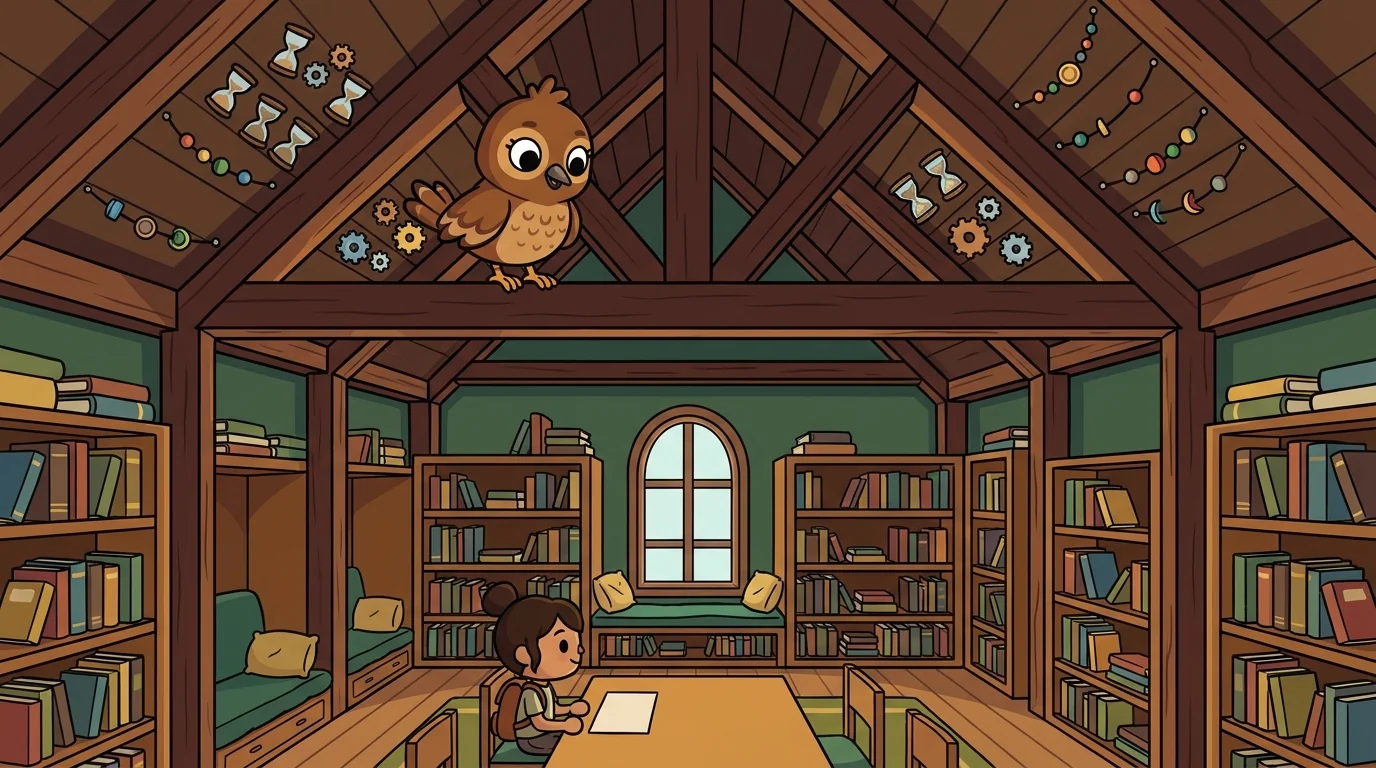
Spacing Wren
bringing a topic back just before you'd forget it, so it sticks for good
AlcumusForge
-

Streak Bear
protecting readers from the rush of consecutive days
AlcumusForge Audio
-
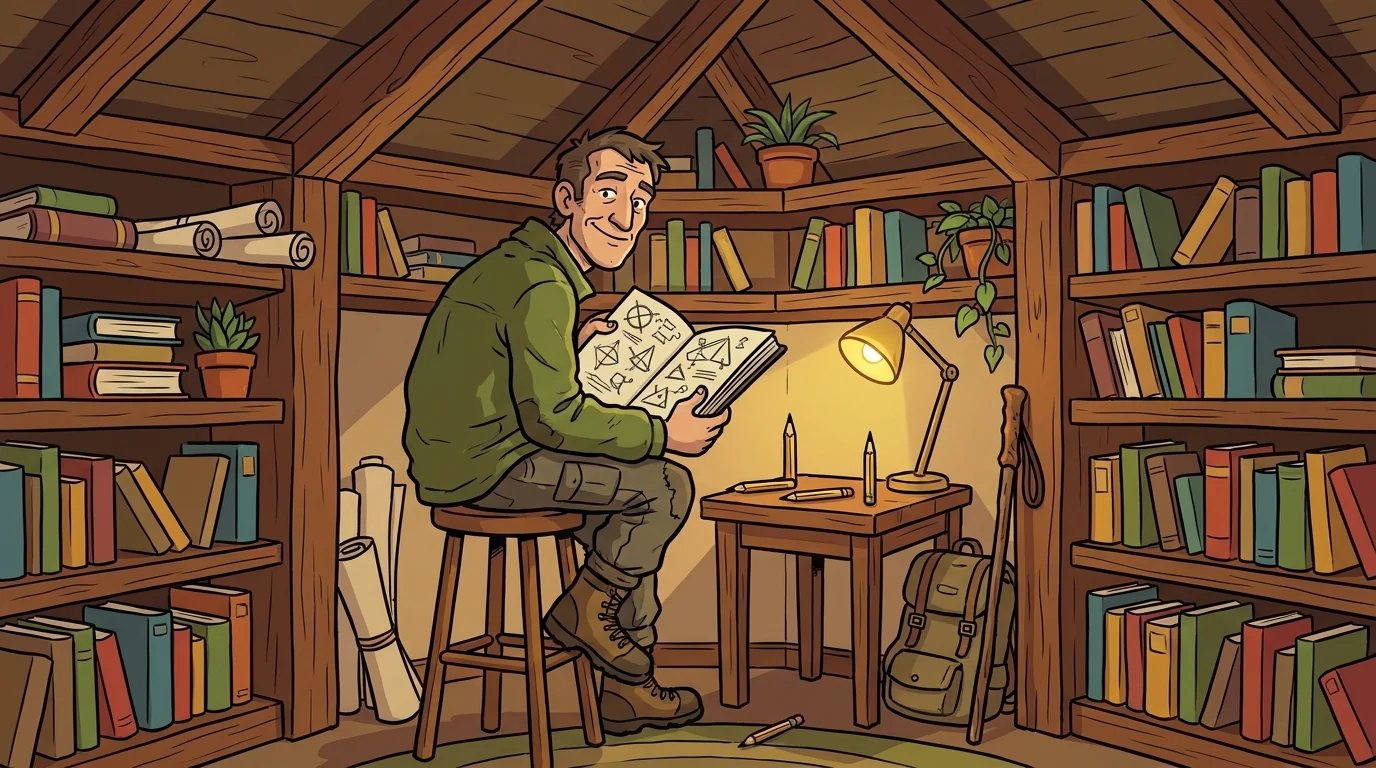
Stretch Sage
harder variants of problems already passed
AlcumusForge Audio
-
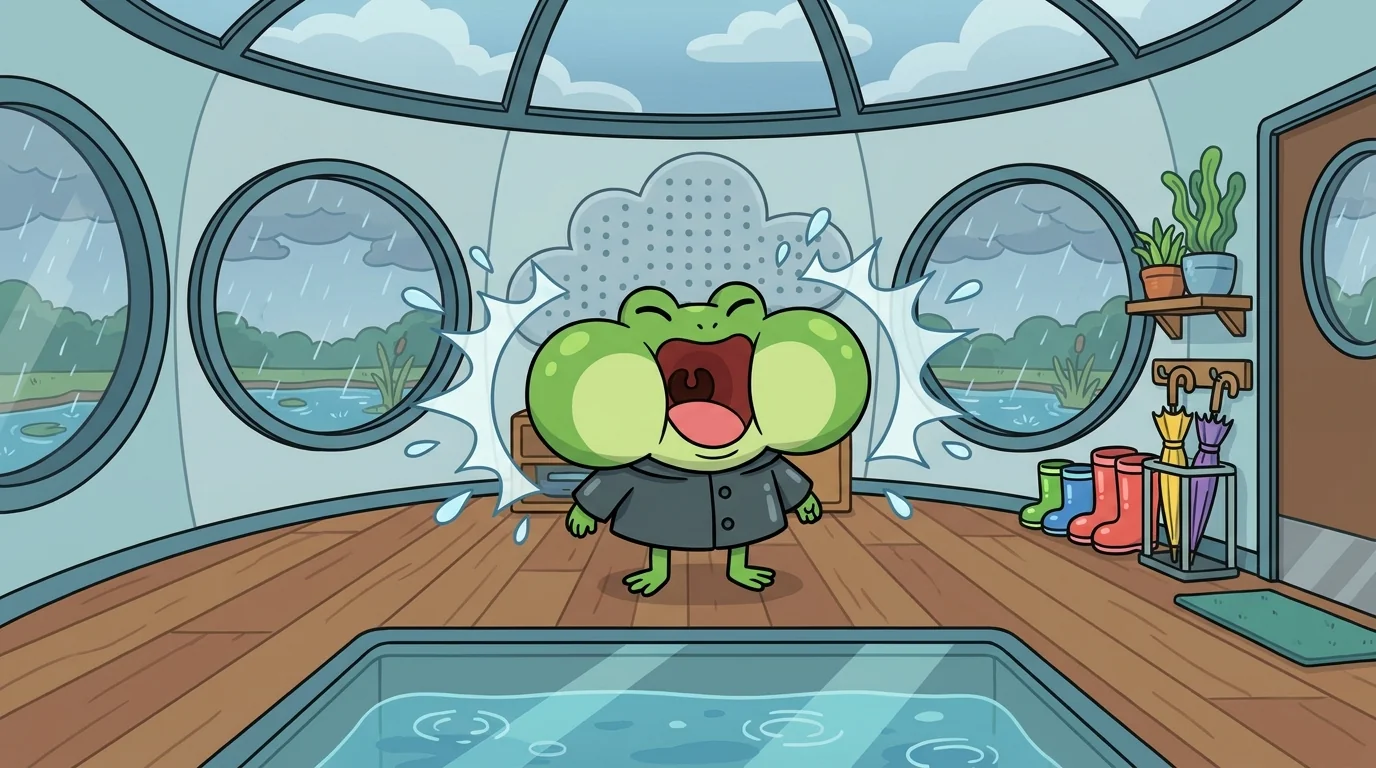
Crest
*dynamics. swelling loud and easing soft. shaping the volume of a sound over time so music has waves instead of a flat wall.*
BeatForge
-
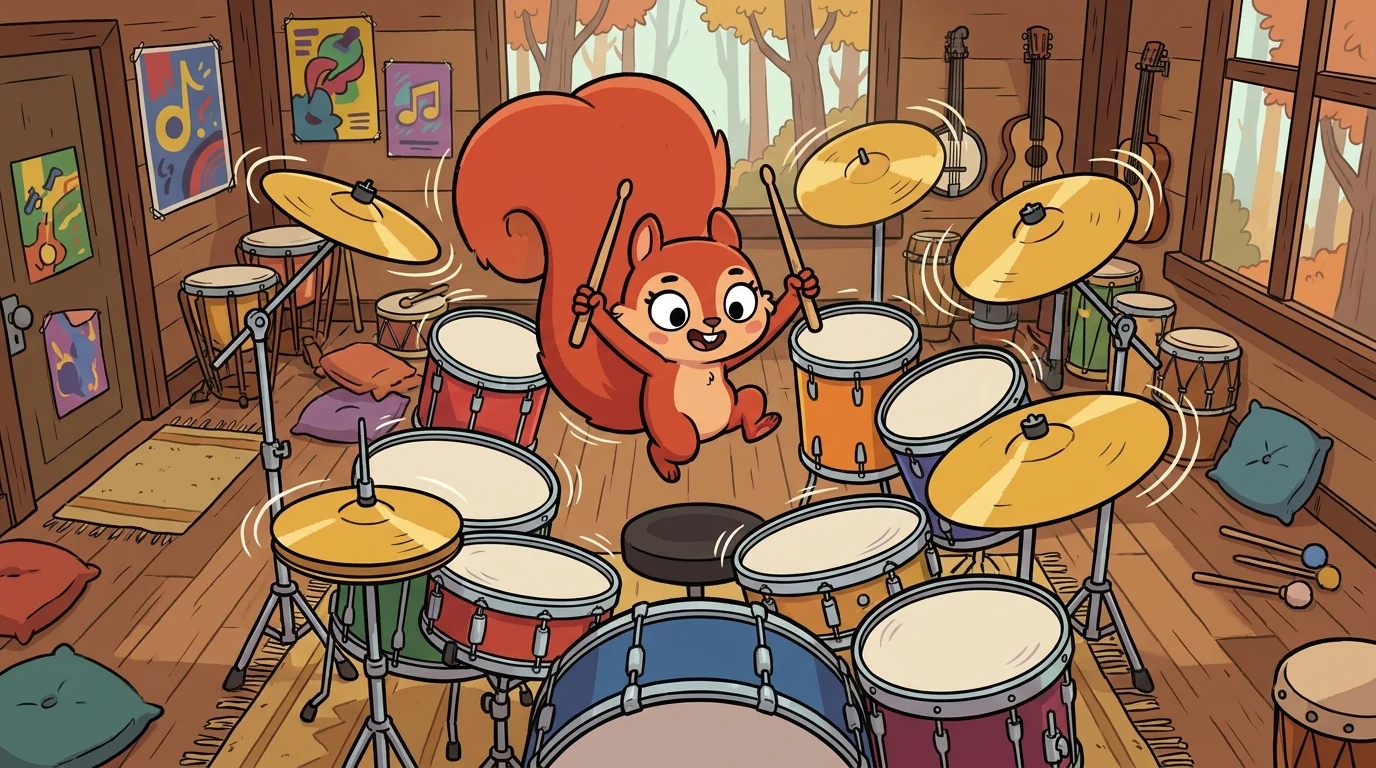
Flurry
*the fill. the quick burst of notes a drummer plays to carry a song across the turn from one section into the next. the musical doorway between two rooms.*
BeatForge
-
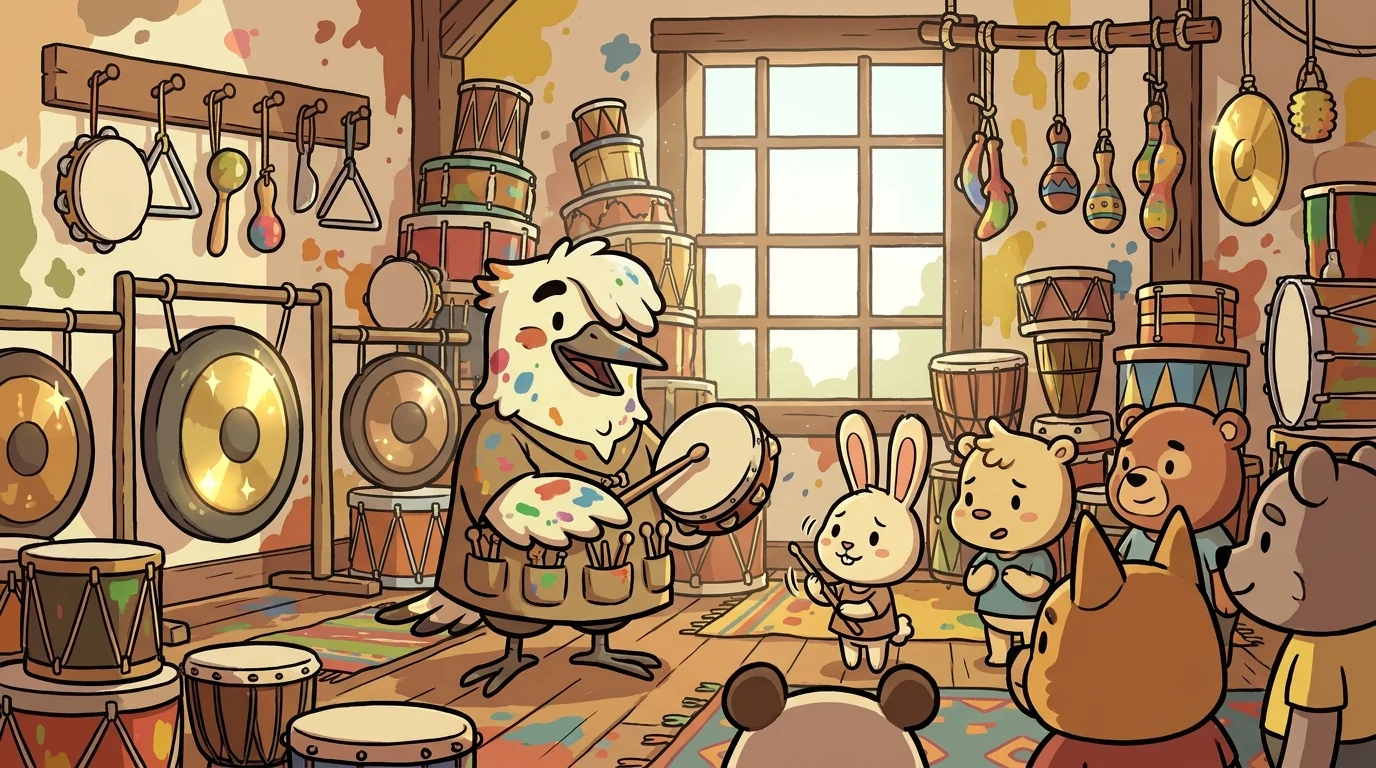
Hammer
*emphasis on specific beats. downbeat, backbeat, polyrhythmic emphasis.*
BeatForge Audio
-
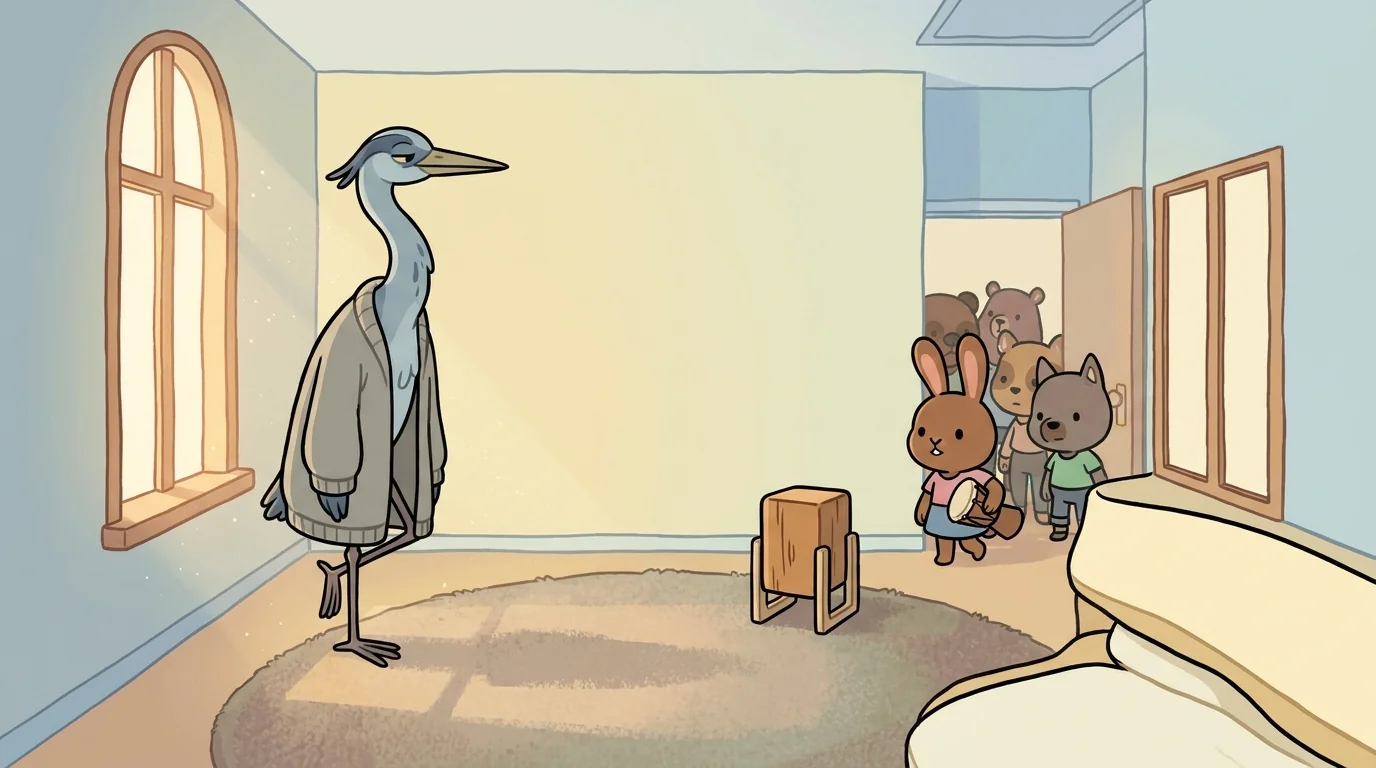
Lull
*the rest. the beat you don't play. silence as part of the music, not the absence of it.*
BeatForge
-
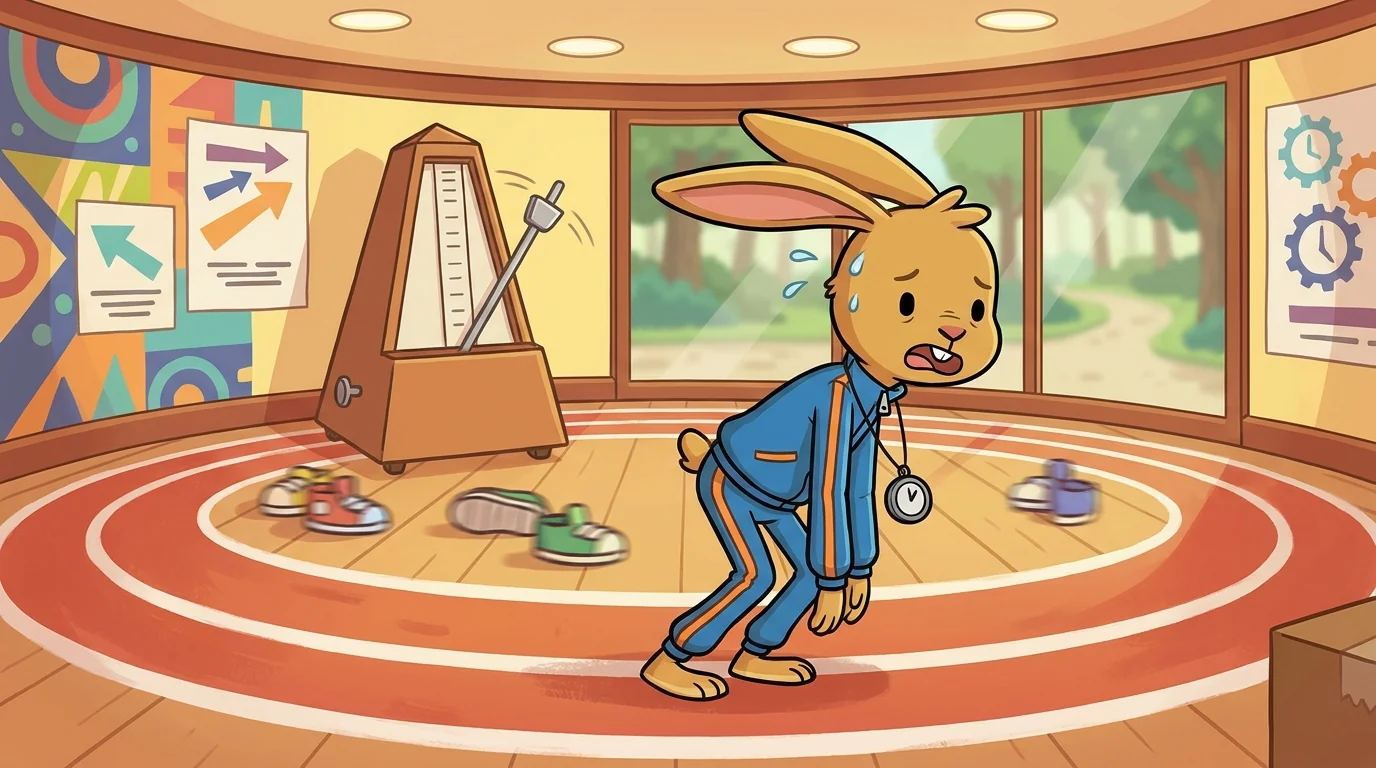
Rush
*tempo. how fast the pulse runs. speeding up (accelerando) and slowing down (ritardando) to steer a song's whole feeling.*
BeatForge
-
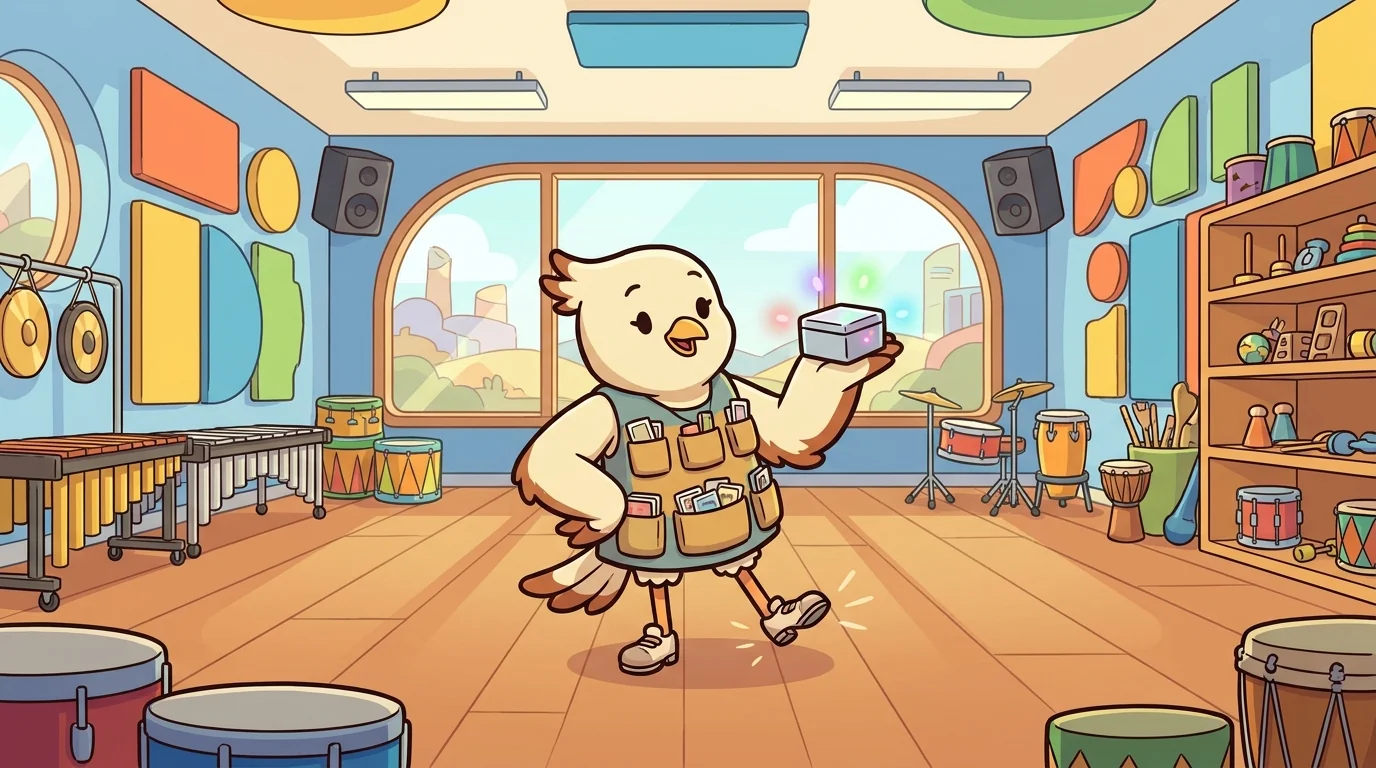
Snap
*split the beat into equal smaller parts. eighths, sixteenths, triplets.*
BeatForge Audio
-
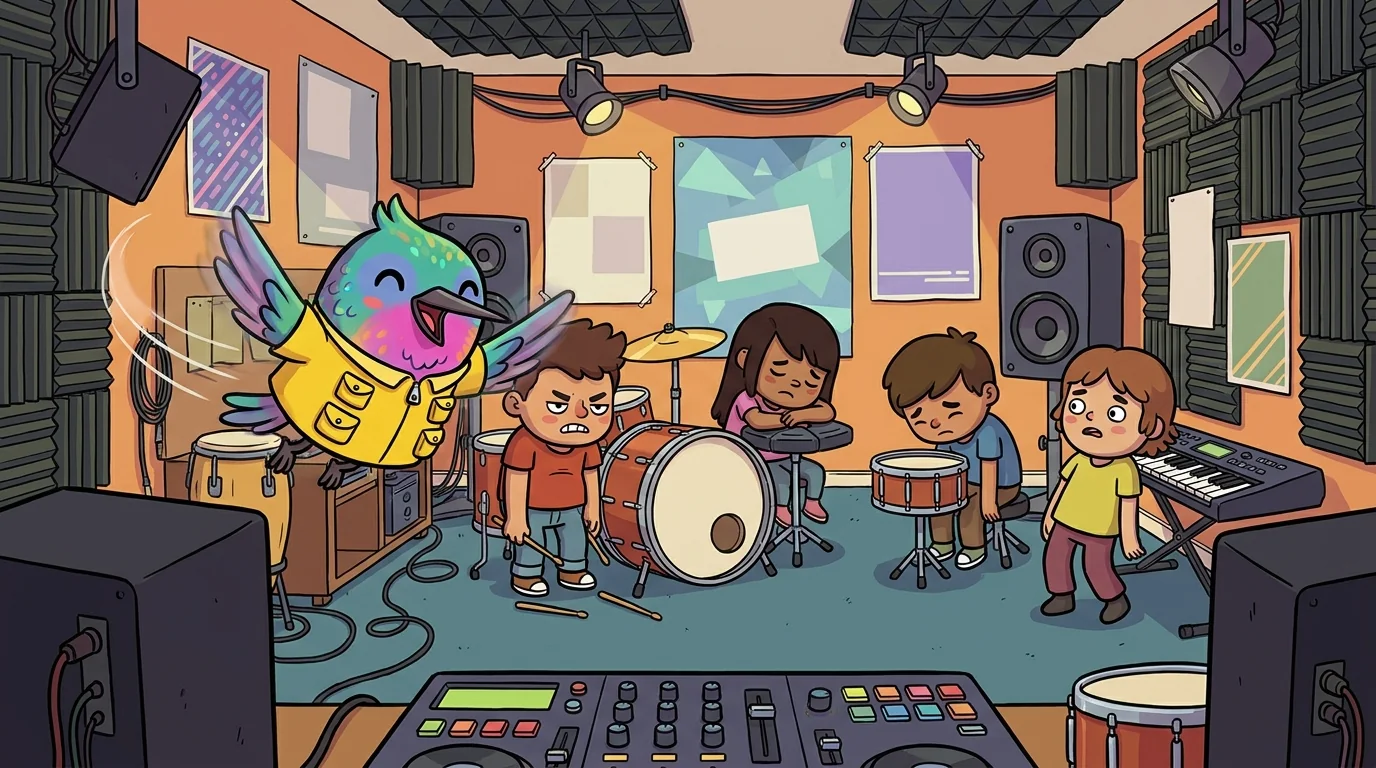
Spin
*pulse + subdivision + accent + syncopation cohere = groove.*
BeatForge Audio
-
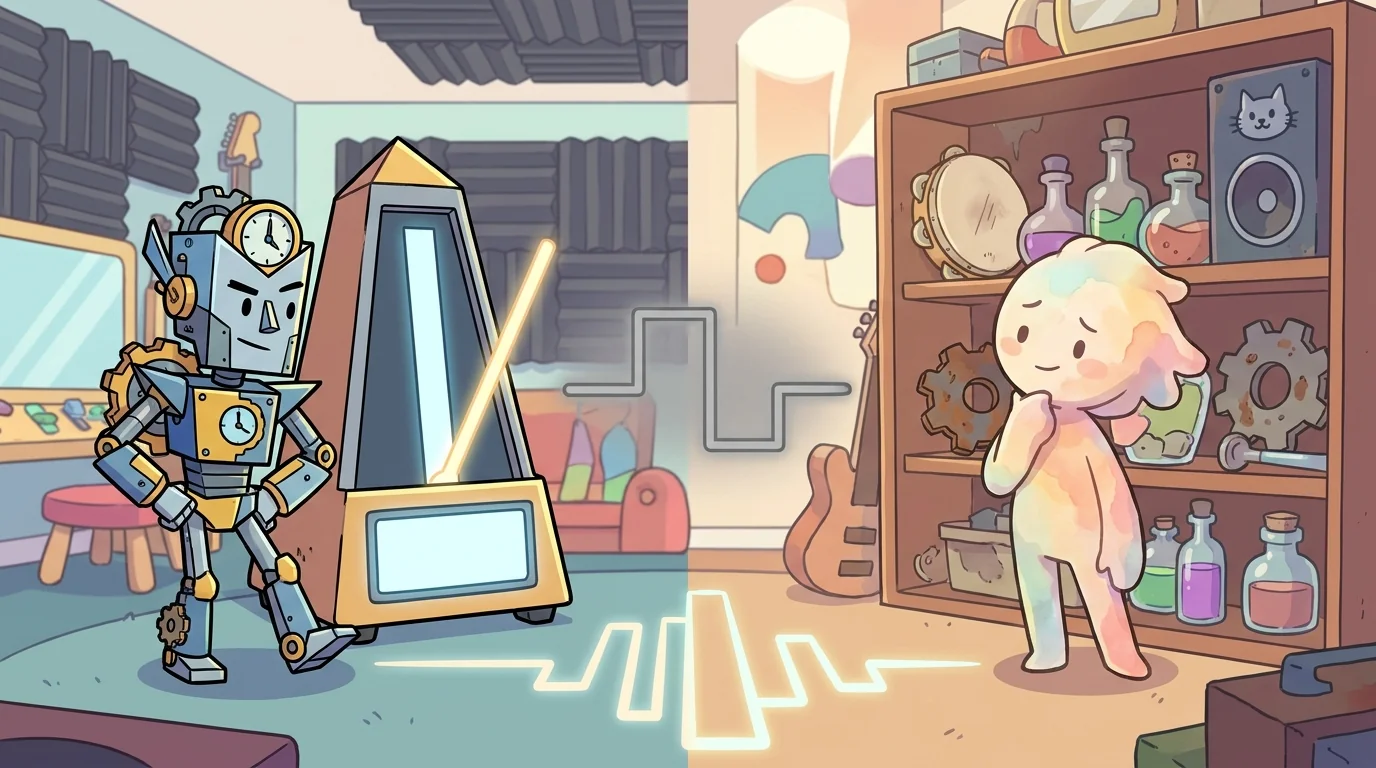
Tempo and Tone
Tempo is speed (BPM, pulse, push and pull of time). Tone is timbre (which instrument, which sound color, which feel). Together they teach that a song has both how-fast and what-it-sounds-like.
BeatForge Ensemble
-
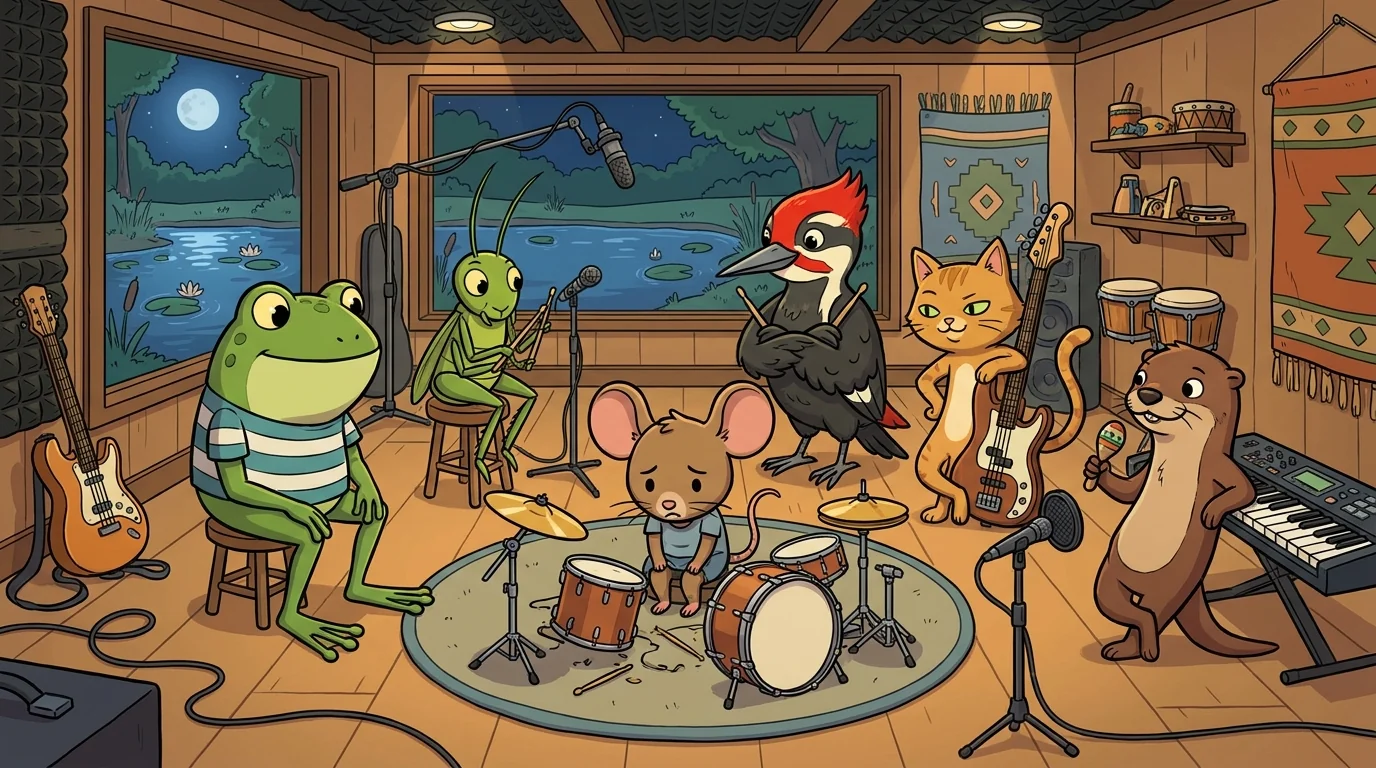
The Jam
*the rhythm section locking in. a groove is not one player being clever; it is pulse, subdivision, accent, and syncopation all agreeing at once.*
BeatForge Ensemble
-
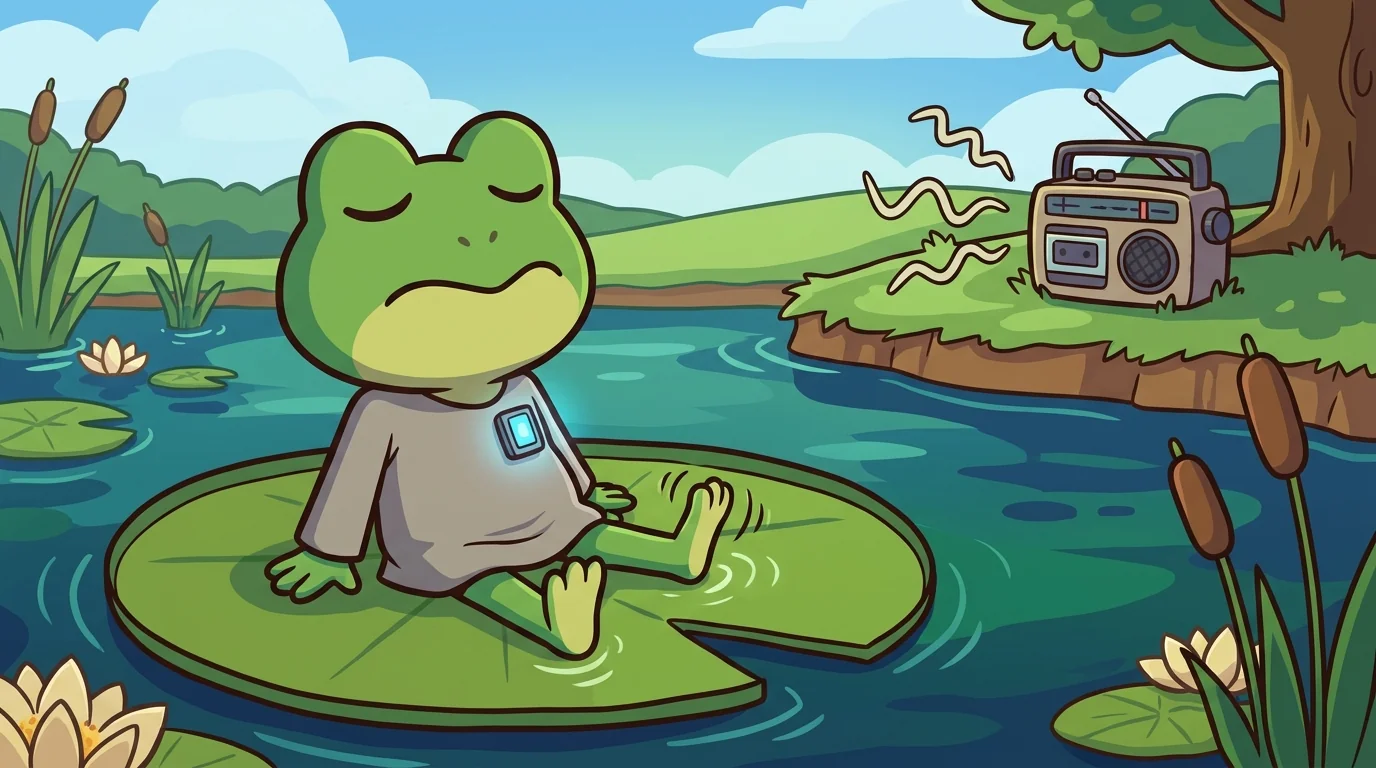
Throb
the steady pulse. every other rhythm hangs from this clock.
BeatForge Audio
-
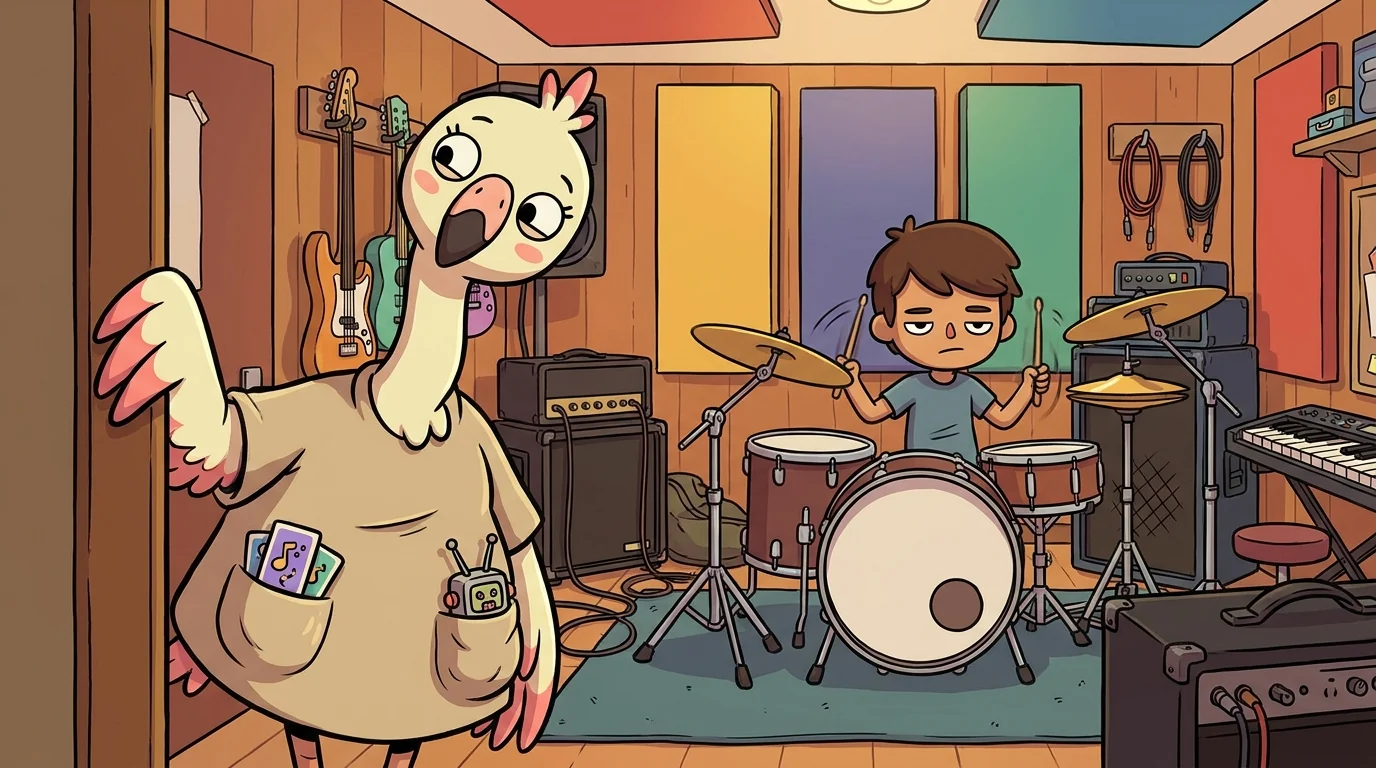
Tilt
weight off the expected beat. pull + forward motion.
BeatForge Audio
-
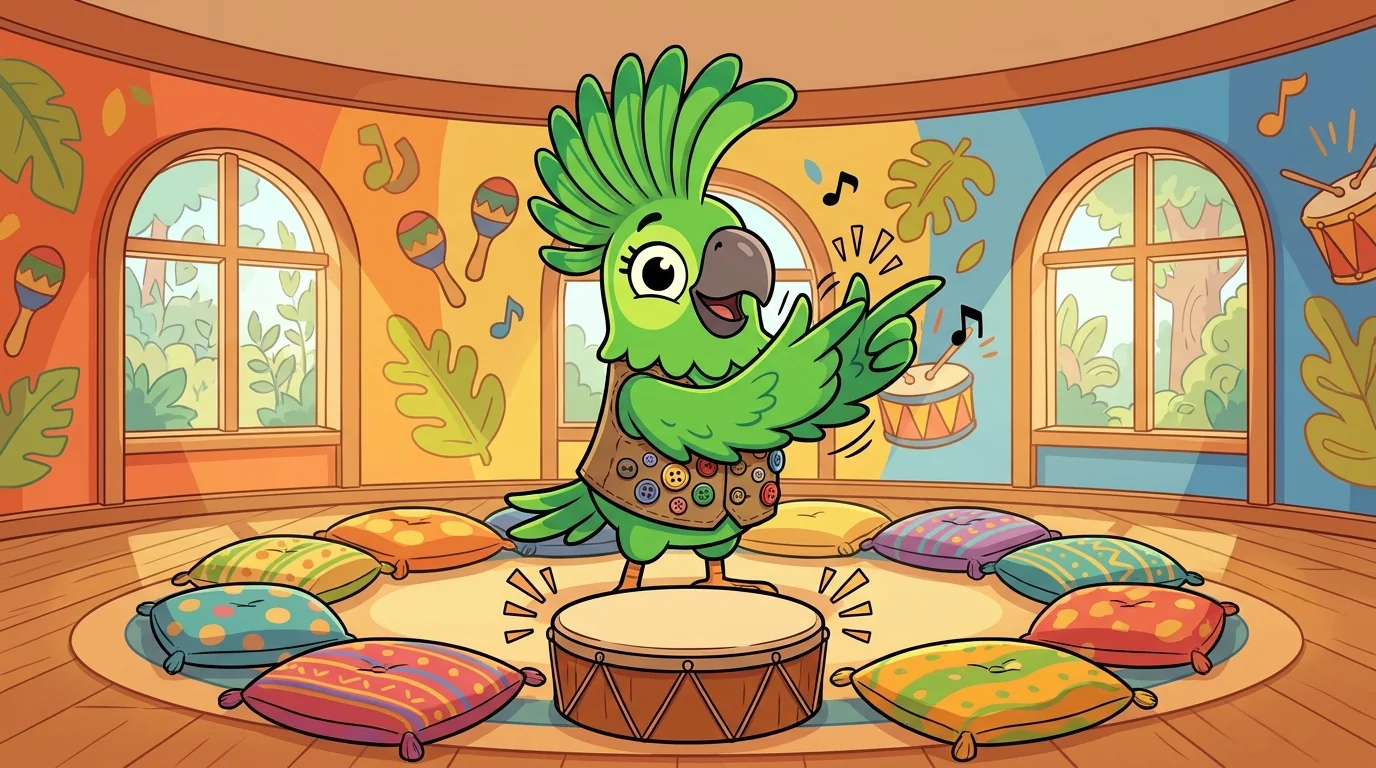
Volley
*call-and-response. one player plays a phrase; the others answer it back. music as a conversation traded around a circle.*
BeatForge
-
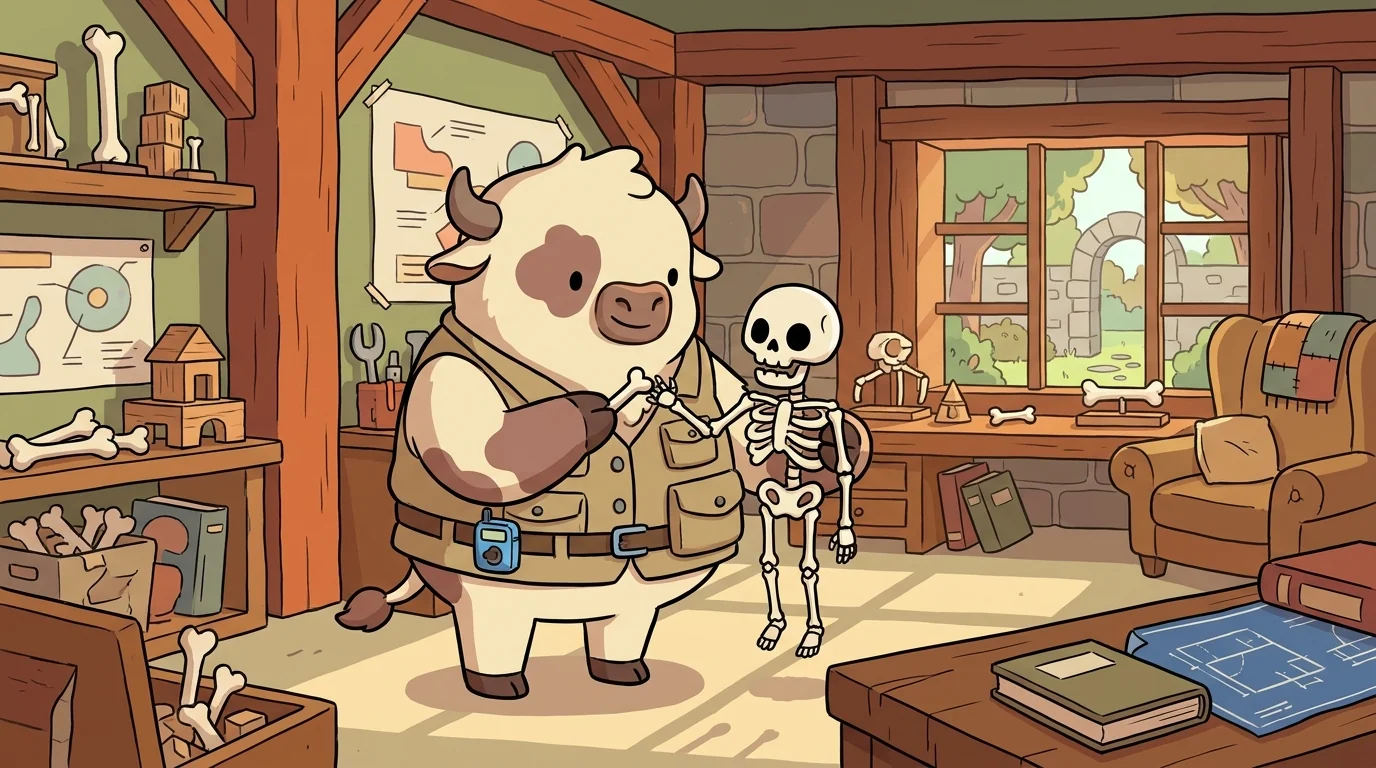
Beam
*bones support, protect, lever. structure that lasts.*
BioForge Audio
-
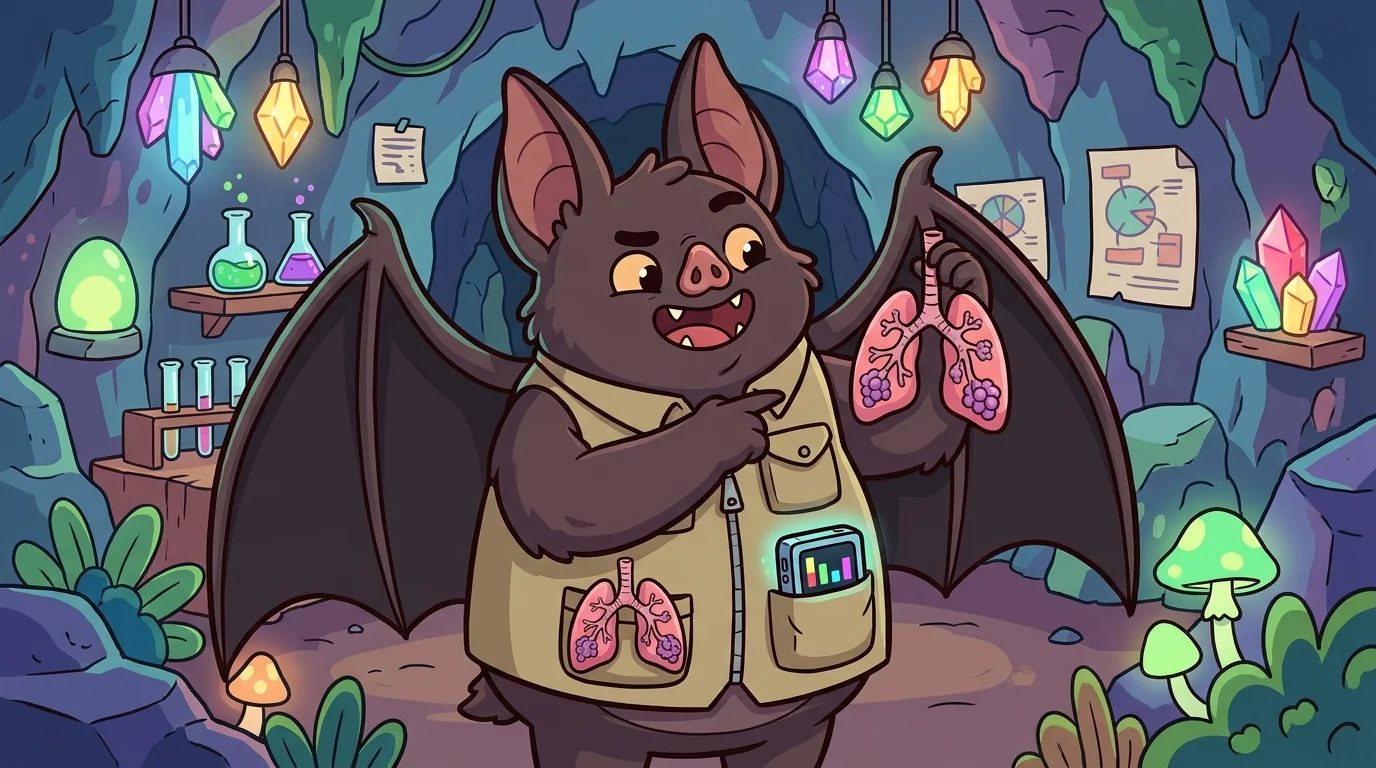
Bellows
the lungs exchange gases. oxygen in, carbon dioxide out.
BioForge Audio
-

Courier
*the body sends slow chemical messages.* Glands release hormones into the blood that travel everywhere and tell faraway parts what to do — grow, rest, fuel up. Slow chemical mail, not the fast electrical signals of the nervous system.
BioForge
-
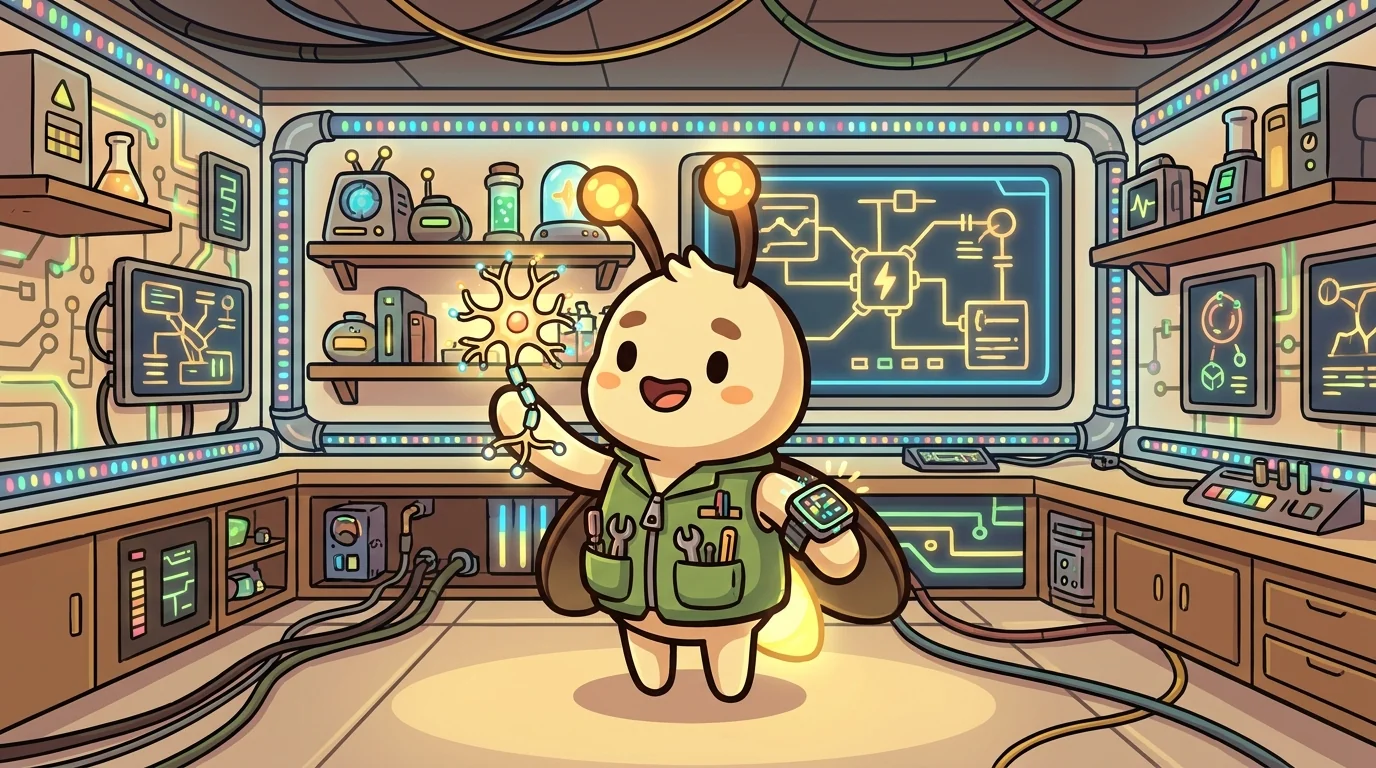
Flicker
signals travel at lightning speed. nerves carry messages.
BioForge Audio
-
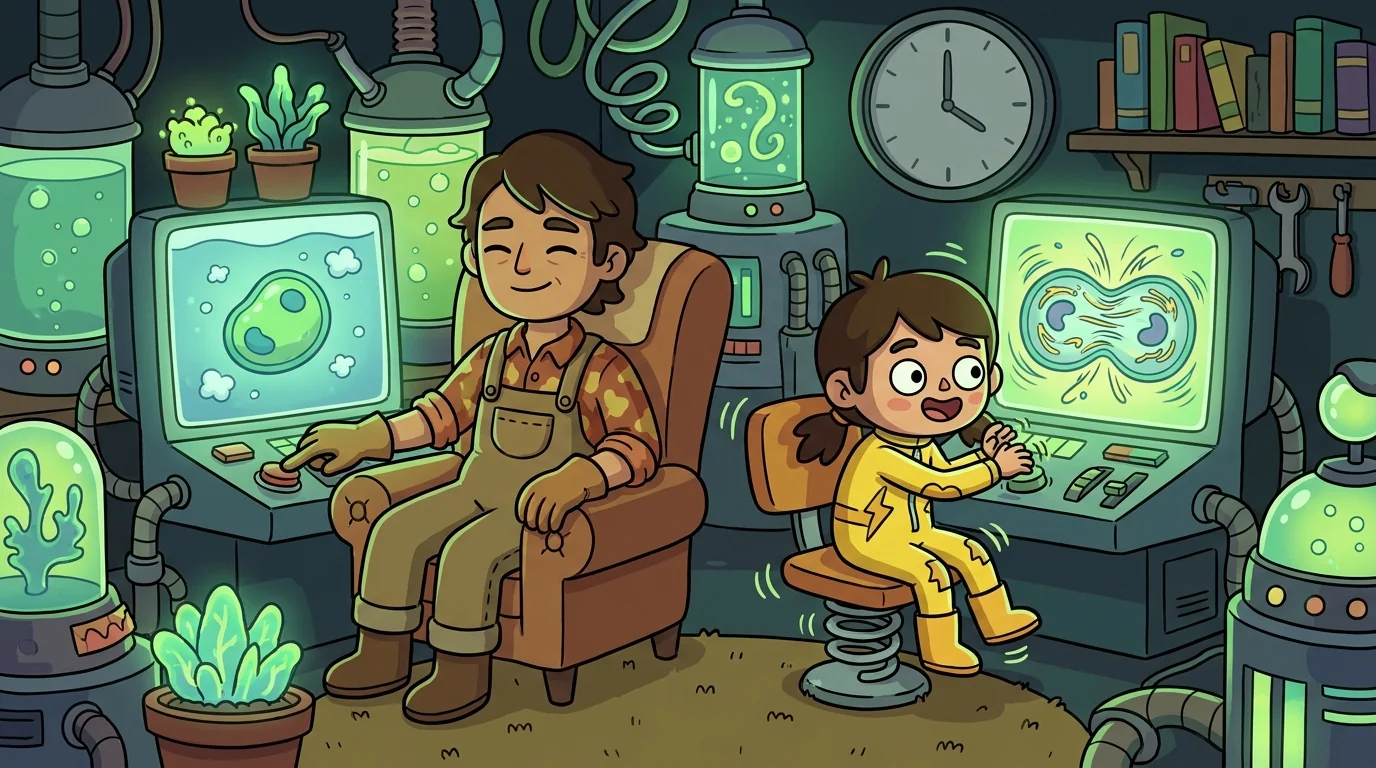
Flicker and Sprout
Flicker is the moment of cell division (the rapid switch of mitosis). Sprout is the period of growth between divisions (interphase: G1, S, G2). Together they teach the rhythm of every multi-cellular life.
BioForge Ensemble
-

Mantle
*skin is the body's living wall.* It keeps the outside out and the inside in, holds your temperature steady, feels the world by touch, and heals itself when it tears. The body's largest organ, wrapped around everything you are.
BioForge
-
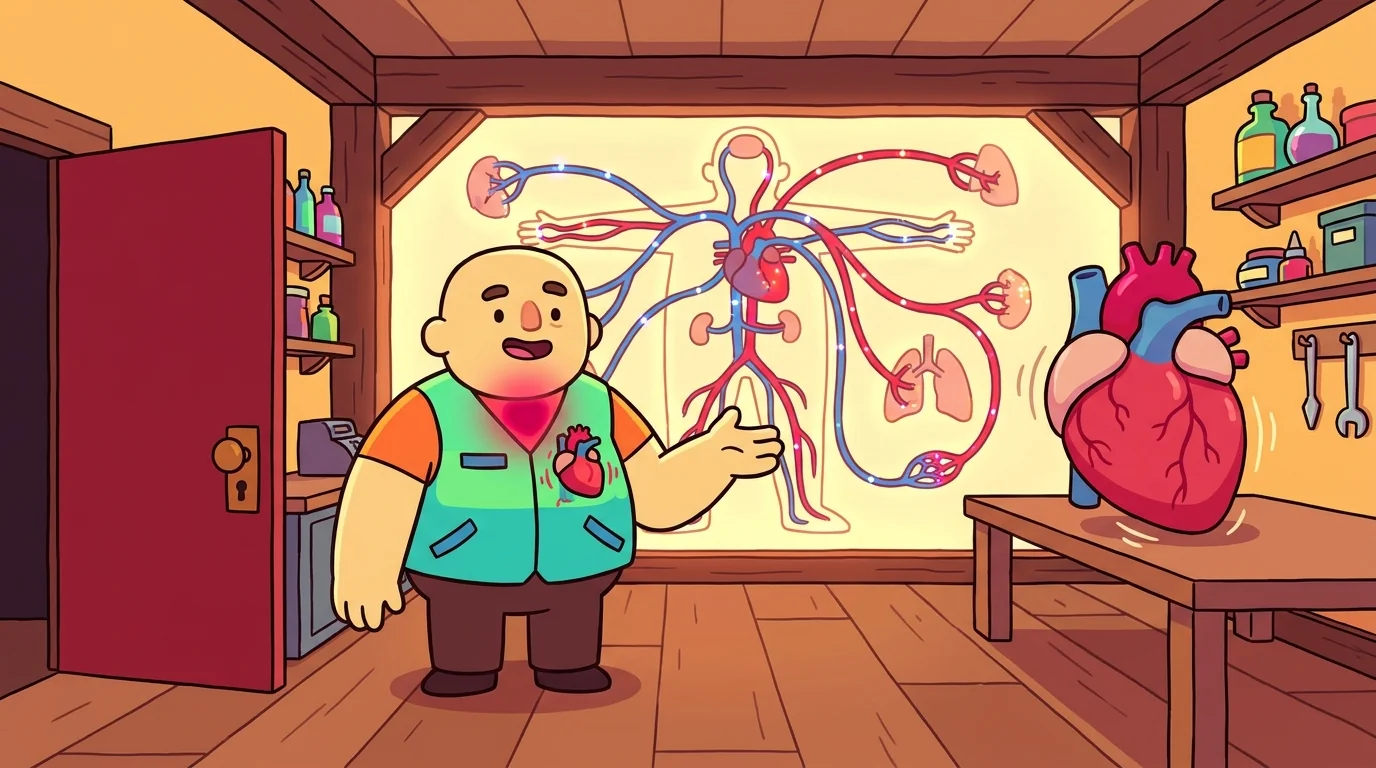
Pump
the heart moves blood to every cell. circulation is delivery.
BioForge Audio
-
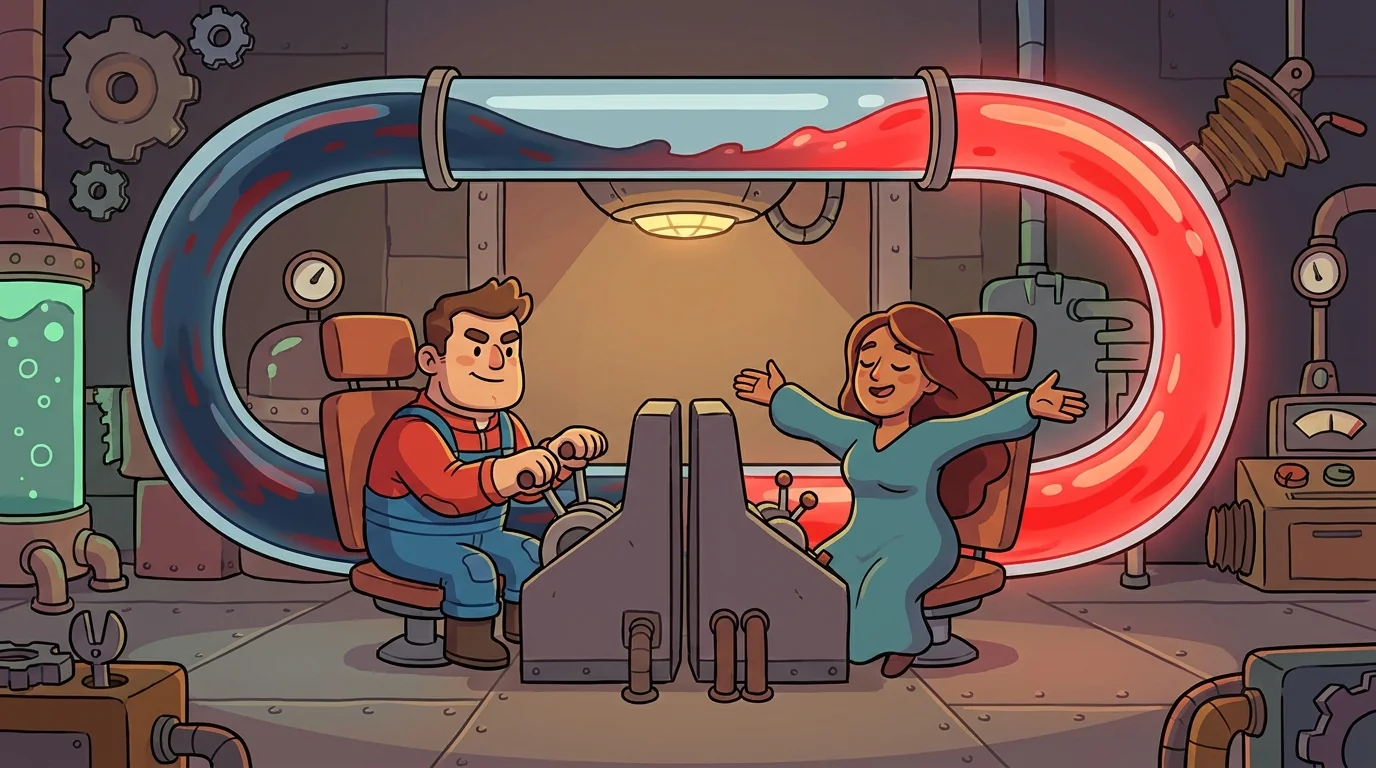
Pump and Bellows
the heart and lungs work as one circuit. Tired blood goes from heart to lungs, drops off carbon dioxide, picks up oxygen, and rides the heart back out to the body. Gas exchange only reaches your cells because the two partners hand blood back and forth without stopping.
BioForge Ensemble
-
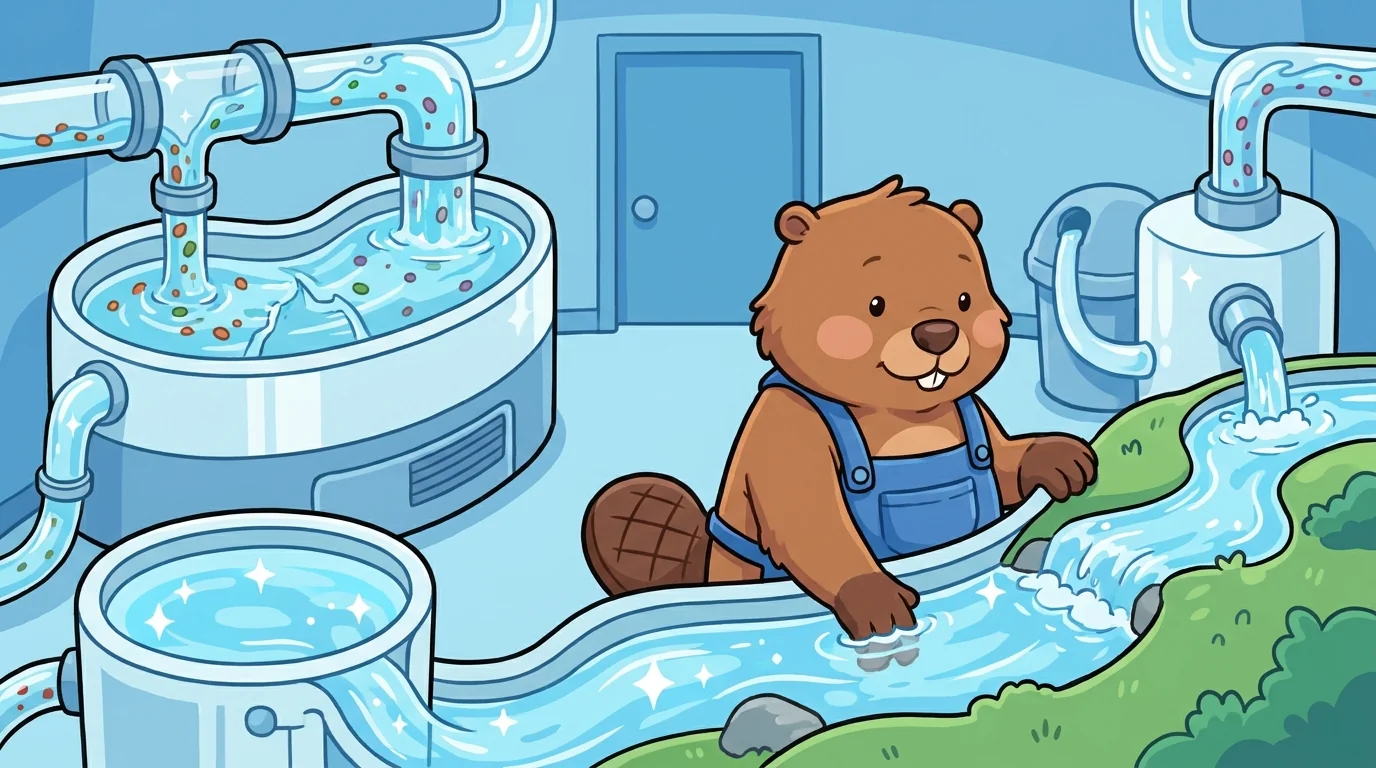
Sieve
the body cleans its own blood. The kidneys filter waste out of the blood, keep the good stuff, and balance the body's water — sieving everything that flows through, all day, to keep the inside clean and steady.
BioForge
-
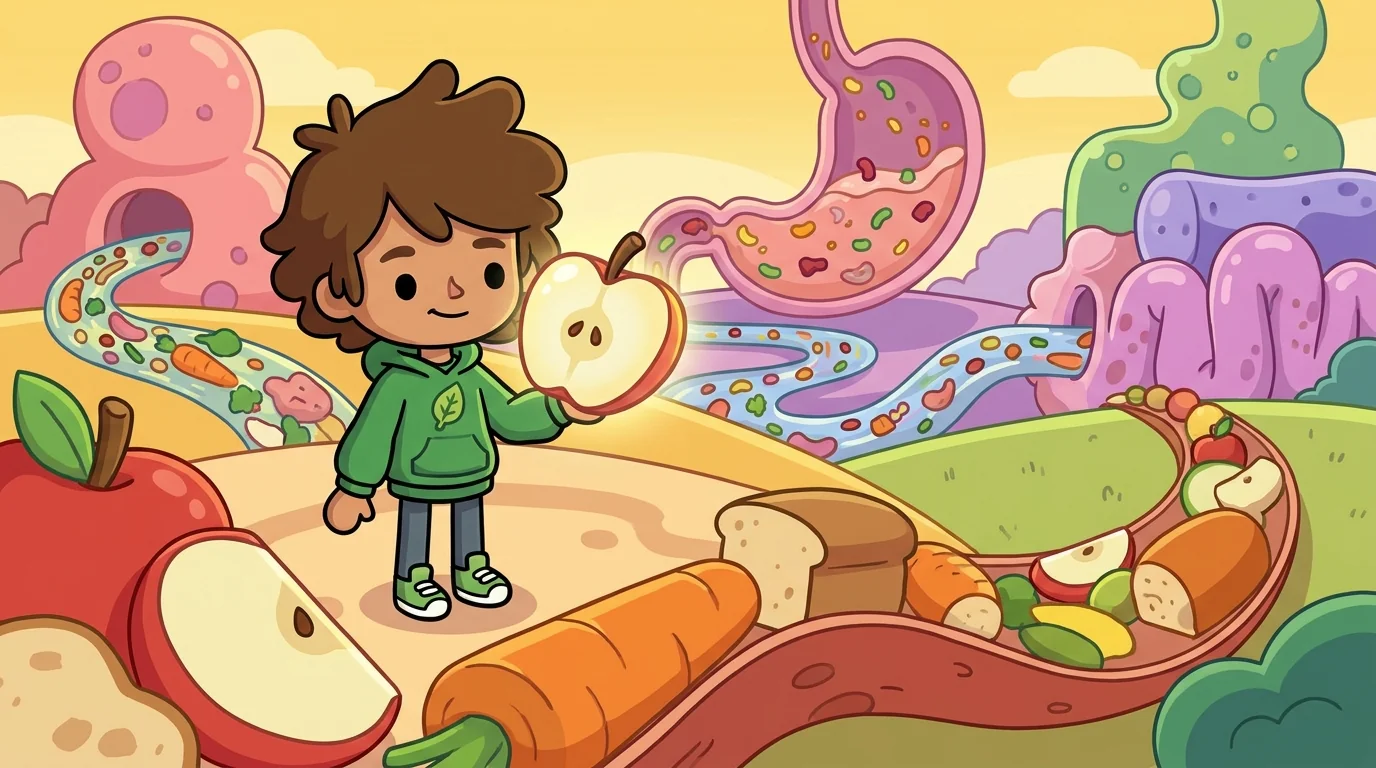
Sprout
food becomes you. digestion converts; absorption distributes.
BioForge Audio
-
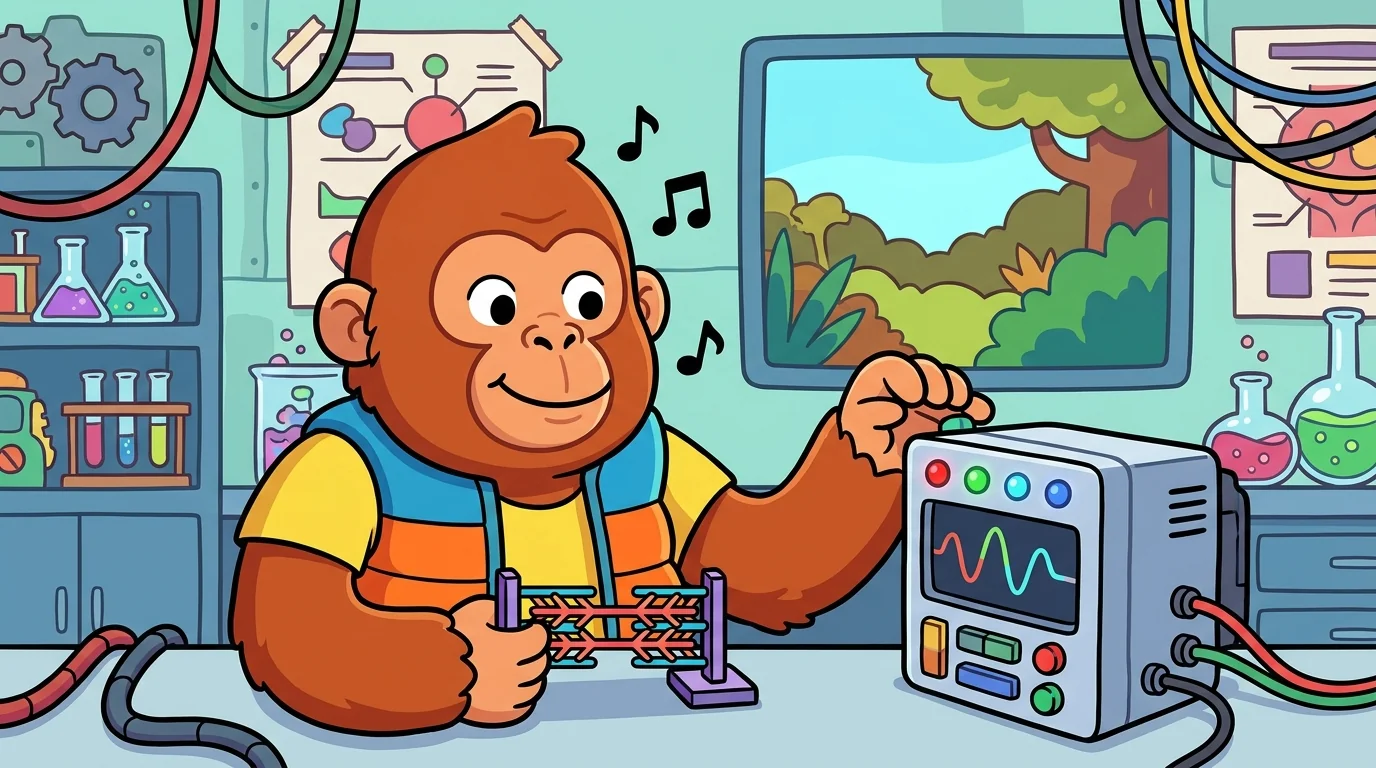
Strand
*muscles contract. force makes movement.*
BioForge Audio
-

Ward
*the body defends itself.* The immune system recognizes invaders, raises an alarm, and sends defenders to fight germs and remember them for next time. Defense, not attack — guarding the home you live in.
BioForge
-
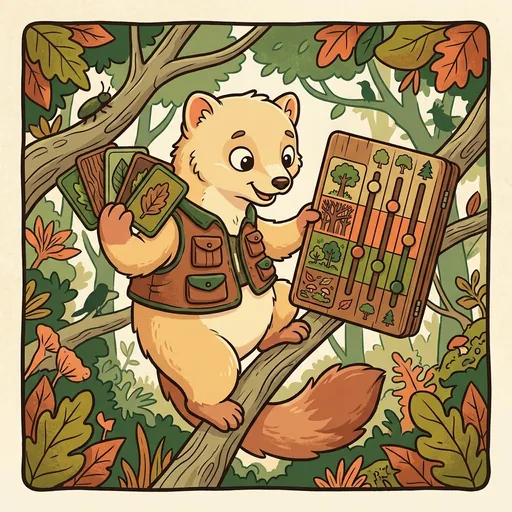
Canopy
*layers of life under leaves.*
BiomeForge Audio
-
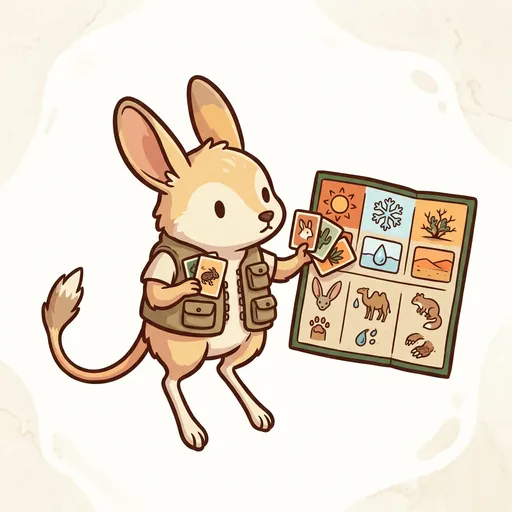
Dune
*life adapts to scarcity. desert is not empty.*
BiomeForge Audio
-
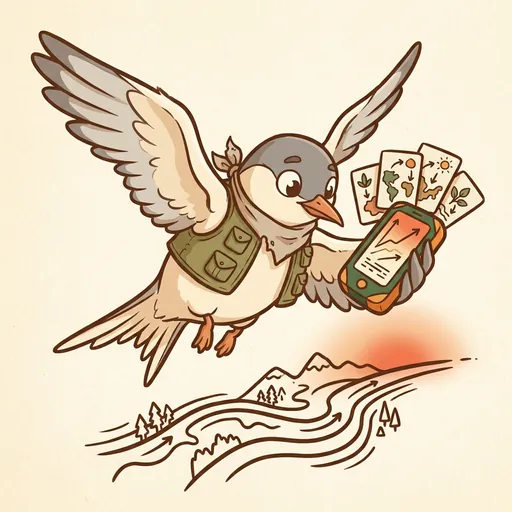
Flux
biomes move as climate moves. our maps will redraw.
BiomeForge Audio
-

Reef
underwater is alive. layered + interdependent.
BiomeForge Audio
-

Ridge
climb the mountain, change the biome.
BiomeForge Audio
-

Arch
proportion-aesthetic connection (golden ratio + symmetry; math you can SEE). The cross-curricular primitive of *the bridge whose math shows up in the visual proportion.*
BridgeForge Audio
-
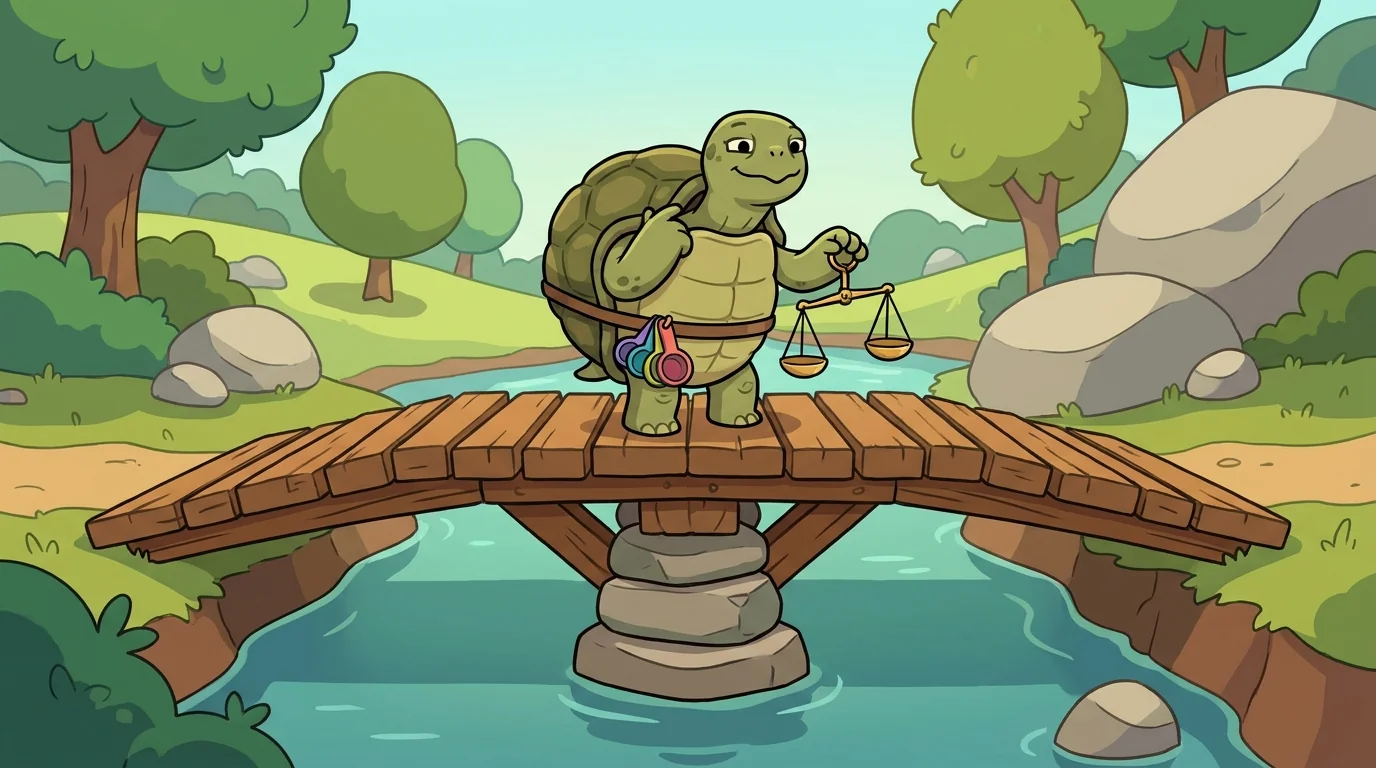
Ballast
ratio-and-balance connection (proportion, scaling, and moderation are the numbers behind a balanced body and plate). The cross-curricular primitive of *the bridge steadied by the weight of proportion — the right amount, in the right ratio.*
BridgeForge
-
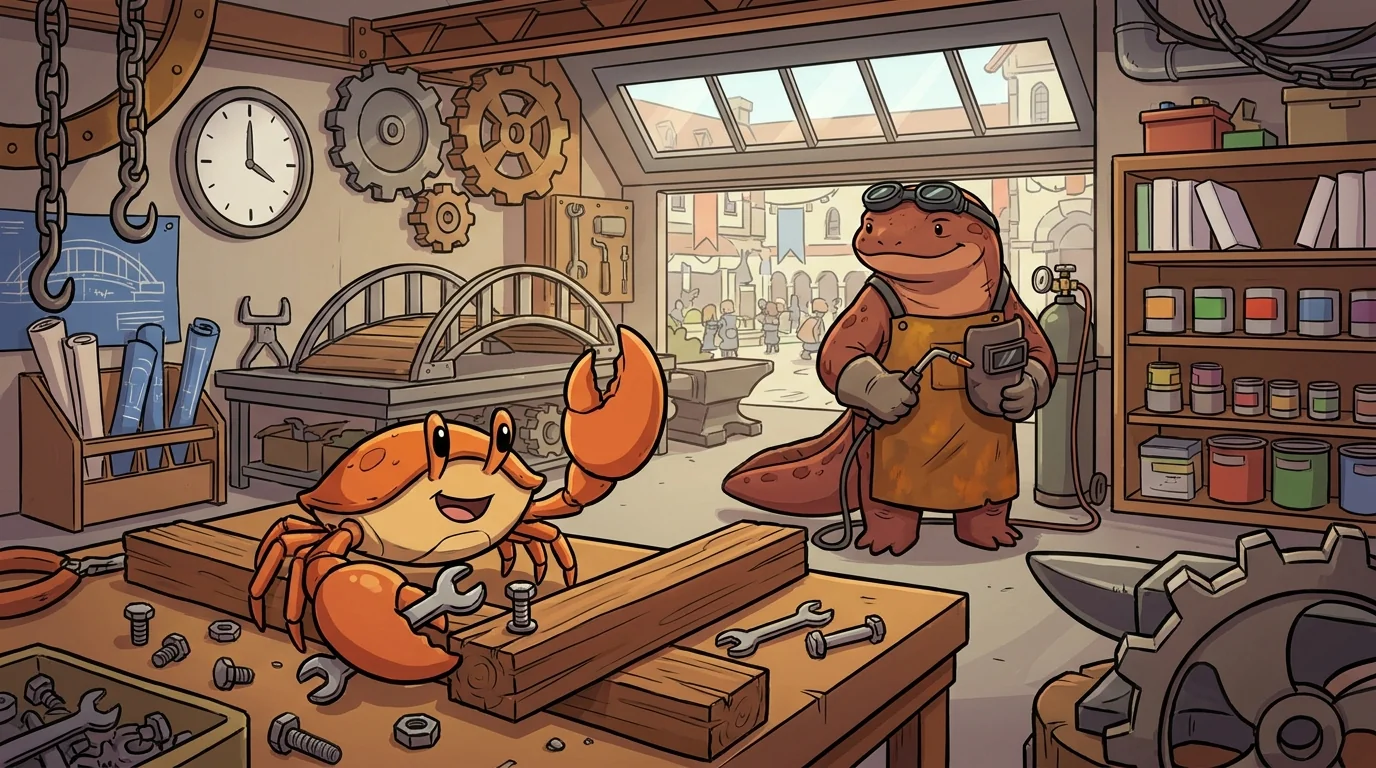
Bolt and Weld
*bolt a connection tentatively, stress-test it, and only weld it if it holds.* The cross-curricular primitive of the bridge-rigor gate itself — the discipline of treating a cross-subject connection as provisional until it survives a real test, then committing only to the ones that hold.
BridgeForge Ensemble
-
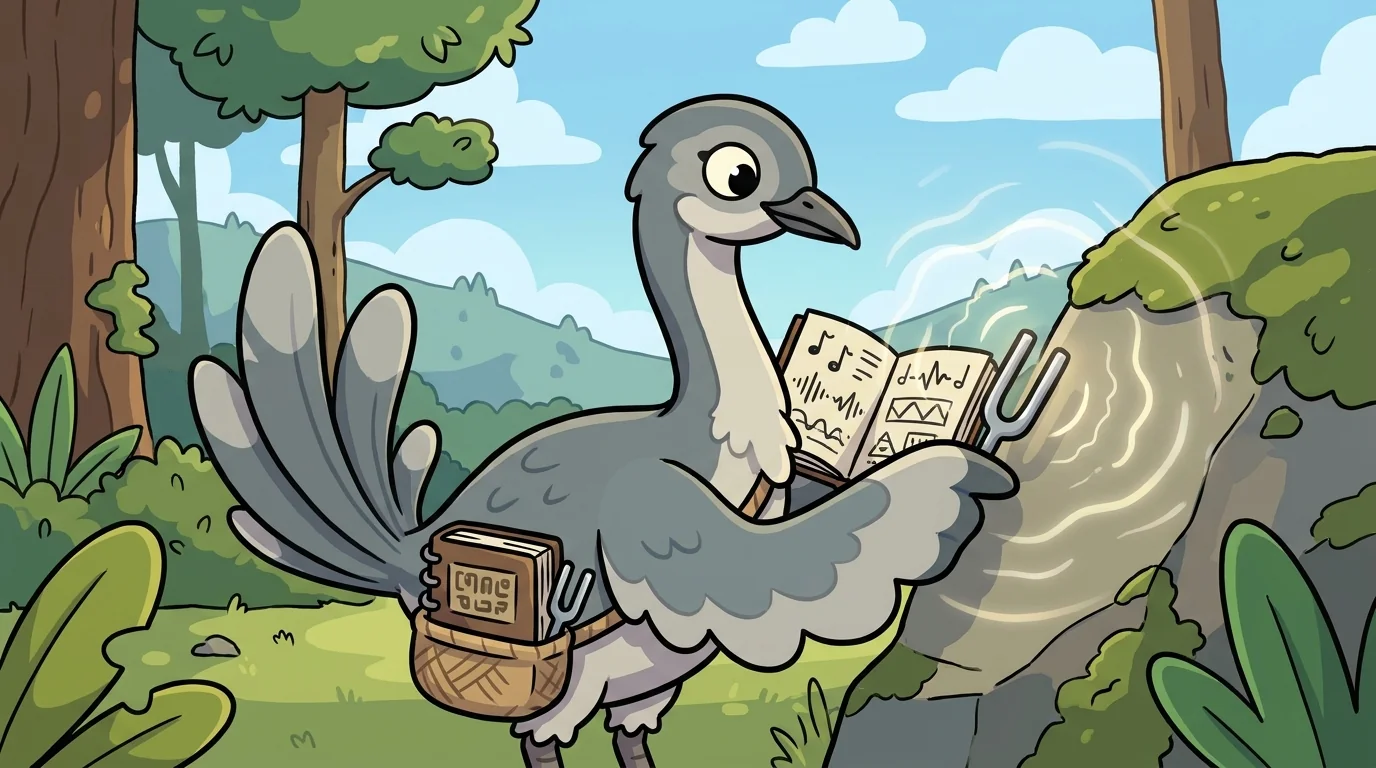
Cable
ratio-temporal connection (frequency ratios + rhythm; math you can HEAR). The cross-curricular primitive of *the bridge whose math shows up as audible ratio.*
BridgeForge Audio
-
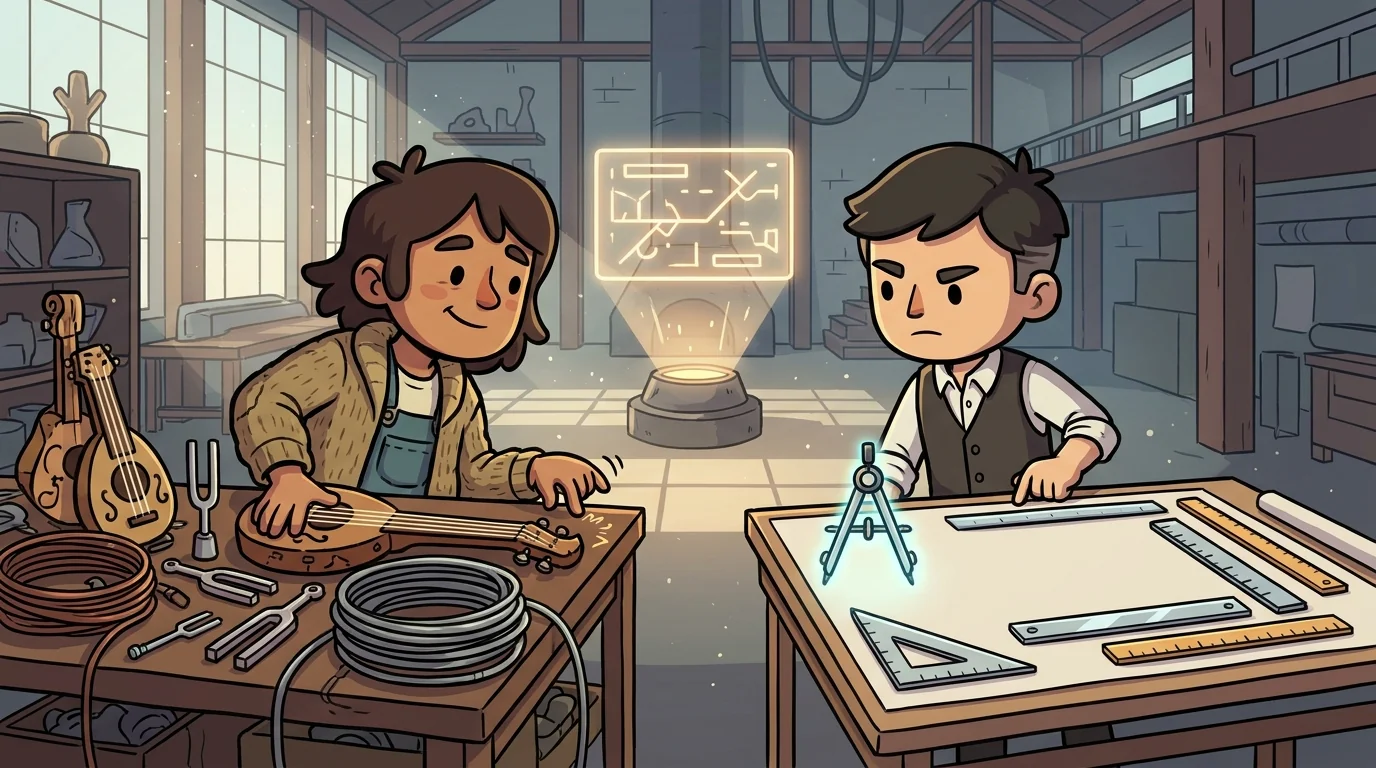
Cable and Arch
Cable is math you can HEAR (frequency ratios in music), Arch is math you can SEE (golden ratio + symmetry in art). Together they show that math lives outside the page.
BridgeForge Ensemble
-
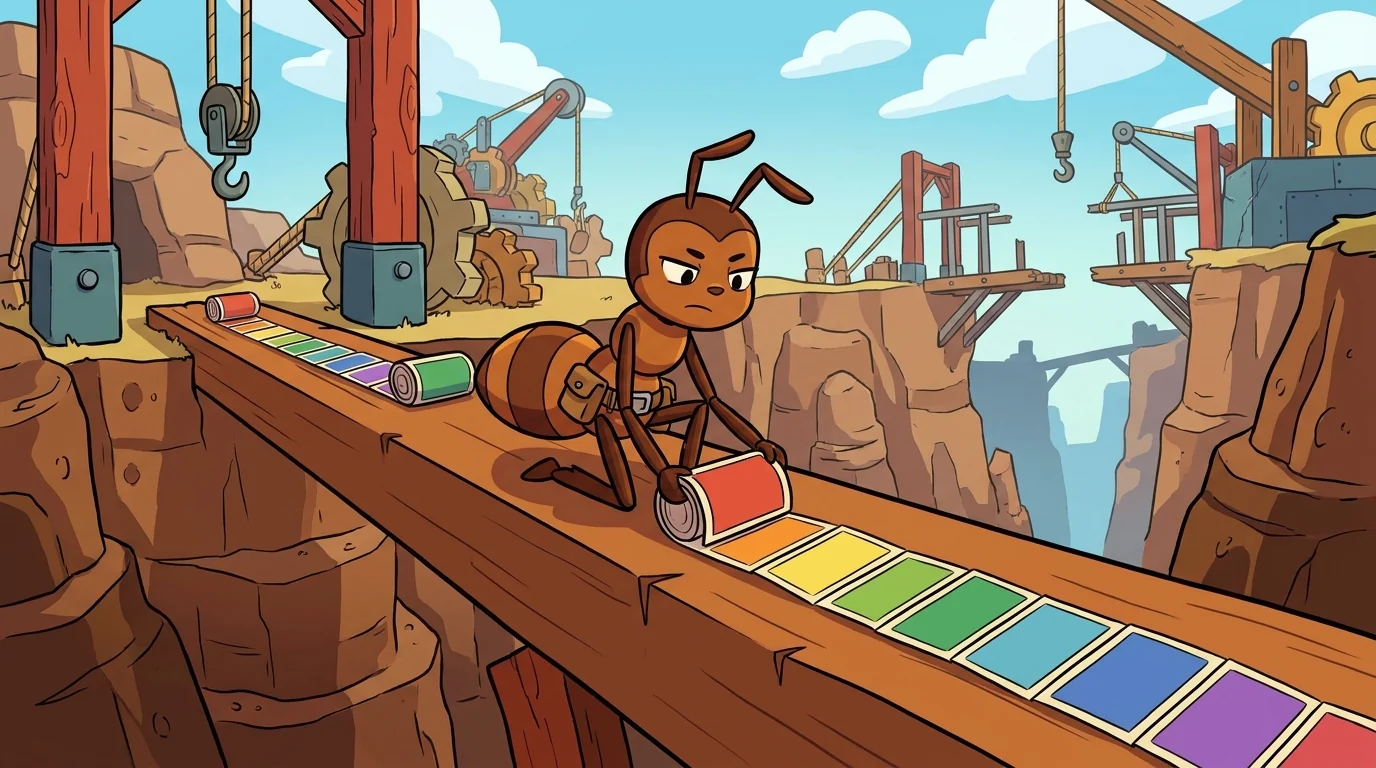
Girder
step-order connection (sequence + logic + algorithm; a program is math you can run). The cross-curricular primitive of *the bridge whose spine is an ordered set of steps that must run in order.*
BridgeForge
-

Pier
data-narrative connection (statistics in history + civics; numbers + people). The cross-curricular primitive of *the bridge where data tells half the story and people tell the other half.*
BridgeForge Audio
-
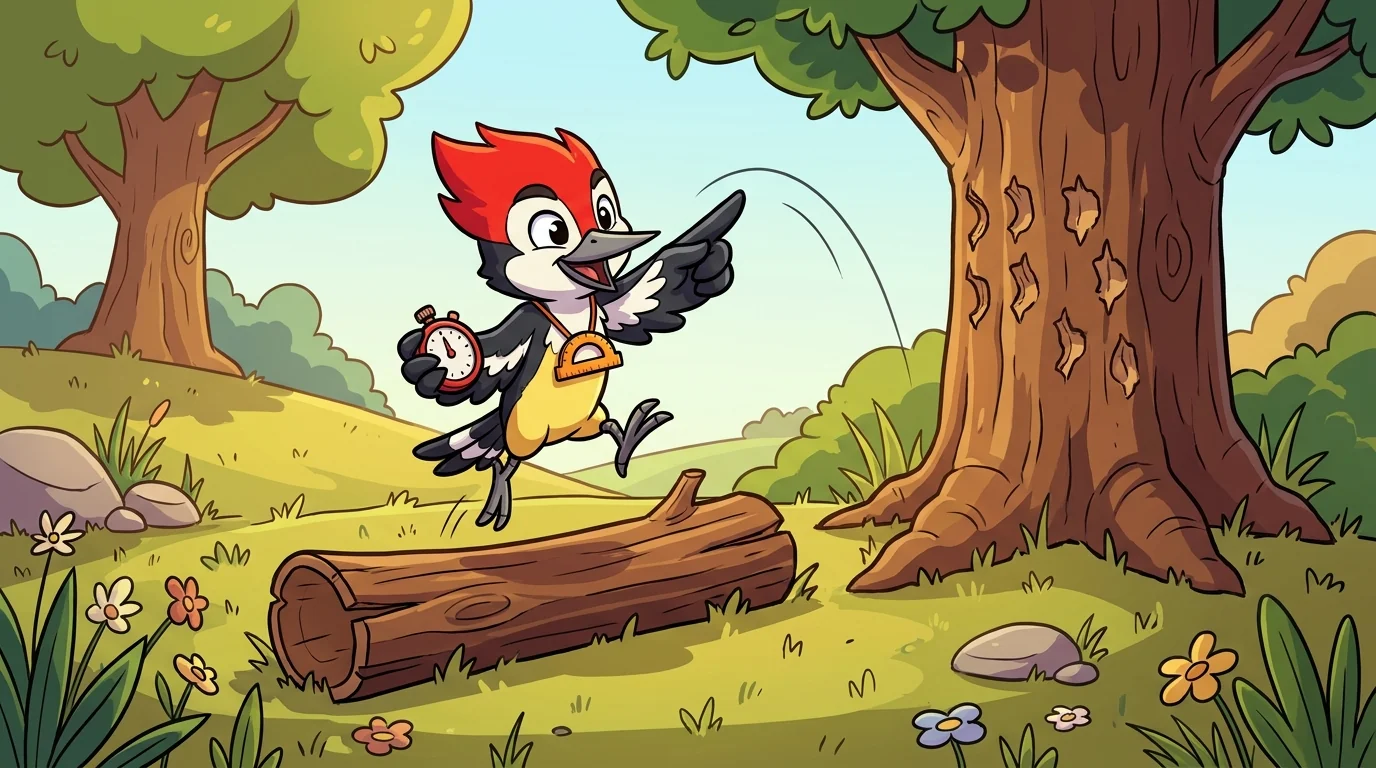
Rivet
rate-angle-trajectory connection (speed, angle, and arc are numbers your body makes; a jump is math in the air). The cross-curricular primitive of *the bridge fastened by the measurable geometry of a moving body.*
BridgeForge
-
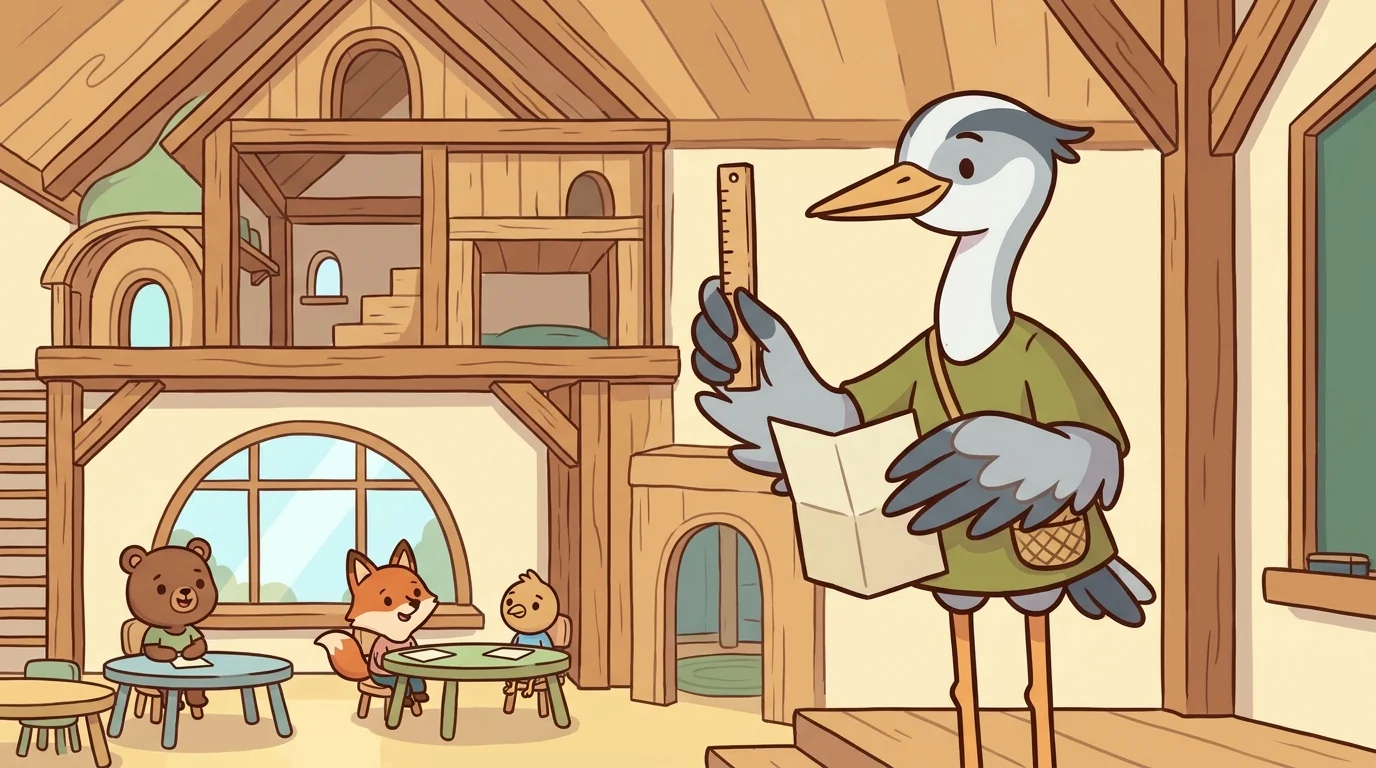
Splice
structure connects to story (sequence and symmetry in writing; the math is the bones under the words). The bridge where math holds up the shape of a poem or story.
BridgeForge Audio
-
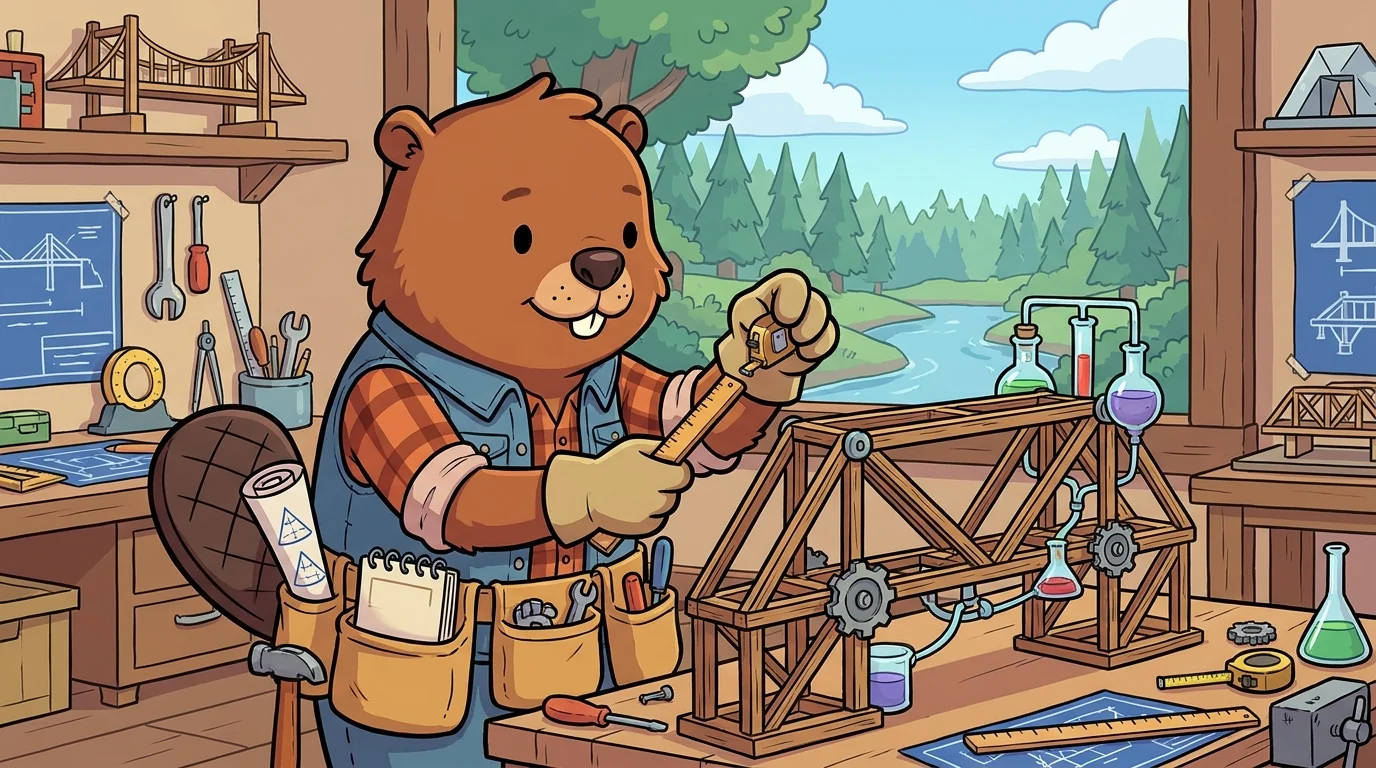
Truss
causal-evidential connection (measurement + replication; both sides need numbers). The cross-curricular primitive of *the bridge held up by triangulated evidence*.
BridgeForge Audio
-

Crawl
*look slow; see more.*
BugsCamp Audio
-

Peek
*I see a wing. What is it?*
BugsCamp Audio
-
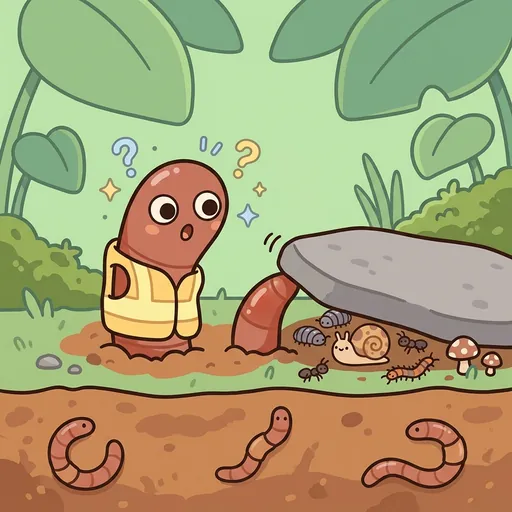
Wiggle
*lift a leaf; surprise!*
BugsCamp Audio
-

Bluffer and Reader
Bluffer holds private information and chooses what to reveal. Reader observes signals to infer what the other holds. Together they teach the game-thinking primitive of strategic information sharing.
CardForge Ensemble
-
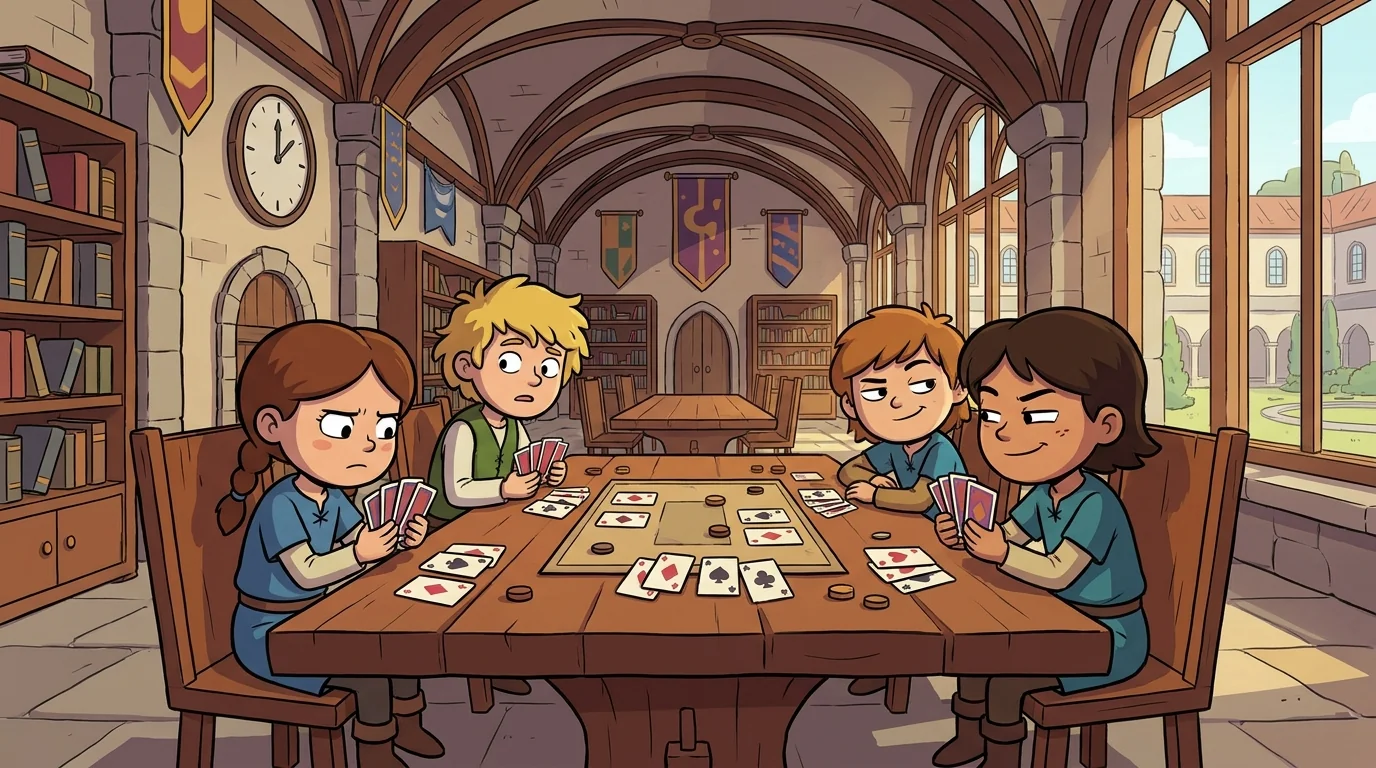
Lead and Follow
the cards you legally play are a code to your teammate; one partner signals with a card (high-low, suit-preference), the other reads it and responds; two hands play as one plan
CardForge Ensemble
-
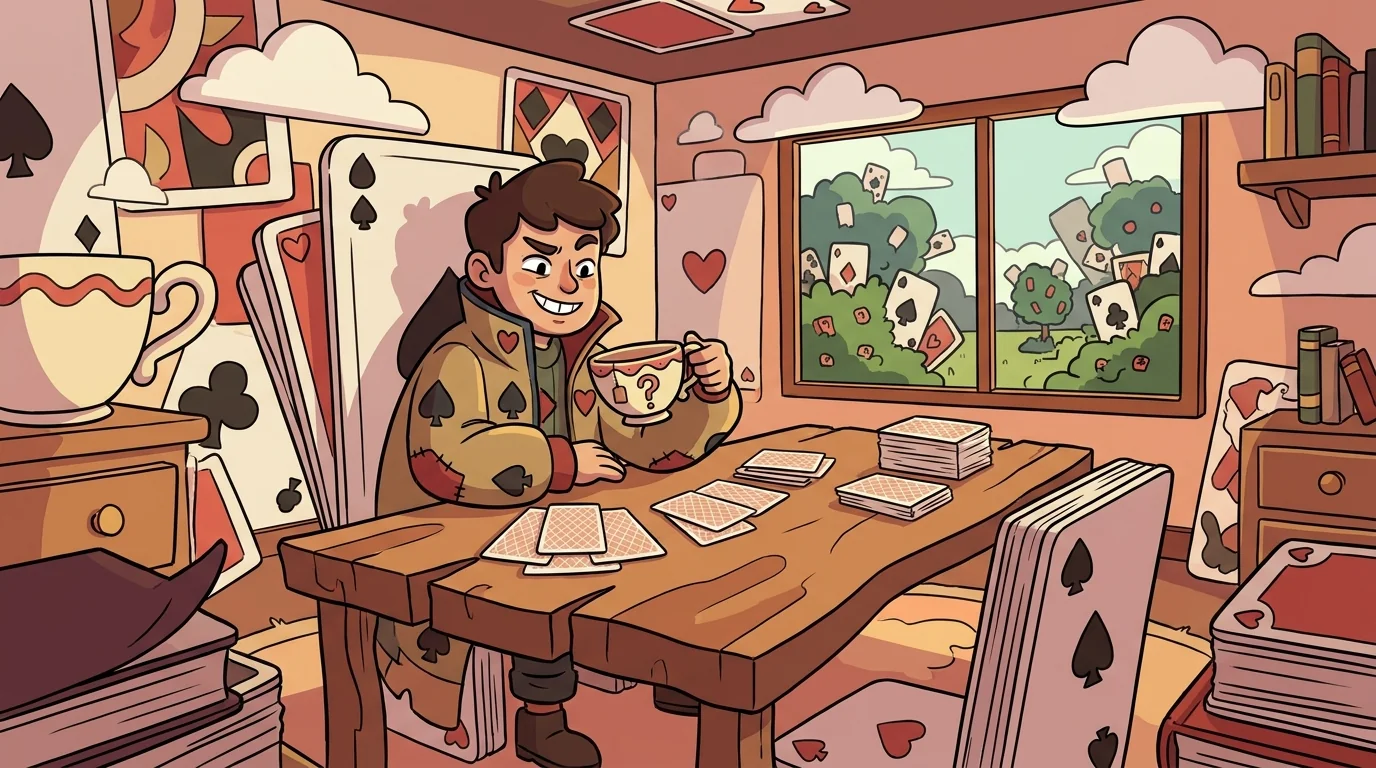
The Bluffer
bet a hand you don't have so they fold the one they do. The card-craft primitive of strategic deception: your bets tell a story and the story can be a lie.
CardForge Audio
-

The Counter
cards played are cards gone. memory is the whole game. The card-craft primitive of MEMORY-TURNS-UNCERTAINTY-INTO-CERTAINTY.
CardForge Audio
-
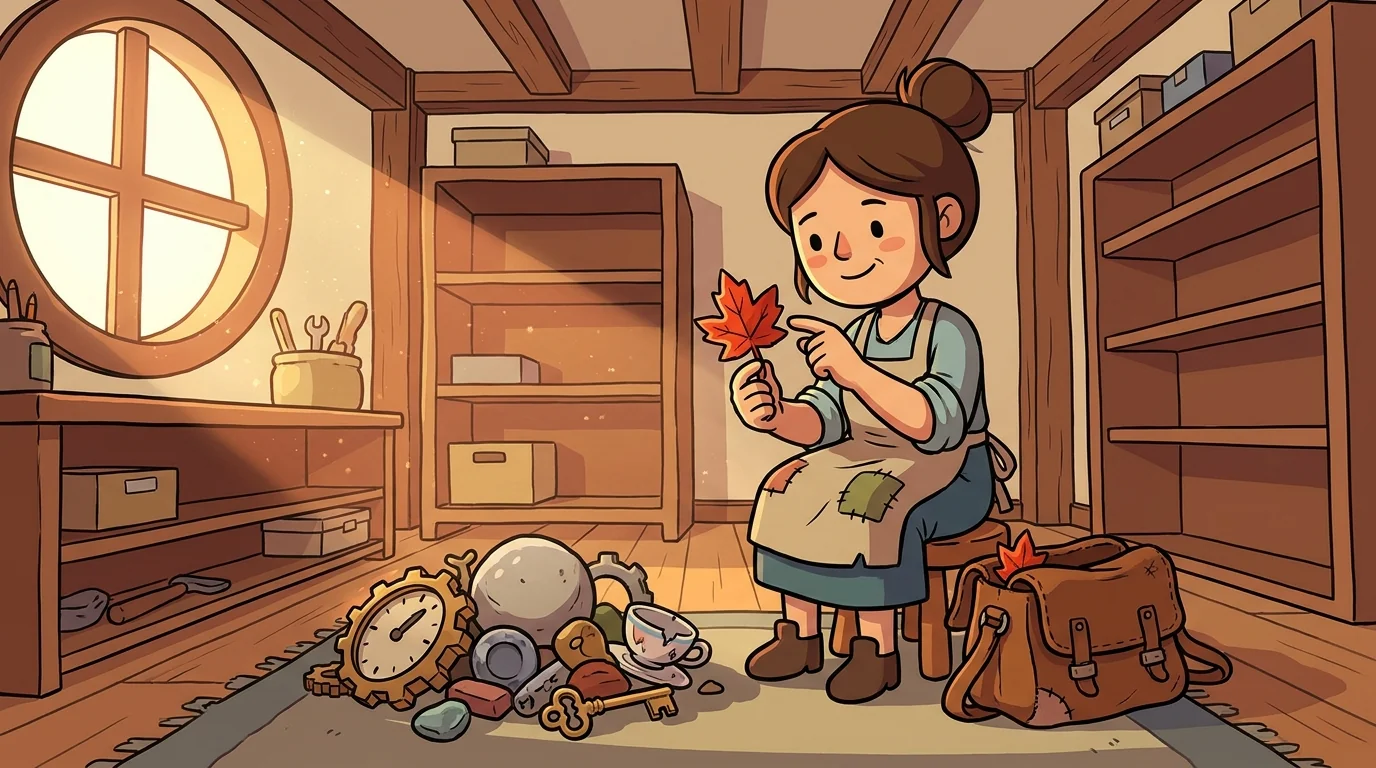
The Discarder
the right card to throw away is the move that wins the hand. The card-craft primitive of KNOWING WHAT TO LET GO OF.
CardForge Audio
-
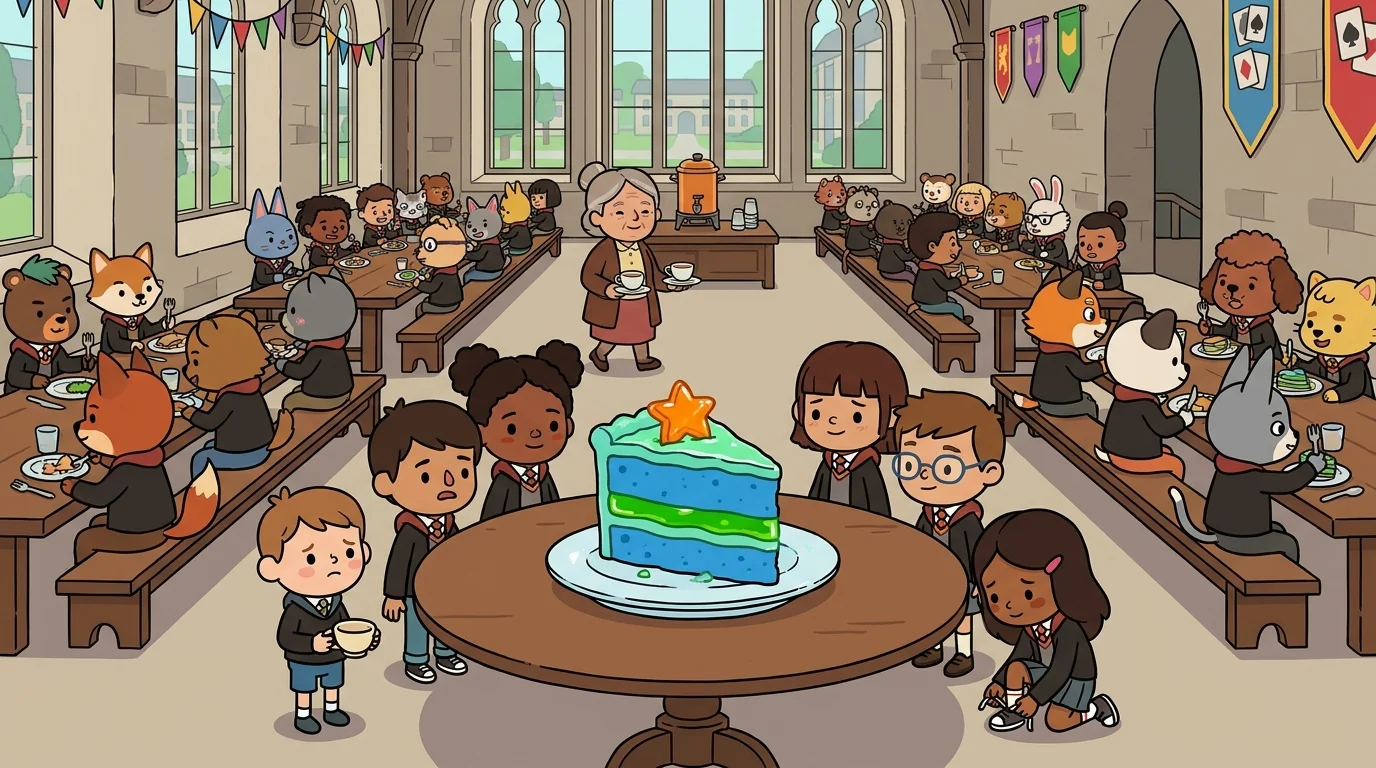
The Endplayer
give them a trick they don't want — they must lead into your strength. The card-craft primitive of GIVING-THEM-A-TRICK-TO-WIN-TWO.
CardForge Audio
-
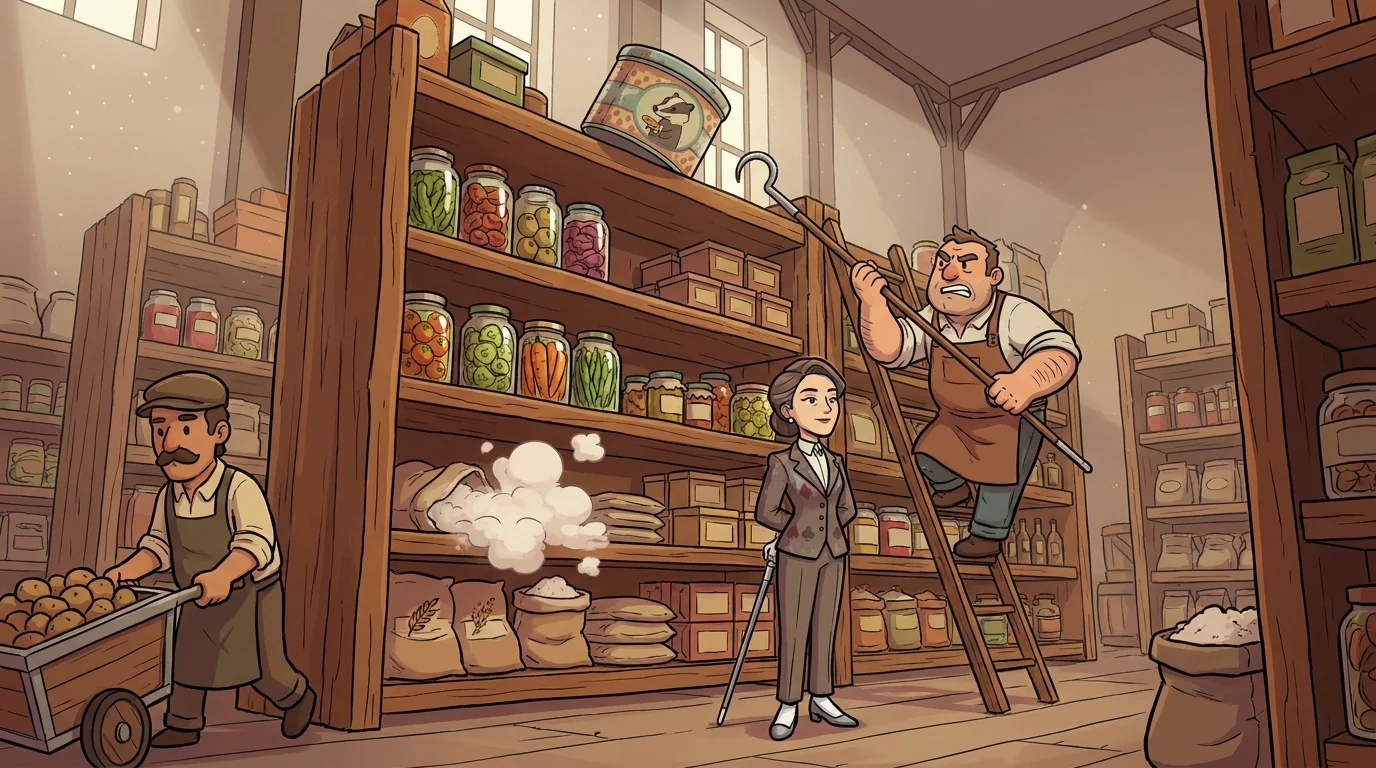
The Finesseur
force the high card down by sitting in the right seat. The card-craft primitive of POSITIONAL WINS through forcing opponents to play at the wrong time.
CardForge Audio
-
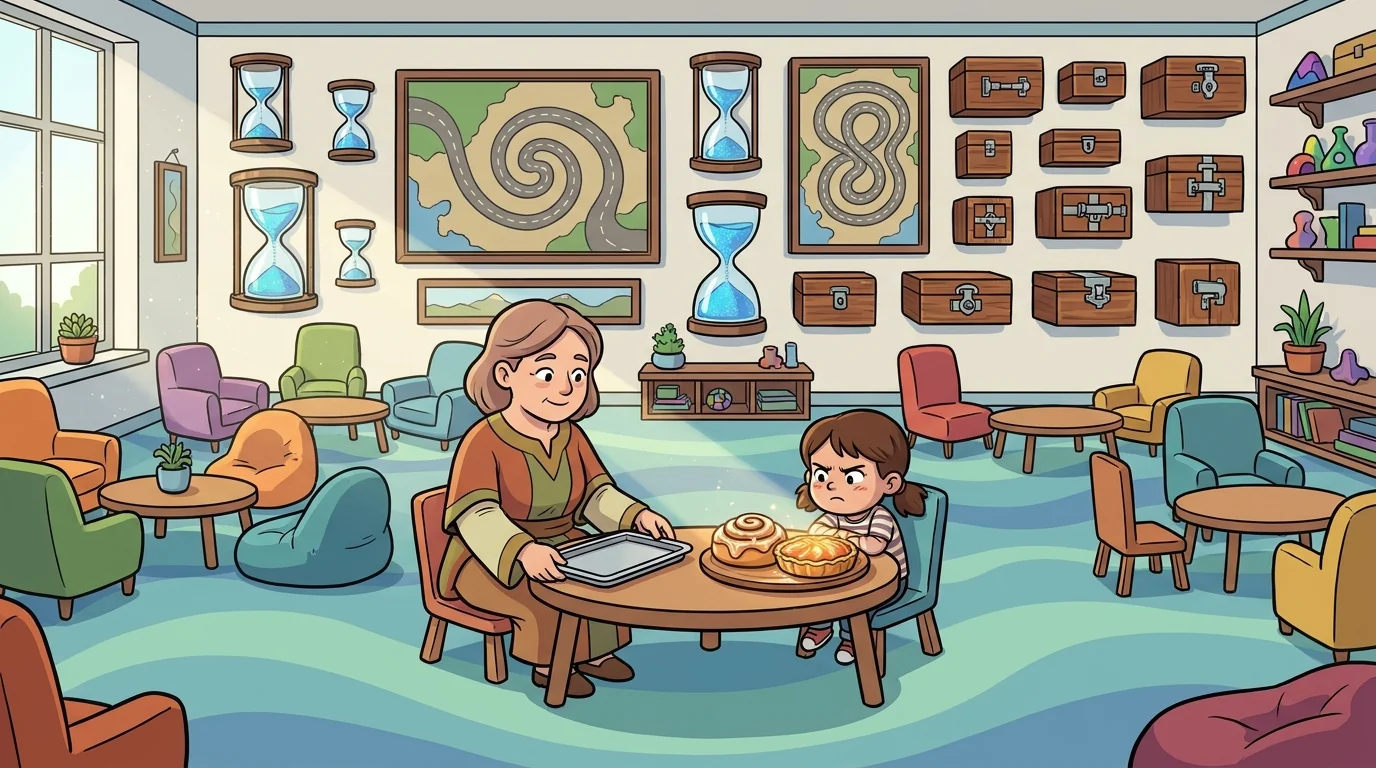
The Forcer
they freely choose the card you wanted them to choose. The card-craft primitive of THE-DESIGNED-CHOICE: making chosen-feel-free what is in fact pre-arranged.
CardForge Audio
-
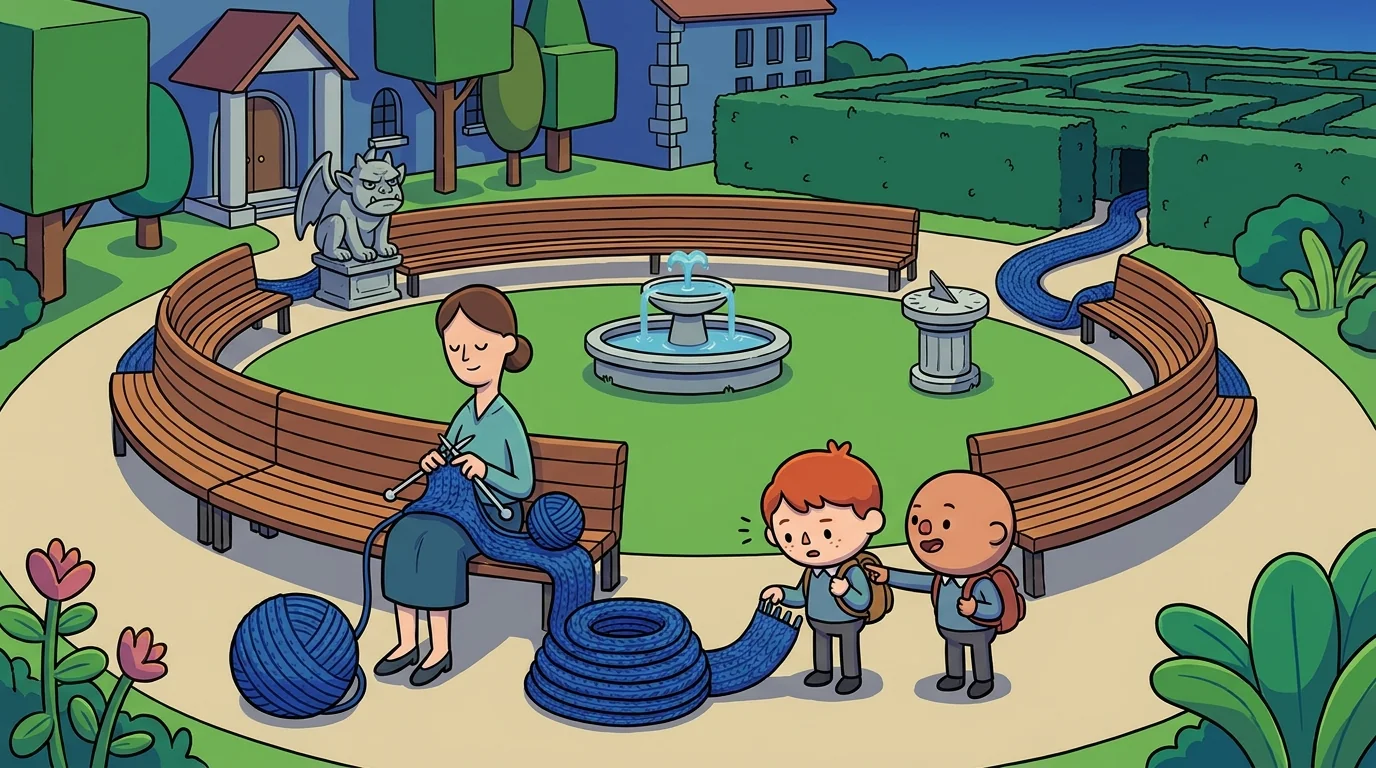
The Long-Suit
play out the opponent's cards in your long suit, then your small cards win. The card-craft primitive of LONG-AT-THE-FINISH: exhausting opponents' suit so your last small cards become winners.
CardForge Audio
-
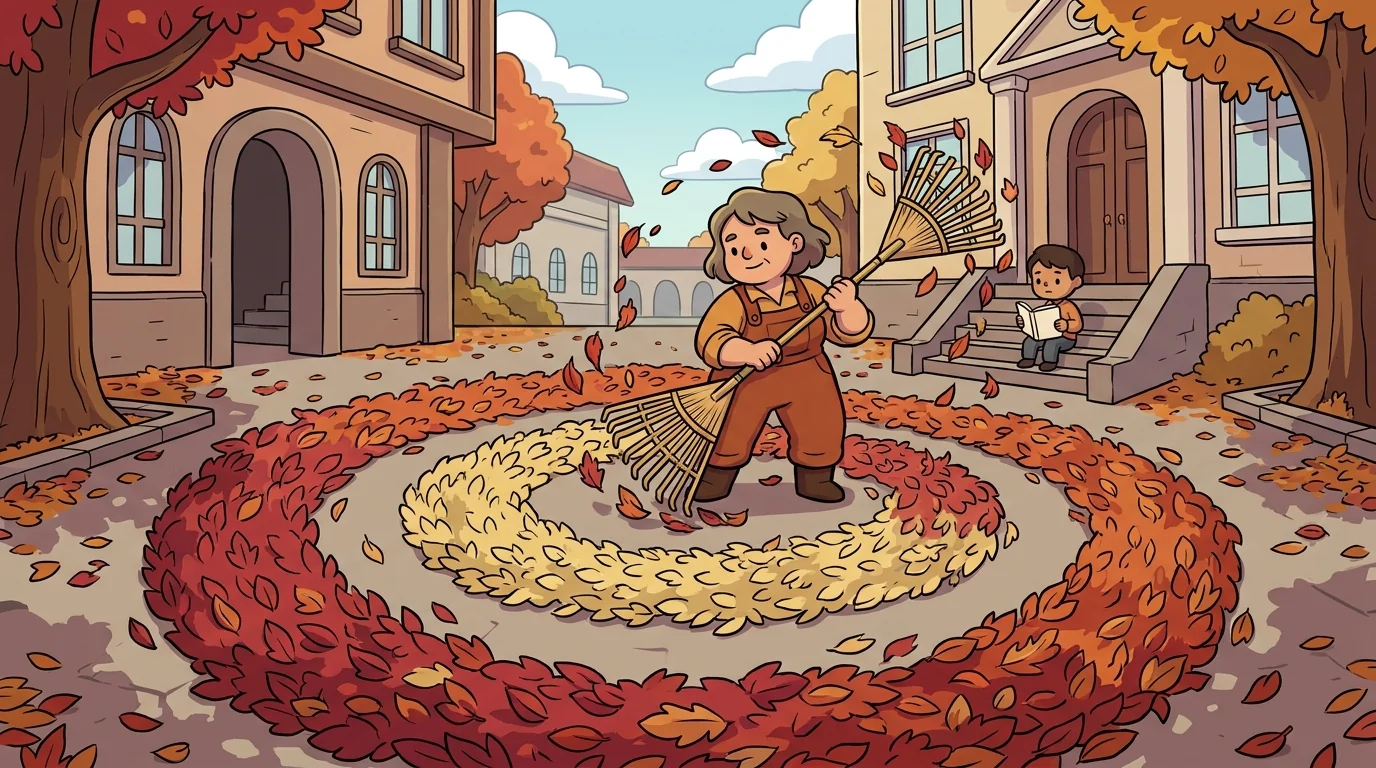
The Shuffler
the deck looks random. the order is yours. The card-craft primitive of HIDING ORDER INSIDE WHAT LOOKS LIKE A MESS: keeping a stacked deck secret while appearing to shuffle.
CardForge Audio
-
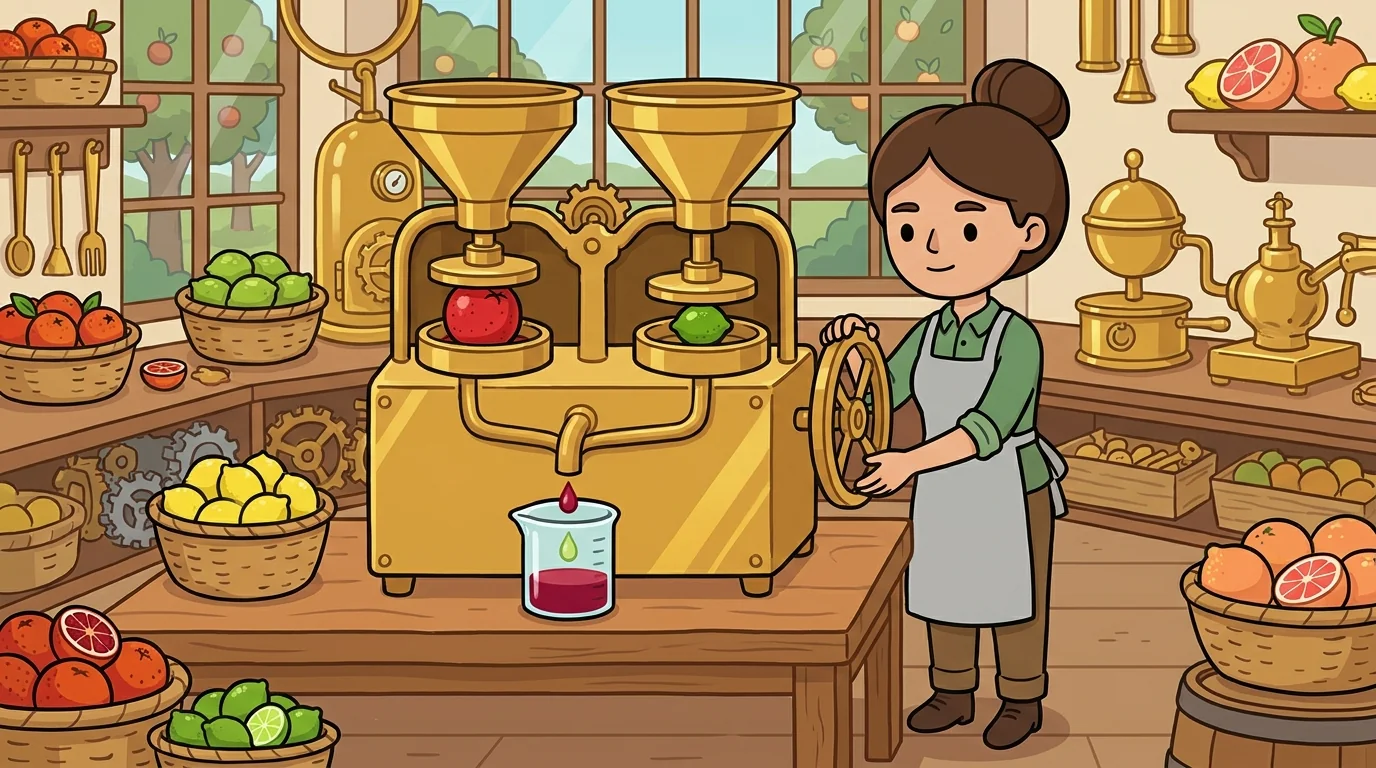
The Squeezer
late in the hand, an opponent who guards two suits must let one go. The card-craft primitive of FORCING SOMEONE TO MAKE AN IMPOSSIBLE CHOICE.
CardForge Audio
-
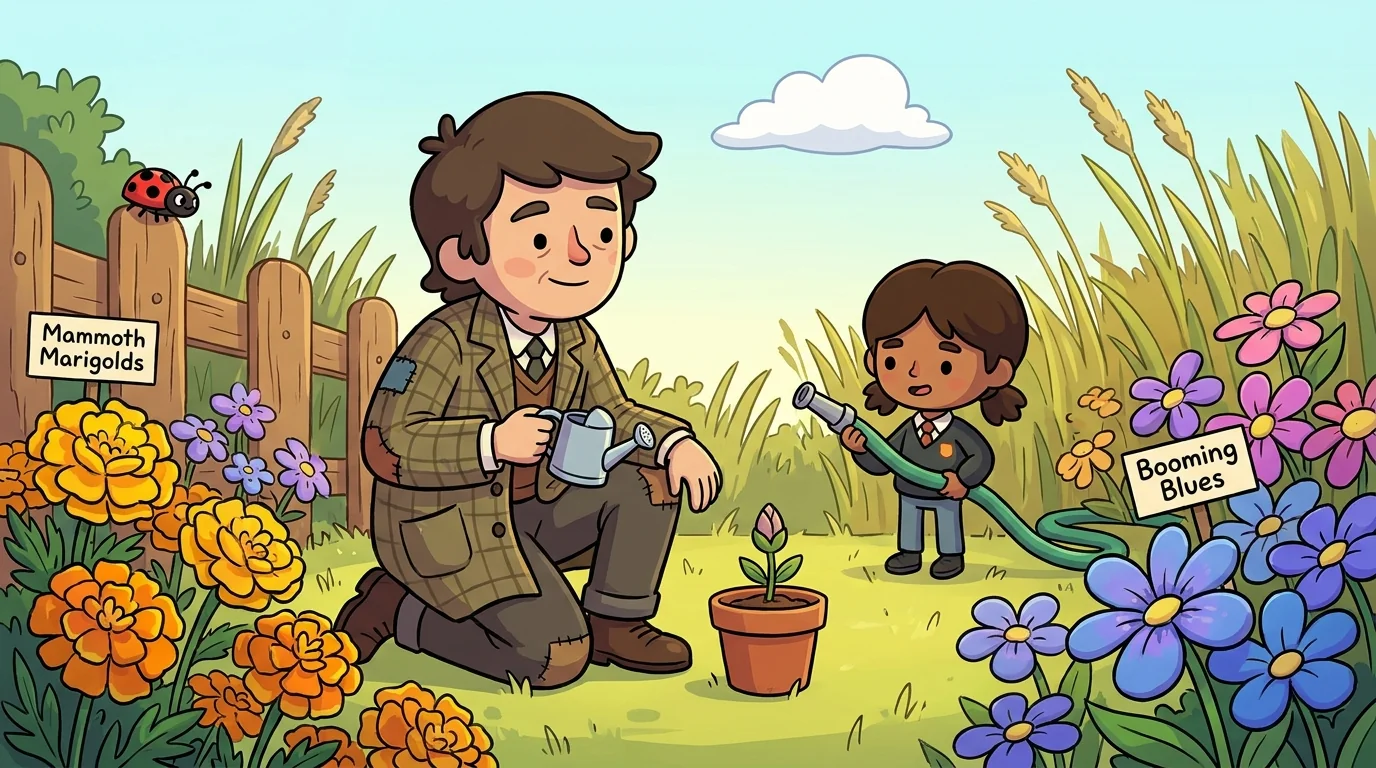
The Trumpkeeper
trump cards are saved bullets. spend the right one at the right time. The card-craft primitive of TEMPO MANAGEMENT through trump-card timing.
CardForge Audio
-
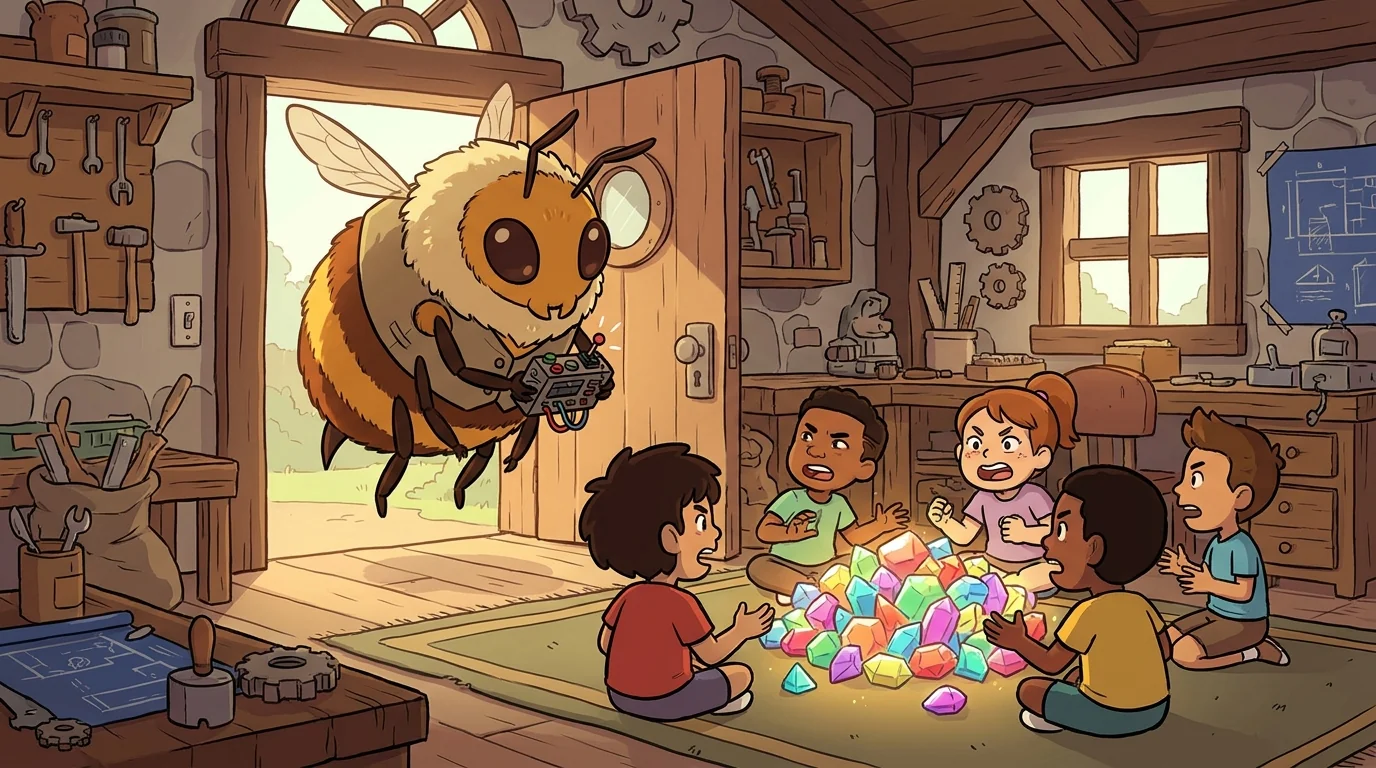
Center
*mean, median, mode. three answers to "what's typical?"*
ChanceForge Audio
-
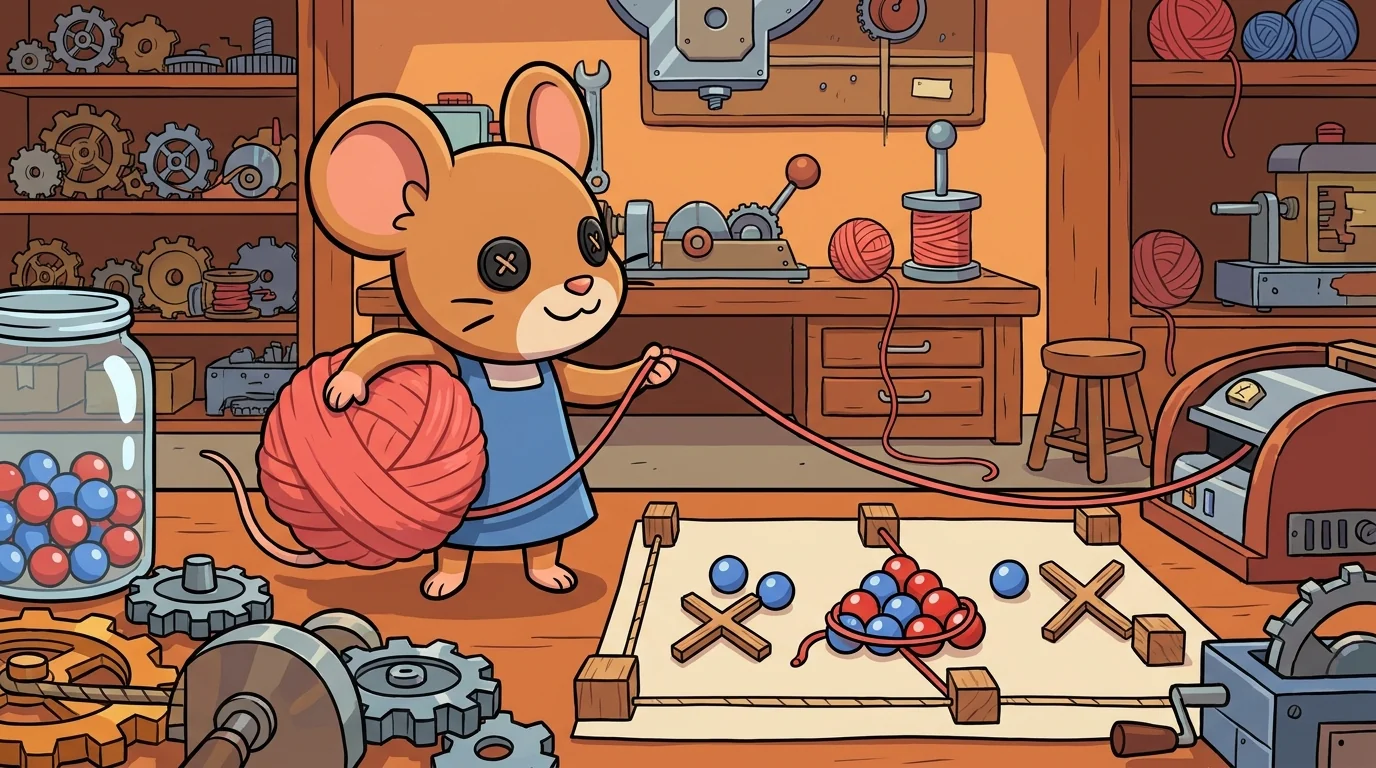
Clew the Clue-Follower
once you learn a new fact, the chances change. You cross out the outcomes that the new fact rules out, and recount among only the ones that are still possible. "Given that we know this, how likely is that?"
ChanceForge
-
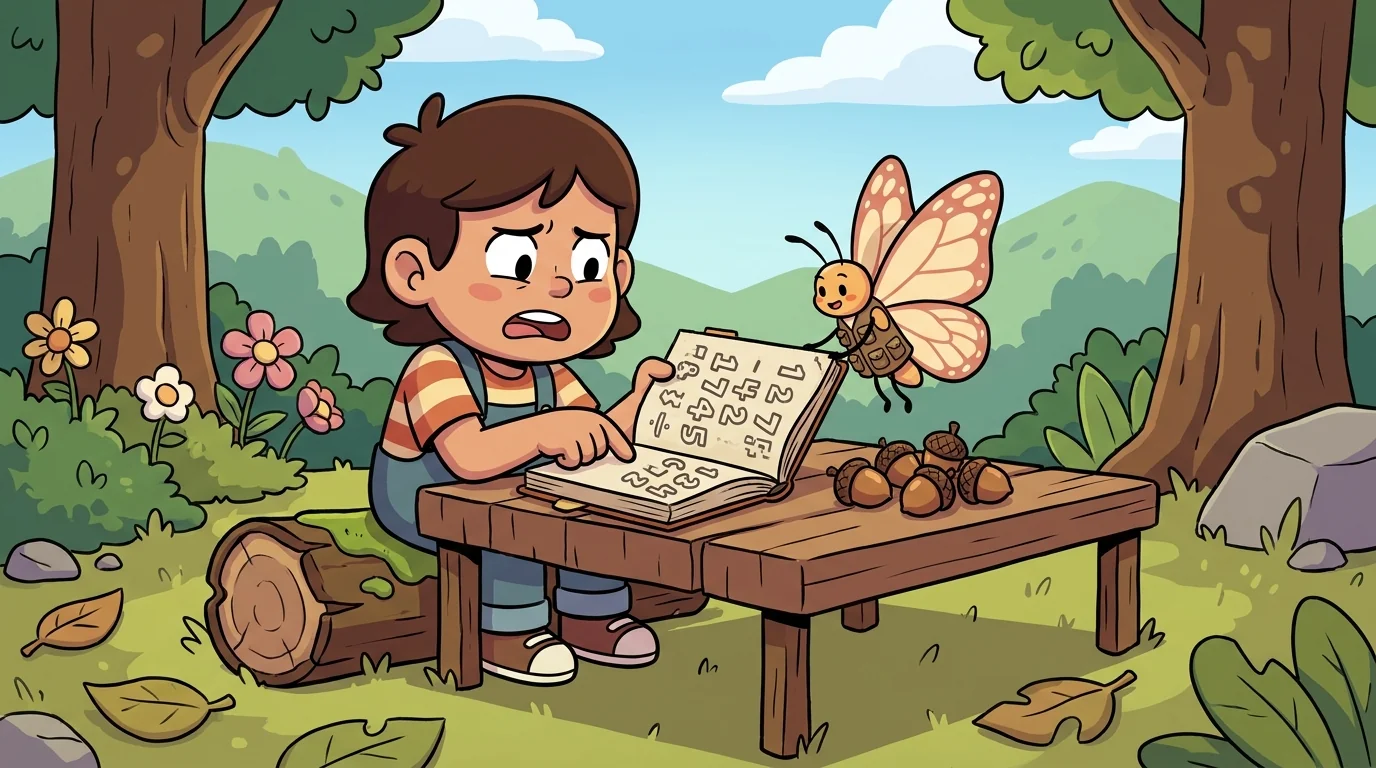
Display
*turn numbers into pictures. the right picture reveals the pattern.*
ChanceForge Audio
-
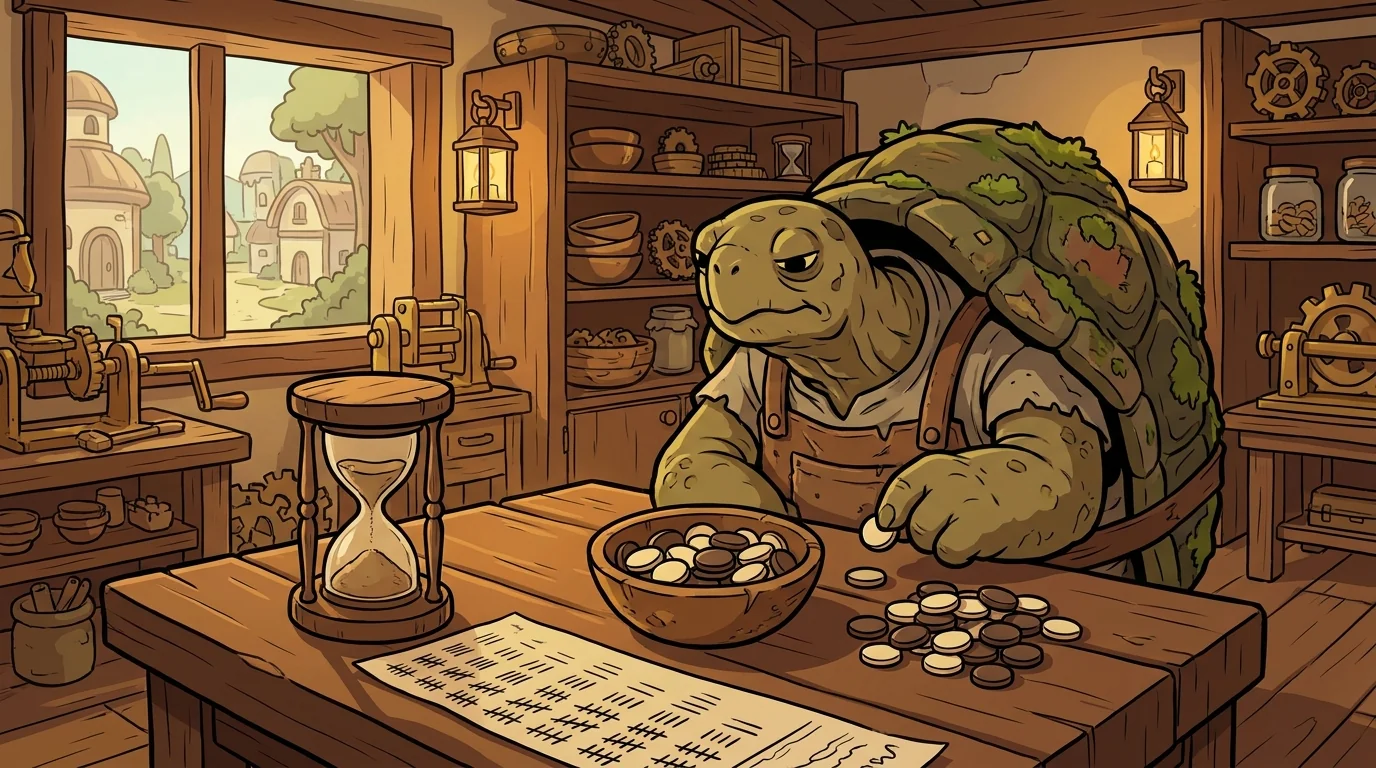
Evens the Long-Run-Settler
one try is wild and unpredictable, but over many, many tries, the results settle toward what you'd expect on average. A short streak proves nothing; the long run is where chance keeps its promises.
ChanceForge
-
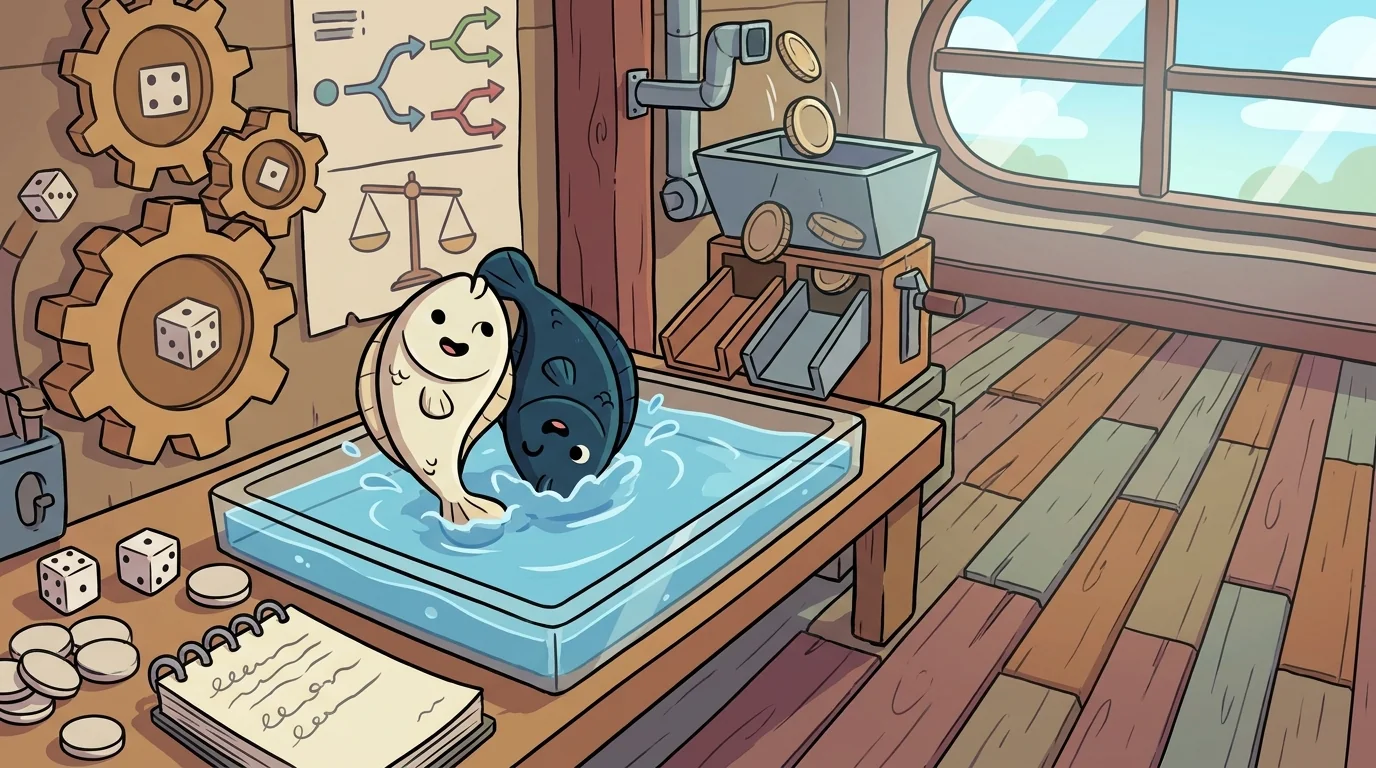
Flipside the Other-Outcome-Counter
the chance a thing happens and the chance it does NOT always add up to 1 (the whole). So when "it happens" is hard to count, you can find "it doesn't happen" instead and subtract from 1. This is the easiest way to handle "at least one" problems.
ChanceForge
-
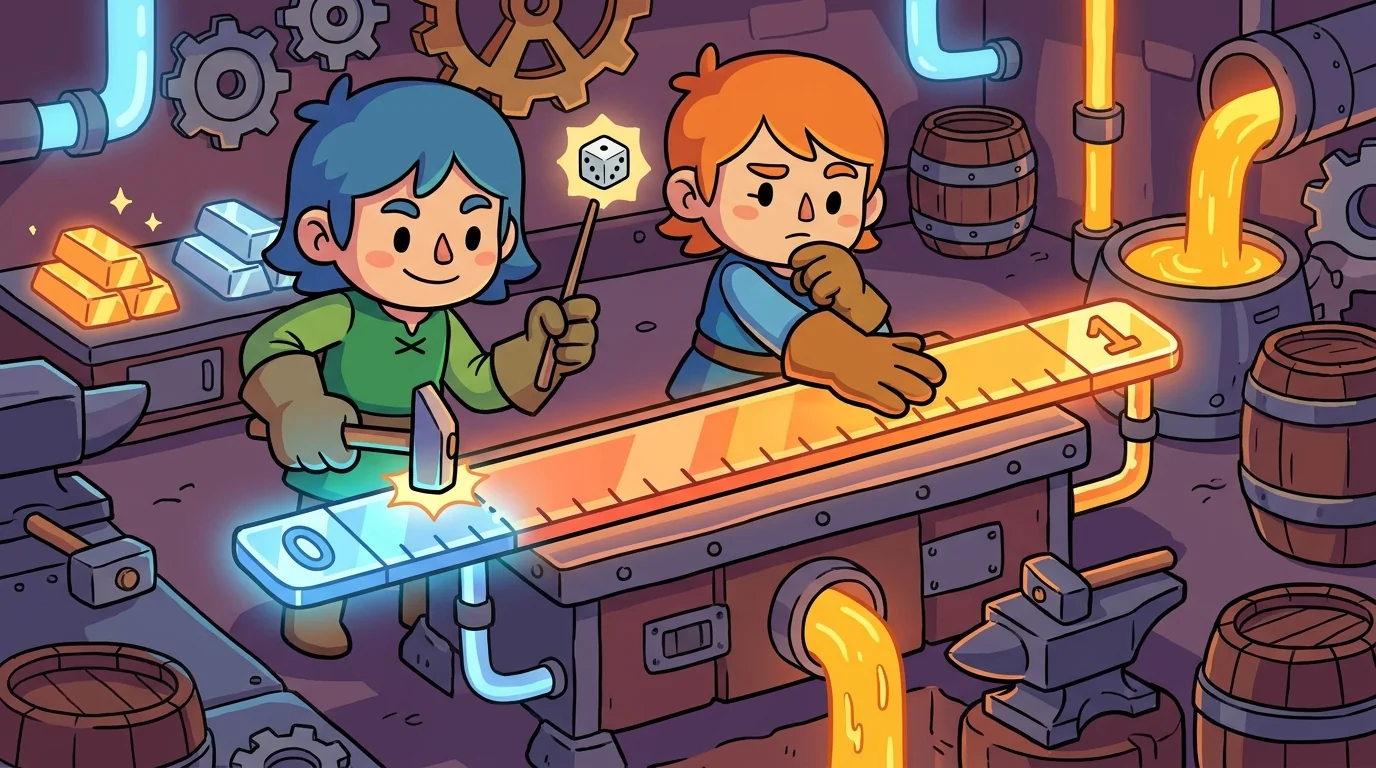
Odds and Flipside
the chance a thing happens plus the chance it doesn't always add to 1 (a whole). P(A) + P(not A) = 1. When counting the thing directly is hard, count the opposite instead and subtract from 1 — the "at least one" shortcut.
ChanceForge Ensemble
-
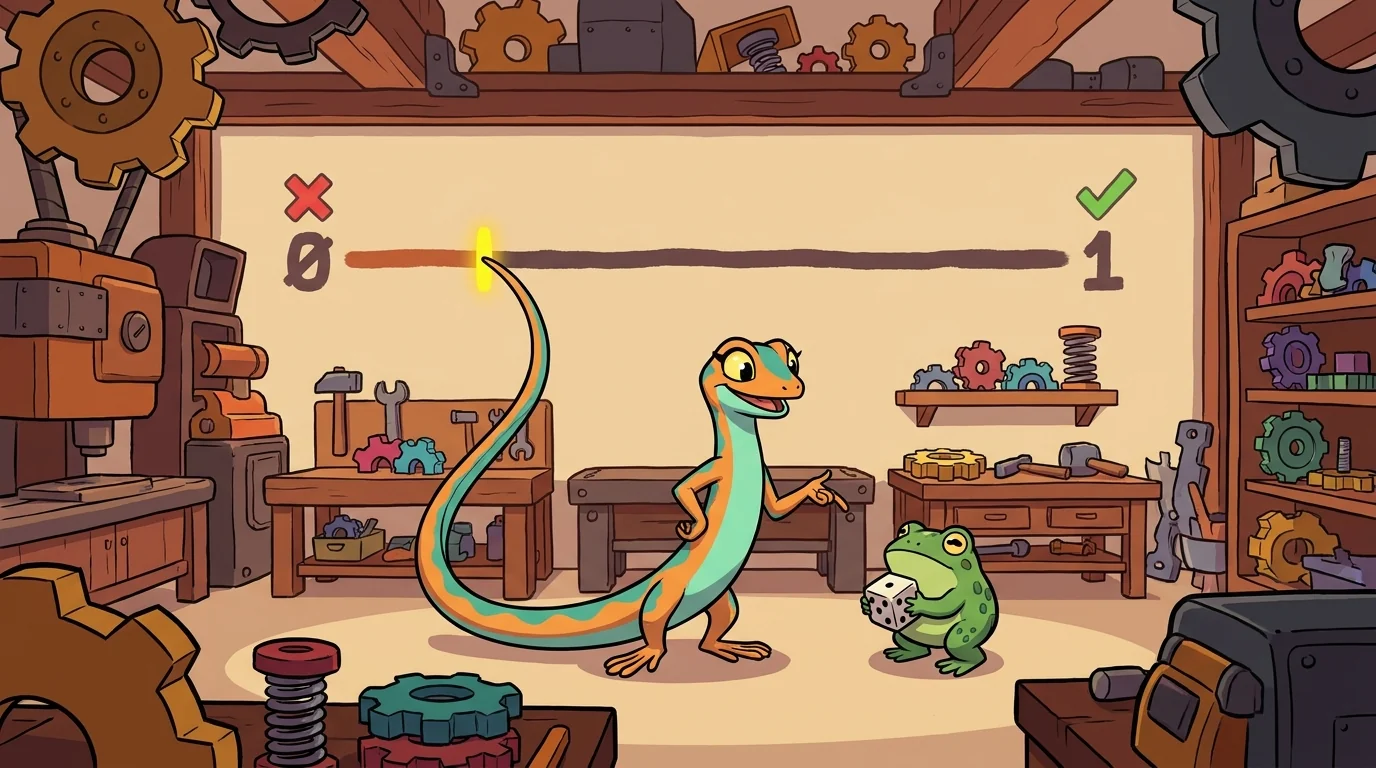
Odds the Likelihood-Reader
every chance lives somewhere on a line from 0 (it can never happen) to 1 (it's certain). To find it, you count the ways a thing CAN happen and compare that to all the ways things could turn out. The more likely, the closer to 1.
ChanceForge
-

Sample
*a small careful look that stands in for the whole.*
ChanceForge Audio
-
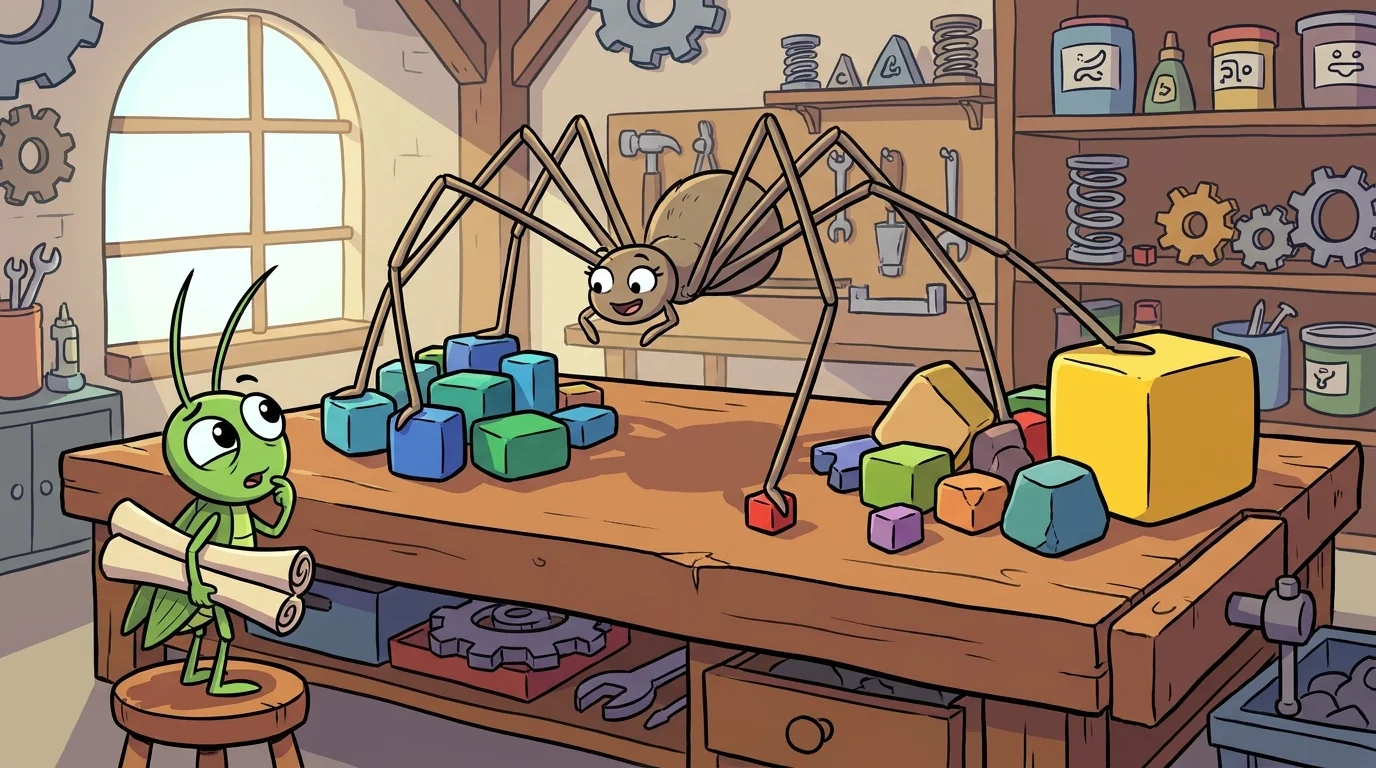
Scatter the Spread-Reader
the middle of the data isn't the whole story. Spread is how far apart the values are: tight and bunched, or wide and scattered. Two groups with the very same average can be completely different once you look at how spread out they are.
ChanceForge
-
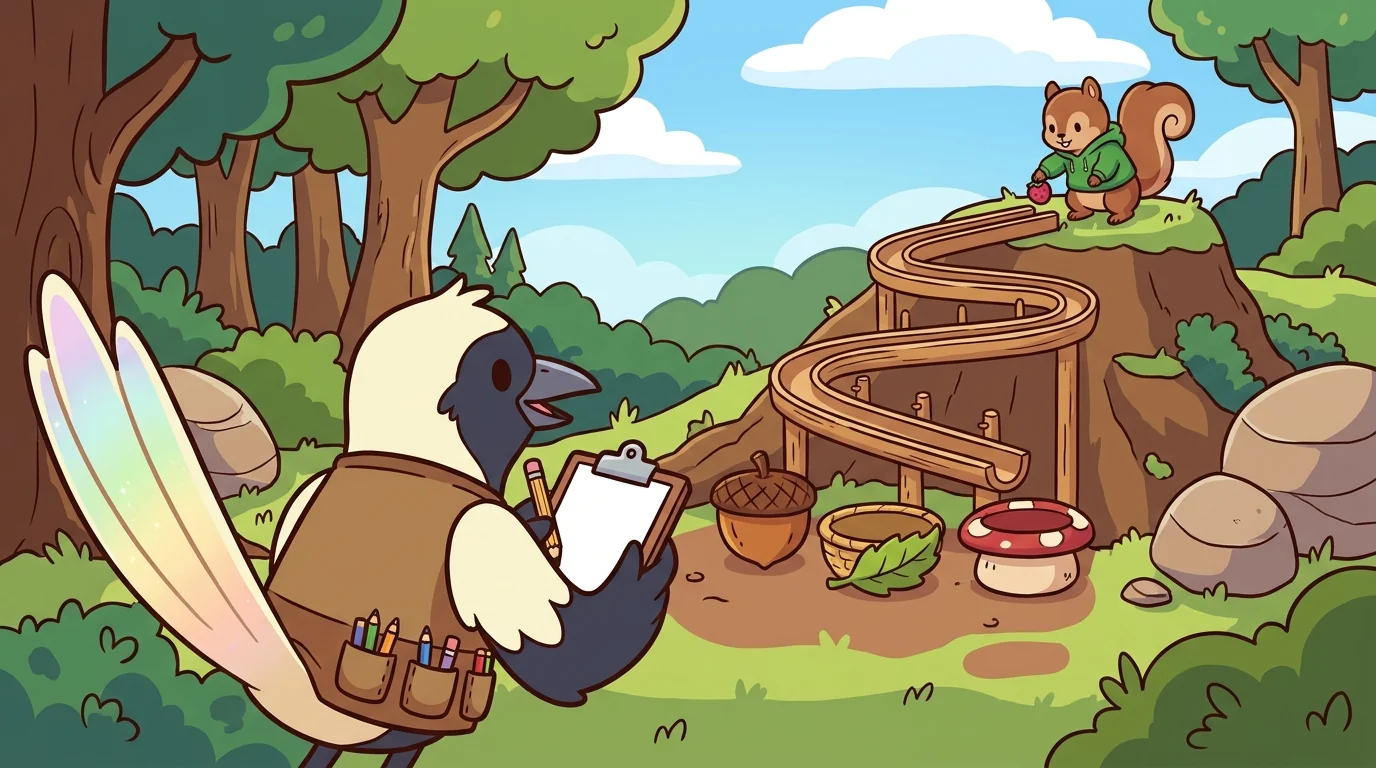
Tally
what happened, how often?
ChanceForge Audio
-

Tally and Display
statistical investigation has two complementary moves. Tally counts what happened. Display turns the count into a picture that reveals the pattern. Either move alone is incomplete.
ChanceForge Ensemble
-
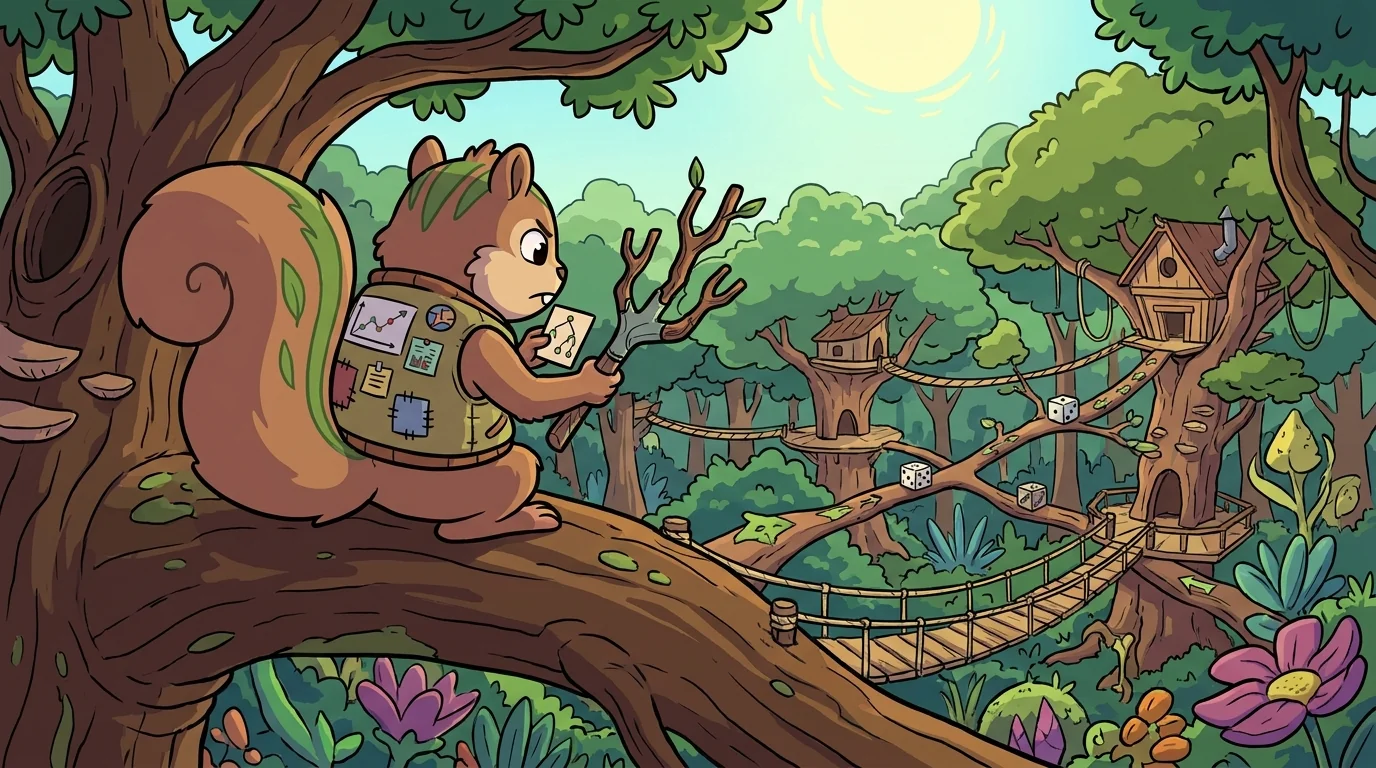
Tree
*compound events branch. multiply the independent. add the disjoint.*
ChanceForge Audio
-

Beacon
every well-built character has a *want* (desire / goal / longing) that drives them through the story. The want is the *engine* that creates narrative motion. Without a want, a character is static.
CharacterForge Audio
-

Click
every well-built character has a distinctive voice (word-choice, sentence-length, rhythm, vocabulary, attitude) that makes them sound *only like themselves.* Voice is the character's signature.
CharacterForge Audio
-
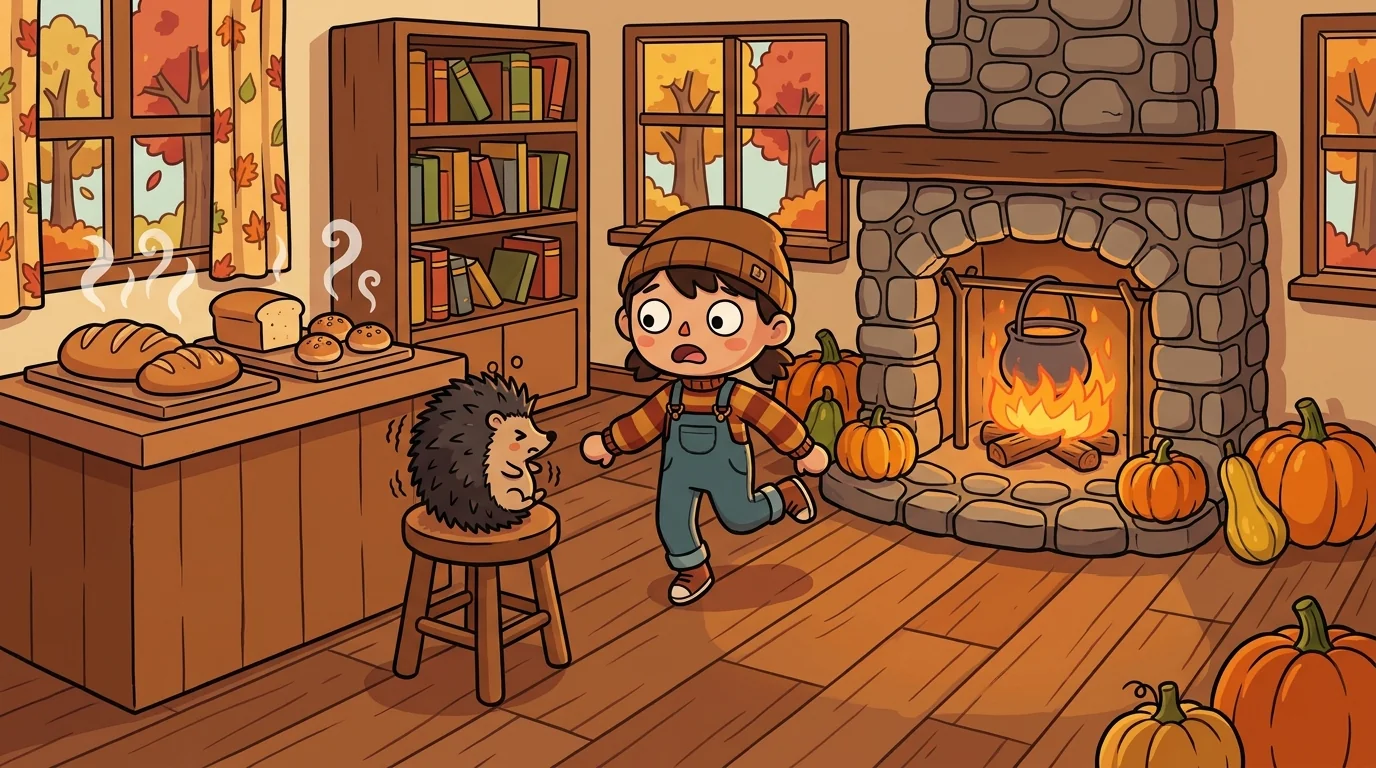
Crouch
every well-built character has a *fear* that creates tension with their want. The fear is the *brake.* The interplay of want-and-fear creates *internal conflict*, which is *the engine of character depth.*
CharacterForge Audio
-
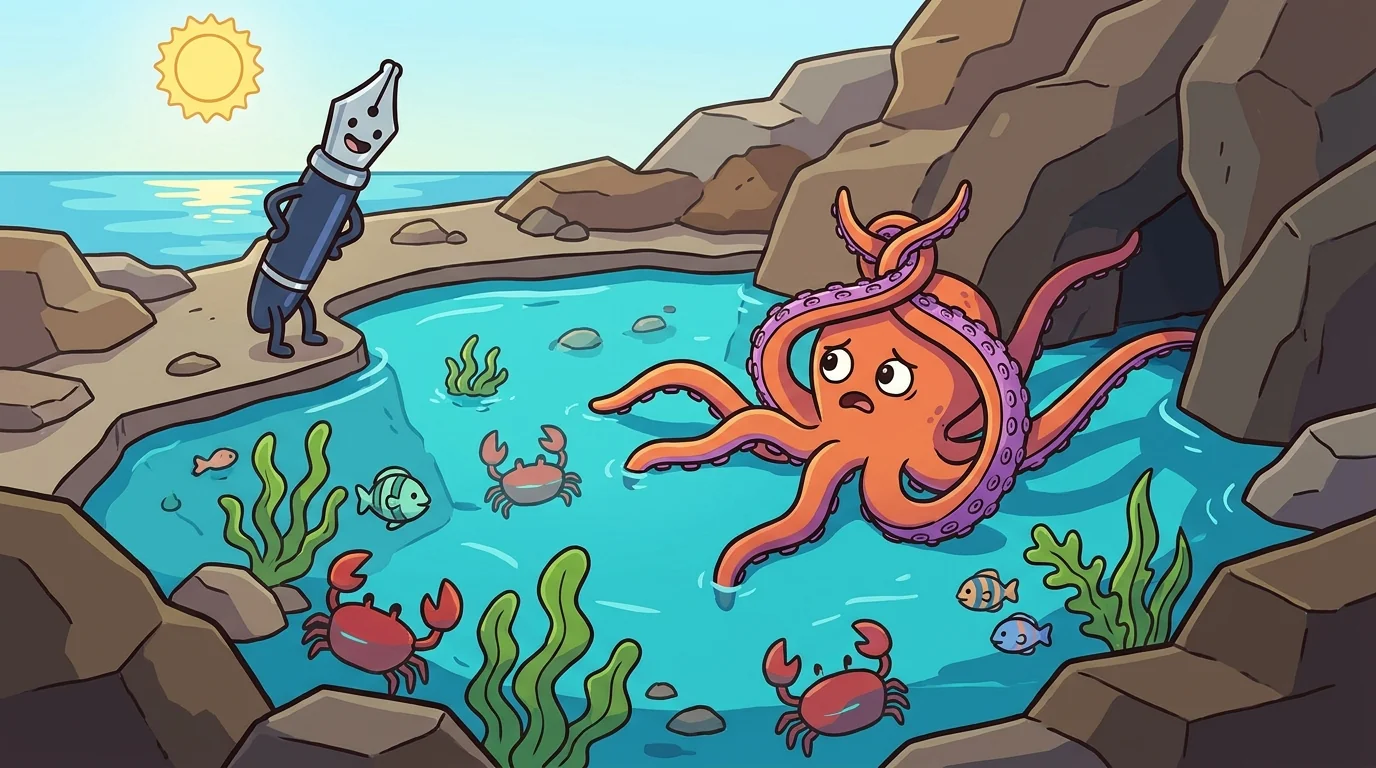
Eight
well-built characters contain contradictions (wanting opposing things; holding conflicting beliefs; being pulled in multiple directions). Contradictions make characters deep, not flat.
CharacterForge Audio
-

Fidget
a small physical habit a character does over and over: a tap, a tug, a fiddle. The mannerism makes a character recognizable and alive on the page, the way you'd know a friend by their walk even from far away.
CharacterForge
-

Foil
a foil is a character placed beside another to make that character's traits show up more clearly. By being different, the foil throws the other character into bright relief. You understand someone better when you see who they stand next to.
CharacterForge
-
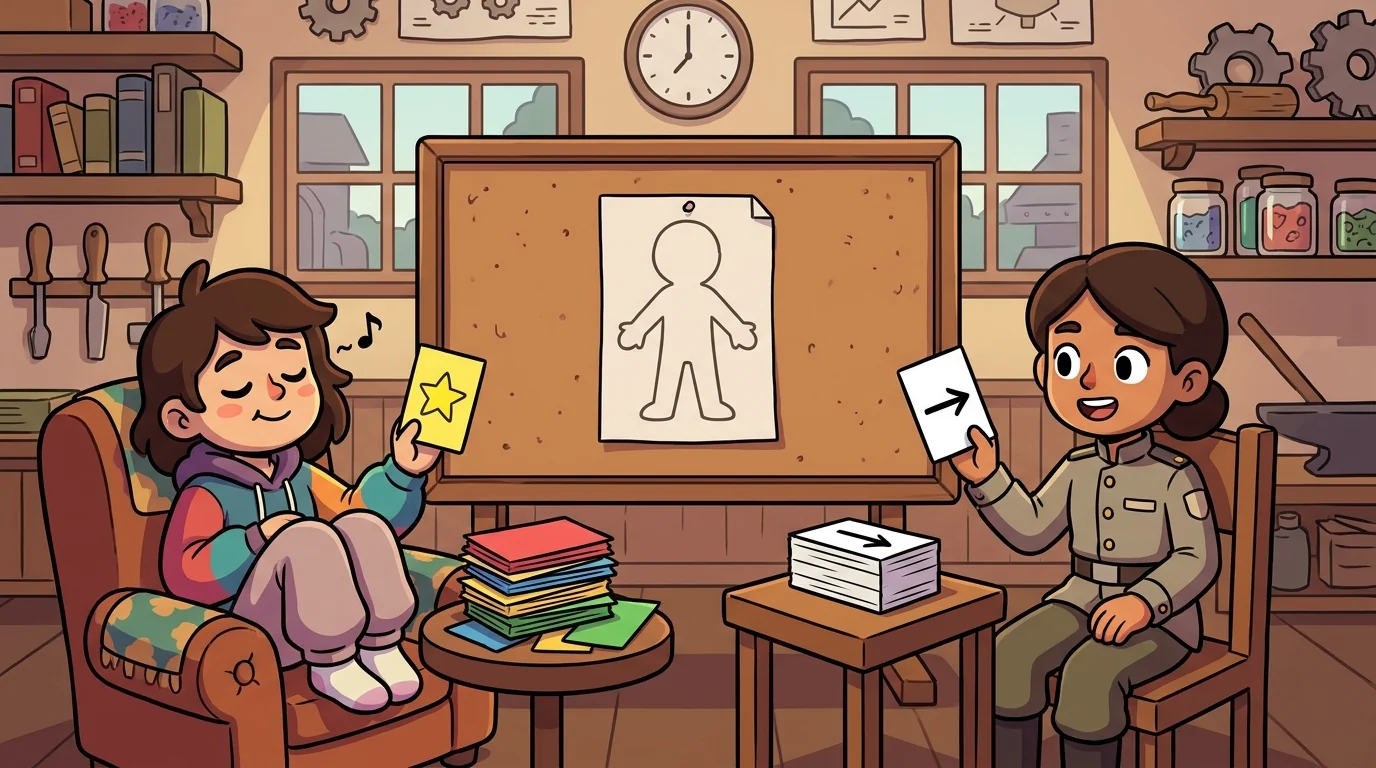
Inner and Outer
Inner is what the character secretly wants (motivation). Outer is what the character publicly does (action). When they match, the character feels honest. When they don't, the character feels real-life conflicted.
CharacterForge Ensemble
-
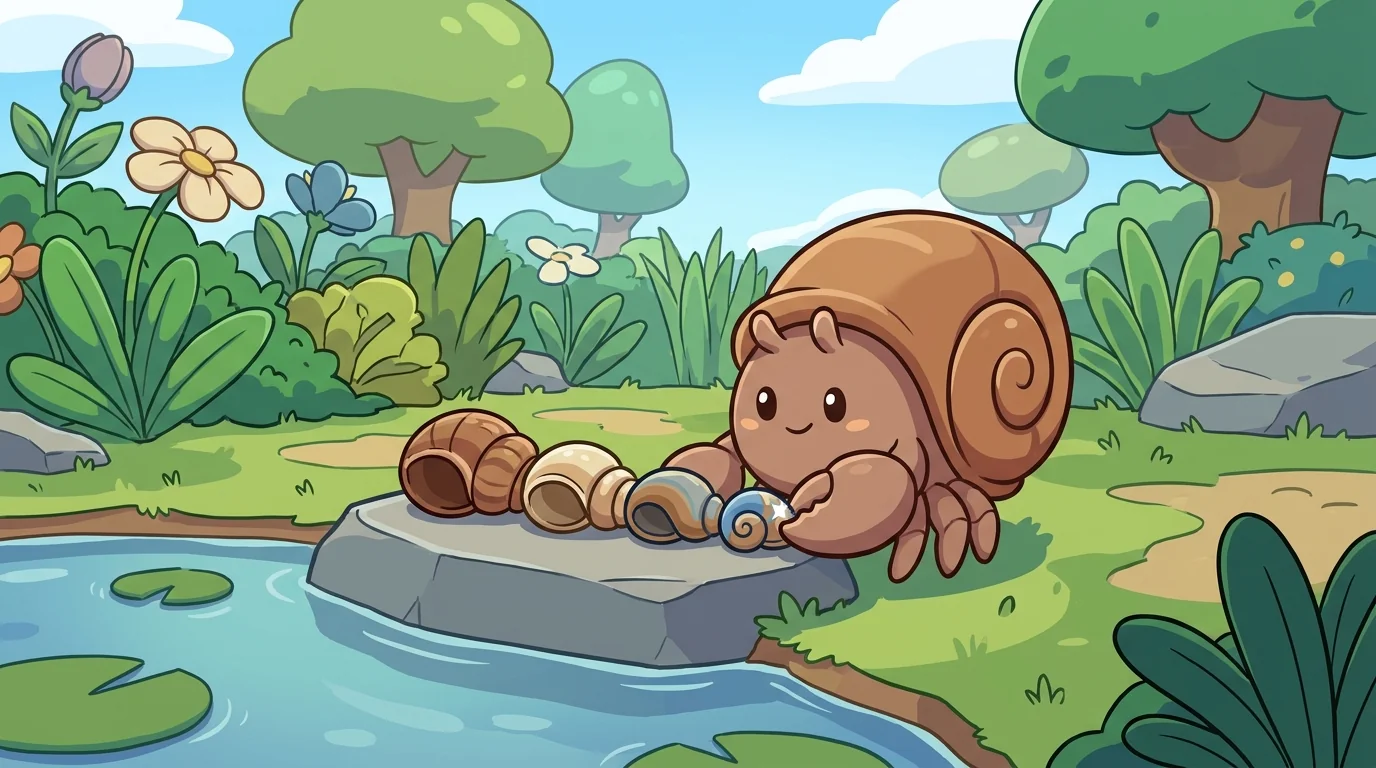
Molt
a character should not be the same at the end of a story as they were at the beginning. They grow, learn, soften, or harden. The reader feels the story most when they can see how far the character has come.
CharacterForge
-

Patch
a character carries the past with them. Something happened before the story started, and it quietly shapes everything they do now. The old moment, healed over, is still part of who they are.
CharacterForge
-
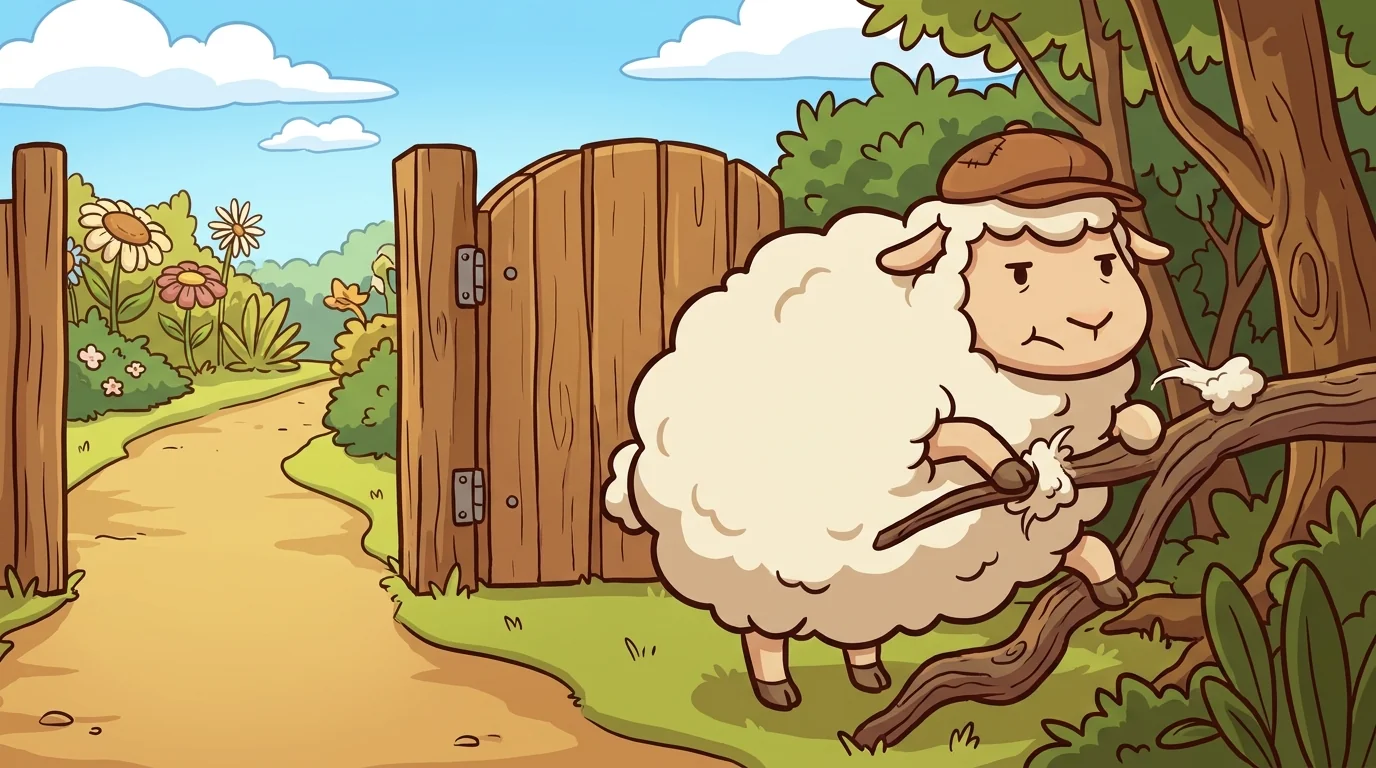
Snag
a character has a weakness, a blind spot, the same mistake they keep making. The flaw is not a problem to fix before the story starts. It is what makes a character feel real and human, and it gives them room to grow.
CharacterForge
-
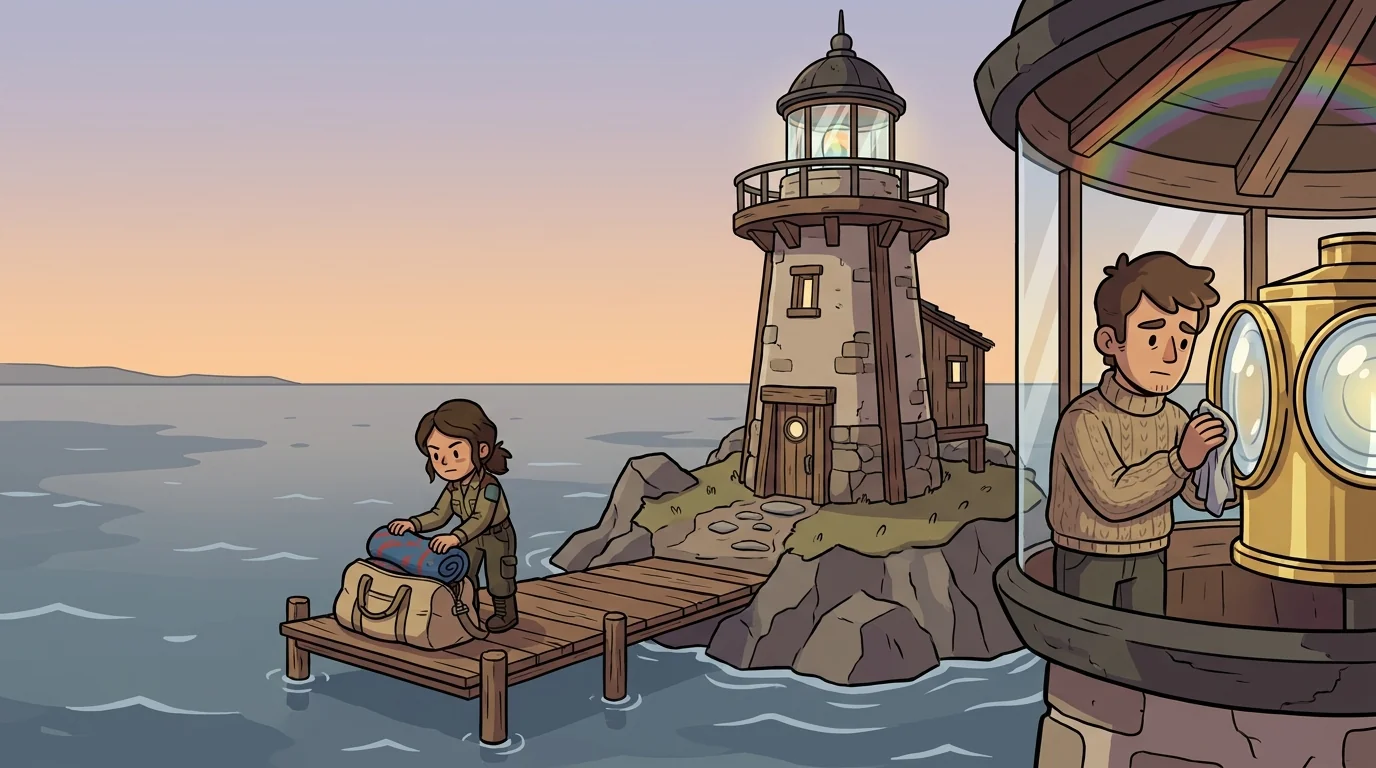
Venture and Nest
when two characters want incompatible things, the collision of their wants is the engine of conflict and reveals the depth of both; neither is the villain, each is the hero of their own want
CharacterForge Ensemble
-

Worth
what a character has to lose. The story matters more when something precious is on the line. The reader leans in because they're afraid the character might lose the thing they love most.
CharacterForge
-
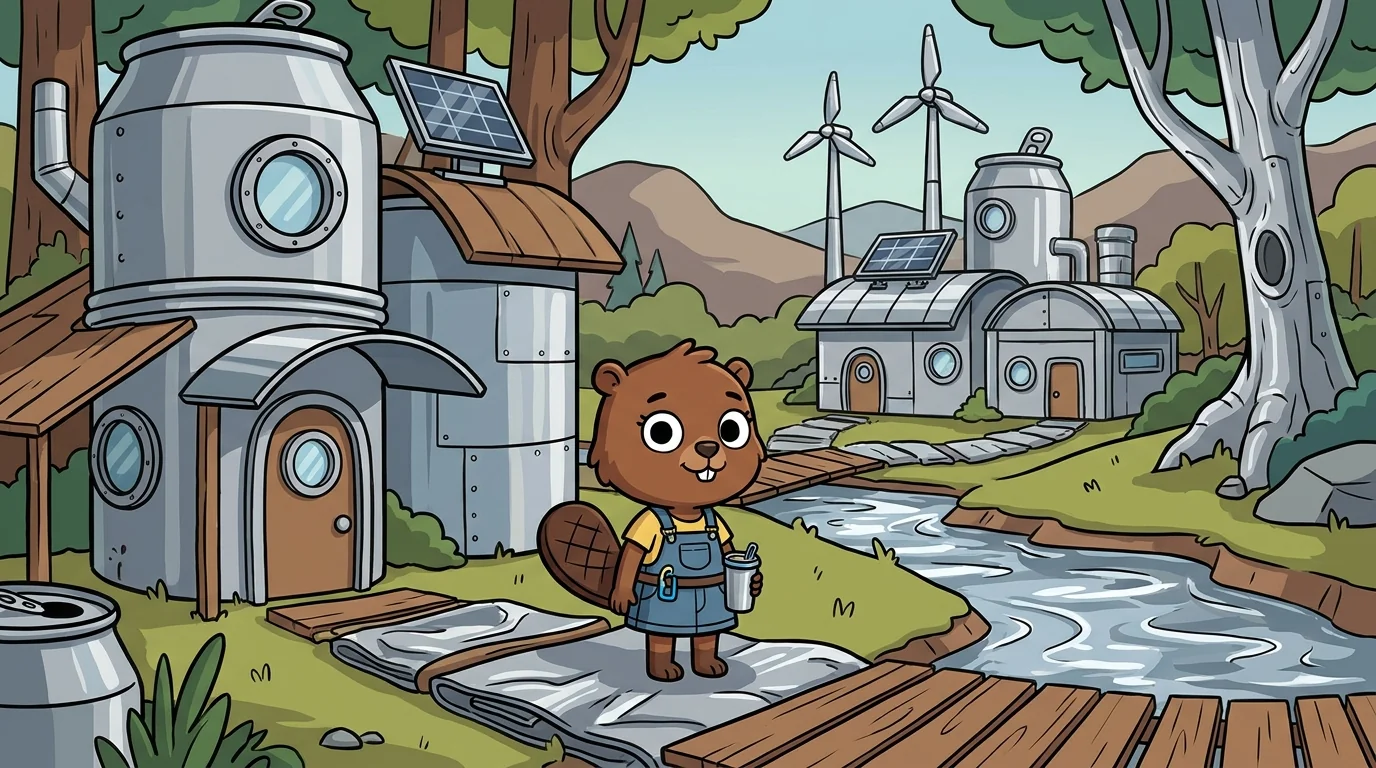
Alumi
the practical workhorse. lightweight, corrosion-resistant, and endlessly recyclable.
ChemQuest Audio
-

Carbo
the social atom that bonds four ways at once; the backbone of life.
ChemQuest Audio
-
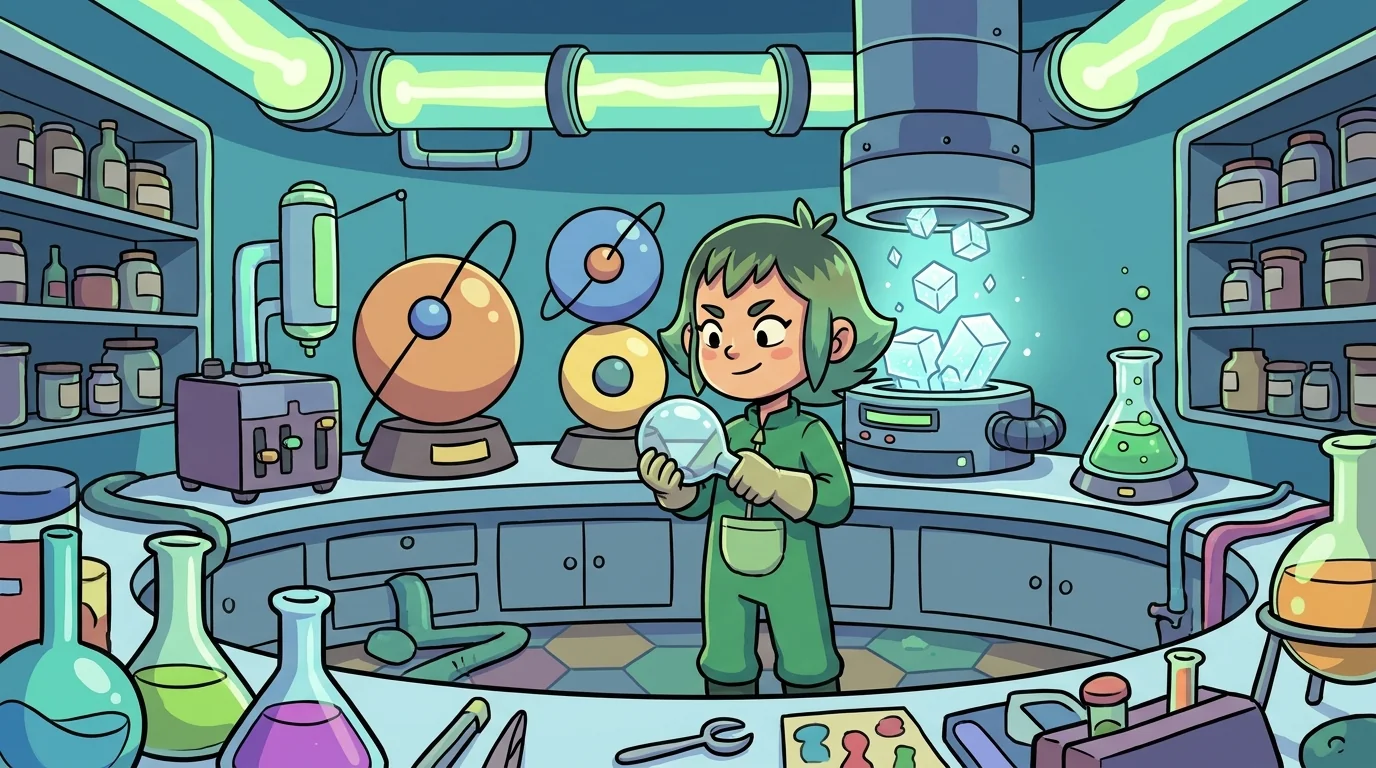
Chlora
*sharp, focused; the collector who finishes what Sodi starts.* One missing outer-shell electron; pulls one electron in eagerly; basis of ionic chlorides; pairs with Sodi to make table salt NaCl.
ChemQuest Audio
-
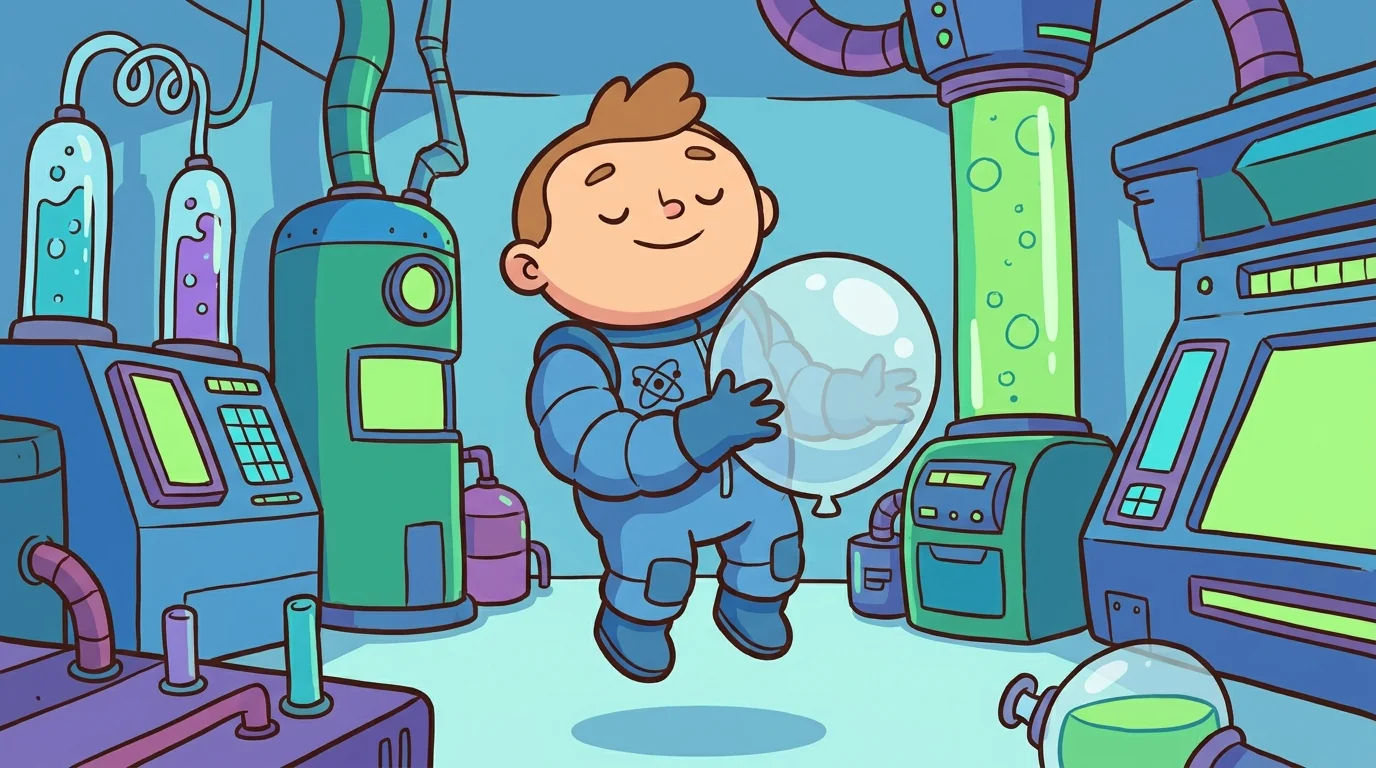
Helio
noble gas; peaceful, floaty, complete; the contented onlooker. Two outer-shell electrons (a full duet); doesn't bond with anything; the picture of atomic stability.
ChemQuest Audio
-

Hydra
*lightweight, ubiquitous, always paired up; buddy-system enthusiast.* The chemistry primitive of *the simplest atom — one proton, one electron — that bonds with almost everything and is in almost every interesting molecule on Earth.*
ChemQuest Audio
-

Magna
*bold, ceremonial; burns bright white; chlorophyll core.* Two extra outer-shell electrons; gives both away to become Mg²⁺; bright-white-flame combustion; the chlorophyll-anchor element of green plants.
ChemQuest Audio
-

Nitra
slow to bond, strong when bonded; the fierce triple grip that holds proteins and DNA together.
ChemQuest Audio
-
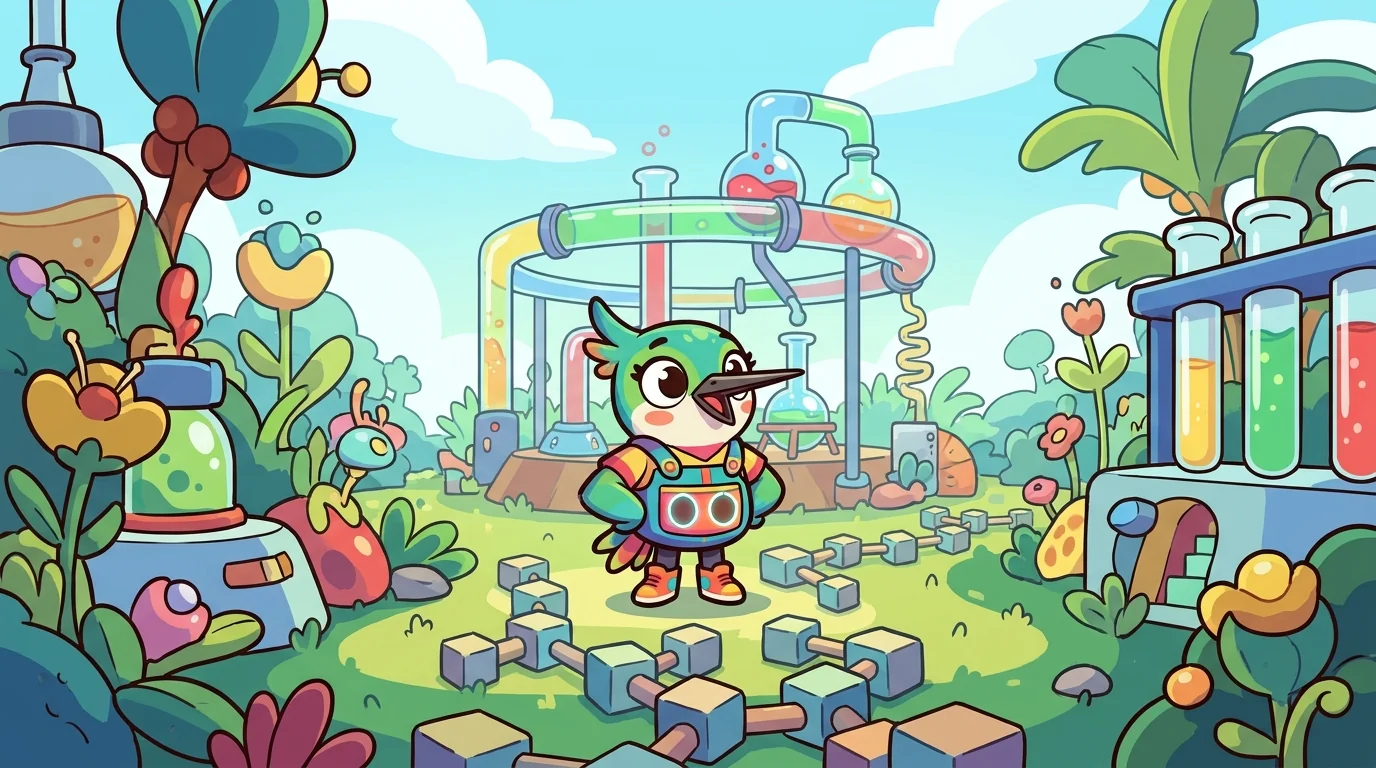
Oxy
eager bonder; electronegative; the hungry grabber. Two outer-shell electron-gaps; pulls shared electrons strongly toward itself; the basis of water, burning, and breathing.
ChemQuest Audio
-
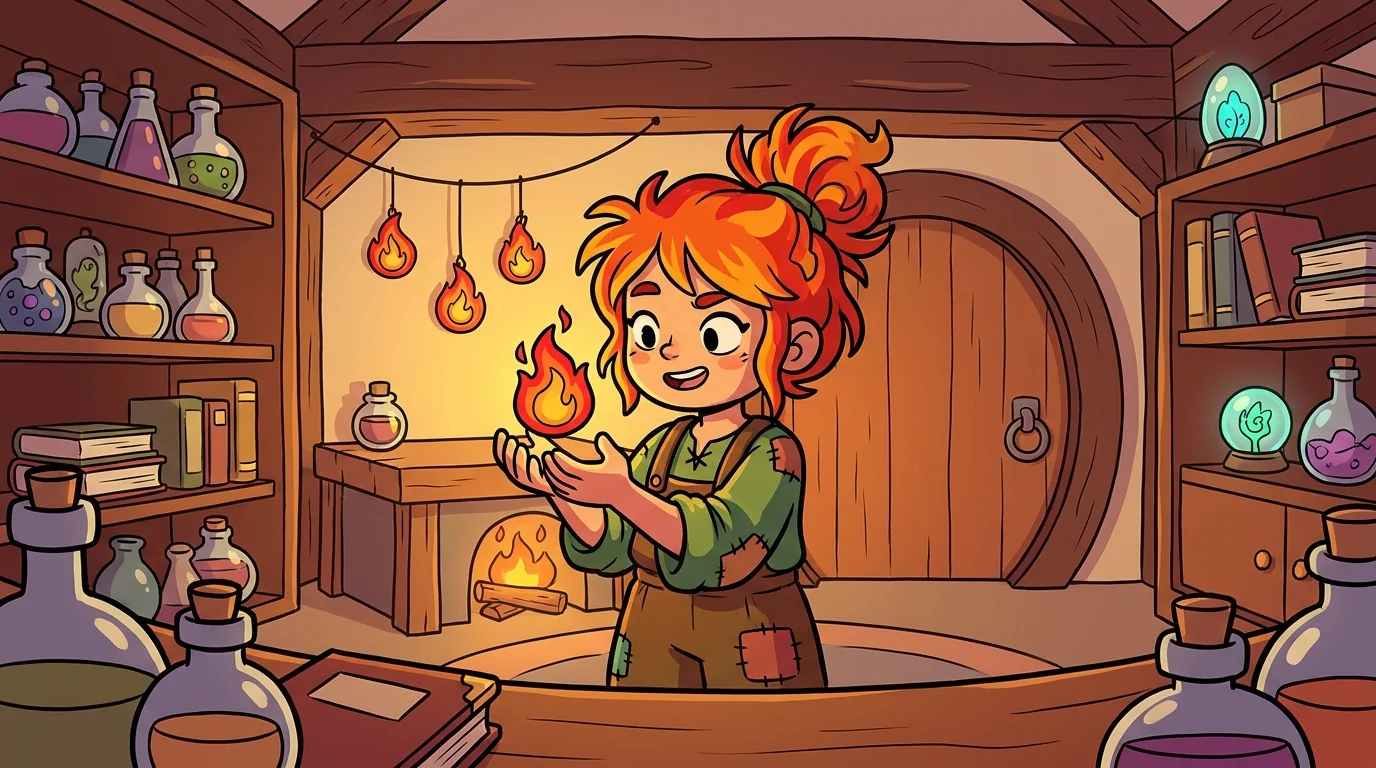
Phossa
energetic, restless; the spark of ATP and matches. Five outer-shell electrons; flexible bonding (3 to 5 connections); the energy currency of living things; the spark-flash element.
ChemQuest Audio
-

Sharer
*cooperative, balanced; equal partnership.* The bond-type that forms when two atoms share electrons in their overlapping outer shells. H₂O, CH₄, NH₃, O₂, N₂ — most molecular compounds.
ChemQuest Audio
-

Silica
the quiet architect who builds orderly, repeating lattices; the backbone of Earth's crust and of every chip.
ChemQuest Audio
-

Sodi
*generous, impulsive; always giving away electrons.* One extra outer-shell electron; gives it up readily; basis of ionic compounds; pairs with Chlora to make table salt NaCl.
ChemQuest Audio
-
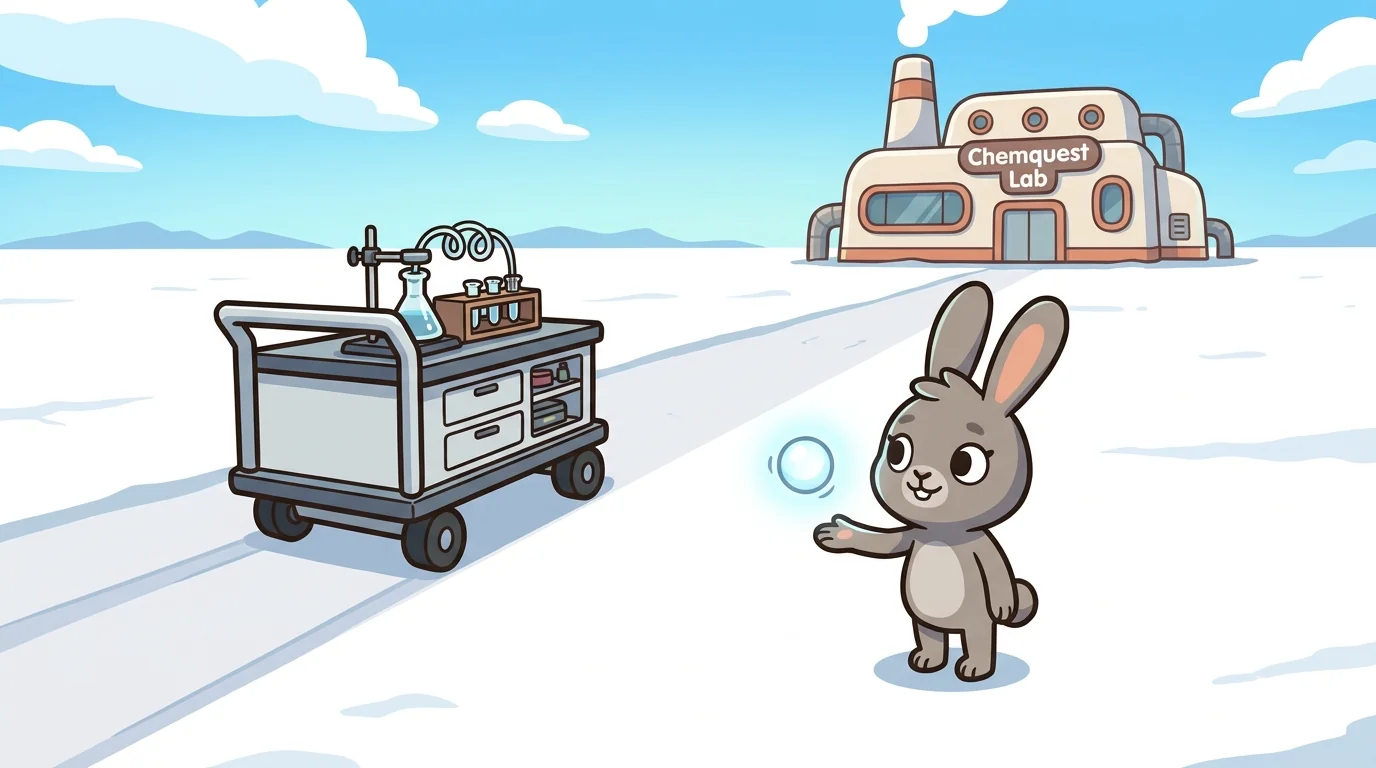
Sodi and Chlora
one atom gives an outer electron and becomes a positive ion; the other takes it and becomes a negative ion; opposite charges pull them together into a repeating crystal (Sodi = Na, Chlora = Cl, together = table salt NaCl).
ChemQuest Ensemble
-
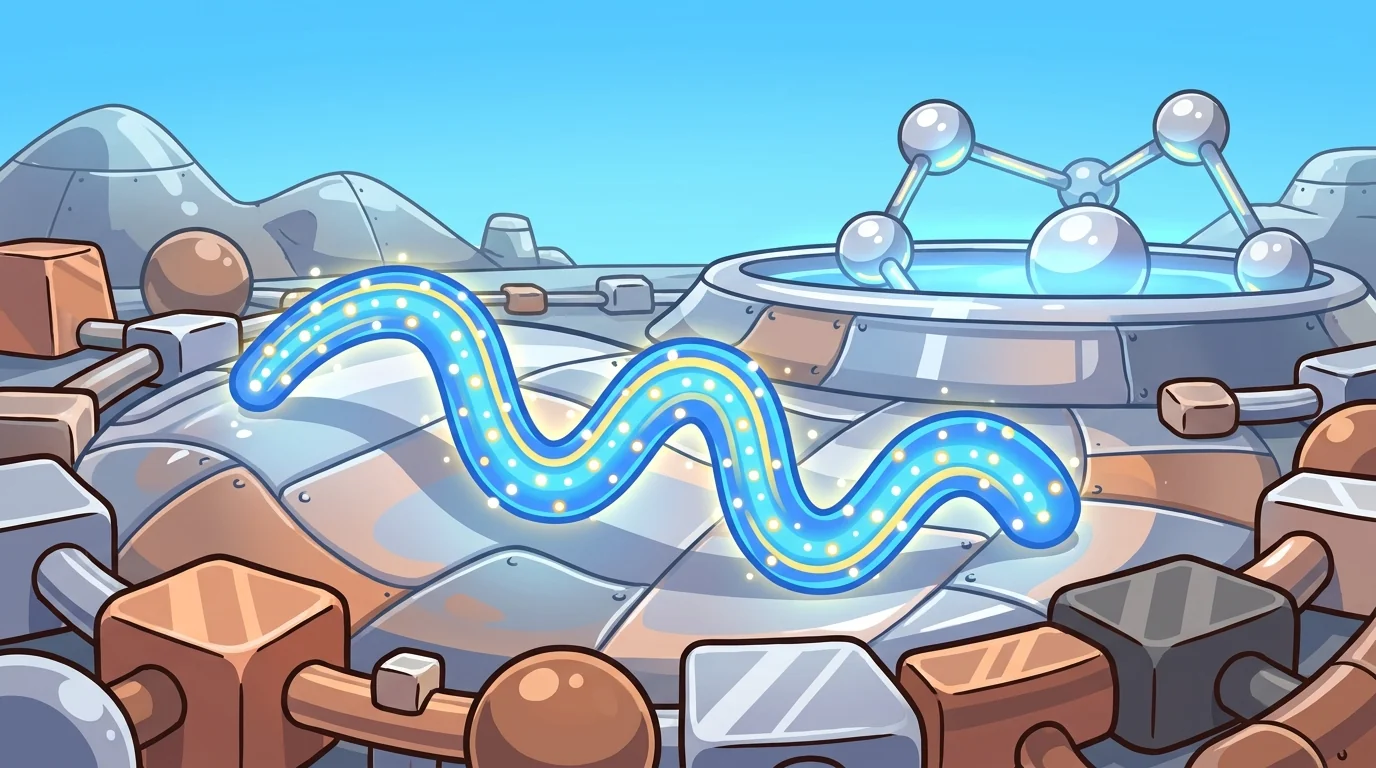
Streamer
*flowing, communal; delocalized electron sea.* The bond-type that holds metals together via electrons that flow freely across the entire metal lattice. Aluminum, iron, copper, gold, sodium-as-pure-metal.
ChemQuest Audio
-
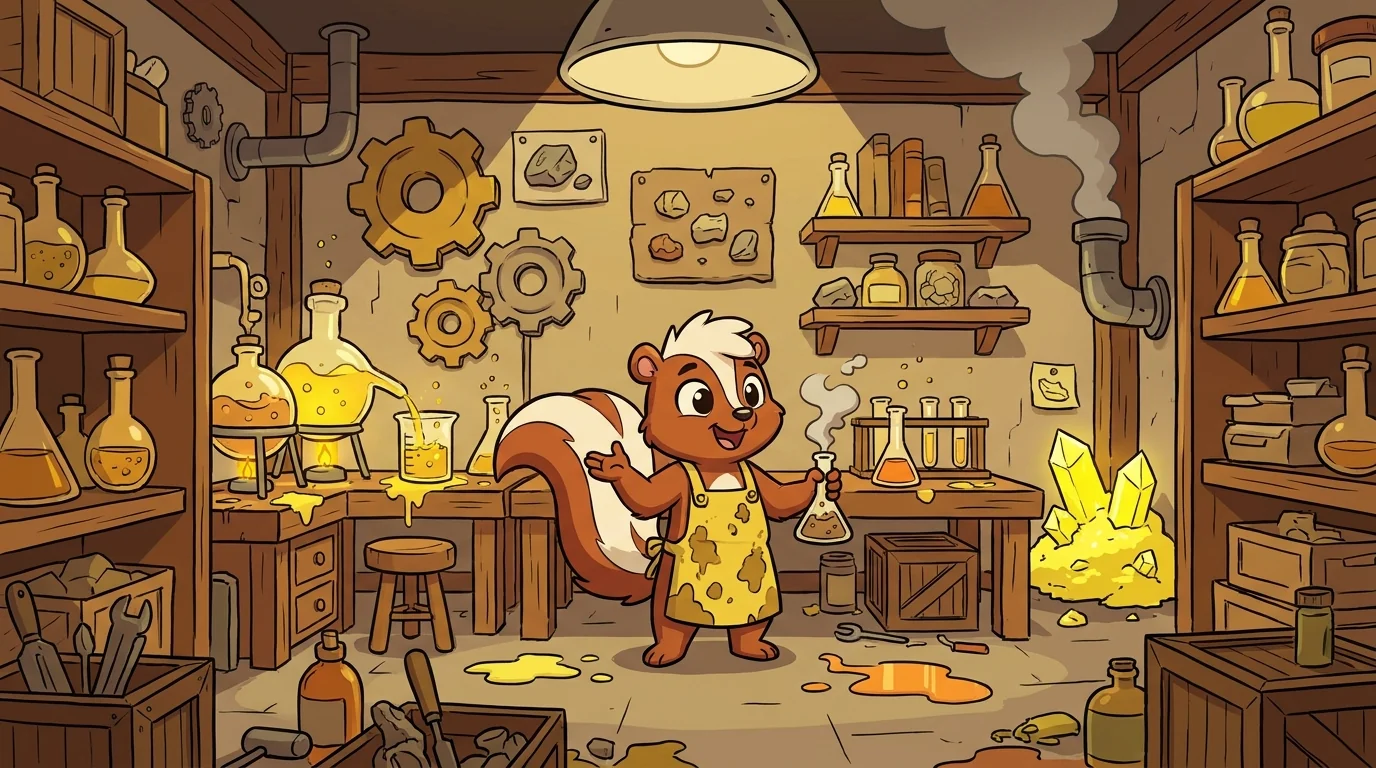
Sulfa
the smelly, generous element. Two bonds, flexible chemistry. Stinky in volcanoes; structural in your hair.
ChemQuest Audio
-
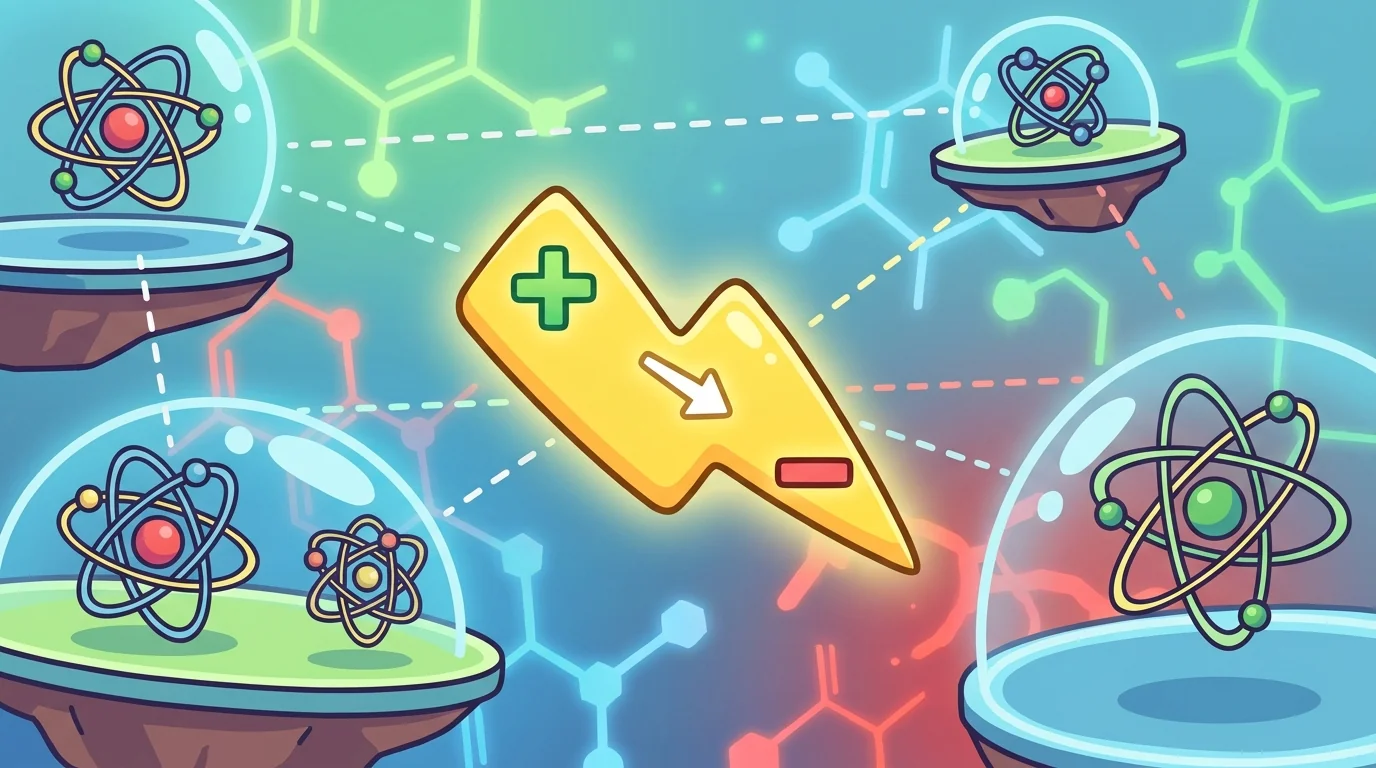
Tugger
*forceful, decisive; full electron transfer; opposites attract.* The bond-type that forms when one atom completely gives an electron to another. NaCl, MgCl₂, Al₂O₃ — most salts.
ChemQuest Audio
-
Whisperer
*subtle, persistent; water's superpower; DNA pairing.* Weaker than covalent bonds individually but collectively load-bearing for water's properties + DNA's structure + protein folding.
ChemQuest Audio
-
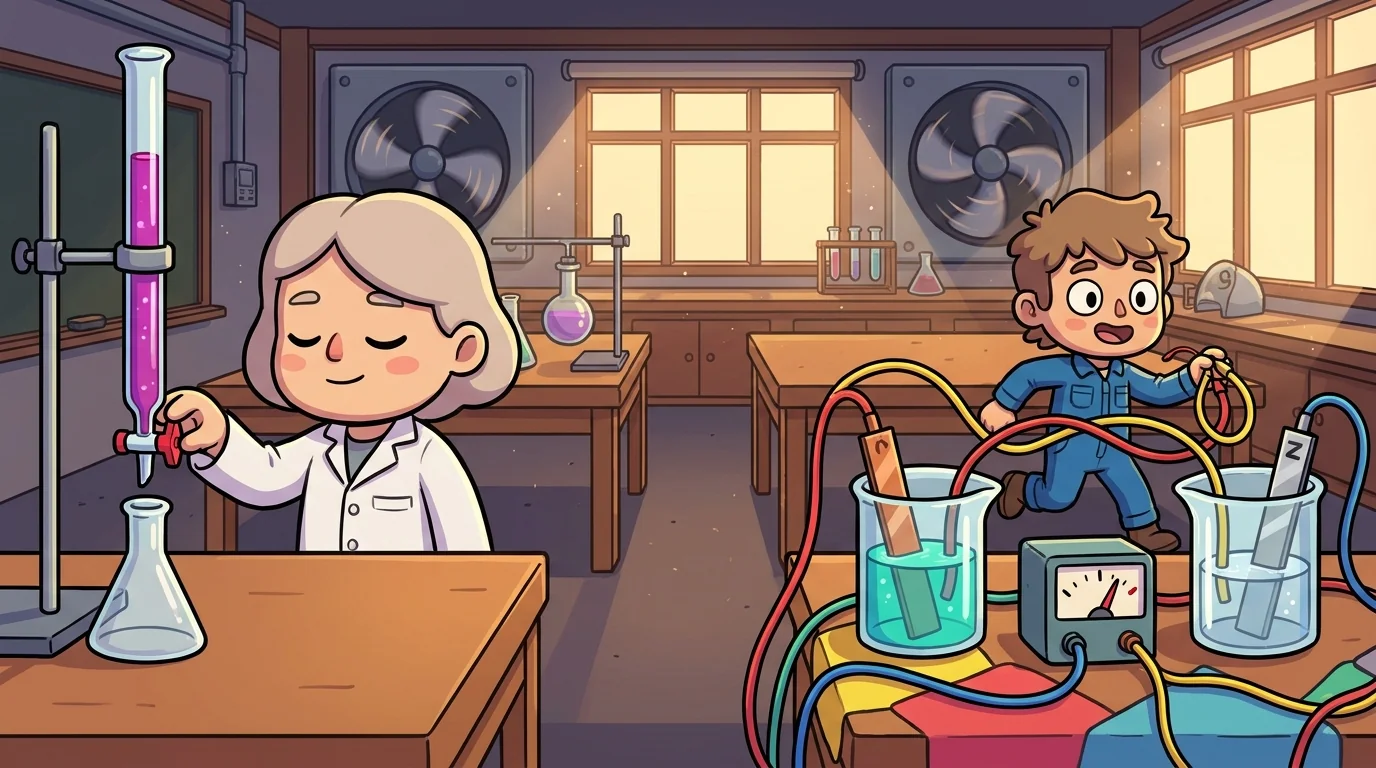
Whisperer and Streamer
Whisperer is solution chemistry (small concentrations, gentle mixing, equilibrium). Streamer is electrochemistry (charge moving, current flowing, redox). Together they show that chemistry has both still and moving versions of the same conservation laws.
ChemQuest Ensemble
-
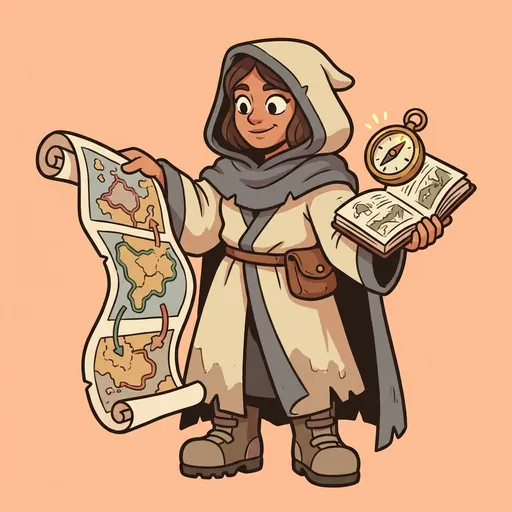
The Cartographer
*where + when before what + why. set the frame first.*
ChronoQuest Audio
-

The Chronicler-of-the-Defeated
*whose story doesn't survive in the winners' archive? recover what was silenced.*
ChronoQuest Audio
-

The Counter-Voice
*who benefits from this version of the story? historian's method, NOT cynicism.*
ChronoQuest Audio
-
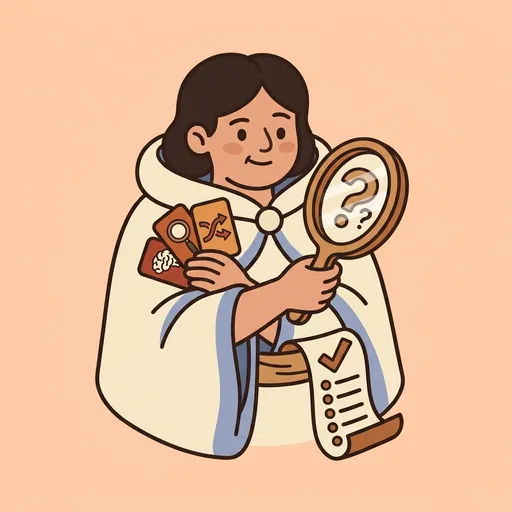
The Question-Asker
*what question are we actually asking? the question shapes the answer.*
ChronoQuest Audio
-

The Storykeeper
*what wasn't written down? oral tradition is evidence.*
ChronoQuest Audio
-
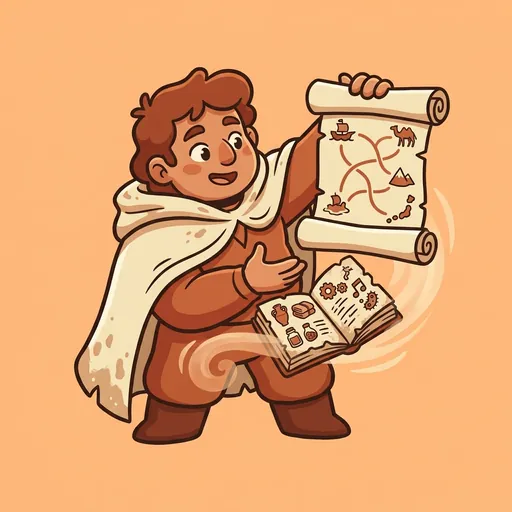
The Trade-Wind
*what moved between civilizations? goods, ideas, diseases.*
ChronoQuest Audio
-
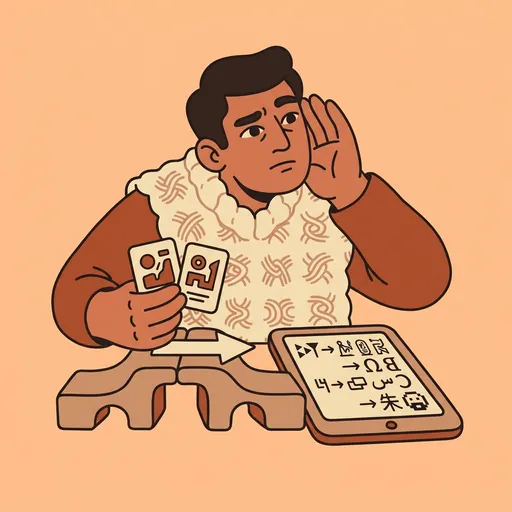
The Translator
how do ideas travel between cultures? meaning shifts on the way.
ChronoQuest Audio
-
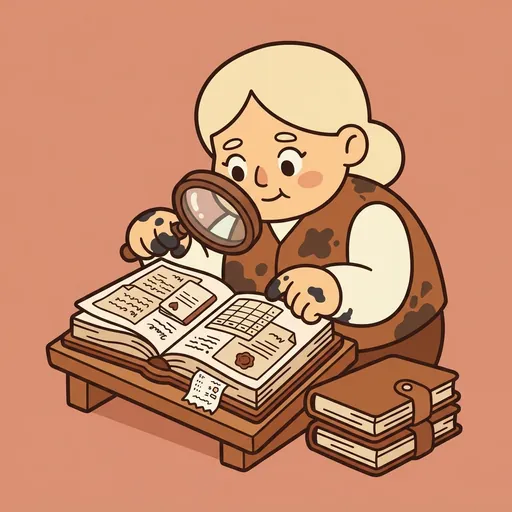
The Witness
what did people THERE see and write? read the source closely.
ChronoQuest Audio
-

Caesar
*the simplest cipher: shift every letter by a fixed number.* The cryptography primitive of *substitution by uniform alphabet rotation — the entry point to symmetric-key cryptography.*
CipherForge Audio
-
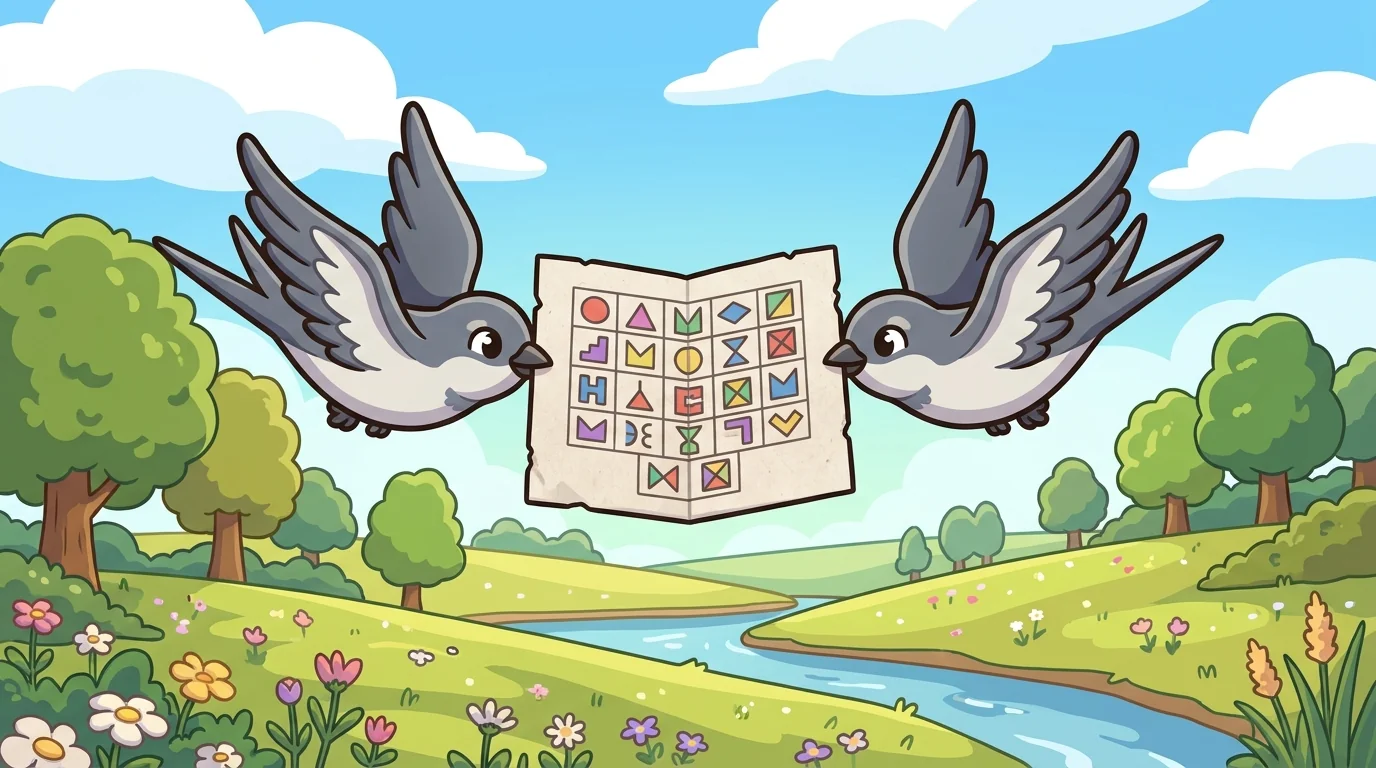
Echo Pair
*letters encoded in pairs through a 5×5 grid.* The cryptography primitive of *digraph (two-letter-unit) substitution using a keyword-arranged grid.*
CipherForge Audio
-

Hollow
*hide the fact that there is a message at all.* Every other cipher scrambles a message everyone can SEE is a message; Hollow's move is to make the message invisible — tucked inside an ordinary thing so no one even looks. Hiding the existence, not the meaning.
CipherForge
-

Lattice
*XOR, public-key concept, hashing; the irreversible / asymmetric family.* The cryptography primitive of *one-way operations + asymmetric keys as the foundation of modern secure communication.*
CipherForge Audio
-

Mask
*every letter has a fixed substitute.* The cryptography primitive of *arbitrary one-to-one alphabet remapping (more general than shift; same letters always become same substitutes).*
CipherForge Audio
-
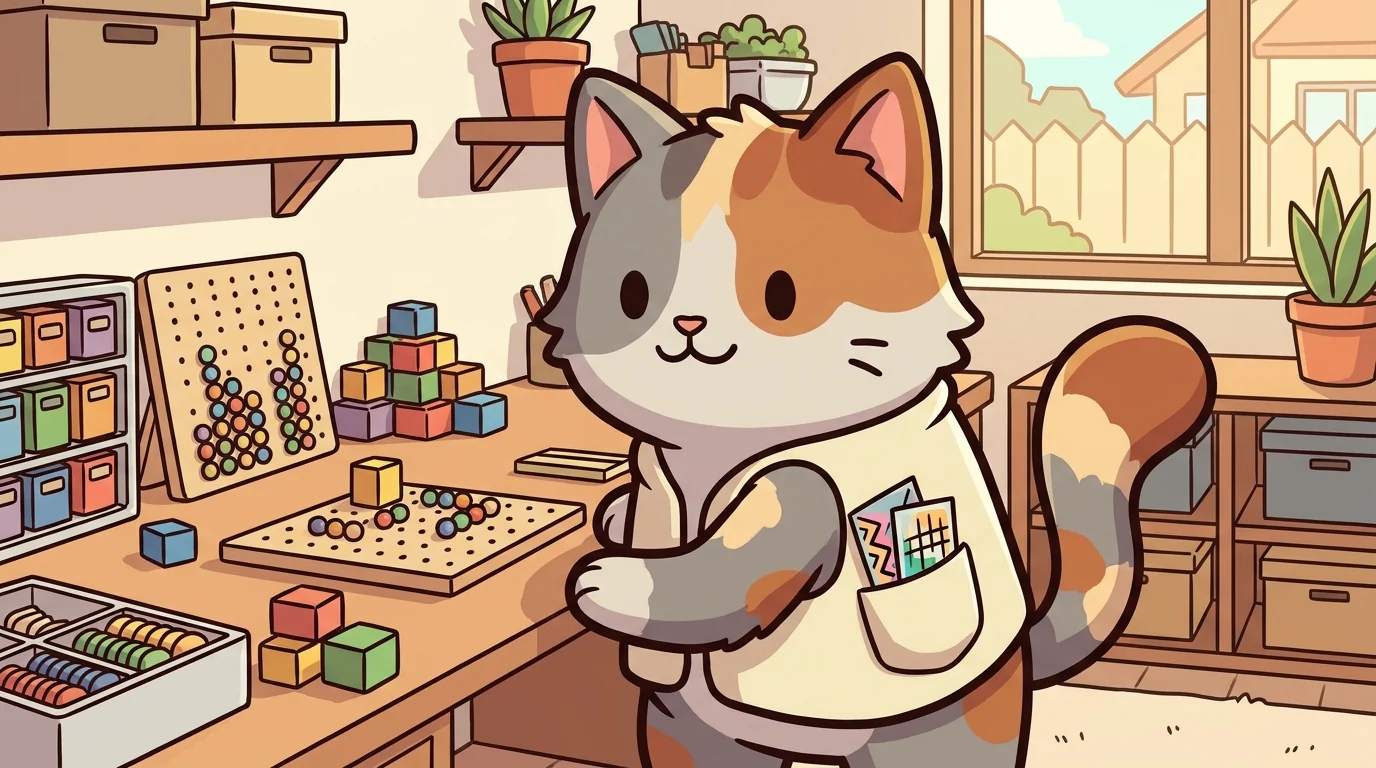
Rail
*rearrange the letters; keep all of them.* The cryptography primitive of *transposition ciphers — changing letter order without changing letter identity.*
CipherForge Audio
-

Sift
*every cipher has a frequency-fingerprint.* The cryptography primitive of *breaking ciphers using statistical analysis of letter + digraph + word patterns.*
CipherForge Audio
-
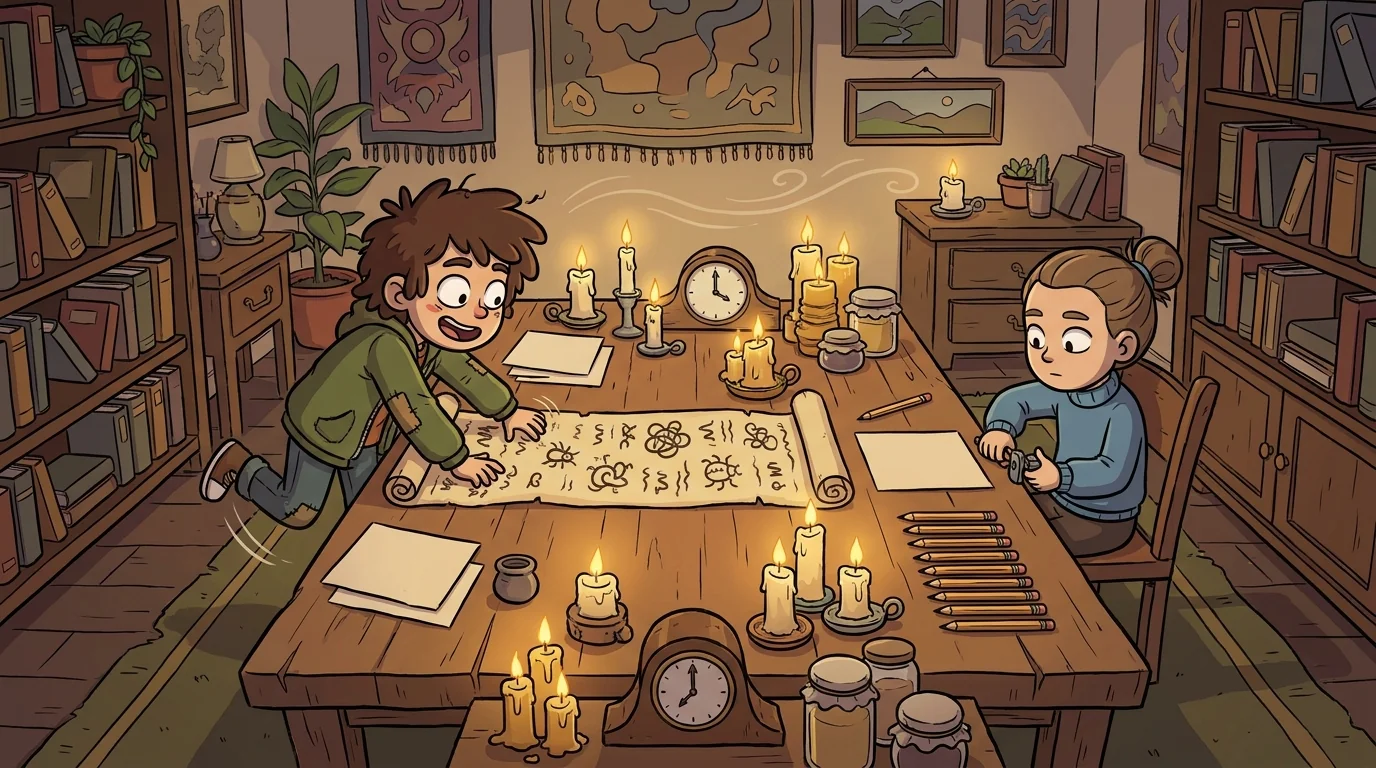
Sift and Tally
counting letter patterns to break ciphers
CipherForge Ensemble
-
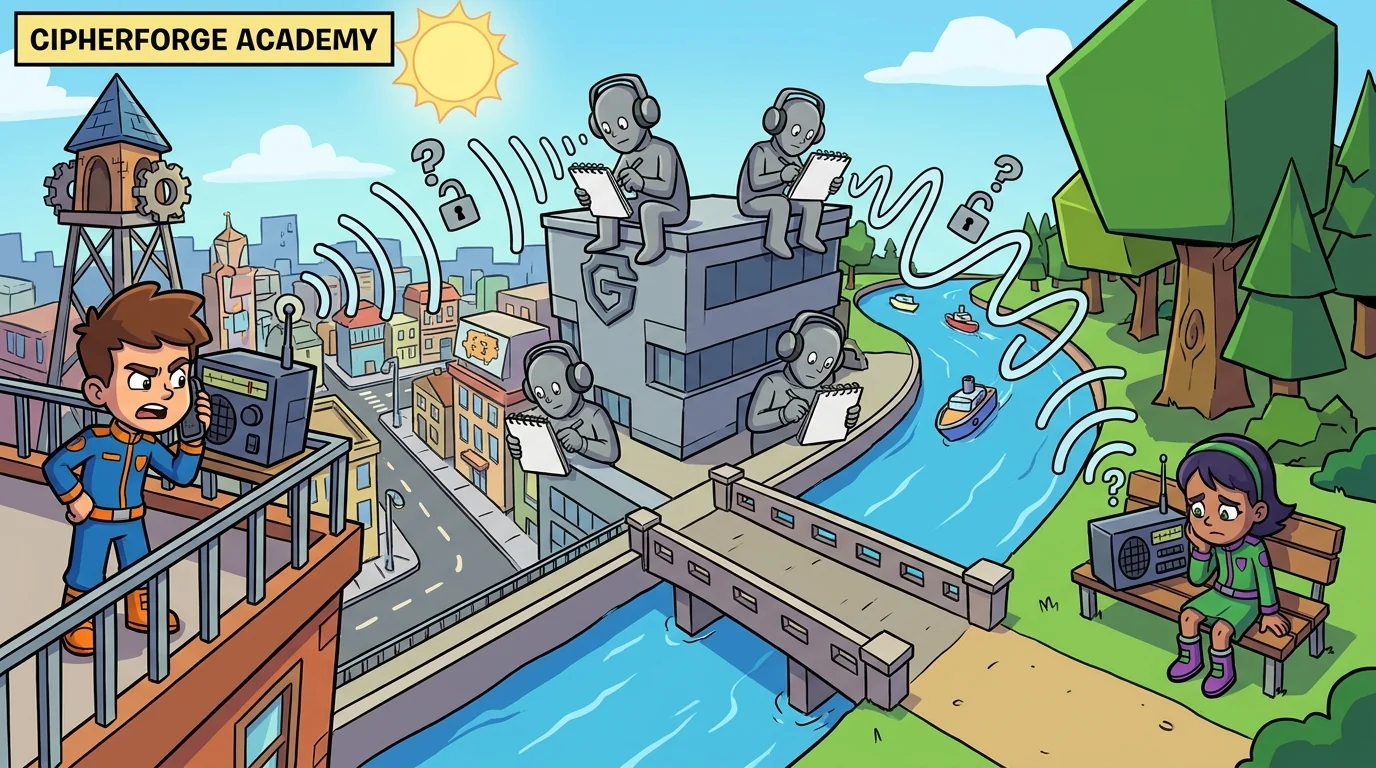
Swap and Meld
two parties build a shared secret over an open channel; each combines a private value with a public one and swaps results, then re-combines, arriving at the same key an eavesdropper who saw every message still cannot reproduce
CipherForge Ensemble
-

Tally
*A1Z26, ASCII, binary, book ciphers; any mapping that converts letters to numbers.* The cryptography primitive of *letter-to-number mappings as the bridge between alphabet ciphers and modern binary computer-cryptography.*
CipherForge Audio
-
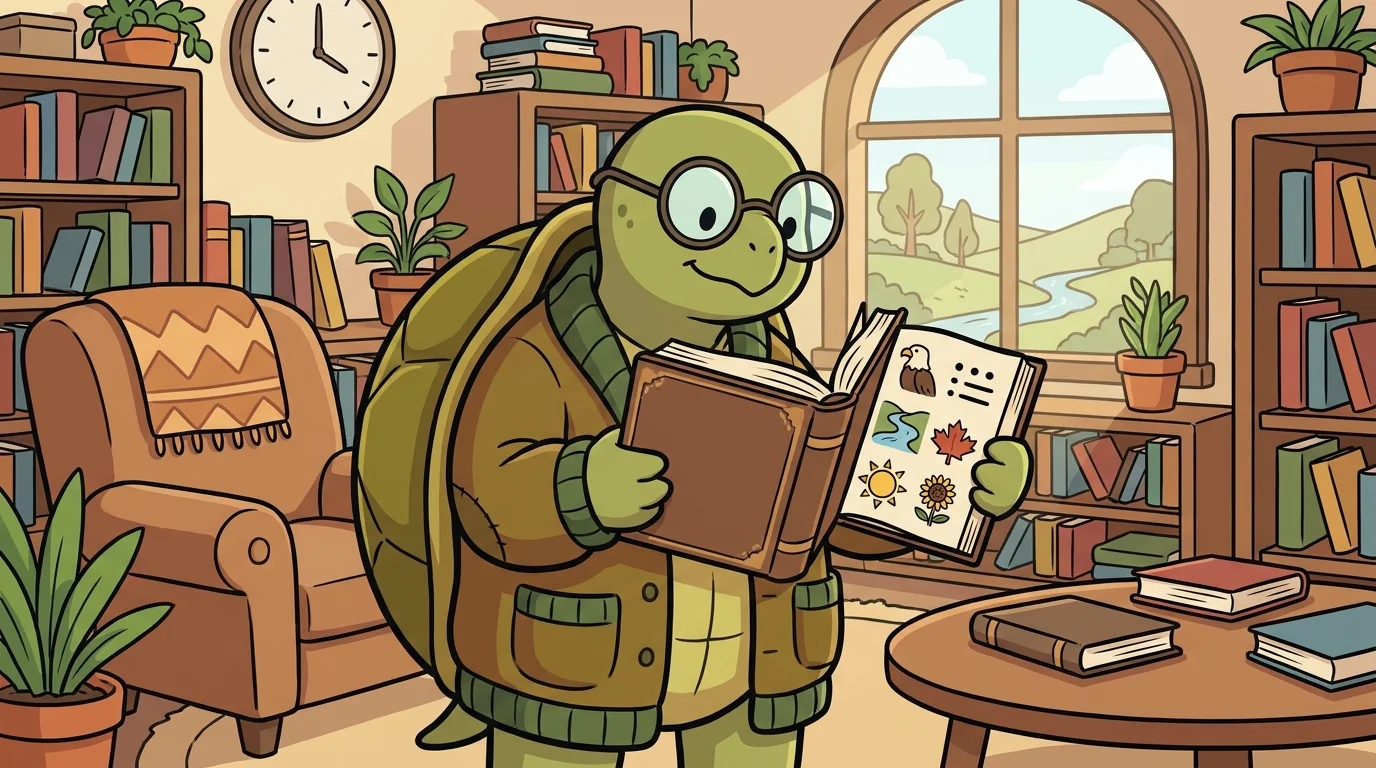
Tome
*swap whole words and phrases, not single letters.* Both sides share a book that maps "eagle" to "613" and "we attack at dawn" to "ROSE GARDEN." Letter-ciphers scramble inside words; a codebook replaces the words themselves with code-words from a shared list.
CipherForge
-
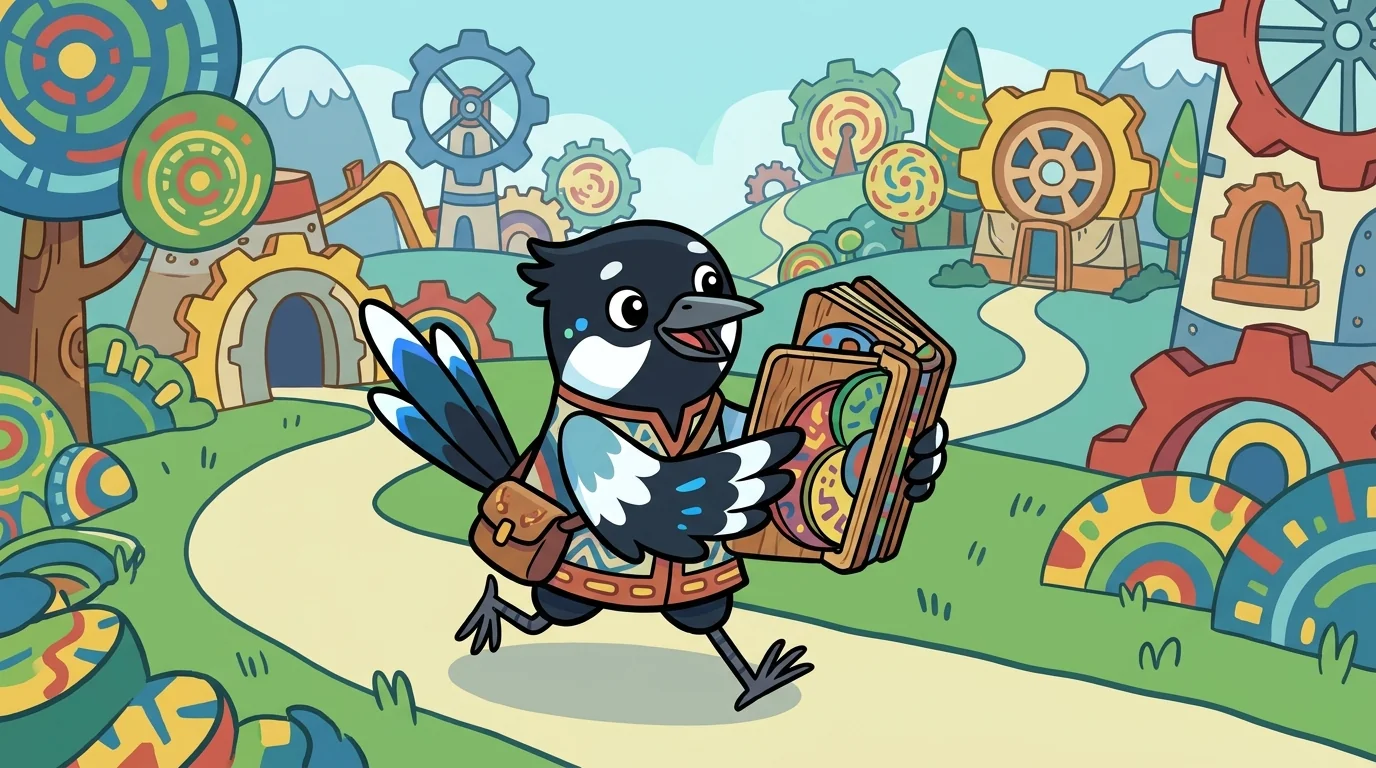
Vigenère
*polyalphabetic keyword cipher; the Caesar-on-a-rotating-keyword pattern.* The cryptography primitive of *cycling through multiple Caesar shifts based on a keyword.*
CipherForge Audio
-
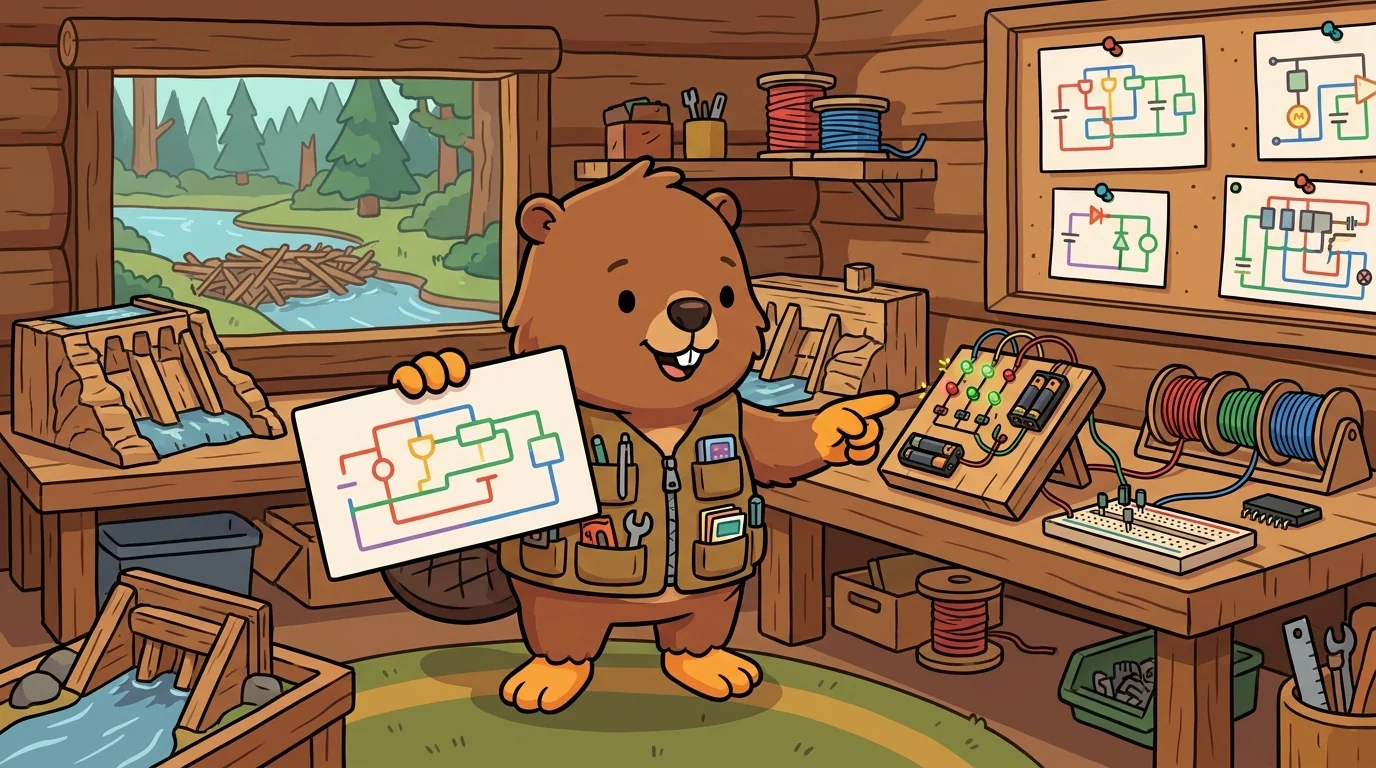
Branch
*one path or many. the topology decides the behavior.*
CircuitForge Audio
-
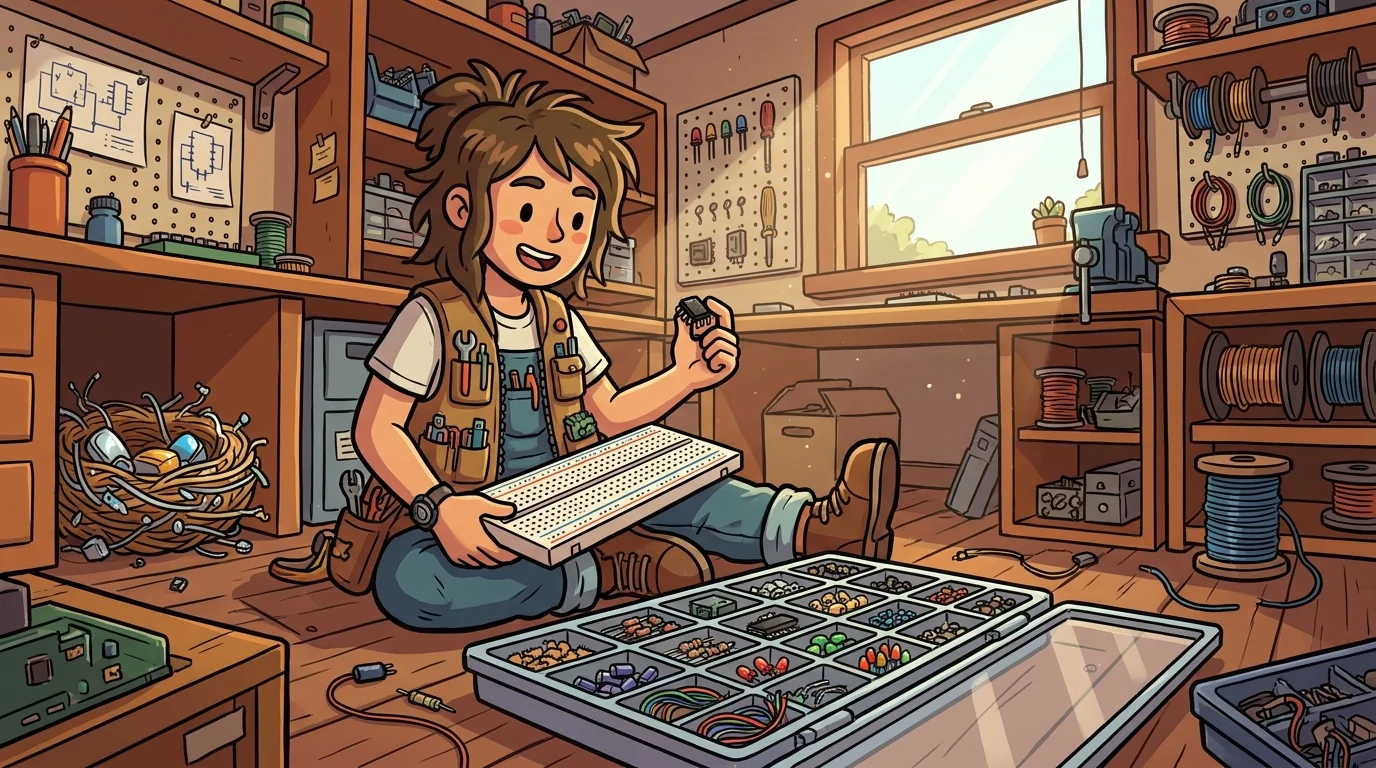
Build
*every component has a job. wire them together; the circuit comes alive.*
CircuitForge Audio
-
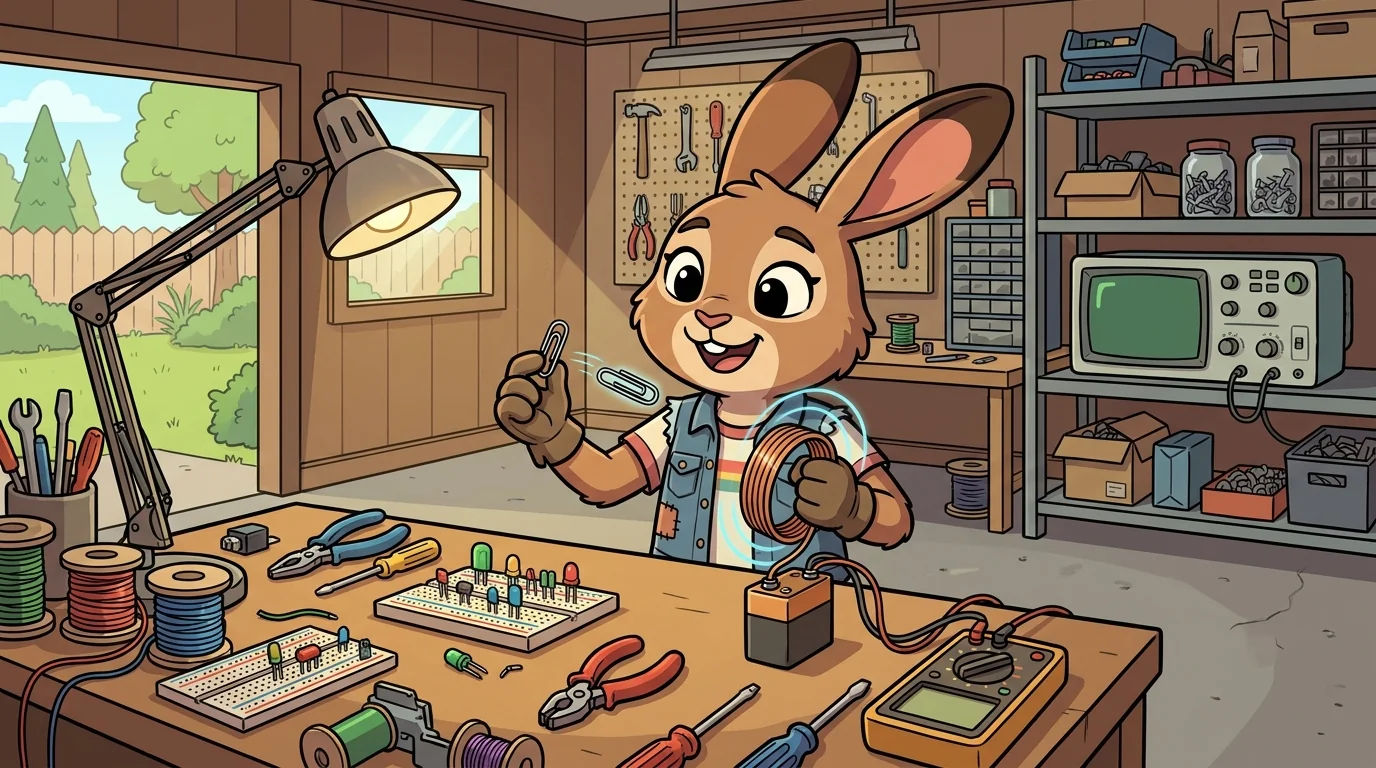
Coil
the wound wire that makes a magnetic field and resists sudden change. Inductance, measured in henries. The electronics primitive of *current becoming magnetism — the trick behind every motor, speaker, and electromagnet.*
CircuitForge
-
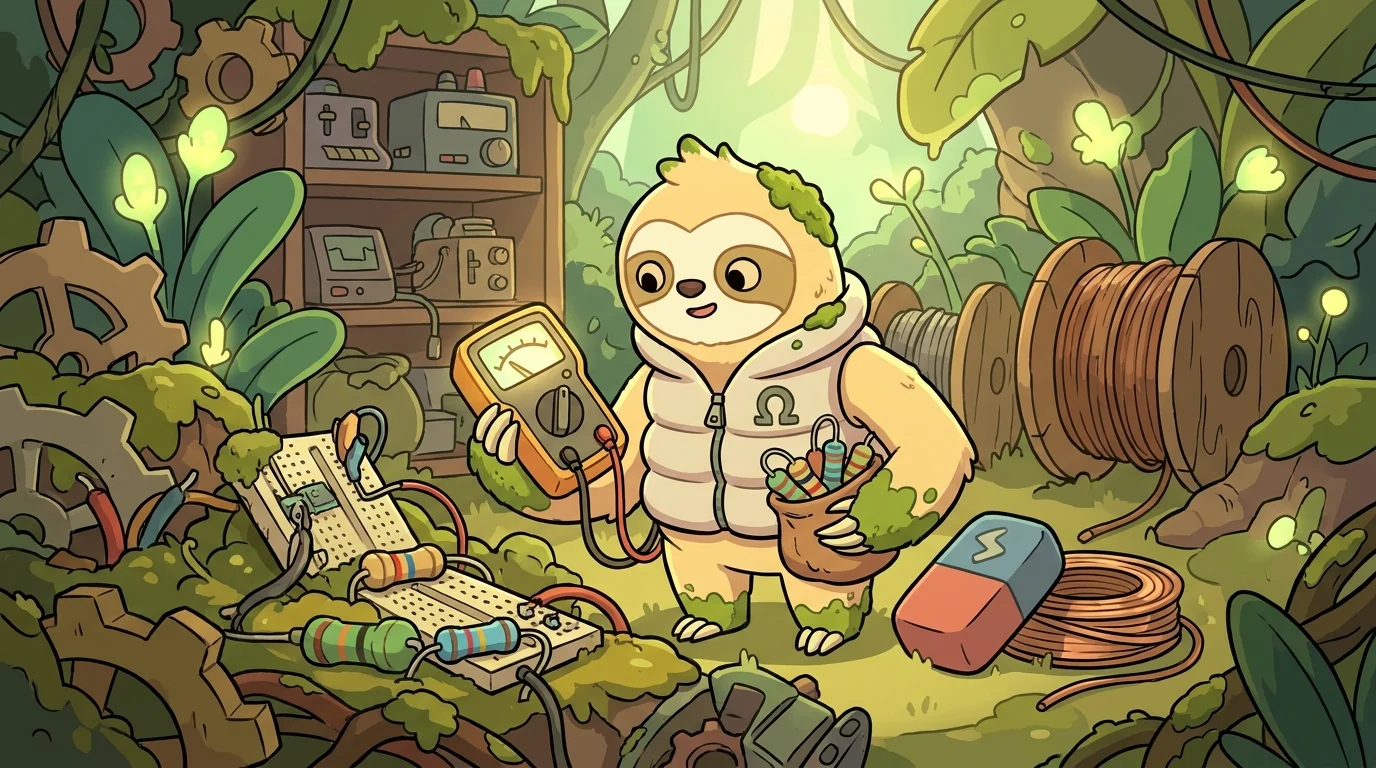
Damp
*the slowdown. measured in ohms.*
CircuitForge Audio
-

Flow
*electrons moving through wires. measured in amperes.*
CircuitForge Audio
-

Push
the pressure difference. measured in volts.
CircuitForge Audio
-
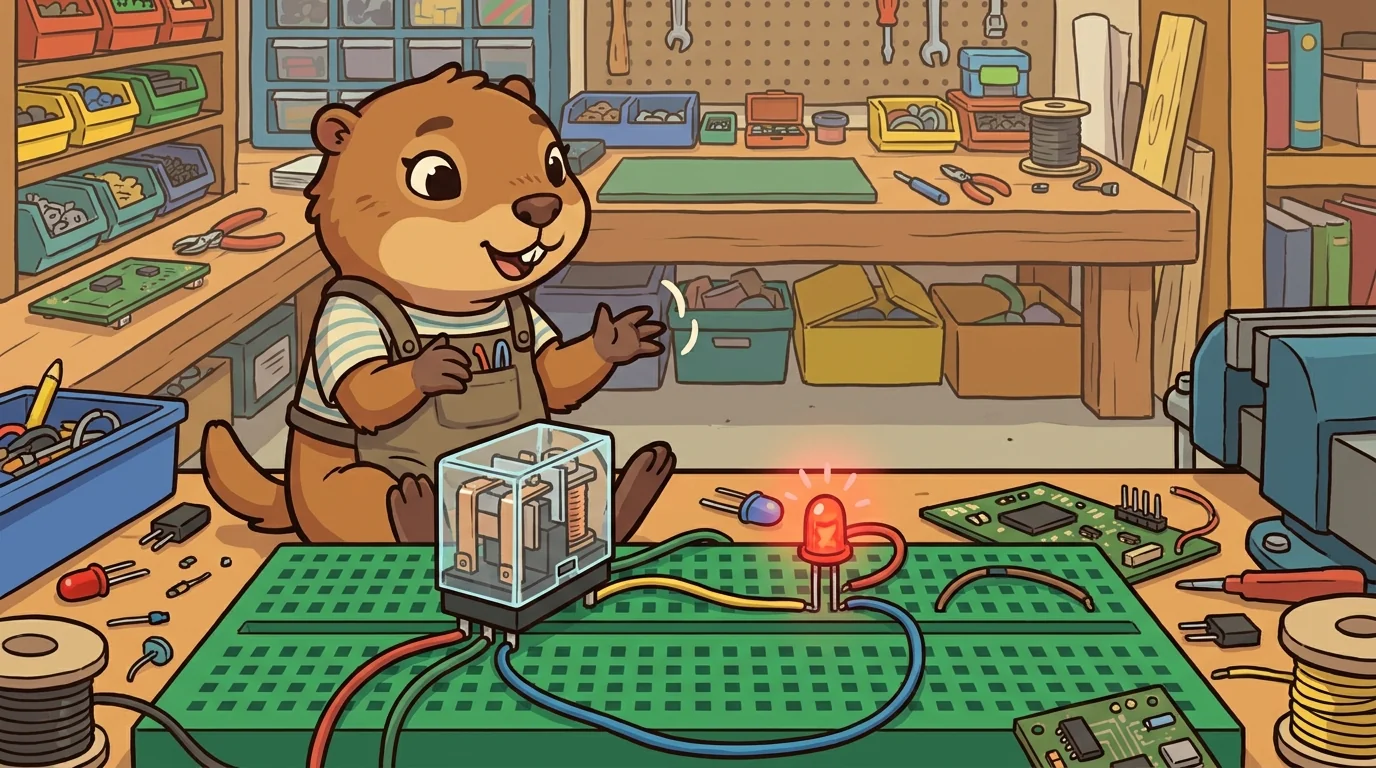
Relay
the switch the circuit can flip itself. Open or closed; on or off. The electronics primitive of *control — a gate in the wire that decides whether current passes, and can be flipped by a person OR by another part of the circuit.*
CircuitForge
-
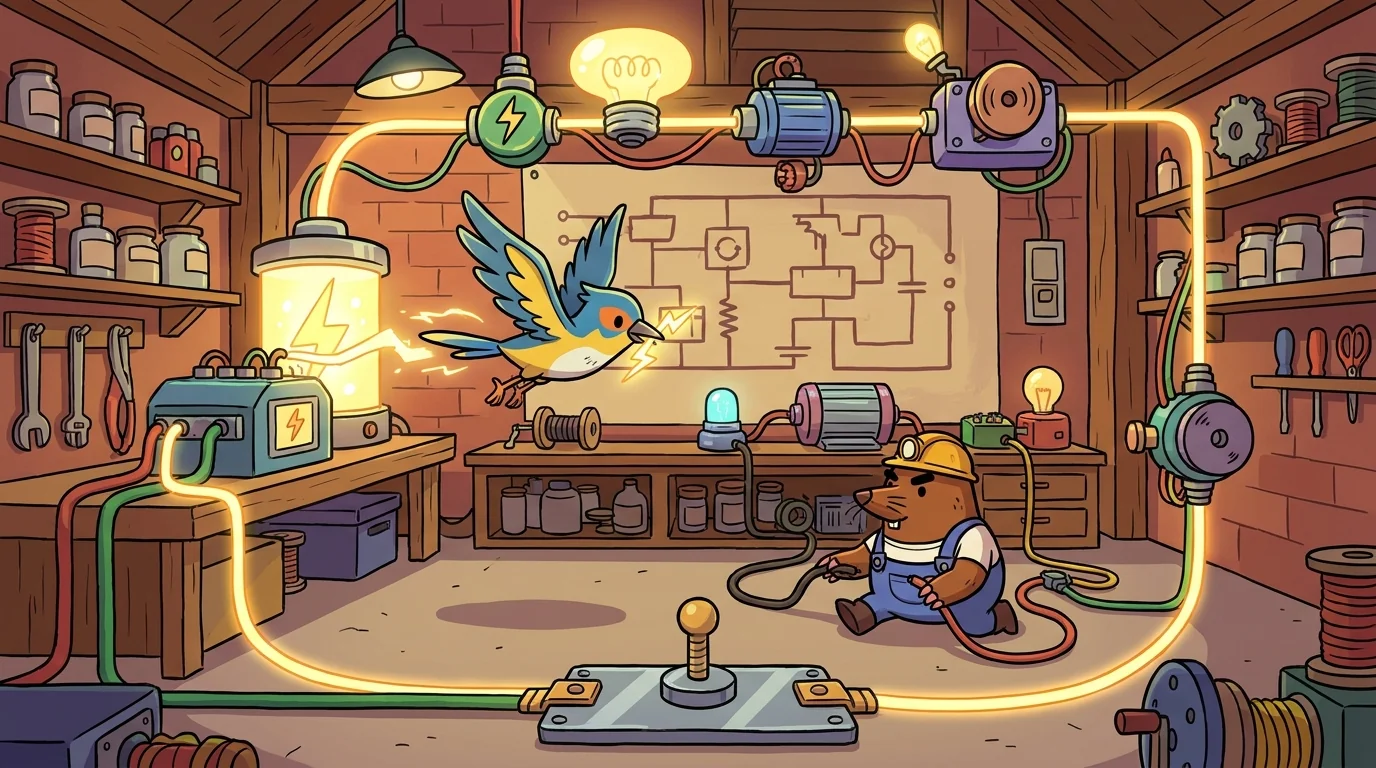
Send and Ground
*current only flows if it can get all the way back; a circuit is a round-trip, and ground is where it returns.* The electronics primitive of the closed loop and the return path — no complete loop, no flow, no matter how much pressure you have.
CircuitForge Ensemble
-
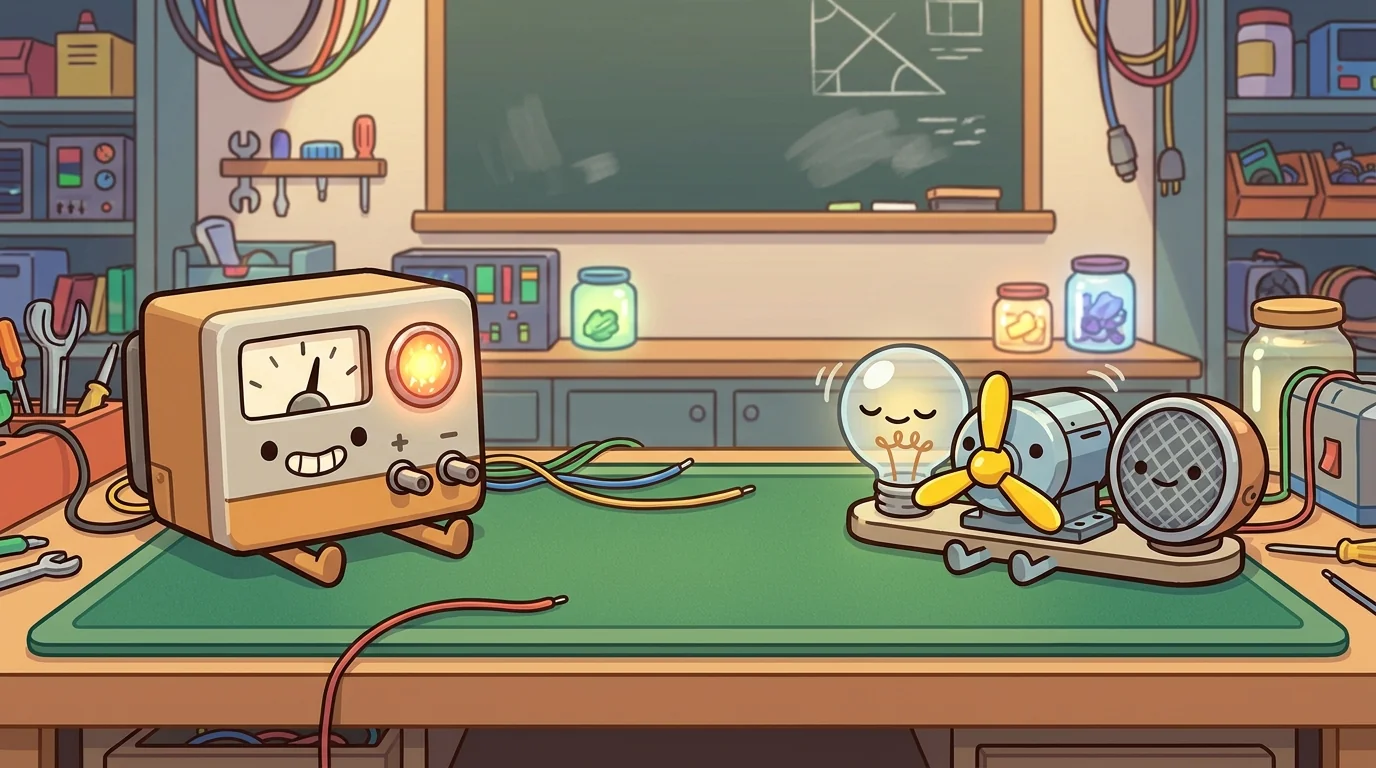
Spark and Load
Spark is the source (voltage, current generation, battery / generator). Load is the work-being-done (the device that consumes the current — bulb, motor, speaker). Together they teach that no circuit works without both giver and receiver.
CircuitForge Ensemble
-
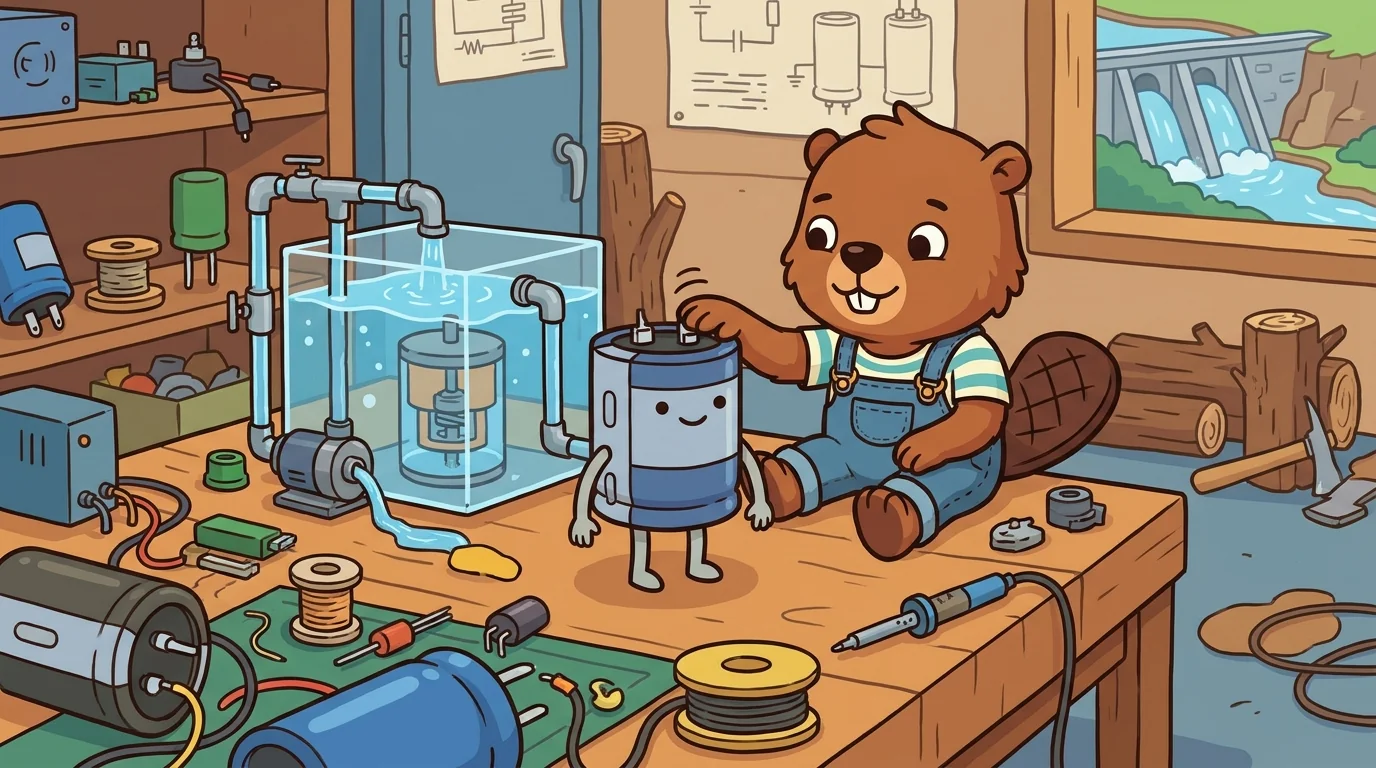
Store
the tank that fills with charge and releases it. Capacitance, measured in farads. The electronics primitive of *a component that holds charge and hands it back — smoothing bumps and timing delays.*
CircuitForge
-
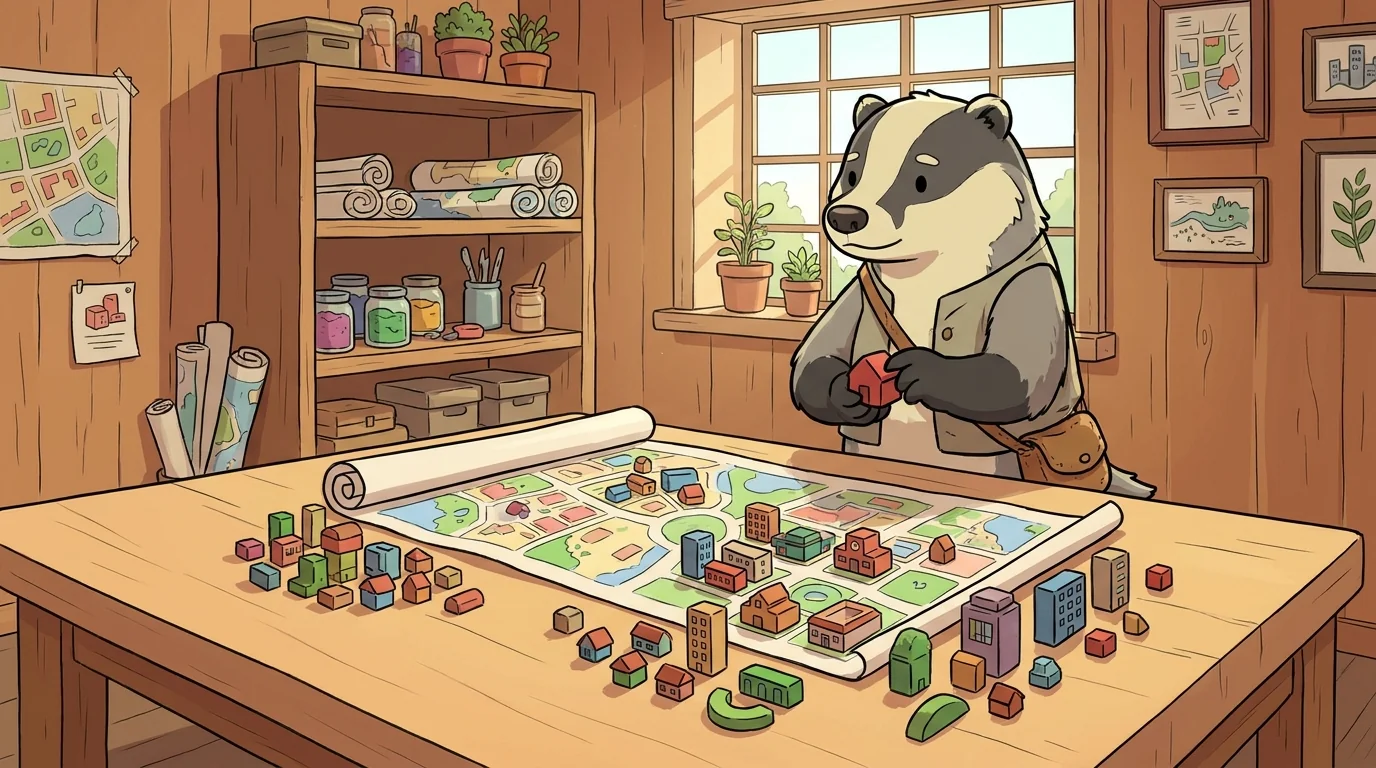
Block
*plan for the neighbors first, not the buildings.* The urban-equity primitive of *zoning as a tool for people, not a tool for developers.*
CityForge Audio
-
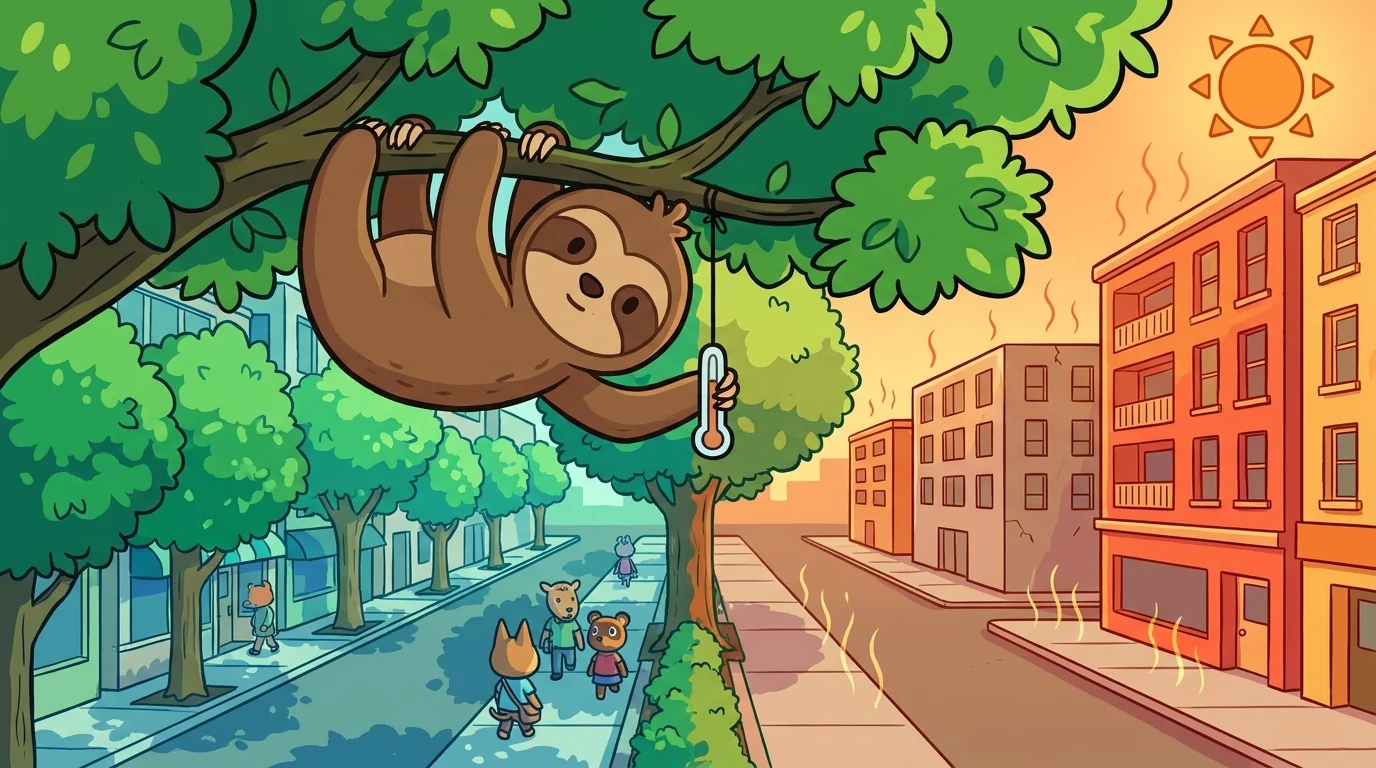
Canopy
*trees and green space cool the city and soak up the rain — and shade is shared unequally, which is a design choice.* The urban-equity primitive of *the living infrastructure — canopy, parks, and green — placed where it is needed most, not only where money already is.*
CityForge
-

Dwell (ELDER)
*repair before replace; listen before plan; the people who live here ARE the design.*
CityForge Audio
-
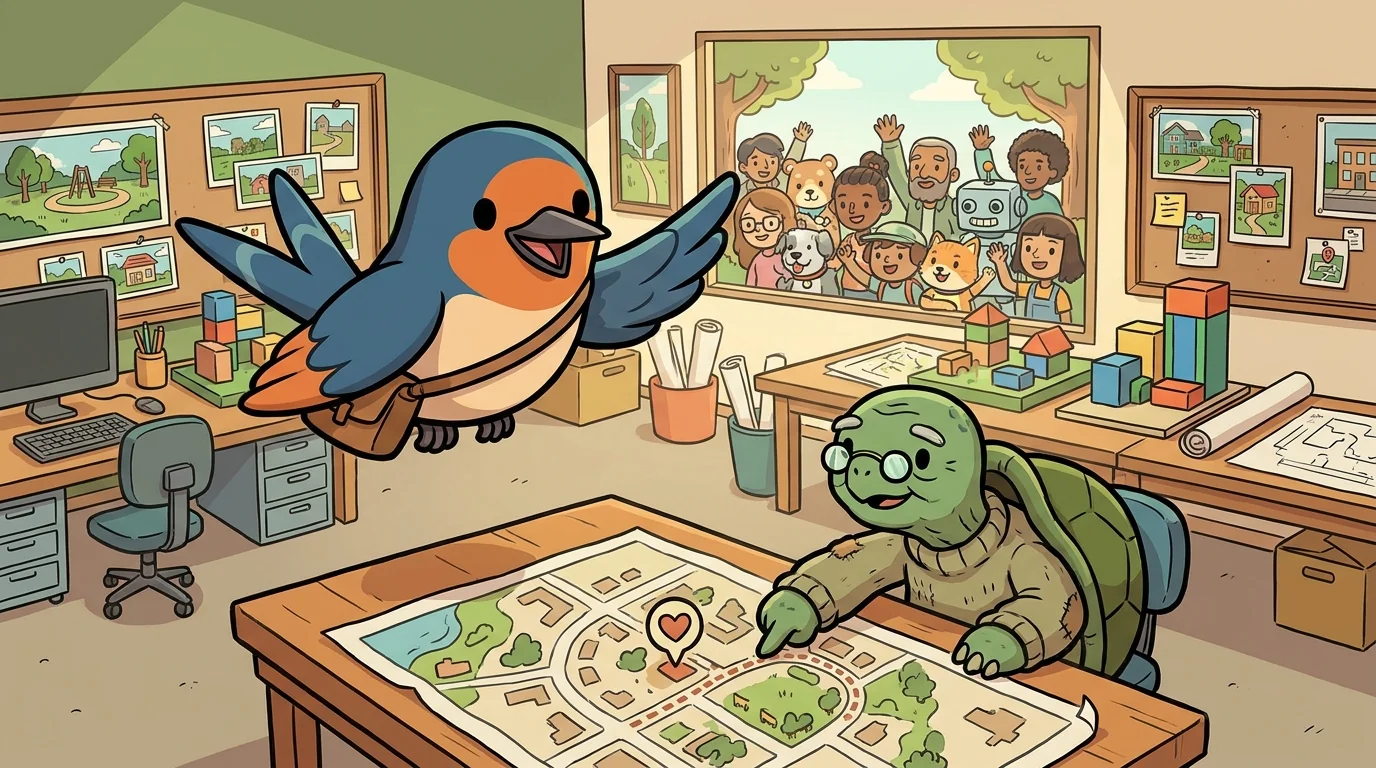
Gather and Ground
*gather the people who live here, and ground the plan in what's already here; the people who live somewhere ARE the design.* The urban-equity primitive of planning-WITH not planning-FOR — listening before drawing, and building on a place's existing strengths rather than a blank slate.
CityForge Ensemble
-
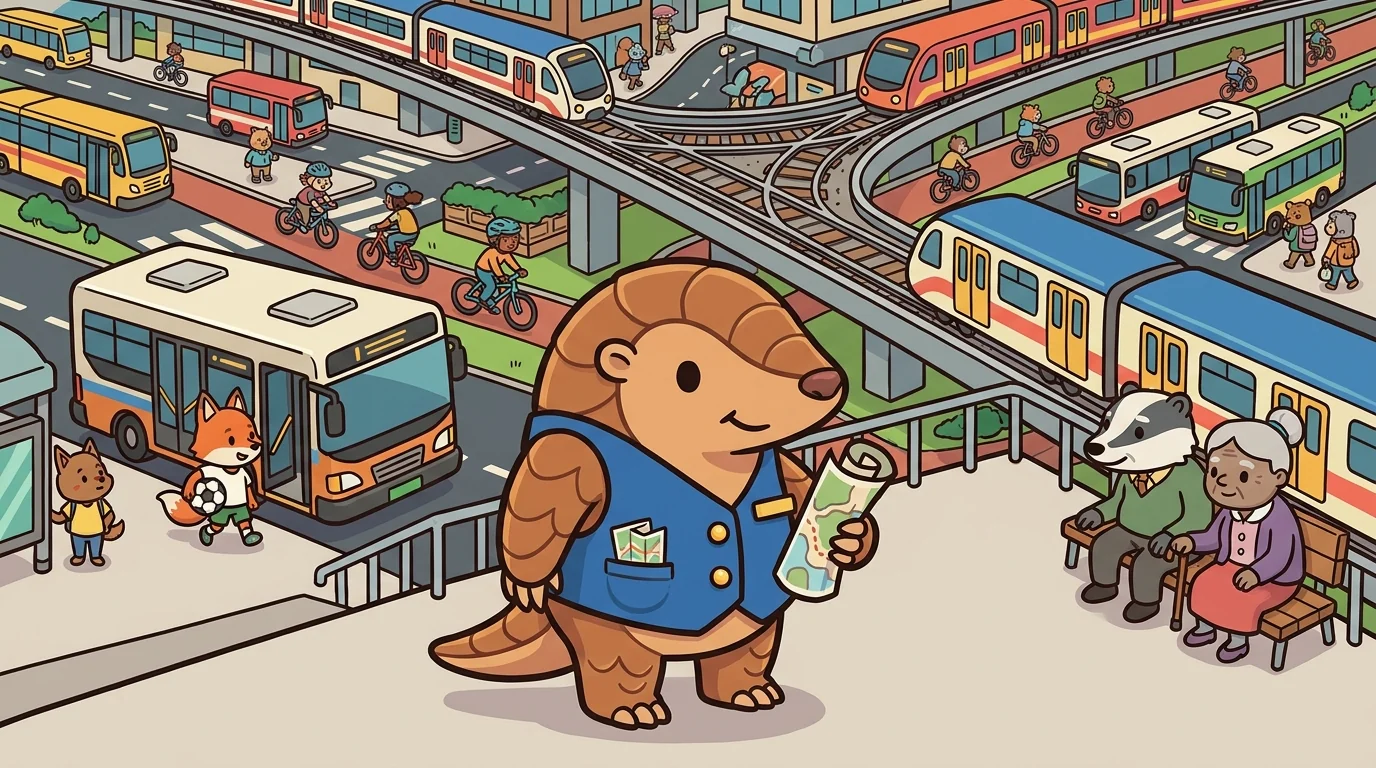
Hub
*many ways, equal ways; the bus matters as much as the train.*
CityForge Audio
-
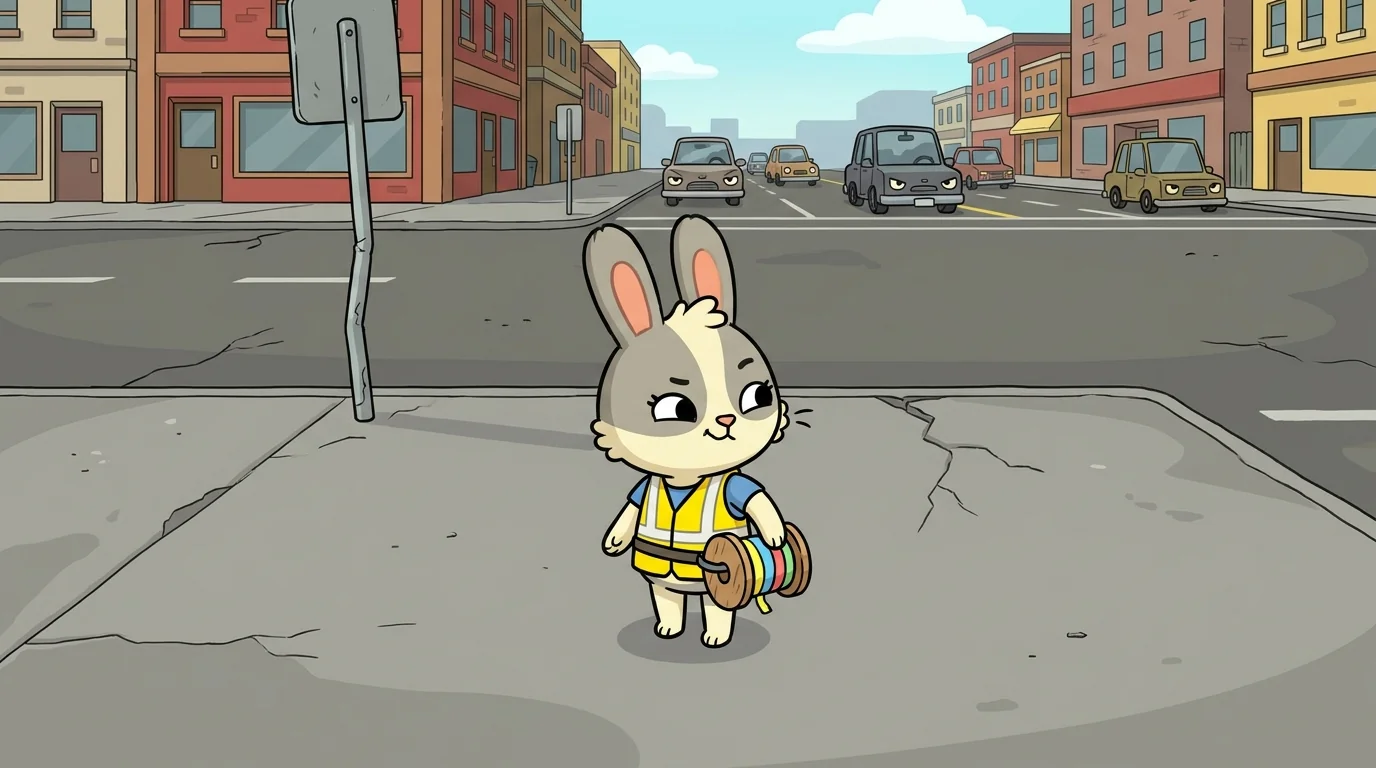
Lane
*streets are rooms; cars are guests, not owners.*
CityForge Audio
-
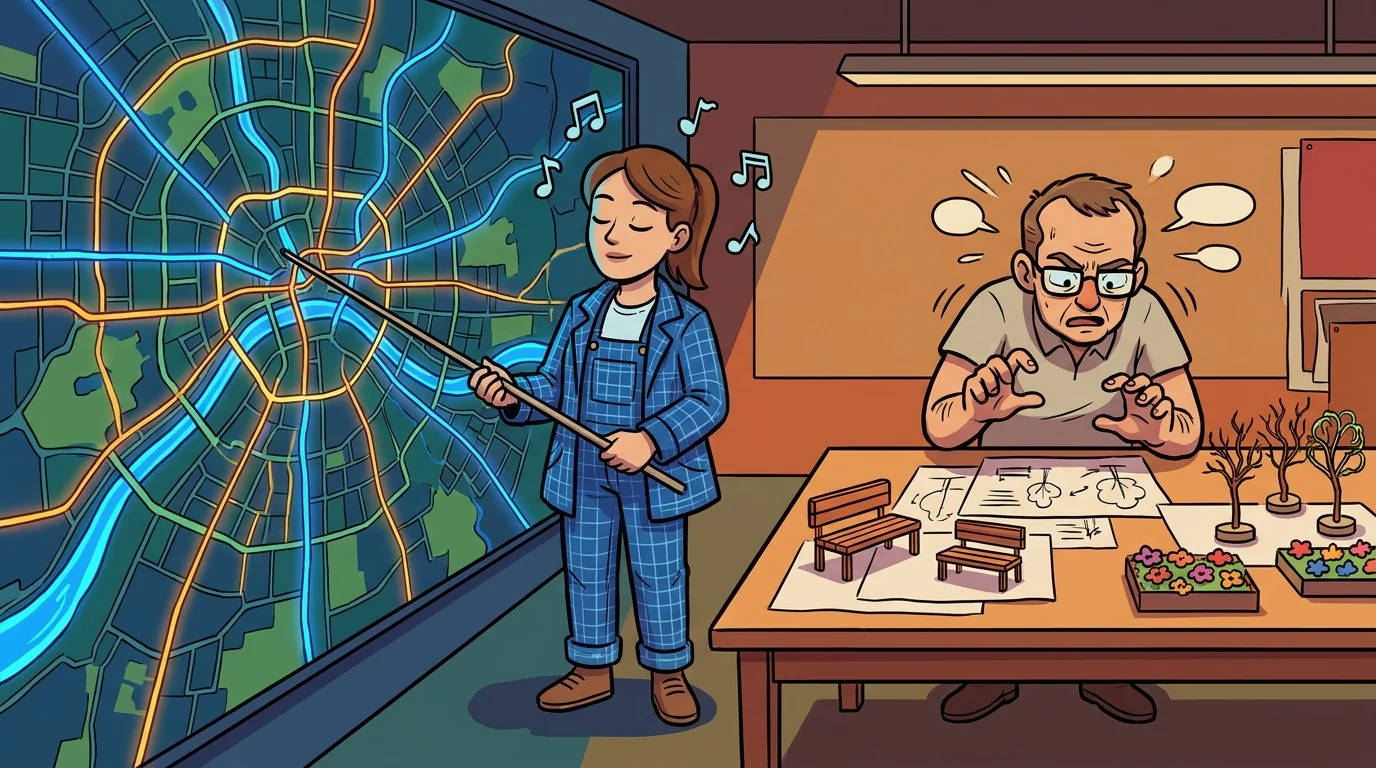
Map and Block
Map is the city at the system scale (neighborhoods, transit, zoning). Block is the city at the human scale (one street, one corner, one walkable block). Together they teach that cities are designed at both scales at once.
CityForge Ensemble
-
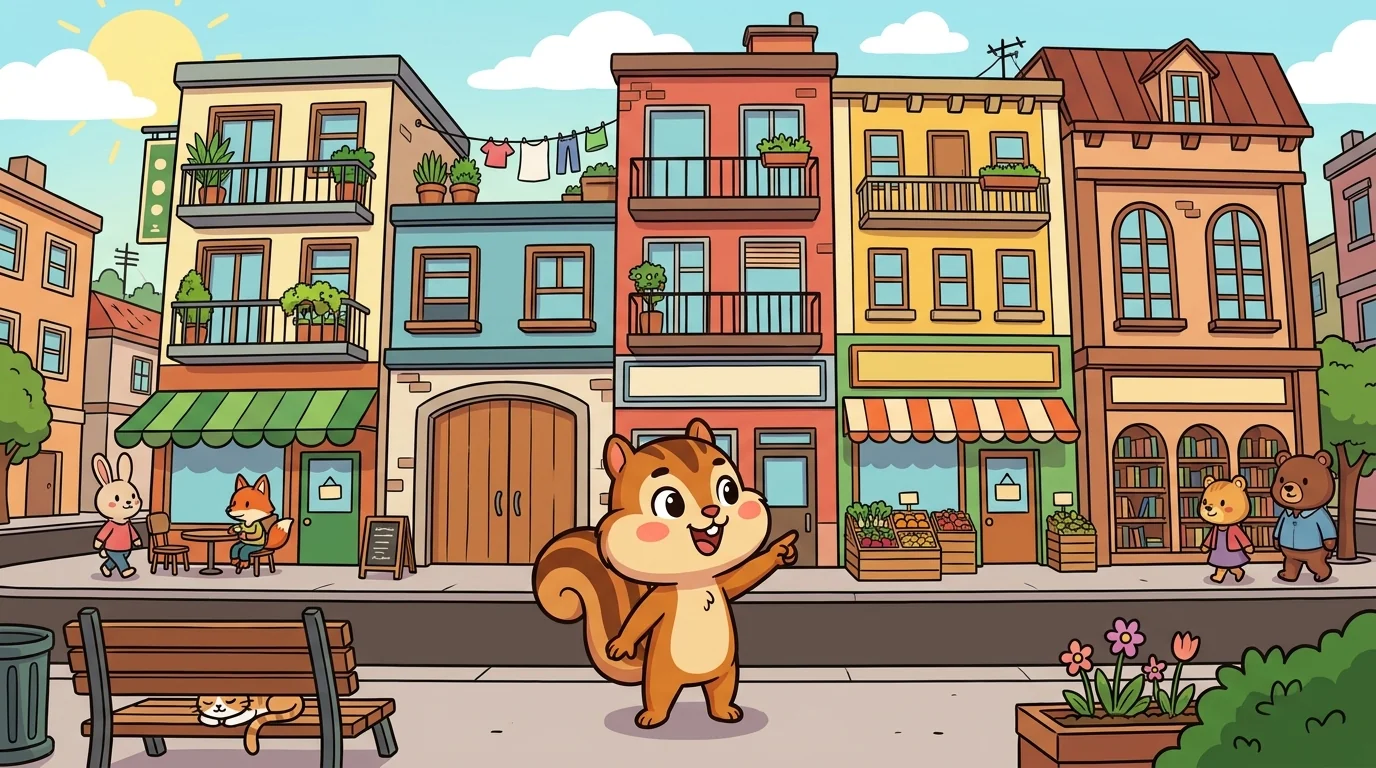
Mix
*weave homes, shops, and work together so daily life is a short walk, not a long drive.* The urban-equity primitive of *land-use variety — the fifteen-minute neighborhood where what you need is close, which matters most to people who can't drive.*
CityForge
-
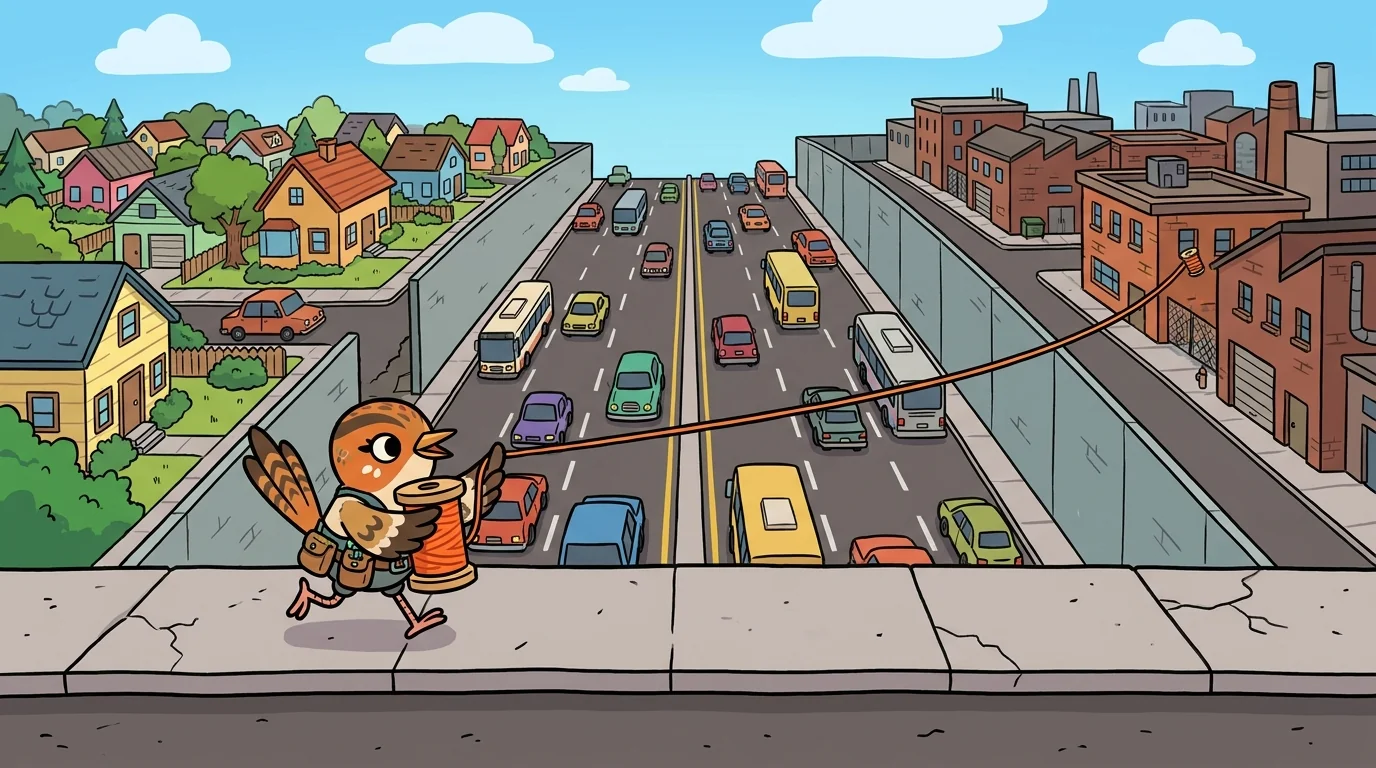
Seam
*a highway or rail line can rip two neighborhoods apart; a park, a bridge, or a crossing can stitch them back.* The urban-equity primitive of *the seam between districts — noticing what divides communities and designing to reconnect them.*
CityForge
-
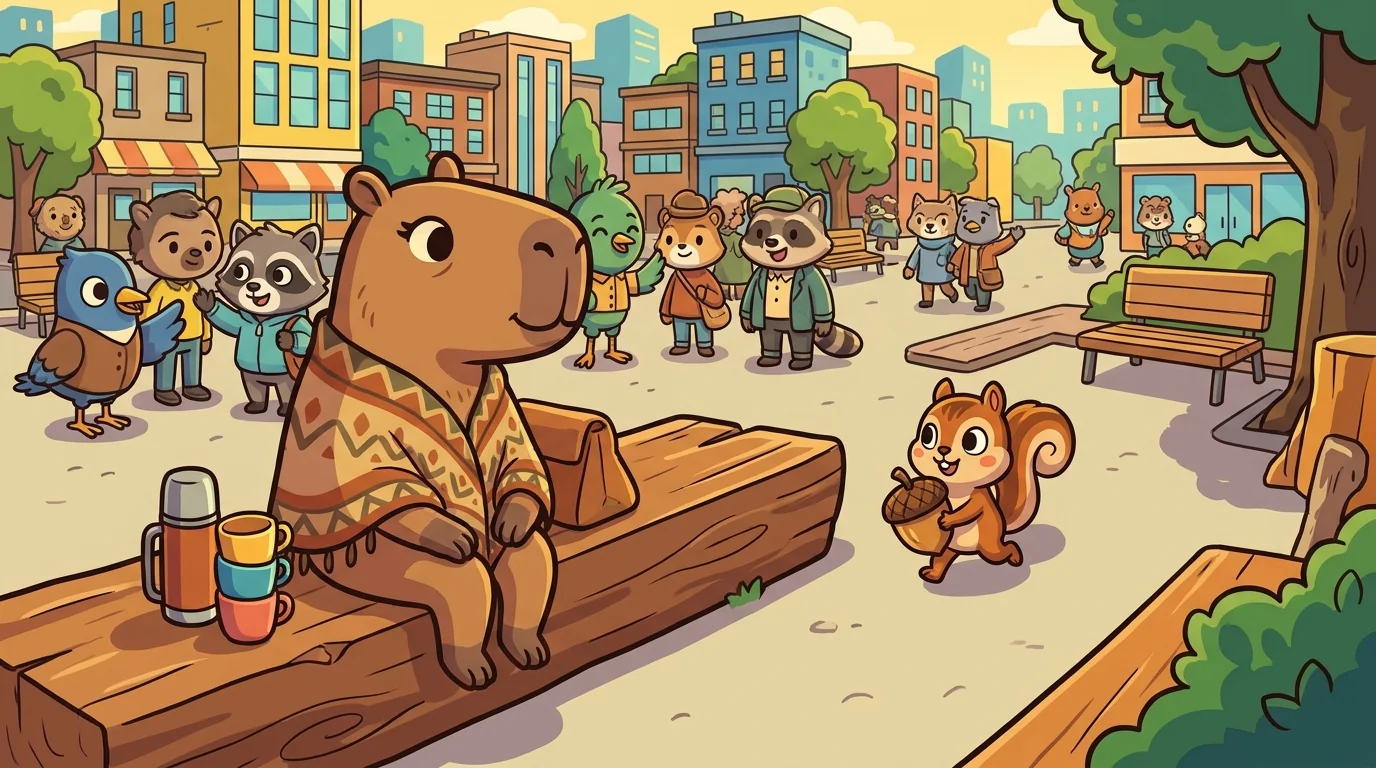
Stoop (ELDER)
*the city's living room is the stoop.* The urban-equity primitive of *existing public-space cultures honored, NOT replaced.*
CityForge Audio
-

Aera
open windows. keep what's free; close only what must be closed.
CivicForge Audio
-

Cordis
*the host. disagreement without disrespect.*
CivicForge Audio
-
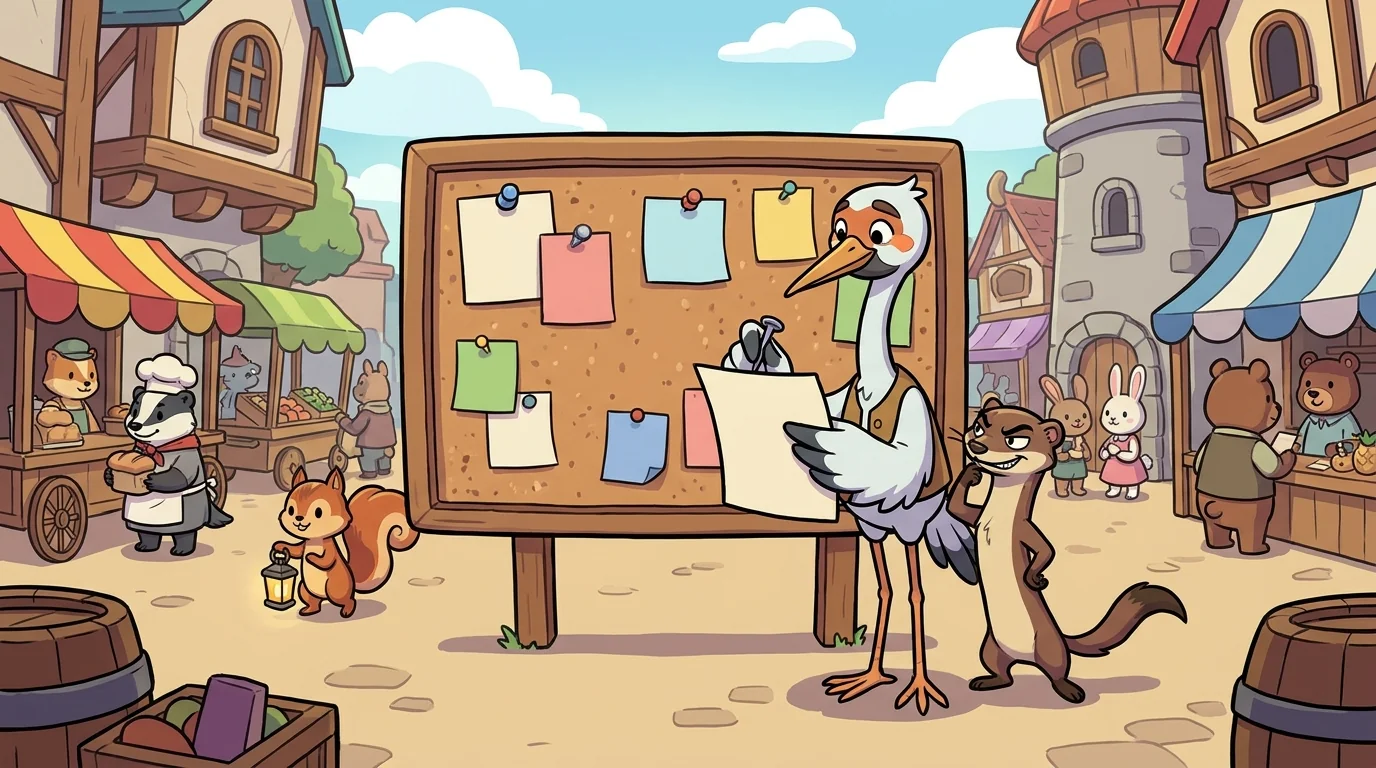
Herald
post it in the open; a decision no one can see isn't finished.
CivicForge
-

Kindle
*the door-opener. participation is invited; doors are opened.*
CivicForge Audio
-
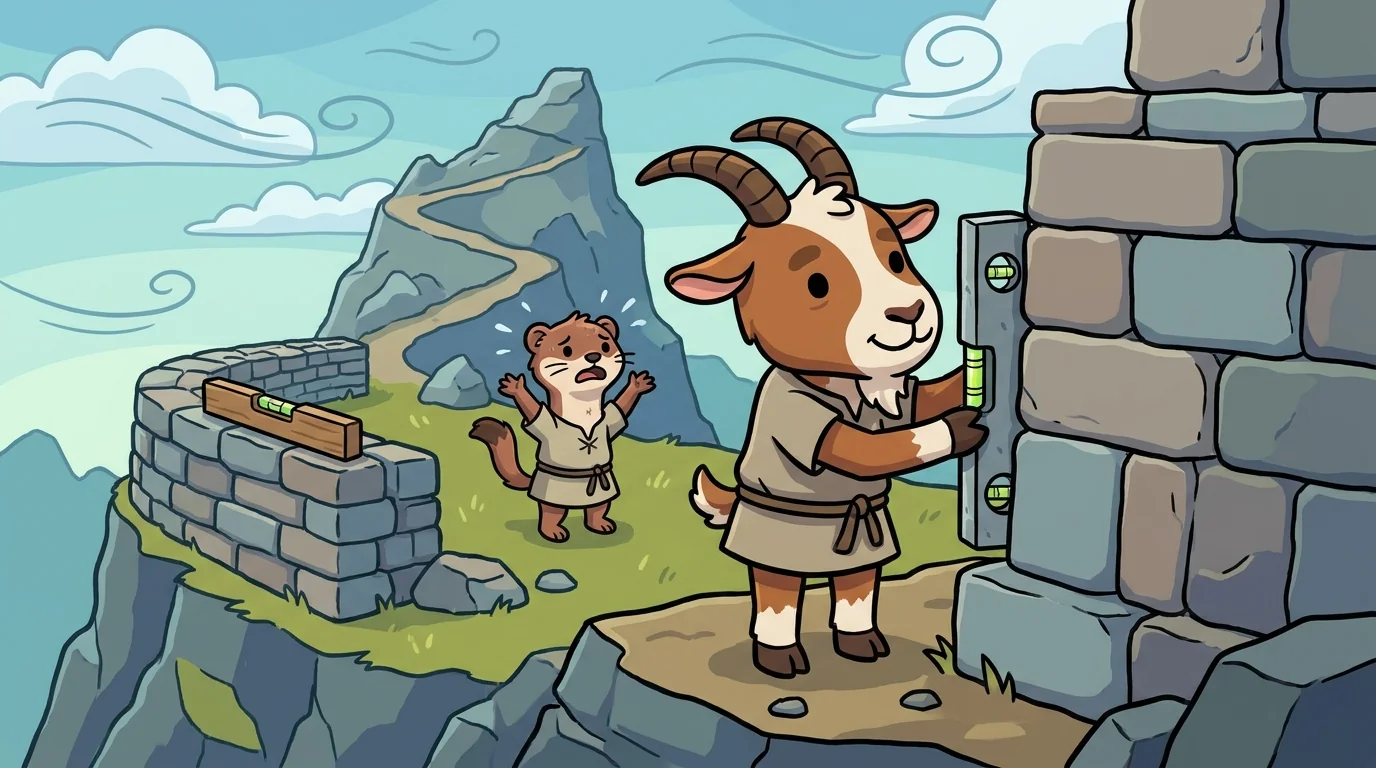
Level
the line reads level whoever holds it, even the one who set it.
CivicForge
-
Muster
nothing proceeds until everyone's gathered and the yes is real.
CivicForge
-
Rung
climb every step in order; never skip to the verdict.
CivicForge
-
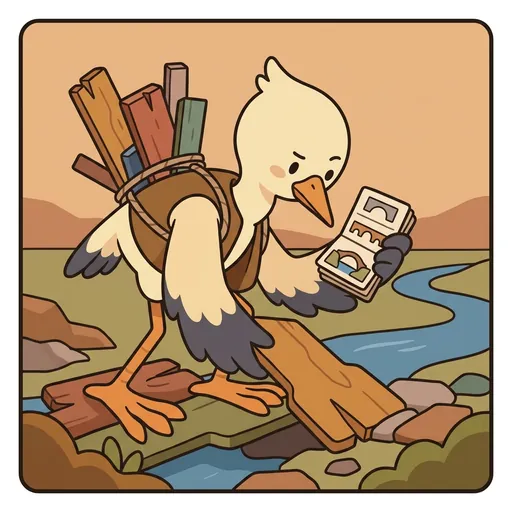
Span
the bridge-builder. mismatched planks for mismatched banks.
CivicForge Audio
-
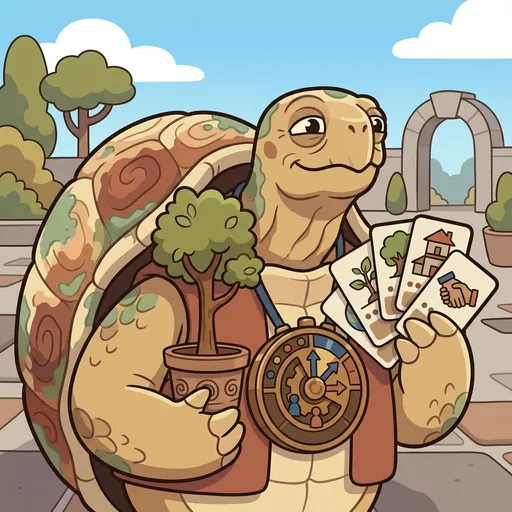
Tellus
plant trees you will never sit under. long-view caretaker.
CivicForge Audio
-
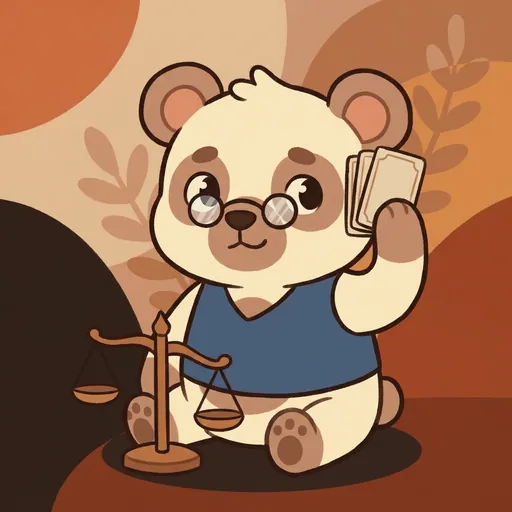
Verdis
the patient listener. weigh sides; don't pre-decide.
CivicForge Audio
-
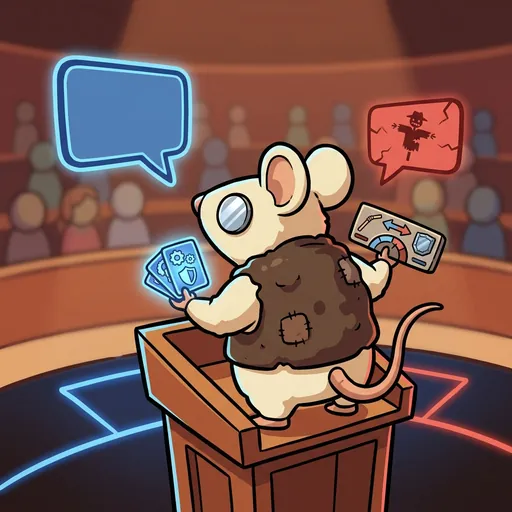
Counter
*the best version of the other side strengthens yours.*
ClaimCraft Audio
-
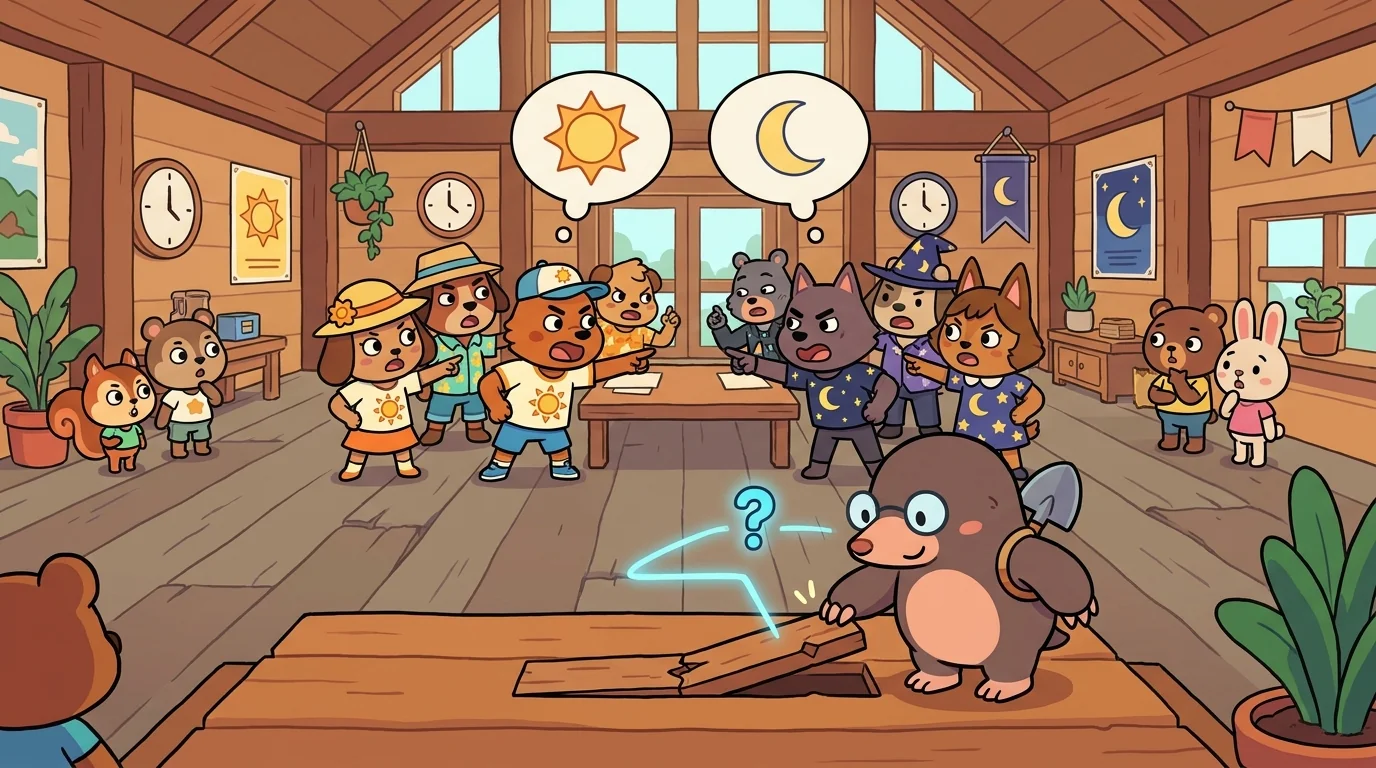
Footing
every argument stands on unstated assumptions; surface them and check if they hold.
ClaimCraft
-
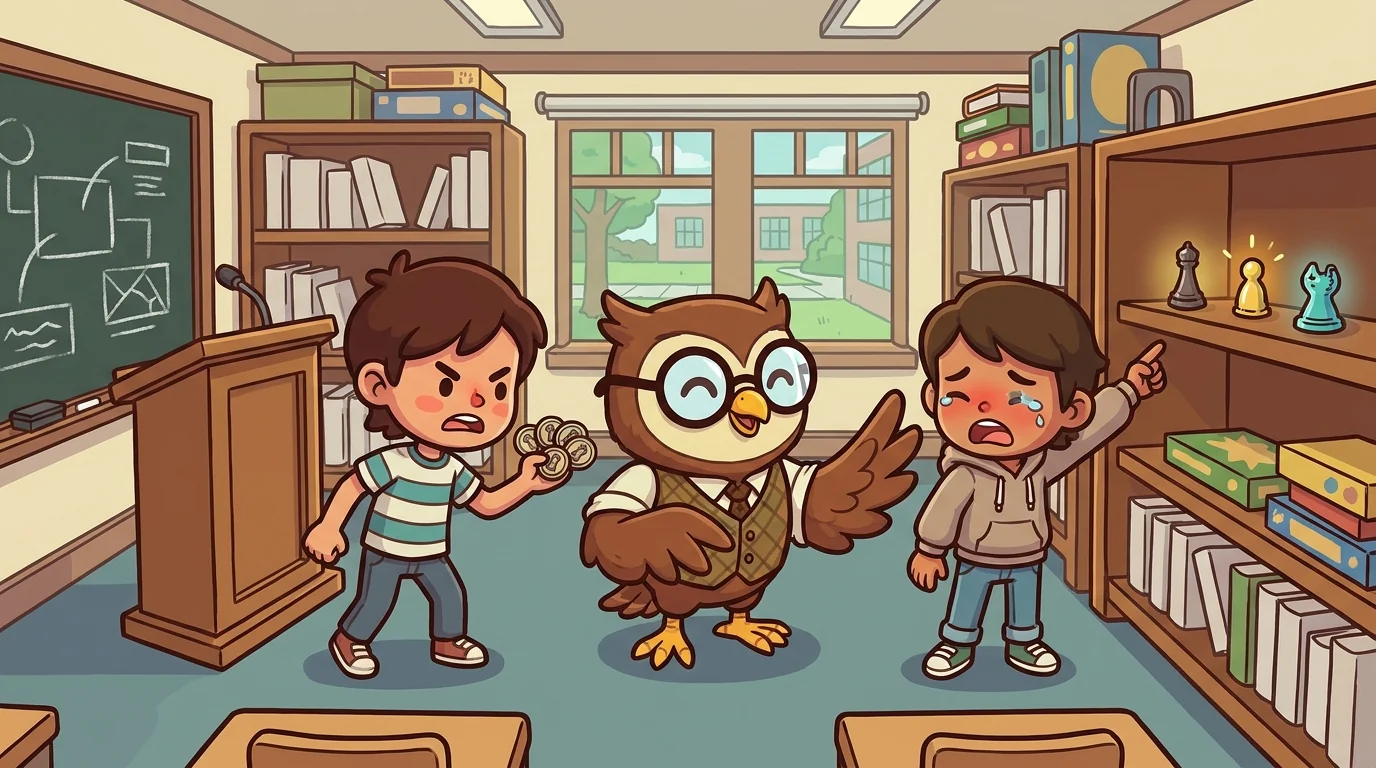
Gloss
agree on what the key words mean first; many fights are really about words.
ClaimCraft
-
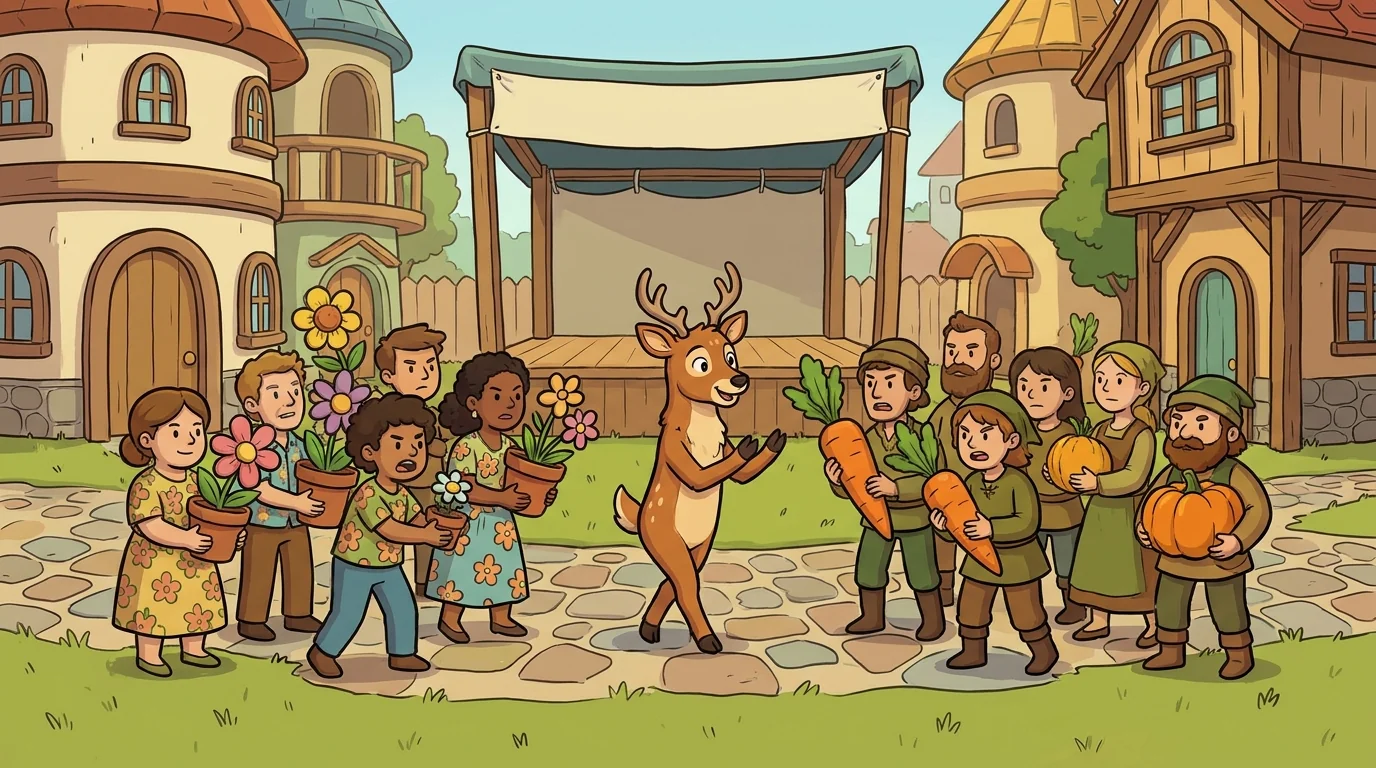
Grant
concede the points the other side gets right; find the shared ground; disagreement is usually a narrow slice, not the whole.
ClaimCraft
-

Heft
*weight matters more than count.*
ClaimCraft Audio
-
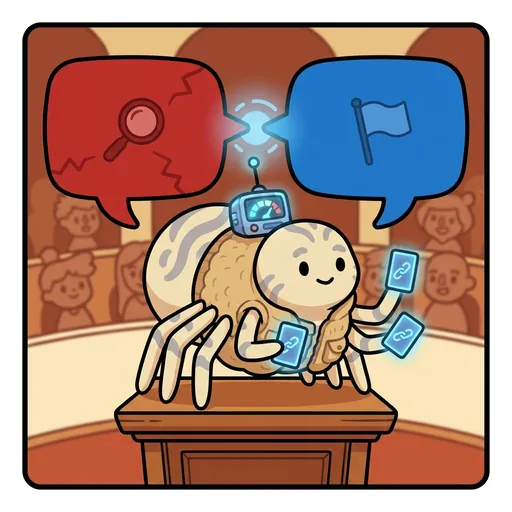
Lean
the BECAUSE between evidence and claim. connective reasoning.
ClaimCraft Audio
-
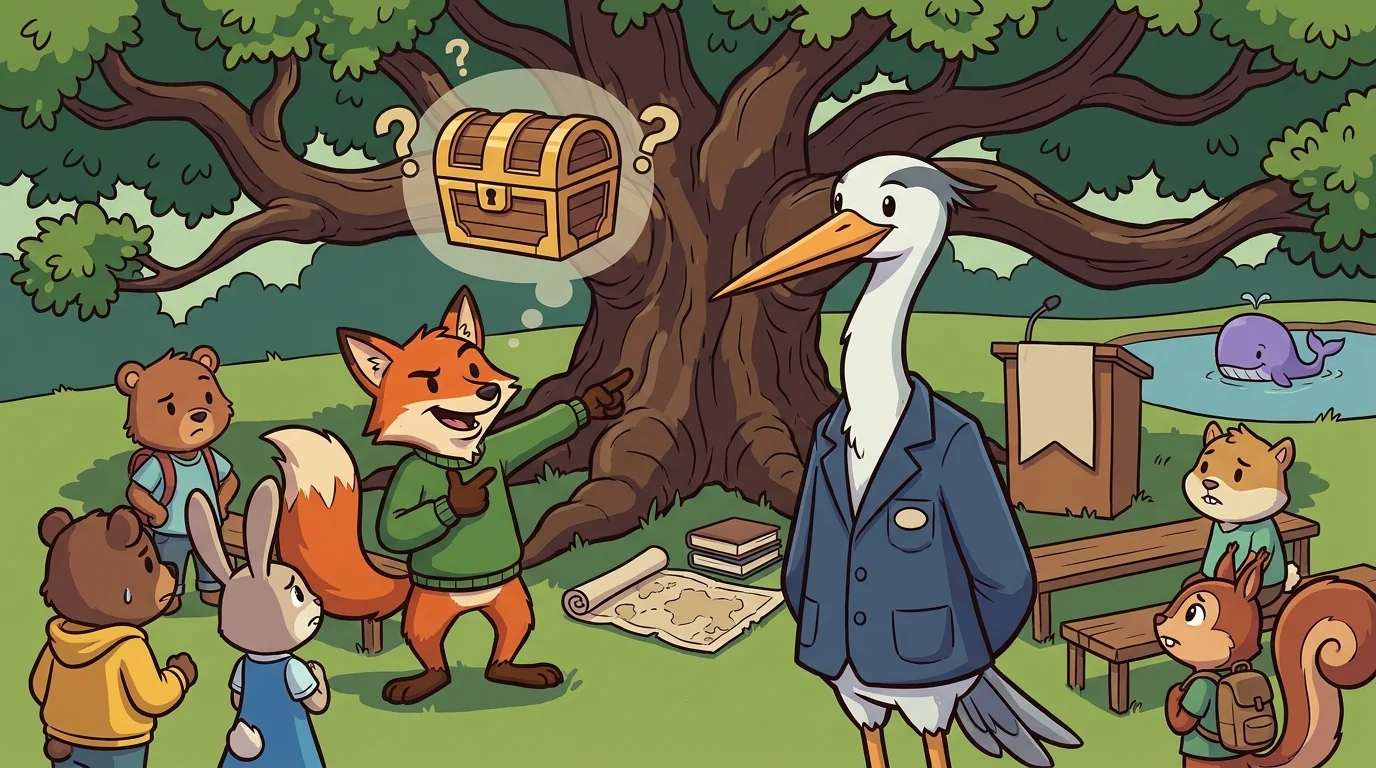
Onus
whoever makes the claim carries the job of supporting it; bigger claims need bigger evidence.
ClaimCraft
-

Posit
the claim is a card on the table, not a fortress.
ClaimCraft Audio
-
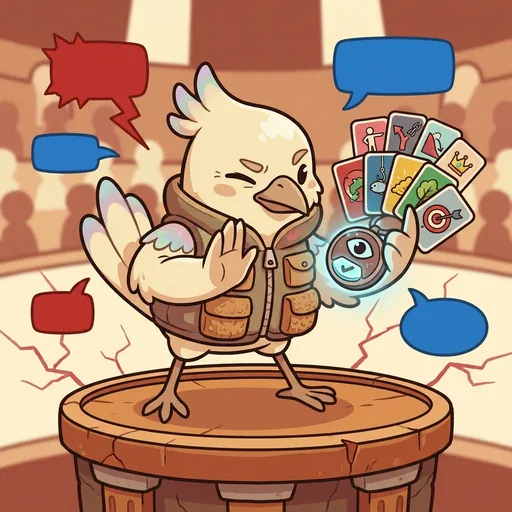
Pry
check YOUR argument first. 18-fallacy catalogue.
ClaimCraft Audio
-
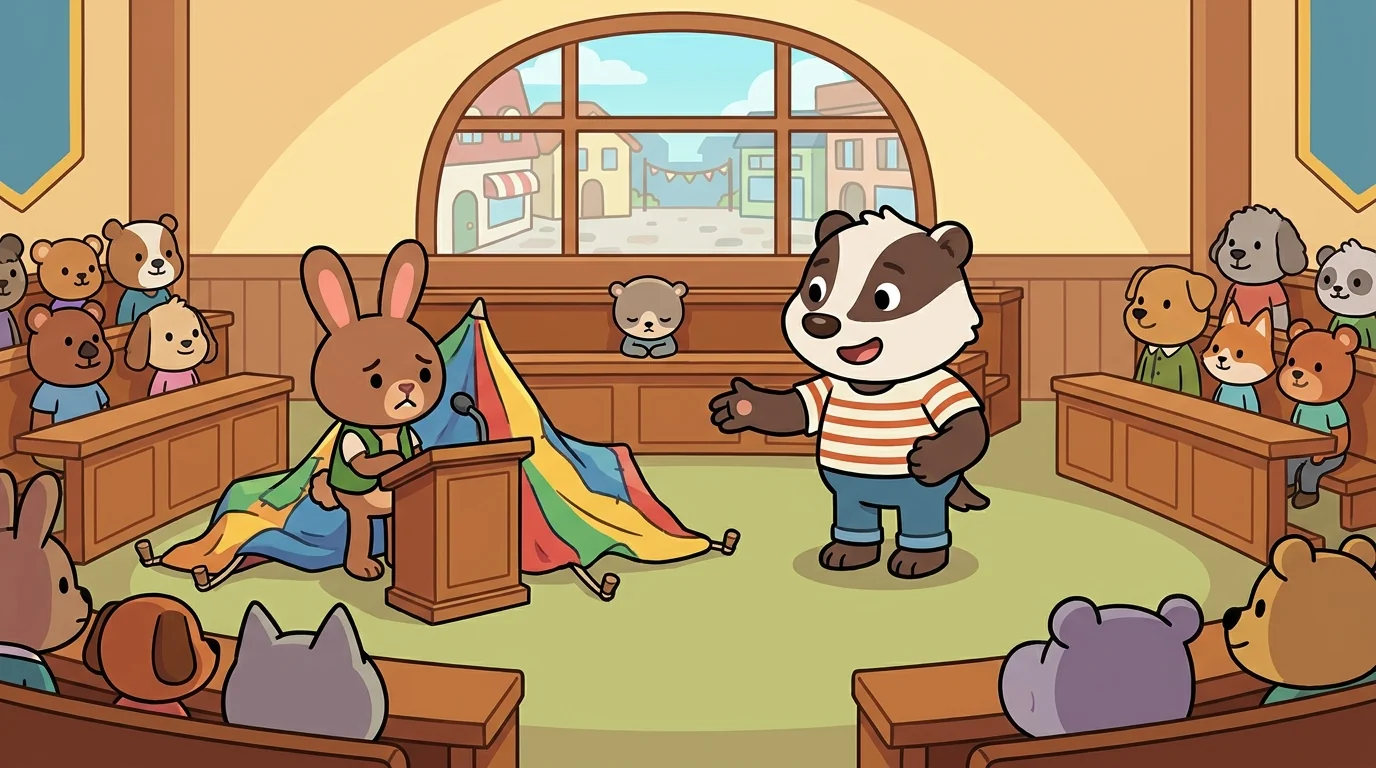
Temper
match a claim's strength to your evidence; "usually" survives what "always" can't.
ClaimCraft
-

Blanket
some gases trap heat. that's a blanket. blankets are not bad — too-many blankets are too-warm.
ClimateQuest Audio
-
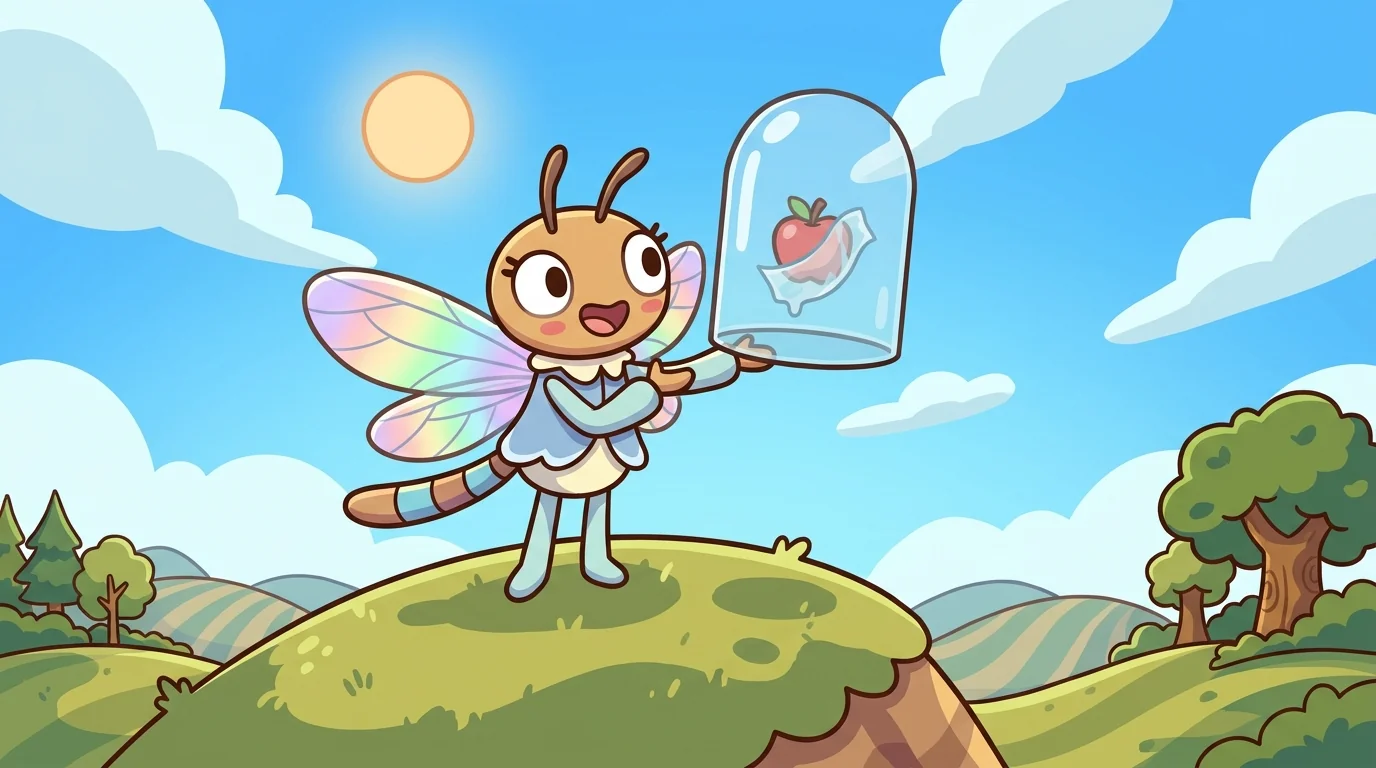
Haze
*the sky is a thin layer. thinner than you think.*
ClimateQuest Audio
-
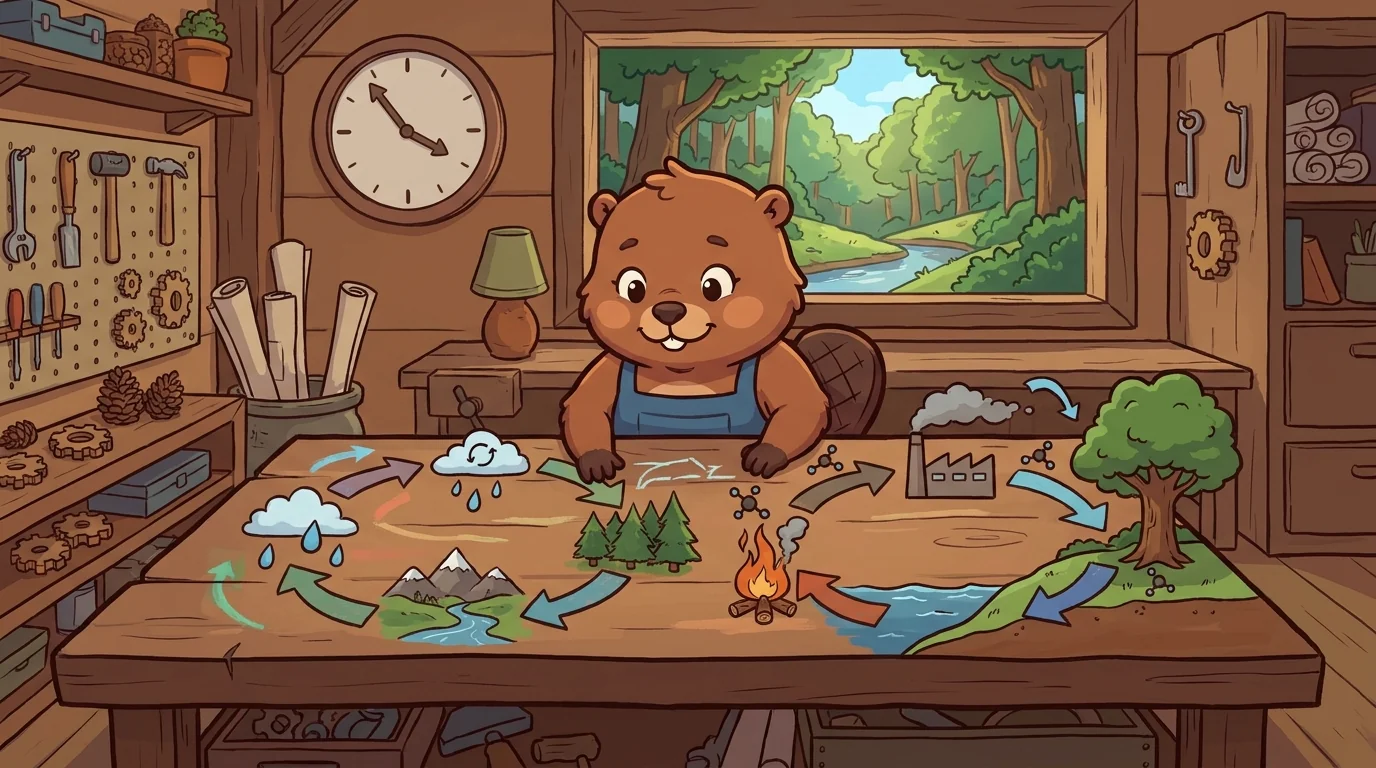
Round
*carbon and water move in loops. balance shifts when one loop slows or speeds.*
ClimateQuest Audio
-
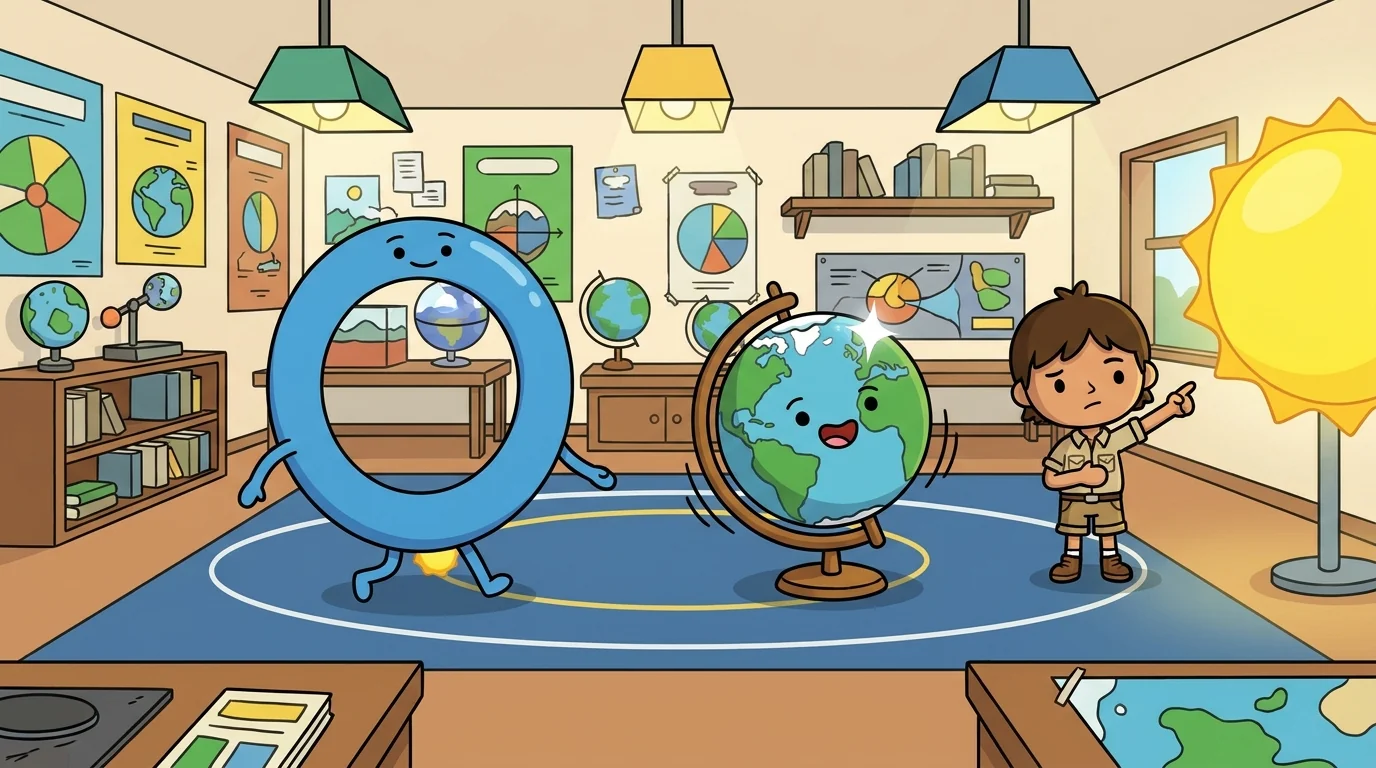
Round and Tilt
Round is Earth's orbital position (closer / farther from Sun matters only for some climates). Tilt is Earth's axial tilt (the dominant cause of seasons in temperate zones). Together they teach the difference between orbital and axial drivers of climate.
ClimateQuest Ensemble
-

Squall
*weather is the mood. climate is the personality. don't confuse them.*
ClimateQuest Audio
-

Stitch
*one stitch is small. many stitches make a repair. you are one of the many.*
ClimateQuest Audio
-
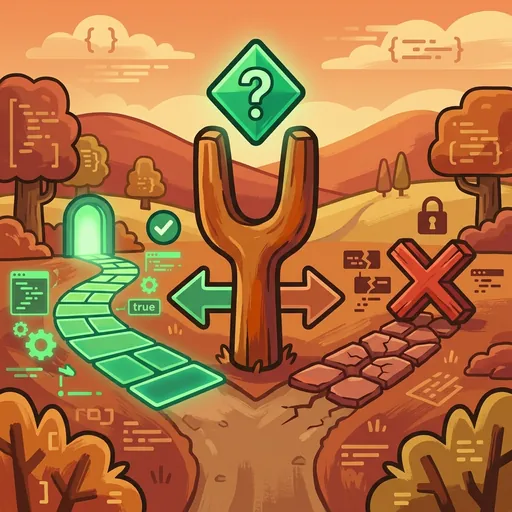
Fork
*chooses a path based on what's true right now.*
CodeRealm Audio
-
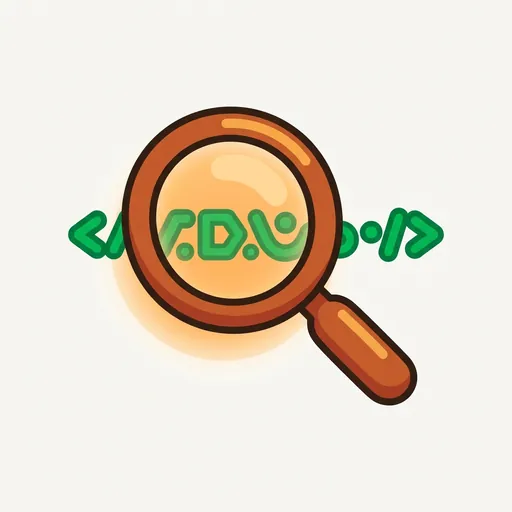
Glitch
*there's always a reason; bugs are findable without shame.*
CodeRealm Audio
-

Module
*does one job well and can be called anywhere.*
CodeRealm Audio
-
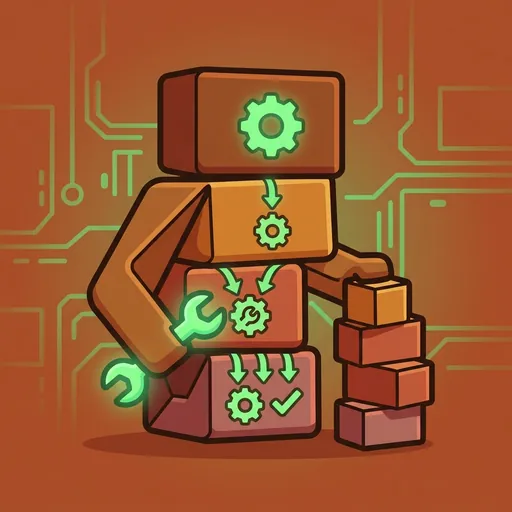
Order
*order matters in code.*
CodeRealm Audio
-
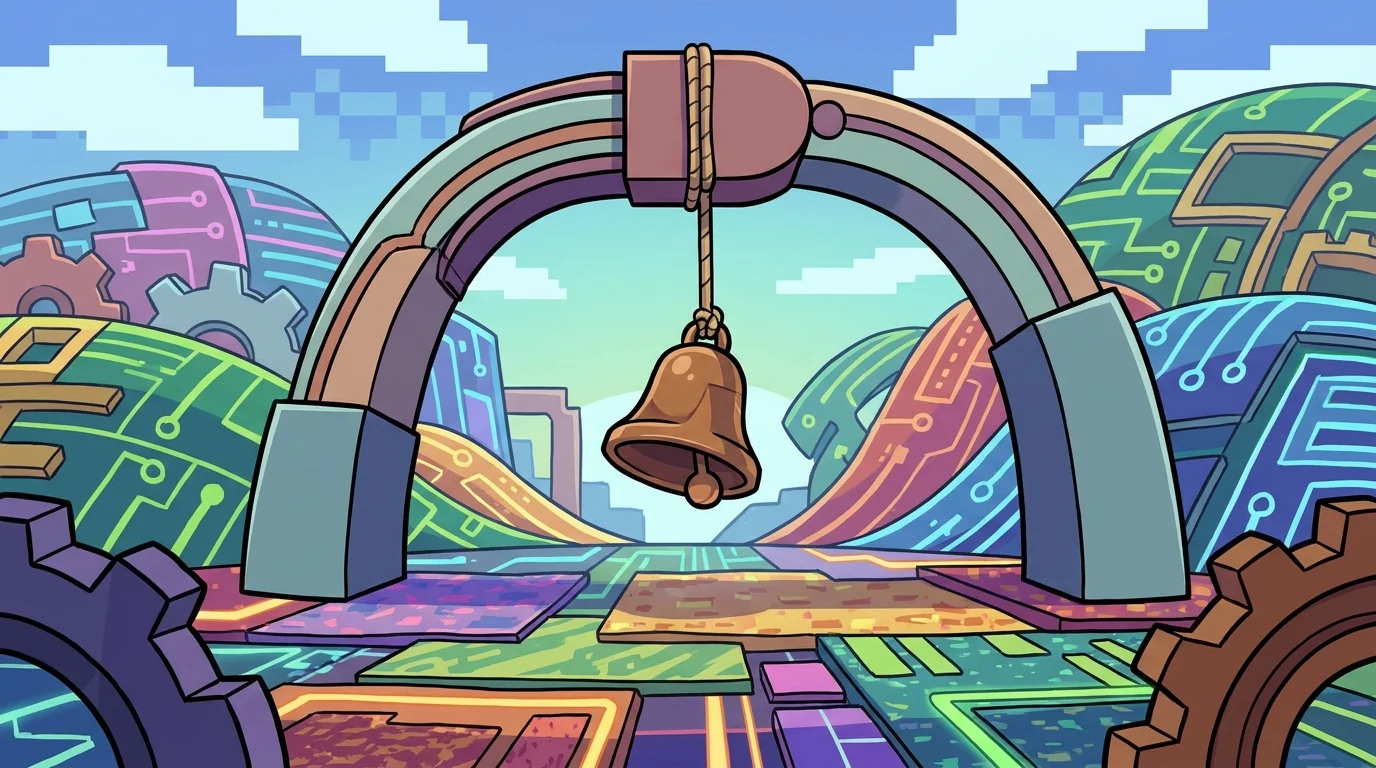
Ping
*do this WHEN that happens.* An event handler waits, doing nothing, until a specific trigger fires — a button press, a timer, a sensor crossing a line — and only then runs its code. Not a loop that keeps checking; a waiting bell that rings the instant it's struck.
CodeRealm
-

Port
*the doorway between the program and the world.* Input brings information IN (a key press, a sensor reading, a typed answer); output sends information OUT (a printed message, a moved motor, a lit screen). A program that can't take in or give out is sealed off from everything.
CodeRealm
-
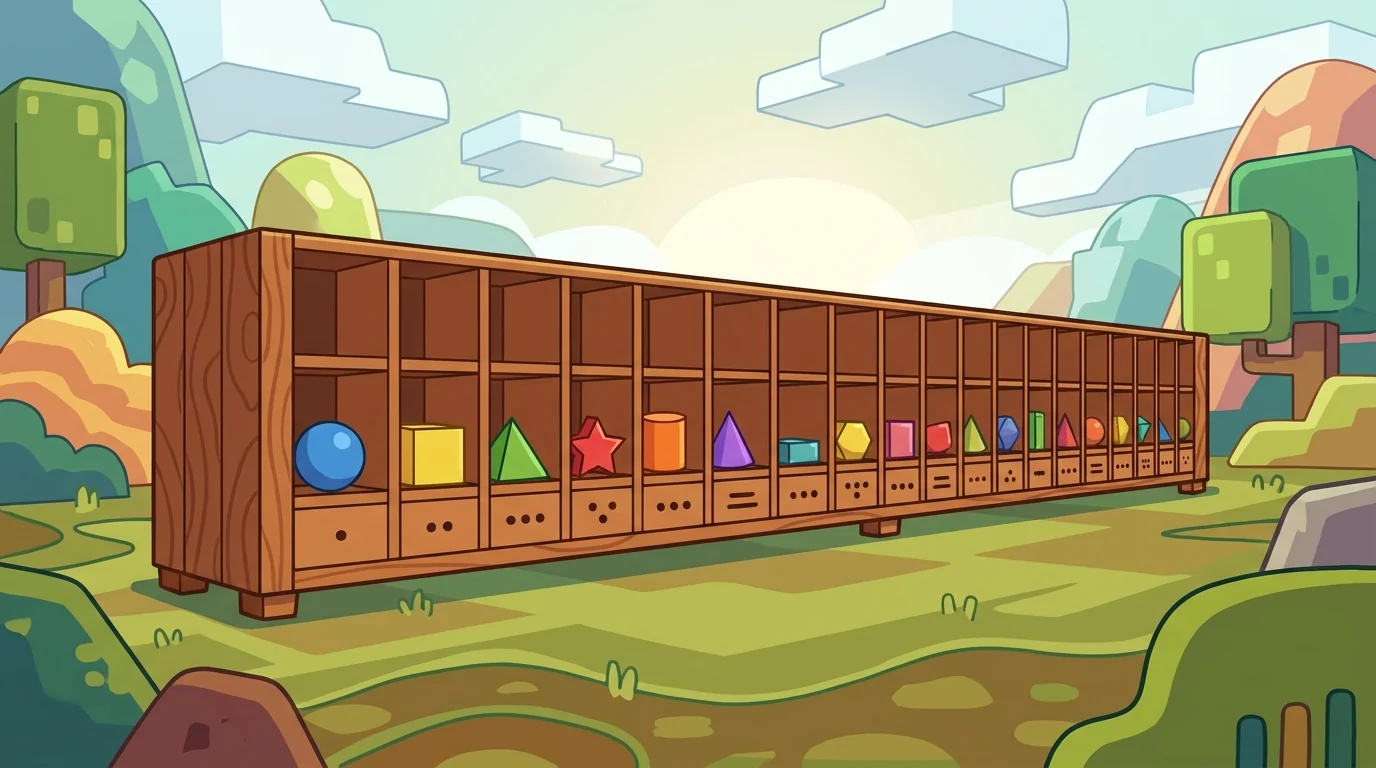
Row
*many values lined up in order, each reachable by its position number.* Where a variable is one labeled box, a list is a numbered rack of boxes in a row — you can grab item number 3 instantly, add to the end, or walk through them one by one.
CodeRealm
-

Shuffle
*a value you can't predict, picked fresh each time.* A random primitive produces an unpredictable result — a dice roll, a shuffled deck, a coin flip — so programs can surprise, vary, and stay fair. The same code can behave differently every run.
CodeRealm
-
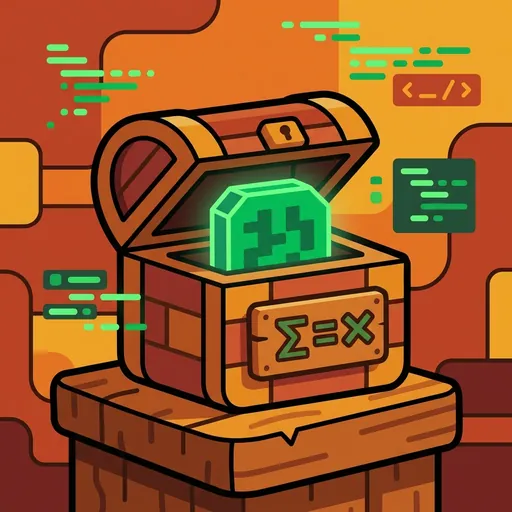
Stash
*the labeled box that holds a value until you call for it.*
CodeRealm Audio
-

Trek
*keeps going around until the work is done.*
CodeRealm Audio
-
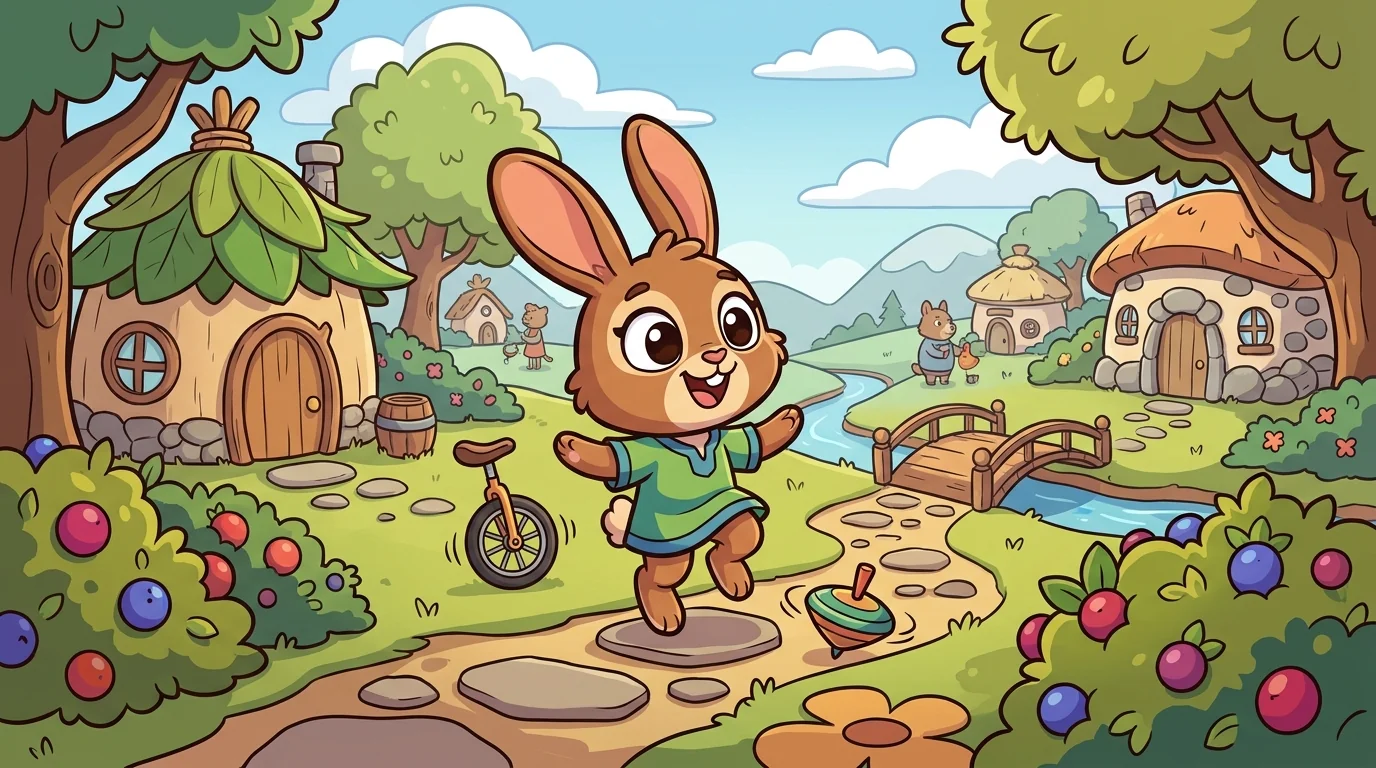
Anew
the first time you steady yourself, alone, without a calm person beside you. A wobbly, brave, enormous first — the moment co-regulation becomes self-regulation.
CoRegRealm
-

Beside
bounded presence without overwhelm. The co-regulation move of being *physically and emotionally beside* the dysregulated companion *without crowding them.* Right next to. Not in front.
CoRegRealm Audio
-

Hum
gentle vocal-tone modulation. The co-regulation move of *speaking at a soothing pace and pitch* to support a dysregulated companion. The vocal tone matters as much as the words.
CoRegRealm Audio
-

Lend
when your own steadiness is gone, you can borrow someone else's for a while. Co-regulation is a loan of calm, not charity — and the borrowing is how your own calm slowly grows.
CoRegRealm
-
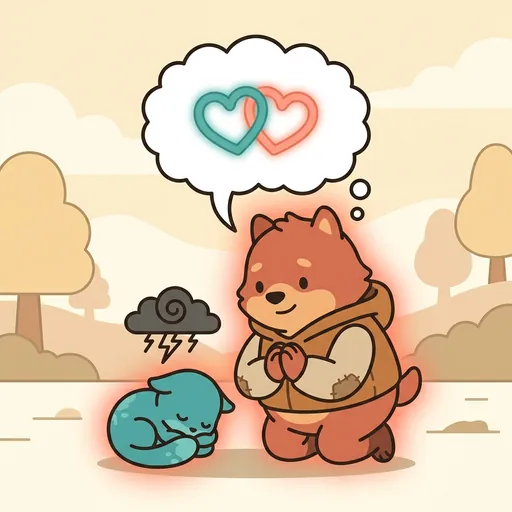
Match
meeting the dysregulation *where it is.* The co-regulation move of *attuning* one's own affect to the affect of the dysregulated companion creature *for one moment* before any other move is attempted. Match-then-shift.
CoRegRealm Audio
-
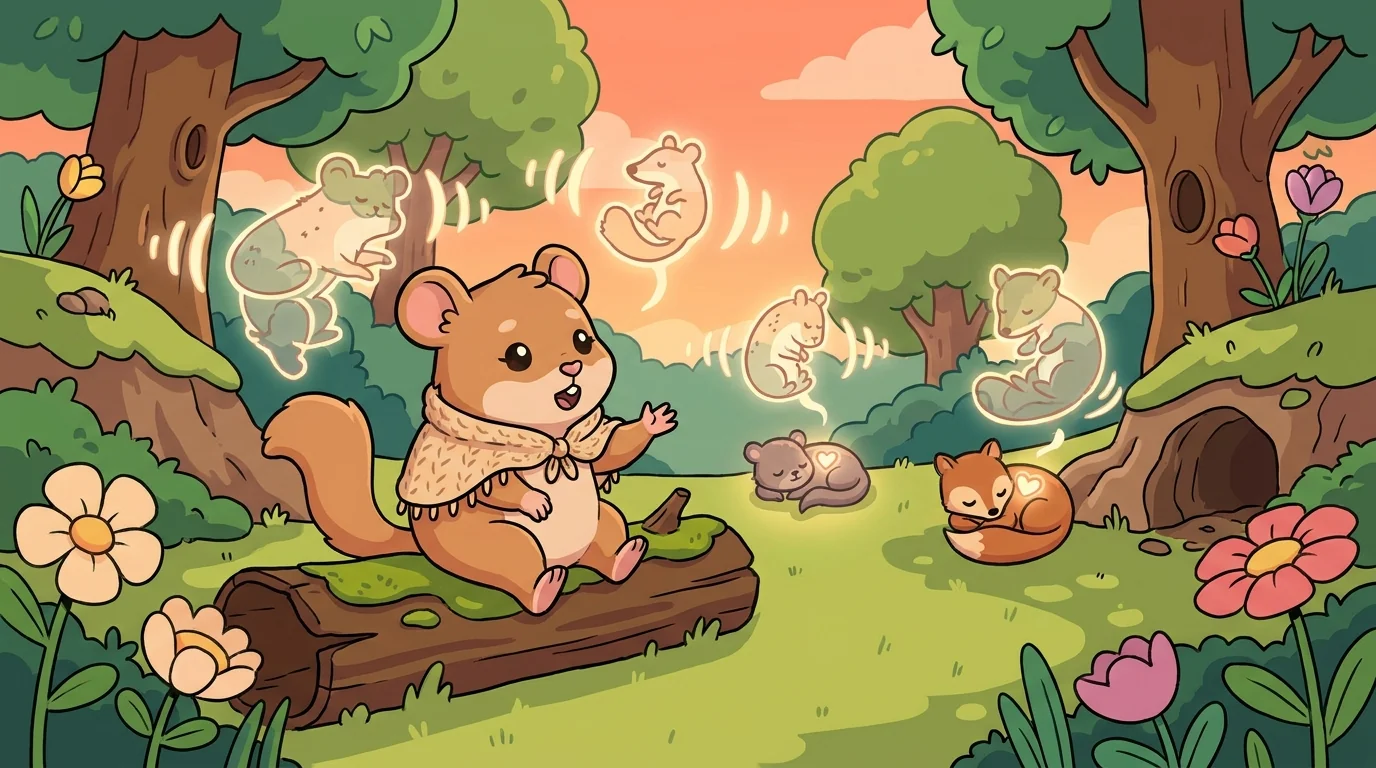
Murmur
after someone has steadied you many times, you can begin to hear their calm voice inside your own head, and use it to soothe yourself when they are not there.
CoRegRealm
-

Patient
giving time without rushing. The co-regulation move of *holding space* for the dysregulation to settle at its own pace, without imposing a timeline.
CoRegRealm Audio
-

Reprise
once you can steady yourself, you can become the calm for someone else. Reprise is the move that completes the circle: the steadied one grows up to be a steadier.
CoRegRealm
-
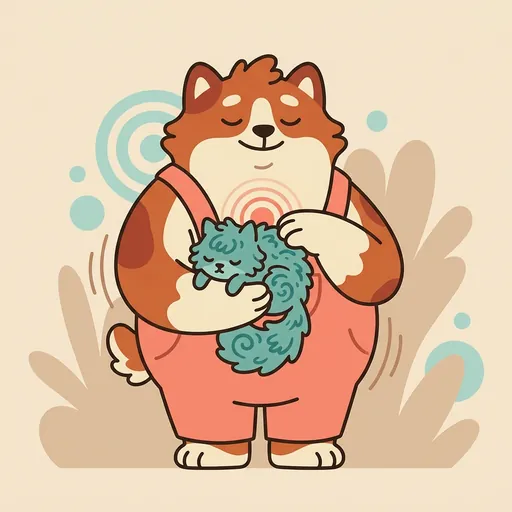
Sway
gentle bounce + breath rhythm. The co-regulation move of *offering a gentle steady rhythm* (a bounce, a breath, a sway) that the dysregulated companion can entrain to.
CoRegRealm Audio
-

Word
gently labeling the feeling. The co-regulation move of *offering a possible name* for the dysregulated state — tentatively, without imposing — so the companion can either *take the name* or *correct it* or *reject it.*
CoRegRealm Audio
-
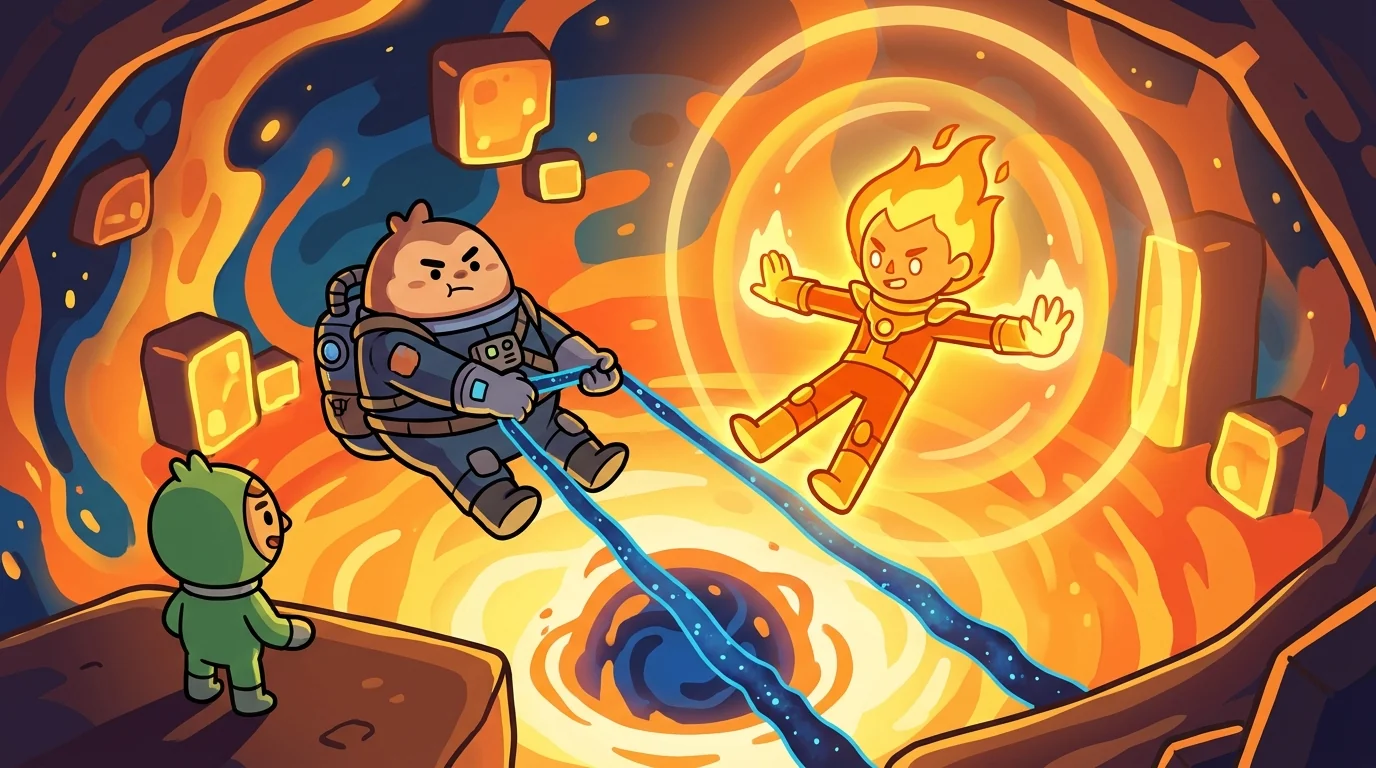
Cinch and Flare
a star holds its shape because the inward pull of its own gravity is balanced, layer by layer, against the outward push of pressure from its fusing core. When the two are even, the star is steady. When the push wins, the star swells; when the pull wins, the star shrinks or collapses. A star's life is the slow story of that balance shifting.
CosmosForge Ensemble
-

Dust
*the atoms in you were forged inside stars and scattered when they died.* Stars fuse light elements into heavier ones in their cores; when massive stars explode, they scatter those elements into space, where they become new stars, planets, and living things.
CosmosForge
-

Edge and Gleam
Edge marks the boundary of the observable universe (cosmological horizon). Gleam marks the photon journeys that bring us evidence of distant things (light's travel time = look-back time). Together they teach how we KNOW what we know at cosmic scale.
CosmosForge Ensemble
-
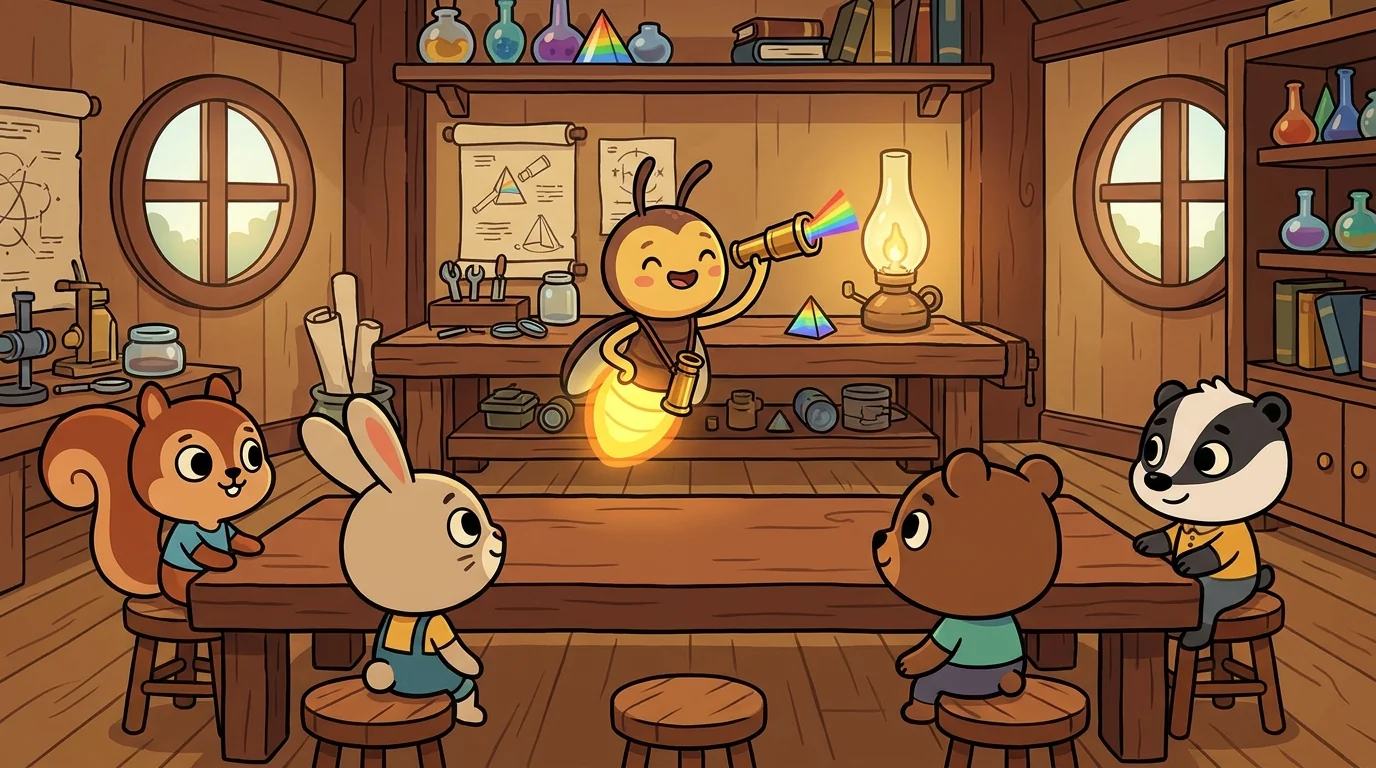
Gleam
*light is information; every photon carries the history of where it came from.* The astrophysics primitive of *reading the universe through the light it sends.*
CosmosForge Audio
-

Maw
*gravity so strong that even light comes to rest.* A black hole is a place where so much mass is packed so tight that nothing, not even light, has enough speed to leave once it crosses the edge called the event horizon.
CosmosForge
-
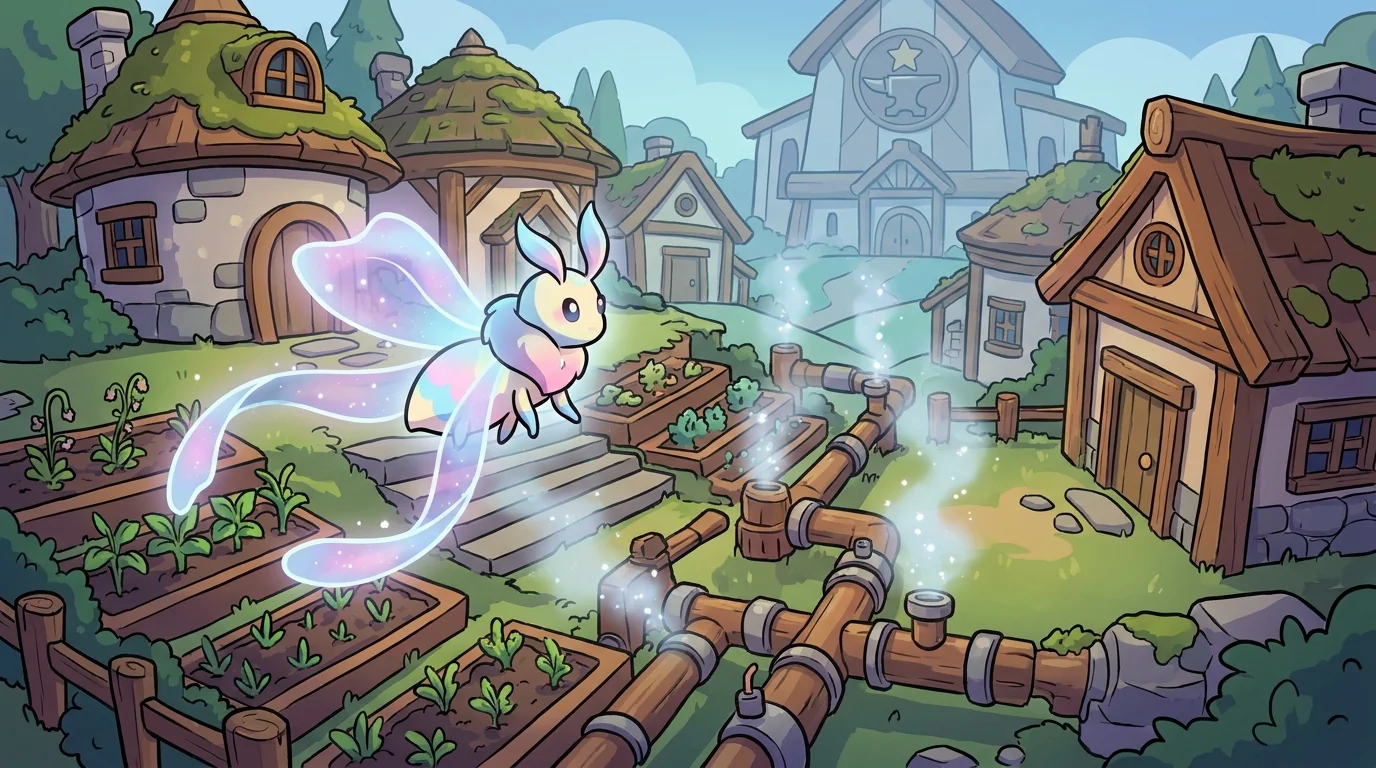
Mist
*stars are born in the soft veils; patience and gravity do the work.* The astrophysics primitive of *interstellar matter as the raw material of stars and planets.*
CosmosForge Audio
-

Relic
*the oldest light in the universe is still arriving, a faint glow left from when everything began.* The cosmic microwave background is the relic radiation released when the young universe first became clear; it reaches us from every direction as the earliest picture we can ever see.
CosmosForge
-

Squint
*measure how far a star is by how much it shifts when you look from two places.* Parallax: a nearby star appears to shift against the far background when seen from opposite sides of Earth's orbit. The size of the shift tells you the distance.
CosmosForge
-

Sway
every mass pulls every other mass; orbits are falling without hitting. The astrophysics primitive of gravitation as the universal architect of cosmic structure.
CosmosForge Audio
-

Swirl
*spinning systems keep spinning; spirals are the natural shape of rotation + gravity.* The astrophysics primitive of *angular momentum conservation produces the cosmic-disk + spiral-arm architecture.*
CosmosForge Audio
-
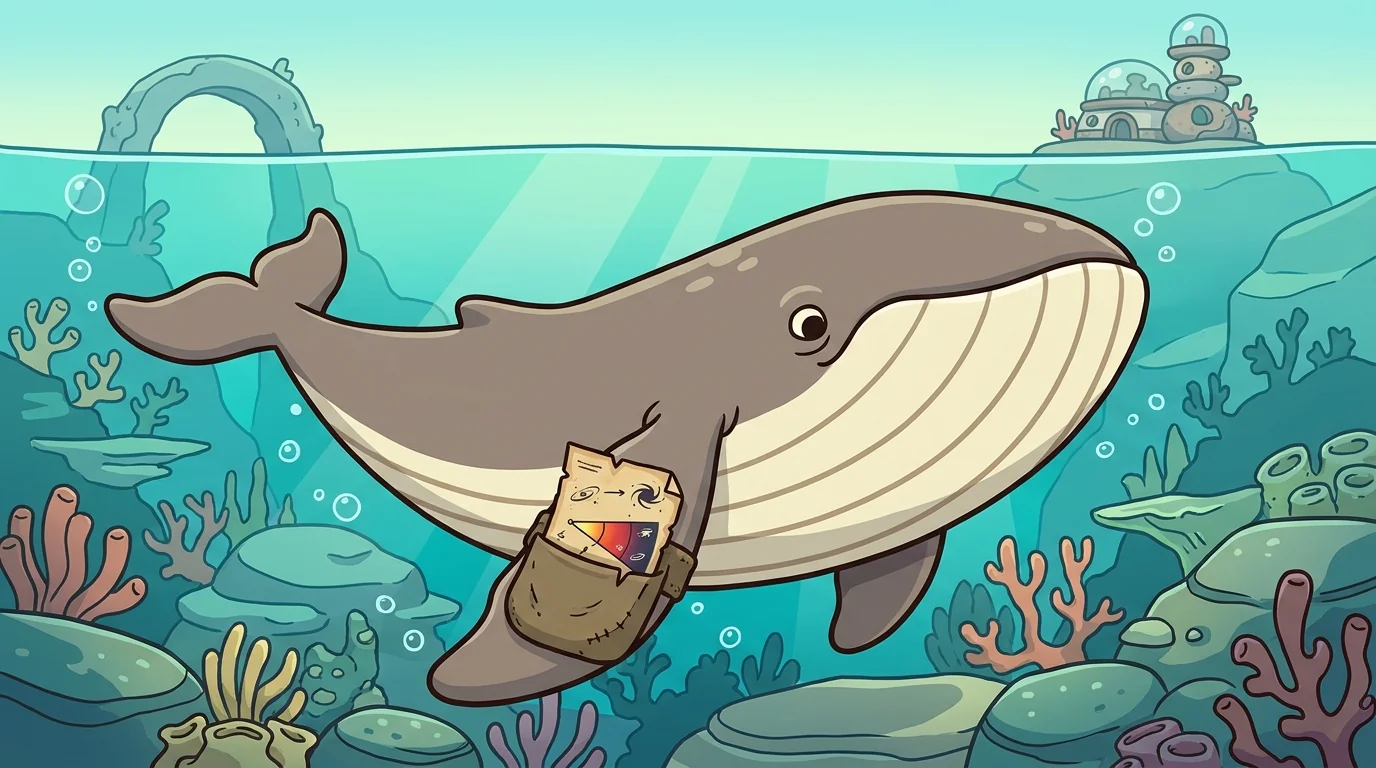
Tide
*space expands; distant galaxies recede; time runs forward; the cosmos is one slow tide.* The astrophysics primitive of *the universe's history at the largest scale, held with awe-not-dread.*
CosmosForge Audio
-

Wink
*a hidden planet announces itself by the tiny dip it makes in a star's light.* When a planet crosses in front of its star, the star's light dims by a tiny, regular amount. Catch the wink, and you've found a world you can't even see.
CosmosForge
-

Hop
*every hop the same length; counting hops = counting equal jumps; seeds early addition.*
CountingPals Audio
-
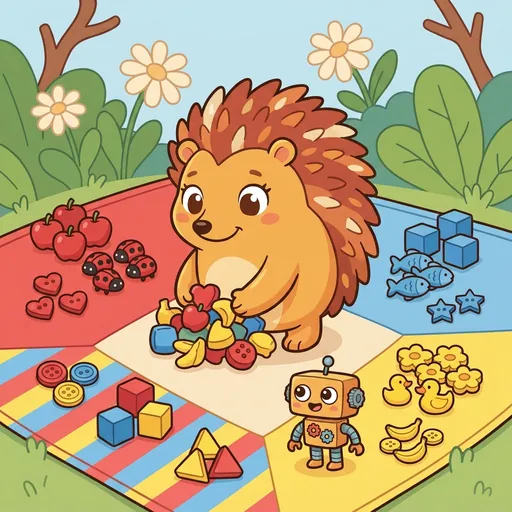
Pile
*put same with same; piles of 3s and 4s and 5s; comparison + categorization.*
CountingPals Audio
-

Tappa
*one thing, one number; tap each item exactly once.*
CountingPals Audio
-
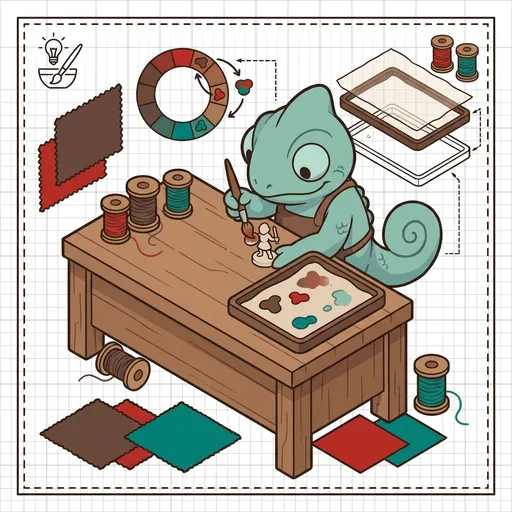
Blend
two colors meet, a third is born. mix slow.
CraftForge Audio
-

Coat
layer waits for layer. patience is the secret pigment.
CraftForge Audio
-
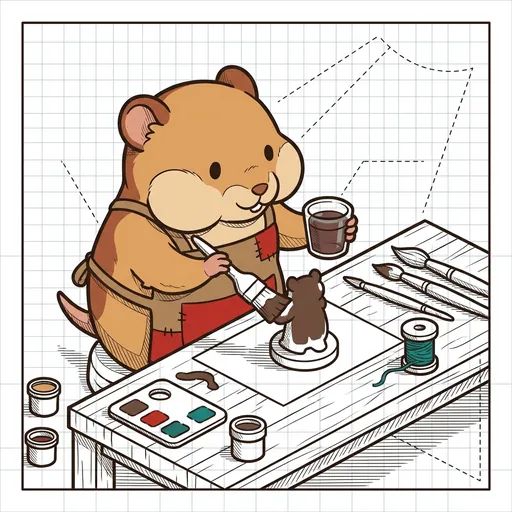
Dab
big shapes first; shadows fall second.
CraftForge Audio
-
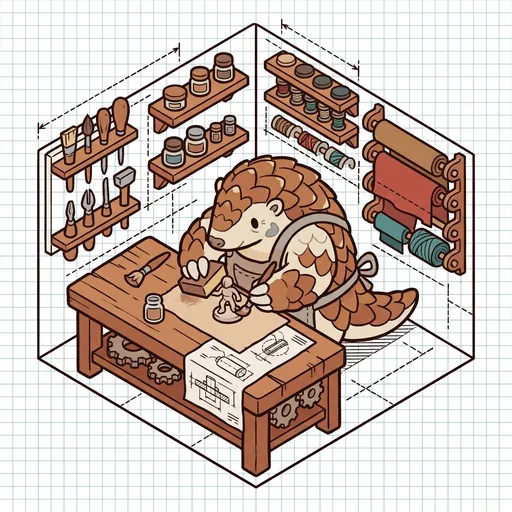
Sand (ELDER)
ready surface first; the paint listens to the surface.
CraftForge Audio
-
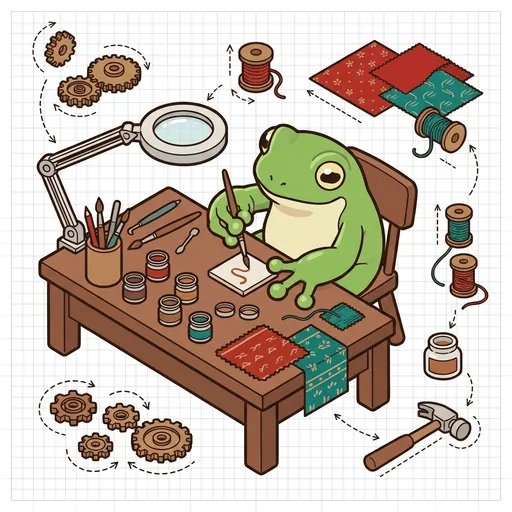
Tip
tiny brushes, loose wrist. Wobbly is fine; the eye fixes it from arm's length.
CraftForge Audio
-

Bond
care is more than cure. sometimes care means stopping. always care means seeing.
CreatureCare Audio
-
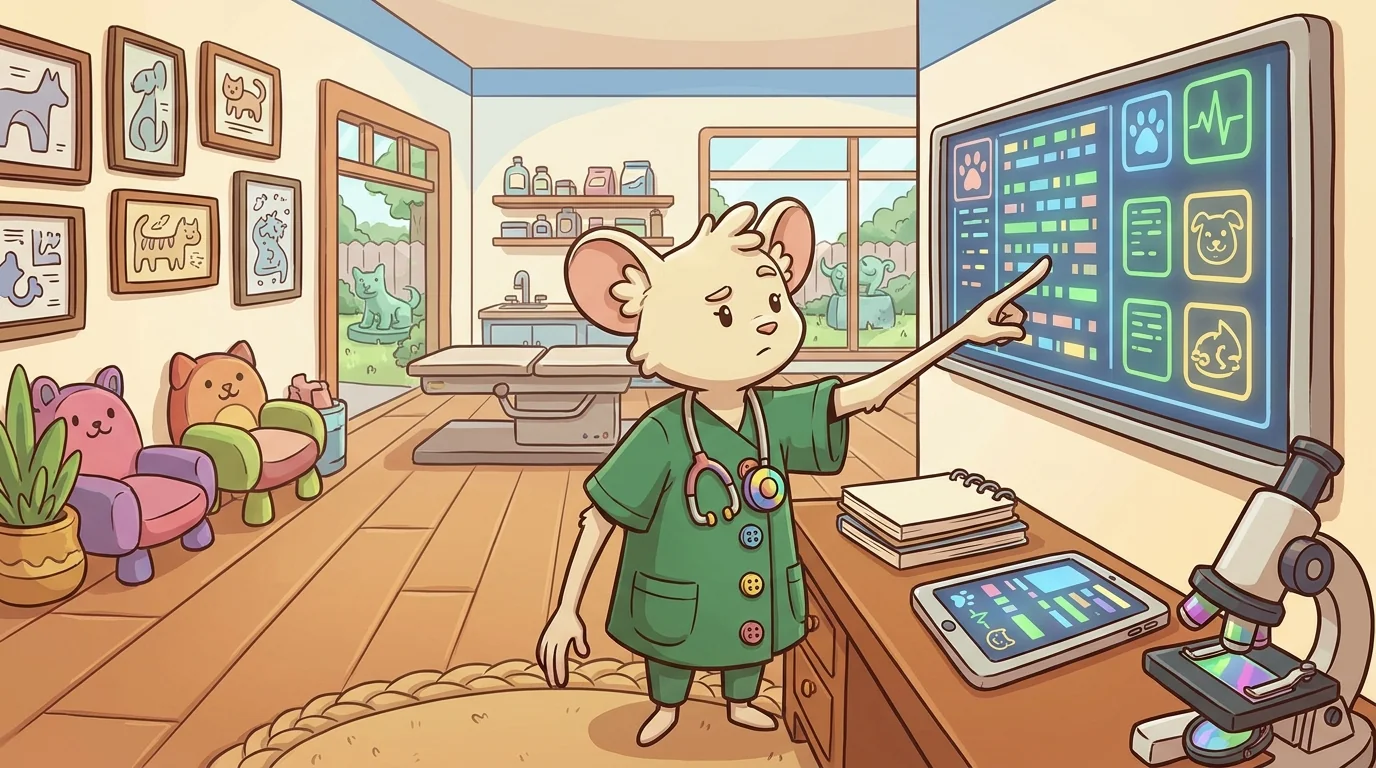
Chart
*numbers are notes; notes are not the song.*
CreatureCare Audio
-
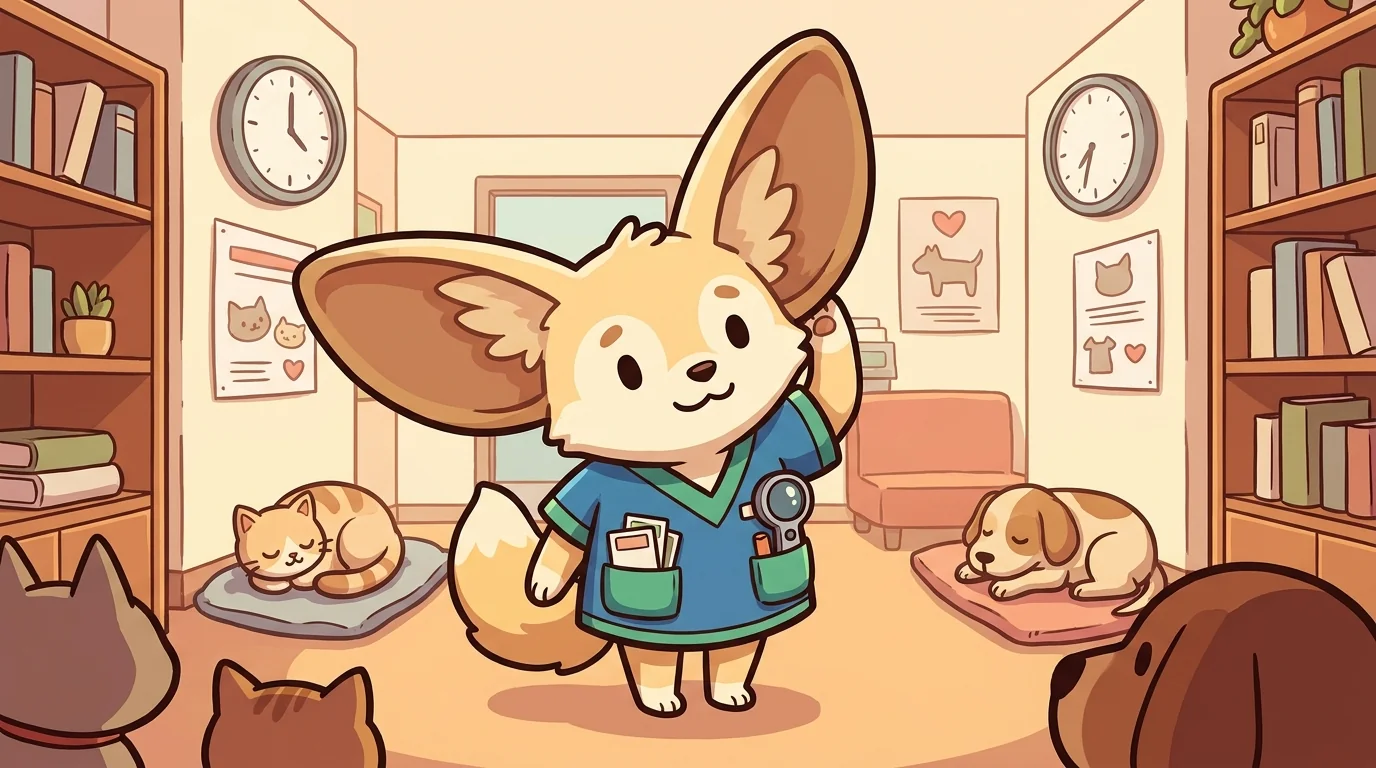
Heed
*listen first, look second, then we know.*
CreatureCare Audio
-
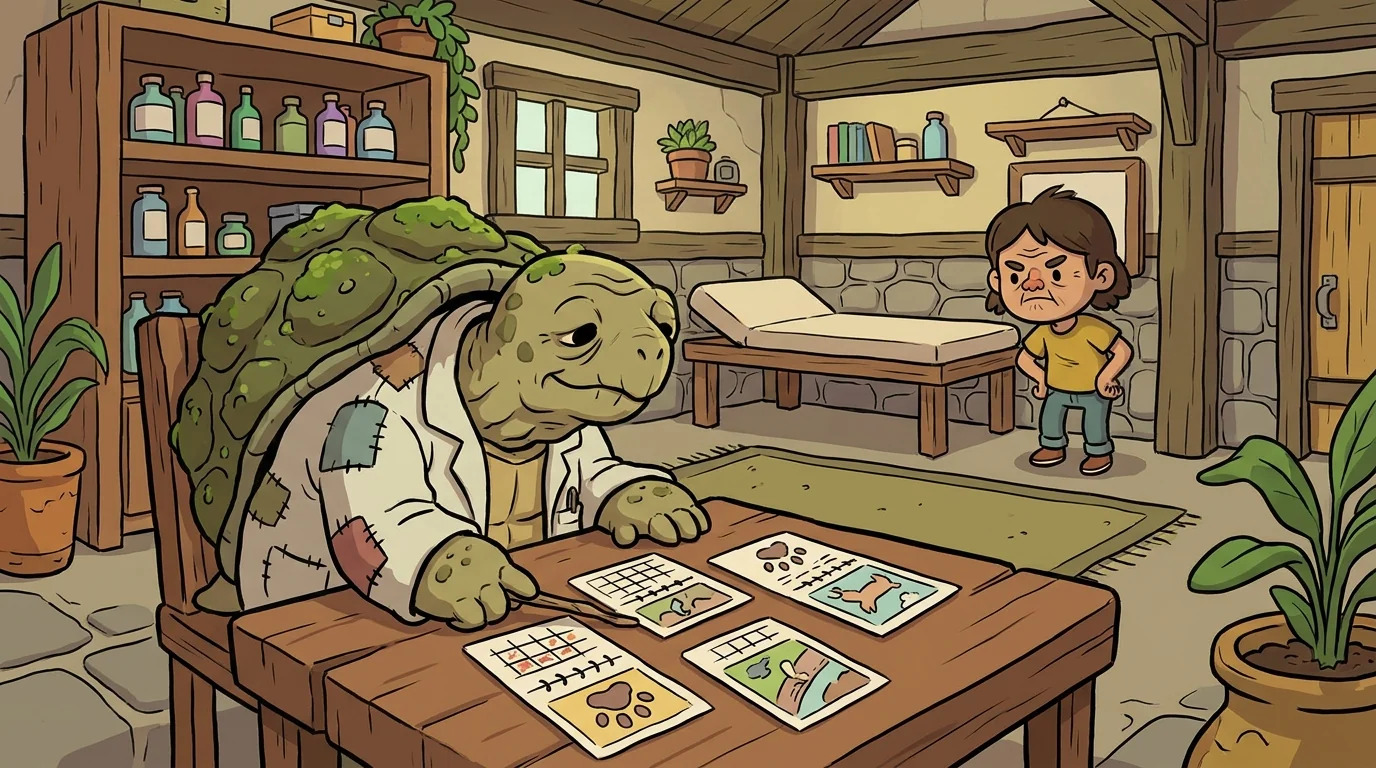
Knit
*healing is slow; that's the point.*
CreatureCare Audio
-
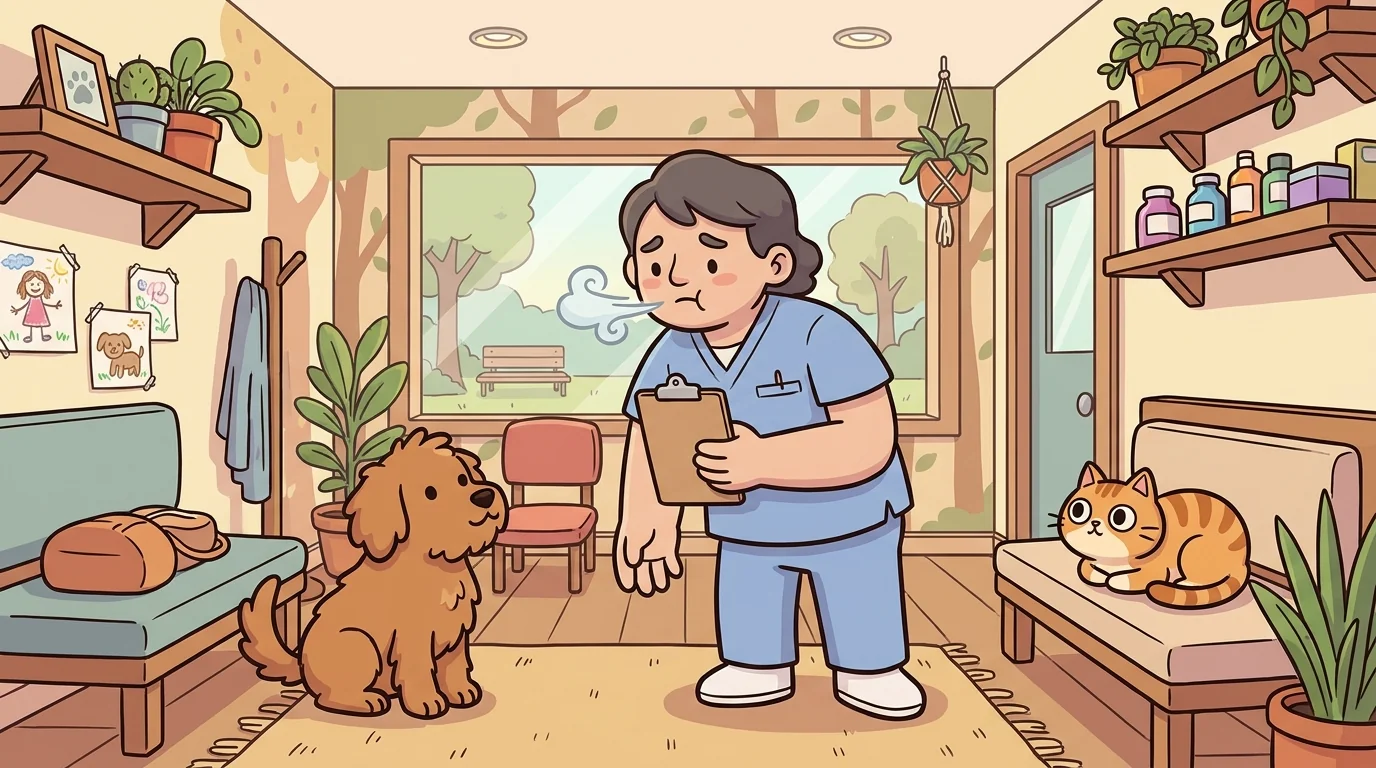
Tend
*slow hands, calm voice, patient first.*
CreatureCare Audio
-
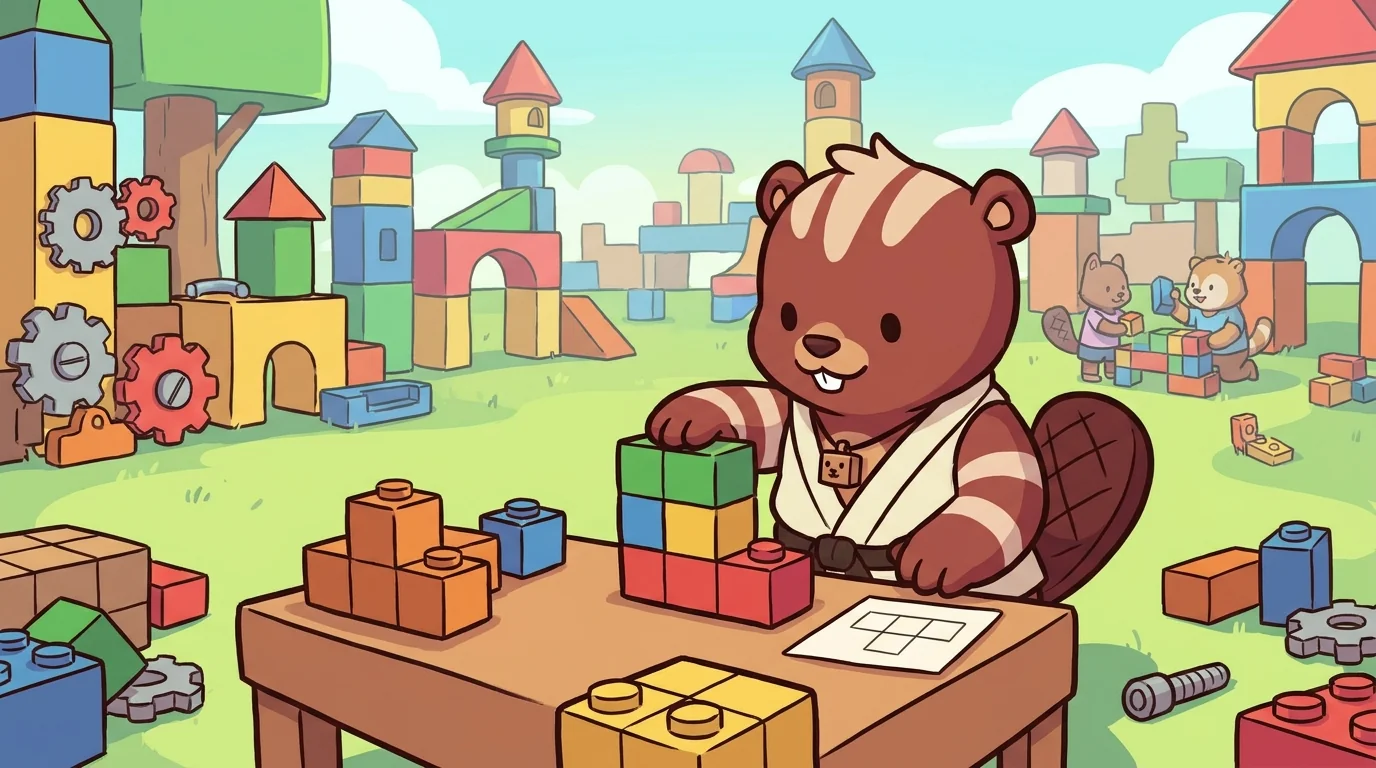
Block
*build the blocks. skip the cross.*
CubeSensei Audio
-
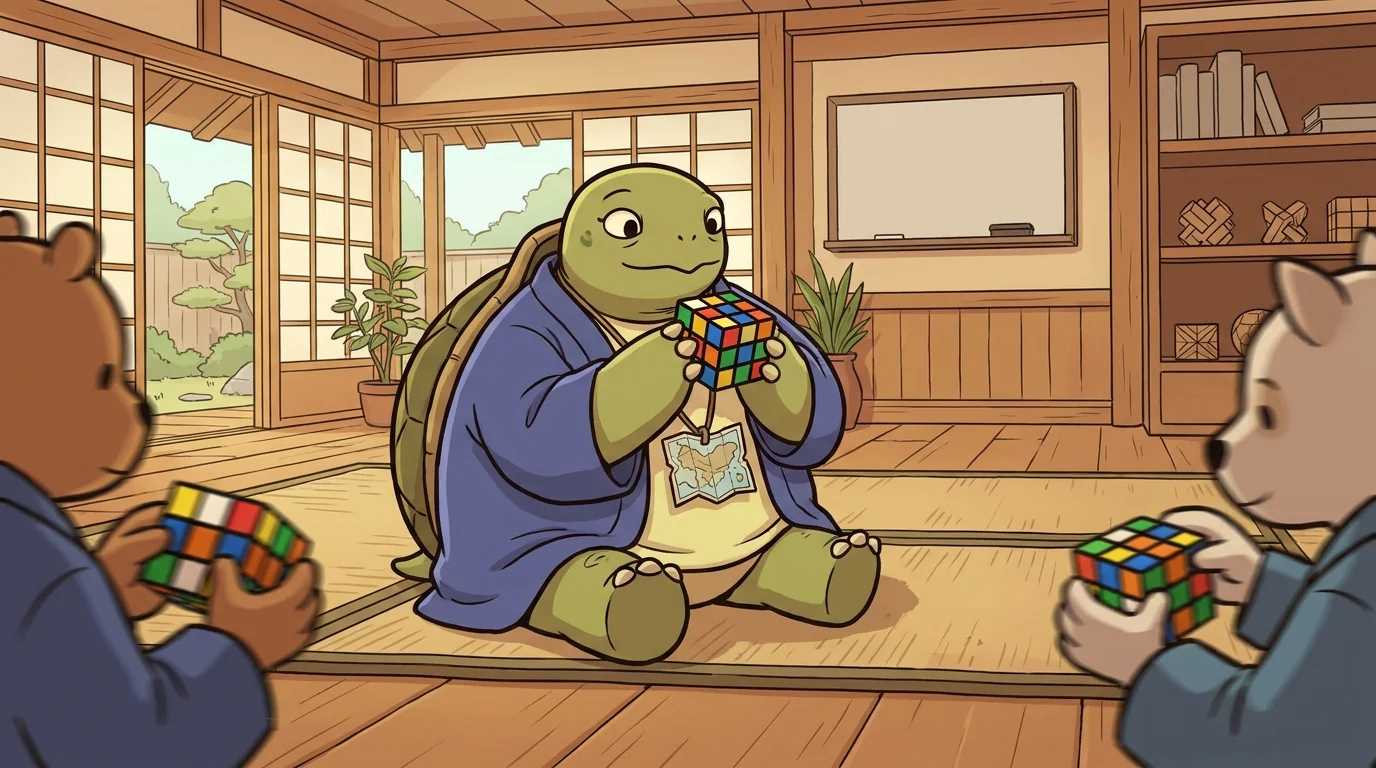
Chart
*plan the whole road before your hands ever move.*
CubeSensei
-
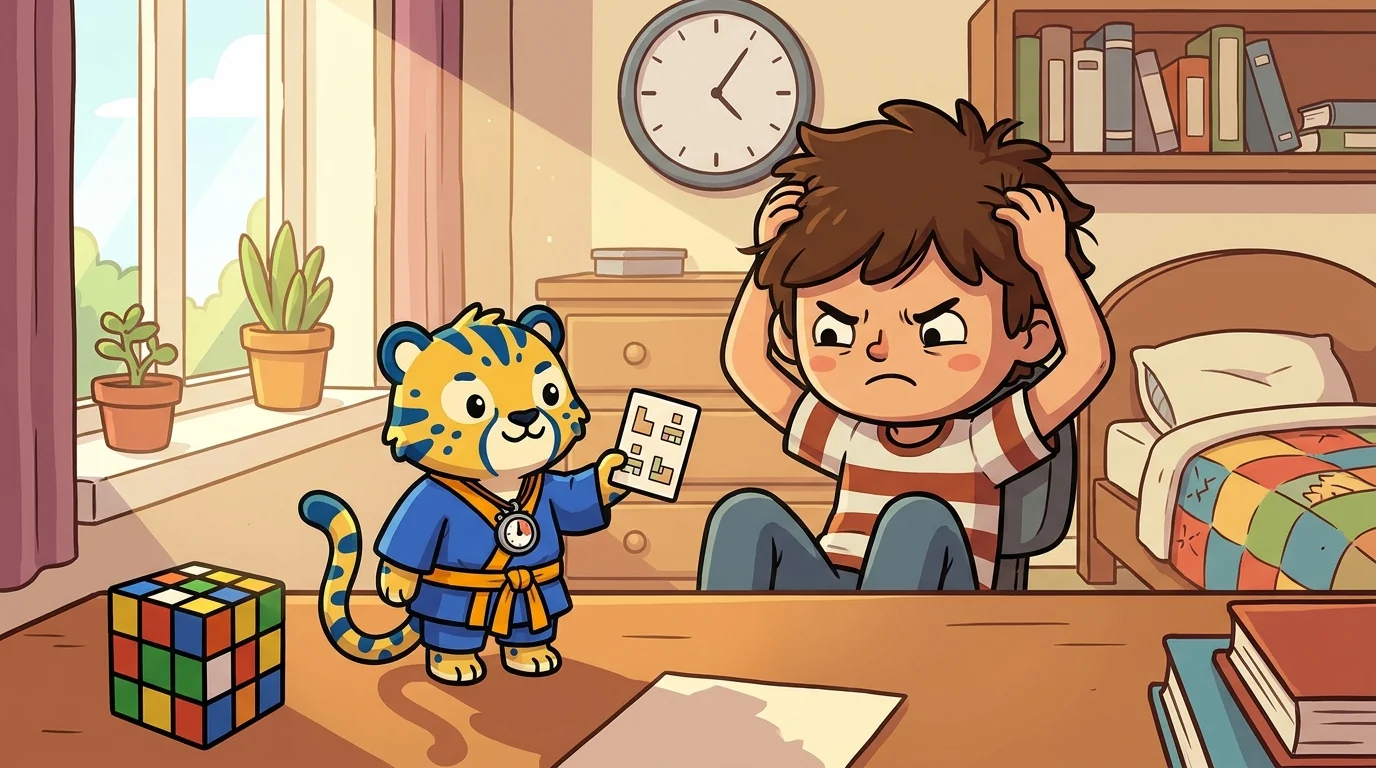
Cross
cross, F2L, OLL, PLL — that's the road.
CubeSensei Audio
-
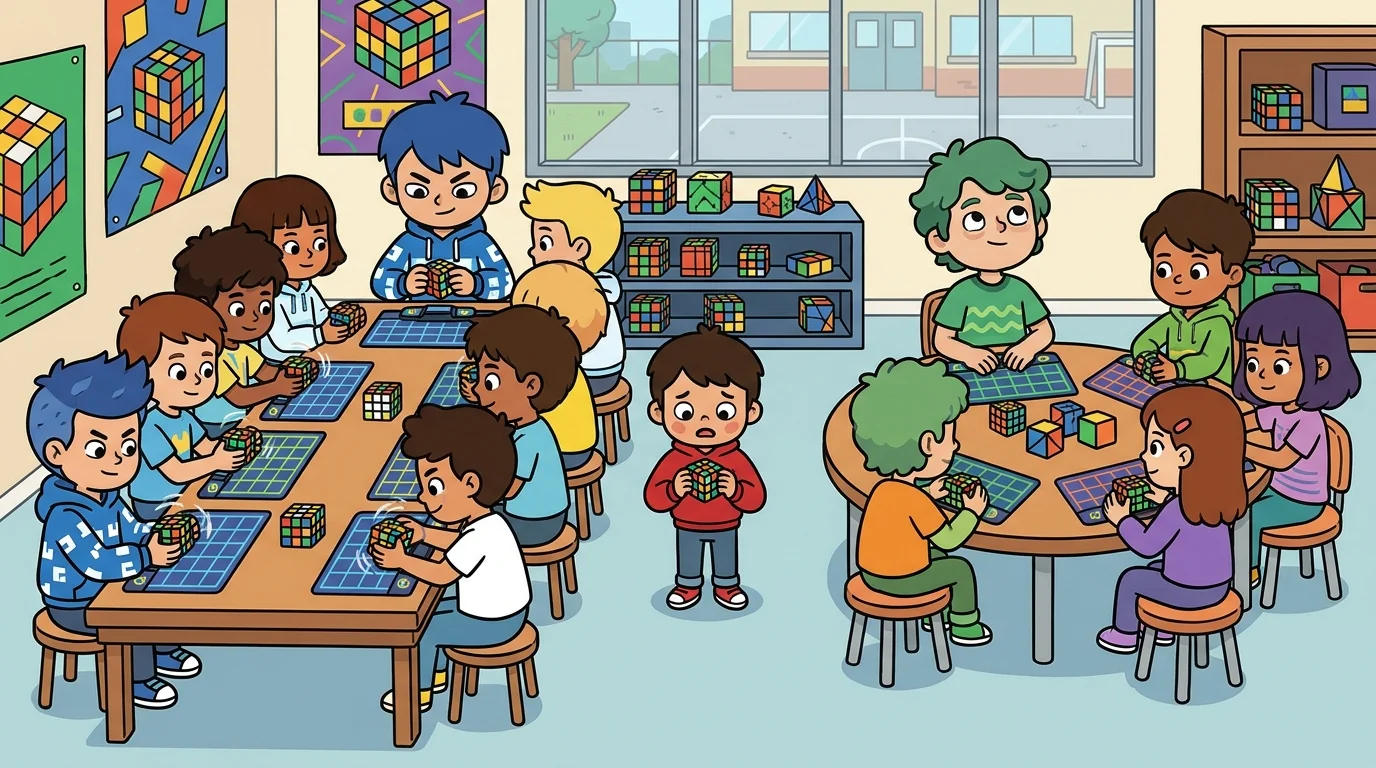
Cross and Edge
Cross is the CFOP method's first step (white cross). Edge is the ZZ method's edge-orientation. Both methods set up the cube before the speed-solve. Cross teaches 'build the road first.' Edge teaches 'orient first.' Together they show that different speedcubing methods share the same teacher's insight: organize before you race.
CubeSensei Ensemble
-

Edge
*orient first. then everything's faster.*
CubeSensei Audio
-
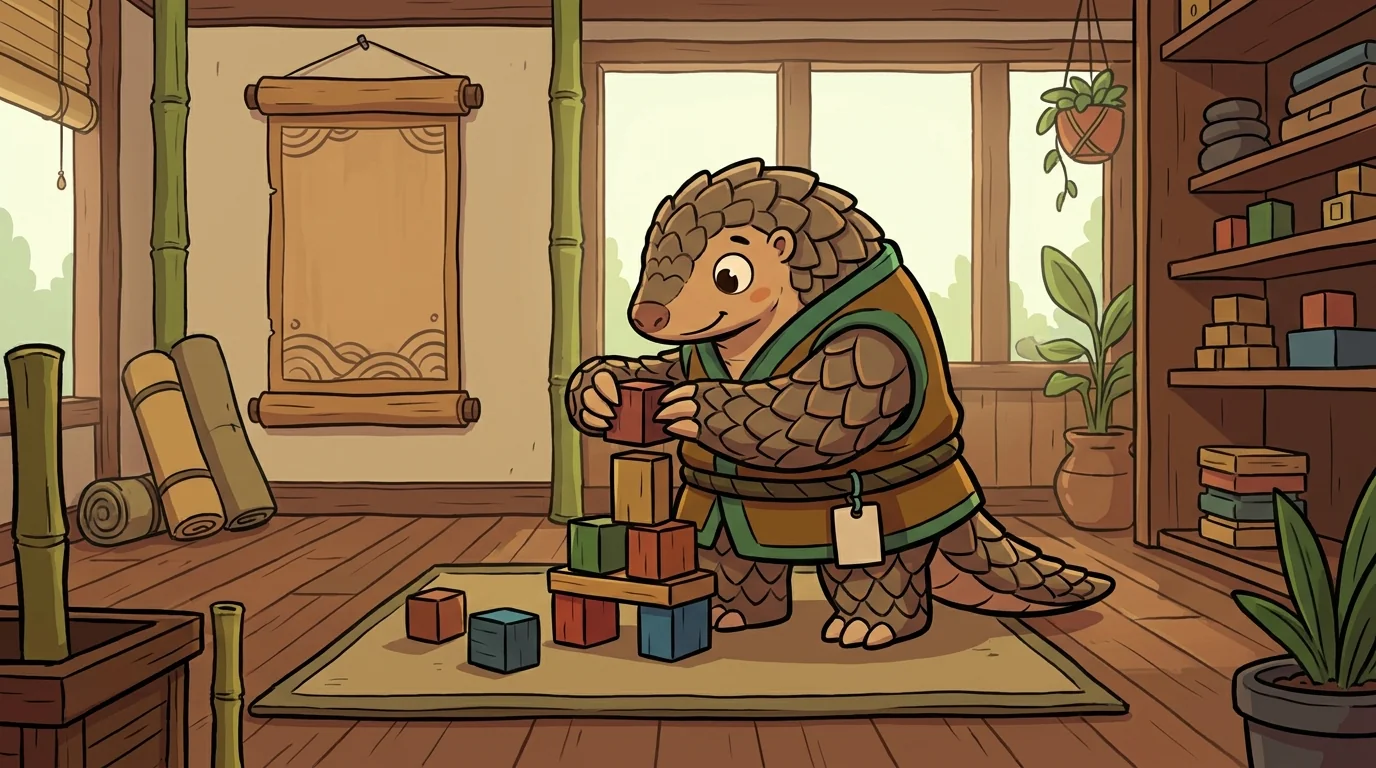
Layer
bottom first. always.
CubeSensei Audio
-
Look
*eyes ahead. hands following.*
CubeSensei Audio
-
Pair
*two-by-two has its own rules. small cubes, small methods.*
CubeSensei Audio
-
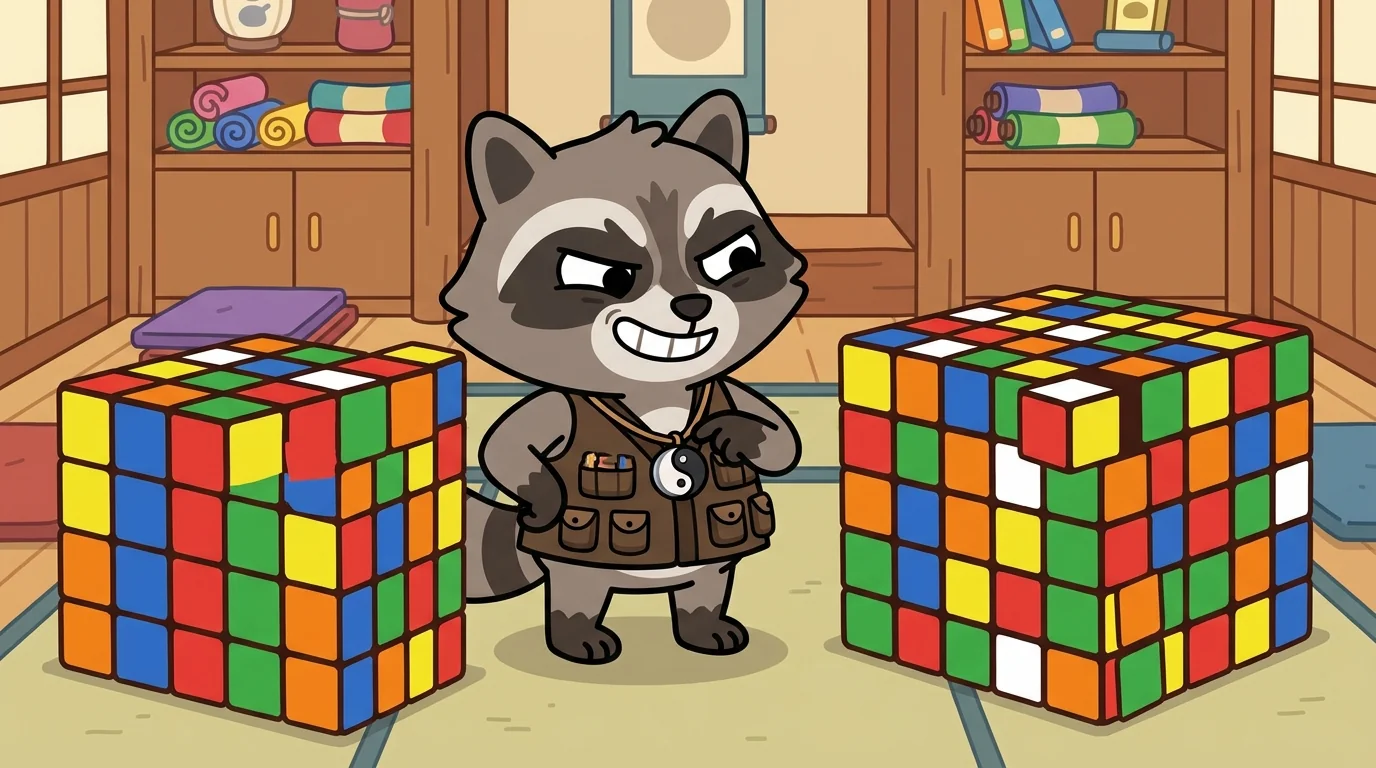
Parity
*some knots only show up on the big cubes. they have their own key.*
CubeSensei
-

Spot and Snap
Spot reads which known case the cube is in; Snap performs the single response that case calls for. Neither works alone: recognizing a case with no response is useless, and firing a response without recognizing the case is guessing. Together they are the look-up loop that turns the last steps of a solve from thinking into knowing.
CubeSensei Ensemble
-

Compare
*change one thing, keep everything else the same.* The inquiry primitive of the *fair test* — the discipline of setting two things side by side that differ in exactly one way, so you can tell what actually made the difference.
CuriosityQuest
-

Inkling
*your guess is INFORMATION, not a final answer.* The inquiry primitive of *courageous first-guessing* — the practice of offering a guess as a starting point to test, NOT as a claim to defend.
CuriosityQuest Audio
-

Linger
Keats' Negative Capability; some good questions take days, the best take years. The inquiry primitive of *holding the lantern in the dark* — staying with a question that hasn't yet resolved, without rushing to false certainty.
CuriosityQuest Audio
-
Measure
*turn "a lot" into a number so you can compare it.* The inquiry primitive of *measuring* — the discipline of choosing a unit and counting with it, so that vague words like "big" and "fast" become numbers you can trust and share.
CuriosityQuest
-
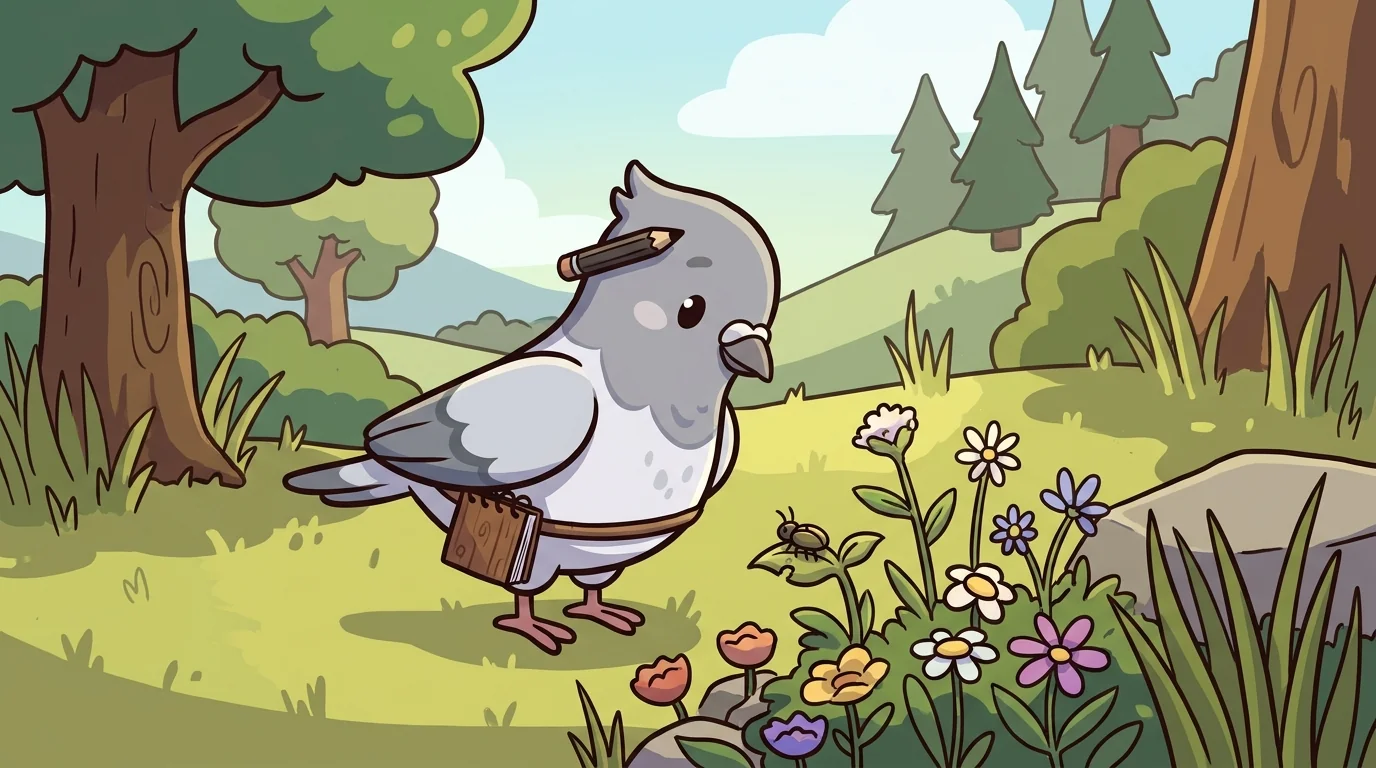
Notice
*name what you SEE before why; most wonder lives in the noticing.* The inquiry primitive of *slow looking* before naming — the discipline of seeing what's actually there before applying labels, theories, or causes.
CuriosityQuest Audio
-
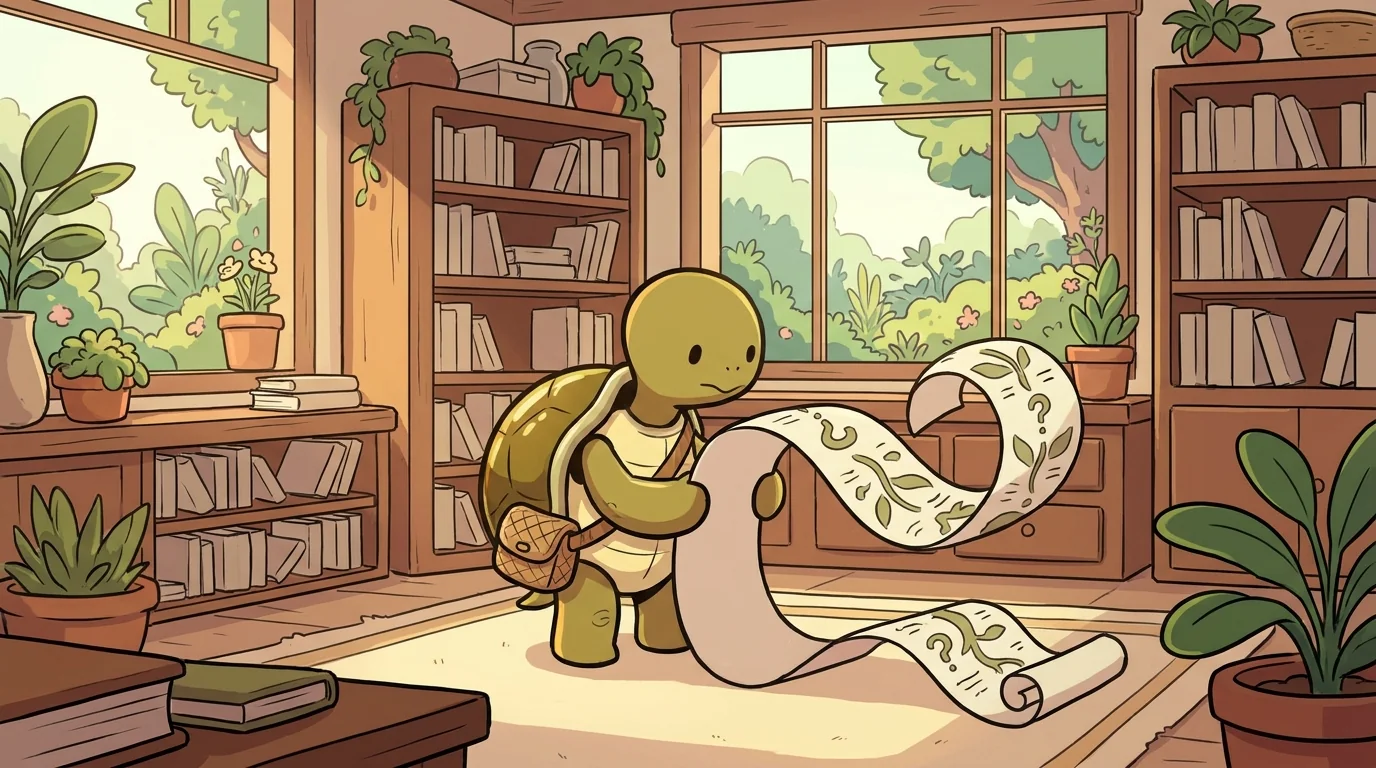
Ponder
*"what does that even mean?" is the foundation, never the failure.* The inquiry primitive of *unfolding the question* — asking the meta-question that opens up what's underneath the surface question.
CuriosityQuest Audio
-
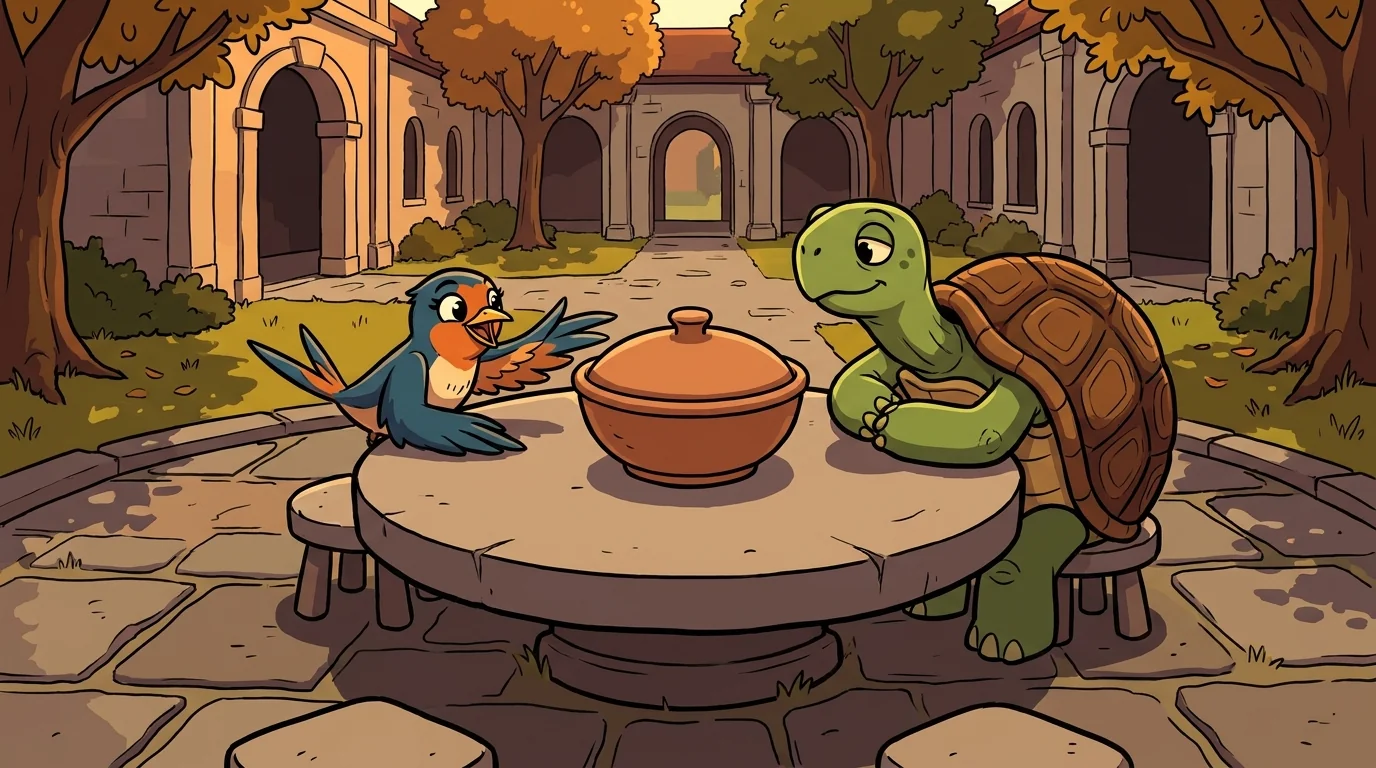
Predict and Check
*say what you think will happen before you look, then look and compare.* The inquiry primitive of the prediction loop — committing a guess out loud first (so the looking has something to test), then checking it against what actually happened.
CuriosityQuest Ensemble
-
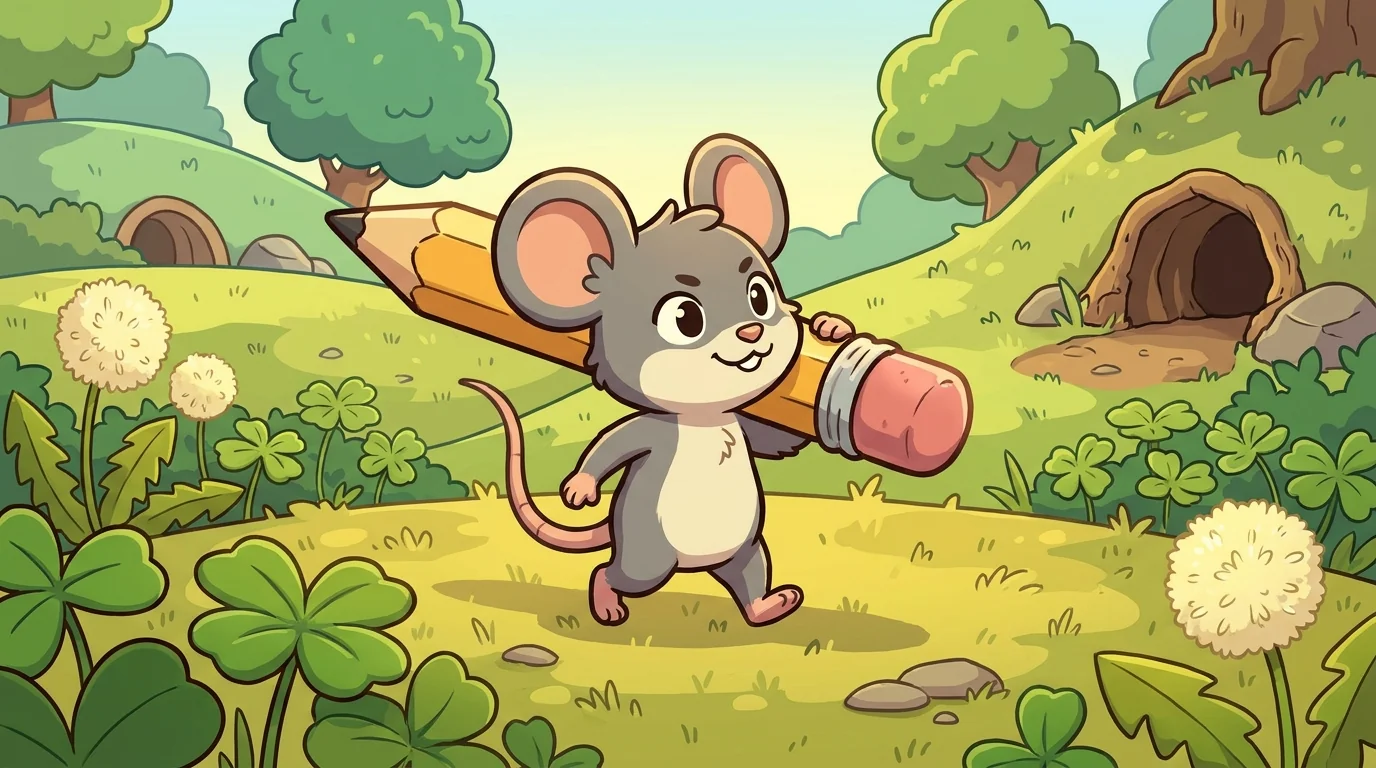
Revise
*being wrong is how knowledge MOVES.* The inquiry primitive of *changing your mind when the evidence warrants*, framed as the PROUDEST move in inquiry — not the embarrassing one.
CuriosityQuest Audio
-
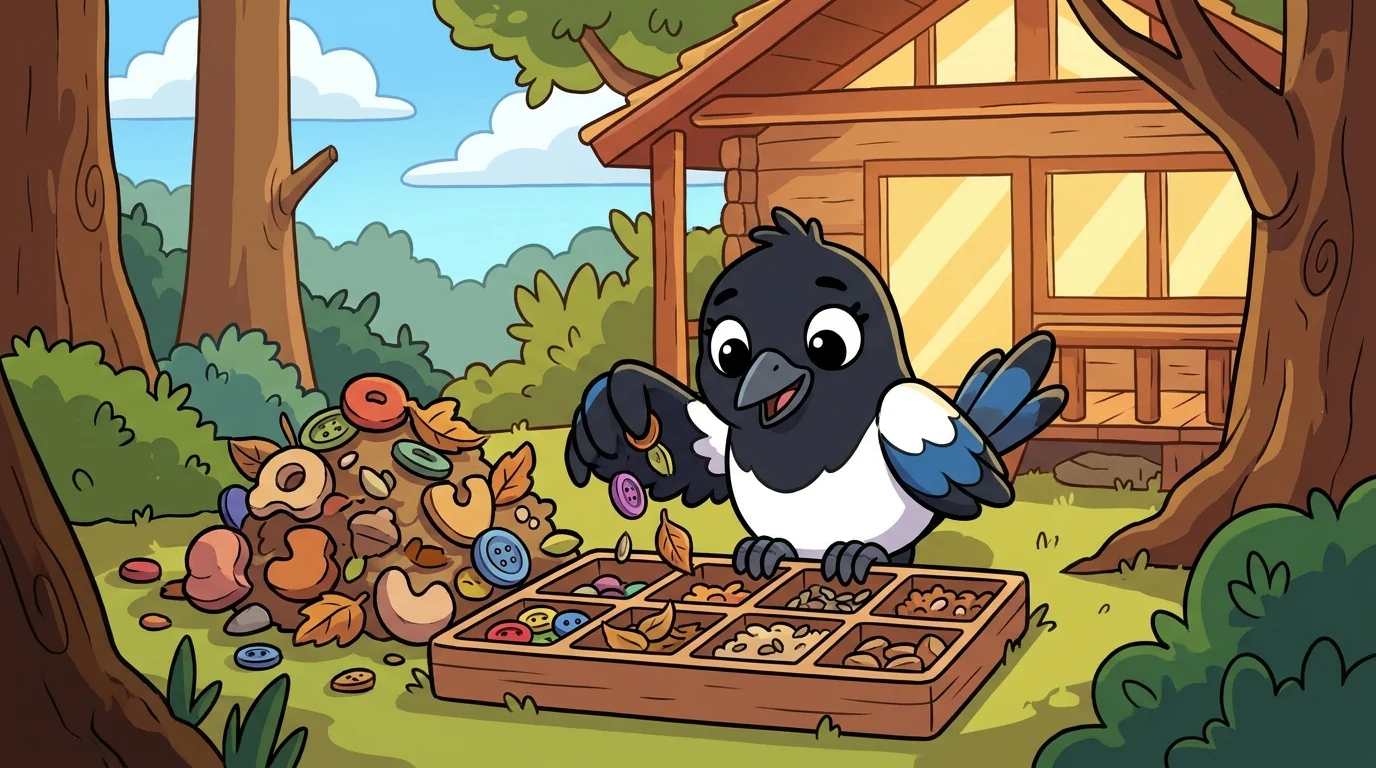
Sort
*put things in groups by what they share, and the pattern shows up.* The inquiry primitive of *sorting* — the discipline of choosing a rule and grouping things by it, so that a messy pile becomes a picture you can read.
CuriosityQuest
-
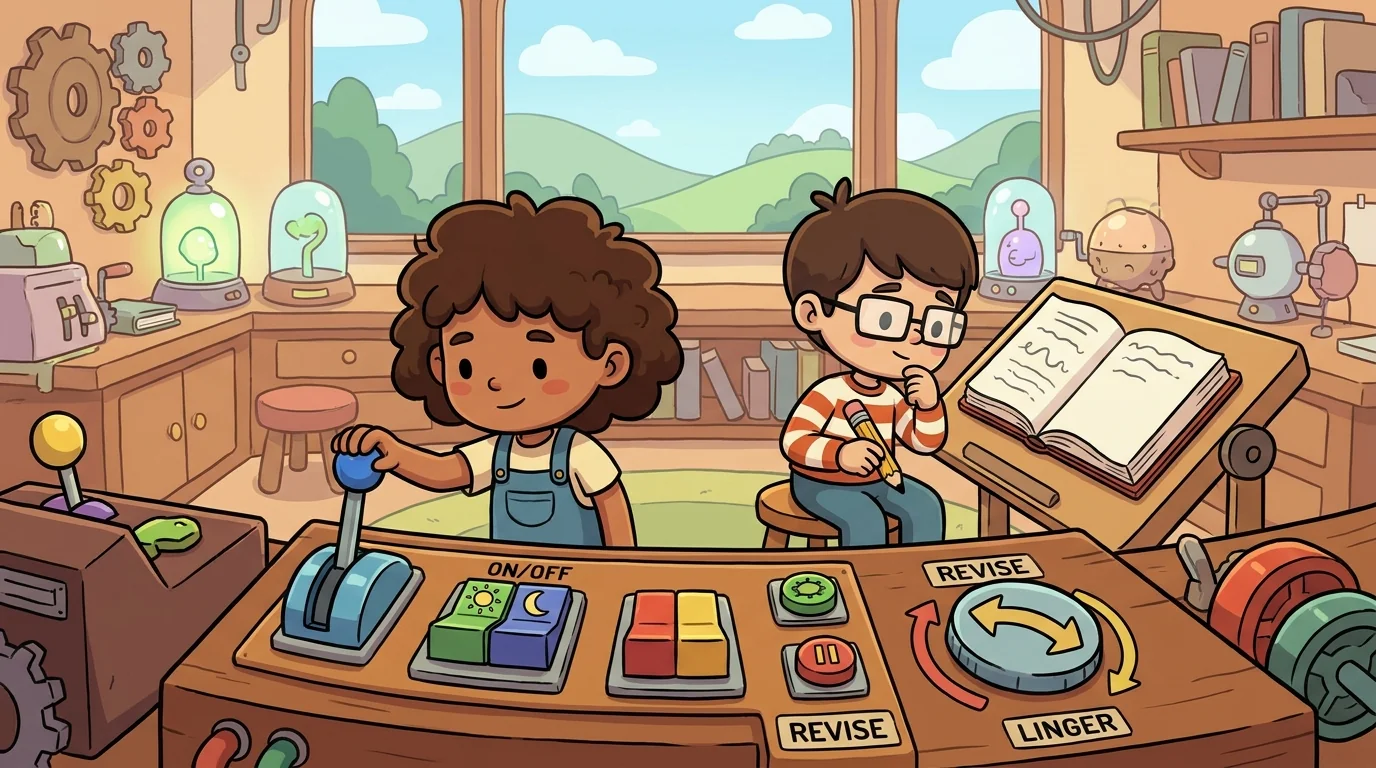
The Patient Pair
taking your time + revising when evidence warrants
CuriosityQuest Ensemble
-
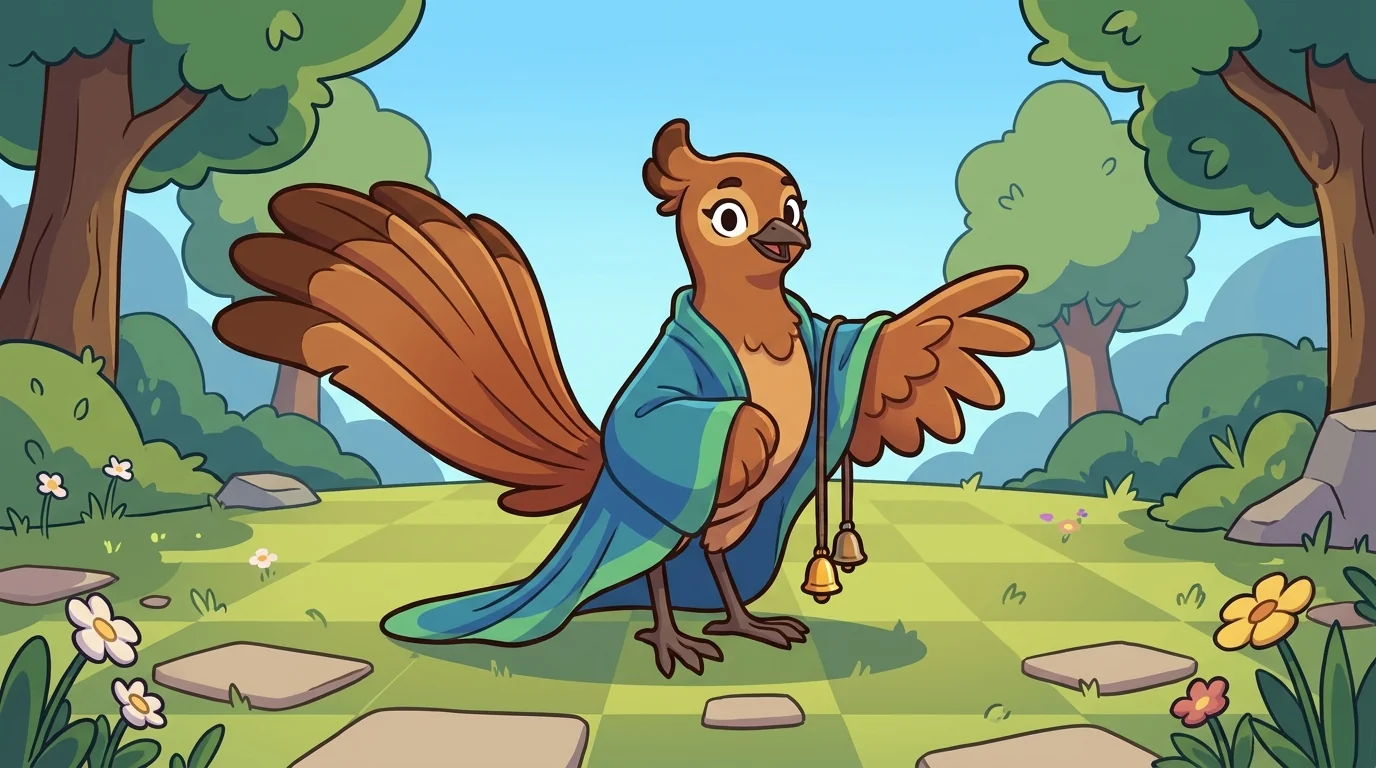
Beckon
*one dancer or group makes a movement (the call); another answers it (the response). a movement conversation across the floor.*
DanceQuest
-
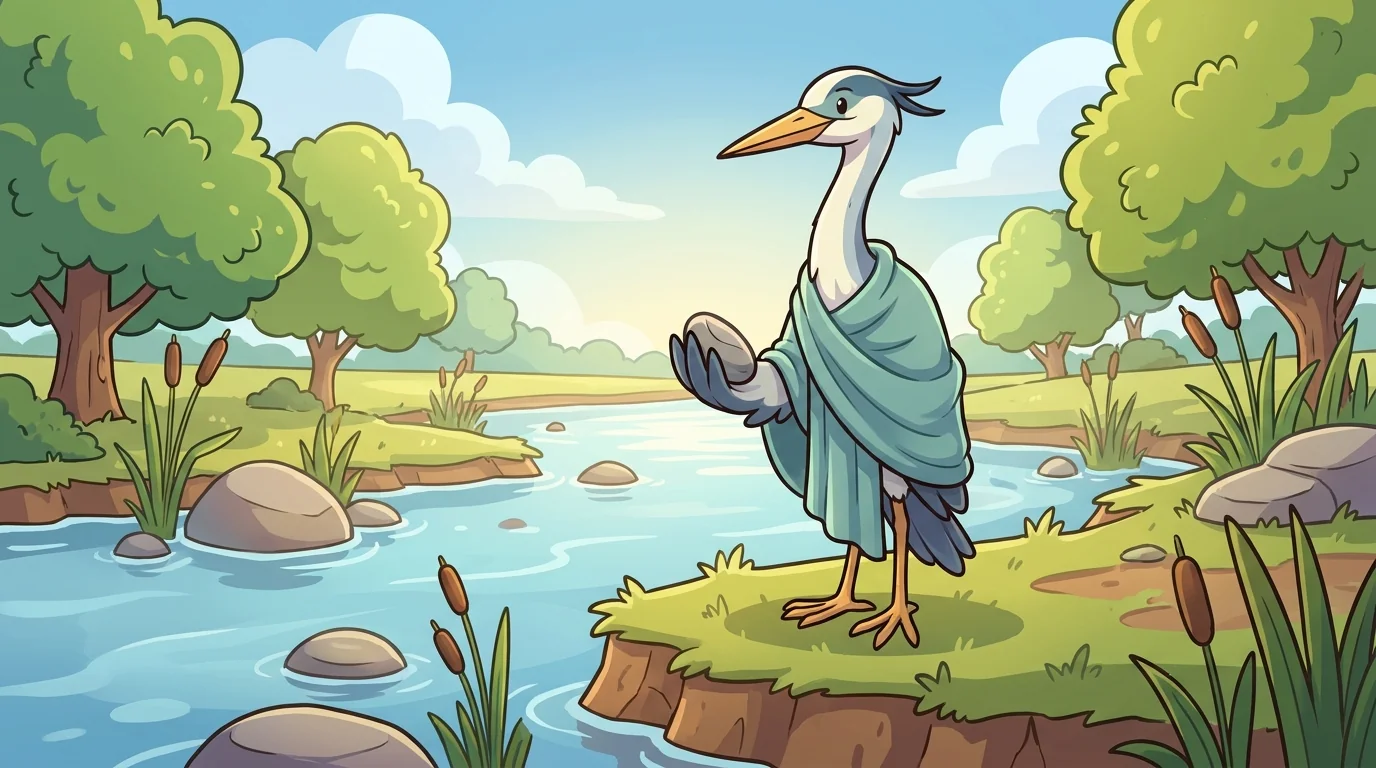
Bide
*the held, motionless moment inside a dance. the pause that frames the movement around it; negative space made of time. stillness as a choice, not an absence.*
DanceQuest
-
Canon
*unison is everyone doing the same movement at the same time; canon is everyone doing the same movement staggered, one after another, like a round. two ways a group shares one move.*
DanceQuest
-
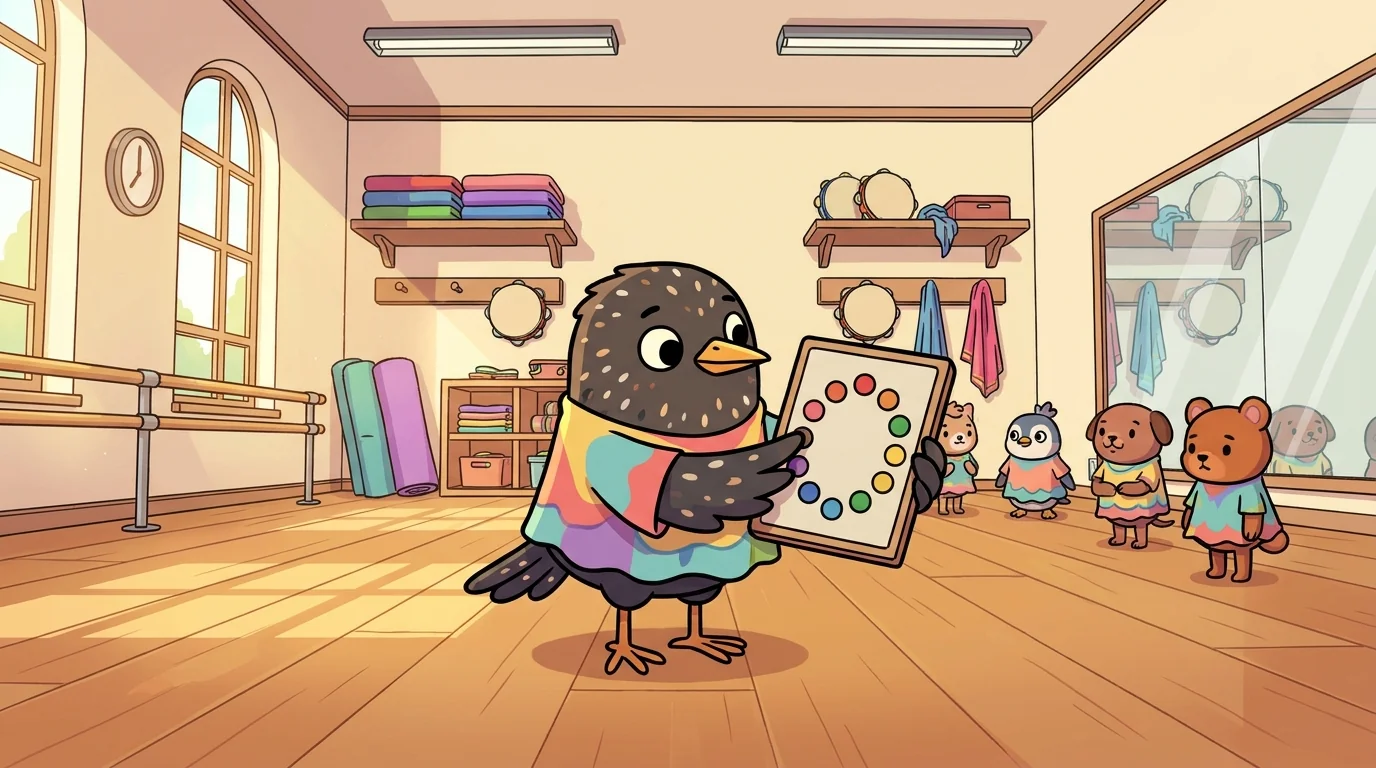
Flock
*how a group of dancers arranges itself in space — lines, circles, clusters, wedges — and how that shape changes and flows. the group as one moving picture.*
DanceQuest
-

Glide
the craft of going from here to there with whole attention.
DanceQuest Audio
-
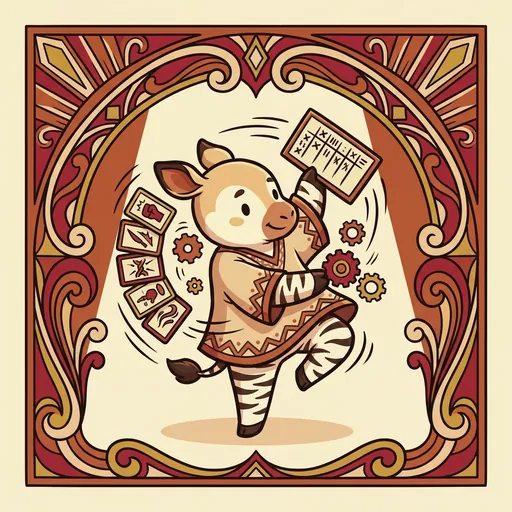
Lift
*quality of movement, not aesthetic judgment. effort is the dancer's instrument.*
DanceQuest Audio
-
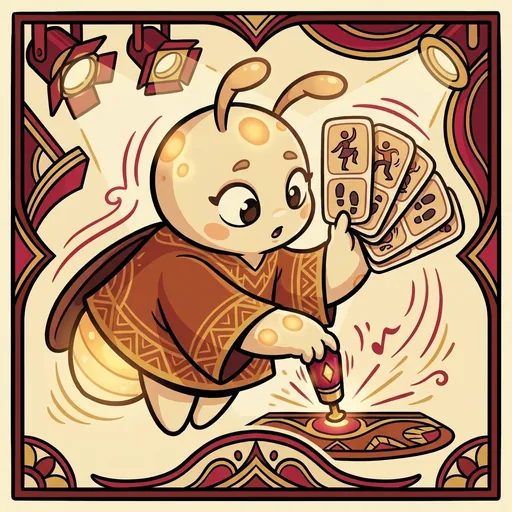
Phrase
how movement is organized in musical counts.
DanceQuest Audio
-
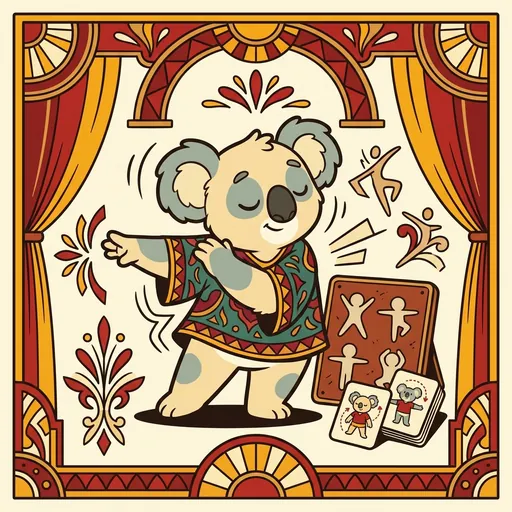
Pose
*listening to your own shape. proprioception is the first skill.*
DanceQuest Audio
-
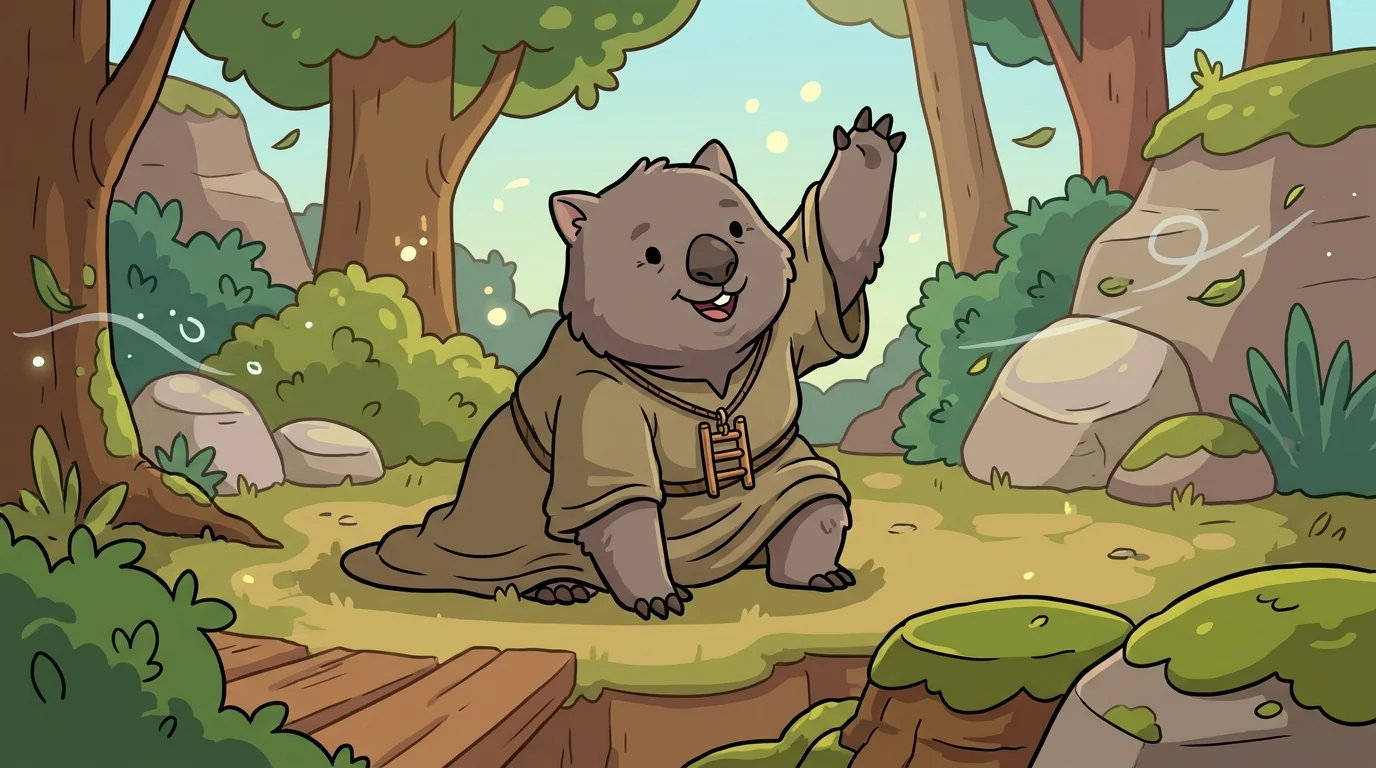
Storey
*dancing in the vertical space: low on the floor, mid at standing height, high in reaches and jumps. changing level to add depth and surprise.*
DanceQuest
-
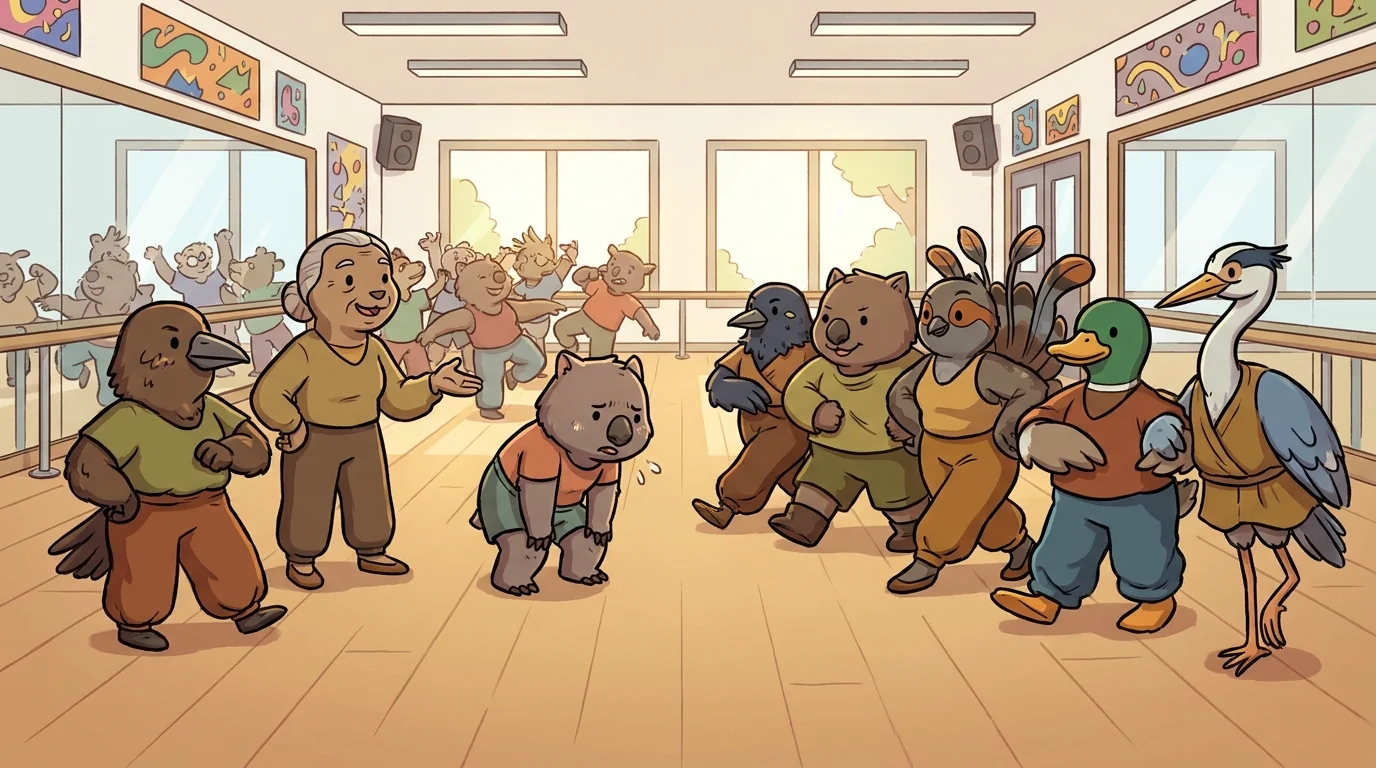
The Company
*a group piece is not many solos at once. it is formation, level, call-and-response, unison, canon, and stillness woven so a whole group moves as one living thing.*
DanceQuest Ensemble
-
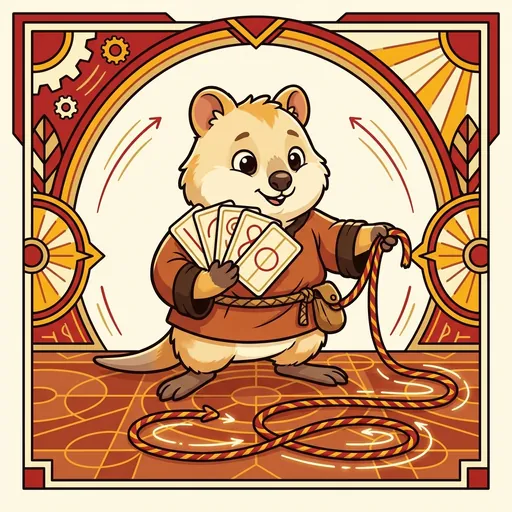
Trail
*the floor-pattern shapes you draw moving through space.*
DanceQuest Audio
-
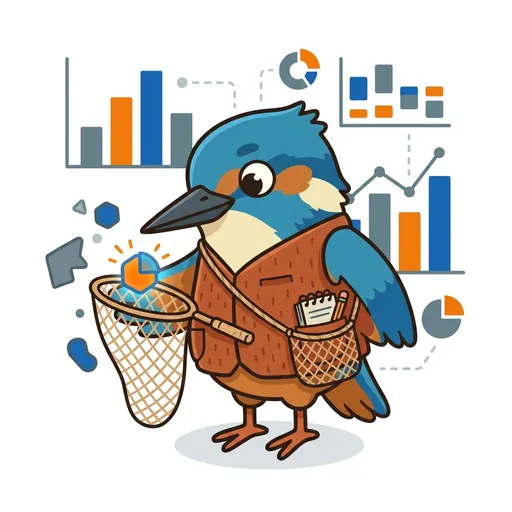
Catch
*who-what-why-when posture* (every dataset has a collector + purpose + omissions). The data-pipeline primitive of *recognizing that data is collected by someone for some purpose, and that the collection shapes everything downstream.*
DataForge Audio
-

Graph
*shape-of-the-story posture* (which chart tells the truth, not the loudest one). The data-pipeline primitive of *choosing the chart that fits the data, not the chart that looks impressive.*
DataForge Audio
-

Guard
*bias-privacy-harm-consent posture* (who benefits, who's harmed, who decided). The data-pipeline primitive of *recognizing that every step of the data pipeline has ethical stakes, and that ethics is not a separate kit but embedded throughout.*
DataForge Audio
-
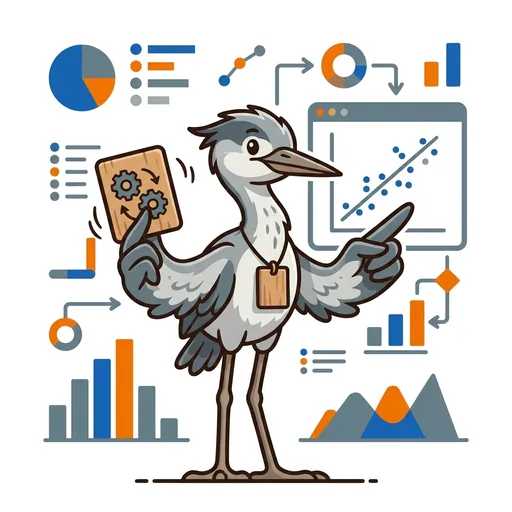
Tell
*correlation-not-causation posture* (data shows patterns; humans interpret; confidence not certainty). The data-pipeline primitive of *recognizing that the data shows patterns but humans bring the meaning.*
DataForge Audio
-

Tidy
*preparation-with-integrity posture* (every cleaning choice changes meaning; document the choices). The data-pipeline primitive of *recognizing that cleaning is not neutral and must be documented.*
DataForge Audio
-

Auntie Audrey
when to commit and when to pass. patience reads the table; rashness loses the contract.
DealTales Audio
-

Bram
*the bid is the conversation. listen to what your partner is saying through their bids.*
DealTales Audio
-
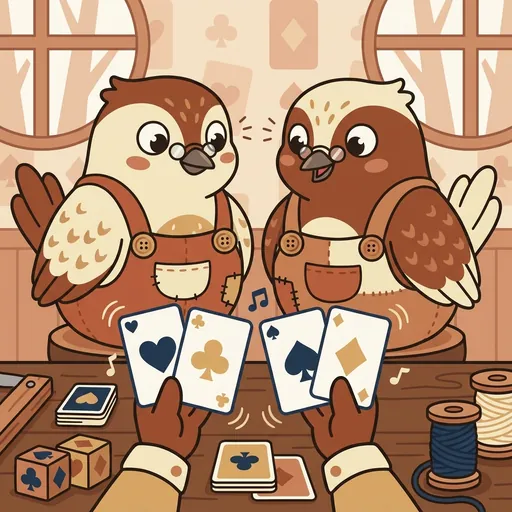
Doubleton Sisters
two cards isn't weakness — it's information. plan around the doubleton, and the hand sings.
DealTales Audio
-

The Vanderbilt
the bid-system two partners share. without it, every bid is a guess. with it, every bid is a message.
DealTales Audio
-
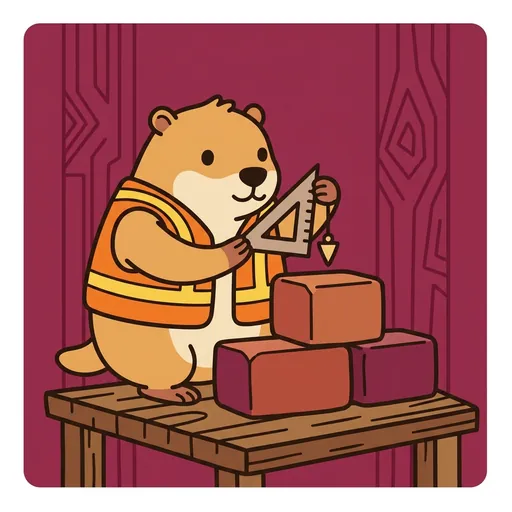
Build
*claim + warrant + evidence. an argument is architecture. what does your case REQUIRE to stand?*
DebateForge Audio
-

Reply
*"I disagree because" — never "you're wrong because." address the argument, not the person.*
DebateForge Audio
-

Steel
the strongest version of what the other side would say. before you argue with a view, make it as strong as it can be.
DebateForge Audio
-

Weigh
*sources have positions. evidence has limits. credibility is calibration, not faith.*
DebateForge Audio
-
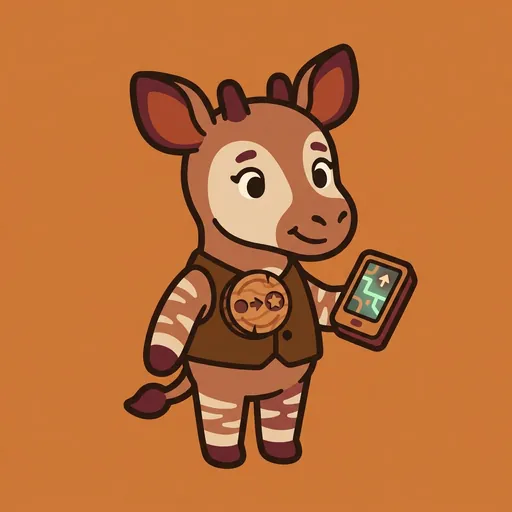
Yield
changing your mind in light of better evidence. concession as strength, not failure.
DebateForge Audio
-

Drift
*200–1000m. light fades to almost-nothing. life makes its own light.*
DepthQuest Audio
-

Press
*1000–4000m. pitch black. crushing pressure. cold. and life still thrives.*
DepthQuest Audio
-

Reef
the top 200m. where light reaches. where photosynthesis happens. where the colors live.
DepthQuest Audio
-

Smoke
*hydrothermal vents. life without sunlight. chemosynthesis powers a whole world.*
DepthQuest Audio
-

Trench
*deepest trenches. extreme pressure. and still — life. ancient time. ancient adaptation.*
DepthQuest Audio
-

Trench and Plume
Trench is the deep cold benthic zone (hydrothermal vents, scavengers, bioluminescence). Plume is the surface productive zone (sun-driven photosynthesis, plankton blooms). Together they teach that the ocean is layered, not uniform.
DepthQuest Ensemble
-
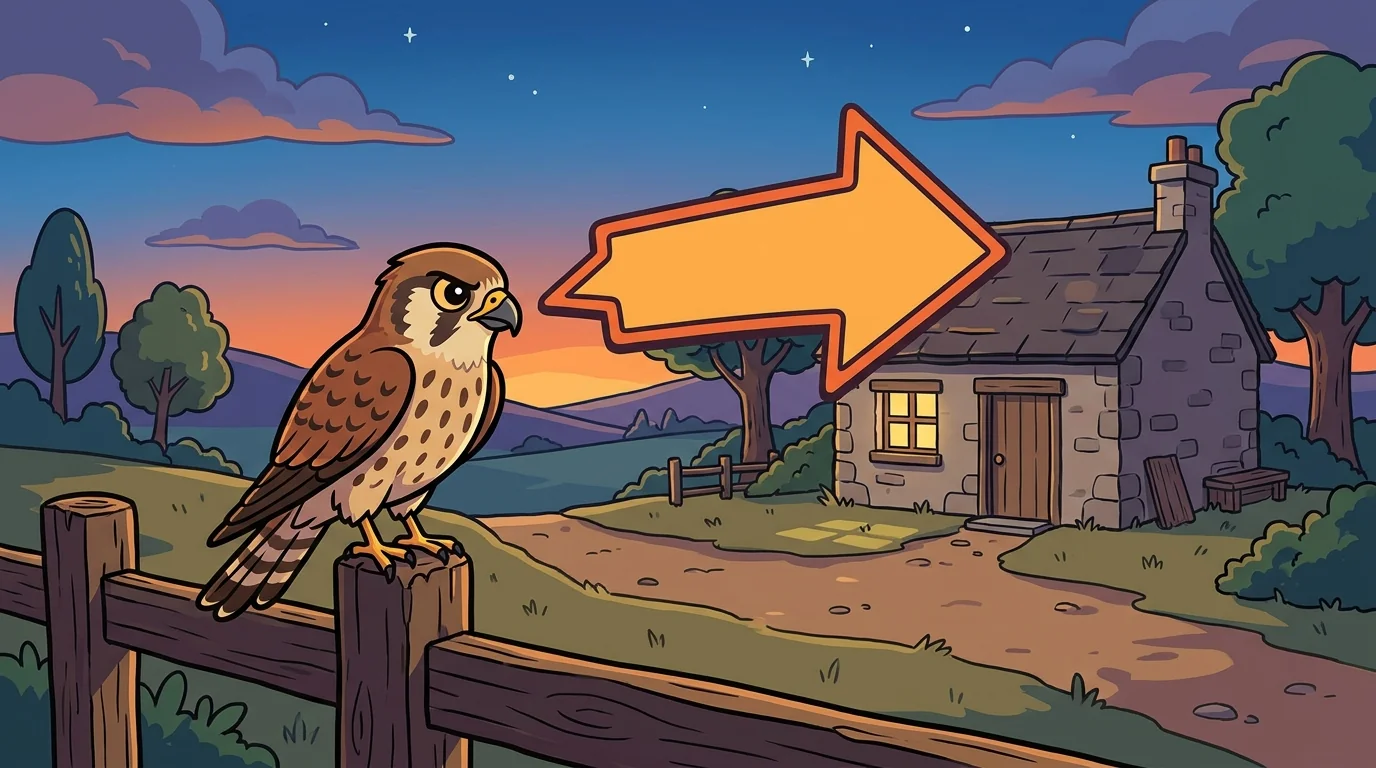
Aim
every line of dialogue should be trying to DO something: to ask, to dodge, to persuade, to wound, to comfort, to hide. A line that only passes along information is dead weight. Real talk is people using words to get what they want.
DialogueQuest
-

Brogue
the same character speaking *recognizably the same* across all their lines. Word-choice, sentence-rhythm, signature phrases stay stable.
DialogueQuest Audio
-
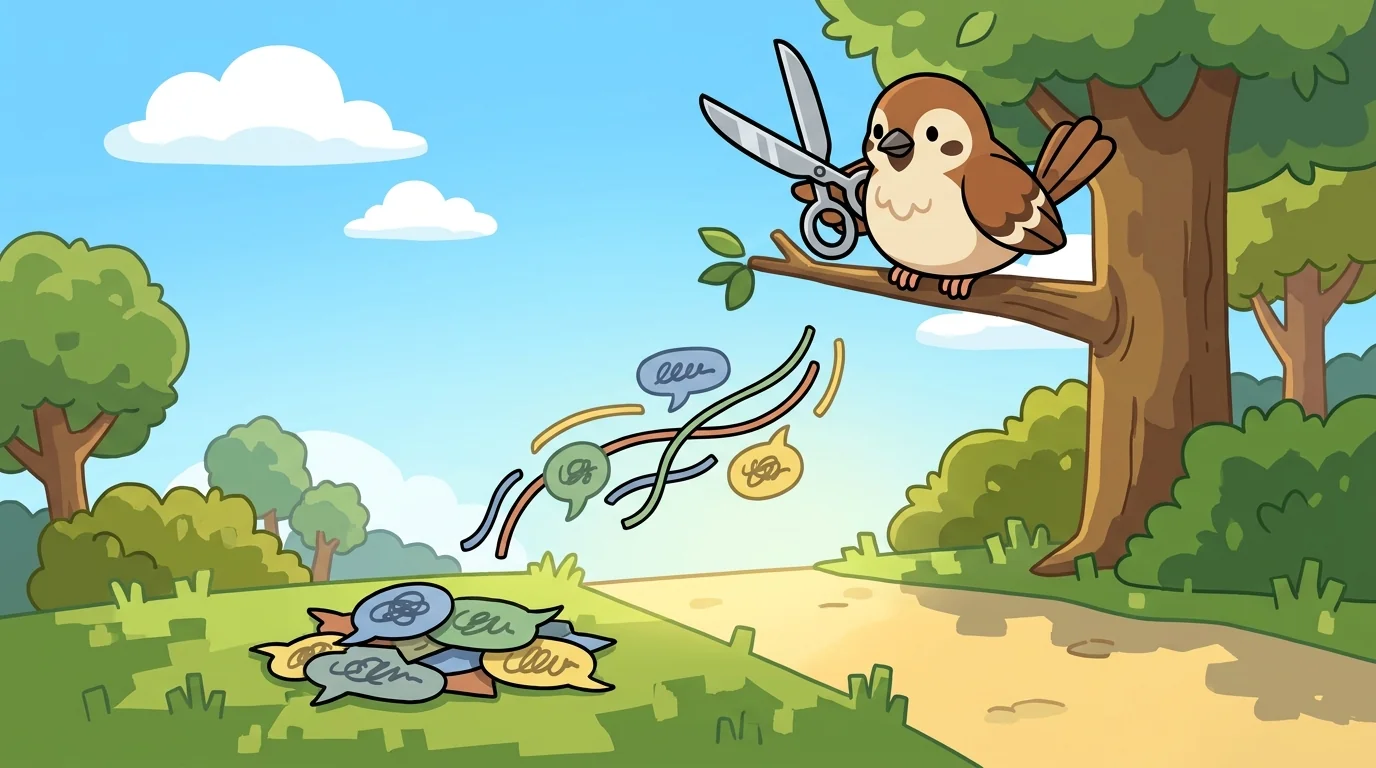
Clip
real written dialogue cuts the dead words. You skip the "hello, how are you, I'm fine, that's good" and start the scene late, right where it gets interesting. Every line that stays should earn its place.
DialogueQuest
-
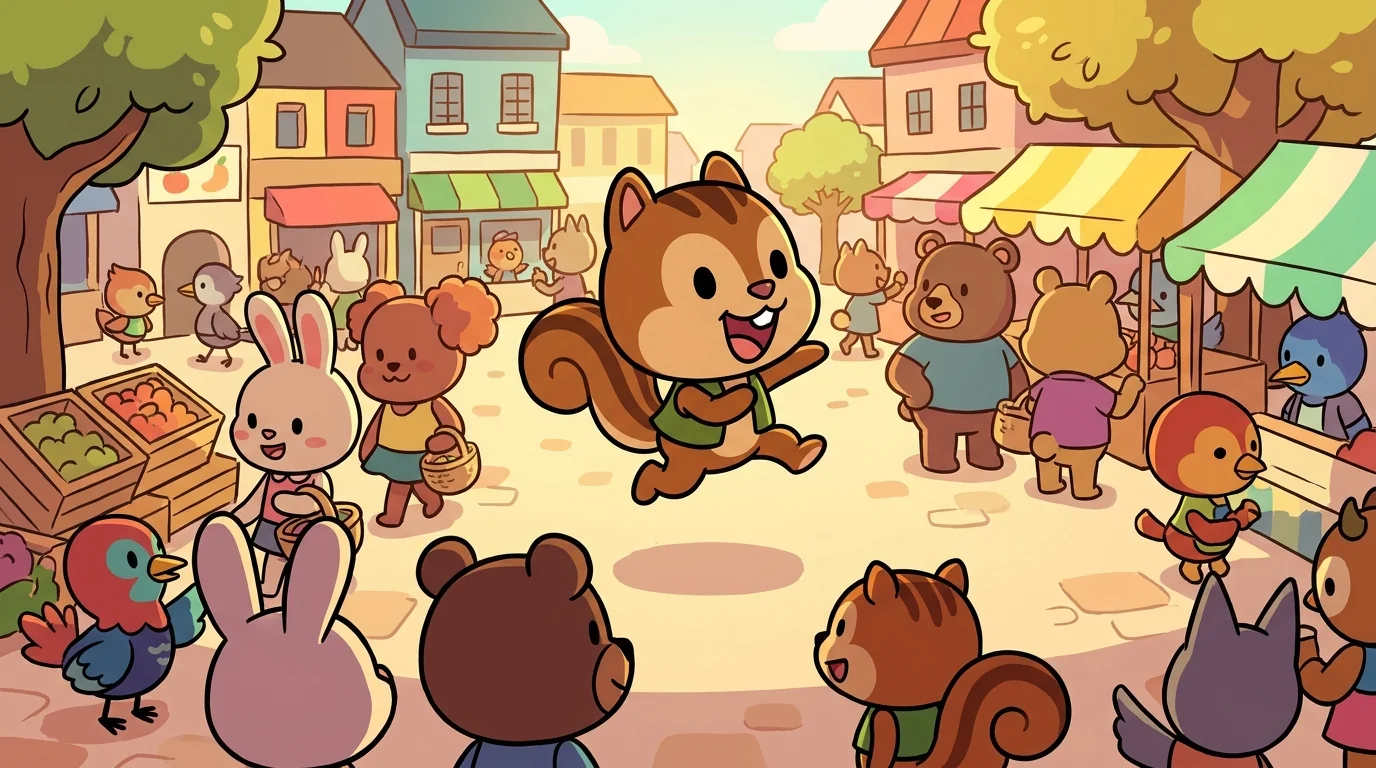
Dash
in real talk, people cut each other off, finish each other's sentences, and talk over one another. On the page, a dash (—) at the end of a line shows the interruption. Used at the right moment, it makes a conversation feel urgent, excited, or tense.
DialogueQuest
-
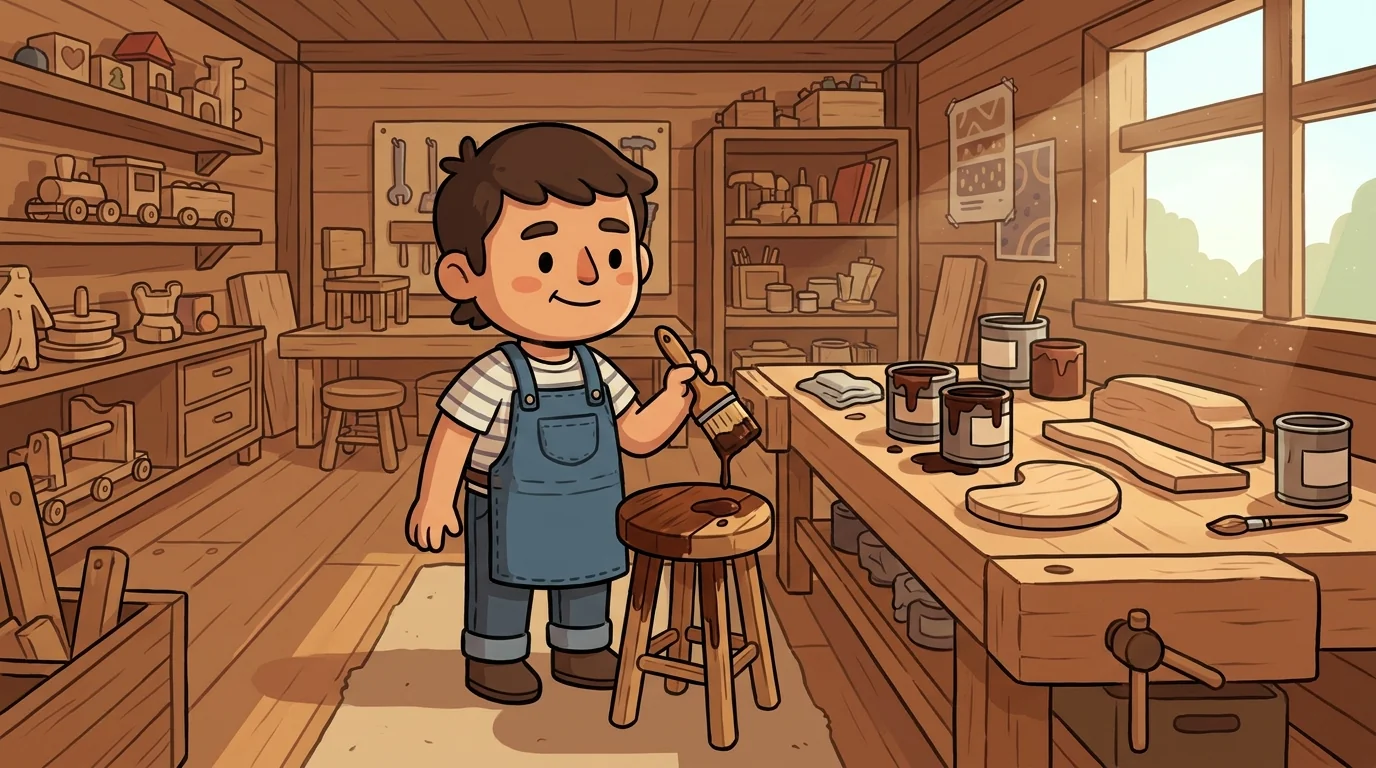
Glance
what is actually being communicated *under the surface* of the explicit dialogue. The implied meaning beside the spoken meaning. *"I'm fine."* (spoken) = *"I am not fine, but I do not want to talk about it."* (implied).
DialogueQuest Audio
-
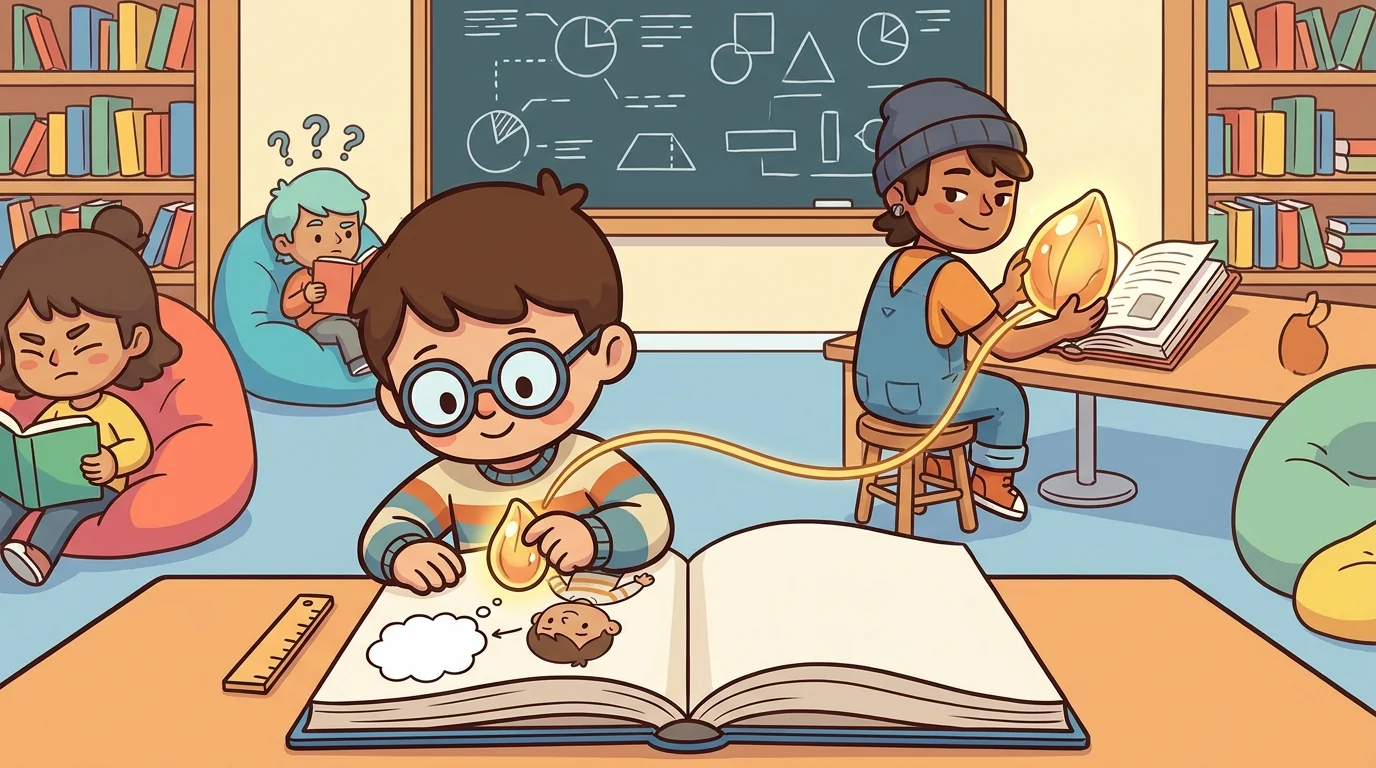
Kernel and Reprise
a line planted lightly early in a story returns later, transformed by what has happened between, and lands with far more weight than it could have the first time. The plant must be quiet enough to seem ordinary; the payoff works because the reader remembers the plant.
DialogueQuest Ensemble
-

Listener and Speaker
Listener tracks what's been said and what's been left unsaid. Speaker tracks what they want to say next without trampling the other. Together they teach the rhythm of real dialogue.
DialogueQuest Ensemble
-
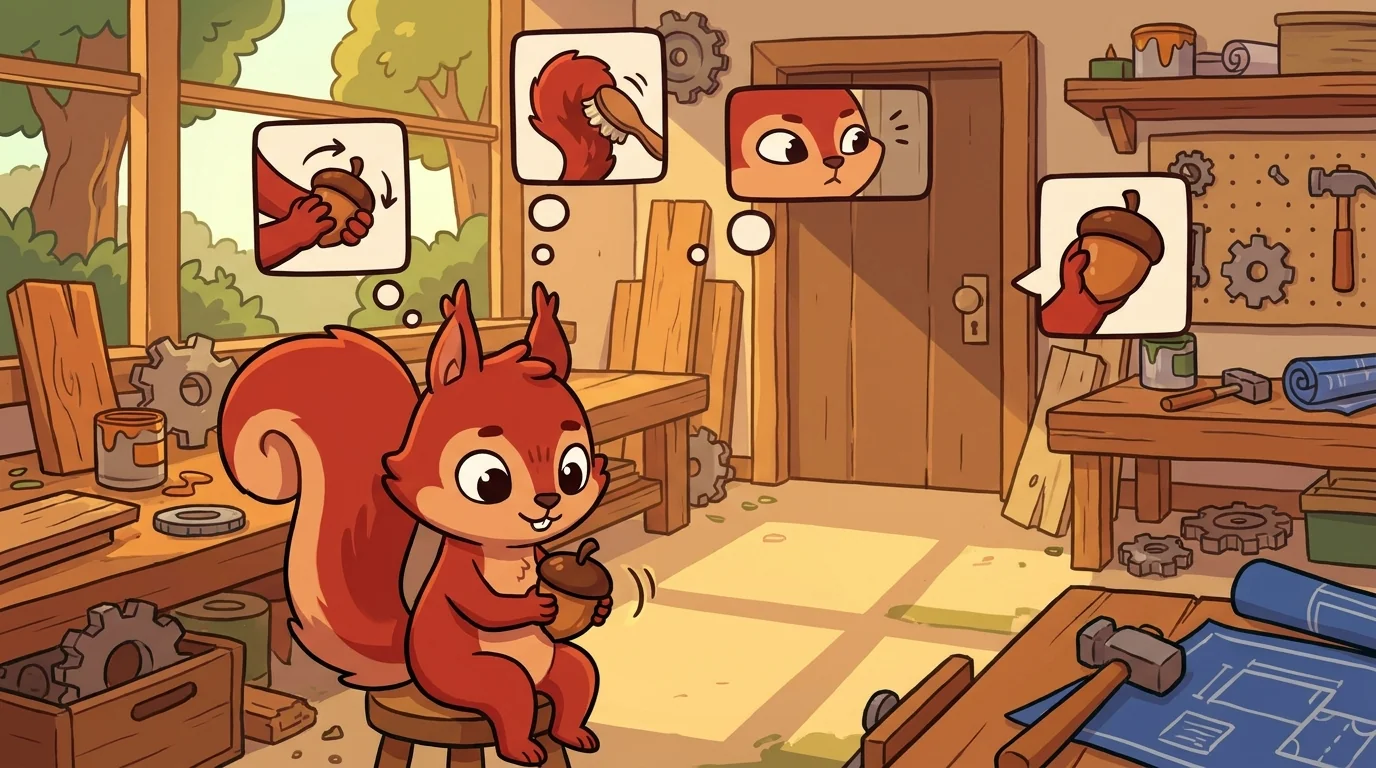
Prop
the small bits of action a character does between lines of dialogue (setting down a cup, looking away, tying a shoe). Action beats control the rhythm of a conversation and quietly show how a character feels, without anyone having to say it.
DialogueQuest
-

Rest
the silence between dialogue lines is *also part of the dialogue.* A held pause communicates as powerfully as a spoken line.
DialogueQuest Audio
-

Spar
a good conversation is two characters who want different things, gently pushing against each other. The friction is the engine. When both characters want the exact same thing, the talk goes flat and there is nothing to pull the reader forward.
DialogueQuest
-
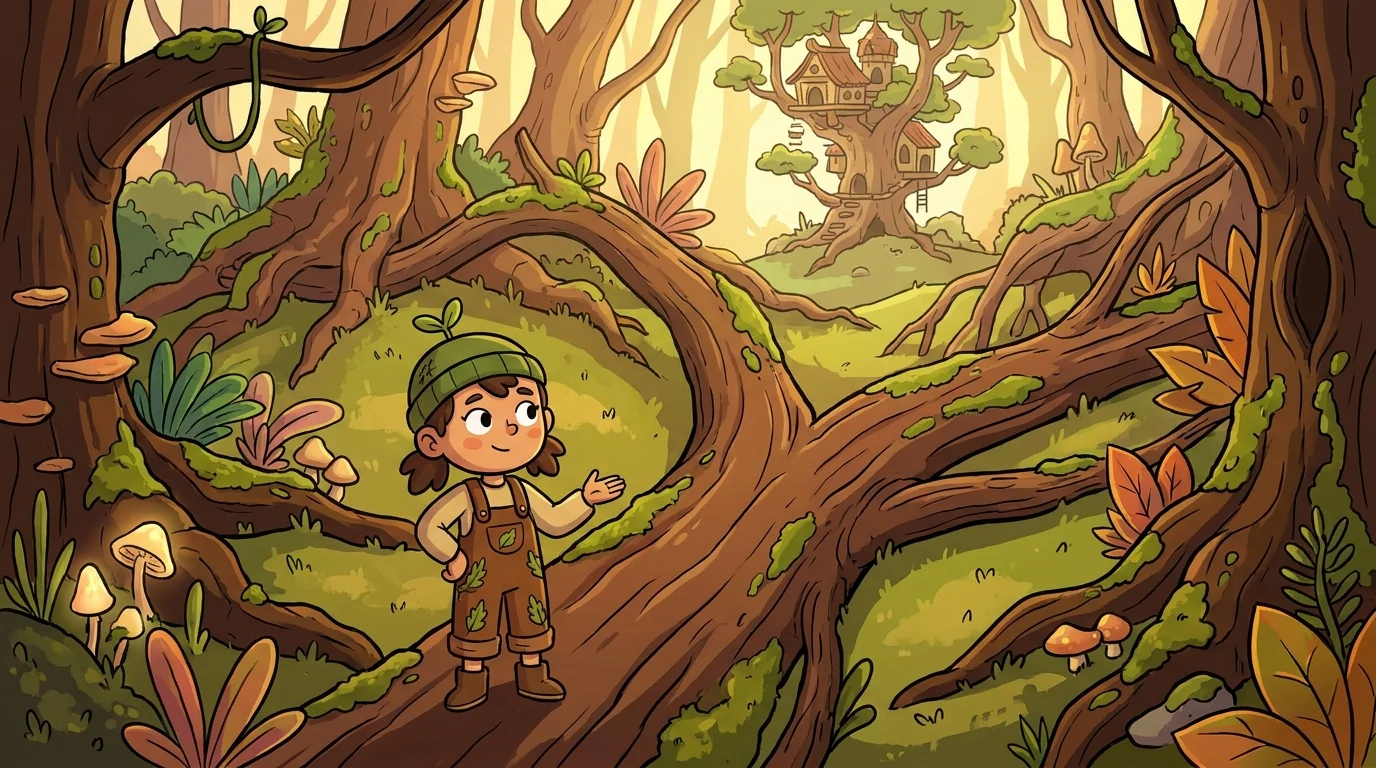
Sprig
in branching dialogue, every choice should *re-route the story* in a way the reader can feel. Choices that lead to identical outcomes are *unweighted* and feel hollow.
DialogueQuest Audio
-
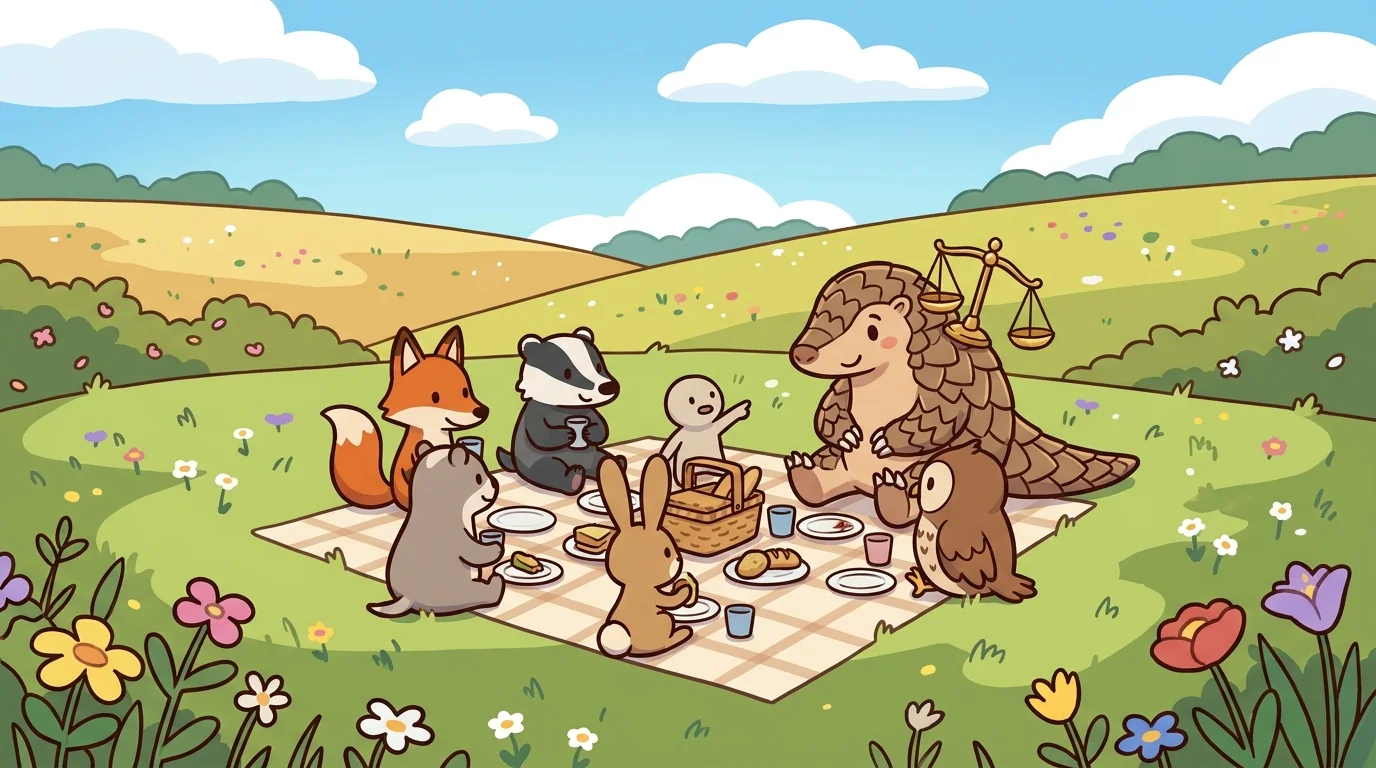
Weigh
the rhythm of dialogue tags (*he said*, *she whispered*, *he asked, glancing away*). Too many tags slows the dialogue. Too few loses the reader. Balance keeps the dialogue moving and oriented.
DialogueQuest Audio
-

Ask
*whose story is this and who gets to tell it? descendant-community partnership.*
DigQuest Audio
-
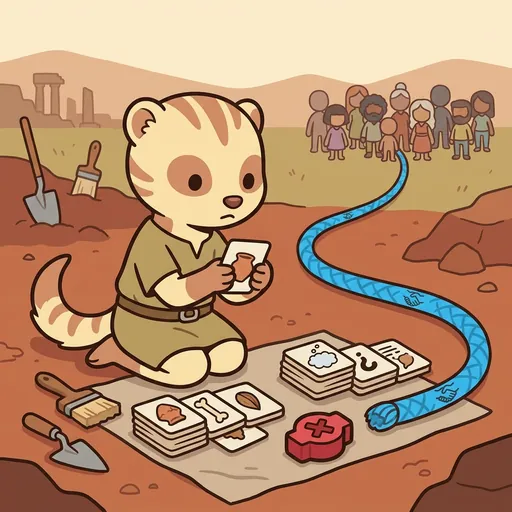
Keep
*keep what people said. don't invent what they must have meant.*
DigQuest Audio
-
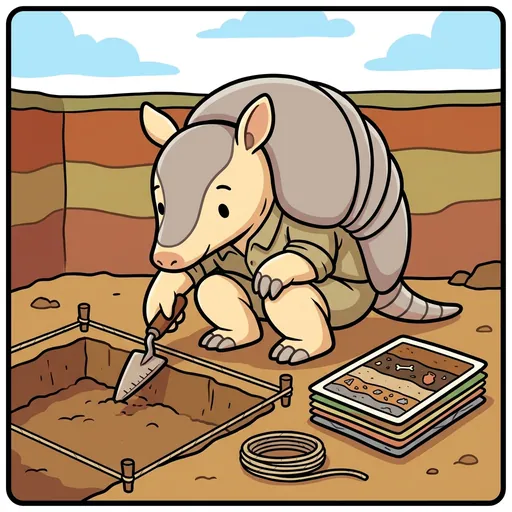
Layer
*where in the layered earth? context is the data.*
DigQuest Audio
-

Past
when by which method? dates as ranges + confidence.
DigQuest Audio
-
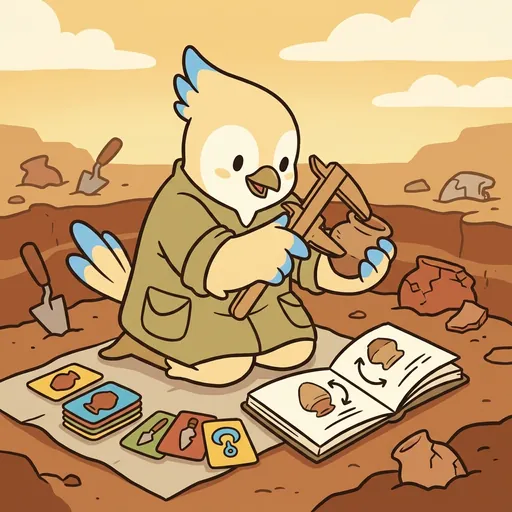
Shape
*what family of object? typology + comparative craft.*
DigQuest Audio
-

Coil the Self-Reference
*Fibonacci, factorials, recursive patterns.* The discrete-math primitive of *defining things in terms of themselves.*
DiscreteQuest Audio
-
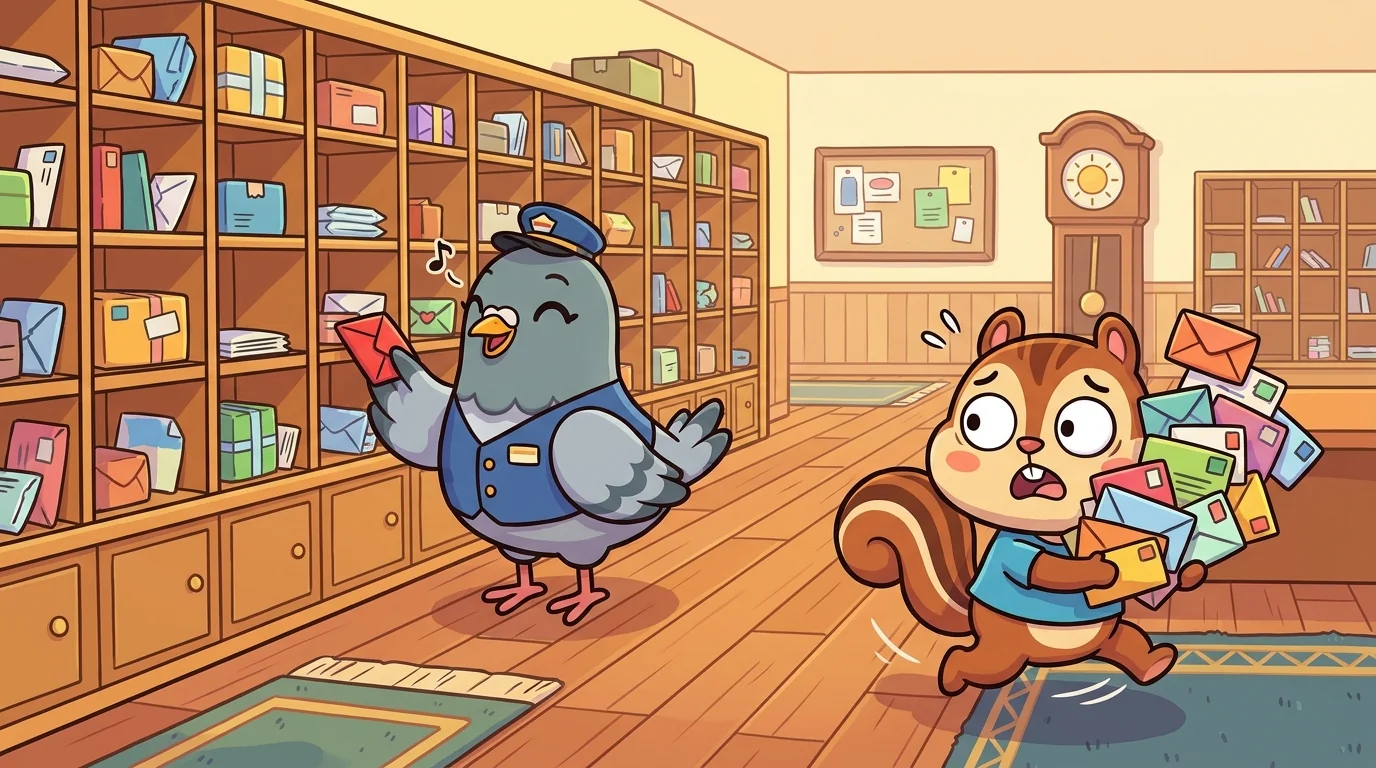
Cubby the Cubby-Keeper
if you have more things than places to put them, then at least one place must hold more than one thing. You can be certain of it without ever looking inside.
DiscreteQuest
-
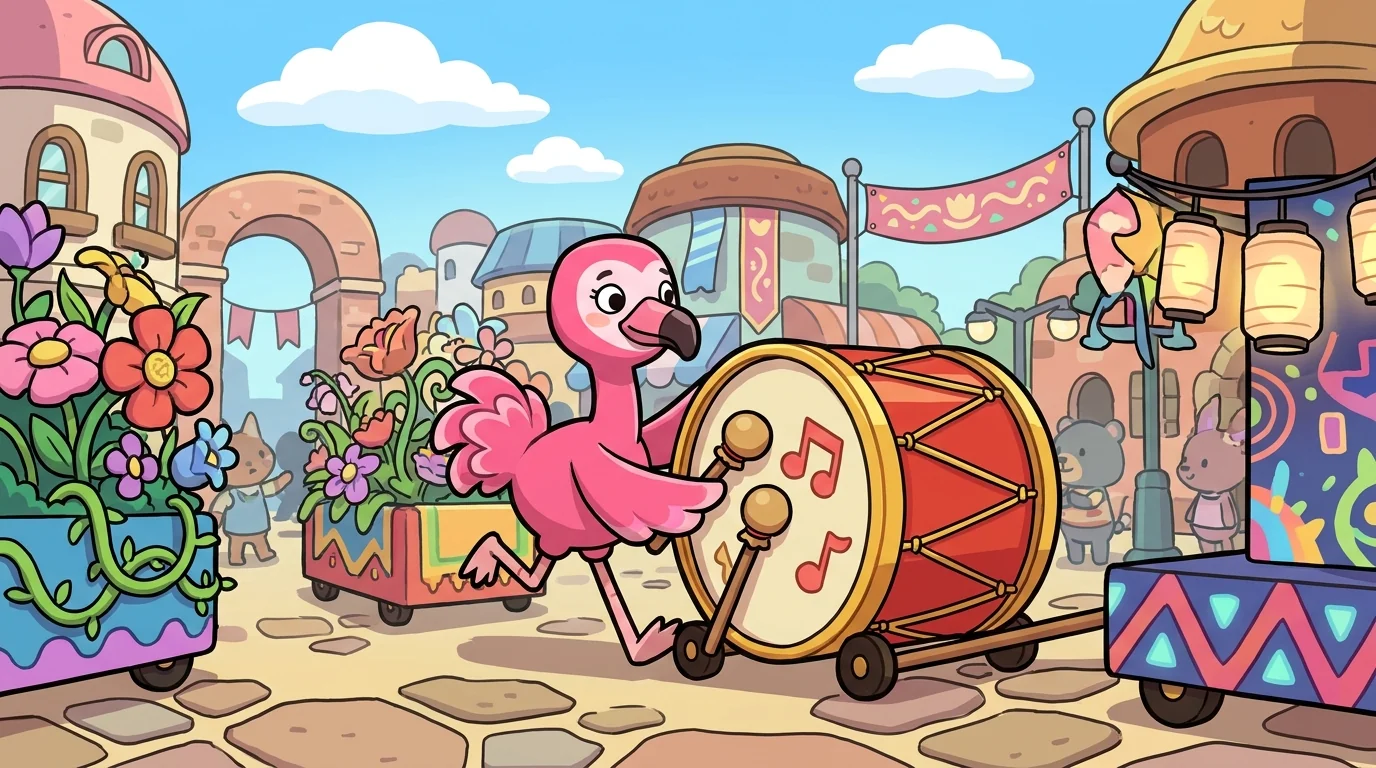
Marshal the Line-Arranger
when order matters, every different arrangement counts as a different outcome. To count arrangements you multiply the choices: the first spot has the most options, the next has one fewer, and so on. Swapping any two things makes a brand-new arrangement.
DiscreteQuest
-
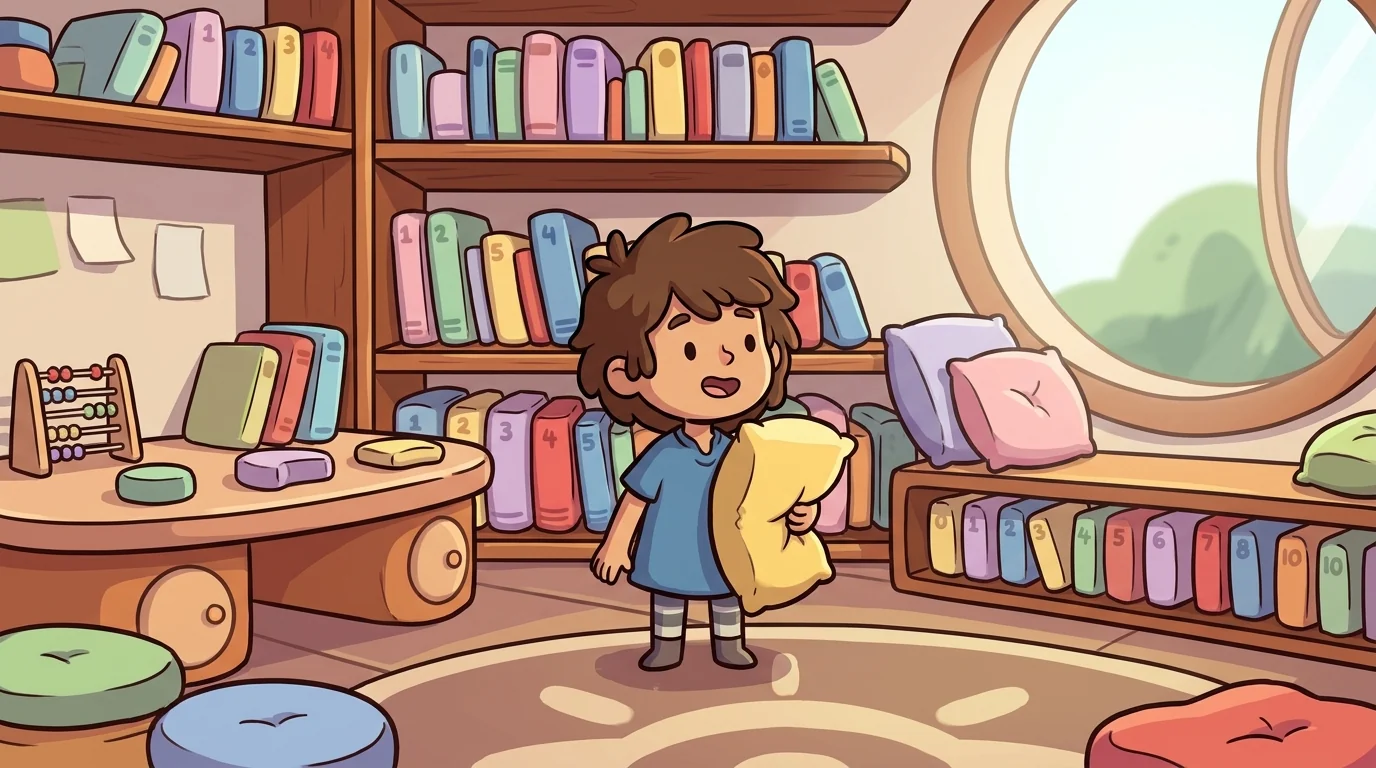
Prime the Indivisible
*primes, factorization, modular arithmetic.* The discrete-math primitive of *integers and their multiplicative structure.*
DiscreteQuest Audio
-
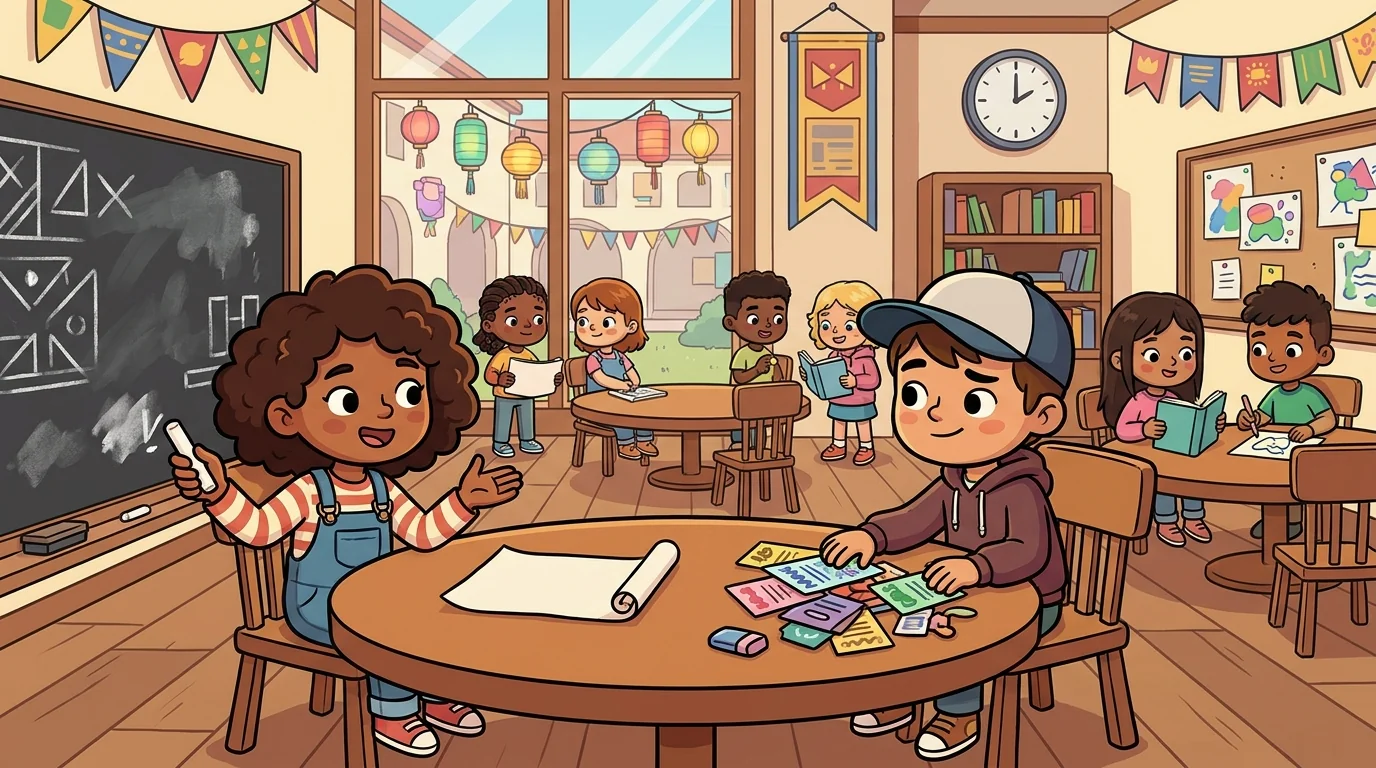
Sortie and Tally
Sortie (sets + set operations) + Tally (counting principles) — together, the canonical describe-then-count workflow of discrete math
DiscreteQuest Ensemble
-
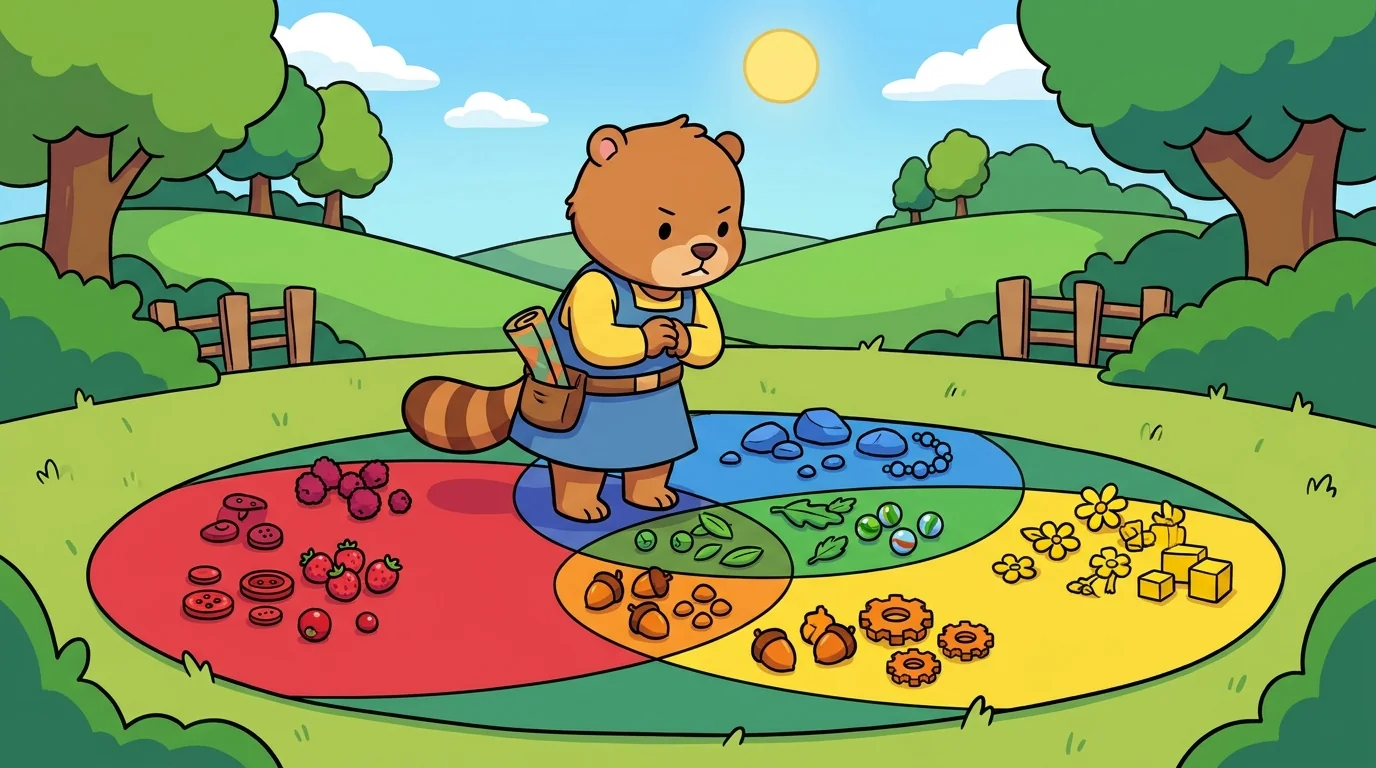
Sortie the Set-Curator
union, intersection, difference; sets are collections, and operations on sets produce new collections.
DiscreteQuest Audio
-
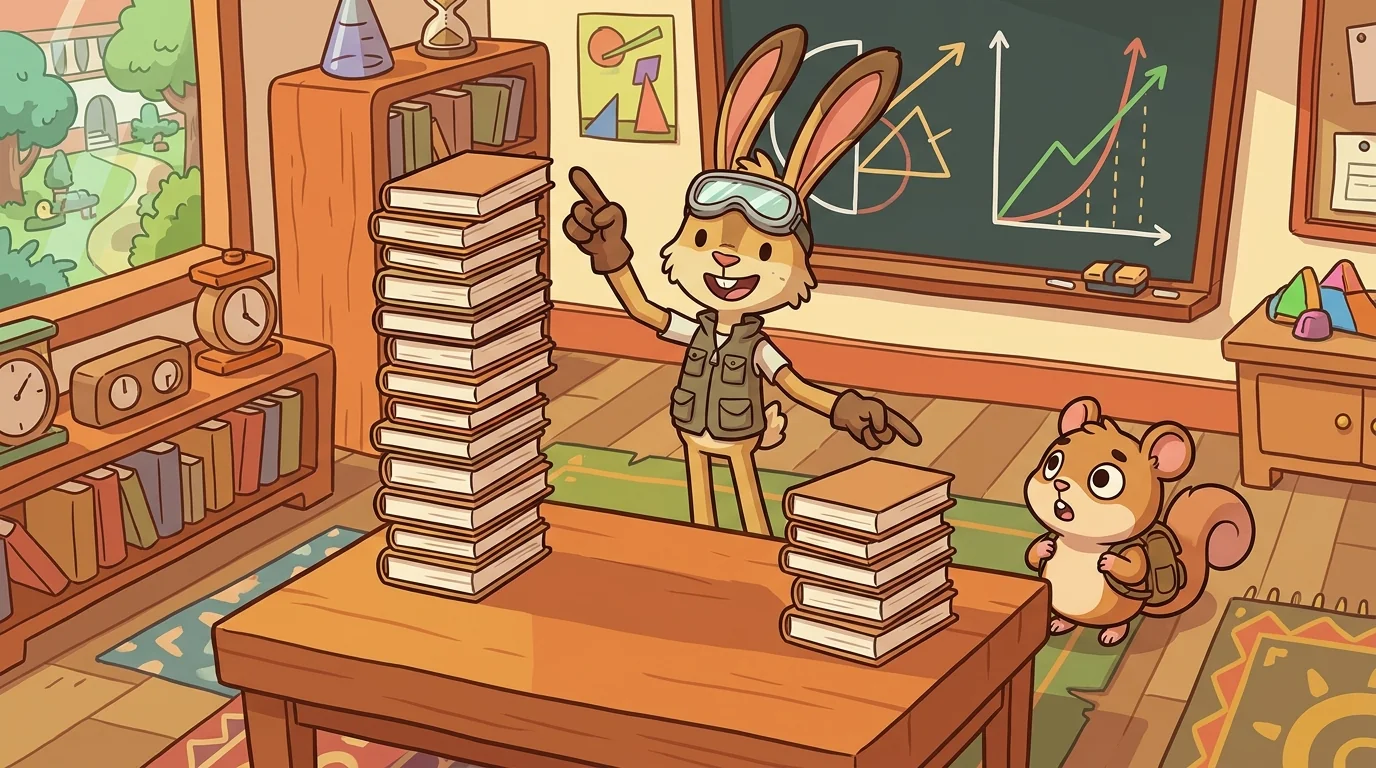
Surge the Growth-Racer
the important question about a method isn't how long one job takes, but how the work *grows* when the job gets bigger. Some methods grow gently (double the job, double the work); others surge (double the job, quadruple the work). Knowing which is which tells you what will still work when things get big.
DiscreteQuest
-

Swatch the Border-Painter
when some things are connected and mustn't match, you give each one a color so that no two connected things share the same color, using as few colors as you can. It's how you schedule, sort, and keep neighbors from clashing.
DiscreteQuest
-
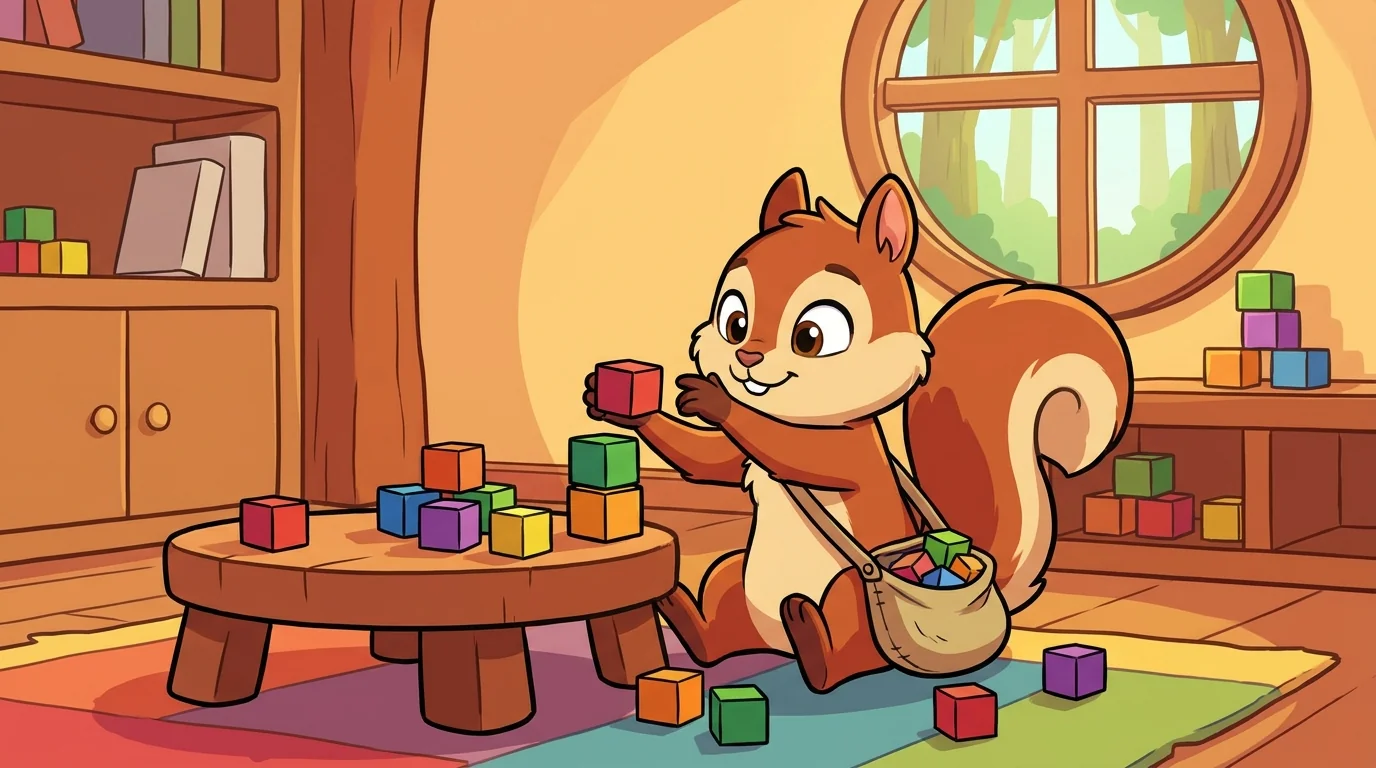
Tally the Pattern-Counter
*multiplication rule, permutations, combinations.* The discrete-math primitive of *counting how many ways something can happen WITHOUT enumerating each way.*
DiscreteQuest Audio
-
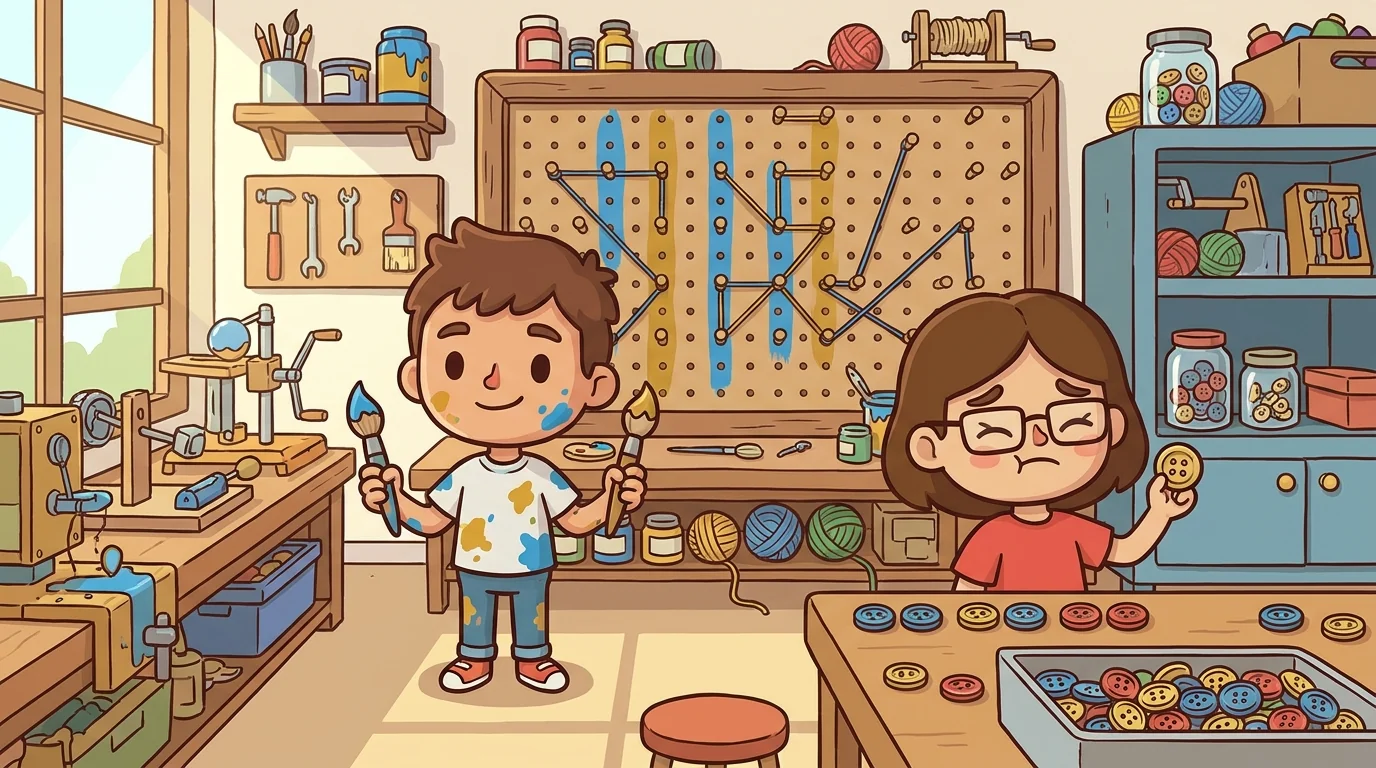
Twoby and Swatch
a loop of connected things can be painted with just two colors, neighbors never matching, exactly when the loop has an even number of things (it pairs up two by two). An odd loop can never be two-colored: one clash is always left over. Bipartite graphs are the even ones.
DiscreteQuest Ensemble
-
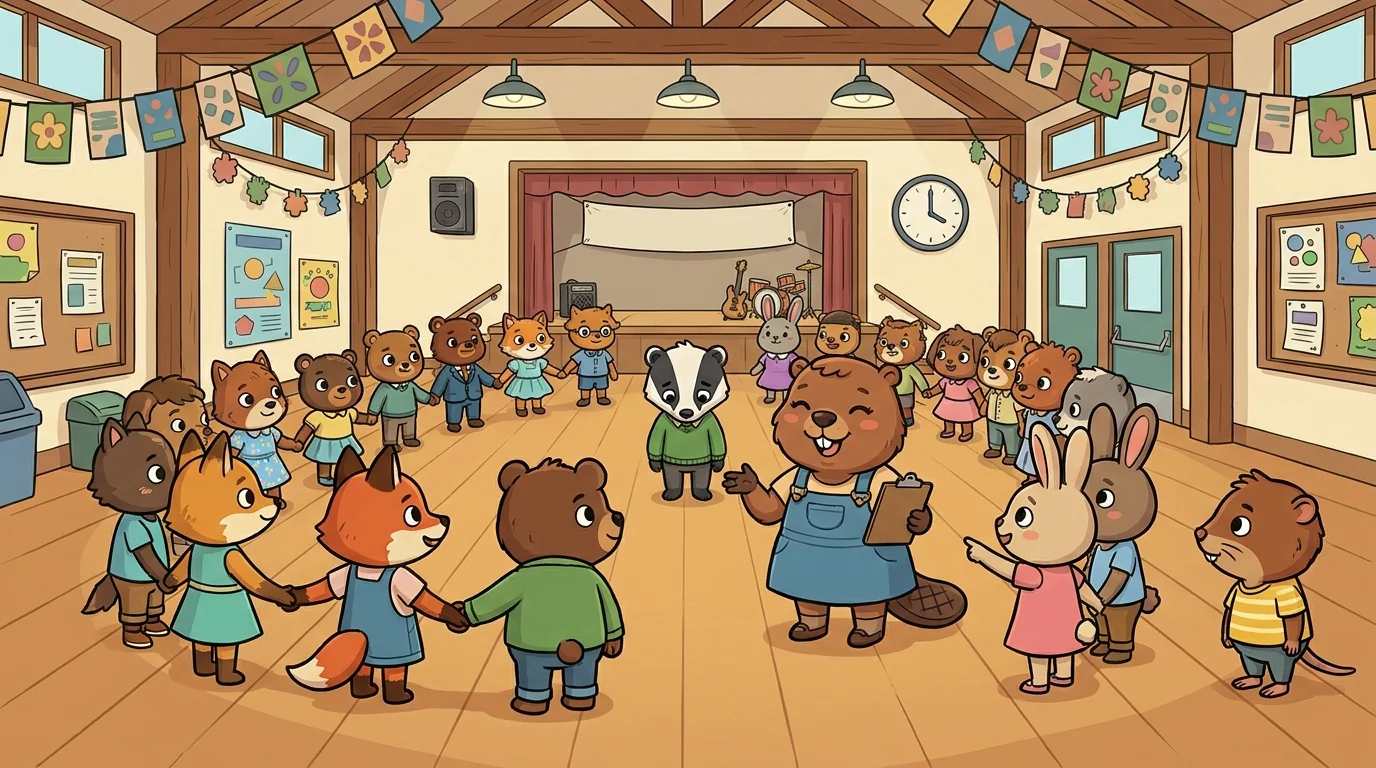
Twoby the Pair-Matcher
pair things up two by two; if one is left over, the count is odd, and if none is, it's even. Some pairings can never come out even no matter how you try, and that single unchanging fact can prove a thing is impossible without checking every case.
DiscreteQuest
-
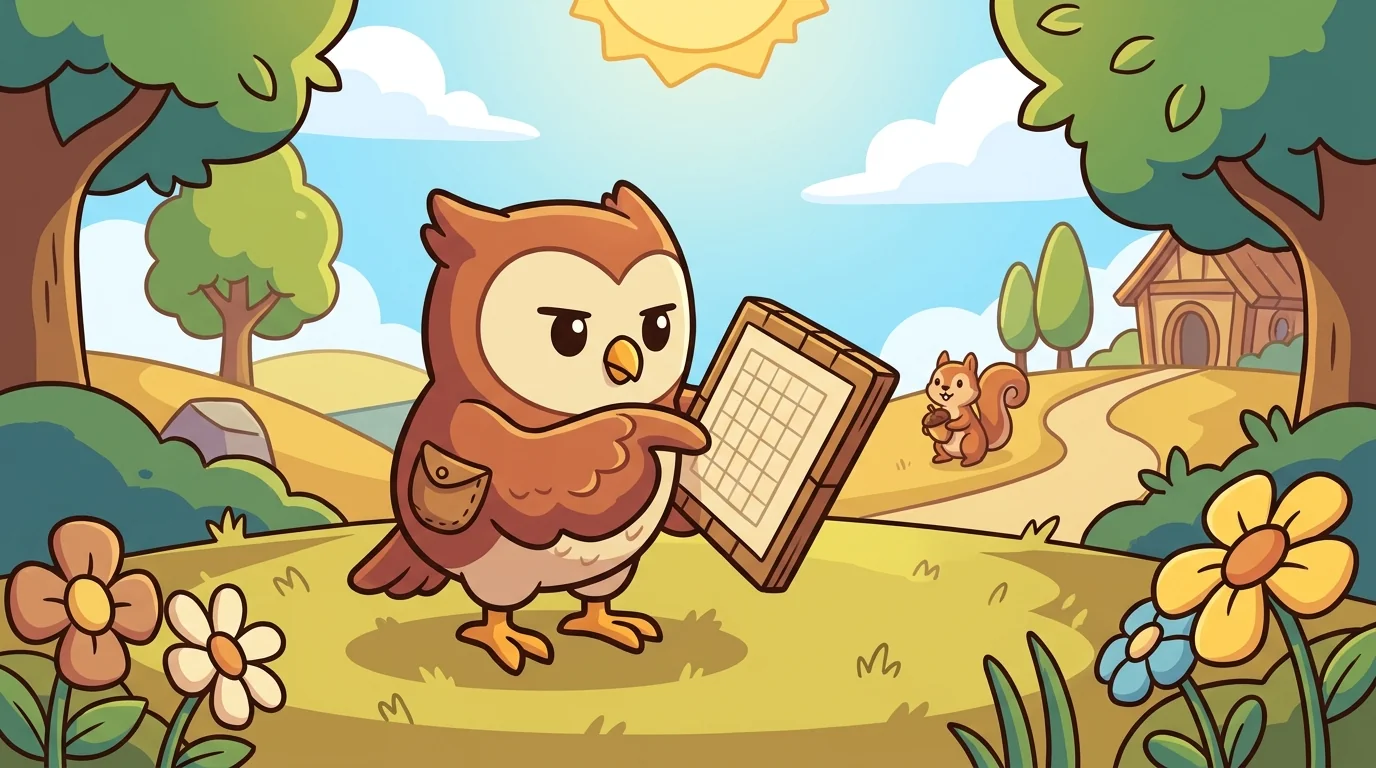
Verity the Truth-Tester
*AND, OR, NOT operators; truth tables enumerate all cases.*
DiscreteQuest Audio
-
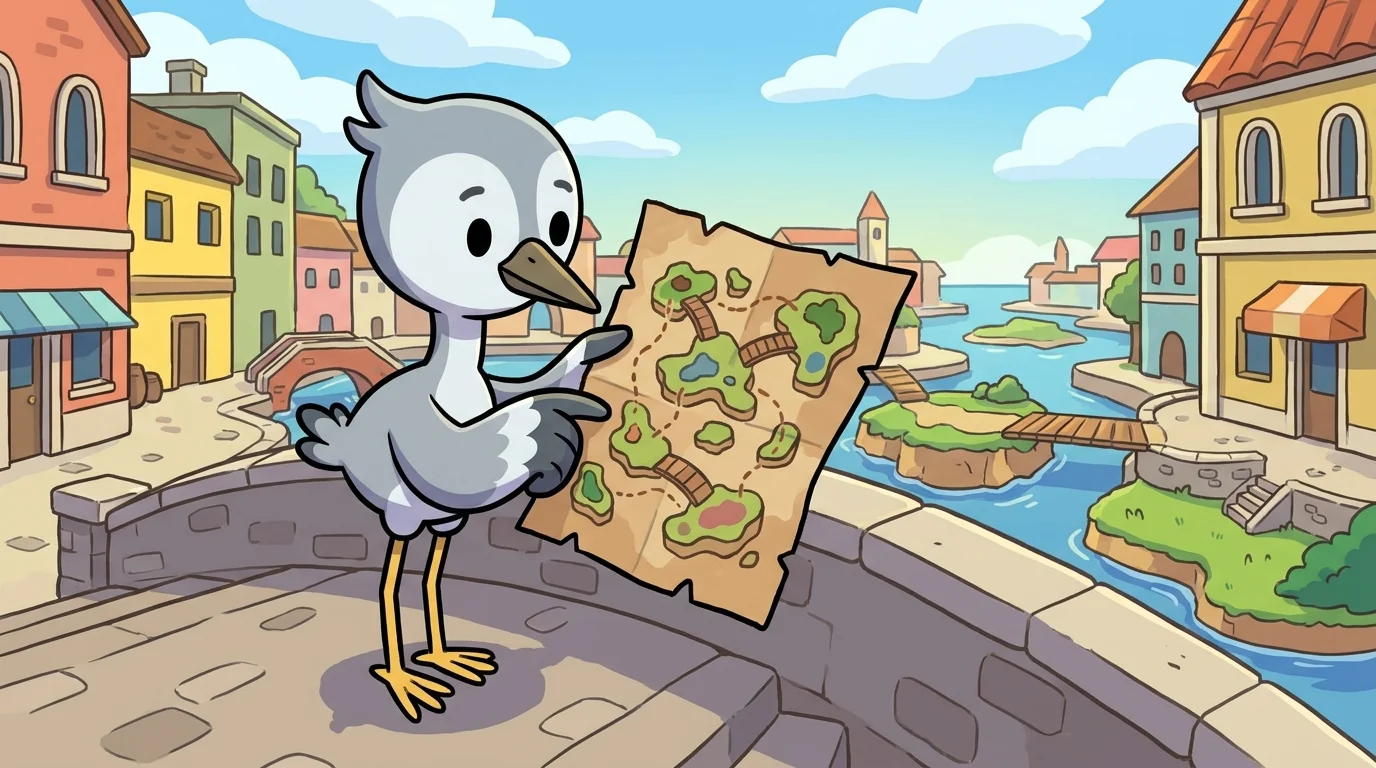
Wander the Bridge-Walker
*Eulerian paths, Hamiltonian paths, connectivity.* The discrete-math primitive of *vertices + edges as the structure of network problems.*
DiscreteQuest Audio
-
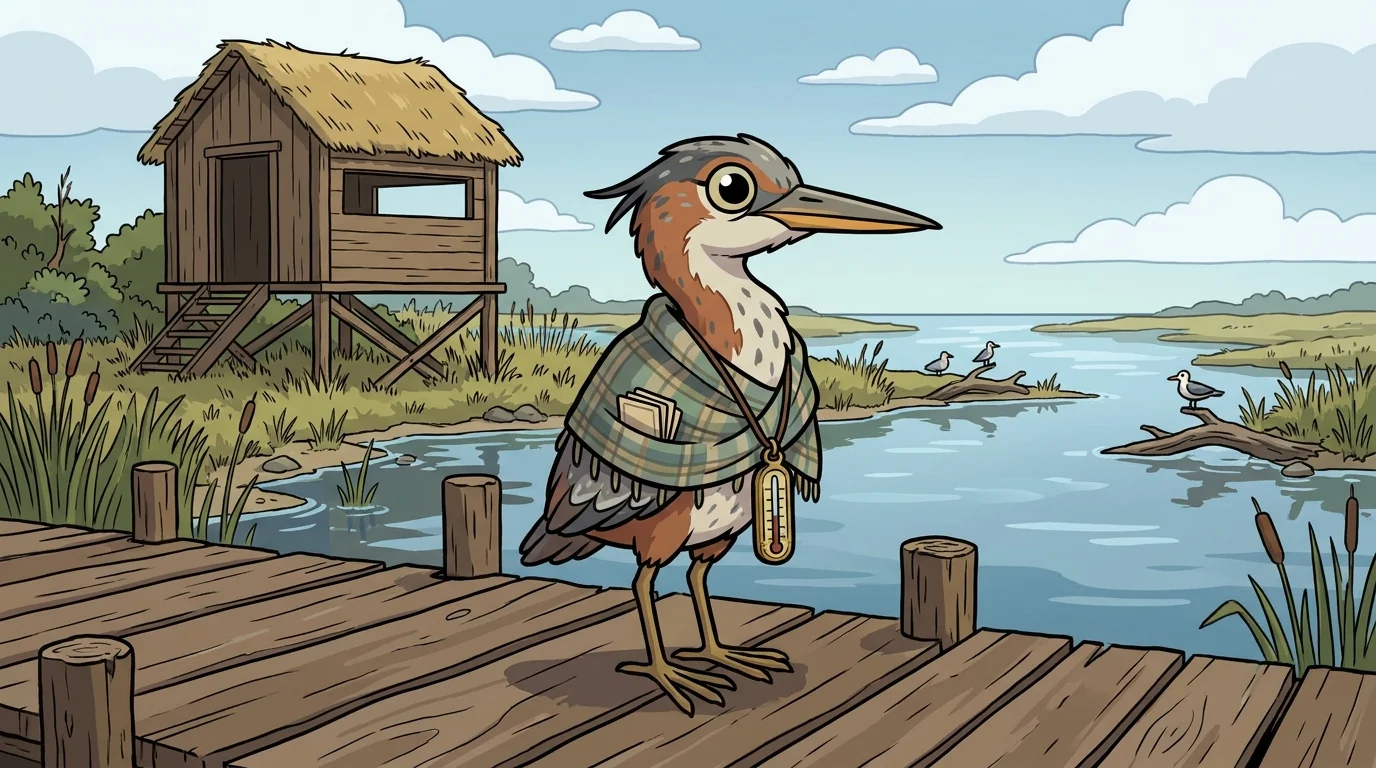
Brink
systems hold until they don't. Recognizing the thresholds at which an ecosystem shifts from one state to another, framed as witness-and-choose (not climate-doom).
EcoSphere Audio
-
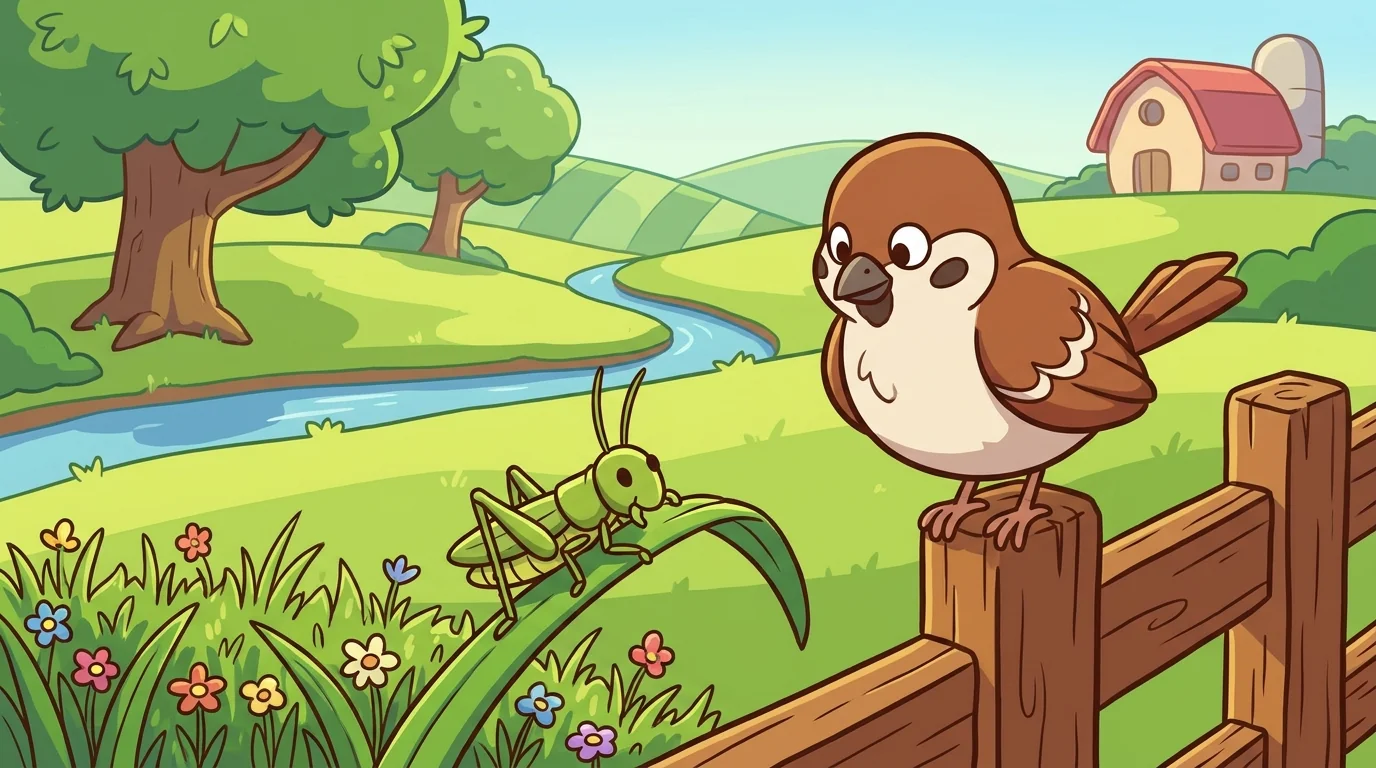
Chain
*energy moving up levels*. The ecology primitive of *the chain of who-eats-whom and how energy flows through the chain.*
EcoSphere Audio
-
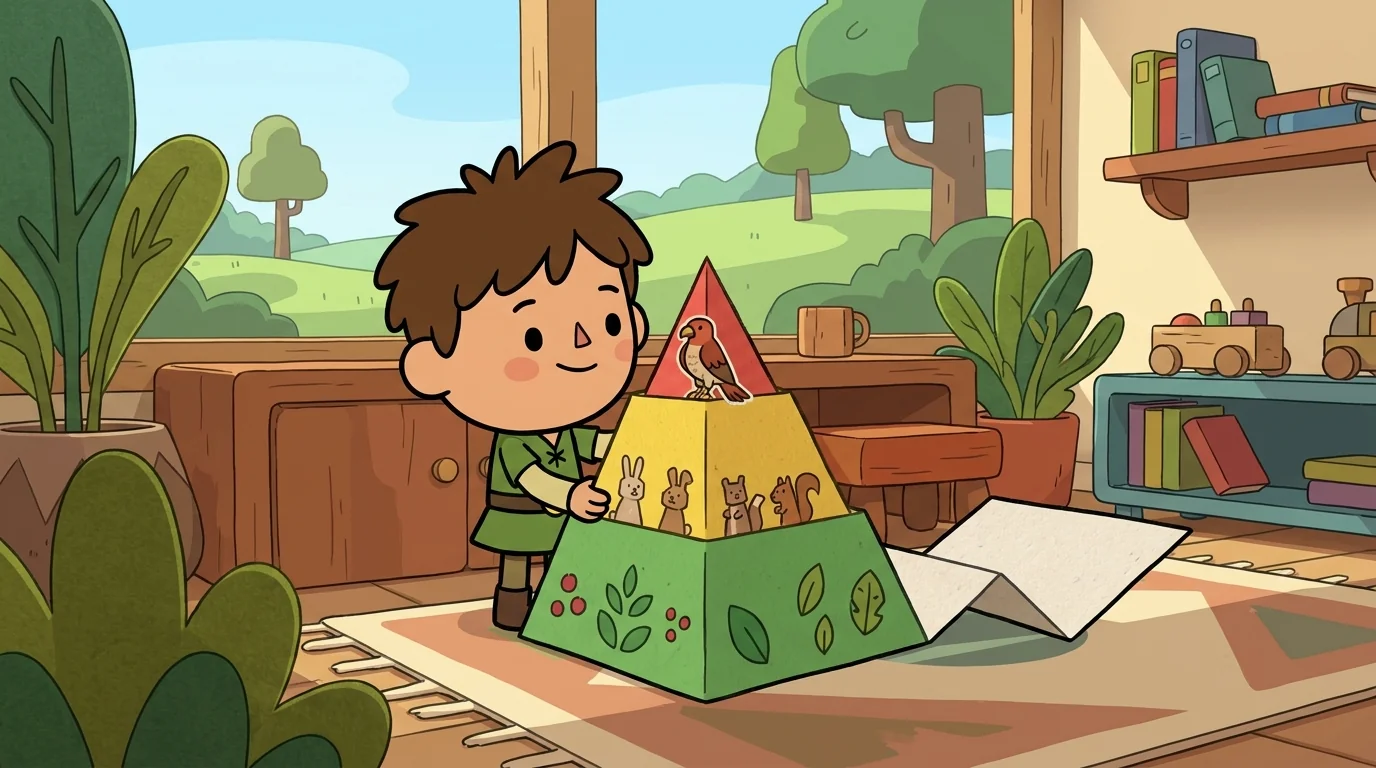
Crown
*top vs. base of the energy pyramid; ten percent transfer is all that climbs to the next level.* The ecology primitive of *the pyramid has its shape because of the loss.*
EcoSphere Audio
-
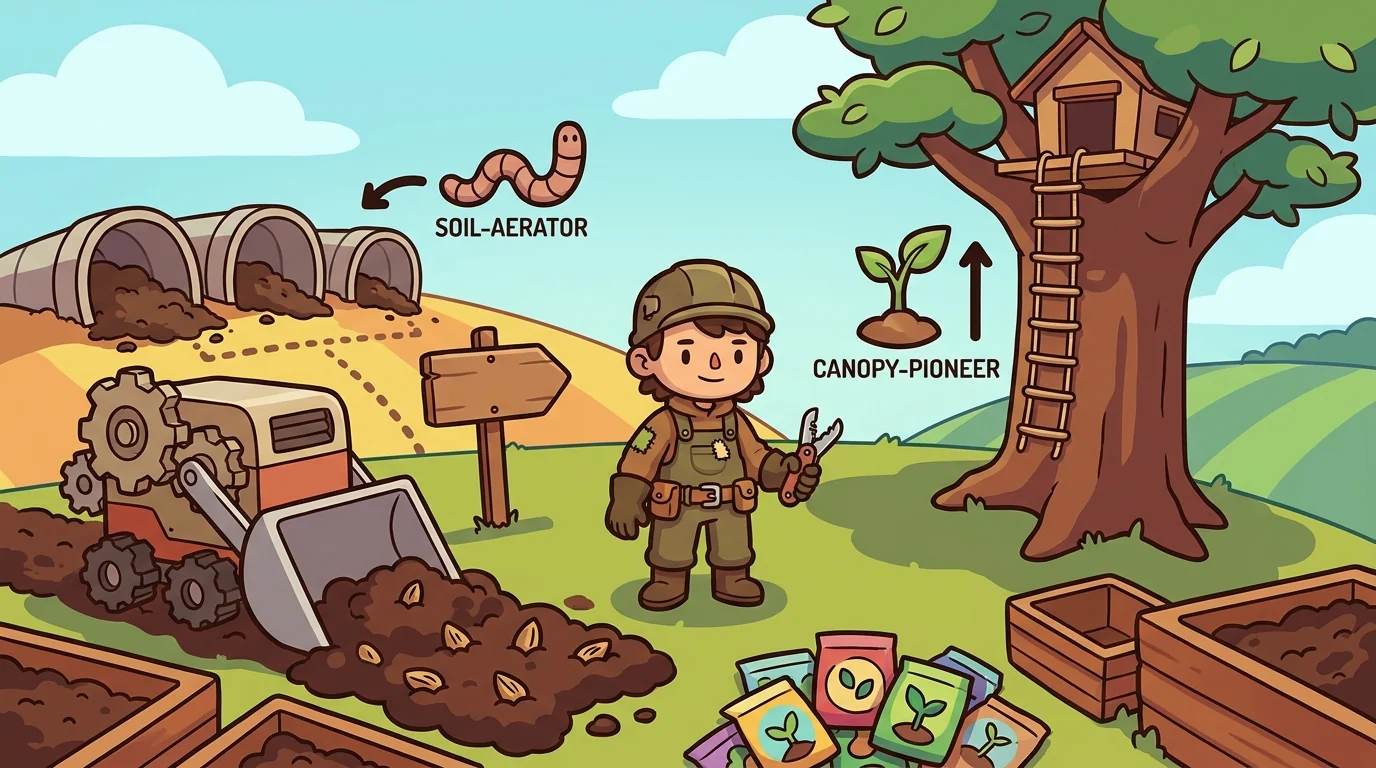
Niche
*every species has a job, and the ecosystem holds together by the jobs fitting together.* The ecology primitive of *what-an-organism-does in the system.*
EcoSphere Audio
-
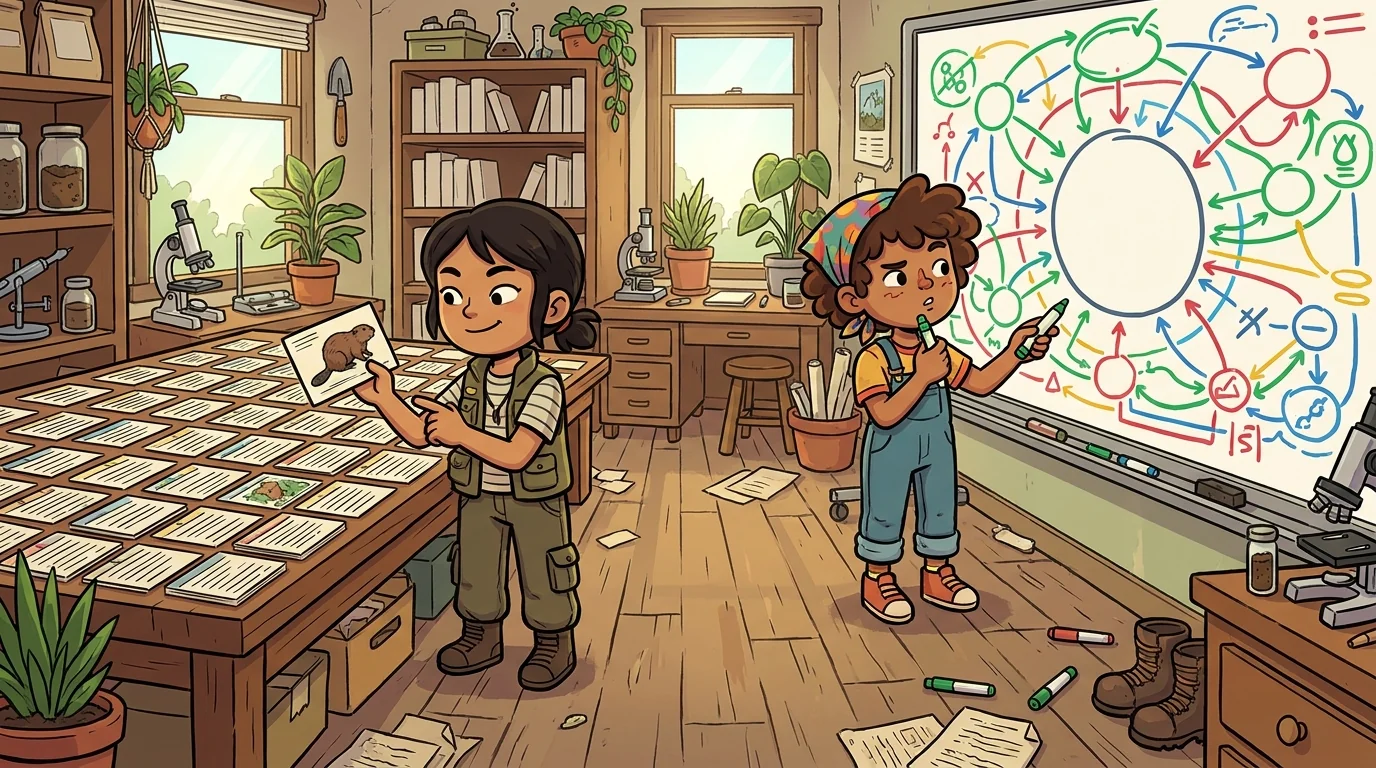
Niche and Thread
Niche names the specific role an organism plays (what it eats, where it lives, when it acts). Thread names the connections between niches in a food-web. Together they teach the difference between species-level analysis and system-level analysis.
EcoSphere Ensemble
-

Phase
*ecosystem change over time* (primary → secondary → climax community). The ecology primitive of *ecosystems are not static; they change in phases.*
EcoSphere Audio
-
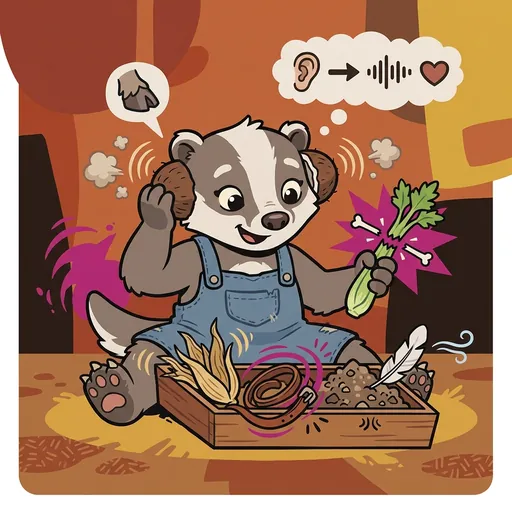
Crunch
*the sound IS the sound. footsteps are not always shoes. trust the ear.*
EffectsForge Audio
-
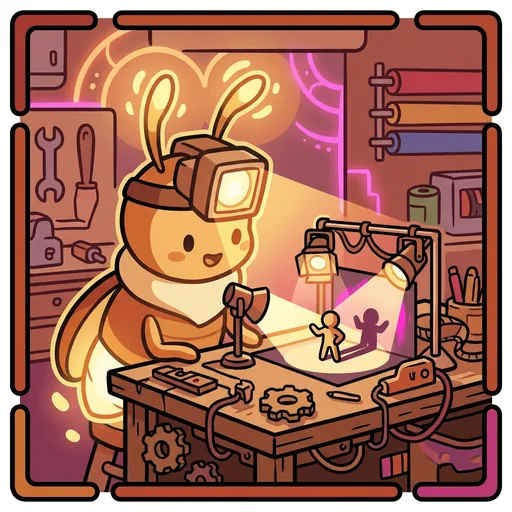
Lamp
*the silent author of mood. shadows tell the audience what to feel before the actor says a word.*
EffectsForge Audio
-
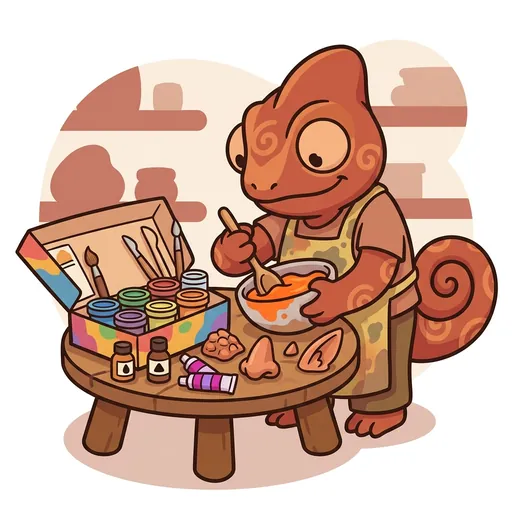
Skin
*character. never realistic injury. craft + chemistry + theatrical convention.*
EffectsForge Audio
-
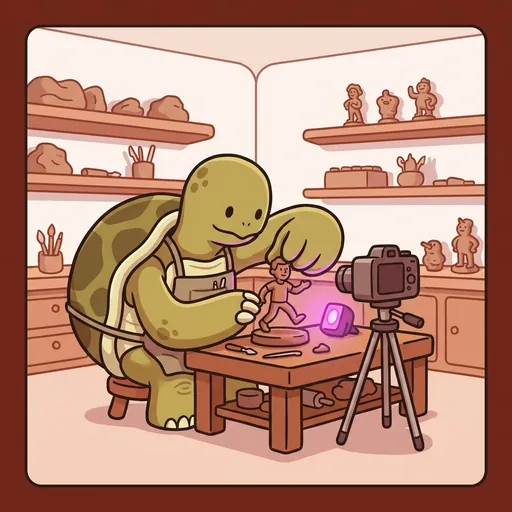
Step
*frame by frame, one decision at a time. patience makes motion.*
EffectsForge Audio
-
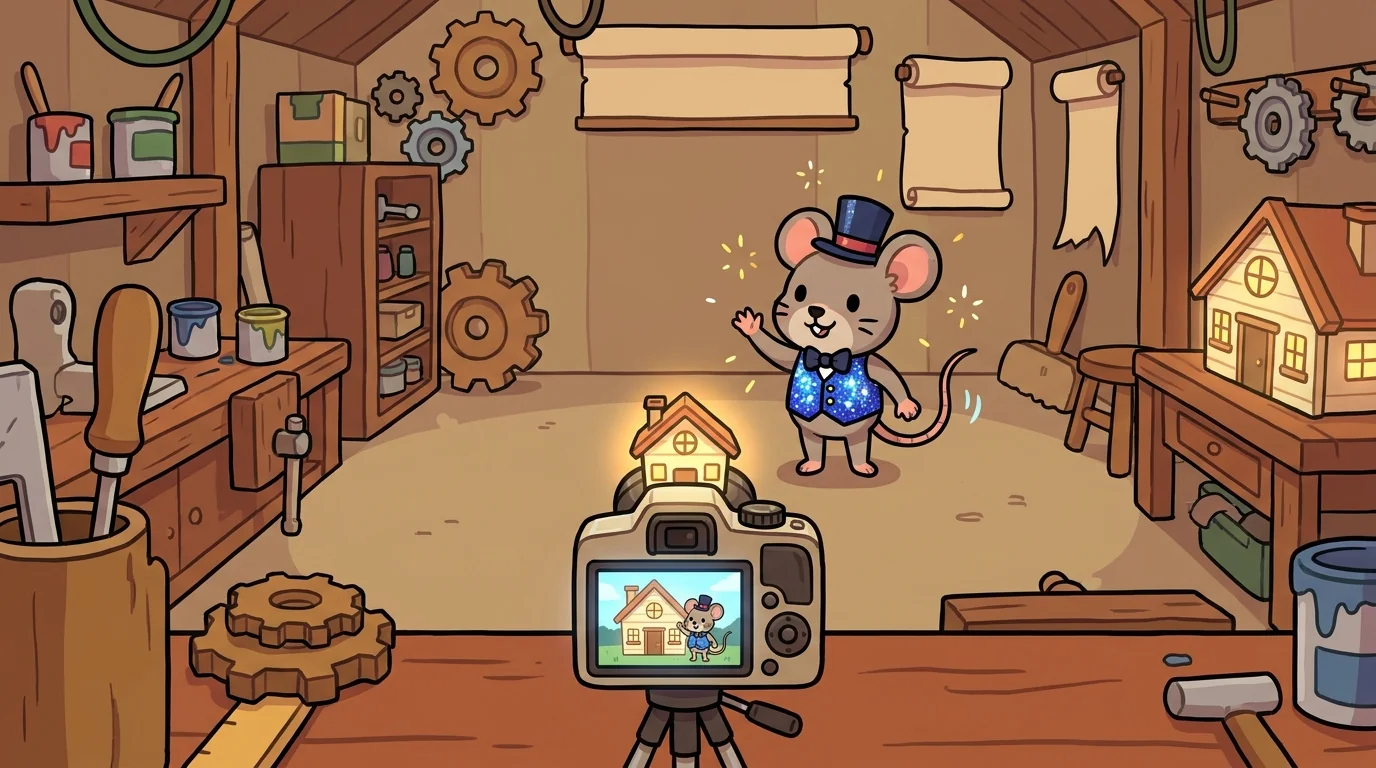
Trick
*what's close looks big. what's far looks small. the camera doesn't know which is which.*
EffectsForge Audio
-
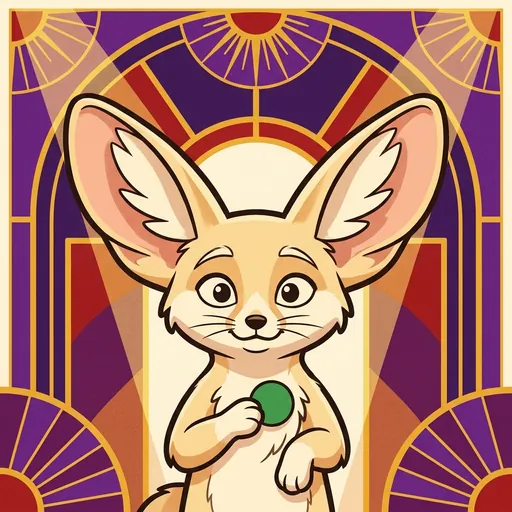
Ear
*receive the other person's contribution before adding your own. listening is not waiting.*
EnsembleQuest Audio
-

Part
knowing what MY part is. separate from, but supporting, the whole.
EnsembleQuest Audio
-

Share
the moment many parts become one piece, and every part still shows.
EnsembleQuest Audio
-

Turn
*the rhythm of give-and-receive. visible timer. visible cue. nobody has to guess.*
EnsembleQuest Audio
-

Welcome
bring back someone who's drifted out of the ensemble. drifting is not a failure. inviting is the move.
EnsembleQuest Audio
-
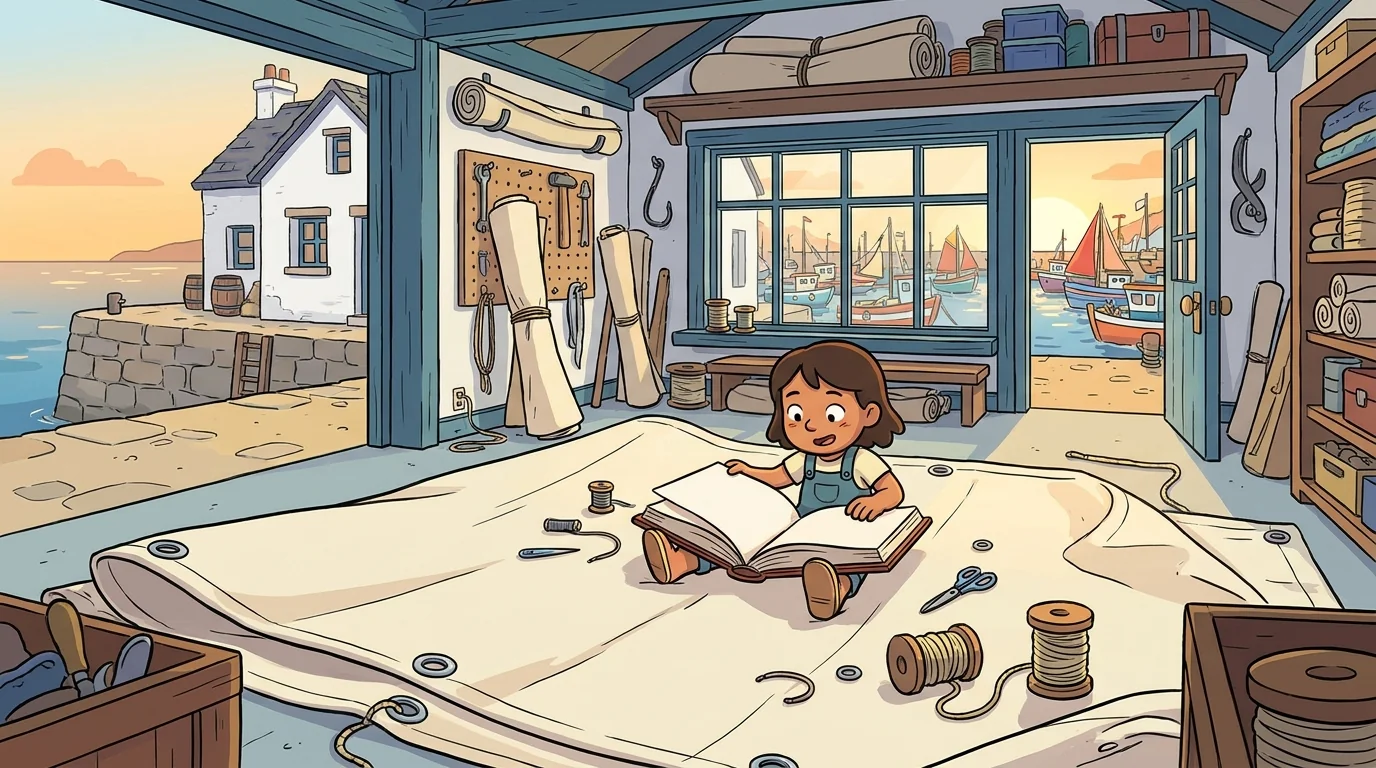
Flipper
turning a fraction upside down. Multiplying by 1/x undoes multiplying by x. The flipping principle.
EquationQuest Audio
-
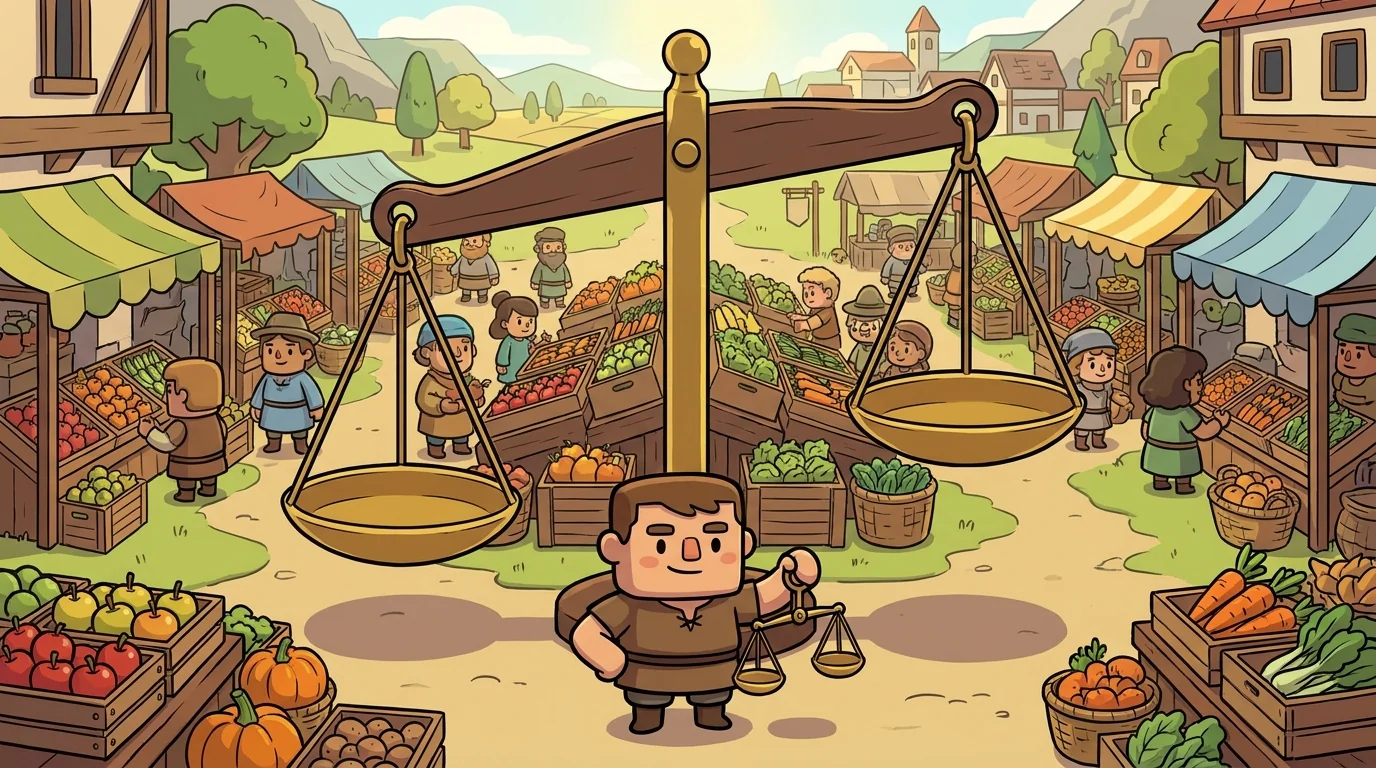
Lever
the foundational principle that an equation is a balance, and whatever you do to one side you must do to the other.
EquationQuest Audio
-
Lever and Solo
solving any equation requires (a) keeping both sides balanced as you transform it AND (b) moving every other term away from the variable until the variable stands alone. Two operations. One single, shared idea.
EquationQuest Ensemble
-
Solo
getting x alone on one side of the equation by patiently moving every other term to the other side.
EquationQuest Audio
-
Spread
multiplication distributes over addition: a(b+c) = ab + ac. The expanding principle.
EquationQuest Audio
-
Undo
every operation has an undo. Addition undoes subtraction. Multiplication undoes division. Squaring undoes square-root.
EquationQuest Audio
-
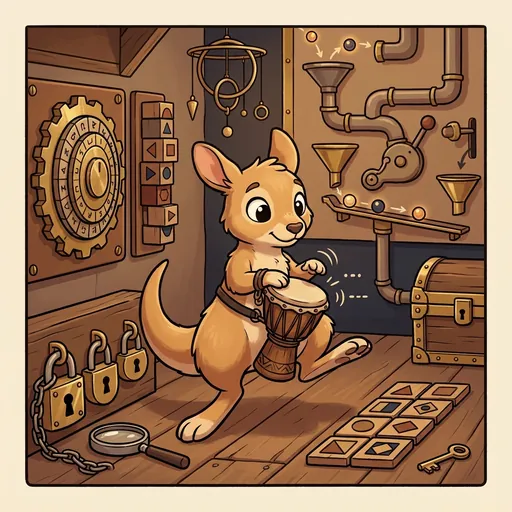
Beat
temporal-order / step-by-step / dependency / "what-comes-next." The puzzle-archetype of sequences that have a rhythm or rule, which the kid finds by listening for the heartbeat.
EscapeForge Audio
-
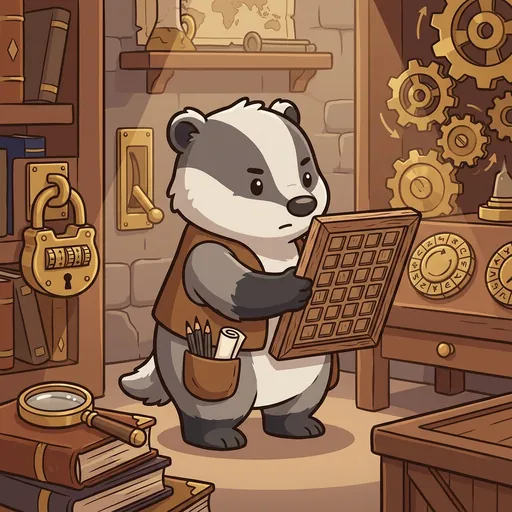
Cog
deduction / elimination / constraint-satisfaction / grid-logic. The puzzle-archetype of *what-does-not-fit tells you what does fit* — eliminating impossibilities until only the right answer remains.
EscapeForge Audio
-

Lexa
anagrams / vocabulary / spelling / unscrambling. The puzzle-archetype of letters that can be rearranged to reveal hidden words.
EscapeForge Audio
-

Link
association / category / cross-reference / "which-things-go-together." The puzzle-archetype of two things that look unrelated until you find the thread that links them.
EscapeForge Audio
-

Sift
substitution / Caesar / frequency analysis / pattern-in-coded-messages. The puzzle-archetype of messages that have been encoded and can be decoded by finding the key.
EscapeForge Audio
-

Tally
counting / arithmetic / number-sense puzzles. The puzzle-archetype of *the puzzle that yields to careful counting* — totals to compute, change to add up, sequences of small operations performed in order.
EscapeForge Audio
-
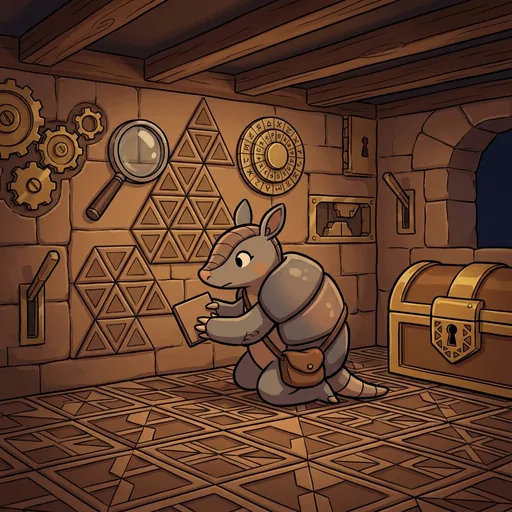
Tile
repetition / symmetry / tessellation / fill-the-grid / find-the-unit-that-repeats. The puzzle-archetype of *patterns whose unit, once spotted, lets the kid fill in everything else.*
EscapeForge Audio
-
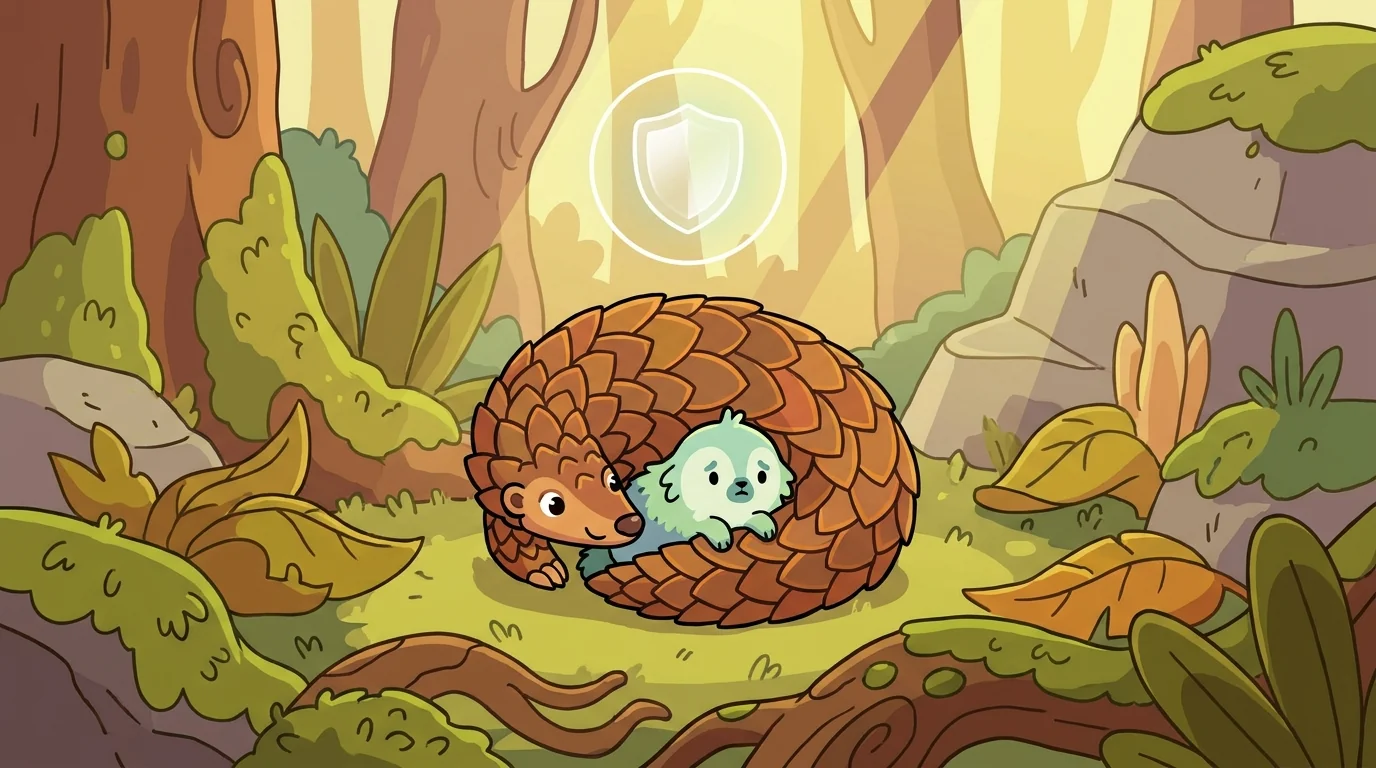
Bound
the view that each person has protections that may not be taken away, even to reach a good outcome. Some things you simply may not do to a person.
EthosForge
-

Care
the view that *moral worth is grounded in relationships.* Ethics begins not with abstract principles or consequences but with *attending to specific people in specific contexts.* The relational matters first.
EthosForge Audio
-
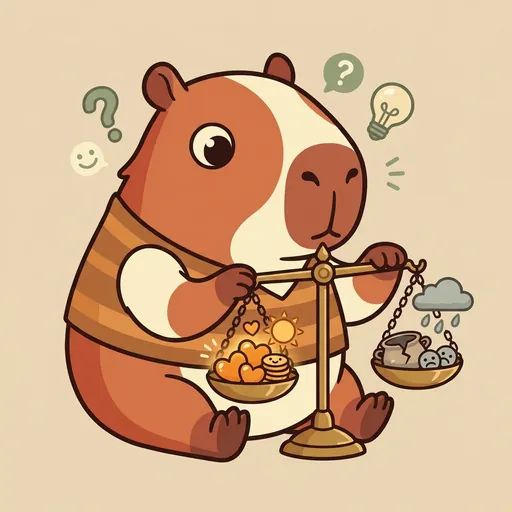
Consequence
the view that the *moral worth* of an action is determined by *its consequences.* Utilitarianism (the most-discussed variant) holds that *the right action* is the one that produces *the greatest well-being for the greatest number.*
EthosForge Audio
-
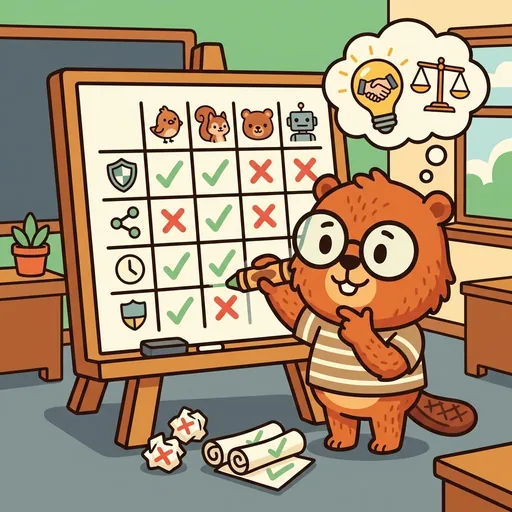
Contract
the view that *moral worth is derived from what rules everyone affected could reasonably agree to* under conditions of fairness. The right action is one that *no one could reasonably reject* as a principle for action.
EthosForge Audio
-
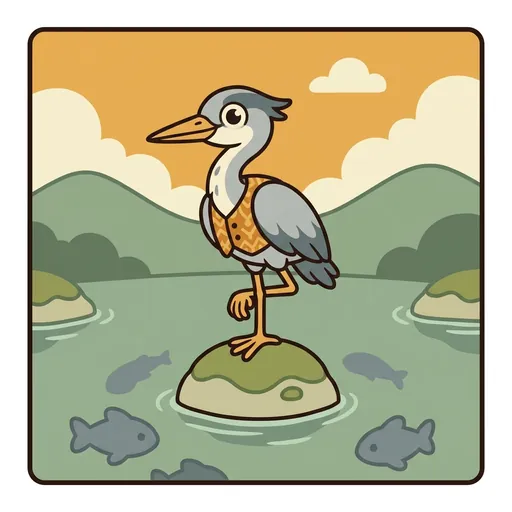
Duty
the view that the *moral worth* of an action is determined by *its adherence to moral principles* rather than by its consequences. Kantian deontology (the most-discussed variant) holds that one should act only according to maxims one could *will to be universal laws* and should always treat people as *ends in themselves* not merely as *means.*
EthosForge Audio
-
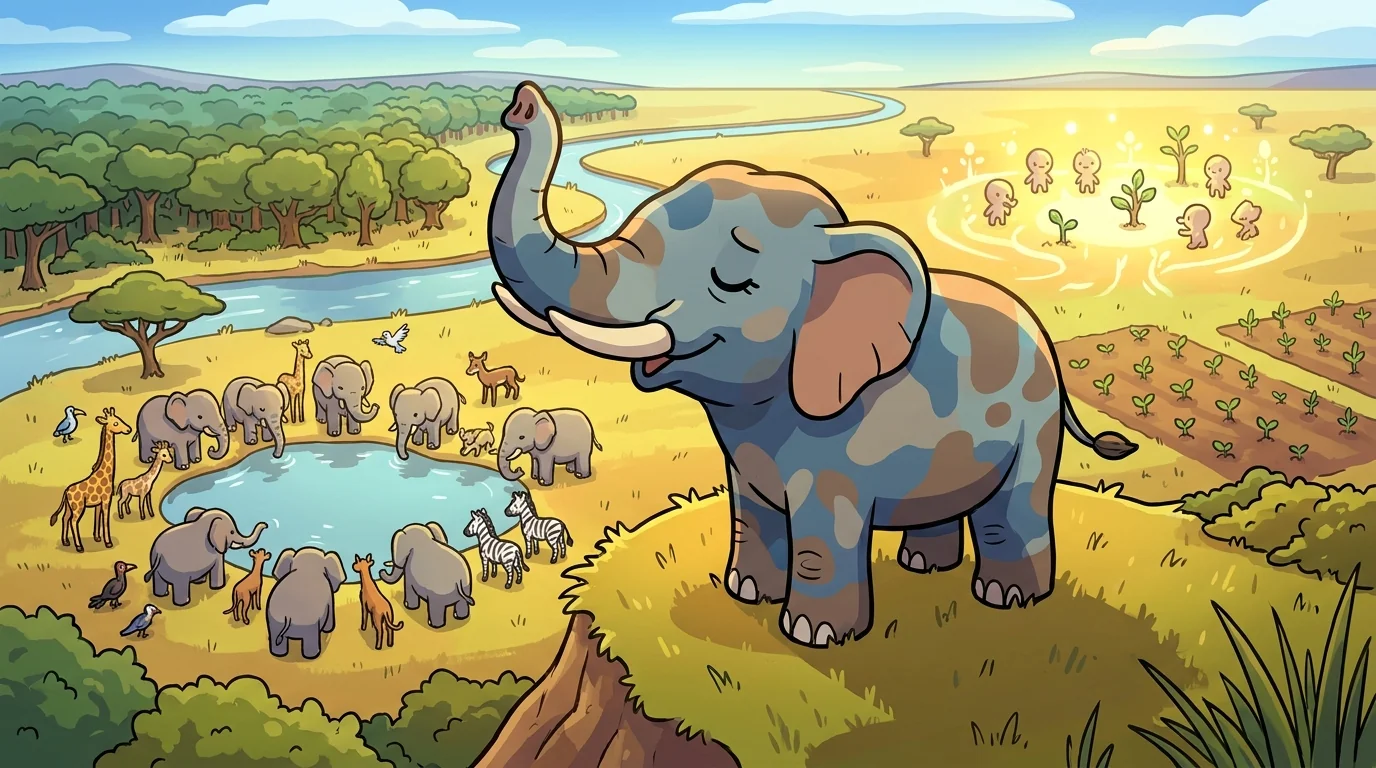
Kin
the view that the circle of moral concern reaches beyond the people in the room, to animals, living systems, and the people not born yet.
EthosForge
-

Own
the view that because you are free to choose, you are the author of your choices, and owning them honestly is what makes them yours.
EthosForge
-

Sense
the view that our feelings of sympathy are real moral information; the heart's first notice of suffering is where ethics begins, before the rules and the counting.
EthosForge
-
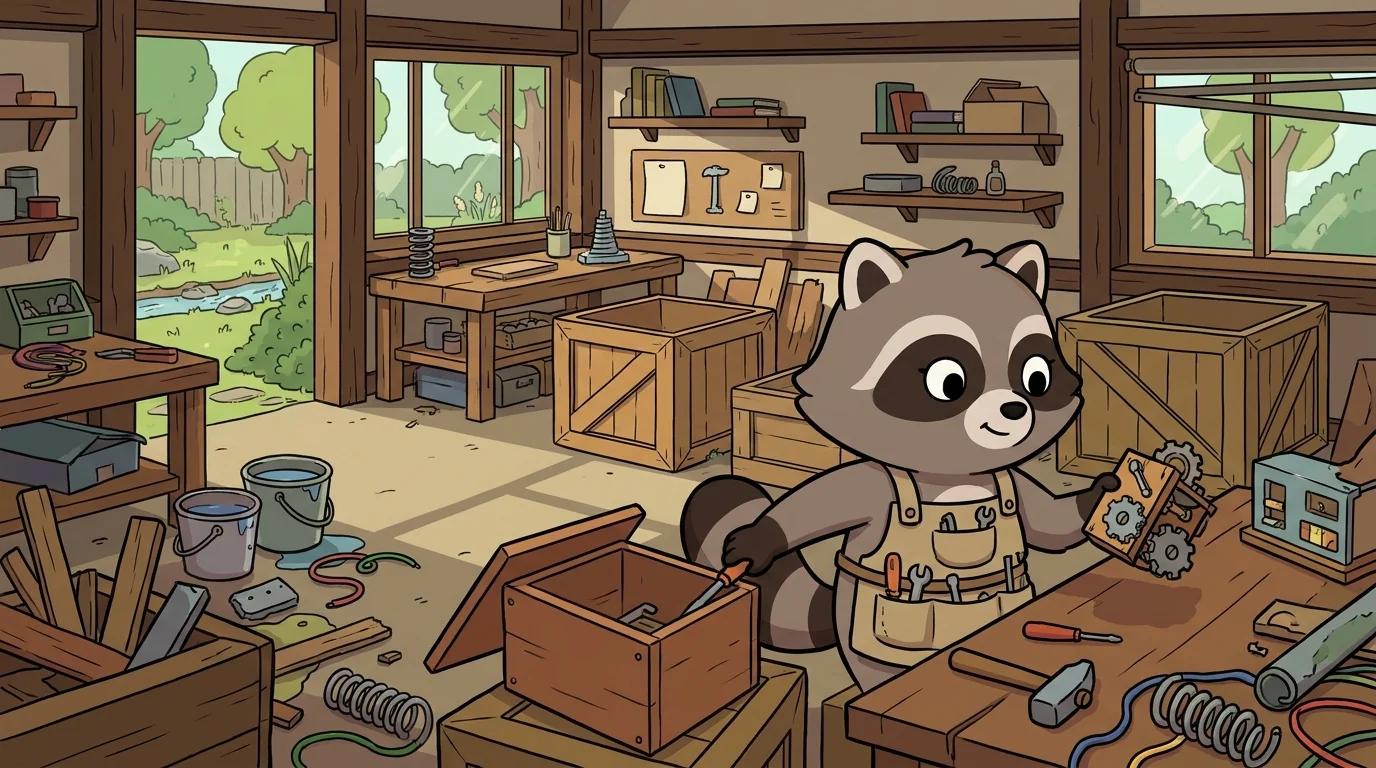
Tinker
the view that ethics is worked out by trying, watching what actually happens, and being willing to change your mind; not by finding one final answer up front.
EthosForge
-

Virtue
the view that the *moral worth* of an action is determined by *the character of the person acting.* The central question: *what kind of person do I want to be?* Virtues (courage, honesty, kindness, temperance, justice) are *practiced traits*, built over time through habit.
EthosForge Audio
-

Bushel
*gentle hands, clean baskets. bruises cost more.*
FarmQuest Audio
-
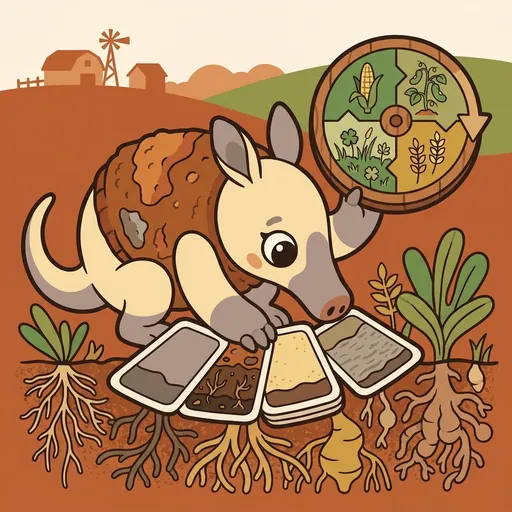
Loam
*different roots, different seasons. soil-as-record.*
FarmQuest Audio
-
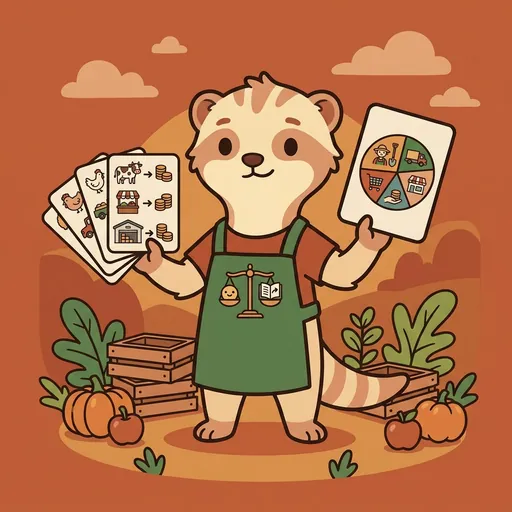
Market
*fair price = fair work. price tells the truth.*
FarmQuest Audio
-

Pen
care = consent + comfort. animals decide when.
FarmQuest Audio
-

Tilth
*repair before replace. the field remembers.*
FarmQuest Audio
-
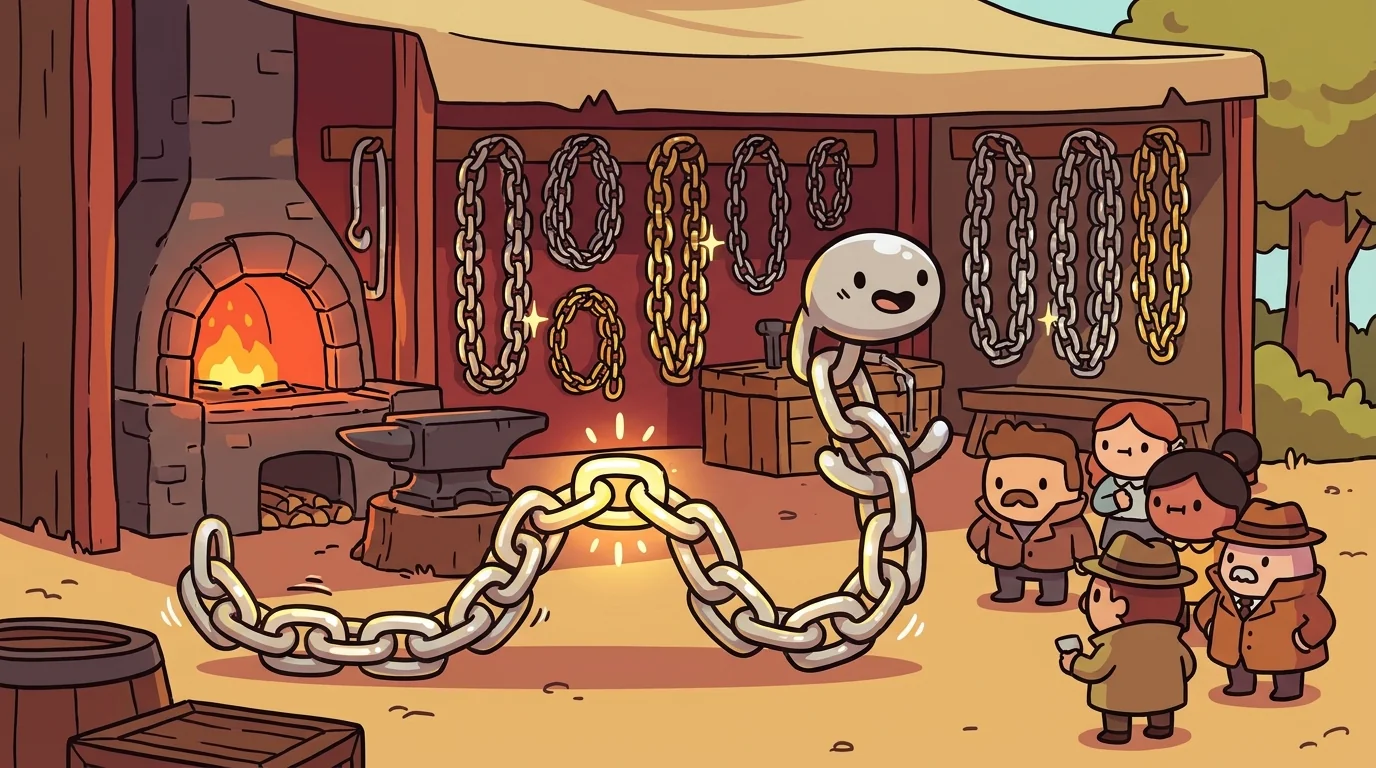
Chain
when words near each other begin with the same sound. "Big blue balloon." "Silly slippery snake." The repeated first-sound links the words together and makes the phrase fun to say and easy to remember.
FigureForge
-
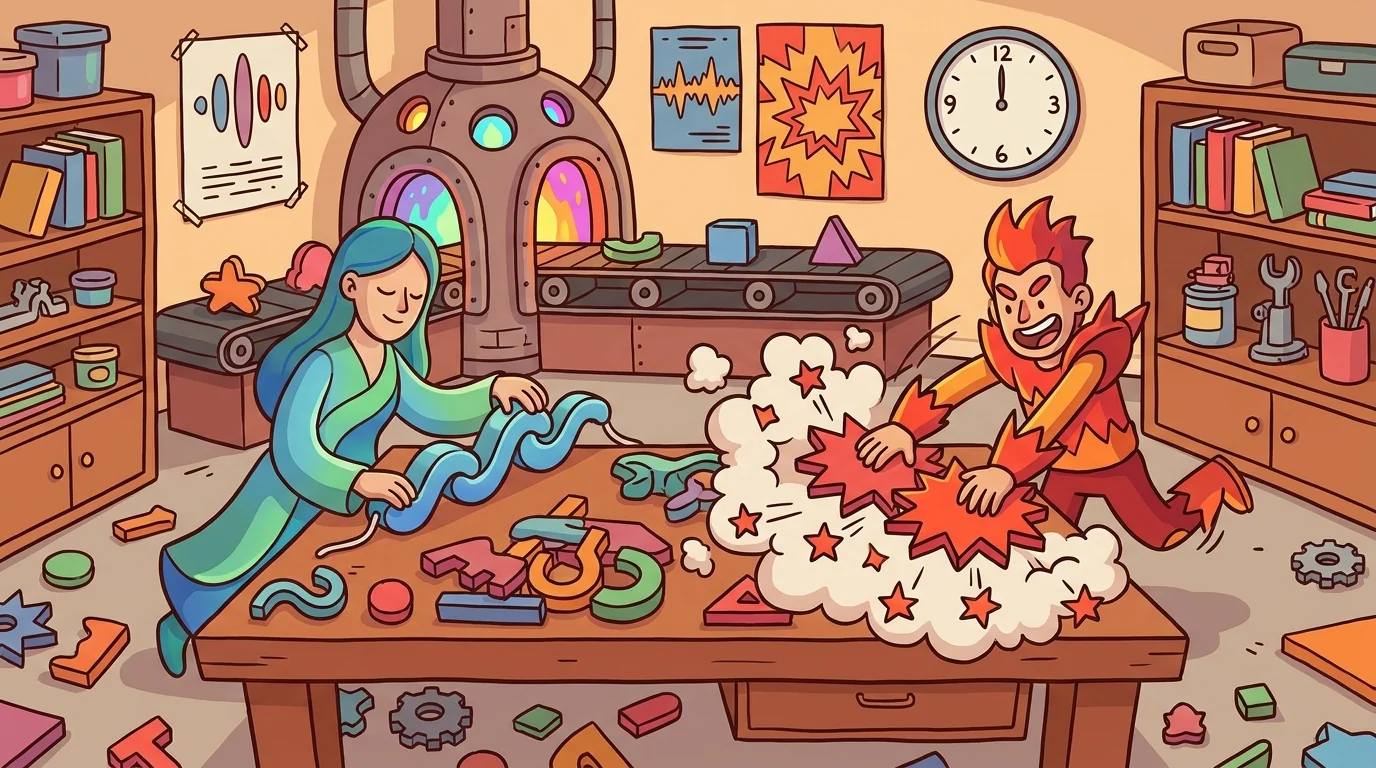
Chain and Clang
writers make meaning with the SOUND of words, not just their sense. Alliteration repeats a beginning sound to link and stress words; onomatopoeia uses a word whose sound imitates the thing it names. Both make language you can hear.
FigureForge Ensemble
-
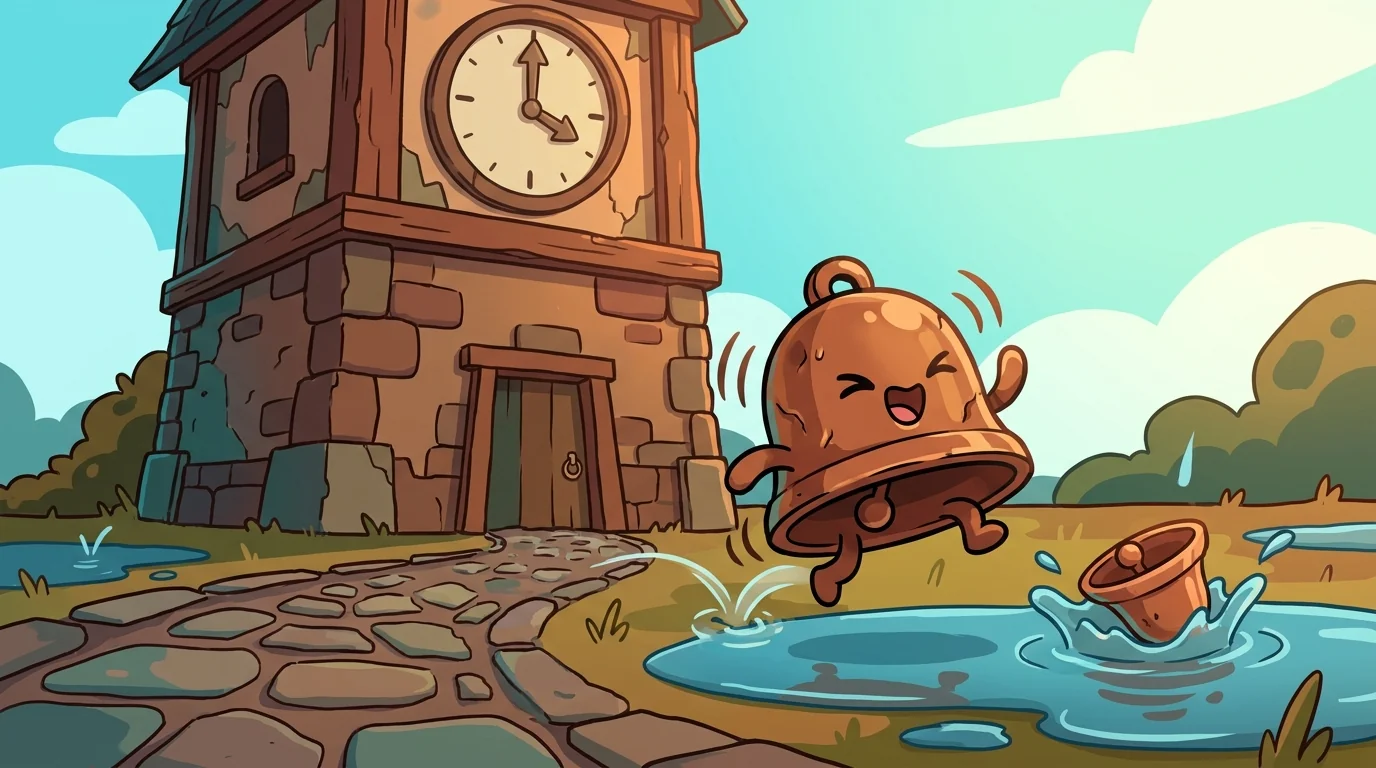
Clang
a word that sounds like the noise it names. Buzz. Splash. Crash. Hiss. When you say the word, your mouth makes a little echo of the real sound, so the reader almost hears it.
FigureForge
-

Ferry
*X IS Y. direct comparison. the meaning ferries from one side to the other.*
FigureForge Audio
-
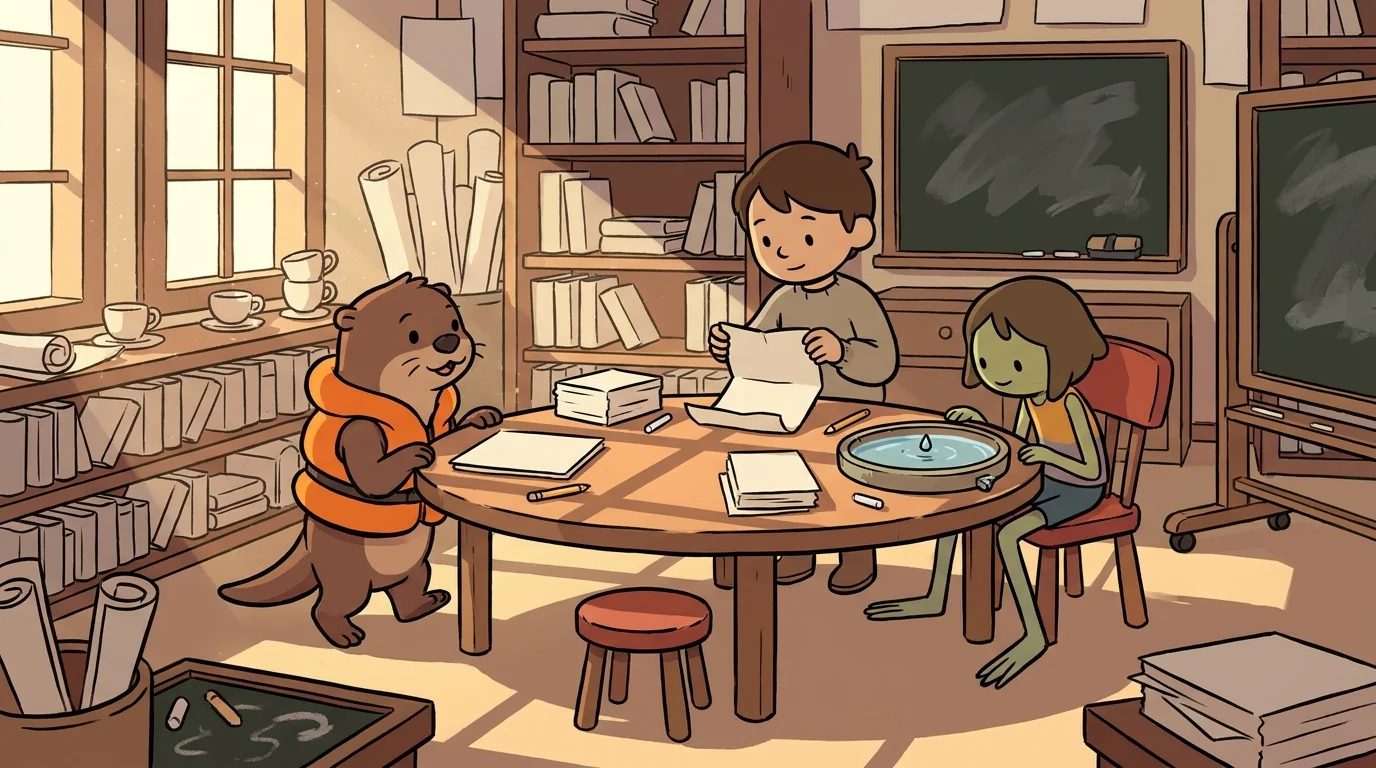
Ferry and Ripple
*Ferry says X IS Y (metaphor; bold). Ripple says X is LIKE Y (simile; soft). Same family. Different distance.*
FigureForge Ensemble
-
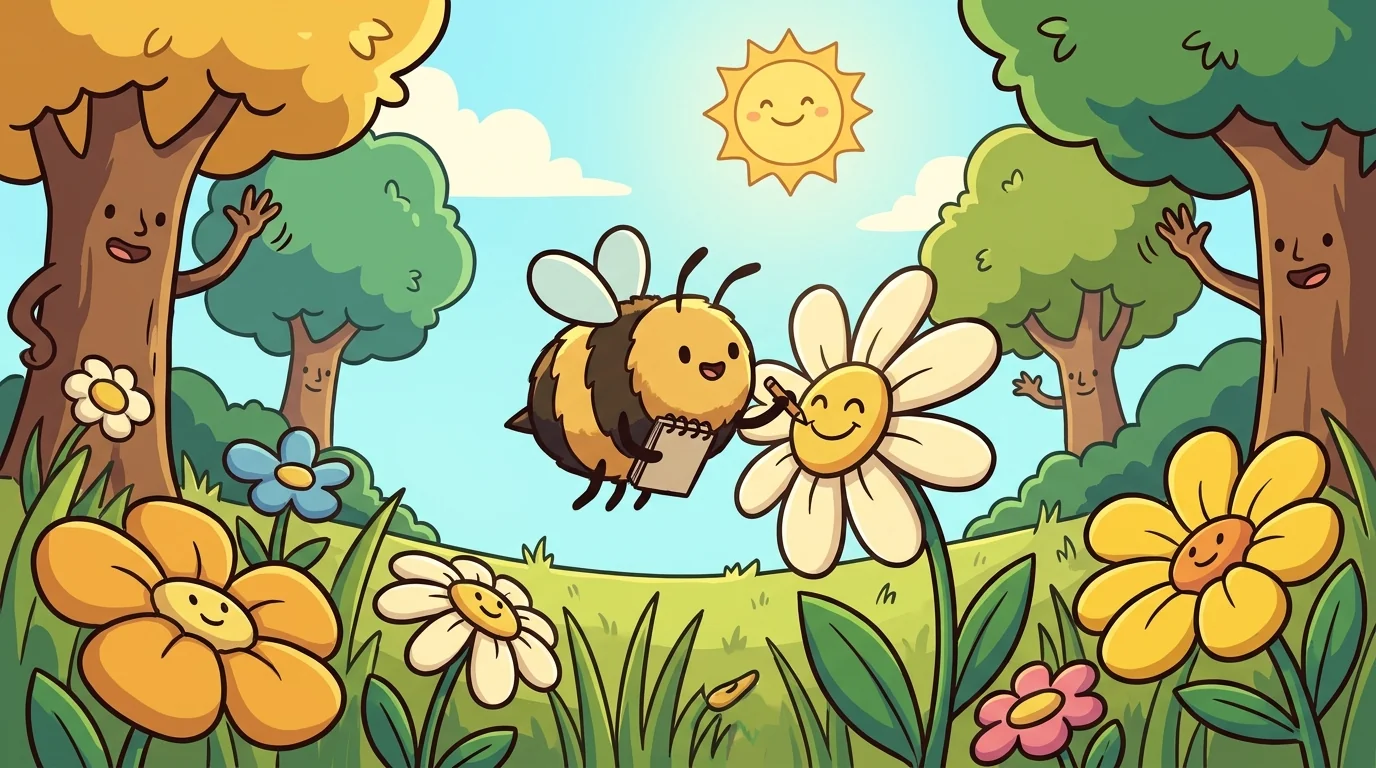
Hum
*non-human things take on human qualities. the wind whispers. the sea is angry. that's hum.*
FigureForge Audio
-
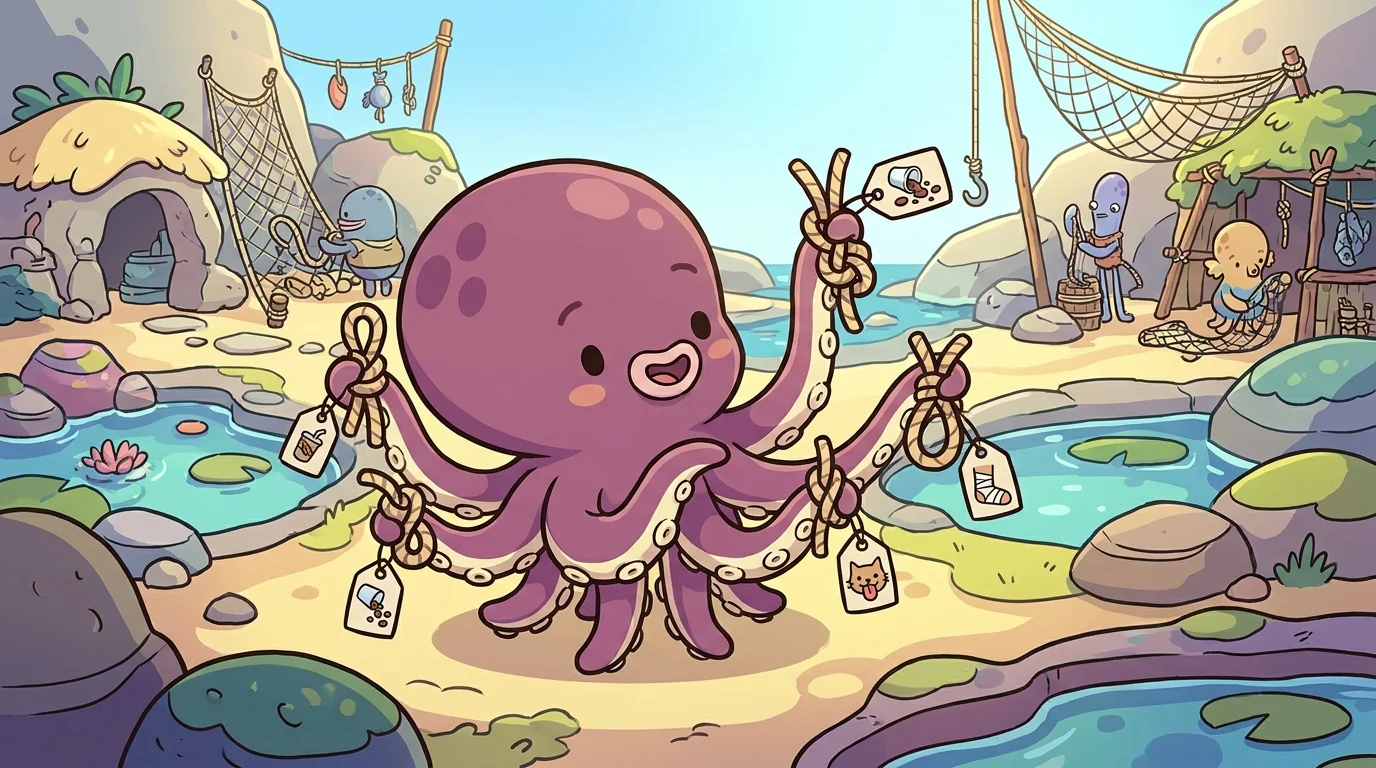
Knot
*fixed expressions whose meaning isn't literal. you can't untie them word-by-word.*
FigureForge Audio
-
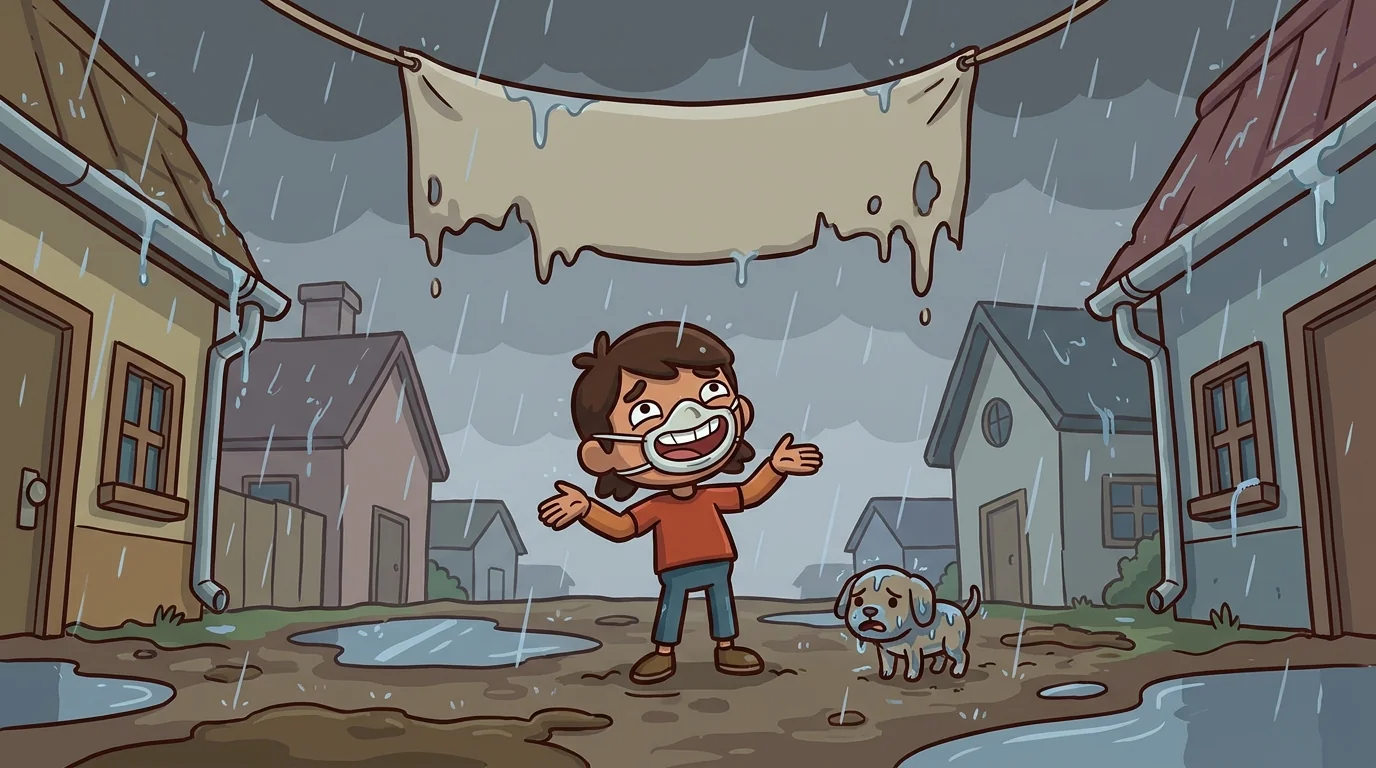
Mask
*hyperbole exaggerates. understatement minimizes. irony flips. all three: the words don't match the meaning.*
FigureForge Audio
-
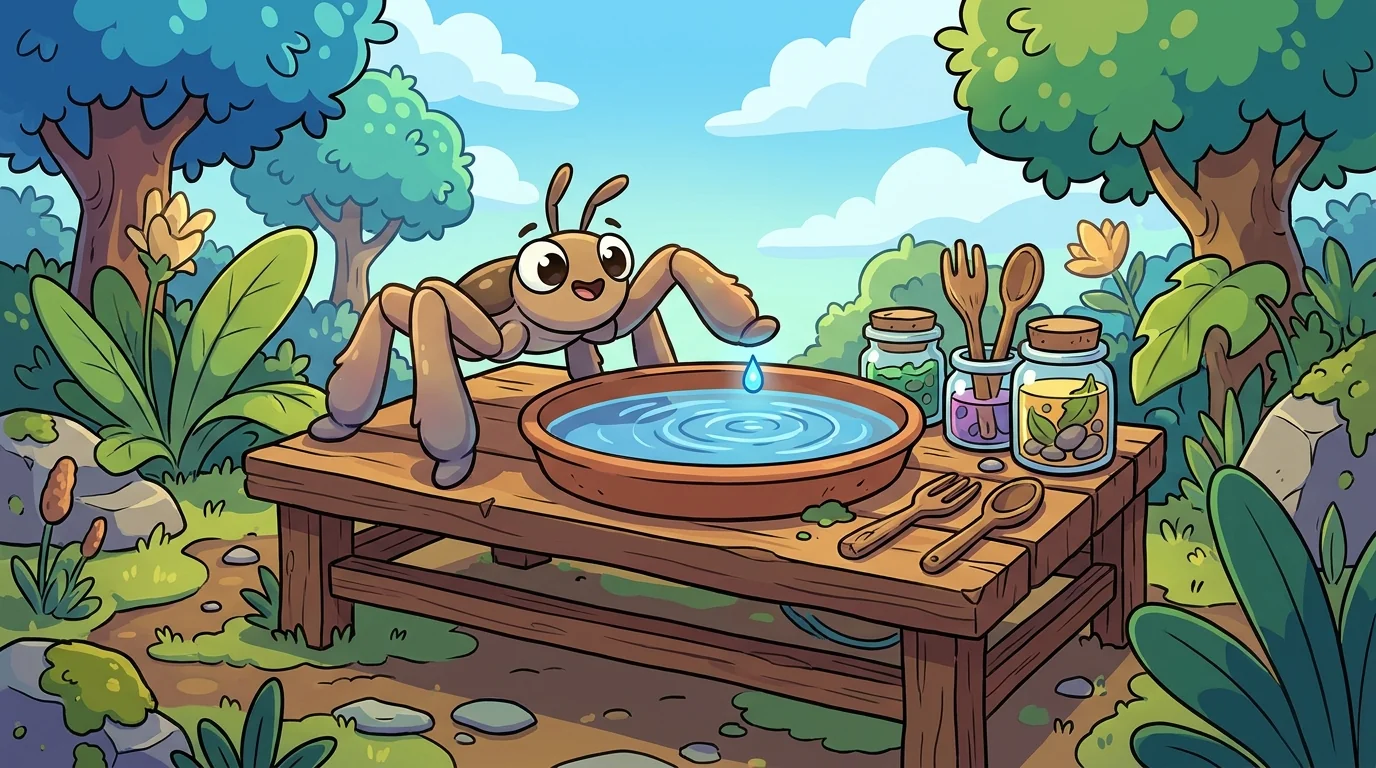
Ripple
X is LIKE Y. softer comparison. ripples-outward instead of bold-identification.
FigureForge Audio
-

Token
when an object stands for a bigger idea. A dove stands for peace. A heart stands for love. A storm stands for trouble. The thing is real, but it carries a meaning much larger than itself.
FigureForge
-
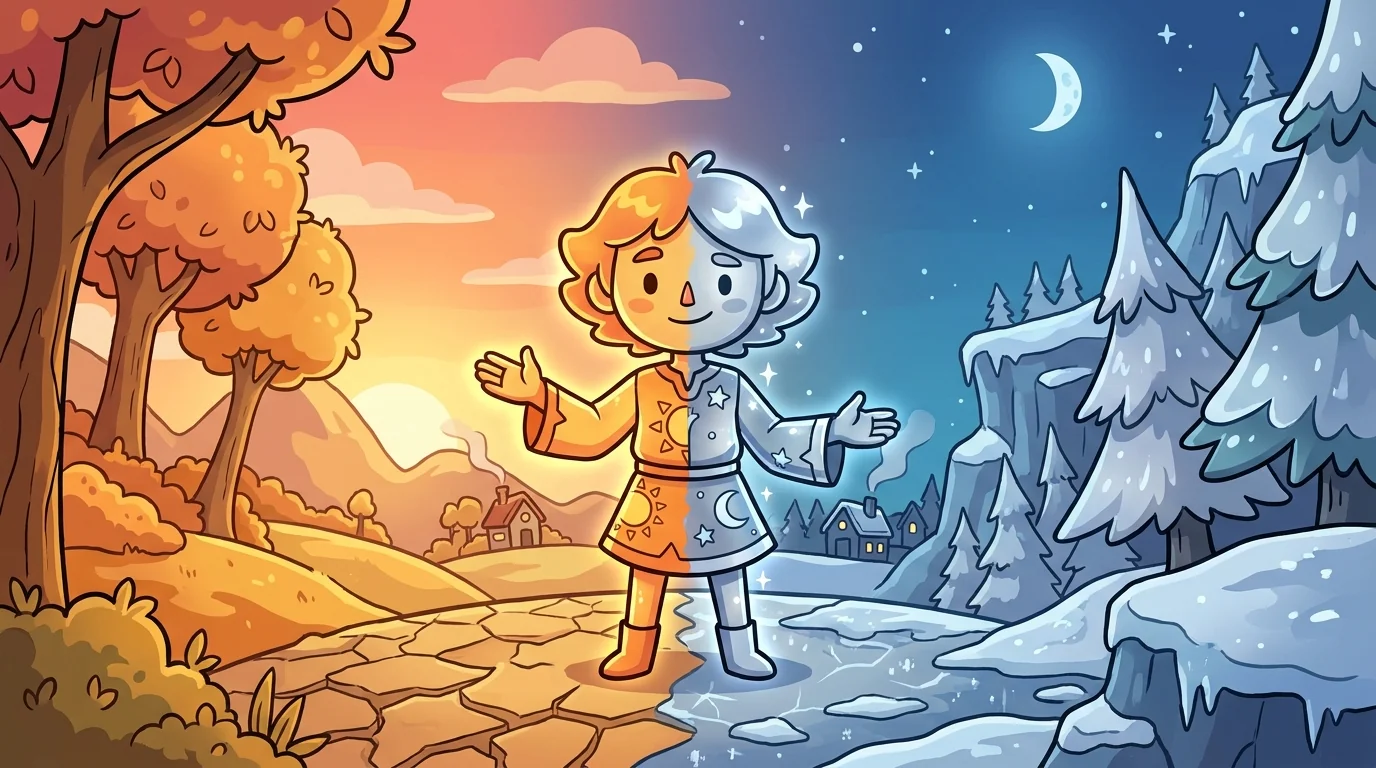
Twain
two opposite words placed right next to each other on purpose. "Bittersweet." "Deafening silence." "Jumbo shrimp." The two opposites seem to fight — but together they say something truer than either word could alone.
FigureForge
-
Twin
*X:Y::A:B. parallel structure. relationship mapped across pairs.*
FigureForge Audio
-
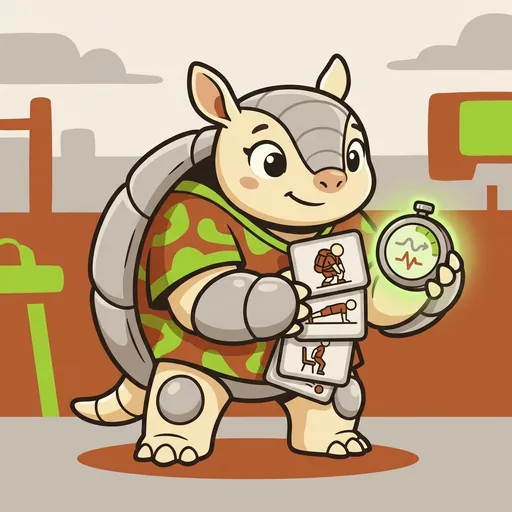
Brace
internal armor. tight middle, free limbs.
FitQuest Audio
-

Breath
the body's tempo. nasal default. box when stressed.
FitQuest Audio
-
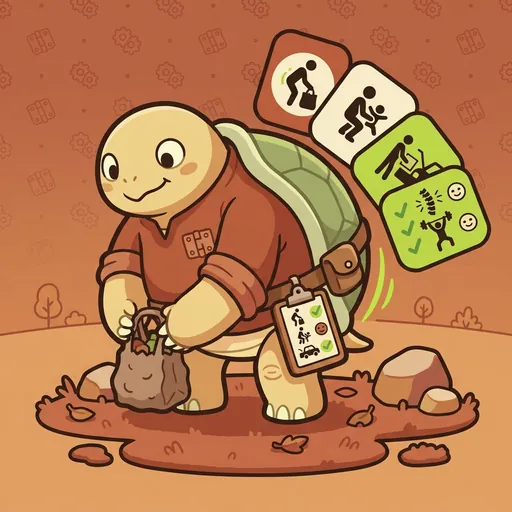
Hinge
bend at the hip, not the spine. pick up the world safely.
FitQuest Audio
-
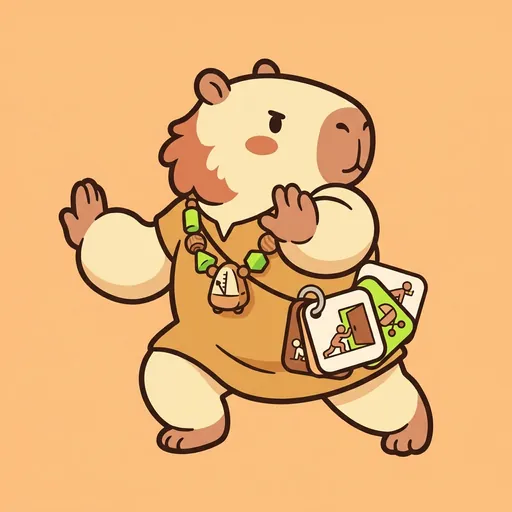
Push
force into space. door, ground, sky.
FitQuest Audio
-

Rest
adaptation lives in the rest. recovery IS training.
FitQuest Audio
-

Drag
drag isn't bad. drag is information. shape and air are having a conversation.
FlightForge Audio
-

Tail
*quiet control from the back. the tail is why your paper plane goes straight.*
FlightForge Audio
-

Thrust
*every engine just throws air the wrong way. propeller, jet, rocket — same trick, different scale.*
FlightForge Audio
-

Wing
the wing pushes the air down; the air pushes the wing up. both stories are right.
FlightForge Audio
-

Yaw
the rudder is the polish on the turn. the bank does the turning; the rudder polishes.
FlightForge Audio
-

Begin
the first second of starting; getting from *thinking about starting* to *actually starting.*
FocusForge Audio
-
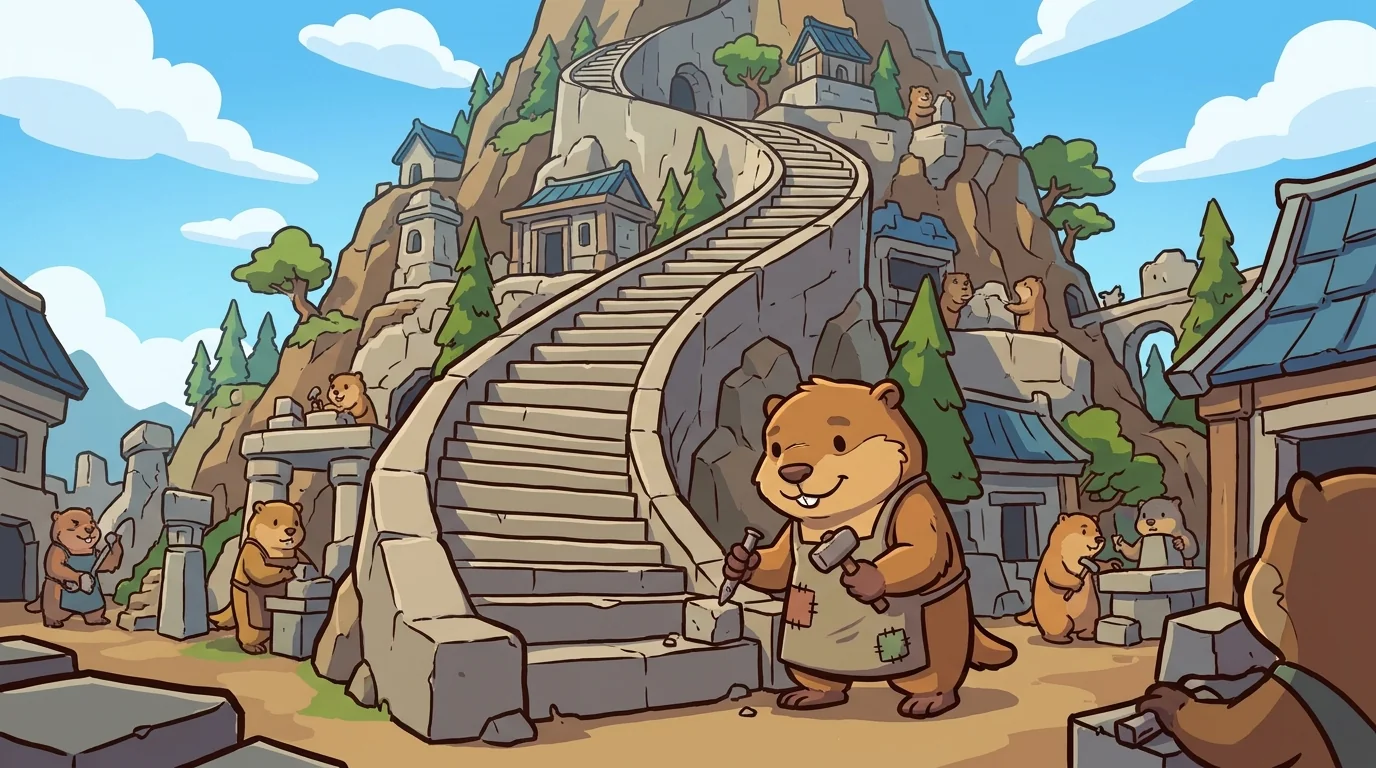
Chip
when a task gets hard and frustrating, chipping one small piece off the big block at a time, instead of quitting at the wall or trying to smash the whole thing at once.
FocusForge
-

Clock
time as a felt sense the learner can build. The EF capacity for *knowing how much time has passed*, *estimating how long a task will take*, and *budgeting time across multiple tasks.*
FocusForge Audio
-

Hold
keeping a thing in mind while you use it. The EF capacity for *holding information actively* (a phone number while dialing, instructions while following them, an idea while writing about it).
FocusForge Audio
-

Map
breaking a task into chunks; sequencing the chunks; tracking which chunks are done.
FocusForge Audio
-

Pivot
switching strategies; reframing; adjusting to changing circumstances. The EF capacity for *changing course without distress* when the situation changes.
FocusForge Audio
-
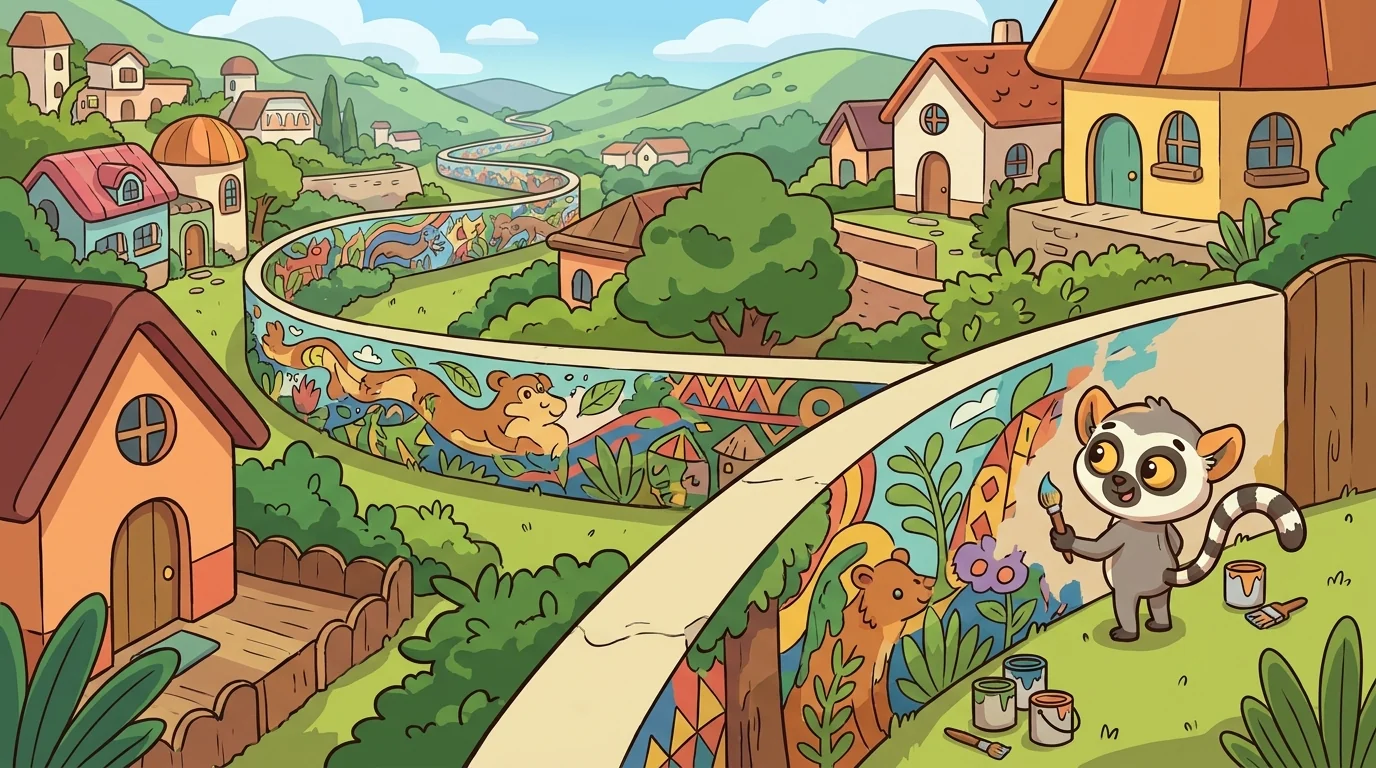
Scan
glancing back at what you're doing while you do it, to catch a wrong turn early, instead of finding out at the very end.
FocusForge
-
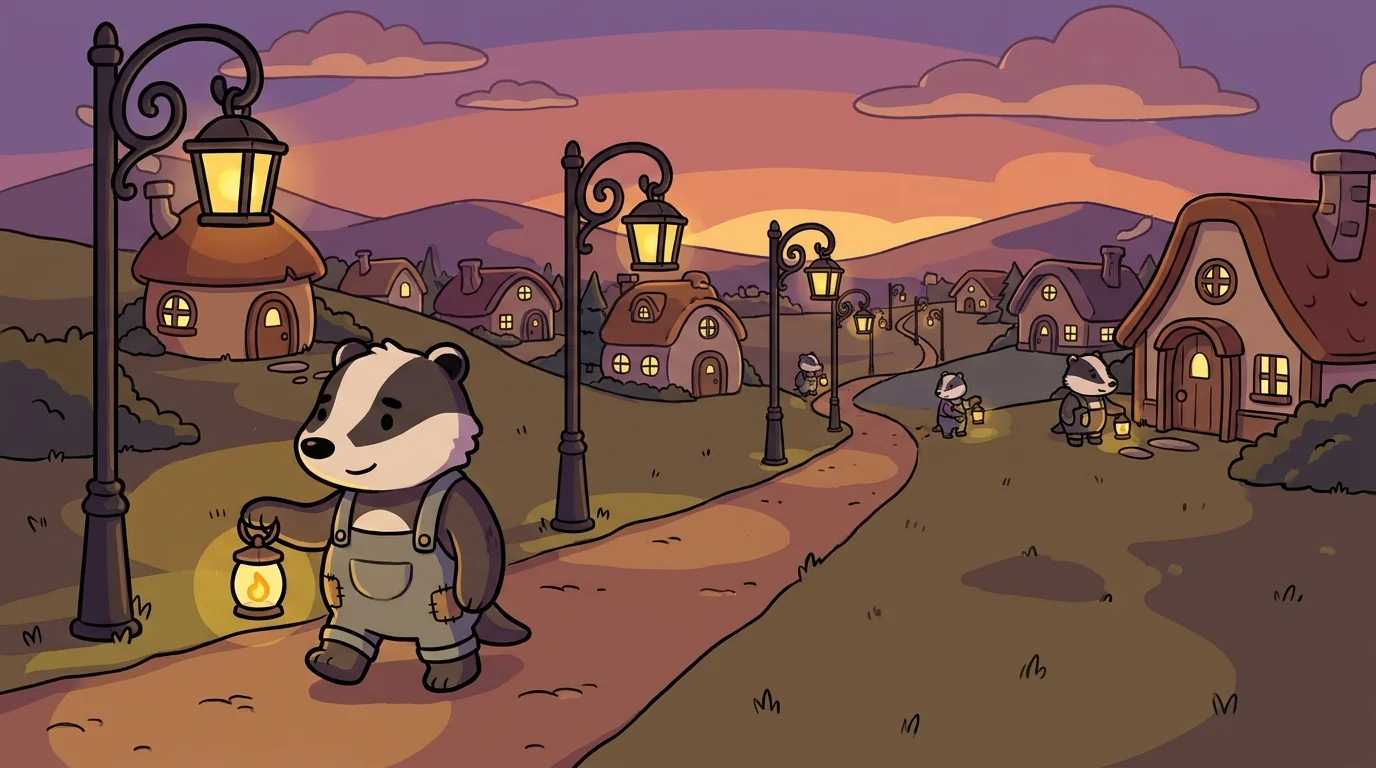
Steady
keeping a gentle, steady flame on one task while shinier things flit past, especially in the dull middle after the first excitement wears off.
FocusForge
-

Wait
the pause between impulse and action. The EF capacity for *holding still* in the moment between *wanting to act* and *acting.*
FocusForge Audio
-
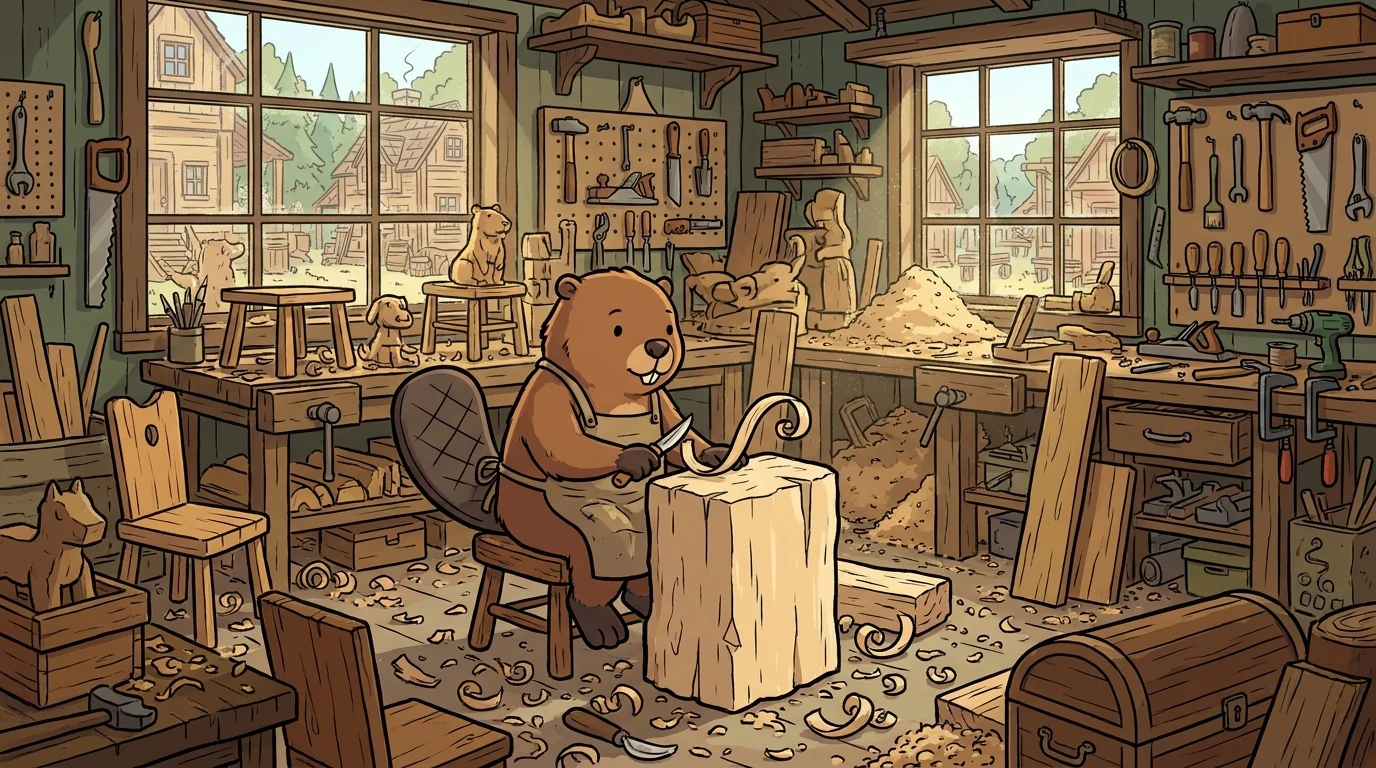
Whittle
when a pile of tasks all shout "do me first," whittling the loud pile down to the single true next thing, so overwhelm becomes one small doable step.
FocusForge
-

Champ
*welcome to the arena. every match is practice. every player belongs.*
Forgearena Audio
-
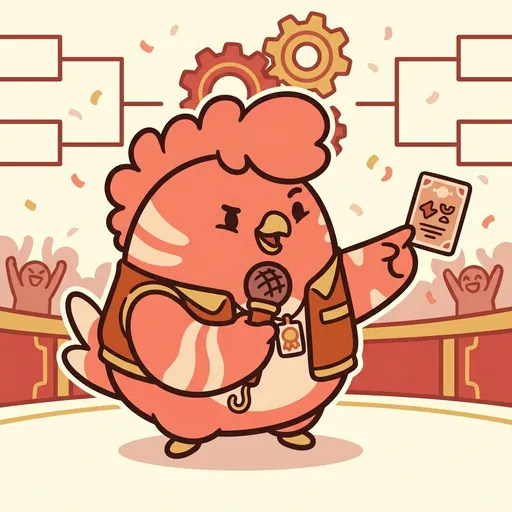
Cheer
celebrate the move. never trash-talk. point at craft and name the practice.
Forgearena Audio
-
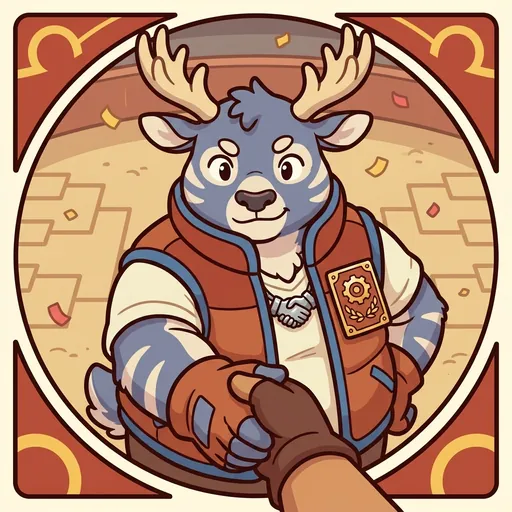
Rival
the opponent is a partner who makes you better. Shake hands. Play hard. Shake hands again.
Forgearena Audio
-

Tally
*points show improvement. points are not worth.*
Forgearena Audio
-

Whisk
rules without scolding. fair play is craft, not punishment.
Forgearena Audio
-
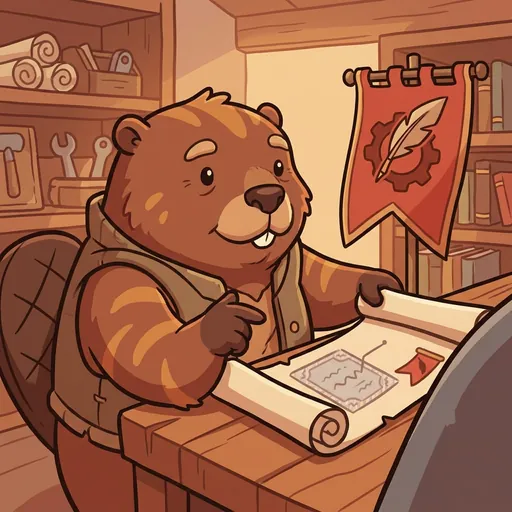
Kit
I'll draft it. You'll finish it. Teacher edits required.
ForgeClassroom Audio
-
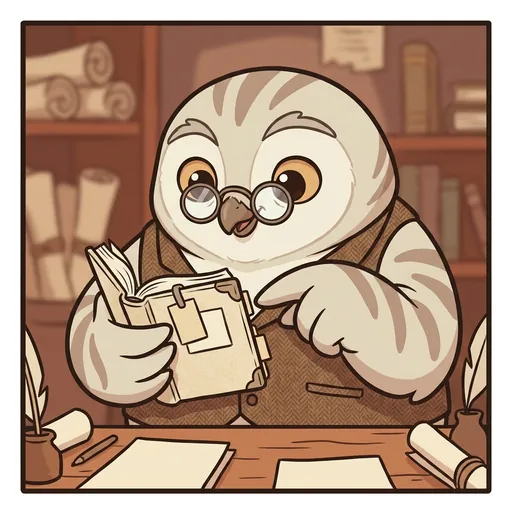
Ledger
*I keep records. YOU make the calls.*
ForgeClassroom Audio
-

Plan
*the plan is a hypothesis. revise when the day teaches you something.*
ForgeClassroom Audio
-
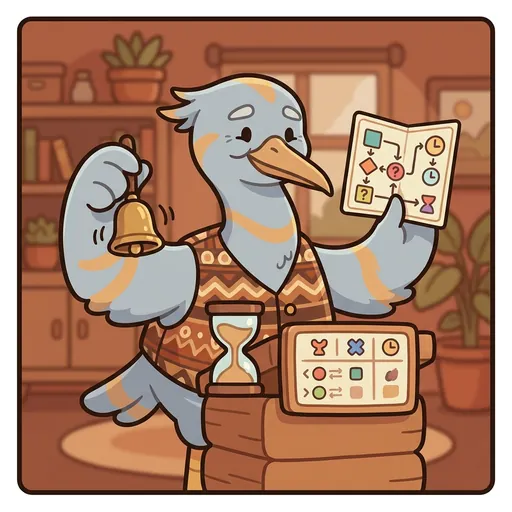
Round
live quizzes are practice for the class together. the teacher hosts; the coordinator keeps the flow.
ForgeClassroom Audio
-

Spot
*I surface patterns. I never label students.*
ForgeClassroom Audio
-
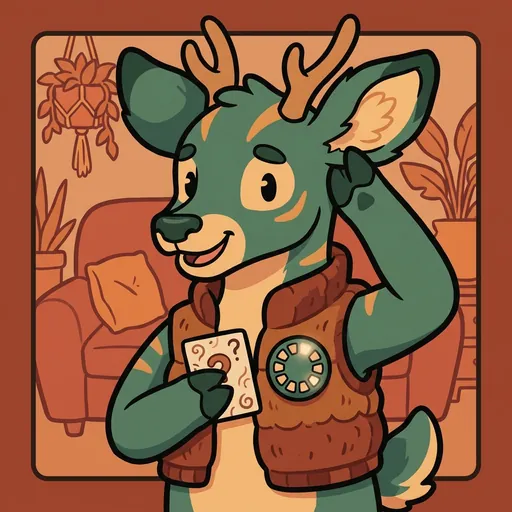
Ask
*better questions. nine-second listen. conversation not lecture.*
ForgePortal Audio
-

Hearth
you know your kid. I just keep the lights on.
ForgePortal Audio
-

Sift
plain language. signal not data dump.
ForgePortal Audio
-
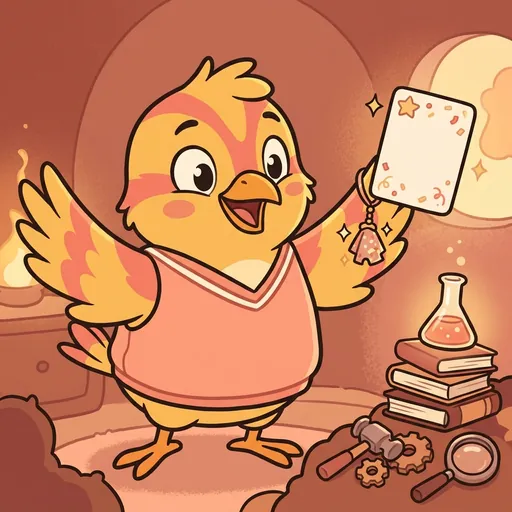
Spark
celebrate effort. celebrate curiosity. celebrate persistence. never celebrate ranking.
ForgePortal Audio
-

Tend
healthy pace, not perfect pace. restriction is not virtue.
ForgePortal Audio
-
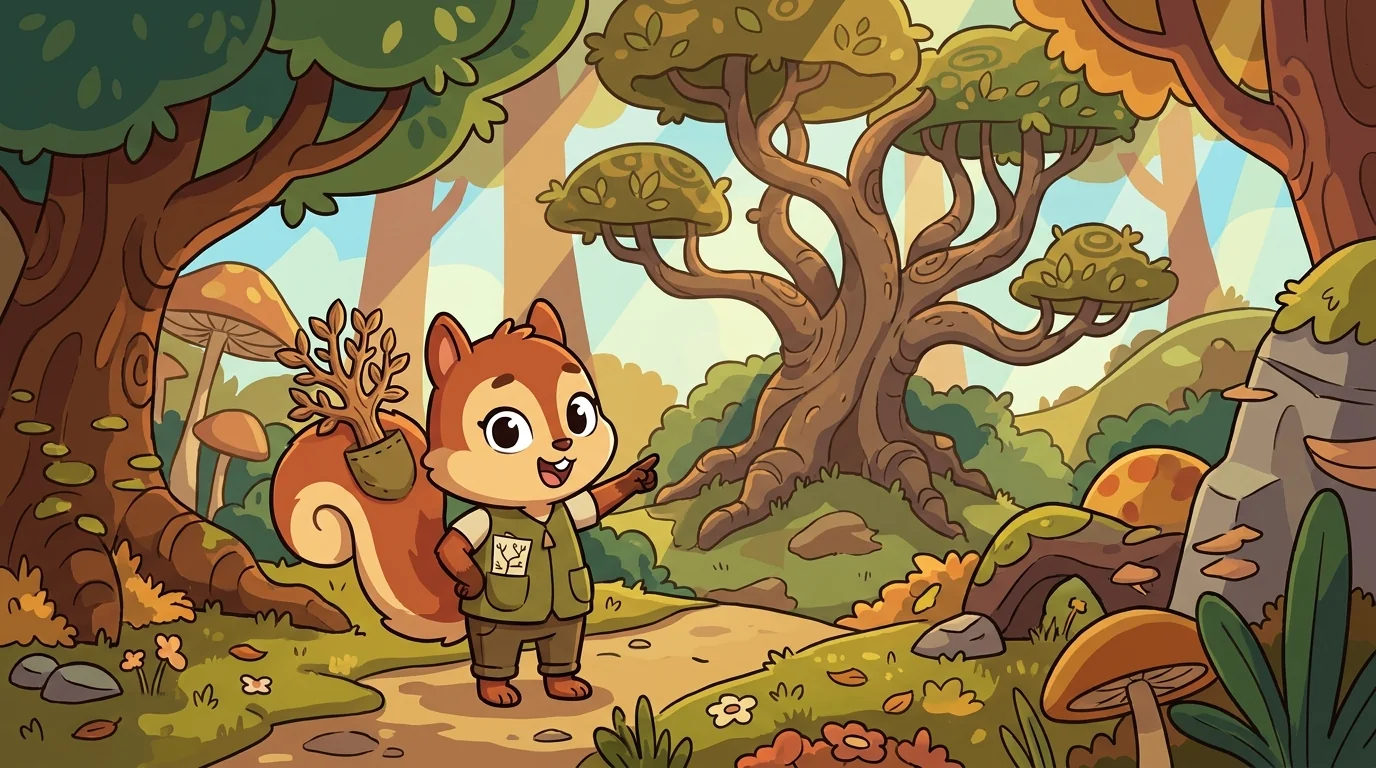
Branch
branching-not-laddering (evolution is a bush, not a ladder). Tracing how organisms changed over time through branching lineages.
FossilForge Audio
-
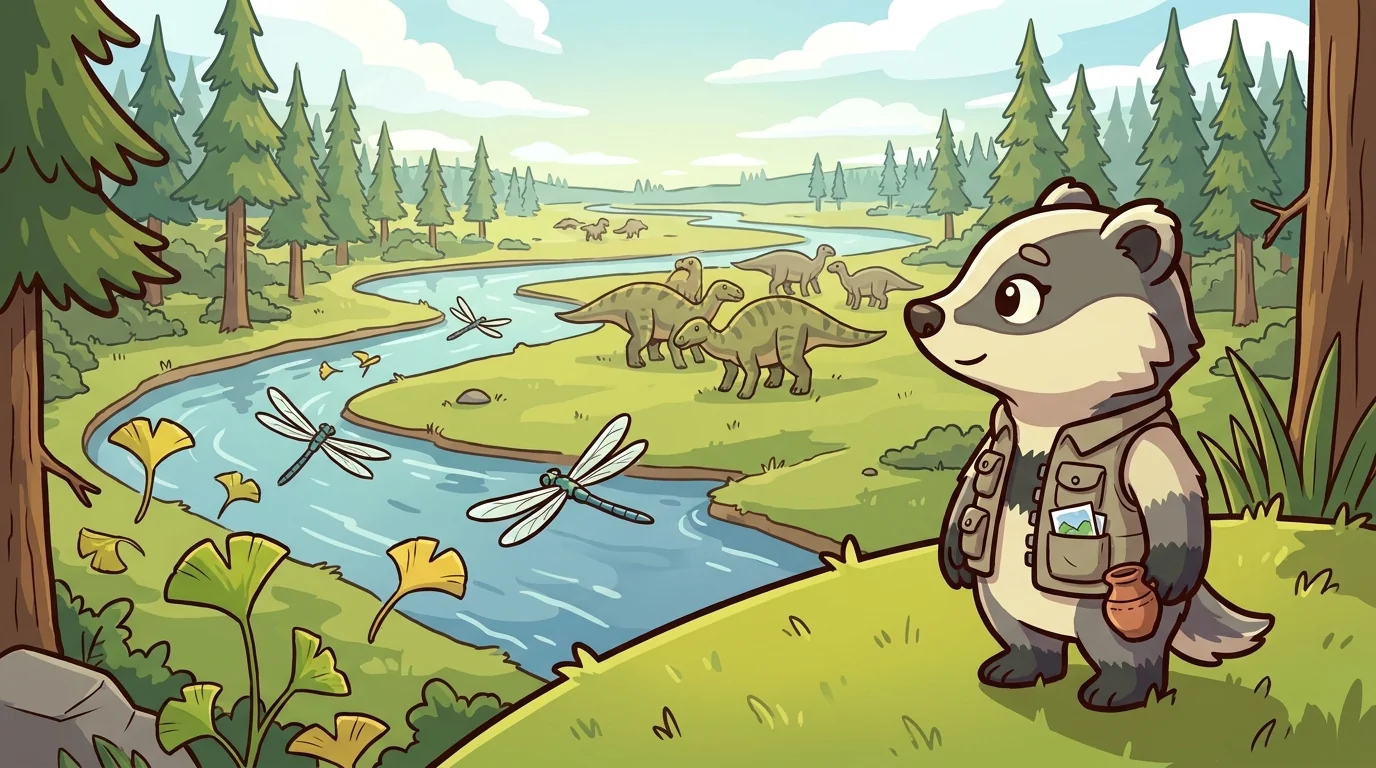
Field
*fossils-as-a-place-story*. The paleontology primitive of *reading the environment from the fossil* — one fossil is a snapshot of a whole ecosystem.
FossilForge Audio
-
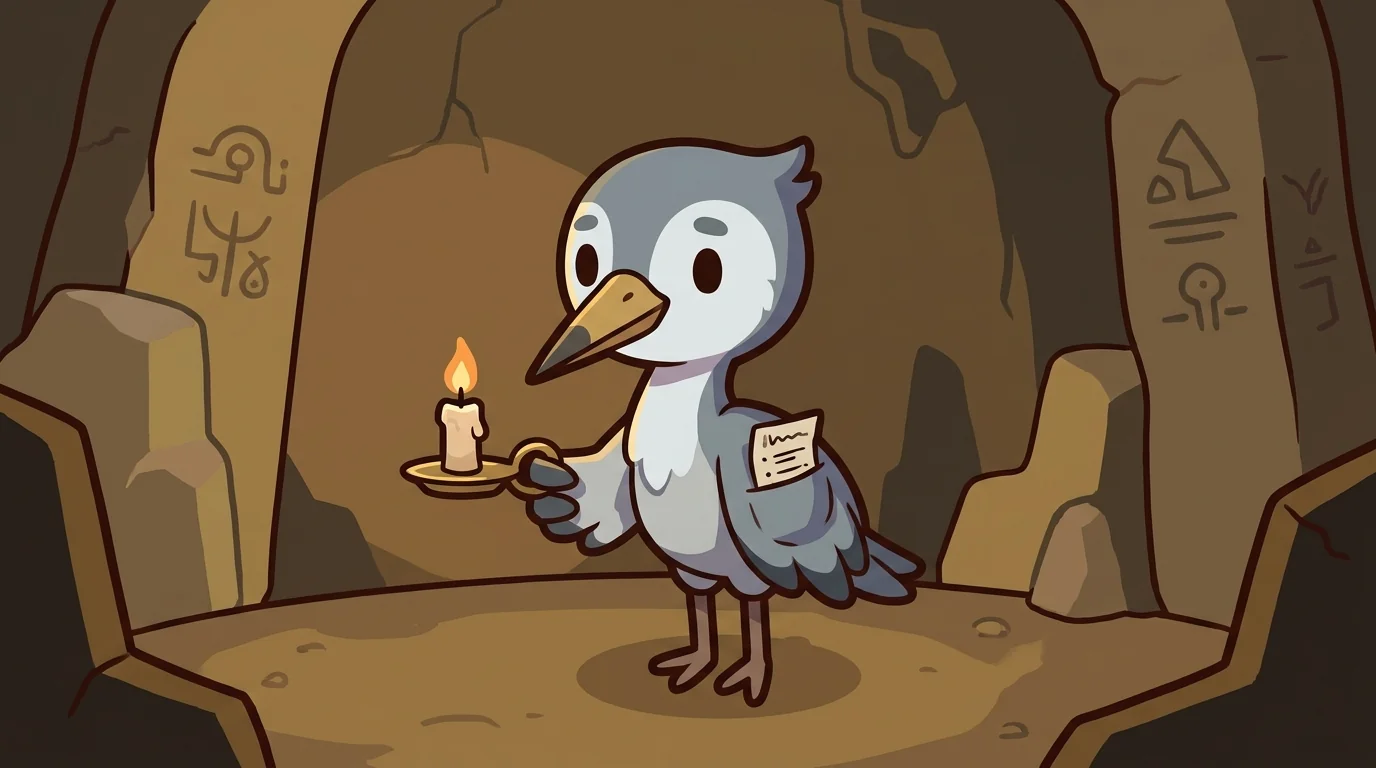
Last
*witness-and-choose*. The paleontology primitive of *holding the awe of deep-time AND the grief of extinction simultaneously, without collapsing into spectacle or despair.*
FossilForge Audio
-
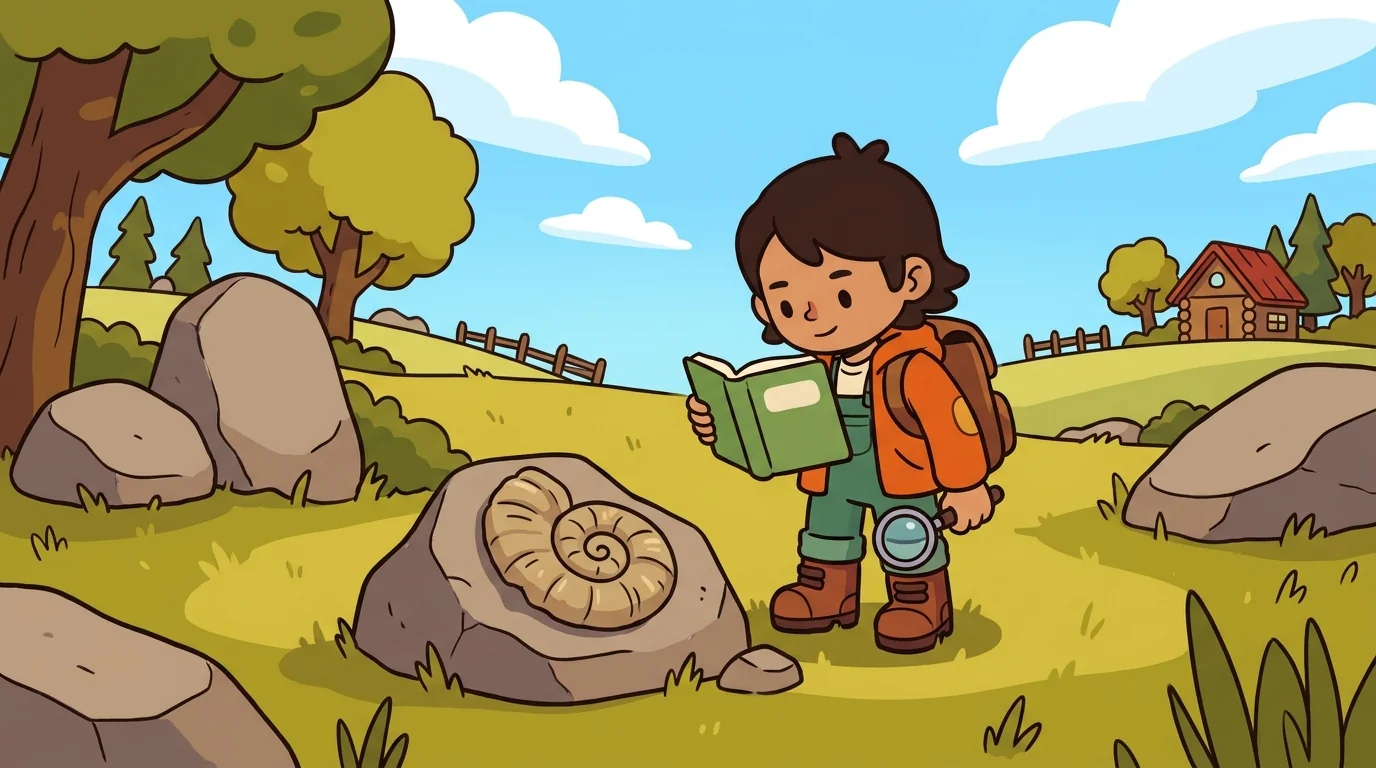
Seam
family-resemblance-matching (what KIND of organism?). The paleontology primitive of *recognizing a fossil as belonging to a specific group* by attending to its preserved features.
FossilForge Audio
-
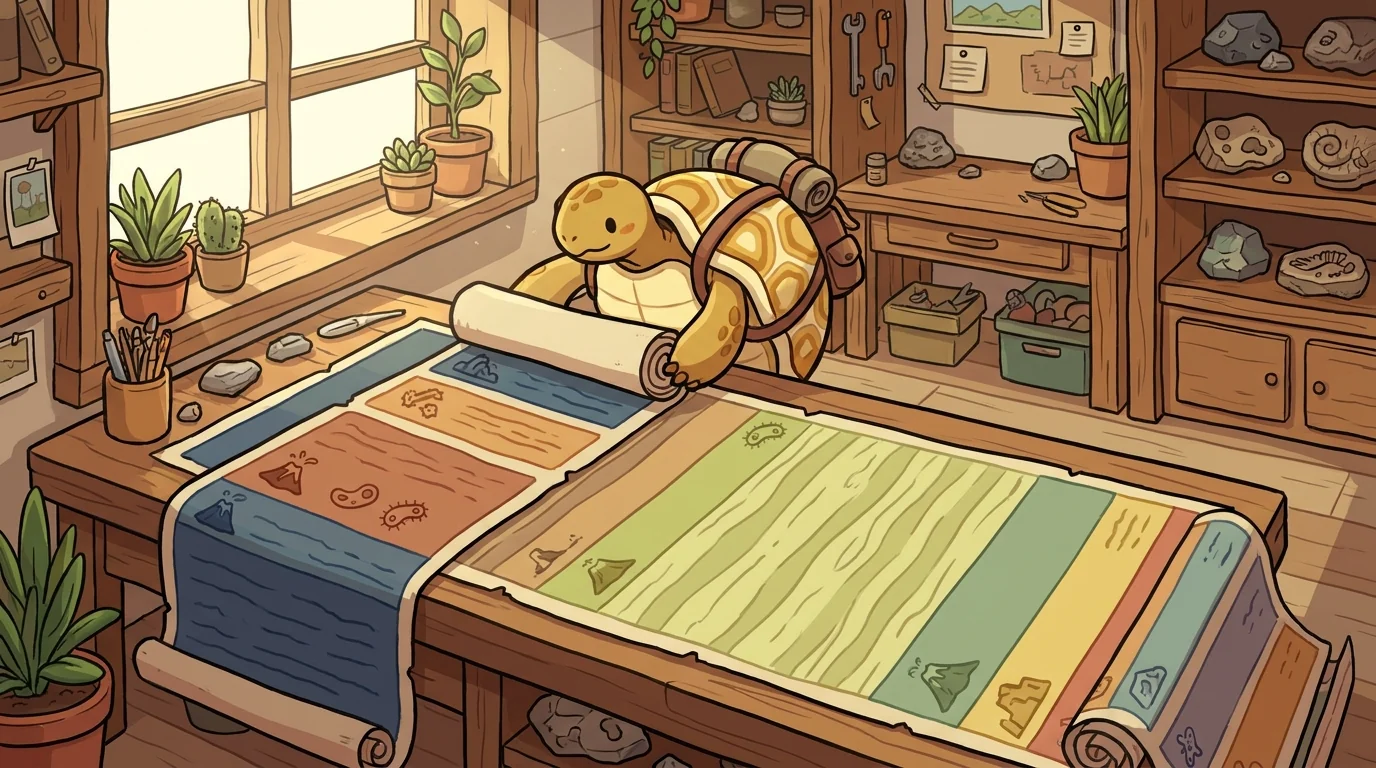
Span
*scale-of-scales* (WHEN did this organism live?). The paleontology primitive of *holding the scale of Earth's history* — 4.5 billion years for the planet, 540 million for complex life, 66 million since dinosaurs.
FossilForge Audio
-
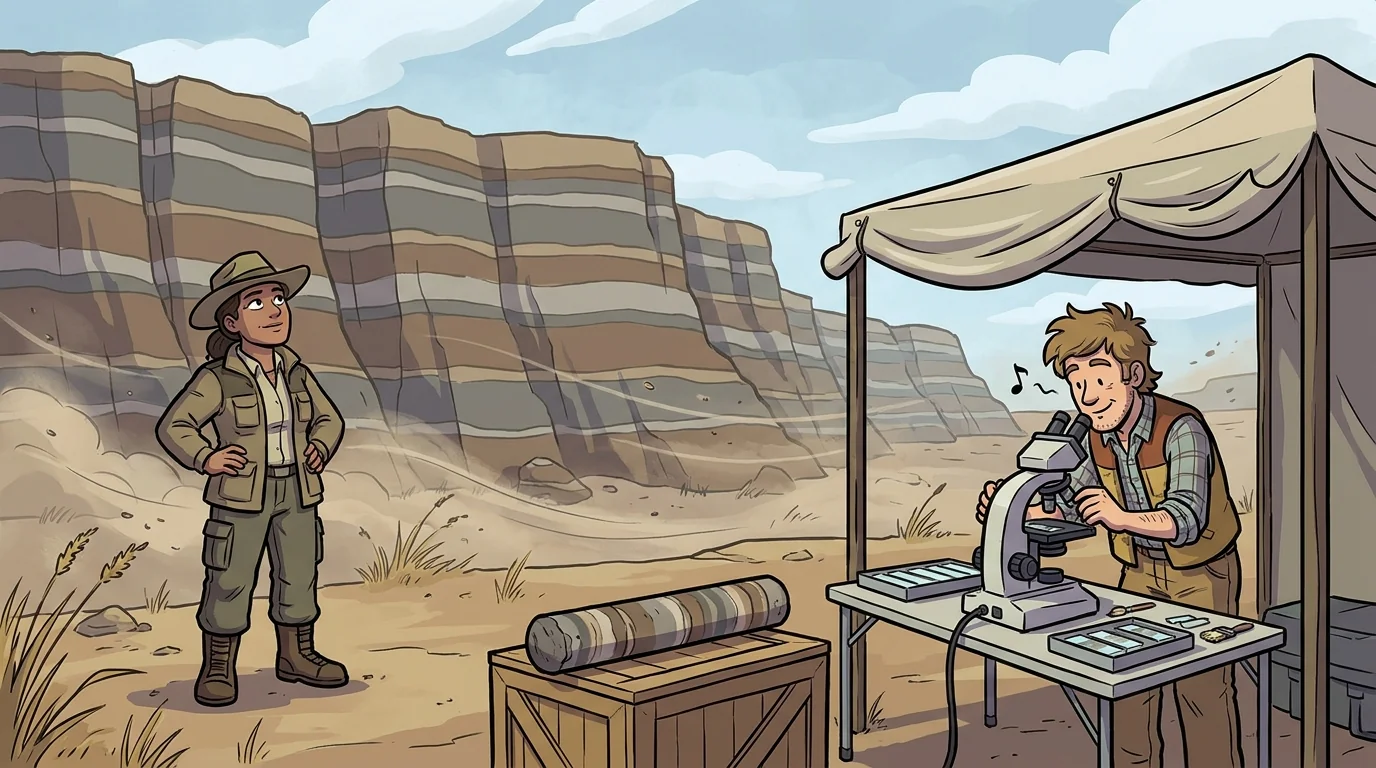
Strata and Speck
Strata is stratigraphy (the rock layers that record geologic time). Speck is microfossils (the tiny organisms in those layers that date them). Together they teach how rock layers and microfossils mutually calibrate.
FossilForge Ensemble
-
Dot
a special-case fraction notation where the denominator is always a power of 10. 0.3 = 3/10. 0.07 = 7/100. The decimal point's position determines the denominator.
FractionForge Audio
-

Equi
different forms, same value. Multiply (or divide) numerator and denominator by the same number; the fraction is equivalent. 2/3 = 4/6 = 6/9 = 8/12.
FractionForge Audio
-
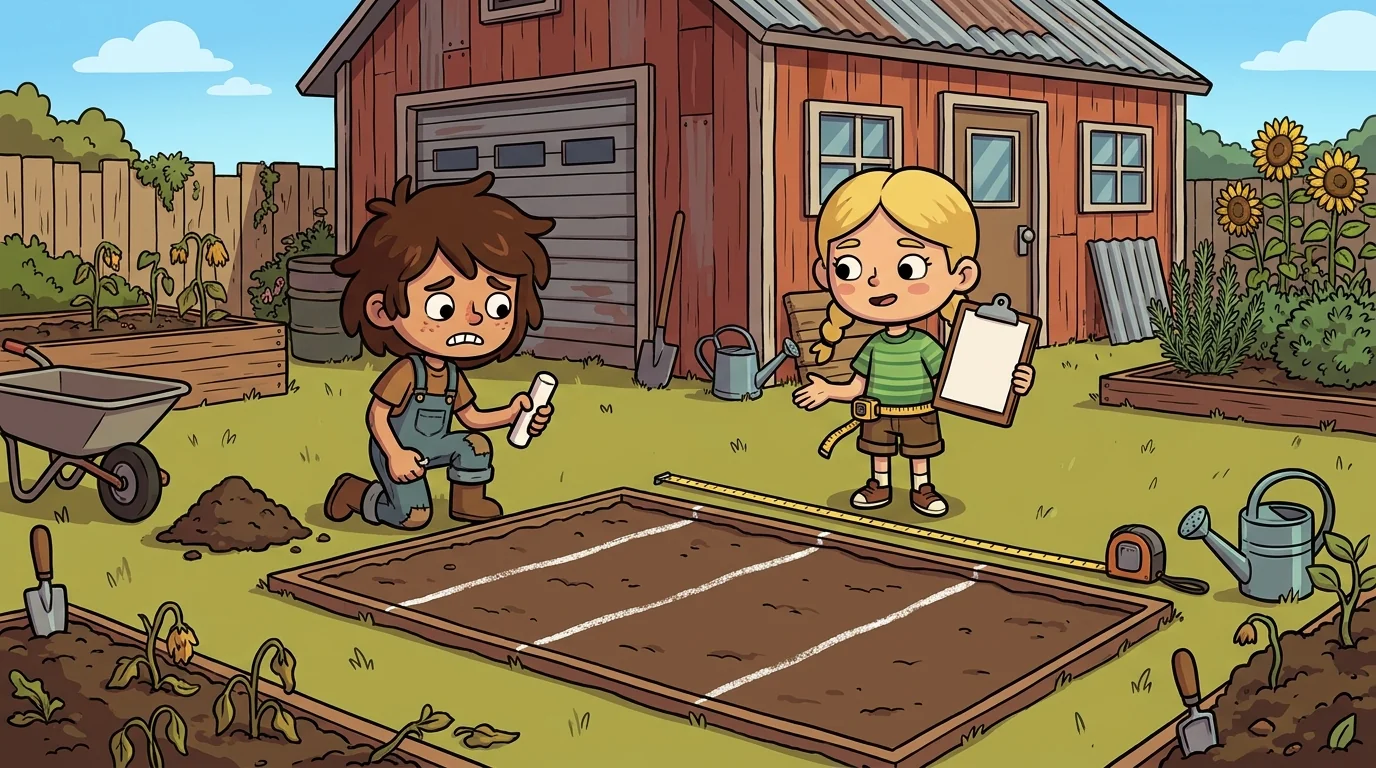
Equi and Stretch
Equi (different forms, same value) + Stretch (scaling fractions to a common base) — together, the rule and the application of the same idea
FractionForge Ensemble
-
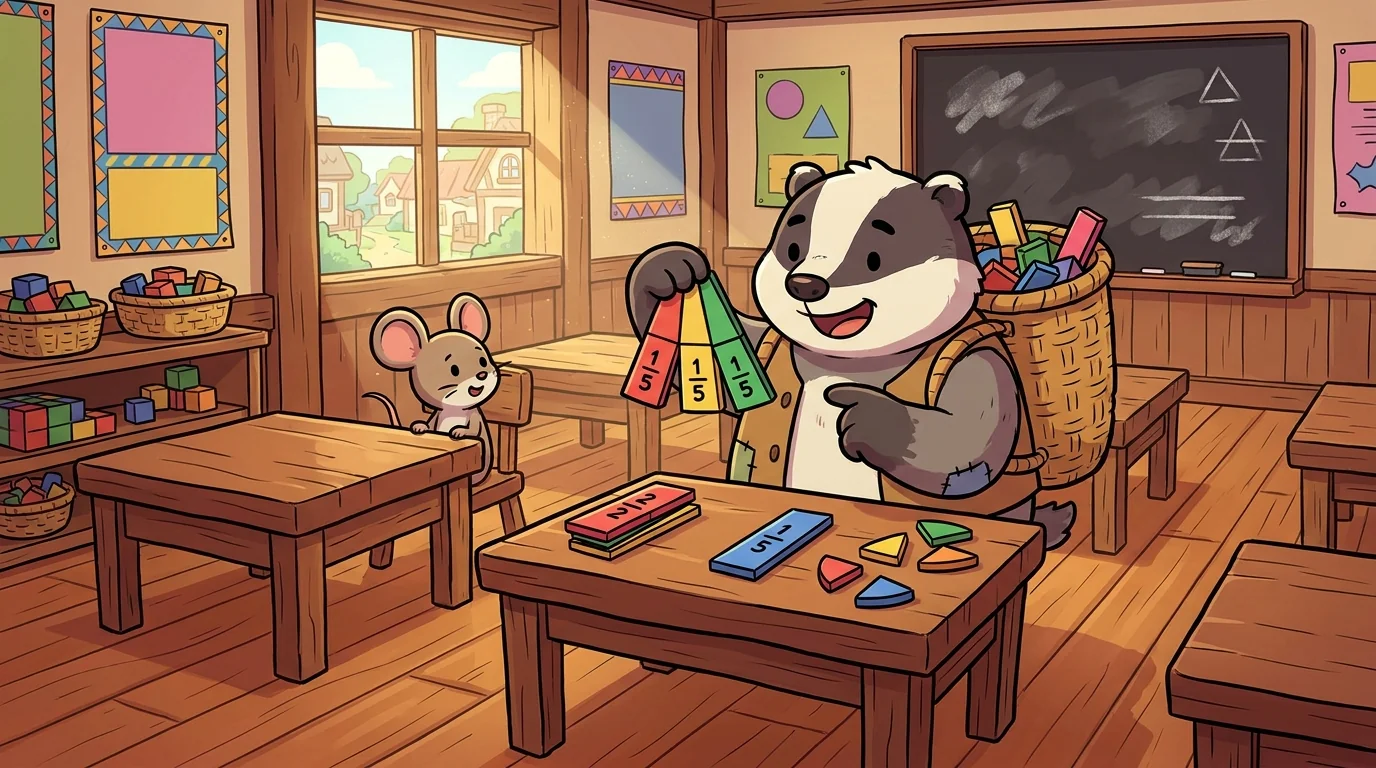
Gather
you can only add or take away pieces that are the same size. 1/5 + 2/5 = 3/5 because the pieces match. To combine fifths and quarters, you must first make the pieces the same.
FractionForge Audio
-

Gather and Stretch
you can only add or subtract pieces that are the same size. When they aren't, you first scale them to a common size (Stretch's common denominator), and only then can you gather them into one total (Gather's sum).
FractionForge Ensemble
-
Halver
splitting a whole into equal parts. Each part is named by how many such parts make up the whole; that count is the denominator. 1/4 means "one of four equal parts."
FractionForge Audio
-
Liner
every fraction has an exact spot on the number line between the whole numbers. 3/4 lives three of four equal steps from 0 to 1. A fraction is a place you can always find.
FractionForge Audio
-
Pie
mixed numbers, improper fractions, the whole-as-pie anchor. 9/8 is one whole pie plus one extra slice; 1 and 1/8 is the same quantity expressed differently.
FractionForge Audio
-
Rank
you can tell which fraction is bigger by reasoning, not only by converting. Benchmark against 1/2. Same top, smaller bottom means bigger pieces. Same bottom, bigger top means more pieces.
FractionForge Audio
-
Stretch
scaling fractions to a common base for comparison and addition. To add 1/3 + 1/4, scale both to /12. The common denominator makes the fractions directly addable.
FractionForge Audio
-
Tenth
the columns after the decimal point each shrink by ten. Tenths, then hundredths, then thousandths. The 7 in 0.7 means seven-tenths; the 7 in 0.07 means seven-hundredths. The column tells you the size.
FractionForge Audio
-
Times
multiplying by a fraction means taking a fraction OF something. Half of a third is a sixth. Lay one strip across another; the overlap where they cross is the answer. Multiplying by a fraction makes things smaller.
FractionForge Audio
-
Beam
how do they feel? show their face.
FrameQuest Audio
-
Beat
first this. then this. then this.
FrameQuest Audio
-
Pane
one frame. then the next.
FrameQuest Audio
-
Pass
*my story. your turn.*
FrameQuest Audio
-
Tween
*move a little. then a little more.*
FrameQuest Audio
-
Arc the Curve-Catcher
parabola; symmetric rate-of-change-changes. y = ax² + bx + c. The rate of change is itself a linear function.
FunctionForge Audio
-
Burst the Doubler
constant multiplicative rate of change. y = a · b^x. Each step multiplies the output by a fixed factor.
FunctionForge Audio
-
Echo the Sameness-Keeper
zero rate of change; output is the same regardless of input. y = c. The horizontal line on a graph.
FunctionForge Audio
-
Pivot the Rule-Switcher
different rules for different input ranges. y = f(x) where f varies depending on which interval x falls in.
FunctionForge Audio
-
Stride and Echo
a linear function changes at a steady rate (slope m); a constant function does not change at all (slope 0). Both are functions. The contrast between them defines what *rate of change* means.
FunctionForge Ensemble
-
Stride the Pattern-Walker
constant rate of change. For every unit increase in input, the output increases by a fixed amount. y = mx + b is the algebraic form; equal-step walking is the visual primitive.
FunctionForge Audio
-
Captain Castle
meta-narrator who introduces other cast members + scaffolds learning
GambitTales Audio
-
Captain Crossfire
moving one piece to reveal an attack from a different piece behind it
GambitTales Audio
-
King Pumble and King Sable
moves one square at a time in any direction; cannot enter check; the piece you must protect
GambitTales Audio
-
Lady Skewer
attacking a more valuable piece in front to force it to move, exposing a less valuable piece behind it (the mirror of the PIN)
GambitTales Audio
-

Queen Vesper
moves any direction, any distance; the most powerful piece; primary king-defender
GambitTales Audio
-
Sir Pinwell
a piece cannot move because doing so exposes a more valuable piece behind it
GambitTales Audio
-
The Glass Lantern (Bella the Lanternkeeper)
a single move that threatens two pieces at once, not via jumping (knights' fork) but via geometric position (the bishop's diagonal forking two pieces, or a queen attacking two targets along different lines)
GambitTales Audio
-
The Pawn Cohort — Pawn Patrol, Sienna and Bran, Trotter and Trundle, Gable and Garrett
moves one square forward at a time, captures diagonally, advances slowly; can promote to a queen (or other piece) on reaching the far rank; the foot-soldiers and citizens of the kingdom
GambitTales Audio
-
Twin Knights of Fork Hill
attacking two pieces at once with a single move; the knight's signature double-threat
GambitTales Audio
-
Veil and Vow
an attack that passes THROUGH a defending piece (usually an enemy piece) to threaten or strike at a piece behind it; the threat reaches further than the immediate defence
GambitTales Audio
-
Bead
*gene is a discrete unit on the necklace of inheritance.*
GeneForge Audio
-
Match
*two parents, two alleles each. Punnett square predicts offspring.*
GeneForge Audio
-
Script
*DNA → RNA → protein. the recipe travels from library to kitchen.*
GeneForge Audio
-
Snip
*mutation is natural. CRISPR makes it intentional. ethics matter.*
GeneForge Audio
-

Trace
*follow the trait through generations. lineage is data.*
GeneForge Audio
-

Advisor Shi
*the advisor steps one diagonal, never leaving the palace, always near the General.* The advisor (shì 士) moves exactly one step along the palace's diagonal lines and can never leave the 3×3 palace. Its whole purpose is to stay close and guard.
GeneralsTale
-

Chariot Che
*the chariot sweeps the whole straight line, and strikes what it reaches.* The chariot (jū 車) moves any number of empty squares in a straight line and captures the first enemy it touches — no screen needed, unlike the cannon. It is the most direct, far-reaching power on the board.
GeneralsTale
-

Elephant Wei
the elephant moves two steps diagonal — but never crosses the river.
GeneralsTale Audio
-

General Zhang
the cannon jumps over the ally to strike the foe.
GeneralsTale Audio
-
Knight Lu
the knight moves one-then-diagonal, but the first step can be blocked.
GeneralsTale Audio
-

Marshal Shuai
*the Marshal takes one small step inside the palace, and the whole game is keeping him safe.* The General/Marshal (shuài 帥, jiàng 將) moves one square up, down, or sideways and never leaves the palace. The entire game is built around protecting this one piece; trapping it ends the game.
GeneralsTale
-
Palace Gong
*the palace is the home square that keeps the General and advisors inside, safe.* The palace (gōng 宮) is the 3×3 fortress marked with an X of diagonal lines at each side's back; the General and advisors can never leave it.
GeneralsTale
-
River Chu
*the river divides the board, stops some pieces, and transforms others who cross it.* The central river (chǔ hé hàn jiè 楚河漢界) is the empty band across the middle of the xiangqi board: elephants can never cross it, and soldiers gain the power to step sideways once they do.
GeneralsTale
-
Sightline
*the two Generals may never face each other down an open column with nothing between.* By the flying-General rule, if the file between the two Generals is empty, the player to move may "fly" their General the whole length to capture — so this facing is never allowed to stand.
GeneralsTale
-

Soldier Jin
the soldier walks forward — and across the river, it walks sideways too.
GeneralsTale Audio
-
Apprentice Sides
the area of a triangle can be computed from its three side-lengths alone (Heron's formula: s = (a+b+c)/2, area = √(s(s−a)(s−b)(s−c))). The principle: you do not need the height.
GeometryForge Audio
-
Axia and Theora (twin sisters)
GeometryForge Audio
-
Captain Construction
bisector, perpendicular, equilateral triangle, regular hexagon, circle-given-three-points. Geometry built with only two tools, never measuring with a ruler.
GeometryForge Audio
-
Compass Wraith
the set of all points satisfying a given condition. Special case: the circle as the locus of points equidistant from a center.
GeometryForge Audio
-
Lady Inscribed-Angle
inscribed-angle is half the central-angle subtending the same arc. The angle at the rim, half of the arc you see across.
GeometryForge Audio
-
Lady Lattice
every point has an exact address written as two numbers, how far across and how far up. With those addresses you can plot any point, measure the distance between two points, and find the midpoint exactly halfway between them.
GeometryForge
-
Madame Motion
a slide (translation), a turn (rotation), and a flip (reflection) move a shape to a new place without changing its size or shape. Two shapes are congruent if you can slide, turn, or flip one so it lands exactly on the other.
GeometryForge
-
Madame Motion and Scout Scale
two shapes are congruent if you can slide, turn, or flip one exactly onto the other (same size); they are similar if you also need to resize it by a scale factor (same shape, different size). Congruent is the special case of similar where the scale factor is one.
GeometryForge Ensemble
-
Madame Polygon
interior-angle sum is (n−2)·180°. Exterior-angle sum is always 360°. Regular n-gons have n-fold rotational symmetry. Some regular polygons tile the plane; some do not.
GeometryForge Audio
-
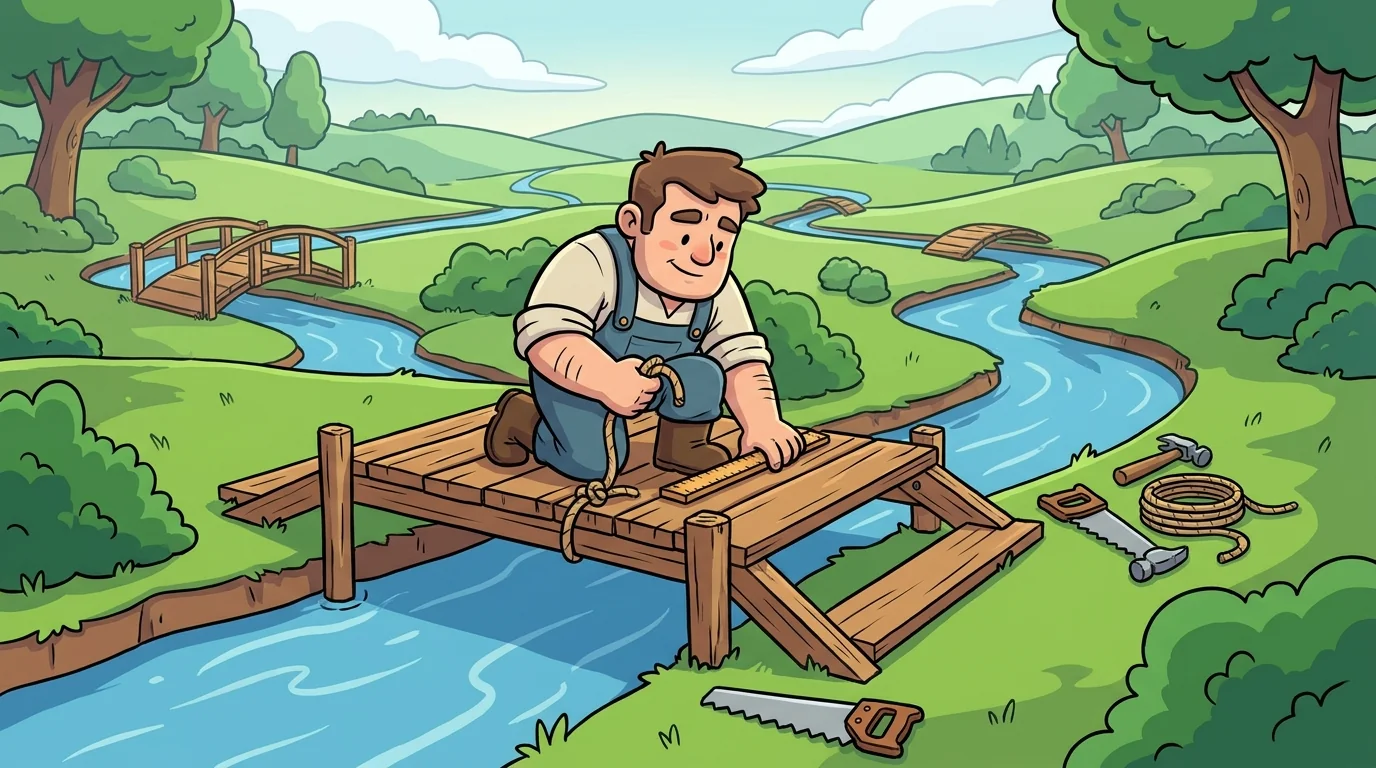
Master Hypotenuse
a² + b² = c². The square on the longest side equals the sum of the squares on the other two.
GeometryForge Audio
-
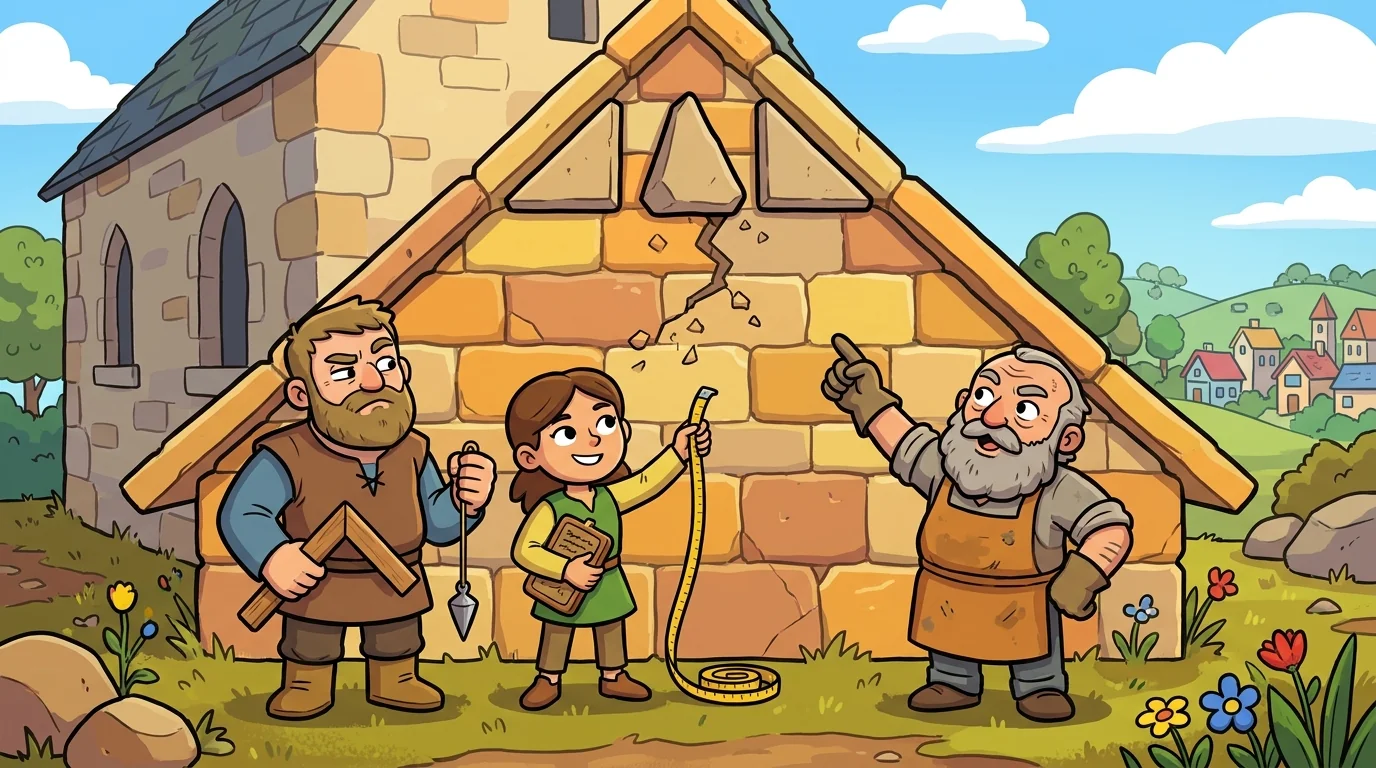
Master Hypotenuse and Apprentice Sides
Master Hypotenuse (a² + b² = c² for right triangles) + Apprentice Sides (Heron's formula for ANY triangle) — when one tool is enough, when you need the more general tool
GeometryForge Ensemble
-
Master Tangent
a line that touches a circle at exactly one point, never crossing. Also: the limit of a sequence of secants. Also: in trigonometry, the ratio opposite/adjacent in a right triangle.
GeometryForge Audio
-
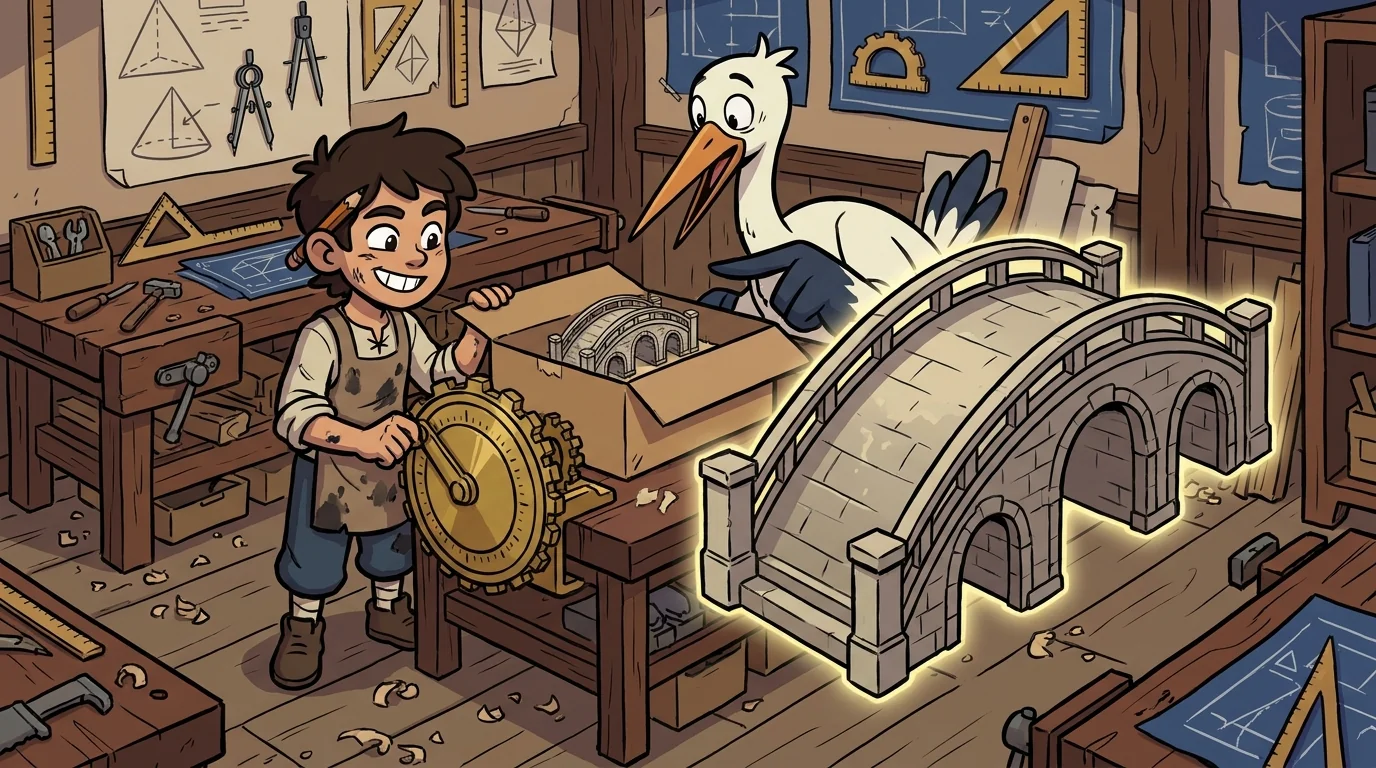
Scout Scale
a dilation resizes a shape from a center point by a scale factor. Every angle stays exactly the same; every length is multiplied by the same factor. Two shapes are similar if one is a scaled copy of the other — same shape, possibly a different size.
GeometryForge
-
Sir Transverse
when a transversal cuts two parallel lines, corresponding angles are equal; alternate interior angles are equal; the intercept theorem holds (proportional segments).
GeometryForge Audio
-
Agreement Ada
singular subject takes singular verb; plural subject takes plural verb. *The dog barks.* *The dogs bark.* Tricky cases: collective nouns, *either/or*, indefinite pronouns, intervening phrases.
GrammarForge Audio
-
Article Anne
*a*, *an*, *the* (definite vs. indefinite). Signals whether a noun is new to the conversation (indefinite *a/an*) or already known (definite *the*).
GrammarForge Audio
-
Clause-Chief Carla
independent clauses (can stand alone), dependent / subordinate clauses (cannot stand alone; needs an independent clause to attach to), and relative clauses (modify a noun).
GrammarForge Audio
-
Connector Chen
a word that joins words, phrases, or clauses. *and*, *but*, *because*, *although*, *while*, *if*, *or*. Coordinating (joining equals) vs. subordinating (joining unequals).
GrammarForge Audio
-
Mayor Subject
the noun or pronoun performing the action of the sentence. In *the dog barked,* the dog is the subject. Every sentence needs one (or implies one).
GrammarForge Audio
-
Mayor Subject and Object Otto
*Mayor Subject names who acts. Object Otto names who receives. Together with the verb between them, they make every sentence go.*
GrammarForge Ensemble
-

Modifier Madge
a word that modifies a noun or pronoun. Tells *which*, *what kind*, *how many*. *The red ball.* (Red modifies ball.)
GrammarForge Audio
-
Modifier Mike
a word that modifies a verb, an adjective, or another adverb. Tells *how*, *when*, *where*, or *why* an action is performed. *He ran quickly.* (Quickly modifies ran.)
GrammarForge Audio
-
Object Otto
the receiver of the verb's action. Direct object (*the dog chased the ball*: ball receives the chase). Indirect object (*she gave him a book*: him is the indirect receiver, book is the direct).
GrammarForge Audio
-
Preposition Pat
a word showing spatial or temporal relation: *on*, *under*, *between*, *before*, *after*, *during*, *with*, *in*, *at*.
GrammarForge Audio
-
Pronoun Perry
a word that substitutes for a noun previously mentioned. *He, she, it, they, who, that.* Reduces repetition.
GrammarForge Audio
-
Punctuator Polly
commas, periods, semicolons, colons, apostrophes, quotation marks, dashes, exclamation marks, question marks. The marks that regulate the flow of meaning.
GrammarForge Audio
-
Verb Verity
the word or words expressing the action or state of being of the subject. *The dog barks.* (action verb) *The dog is brown.* (state-of-being verb)
GrammarForge Audio
-
Verity and Ada
a singular subject takes a singular verb, a plural subject takes a plural verb (the dog barks / the dogs bark). Verity is the verb who flips her ending; Ada is the one who reads whether the subject is one or many — and points past distracting in-between phrases to the true subject.
GrammarForge Ensemble
-
Drip
*water is the patient teacher. don't drown the thirsty.*
GrowForge Audio
-
Glow
the leaf makes lunch out of light. cells turn sun into sugar.
GrowForge Audio
-

Pot
a windowsill is a garden too. a yard is one variant. not the default.
GrowForge Audio
-

Tuck
every seed knows what it wants. read the packet, then read the soil.
GrowForge Audio
-

Vigil
*look every day. don't pluck what's working. plants are patient teachers.*
GrowForge Audio
-
Bell
when the end-sounds of lines ring together (cat / hat, away / today). Rhyme makes a poem feel finished and musical, and in forms like the limerick it is part of the form's shape: lines that must chime with each other.
HaikuQuest
-
Braid
the music made by repeated sounds woven through a line: alliteration (repeated first sounds — "soft summer silence") and assonance (repeated vowel sounds — "the low golden glow"). These echoes braid a line together and make it pleasing to say aloud.
HaikuQuest
-

Chip and Stream
Chip carries the fragment (one short, sharp image — a struck thing, no verb, a single breath); Stream carries the phrase (the longer, flowing part that keeps moving). A haiku sets a small fragment beside a flowing phrase, and the meeting of the two is where the poem happens.
HaikuQuest Ensemble
-

Count
the rhythmic underpinning of every counted poetic form. Haiku is 5-7-5. Tanka is 5-7-5-7-7. Cinquain is 2-4-6-8-2. Limerick has a specific metric pattern.
HaikuQuest Audio
-

Flint
placing two images next to each other so they spark against one another. In a haiku, two small pictures set side by side make a third meaning leap up between them, like a spark struck from two stones.
HaikuQuest
-
Gallop
the pattern of stressed and unstressed beats in a line. Counting syllables tells you HOW MANY; meter tells you which ones to STRESS. A limerick gallops — da-da-DUM, da-da-DUM — and that bounce is the form's heartbeat.
HaikuQuest
-
Hinge
where a line of a poem ends and the next begins. The break is a tiny pause, a turn, a held breath. Breaking a line in the right place can surprise the reader, stress a word, or make a small poem swing open like a door.
HaikuQuest
-
Lantern
the season-word that anchors a haiku to a specific season and grounds the poem's imagery. Cherry-blossom = spring. Cicada = summer. Maple-leaf = autumn. Snow = winter.
HaikuQuest Audio
-

Lantern and Breeze
Lantern carries the season's image (light, festival); Breeze carries the season's movement (wind, change). Together they show that haiku has both a still picture and a moving feeling.
HaikuQuest Ensemble
-

Mold
some poems are built to a visual shape. A cinquain grows then shrinks (2-4-6-8-2 syllables), making a little diamond. Concrete poems take the shape of what they describe. The form's silhouette is part of its meaning.
HaikuQuest
-

Pause
the haiku "cut": a moment of pause or break that *juxtaposes* two images, generating meaning from the space between them. In English haiku, often marked by a dash or a line-break.
HaikuQuest Audio
-
Trim
the discipline of cutting redundant words to find the smaller-stronger version. A 5-7-5 haiku demands compression; most drafts can be trimmed by 20-30% to find the better version.
HaikuQuest Audio
-
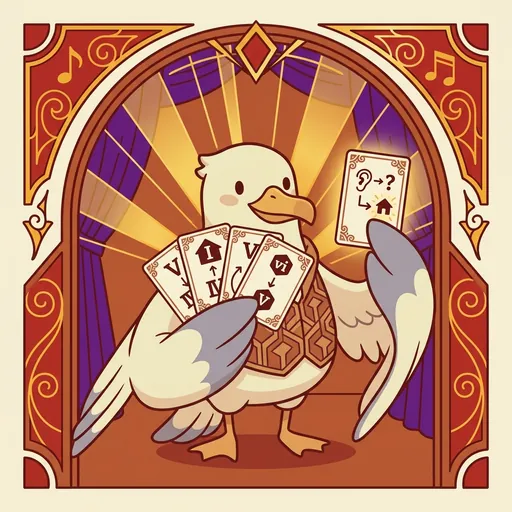
Land
*the consonant arrival when tension releases. cadence; the V→I gesture.*
HarmonyForge Audio
-

Lean
*smooth stepwise motion between chord tones. the smallest possible movements between consecutive chords.*
HarmonyForge Audio
-

Pull
*dissonant intervals that want to resolve. tension is the engine of harmonic motion.*
HarmonyForge Audio
-

Shift
*changing keys mid-piece. the moment a song moves to a different room.*
HarmonyForge Audio
-

Triad
*three tones in vertical alignment. root + third + fifth = the foundation of harmony.*
HarmonyForge Audio
-
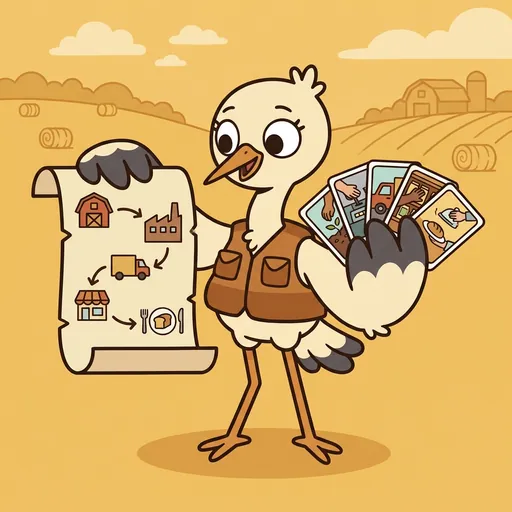
Chain
*every loaf tells a journey. whose hands carried it here?*
HarvestForge Audio
-

Seed
*when to plant. the calendar is a tool.*
HarvestForge Audio
-
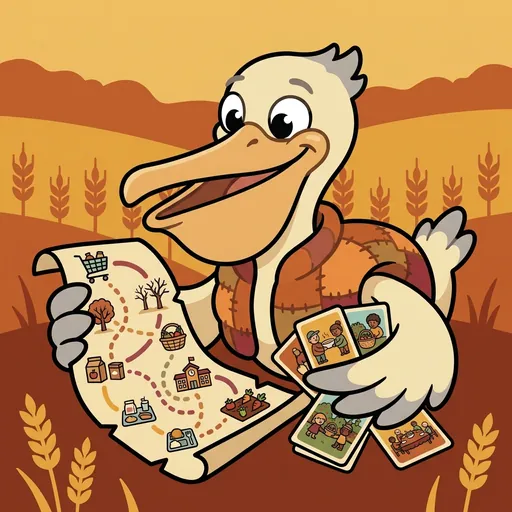
Share
food access is about systems, not worthiness. neighbors feed neighbors.
HarvestForge Audio
-

Soil
*the ground is alive. soil is a community, not a substance.*
HarvestForge Audio
-

Steward
*the field remembers. tend it longer than you live.*
HarvestForge Audio
-

Drift
hot rises, cold sinks. the fluid carries the heat.
HeatForge Audio
-

Glow
*heat travels as light. across empty space.*
HeatForge Audio
-

Hush
*slow the transfer. let the difference fade.*
HeatForge Audio
-
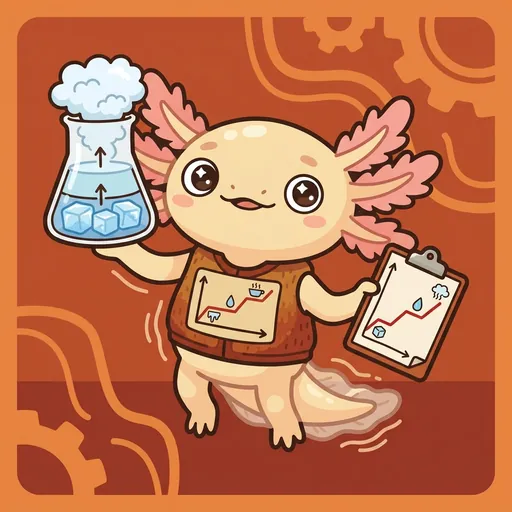
Shift
energy goes in. temperature stays flat. matter changes form.
HeatForge Audio
-
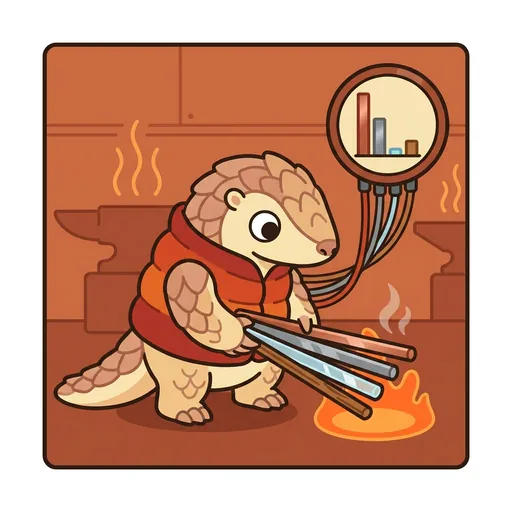
Touch
*heat travels through what's pressed together. molecule by molecule.*
HeatForge Audio
-

Bounce
*bounce a little. feel good.*
HuggyHabits Audio
-

Scrub
*brush brush. all clean.*
HuggyHabits Audio
-

Snooze
*slow down. tuck in.*
HuggyHabits Audio
-
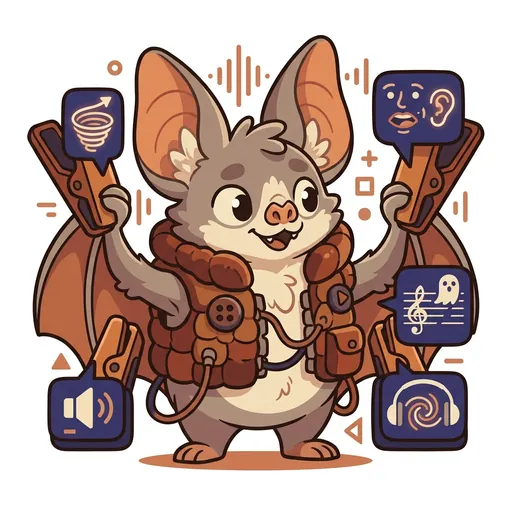
Cue
sound-perception mechanism. Shepard tones, McGurk effect, phantom-melody, missing-fundamental.
IllusionForge Audio
-
Fade
*the visual trace left after a stimulus is removed. the foundation of animation, film, and many magic tricks.*
IllusionForge Audio
-

Loop
the recursive / endless / barber-pole motion illusion. the brain sees motion that can't end.
IllusionForge Audio
-

Notch
locally coherent; globally cannot exist. the figure that breaks 3D logic at the joins.
IllusionForge Audio
-
Stack
*geometric arrangements that mislead size + depth judgments. Müller-Lyer, Ponzo, Ebbinghaus, vanishing-point.*
IllusionForge Audio
-
Don
body finds voice. find ONE thing; build the character from there.
ImprovQuest Audio
-

Give
*make-your-partner-look-good. the gift-orb is passed; both players win.*
ImprovQuest Audio
-
Hark
*receiving-before-responding. the answer is in what they just said.*
ImprovQuest Audio
-

Lay
*platform-before-plot. who, where, what, why first. then the action.*
ImprovQuest Audio
-

Leap
*leap and the net appears. worst-commit beats best-half-commit.*
ImprovQuest Audio
-
Yes-And and Offer
Offer is what one player puts into the scene (a name, an emotion, a fact). Yes-And is what the next player does with it (accept + build). Together they teach the foundational improv rule: never block, always build.
ImprovQuest Ensemble
-
Ask
the practice of *making space for voices* (especially voices being talked over) rather than *assuming* you know what others need or *replacing* their voices with your own.
InclusionForge Audio
-

Design
designing solutions that work for many different people; multi-modal solutions; *three doors, different doors, all doors* — never one-size-fits-most.
InclusionForge Audio
-
Lens
the practice of *asking and listening*, never *mind-reading.* The first ally-move: you cannot BE someone else; you can ASK what their experience is like.
InclusionForge Audio
-
Notice
barriers are *properties of spaces*, never *properties of people.* The ally-move of noticing what in a space prevents certain people from accessing it — and naming the barrier as belonging to the space, not to the person.
InclusionForge Audio
-
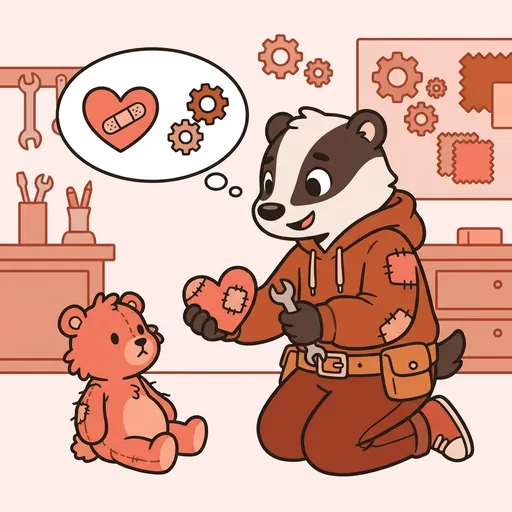
Repair
mistakes as *part of* the ally-work; the practice of *acknowledging*, *asking what would help*, *making the repair*, and *moving forward* — never self-flagellating, never centering one's own discomfort over the impact on the person harmed.
InclusionForge Audio
-

Crosscheck
three sources say the same thing; now I have something.
InkQuest Audio
-

Footer
*every number has a name behind it. tell the reader who counted.*
InkQuest Audio
-

Lede
*the angle. what's the story under the numbers?*
InkQuest Audio
-

Margin
*label the axes; caption the chart; credit the data. annotation makes the chart speak.*
InkQuest Audio
-
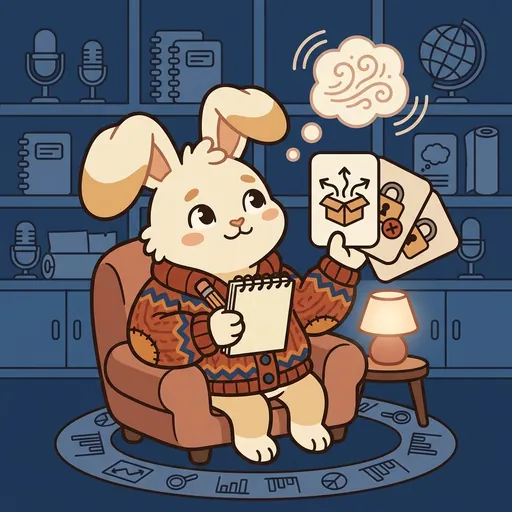
Pad
open the question; let the answer breathe. interview craft is listening-craft.
InkQuest Audio
-
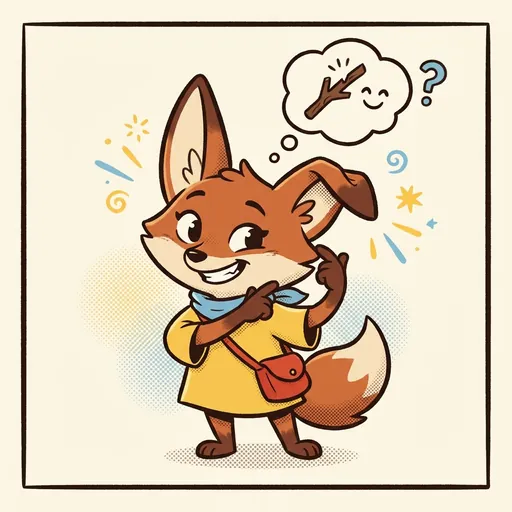
Bend
semantic-twist + double-meaning. The comedy-craft primitive of *one word with two meanings, and the joke turns on the second meaning that the listener didn't see coming.* Groans are the unsuppressed laugh-startle.
JestForge Audio
-
Gauge
*read the room before you joke.* The comedy-craft primitive of *gauging what the room can hear before offering the joke* — same comedian, different gauge depending on the room.
JestForge Audio
-
Pause
the laugh lives in the space. The patient-restraint discipline between setup and punchline — the silence that lets the audience catch up to the joke and produce the laugh.
JestForge Audio
-
Plant
plant-the-seed-in-the-setup, harvest-the-laugh. The setup quietly plants the information the punchline will harvest — the joke works when the audience suddenly sees what was there all along.
JestForge Audio
-
Timing and Topper
Timing is when the punchline lands (the pause, the held beat). Topper is the unexpected second punchline that lifts the joke a second time. Together they teach that great jokes have both rhythm and a reveal-after-the-reveal.
JestForge Ensemble
-

Trove
*honor-the-tradition-don't-claim-it elder-keeper of comedy-traditions-as-equals.* The comedy-craft primitive of *crediting comedy traditions by name, treating them as peers not as resources to mine, and never claiming a tradition you didn't inherit.*
JestForge Audio
-
Check
one test at a time. one variable at a time.
Labsmith Audio
-
Guess
*what if…? testable guesses, not lucky-number guesses.*
Labsmith Audio
-
Reflect
what did we learn? what surprised us? what's next?
Labsmith Audio
-
See
look first. talk later.
Labsmith Audio
-
Bounce
*tiny celebrations. squash-stretch-shake-thunk. juice is empathy.*
LevelForge Audio
-

Carve
where does the eye go first. the level tells the player where to look.
LevelForge Audio
-

Coax
*invite, don't trap. the player chooses forward.*
LevelForge Audio
-
Probe
what they DID, not what they SAID. listen with your eyes.
LevelForge Audio
-
Ramp
teach, test, vary, rest. difficulty is a love letter.
LevelForge Audio
-
Borrow
*borrowed money isn't free money.* When you borrow, you pay back more than you took — that extra is interest. Borrowing can be a useful tool when you understand it: borrow on purpose, know the cost, and have a plan to pay it back. It's a number with rules, not a judgment about you.
LifeQuest
-

Cook
*eat well. spend smart. simple meals beat fancy ones.*
LifeQuest Audio
-
Dial
*the day is a pie; you decide the slices.* Time-management isn't cramming more in — it's choosing what each part of your time is for. Pick what matters, give it a slice, break big things into smaller pieces, and protect a little rest. You can't make more hours, but you can aim the ones you have.
LifeQuest
-

Fill
fill out. then double-check. forms reward patience.
LifeQuest Audio
-
Parse
*slow down. read it ALL. small print is often big print in disguise.*
LifeQuest Audio
-
Save
money is a tool. plan the tool.
LifeQuest Audio
-

Say
*be clear. be kind. be specific.*
LifeQuest Audio
-
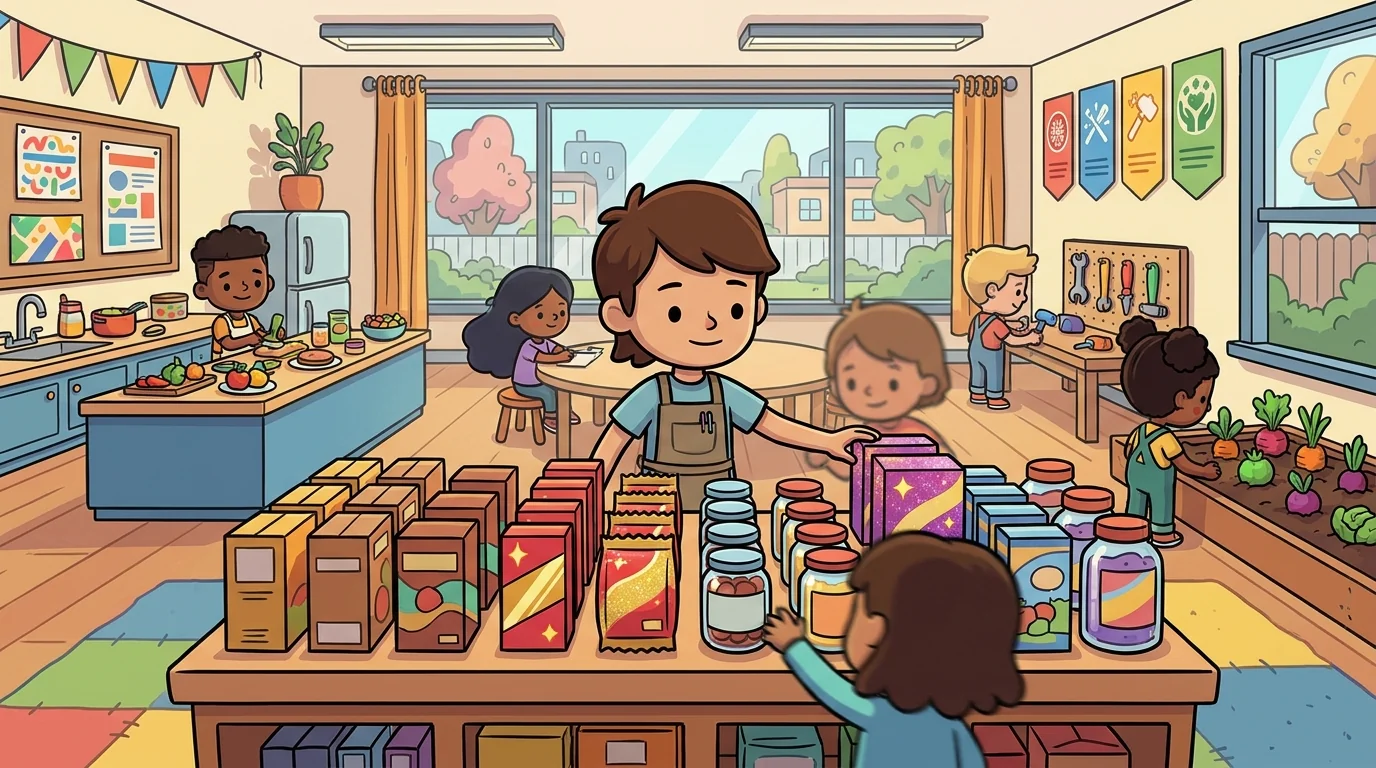
Sort
*line them up before you pick.* The flashy one or the first one isn't always the best value. You compare what you actually get for what you actually pay — the size, the amount, the thing you truly need — and then choose on purpose.
LifeQuest
-

Spot
*show me the proof. when in doubt, slow down.*
LifeQuest Audio
-

Vault
*some things stay in the vault.* Your personal information — full name, address, passwords, where you'll be — is valuable, so you keep it locked unless there's a real reason to share it. Strong, separate passwords; think before you post; know who's actually asking.
LifeQuest
-
Bough
languages have ancestors. tree-of-tongues; family resemblance.
LinguaQuest Audio
-

Bridge
*shared roots; trade-route borrowings. languages are connected through history.*
LinguaQuest Audio
-

Cant
*dialect, register, code-switching, formal/informal. how you speak depends on who you're speaking with.*
LinguaQuest Audio
-
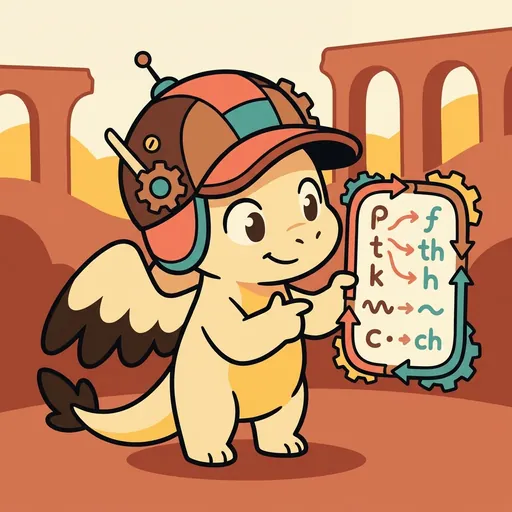
Drift
*sounds shift slowly across generations. systematic patterns; predictable directions.*
LinguaQuest Audio
-
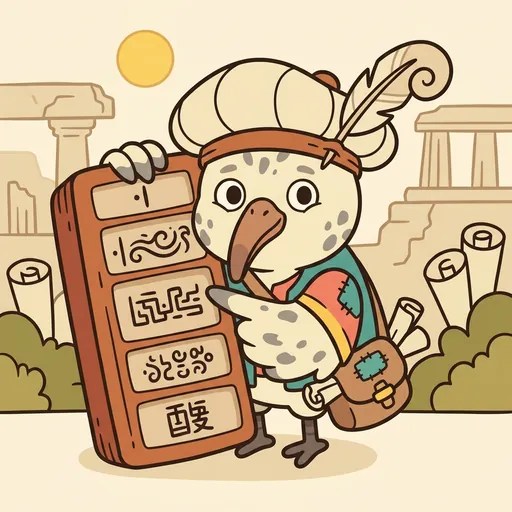
Glyph
*alphabet, abjad, abugida, syllabary, logograph — each captures speech differently.*
LinguaQuest Audio
-

Lex
every language has words that no other language can capture in one word — a feeling, a moment, a relationship others need a whole sentence to explain. These words are proof that each language notices the world a little differently, and richly.
LinguaQuest
-

Nook
many of the world's languages are spoken by fewer and fewer people, often because of histories of harm. But communities everywhere are working to keep them alive and bring them back. A language is a whole way of seeing the world; saving one saves a world.
LinguaQuest
-
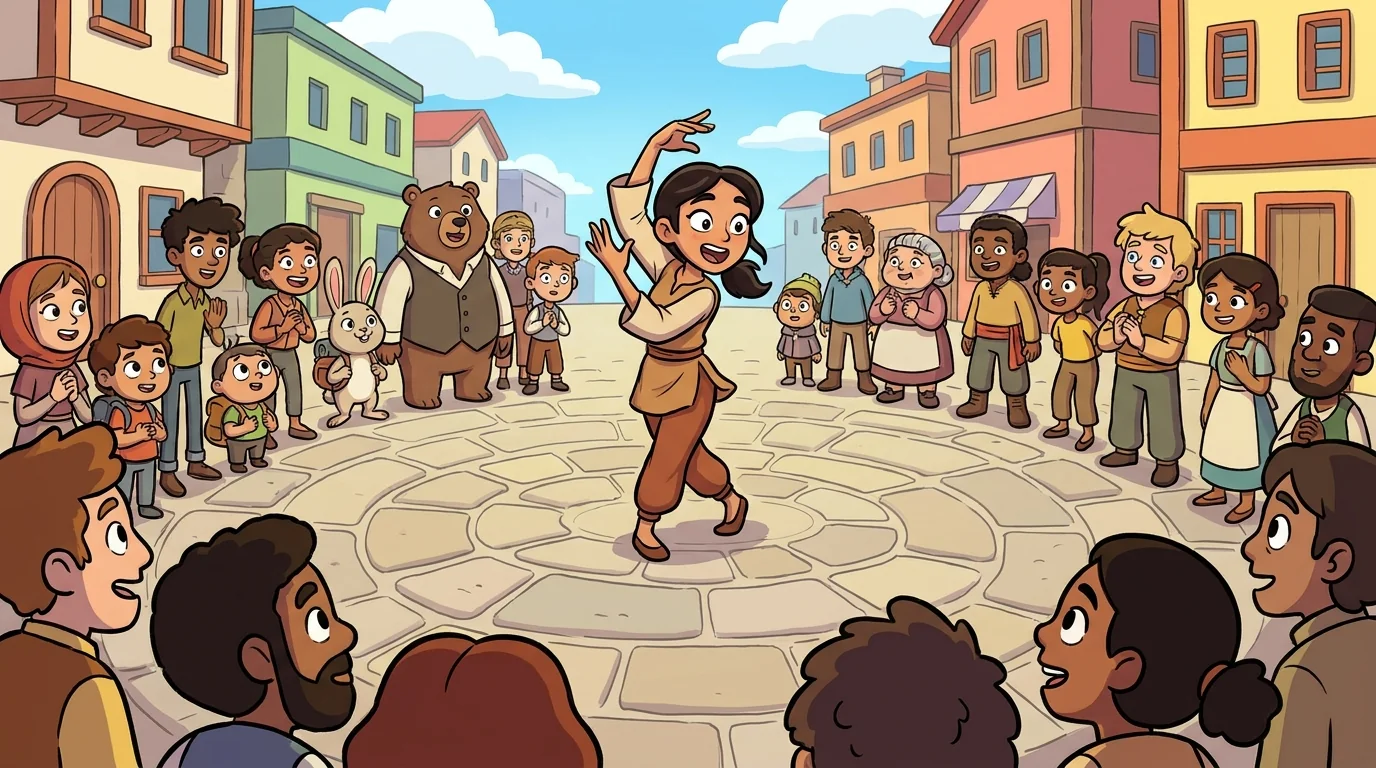
Sign
languages spoken with the hands, face, and space instead of sound. They are FULL languages, with their own grammar and poetry — not "gestures" or "spelled-out speech." Deaf communities around the world have their own distinct signed languages.
LinguaQuest
-
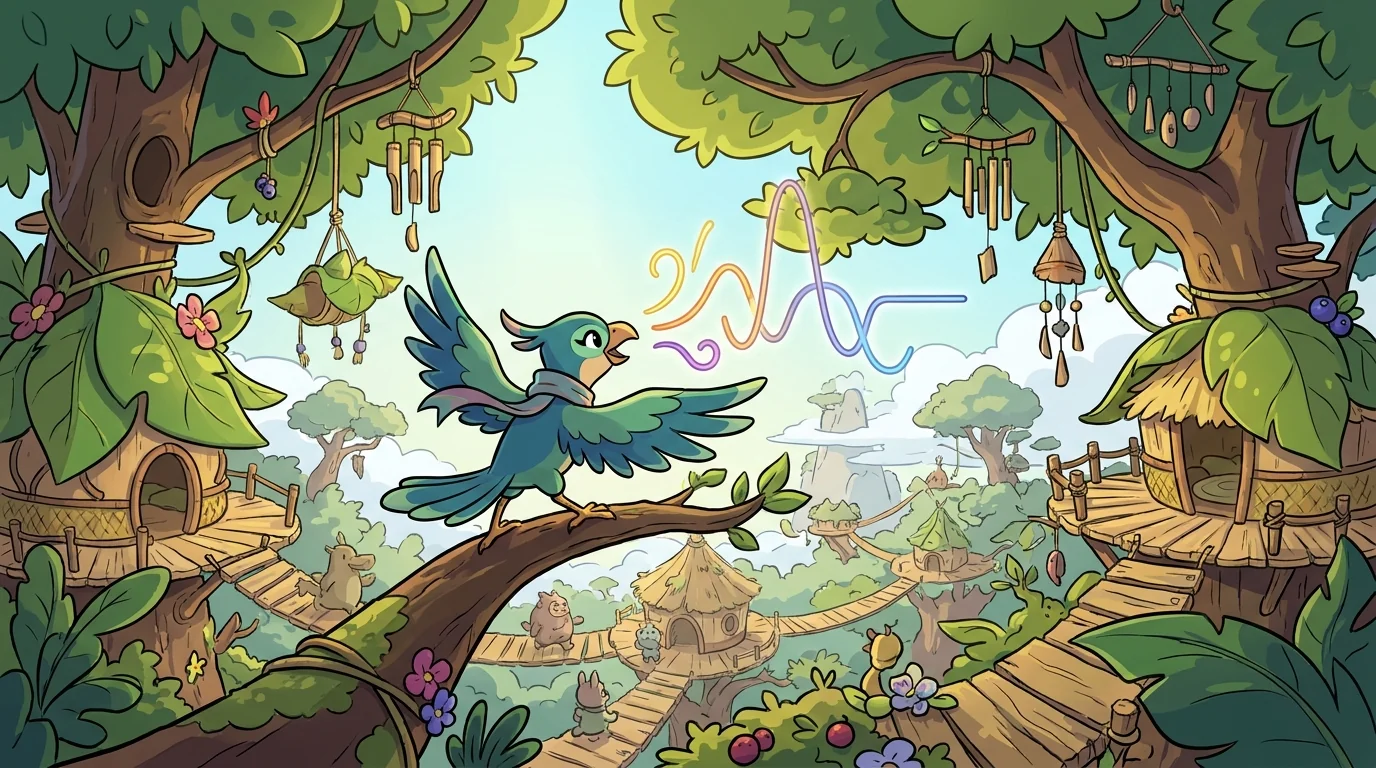
Swoop
in many languages, the PITCH of a syllable changes its meaning. The same sounds, said with a rising, falling, level, or dipping pitch, become completely different words. Tone is a precise, sophisticated system — not "singing" and not "exotic."
LinguaQuest
-

Weft
languages arrange their words in different orders. English usually puts the subject, then verb, then object. Many languages put the verb last; some put it first. No order is "backwards" or "more logical" — each is a complete, consistent system.
LinguaQuest
-
Ad Hominem Hannibal
*attacking the arguer, not the argument.* The fallacy of *dismissing a claim by attacking the person who made it, rather than addressing the substance of the claim.*
LogicQuest Audio
-

Appeal-to-Authority Auntie
*citing irrelevant or unqualified authority as proof.* Distinguished from *legitimate expert testimony* (which is honest evidence) vs *fallacious appeal* (citing authority outside their expertise area, or citing for emotional weight rather than substance).
LogicQuest Audio
-
Bandwagon Bran
*truth-by-popularity.* The fallacy of *claiming something is true because many people believe it.*
LogicQuest Audio
-
Circular-Reasoning Cici
*assuming the conclusion in the premise.* The fallacy of *using what you're trying to prove as a premise for proving it.*
LogicQuest Audio
-
Disjunctive-Syllogism Dior
either one or the other; not the first; so it must be the second.
LogicQuest Audio
-
Equivocator Eva
*sliding a word's meaning mid-argument.* The fallacy of *using the same word with different meanings within a single argument, exploiting the ambiguity.*
LogicQuest Audio
-
False-Dichotomy Fia
*presenting only two options when more exist.* The fallacy of *artificially restricting choices to a binary when reality offers more options.*
LogicQuest Audio
-
Modus-Ponens Mo
If P then Q; P; therefore Q. The most foundational valid inference form in propositional logic — the structure of "if-then" reasoning when the antecedent is true.
LogicQuest Audio
-
Modus-Tollens Tara
If P then Q; not Q; therefore not P. The valid inference form for denying the consequent — used heavily in scientific reasoning (Popper's falsifiability).
LogicQuest Audio
-
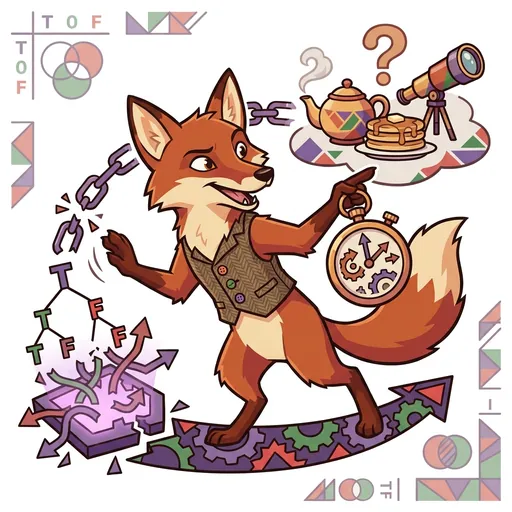
Red-Herring Reggie
*deflecting to an irrelevant topic.* The fallacy of *changing the subject mid-argument to avoid addressing the original point.*
LogicQuest Audio
-
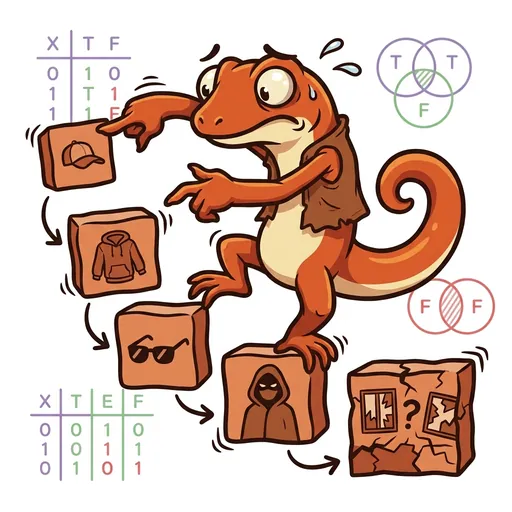
Slippery-Slope Sam
*chaining dire consequences from a small first step.* The fallacy of *claiming that a small initial action will inevitably lead to extreme outcomes via a chain of consequences, without justification for the inevitability.*
LogicQuest Audio
-
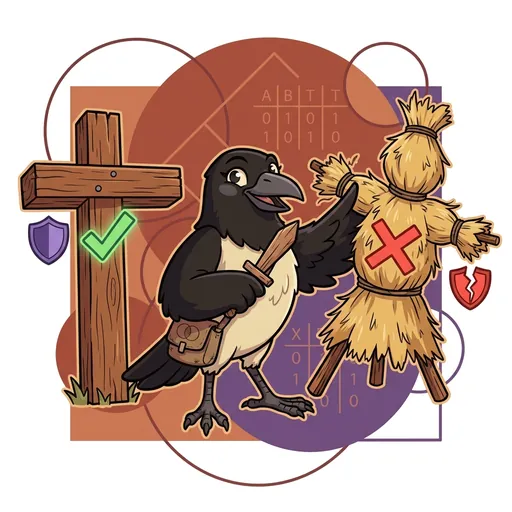
Strawman Stella
*misrepresenting the opponent's argument.* The fallacy of *substituting a weaker, easier-to-attack version of an argument for the actual argument and then defeating the weaker version.*
LogicQuest Audio
-
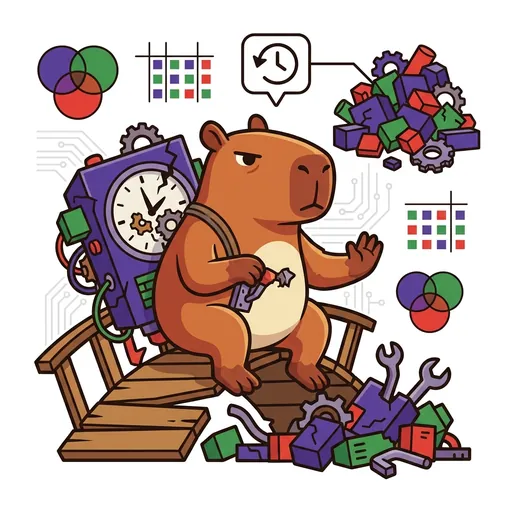
Sunk-Cost Cyril
*refusing to change course because of past investment.* The fallacy of *letting unrecoverable past costs determine current decisions when they should be evaluated independently.*
LogicQuest Audio
-

Syllogism Solon
*All M are P; all S are M; therefore all S are P.* The valid inference form for categorical reasoning across nested classes.
LogicQuest Audio
-
Tu-Quoque Tessa
*"You too!" — dismissing criticism by accusing the critic of the same thing.* The fallacy of *responding to criticism by claiming the critic does the same thing — which may be true but is irrelevant to whether the original criticism is valid.*
LogicQuest Audio
-
Whataboutism Wanda
*deflecting criticism via someone else's wrongdoing.* The fallacy of *responding to a criticism by pointing out that someone else does something similar, rather than addressing the substance of the criticism.*
LogicQuest Audio
-

Hearth
*the figure who carries oral tradition. the grandmother + elder who tells the stories.*
LoreQuest Audio
-

Mossy
*the quiet local-landscape entity. every story has a place; the place has a presence.*
LoreQuest Audio
-
Refrain
the same story-shape that echoes across many traditions
LoreQuest Audio
-
Ruse
the clever kind trick that reveals what the rules were hiding
LoreQuest Audio
-
Thread
*the spinning thread of destiny. journey + fate pattern recurs.*
LoreQuest Audio
-

Belt
choosing words that are good to SING, not just to read. Open vowels (ah, oh, ay) ring out on long, held notes; tight consonant clusters tie the tongue. A singable lyric puts the easy, open sounds where the voice needs to soar.
LyricForge
-
Chant and Reply
a lyric structure where one voice (or section) sings a line and a second voice answers it, trading back and forth. The song lives in the exchange: the call sets up, the response completes, and the back-and-forth pulls a listener in and makes them want to answer too. Found in work songs, gospel, sea shanties, hip-hop ad-libs, and pop pre-choruses.
LyricForge Ensemble
-
Chime
the matching of end-vowels (and following consonants) between line-ends. *cat / bat / hat* (perfect rhyme). *cat / hand* (slant / near rhyme; vowels close, consonants different).
LyricForge Audio
-
Croon
the true feeling underneath a lyric. A song can rhyme, scan, groove, and sparkle, and still feel hollow if it doesn't mean anything. The most powerful lyric is one that tells a small, honest truth — and the listener can always feel the difference.
LyricForge
-
Groove
how the words sit against the beat. The same words can land square on the beat (steady) or just behind it (laid-back) or pushed ahead (urgent). Finding the pocket — where the words ride the groove just right — is what makes a lyric feel good to sing.
LyricForge
-
Holler
the one line (or short phrase) that becomes the song's anchor; the line listeners sing back; the line that gives the song its identity.
LyricForge Audio
-
Lift
the rising stretch of a song just before the chorus drops. The pre-chorus lifts the energy, tightens the tension, and makes the listener lean forward — so that when the chorus arrives, it feels like a door flung open.
LyricForge
-

Spark
specific concrete words rather than abstractions. *"the cool grass under my bare feet"* (specific image) vs. *"the feeling of being outside"* (abstraction).
LyricForge Audio
-
Step
the pattern of stressed and unstressed syllables. *DUM-da-DUM-da* (trochee). *da-DUM-da-DUM* (iamb). The rhythm beneath the words.
LyricForge Audio
-
Turn
the song-section that *walks the lyric into a new feeling* and *earns the return* to the chorus. A departure-and-return move that gives the song depth.
LyricForge Audio
-
Turn and Holler
Turn is the volta (the lyric pivot, where the meaning shifts). Holler is the refrain (the line that comes back, anchoring the song). Together they show that a great song has both a moment of change and a thread that holds.
LyricForge Ensemble
-

Zing
the clever turn of phrase in a lyric: a pun, a double meaning, a word that flips to mean two things at once, a surprising rhyme. Wordplay rewards the listener who catches it with a little jolt of delight.
LyricForge
-
Auger
round and round becomes step and step. spiral inclined plane.
MachineForge Audio
-
Cleave
*push forward; split it apart. force concentrated to a sharp edge.*
MachineForge Audio
-

Flex
*bend me and I store your push; let go and I give it back.* A spring stores energy when you squeeze, stretch, or bend it, and releases that stored energy later. Energy isn't made or lost — just held, then handed back.
MachineForge
-
Hoist
*pull down here, watch it go up there. redirecting force changes direction; combining pulleys multiplies force.*
MachineForge Audio
-
Lobe
*a spinning shape that turns round-and-round into a repeating push.* A cam is a wheel with a bump; as it spins, the bump lifts a follower up and lets it drop, over and over. It converts steady rotation into a rhythmic up-and-down motion — same turning, new pattern.
MachineForge
-
Pinion
*meshing teeth trade turning-speed for turning-force, and pass motion along.* When a small gear turns a big gear, the big one turns slower but stronger; gears also reverse direction and carry motion around corners. Same work, new shape.
MachineForge
-
Pry
*push longer to lift heavier. the trade between force and distance.*
MachineForge Audio
-
Ramp
*climb the long slow way; less force, same work. the slope spreads the work over distance.*
MachineForge Audio
-
Ratchet
*go forward freely; lock when you try to slip back.* A ratchet is a toothed wheel with a little catch (a pawl) that lets it turn one way but stops it from turning back. It holds your progress so nothing you've gained slips away — click by click.
MachineForge
-
Spoke
*one turn of the hub, many turns of the rim. radial mechanical advantage.*
MachineForge Audio
-
Log
*make it, mark it, share it. the notebook is the project.*
MakerForge Audio
-
Mill
*tool first checked, adult first told — then we build. tool-safety is the foundation of making.*
MakerForge Audio
-
Sketch
*many before few; wild before tame; crooked sketches are also sketches.*
MakerForge Audio
-
Spec
*constraints are the shape of the possible. commit to your materials + constraints; build within them.*
MakerForge Audio
-
Try
*first try fails, second try tells, third try shapes the design. iteration is the design, not the failure.*
MakerForge Audio
-
Boom
*sound-effect lettering. the drawn sound-words baked right into the art — a crash, a heartbeat, even the sound of silence — shaped and styled so you can SEE the noise.*
MangaForge
-

Bubble
the shape around the words tells you the voice before you read a single letter. oval speaks, cloud thinks, burst shouts, dotted whispers, zigzag crackles, wavy sings.
MangaForge Audio
-

Jolt
*the reaction panel. the cut to a character's FACE right after something happens, so the reader feels the moment through someone's eyes.*
MangaForge
-
Lapse
*the gutter. the empty space between two panels, where the reader's own mind fills in what happened. closure — the invisible half of comics.*
MangaForge
-

Panel
*the rectangular frame containing one moment of story. atomic unit of sequential art.*
MangaForge Audio
-
Segue
*the panel transition. the KIND of jump from one panel to the next — a tiny moment-to-moment step, a big scene-to-scene leap, or a slow aspect-to-aspect drift — which sets the whole pace of a story.*
MangaForge
-
Splash
*the full-page impact image. the moment the page breaks its grid.*
MangaForge Audio
-
Sweep
*directional line-bursts that convey speed, impact, and energy direction.*
MangaForge Audio
-
The Layout
*a manga page is not five separate drawings. it is establishing shot, panels, transitions, gutters, and sound all arranged to guide one reader's eye through one moment of story.*
MangaForge Ensemble
-
Tone
halftone dot/line patterns. shadow, mood, emotional register.
MangaForge Audio
-

Vista
*the establishing shot. the wide panel that opens a scene and shows the reader WHERE they are before the story zooms in close.*
MangaForge
-
Bearing
north is one direction, not the direction. orientation is a choice mapmakers make.
MapForge Audio
-
Inset
bigger map, less detail; smaller map, more story — pick on purpose.
MapForge Audio
-
Key
the legend is the mapmaker's confession. what's NOT on the map is also a map.
MapForge Audio
-

Plot
every place has many addresses; many cultures have many ways of saying here.
MapForge Audio
-
Wayfind
some maps you sing, some you walk, some you only learn from elders. Peer cartographies, not curiosities.
MapForge Audio
-
Coin
money is a shared agreement that stands for value, so any trade can happen without a perfect match.
MarketQuest
-

Crave
*consumer preferences; needs vs wants; price-sensitivity.*
MarketQuest Audio
-

Even
where supply meets demand. the conversation point between producer and consumer.
MarketQuest Audio
-
Forgo
every choice has a hidden price tag: the next-best thing you didn't pick.
MarketQuest
-

Hand
*producer + consumer + distributor. visible labor. all three roles matter; none is invisible.*
MarketQuest Audio
-
Knack
do the thing you do best, trade for the rest, and both sides end up with more.
MarketQuest
-
Seed
set a little aside on purpose; patience turns a small store into a larger one.
MarketQuest
-
Spur
change the incentive, change the choice; people move toward rewards and away from costs.
MarketQuest
-
Stock
*producer decisions; what gets brought to market; scarcity-and-abundance matter.*
MarketQuest Audio
-
Tide
shocks + policy + trade flows read as patterns. external events ripple through markets in predictable ways.
MarketQuest Audio
-
Cass Check
asking "does this answer actually make sense?" before trusting it
MathCircle
-
Circle and Echo
restating what your teammate said before adding your own idea
MathCircle Ensemble
-
Circle Circe
narrates the problem then deliberately disappears
MathCircle Audio
-
Echo Edie
repeating the most recent kid's idea before the group moves on
MathCircle Audio
-

Gemma General
turning a pattern you found in a few cases into a rule that works for all of them
MathCircle
-
Hattie Hunch
making a bold guess about what might be true, then testing it instead of waiting to be certain
MathCircle
-
Instance and Counter
trading cases that fit against cases that break it, until the guess either holds or gets sharper
MathCircle Ensemble
-
Patty Patient
explicitly counting silence and telling kids it's okay
MathCircle Audio
-
Reva Reverse
starting from the goal or the answer and reasoning back toward the start
MathCircle
-

Tess Try-Small
when a problem feels too big, try the smallest version of it first
MathCircle
-
Tortoise Hare
two voices in one character
MathCircle Audio
-
Wendy Wonder
slowing down to observe what's actually there and ask genuine questions before rushing to solve
MathCircle
-
Carry
*the idea traveled; every place it visited, it grew.* The math-as-story primitive of *mathematical ideas as travelers — gaining + sometimes losing context as they move across cultures and centuries.*
MathLore Audio
-

Heap
*every people figured out their own way to count.* The math-as-story primitive of *counting as universal human work that took many forms across civilizations.*
MathLore Audio
-
Heap and Spire
every culture in human history figured out two things: how to count, and how to notice the pattern in what they counted. The pair is the deep structure of math-as-recurring-human-work.
MathLore Ensemble
-

Home
*this idea was born somewhere, for someone, with reasons.* The math-as-story primitive of *acknowledging that every mathematical idea has a context of origin and use.*
MathLore Audio
-
Spire
*patterns are everywhere when you slow down enough to see them.* The math-as-story primitive of *pattern-recognition as universal human work across civilizations.*
MathLore Audio
-
Vouch
show me why; if your why holds up, I'll build on it. Proof as community-building work across many traditions.
MathLore Audio
-
Cup
3D space. how many cubes fit. cubic units, liquid measures.
MeasureQuest Audio
-
Pace
*translating between metric and customary systems. multiply by the right ratio; check the units.*
MeasureQuest Audio
-
Rod
*1D extent. length, perimeter, distance. one number along a line.*
MeasureQuest Audio
-
Tick
*elapsed duration. intervals. the special-case unit-system (60 / 60 / 24 / 7 / 12).*
MeasureQuest Audio
-
Tile
*2D coverage. how many squares fit. square units.*
MeasureQuest Audio
-

Ask
*your questions are MEDICAL EVIDENCE. never feel silly asking.*
MedicQuest Audio
-

Boundary
your body is YOURS. ask-first is universal.
MedicQuest Audio
-

Notice
most symptoms are minor and temporary; notice without catastrophizing.
MedicQuest Audio
-

Tell
*telling is the most powerful medical move.*
MedicQuest Audio
-

Whole
health is sleep + food + movement + relationships + meaning + safety. never single-factor.
MedicQuest Audio
-
Shaky
*new sound. try it.*
MelodyMice Audio
-

Sing-Back
*I sing. You sing.*
MelodyMice Audio
-
Tap-Tap
*steady beat. keep going.*
MelodyMice Audio
-
Colony
*microbes build cities together.* Alone, a microbe is tiny and fragile; together, they build biofilms — slimy shared shelters where they cooperate, share food, and protect each other. From dental plaque to pond films to root coatings, microbes are stronger as a community.
MicrobeLab
-
Crumble
nothing is wasted; everything is returned. Decomposer microbes break down dead leaves, fallen logs, and food scraps into nutrients the soil can use again. The great recyclers — turning endings back into beginnings.
MicrobeLab
-

Guard
I check IDs. Patient + careful.
MicrobeLab Audio
-

Lacto
friend in your food. friend in your gut.
MicrobeLab Audio
-
Net
forests talk through me. underground networks that share.
MicrobeLab Audio
-

Photo
*sunlight. then air. then everything else.*
MicrobeLab Audio
-

Shimmer
*some tiny life makes its own light.* Bioluminescent microbes turn chemical energy into a soft living glow — lighting up ocean waves at night, glowing in the deep sea, partnering with animals who carry them like lanterns. Living light, made by the smallest things.
MicrobeLab
-
Spore
some friends. some not. all real.
MicrobeLab Audio
-

Thrive
*life finds a way, even where nothing should live.* Extremophile microbes survive boiling hot springs, frozen ice, crushing deep sea, and water saltier than the ocean. Wherever the world seems impossible, some microbe has made it home.
MicrobeLab
-
Yeast
*I make air inside bread.*
MicrobeLab Audio
-
Ballast
a big feeling is a wave, not a flaw. Ballast is the weight low in the boat that keeps you from tipping while the wave passes — you don't have to make the wave stop.
MindForge
-
Choose
values, consequences, action. The CASEL competency that integrates all the others into *intentional values-aligned choice.*
MindForge Audio
-

Darn
most friendships don't break, they tear a little; a small honest repair, done soon, keeps the small tear from becoming a big hole.
MindForge
-
Forecast
before you choose, looking a little way down the road at what each choice is likely to bring, so the future-you isn't surprised by the choice the now-you made.
MindForge
-

Inside
noticing emotion, thought, and body without trying to fix them first. The CASEL competency that grounds the other four.
MindForge Audio
-
Open
perspective-taking, empathy, context. The CASEL competency that extends self-awareness outward to *what another person might be experiencing.*
MindForge Audio
-
Settle
regulation, impulse, stress. The CASEL competency that builds on self-awareness (Inside) and applies the noticed-state through a pause-before-act practice.
MindForge Audio
-
The Knowing Pair
Inside carries the noticing skill (name what is happening inside, no judgment). Settle carries the acting skill (take the noticed-state and choose a small caring step). Together they show that emotional skills are notice-then-act, not solve-it-now. The chapter trains capacity, not deficit.
MindForge Ensemble
-
Touch
communication, boundaries, repair. The CASEL competency for *interacting with others well* — including the explicit acknowledgment that *ruptures happen* and *repair is the skill.*
MindForge Audio
-
Vane
moving from "I feel bad" to the precise feeling underneath, because the exact name changes what actually helps.
MindForge
-
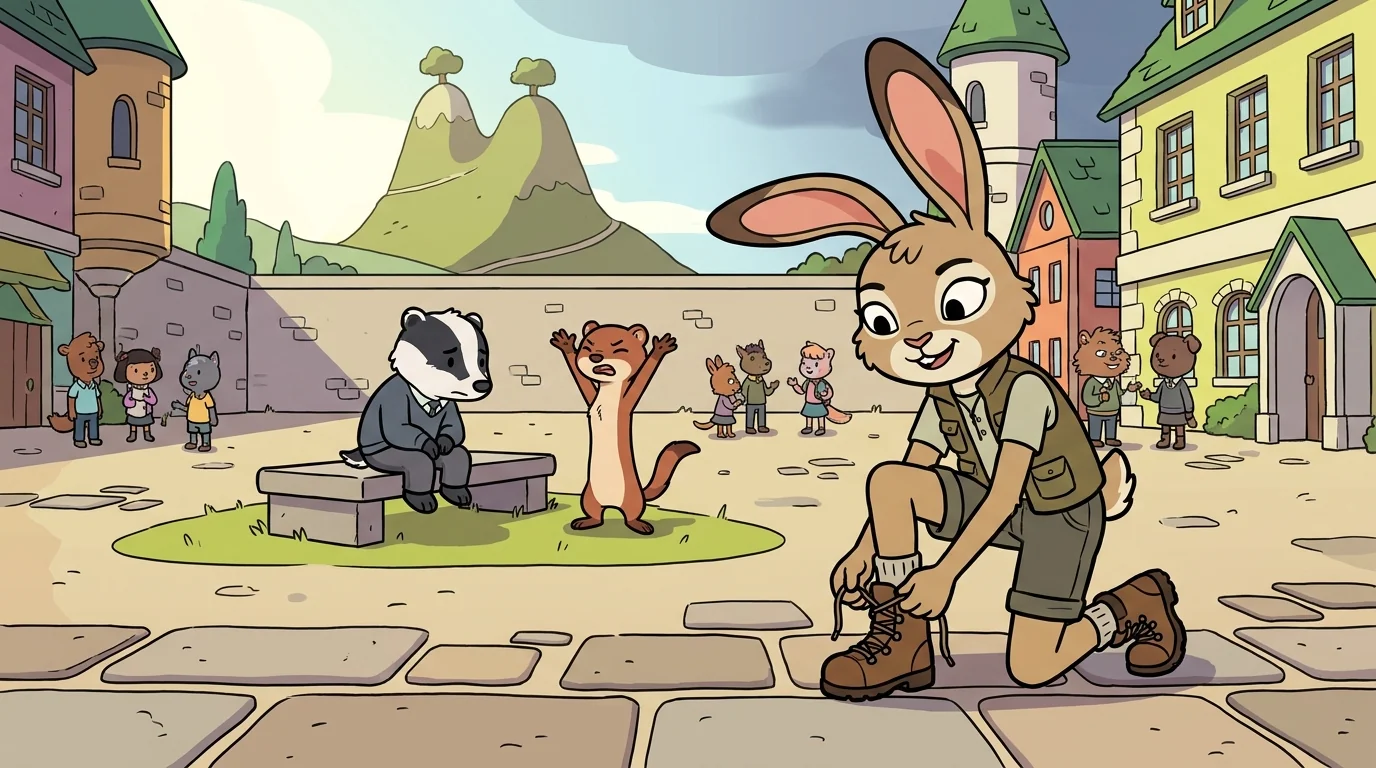
Vantage
climbing to the exact spot where another person stands, so you can see what they see from there, instead of guessing from your own.
MindForge
-
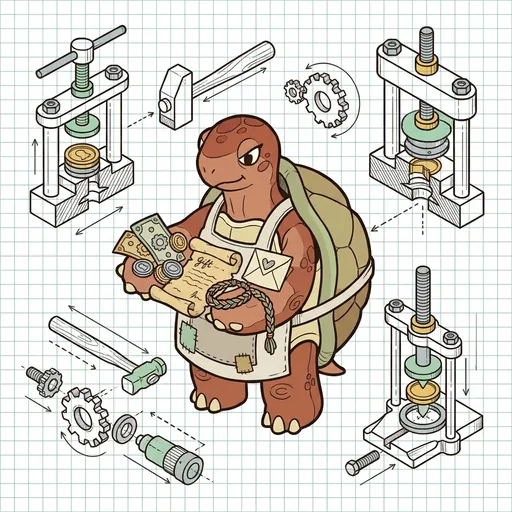
Coin
currency and exchange, and the things money can't measure.
MintForge Audio
-
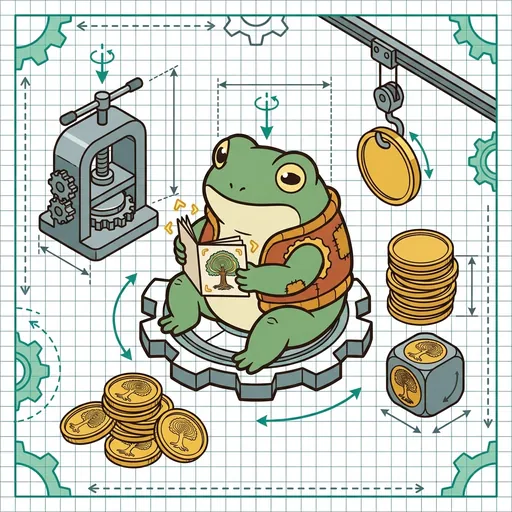
Grow
the patient math of money over time. interest on interest.
MintForge Audio
-

Plan
*the math of choosing with limited resources. every yes is also a no.*
MintForge Audio
-

Tag
the transparent math of how prices are built.
MintForge Audio
-
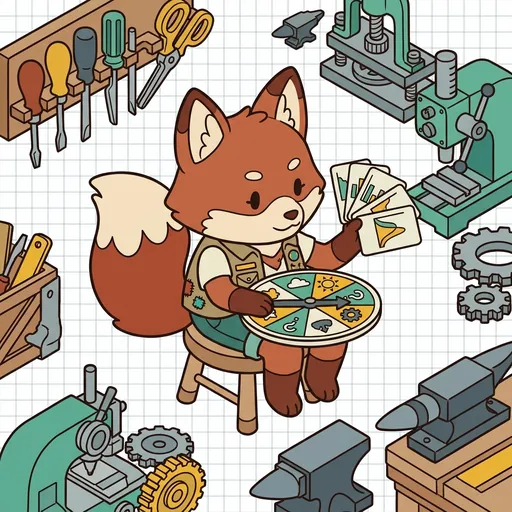
Tilt
the math of uncertain outcomes; the many shapes the future can take.
MintForge Audio
-
Ask and Answer
a first phrase poses a musical question (it climbs and ends unresolved, hanging in the air); a second phrase answers it (echoing the shape but landing home); two phrases balanced as question-and-answer make a whole musical sentence
MotifLab Ensemble
-
Clap
*the steady pattern the song walks on.* Rhythm is the pattern of beats and how long each note lasts. It's the heartbeat of a song — the thing that makes you tap your foot. Without it, even the prettiest notes just float; with it, they march, dance, or skip.
MotifLab
-
Lean and Land
a leaning (suspended/dissonant) note aches to move, and pulls toward the note that resolves it; the lean creates the wanting, the land delivers the rest, and the pull-release between them is what makes harmony feel like it's going somewhere
MotifLab Ensemble
-
Meld
*notes that bloom underneath the tune.* Harmony is two or more notes sounding together to support a melody. The right notes underneath make a single tune feel full, warm, and whole — like a melody suddenly standing in good company.
MotifLab
-
Nest
*the home note the song keeps coming back to.* A key is the set of notes a song lives in, gathered around one "home" note that feels like rest. The melody can wander far, but the key is where it belongs — and landing back home is what makes an ending feel finished.
MotifLab
-
Ply
*how many things are happening at once.* Texture is how thick or thin the music is — one voice alone, or many woven together. A single tune is bare and intimate; many layers stacked up are lush and full. Knowing when to add a layer and when to strip away is the art.
MotifLab
-

Surge
*how loud and how soft.* Dynamics is the volume of music — growing big and bold, shrinking down to a whisper, swelling and fading. The same melody whispered feels tender; roared, it feels mighty. Dynamics is how a song breathes.
MotifLab
-
Thrum
*the deep floor the whole song stands on.* The bass is the lowest line in the music — the foundation under everything. It's often quiet and easy to miss, but take it away and the whole song feels like it's floating with nothing to hold it up.
MotifLab
-

Tint
*the color of a sound.* Timbre is why the same note sounds different on a flute than on a drum than on a voice. It's the sound's "color" or "flavor" — bright or warm, rough or smooth. Choosing the right timbre is like choosing the right color for a painting.
MotifLab
-
Trill
a small musical idea that *is* the story's main character, undergoing six stages: introduction → motif statement → development → contrast → recapitulation → resolution.
MotifLab Audio
-
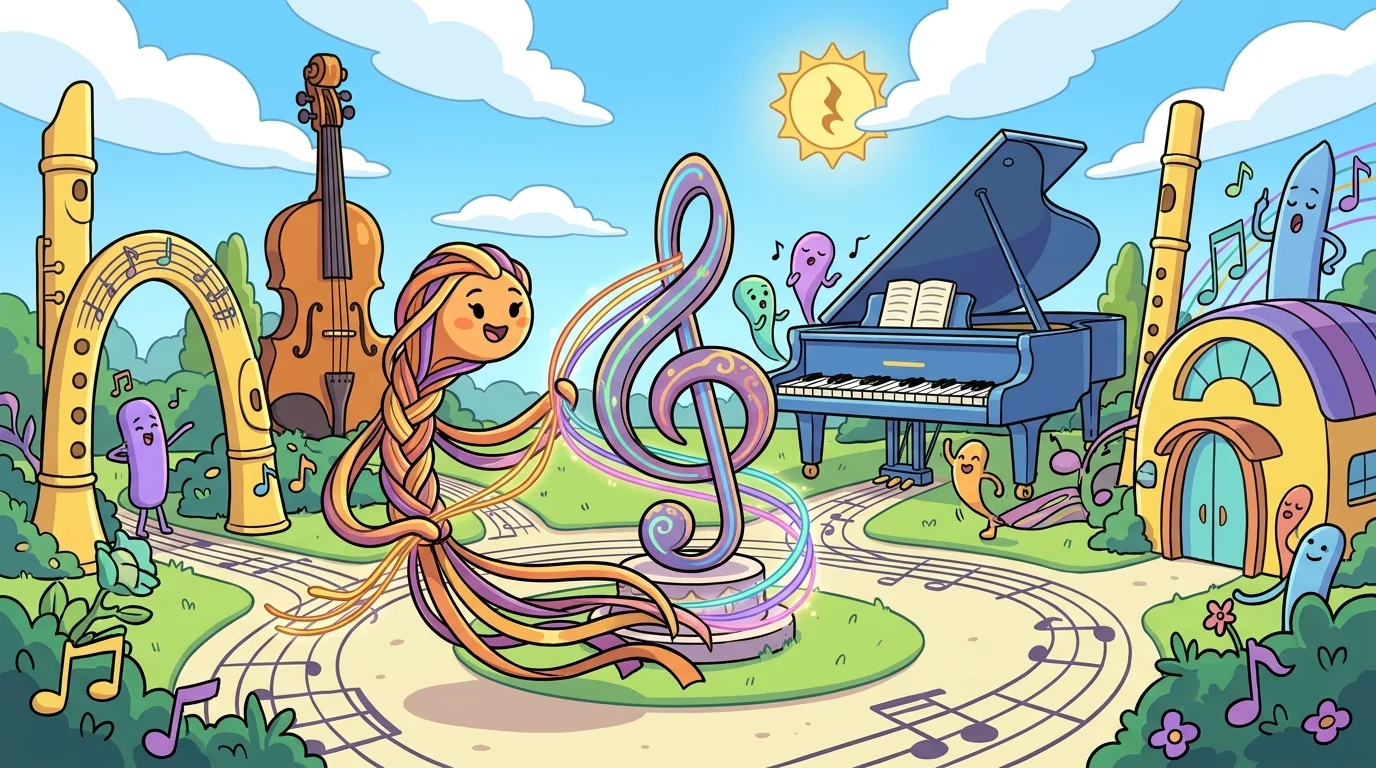
Twine
*a second tune that weaves against the first.* A counter-melody is its own little melody that plays at the same time as the main one — not copying it, not fighting it, but weaving around it like two dancers who never bump. Two tunes, braided into something richer than either alone.
MotifLab
-
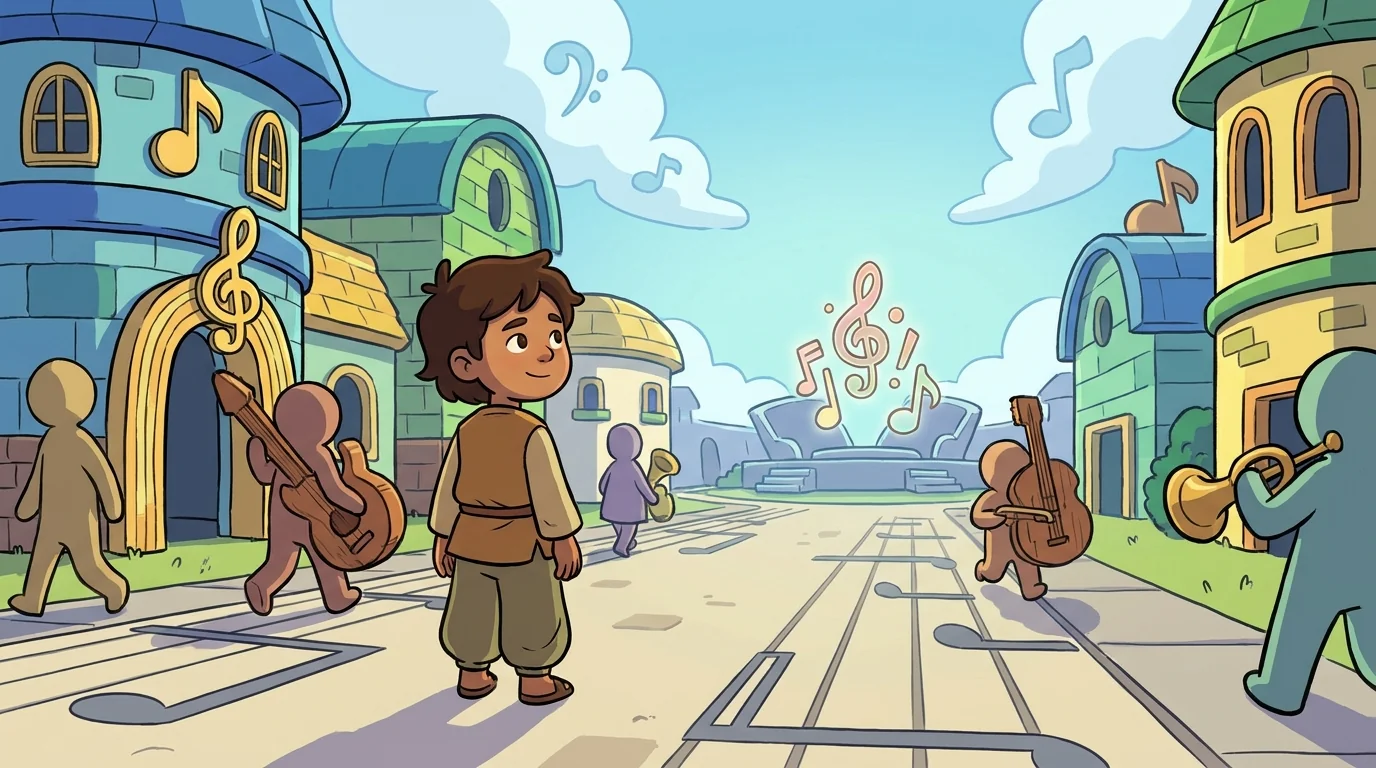
Wend
*the way a phrase comes to rest.* A cadence is how a musical sentence ends — the little landing at the close of a phrase. Some cadences feel finished and settled; some leave you hanging, wanting more. Endings are punctuation: a cadence is the song's period, comma, or question mark.
MotifLab
-
Anima/Animus (paired)
*the complementary-other-self. always appears together.*
MythForge Audio
-
Child-Divinity
the newborn with power. divine-child motif.
MythForge Audio
-
Devouring-Mother
the pattern of holding close, then letting grow.
MythForge Audio
-
Hero-King
*the reluctant ruler called to a journey.*
MythForge Audio
-
Lover
the archetype of wholehearted care; the bonds that hold a story together.
MythForge Audio
-
Magician
the transformer. the craft of changing the form of things through understanding.
MythForge Audio
-
Sacrificial-Lamb
the figure whose giving-up lets something new begin. the generous cost of caring.
MythForge Audio
-
Shadow
the hidden parts of ourselves we would rather not look at.
MythForge Audio
-
Sovereign
*the cosmic-order-keeper. craft of holding the center.*
MythForge Audio
-
Threshold-Guardian
*the figure that tests whether the hero is ready to cross.*
MythForge Audio
-

Trickster
*the boundary-crosser who teaches through inversion.*
MythForge Audio
-
Wanderer
*the journeyer without fixed home. carries stories between cultures.*
MythForge Audio
-
Warrior
*the conflict-pattern-bearer. craft of standing in difficulty.*
MythForge Audio
-
Wise-Elder
*the mentor-figure who knows the path but cannot walk it for the hero.*
MythForge Audio
-
Drill
*once, again, again — different this time? then again. iteration is rhythm, not race.*
NeuralQuest Audio
-
Skew
*whose data is in here? whose is missing? who decided? bias is the most LOAD-BEARING question in AI.*
NeuralQuest Audio
-

Tag
*every label is a choice — and you're the one making it.*
NeuralQuest Audio
-

Veer
*trained here, tested here — now go somewhere new, does it still know the way?*
NeuralQuest Audio
-
Weigh
"can we build it? yes. should we? that's a different question." the most important question in AI.
NeuralQuest Audio
-
Frame
*the headline is a summary, not a hook. counter-clickbait.*
NewsForge Audio
-

Serve
what does my reader NEED to know to DO something? agency-foregrounding.
NewsForge Audio
-

Source
*who would KNOW this best? who has a stake?*
NewsForge Audio
-

Tilt
*every story has a frame. name the frame, then read.*
NewsForge Audio
-
Verify
*open four tabs, never one. SIFT.*
NewsForge Audio
-

Damp
balancing loops are protecting something. what is the system trying to keep stable?
NexusForge Audio
-
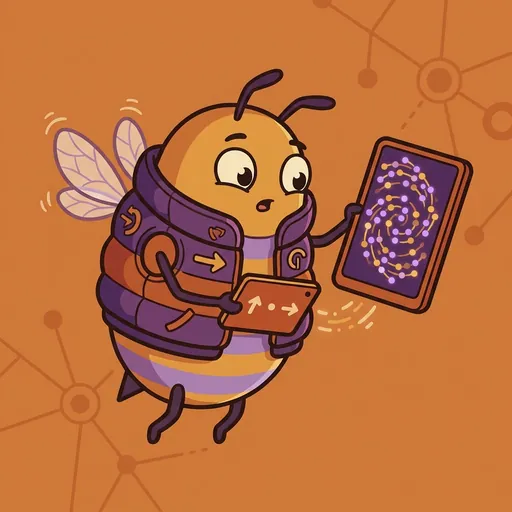
Emerge
the pattern isn't in any single rule. it appears from the rules running together.
NexusForge Audio
-
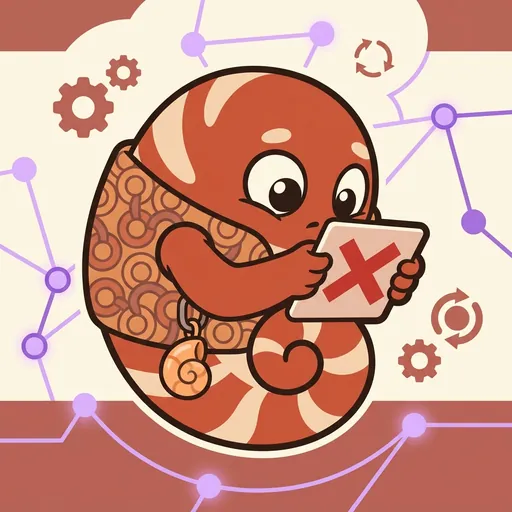
Spiral
*reinforcing loops grow until something stops them. always ask: what stops it?*
NexusForge Audio
-
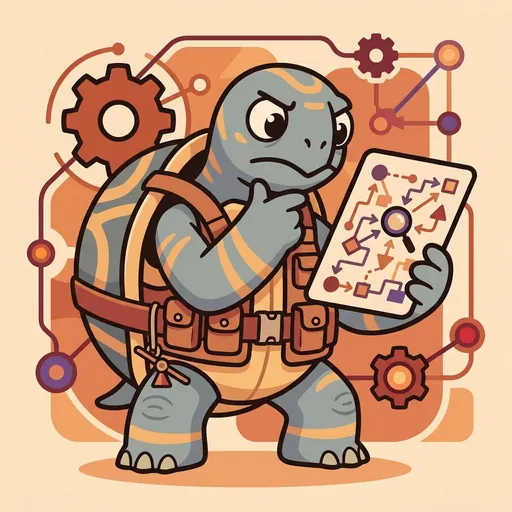
Steer
*the biggest leverage is usually the LEAST obvious place to push.*
NexusForge Audio
-
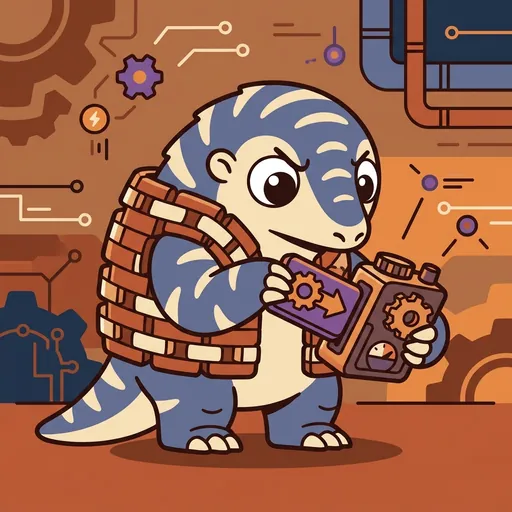
Tie
what EXACTLY does this one do to that one?
NexusForge Audio
-
Bridge Bao
you don't need to know every fact; you reach a fact you don't know by stepping out from one you do
NumberSense
-
Doubler Della
to multiply, double one number and halve the other; the product never changes, and one side keeps getting friendlier
NumberSense
-
Ernie and Sasha
estimation and decomposition are the same friendliness move at different scales
NumberSense Ensemble
-
Estimator Ernie
guessing first then computing
NumberSense Audio
-
Factor Fiona
every number is built from smaller numbers multiplied together, and seeing those building blocks makes hard arithmetic come apart in your hands
NumberSense
-
Gap Gus
subtraction is the gap between two numbers, and if you slide both numbers the same amount, the gap never changes, so you can shift them both to land on friendly numbers
NumberSense
-
Landmark Lena
judge any number by how it sits next to friendly landmarks like 0, a half, a whole, 10, 50, and 100
NumberSense
-

Nudge Nora
nudge a number to a friendly round one, do the easy math, then give back exactly what you borrowed
NumberSense
-
Nudge Nora and Gap Gus
a subtraction can be made friendly two different ways: nudge one number to a round one and give back the difference (compensation), OR slide both numbers the same amount so the gap is unchanged (constant difference). Both reach the exact same answer.
NumberSense Ensemble
-
Pivot Pia
the "would-you-rather" character; restating the question
NumberSense Audio
-
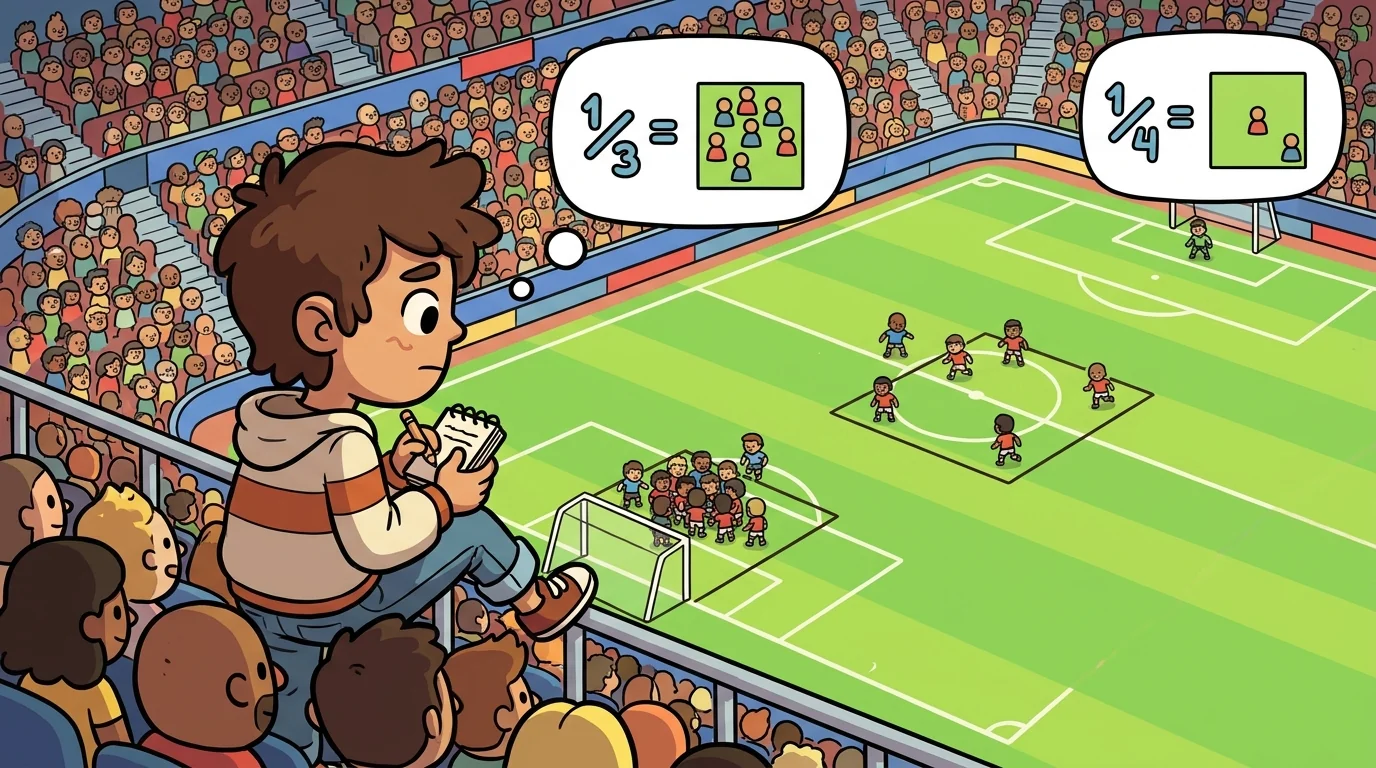
Ratio Rio
thinking in ratios, rates, and per-one units
NumberSense Audio
-

Splitter Sasha
breaking hard numbers into friendlier pieces
NumberSense Audio
-

Mirror
reflection across zero on the number line. Negative 3 is the mirror image of positive 3: same distance from zero, opposite direction.
Numberverse Audio
-
Mirror and Tug
negative numbers are positive numbers reflected across zero; inverse operations are pulls in the opposite direction along the number line. Subtraction is the same as adding the reflection; division is the same as multiplying the reciprocal. Two ways to talk about one symmetry.
Numberverse Ensemble
-
Skip
counting forward by fixed steps (2, 4, 6, 8…) instead of by ones. Multiplication is skip-counting compressed into a single operation: 4 × 7 means counting by sevens, four times.
Numberverse Audio
-
Tenfold
each position in a written number is worth ten times the position to its right. The number 347 is 3 hundreds + 4 tens + 7 ones; this is positional notation.
Numberverse Audio
-
Tug
addition undoes subtraction; multiplication undoes division. Operations come in pairs that pull in opposite directions on the same number line.
Numberverse Audio
-
Zeph
zero's load-bearing role in positional notation. The difference between 7, 70, 700, 7000 is the zero holding the lower positions empty.
Numberverse Audio
-
Carry
knowledge wasn't found, it was given. honor the hands that passed it.
OriginForge Audio
-
Greet
knock before you enter. wait to be invited. ask permission before listening.
OriginForge Audio
-
Honor
science and story answer different questions. both can be true.
OriginForge Audio
-

Listen
*hear how a tradition says it first. on its own terms.*
OriginForge Audio
-
Trail
every origin is also a journey. honor the path itself.
OriginForge Audio
-
Chompus the Great
one hit is luck. three hits is a chain. chains send opponents home.
PipQuest Audio
-

Peglegra the Bold
the brave forward-leap. commit the piece and trust the dice.
PipQuest Audio
-

Banner
*the impact pose. recognizable from outline alone. good character art reads at thumbnail.*
PixelForge Audio
-

Cycle
*making a picture move without moving a single pixel, by shifting which colors sit in the palette slots. how classic pixel water, fire, and waterfalls flow.*
PixelForge
-
Feather
*placing a few in-between pixels along a jagged edge so a curve or diagonal reads smooth instead of staircase-sharp. softening the stair-steps so the shape reads clearly.*
PixelForge
-
Grid
*pixels snapped to repeating tiles. tiles repeat; tilesets compose; maps emerge.*
PixelForge Audio
-

Pixel and Canvas
Pixel is the smallest unit (one color, one dot, the atom of the image). Canvas is the whole frame (composition, balance, where the eye goes). Together they teach that digital art lives at two scales: zoomed-in detail and zoomed-out shape.
PixelForge Ensemble
-
Rim
*the edge that separates a sprite from its background. choosing full outline, selective outline, or none — so the shape pops without looking heavy or trapped.*
PixelForge
-

Shade
*a small set of colors arranged darkest to lightest. limited palette = stronger form.*
PixelForge Audio
-

Sheen
*deciding where the light comes from, then placing highlights and shadows so a flat shape turns round. one light, chosen and kept, is what makes a sprite look solid.*
PixelForge
-
Speck
*the atomic unit. every image is a grid of these. one pixel is a choice.*
PixelForge Audio
-

Stipple
*two colors, scattered in a pattern, that your eye blends into a third. how pixel artists fake a smooth gradient when the palette is tiny.*
PixelForge
-
The Sprite
*a finished sprite is not one trick. it is pixels placed, colors ramped, light chosen, edges outlined, and jaggies smoothed — each craft laid over the last, in order.*
PixelForge Ensemble
-

Tween
the in-between frame that carries motion from one pose to the next
PixelForge Audio
-
Keep
*energy is conserved. efficiency is what we keep useful.*
PowerForge Audio
-
Mix
no single source carries the whole grid. blend; store; resilience.
PowerForge Audio
-
Perch
stored energy. waiting to become motion.
PowerForge Audio
-
Sprint
energy of motion. mass times velocity squared, halved.
PowerForge Audio
-
Trade
*one form becomes another. nothing made; nothing lost.*
PowerForge Audio
-

Bend
*light slows in denser media — and slowing means bending. that's why a straw looks broken in water.*
PrismForge Audio
-
Focus
*converging lenses bring parallel rays to a point. diverging lenses spread them apart. that's how telescopes, eyes, and magnifying glasses work.*
PrismForge Audio
-
Mirror
*angle in equals angle out. light bounces by a simple rule. the angle tells you the geometry.*
PrismForge Audio
-

Spread
each color of light bends differently. that's why a prism makes a rainbow.
PrismForge Audio
-

Tint
additive (light) vs subtractive (pigment) — same color words, opposite math.
PrismForge Audio
-
Biconditional Bex
to prove "P if and only if Q," you must prove the road runs both ways: if P then Q, AND if Q then P. One direction alone is only half the proof. Only when both directions hold are P and Q truly the same condition wearing two names.
ProofQuest
-
Construction Cole
to show that something *exists*, build it. Don't prove existence abstractly; produce the actual example.
ProofQuest Audio
-

Contradiction Cassius
assume the *opposite* of what you want to prove, follow the steps, arrive at a contradiction, conclude that your assumption was wrong.
ProofQuest Audio
-
Counterexample Cricket
to show that a claim of the form "every X is Y" is false, you only need to find a single X that is not Y. One honest counterexample topples a universal claim, no matter how many cases agreed with it before.
ProofQuest
-
Direct-Proof Dora
start with the given premise, follow valid logical steps, arrive at the conclusion. The most-honest of the proof techniques. No tricks. No detours. Just the path.
ProofQuest Audio
-
Dora and Cassius
the two foundational proof strategies. Dora proves a claim forward (premise → valid steps → conclusion); Cassius proves it by assuming its negation and deriving an absurdity. Some claims yield to both; some (like "√2 is irrational") only surrender to the back door.
ProofQuest Ensemble
-

Exhaustion Edda
break the claim into a finite number of cases and check each one. The thorough technique.
ProofQuest Audio
-
Induction Ida
prove the base case (usually n=0 or n=1), then prove that *if* the claim holds for some k, it holds for k+1. The dominoes technique.
ProofQuest Audio
-
Induction Ida and Strong-Induction Sten
Ida (prove for k, then for k+1) + Sten (assume true for ALL up to k, then prove for k+1) — same technique, scaled
ProofQuest Ensemble
-
Pigeonhole Perch
if you have more pigeons than pigeonholes, at least one pigeonhole has more than one pigeon. A small, sharp counting argument that proves "must exist" claims with remarkable economy.
ProofQuest Audio
-

Qed (mentor)
Qed introduces, contextualises, and scaffolds every cast appearance. Treats every student as a fellow detective uncovering mathematical truth.
ProofQuest Audio
-
Strong-Induction Sten
assume the claim holds for *all* values up to k (not just k), then prove it for k+1. The induction that gets to use everything already proved.
ProofQuest Audio
-
Uniqueness Una
to prove there is exactly one thing with a property, you suppose there are two, then show the two must actually be identical. If "both" are forced to be the very same thing, then there was only ever one. Existence says at least one; uniqueness says at most one.
ProofQuest
-

Fork
two paths, both real, both lead somewhere.
QuestForge Audio
-

Hex
math you can SEE. range + area-of-effect on a grid.
QuestForge Audio
-
Hoard
tools, not trophies. counter-tropic friendly dragon.
QuestForge Audio
-
Roll
dice don't remember. every roll is its own universe.
QuestForge Audio
-

Sheet
every build is a legitimate story. point-buy stat-allocation with anti-min-max framing.
QuestForge Audio
-
Affix
root + suffix + suffix (*nation → national → nationalize → nationalization*). The way suffixes accumulate on a root to build longer words.
QuillSpell Audio
-
Birch
the short, punchy, monosyllabic Anglo-Saxon roots that form the everyday vocabulary of common English speech (mouth, hand, foot, hear, see, walk).
QuillSpell Audio
-
Cadence
*dividing words for spelling* (VC/CV, V/CV, *syl-lab-i-fi-ca-tion*). The rules for breaking long words into syllables that can be spelled one at a time.
QuillSpell Audio
-
Ember
the unstressed-vowel "uh" sound (about, pencil, lemon, circus, medium). The most-common vowel sound in English and the most-misspelled, because it can be written with any vowel letter.
QuillSpell Audio
-
Ember and Cadence
*Cadence breaks the word into beats. Ember names which vowels are quiet. Together they spell the hardest words by ear.*
QuillSpell Ensemble
-
Etyma
the foundational morphemes of Latin-derived English. *port* (carry), *scrib* (write), *dict* (say), *vis* (see), *audi* (hear). Knowing the root cracks open hundreds of derivative words.
QuillSpell Audio
-
Hush
*kn-*, *gn-*, *wr-*, *-mb*, *-gh*, *pn-*, *ps-*. English's many silent letters, mostly inherited from older pronunciations that have since fallen silent.
QuillSpell Audio
-
Margaux
*royal*, *chef*, *ballet*, *garage*, *hotel*, *courage*, *adventure*, *justice*, *jury*, *cuisine*. French-derived English from the Norman conquest forward.
QuillSpell Audio
-
Saga
*sky*, *take*, *gift*, *raise*, *weak*, *scant*, *they*, *them*, *their*. The northern-Germanic contributions to English that came in through the Viking Age contact.
QuillSpell Audio
-
Saga and Birch
one ancient root that entered English TWICE (once through Old Norse, once through Old English) and split into two related words with different shades of meaning (shirt/skirt, no/nay, ship/skiff). Recognizing the shared ancestor explains the spelling AND the meaning of both.
QuillSpell Ensemble
-
Sophia
*bio* (life), *geo* (earth), *photo* (light), *log* (word/study), *graph* (write), *phon* (sound). Greek roots combine elegantly into scientific and technical vocabulary.
QuillSpell Audio
-
Twin
when a short-vowel CVC word takes a suffix, the final consonant doubles. *Run + ing → running.* *Hop + ed → hopped.* *Plan + ed → planned.* The rule preserves the short-vowel pronunciation by signaling "this consonant is the boundary."
QuillSpell Audio
-
Wren
*ai*, *ea*, *ee*, *oa*, *ow*, *ie*, *oi* (and others). The "when two vowels go walking" rule and its many exceptions.
QuillSpell Audio
-
Zayn
*algebra*, *algorithm*, *alchemy*, *zenith*, *sugar*, *cotton*, *coffee*, *cipher*, *zero*, *almanac*, *azimuth*, *admiral*, *arsenal*. The substantial medieval-Arabic contribution to English vocabulary in mathematics, science, navigation, and trade.
QuillSpell Audio
-
Centa the Percent-Translator
the per-hundred special case. Any rate or ratio can be translated to a per-hundred form (a percentage) for comparison.
RatioRealm Audio
-
Cross the Proportion-Solver
if a/b = c/d, then ad = bc. The diagonal-multiplication trick that solves any proportion.
RatioRealm Audio
-
Pair and Unit
ratios and rates are the same family of idea. Any two quantities can be compared once you reduce them to a common unit-base (per-one).
RatioRealm Ensemble
-
Pair the Ratio-Speaker
the foundational "for every A, there are B" pattern. The pair as the irreducible unit of ratio thinking.
RatioRealm Audio
-
Scale the Doubler (also serves as mentor)
scaling both parts of a ratio by the same factor preserves the ratio. 2:3 is equivalent to 4:6, 6:9, 20:30. The "for every X, there are Y" pattern survives multiplication.
RatioRealm Audio
-
Unit the Per-One-Counter
comparing different rates requires normalizing them to a common per-one denominator. Cost per yard, miles per hour, calories per serving — all reductions to per-one.
RatioRealm Audio
-
Anchor
supporting any reading-claim with specific evidence from the text. Without textual evidence, a claim is unsupported. The strength of a reading is the strength of its citations.
ReadQuest Audio
-

Crest
the *peak* of the passage; the central message; the *one thing* the passage is most fundamentally about. Identifying the main idea is the foundation of reading comprehension.
ReadQuest Audio
-
Frame
the underlying organizational pattern of a passage: compare-contrast, sequence, cause-effect, problem-solution, description. Identifying the structure helps the reader anticipate and integrate the content.
ReadQuest Audio
-
Frame and Plume
*Frame names the shape. Plume names the voice. A reader who has both can see the passage whole.*
ReadQuest Ensemble
-
Hunch
reading between the lines; understanding what the text *implies* without stating directly. The text gives *signals*; the reader assembles them into *implied meaning.*
ReadQuest Audio
-

Hunch and Anchor
a good reader guesses what the text implies (the leap) AND points to the specific words that support the guess (the anchor). An inference you can't tie to evidence is just a guess; evidence you never reason from is just a quote. The reading move is the two done together.
ReadQuest Ensemble
-

Nettle
asking questions as you read (Who? Why? What if? I wonder...). Curious readers interrogate a text instead of swallowing it whole; their questions keep them awake, drive them deeper, and lead them to the answers.
ReadQuest
-
Pith
deriving the meaning of an unfamiliar word from the *surrounding text* rather than from a dictionary. The surrounding sentences usually give enough signal to derive the word's meaning *in this context.*
ReadQuest Audio
-
Plume
what the author is *trying to do* with this passage: inform, persuade, entertain, reflect, warn. TONE — how the author *sounds* while doing it: joyful, somber, ironic, urgent, neutral.
ReadQuest Audio
-

Sheaf
gathering a whole passage into a short, tidy retelling that keeps only what matters. Not the single main idea, and not every detail — the important middle: enough to carry the meaning, light enough to hold in one hand.
ReadQuest
-
Vista
making a movie in your mind as you read. Turning the words on the page into pictures, sounds, and feelings you can almost see. Visualizing keeps a reader inside the story and helps them remember it.
ReadQuest
-
Yonder
using what you've read so far to guess what will happen next. A good reader is always leaning a little into the future of the story, making predictions and then checking them against what actually comes.
ReadQuest
-

Aim
where the camera stands changes the story.
ReelForge Audio
-
Bright
*three lights. different feelings.*
ReelForge Audio
-
Buzz
sound is the other half. picture without sound is half a story.
ReelForge Audio
-
Draft
*draw it first. then film it.*
ReelForge Audio
-
Snip
cut here. not there. the rhythm is the editor's craft.
ReelForge Audio
-
Whole
*beginning. middle. end. the parts make ONE thing.*
ReelForge Audio
-

Crosscut
*don't trust one; cross to another.* When you find a claim, you don't decide it's true just by staring at the one page. You leave it and check other, independent sources. If several unrelated places agree, the claim holds. If only the one page says it, be careful.
ResearchQuest
-
Quote
*quoting + paraphrasing + summarizing; keeping voices separate.* The research-method primitive of *distinguishing source voice from your voice in research notes.*
ResearchQuest Audio
-

Survey
*read around it before you dig in.* Before you narrow a question, you read widely to learn the lay of the land — what's known, what the words mean, what the big pieces are. You can't ask a sharp question about a thing you don't understand yet.
ResearchQuest
-
Synth
*combining evidence across multiple sources; finding agreement, disagreement, gaps.* The research-method primitive of *building understanding from multiple sources, not summarizing one source at a time.*
ResearchQuest Audio
-

Tether
attribution + bibliography; gratitude + map back to sources.
ResearchQuest Audio
-
Trawl
*cast a wide net, then pull it tight.* Good searching isn't typing your whole question into a box. It's choosing strong keywords, knowing where to look, and refining your search when the first net comes back wrong. You fish on purpose.
ResearchQuest
-
Verdict
*gather the evidence, then take a stand.* Research isn't finished when you've collected facts. At some point you weigh what you found and commit to your OWN arguable answer — a thesis. Not "here are things people say," but "here's what I think, and here's why."
ResearchQuest
-

Vet
*CRAAP test* (Currency, Relevance, Authority, Accuracy, Purpose). The research-method primitive of *five-question discipline for trusting a source.*
ResearchQuest Audio
-
Wellspring
*find the spring, not the puddle downstream.* A primary source is the original — the firsthand account, the actual data, the real letter. A secondary source talks ABOUT it. Both are useful, but you should know which you're holding, and trace big claims back to the original.
ResearchQuest
-
Wonder
*narrowing vague interest into focused, answerable research questions.* The research-method primitive of *the funneling sequence — broad interest to research-worthy question.*
ResearchQuest Audio
-

Aha
patient frame-finding. "I don't get it yet" is a productive cognitive state.
RiddleRealm Audio
-
Cobble
building your own riddle from scratch. Start with the answer, then hide it: choose true clues, dress them in misdirection, and test that a fair solver can still get there. Making riddles is its own delight — and it teaches you how every riddle works.
RiddleRealm
-
Feint
riddles where the misdirection hides in how the question is ASKED. The question quietly slips in a false detail or a rushed assumption, and the trap is answering too fast. The fix: slow down and read every word. (Fair-trick framing — the clue is always right there.)
RiddleRealm
-
Jumble
puzzles made by rearranging letters: anagrams (LISTEN → SILENT), palindromes (words that read the same backward), and hidden words. The letters are all there in plain sight; the trick is seeing them in a new order.
RiddleRealm
-
Pan
*picture puzzles + perspective rotation. what does it look like from over there?*
RiddleRealm Audio
-
Reckon
sequences, hidden constraints, numeric patterns.
RiddleRealm Audio
-
Slant
puzzles you solve not by reasoning straight ahead, but by questioning a hidden assumption you didn't know you'd made. The answer is fair and obvious — once you stop assuming the one thing that was quietly blocking you.
RiddleRealm
-
Twist
puns, homophones, semantic misdirection. fair-trick framing.
RiddleRealm Audio
-

Veil
the classic "what am I?" riddle, where an object describes itself in metaphor and clues, hiding its plain name behind images. "I have a face and two hands but no arms." (A clock.) The answer is always fair — every clue is true once you see it.
RiddleRealm
-
Yarn
a multi-step story with fairly-planted clues. the answer was already there.
RiddleRealm Audio
-
Bolt
*the frame holds everything. build the chassis like you mean it.*
RoboForge Audio
-
Drive
motors turn power into motion. balance speed and control.
RoboForge Audio
-
Loop
read. decide. act. repeat. that's the whole robot brain.
RoboForge Audio
-
Sense
*the robot only knows what it can sense. choose the senses for the job.*
RoboForge Audio
-
Tune
*first run fails. that's information. tune + run again.*
RoboForge Audio
-
Ease
after you've offered a real mend, you let the other person take the time they need. Repair can't be grabbed, rushed, or demanded; you ease back toward each other only when both are ready.
RuptureRepair
-

Eddy
you can't mend anything while you're still flooded. Eddy is the calm pocket of still water at the edge of the rush, where your body settles enough that repair becomes possible.
RuptureRepair
-

Felt
the third step of the rupture-repair protocol. The move of asking the other person how it landed for them and listening — not assuming, not telling them how they should feel, not arguing with their experience.
RuptureRepair Audio
-
Grace
after you hurt someone, you can be truly sorry AND still know you are worthy. Releasing the shame-spiral isn't excusing what you did; it's staying steady enough to actually repair it.
RuptureRepair
-
Lee
when someone apologizes to you, you get to take it in from a sheltered place, at your own pace. Receiving an apology is not the same as forgiving on the spot, and it is never the same as pretending the hurt didn't happen.
RuptureRepair
-

Levee
forgiving someone and still needing a limit can both be true. A boundary isn't a wall that shuts a person out; it's the kind, clear edge that makes it safe to stay close.
RuptureRepair
-

Offer
the fourth step of the rupture-repair protocol. The move of offering a specific repair the apologizer can do — with palm-up extended hand, never grasping. The other person can accept, change, or decline.
RuptureRepair Audio
-
See-It
the first step of the rupture-repair protocol. The move of not pretending not to see what happened. Includes the or-what-landed clarification: acknowledgment of impact is not the same as admission of guilt.
RuptureRepair Audio
-

Sorry
the second step of the rupture-repair protocol. The move of saying sorry as a door, not a verdict. The acknowledgment opens conversation; it does not close it with self-blame.
RuptureRepair Audio
-
Together
the fifth and final step of the rupture-repair protocol. The move of being still here after the repair — not pretending nothing happened, but also not staying stuck in the rupture. Re-engagement is differently-still-here.
RuptureRepair Audio
-

Pause
the moment between stimulus and response is where safety lives. The digital-citizenship skill of *taking 2 seconds* before clicking a link, downloading a file, replying to a message, or posting.
SafetyForge Audio
-

Sniff
the digital-citizenship skill of recognizing the three universal scam-tells (urgency / too-good-to-be-true / request-for-personal-info) and treating scam-spotting as *a puzzle to win*, not as *a disaster to prevent.*
SafetyForge Audio
-

Stand
the three bystander moves (defend / distract / document-and-tell). Stand is empowered, present, and warm — never pitying — designed to counter the sad-isolated-victim cyberbullying trope.
SafetyForge Audio
-

Tell
the digital-citizenship skill of *telling a trusted adult* when something online is bigger than the kid can handle alone. Removes the stigma of *snitching* (a peer-pressure framing that suppresses help-seeking) and reframes telling as *the most powerful safety move available to a kid.*
SafetyForge Audio
-

The Knowing Pair
Tell carries the talk-to-a-trusted-grown-up skill (when something online is bigger than you). Trace carries the look-back-at-clues skill (notice patterns, sources, signals). Together they show that online safety is two friends and a calm grown-up, not a single hero.
SafetyForge Ensemble
-

Trace
the digital-citizenship skill of recognizing that *every online action leaves a trace* (posts / comments / photos / likes / location-tagged shares / search history) and that *the trace persists* — through screenshots, archives, caches, and the simple fact that anything sent to another person is now in that person's possession.
SafetyForge Audio
-
Brine
*salt remembers. vinegar remembers. cold remembers. food keeps if it's kept right.*
SaffronLab Audio
-
Crisp
*sugar meets heat. protein meets heat. new flavors are born.*
SaffronLab Audio
-

Rise
*living things take time. wait. the bread knows when it's ready.*
SaffronLab Audio
-
Simmer
*heat moves slow. food changes slower. watch the bubbles — they're telling you.*
SaffronLab Audio
-
The Patient Pair
Rise carries the slow-lift skill (yeast time; the wait that makes bread light). Simmer carries the long-warmth skill (gentle heat; the wait that makes broth deep). Together they show that good food cannot be hurried — and that this is true for fancy food and everyday food alike.
SaffronLab Ensemble
-

Whisk
*quick wrists, patient eyes. air goes in, lumps come out.*
SaffronLab Audio
-
Conclude
*"the data shows... but maybe... let's check."* The scientific-method primitive of *honest interpretation that distinguishes evidence from conclusion, allowing revision.*
ScienceForge Audio
-
Predict
"I think... because... so we should see..." Making a testable prediction in advance.
ScienceForge Audio
-

Question
*"what do we want to find out?"* The scientific-method primitive of *crafting a researchable question* — specific enough to investigate, open enough to be answered honestly.
ScienceForge Audio
-

Sample
*"many measurements; then we see the shape."* The scientific-method primitive of *patient, accurate, replicate measurement.*
ScienceForge Audio
-

Setup
*"one thing changes, everything else stays."* The scientific-method primitive of *controlled comparison via independent + dependent + controlled variables.*
ScienceForge Audio
-
Account
ask open questions and listen; memory is fragile, and a confident witness isn't always a correct one.
SleuthLab
-
Branch
for every clue, ask "what else could explain this?"; test each branch before you pick one.
SleuthLab
-

Drop
*chromatography, pH, spectroscopy; test-don't-guess.* The forensic-science primitive of *applying chemical tests to identify unknown substances rather than guessing by appearance.*
SleuthLab Audio
-

Fiber
*fibers, hairs, paint, glass; Locard's exchange principle.* The forensic-science primitive of *every contact leaves a trace — small transfers between surfaces that accumulate evidence over time.*
SleuthLab Audio
-

Loop
fingerprints, shoeprints, toolmarks; class vs individual evidence. Reading the patterns one surface leaves on another, and being honest about what those patterns can and can't prove.
SleuthLab Audio
-
Seal
bag it, label it, log every hand it passes through; a broken chain can't be trusted.
SleuthLab
-
Sketch
record the scene before anyone touches it; the scene only tells its story if you capture it first.
SleuthLab
-

Stroke
*handwriting, ink, paper; comparison methodology.* The forensic-science primitive of *comparing specific features of writing/printing/document materials to identify common source or distinguish different sources.*
SleuthLab Audio
-
Tick
put every event in order on the clock; the sequence is where the answer hides.
SleuthLab
-

Witness
*DNA + digital footprints; statistical-match, not certainty.* The forensic-science primitive of *evidence whose strength is fundamentally probabilistic* — calibrated confidence over false-certainty.
SleuthLab Audio
-

Bloom
*attack / sustain / decay / release. how a sound begins, holds, fades.*
SoundSphere Audio
-
Layer
*the overtone fingerprint. why violin ≠ flute at same pitch.*
SoundSphere Audio
-

Ring
*space. same sound feels different in bathroom vs stadium vs forest.*
SoundSphere Audio
-
Tune
*combine frequency + envelope + timbre + space → entirely new sounds.*
SoundSphere Audio
-
Wave
frequency. high vibrates fast, low vibrates slow.
SoundSphere Audio
-
Easel
*show, don't just tell.* A picture, a chart, or a prop at the right moment makes an idea land. The aid serves the words; it never replaces them. One clear image beats a hundred words you can't quite picture.
SpeakForge
-
Echo
who's listening? speak to THEM, not at them.
SpeakForge Audio
-
Hark
*listen all the way through. don't rehearse your reply.*
SpeakForge Audio
-
Mosaic
*take the pieces and make a picture.* In a real conversation you don't just wait for your turn — you connect what people said. "You mentioned X, and that fits with Bel's Y…" A discussion becomes a whole when someone fits the scattered pieces together.
SpeakForge
-
Pitch
*your voice is a road. not a wall.*
SpeakForge Audio
-

Pose
*stand. then speak. the body teaches the voice.*
SpeakForge Audio
-
Truss
*claim. then proof. then why. that's the structure that holds.*
SpeakForge Audio
-
Usher
*everyone gets a seat at the talk.* Good group conversation runs on shared rules — one voice at a time, make room for quiet people, don't hog the floor. The norms aren't bossy; they're what makes a discussion fair enough for everyone to speak.
SpeakForge
-
Volley
*catch it, then send it back clean.* When someone asks you a question, you don't freeze or dodge — you take it in, find the real ask underneath, and return a clear answer. A good Q&A is a friendly volley, not a duel.
SpeakForge
-
Waypoint
*tell them where you're going, then take them there.* Little spoken markers — "First… Next… Finally" — let a listener follow a talk without getting lost. The signpost isn't the idea; it's the path to the idea.
SpeakForge
-

Cradle
*the balance of weight and negative space. where the eye rests + where it travels.*
SpectrumCanvas Audio
-
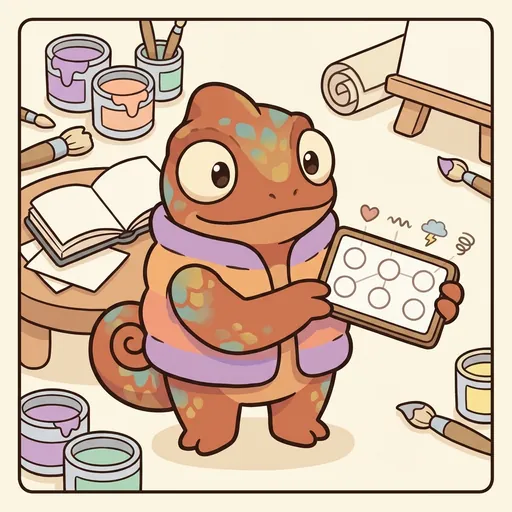
Hum
*colors feel like emotions. but WHICH colors feel WHICH emotions is PERSONAL. your map is yours.*
SpectrumCanvas Audio
-

Pool
*the controlled spread of pigment across a surface. one drop becomes a shape.*
SpectrumCanvas Audio
-

Soften
*any move that reduces visual/textural stimulation. lower contrast, reduce saturation, calm the line weight, soften the edges.*
SpectrumCanvas Audio
-
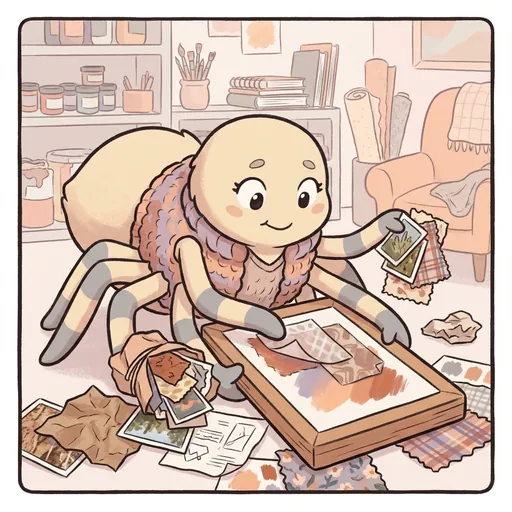
Weave
the layered overlay of textures, photos, drawn elements. social-story illustration; multi-media composition.
SpectrumCanvas Audio
-

Block
*directing actors through stage geography. where they stand; how they move; what the audience sees.*
StageForge Audio
-

Face
character work through voice, body, and emotional life.
StageForge Audio
-
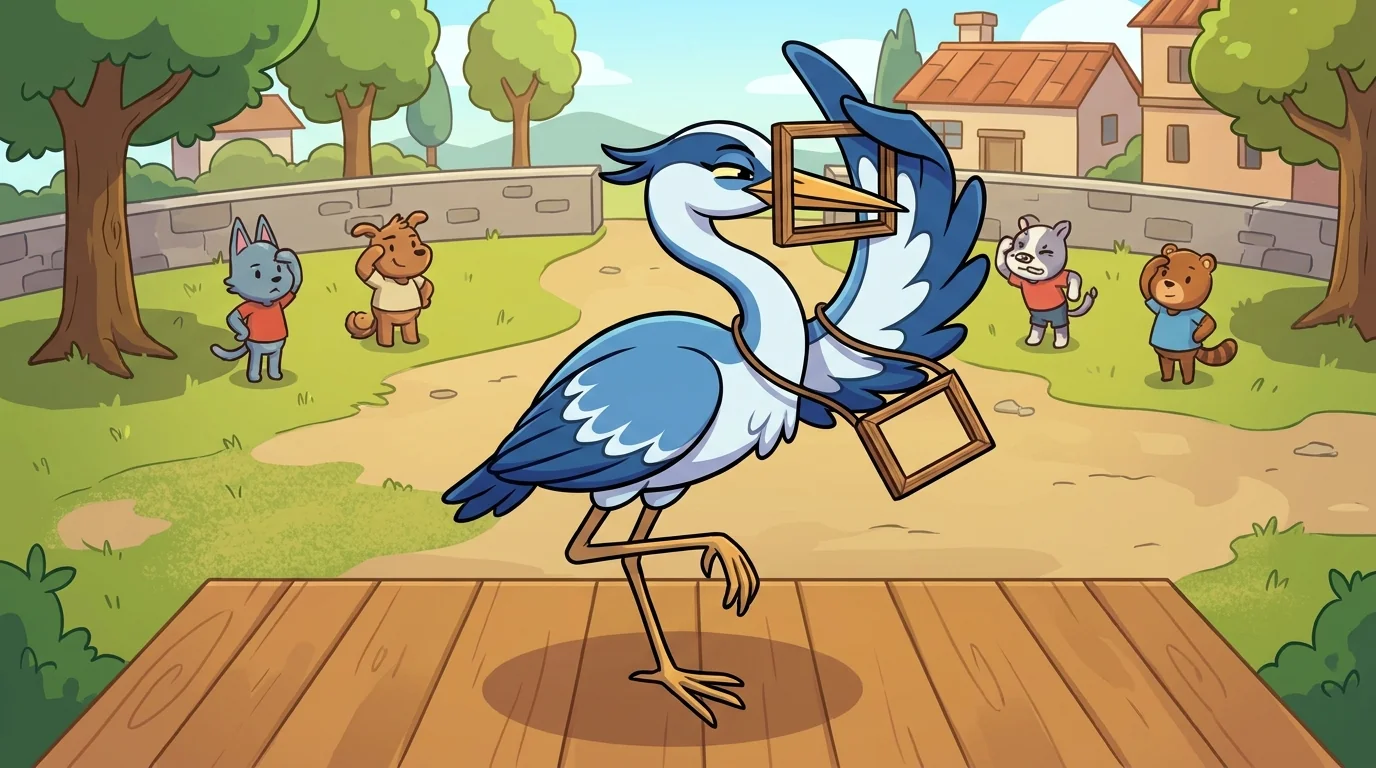
Freeze
*a frozen stage picture. the whole cast holding a single still image so the audience can read the moment like a painting.*
StageForge
-
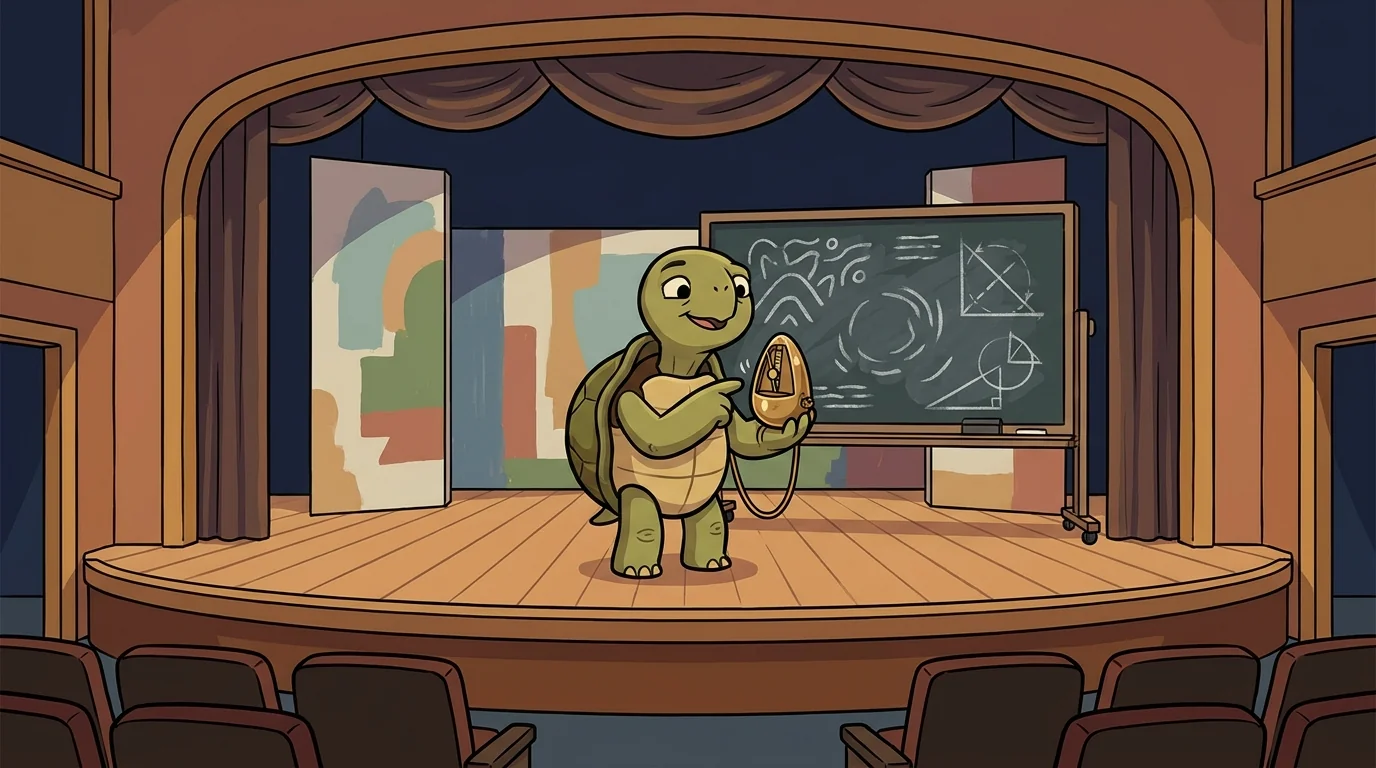
Hitch
*the rhythm of a scene: when to rush, when to slow, and the deliberate pause that makes a line land. the held beat before the joke or the truth.*
StageForge
-

Pen
turning ideas into scripts with character, conflict, structure.
StageForge Audio
-
Rafter
*making your voice reach the back row without shouting, by supporting it with breath. carrying, not yelling — so the quietest line still lands in the last seat.*
StageForge
-
Riff
*the live-performance craft of "Yes, and..." accept the offer; build on it.*
StageForge Audio
-
Rig
*the technical-theater craft that makes the visible-stage possible. lights, sets, sound, props, costumes — the invisible work behind the visible show.*
StageForge Audio
-
The Opening-Night Company
*the five performance crafts working at once. a scene comes alive only when character, want, hidden meaning, held picture, and timing all pull together.*
StageForge Ensemble
-

Undertow
*the real meaning running under the spoken line. what a character truly means or feels beneath the words they actually say.*
StageForge
-
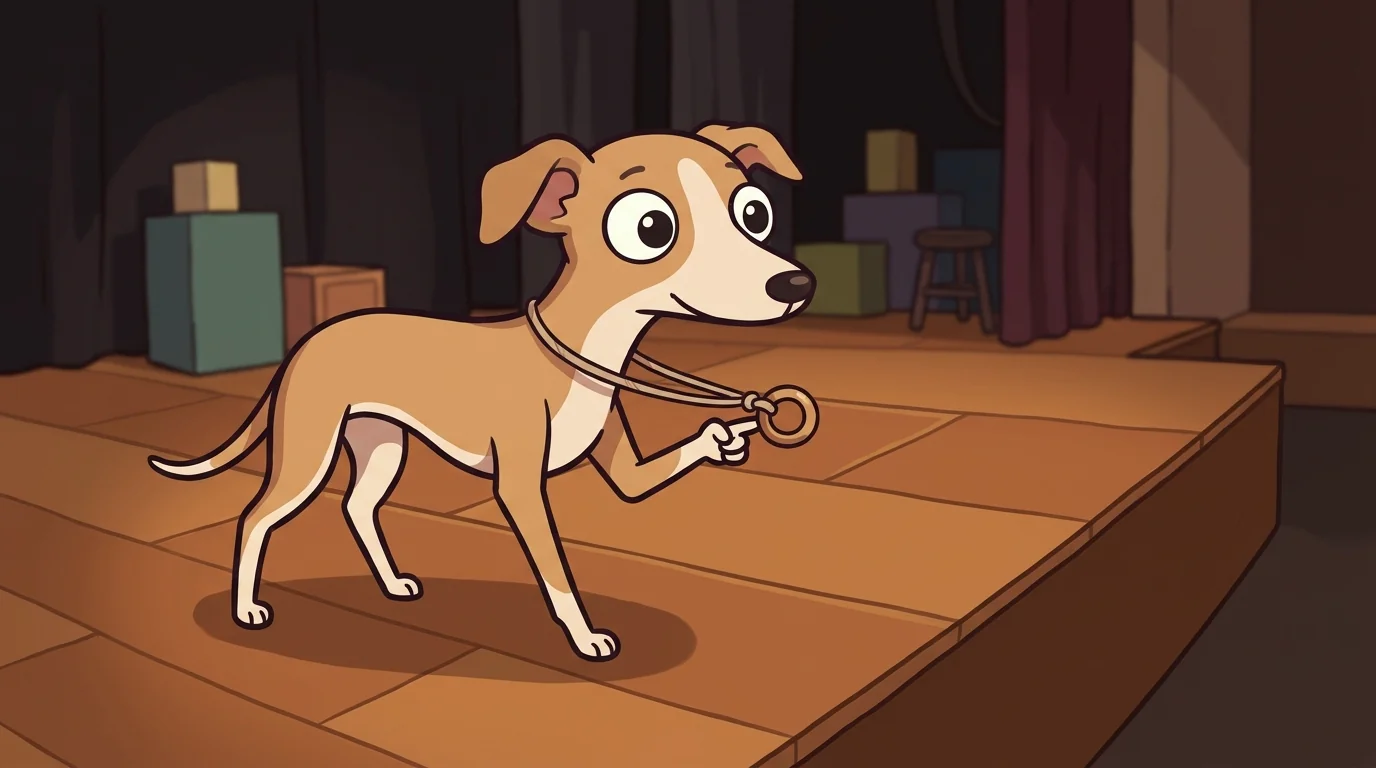
Yearn
*what a character WANTS in a scene, badly enough to drive every line and move. the engine under a performance; the want you play toward.*
StageForge
-
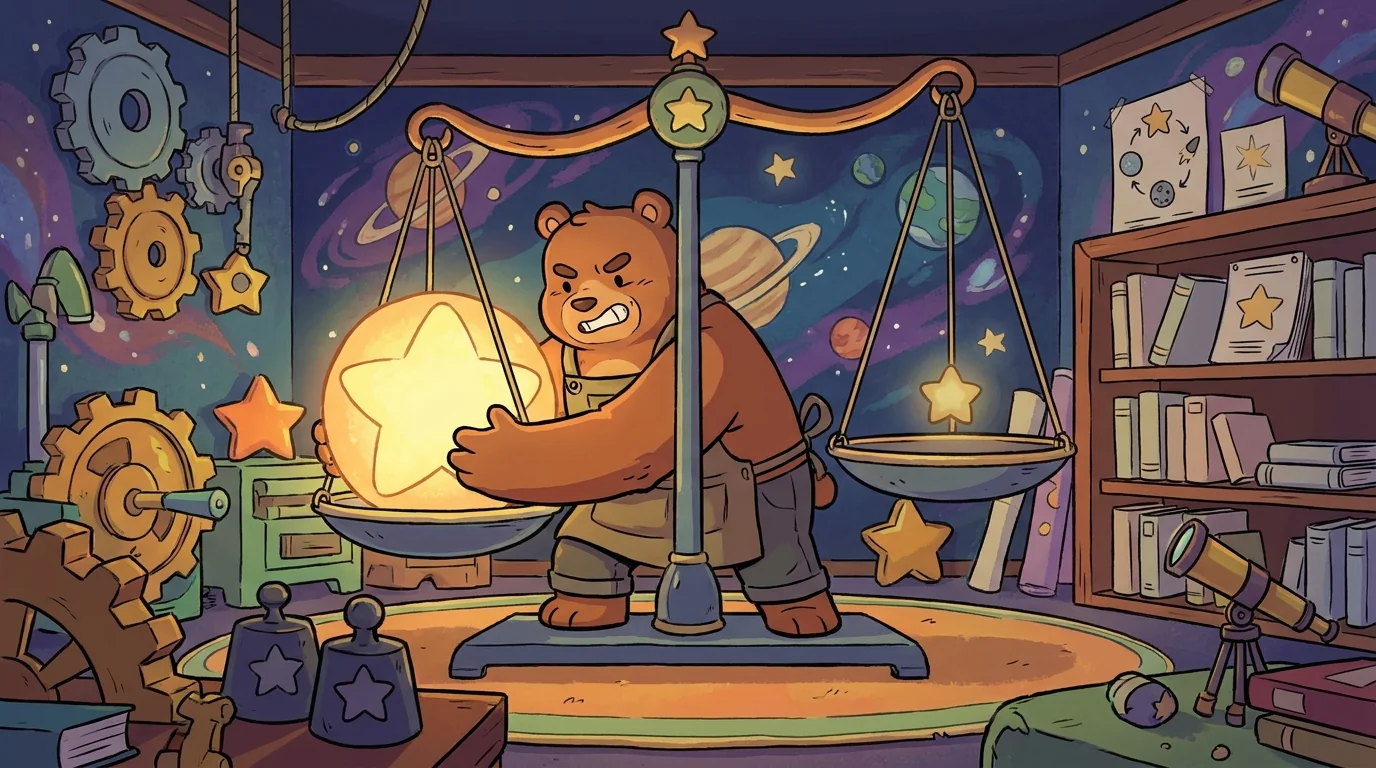
Brawn
*how heavy a star is decides its whole life story.* A star's mass at birth sets everything: how hot it burns, how long it lives, and how it ends — small stars fade quietly; heavy stars end in a great blast.
StarForge
-

Ember
*white dwarf cools across billions of years. closes the stellar life cycle.*
StarForge Audio
-

Flare
*a star's surface is stormy, with dark spots and sudden bursts of light.* Stars have magnetic weather: cooler dark patches called starspots, and sudden flares — bright bursts of energy that leap off the surface.
StarForge
-

Glow
*hydrogen fusion. stable for billions of years.*
StarForge Audio
-

Pinch
collapse. high-mass star + supernova → neutron star or black hole.
StarForge Audio
-

Quiver
*some stars beat like a heart, growing brighter and dimmer in a steady rhythm.* A variable star pulses — swelling and shrinking, brightening and dimming on a regular beat. The rhythm is so dependable it can be used to measure distances across space.
StarForge
-

Smolder
*some clumps of gas are too light to ever light up.* A brown dwarf is a ball of gas that gathered like a star but never got heavy enough for its core to ignite fusion — so it only glows warm and dim, never blazing into a true star.
StarForge
-

Swell
*hydrogen runs out. core contracts. shell expands. helium fusion begins.*
StarForge Audio
-

Waltz
*most stars are not alone; they circle a partner.* A binary system is two stars bound by gravity, orbiting a shared center — a slow, endless dance. Many of the stars in the sky are really pairs.
StarForge
-

Wick
*gas collapses; pressure builds; the spark lights.*
StarForge Audio
-
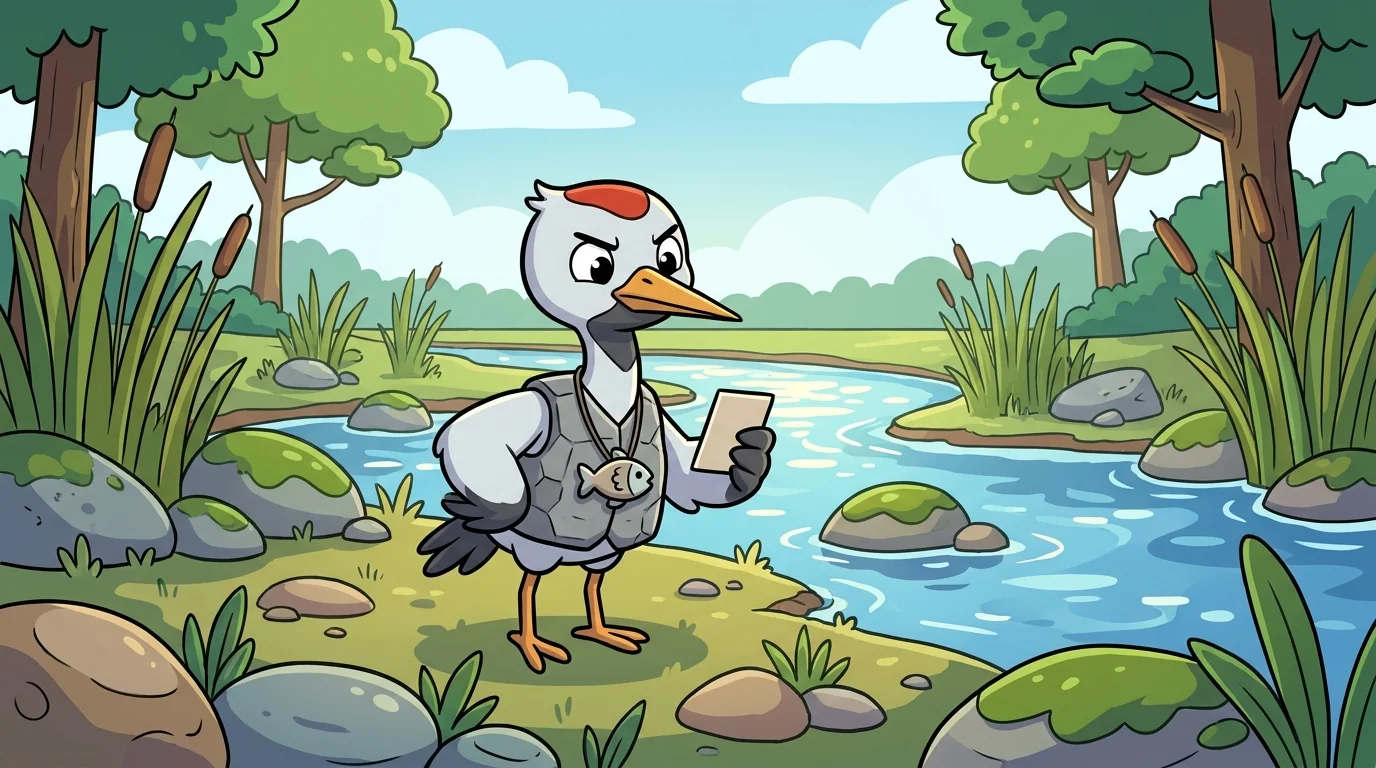
Hungry Crane
the crane sees the fish. swift, exact, not greedy.
StoneSong Audio
-
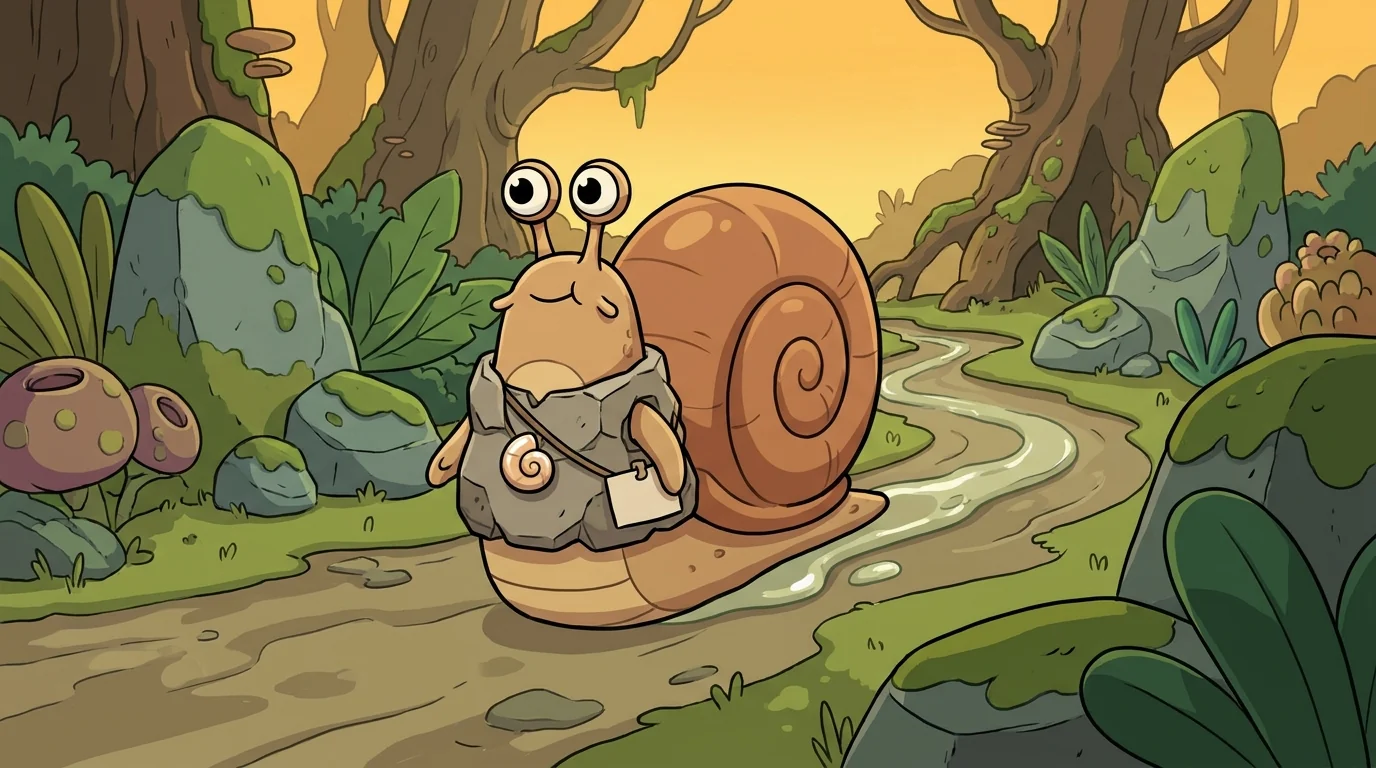
Master Snail
the snail leaves a trail. every step considered. nothing wasted.
StoneSong Audio
-

Patient Bamboo
the bamboo grows slowly. then suddenly. positions take many moves to ripen.
StoneSong Audio
-

Patient Bamboo and Hungry Crane
Go is the game of slow positions that ripen AND swift exact captures when the moment arrives. Patient Bamboo holds the long arc. Hungry Crane handles the local moment. Both are the same craft seen from two time-scales.
StoneSong Ensemble
-
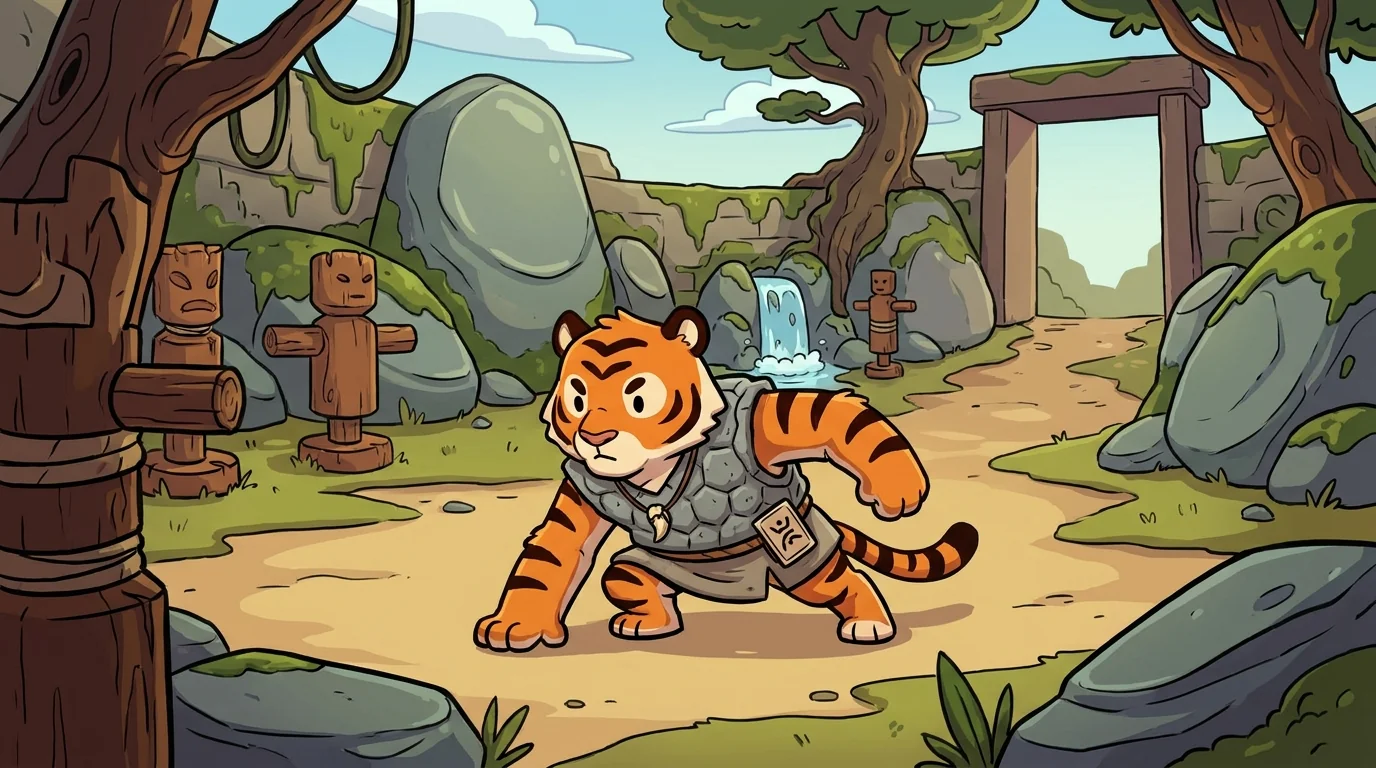
Sparring Tiger
the tiger leaps when the moment is right. force creates clarity. force misplaced creates ruin.
StoneSong Audio
-

Bide
*slow is a move too. sometimes the best move is to wait.*
StrategyForge Audio
-
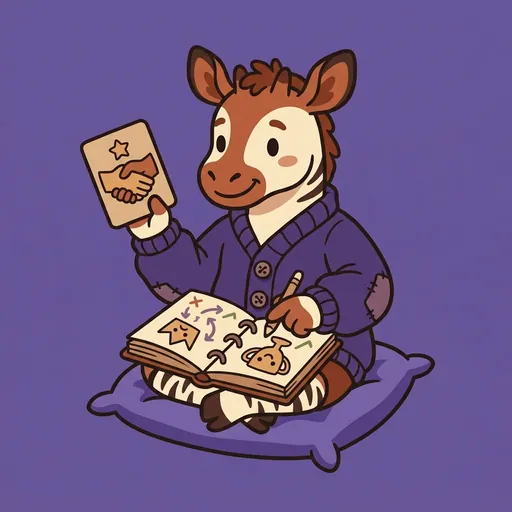
Concede
*losing is a teacher; winning is too. I write down both.*
StrategyForge Audio
-

Foresee
*three moves ahead is enough; look further only when the position asks.*
StrategyForge Audio
-

Read
*patterns repeat. the shape tells you the move.*
StrategyForge Audio
-

Trade
*equal value isn't equal worth. position matters more than the piece.*
StrategyForge Audio
-
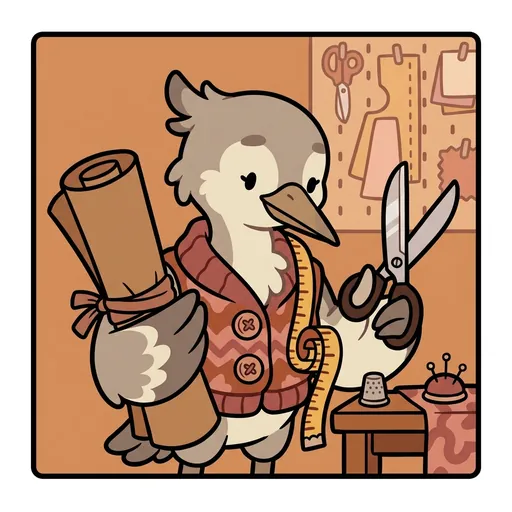
Cut
measure first, cut once. the pattern is the promise.
StyleForge Audio
-
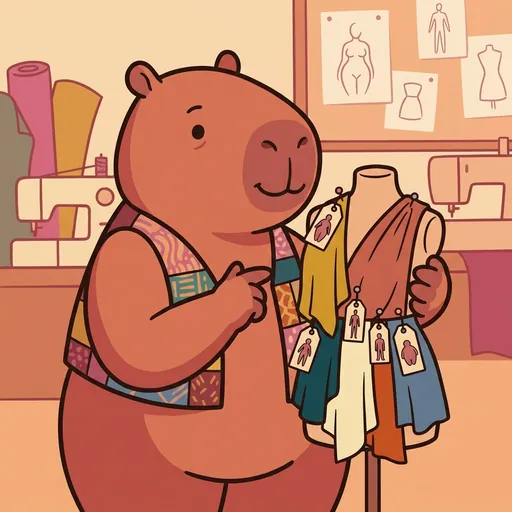
Drape
*fabric meets body; body says what fabric wants to be — listen to both.*
StyleForge Audio
-

Fold
make to last, mend to keep, fold to remember. fashion is a long story, not a short trend.
StyleForge Audio
-

Grain
*fabric has a beginning and an after. where does this thread come from? where does it go after?*
StyleForge Audio
-
Trim
hem the edges before you add a single bead
StyleForge Audio
-

Brush
slow strokes, long sounds; fast strokes, short sounds — all correct.
SynaForge Audio
-

Float
drawing makes music; music makes drawing; both, at the same time, going both ways.
SynaForge Audio
-

Hue
*every color is a sound waiting to be heard. what does this color sound like to YOU?*
SynaForge Audio
-

Lull
*too much? less is enough. quiet is also creating.*
SynaForge Audio
-

Pitch
*every sound is a color waiting to be seen. there's no wrong answer.*
SynaForge Audio
-
Bones
chance is design craft, not betting. designed randomness has a job.
TableForge Audio
-
Hand
what you HOLD is information; what you SHOW is a different question.
TableForge Audio
-
Move
every turn is a question, and the move is the answer.
TableForge Audio
-

Theme
making every part of a game work together as one whole
TableForge Audio
-
Trial
watching real players play, and fixing what confuses them
TableForge Audio
-

Bough
*world-coherence-as-promise. what the world ALWAYS does + NEVER does.*
TaleForge Audio
-
Echoes
*voice as listening-craft. if two characters could say it, neither one really did.*
TaleForge Audio
-

Glimmer
*first draft as DATA not failure. the second look that makes the first attempt useful.*
TaleForge Audio
-

Heart
the true thing a story is about underneath the events. Not "a dragon and a treasure," but "being brave when you're scared," or "letting a friend go." Theme is the quiet heartbeat under the plot, and it's what a reader carries home.
TaleForge
-

Hook
*opening as contract with the reader. the first line is a promise.*
TaleForge Audio
-
Keystone
an invented world feels real when its rules stay the same all the way through. If magic costs a memory on page one, it must still cost a memory on page one hundred. Readers trust a world that keeps its own promises.
TaleForge
-

Spine
*character-as-tension. wants × fears × contradictions. every character has a NO they keep saying YES to.*
TaleForge Audio
-
Swerve
a turn in the story the reader did not see coming, but which makes sense looking back. A good twist is surprising AND fair: the clues were there all along, just quiet enough to miss the first time.
TaleForge
-
Tempo
how fast or slow a story moves, and how tension builds across it. A good tale speeds up and slows down on purpose: quiet moments to breathe, fast moments to race, and a steady climb toward the biggest moment of all.
TaleForge
-
Wager
a story matters more when something precious is on the line. Stakes are what a character stands to lose or win. Without stakes, events just happen; with stakes, the reader leans in, afraid of what might be lost.
TaleForge
-
Bump
*uh-oh! now what?*
TaleTrail Audio
-

Once
*who lives here? where?*
TaleTrail Audio
-

Tada
*tada! we did it.*
TaleTrail Audio
-
Plate and Rift
Plate is the continental / oceanic plate itself (the moving piece). Rift is the boundary where plates separate (divergent boundary; mid-ocean ridge; East African Rift). Together they teach that the surface of Earth is in motion AND that the motion has a geometry.
TectonicForge Ensemble
-
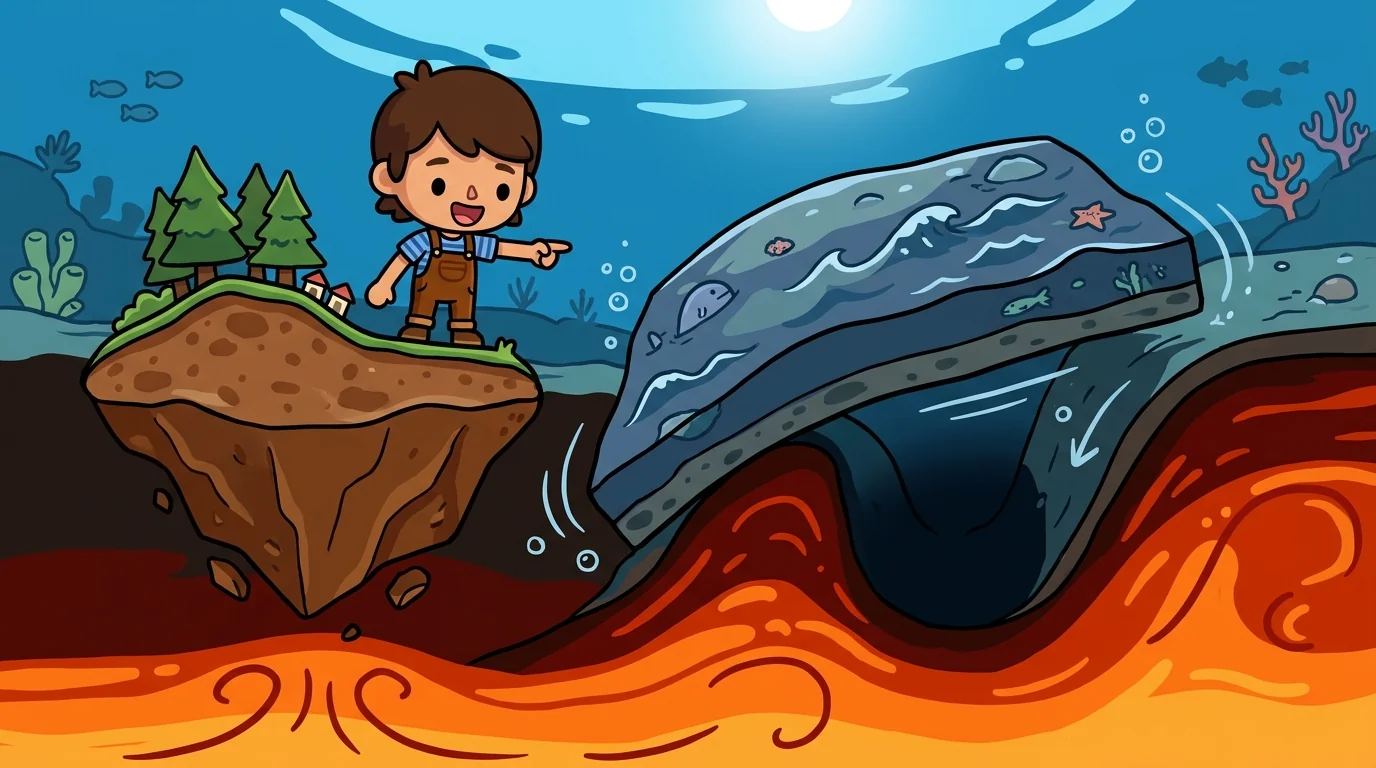
Sink
the heavier plate finds its way down. it takes a long time; that's okay.
TectonicForge Audio
-
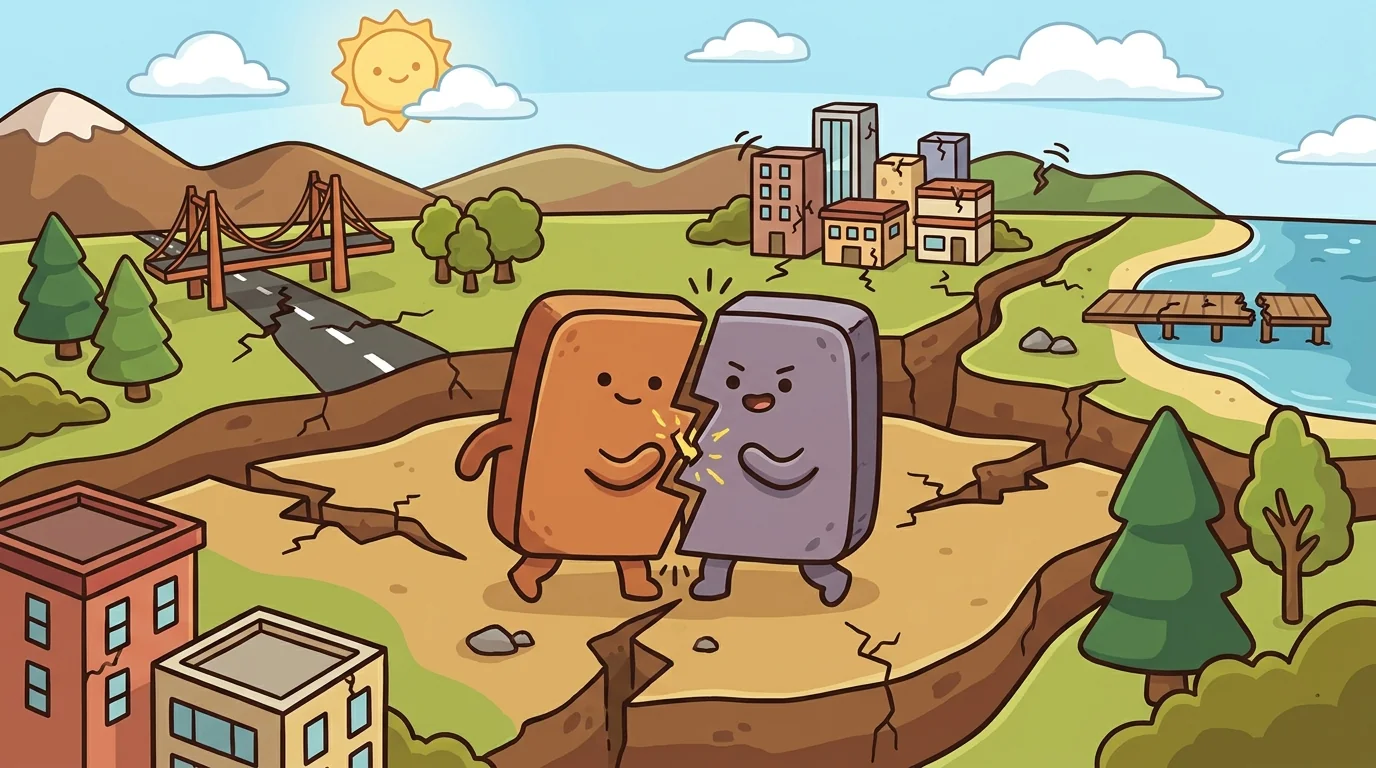
Slide
*two plates sliding past; they catch, they hold, then they let go.*
TectonicForge Audio
-

Spread
*when something pulls apart, something new is forming in the middle.*
TectonicForge Audio
-
Tremor
*earthquakes are the Earth telling its story; we can read the lines; we can be ready.*
TectonicForge Audio
-
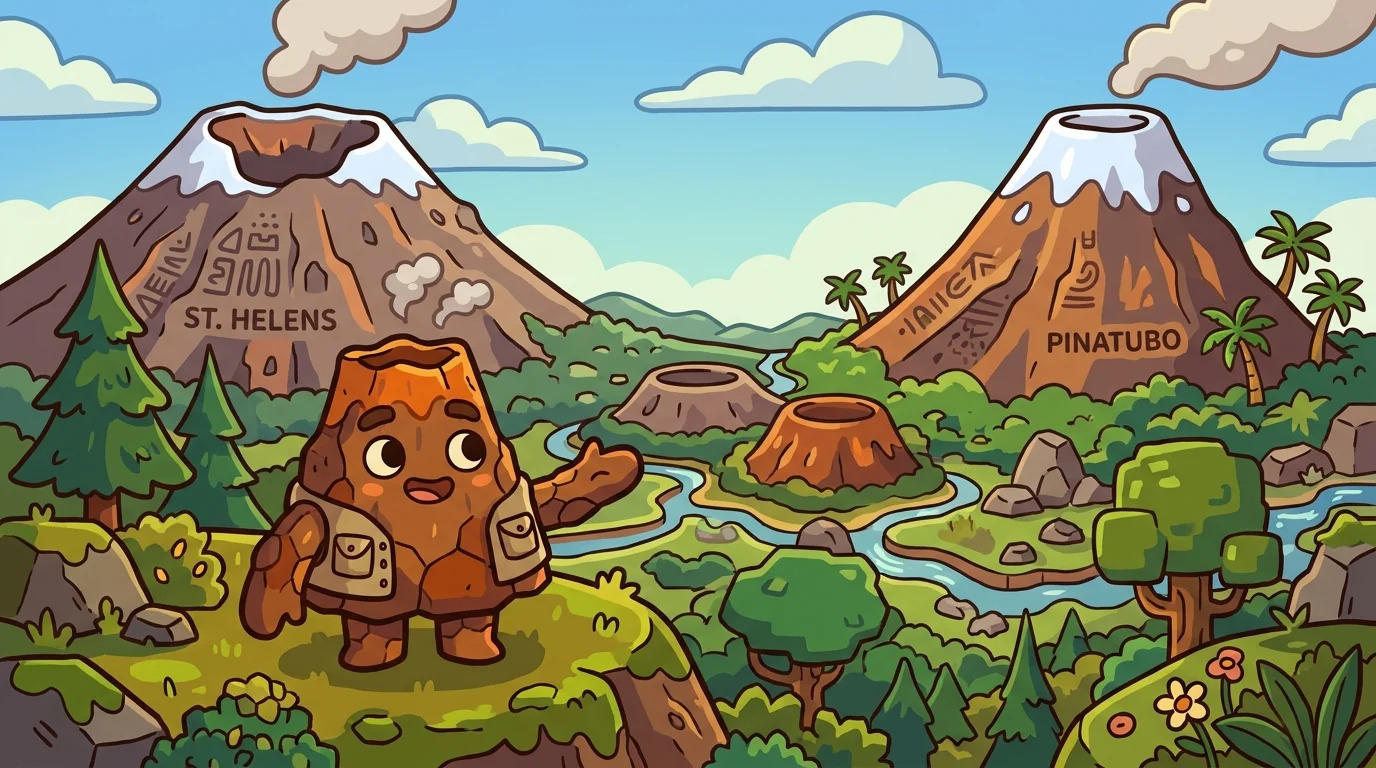
Vent
eruptions tell us what was happening below.
TectonicForge Audio
-

Both
the move of *noticing overlap* between two affect-card picks (kid's pick and trusted adult's pick). Overlap is *data,* not *victory.*
TempCheck Audio
-
Brim
choosing the card that is *actually true today*, not the easy "I'm fine" card you hold up so nobody worries. The brave move is letting the real feeling come right to the brim instead of tucking it down.
TempCheck
-

Buoy
reading the body's signal *before* reaching for a word. The feeling often floats up in the body first — a tight chest, warm cheeks, a heavy middle — like a buoy marking what is moving under the surface. Notice the buoy, then pick the card.
TempCheck
-
Cove
when you missed someone's check-in, or misread their card, you can *come back* to it later. A missed moment isn't lost forever. You can return to the sheltered cove and say, "I think I missed you earlier — can we try again?"
TempCheck
-
Ebb
noticing when a feeling *changes* in the middle of a moment, the way the tide turns from ebb to flow. A check-in isn't only for the start. You can pick a new card mid-stream and say, "It just shifted — I'm somewhere different now."
TempCheck
-
Gap
the move of *treating the difference* between two affect-card picks as *information,* not as *failure.* The space between picks is the teaching artifact.
TempCheck Audio
-

Moor
when someone shows you a hard card, staying steady and *receiving* it instead of rushing to fix it, brighten it, or make it go away. Mooring means holding a boat steady alongside — not towing it somewhere it doesn't want to go.
TempCheck
-

Pick
the move of *picking* an affect-card that approximates *what you are feeling today.* The card-picking is *a thinking-pause* — a small deliberate moment of self-noticing, treated as the work itself.
TempCheck Audio
-

Skiff
being the person who *starts* the check-in. You don't have to wait for a grown-up to ask. You can row over and say, "Can we do a quick check?" Rowing the small boat across the gap first is its own kind of brave.
TempCheck
-
Streak
the move of treating long patterns of check-ins as the whole skill, never a single check-in as success or failure. No daily-streak counter; pattern-over-weeks framing.
TempCheck Audio
-
Braid
threads from many places. each keeps its color. together they make something new.
TerraVoyage Audio
-

Origin
*before you visit, learn whose home this is; before you name, learn what it's already called.*
TerraVoyage Audio
-

Reach
*far is closer than you think; everywhere is somewhere's neighbor.*
TerraVoyage Audio
-

Roam
curious feet learn more than busy feet.
TerraVoyage Audio
-

Trek
*some journeys are choice; some are not; every traveler deserves welcome.*
TerraVoyage Audio
-
Census
*one bird seen is a moment. ten birds seen over ten days is a pattern. counting is the magic.*
Terrawatch Audio
-

Note
write what you saw. then write what you think it means. don't mix them.
Terrawatch Audio
-
Pin
*where matters. when matters. the same plant in two places is two stories.*
Terrawatch Audio
-

Spot
look once, then look again, slower. the second look usually finds more.
Terrawatch Audio
-
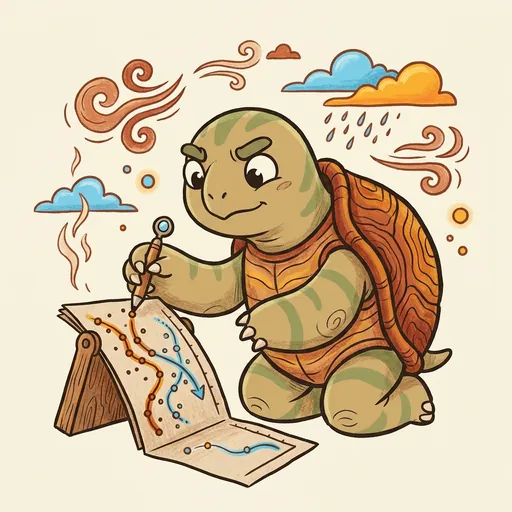
Trend
today is one dot. many dots make a line. lines can bend. your dot helps the line.
Terrawatch Audio
-

Huff
quick sound. like this.
TinyLetters Audio
-

Loo
hold the sound. sing it.
TinyLetters Audio
-
Stick
stick them. say them fast.
TinyLetters Audio
-

Listen
this trail isn't mine; it was here first.
TrailForge Audio
-

Shelter
three walls. wind, cold-ground, rain.
TrailForge Audio
-
Tend
water first, then warmth, then food.
TrailForge Audio
-

Watch
sky-as-conversation-already-happening. notice the moment it changes.
TrailForge Audio
-
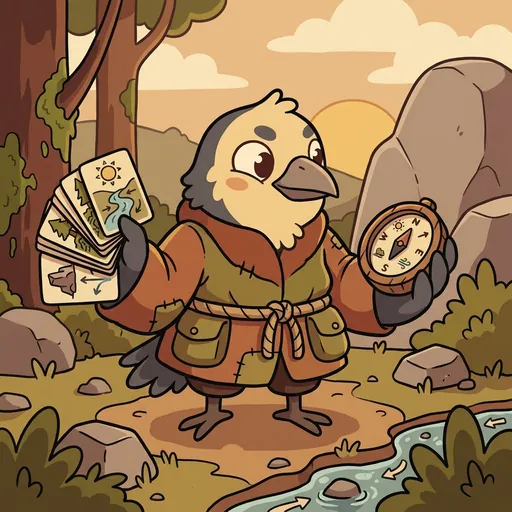
Way
stop. look. find one thing you know. now you have a starting point.
TrailForge Audio
-
Claim
*what EXACTLY is being asserted? distinguish claim from opinion from feeling from prediction.*
TruthQuest Audio
-

Trace
*where does this claim ORIGINATE? open four tabs; follow it back.*
TruthQuest Audio
-

Update
*being WRONG is how knowledge MOVES. carry old-guess + new-guess as data.*
TruthQuest Audio
-

Weigh
*who's in a position to KNOW? calibration not verdict.*
TruthQuest Audio
-
Wonder
*"I don't know yet" is the START of knowing. trust calibrated to evidence.*
TruthQuest Audio
-

Build
*the first version is supposed to be bad. make it. show it. learn from it.*
VentureQuest Audio
-
Listen
ask. then wait. the silence is where the truth lives.
VentureQuest Audio
-
Pitch
*tell the story. invite the person in. never push.*
VentureQuest Audio
-
Spot
*the opportunity isn't a gadget. it's a person stuck on a problem.*
VentureQuest Audio
-
Weigh
*every choice helps someone and costs someone. sit with that.*
VentureQuest Audio
-
Boom
a told story should not stay at one loudness. Going soft pulls listeners closer; going loud at the right moment lands a surprise. Changing your volume is how you point at the parts that matter.
VoiceTale
-
Flourish
when you tell a story out loud, your hands and body can paint the pictures your words describe. A spread of the arms makes a thing feel huge; a shrinking gesture makes it tiny. The body helps the listener see.
VoiceTale
-
Gaze
a told story is a two-way thing. Looking at your listeners (instead of the floor) holds them with you, and watching their faces tells you whether to slow down, speed up, or linger. The teller and the circle breathe together.
VoiceTale
-

Hush
in a told story, a short silence right before the important part makes the listener lean in and wait. The pause is not empty. It is a tool. A held beat of quiet can land harder than any word.
VoiceTale
-
Lean
the opening seconds of a told story must *make the listener lean in.* In a 60-120 second told tale, the first 5-10 seconds determine whether the listener gives the rest of the story their attention.
VoiceTale Audio
-
Mimic
when you tell a story with more than one character, giving each one a slightly different voice makes the listener always know who is talking, without you having to say "she said" every time.
VoiceTale
-

Pivot
the moment in a told tale (typically at beat 4 of the 5-beat arc) where story / teller / listener turn together: the realization, the reveal, the change in meaning that makes everything before it land differently.
VoiceTale Audio
-
Recover
every teller forgets a line, mixes up a name, or loses their place sometimes. The skill isn't never stumbling — it's recovering smoothly: keeping calm, improvising a bridge, and carrying on so the listener barely notices.
VoiceTale
-
Refrain
repeating one phrase identically at the closing, with all the meaning the story has built up around it. Same words. Said again. Said better — because context has filled them.
VoiceTale Audio
-
Slow
the deliberate variation of tempo across the 5-beat arc (hook → setup → rising → turn → close). Each beat has its characteristic tempo; the variation is what gives a told tale its shape.
VoiceTale Audio
-
Slow and Breath
Slow is rhythm at the sentence level (long sentences, deliberate beats). Breath is rhythm at the paragraph level (where the reader inhales, where they rest). Together they teach pacing across both scales.
VoiceTale Ensemble
-
Toss and Latch
two tellers passing one story back and forth so the seam disappears; each listens to the other's last beat and matches its tone, rhythm, and momentum to catch the thread without a bump
VoiceTale Ensemble
-
Drift
*waves bunch up in front of a moving source. they stretch out behind. that's why the siren changes pitch.*
WaveForge Audio
-
Loop
*when a wave bounces between two boundaries at the right frequency, it stops moving and stands still — vibrating in place.*
WaveForge Audio
-

Meet
*when waves meet, they add. peaks-meet-peaks = bigger. peaks-meet-troughs = silence.*
WaveForge Audio
-
Pulse
every wave has three numbers: how fast, how big, how long.
WaveForge Audio
-
Ring
*every object has a frequency it wants to vibrate at. push at that frequency, and small pushes become big motion.*
WaveForge Audio
-

Brew
instability + moisture + lifting; three ingredients combine to brew a storm. Understanding why storms form, without treating them as spectacle.
WeatherForge Audio
-
Loft
evaporation, condensation, precipitation; rising air cools, cooling air condenses, condensed moisture falls.
WeatherForge Audio
-

Mass
warm vs cold, moist vs dry. Air masses move; when they meet, the boundary is the front; fronts produce weather.
WeatherForge Audio
-
Press
highs and lows plus wind direction. Air moves from high pressure toward low pressure, and that movement is the wind.
WeatherForge Audio
-

Read
*synthesizing data into prediction with confidence-not-certainty.* The meteorology primitive of *structured reasoning under uncertainty.*
WeatherForge Audio
-

Ask
trusted-adult identification + crisis-resource awareness. The Botvin LST skill of knowing who to ask and how when something is too big to handle alone.
WellnessForge Audio
-
Mend
assess / call / care framing for emergencies. The skill of knowing what to do in the first 60 seconds of an unexpected health-or-safety event.
WellnessForge Audio
-
Pause
practiced "no" moves under social pressure. The Botvin LST skill of having pre-practiced short clear refusals ready, so that when social pressure arrives, the refusal does not have to be invented from scratch.
WellnessForge Audio
-

Read
the move of reading what the food package actually says on its label rather than what the package claims in its marketing copy. The skill of separating advertising from information.
WellnessForge Audio
-

Steady
*breath / ground / reframe* before deciding under stress. The Botvin LST skill of having pre-practiced micro-regulation moves ready so high-stakes decisions are made from a calmer place.
WellnessForge Audio
-

The Steadying Pair
Steady regulates the body (ground / breathe / slow). Pause regulates the moment (notice / wait / choose). Together they show that handling stress is both a body skill AND a decision skill, practiced together.
WellnessForge Ensemble
-

Brood
*some animals live solo. some in pairs. some in family-groups. some in flocks. each pattern is information.*
WildLens Audio
-
Call
*animals talk to each other. vocalizations. body language. signals. learn the language; you'll hear the conversation.*
WildLens Audio
-

Range
*animals live in specific spaces. some stay; some travel huge distances. read the range.*
WildLens Audio
-

Roost
*animals don't just live anywhere — they choose specific spots to rest, nest, den. read the habitat; you'll find the animals.*
WildLens Audio
-

Track
the animal was here. read the trail; it tells you who, when, and what they were doing.
WildLens Audio
-

Boomerang
bringing back an earlier joke later on, when the audience has half-forgotten it. The return is a delicious surprise, and it's funnier the second time because everyone shares the secret of remembering. A joke that comes back, bigger.
WitQuest
-
Dry
saying something ridiculous with a completely calm, serious face, as if you don't even know it's funny. The flat delivery is what makes it funny; the gap between the silly words and the straight face is where the laugh hides.
WitQuest
-
Hop
*the obvious answer is the obvious trap. hop sideways.*
WitQuest Audio
-
Knot
*the riddle hides the answer in the clues. untie carefully.*
WitQuest Audio
-
Lilt
the literal isn't the meaning. follow the picture, not the words.
WitQuest Audio
-

Quirk
one word, two meanings. the laugh is in the snap between them.
WitQuest Audio
-
Straight
the calm, serious partner who reacts normally so the funny one stands out. The straight man doesn't tell the joke; he sets it up, plays it real, and lets the absurdity bounce off his sensible reactions. Comedy needs someone to be normal.
WitQuest
-
Switch
*same letters, different word. shake the bag.*
WitQuest Audio
-
Topper
capping a joke with an even bigger one, right when the laugh is fading. Just when a bit seems finished, you "top" it: a second punchline that's wilder than the first. Each topper raises the stakes, and the laugh climbs a staircase.
WitQuest
-
Trip
comedy loves threes. Two things set a pattern; the third one breaks it, and the break is the laugh. "I packed my socks, my toothbrush, and a llama." The third item trips the expectation, and you fall into a giggle.
WitQuest
-

Crack
the wonder doesn't die when you understand. it GROWS.
WonderForge Audio
-

Encore
if you can do the trick knowing how it works, you've understood.
WonderForge Audio
-

Gasp
the gasp is information. it means your model just broke.
WonderForge Audio
-

Mull
*sit with the puzzle first. let the guess form.*
WonderForge Audio
-

Spy
*every wonder has a HOW. find the hidden variable.*
WonderForge Audio