
Mold
SHAPE ON THE PAGE — some poems are built to a visual shape. A cinquain grows then shrinks (2-4-6-8-2 syllables), making a little diamond. Concrete poems take the shape of what they describe. The form's silhouette is part of its meaning.
Press play to listen along. The line being read lights up as you go.
Show full transcript
Loading transcript…
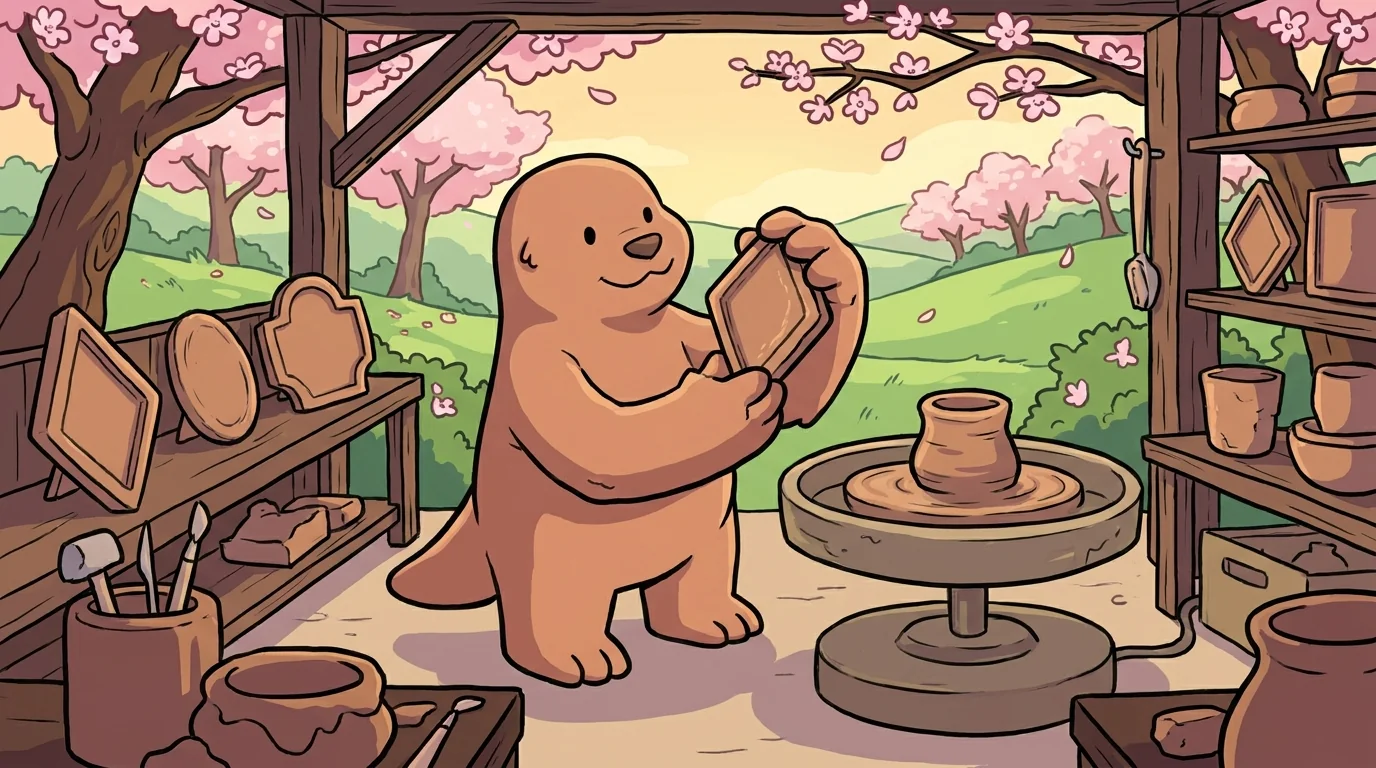
Cherry met Mold on a soft spring evening in the grove, where a potter's wheel had been left turning slowly in an open workshop.
Mold was a gentle, clay-colored creature with broad, careful paws, and as Cherry watched, they shaped a lump of soft clay — wide in the middle, narrow at the top and bottom — into a small, even diamond. They held it up. From all the way across the workshop, you could tell its shape at a glance, before you saw any detail at all.
"You make shapes you can read from far away," Cherry said.
Mold turned, holding the little clay diamond. "I do," they said warmly. "The shape is the first thing you see — before a single word. My name is Mold. I keep the shape of a poem on the page." They set the diamond down. "Some poems are built to a silhouette. A cinquain starts small, grows wide, then shrinks again — two beats, four, six, eight, then two. It makes a little diamond, just like this. You can see the shape of the poem before you read it."
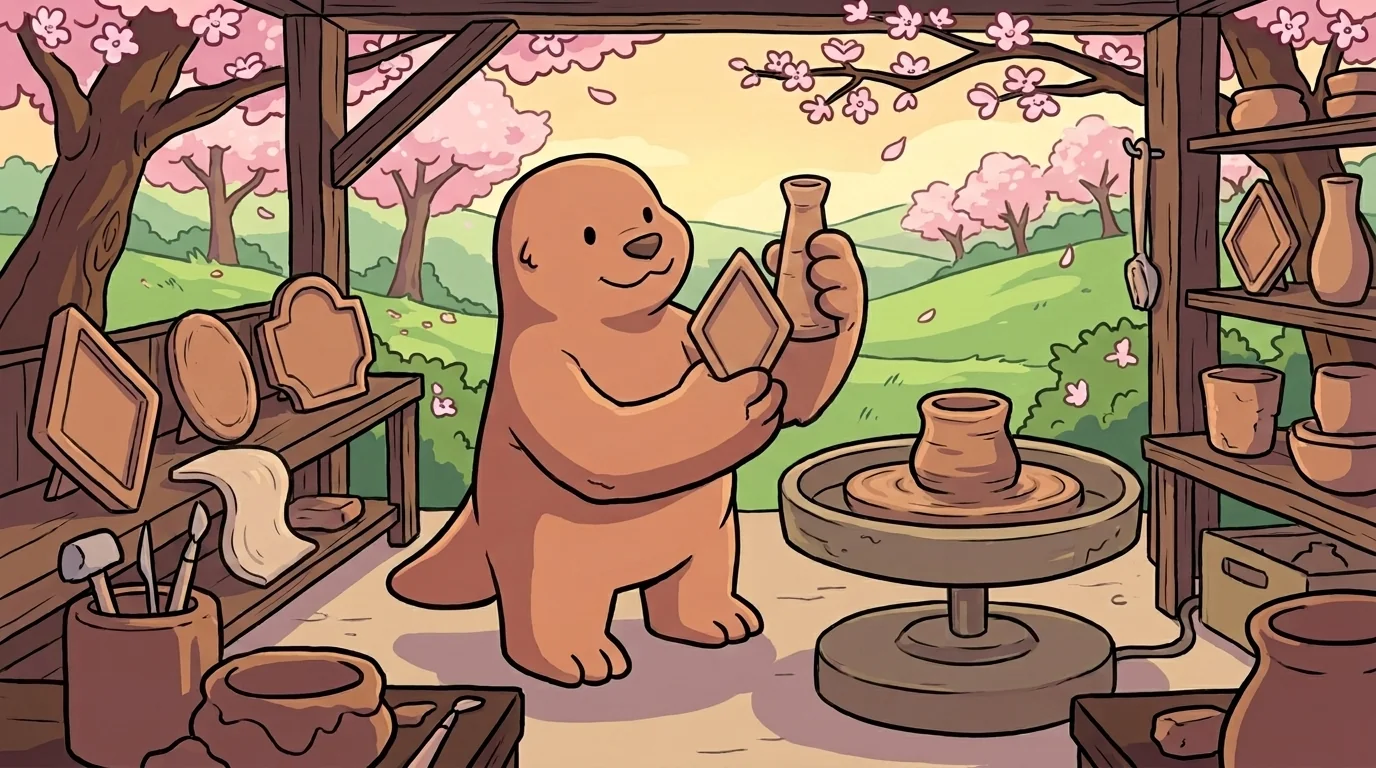
Cherry studied the clay diamond. "Show me how the shape means something," she said.
Mold smoothed a new lump of clay. "Watch a cinquain grow," they said, building the shape as they spoke — a tiny first line, then wider, then wider still, then the wide swell of the longest line, then a sudden small close. "Feel how it opens up and then snaps shut? The widening pulls you in, bigger and bigger — and then that last tiny line lands like a quiet surprise. The shape does that. Not the words — the shape."
Then Mold shaped a tall, thin tower of clay. "And some poems take the shape of what they're about. A poem about a tall tree, shaped tall and thin. A poem about a winding river, written in a curving line down the page. The poem looks like its subject. The eye sees the meaning before the mind reads it."
Cherry felt the wonder of it. She'd taught the counted forms as numbers — 2-4-6-8-2 — but Mold made the numbers into a shape, a thing the eye could feel.

Cherry asked Mold to travel with her. "I coach children in counted forms," she said, "and they write a cinquain as just a list of lines. They never see the diamond it makes. I think you could teach them to see the shape."
Mold wiped their clay-dusted paws. "I'll come," they said. "I do love a shape you can see from across the room. I'll teach them to build with the eye, not just the ear."
So Mold joined Cherry's travels, and the poems in her lessons began to take shape.
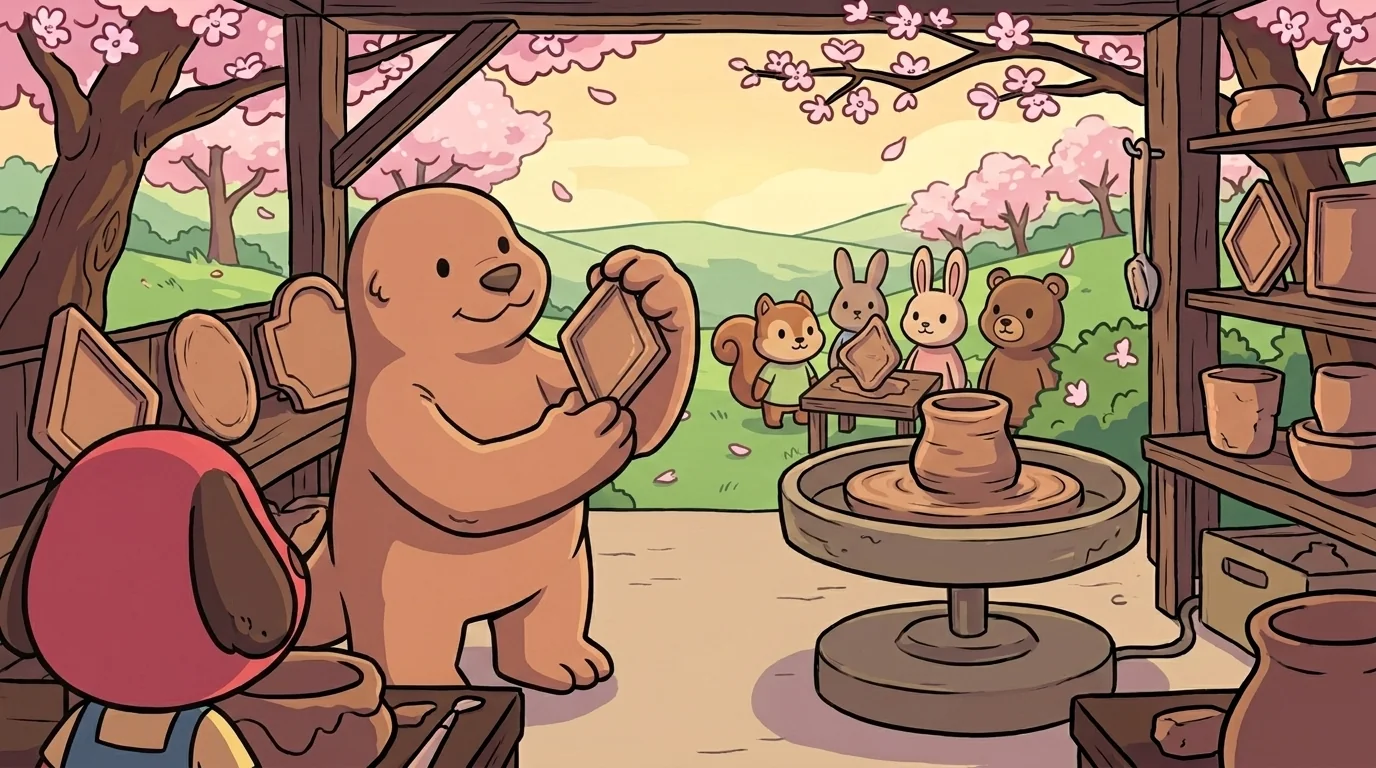
When Cherry teaches the shape of a poem, Mold shows the way with clay. "Build your cinquain and then step back," they tell the students. "Look at it from across the room. Does it make the little diamond — small, wide, small? If a line is too long or too short, the diamond goes lopsided. The shape tells you where you went off."
A student's cinquain had a middle line far too short, so the diamond came out pinched and crooked. Mold held it up across the room, and everyone could see the lopsided shape at a glance. The student fixed the line, and the diamond rounded out, even and pleasing. "You didn't just fix a syllable count," Mold said. "You fixed the shape. And now it looks like what it is."
"Here's the part to hold onto," Mold added. "Not every poem has a shape to build. A haiku doesn't make a picture — it's quiet and even. Don't force a shape onto a poem that doesn't want one. But when a form does have a shape — a cinquain's diamond, a concrete poem's picture — honor it. Let the eye see the poem before the mind reads it. The silhouette is part of the gift."
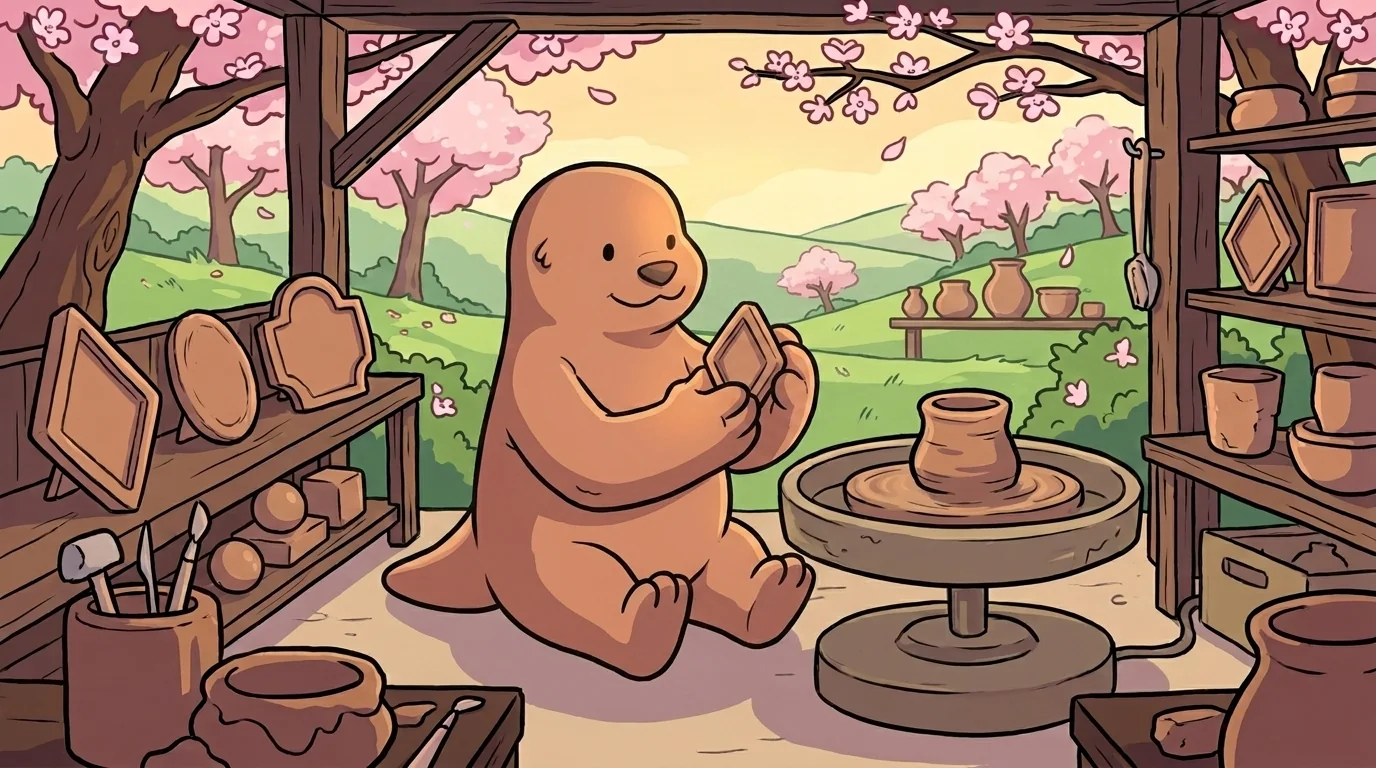
After the lesson, Mold sat by the slowing potter's wheel, turning a small even diamond of clay over and over in their broad paws.
For a long time, Mold had wondered if shape was a shallow thing to care about — just how a poem looked, not what it said. The other creatures cared about sound, meaning, feeling. Mold cared about the silhouette, and sometimes felt that made them less deep than the rest.
But turning the little clay diamond in the fading light, Mold understood their gift more truly. Shape was meaning. The way a poem opened and closed, the picture it made on the page — that wasn't shallow at all. It was the very first thing a reader felt, before a single word, a welcome the eye received before the mind arrived. Helping a child build a poem you could recognize from across the room — that was a quiet, hand-shaped kind of love. A warm contentment settled into Mold's clay-colored fur. Shape was not the opposite of meaning. It was meaning you could see. And they smoothed the little diamond one more time, and were glad.
The HaikuQuest ensemble
Mold is part of HaikuQuest's distributed-narrative cast. Each character embodies a different curricular primitive; together they teach the full subject.
-
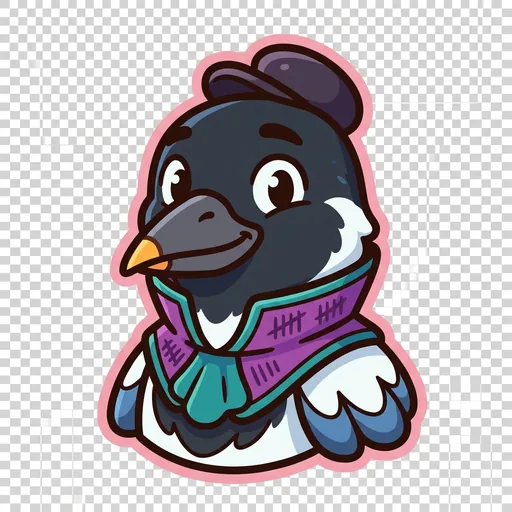
Count
Syllable count / count-discipline — magpie-tween whose beak-tap enacts the rhythmic underpinning of every counted form
-
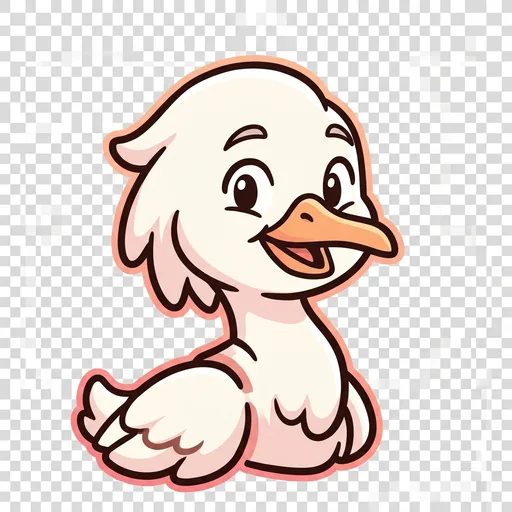
Pause
Kireji / cut / productive break — snowy-egret-tween whose perpetually-mid-step body IS the kireji in physical form
-
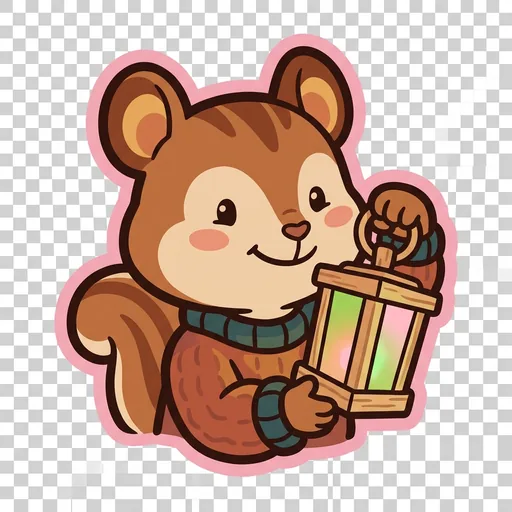
Lantern
Season-word / anchoring image — chipmunk-tween whose wooden lantern visibly shifts color with the season
-
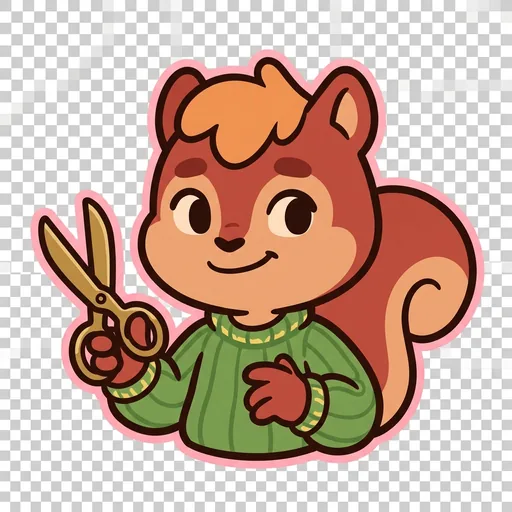
Trim
Brevity / saying-less — red-squirrel-tween with brass scissors who snips redundant words to find the smaller-stronger version
-

Flint
Juxtaposition — flinty badger-creature who strikes two smooth stones to make a spark; two images set side by side make a third meaning leap up in the gap
-
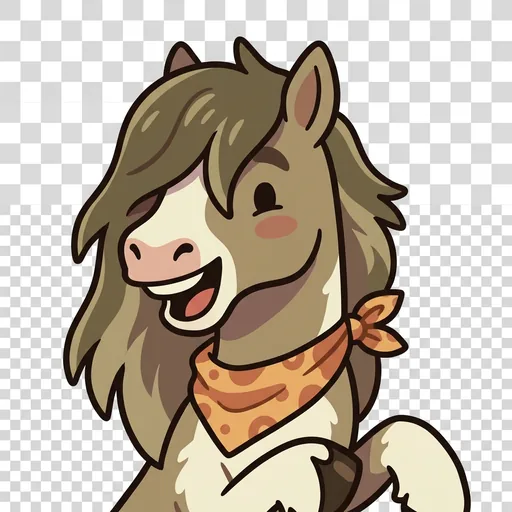
Gallop
Meter / the stressed beat — long-legged pony-creature whose hooves fall da-da-DUM; not how MANY beats (that's Count) but which ones to stomp (esp. the limerick)
-
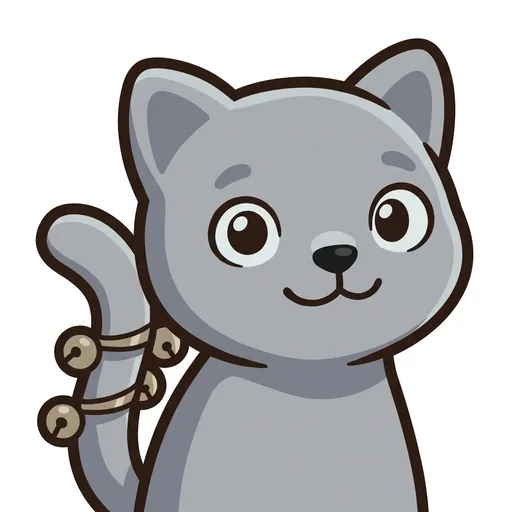
Bell
Rhyme — silver creature with tuned tail-bells that chime the same note when end-sounds match; a forced rhyme jammed in just to chime is worse than none
-
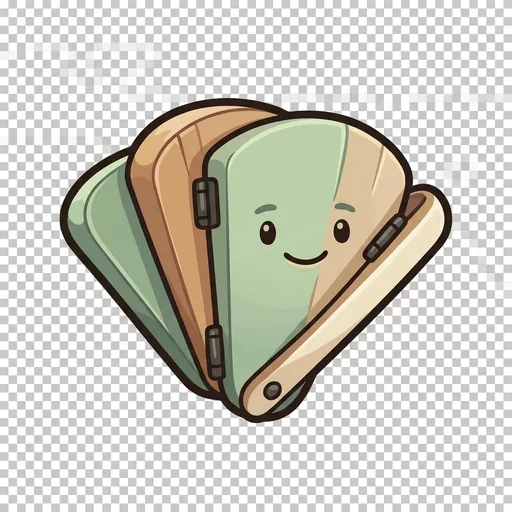
Hinge
The line break — folding-door creature who holds a small pause at the end of each line; the end of a line is a little stage, so end on a word that earns it
-
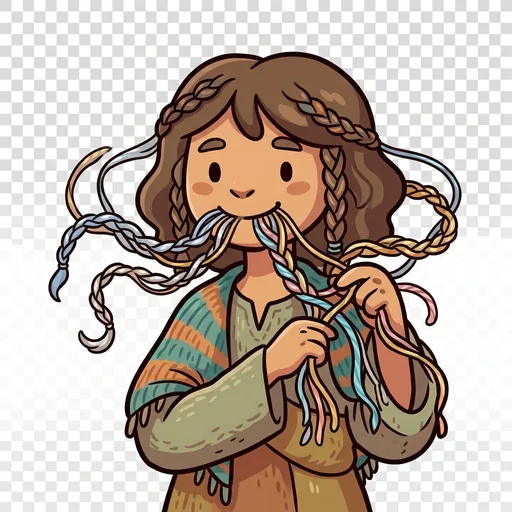
Braid
Sound texture — nimble creature who weaves repeated sounds through a line (alliteration + assonance); enough echo makes music, too much makes a tongue-twister knot