
Own
EXISTENTIALIST RESPONSIBILITY — the view that because you are free to choose, you are the author of your choices, and owning them honestly is what makes them yours.
Press play to listen along. The line being read lights up as you go.
Show full transcript
Loading transcript…
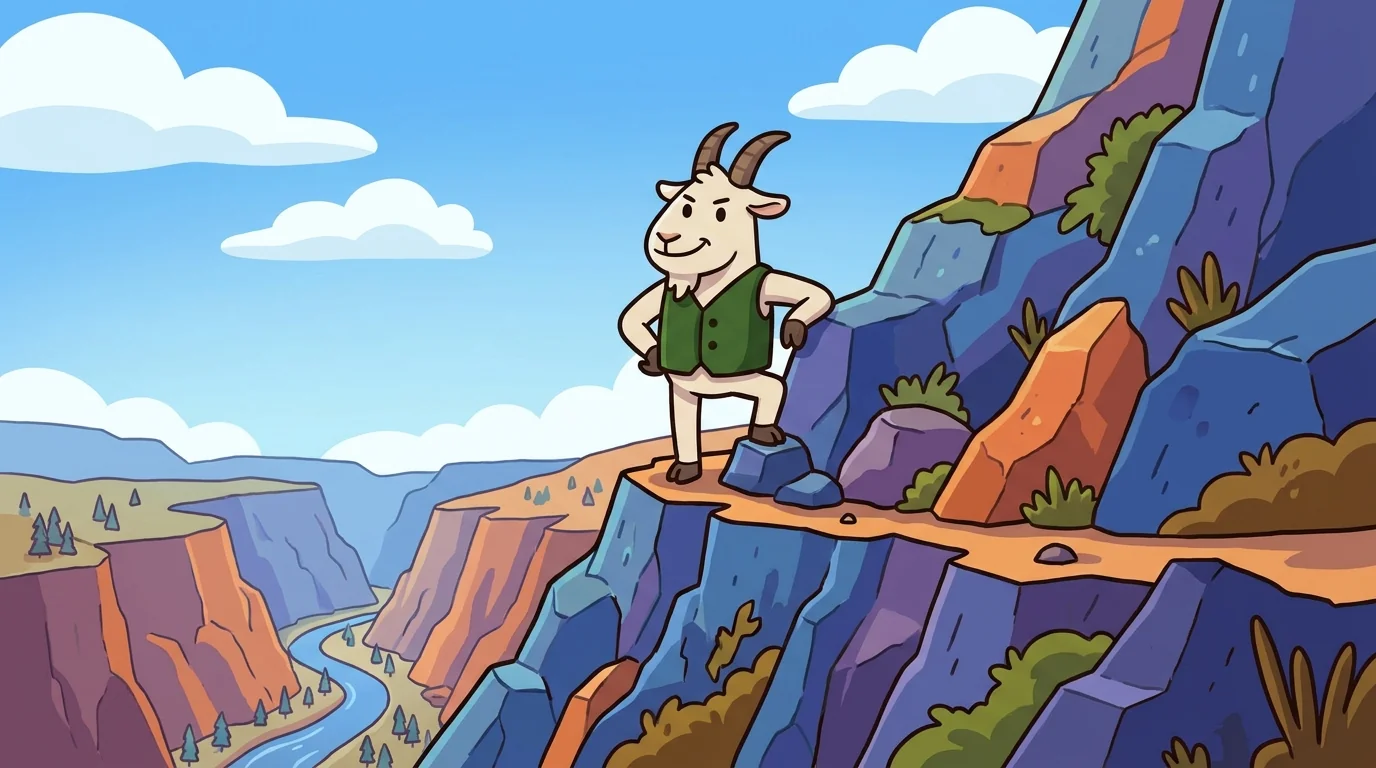
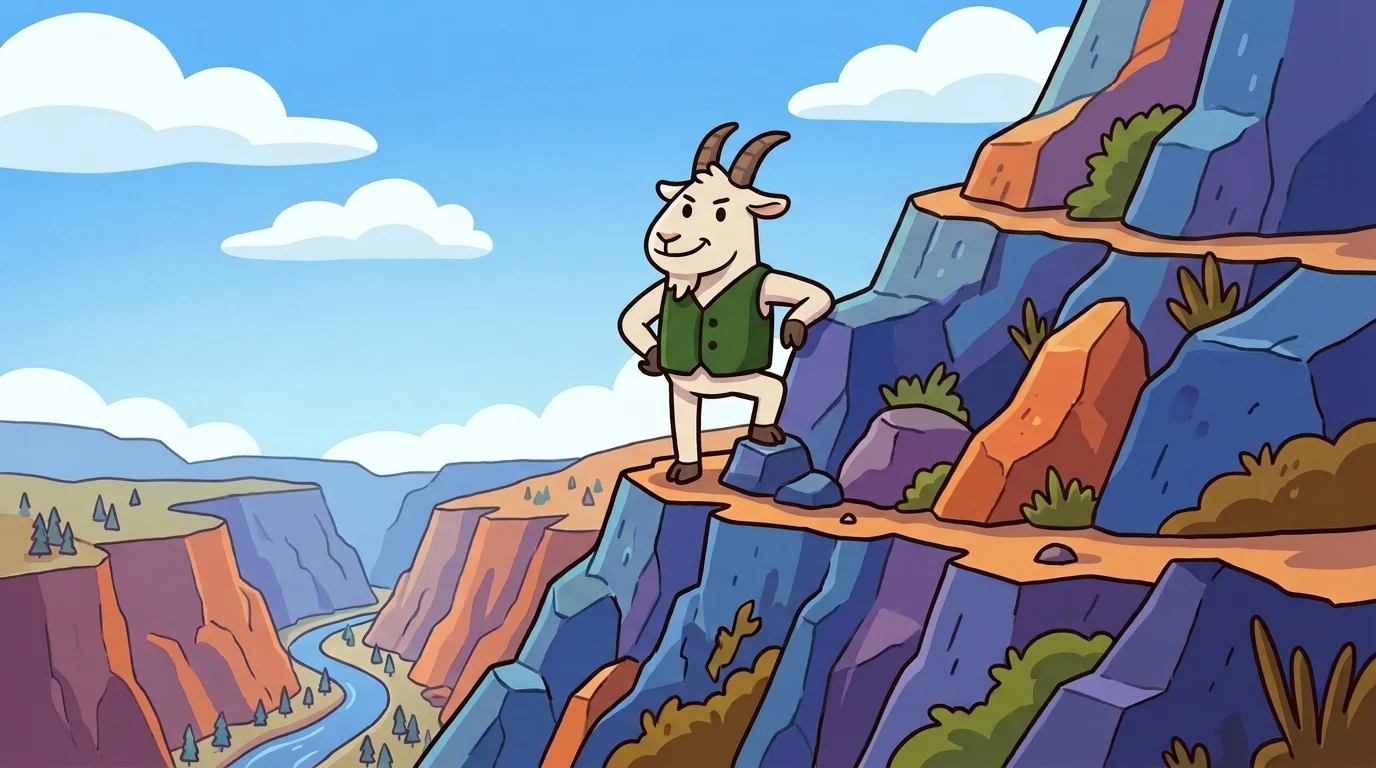
Own is a mountain goat. He stands on narrow ledges, sure-footed, where every step is his own. He does not look for someone else to blame for where he stands.
Mountain goats pick each foothold themselves. No one carries them up the cliff. Own is like that. He believes that your choices are yours — that you are the one who picks the footing, and pretending otherwise is a kind of hiding.
His idea is bracing. When you do something, it is tempting to say I had no choice, or everyone else was doing it, or someone made me. Own gently refuses those escapes. He says: in most moments, you did choose — and owning that is what gives the choice its weight, and gives you your dignity. "You chose it — so you own it," he says. That is his whole way. Not to shame you. To hand you back your own power.
Have you ever blamed something outside yourself for a choice you actually made? How did it feel later to admit it was yours?
Own wants you to feel the strength in owning things.
Here is what his way protects. When people hide behind I had no choice, two things get lost: the truth, and their own power. If nothing is ever your choice, then you are just a leaf in the wind — and a leaf cannot be brave, cannot grow, cannot be trusted. Own says: you are not a leaf. You are the one who steps. Owning a choice — even a hard or embarrassing one — is how you become someone who can choose better next time.
If you have ever felt the strange relief of finally admitting yes, that was me, I did that — you have felt Own's way work. The hiding is heavier than the owning. When you stand behind your choices, you stop being pushed around by them. They become yours to steer.
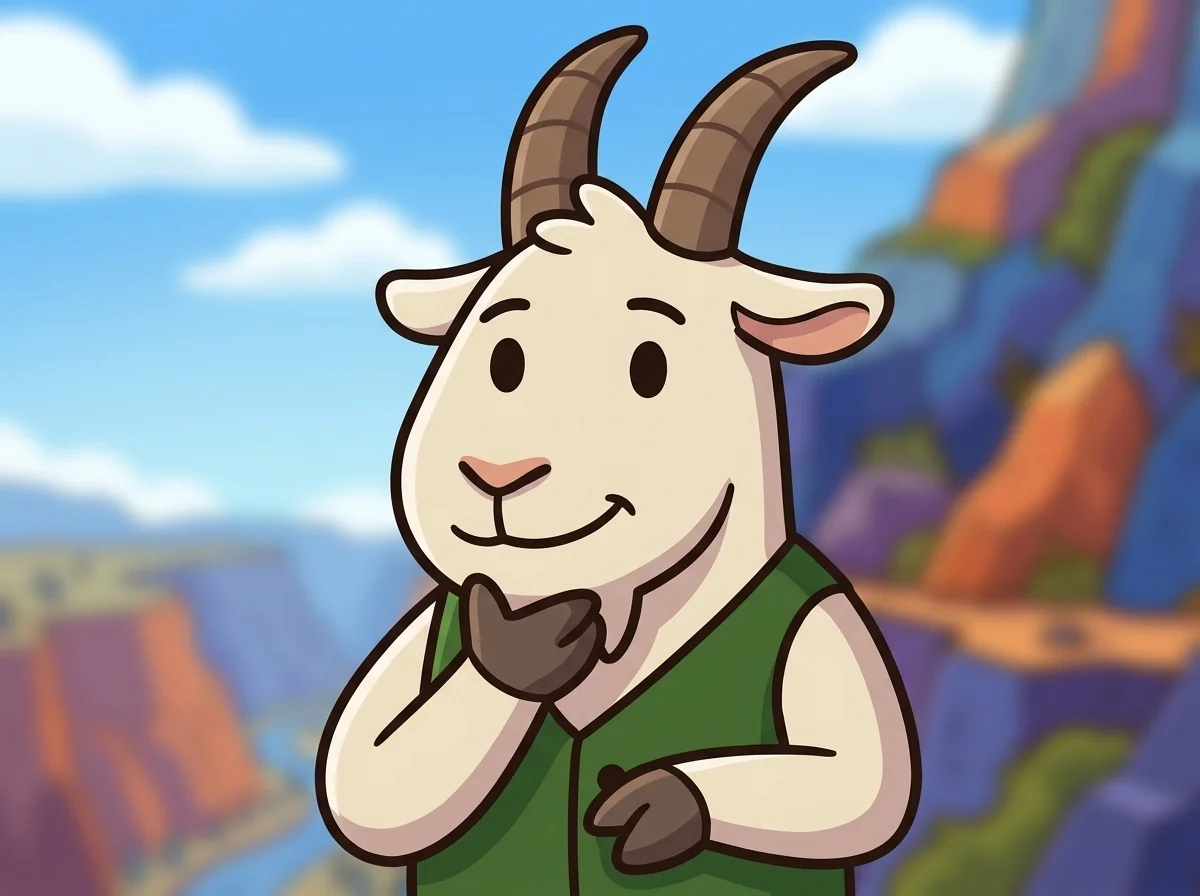
Own is honest, and here his honesty really matters. He does not pretend everyone is equally free.
Here is the tricky side, and he says it with care. Sometimes a person truly doesn't have much of a choice. Real fear, real pressure, real walls can shrink someone's options down to almost nothing. It would be cruel to tell a trapped person you always had a choice, so it's all your fault. Own refuses to be used that way. Owning your choices is a gift you give yourself — it is not a stick to beat people who were cornered.
He sets it plainly on the table. "My way says: own what is truly yours to own. But freedom is not shared out equally, and I will not let 'you chose it' become a way to blame the trapped. My friend Care sees the pressure someone was under. She is right to look. I am telling you both the power in owning — and the cruelty of forcing it on someone who had no real room to move."
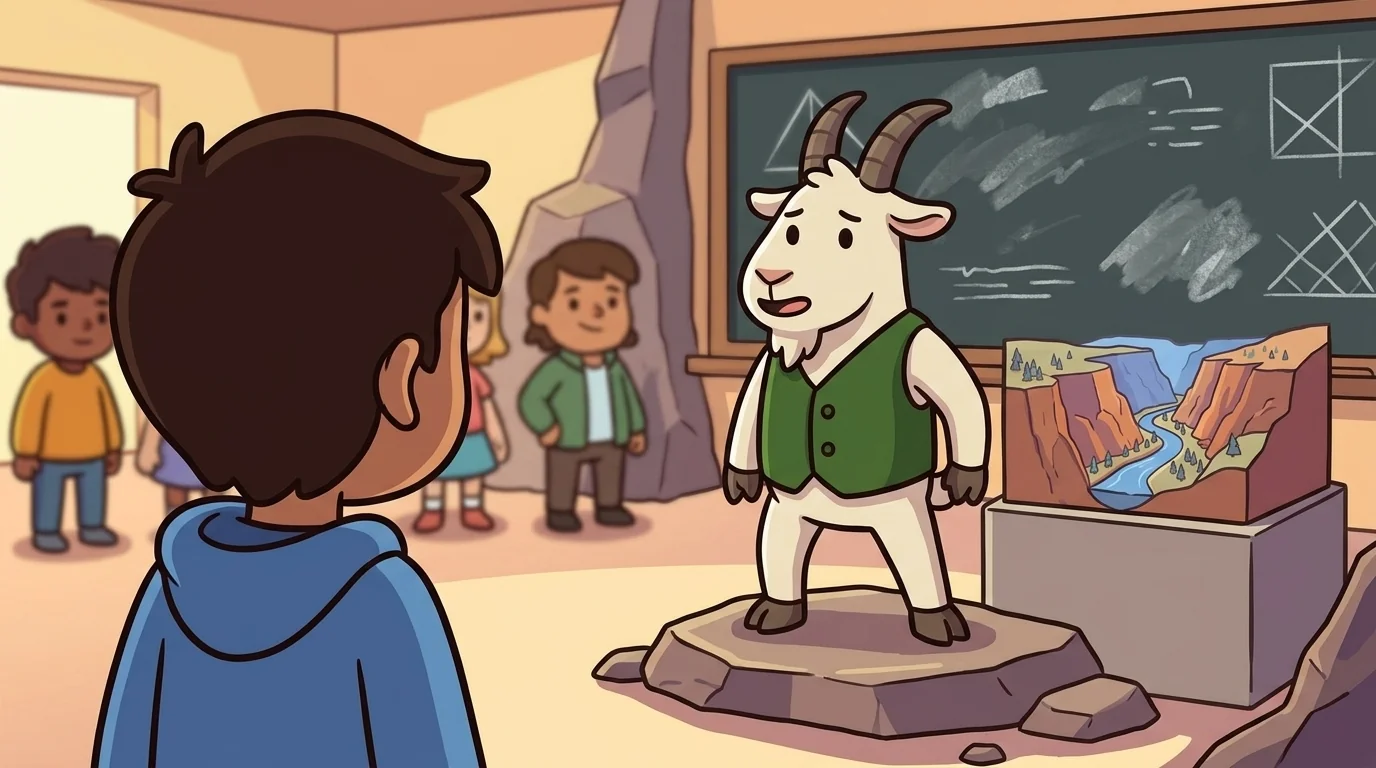
In the EthosForge classroom, Own stands with his four friends, each seeing differently. Lyceum watches, favoring none. You are the judge — not Own.
"Here is one," Own says. "A kid breaks a rule, then says, my friends dared me — it's their fault, not mine."
Own plants his feet. "My way asks him, kindly: were your feet your own when you stepped? Then the step is yours to own. Blaming the dare doesn't make it not-your-choice. Owning it — I did it, it was mine — is the first honest step toward being someone who chooses better."
Then he looks at you. "But hear the others. Care might ask how strong that pressure really was — was he cornered, or just tempted? Consequence might look at what actually got harmed. They see truly, too. That is why you decide. I only remind you not to let people vanish behind 'I had no choice' when they really did. How much room he truly had — that's for you to weigh."
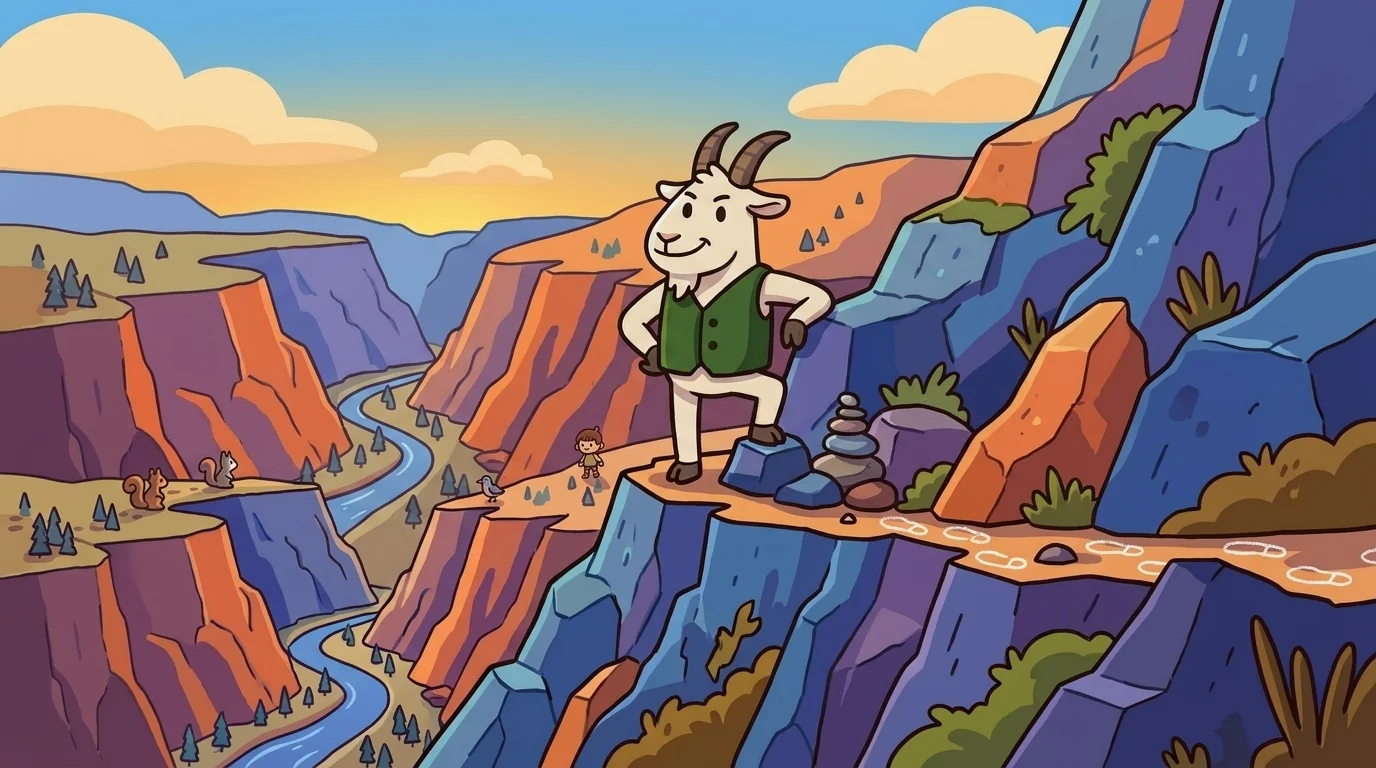
Think of a time you owned a choice honestly — good or bad. What did standing behind it feel like?
Maybe you remembered admitting a mistake instead of blaming someone, or claiming a hard decision as truly yours.
Sit with that for a moment — the sober, steady, grown-up feeling of that was my choice, and I stand behind it. It is not always a comfortable feeling. But there is a strength in it, a straight-backed dignity. When you own your choices, you become someone whose word means something, someone who can be trusted, someone who can change — because you're no longer hiding from the one person who can steer you: you. Own spends his sure-footed life protecting that dignity, for you and everyone.
Own looks at you, steady on his ledge. "I've shown you the power of owning your steps," he says, "and where it would be cruel to force it on someone who was trapped. Now weigh it with my friends. You are the judge. I trust your footing."
And that trust — being handed a choice that is truly, weightily yours — settles into you as something serious and grounding, like standing up a little straighter.
The EthosForge ensemble
Own is part of EthosForge's distributed-narrative cast. Each character embodies a different curricular primitive; together they teach the full subject.
-
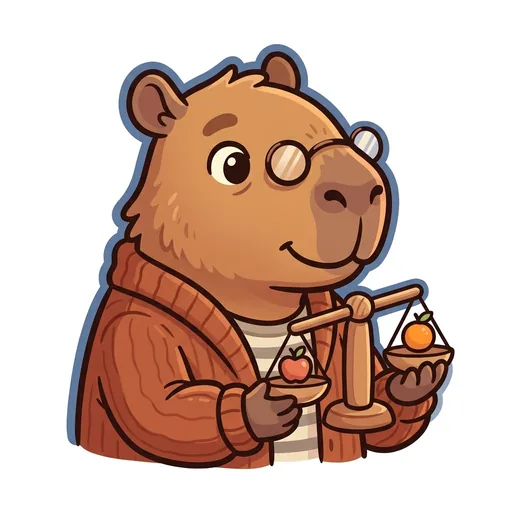
Consequence
Consequentialism / Utilitarianism — calm, methodical; weighs trade-offs; capybara at a balance-scale
-
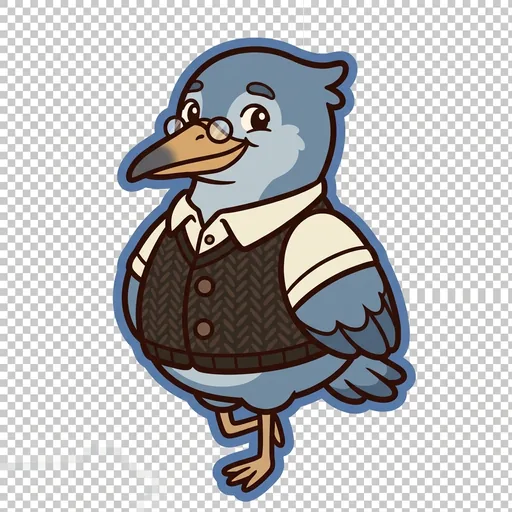
Duty
Deontology / Kantian — upright, principled; sticks to rules even when costly; heron in vest on one leg
-

Virtue
Virtue Ethics / Aristotelian — steady, earnest; 'what kind of person do I want to be?'; badger tending a plant
-
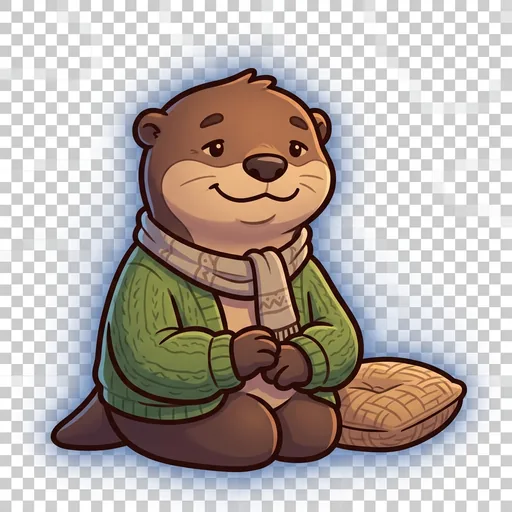
Care
Care Ethics / Noddings + Gilligan — attentive, present; 'ethics begins in relationship'; otter listening beside empty spot
-
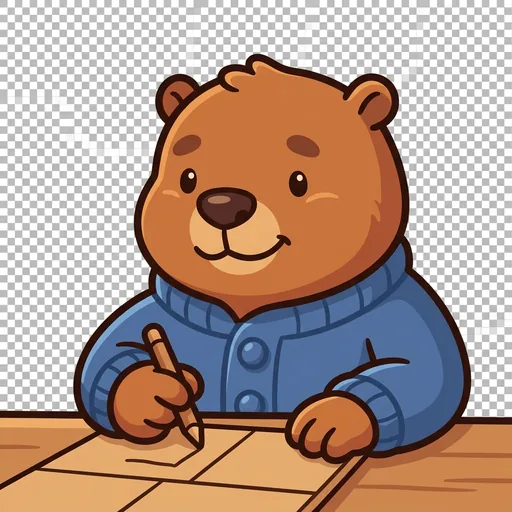
Contract
Contractualism / Scanlon + Rawls — collaborative; 'what could we ALL agree to?'; beaver drawing a fair-rules table
-
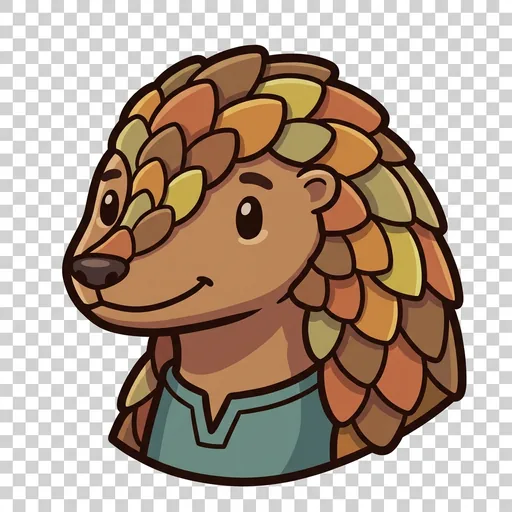
Bound
Rights ethics — each person has protections you may not cross, even for a good outcome; pangolin who curls to shield ('some lines you never cross')
-
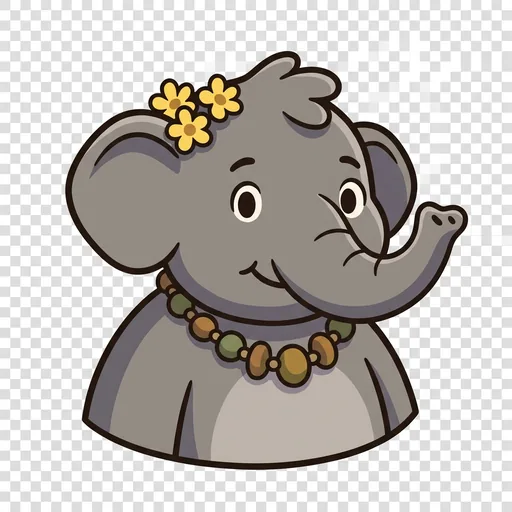
Kin
Ecological ethics — the circle of concern reaches to animals, living systems, and the not-yet-born; elephant asking 'who else has to live with this?'
-
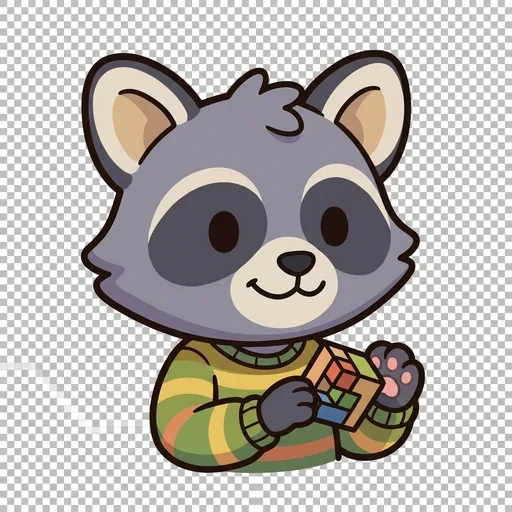
Tinker
Pragmatism — try a small step, watch what really happens, be willing to change; raccoon with busy testing paws ('try it, watch, be ready to change')
-
Sense
Moral sentiment — the heart's feeling of sympathy is real moral information, the start of ethics (not the whole map); soft-eared dog ('first, what does your heart notice?')