
Belt
SINGABILITY — choosing words that are good to SING, not just to read. Open vowels (ah, oh, ay) ring out on long, held notes; tight consonant clusters tie the tongue. A singable lyric puts the easy, open sounds where the voice needs to soar.
Press play to listen along. The line being read lights up as you go.
Show full transcript
Loading transcript…
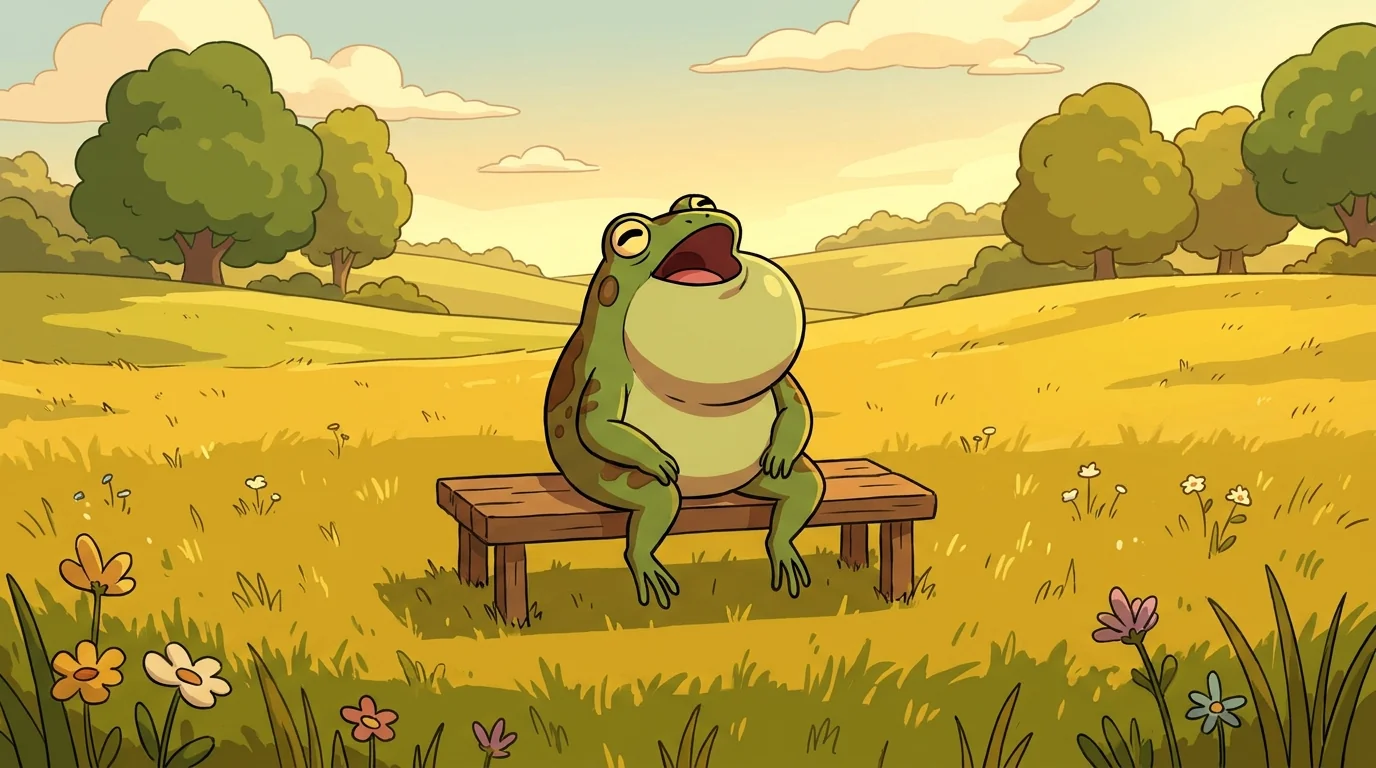
Pip met Belt on the meadow bench one golden afternoon, and he heard her long before the bench came into view — a big, warm, open note rolling across the whole field: "laaaaa-aaaah."
Belt was a broad-chested, big-lunged frog with a throat that puffed out like a balloon, and when she sang, she opened her mouth wide and let the sound ring out, full and round. She held the note long and easy, the open ah filling the meadow. Then she tried a different word — a tight, clustered one — and her note caught, stumbled, tangled in her throat.
"Some words ring out of you," Pip noticed, "and some words trip you up."
Belt finished her note and grinned, throat still puffed. "That's the whole thing, little sparrow," she said, warm and booming. "My name is Belt. I keep the singability — which words are good to sing, not just to read." She opened wide and let an ohhh roll out. "Open vowels — ah, oh, ay — they ring. Your throat opens and the sound soars." Then she tried a tight word, strengths, and her note knotted up. "But pack a long note with tight consonants, and the voice has nowhere to go. It strangles."
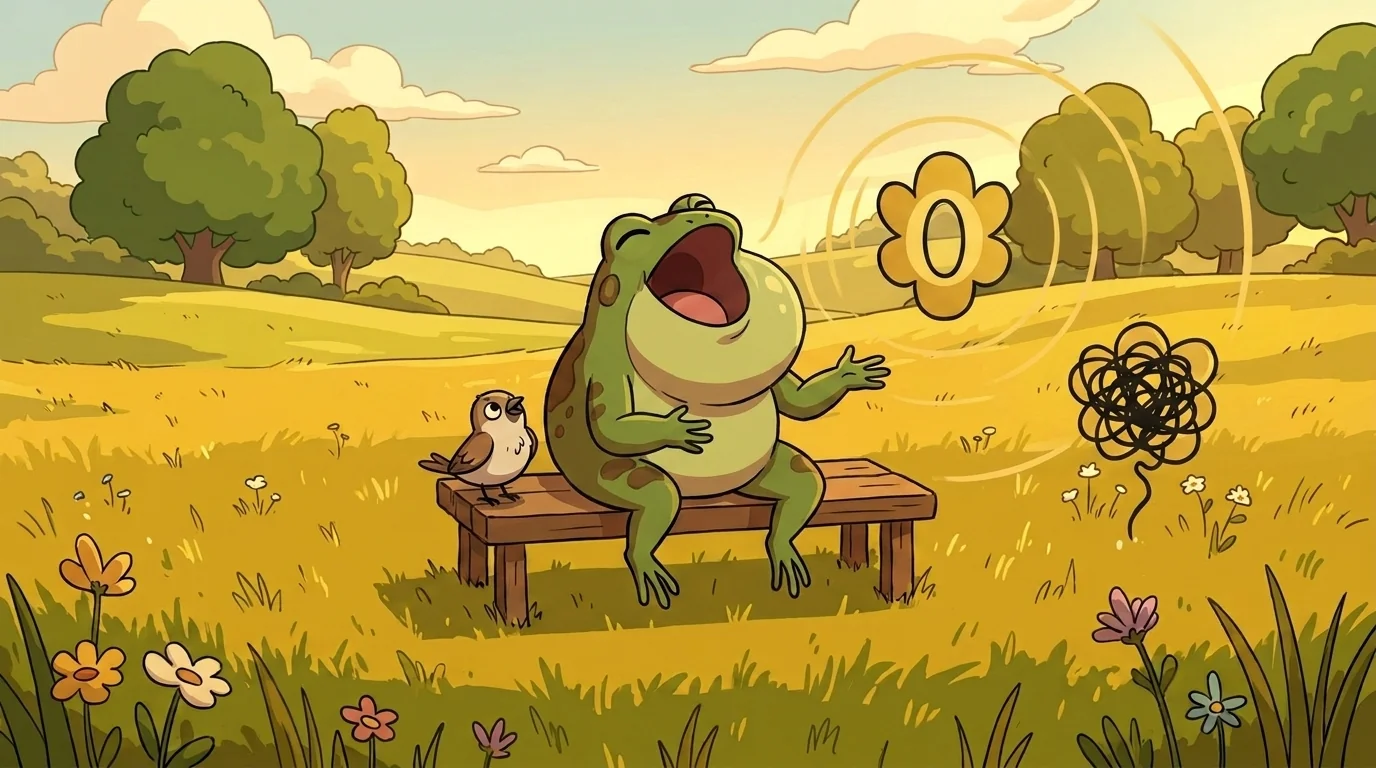
Pip tilted his head. "So the words have to be... chosen for singing?"
"Exactly," Belt said. "A word can look perfect on paper and be terrible to sing." She showed him: she took a beautiful held note in a song and put a tight word on it — twelfths — and the gorgeous long note collapsed into a tongue-knot. Then she swapped in an open word — day — and the note bloomed, ringing wide and golden across the field.
Pip felt the difference in his own chest. The meaning of the two words barely mattered for singing — what mattered was whether the voice could open up and ring on them. "It's a whole different thing from how a word reads," Pip said, amazed.
"That's why singers love a writer who knows me," Belt said, her throat swelling happily. "Put the open vowels where the voice needs to soar. Save the tight, clustered words for the quick little notes, where they zip by too fast to tangle."
Pip asked Belt to join his songwriting circle. "I teach kids to write songs," he said, "and they pick gorgeous words that are impossible to sing — all packed with tight sounds on the long notes. I think you could teach them to write for the voice."
Belt boomed a happy yeah! that rattled the bench. "Oh, I'd love to!" she said. "I'll teach them to write singable!"
So Belt joined Pip's meadow circle, and the songs there began to ring.
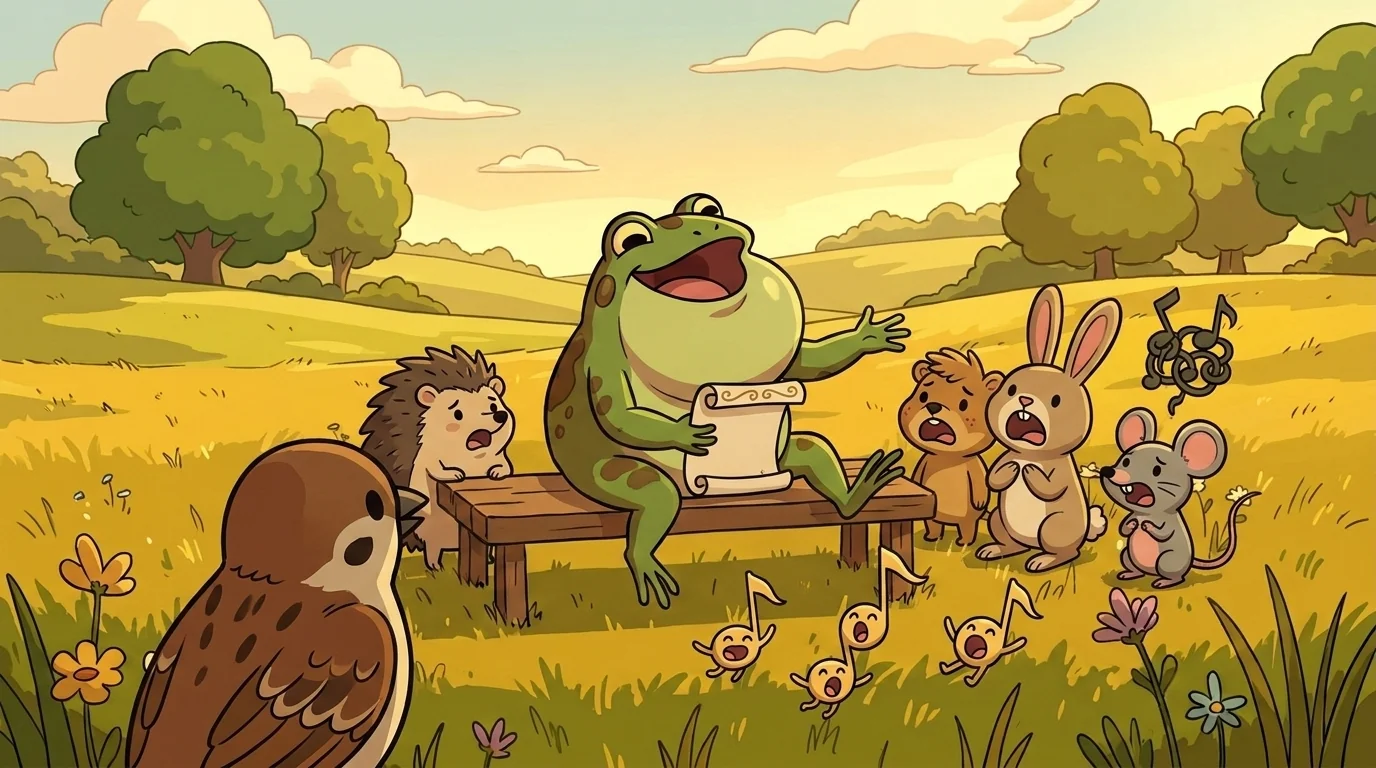
When Pip teaches singability, Belt leads — loudly. "Sing your lyric out loud," she tells the students. "Don't just read it. Find your longest, highest, most important notes — and check the words sitting on them. Are they open? Can your throat ring out? Or are they tight little tongue-knots that strangle the note?" She has them sing each line and feel where the voice soars and where it snags.
A student's big climactic note landed on the word strengths — a beautiful idea, an impossible sing. Belt had him keep the meaning but find an open word for the held note — strong became strong and free, ending on the wide-open ee. The note bloomed. "Same feeling," Belt said. "But now you can actually sing it."
"Here's the secret most writers miss," she added, throat settling. "A lyric isn't finished until you've sung it out loud. On paper, every word looks equal. But in the mouth? Some soar and some strangle. Sing it. Always sing it. Your voice will tell you the truth your eyes can't."
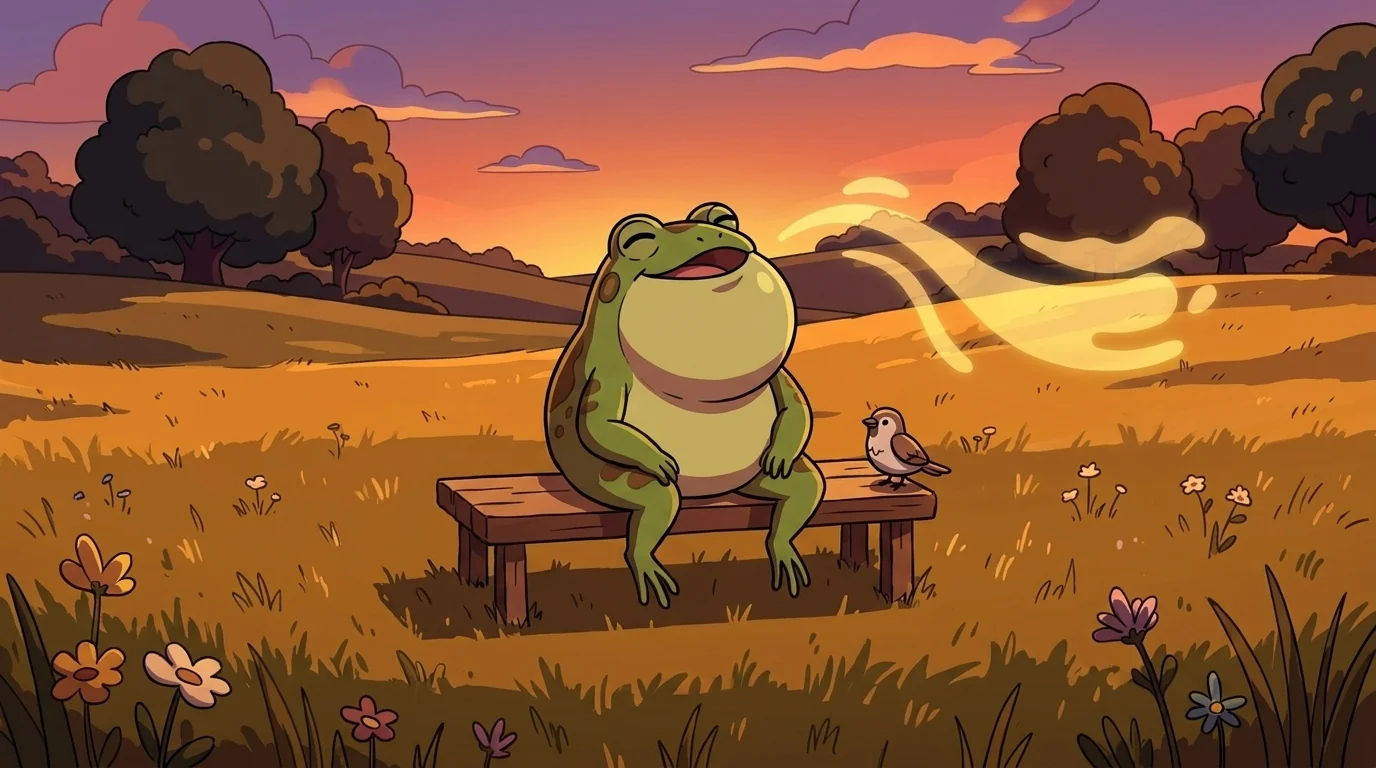
After the lesson, Belt sat with Pip as the sun went down, humming a low, easy, open note, her throat gently rising and falling.
For a long time, Belt had felt a little embarrassed by how loud and big she was — all puffed throat and booming notes, while the delicate creatures sang sweet and soft. She'd wondered if her bigness was just too much, unrefined, unsubtle.
But humming her warm open note into the dusk, Belt understood her gift differently. Her bigness wasn't unrefined — it was generous. She knew, deep in her wide-open throat, exactly which sounds let a voice soar, and she gave that knowledge away so that other creatures' songs could ring out full and free. The open note wasn't showing off. It was joy, given room to sound. And helping a young writer turn a strangled lyric into one that bloomed in the mouth — that was a big, warm, booming kind of love. A deep contentment swelled in her chest, round as a held note. She didn't need to be small or sweet. She just needed to keep the throat open, and let the song ring. And she let one more long, golden ahhh roll across the darkening meadow, glad all the way through.
The LyricForge ensemble
Belt is part of LyricForge's distributed-narrative cast. Each character embodies a different curricular primitive; together they teach the full subject.
-
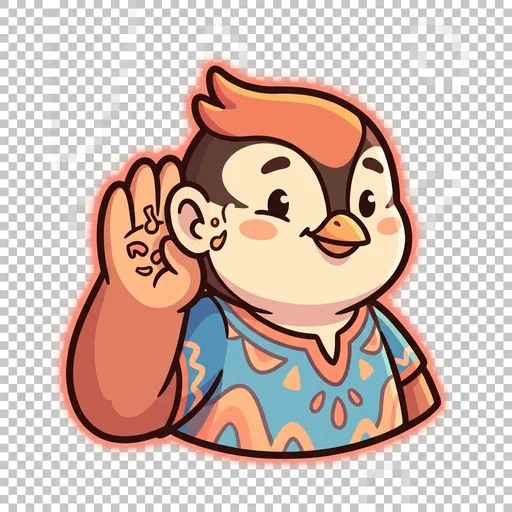
Chime
Rhyme / vowel-echo — chickadee-tween whose listening-cupped wing catches and returns rhyming partners
-
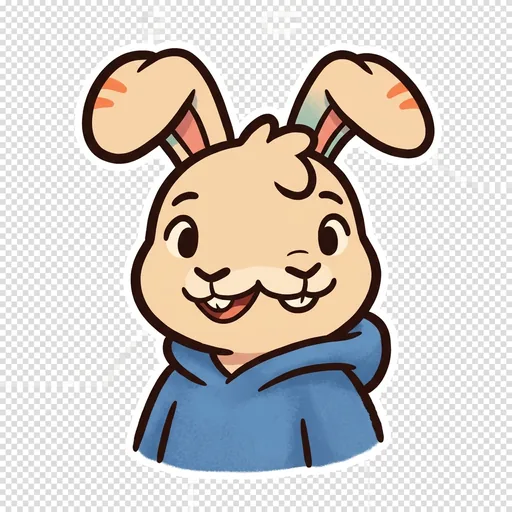
Step
Meter / cadence — rabbit-tween whose hop-rhythm enacts the stressed-syllable pattern
-
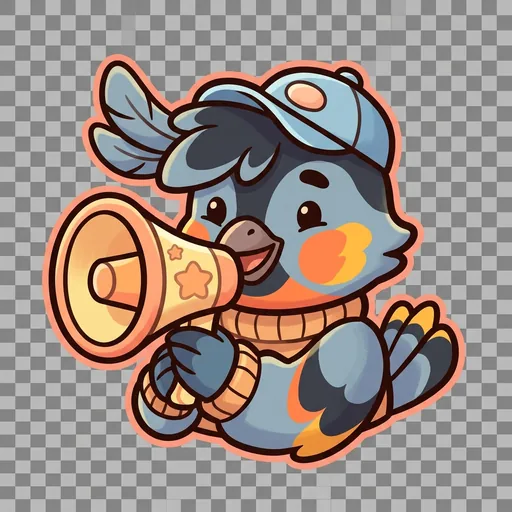
Holler
Hook / chorus anchor — bullfinch-tween with megaphone who picks ONE line and makes it sing-back-loud
-
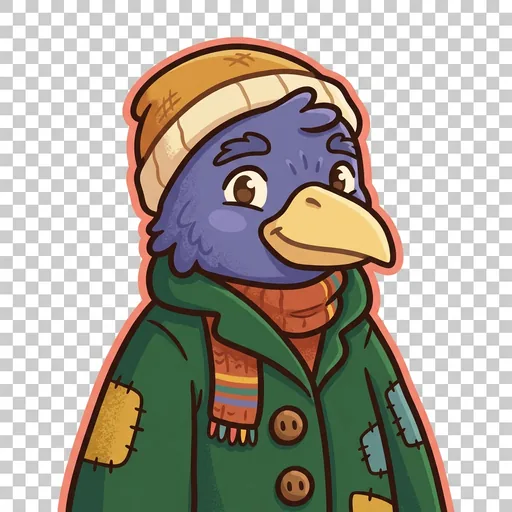
Turn
Bridge / off-the-path — crow-tween in a long traveling coat who walks the lyric into a new feeling and earns the return
-
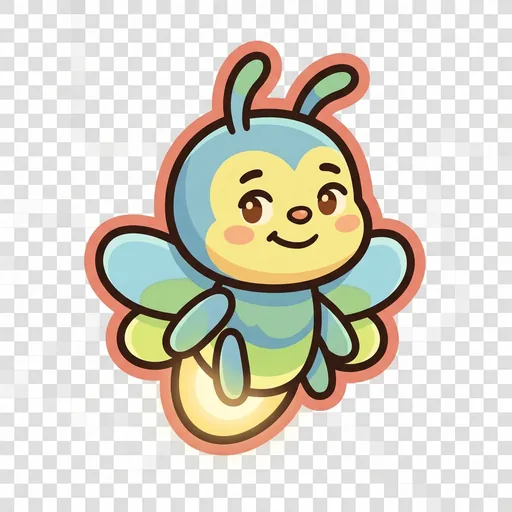
Spark
Image / sensory anchor — firefly-tween whose abdomen brightens ONLY on specific concrete word-choices (dim on abstractions)
-
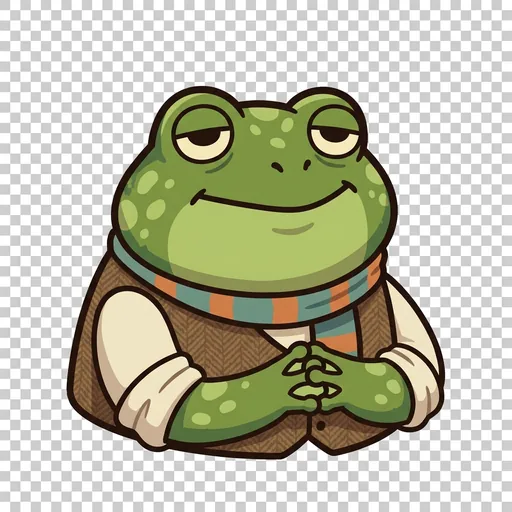
Groove
Rhythmic pocket — mellow toad who rides the beat just behind it; the same words can march or dance depending on where they sit against the groove
-
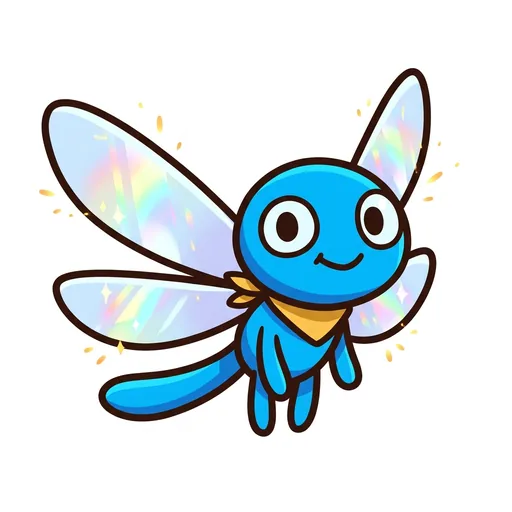
Zing
Wordplay — electric-blue dragonfly whose wings spark on a pun or double-meaning; clever-AND-true sparks, clever-for-its-own-sake falls flat
-
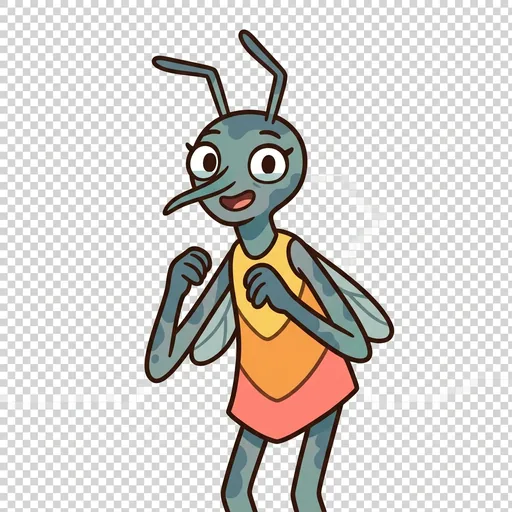
Lift
Pre-chorus build — long-legged crane-fly who rises onto her toes; the chorus only soars because she made you climb to it (the build is a promise the chorus keeps)
-
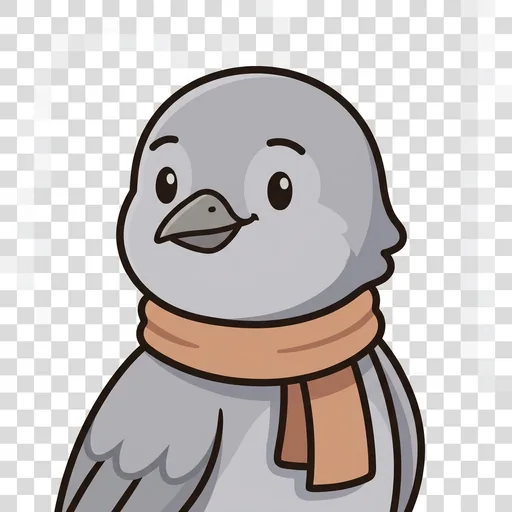
Croon
Sincerity — dove-grey nightingale who sings small true songs; all the other craft serves the one honest feeling underneath (one true feeling beats a hundred fake)