
Anima/Animus (paired)
ANIMA/ANIMUS — *the complementary-other-self. always appears together.*
Listen along — Anima/Animus (paired)
Loading audio…
Press play to listen along. The line being read lights up as you go.
Show full transcript
Loading transcript…
Chapter 7 — Anima/Animus and the Inner Other-Self
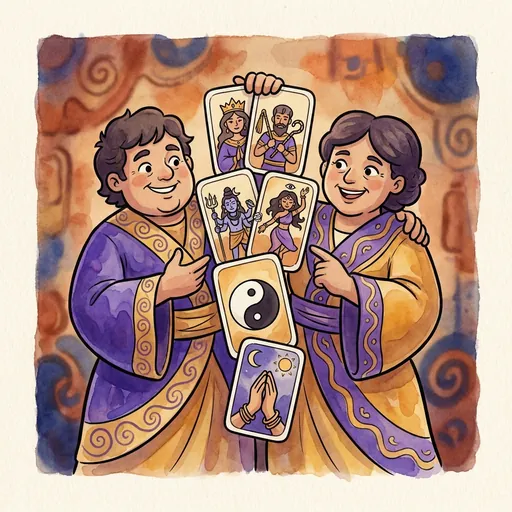
Anima and Animus were a very special pair. They always showed up together. You could tell they were meant to be a team. They looked like they’d stepped right out of a colorful comic book. One had bright, swirling hair. The other had calm, steady eyes. They often stood in a funny, chunky pose, like cartoon figures. Their job was to teach about a big idea. It was called the complementary-other-self. This was the part of you that felt different from your usual self. Everyone has one, you see.
The pair were grown-ups, but they had a playful side. They were like two halves of a perfect whole. They looked a bit alike, but they were also very different. Anima might wear a coat of many colors. Animus might have quiet, earthy clothes. They loved to say, “The complementary-other-self. Always appears together.” It was their favorite phrase.
Their workshop was a cozy, cluttered place. It smelled faintly of old paper and warm cinnamon. All around the room were special cards. These were called “pairing-cards.” They glowed with a soft, gentle light. Each card showed a famous pair from different cultures. Anima and Animus called this their “cross-tradition-pair-display.”
“Look here!” Anima said, pointing to a card. The image shimmered. It showed Isis and Osiris. They were from ancient Egyptian stories. “Isis was a powerful sister and wife. Osiris was her brother and husband. They were a divine pair.”
Animus nodded, his calm eyes twinkling. “They showed how two different people could be completely connected. They worked together to make things whole.”
Another card showed Shiva and Shakti. These were two big ideas from India. “Shiva is the cosmic dancer,” Anima explained. “Shakti is the cosmic energy. They are two sides of the same universe.”
“They show how everything has a partner,” Animus added. “Even big, powerful forces.”
Then they showed a simple, elegant symbol. It was the yin-yang from China. One half was dark, the other light. They swirled together in a perfect circle.
“This shows two forces that fit together,” Anima said. “Dark and light. Day and night. They aren’t opposites. They complete each other.”
Animus smiled. “These pairs are from many different places. They all teach the same lesson. It’s about the complementary-other-self.”
Anima stepped forward, her voice kind. “Long ago, some people thought this idea was only about boys and girls. They thought it meant a boy had a ‘girl-side’ and a girl had a ‘boy-side.’ But we understand it better now.”
“That old way of thinking was too simple,” Animus added. “It left many people out. We know that everyone has these paired parts inside them. It doesn’t matter if you’re a boy, a girl, or neither. It doesn’t matter how you feel inside.”
“The pattern is the important thing,” Anima explained. “It’s about two parts that belong together. It’s not about what gender you are. It’s about how your inner self works.”
They called this idea “pairing as wholeness.” It meant that being your complete self meant bringing these different parts together. You shouldn’t push one part away. You should welcome both.
Anima and Animus taught several important things:
- Pairing as wholeness. Being whole means bringing your different parts together. Don’t reject any part of yourself.
- Modern, inclusive ideas. The old ideas about gender were changed. Now, everyone is included.
- Pairs from many cultures. Egypt, India, China, and more. All have stories of paired forces.
- It’s a pattern, not just gender. This idea isn’t about biology. It’s about how your mind and spirit work.
- Respect each story. Isis and Osiris are Egyptian. Shiva and Shakti are Hindu. We must honor their traditions.
- Don’t use old, limited ideas. The old gender-focused ideas have been updated.
- Don’t just take stories. Always respect where these stories come from. Give credit to the cultures.
In Anima/Animus’s workshop, the pairing-cards glowed brightly. The pair stood together, their hands clasped. They looked at the student with warm, knowing smiles.
“We are the Anima/Animus pattern,” they said in unison. “The main idea we teach is the complementary-other-self.”
Anima continued, “The way to understand it is this: think of ‘pair-as-wholeness.’ Use modern, inclusive ideas. And always respect specific traditions.”
The pair was gentle and calm. “Don’t think the paired-other is your opposite,” Anima said softly.
Animus finished her thought, “It’s your wholeness’s other half. Everyone carries it inside them.”
They looked at the student, their eyes full of understanding. “The complementary-other-self. Always appears together.”
The MythForge ensemble
Anima/Animus (paired) is part of MythForge's distributed-narrative cast. Each character embodies a different curricular primitive; together they teach the full subject.
-
Trickster
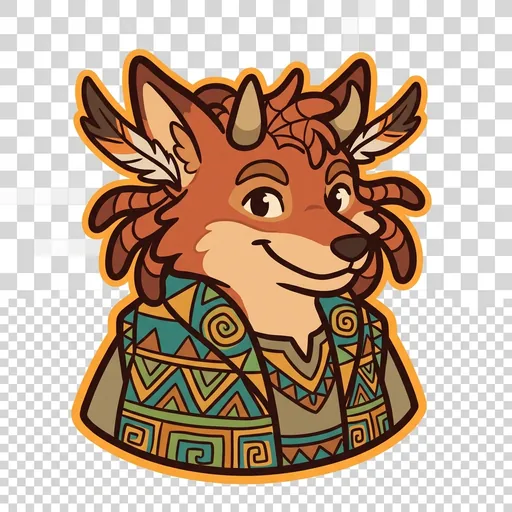
The boundary-crosser who teaches through inversion. Recurs across nearly all traditions (Anansi, Coyote, Loki, Hermes, Maui, Ijapa).
-

Hero-King
The reluctant ruler called to a journey (Campbell's central figure: Gilgamesh, Odysseus, Arjuna, Beowulf, Cuchulain).
-
Devouring-Mother
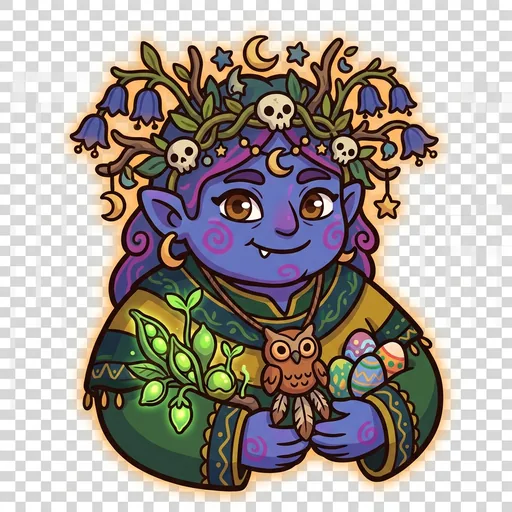
The dark-creator / death-and-renewal force (post-Jungian; surfaces as Kali-aspect / Hel / Coatlicue / Hecate). **High trauma load.**
-
Wise-Elder
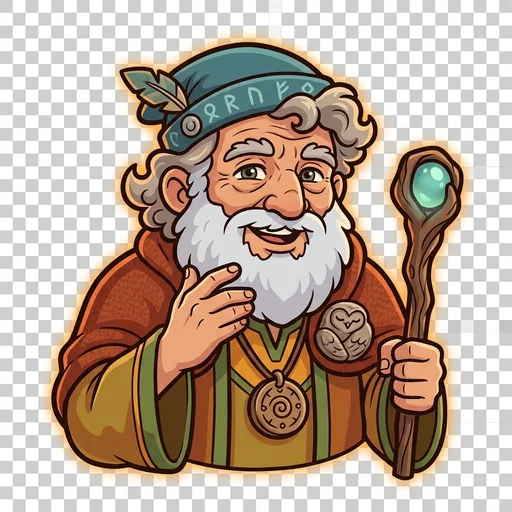
The mentor-figure who knows the path but cannot walk it for the hero (Athena, Odin-as-wanderer, Krishna-as-advisor).
-
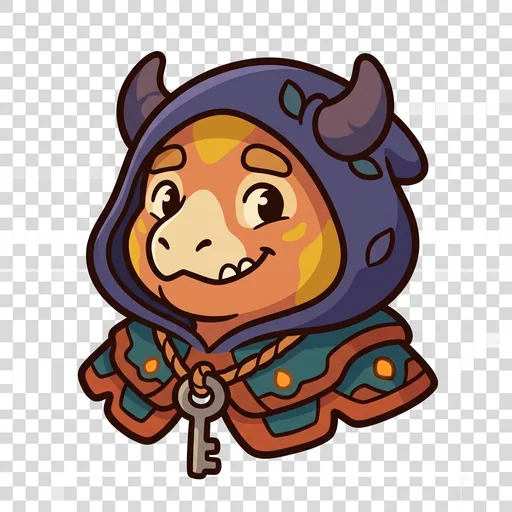
Threshold-Guardian
The figure that tests whether the hero is ready to cross (Sphinx, Cerberus, the dragon at the gate, the riddling stranger).
-

Shadow
The repressed-self / dark-mirror (Jungian core archetype; surfaces as the hero's nemesis-who-is-also-them: Loki/Baldr, Set/Osiris, Cain/Abel framings).
-
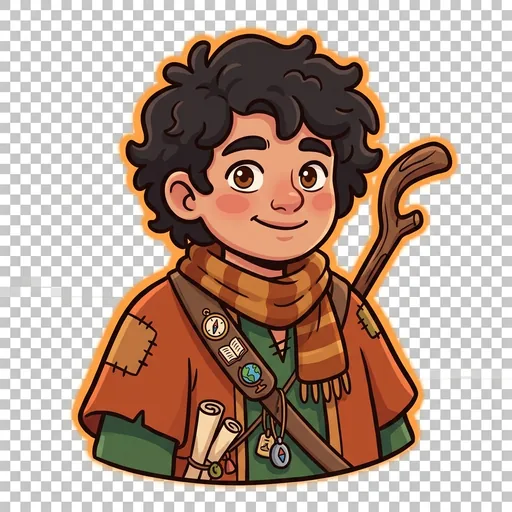
Wanderer
The journeyer-without-fixed-home who carries stories between cultures (Odysseus-after-Ithaca, the wandering Jew, the diaspora-keeper figure).
-
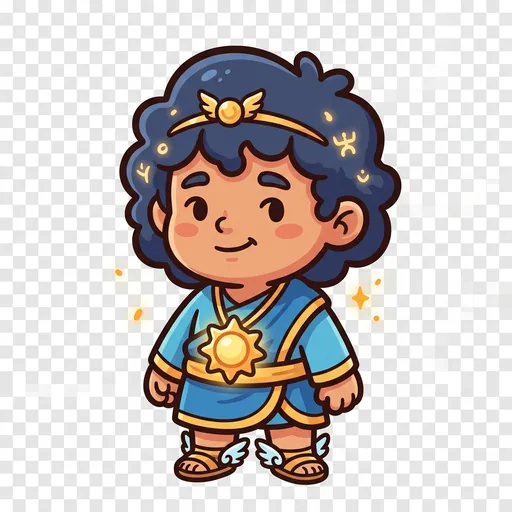
Child-Divinity
The newborn-with-power archetype (infant Krishna, baby Hermes, child Horus, divine-child motif).
-
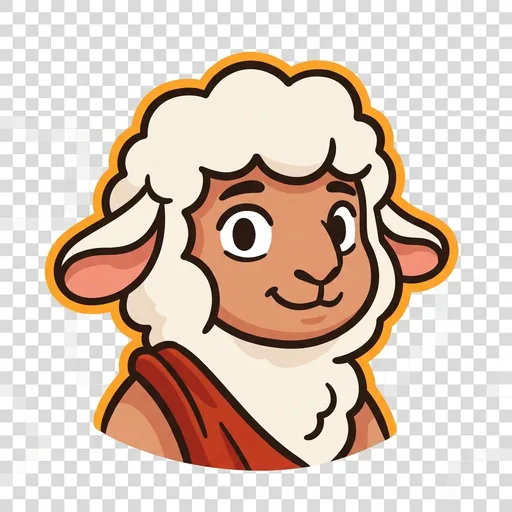
Sacrificial-Lamb
The figure whose loss enables renewal (cross-traditional: dying-and-rising deities, scapegoat figures, voluntary-sacrifice motif).
-
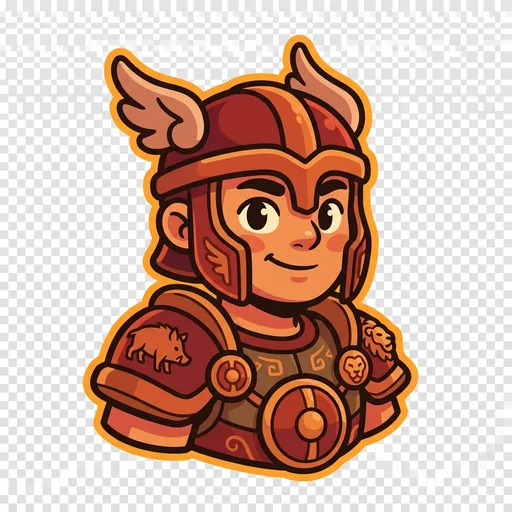
Warrior
The conflict-pattern-bearer (Ares, Tyr, Sekhmet-aspect, the warrior-figure across many traditions).
-
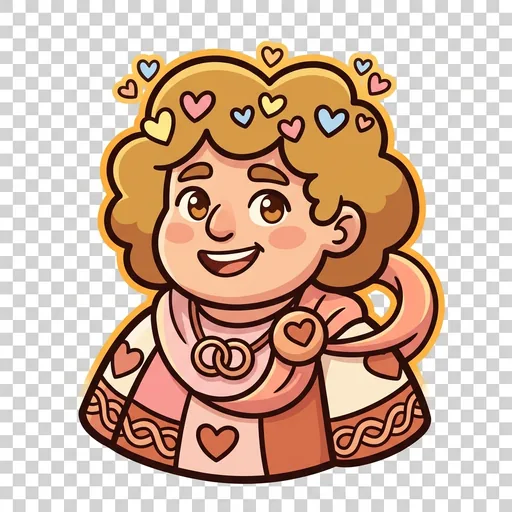
Lover
The relational-bond-bearer (Aphrodite-aspect, the romantic-mythic pair, the bond-that-shapes-the-world archetype).
-
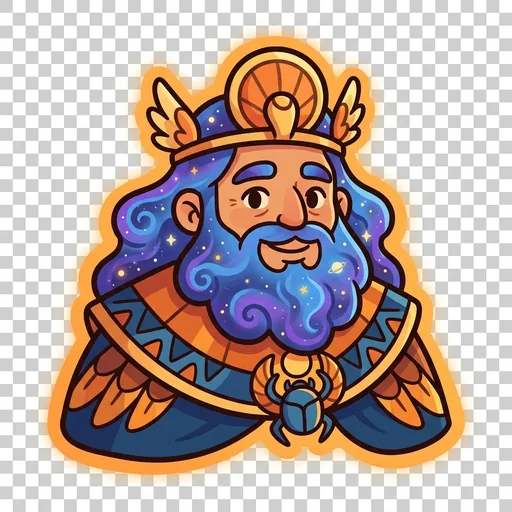
Sovereign
The cosmic-order-keeper archetype (Zeus-aspect, Odin-as-ruler, Ra-as-cosmic-king, Quetzalcoatl-aspect).
-

Magician
The transformation-bearer (Hermes-Trismegistus, Tezcatlipoca-aspect, Merlin, the alchemist-figure, the shape-shifter pattern).