
Foil
THE FOIL — a foil is a character placed beside another to make that character's traits show up more clearly. By being different, the foil throws the other character into bright relief. You understand someone better when you see who they stand next to.
Press play to listen along. The line being read lights up as you go.
Show full transcript
Loading transcript…
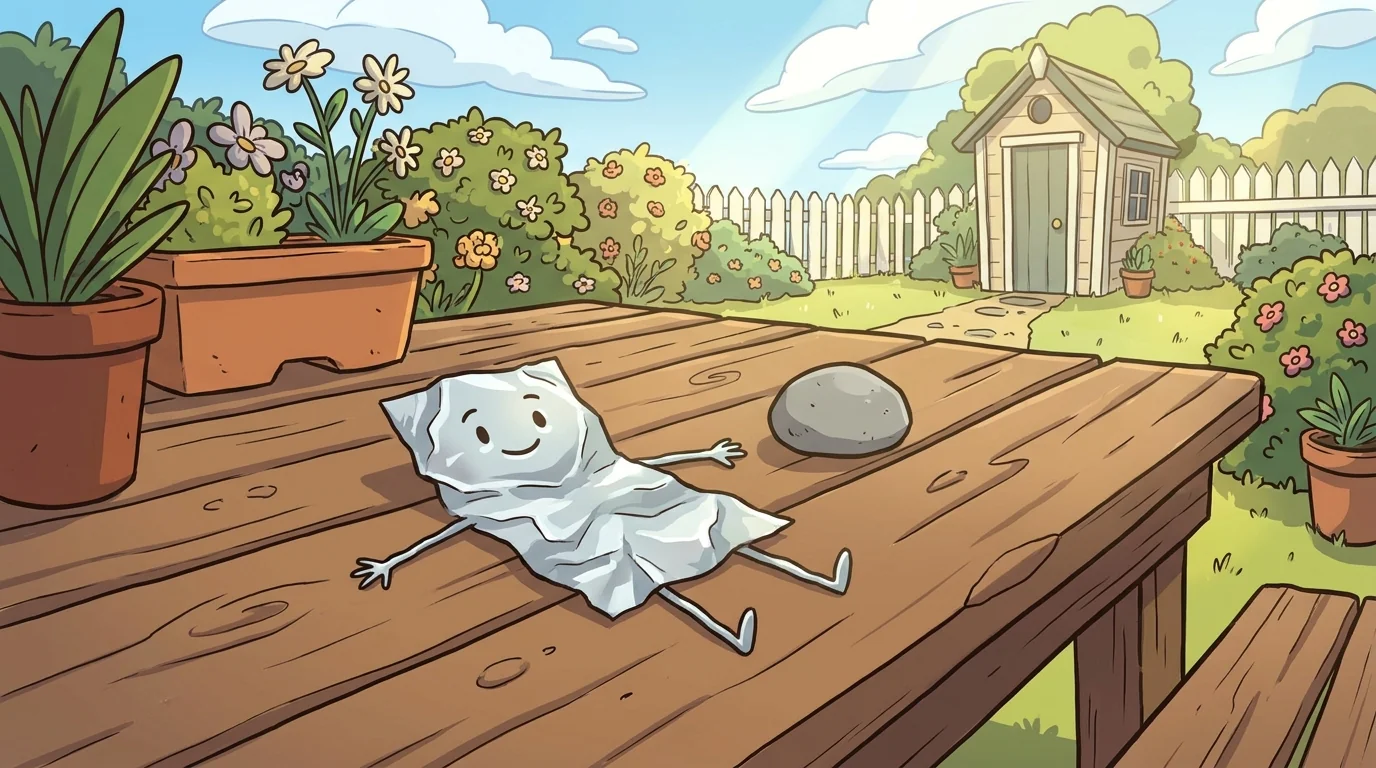
Ink met Foil on a bright afternoon, and at first he didn't see him at all — he only saw the shine.
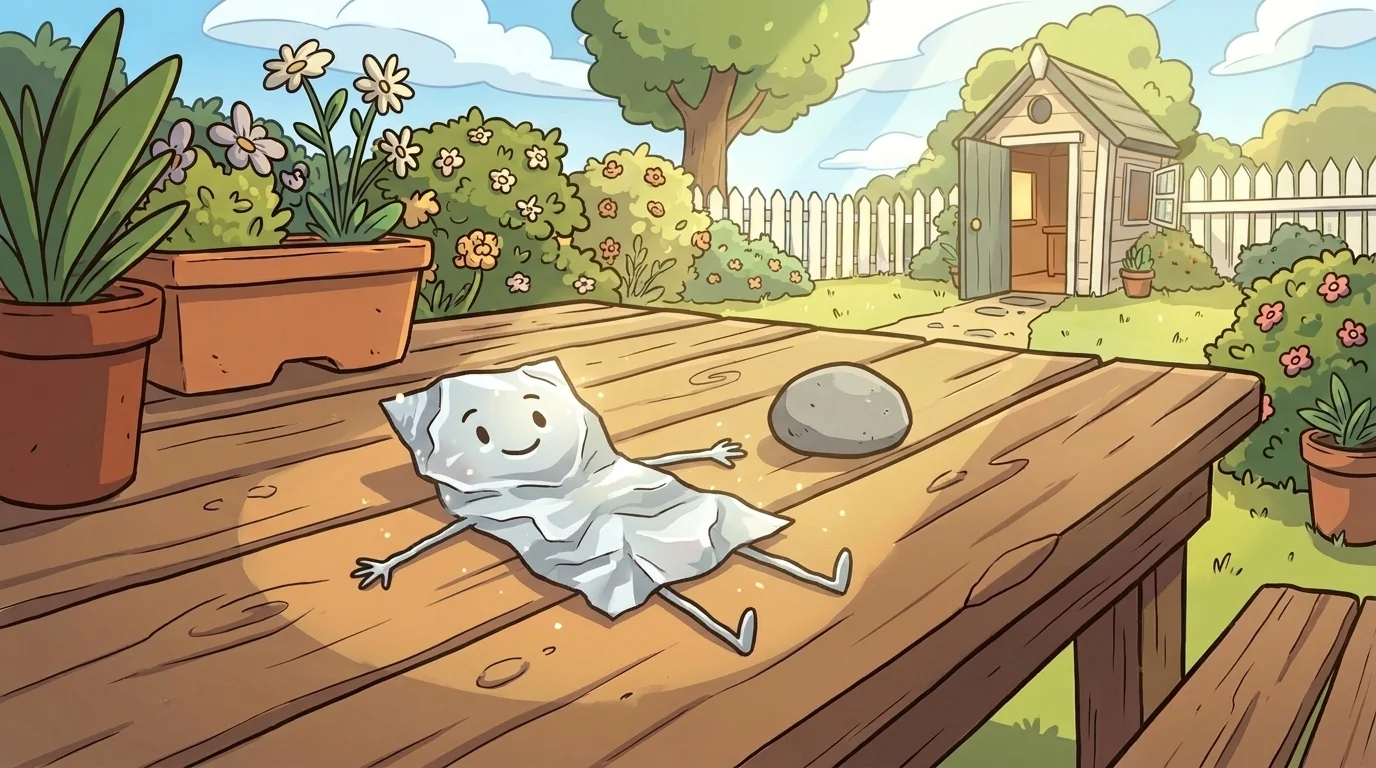
There was a dull grey pebble on the garden table. Then, suddenly, the pebble looked like a jewel. It glowed; its little flecks sparkled. Ink blinked. He picked the pebble up. Behind it, lying flat on the table, was a thin, crinkly, silvery creature, smooth as a sheet of shiny paper. The moment Ink lifted the pebble away, it went back to looking like an ordinary grey stone.
"Oh — sorry," said the silvery creature, in a light, rustly voice. "I was making it look nice. That's the only thing I'm any good at."
"You made that plain pebble look like treasure," Ink said, amazed.
"I didn't change the pebble at all," the creature said. "I just lay behind it. I'm bright, so it looked brighter. I'm smooth, so its bumps stood out." He shrugged a crinkly shrug. "My name is Foil. I make whatever I'm next to easier to see."
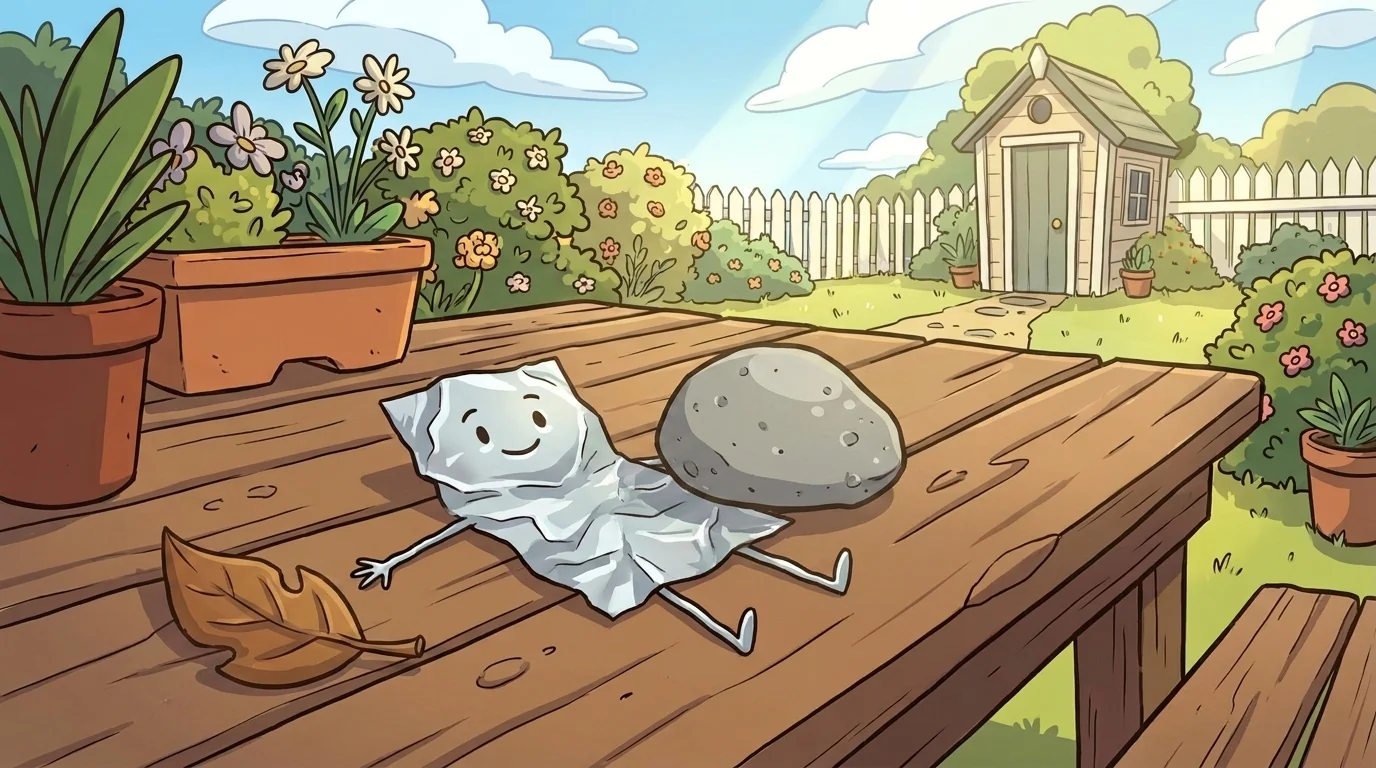
Ink set the pebble down — and gently slid Foil behind it again. At once the pebble's colors leapt out.
"Show me," Ink said. "How does it work?"
Foil rustled happily. "It's simple, really. On my own, I'm just a flat shiny sheet. Nobody looks at me twice." He slid out from behind the pebble and lay alone on the table. He was right — Ink's eye slid right off him. "But put me next to something," Foil went on, sliding behind a fallen leaf. The leaf's veins suddenly looked sharp and green and alive. "Now you see the leaf. You see it better than you ever would without me."
"Doesn't it bother you," Ink asked carefully, "that people look at the leaf and not at you?"
Foil seemed honestly puzzled by the question. "Why would it? Making the leaf show up is me. That's the thing I do." He thought about it. "A dark thing makes a light thing brighter. A still thing makes a moving thing busier. A grumpy thing makes a cheerful thing sunnier. I'm just whatever the other one isn't. And that's how you finally see the other one."
And there it was — the quiet click in Ink's chest. He's not the star, Ink thought. He's the thing that lets you see the star. Some characters exist to make another character clear.
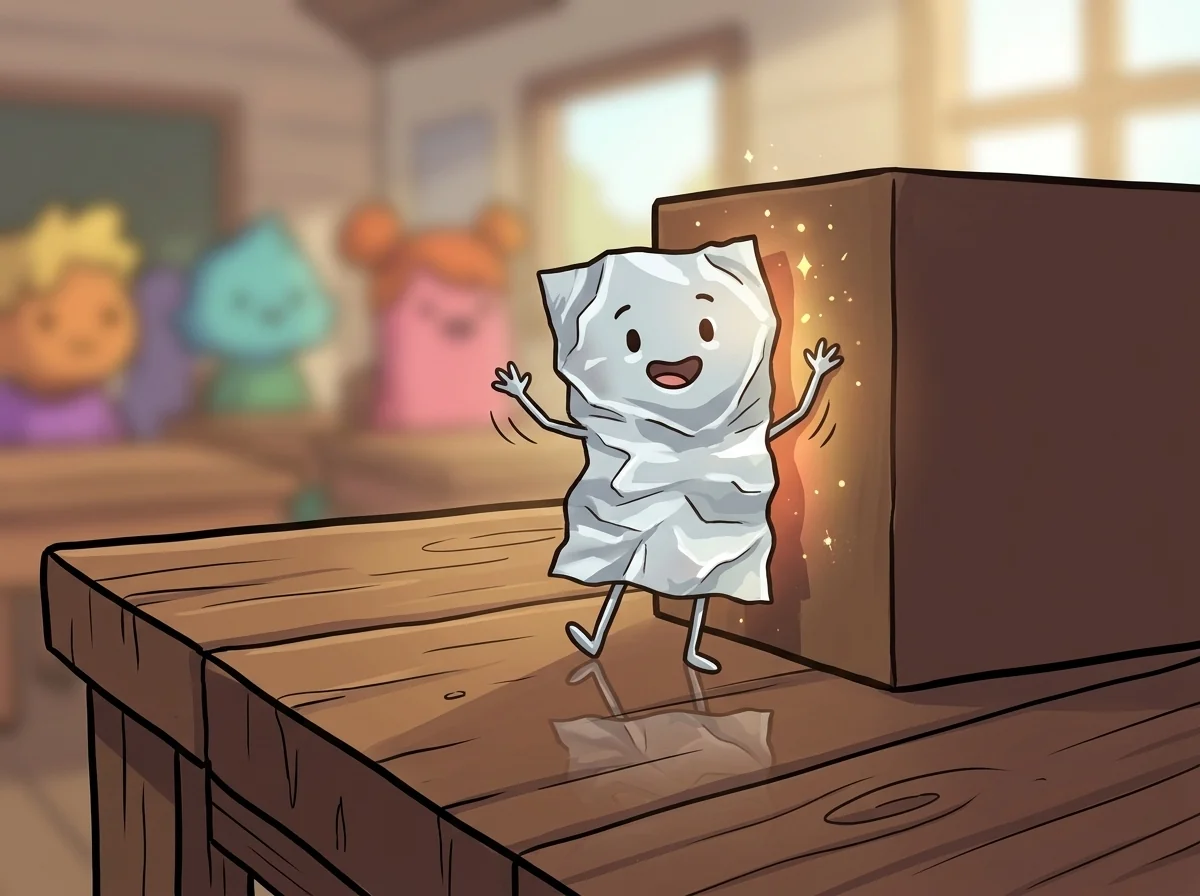
"Foil," Ink said, "I teach a class about building characters, and there's something I can never quite explain — how putting two opposite characters side by side makes both of them sharper. Would you come and show my students? I think you'd help them see it. Literally."
Foil rustled with pleasure. "You want me to come and stand behind your characters?"
"Behind them, beside them — wherever you make them shine," Ink said.
So Foil came to the cottage, folded neatly in Ink's pocket so he wouldn't blow away. When Ink set him on the lesson-table, the students leaned in, curious. And the lesson was ready the moment Foil found someone to stand beside.
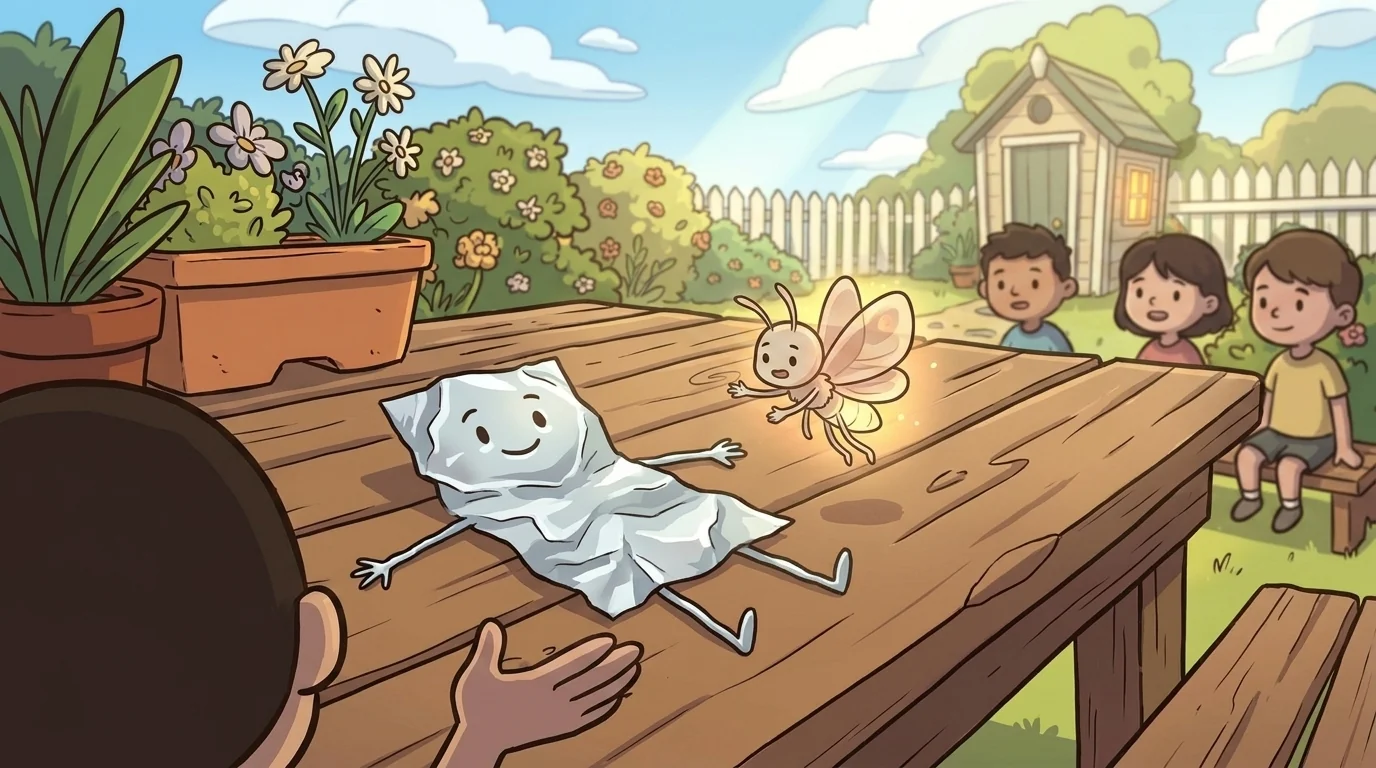
"Class," Ink said, "watch this. Here is Beacon." Beacon was doing her usual thing — fluttering slowly toward her warm little light, always leaning, always reaching. "Now watch what happens when Foil lies down behind her."
Foil slid into place behind Beacon. And suddenly the students saw her — really saw her. Against Foil's calm, still shine, Beacon's restless reaching looked even more longing, even more hopeful. Her constant motion stood out against his perfect stillness.
"See?" Ink said softly. "Beacon didn't change. Foil didn't do anything but lie still and be her opposite. But now you understand her better. Her wanting looks more like wanting, next to someone who wants nothing at all." He smiled at the class. "That's a foil. When you build characters, put a contrast beside the one you care about. A quiet friend beside a loud hero. A fearful one beside a brave one. Each one makes the other show up. You see people most clearly next to who they're not."
A student asked, "So a foil isn't the main character?"
"Usually not," Ink said. "A foil is the bright thing behind the friend. But oh, what a gift they give — they let us truly see."
When the students had gone, Foil stayed folded by the window, catching the last of the light and scattering it gently across the room.
"That was the best afternoon I've had in ages," Foil said.
"You didn't mind?" Ink asked. "Standing behind Beacon the whole time, while everyone looked at her?"
Foil went quiet, the way the shiny do — a soft, thoughtful shimmer. "Here's the strange thing," he said. "I've always wondered if I mattered, being just a flat shiny sheet. But today I watched a whole class finally understand Beacon — because of me. Because I was there beside her, being everything she wasn't." His crinkly edges lifted in something like a smile. "I felt like I mattered enormously. Not by shining for myself. By helping someone else be seen."
And he settled into the warm patch of windowlight, content as anything, glad all the way through to be the one who lay quietly beside a friend and made her glow.
The CharacterForge ensemble
Foil is part of CharacterForge's distributed-narrative cast. Each character embodies a different curricular primitive; together they teach the full subject.
-

Beacon
Want / engine — moth-tween who walks toward a small floating warm-light she can never quite reach (the want IS her motion)
-
Crouch
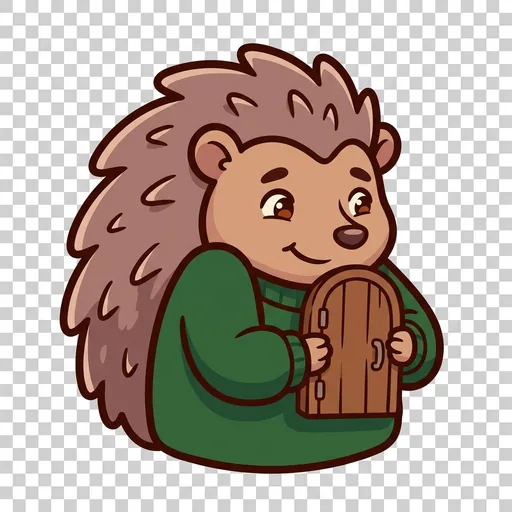
Fear / brake — hedgehog-tween who tucks away from one specific wooden-door icon visible in every scene she appears in
-

Eight
Contradiction / depth — octopus-tween with eight arms in eight different directions (three forward / three back / two crossed)
-
Click
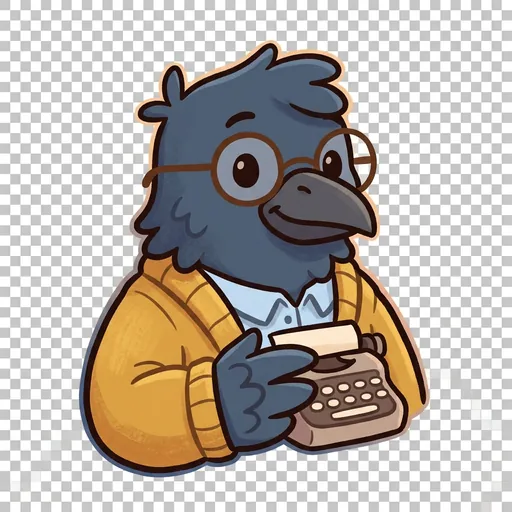
Voice / signature — raven-tween in librarian-glasses with a portable typewriter (same idea, different mouth, different feel)
-
Patch
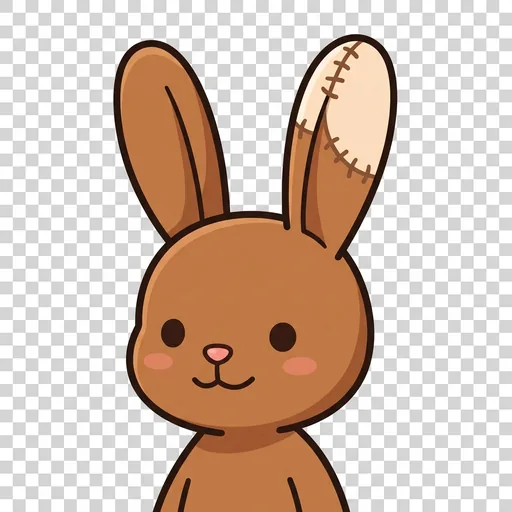
Backstory / the past — soft brown rabbit-tween with one mended patch on her ear from an old day; everything she does traces back to that healed-over moment
-
Snag
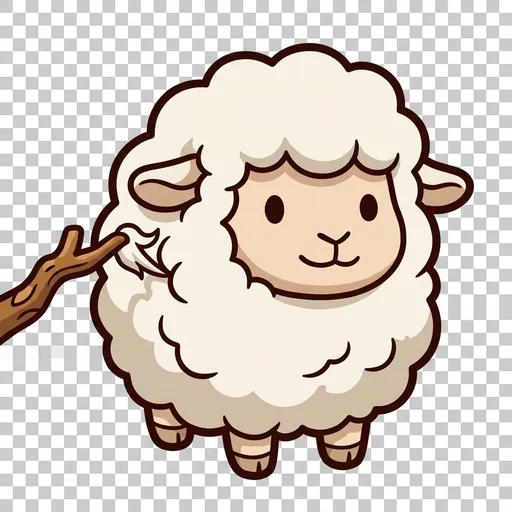
The flaw — round woolly sheep-tween who always takes the left path and snags his wool on the same branch (the repeated mistake that makes a character feel real)
-

Molt
The change / arc — hermit-crab-tween who keeps a row of outgrown shells, smallest to largest (a character is not the same at the end as at the start)
-
Fidget
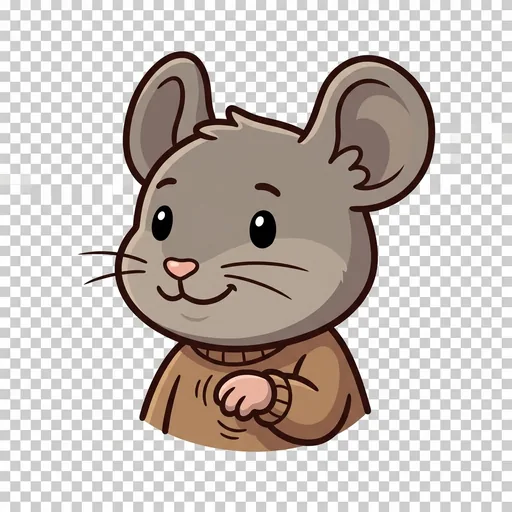
The tell / mannerism — quick grey mouse-tween who taps her paw twice before she speaks (the small repeated gesture that makes a character recognizable)
-

Worth
The stakes — sturdy badger-tween who carries one precious glowing bead in cupped paws (what a character has to lose is what makes us care)