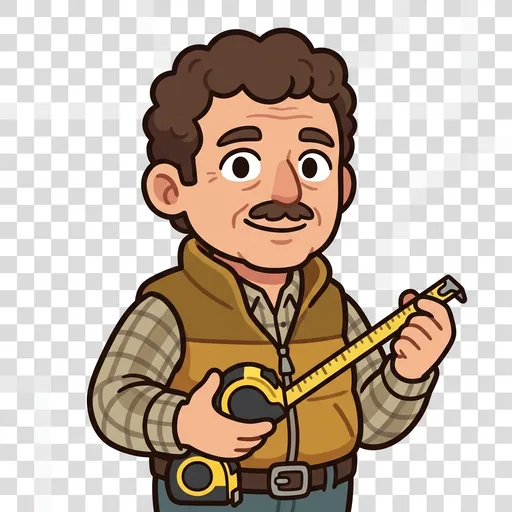
Gap
MISMATCH-AS-DATA — the move of *treating the difference* between two affect-card picks as *information,* not as *failure.* The space between picks is the teaching artifact.
Loading audio…
Press play to listen along. The line being read lights up as you go.
Show full transcript
Loading transcript…
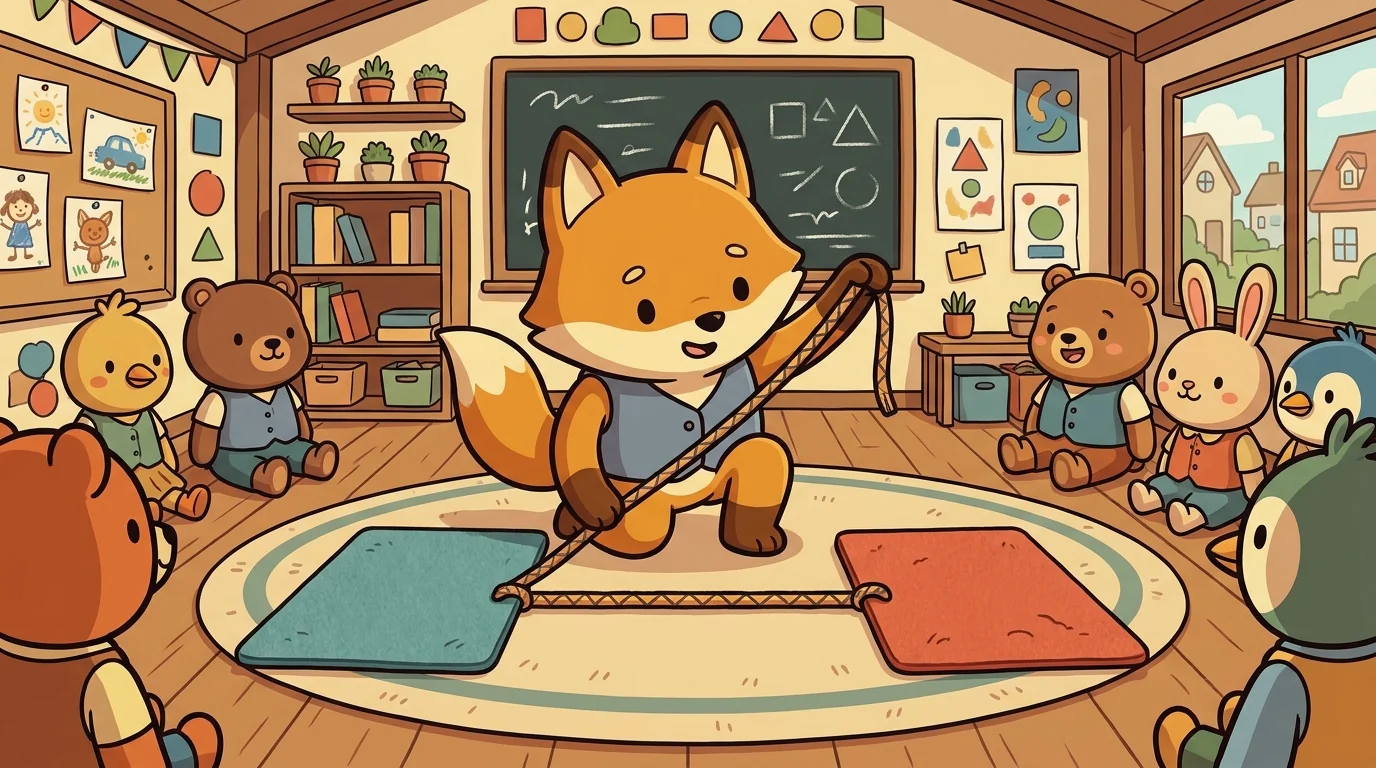
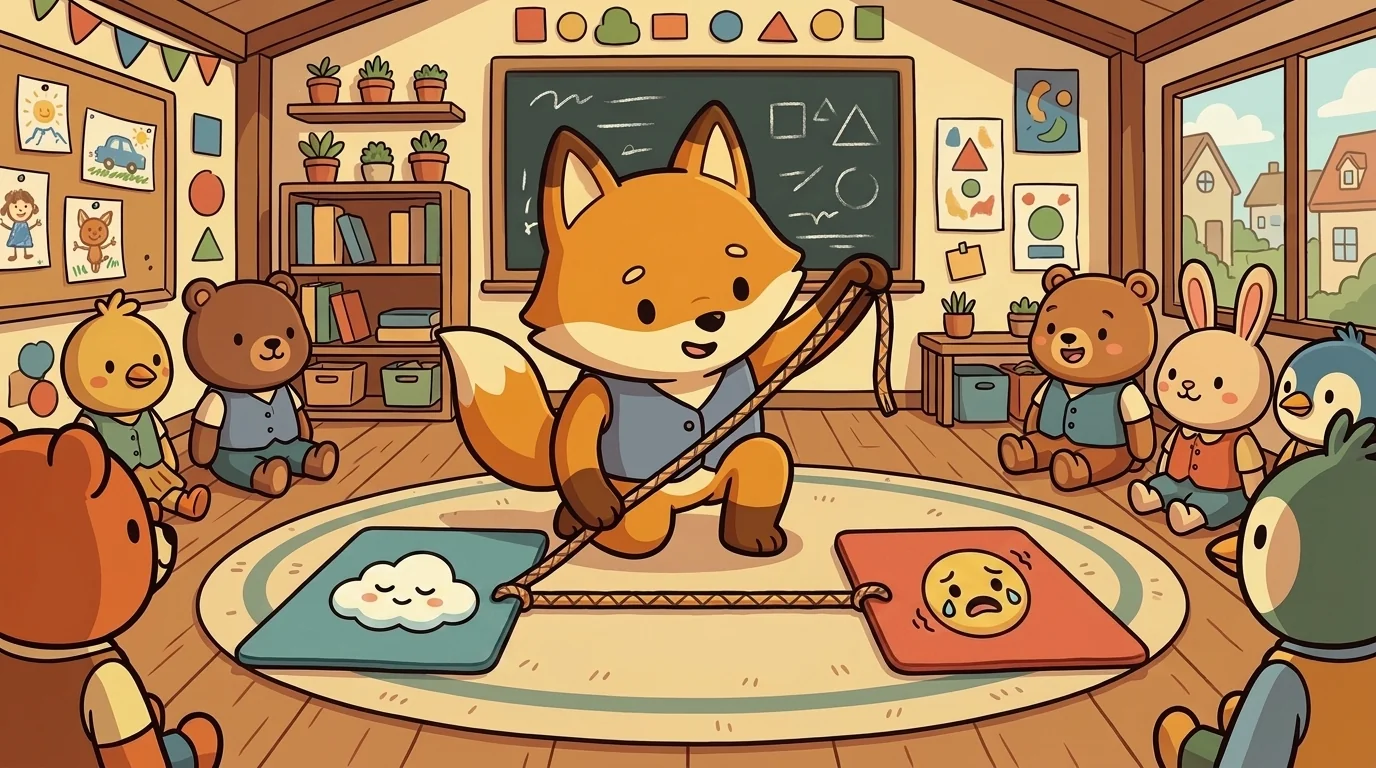
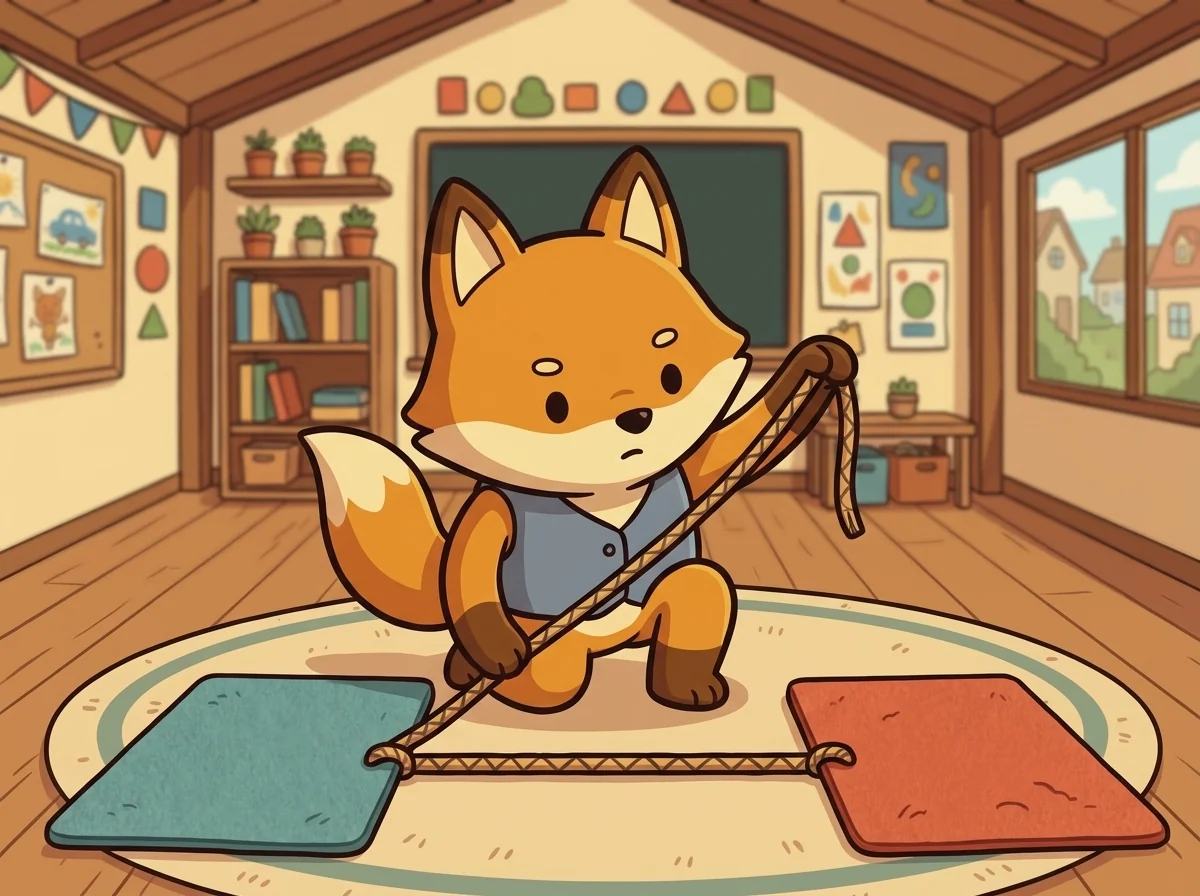
Gap crouched between two affect-cards laid out on the classroom floor and stretched a chunky measuring-string taut between them. One card said calm. The other said worried. The string spanned the space in between, and Gap studied that space the way you'd study anything genuinely interesting.
She was a round, warm-amber fox in a soft slate-blue vest, and her whole face said curious, never frustrated. She held up the string so the class could see the distance it marked.
"Look at the space," she said. "It has a length. That length is real. And a real length is a fact you can measure — not a mistake, not a mess, just a distance." She tilted her head at the two cards. "Somebody felt calm today. Somebody felt worried. The gap between them isn't a broken thing. It's the day, measured."
That was the whole of what Gap did. When two people who trusted each other picked different cards, Gap treated the difference as information — a measurement of the space between two honest feelings. Never a failure. Never a sign that the pair had done something wrong. Two people had two different days, and the cards told the truth about that.
She was firm about it, in her calm surveyor's way, because it protected something. If a game ever whispered that a kid and a grown-up should always feel the same, it would become a machine for pretending — for squashing down whatever you actually felt so it would match. Gap wouldn't allow that. Her whole steady presence said the opposite out loud: differences are welcome. Differences are worth measuring. A real gap is healthier than a match you had to fake.
Gap grew up in a village of surveyors.
Her family measured land — the width of a river, the length of a road, the acreage of a field — and the first thing she learned from them was that a measurement doesn't judge. A river was however wide it was. Whether that width was too much or just right depended entirely on what you were trying to do: build a bridge, or float a boat, or simply cross. The number itself held no opinion. It only told the truth about the distance.
She used to walk the fields with her mother, holding the far end of a long cord while her mother read off the span. "Is it too far?" young Gap once asked, worried, when a field came out enormous.
"Too far for what?" her mother said, and smiled. "It's not too far. It's not just right. It's just how far. What we do with 'how far' is a different question. The measuring part never frets. The measuring part just tells you the truth."
That stayed with her. By the time she was grown, Gap had noticed that the spaces between people's feelings worked exactly the same way. When one person was low and another was bright, that wasn't a broken relationship. It was a distance. A measurement. And what you did with the measurement — talk about it, or simply let it be — depended on the day, not on any rule that said the distance shouldn't exist.
Gap walked to the TempCheck academy when she was twenty-three, her measuring-string coiled in her vest pocket.
Pulse, the calm and listening mentor of the place, asked her a single question. "What is mismatch-as-information?"
Gap took out her string and laid it between two imagined points on the ground before she answered.
"It's treating the difference between two picks as a measurement, not a failure," she said. "The kid picks one card. The grown-up picks another. The space between has a distance, and the distance tells you about the day. Maybe school was good and work was hard. The cards just report that honestly. We picked different cards — and that's information."
Pulse listened, quiet in the way Pulse always was. Then: "Welcome. This is your classroom."
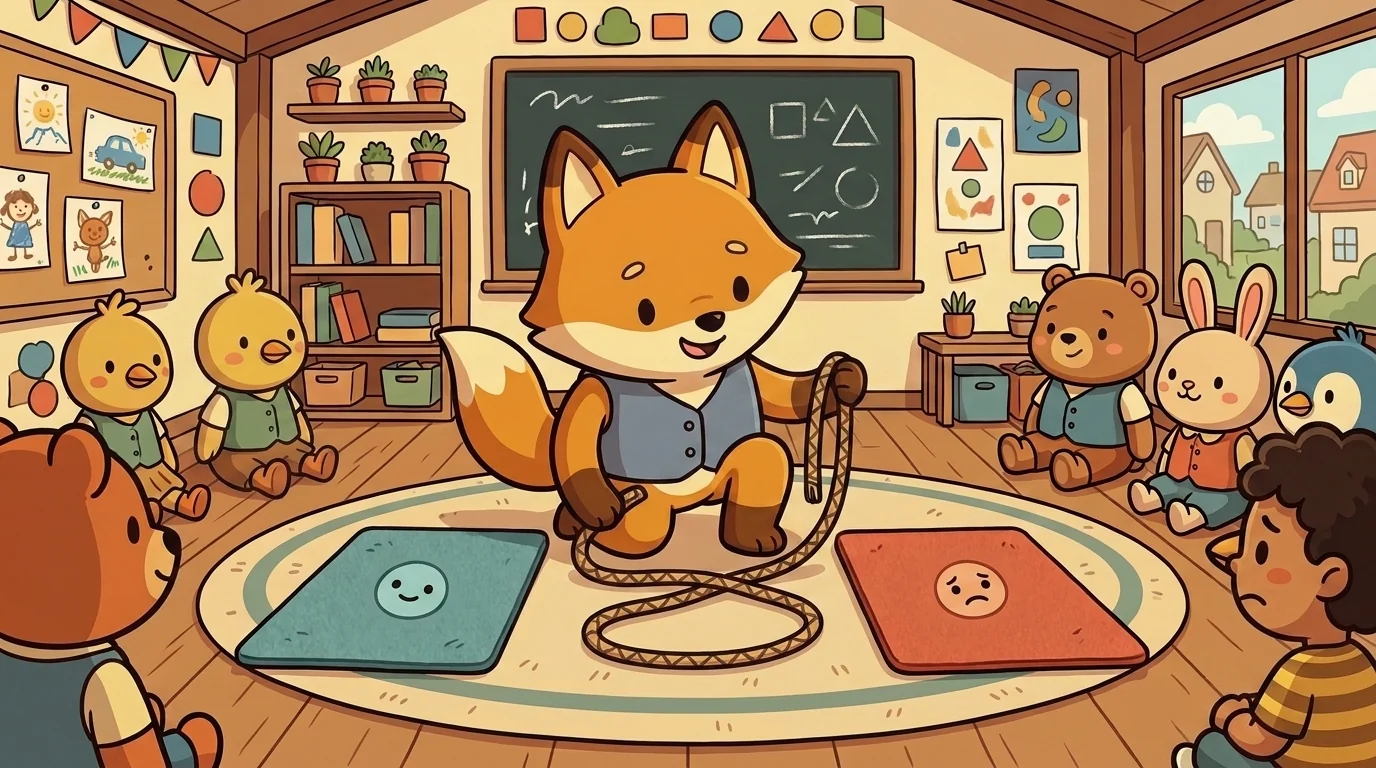
In her classroom, Gap always kept her measuring-string out, and she taught with it.
"The kid picked calm," she'd say, laying down a card. "The grown-up picked worried," laying down the second, and stretching the string between. "Different cards. There's a gap. The gap has a distance, and the distance is information. Maybe the kid had a good day at school and the grown-up had a hard day at work. The cards are telling the truth. That's all."
A boy near the window looked anxious. "But if they don't match... doesn't that mean something's wrong between them?"
Gap sat back on her heels, string still in her paws, and she wasn't frustrated by the question at all — she was interested in it. "It doesn't," she said gently. "It means they had different days. That's normal. Two people are two people. They're allowed to feel different things on the same afternoon."
"So we should try to match, so there's no gap?"
"Ah." Gap grinned, the way she did when a measurement got interesting. "Here's the surprising part. If two people always matched, that would be strange data. It might mean one of them is quietly copying the other instead of picking honestly. A real, honest gap is healthier than a match somebody performed." She let the string go slack. "Sometimes a gap invites a conversation — 'want to talk about it?' Never required. And sometimes a gap is just a gap, and today is simply different, and nothing needs fixing at all."
The boy's shoulders, which had crept up toward his ears, came back down. "So the gap is okay."
"The gap is information," Gap said. "That's even better than okay. It's useful."
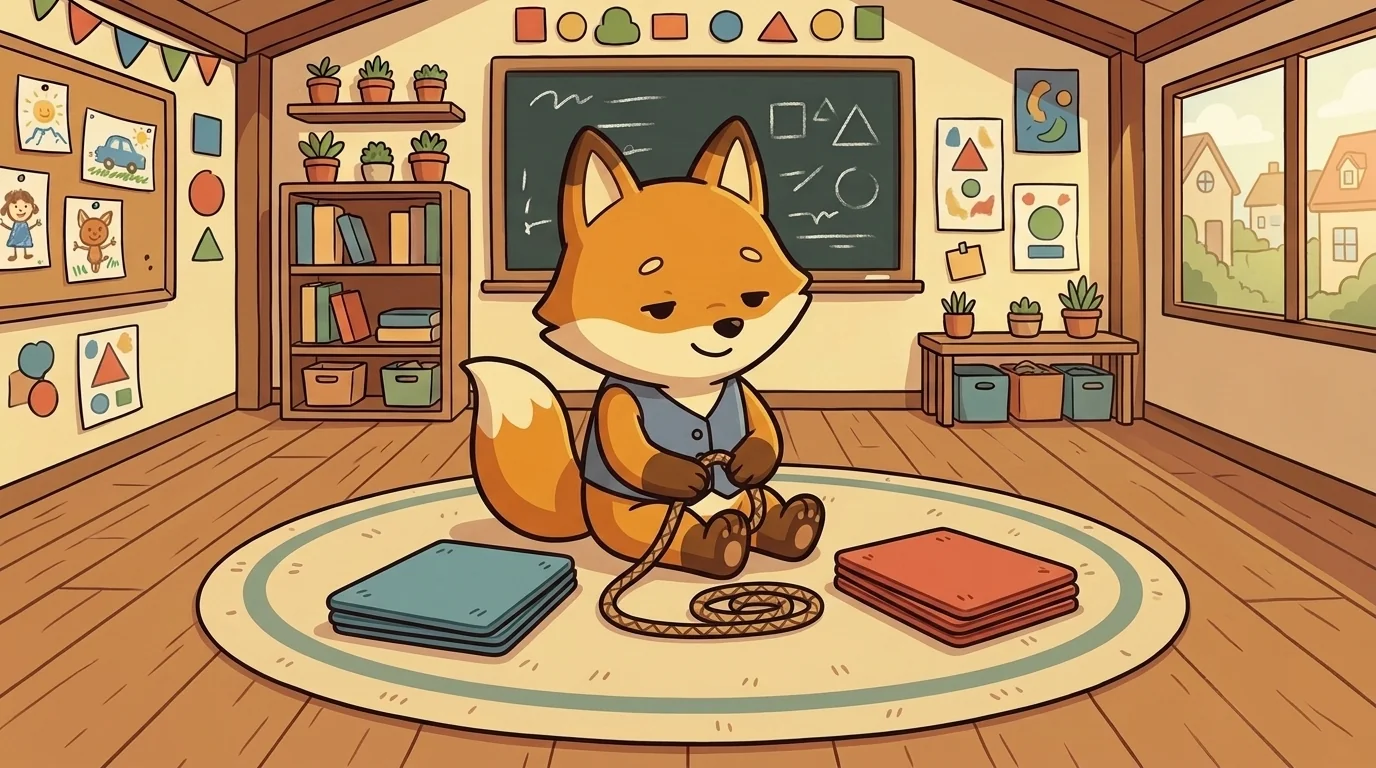
At the end of the day, Gap coiled her measuring-string and thought about a check-in she'd watched that afternoon — a kid who'd picked playful while their grandmother picked tired, and how neither of them had flinched at the difference.
She noticed something in her own body as she remembered it. When she'd first learned all this as a small fox, a gap used to make her stomach tighten, her breath catch, as if a difference were a warning. It didn't anymore. Now, when the cards didn't match, her shoulders stayed soft and her breathing stayed easy, because she'd learned in her very bones that a difference was only a distance — measurable, honest, and safe to let be.
That loosened, steady, unworried feeling in her chest — being able to hold a difference without bracing against it — that was what the measuring had always been for.
The TempCheck ensemble
Gap is part of TempCheck's distributed-narrative cast. Each character embodies a different curricular primitive; together they teach the full subject.
-
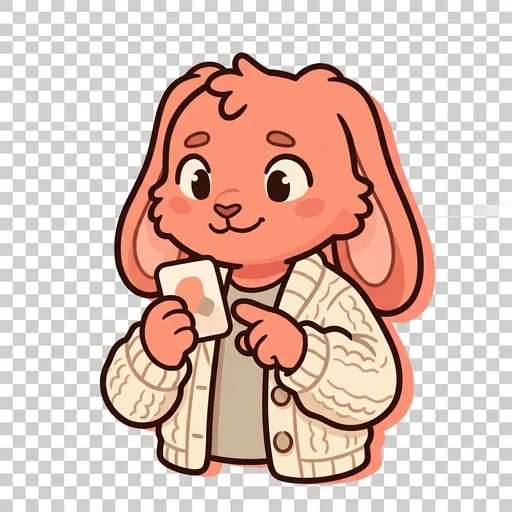
Pick
Noticing self — soft warm-coral rabbit-tween in chunky cream cardigan; tiny held-up affect-card; ears soft + not-tense; one paw tapping card-corner; treats card-picking as thinking-pause
-
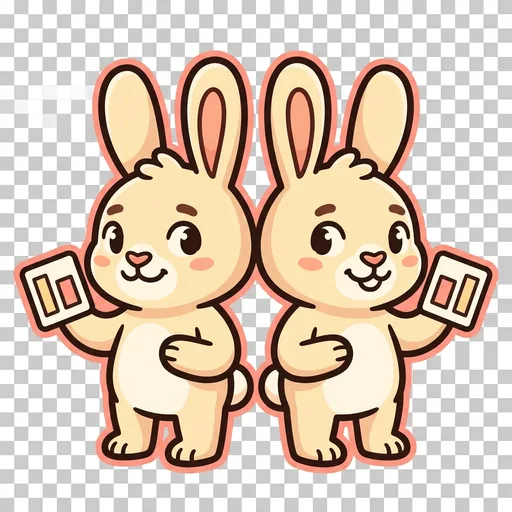
Both
Dyad-sync — two warm-cream hares mirror-paired with cards held up side-by-side; both facing same direction; happy-but-not-overjoyed (overlap is data, not victory)
-
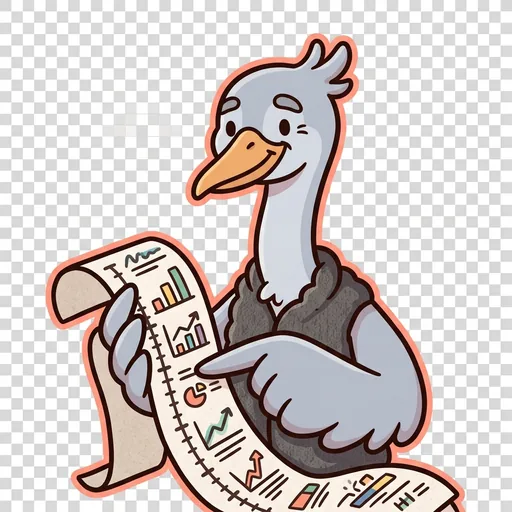
Streak
Growth-chart — tall soft-grey heron-elder in chunky charcoal vest reading long chart with hash-marks; wing pointing at time-axis; treats LONG pattern as whole skill, never single check-in as success-or-failure
-
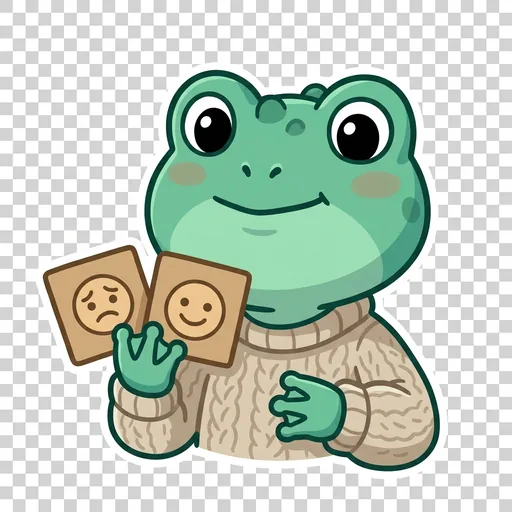
Brim
Picks the card that is really true today, not the easy "I am fine" card you hold up so nobody worries.
-

Buoy
Reads the bodys quiet signal first, because a feeling often shows up in your chest or tummy before you have a word for it.
-

Skiff
Shows that you do not have to wait to be noticed; you can be the one who starts a check-in and asks for it.
-
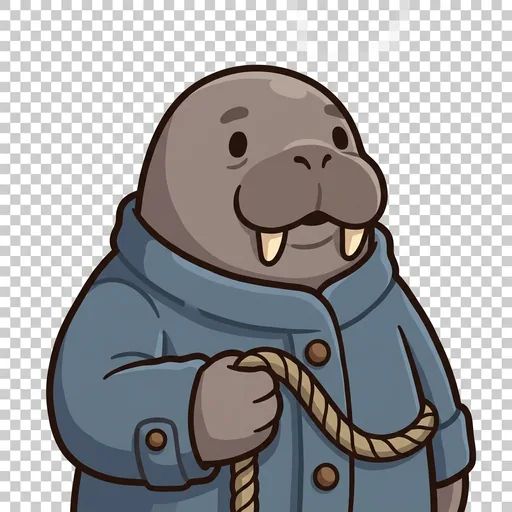
Moor
When someone shows you a hard feeling, stays steady and holds it with them instead of rushing to fix it.
-
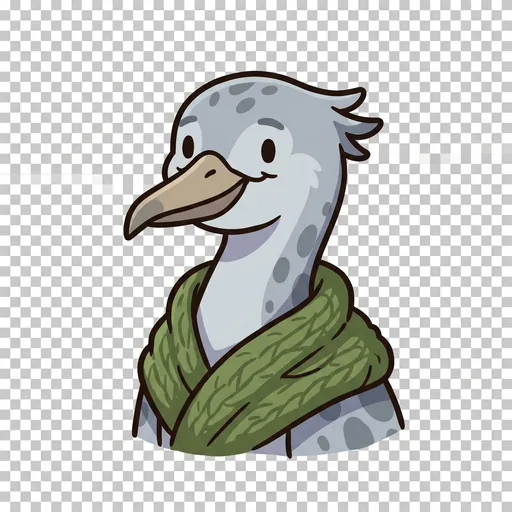
Cove
When a check-in gets missed or misread, comes back to it later, because a missed moment is never lost for good.
-
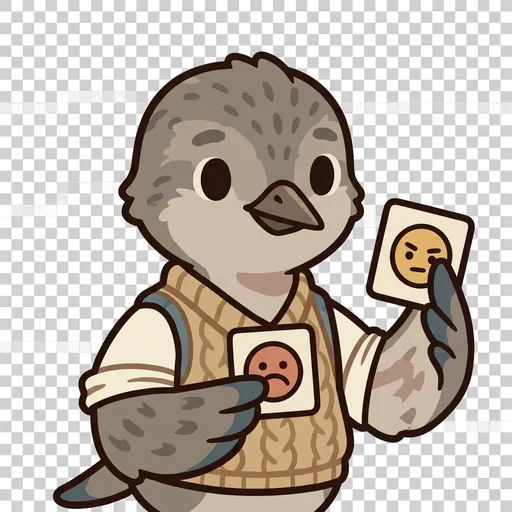
Ebb
Notices when a feeling turns partway through a moment, and picks a new card, because the first card is a start, not a sentence.