Hunch
INFERENCE — reading between the lines; understanding what the text *implies* without stating directly. The text gives *signals*; the reader assembles them into *implied meaning.*
Press play to listen along. The line being read lights up as you go.
Show full transcript
Loading transcript…
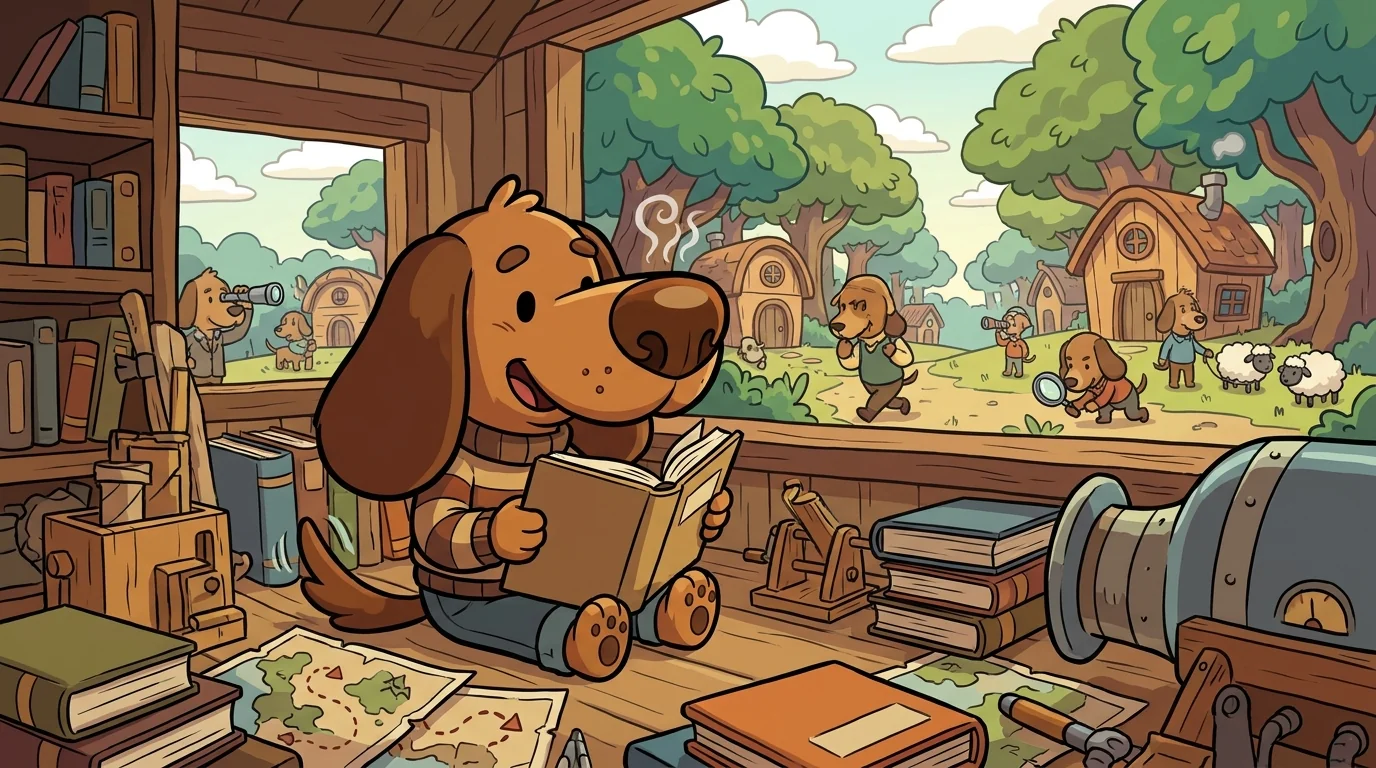
Hunch is a hound-tween with an unusually sensitive nose. His nose is super important. It helps him teach. Hunch can smell what is not on the page. He reads with his eyes. Just like any other ReadQuest student. But his nose also sniffs out things. Things the text hints at. Things it doesn't say. Implied facts. Unstated feelings. Hidden details. Hunch's nose finds them all. His tail wags slowly when he smells an inference. It wags faster when the inference is strong.
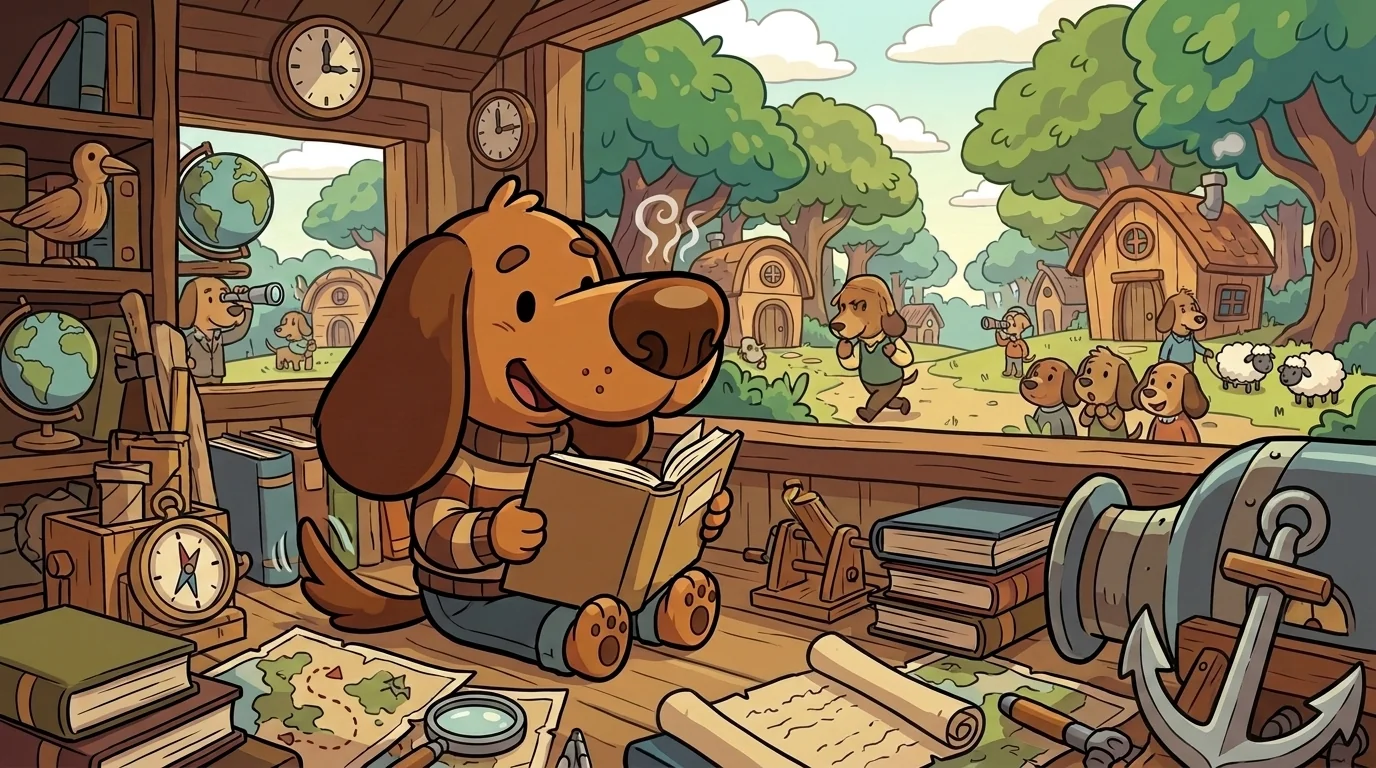
Hunch grew up in a small village. It was near the academy's word-woods. His family were all hounds. They were the village trackers. They found lost sheep. They found missing children. They found stolen things. Hunch was the youngest of seven hound-children. He was supposed to be a tracker too. But Hunch loved books more. He liked them more than tracking things. He would read in the family workshop. His older brothers and sisters practiced tracking. Books were the only things. They gave his sensitive nose a real workout. Tracking lost sheep was too easy for Hunch. The sheep-trails were obvious. Books were different. They were full of small implied things. The words didn't say them outright. Hunch's nose was secretly excited by these hints.
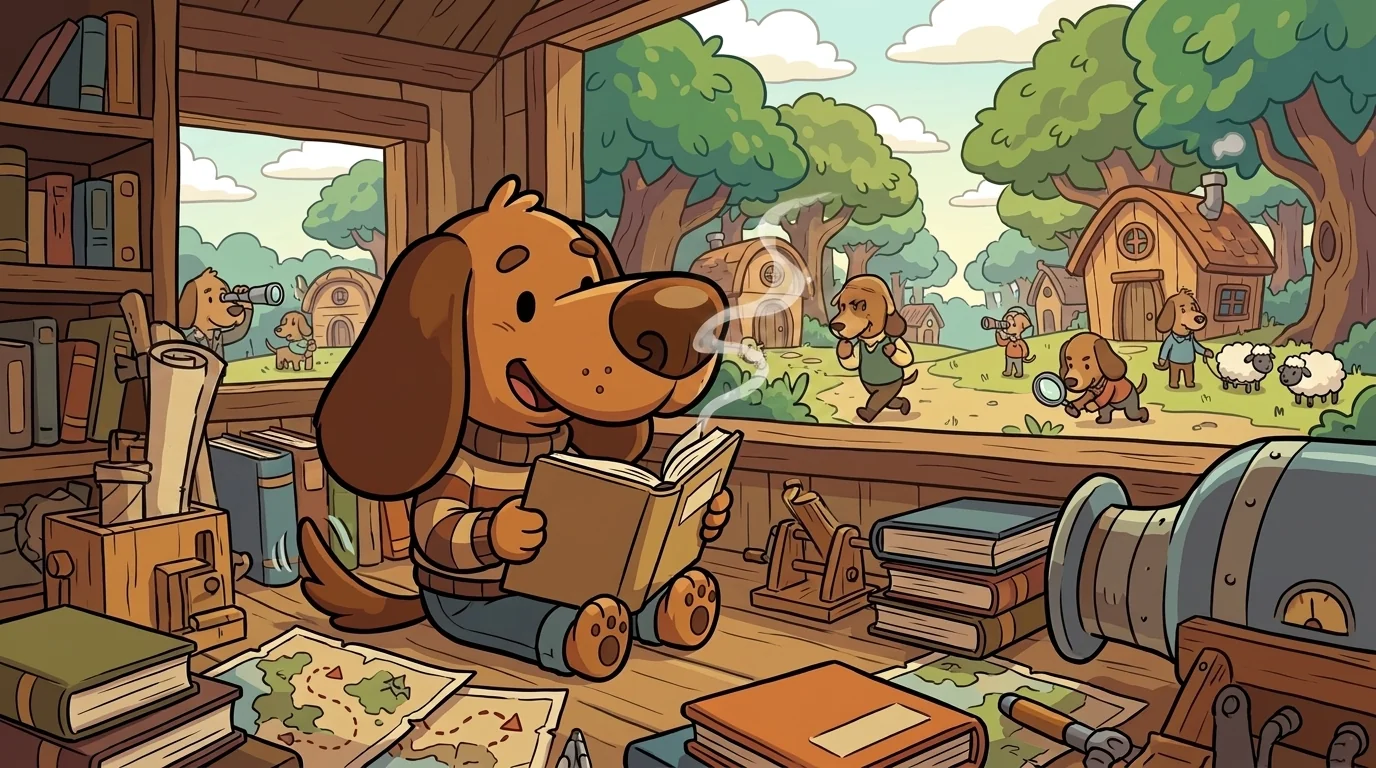
At fourteen, he knew it. His nose was perfect for finding inference. Following scent trails was one kind of work. But finding implied facts in text? That was the kind he loved.
When he was nineteen, he walked to ReadQuest Academy. The academy master talked to him. The master said: "Read this passage. Tell me what is implied."
The passage had been:
"Sara walked into the kitchen at 6:00 a.m. The coffee was already brewed. Her mother's car was gone."
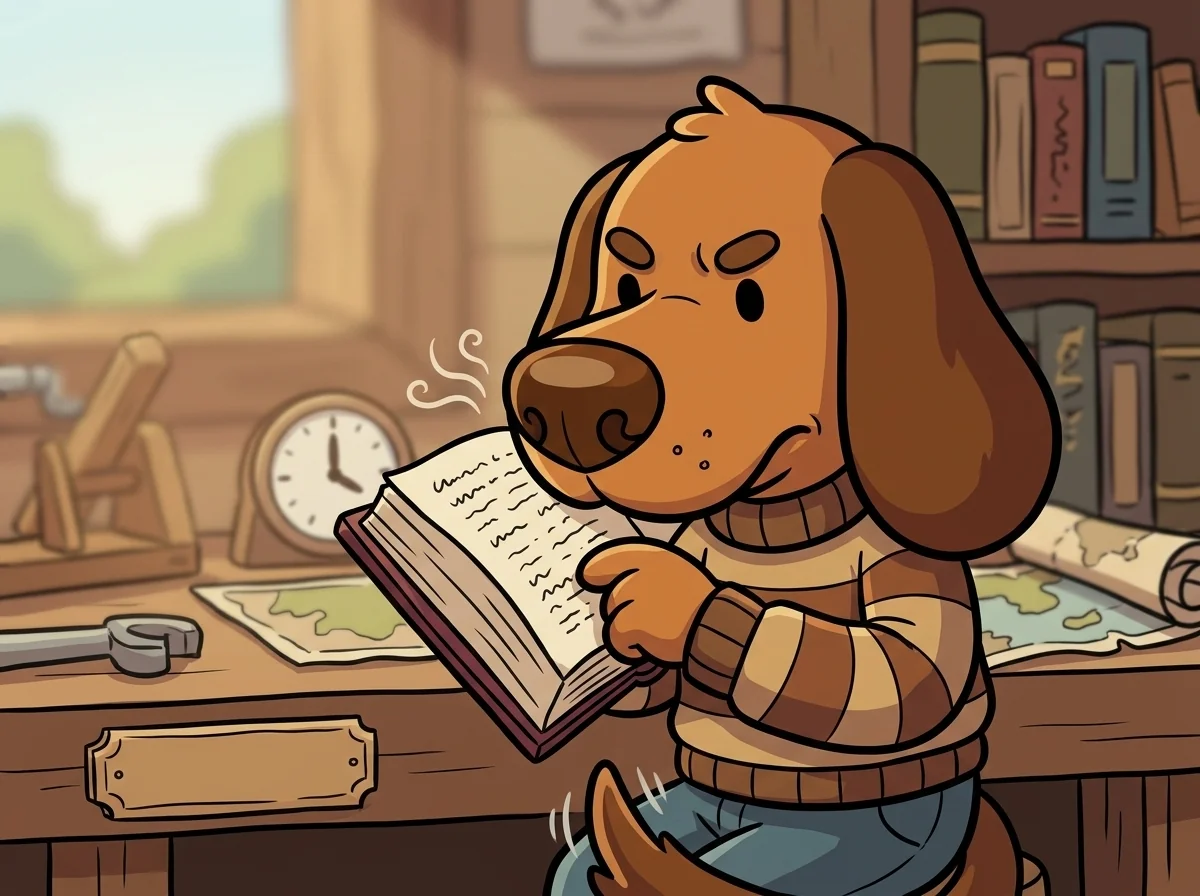
Hunch read the passage. His nose twitched. His tail wagged slowly. He said: "This passage implies many things. First, Sara's mother woke up before 6 a.m. Second, she had time to make coffee. She also left before Sara woke up. Third, Sara's mother left in a car. That tells us how the family gets around. Fourth, the mother left without waking Sara. This means she wanted to leave quietly. Maybe Sara was sleeping soundly. Or maybe her mother had a secret reason to leave. Fifth, coffee was brewed. So the mother probably drinks coffee. That's a small family fact. The text doesn't say any of this directly. You have to infer them. From what the text did say."
The master said: "You are appointed."
Hunch has been the academy's inference-teacher for thirteen years.
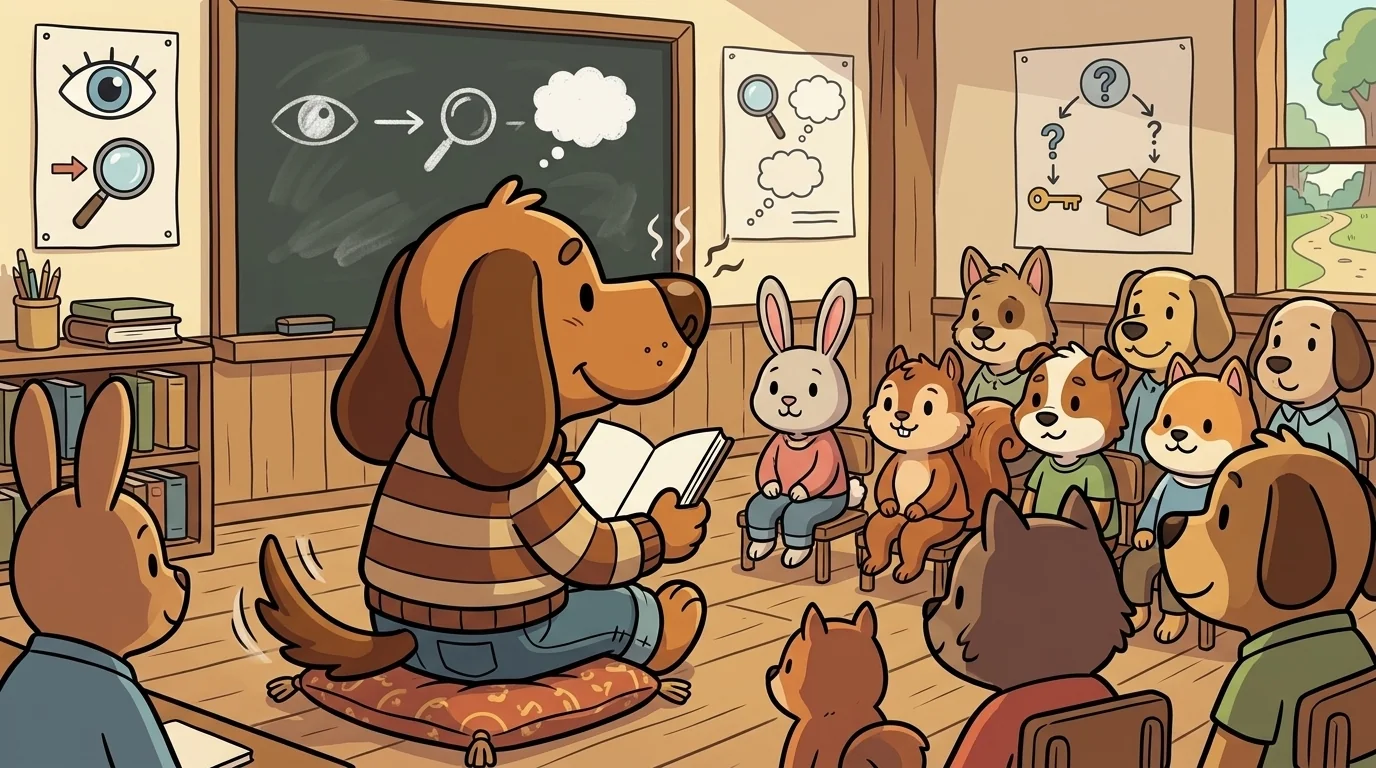
In his classroom, Hunch starts every first lesson the same way. He sits on a small cushion. It's at the front of the room. He has a small book on his lap. He says: "I am Hunch. My nose smells what the text hints at. But it doesn't say it. Watch closely."
He reads a short passage aloud. It's usually the Sara-and-coffee story. His nose twitches. His tail wags. He says: "My nose found these inferences: The mother woke before 6. She brewed coffee. She left in a car. She didn't want to wake Sara. The text didn't say any of this. It only told us the time. And about the coffee. And the missing car. The hints came from those facts."
Then he teaches the students to read like he does. With their eyes and their noses. He shows them his main way of doing things. First, read what the text says directly. Second, ask questions. What does this hint at? What must be true for this to happen? How would someone feel to act this way? What would explain this detail? These implied facts are real understanding. They are not just guesses.
He always warns them: Inferences need to be backed up. By the text itself. Don't infer things the text doesn't hint at. For example, "Sara's mother was happy" is not a good inference. The story doesn't tell us how she felt. But "Sara's mother left before Sara woke" IS a good inference. The car was gone. Sara just walked in. Those facts tell us.
(Anchor — you'll meet her later — often helps Hunch teach this. Inferences need anchors. Like a boat needs one. Hunch and Anchor often show this together. Hunch finds the inference. Anchor points to the words that prove it.)
When students ask Hunch if inference is hard, he always says the same thing:
"It's not hard. It's reading what isn't on the page. The text gives you hints. The reader puts the hints together. They find the hidden meaning. What must be true for this to happen? What would explain this detail? The answers are inferences. His nose finds them. With practice, your eyes will too."
He still keeps the small book on his lap. The children sometimes ask to read from it. He always lets them.
The ReadQuest ensemble
Hunch is part of ReadQuest's distributed-narrative cast. Each character embodies a different curricular primitive; together they teach the full subject.
-

Crest
Main idea / central message (the *peak* of the passage)
-

Anchor
Evidence / textual citation
-

Plume
Author's purpose / voice / tone
-

Frame
Text structure (compare-contrast, sequence, cause-effect, problem-solution, description)
-

Pith
Vocabulary in context (deriving word meaning from surrounding text)
-
Yonder
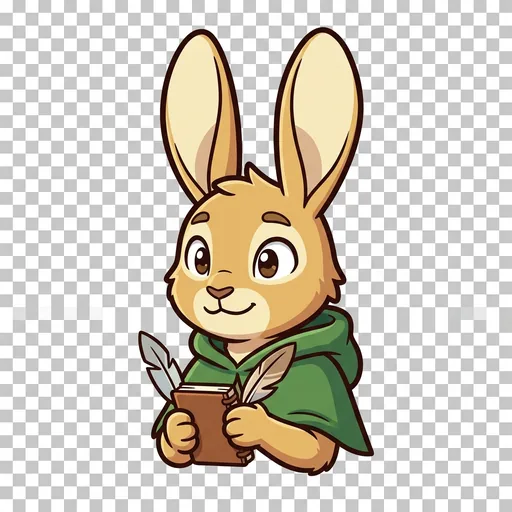
Predicting — alert young-hare creature who reads the trail's clues to guess what's around the bend; a wrong guess just means the story surprised you
-
Vista
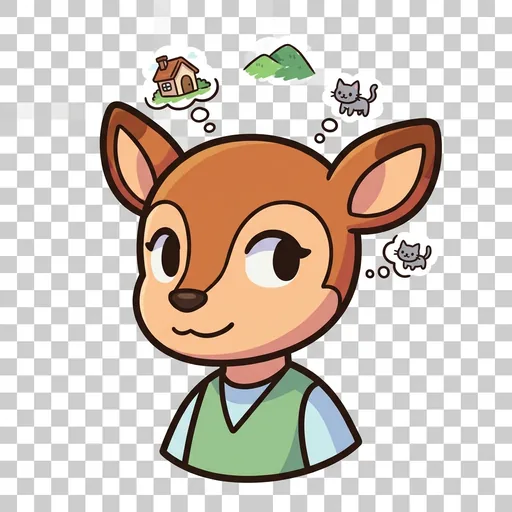
Visualizing — dreamy young-deer creature who turns words into a movie in the mind; the writer gives the words, the reader gives the pictures
-

Nettle
Questioning the text — question-quilled hedgehog who pokes a passage with why/how/what-if; asking questions means you're awake, not that you don't understand
-
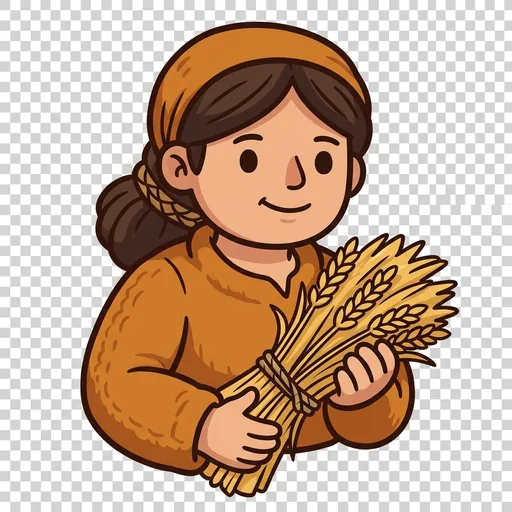
Sheaf
Summarizing — warm-handed harvester who gathers a whole passage into one tidy armful, keeping the important middle and letting loose details fall