
Groove
THE POCKET — how the words sit against the beat. The same words can land square on the beat (steady) or just behind it (laid-back) or pushed ahead (urgent). Finding the pocket — where the words ride the groove just right — is what makes a lyric feel good to sing.
Press play to listen along. The line being read lights up as you go.
Show full transcript
Loading transcript…
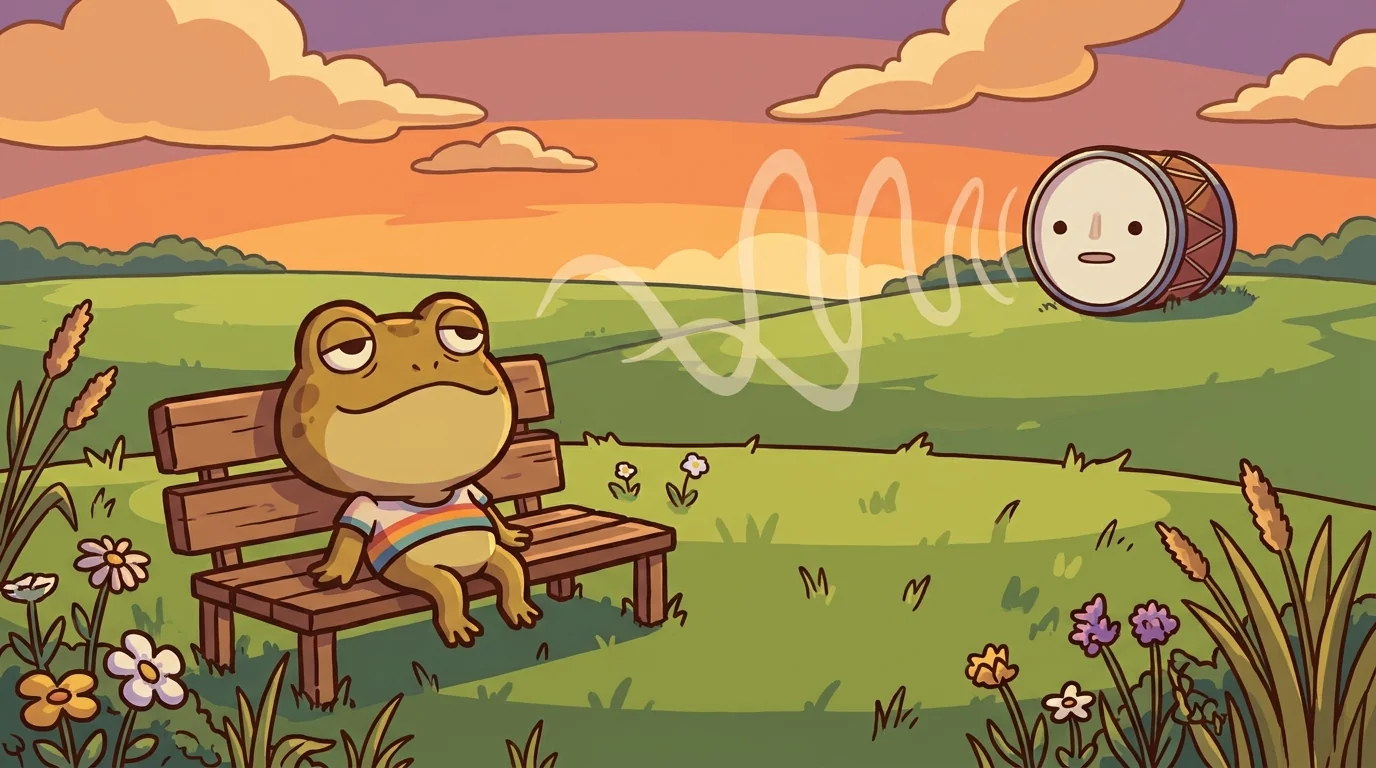
Pip met Groove on the meadow bench one summer evening, when a far-off drum was thumping a slow, easy beat across the field.
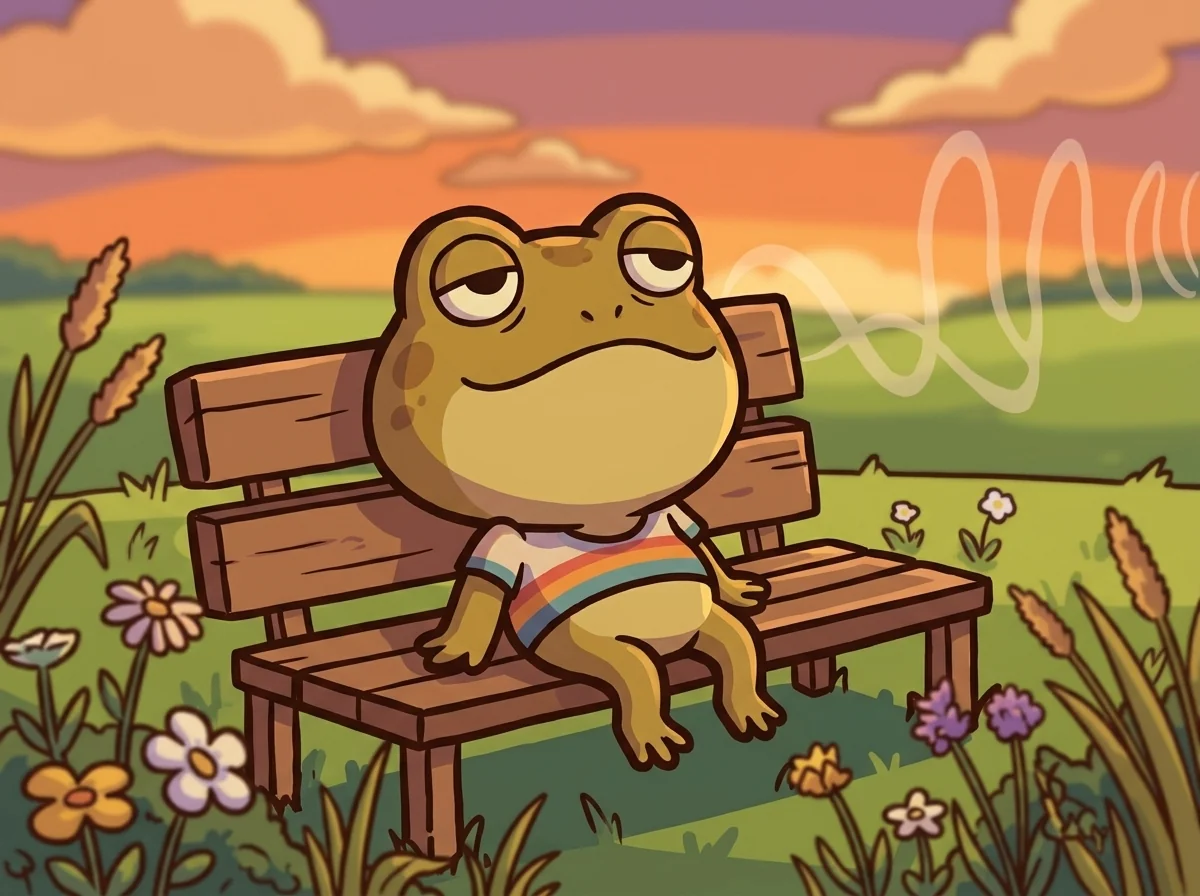
Groove was a round, mellow toad with half-closed eyes, and he sat on the bench bobbing his head — not stiffly on each beat, but around it, sliding into the rhythm, just a hair behind the drum. Thump went the far drum, and Groove's nod landed just after, easy and cool. He looked like he was sitting in the most comfortable chair in the world, except the chair was the beat itself.
"You're not nodding on the beat," Pip observed. "You're nodding just... inside it."
Groove opened one eye, unhurried. "That's the pocket, little sparrow," he said, in a low, easy voice. "My name is Groove. I keep the pocket — where the words sit against the beat. Not just which beat. Where on it." He bobbed again, sliding into the rhythm. "Square on it, behind it, pushed in front of it. Same words, different feel. The pocket is where it all rides just right."
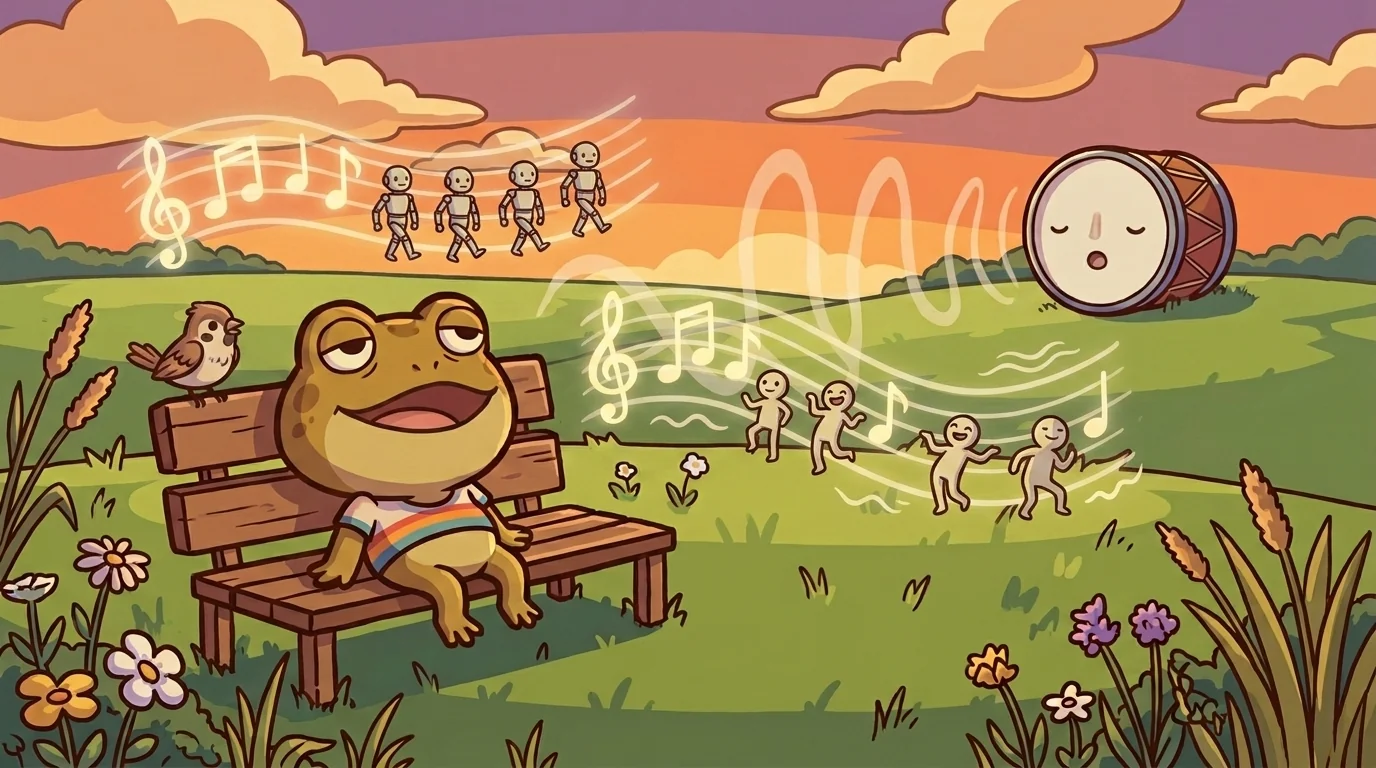
Pip tilted his head. "My friend Step keeps the meter," he said. "How is your pocket different from her beat-counting?"
Groove smiled slowly. "Step tells you where the beats are. I tell you how to ride them." He sang a little line, landing each word squarely on the drum: "I — walk — to — town." Stiff, precise, a bit robotic. Then he sang the same words, but slid them just behind the beat, loose and easy: "I walk... to town..." — and suddenly it had a swing, a lean-back cool, like the words were strolling instead of marching.
Pip felt it in his feathers. The same four words. But riding the beat differently changed everything — the first was stiff, the second felt like a warm evening walk. "It's the same words," Pip said, amazed. "But the second one grooves."
"Now you feel it," said Groove, eyes drifting half-shut again. "The pocket is the difference between words that march and words that dance."
Pip asked Groove to join his songwriting circle. "I teach kids to write songs," he said, "and their lyrics land so stiffly — every word stamped right on the beat, like a typewriter. I think you could teach them to find the pocket, to let the words ride."
Groove gave a slow, agreeable nod — slightly behind the beat, of course. "I'll come, little sparrow," he said. "Can't promise I'll hurry. Hurrying's the opposite of the pocket."
So Groove joined Pip's meadow circle, and the lyrics there began to ride the beat instead of marching on it.
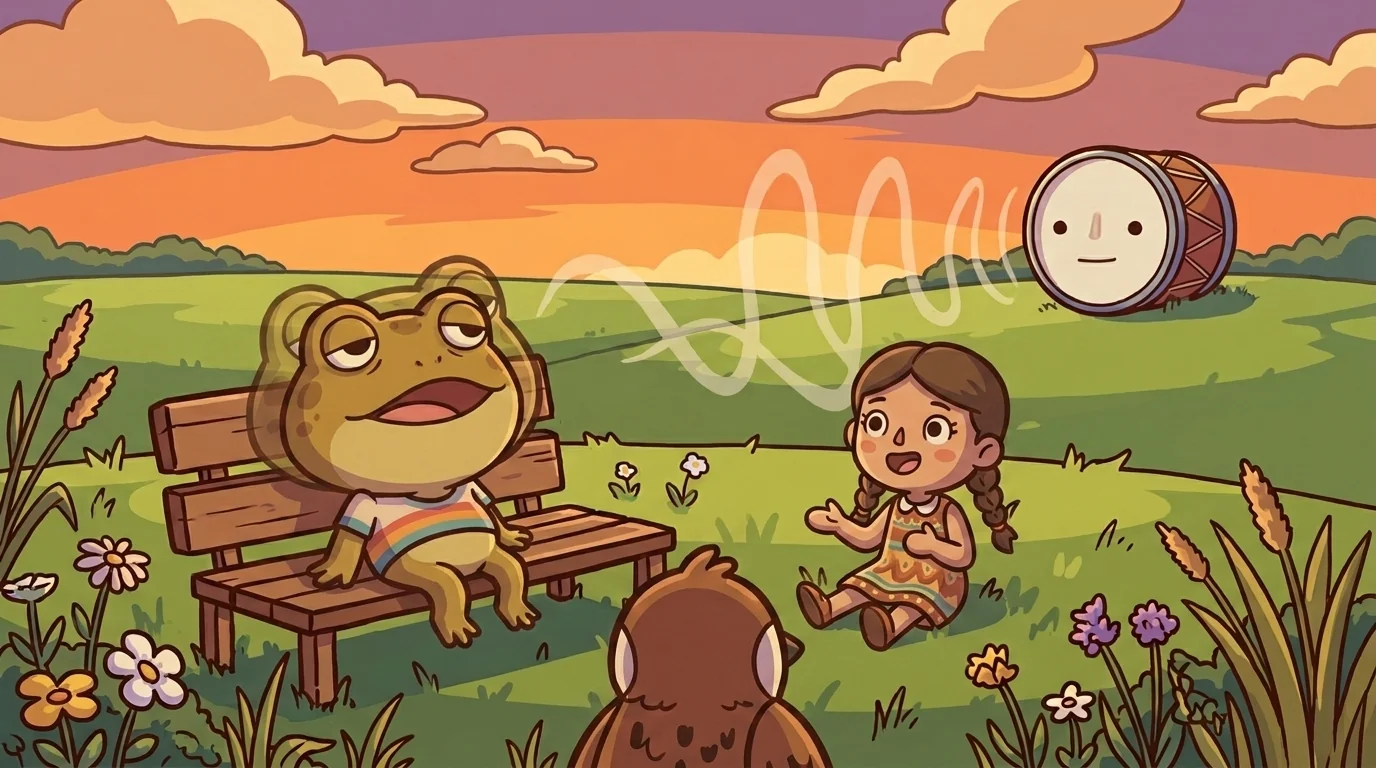
When Pip teaches the pocket, Groove leads — slowly. "Don't just put a word on each beat," he tells the students, bobbing his head. "Feel where the word wants to sit. Sometimes right on the beat, strong and steady. Sometimes lagging just behind, lazy and cool. Sometimes pushed a hair ahead, urgent and excited." He has them sing the same line three ways — square, behind, ahead — and feel how each one changes the mood.
A young student's song felt mechanical, every syllable stamped exactly on the beat. Groove had her sing it again, but lean the words back, just a touch behind. Same words — but now the song relaxed, breathed, grooved. The student's eyes went wide. "I didn't change the words at all," she said. "Just where I sang them." "That's the pocket," Groove said, pleased and unhurried.
"Here's the thing, though," he added, half an eye open. "There's no one right pocket. A sad song might drag behind the beat. An excited song might push ahead of it. A steady marching song might sit square. The pocket isn't a rule — it's a feeling. Find the ride that matches the mood. Then relax into it, and let the words sit easy."
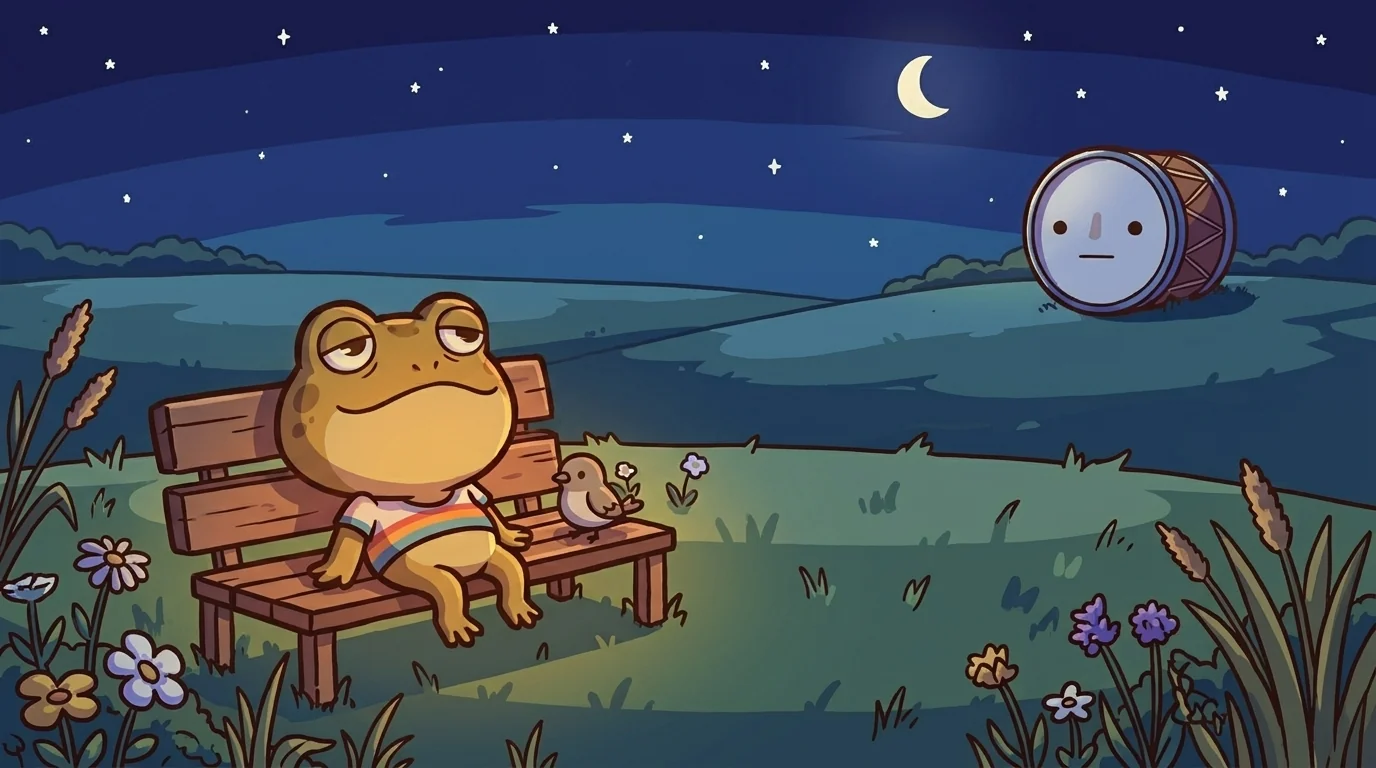
After the lesson, Groove stayed on the bench with Pip, nodding gently to the far-off drum as the stars came out.
For a long time, Groove had wondered if being slow and easy meant he just didn't care enough — that the quick, sharp creatures who hit every beat dead-on were somehow trying harder, doing it better. He'd half-believed his laid-back way was laziness.
But bobbing along in the warm dark, riding the beat just right, Groove felt the truth of his own gift settle over him. Sitting in the pocket wasn't laziness. It took a deep, careful listening to feel exactly where a word wanted to land — to relax into the beat instead of stamping on it. The ease was the skill. The cool was earned. And helping a stiff little song loosen up and groove — that was a slow, warm, satisfying joy, like sinking into the most comfortable chair in the world. A mellow contentment spread through him, right in the pocket. He didn't need to hurry or stamp or try hard. He just needed to feel where the words wanted to sit, and let them ride. And he nodded, easy and glad, a hair behind the beat.
The LyricForge ensemble
Groove is part of LyricForge's distributed-narrative cast. Each character embodies a different curricular primitive; together they teach the full subject.
-
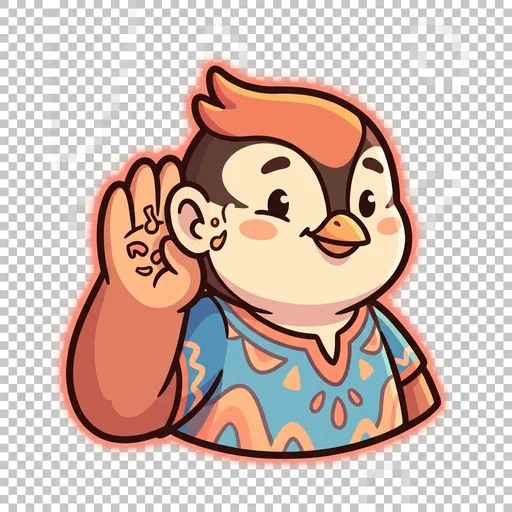
Chime
Rhyme / vowel-echo — chickadee-tween whose listening-cupped wing catches and returns rhyming partners
-

Step
Meter / cadence — rabbit-tween whose hop-rhythm enacts the stressed-syllable pattern
-
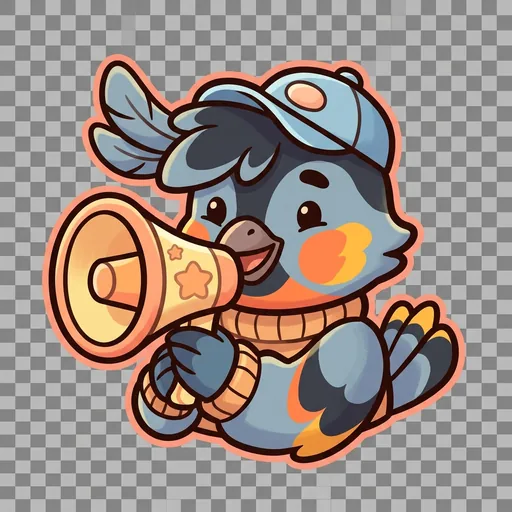
Holler
Hook / chorus anchor — bullfinch-tween with megaphone who picks ONE line and makes it sing-back-loud
-
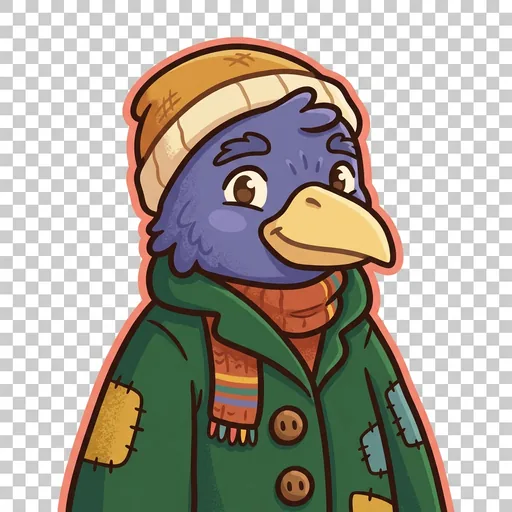
Turn
Bridge / off-the-path — crow-tween in a long traveling coat who walks the lyric into a new feeling and earns the return
-

Spark
Image / sensory anchor — firefly-tween whose abdomen brightens ONLY on specific concrete word-choices (dim on abstractions)
-

Zing
Wordplay — electric-blue dragonfly whose wings spark on a pun or double-meaning; clever-AND-true sparks, clever-for-its-own-sake falls flat
-
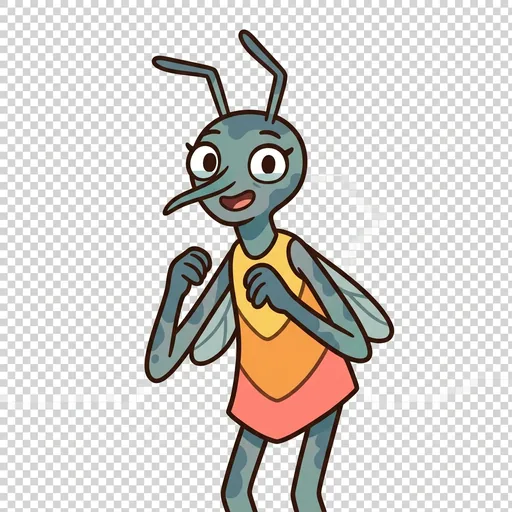
Lift
Pre-chorus build — long-legged crane-fly who rises onto her toes; the chorus only soars because she made you climb to it (the build is a promise the chorus keeps)
-
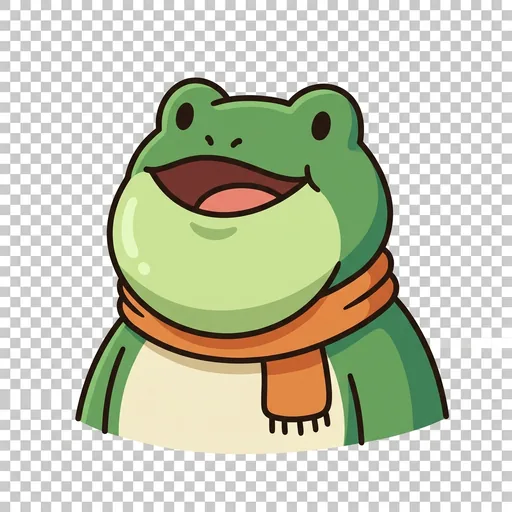
Belt
Singability — big-lunged frog with a wide-open throat; open vowels ring on long notes, tight consonant clusters strangle them (always sing it aloud)
-
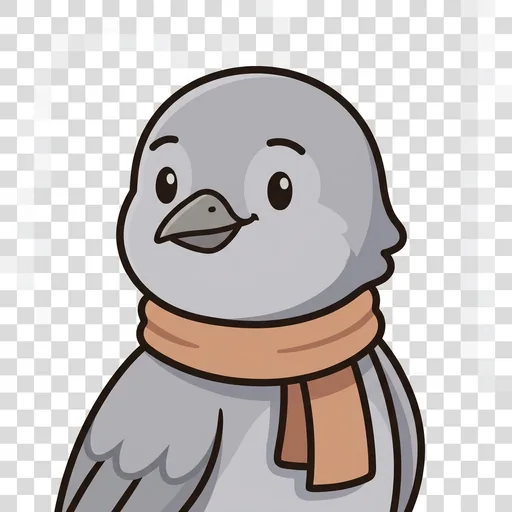
Croon
Sincerity — dove-grey nightingale who sings small true songs; all the other craft serves the one honest feeling underneath (one true feeling beats a hundred fake)