
Hinge
THE LINE BREAK — where a line of a poem ends and the next begins. The break is a tiny pause, a turn, a held breath. Breaking a line in the right place can surprise the reader, stress a word, or make a small poem swing open like a door.
Press play to listen along. The line being read lights up as you go.
Show full transcript
Loading transcript…
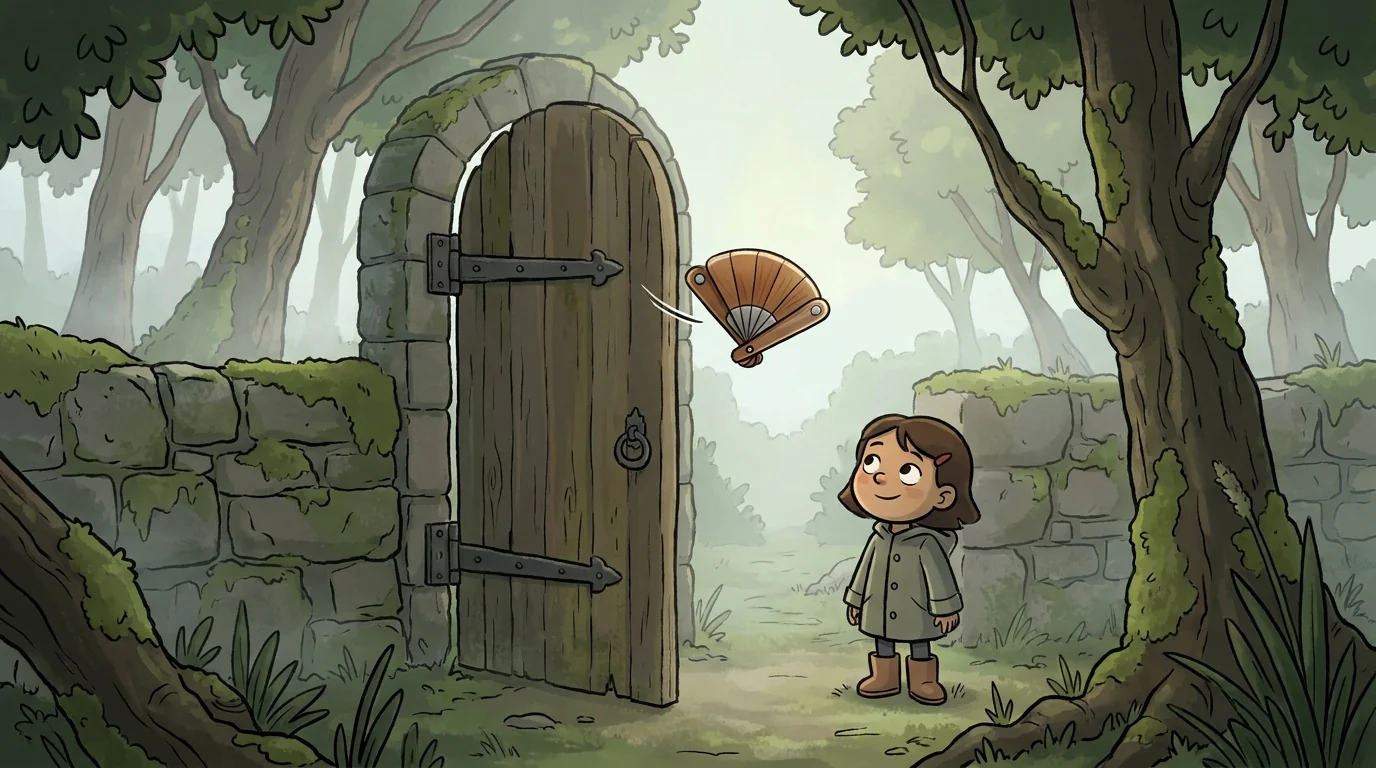
Cherry met Hinge on a misty morning at an old garden gate in the grove, where a single wooden door swung gently on its hinges.
Hinge was a small, smooth creature shaped a little like a folding fan or a tiny door, and she moved by swinging open and swinging shut — a soft creak, a held pause at the top of the swing, then onward. At the top of each swing she would hold, just for a breath, before continuing. Cherry watched the little pauses, the way each swing held its moment of stillness.
"You pause at the end of every swing," Cherry said.
Hinge swung open, held, and answered. "I do," she said. "The pause is the whole point. My name is Hinge. I keep the line break — the place where one line of a poem ends and the next begins." She swung again, holding at the top. "Right there — that little held breath at the edge — that's me. The reader reaches the end of a line, pauses for the smallest moment, and then the next line swings open."
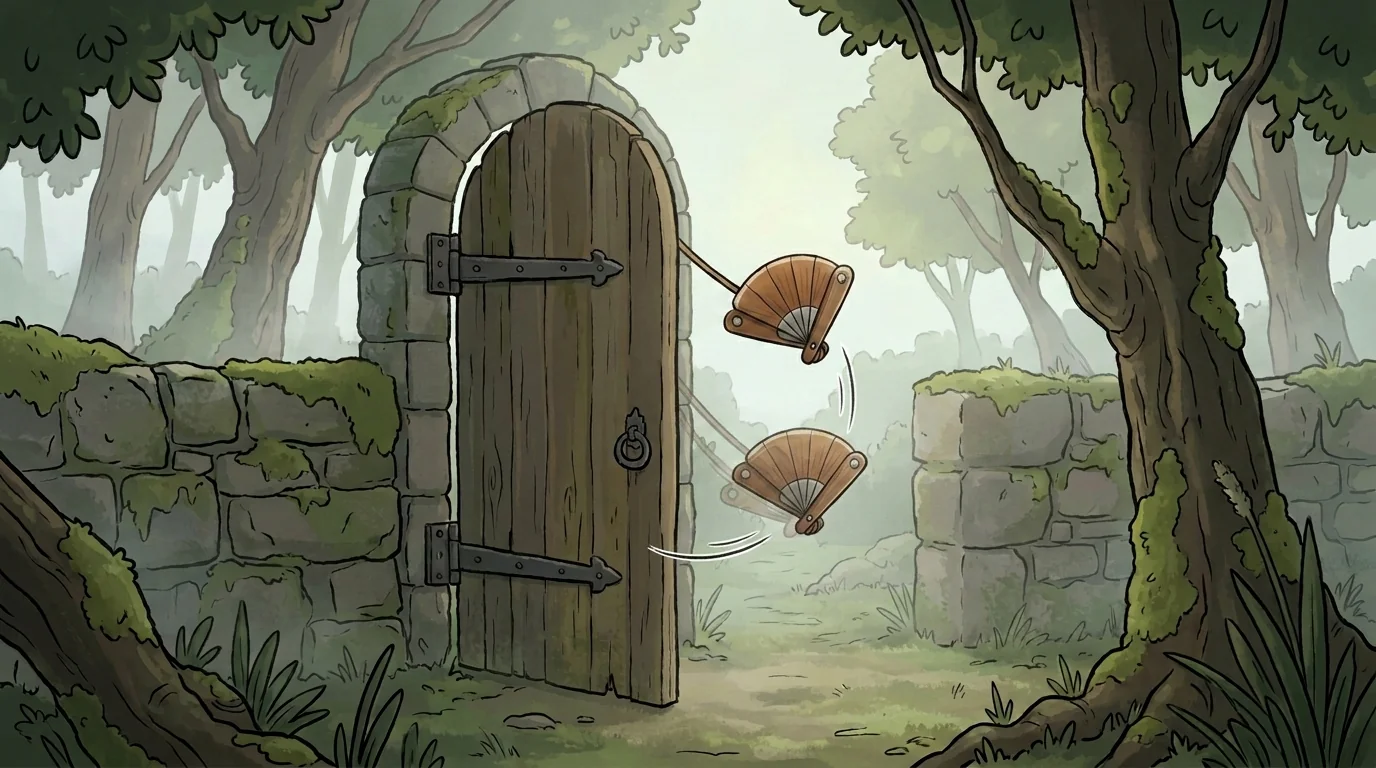
Cherry leaned on the old gate. "Show me how the break changes things," she said.
Hinge thought, then spoke a tiny poem two different ways. First: "the cat sat on the warm windowsill." One flat line, no break. Then she broke it: "the cat sat / on the warm / windowsill." At each slash, she swung and held. And suddenly the same words felt different — slower, more deliberate, each piece given its own small moment. The pause after sat made you wait; the pause after warm let the warmth settle before the windowsill arrived.
"Same words," Hinge said. "But where I break them changes what you feel. Break before the surprise, and the surprise lands harder. Break after a small word, and you lean forward, waiting. The line break is a tiny tool — a held breath you place exactly where you want the reader to pause."
Cherry felt the quiet power of it. Counting and rhyming were about the words themselves; but the break was about the silent spaces between the lines, the little doors the reader passes through.
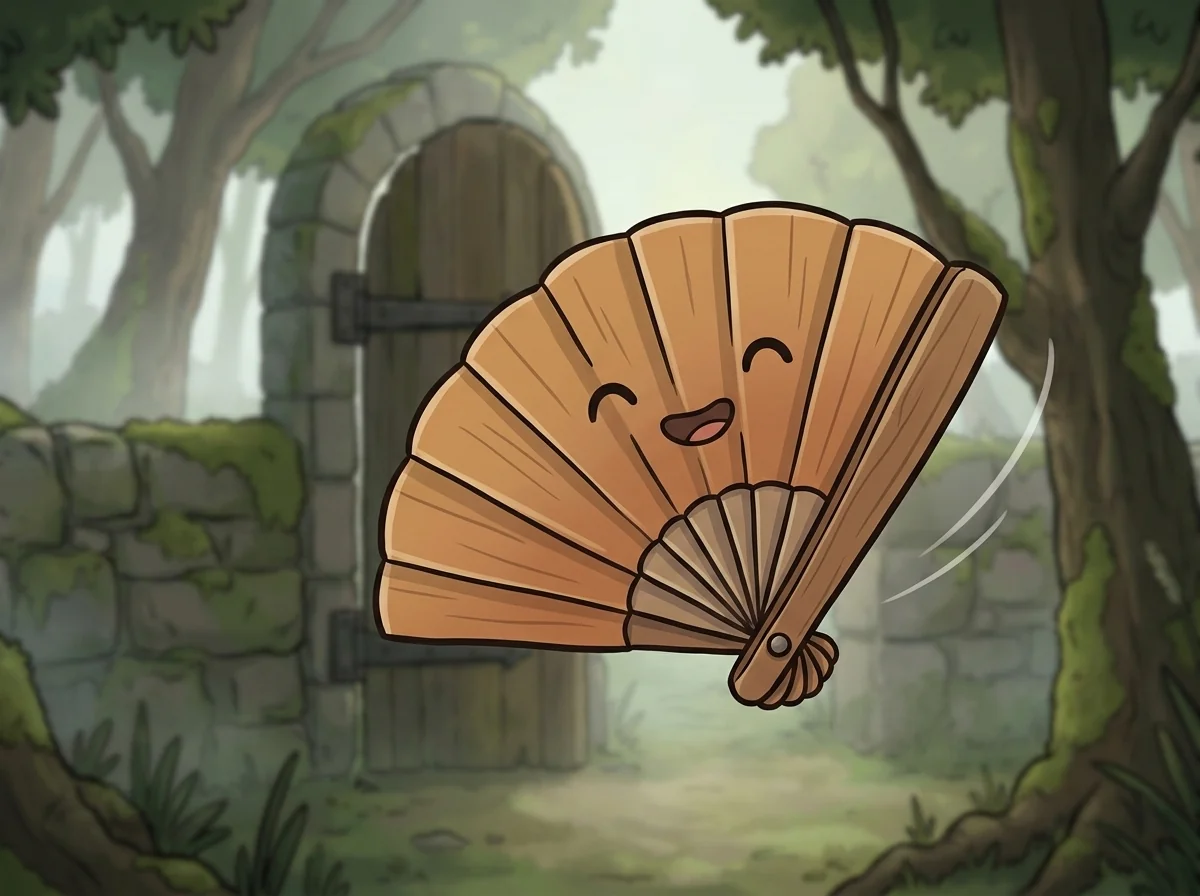
Cherry asked Hinge to travel with her. "I coach children in short poems," she said, "and they break their lines wherever the line happens to fill up. I think you could teach them to break on purpose — to put the pause where it does the most good."
Hinge swung wide open, like a door welcoming a guest. "I'll come," she said. "I do love a well-placed pause. I'll teach them where to put their breaths."
So Hinge joined Cherry's travels, and the line breaks in her lessons grew thoughtful.
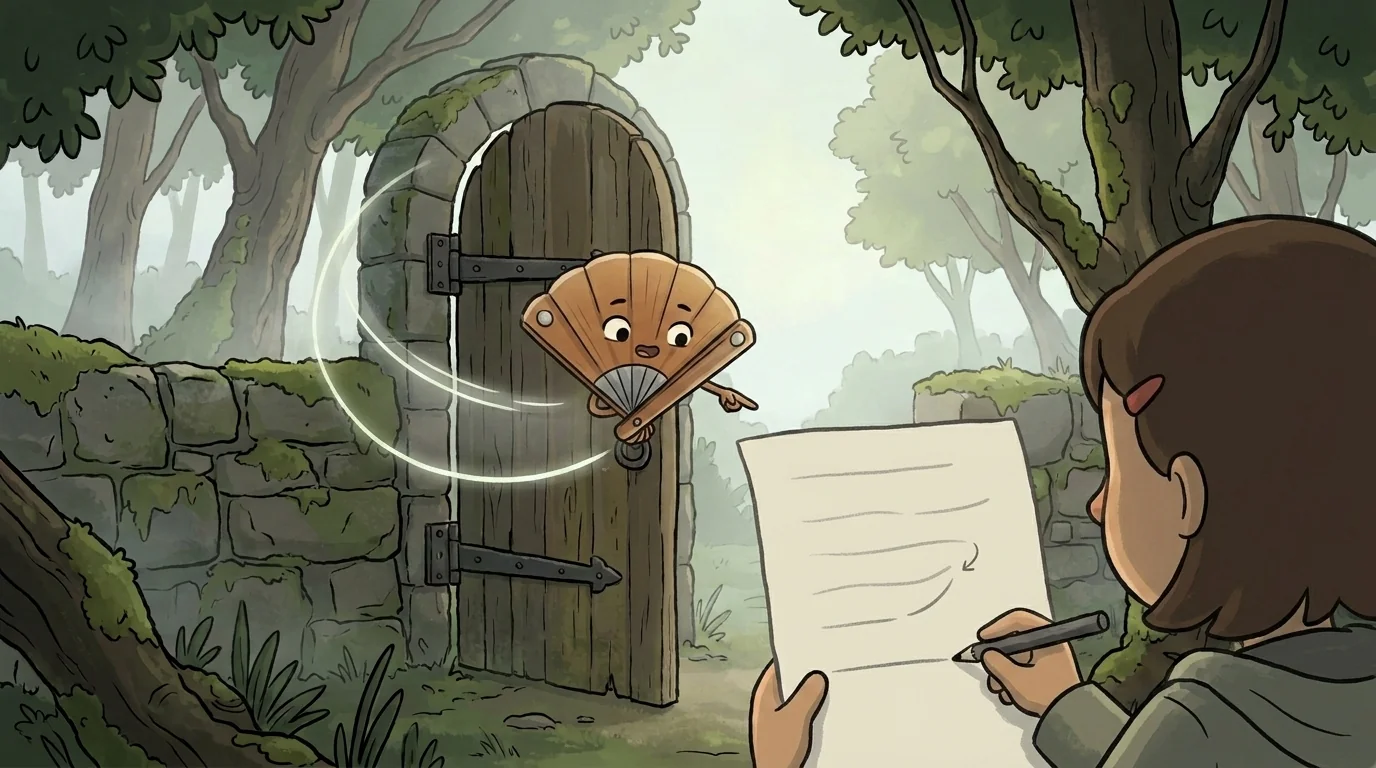
When Cherry teaches line breaks, Hinge demonstrates by swinging. "Read your poem aloud," she tells the students, "and pause a tiny breath at the end of each line — right where you broke it. Does the pause feel right? Does it stress the word you wanted? Or does it break in a clumsy place that trips you up?"
A young student had broken a line right in the middle of a name, splitting it awkwardly. Hinge swung and held at the break — and the pause landed in a silly, wrong spot, chopping the word in half. "Feel how that stumbles?" Hinge said. The student moved the break to the end of a whole thought instead, and now the pause swung open smoothly, landing right where a breath belonged.
"Here's the secret," Hinge said. "The end of a line is a little stage. Whatever word sits there gets a spotlight, because the reader pauses on it before moving on. So end your lines on words that deserve the pause — a strong word, a surprising word, a word you want to ring in the air. Don't waste the end of a line on a tiny word like the or and. Save that spotlight for something worth it."
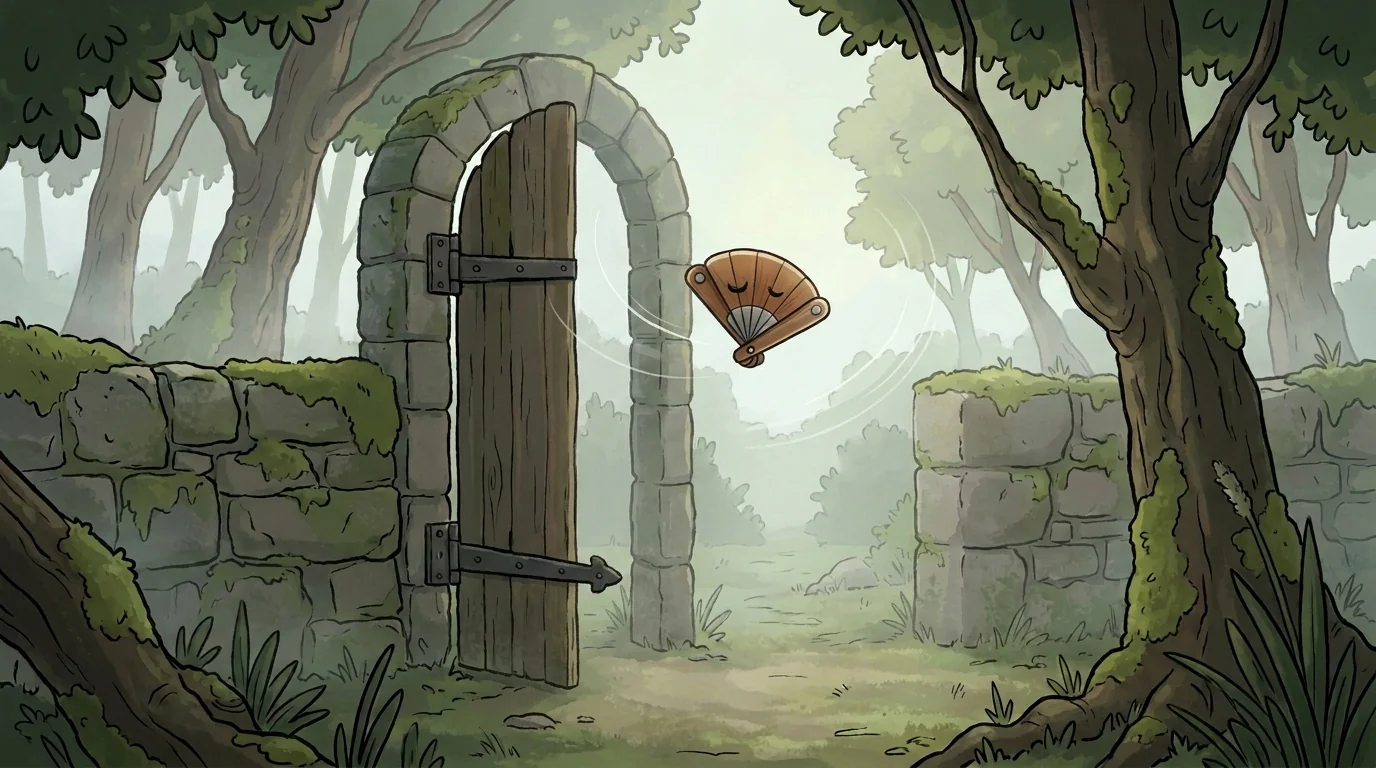
After the lesson, Hinge rested in the gateway, swinging very slowly now, holding each pause a long, peaceful moment.
For a long time, Hinge had felt like a small, in-between thing — not a wall, not a doorway, just the little hinge that nobody looked at, the pause between the parts that mattered. She'd wondered if a creature made only of pauses could ever really matter.
But swinging slowly in the misty gate, Hinge understood her quiet worth at last. The pause was the thing. Without her little held breath, the words would all run together in a flat rush, and nothing would land, and no word would get its moment in the light. She was the small silence that let each line be heard. A deep, settled calm swung through her, gentle as a door easing open. She was not the wall or the words. She was the pause that gave them room — and there was nothing small about that at all. And she swung, and held, and was glad to be the breath between.
The HaikuQuest ensemble
Hinge is part of HaikuQuest's distributed-narrative cast. Each character embodies a different curricular primitive; together they teach the full subject.
-
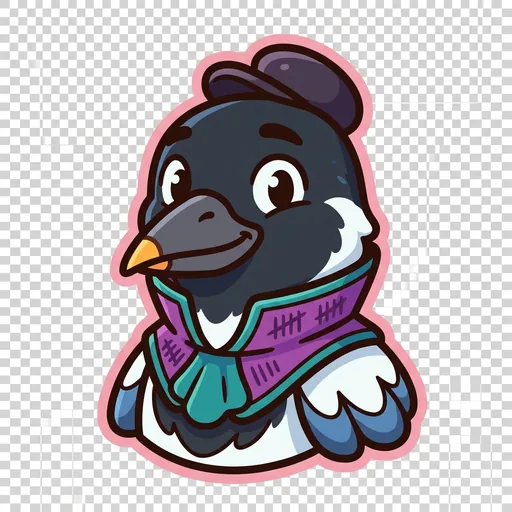
Count
Syllable count / count-discipline — magpie-tween whose beak-tap enacts the rhythmic underpinning of every counted form
-
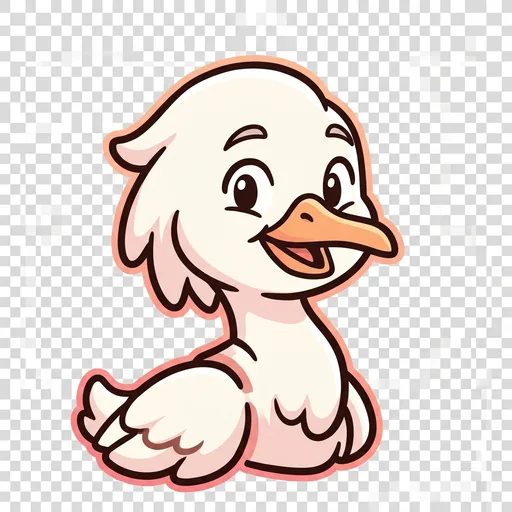
Pause
Kireji / cut / productive break — snowy-egret-tween whose perpetually-mid-step body IS the kireji in physical form
-
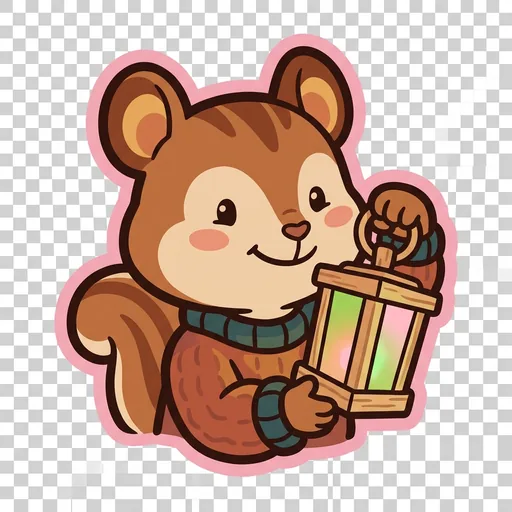
Lantern
Season-word / anchoring image — chipmunk-tween whose wooden lantern visibly shifts color with the season
-
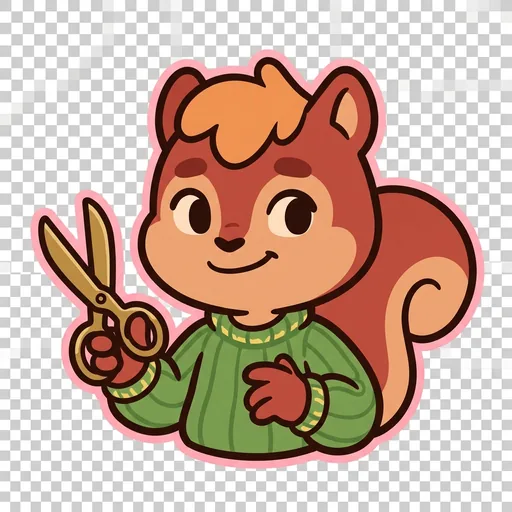
Trim
Brevity / saying-less — red-squirrel-tween with brass scissors who snips redundant words to find the smaller-stronger version
-

Flint
Juxtaposition — flinty badger-creature who strikes two smooth stones to make a spark; two images set side by side make a third meaning leap up in the gap
-
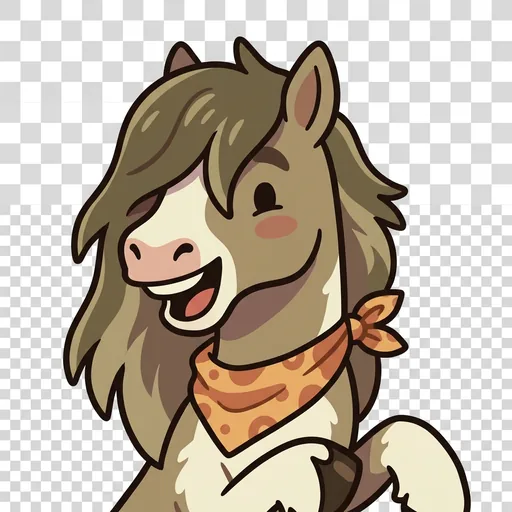
Gallop
Meter / the stressed beat — long-legged pony-creature whose hooves fall da-da-DUM; not how MANY beats (that's Count) but which ones to stomp (esp. the limerick)
-
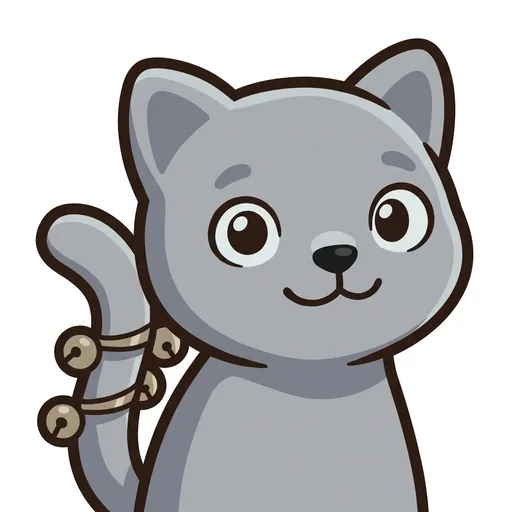
Bell
Rhyme — silver creature with tuned tail-bells that chime the same note when end-sounds match; a forced rhyme jammed in just to chime is worse than none
-
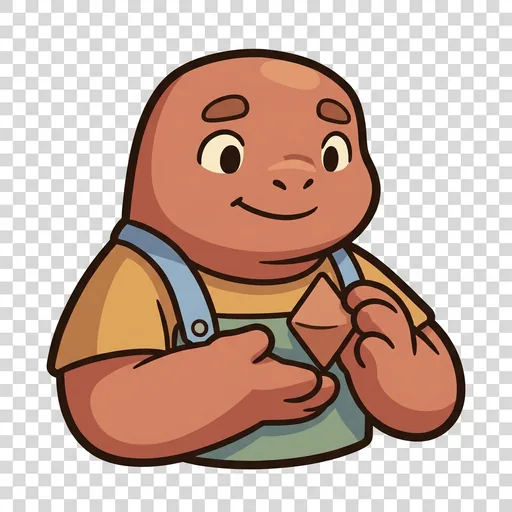
Mold
Shape on the page — clay-colored creature who builds a poem's silhouette (a cinquain's 2-4-6-8-2 diamond); shape is meaning you can see from across the room
-
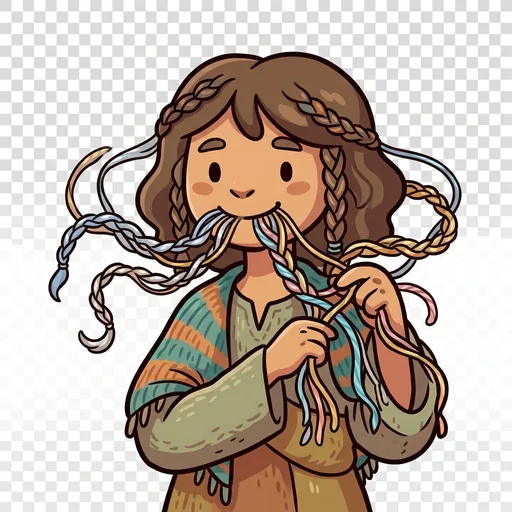
Braid
Sound texture — nimble creature who weaves repeated sounds through a line (alliteration + assonance); enough echo makes music, too much makes a tongue-twister knot