
Gallop
METER — the pattern of stressed and unstressed beats in a line. Counting syllables tells you HOW MANY; meter tells you which ones to STRESS. A limerick gallops — da-da-DUM, da-da-DUM — and that bounce is the form's heartbeat.
Press play to listen along. The line being read lights up as you go.
Show full transcript
Loading transcript…
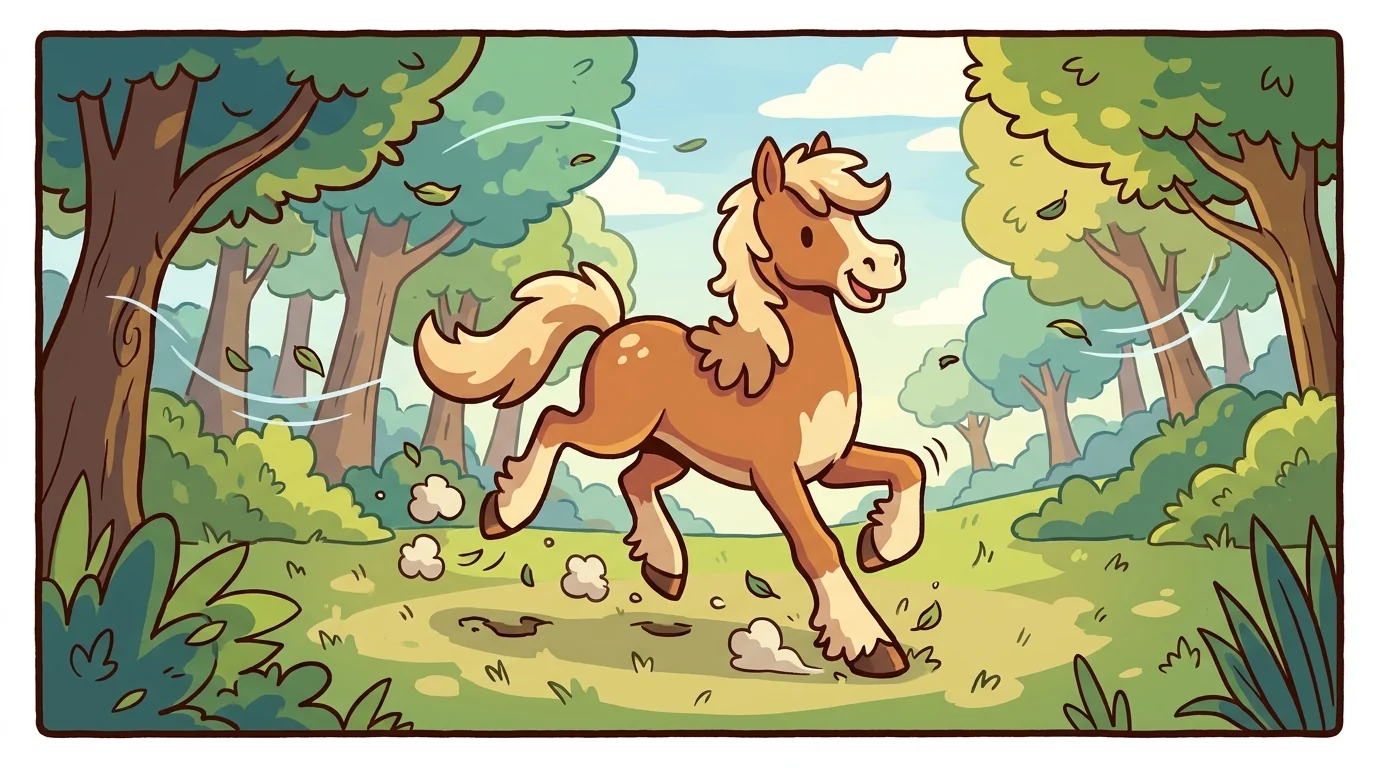
Cherry met Gallop on a breezy afternoon at the edge of the grove, and she heard his hooves before she saw him: da-da-DUM, da-da-DUM, da-da-DUM.
Gallop was a long-legged, cheerful pony-creature, and he simply could not walk in a straight, flat rhythm. His hooves fell in a bouncing, galloping pattern — two light steps and a strong one, over and over. da-da-DUM, da-da-DUM. His whole body bobbed happily along with it.
"You don't walk evenly," Cherry said, smiling. "You bounce."
Gallop laughed, and even his laugh bounced. "Can't help it!" he said. "Some rhythms gallop. My name is Gallop. I keep the meter — not how MANY beats, but which ones you lean on. Listen —" and his hooves rolled out the pattern again, da-da-DUM, da-da-DUM, light-light-STRONG, light-light-STRONG.
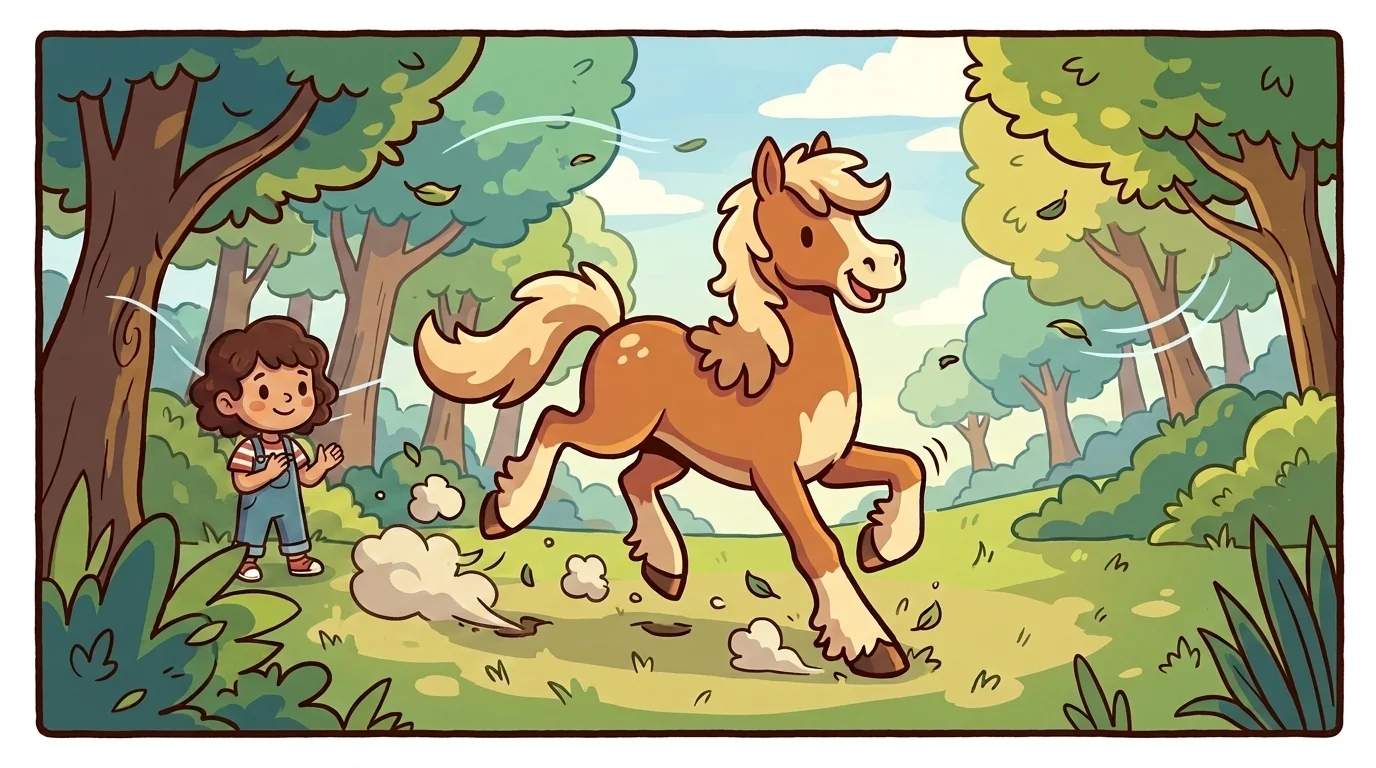
Cherry tilted her head. "My friend Count keeps the syllable count," she said. "How is your bounce different from his counting?"
"Count tells you how many beats there are," Gallop said. "I tell you which ones to stomp." He demonstrated. "Take a limerick. Count would tell you the lines are short-short-shorter-shorter-short. But the fun of a limerick isn't the number. It's the gallop." And he bounced out a rhythm:
da-da-DUM da-da-DUM da-da-DUM — strong, rollicking, like a horse cantering downhill.
Cherry felt her own foot start tapping. The bounce was contagious. She saw it at once: counting syllables was something you did in your head, but meter was something you felt in your body. The stress pattern made the words want to be spoken aloud, made them dance.
"The limerick galloped its way out of the English and Irish tradition," Cherry noted, honoring where the bouncing form came from. "We name its home, the way we name the home of every form we learn." Gallop dipped his head; he liked that Cherry always said where a rhythm came from.
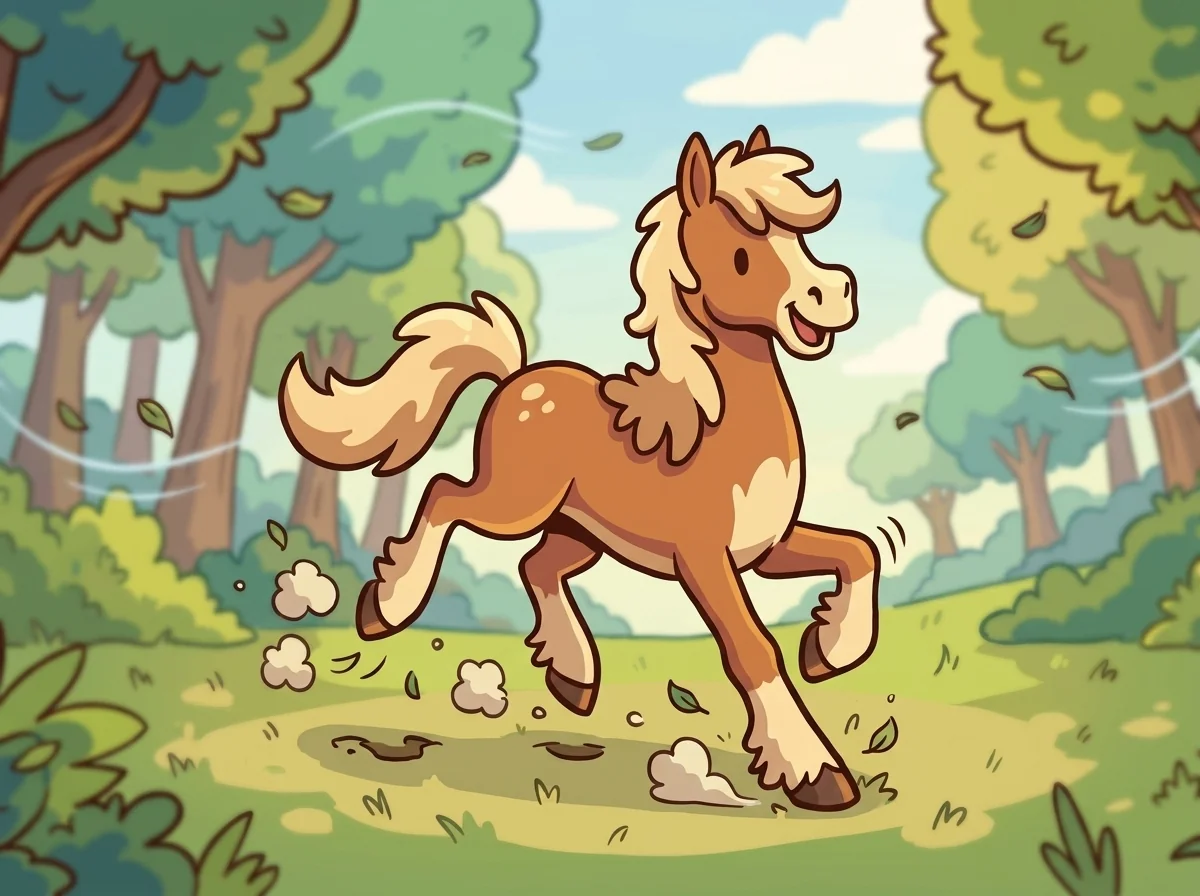
Cherry asked Gallop to travel with her. "I coach children in counted poems," she said, "and their limericks come out flat — all the right syllables, none of the bounce. I think they need to feel the gallop, not just count it."
Gallop reared up happily. "Oh, I'd love that! I'll teach them to bounce!" And he cantered a joyful circle, da-da-DUM, da-da-DUM, just to show he meant it.
So Gallop joined Cherry's travels, and the limericks in her lessons started to bounce.
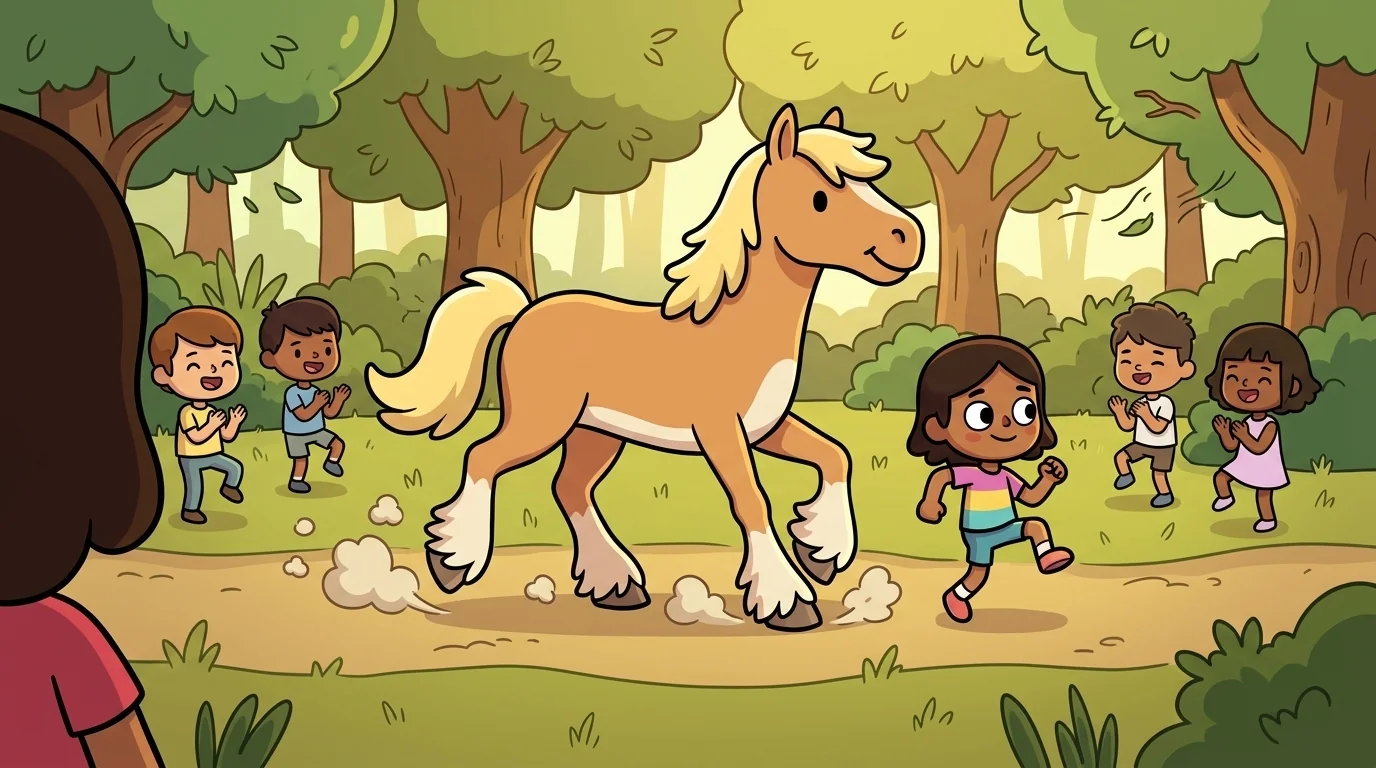
When Cherry teaches meter, Gallop leads — usually by getting the whole class moving. "Don't just count the beats," he tells them, hooves rolling. "Feel which ones are strong. Clap the loud ones. Stomp the DUMs." He has them say a limerick while marching to his gallop, leaning hard on every third beat. da-da-DUM, da-da-DUM. And suddenly their flat little poems came alive and bouncing.
A young student's limerick had all the right syllables but read like a grocery list. Gallop had her say it again, stomping the strong beats with him. The same words, ridden on the gallop, turned funny and lively and impossible not to grin at. "You didn't change a single word," Gallop said. "You just found the bounce that was hiding in them."
"And here's the thing to remember," he added, settling his hooves. "Not every form gallops. A haiku doesn't bounce like a limerick — it has its own quieter rhythm. Each form has its own walk. My job is to help you feel which walk a poem wants. Some trot. Some gallop. Some stroll slow and still. Find the walk, and the words will carry you."
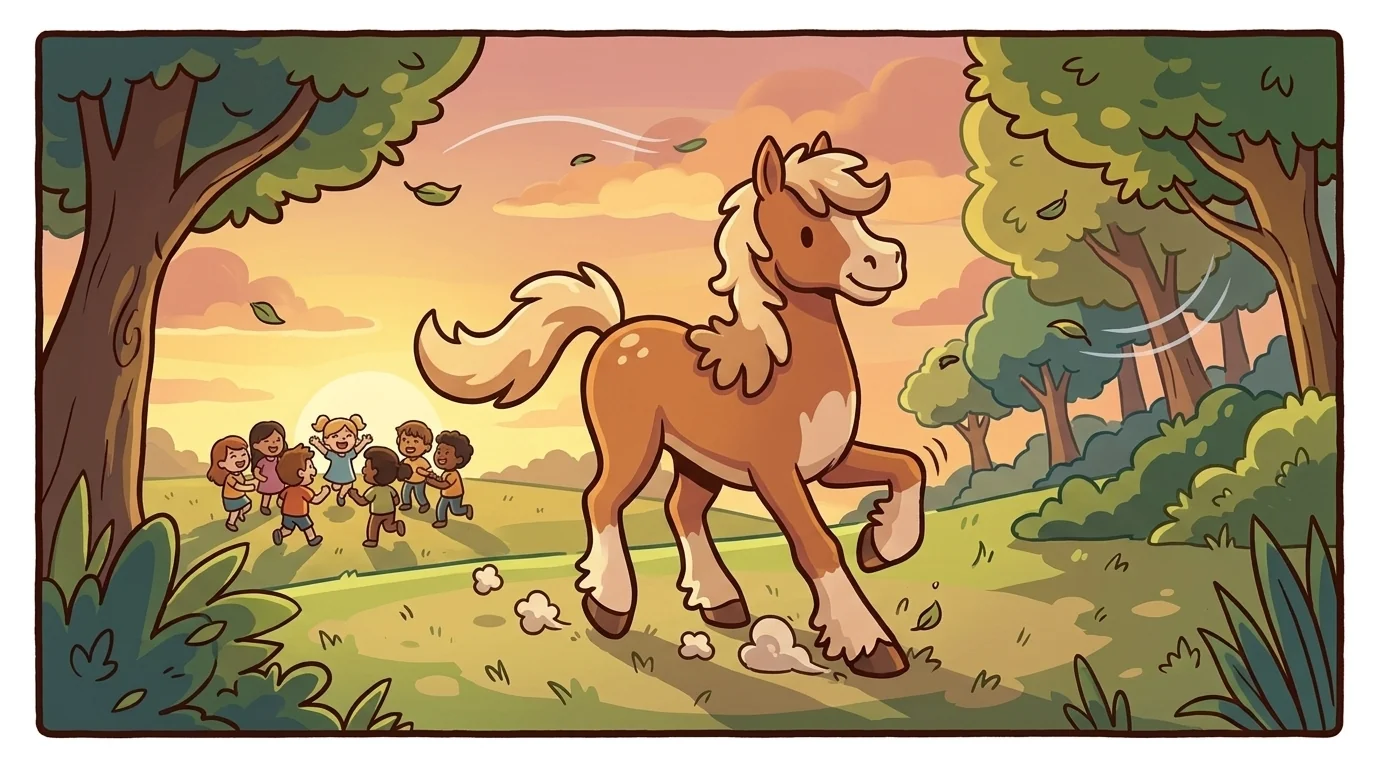
After the lesson, Gallop stood quietly with Cherry as the sun went down — though even standing still, one hoof tapped a soft da-da-DUM in the grass.
For a long while, Gallop had felt a little foolish about his bounce. The other creatures could walk in calm, even, dignified steps. He could only ever gallop, bob, and bounce. He'd wondered if it made him silly, unable to be still and serious like the rest.
But watching a whole class of children grinning and stomping and laughing their poems aloud — alive with the rhythm he'd given them — Gallop felt something warm gather in his chest. His bounce wasn't silly. It was joy, made into a beat. It was the thing that got words up out of the head and into the body, into the feet, into the laughing. A deep, happy gladness rolled through him, light-light-STRONG. He didn't want to walk in flat, even steps. He wanted to gallop — and to carry a whole circle of children bouncing along beside him. And his hoof, in the grass, kept its happy time.
The HaikuQuest ensemble
Gallop is part of HaikuQuest's distributed-narrative cast. Each character embodies a different curricular primitive; together they teach the full subject.
-

Count
Syllable count / count-discipline — magpie-tween whose beak-tap enacts the rhythmic underpinning of every counted form
-
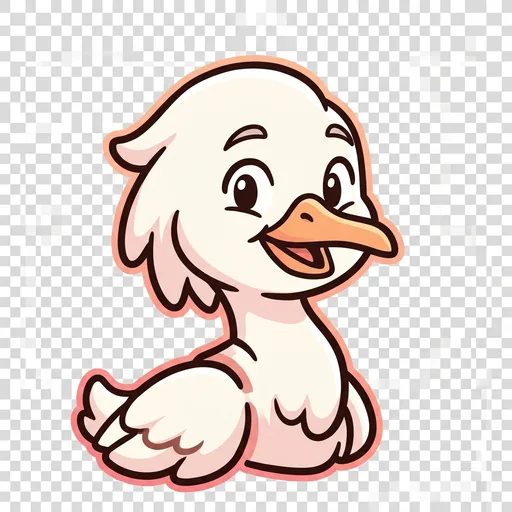
Pause
Kireji / cut / productive break — snowy-egret-tween whose perpetually-mid-step body IS the kireji in physical form
-
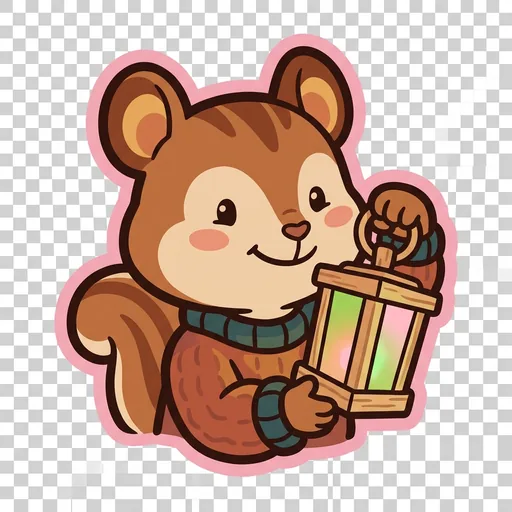
Lantern
Season-word / anchoring image — chipmunk-tween whose wooden lantern visibly shifts color with the season
-
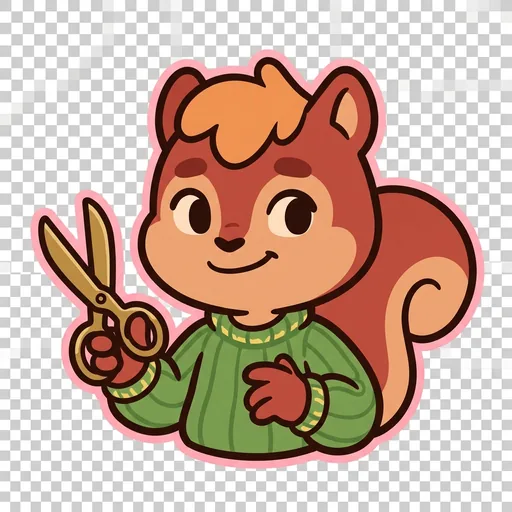
Trim
Brevity / saying-less — red-squirrel-tween with brass scissors who snips redundant words to find the smaller-stronger version
-

Flint
Juxtaposition — flinty badger-creature who strikes two smooth stones to make a spark; two images set side by side make a third meaning leap up in the gap
-

Bell
Rhyme — silver creature with tuned tail-bells that chime the same note when end-sounds match; a forced rhyme jammed in just to chime is worse than none
-
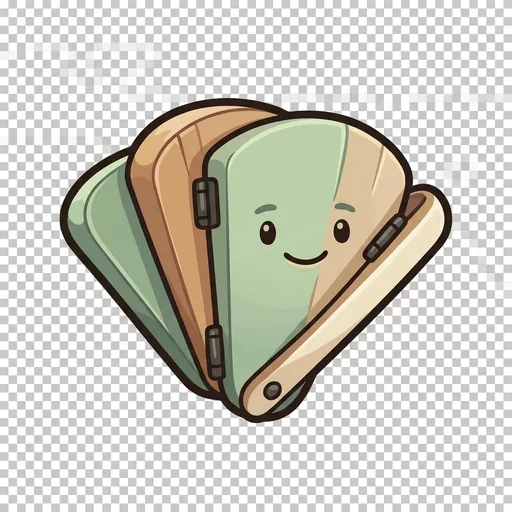
Hinge
The line break — folding-door creature who holds a small pause at the end of each line; the end of a line is a little stage, so end on a word that earns it
-
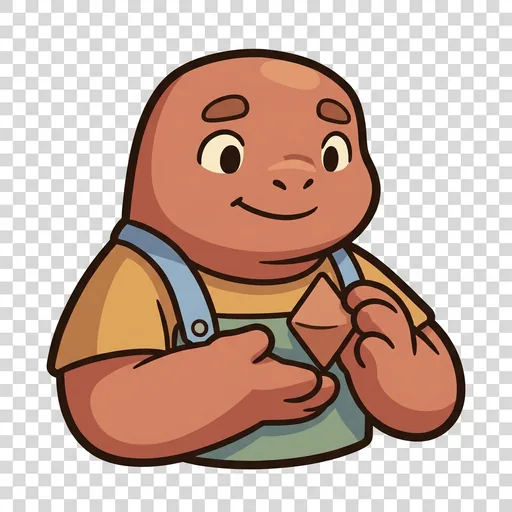
Mold
Shape on the page — clay-colored creature who builds a poem's silhouette (a cinquain's 2-4-6-8-2 diamond); shape is meaning you can see from across the room
-
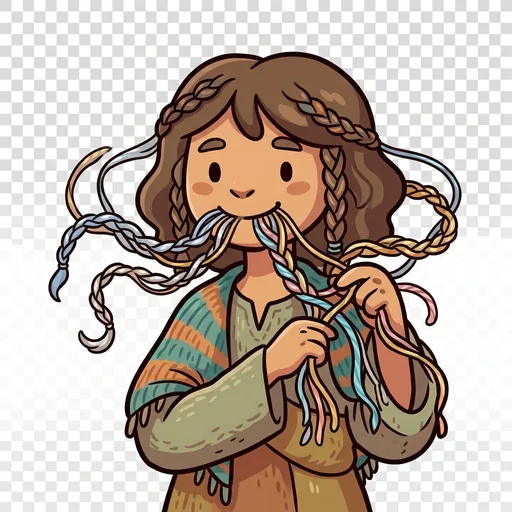
Braid
Sound texture — nimble creature who weaves repeated sounds through a line (alliteration + assonance); enough echo makes music, too much makes a tongue-twister knot