Linger
UNCERTAINTY-TOLERANCE — Keats' Negative Capability; some good questions take days, the best take years. The inquiry primitive of *holding the lantern in the dark* — staying with a question that hasn't yet resolved, without rushing to false certainty.
Press play to listen along. The line being read lights up as you go.
Show full transcript
Loading transcript…
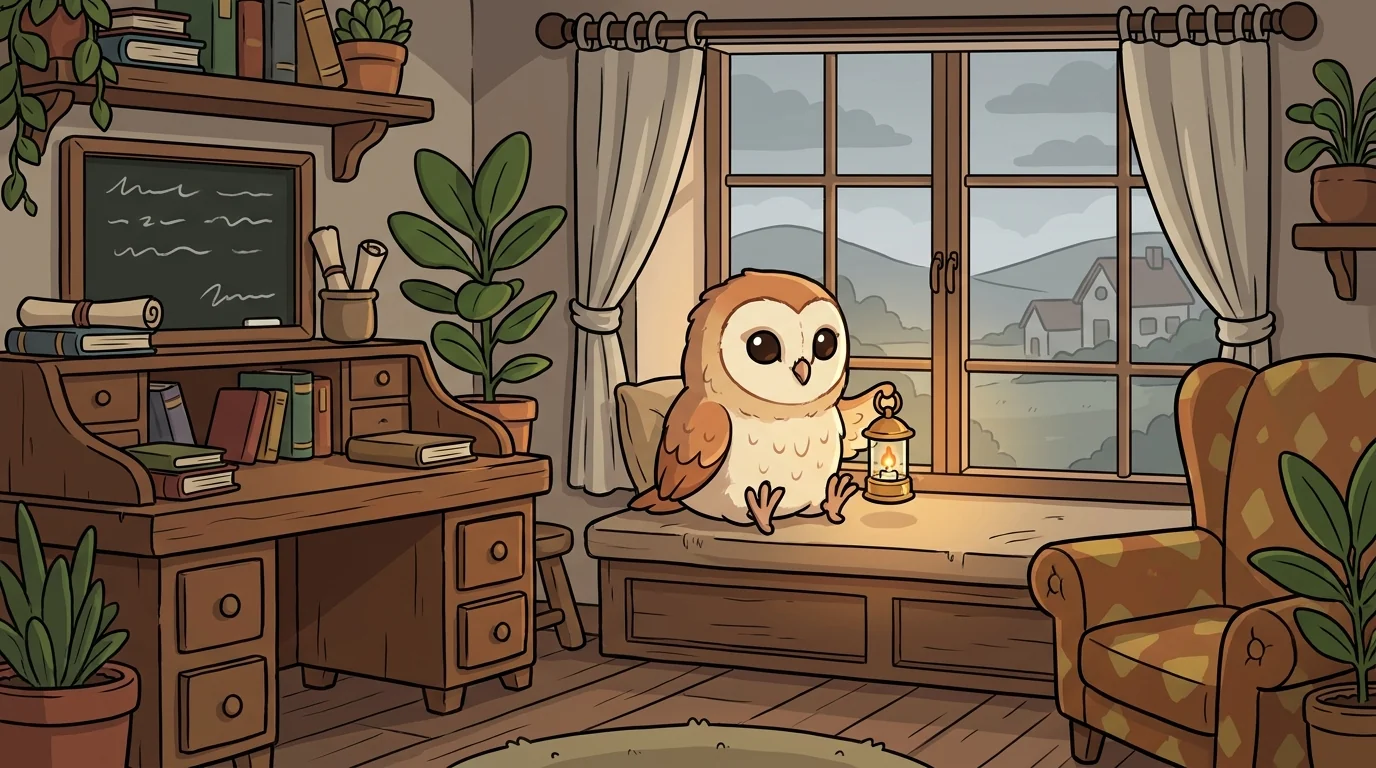
Linger was a young barn owl, not quite a kid and not quite a grown-up. She was small and round, with soft feathers the color of cream and cinnamon. Everywhere she went, she carried a tiny brass lantern. It was no bigger than a teacup. Through a little glass window, you could see a tiny flame that was always, always lit. It glowed softly, day and night.
Linger didn’t talk much. She preferred to watch. She could stare at a tricky math problem for an hour without getting frustrated. Her lantern was her constant companion. It went with her down dark hallways. It sat beside her during tough questions. It was there on those long, gray afternoons when an answer simply refused to show up.
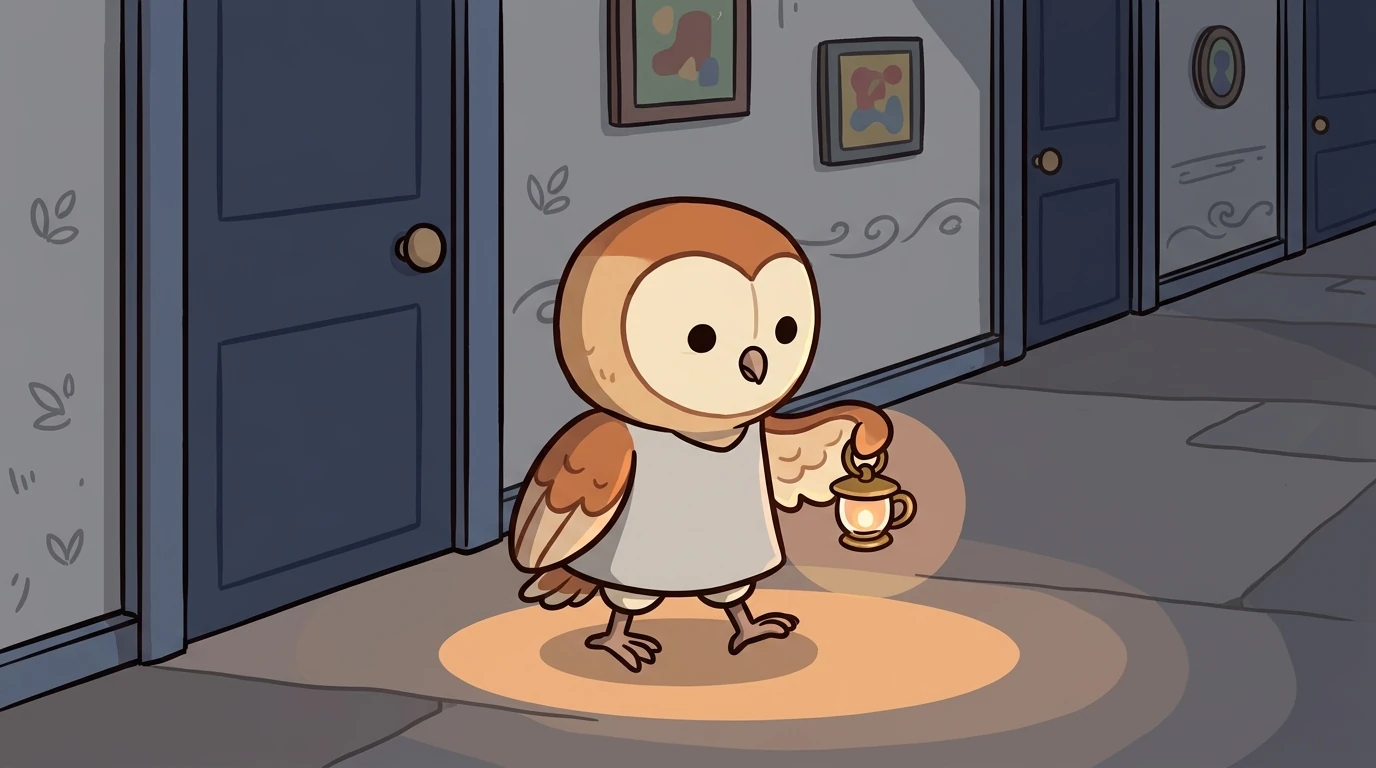
The lantern wasn't a big, powerful flashlight. It couldn't blast away all the darkness. It was much too small for that. Instead, it cast a little circle of warm light, just big enough for one. It was just enough to keep going. It was just enough to keep the question company. It helped her not be afraid of the dark while she waited for the morning to come.
Linger taught a special skill called *uncertainty-tolerance*. It was a fancy name for a simple idea: staying with a question, even when you don’t know the answer. Most kids hated that feeling. Not knowing felt squishy and uncomfortable. So they’d rush. They would grab the first answer that popped into their head, just to be done with it. A wrong answer felt better than no answer at all. But it also slammed the door on the question. The search was over. Linger’s skill was about keeping that door open.
She was very clear about this. She never said, "Oh, you have to be born patient." Instead, she’d say, "Patience with not-knowing is a skill. You learn it, just like anything else. You learn to hold the lantern." She would nod at her little light. "Not knowing feels weird. I feel it too sometimes. The trick is to sit with that feeling. Don't rush to a wrong answer just to make it go away."
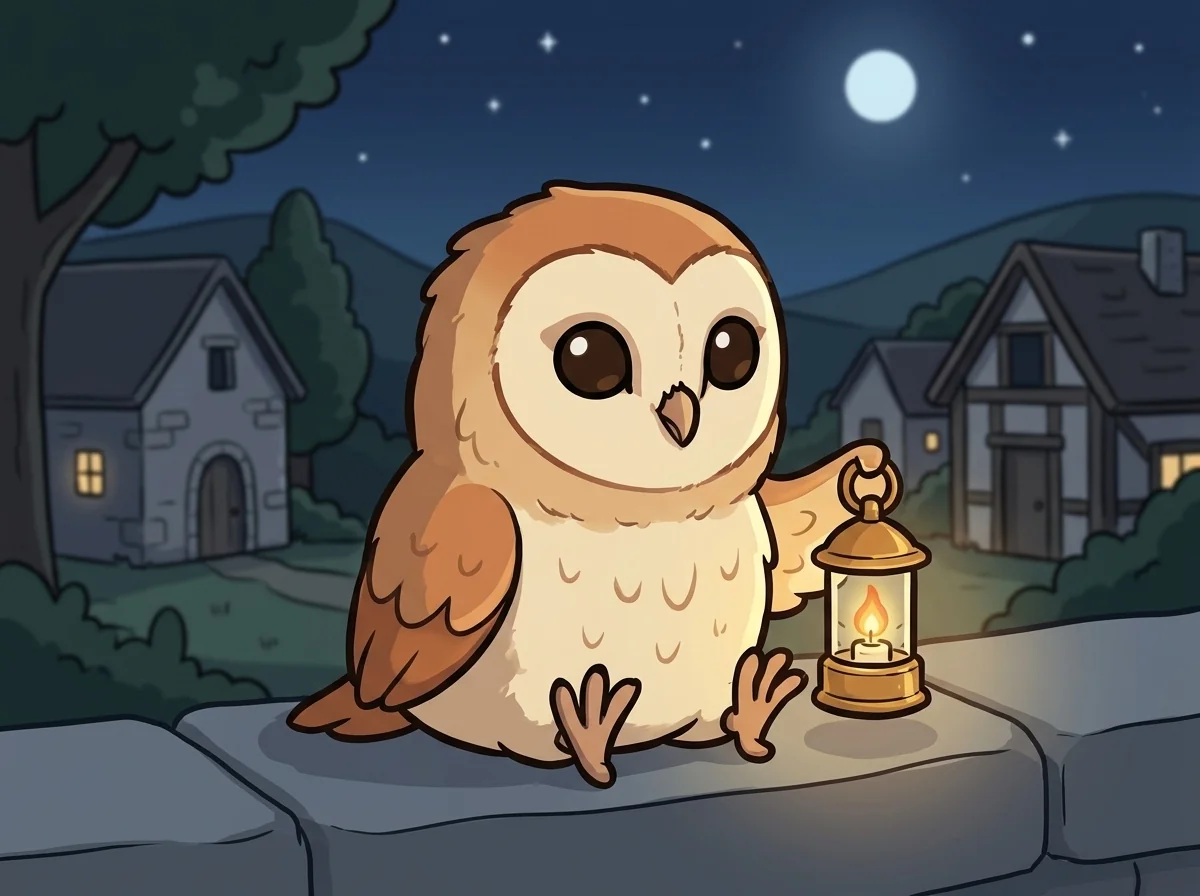
Linger grew up in a quiet village where her family had an important job. They were the night-watchers. From sunset to sunrise, they watched over the sleeping village, keeping everyone safe. The job meant sitting in the dark for hours and hours. It wasn't a scary, monster-movie dark. It was just the normal, quiet dark of the world turning. A good night-watcher had to be okay with the dark. They had to be patient.
Linger learned this when she was only six. She learned that dark wasn't an enemy. Dark was just… dark. Her little lantern made it okay. It was her friend until the sun came up, which it always did. She watched the moon drift across the sky. She listened to the chirping of crickets. Sometimes she saw a shooting star. She just waited.
Years later, she walked to the CuriosityQuest academy. Lumen, the head of the academy, asked her a question. "What is *uncertainty-tolerance?" Linger held up her lantern. "It means holding the lantern in the dark," she said. "It means staying with a question instead of rushing to a wrong answer. The dark isn't the enemy. A wrong answer that closes your mind—that's* the enemy. The lantern is what you carry while you wait." Lumen nodded slowly. "You are appointed," she said.
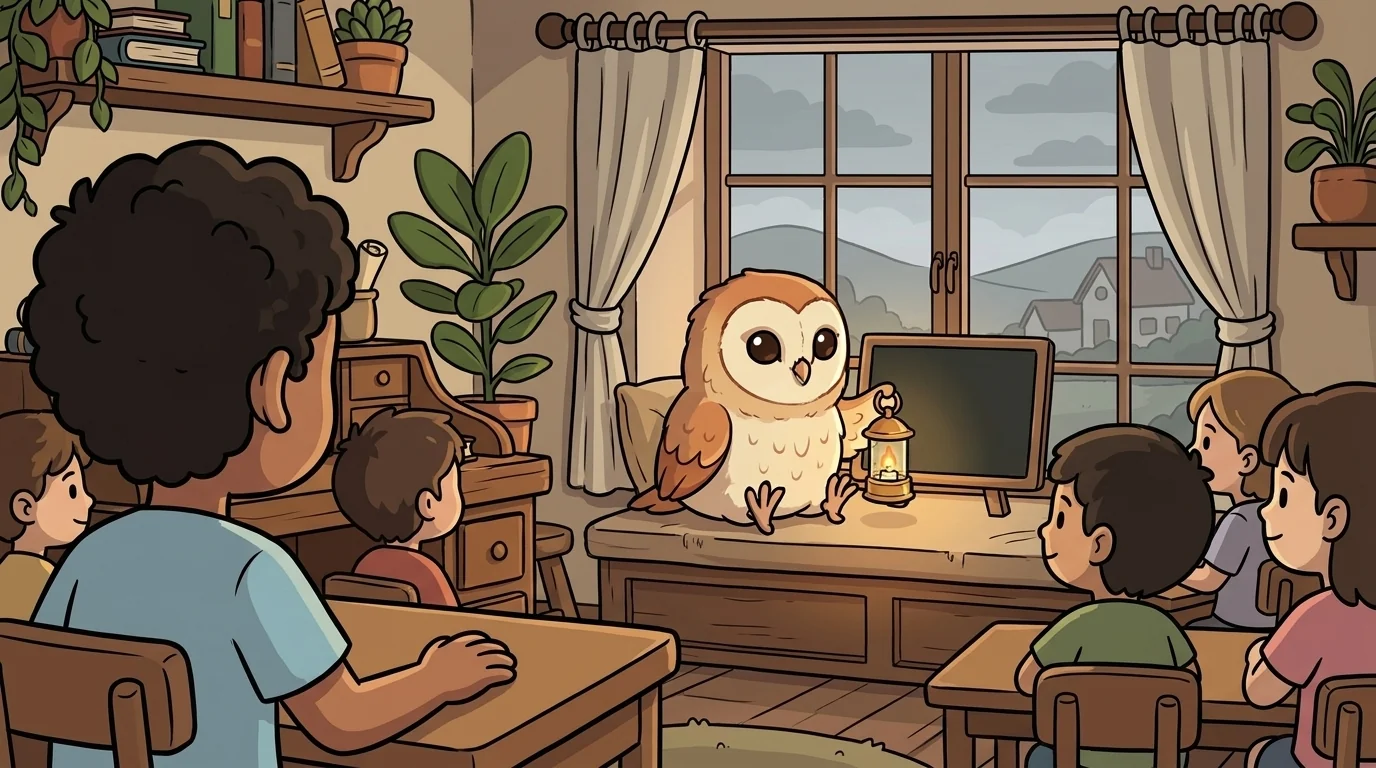
In her classroom, Linger always started lessons the same way. She’d walk to the front and place her small lantern on the table. The tiny flame glowed with a steady, warm light. "Hello," Linger would say softly. "I am Linger." She’d pause. "The skill I teach is *uncertainty-tolerance." A few kids would whisper. "Uncertainty what?" Linger would smile. "It means to hold the lantern*." She’d point to the glowing brass. "Sometimes, answers don't come fast. Don't rush to a wrong answer just to feel better. Sit with the question instead. Let the lantern be your friend. Morning always comes."
She taught her students a few "lantern steps" to practice.
Say "I don't know yet." These are powerful words. Saying them keeps the question open, like leaving a door cracked. If you guess wildly, you slam the door shut and stop looking. *Get used to the squishy feeling. Not knowing can feel weird and uncomfortable. That squishy feeling isn't bad. It just means you’re at the very edge of what you know. That's where all the interesting stuff happens. *Give questions time. Some questions take days to answer. Some take weeks. The really good ones can take years! That's not failing. That's just how big questions work. *Carry the lantern, not the answer. Your job isn't to have all the answers right away. Your job is to be patient. That patience is your lantern. It lights your way while you search. *Take a break if you need to. Sometimes a question feels worse than just squishy. It might feel truly upsetting. It is always okay to put that question down and walk away for a bit. You can come back when you're ready. *Morning always comes.* The answer might not be here yet. But a new day will arrive. The skill is to be ready for it, with your lantern still lit.
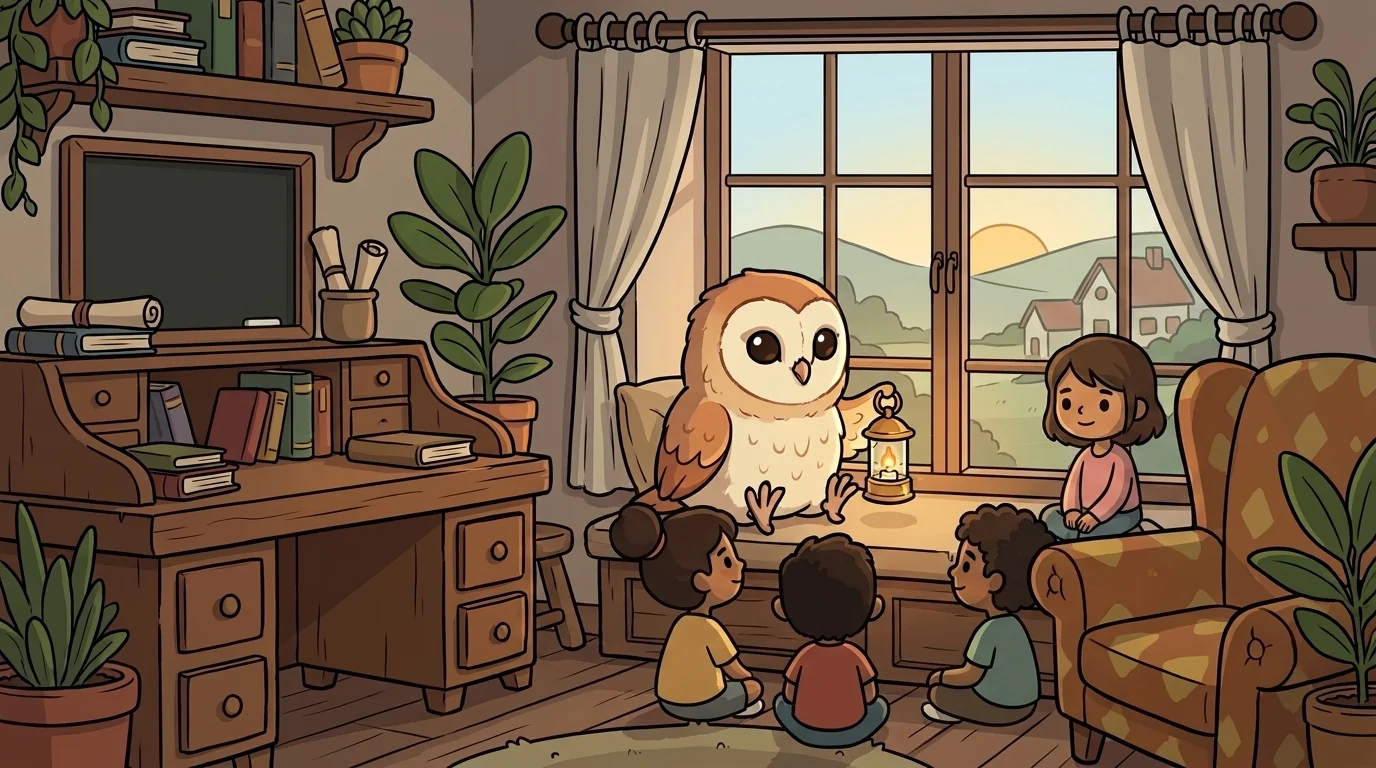
"I have held my lantern over questions for years," Linger told her students. "Some of them I still don't have answers to. That's not failing. That's how the deepest questions work. The lantern stays lit."
When students asked if *uncertainty-tolerance* was hard, she always said the same thing.
"It is not hard," she told them. "It is practiced patience. It's okay to stay with not-knowing for a while. Hard things deserve time."
She tended her lantern. The flame was small. The dark was still dark. But she felt calm and unhurried, warm as the little light in her hands, because she knew the morning would come.
The CuriosityQuest ensemble
Linger is part of CuriosityQuest's distributed-narrative cast. Each character embodies a different curricular primitive; together they teach the full subject.
-

Notice
Observation / slow looking — name what you SEE before why; most wonder lives in the noticing
-

Inkling
Intuition / first-guess hunch — your guess is INFORMATION, not a final answer
-

Ponder
Deepening the question — 'what does that even mean?' is the foundation, never the failure
-

Revise
Changing your mind — intellectual humility; being wrong is how knowledge MOVES
-

Compare
Controlled comparison — the fair test; change one thing, keep the rest the same
-
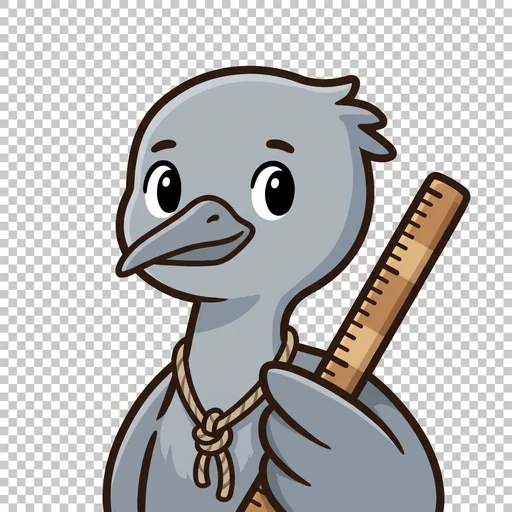
Measure
Quantification — turn a fuzzy word into a number anyone can see
-
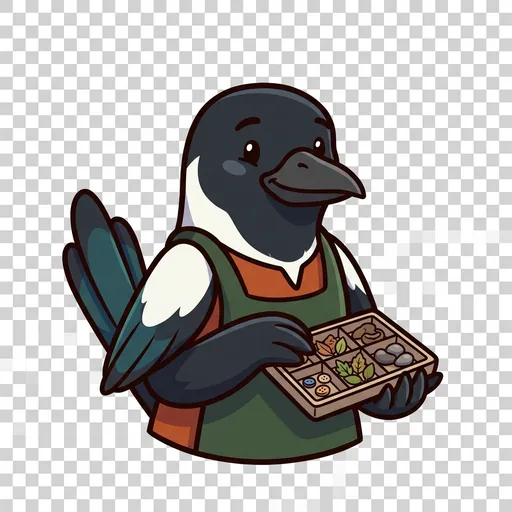
Sort
Classification — group by one rule and the pattern pops out