Sweep
SPEED LINES — *directional line-bursts that convey speed, impact, and energy direction.*
Loading audio…
Press play to listen along. The line being read lights up as you go.
Show full transcript
Loading transcript…
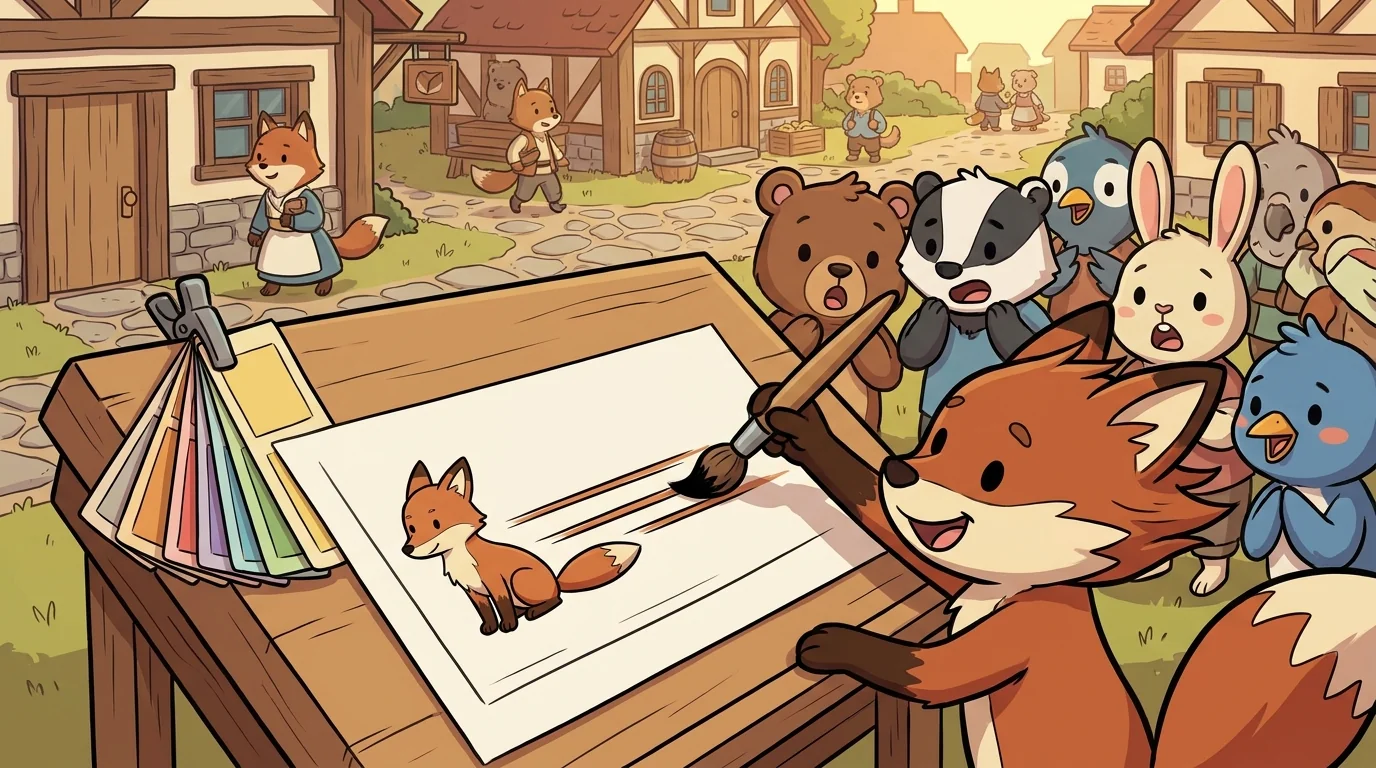
In the MangaForge village, most artists drew things standing still. Sweep drew things going fast — and the strange part was, they weren't going anywhere at all.
She was a small russet fox-tween with a cream belly and fur that always looked wind-blown even indoors, and she worked at a slanted drawing board with a fan of thin template cards clipped to one side. When the apprentices crowded in that morning, she'd already pinned up a single panel: one fox, sitting perfectly still on the page.
"Boring, right?" Sweep said, not looking up. "Sitting fox. Nothing happening."
Then, with three quick strokes of her brush, she laid a set of thin parallel lines streaking off behind the fox — tight together, all pointing the same way, trailing toward the panel's edge.
The apprentices gasped. It wasn't sitting anymore. It was bolting. The fox had gone from a nap to a full sprint, and Sweep hadn't moved a single line of the fox itself.
"There it is," Sweep said, finally grinning. "The fox didn't budge. The lines did the running." She tapped the streaks with the brush handle. "Watch your own eyes — see how they slide along the lines the way you'd slide down a slope? That's the trick. The lines point where the energy goes, and your eyes follow. Motion you can feel, on a page that never moves. We call these speed lines. And by the time you leave today, you'll be able to make any drawing roar."
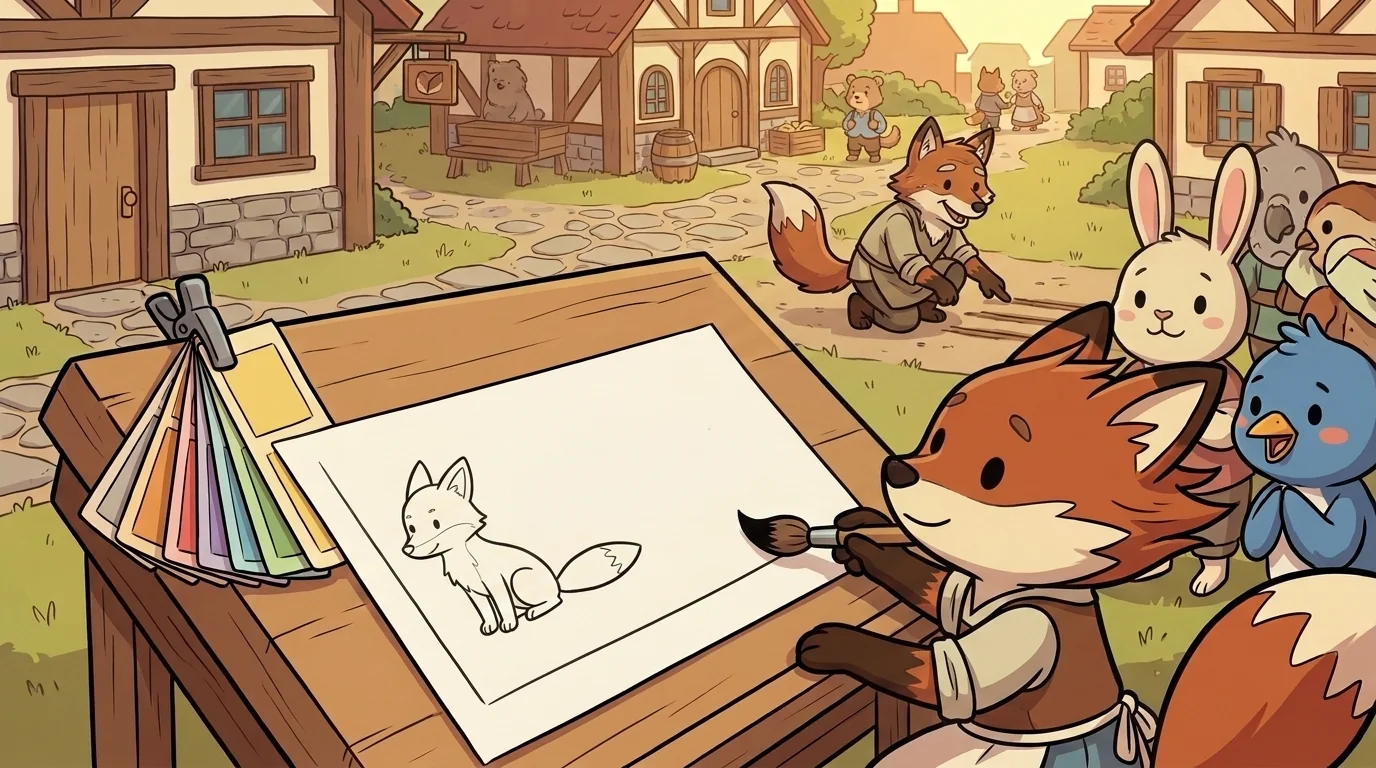
Sweep hadn't always trusted the lines.
When she was small, her family were the swift-runners of the meadow-village — the foxes everyone called when a message had to cross the valley before dark. She used to watch them tear past and try to draw them, and her drawings always came out wrong. Stiff. Frozen. A running fox that looked like it had been stuffed and mounted.
"It won't go," she complained to her grandfather one evening, holding up a sketch of him mid-sprint. "You look like you're standing still and just leaning a lot."
Her grandfather, who had chased more messages across that valley than anyone, looked at the drawing for a long time. Then he crouched in the dust and dragged three fingers through it, leaving three long grooves stretching out behind where his feet had been.
"When I run," he said, "I don't leave a fox behind me. I leave this." He pointed at the grooves. "The wind, the dust, the blur — the trail of where the speed went. Your eye remembers the trail even after I'm gone. Draw the trail, and you draw the running." He smiled. "Motion has a direction. The direction leaves a mark. Learn to make the mark, and nobody will ever call your foxes stuffed again."
Sweep didn't fix her drawing that night. But the frustration lifted, and something clicked into place and stayed: the running wasn't in the legs. It was in the trail behind them.
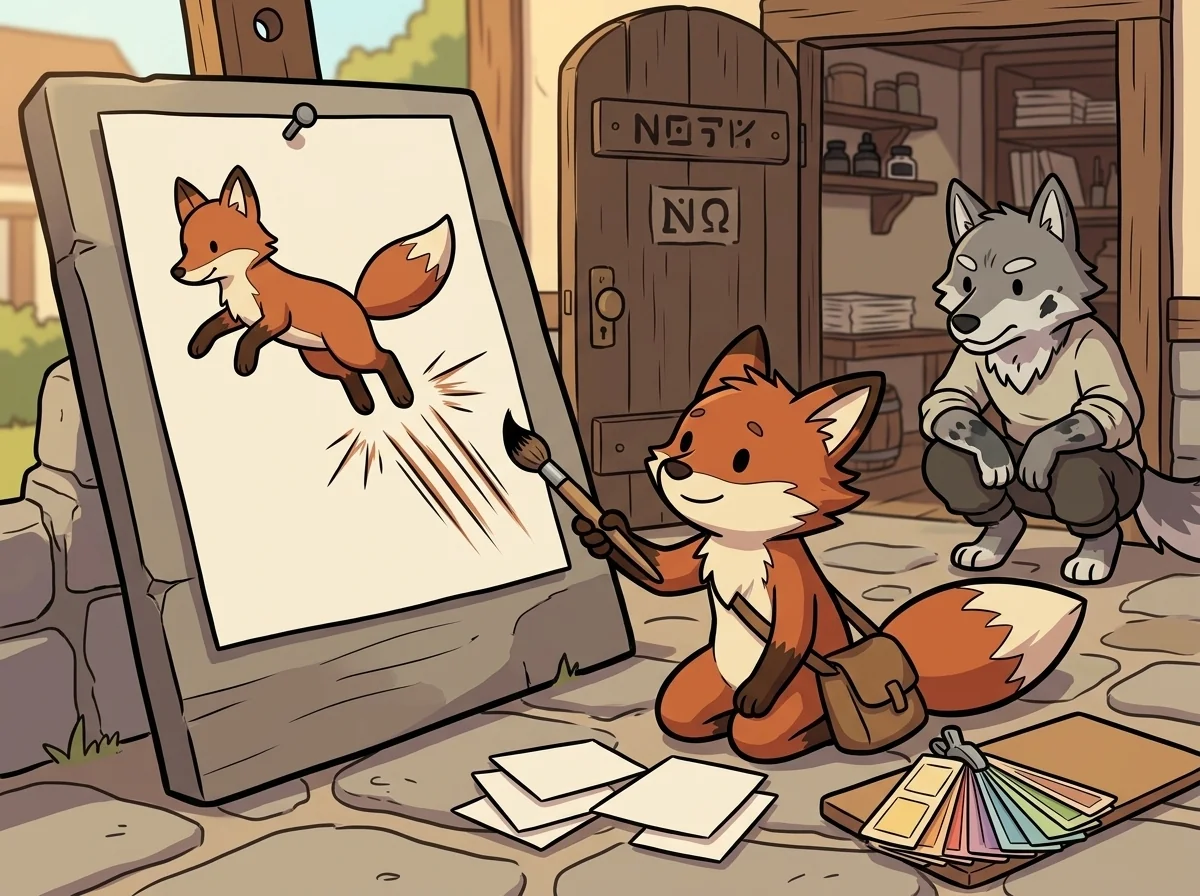
She walked to MangaForge at twelve, carrying a satchel of practice sketches and her first hand-cut template cards.
Sensei Sora met her at the studio gate — an old grey wolf with ink-stained sleeves — and asked her only one thing. "Show me speed."
Sweep didn't explain. She knelt right there on the stone, pinned a blank card, and drew a fox in mid-leap. On its own, it hung there, awkward and floating. Then she added parallel lines streaking behind it, angled hard toward the ground it had launched from — and the leap snapped into motion, a real jump caught at its peak.
"Direction," Sweep said quietly, drawing a second little burst of lines fanning out from the fox's back paws. "The energy came from here. The lines remember it, so your eye does too."
Sensei Sora crouched, studied the leaping fox and its trailing streaks, and was silent a moment. Then she stood and dusted off her sleeves. "Most people draw the body and hope it looks fast," she said. "You draw where the fastness went." She held the gate open. "You belong here."
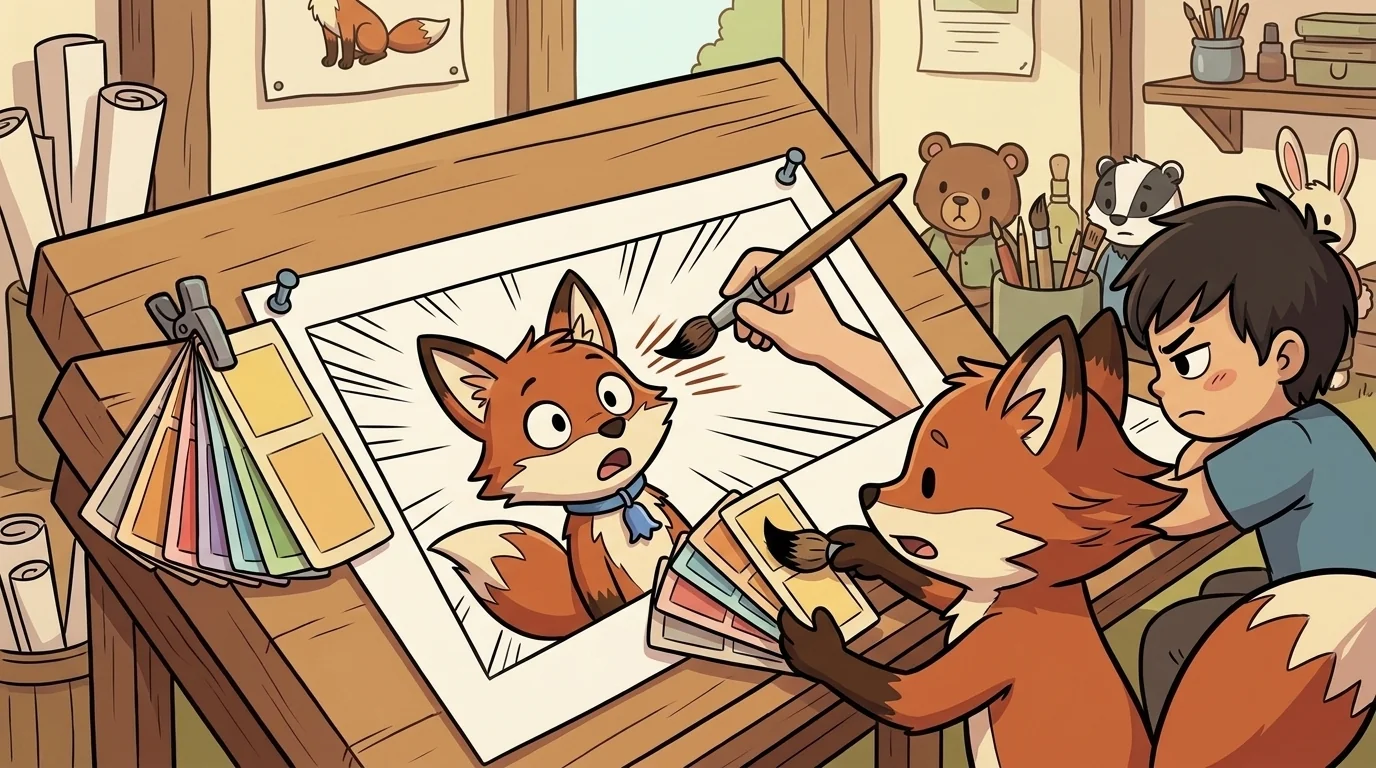
Sweep's workshop card-fan grew thick over the years, and she loved nothing more than handing the cards to a stuck apprentice.
One afternoon a boy named Kenji slumped at her board, glaring at a panel of two characters in a fight. "It's supposed to be a huge punch," he said. "The biggest hit in the whole story. And it just looks like two people gently touching."
Sweep looked at it. He was right — it was polite. It was a handshake pretending to be a haymaker.
"Where does the force go when a punch lands?" she asked.
Kenji thought. "...Out? Away from the hit?"
"Show me." She slid him a card. He hesitated, then drew short lines bursting outward from the point of contact — radiating away in every direction, thick near the fist and thinning as they flew.
The panel changed under his own hand. The touch became a crack. You could almost hear it.
"Impact lines," Sweep said. "Force radiating out from the hit. See how they shove your eye backward, like the punch shoved him backward?" She pulled another card. "Now try the opposite. Draw lines coming in toward his face — all pointing at his eyes, from every edge of the panel."
Kenji drew them converging inward, and the character's shocked expression suddenly leapt off the page, every line in the drawing herding your gaze straight to it.
"Focus lines," Sweep said. "Those pull the eye in. Impact lines push out; focus lines gather in. Different jobs, different feelings." She caught his wrist gently as he reached to add a third burst. "And this is the part that matters most — stop. One good set of lines makes the moment roar. Ten sets makes a mess nobody can read. Speed lines are loud. Use them like you'd use a shout: only when you mean it, and never all at once."
Kenji looked at his single, perfect impact and slowly took his hand back.
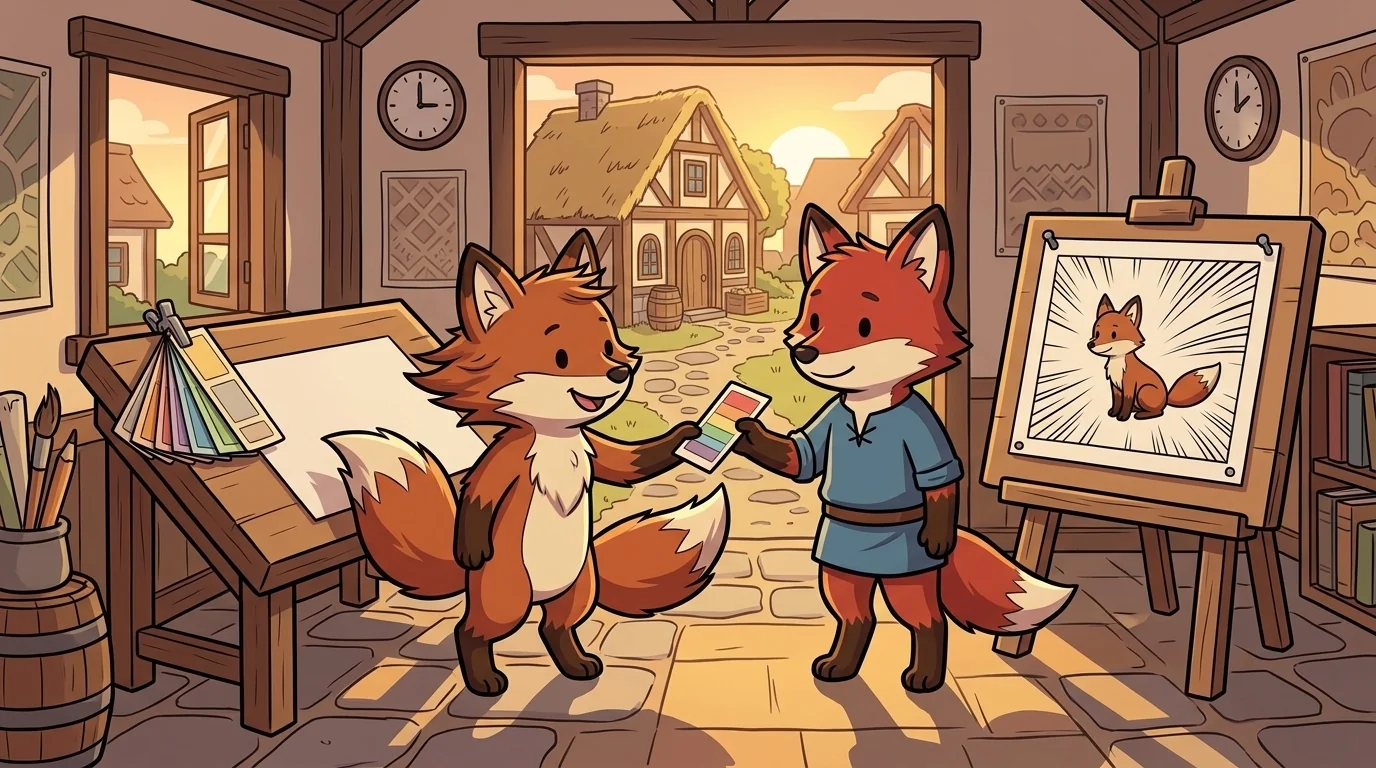
Later, when the studio had emptied, Kenji lingered at the panel with the punch that finally landed.
"It's weird," he said. "I only drew a few lines. But it feels like the loudest thing I've ever made."
Sweep unclipped a card and turned it over in her paws, that wind-blown fur catching the last light. "That's the feeling," she said. "That little thump in your chest when a still picture suddenly hits — that's not on the paper. That's you. Your eye slid down the lines and your body decided it was fast, decided it was a real punch." She smiled at the frozen crack of it. "A few strokes, and the whole page comes alive and thunders. My grandfather knew it before I did. The running was never in the legs."
She handed him the card. "Go find the loud moments in your stories," she said. "The rush, the leap, the hit that has to matter. And when you've found one — just one — trust a couple of lines to make it roar."
Kenji took the card. When he looked back at the punch on his way out, it still felt like it had just landed. Some small, warm part of him hadn't stopped hearing it.
The MangaForge ensemble
Sweep is part of MangaForge's distributed-narrative cast. Each character embodies a different curricular primitive; together they teach the full subject.
-

Panel
The panel — the rectangular frame that contains a single moment of story (the atomic unit of sequential art)
-

Bubble
The speech bubble — the shape-encoded container for dialogue + thought + sound (its outline encodes voice register: thought-cloud / shout-burst / whisper-dotted-line / radio-jag...
-
Tone
Screentones — the halftone dot/line patterns laid over an area to convey shadow, mood, and emotional register (the manga-specific shading vocabulary)
-

Splash
The splash page — the full-page or near-full-page impact image that marks a story climax (the moment the page breaks its grid to give one image all the space)
-
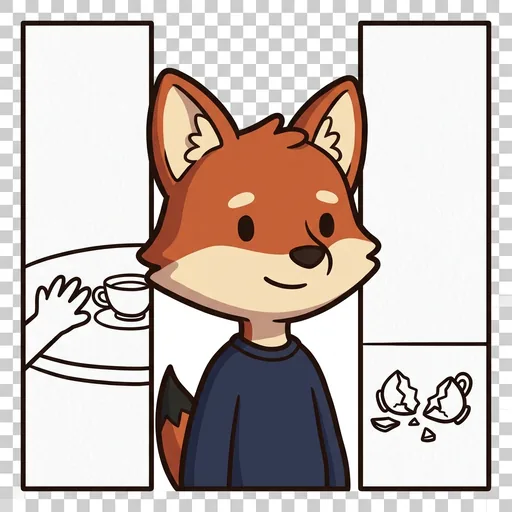
Lapse
The gutter — the empty space between two panels where your own mind fills in what happened; closure, the invisible half of comics
-
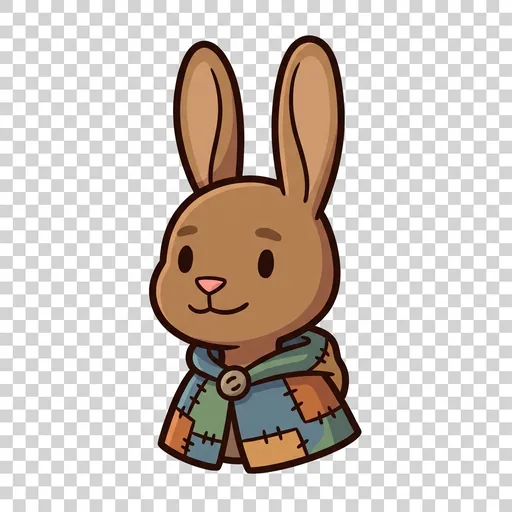
Segue
The transition — how one panel flows into the next, guiding your eye and your sense of time from moment to moment
-
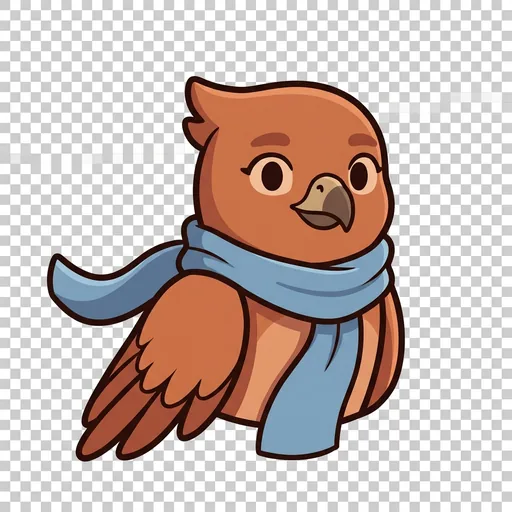
Vista
The establishing shot — the wide opening panel that shows you where you are before the story zooms in close
-
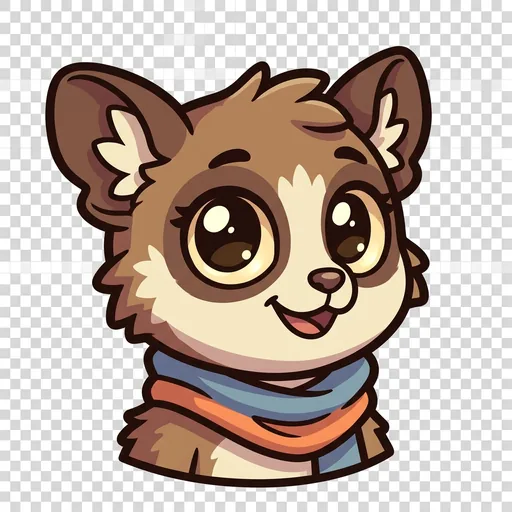
Jolt
The reaction beat — the panel that catches a character reacting, so a surprise or a feeling truly lands
-

Boom
The sound-effect lettering — onomatopoeia drawn right into the art, so you can see a sound as much as hear it
-
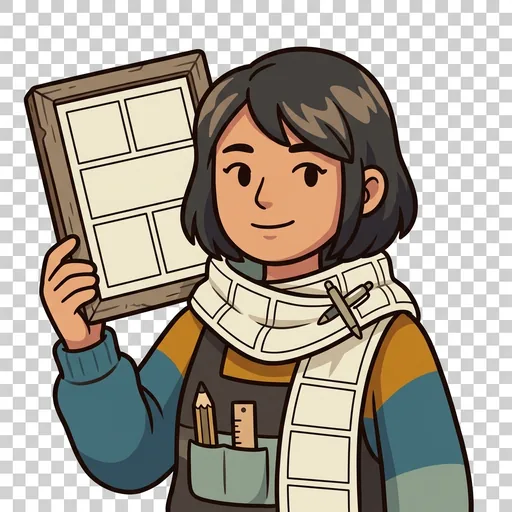
The Layout
The whole page coming together — how the establishing shot, panels, transitions, gutters, and sound-effect lettering arrange to guide one reader eye through one moment of story