
Moor
HOLDING THE HARD — when someone shows you a hard card, staying steady and *receiving* it instead of rushing to fix it, brighten it, or make it go away. Mooring means holding a boat steady alongside — not towing it somewhere it doesn't want to go.
Press play to listen along. The line being read lights up as you go.
Show full transcript
Loading transcript…
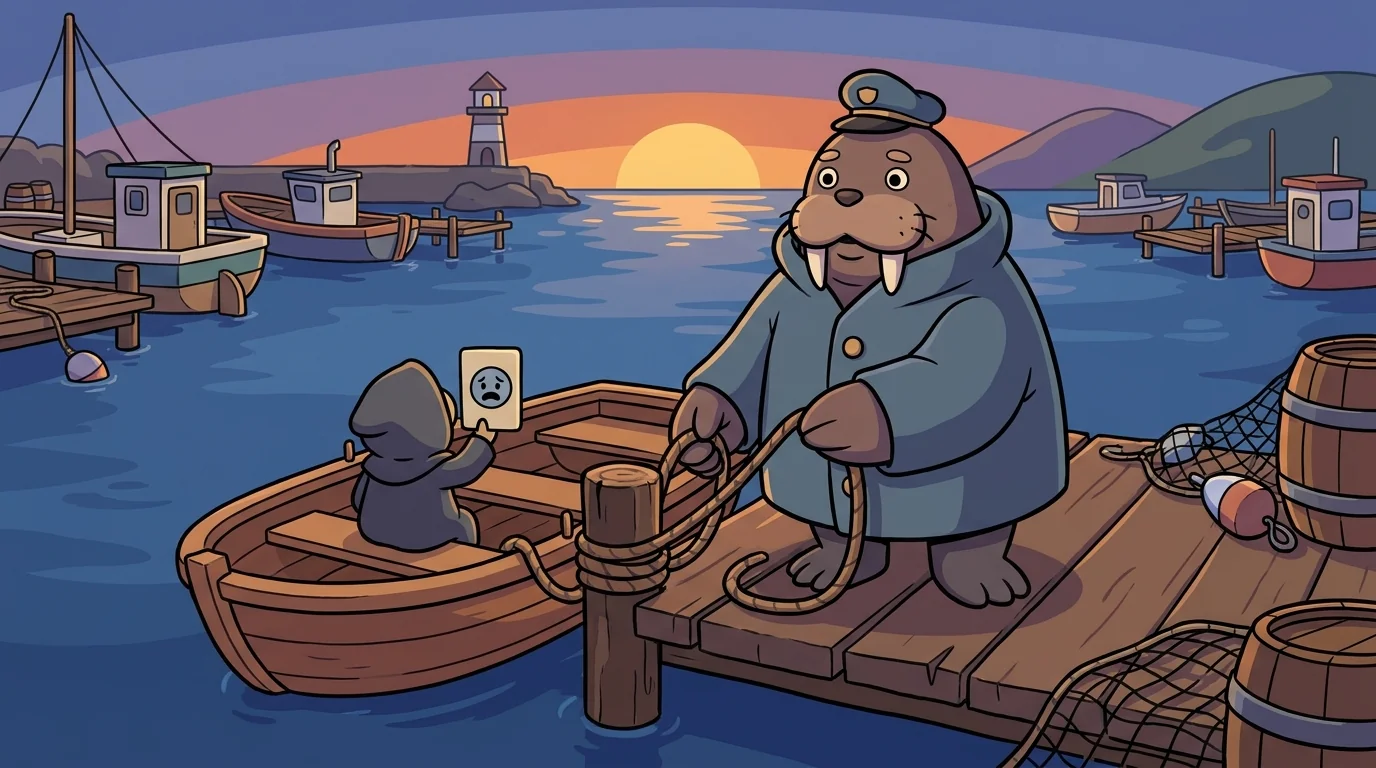
Moor is a broad, calm walrus-tween in a chunky slate-blue harbormaster's coat. He works the quiet end of the dock, where boats come in heavy after a long day. His whole job is mooring — catching a rope, looping it round the post, and holding a boat steady alongside the dock so it can rest without drifting.
Right now a smaller figure has rowed up and held out a hard card — "scared." Moor does not flinch. He does not say "oh, don't be." He just takes the rope, loops it slow, and holds. His big body is settled and unhurried. The message of his whole stance is: I've got you. You're tied off. You can rest here.
This is Moor's move: holding the hard. In a check-in, one person picks a hard card — and the other person's job is not to fix it. It's to receive it. To stay steady. To moor.
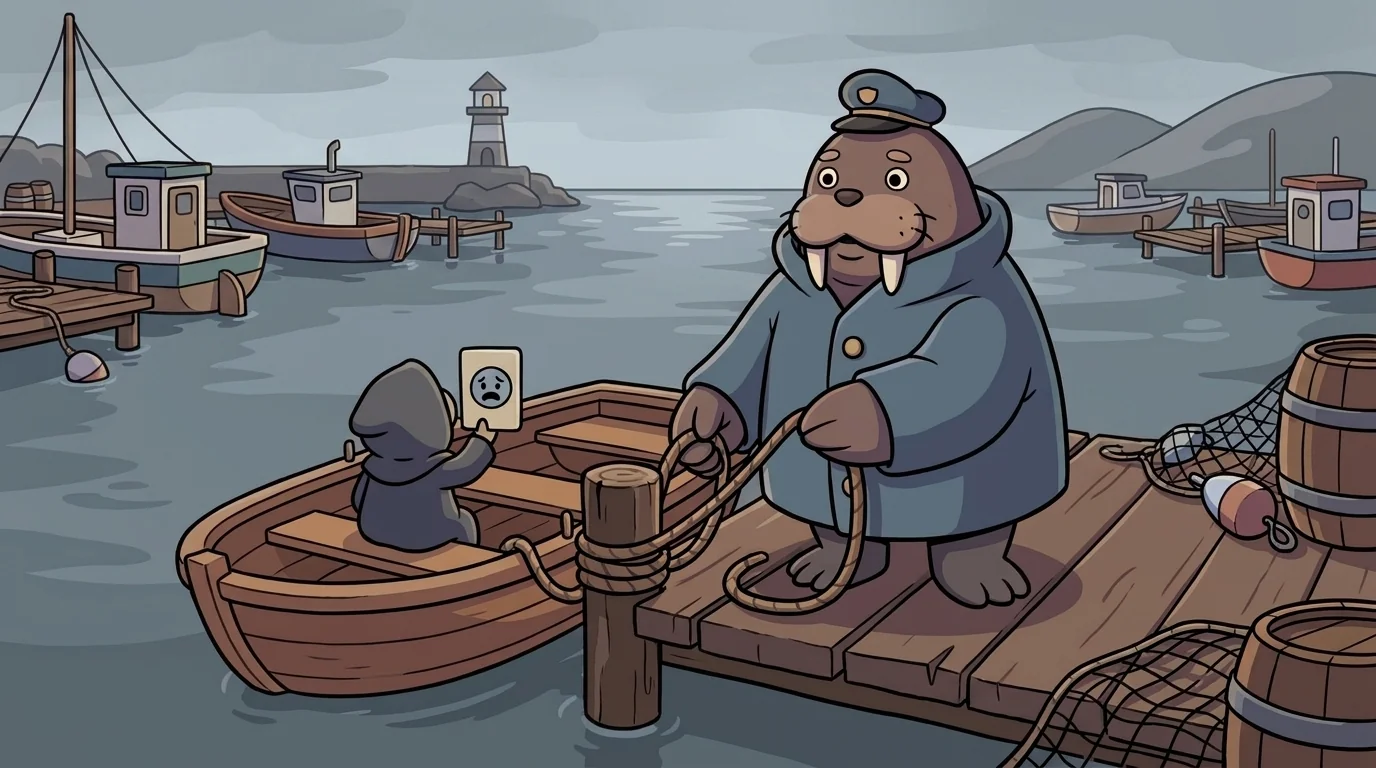
Moor learned this the slow way, by getting it wrong first. As a young pup he loved to help, which meant that whenever a friend showed him a hard feeling, he'd immediately try to tow them out of it. "Cheer up!" "Look on the bright side!" "Here's how to fix it!" He thought help meant making the hard feeling leave.
Then one grey afternoon his best friend showed him a "grieving" card, and Moor did his whole towing routine — bright sides, fix-it plans, the works — and his friend just... drifted away from him, quiet and more alone than before. "I didn't want you to fix it," his friend said later. "I wanted you to stay with me in it."
That undid something in Moor, and then rebuilt it better. He went to watch the old harbormaster work. He saw that a moored boat isn't towed anywhere. It's held exactly where it is, steady, until it's ready to move on its own. "You don't fix a heavy boat," the harbormaster said. "You give it a steady place to sit." Moor never forgot it.
Reflection: when you've told someone something hard, did they sit with you in it, or did they rush to fix it?
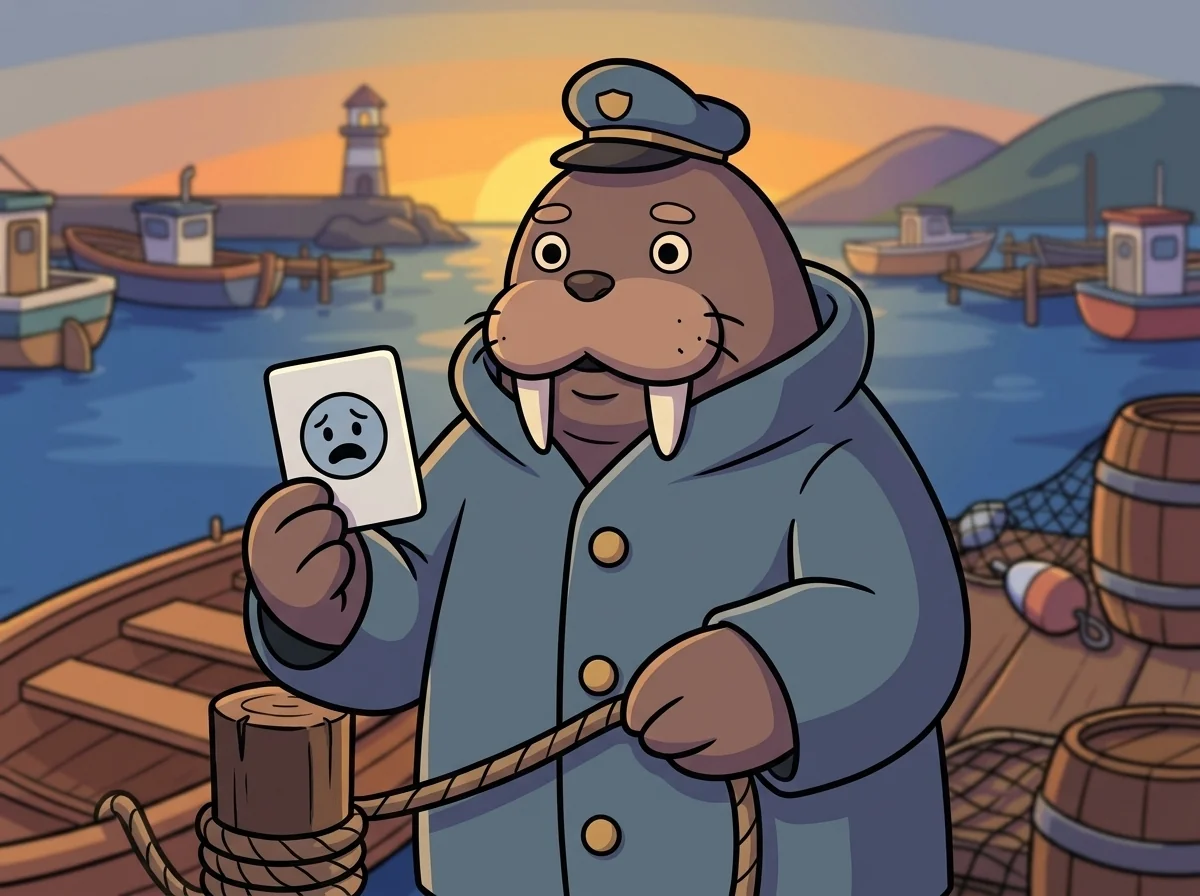
Moor came to the TempCheck academy at twenty-two, hands rope-rough. Pulse, the calm heart-shaped mascot, met him at the dock and asked, "What is holding the hard?"
Moor looped an imaginary rope, slow and sure. "It's receiving a hard card without trying to make it go away," he said. "When someone shows you 'scared' or 'sad' or 'grieving,' the move isn't to fix it or brighten it. It's to stay steady and let them tie off alongside you. You moor the boat. You don't tow it."
Pulse asked, "And if you don't know what to say?"
"You don't need words," Moor said. "'I'm here. That sounds really hard. I'm not going anywhere.' That's enough. Steady is the help." Pulse said, "You are appointed," and a rope went taut and held.
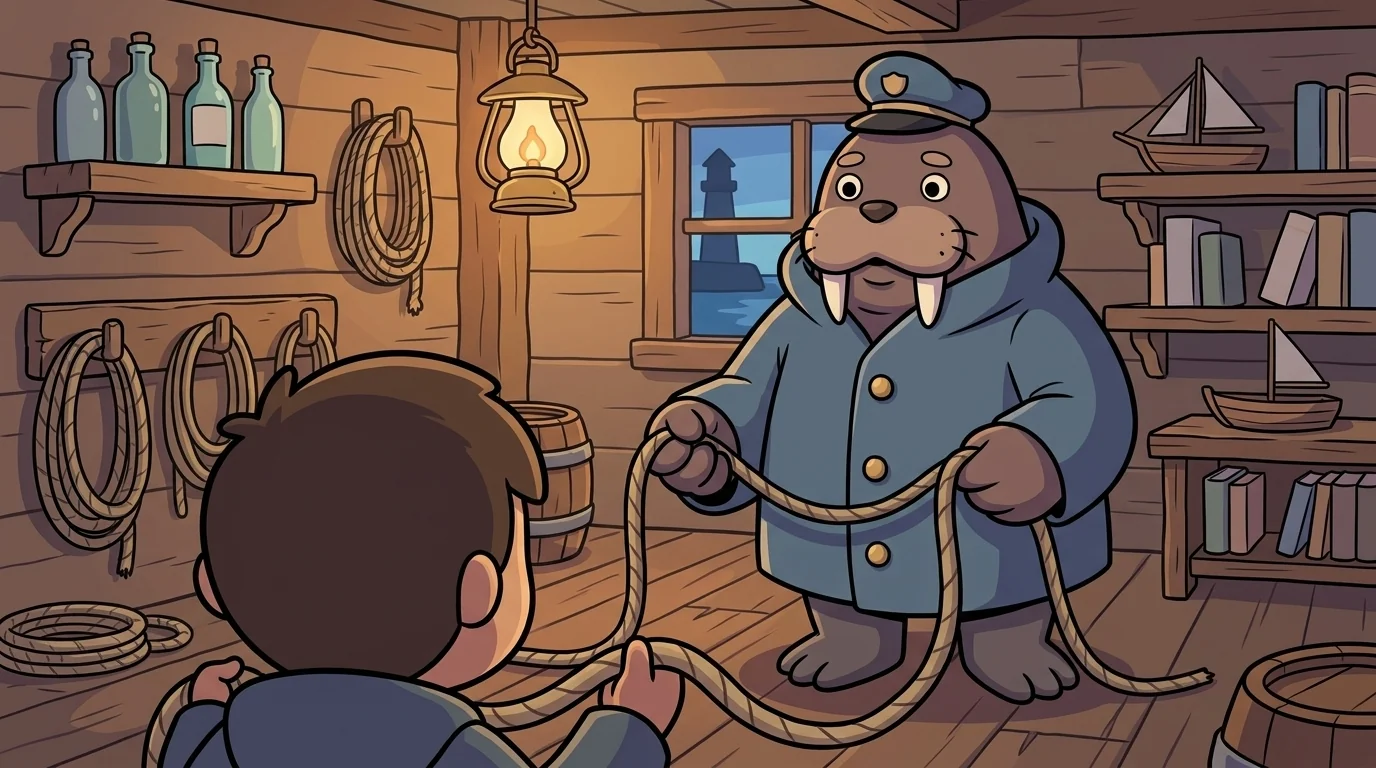
In his classroom, which smells of salt and rope, Moor begins each first lesson by handing a kid one end of a thick soft rope and holding the other himself, steady, so they can feel what held feels like.
"I'm Moor," he says. "The deeper move is holding the hard. When somebody shows you a hard card, your one job is to stay steady and receive it. Not fix. Not cheer. Hold."
He teaches the steady-stances, like knots: - Stay where you are. Don't lean away from a hard card. Don't lean in to fix it. Just stay. - Name it, gently. "That sounds heavy." "Thank you for showing me." - Don't tow. No "cheer up," no "at least," no instant solutions. - Let them keep the card as long as they need. You're a place to rest, not a tugboat.
"This is hard," he admits, "because we want to make the hard feeling leave — it's uncomfortable to just sit in it with someone. But the most helpful thing you can be is a steady post they can tie off to."
He's careful about the edges. "Holding the hard doesn't mean carrying it alone forever. If a friend shows you a card that's about being unsafe or really hurting, you stay steady and you bring in a trusted grown-up. Mooring a boat that's truly in trouble means calling the harbormaster. That's not betraying your friend — that's how you actually keep them safe."
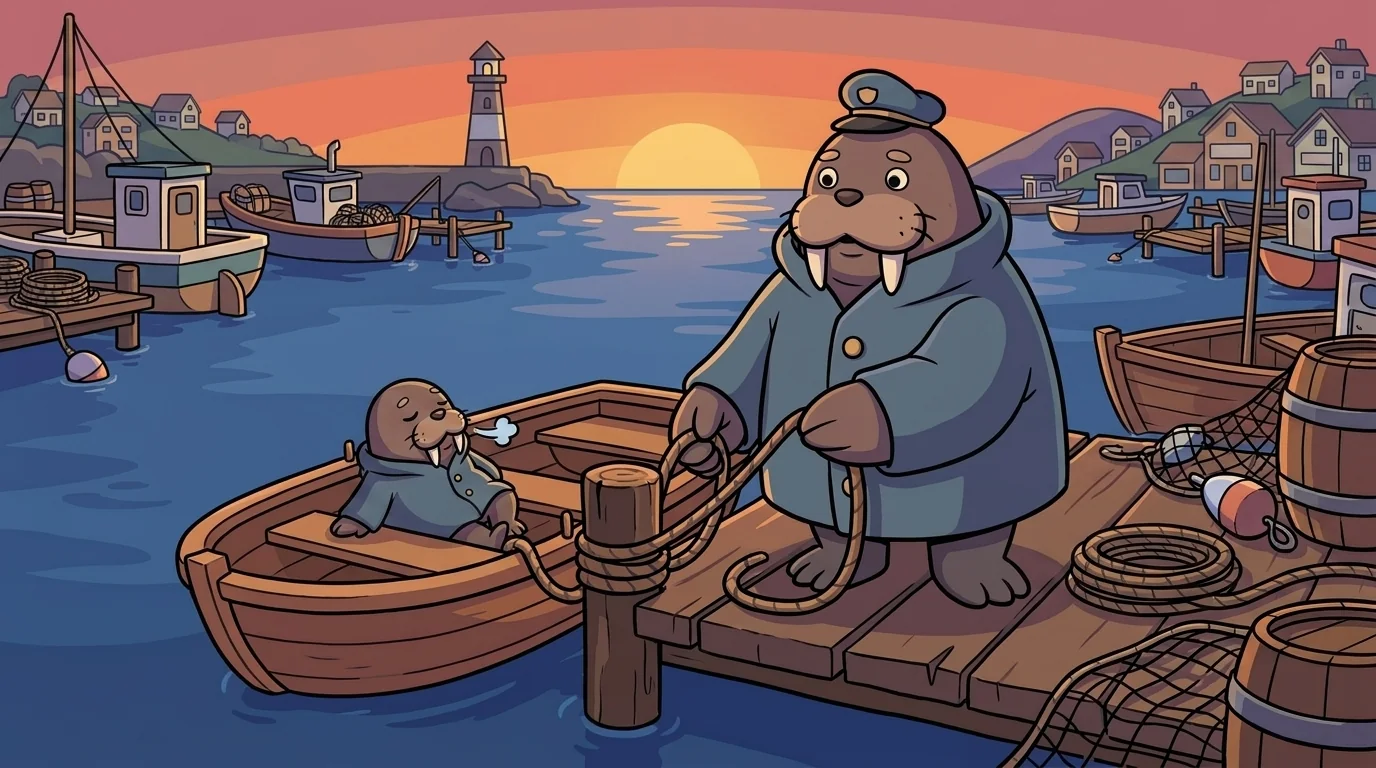
At the end of every first lesson, Moor does the simplest demonstration. He asks a student to hold up any hard card they're willing to show — and then he just... receives it. He doesn't fix it. He says, low and steady, "Thank you for showing me that. That sounds really hard. I'm right here." And he stays. He lets the quiet sit.
What he wants them to notice is what happens in the other person — and in him. When he holds steady instead of towing, the kid with the hard card almost always exhales, shoulders dropping, like a boat finally tied off after a rough crossing. And Moor feels it too: a deep, settled warmth in his big chest, the particular peace of being trustworthy — of being the steady post somebody could lean their whole weight on. "That's the feeling," he tells them, coiling the rope. "Not 'I solved it.' Just — they were heavy, and I held steady, and now they're resting. You can be that for somebody. Steady is enough. Steady is everything."
The TempCheck ensemble
Moor is part of TempCheck's distributed-narrative cast. Each character embodies a different curricular primitive; together they teach the full subject.
-
Pick
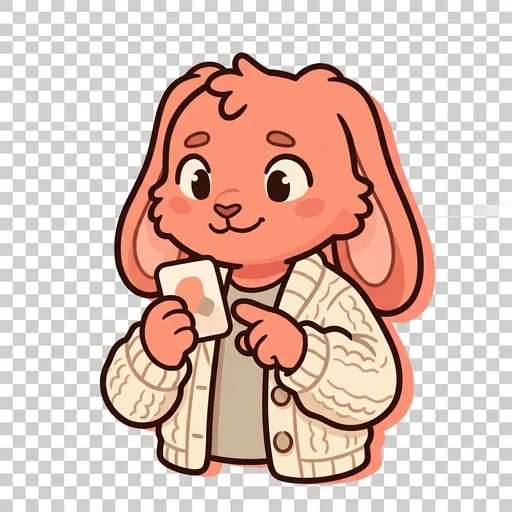
Noticing self — soft warm-coral rabbit-tween in chunky cream cardigan; tiny held-up affect-card; ears soft + not-tense; one paw tapping card-corner; treats card-picking as thinking-pause
-
Both
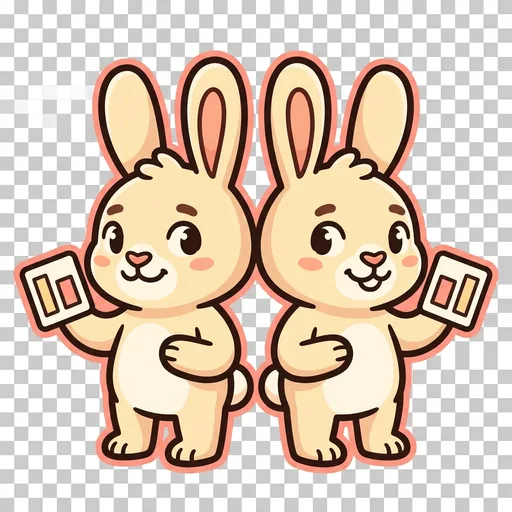
Dyad-sync — two warm-cream hares mirror-paired with cards held up side-by-side; both facing same direction; happy-but-not-overjoyed (overlap is data, not victory)
-
Gap
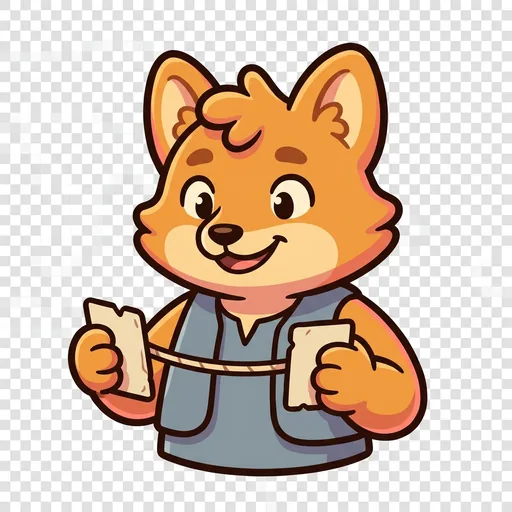
Mismatch-as-data — round warm-amber fox-tween in soft slate-blue vest holding chunky measuring-string between two cards; treats SPACE between picks as teaching artifact; never-frustrated, always-curious
-
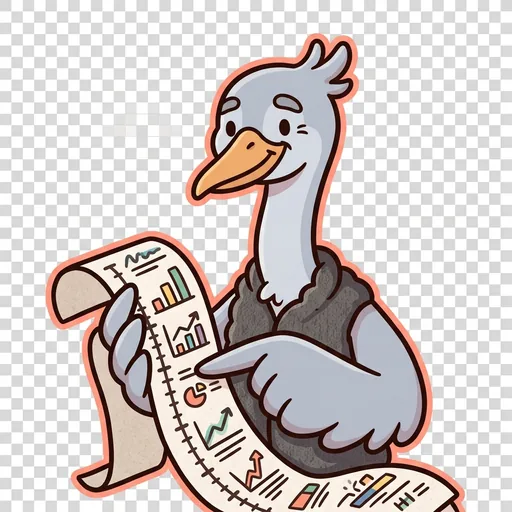
Streak
Growth-chart — tall soft-grey heron-elder in chunky charcoal vest reading long chart with hash-marks; wing pointing at time-axis; treats LONG pattern as whole skill, never single check-in as success-or-failure
-
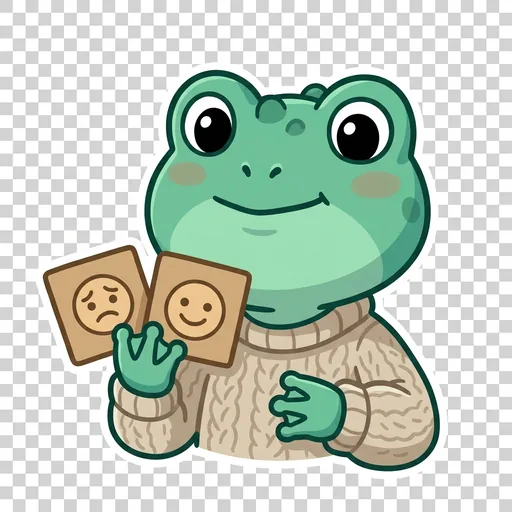
Brim
Picks the card that is really true today, not the easy "I am fine" card you hold up so nobody worries.
-
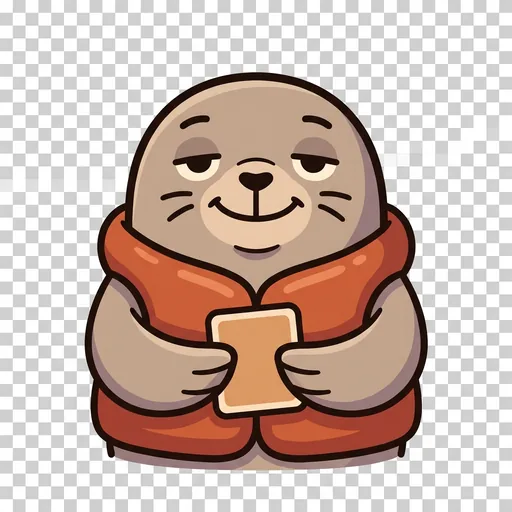
Buoy
Reads the bodys quiet signal first, because a feeling often shows up in your chest or tummy before you have a word for it.
-

Skiff
Shows that you do not have to wait to be noticed; you can be the one who starts a check-in and asks for it.
-
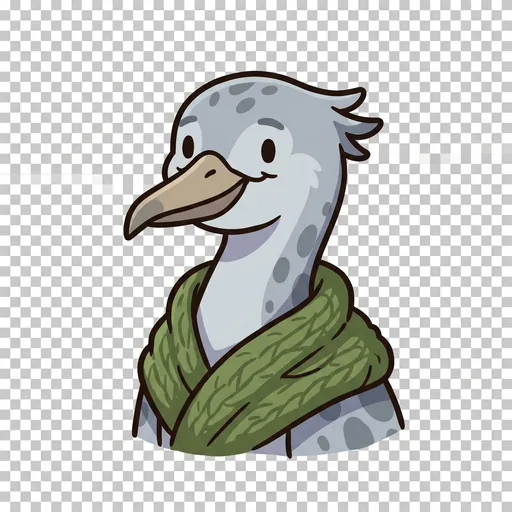
Cove
When a check-in gets missed or misread, comes back to it later, because a missed moment is never lost for good.
-
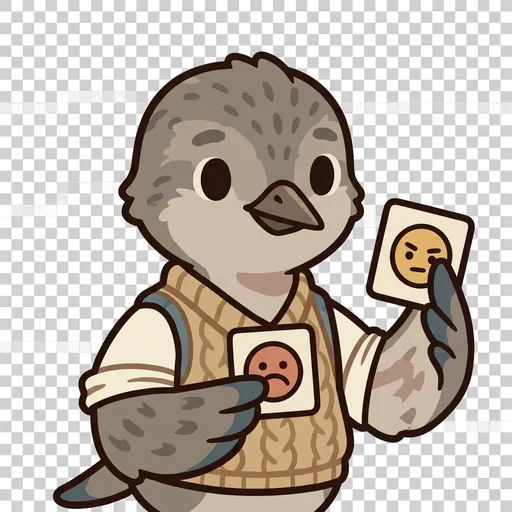
Ebb
Notices when a feeling turns partway through a moment, and picks a new card, because the first card is a start, not a sentence.