Glance
SUBTEXT — what is actually being communicated *under the surface* of the explicit dialogue. The implied meaning beside the spoken meaning. *"I'm fine."* (spoken) = *"I am not fine, but I do not want to talk about it."* (implied).
Press play to listen along. The line being read lights up as you go.
Show full transcript
Loading transcript…
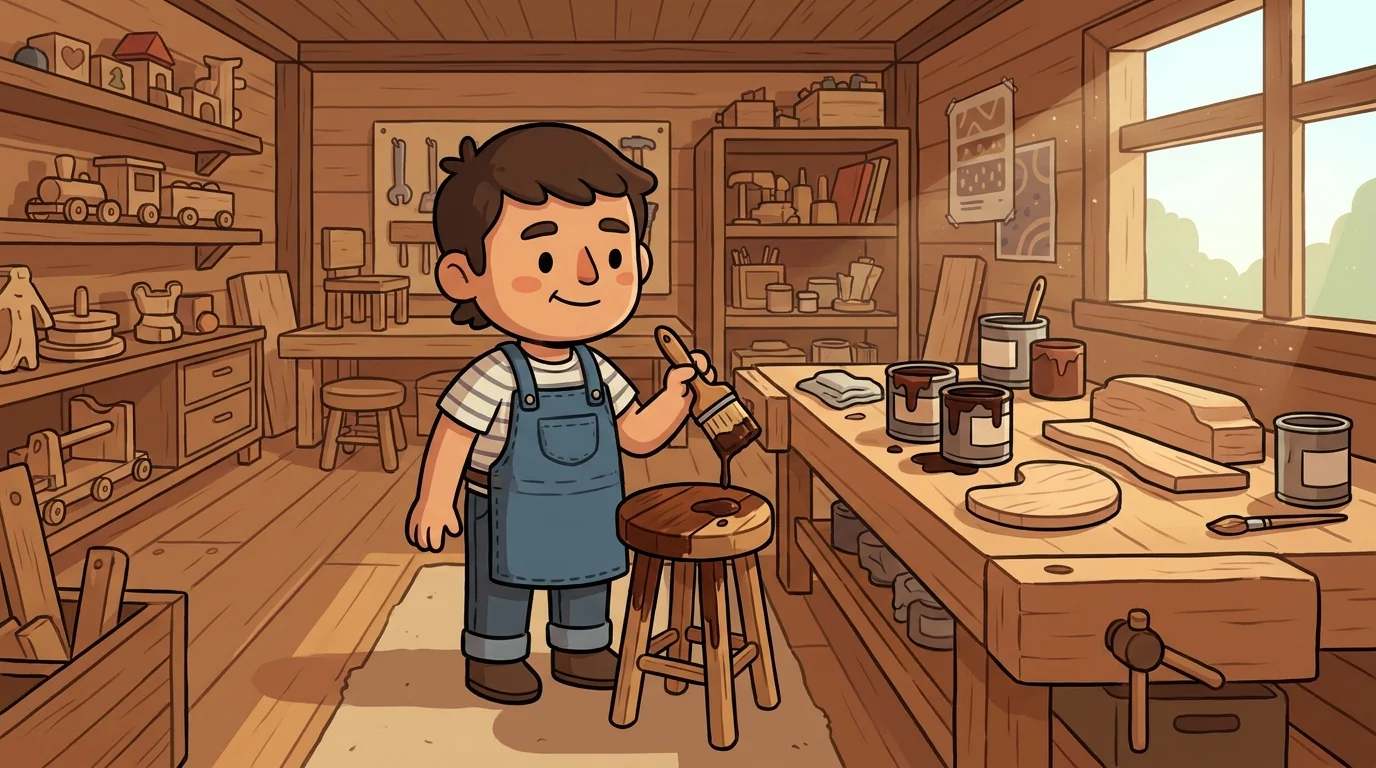
Patter met Glance on a cold winter day. They were in the mountains. The wind blew hard. It was too cold to talk outside for long.
Patter was out walking. He always walked, even in winter. He saw a small arctic fox. The fox wore a thick blue scarf. It sat on a fallen log.
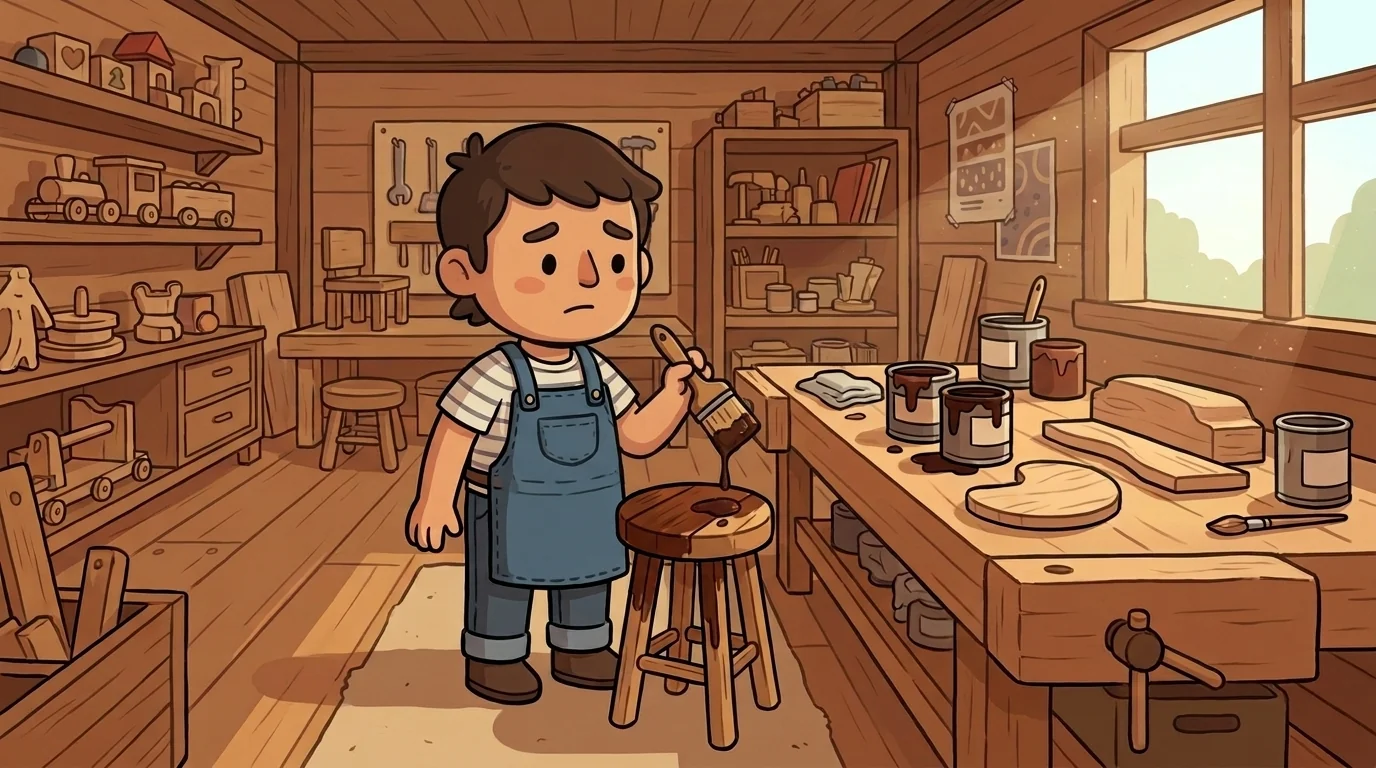
The fox sat very still. His scarf looked extra thick. A speech bubble floated above his head. It was half-empty. The bottom half was blank. The top half just said: "Cold." Next to the bubble, faint words floated. They were dotted lines, like a ghost. They read: "I do not want to talk right now, but I want you to stay."
Patter stared. His eyes got wide. He had never seen anything like it. "Your speech-bubble has two layers," he said.
The fox looked up slowly. He spoke in a quiet, careful voice. It sounded like a tiny arctic fox. "Yes," he said. "My name is Glance. I keep the *subtext*."
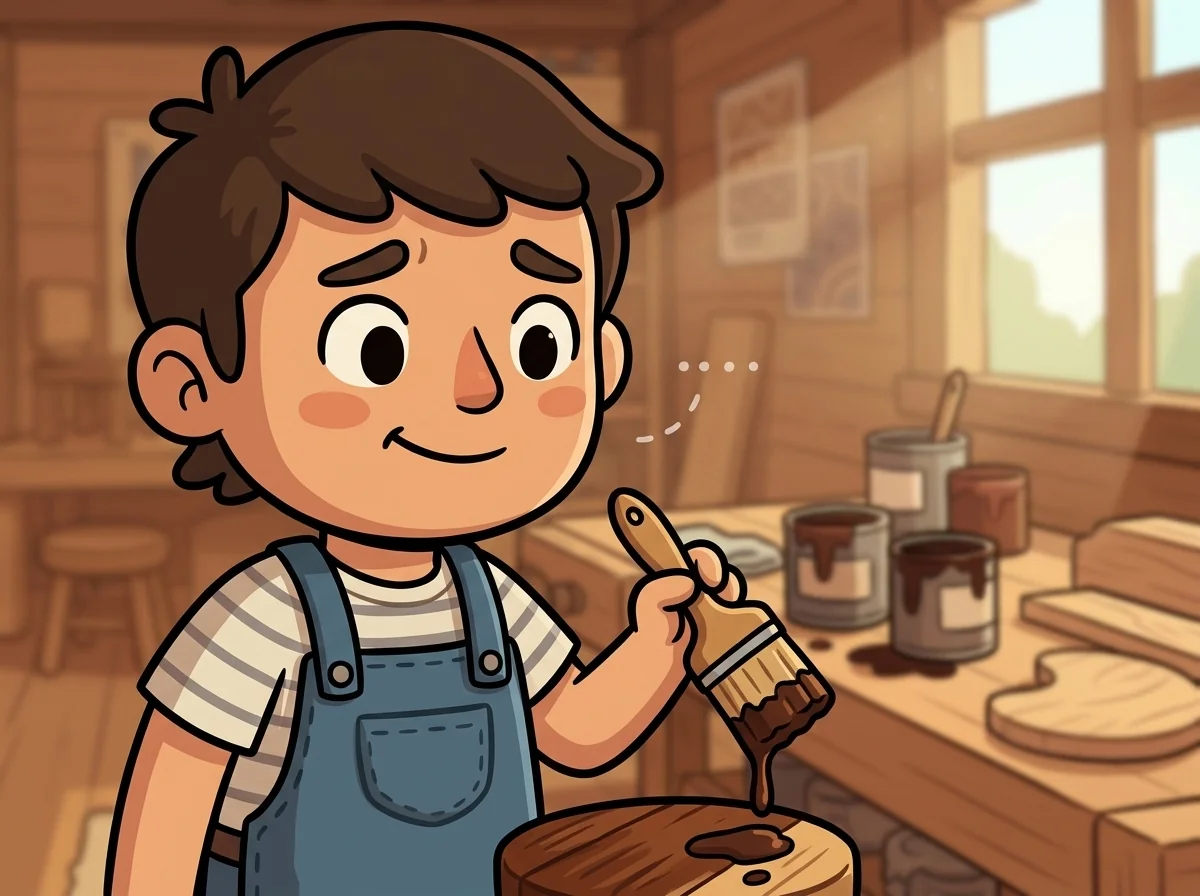
"Tell me," Patter said.
Glance explained. "What I say shows up in the bubble," he said. "What I mean shows up in the ghost words." He paused. "They are almost always different." He looked at Patter. "Most real talks work like this." He nodded slowly. "People say one thing. They mean something else." He pointed to his bubble. "The words you hear are the surface. The words you feel are the *subtext*." He tapped his scarf. "Both together make the whole talk."
Patter's jaw dropped. He just stared at Glance. This fox is it! he thought. He's the whole idea! Good stories have talking that works like this. The words people say are only half of it. The other half is what they really mean. It's about how they feel. It's about their past. It's about who they are to each other. Most kids Patter helped only wrote the spoken words. Their lines were correct. But they felt empty. They missed the second layer.
"Will you come to my pocket workshop?" Patter asked.
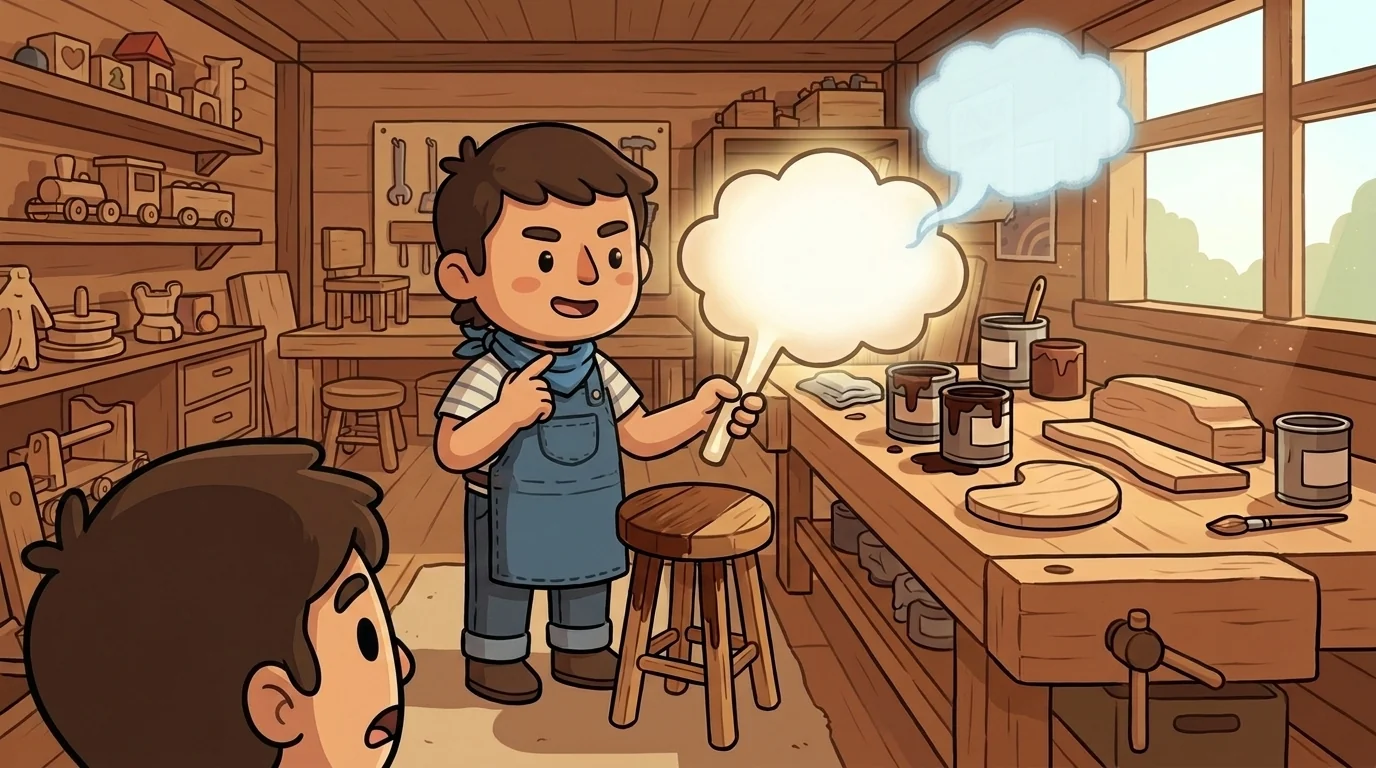
"I'd have to bring my scarf," Glance said. "It's cold even inside."
Glance agreed. He has stayed in the workshop since then. He always sits at the front. His thick blue scarf is always on. His speech bubble is always there. You can always see both layers. The spoken word is on top. The ghost words are below. When kids write talks, Patter makes them think. "What would the ghost words be for this line?" he asks. Glance helps them. He takes each line. He shows the top bubble. Then he shows the ghost words that go with it.
Patter teaches about *subtext. It's his first lesson on it. He points to Glance. Glance sits there, as always. His bubble is half-empty. His ghost words float nearby. "This is Glance," Patter says. "His speech bubble has two parts." He taps the air. "The top part is what he says." He taps lower. "The bottom part is what he means." He brings his hands together. "Both parts make the whole talk." He looks at the kids. "Real talks are like this." He nods. "People say one thing. They mean something else." He holds up two fingers. "What they say and* what they mean are both important." He smiles. "Good writing shows both."
He shows them how. He writes on the board:
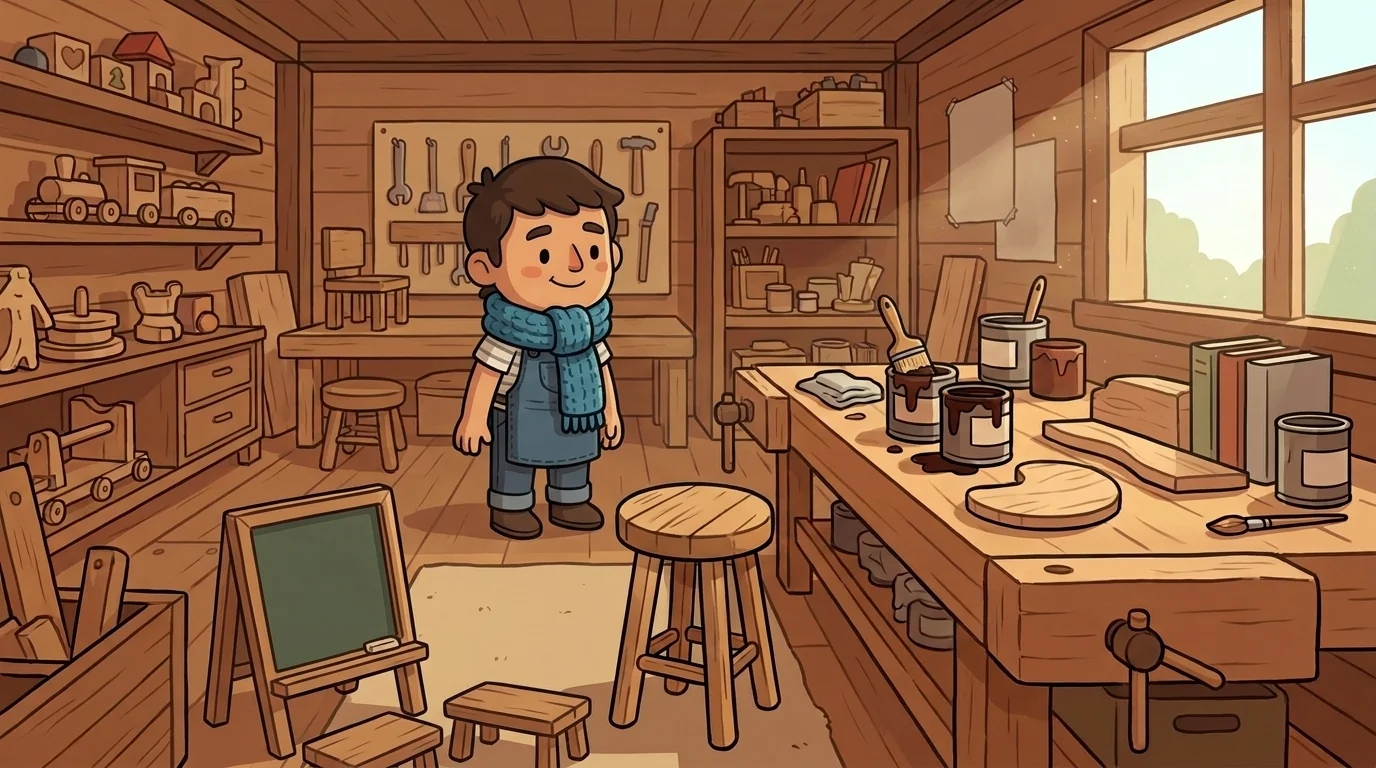
"I'm fine."
"That's the surface," Patter says. "Now, what's the *subtext?" He looks around. "What does the character really mean?" He lists ideas. "It could mean: 'I'm not fine, but leave me alone.'" He writes a number 2. "Or: 'I'm fine, so stop asking.'" Number 3. "'I'm fine, because that's what you're supposed to say.'" Number 4. "'I'm mad, but I'm keeping it inside.'" He taps the board. "The same words can mean different things." He explains. "It depends on when they say it. It depends on who they say it to. It depends on their past." He points to the line. "The words hint at the subtext*. They don't just say it."
Glance nods slowly. His ghost words change. They show one of the four ideas. He speaks in his quiet, careful voice. "What you say is half," he says. "What you mean is the other half." He looks at the kids. "Write both." He nods again. "The reader will get both."
Kids often ask Patter. "Is *subtext hard to write?" they say. Patter shakes his head. He uses Glance's own words. "It's not hard," Patter says. "You just think about what the character really means." He smiles. "What people say and what they mean are almost always different in real talks." He points to the board. "Write what they say." He taps his head. "What they mean will come out of the story." He winks. "The reader will get both parts." And when they do, Patter says, something quiet and warm happens inside them — that little ache of being understood*, the same feeling you get when a friend hears the sad half of your "I'm fine" and stays anyway.
The DialogueQuest ensemble
Glance is part of DialogueQuest's distributed-narrative cast. Each character embodies a different curricular primitive; together they teach the full subject.
-
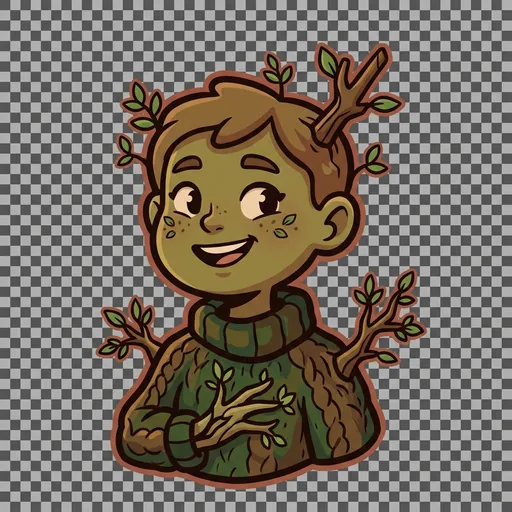
Sprig
Branch meaningfulness — sapling-tween whose visible branching skeleton shifts physically when she picks between dialogue options (the choice re-routes her body)
-
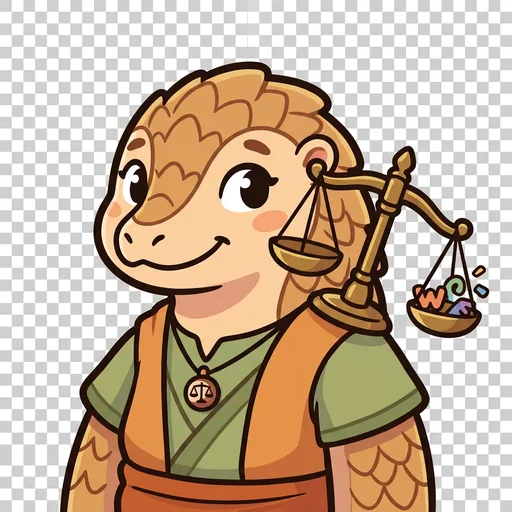
Weigh
Tag balance — pangolin-tween with a brass balance-scale on her shoulder; scales tilt visibly as dialogue happens around her
-

Brogue
Voice consistency — border-collie-elder in a worn flat-cap who uses exactly 4-5 signature words across every appearance (deliberately non-specific old-country accent)
-
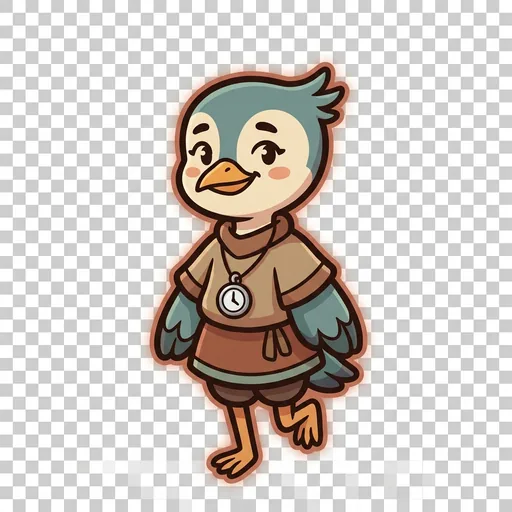
Rest
Rhythm + silence — heron-tween with a small silver pocket-watch around her neck; one foot perpetually raised mid-step; treats the pause as a line of dialogue itself
-

Prop
Action beats — red-squirrel-tween whose paws are always busy with a small acorn; the little actions between lines show feeling and set the rhythm of a talk
-
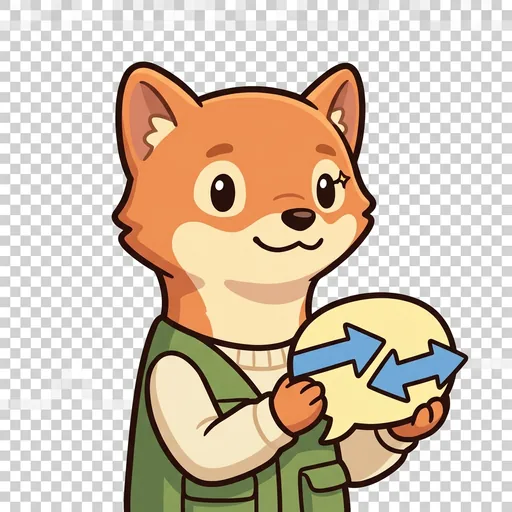
Spar
Conflict / friction — pine-marten-tween whose speech bubbles push against the other speaker's; two characters wanting different things is the engine (the push stays kind)
-
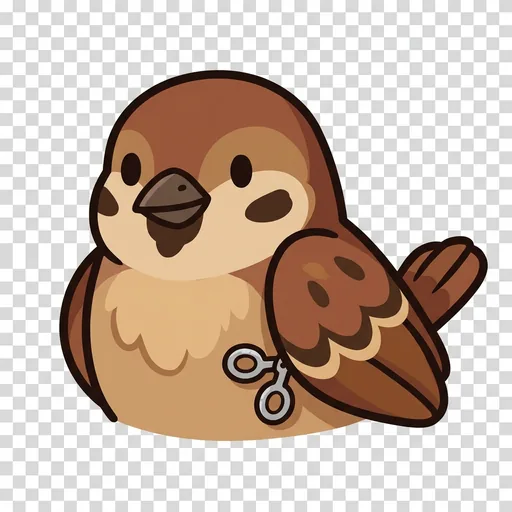
Clip
Economy — sparrow-tween with tiny silver scissors who trims the filler ('hello, how are you, fine') and starts scenes late, right where they get interesting
-

Dash
Interruption / overlap — chipmunk-tween who crashes into the ends of others' lines with a dash when feeling runs too high to wait (used on purpose, sparingly)
-
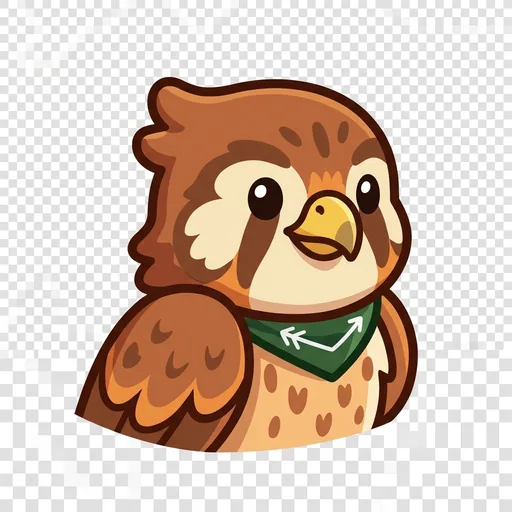
Aim
Line purpose — kestrel-tween with arrow-shaped speech bubbles that point at what each line is really trying to DO (ask, dodge, persuade), not just say