
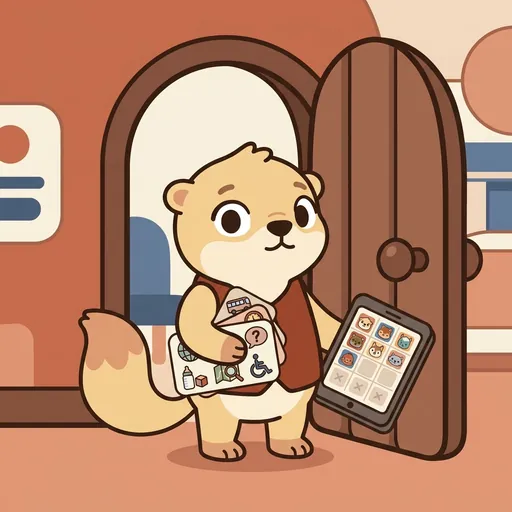
Kindle
KINDLE — *the door-opener. participation is invited; doors are opened.*
Listen along — Kindle
Loading audio…
Press play to listen along. The line being read lights up as you go.
Show full transcript
Loading transcript…
Chapter 5 — Kindle and the Door That Opens Outward
At the first Youth Council meeting Kindle ever ran, he spent the whole time looking at the empty chairs.
Kindle was a prairie-dog-tween — warm cream fur, a soft tawny tip on his tail, a plain vest with little cards tucked in the pockets. Everyone else in the meadow hall was busy talking. Kindle was busy counting who wasn’t there.
“The far-hill families,” he said, half to himself. “The kids with after-school jobs. The families with little ones.” He tapped his chest, where a small tracker was pinned. “None of them came.”
An older animal shrugged. “They could’ve come if they cared.”
Kindle shook his head slowly. He’d heard that before, and it had never once been true. “Or,” he said, gentle but sure, “the door was closed and nobody noticed.” He walked to the window and looked out toward the rocky hills. “The meeting’s right after school. The working kids are still working. That’s not them not caring. That’s a closed door with their name on it.”
He pulled a card from his pocket — a little drawing of a clock — and set it on the table where the empty chairs faced.
“So we open it,” he said. “That’s the whole job. Not waiting for people to show up. Opening the door so they can.”
Kindle had grown up in a wide network of burrows, in a family that called themselves the watchers. When a coyote crossed the far ridge, the watchers whistled it down the line, burrow to burrow, so nobody got caught out alone. That was the family gift: noticing who was where, and who wasn’t.
His grandfather was the best of them. Every dusk, the old prairie dog would sit at the mouth of the main burrow and count noses as the colony came home. If one was missing, he didn’t wait to see if they’d wander back. He sent the call out. He went and looked.
“A colony that only counts who’s home,” his grandfather told young Kindle, “loses the ones who got stuck out in the cold.” He’d tap the hard-packed earth. “We don’t blame the missing. We go find why.”
One evening a family stopped coming to the shared meals. The other animals grumbled — too proud, too busy, don’t care. Kindle’s grandfather didn’t grumble. He walked all the way to their burrow and found the path there had washed out in a storm. The family wasn’t proud. They were cut off.
The watchers fixed the path the next morning. The family came to dinner that night, shy and grateful, and Kindle — small and wide-eyed — understood something he’d carry the rest of his life. Nobody had been staying away. A door had simply fallen shut, and no one had gone to open it.
When Kindle was twelve, he walked to the Youth Council to meet his mentor, Liberty. She was standing at the hall’s wide-open double doors.
“The council makes decisions,” Liberty said, “and half the meadow never has a say in them. The same faces every time.” She gestured at the room, where the same handful of animals were settling in. “I keep asking myself why the others don’t come.”
Kindle looked at the empty seats, and then at the doors — propped open, sure, but open onto a path only some animals could walk.
“An open door isn’t enough,” he said, “if you can’t get to it.” He counted on his paw. “Who’s missing? Why? Is it a real barrier — no ride, wrong time, no one to watch the little ones — or is it truly a choice? And if it’s a barrier, whose job is it to move it?” He looked up. “Ours. Not theirs.”
Liberty studied him. “And if someone tells you the right people already came?”
“Then I’d say we didn’t open enough doors,” Kindle said, “and we should be a little embarrassed, not a little proud.”
Liberty laughed and stepped aside so he could see the whole empty room. “Go find them,” she said.
In Kindle’s corner of the hall, a young student named Bramble came to him, discouraged. “I planned a meeting,” Bramble said. “I posted signs everywhere. Hardly anyone came. I guess they just don’t care about the creek.”
“Let’s find out,” Kindle said kindly, and spread his cards on the table. “Who did you hope would come?”
Bramble thought. “The families near the hills. The older kids with jobs. Parents with babies.”
“And who actually came?”
“None of those.”
Kindle picked up his clock card. “When was the meeting?”
“Right after school.”
“So the working kids were working.” Kindle slid the card to one side. “Not a choice. A closed door.” He picked up another card, a little cradle. “The parents with babies — was there anywhere for the babies to be?”
Bramble’s ears drooped. “No.”
“Closed door.” Another card — a small bus. “And the hill families. How would they get across?”
”…Walk. It’s really far.”
“Closed door.” Kindle laid the three cards in a row and looked at them, then at Bramble, whose face had gone from ashamed to something like relief. “See? Nobody stayed away because they don’t care. Three doors were shut, and posting a sign doesn’t open a door.” He gathered the cards up. “So we move the meeting to after dinner. We find a warm room and a kind badger to watch the little ones. We send a ride around the hills. And then —” he tapped the cradle card once more — “we don’t just wait. We go ask them, one burrow at a time. A sign is a whisper. A knock on the door is an invitation.”
Bramble breathed out, long and slow. “So it wasn’t that I did it wrong. It was that I didn’t open the doors.”
“Now you know where they were,” Kindle said. “That’s the hard part done.”
The next meeting, Kindle watched the chairs fill.
The working kids came, after dinner, still in their aprons. A family from the far hills stepped off the little bus, blinking at the warm hall. In a side room, three toddlers built towers out of acorns while their parents, for once, got to sit and speak and be heard.
Kindle stood by the door — the real door, the one he’d spent weeks prying open — and counted noses the way his grandfather taught him. This time, hardly any were missing.
The younger animal who’d once said they could’ve come if they cared stood beside him now, quiet.
“You were right,” they admitted. “It wasn’t them.”
“It’s almost never them,” Kindle said, not unkindly. He held the door for one more family coming up the path.
And as they crossed the threshold — nervous, then smiling, then home — Kindle felt his chest go full and glad, that warm, belonging kind of full you get when you’ve held a door open long enough for someone to finally walk through. He stood there and let himself feel it, steady and proud, while the hall filled up with voices that had never had a chair before.
The CivicForge ensemble
Kindle is part of CivicForge's distributed-narrative cast. Each character embodies a different curricular primitive; together they teach the full subject.
-
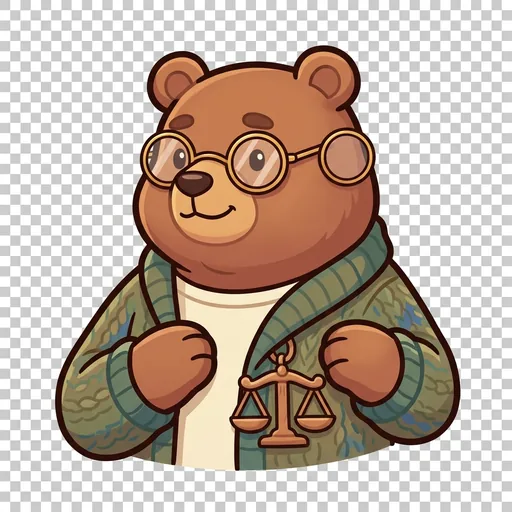
Verdis
Justice — the patient listener who weighs sides; bear with wooden scale + spectacles
-
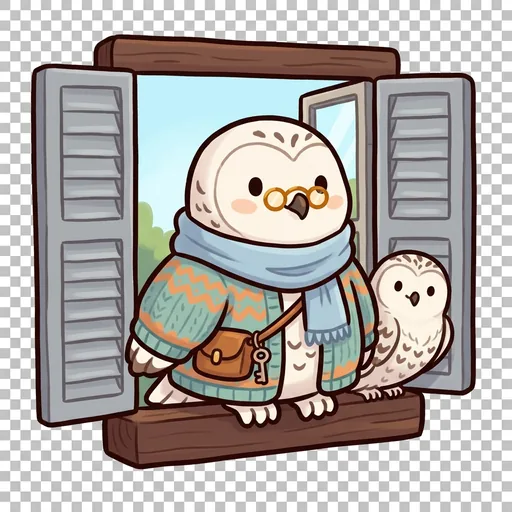
Aera
Liberty (open-window) — keeper of open windows; snowy owl on shuttered window frame
-
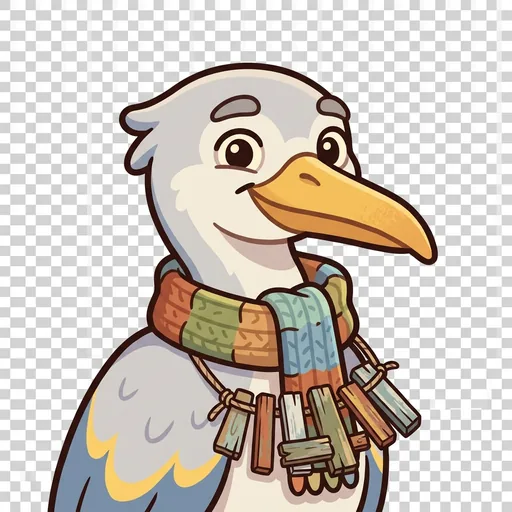
Span
Equity — the bridge-builder; heron with mismatched planks for mismatched riverbanks
-

Cordis
Civility — disagreement-without-disrespect host; striped badger with mismatched cups + bow tie
-

Tellus
Stewardship — the long-view caretaker; ancient tortoise planting trees they will never sit under
-
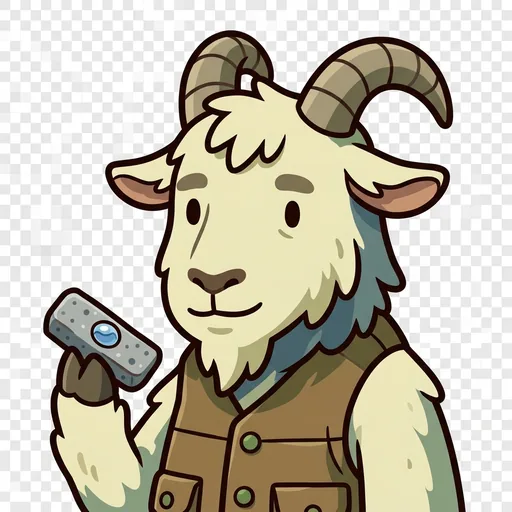
Level
Rule of law — the line reads level whoever holds it, even the one who set it; mountain goat with a stone level + plumb-bob
-
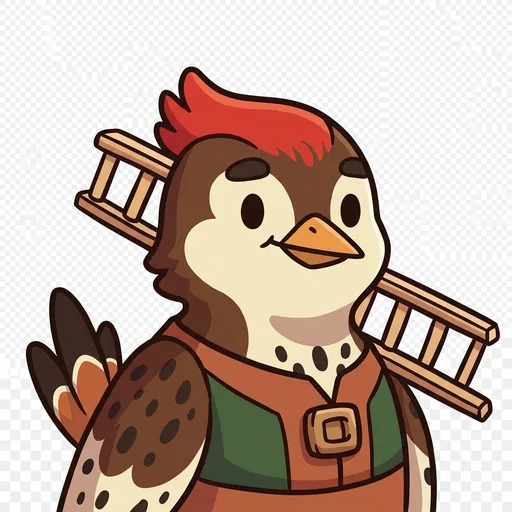
Rung
Due process — climb every step in order, never skip to the verdict; woodpecker climbing a trunk rung by rung
-
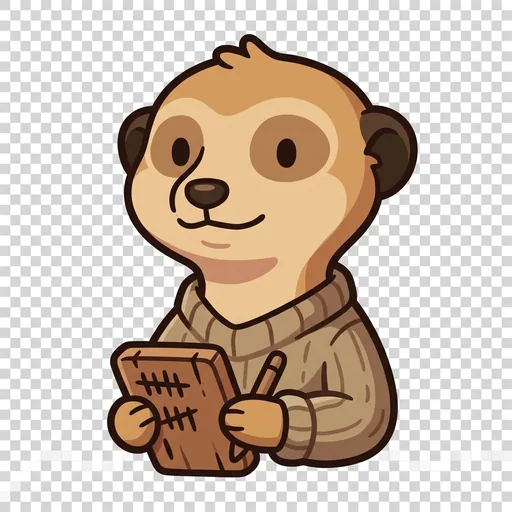
Muster
Consent of the governed — nothing proceeds until everyone's gathered and the yes is real; meerkat counting raised paws from the burrow-mound
-
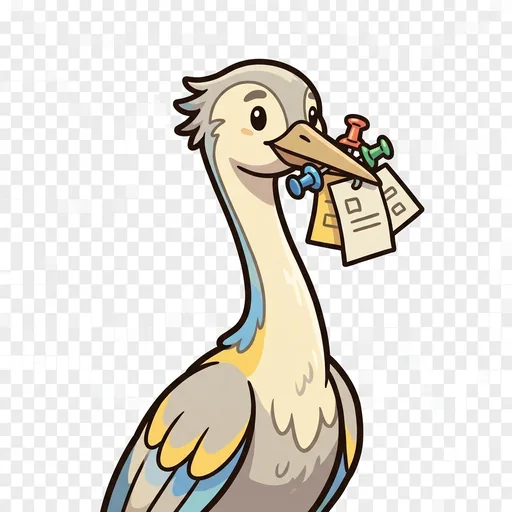
Herald
Transparency — a decision no one can see isn't finished; crane keeping an open notice-board in the square