
Ease
PATIENT REPAIR — after you've offered a real mend, you let the other person take the time they need. Repair can't be grabbed, rushed, or demanded; you ease back toward each other only when both are ready.
Press play to listen along. The line being read lights up as you go.
Show full transcript
Loading transcript…
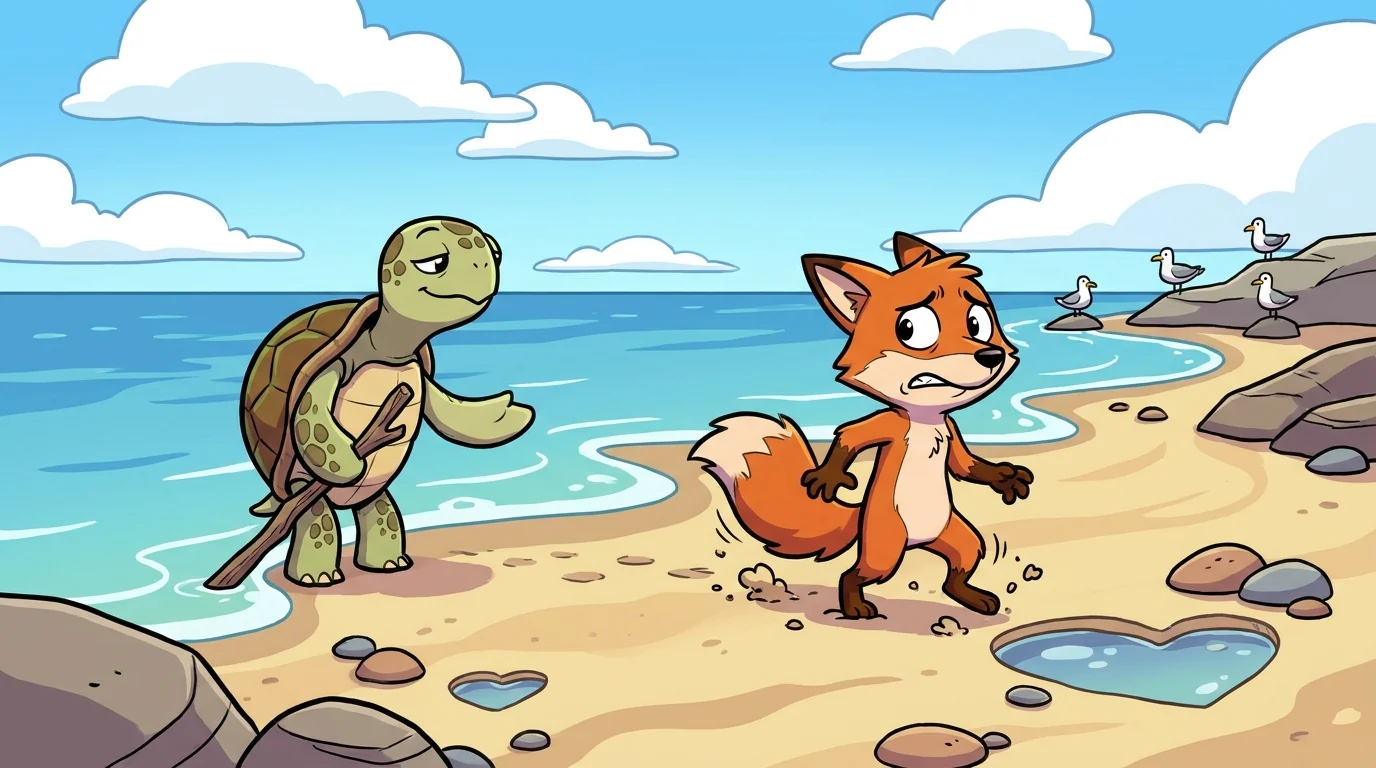
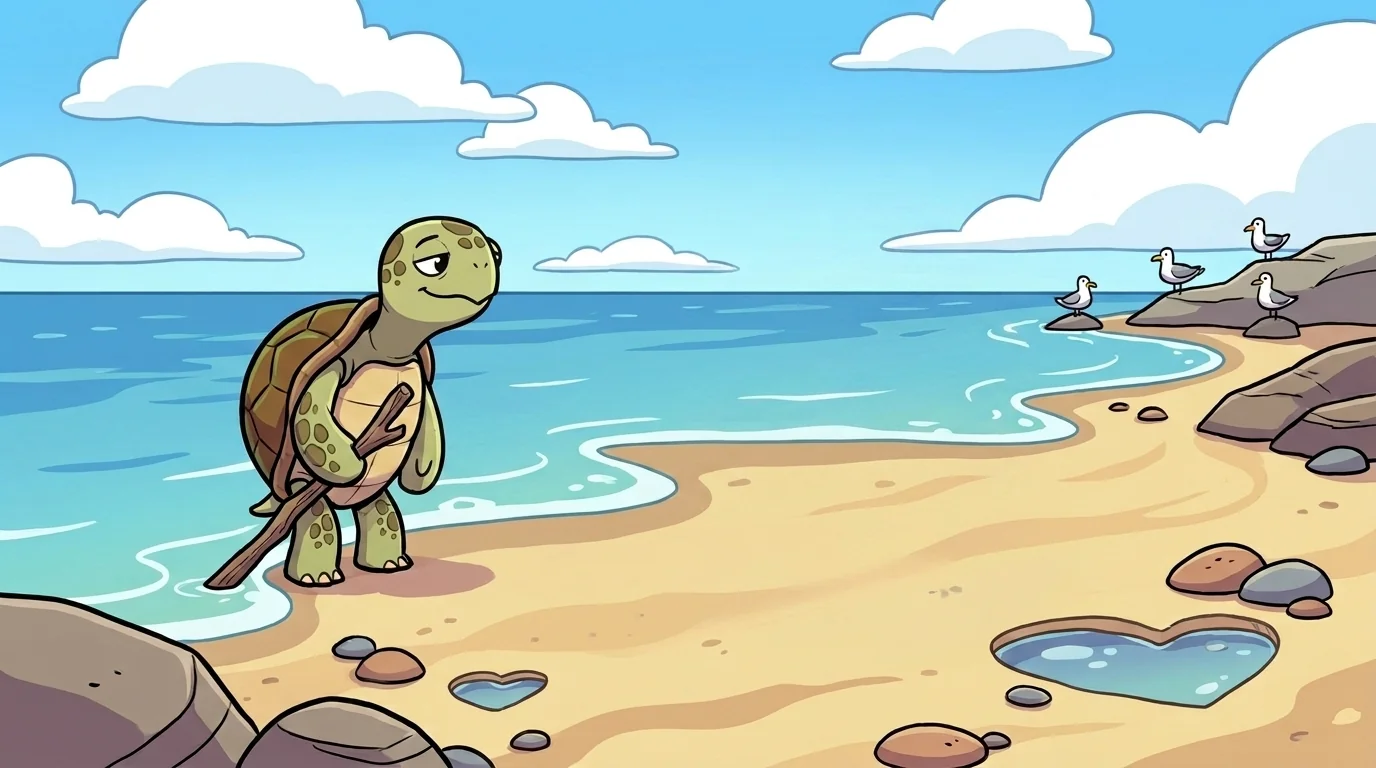
Ease was a slow, gentle sea-turtle-tween who lived where the Heart-Harbor tide came in and went out, and she had learned the one thing the tide teaches everyone eventually: it comes back when it comes back, and no amount of wishing pulls it in faster.
"You can't grab the tide," she'd say, watching the water. "You can't yell it closer. You just make a good clean shore for it, and then you wait, and it comes in on its own time. Same with a person you've hurt. You make a good clean mend — and then you let them come back at the pace that's theirs, not yours."
One afternoon a young fox named Bram paced the wet sand, frantic. He had done a real repair — he'd noticed the harm, said a true sorry, named the impact, offered to make it right. He'd done everything well. But the friend he'd hurt had said, "I hear you. I need some time." And Bram could not stand the waiting. He kept wanting to go back, again and again, to ask are we okay now? are we okay? please say we're okay.
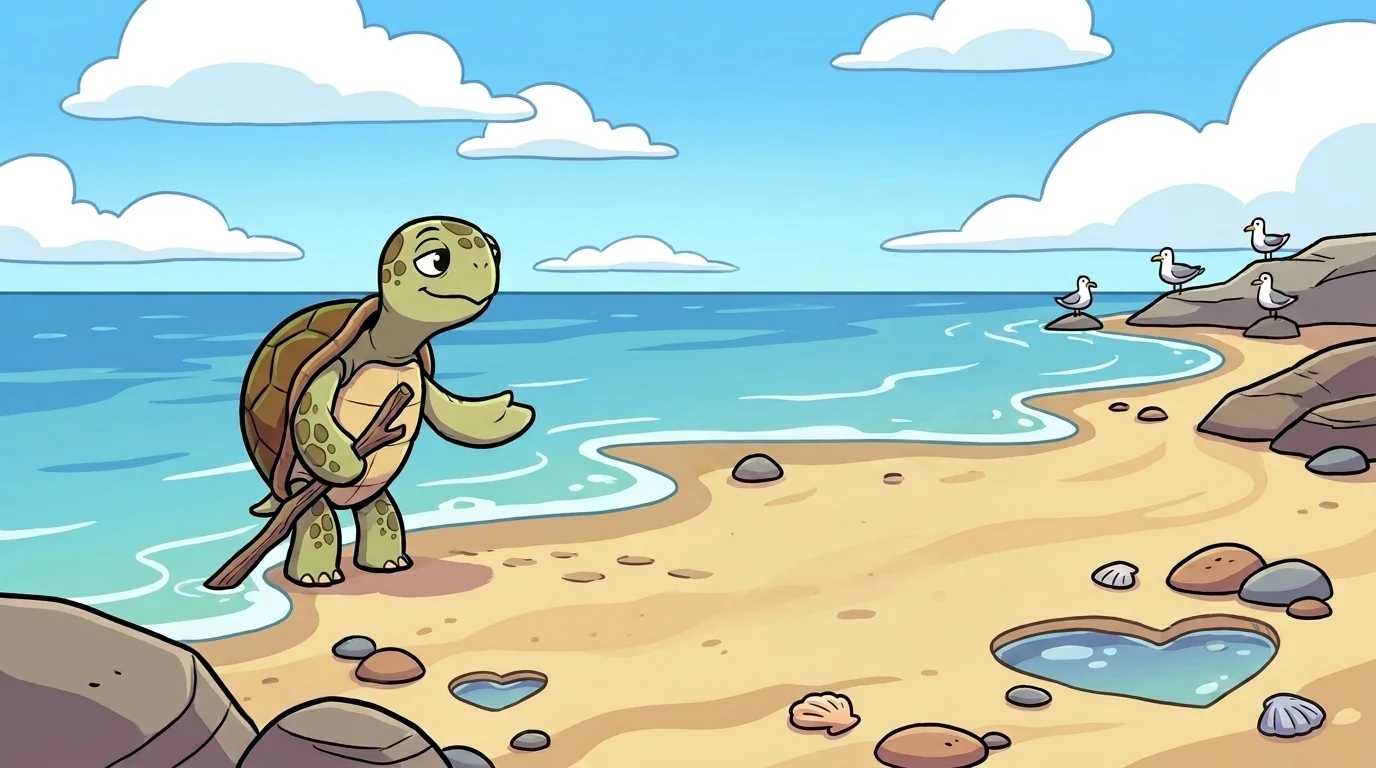
Ease watched him pace. "You did a good mend," she said gently. "I saw it. It was real. And now the hardest part — the part nobody warns you about. You have to let the tide come back on its own."
Bram spun around. "But I said sorry! I did it RIGHT! So why aren't we okay yet? If I just go ask one more time—"
"Ah," said Ease softly. "That's the trap. You did the mend right — and doing it right doesn't mean you're owed a fast yes. A real sorry is a gift you give. It's not a coin you put in and get forgiveness out the bottom." She nodded at the slow water. "If you keep going back to ask are we okay yet, over and over, you turn your sorry into a demand. Now they have to take care of your worry on top of their own hurt. The mend stops being for them and starts being about you again."
Bram stopped pacing. "But the waiting is awful. Not knowing is awful."
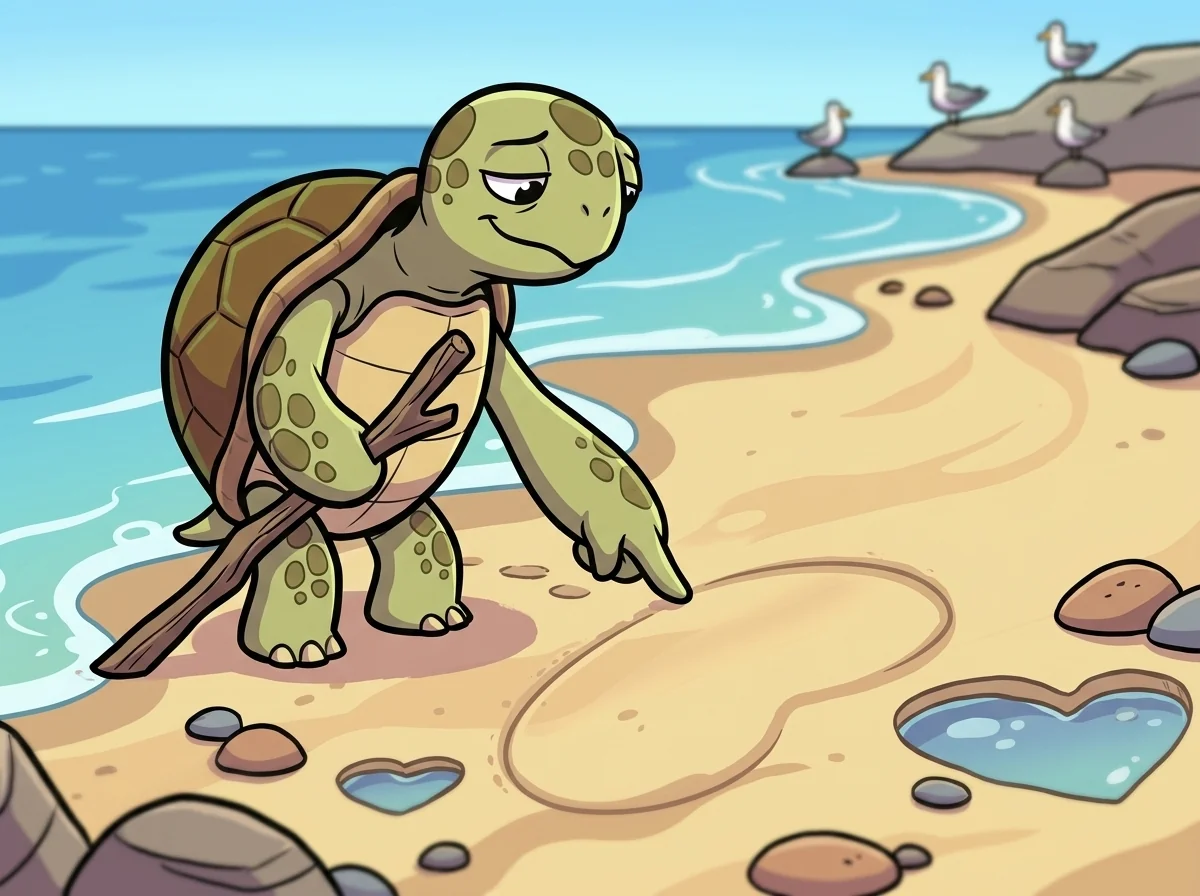
"It is," Ease agreed, with no false comfort. "The waiting is genuinely hard. That's true." She did not pretend it away. "But the waiting is part of the gift. When you let them have the time they asked for — without pushing, without checking every five minutes — you're saying your pace matters more than my worry. That's one of the most caring things you can do. And it's quiet. Nobody claps for it. You just... let the tide be the tide."
Ease showed Bram what patient waiting actually looked like — not cold distance, and not anxious hovering, but something steady in between.
"You don't disappear," she murmured. "Vanishing says I gave up on us. But you don't hover either, asking and asking, because that says hurry up and forgive me. You just stay warm and steady where they can find you. You leave the shore clean and open. And you carry your own worry yourself, instead of handing it to them to soothe." She traced the tide line in the sand. "If the waiting feels unbearable, that's your feeling to tend — that's a job for the still water, for steadying yourself. Not a reason to go knock on their door again."
Bram felt the truth of it land. The urge to rush back and ask are we okay wasn't really about his friend at all — it was about his own discomfort with not-knowing. And making his friend cure that discomfort, right now, would be asking them to do the work of their hurt and his worry.
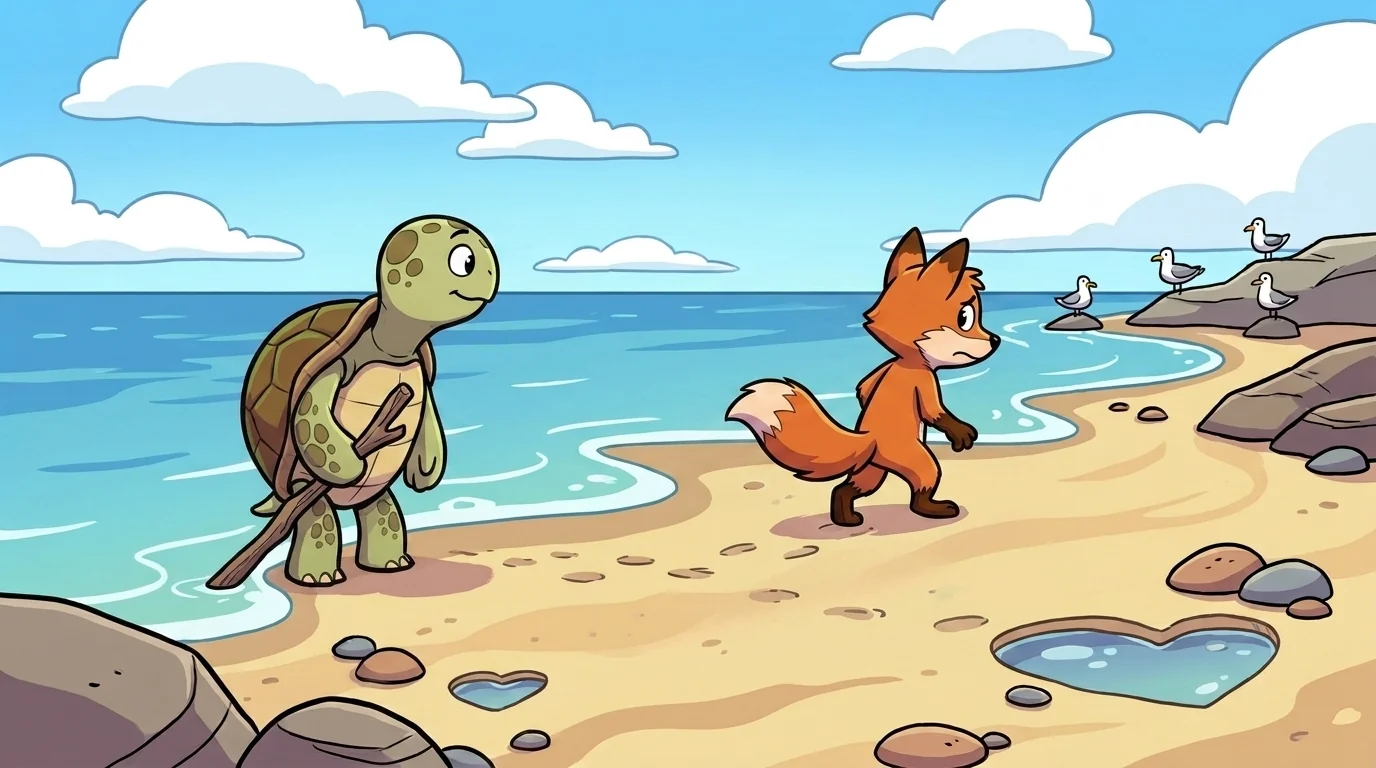
"So I just... let them have the time," Bram said slowly. "And I take care of my own worried feeling myself, instead of making them fix it."
"That's the whole thing," Ease said warmly. "Offer the good mend. Then hand the pace to them, completely. The tide knows when to come in. Your job is just to keep the shore clean and stop trying to pull the water with your hands."
So Bram did the quiet, hard, generous thing. He didn't go back to ask again. He left his sorry standing — real and complete — and he let his friend have the time they'd asked for. When the worry rose in him, he tended it himself instead of carrying it to their door.
And the tide did what tides do. In its own time — not Bram's — his friend came back. Not because Bram pulled them, but because the shore had stayed clean and open and unhurried, and that patience had felt, to the friend, like being truly respected.
"You gave me time," his friend said, "and you didn't keep poking at me about it. That's actually why I could come back."
Bram felt something settle in him that the frantic pacing had never let him feel — a quiet, generous calm. "It was so hard not to push," he admitted. "But I think the not-pushing was the real sorry. The words were just the start. The waiting was where I actually showed I meant them."
"Now you know the secret of the tide," Ease said, her old eyes warm. "Patience isn't doing nothing. Patience is the loudest way to say you matter more than my hurry."
Bram watched the water rest easy against the clean shore, and felt the deep, settled peace of having loved someone enough to let them come back in their own time — which, he understood now, had been the most caring part of the mend all along.
The RuptureRepair ensemble
Ease is part of RuptureRepair's distributed-narrative cast. Each character embodies a different curricular primitive; together they teach the full subject.
-
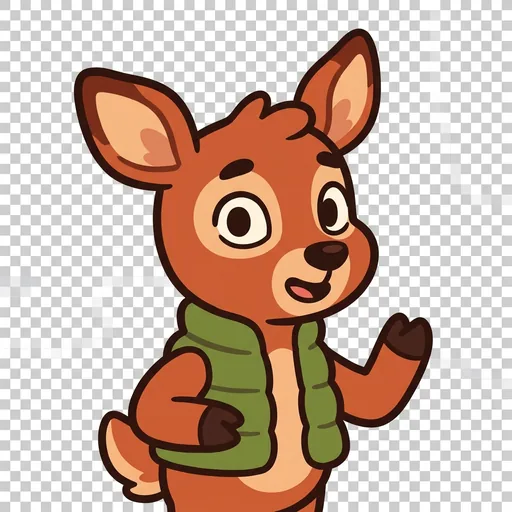
See-It
Notice harm — soft warm-russet deer-tween in chunky moss-green vest; ears literally perked + eyes wide + one hoof raised mid-step; doesn't pretend not to see what just happened
-

Sorry
Acknowledge — soft cream-and-amber otter-tween in chunky soft-blue scarf; palms-up open-hands level bow-pose (NOT cringe); treats acknowledgment as skill, never proof of badness
-

Felt
Name-impact — round soft-grey-and-cream badger-tween with tiny notebook + soft-charcoal pencil; mid-listening with head tilted; never assumes — always asks-then-listens
-

Offer
Offer-repair — warm-amber raccoon-tween with chunky-paw extended palm-up holding small soft hand-folded paper-crane (universal not specific cultural symbol); never grasping
-
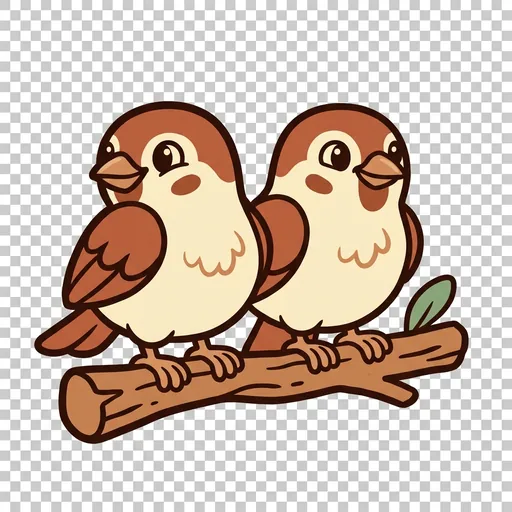
Together
Re-engage — two warm-cream-and-russet sparrow-twins on a single chunky branch, perched comfortable-distance-apart; both looking outward in same direction; `we're still here` energy
-

Eddy
Helps you steady yourself first, because you cannot mend anything while a big feeling is still rushing through you.
-
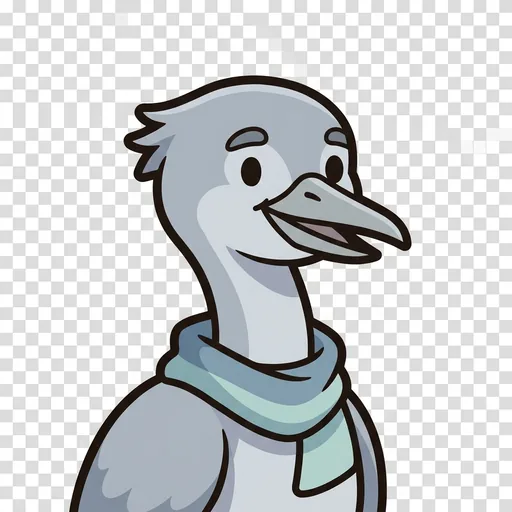
Lee
Shows that you can receive an apology from a safe place, at your own pace, without rushing to say it is okay.
-
Grace
Reminds you that you can be truly sorry and still be worthy, so shame never stops you from repairing.
-

Levee
Shows that you can forgive someone and still keep a kind, clear limit that makes it safe to stay close.