Refrain
CALLBACK / REFRAIN — repeating one phrase identically at the closing, with all the meaning the story has built up around it. Same words. Said again. Said better — because context has filled them.
Press play to listen along. The line being read lights up as you go.
Show full transcript
Loading transcript…
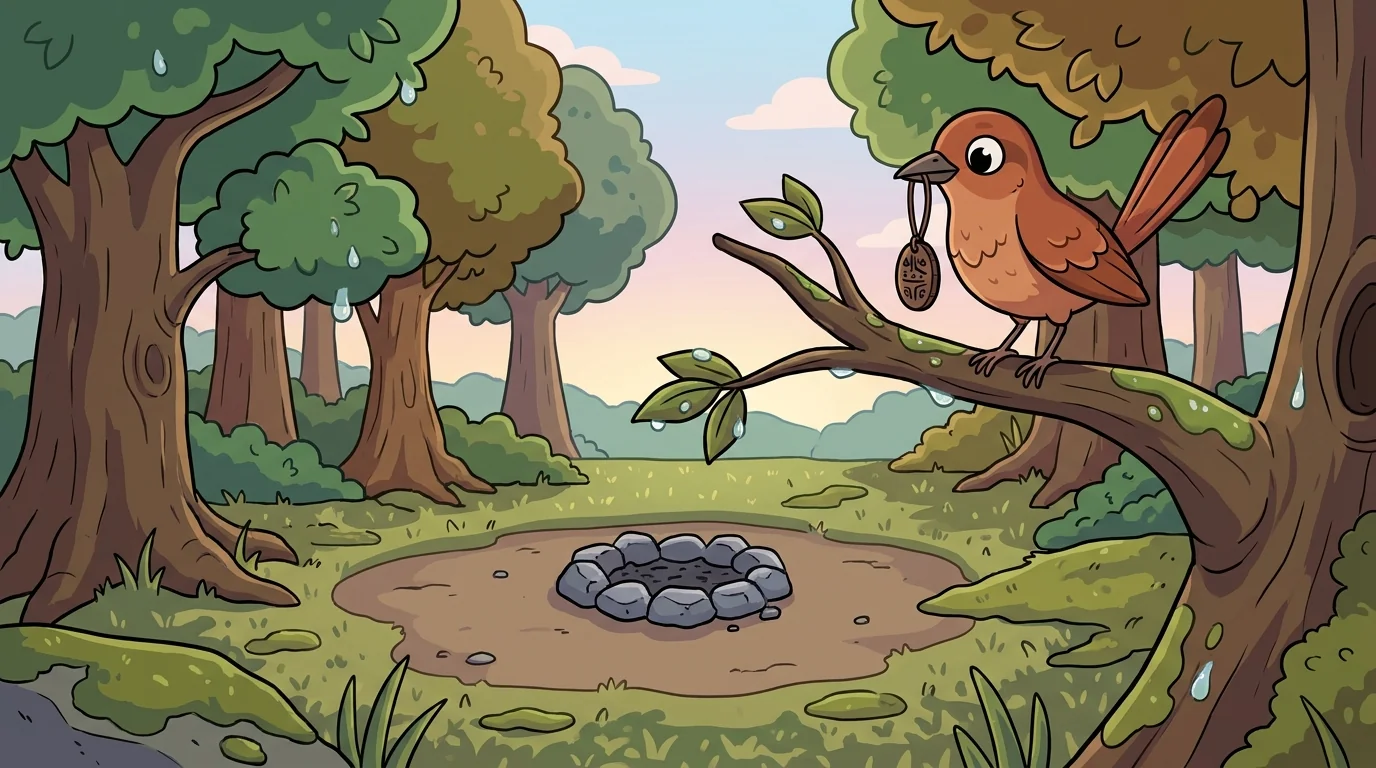
The morning Bramble met Refrain, the listening-circle was quiet. The fire pit sat cold and gray — it was daytime, and nobody had lit it. Dew still clung to the low branches. Bramble had come early, hoping for a few peaceful minutes before the tellers arrived.
That was when he noticed the mockingbird.
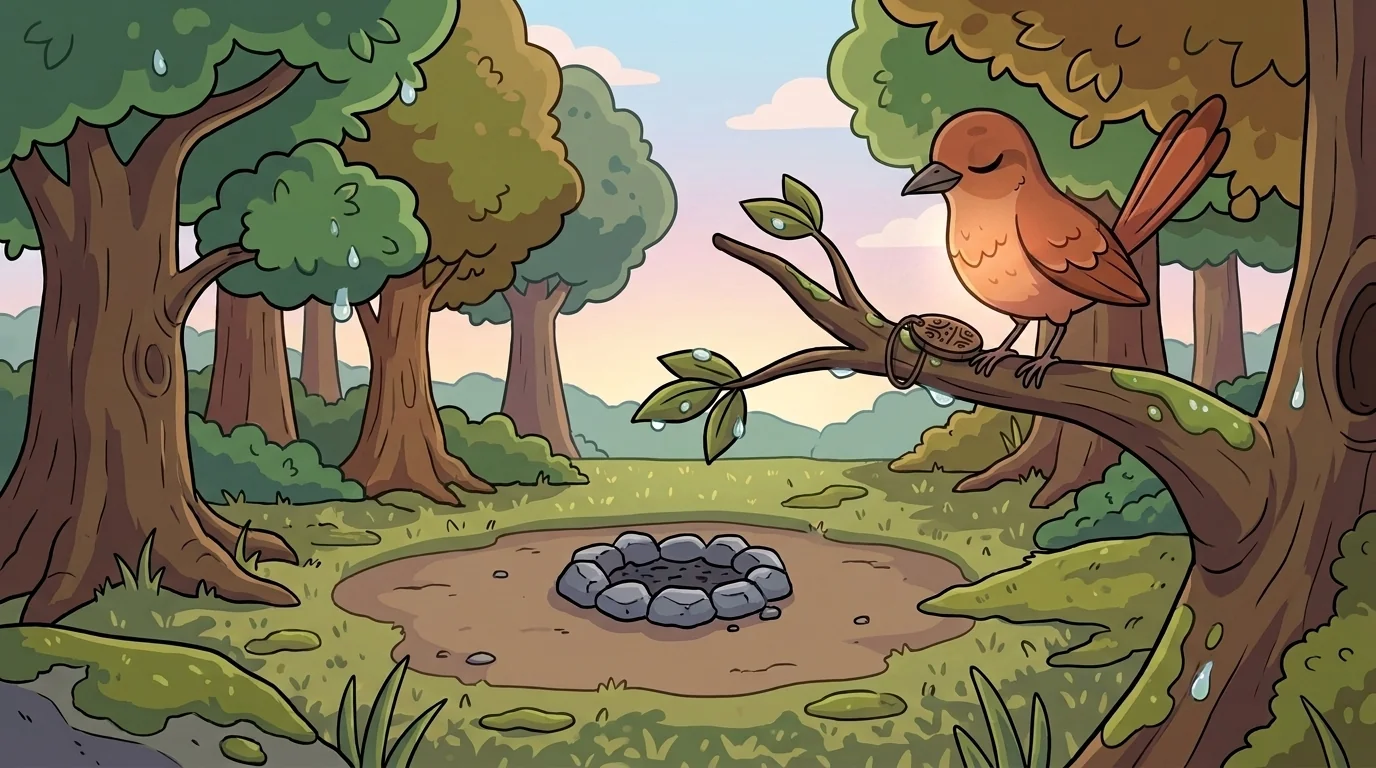
The little bird was perched on a bent branch, no bigger than Bramble's hand, with russet feathers and a bright, watchful eye. He held something in his beak — a small flat oval of dark wood on a thin cord. Bramble squinted, but he couldn't read what was carved into it from where he sat.
The mockingbird tipped his head. He set the token down on the branch with great care, cleared his throat, and said one word, very slowly, as if he wanted Bramble to remember it: "Hello."
"Hello," Bramble said, charmed. "What's that you're carrying?"
The bird nudged the token forward with one foot so Bramble could see. Three words were carved into the wood: The road remembered.
"My name is Refrain," the bird said. "This is my phrase for the tale I'll tell at midday. Watch what I do with it. I'll say it once, right at the start, before anything has happened. Then I'll tell the whole tale. And at the very end, I'll say it again — the exact same three words." He fluffed his feathers, pleased. "You'll see. It won't be the same words at all."
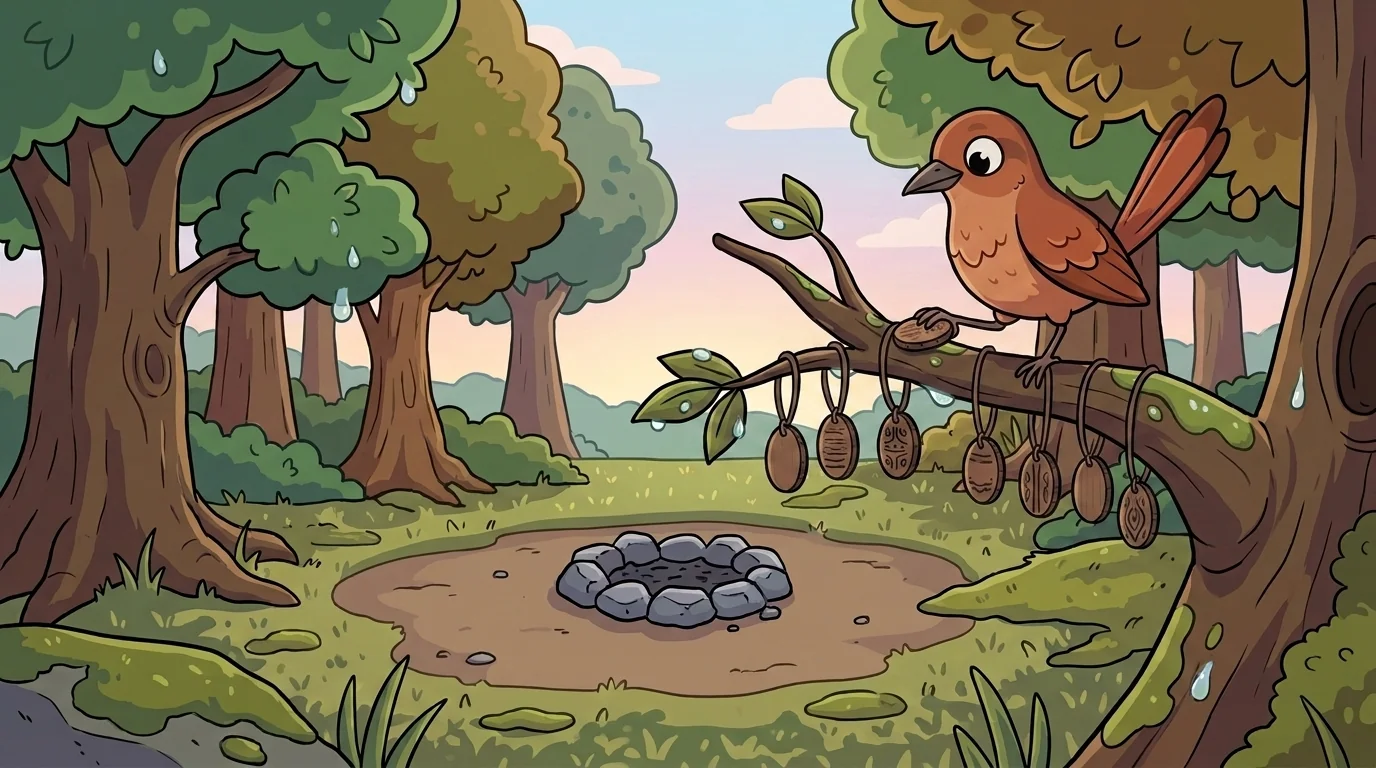
Refrain hadn't always known this trick. He'd learned it the way most people learn the things that matter — by feeling it before he could name it.
When he was very small, his grandmother used to tell him one story every night, and every story she told began and ended the same way. She'd open with a phrase, soft and a little strange, and Refrain never quite understood it. Then she'd tell the tale — a long, winding thing about a wanderer, or a lost boat, or a friend who moved away. And right at the end, just as his eyes were closing, she'd say the phrase again.
The first time, the words had meant nothing to him.
The second time, they made his throat go tight.
He didn't have a word for it back then. He only knew that something happened in the space between the two sayings — that the story poured itself into those little words like water into a cup, and by the end the same phrase was too full to hold. He started collecting phrases the way other tweens collected stones. He'd carve one into a scrap of wood, say it at the start of a made-up story, and race to the ending just to feel the phrase come back heavier than it left.
By the time he was grown, he could feel exactly which phrase a tale wanted — short, a little mysterious, the kind of words that didn't explain themselves. He carved a fresh one for every telling.
Bramble couldn't stop thinking about the little bird, so he stayed for the midday telling.
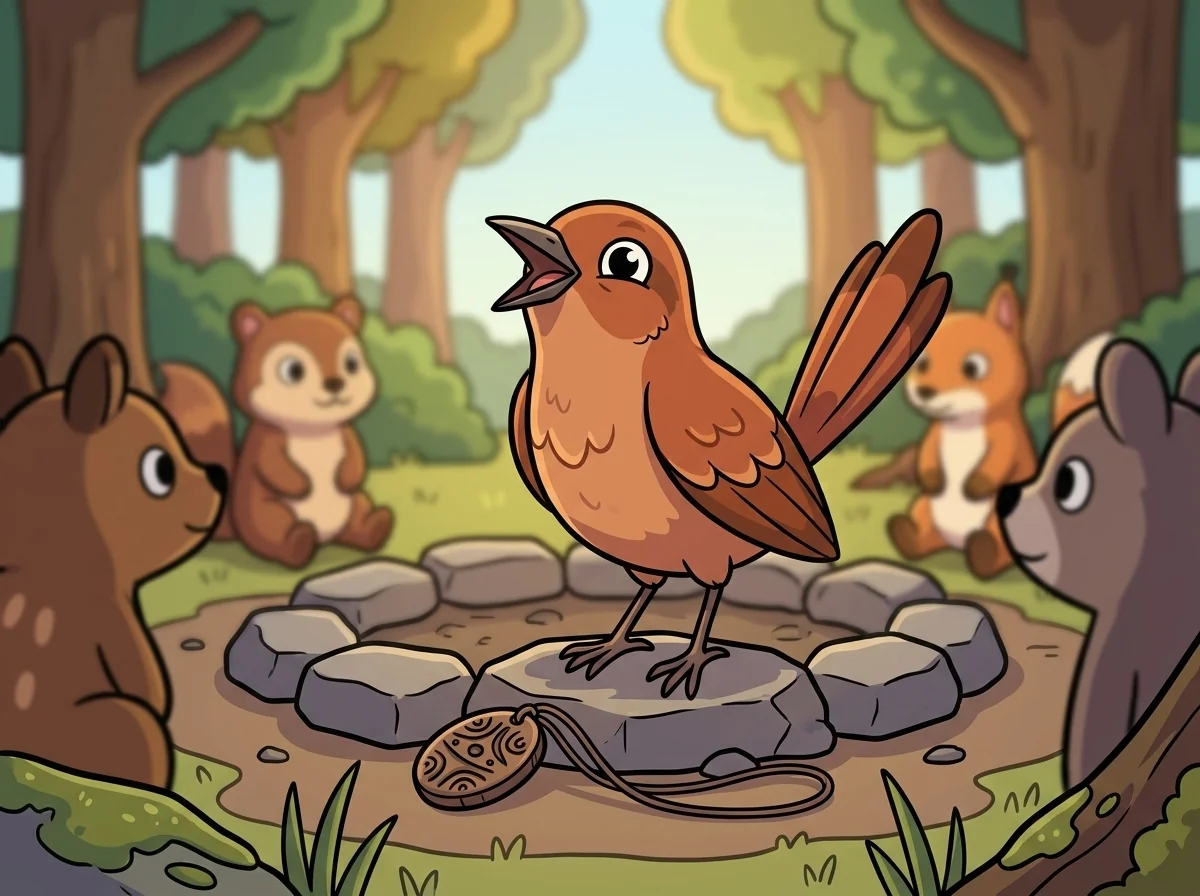
Refrain hopped to the center of the circle. The tellers hushed. He lifted his head, and in a clear, ringing voice he said: "The road remembered."
Then he was quiet for a moment, letting the three words hang in the air. A few listeners leaned in. The road remembered — what? Nobody knew yet. That was the point.
Then Refrain told the tale. It was only a minute long: a girl who left home in anger, who walked a long dusty road away from everyone who loved her, who got lost, and cold, and frightened — and who finally, at the end of the road, found her own front door waiting, and her family's light still on.
And when the tale was done, Refrain lifted his head again and said, in the exact same voice, at the exact same pace: "The road remembered."
Bramble felt it land in his chest like a warm stone. The words were identical. But now the road was that road, the one the girl walked, the one that carried her out and carried her home. The phrase held all of it now. It ached, a little, and it satisfied, completely.
The listeners let out a soft collective breath. Somewhere, someone sniffed.
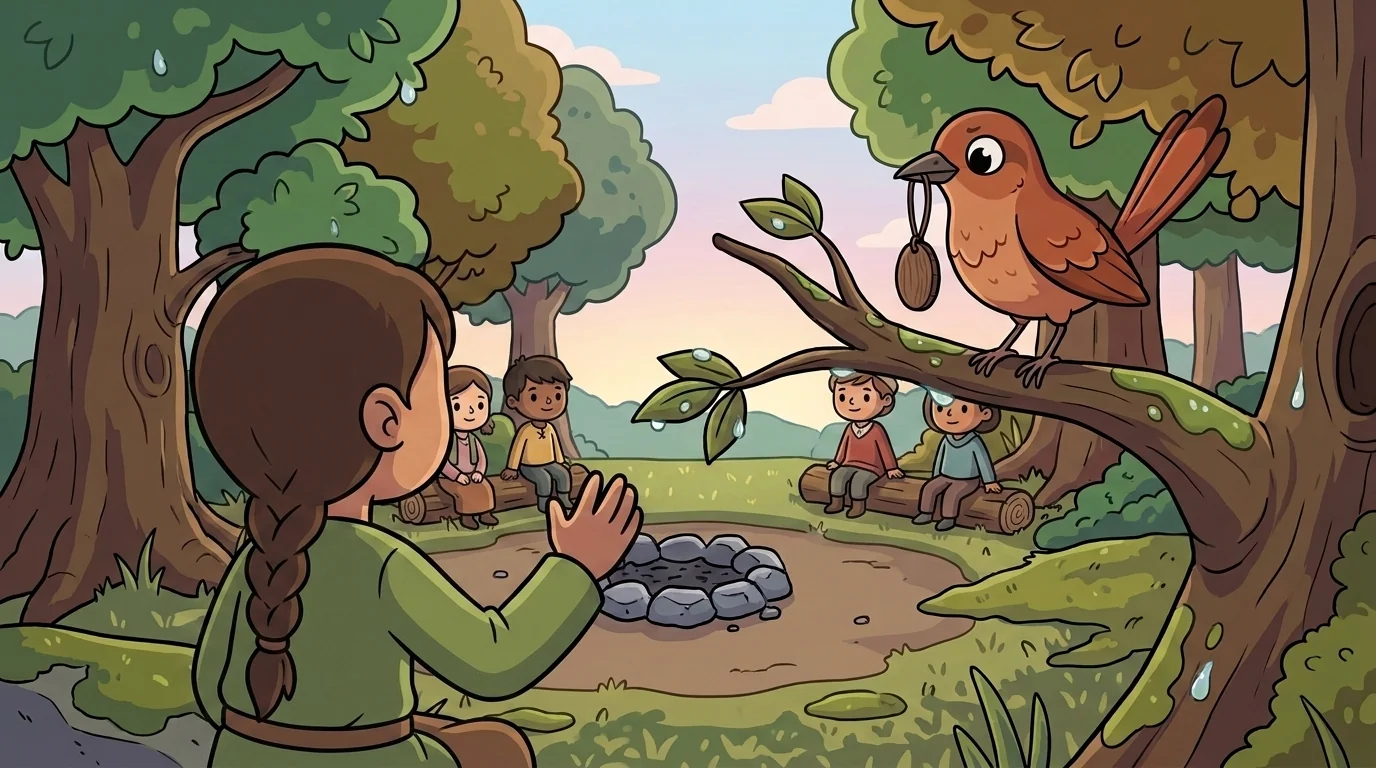
Bramble asked Refrain to come teach, and now the little bird is a fixture at the listening-circle.
In Bramble's lesson on endings, he doesn't explain much. He just points at Refrain, who is always somewhere nearby with a fresh carved token, and says, "Watch him do it."
Refrain does it. He tells a tiny tale that opens with a phrase and closes with the same phrase, and every time, the students feel the ending arrive before it technically arrives — the moment the words come back around.
Afterward, a girl in the front row put up her hand. "But isn't it kind of cheating? You just say the same thing twice."
Refrain hopped closer to her, holding his token. "Say a phrase to me right now," he said. "Any three words."
"Um. Watch your step," she said.
"Does it mean anything?"
She shrugged. "Not really."
"Now imagine I tell you a story," Refrain said, "about a boy who never watches his step, who trips and stumbles his whole life and never learns — until the day it costs him something he loves. And at the very end of that story, someone he trusts leans in and says, softly: Watch your step."
The girl went still. "...Oh," she said.
"Same words," Refrain said gently. "The story filled them. That's not cheating. That's the whole reason to tell the story at all." He set the token in her open hand. "Pick a phrase that's short and a little mysterious. Say it at the start, before anyone knows what it means. Then earn it. Then say it again."
The students drifted off to try it themselves, murmuring their chosen phrases under their breath, and the circle went quiet again.
Refrain stayed on his branch. He picked up his token and turned it over slowly, reading the three carved words one more time to himself. Down in his small chest he felt that familiar tug — the warm hush, the quiet ache of a thing arriving home — the very same feeling his grandmother had given him, all those nights ago, when the phrase came back around and he first understood that words could grow.
He held the token close and closed his eyes, glad, and let the feeling stay as long as it wanted to.
The VoiceTale ensemble
Refrain is part of VoiceTale's distributed-narrative cast. Each character embodies a different curricular primitive; together they teach the full subject.
-

Lean
Hook / leanability — badger-tween whose upper body visibly tips forward at second 5; if hook is weak she rocks back to neutral
-

Slow
Pacing across the 5-beat arc — tortoise-elder with wooden hourglass; her tempo-trail stretches (slow) or bunches (fast) on purpose
-

Pivot
The turn at beat 4 — barn-owl-tween whose head rotates 180° at the exact moment story / teller / listener turn together
-
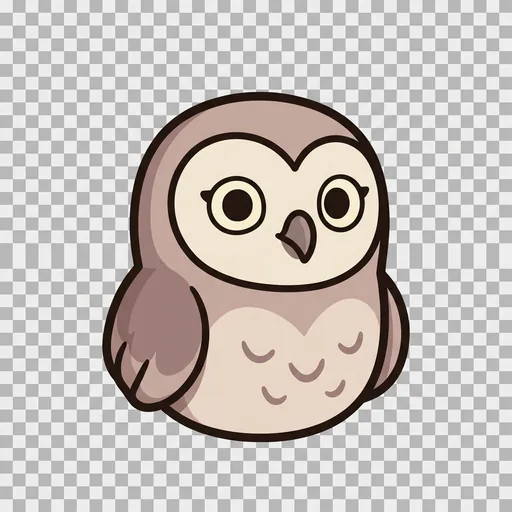
Hush
The pause / strategic silence — soft round owl who holds a held beat of quiet right before the important word, pulling the whole circle forward
-
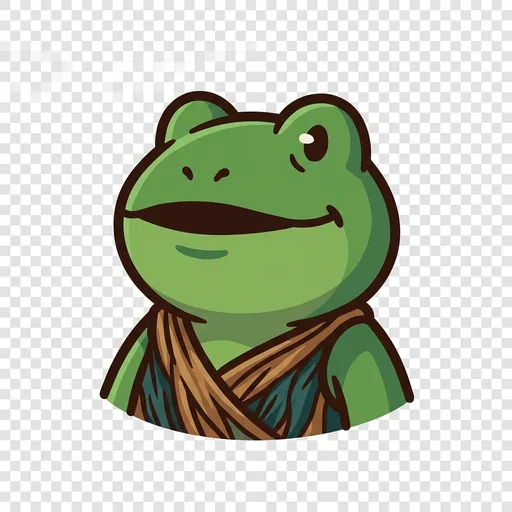
Boom
Volume + emphasis — wide-mouthed frog whose voice swells from the tiniest whisper to a big round roll; the soft pulls listeners close, the loud lands the surprise
-
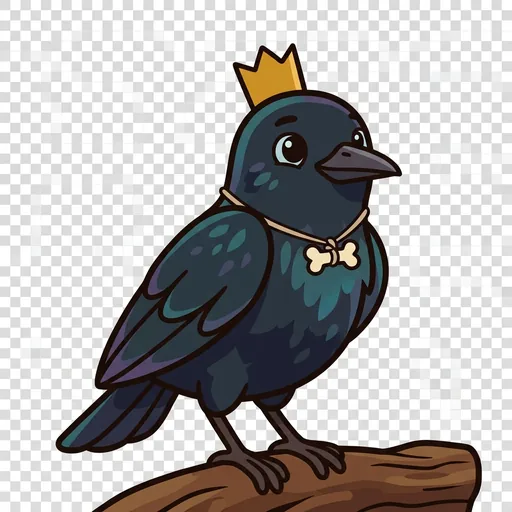
Mimic
Character voices — sleek starling who gives each character in a told tale one small distinct voice so listeners always know who is speaking
-
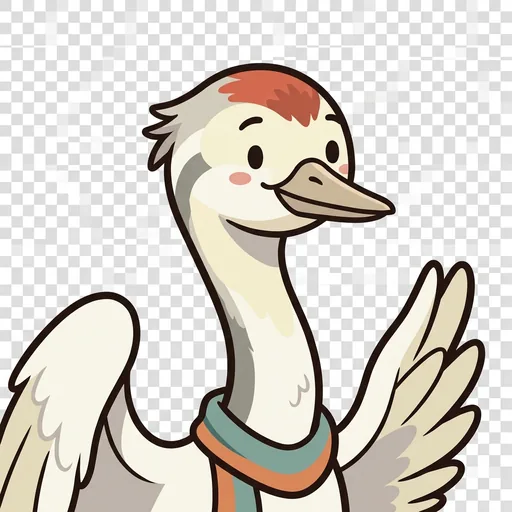
Flourish
Gesture — tall crane whose wings paint the story in the air (wide for huge, close for tiny); the body shows what the words say
-

Gaze
Eye contact / reading the listeners — soft-eyed deer-fawn who tells to the faces of the circle and reads their faces back to know when to slow or hurry
-

Recover
Recovering when you lose your place — easygoing otter who treats a stumble as a tiny ripple: stay calm, build a bridge, carry on