
Chip and Stream
fragment-and-phrase pair — Chip carries the fragment (one short, sharp image — a struck thing, no verb, a single breath); Stream carries the phrase (the longer, flowing part that keeps moving). A haiku sets a small fragment beside a flowing phrase, and the meeting of the two is where the poem happens.
Press play to listen along. The line being read lights up as you go.
Show full transcript
Loading transcript…
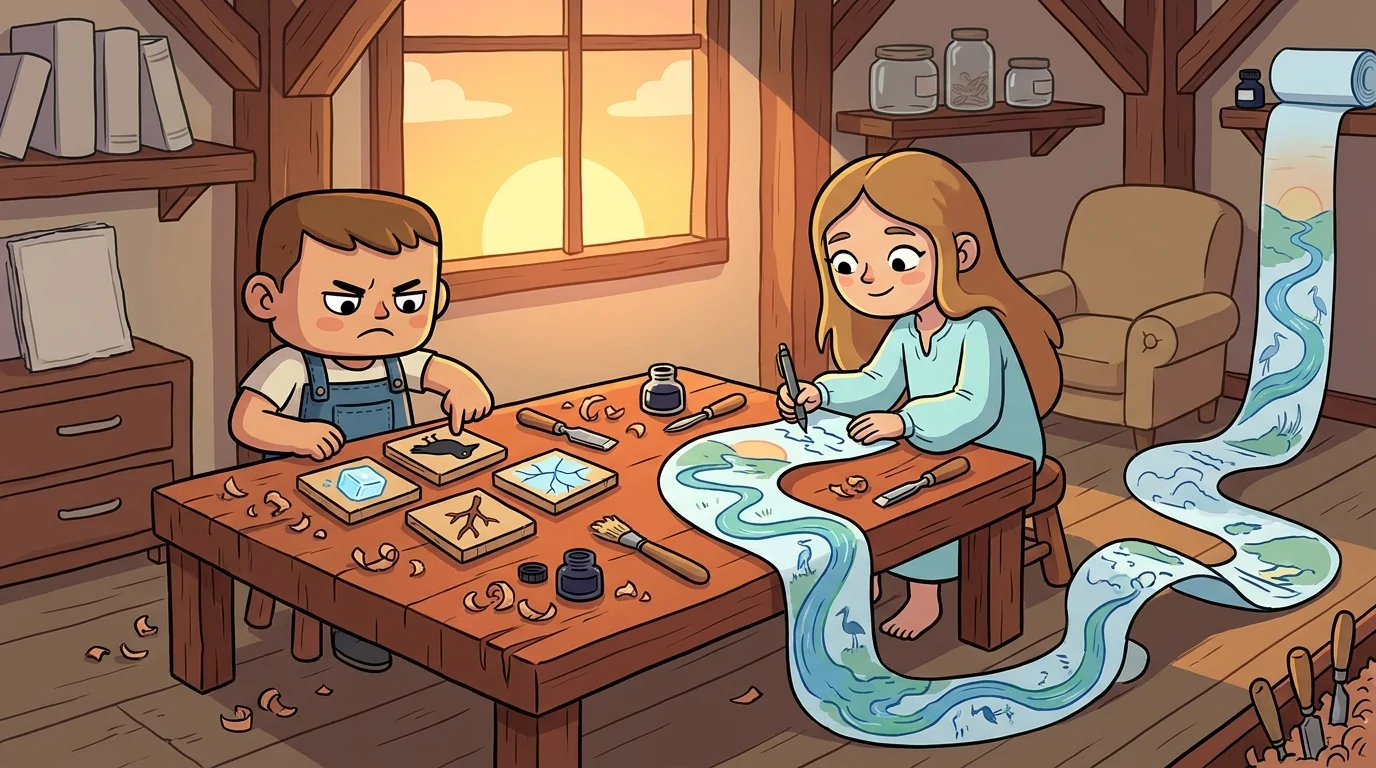
The workshop smelled of wet ink and cut cedar. On one side of the low table sat Chip, a small, square-shouldered fellow who carved his words the way a woodworker carves a peg — one at a time, slowly, until each one was hard and exact. In front of him were three tiles, and on each tile he had written a single thing. Cold stone. One crow. Bare branch. He lined them up and frowned at them, the way you frown at buttons that won't do up.
On the other side sat Stream, who never wrote a single anything. She wrote in long, unspooling ribbons of paper that trailed off the edge of the table and pooled on the floor. Right now she was in the middle of a line that had been going for quite a while: the river slides past the bend where the herons stand very still and then keeps on going toward the place where the light gets thin...
"We're supposed to make one haiku," Chip said. "By sundown. Together." He said together the way you'd say broccoli.
"I'm nearly there," said Stream, whose ribbon was now touching the far wall. "I just haven't found the end yet."
"That's because it doesn't have one," Chip muttered, and set another tile down. Thin ice. Two words. Done.
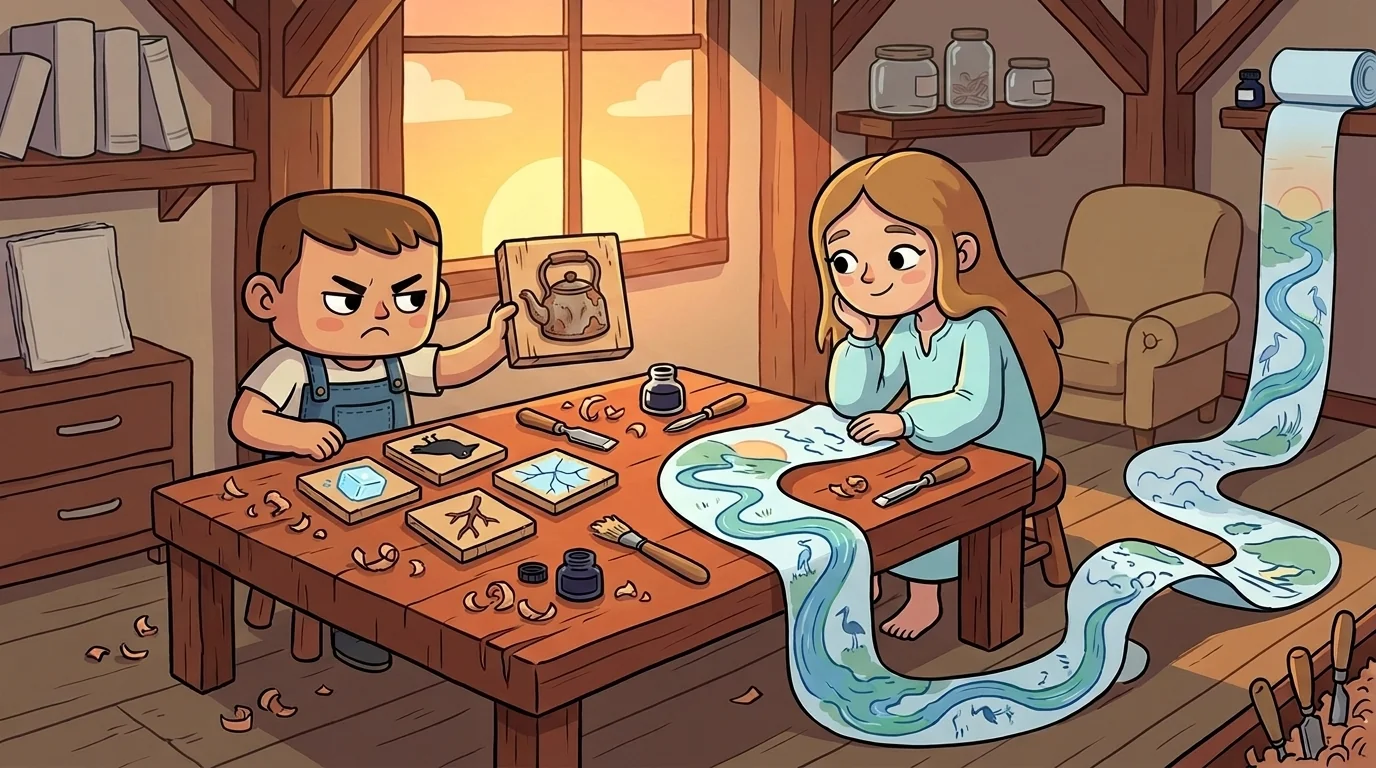
Chip liked things that stopped. That was the honest truth of him. He would walk all afternoon looking for one exact thing — the way frost sat on a single reed, the way a dropped glove looked in the snow — and when he found it, he would carve it into the fewest words that would hold it, and then he would stop. Stopping was the whole point. A thing you could hold in one breath.
"Look," he said, and held up a tile. Old kettle. "There. You can see it, can't you? The dents in it. The little rust. You don't need anything else."
Stream tilted her head, and she really did try to see it. "I can see it," she admitted. "But then what? It just... sits there. It's like being handed a doorknob with no door." She wasn't being mean. She genuinely wanted to know where the kettle went next, what happened around it, what the light was doing to it.
And here was the thing Chip never told anyone: a small, cold worry lived under his ribs that she was right. That all he ever made were pieces. Chips. Little hard fragments that were sharp and clear and not actually a whole poem. He'd line them up and they'd sit there being small, and some quiet part of him would whisper, that's all you are — bits. Not a real thing. Just bits. So he did what he always did with the worry: he carved another tile and set his jaw and said nothing.
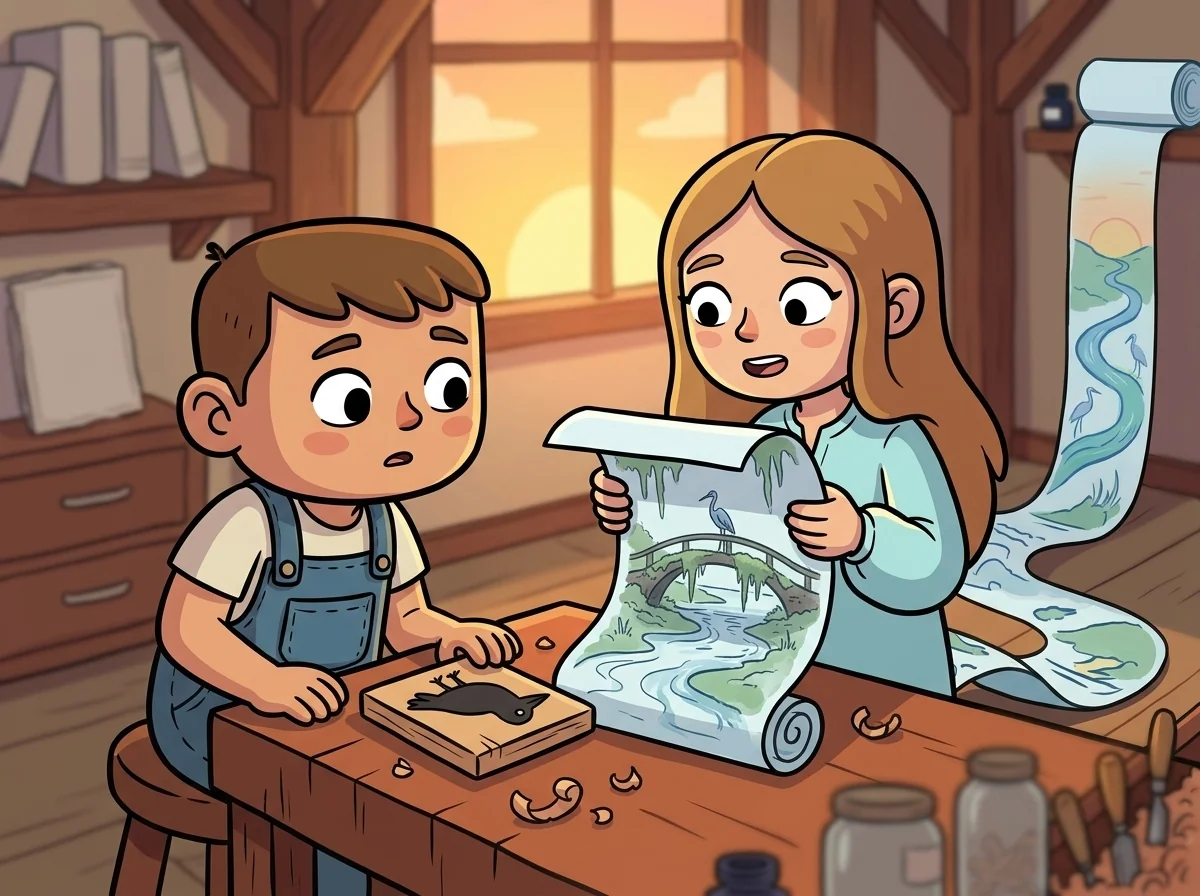
Stream, for her part, could not stop, and she worried about that too, though she hid it better because she was always moving too fast to look at it directly.
She lifted her ribbon and read the middle of it aloud, and it was, honestly, lovely: "...and the water goes under the low bridge where the moss hangs down and touches its own reflection and keeps folding over the stones..." Her voice moved like the thing it described. You could feel the current in it. Chip, despite himself, leaned in a little.
"See?" she said. "That's alive. That moves."
"Where does it stop, though?" Chip asked, and it wasn't a dig this time — it was a real question.
Stream opened her mouth, and then closed it. Because the truth was, it didn't. It never did. Her lines went on and on, full of motion and light and going, and by the time she reached the bottom of the page she could never quite remember where she'd begun, and — this was the part she didn't say — neither could anyone else. People smiled at her ribbons and got lost in them and then set them down and could not, for the life of them, recall a single moment. Beautiful, they'd say. What was it about? And she'd have no answer. She just ran on. Water with no stone to break against.
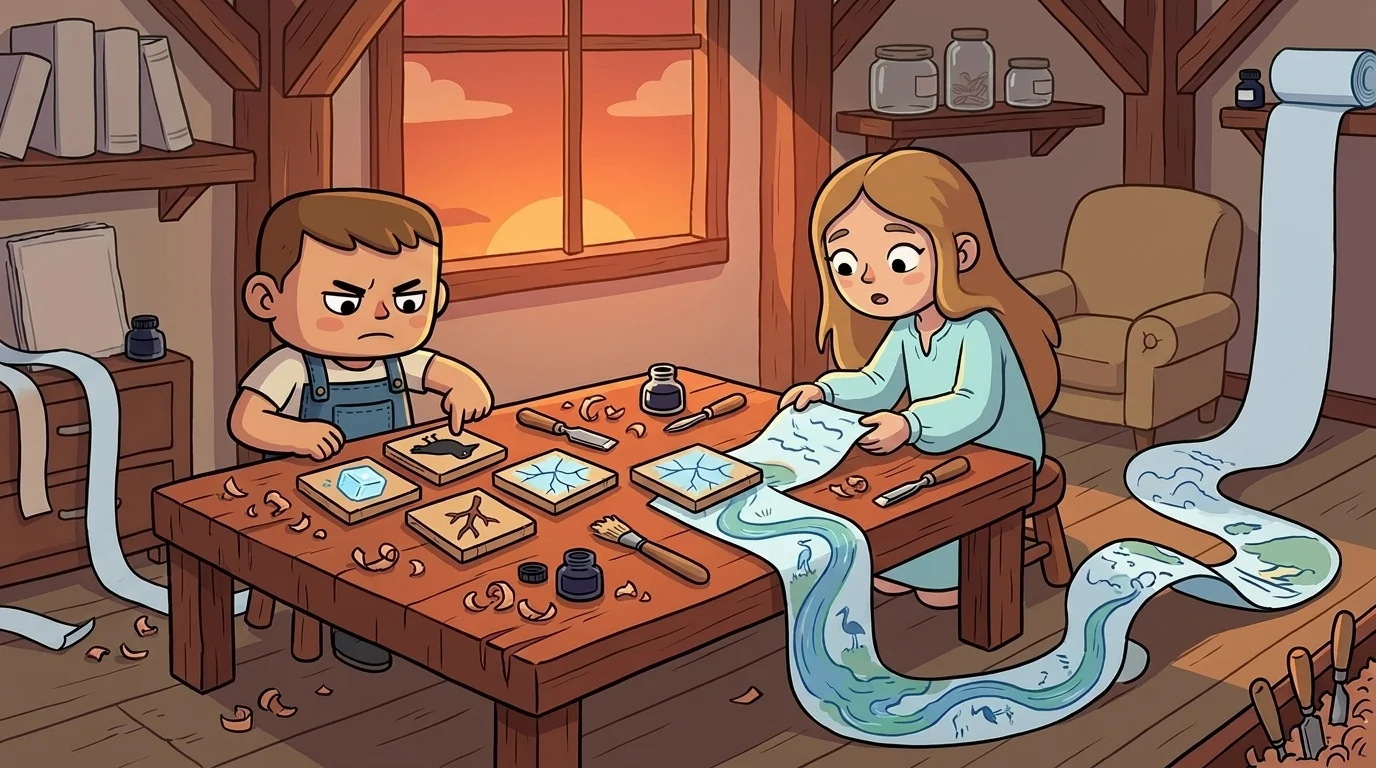
They tried, for a while, to win.
Chip laid down five tiles in a hard little row and said, "That's a poem." It wasn't; it was five doorknobs. Stream unrolled a ribbon so long it went out the workshop door and into the garden, and said, "That's a poem." It wasn't; it was a river no one could hold.
And then Stream, chasing her own ribbon out into the yard, tripped — right over one of Chip's tiles that had fallen to the floor. She picked it up, cross, ready to toss it. Thin ice, it said. She held it, and without meaning to, she felt her long unspooling line come up against it and — stop. Just for a second. The two words were so hard and so cold and so there that her whole flowing sentence suddenly had somewhere to break, somewhere to mean something.
"Say your line," she said slowly, "and then this."
Chip blinked. He read his fragment: "Thin ice." And Stream, quietly now, no longer racing, let just a little of her ribbon follow: "a boy leans out to look at his own face."
They both went very still. Because it worked. The sharp cold piece gave her flow a place to land. And her flow gave his cold little piece somewhere to open, somewhere to breathe, a whole afternoon of meaning rushing in behind two small words. Neither one alone. The poem happened in the space where they met — where his stop met her going.
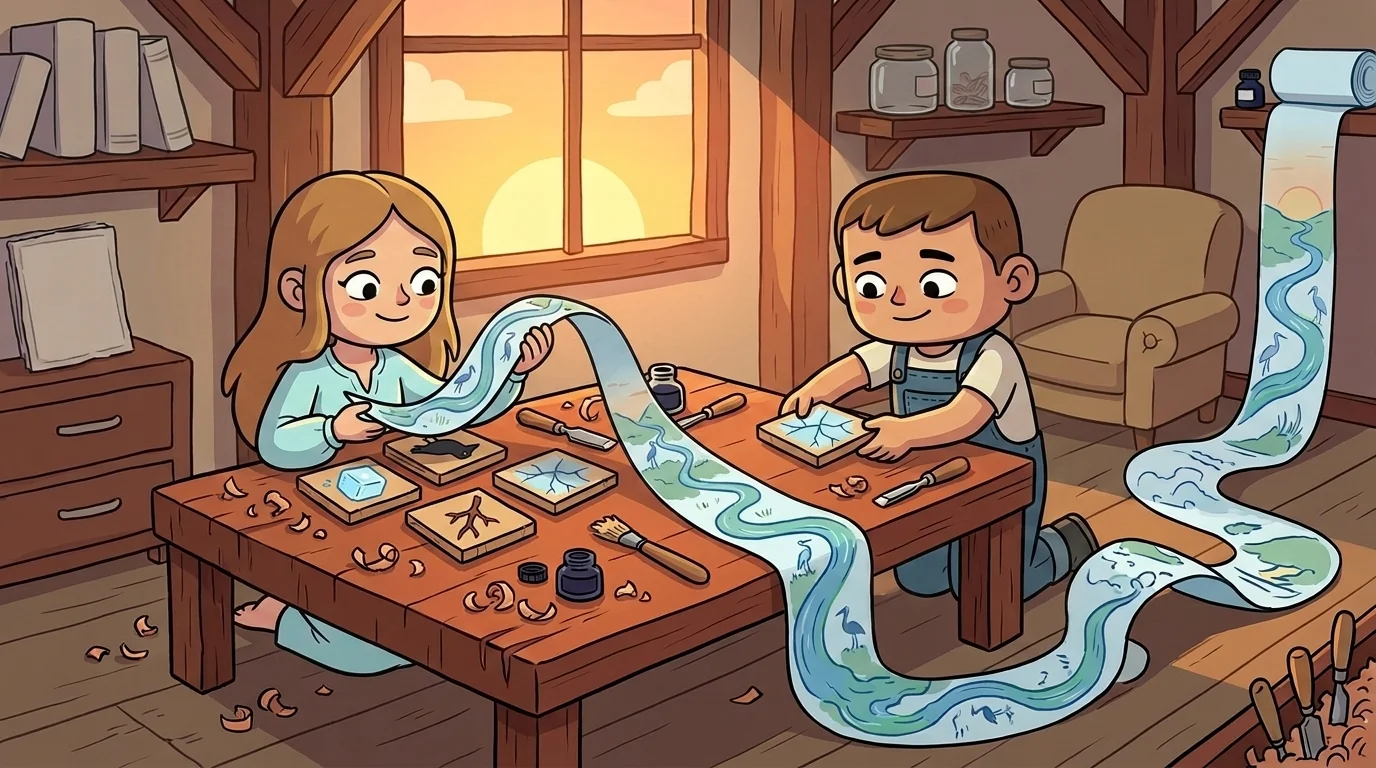
They built it properly then, kneeling on the same side of the table for the first time all day.
"You put down the small hard thing," Stream said. "The picture that stops."
"And you carry it somewhere," Chip said, surprised to hear himself say it kindly. He set his tile down. "First cold morning —"
Stream picked it up with her ribbon, and this time she didn't run on forever. She let it go just far enough and then let it rest, the way water rests when it finally reaches the wide, still part of the river. "the kettle's small song fills the empty house."
They read the whole thing aloud together, the fragment and the phrase, the stop and the going, and it was — both of them felt it at once — complete. Not too small. Not too long. A little struck thing with a whole breath of life opening out behind it.
Chip looked at the poem and, for the first time he could remember, the cold worry under his ribs went quiet. He wasn't just a pile of bits after all. His small sharp piece hadn't needed to become bigger to matter — it had needed somewhere to belong, and now it did. And Stream, sitting shoulder to shoulder with him, felt her endless going finally arrive somewhere and rest, and she realized she hadn't lost her motion by stopping — she'd finally been held. They sat there in the cedar-smelling quiet, one small and one flowing, and neither of them felt like only-a-piece anymore. They felt, both of them, like a whole thing — together.
The HaikuQuest ensemble
Chip and Stream is part of HaikuQuest's distributed-narrative cast. Each character embodies a different curricular primitive; together they teach the full subject.
-
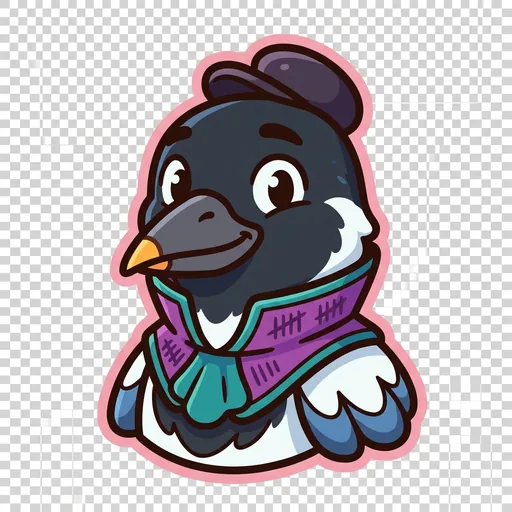
Count
Syllable count / count-discipline — magpie-tween whose beak-tap enacts the rhythmic underpinning of every counted form
-
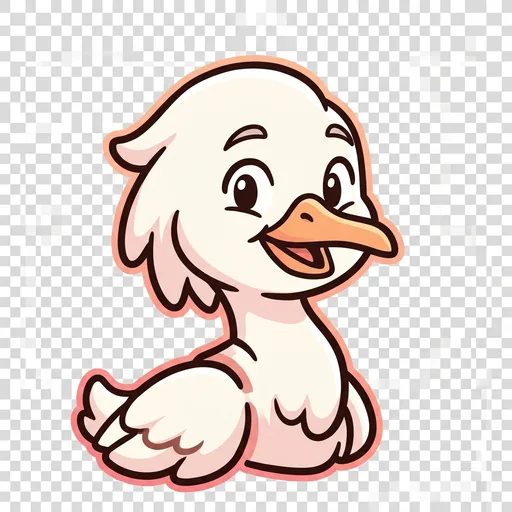
Pause
Kireji / cut / productive break — snowy-egret-tween whose perpetually-mid-step body IS the kireji in physical form
-
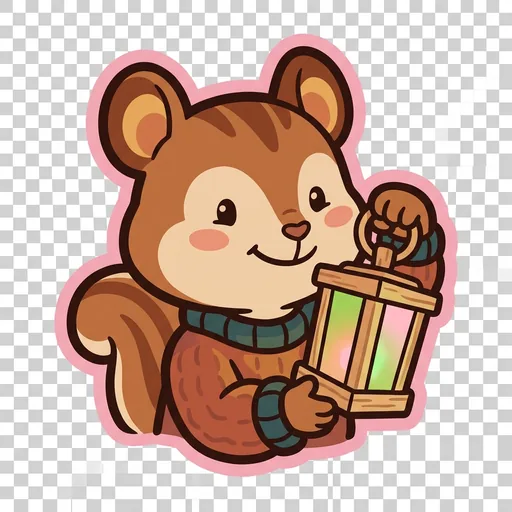
Lantern
Season-word / anchoring image — chipmunk-tween whose wooden lantern visibly shifts color with the season
-
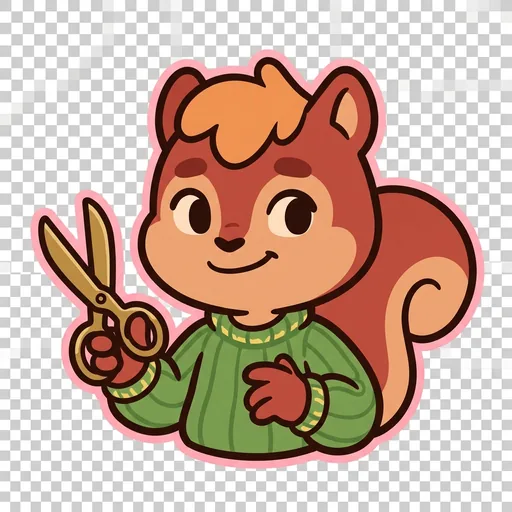
Trim
Brevity / saying-less — red-squirrel-tween with brass scissors who snips redundant words to find the smaller-stronger version
-

Flint
Juxtaposition — flinty badger-creature who strikes two smooth stones to make a spark; two images set side by side make a third meaning leap up in the gap
-

Gallop
Meter / the stressed beat — long-legged pony-creature whose hooves fall da-da-DUM; not how MANY beats (that's Count) but which ones to stomp (esp. the limerick)
-
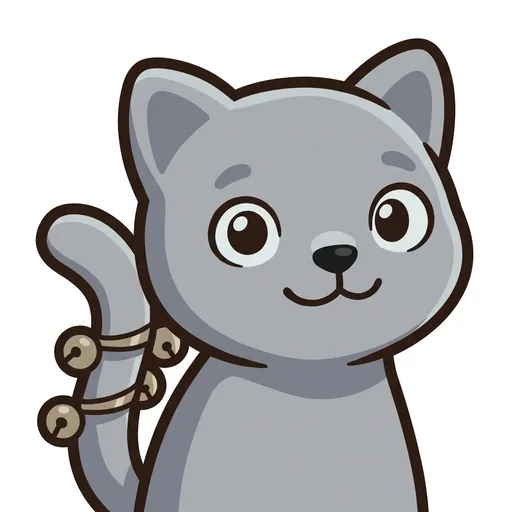
Bell
Rhyme — silver creature with tuned tail-bells that chime the same note when end-sounds match; a forced rhyme jammed in just to chime is worse than none
-
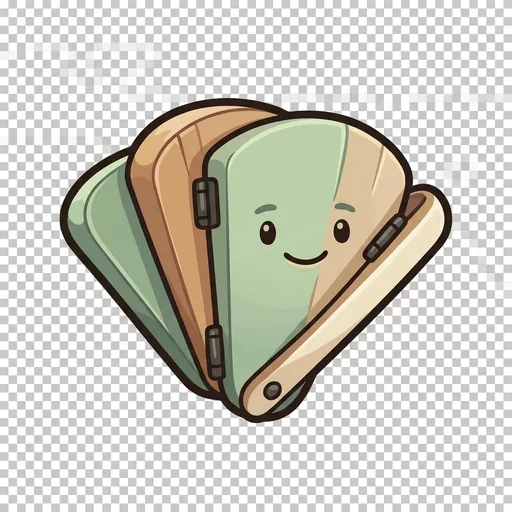
Hinge
The line break — folding-door creature who holds a small pause at the end of each line; the end of a line is a little stage, so end on a word that earns it
-
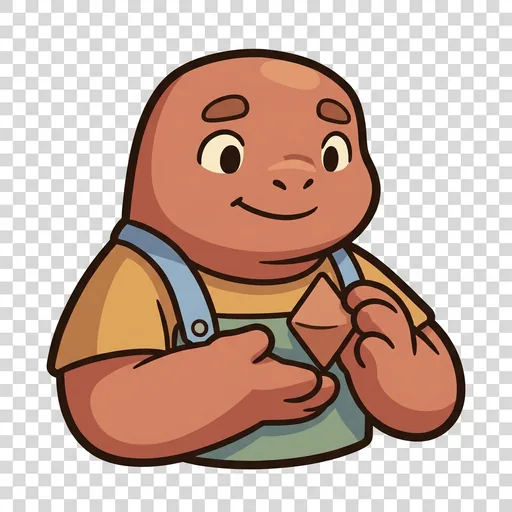
Mold
Shape on the page — clay-colored creature who builds a poem's silhouette (a cinquain's 2-4-6-8-2 diamond); shape is meaning you can see from across the room
-
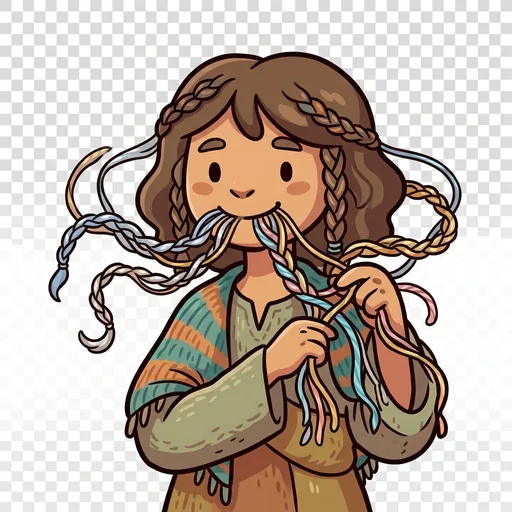
Braid
Sound texture — nimble creature who weaves repeated sounds through a line (alliteration + assonance); enough echo makes music, too much makes a tongue-twister knot