
Vantage
PERSPECTIVE-TAKING — climbing to the exact spot where another person stands, so you can see what they see from there, instead of guessing from your own.
Press play to listen along. The line being read lights up as you go.
Show full transcript
Loading transcript…
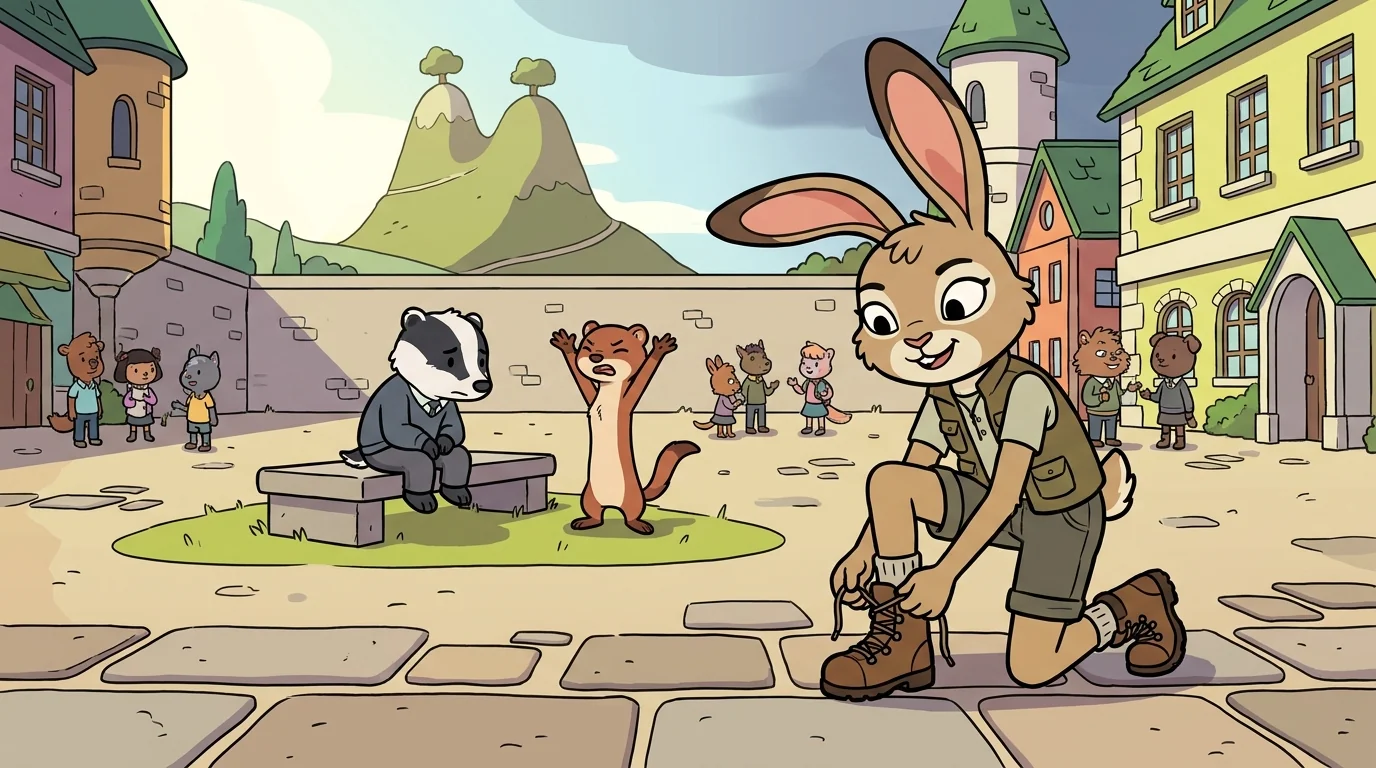
Vantage was a long-legged mountain hare with a habit that drove some creatures wild: before she would say one word about what anyone was feeling, she insisted on going and standing exactly where they stood.
"You can't tell me what the hill looks like from your spot," she'd say, already lacing up, "until I've stood on your spot. From here it's just a guess. And a guess wearing a confident face is still a guess."
She had grown up on a strange two-topped hill where the same afternoon could be sunny on one side and shadowed on the other. As a kit she'd learned the hard way that "it's a sunny day" depended entirely on which top you were standing on — and that arguing about it from your own top got you exactly nowhere.
In the academy courtyard, two young creatures had their backs to each other. A badger named Pell sat hunched and silent. A weasel named Tig stood with her arms thrown up.
"He's ignoring me on purpose," Tig declared. "I know he is."
Vantage's ears swiveled with interest. "Do you?" she said, lacing up. "Or do you know it from your top of the hill? Come on. Let's go stand on his."
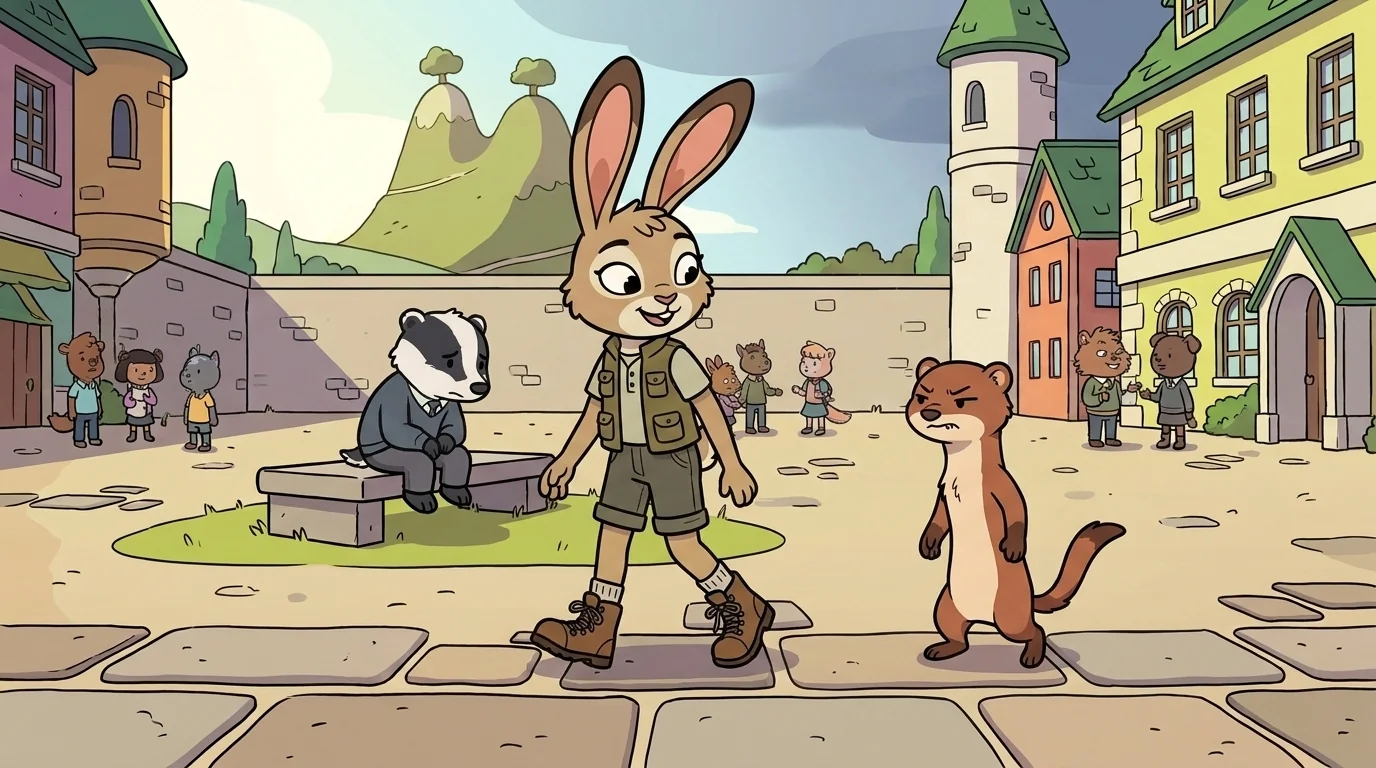
Tig did not want to go stand on Pell's top of the hill. From where she stood, the whole thing was obvious: she'd waved, Pell had looked away, end of story, ignored on purpose.
"Why do I have to move?" Tig grumbled. "I can see fine from here."
"You can see your view fine from there," Vantage agreed, perfectly friendly. "That's the trick of it. Your own view always looks complete. It never has a little sign that says warning: there's more of this hill you can't see from here. But there always is." She started across the courtyard toward where Pell sat. "Come look. You can always go back to your spot after. I promise it'll still be there."
Reluctantly, Tig followed. With every step the angle changed. Halfway across, she could suddenly see something she hadn't from her own side: Pell's shoulders weren't proud and dismissive. They were curled in, small, the way shoulders get when something hurts.
"Huh," said Tig, slowing. "He looks different from over here."
"Everybody does," said Vantage softly. "That's the whole reason to make the trip."
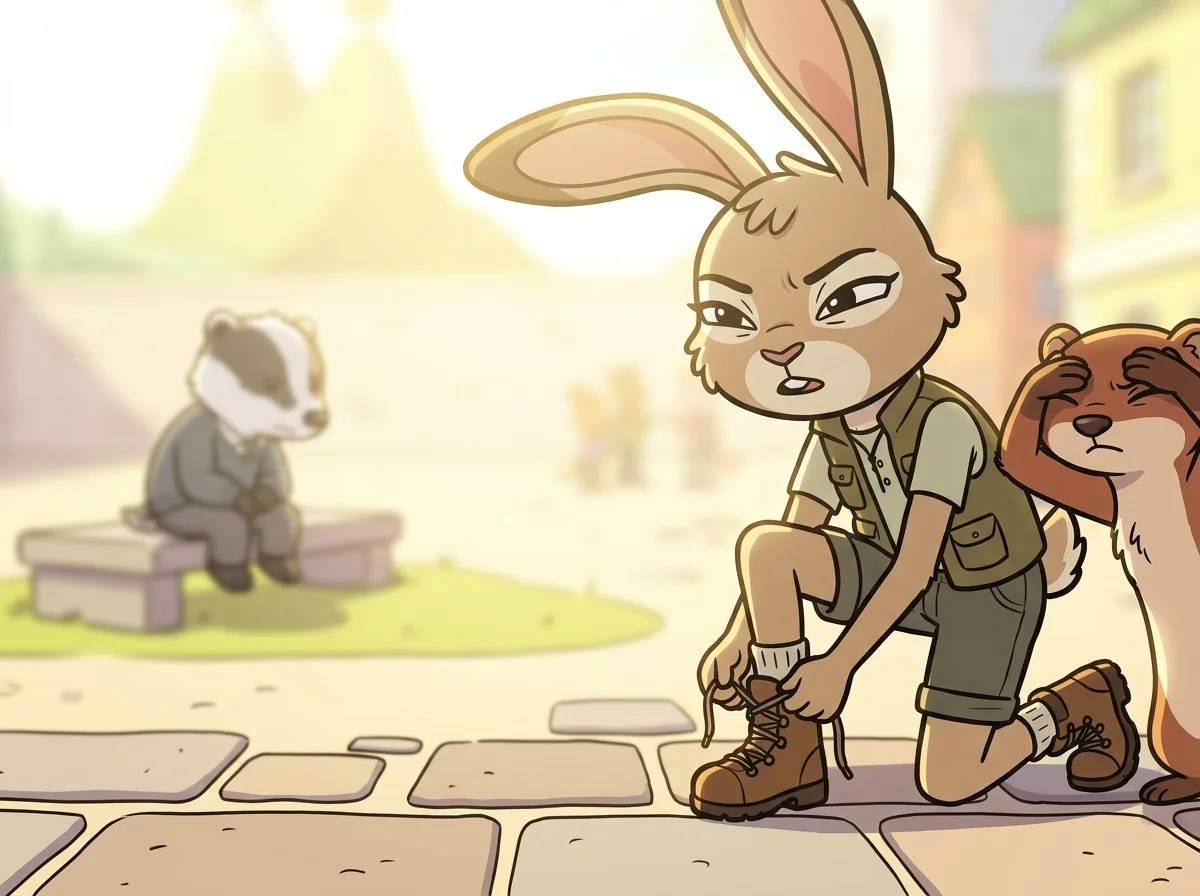
They reached Pell's spot. Vantage crouched low, right down at his eye level, and looked out the way he was looking — and gently waved Tig down to do the same.
From Pell's spot, the afternoon sun came straight across the courtyard and hit you full in the eyes. From here, anyone walking up would be a dark shape against a blinding glare. From here, you might wave at a friend and genuinely, completely, not see them wave back — because you couldn't see much of anything but light.
"Oh," said Tig, very quietly, the glare in her own eyes now. "Oh. He couldn't see me. The sun's right there. From his spot you can't see anybody."
Vantage didn't say I told you so. She never did. Telling-you-so was a thing you said from your own top of the hill, and she'd already left hers. "Now you know," she said simply. "Not because you guessed kindly. Because you went and looked from where he was."
Pell glanced over, squinting against the light, and saw — for the first time — two friends crouched right beside him, sharing his impossible glare.
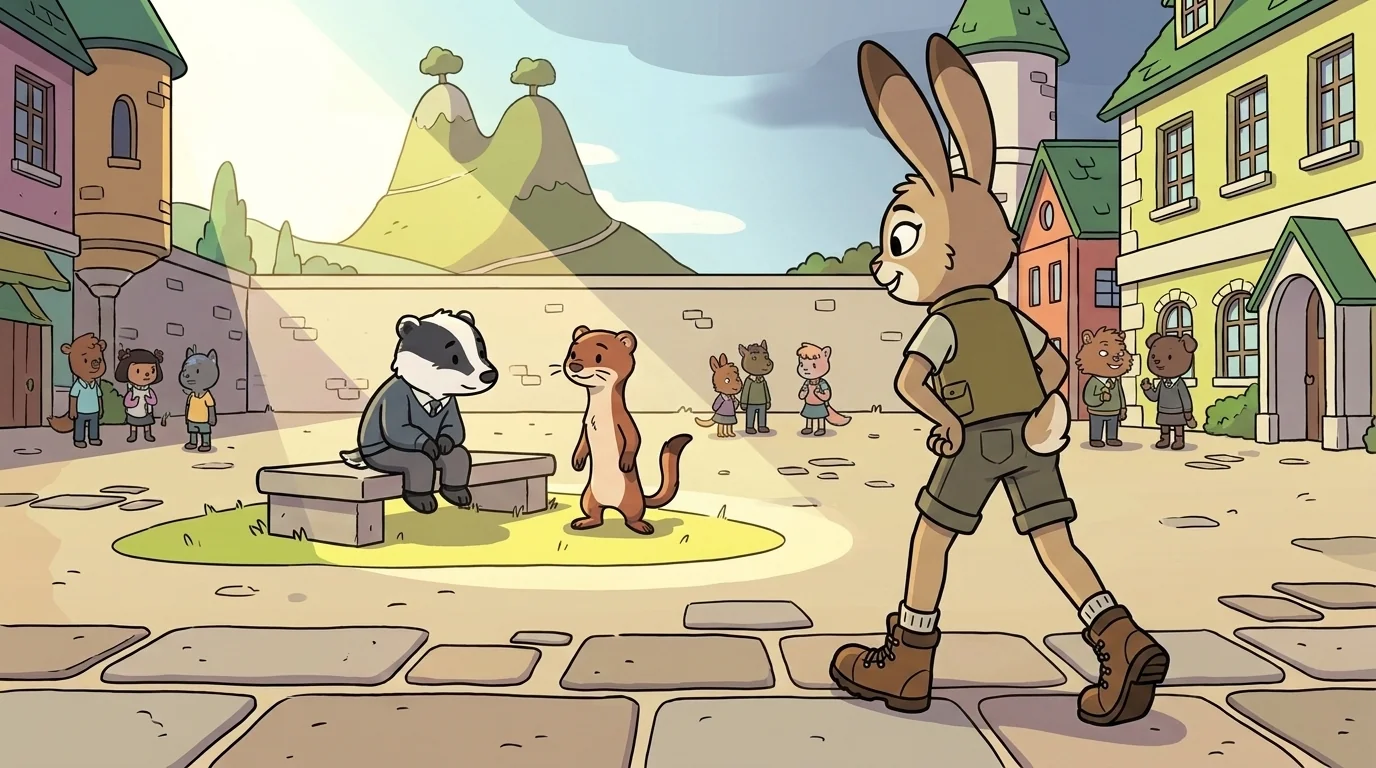
"I thought you were ignoring me," Tig told him, and there was no accusation left in it, because the accusation had been left behind on her own top of the hill. "I couldn't tell you had the sun in your eyes. I was standing where it looked like a choice."
Pell's curled shoulders eased. "I waved back," he said. "Twice. I just — couldn't see if you saw. I figured you were ignoring me."
The two of them blinked at each other in the shared glare, both realizing at once that they had each been standing on their own top of the hill, each completely sure, each completely wrong about the other's heart.
Vantage stretched her long legs, satisfied. "This is my favorite thing about hills," she said. "Two creatures, two tops, two true views — and both of them lonely, until somebody makes the climb. The view didn't change, Tig. You did. You moved your feet to his spot, and the whole story rearranged itself."
Tig found that her chest, which had been tight and prickly with he's-ignoring-me, had gone open and a little tender instead. The facts of the afternoon were exactly the same. But she was standing somewhere new, and from here the same afternoon meant something completely different.
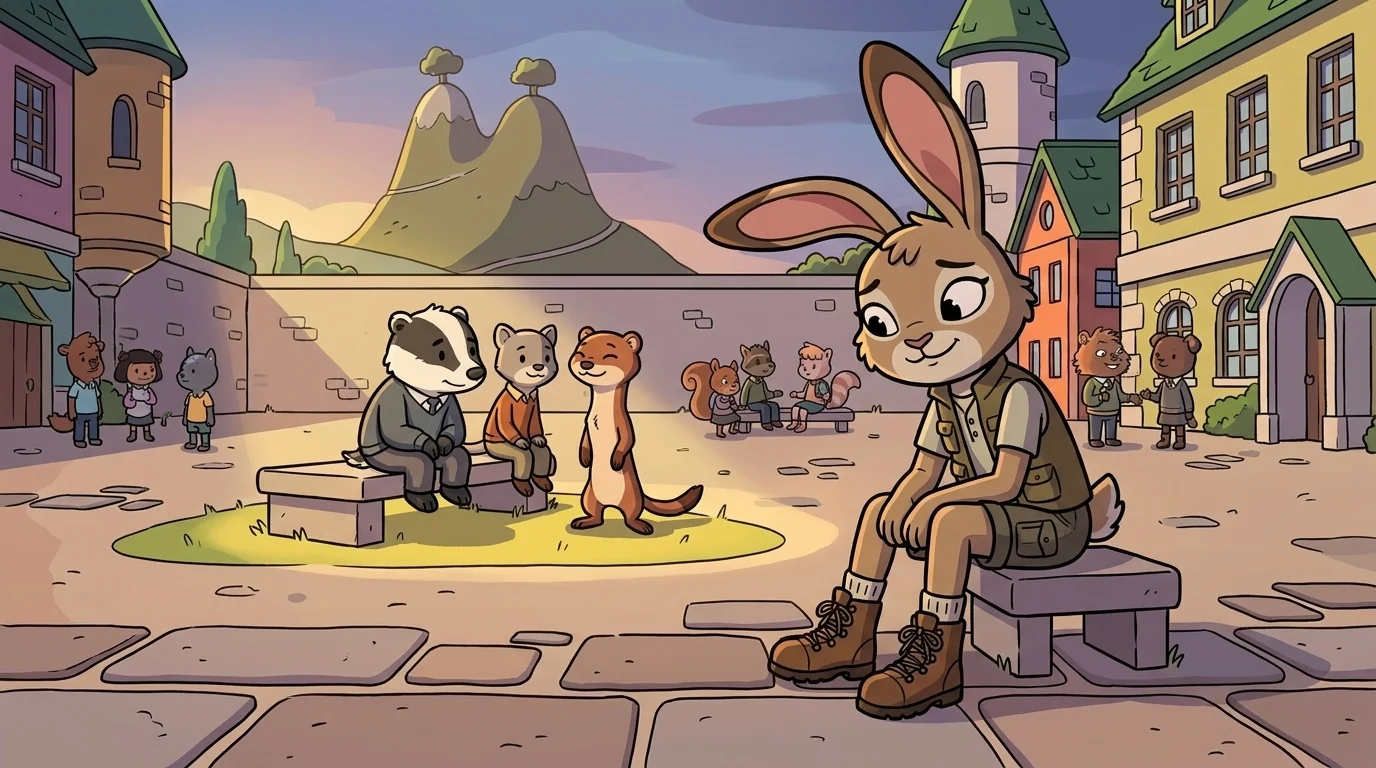
That evening Sage found Vantage resting her long legs, the low sun finally off the courtyard.
"Tig was sure he was ignoring her," Vantage reported. "Turned out he had the sun in his eyes the whole time. She just had to go stand where he was standing to see it."
Sage nodded. "And Tig — how does she seem, now that she's made the climb?"
Vantage thought about it. "Lighter," she said. "And a little braver, I think. Once you find out you can be completely sure and completely wrong, you stop trusting the lonely version of a story so fast. You start wanting to make the climb first." She tilted her head toward the courtyard, where Tig and Pell were now sitting side by side on his spot, sharing the last of the glare like it was a private joke.
It made something warm settle in Vantage's chest — the particular gladness of watching two lonely tops of a hill become, for a little while, one shared view. She didn't have a fancier word for it than glad. But glad, she'd found, was usually the feeling waiting at the end of a climb well made.
The MindForge ensemble
Vantage is part of MindForge's distributed-narrative cast. Each character embodies a different curricular primitive; together they teach the full subject.
-

Inside
Self-awareness — emotion + thought + body awareness; 'Notice. Don't fix.'
-
Settle
Self-management — regulation + impulse + stress; 'One breath. Then I choose.'
-
Open
Social awareness — perspective + empathy + context; 'Their world. Then ours.'
-

Touch
Relationship skills — communication + boundaries + repair; 'Say it small. Listen big.'
-
Choose
Responsible decision-making — values + consequences + action; 'What matters? Then I act.'
-
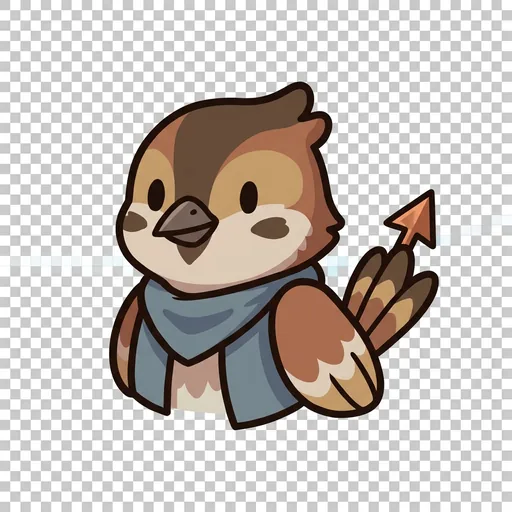
Vane
Names the exact feeling, not just good or bad, because the precise word points the way to what actually helps.
-
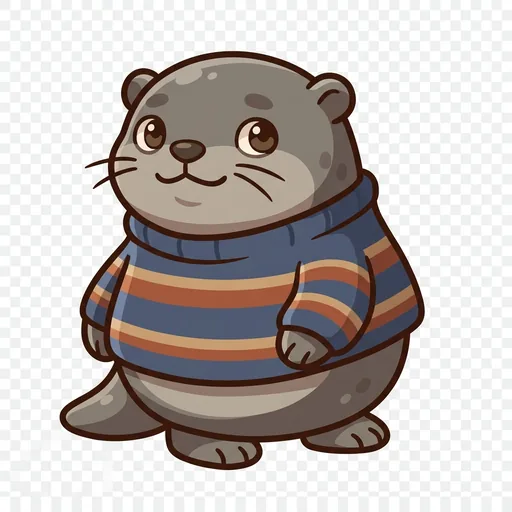
Ballast
Helps you stay steady inside a big feeling, like the weight that keeps a boat from tipping while the wave passes.
-
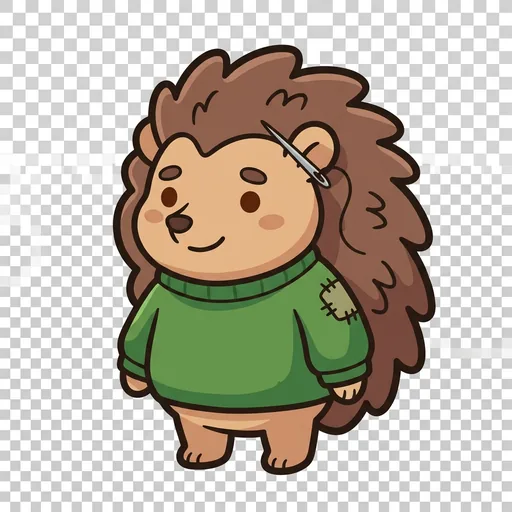
Darn
Mends a small everyday rift early, before a little tear becomes a big hole.
-
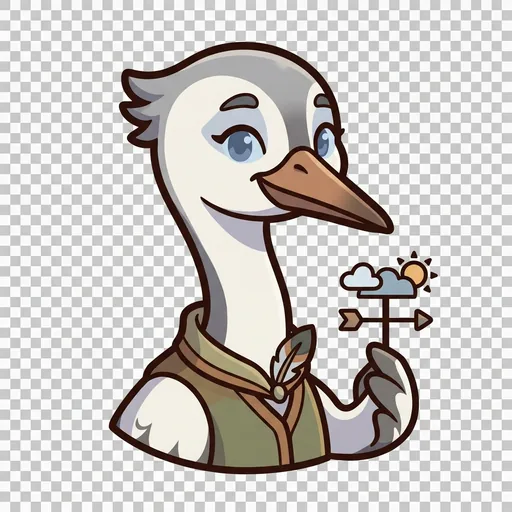
Forecast
Looks down the road of a choice to see where it leads, so your future self gets a vote too.