Pivot
THE TURN — the moment in a told tale (typically at beat 4 of the 5-beat arc) where story / teller / listener turn together: the realization, the reveal, the change in meaning that makes everything before it land differently.
Press play to listen along. The line being read lights up as you go.
Show full transcript
Loading transcript…
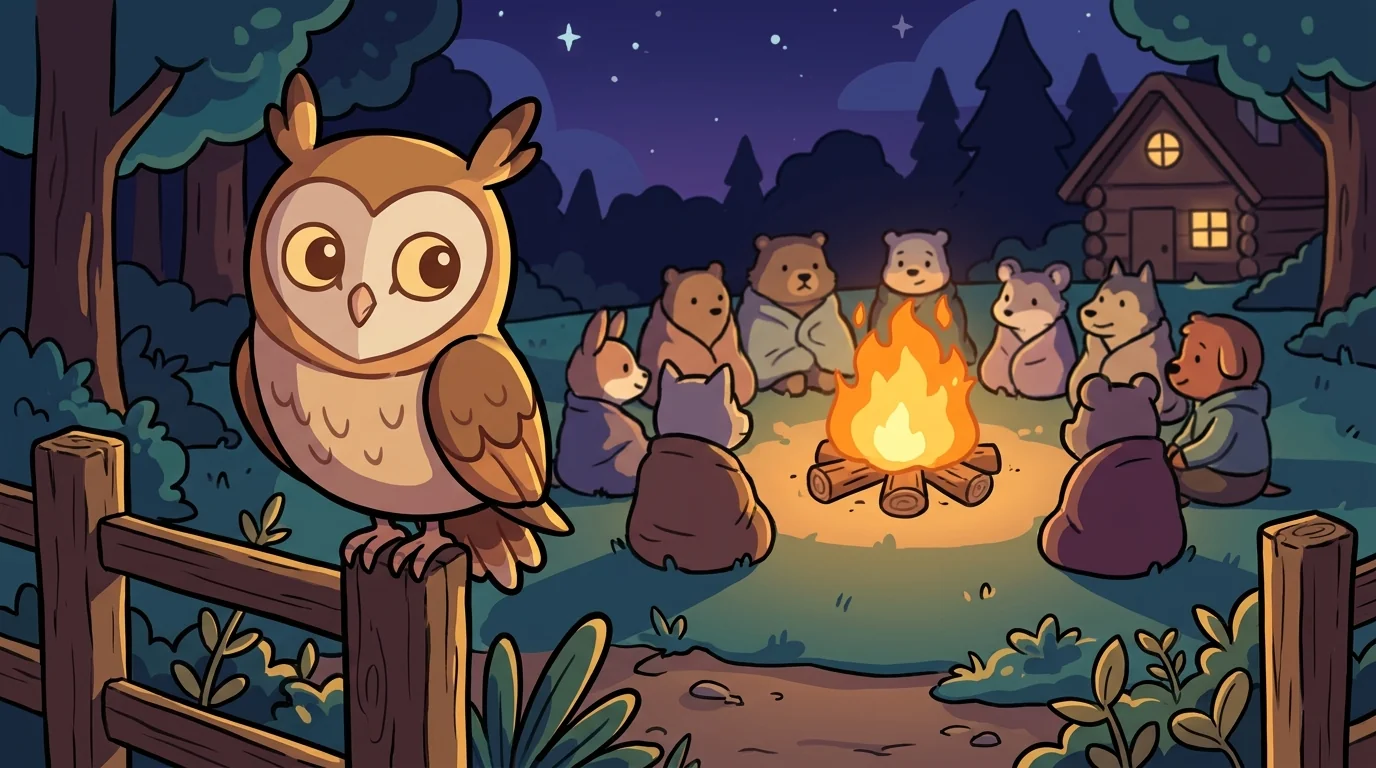
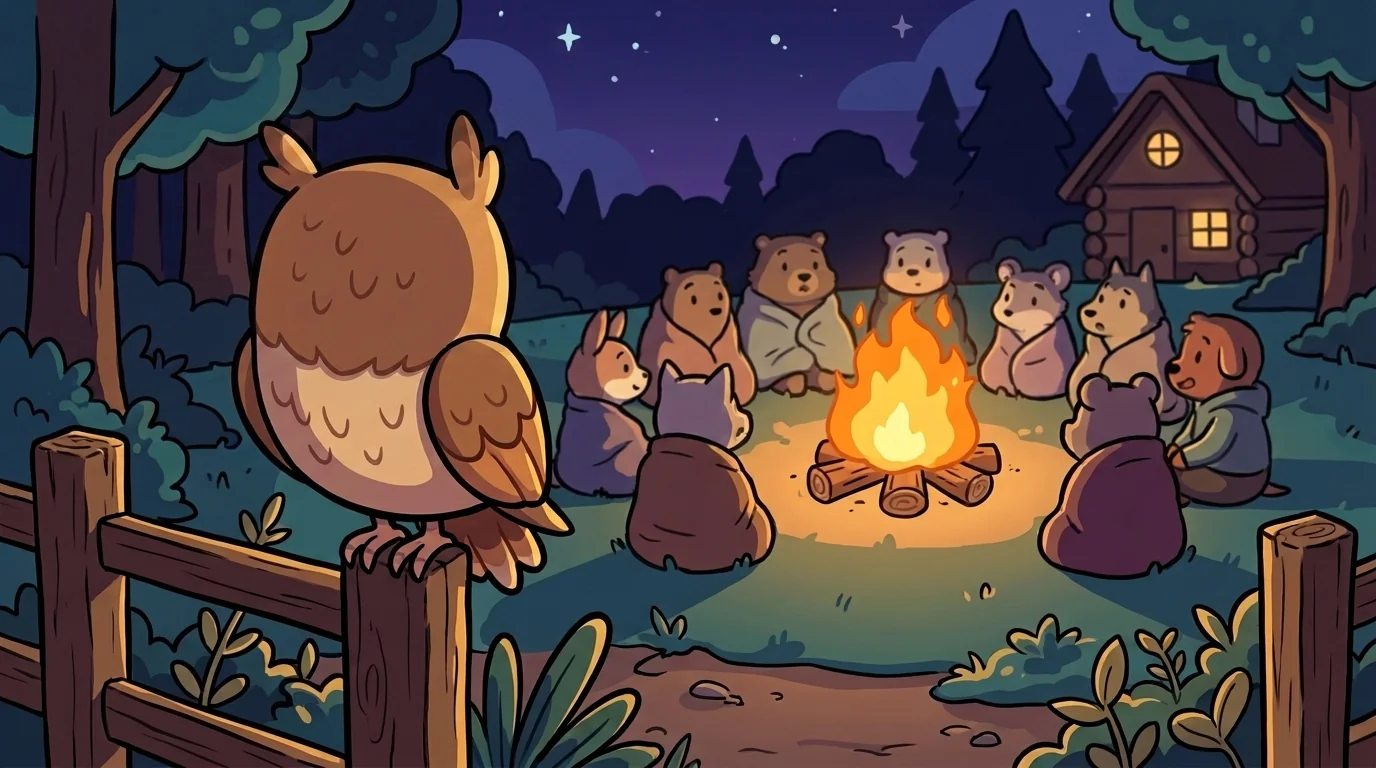
Bramble met Pivot at the edge of the listening-circle one evening, perched on a small fence-post. The owl had been barn-owl-tween-sized, with the characteristic heart-shaped face, and had been very still. The stillness had been active — the owl had been listening intently to a told tale happening at the fire's center.
Then — at a specific moment in the tale — the owl's head had rotated 180 degrees.
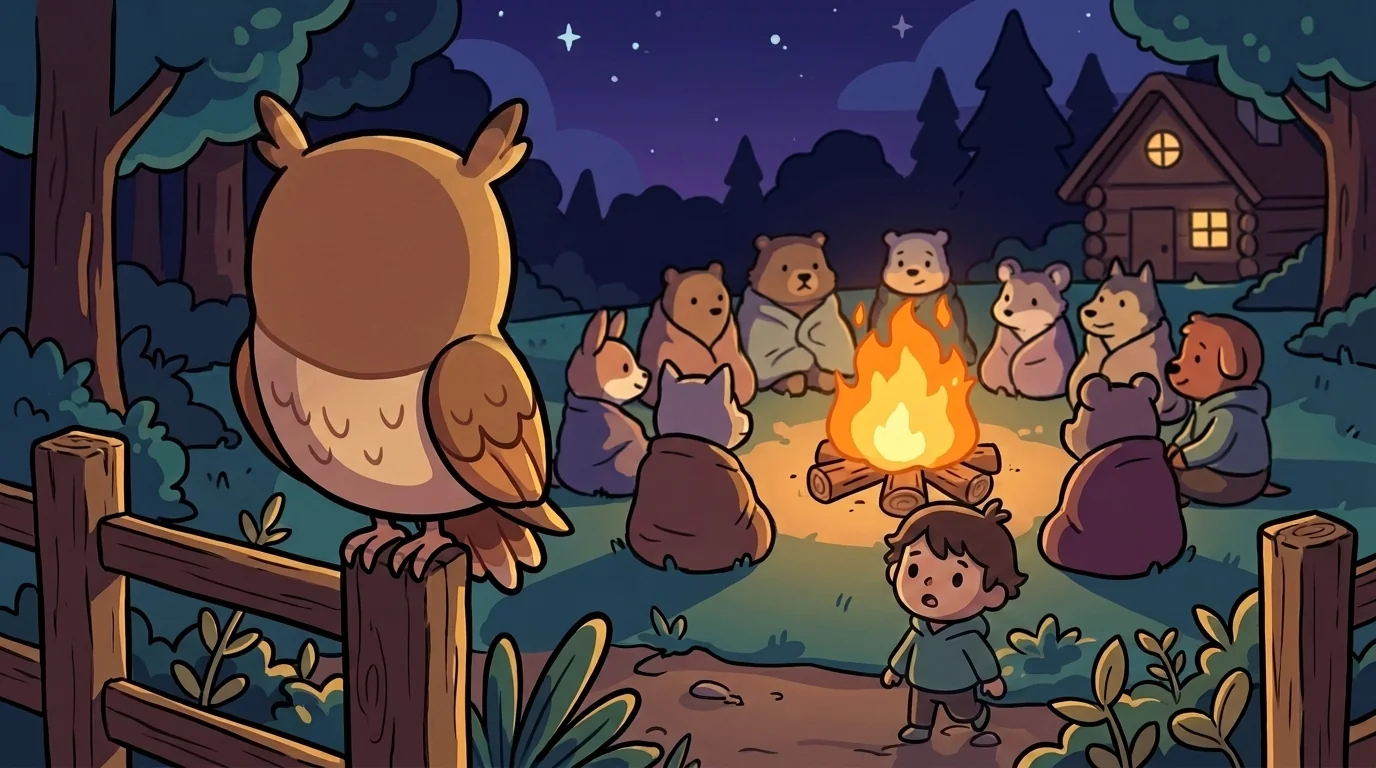
The rotation had been immediate and visible. The owl had been facing the fire. After the rotation, the owl had been facing the opposite direction (away from the fire). The owl had said — softly — "The turn."
Bramble had walked over. He had said: "Excuse me. Your head just rotated."
The owl had said — in his precise owlish voice — "Yes. I am Pivot. My head rotates 180 degrees at the exact moment a told tale's turn happens. The turn is the moment in a story where the meaning changes — where the listener realizes something, where the teller pivots into a new register, where the story reveals what it has actually been about. My head turns when the story turns. The rotation is not voluntary. My body responds."
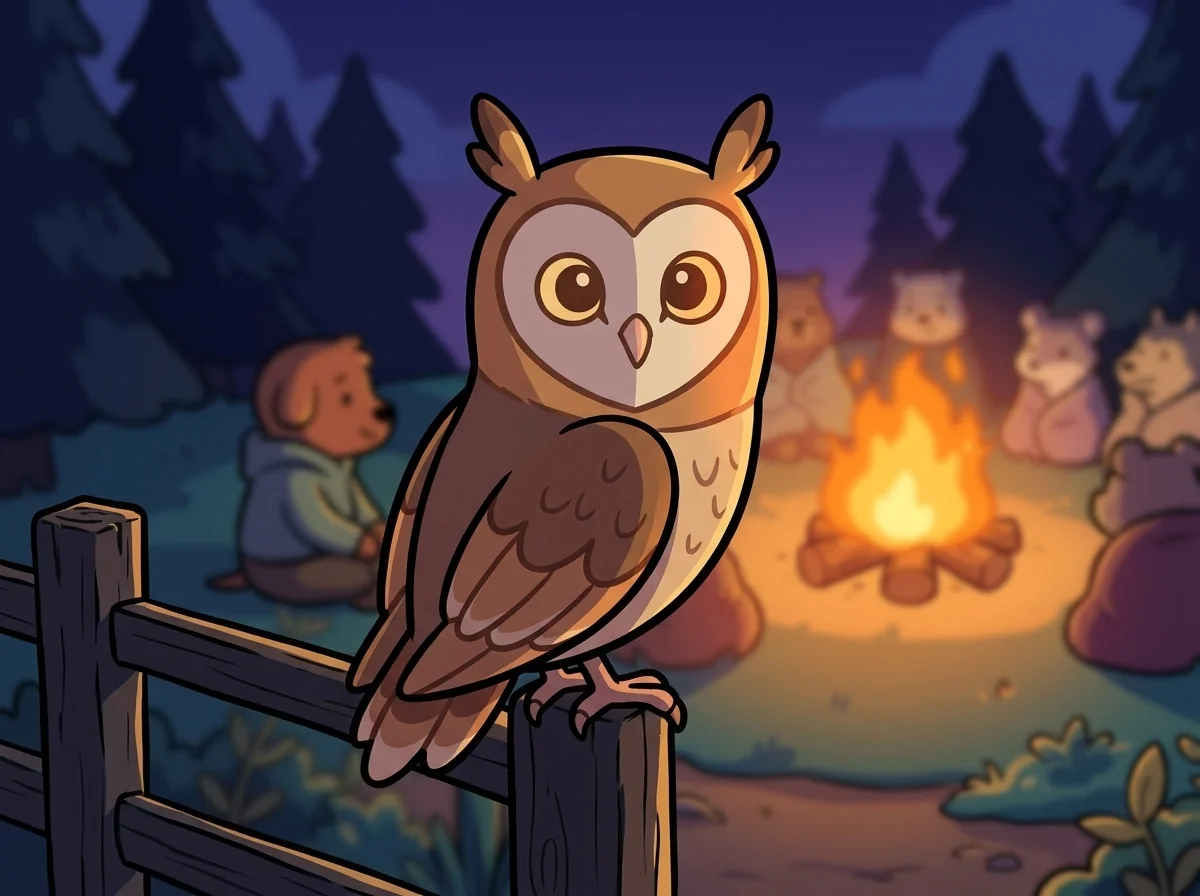
Bramble had been fascinated. He had said: "Did the turn just happen?"
Pivot had said: "Yes. The teller's grandmother — in the tale being told at the fire — had been described as a strict old woman for the first three beats. At the moment of the turn, the teller revealed that she had been kind in private, and the grandchild had been the only one who knew. The whole tale just changed. The strict-old-woman description took on different meaning. The grandchild's voice took on different weight. The story turned. I turned."
Bramble had said: "Would you come to my listening-circle and help me teach this?"
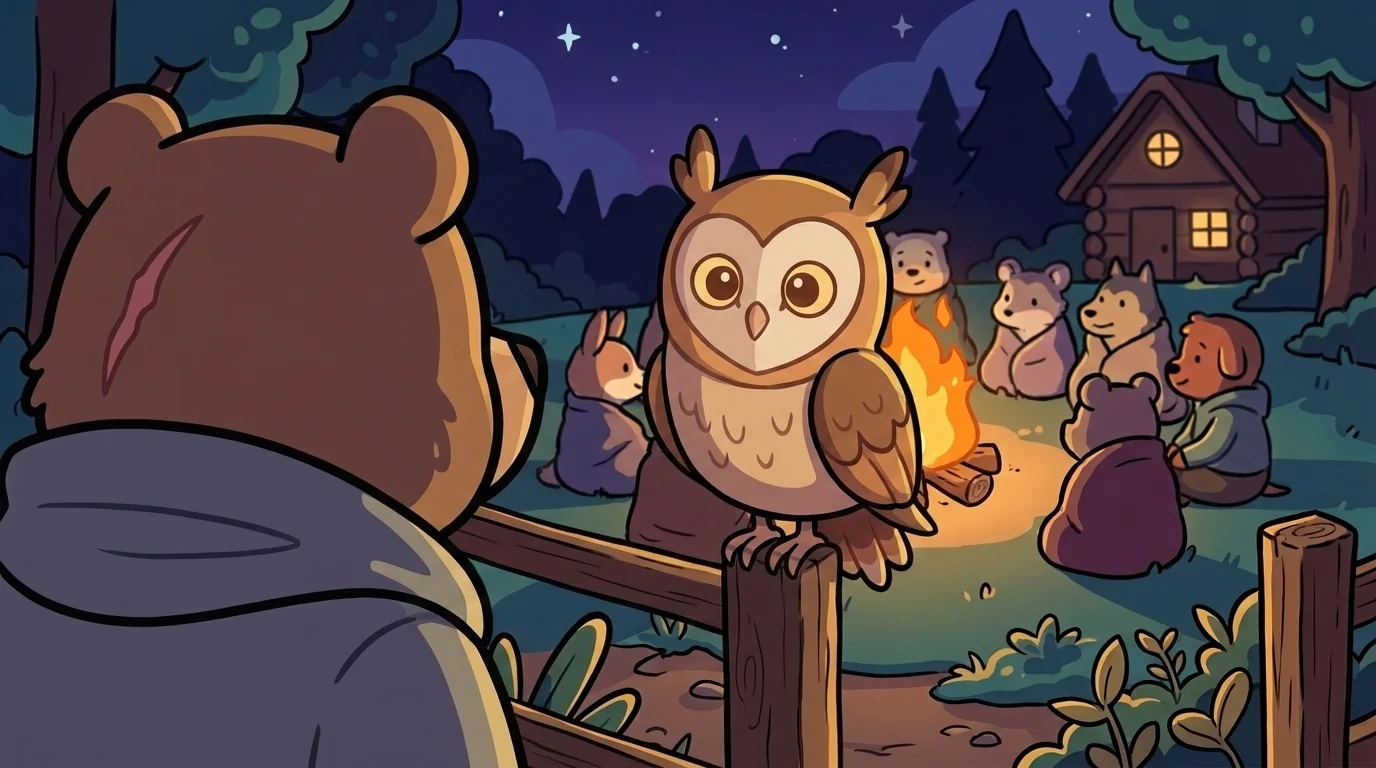
Pivot had said: "I will perch wherever you like. My head will turn when the turns turn."
He has been at the circle ever since. He perches on a small wooden perch at the circle's edge. The students see him. His head rotates 180 degrees at every story's turn. If the turn lands well, the rotation is clean and immediate. If the turn is muddled or absent, Pivot's head does not rotate at all — a real-time signal that the turn-beat is not working.
In Bramble's introductory lesson on the turn, he gestures at Pivot — who is, as always, perched at the edge listening intently — and says: "This is Pivot. His head rotates 180 degrees at every told tale's turn. The turn is the moment your story changes meaning. The grandmother turns from strict to secretly kind. The brave hero turns out to have been frightened the whole time. The lost child turns out to know where they are. The turn lands at beat 4 of the 5-beat arc. Pivot will tell you if your turn landed."
The students tell stories. Pivot listens. When the turn lands, his head rotates. When the turn does not land, his head stays still. The students watch. They revise their turn-beats. They get the head to rotate.
Pivot adds — in his precise owlish voice — "The turn is the moment. The head turns. The story turns. The listener turns. Three turnings, simultaneous. That is the goal."
When students ask Bramble whether crafting a turn is hard, Bramble says — quoting Pivot — "It is not hard. It is finding the moment the meaning shifts. Plan a turn at beat 4. Set up the first meaning in beats 1-3. Reveal the true meaning at beat 4. Resolve in beat 5. Pivot's head will rotate when the turn lands."
And when it lands — when Pivot's head swings around and the whole circle gasps — the teller feels it too: a bright, tingling rush, the happy shiver of watching a room get it all at once. Pivot's quiet, precise face softens into something almost like a smile. He does not say it, but he feels glad, every single time.
The VoiceTale ensemble
Pivot is part of VoiceTale's distributed-narrative cast. Each character embodies a different curricular primitive; together they teach the full subject.
-

Lean
Hook / leanability — badger-tween whose upper body visibly tips forward at second 5; if hook is weak she rocks back to neutral
-

Slow
Pacing across the 5-beat arc — tortoise-elder with wooden hourglass; her tempo-trail stretches (slow) or bunches (fast) on purpose
-

Refrain
Callback / refrain — mockingbird-tween with carved-wood phrase-token who repeats one phrase identically at the closing (same words, same shape, said again, said better)
-
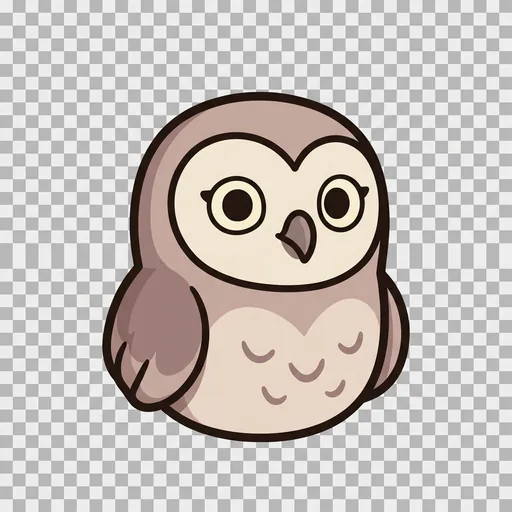
Hush
The pause / strategic silence — soft round owl who holds a held beat of quiet right before the important word, pulling the whole circle forward
-

Boom
Volume + emphasis — wide-mouthed frog whose voice swells from the tiniest whisper to a big round roll; the soft pulls listeners close, the loud lands the surprise
-
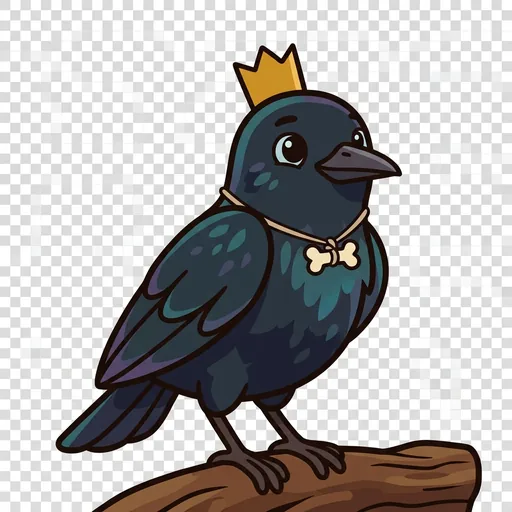
Mimic
Character voices — sleek starling who gives each character in a told tale one small distinct voice so listeners always know who is speaking
-

Flourish
Gesture — tall crane whose wings paint the story in the air (wide for huge, close for tiny); the body shows what the words say
-

Gaze
Eye contact / reading the listeners — soft-eyed deer-fawn who tells to the faces of the circle and reads their faces back to know when to slow or hurry
-

Recover
Recovering when you lose your place — easygoing otter who treats a stumble as a tiny ripple: stay calm, build a bridge, carry on