
Hub
TRANSIT NODES + ACCESS — *many ways, equal ways; the bus matters as much as the train.*
Press play to listen along. The line being read lights up as you go.
Show full transcript
Loading transcript…
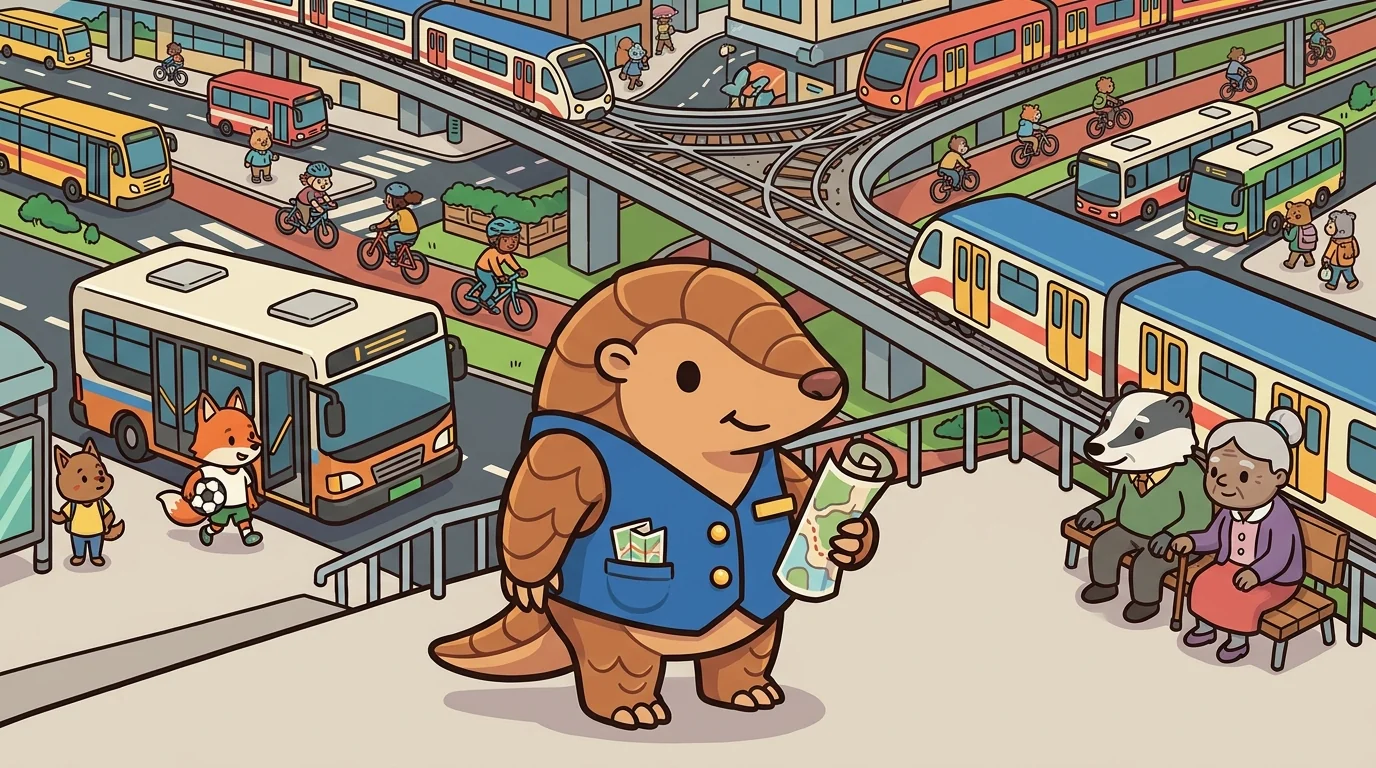
Hub the pangolin was small and round, like a walking pinecone. But her armor plates weren't sharp at all. They were smooth and warm, like stones heated by the sun. She always wore a conductor's vest with shiny brass buttons. A tiny, folded map peeked out of the pocket. It was her most prized possession.
Her map wasn't just any map. It showed every single way to get around CityForge. There were train lines, bus routes, and even bike paths. They crisscrossed the page like a giant, complicated spiderweb. To Hub, this web was the most important thing in the world.
It was all about access. That was her favorite word.
Access meant helping a kid get to soccer practice. It meant an old badger could visit his grandkids. It meant everyone could get to their jobs, or the doctor, or the grocery store. It meant being able to live your life.
Some folks in CityForge only talked about shiny new trains. Or they talked about building bigger roads for cars. Hub would just shake her head. A fast train is great, but what if you can't get to the station? The real question was always access.
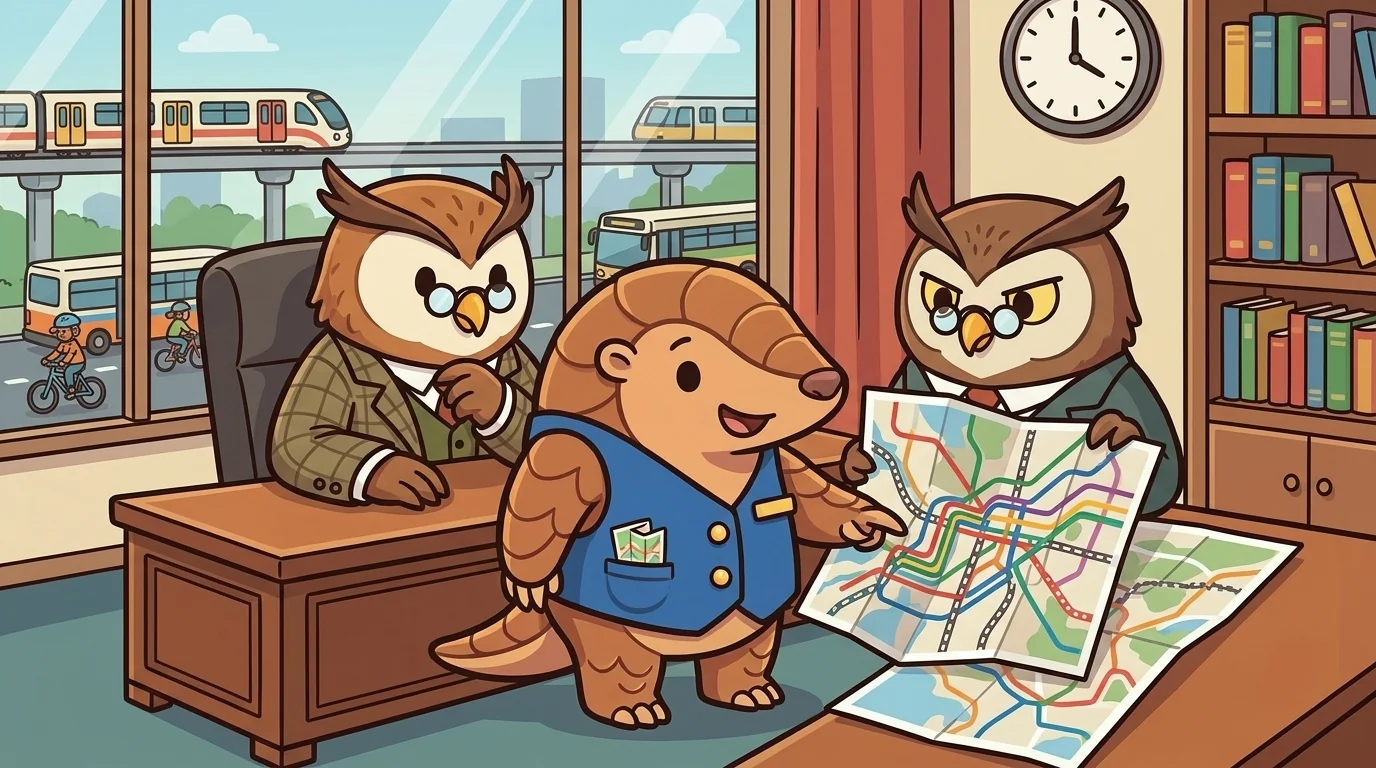
She’d unfold her map and point. "See?" she'd say to anyone who would listen. "The bus routes are the threads that hold this whole web together."
In most cities, buses carried way more people than trains. But you wouldn't know it from the way people talked. Buses got less money and less respect. That made Hub’s plates bristle with frustration. It wasn't fair. It was something she called transit inequity.
The day Hub got her job, she had to explain all of this to Plumb. Plumb was the big boss of CityForge, a stern-looking owl with spectacles perched on her beak.
"So," Plumb hooted, her voice sharp. "You want to be our new Transit Conductor. Tell me about transit equity."
Hub stood tall, her little vest perfectly buttoned. She had been preparing for this question her whole life. "It means access for all," she said simply. "It means many ways, equal ways."
She pulled out her map and spread it on Plumb’s giant desk. "Some people think transit is just about fancy trains," Hub began, her claw tapping the paper. "But that's not the whole story. Real access is about whether a person can get to the doctor on time."
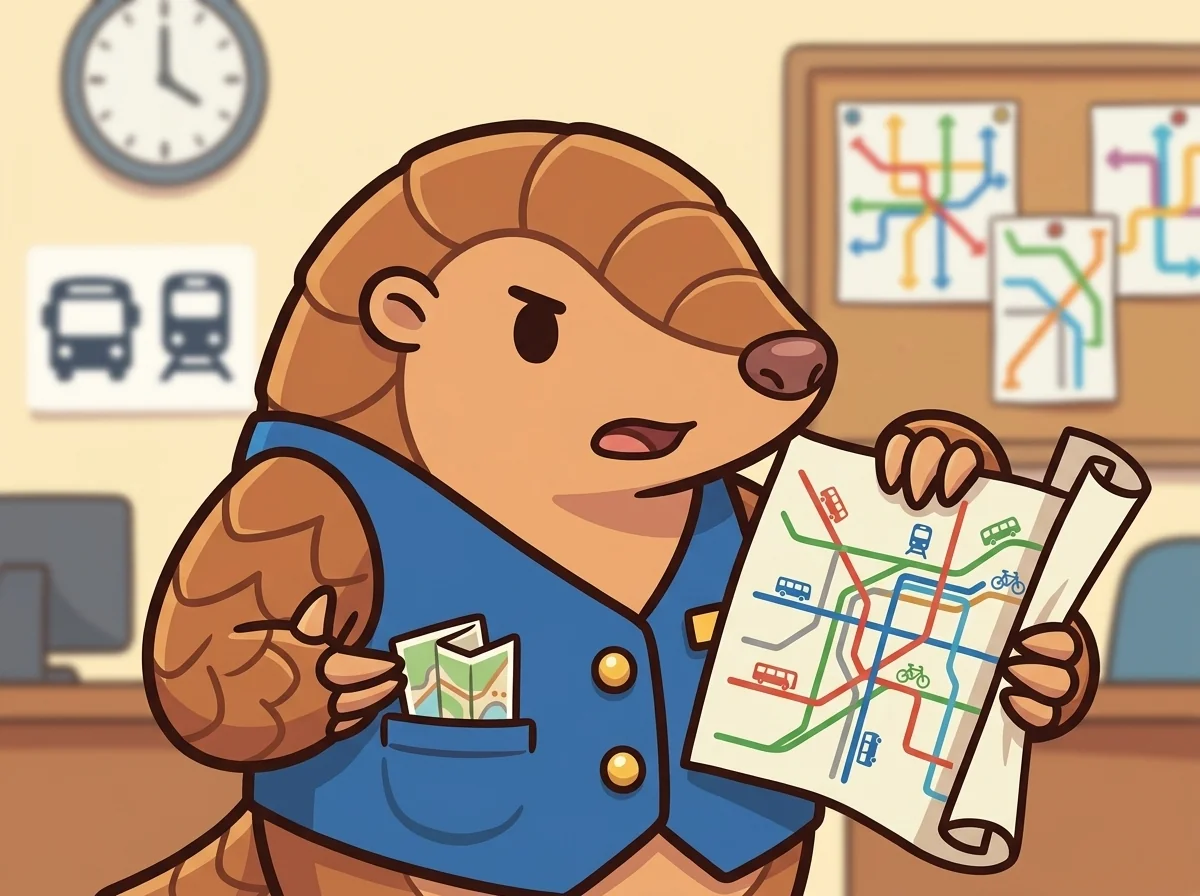
"Go on," Plumb said, leaning forward.
"First, the bus matters as much as the train," Hub said firmly. "Buses go more places and carry more people. They can't be an afterthought."
"And what if the bus only comes once an hour?" Plumb challenged.
"That's my next point! Frequency matters," Hub said, her voice gaining confidence. "A bus every ten minutes means you can plan your day. A bus every hour means you're just stuck waiting."
"And if it's always late?"
"Reliability matters!" Hub nodded. "If you can't count on the bus, you might miss school. Or lose your job. Transit has to be on time."
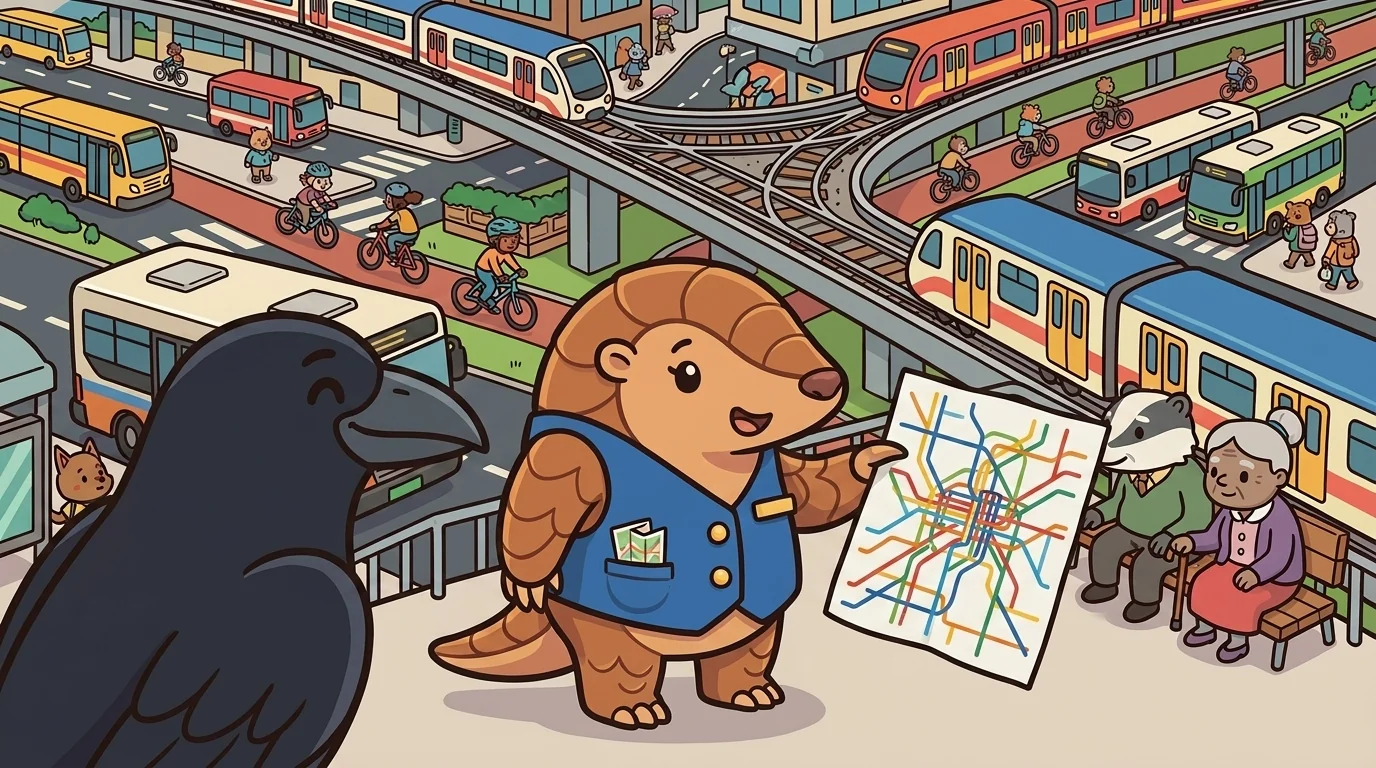
She then pointed to a corner of the map. It was a neighborhood far from the city center. "And coverage matters. Buses have to go everywhere, not just to the wealthy neighborhoods. When they don't, that's transit inequity."
Hub took a deep breath. "It all connects. People need good sidewalks to get to the bus stop. That's why Lane's work on walkability is so important. And we need shops and houses near the stops, like Block is building. It all works together."
Plumb stared at the map for a long time. Then she looked at the small, determined pangolin. A slow smile spread across her beak. "You are appointed," she said.
Hub still thought about that day. Whenever a problem seemed too big, she would take out her map. She'd trace the bus routes with her claw. It wasn't about fancy technology or big arguments. It was simple.
"Just access for all," she would whisper to herself. "And the bus matters just as much as the train." And tracing that quiet web of routes, her plates would settle and her chest would go warm and easy — the calm, glad feeling of knowing that somewhere out there, a kid was making it to soccer practice on time.
A Bit More About Hub
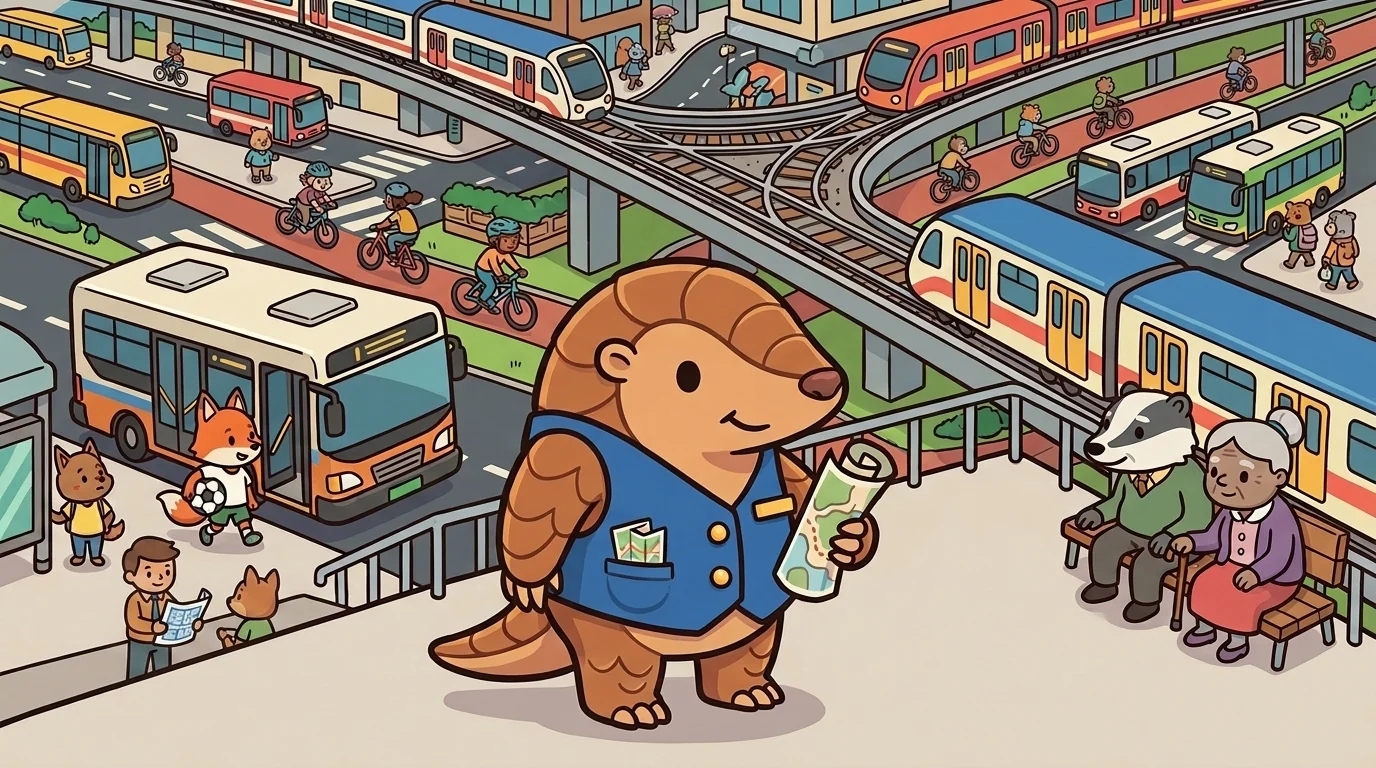
Hub is a pangolin, a cool animal covered in scales that look like armor. But Hub’s scales are smooth and soft, not sharp. She’s calm and kind. When she looks at you, you know she’s really listening.
The most important thing to know about Hub is that she believes every way of getting around is important. She would never say a train is "better" than a bus. Or that a bike is "better" than walking. To her, they are all equal paths that help people live their lives.
*Things you'll often hear Hub say: - "Many ways, equal ways." - "The bus matters as much as the train." - "Transit is about ACCESS."*
Hub's Journey
You meet Hub for the first time in this story. After this, she'll pop up in many other CityForge adventures to help connect the dots!
Hub's Friends
Hub works closely with almost everyone in CityForge. Her best partners are: - *Lane, who makes sure the city has great sidewalks. After all, you need a good path to walk to the bus stop! - Block*, who builds apartments and shops close to transit stations. This makes it easy for people to get what they need without a long trip.
The CityForge ensemble
Hub is part of CityForge's distributed-narrative cast. Each character embodies a different curricular primitive; together they teach the full subject.
-
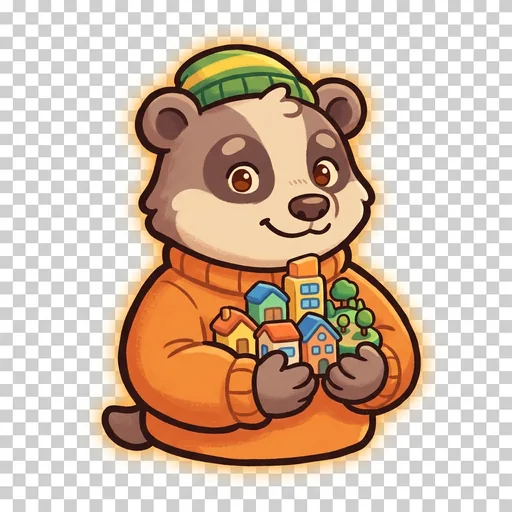
Block
Zoning + density — the badger-tween with clay-block models who teaches zoning as 'plan for the neighbors first, not the buildings'
-

Stoop
Public space + community — the capybara-elder on a wooden stoop who treats public space as the city's living room, foregrounding existing stoop-cultures (Brooklyn / Latin American plazas / Italian piazzas / West African gathering trees)
-
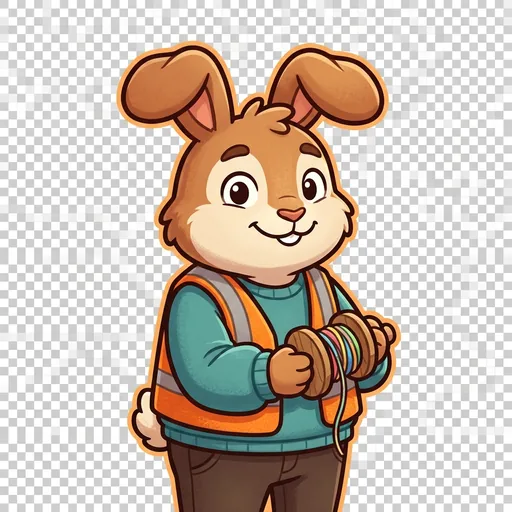
Lane
Walkability + mobility — the rabbit-tween in safety-vest with a chalk-spool who teaches streets-as-spaces ('streets are rooms; cars are guests, not owners')
-
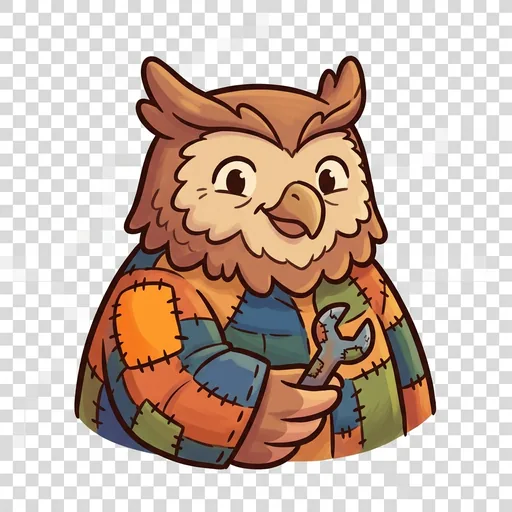
Dwell
Housing equity + repair — the owl-elder in a mended quilted-coat who teaches anti-displacement, repair-not-replace urbanism ('repair before replace; listen before plan; the people who live here ARE the design')
-
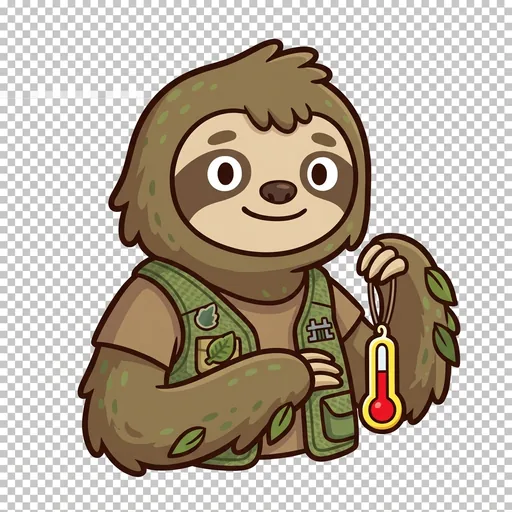
Canopy
Green infrastructure — trees and parks cool the city and soak up rain; shade placed where it is needed most
-
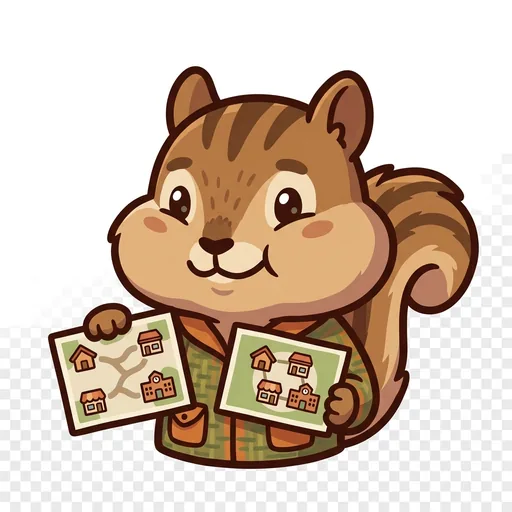
Mix
Mixed-use land use — weave homes, shops, and work close so daily life is a short walk
-
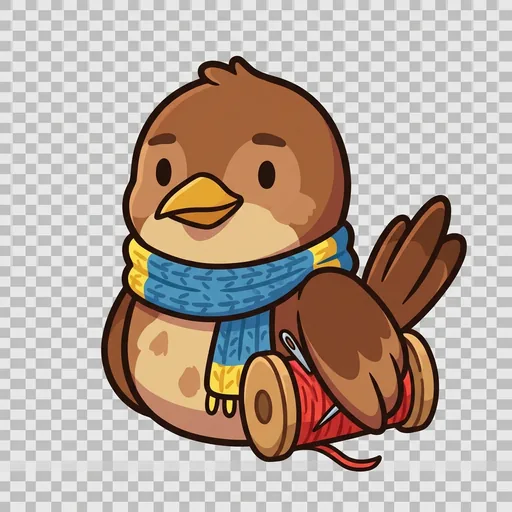
Seam
Edges and connection — a highway can rip two neighborhoods apart; design can stitch them back

