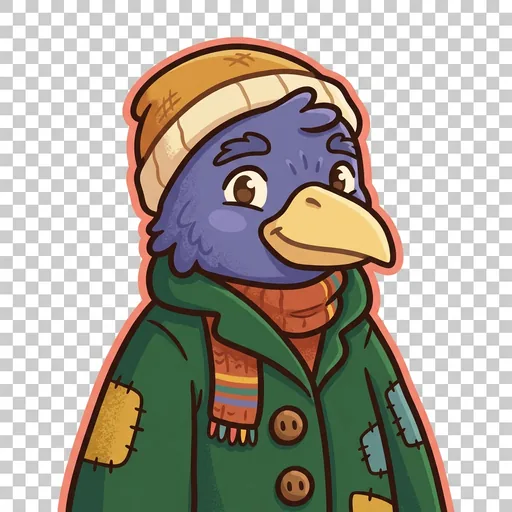
Blanket
GREENHOUSE EFFECT — some gases trap heat. that's a blanket. blankets are not bad — too-many blankets are too-warm.
Press play to listen along. The line being read lights up as you go.
Show full transcript
Loading transcript…
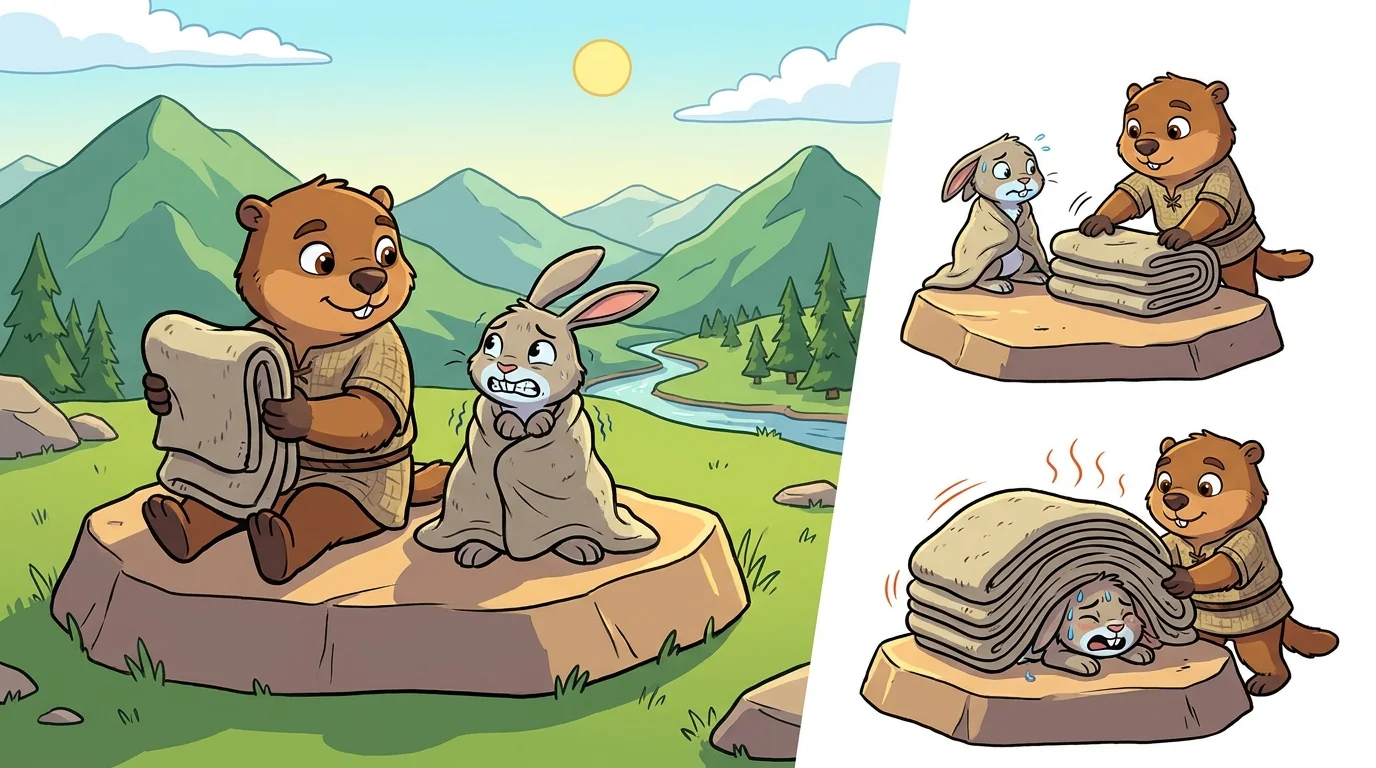
On a chilly morning in the high-mountain meadow, a marmot-tween named Blanket sat on a flat sunny rock with a folded wool blanket over his arm, teaching a shivering rabbit how to be exactly warm enough.
"You're cold," Blanket said. It wasn't a question. The rabbit's teeth were doing a little dance.
Blanket unfolded the blanket once and draped it over the rabbit's shoulders. "There. One layer. How's that?"
"B-better," the rabbit said. "Still a little cold."
So Blanket folded the blanket in half and laid it back over him, doubled. "Two layers now. And?"
The rabbit's shivering slowed. His ears relaxed. "Ohh. That's nice. That's just right."
"Good," Blanket said, and he sat back, pleased. Then, because he could never resist showing the whole idea, he folded the blanket again — three thick layers, four, until it was a great heavy wool loaf pressing down on the poor rabbit.
"Wh— hey!" The rabbit wriggled out from under it, panting. "That's too hot! I was sweating!"
"Exactly," Blanket said, gently pulling the pile back to one comfortable layer. "See? The blanket isn't your enemy. One layer kept you cozy. Too many layers cooked you. It was never whether you had a blanket. It was always how much."
The rabbit stared at the wool, then at Blanket, as if a small door had opened somewhere in his head. "So a blanket is good," he said slowly, "but too much blanket is too warm."
Blanket smiled the smile of a marmot who has waited his whole life for someone to say exactly that.
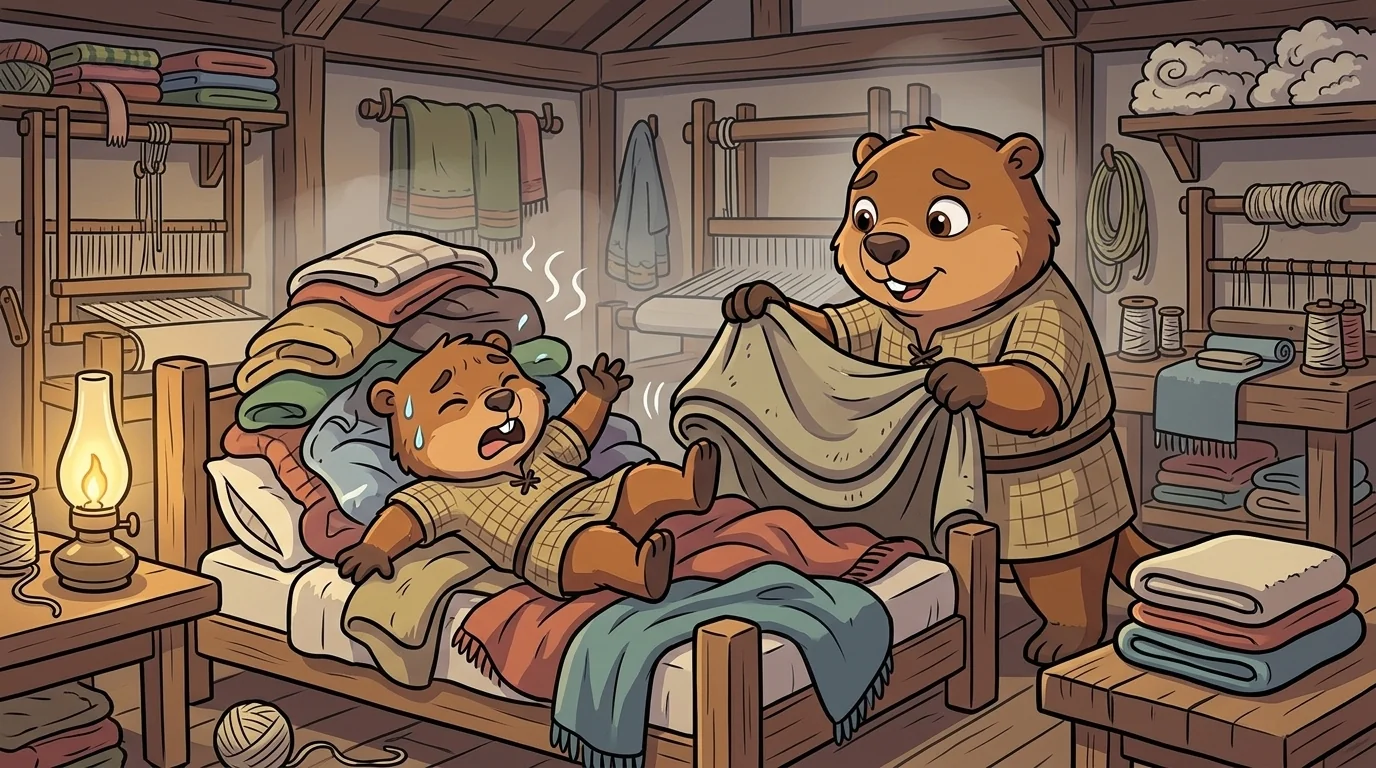
Blanket had learned it in his family's weaving shed, when he was small.
His family were blanket-weavers for the whole village, and the shed always smelled of clean fleece and lamp oil. On the coldest winter he could remember, Blanket had gotten it into his head that if one blanket was good, then a mountain of blankets must be wonderful. So one night he dragged every blanket he could carry onto his bed and buried himself under the lot.
He woke up an hour later kicking and gasping, tangled and boiling and a little scared, sure that something had gone terribly wrong.
His grandmother found him in the tangle. She didn't laugh, and she didn't scold. She lifted the pile off, one heavy layer at a time, until he could breathe, until he was just-right warm again, and his racing heart slowed down.
"You thought more was safer," she said, folding the extras away. "But warm isn't a switch, little one. It's not on or off. It's a dial. A blanket is a good thing — without one you'd freeze on the mountain. The trouble was never the blanket. It was the amount."
Blanket lay there, cooling, feeling the fright drain out of his chest. And a quiet, steady idea settled in where the fear had been: the thing that keeps you warm and the thing that overheats you can be the exact same thing. All that changes is how much. Somehow, once he understood that, the whole idea stopped being scary. It just made sense.
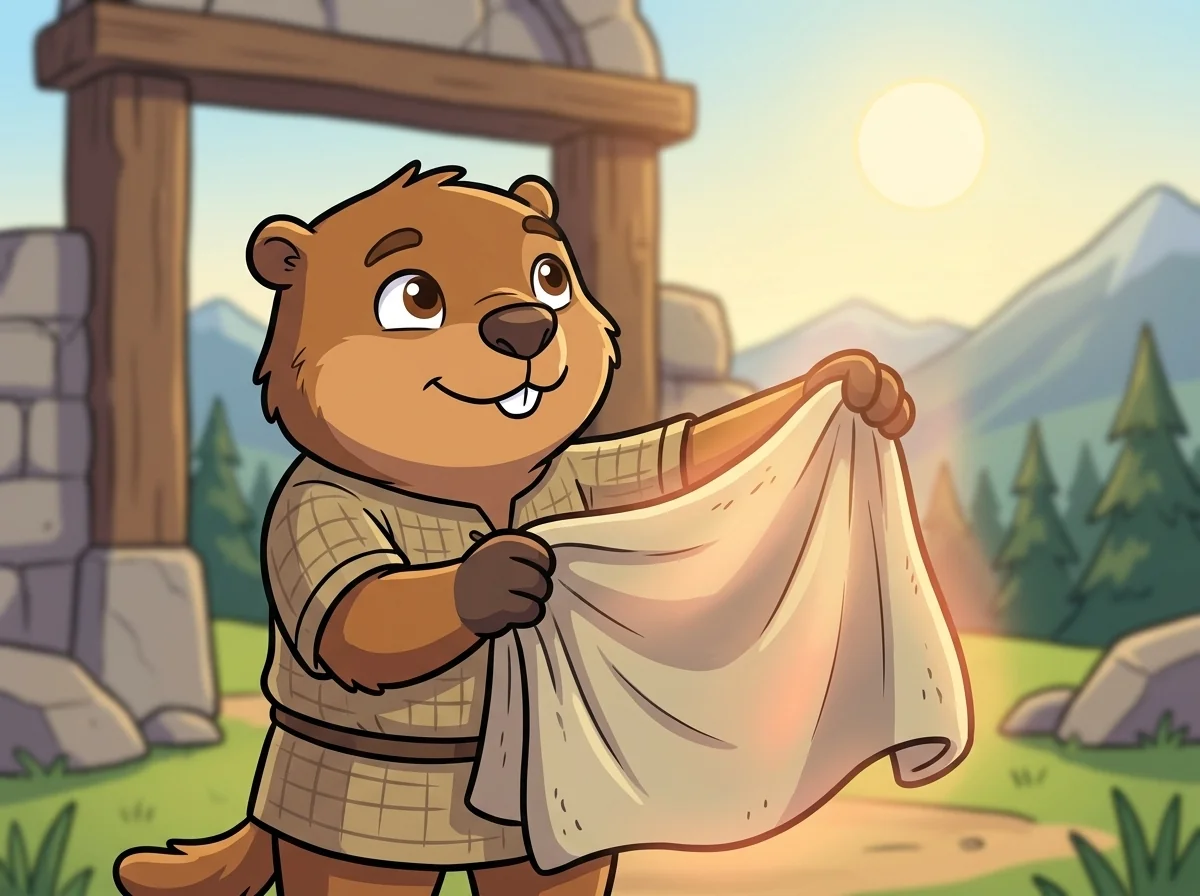
He walked to ClimateQuest when he was thirteen, because a place that studied the sky ought to understand a blanket.
Cirrus, the mentor who welcomed newcomers at the gate, didn't ask Blanket to prove he was clever. She asked one plain question. "What is the greenhouse effect?"
Blanket didn't answer with a speech. He unfolded his blanket and held it up to the pale mountain sun. "Some things let the sun's warmth in and then hold on to a bit of it instead of letting it all rush straight back out," he said. "The air around the Earth does that. Certain gases up there catch a little of the heat and keep it close, like this."
He wrapped the blanket loosely around his own shoulders. "Without it, the Earth would be a frozen rock — way below freezing, all the time. With it, we get meadows and rivers and rabbits." He tugged the wool. "This isn't the problem. This is the reason anything lives here at all."
Cirrus looked at the small marmot wrapped in his one comfortable layer for a long, warm moment. "You belong here," she said.
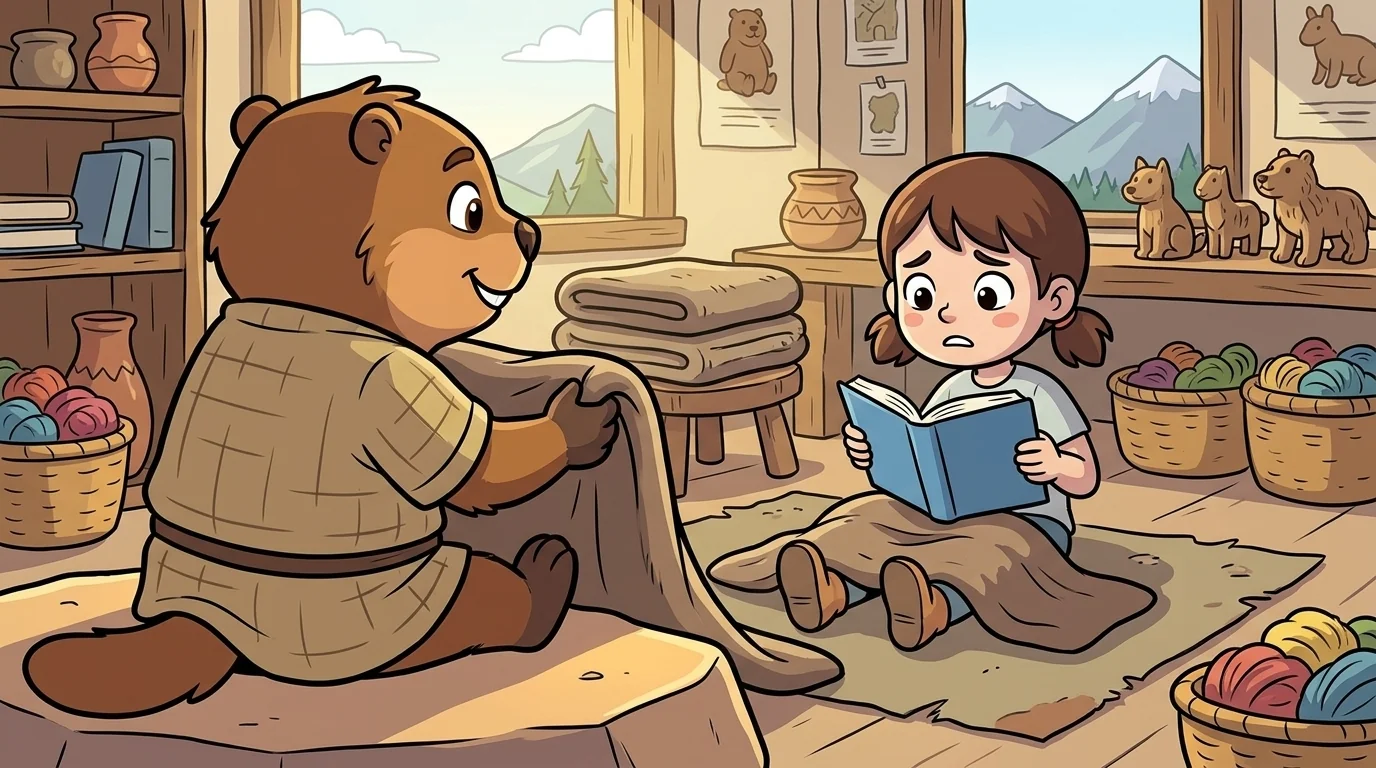
Blanket's workshop was full of things that were secretly about the right amount of warm.
A girl came in one afternoon looking pale and worried, clutching a book she'd been reading. "It says the Earth is heating up because of the greenhouse effect," she said, and her voice wobbled. "So the greenhouse effect is bad, and it's ruining everything, and—"
"Whoa," Blanket said, kindly. "Sit. Let me show you something first, before you carry that worry any further."
He handed her the folded blanket. "Put one layer over your knees."
She did. "Okay."
"Cozy?"
"...Yeah."
"That's the greenhouse effect doing its normal, good job. It keeps us alive. Now—" he doubled the blanket, then tripled it over her lap until she squirmed. "Too much?"
"Way too much," she laughed, pushing it off.
"There's the whole thing." Blanket settled the blanket back to one layer. "The greenhouse effect isn't bad. It's the blanket the Earth is supposed to have. What's happening is that we've been adding extra layers — burning fuels that put more heat-catching gas into the air, a bit more each year, since long before you were born. Not a new blanket. Just a thicker one than the Earth needs." He tapped the book gently. "So when you tell someone about this, say it carefully. Don't say the greenhouse effect is bad — that's not true, and it makes people scared instead of clear. Say: too much of it is the trouble. Precise words are honest words."
The girl looked down at the one comfortable layer on her knees, and Blanket watched the worry in her face loosen into something steadier. "So we know exactly what's making it thicker," she said.
"We do. Which means we know exactly what to do about it." He grinned. "A problem you understand is a problem you can work on."
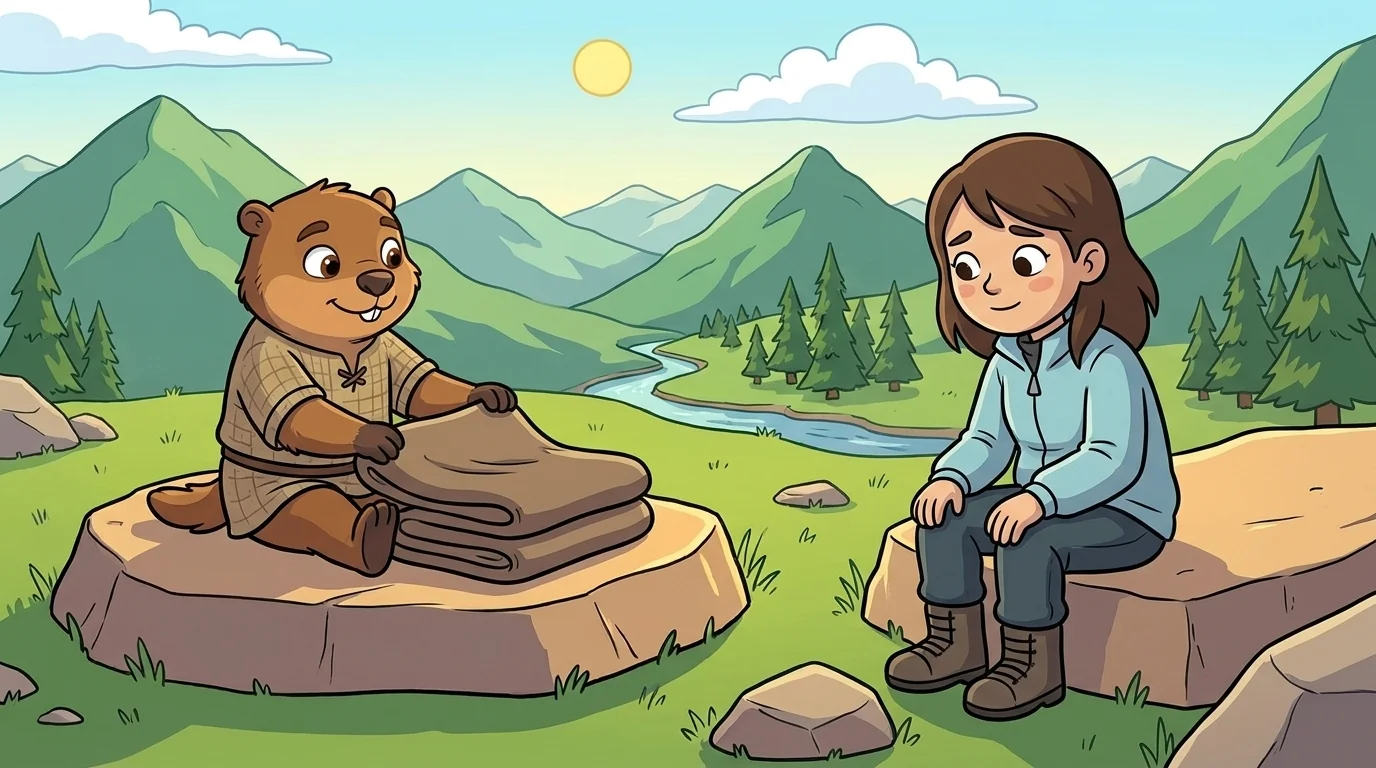
Later, when the workshop was quiet, the girl came back with one more question, softer now.
"When I feel scared about it," she said, "how do I make it not-scary again?"
Blanket thought about the tangle of blankets, and his grandmother lifting them off one layer at a time, and the fear draining out of his chest.
"You go back to the dial," he said. "Not on or off. Not doomed or saved. Just — how much. We added some extra warm. We can add less. People all over the world already know how; they're doing it right now, a layer at a time." He folded the blanket neatly and set it on his arm, ready for the next visitor. "The Earth still has its good, needed blanket. We just want to stop piling on the ones it never asked for."
The girl nodded slowly, and Blanket saw her shoulders come down from around her ears, the way his own had, years ago, when the heavy pile lifted off.
He didn't say the rest out loud, but he thought it, warm and certain and calm all the way through: the scariest-sounding things are usually the ones nobody's explained gently yet. Understood, held to the right amount — even the whole warm sky can feel like something you can take care of.
The ClimateQuest ensemble
Blanket is part of ClimateQuest's distributed-narrative cast. Each character embodies a different curricular primitive; together they teach the full subject.
-

Haze
Atmosphere (air, gases, the sky as a thin layer)
-
Squall
Weather events (vs. climate — short-term variability)
-

Round
Carbon + water cycles (recurring loops, balance)
-

Stitch
Collective action / policy / repair
-
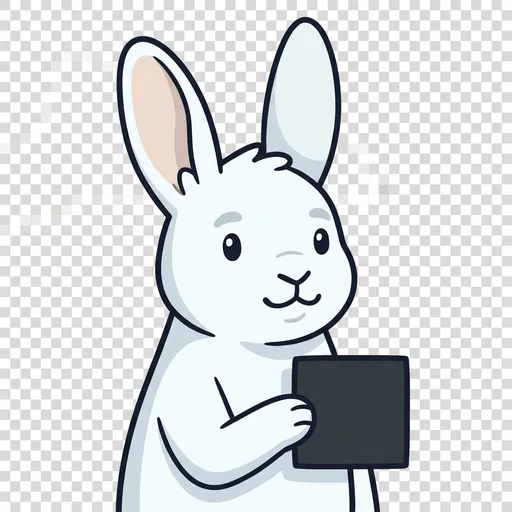
Glint
Ice-albedo feedback (bright ice reflects, dark water absorbs — a warming loop)
-
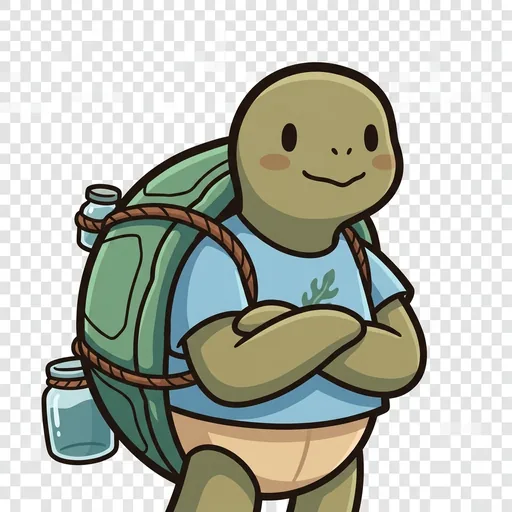
Fathom
Ocean heat + carbon sink (thermal inertia — the sea stores and slows change)
-
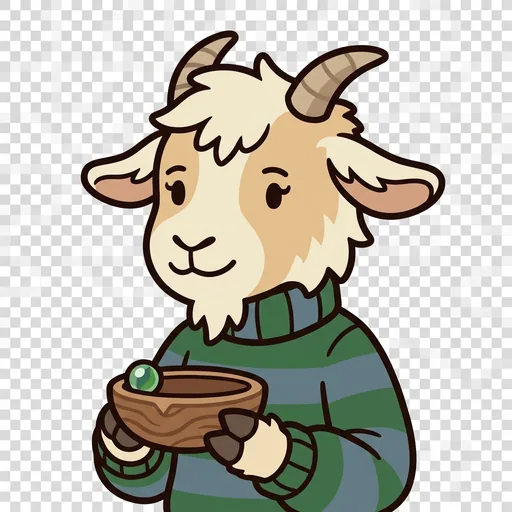
Cusp
Tipping points (thresholds where small change flips a system all at once)