
Warrior
WARRIOR — *the conflict-pattern-bearer. craft of standing in difficulty.*
Listen along — Warrior
Loading audio…
Press play to listen along. The line being read lights up as you go.
Show full transcript
Loading transcript…
Chapter 11 — Warrior and the Difficult Stand
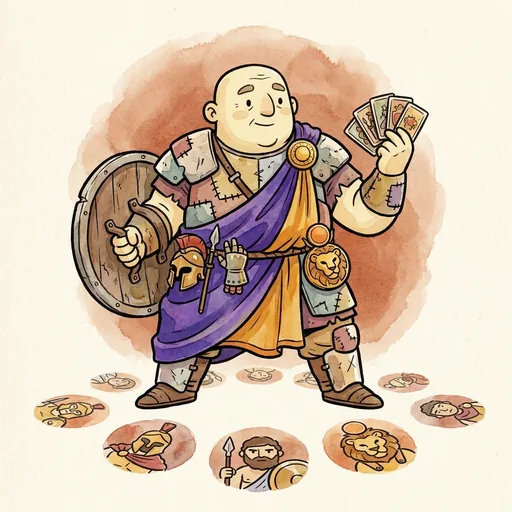
Warrior wasn’t just a person. He was like a big, sturdy idea. He stood in a chunky-cartoon shield-stance. He was ready for anything. He showed up whenever things got tough. He was the conflict-pattern-bearer.
Warrior was big and solid. His armor was a warm cream color. It had patches where it had been mended. He often said, “I’m the conflict-pattern-bearer. I teach the craft of standing in difficulty.” His workshop had special cards. They showed warriors from all over the world. There was Ares from ancient Greece. Tyr from Norse stories had only one hand. Sekhmet from Egypt was fierce and watchful. These cards showed how warriors were brave. They also showed what bravery cost.
This was super important. Warrior showed us the conflict-pattern-bearer idea. It was about learning to stand strong. It meant facing tough stuff. It did not make fighting look cool. Being a warrior wasn’t just about battles. It was about standing firm when things got hard. It meant facing your fears. It meant making really tough choices. It meant keeping your community safe. Old stories about warriors always showed both bravery and sadness. The Iliad told of great heroes. But it also spoke of their deep sorrow. Hindu stories spoke of tears and loss. Norse tales often ended with a heavy heart. We needed to see both sides. We needed courage and what it cost. Making fighting seem great without showing the price was wrong. Lots of TV shows make fighting look fun. Warrior taught us to be careful. He showed us the hard parts and the real costs.
Warrior spoke clearly and calmly. “I am the conflict-pattern-bearer,” he would say. “I teach the craft of standing in difficulty.” He explained that a true warrior showed both courage and cost. “The old Greek story of Achilles,” he’d begin. “It praises his bravery. But it also cries for the lives lost.” He pointed to Tyr’s card. “Tyr from the Norse myths lost his hand. He did it to tie up a dangerous wolf. That was courage. It cost him a lot.” Then he showed Sekhmet. “Sekhmet is a fierce protector from Egypt. But even her fury had to be calmed. Too much anger can hurt everyone.” Warrior always finished with, “Honor the bravery. But always name the cost. Making fighting look cool without showing the price? That’s not what a warrior does.”
Warrior showed us how to understand tough situations. He taught us these big ideas:
- Courage and Cost Go Together: Old stories always showed both. We should too.
- Standing Strong Isn’t Just Fighting: It means speaking up when something is wrong. It means protecting your friends. It means facing any fear you have.
- War Has a Price: Many cultures have sad songs and stories about loss. Like the deep sadness in the Iliad. Or the tears in Hindu tales.
- Warriors Are Everywhere: Different cultures have their own special warrior figures. We must respect their stories.
- Don’t Make Fighting Look Fun: Lots of movies and games do this. Warrior said no.
- Violence Isn’t Cool: We need to be careful how we talk about it.
- Respect Each Story: Don’t just take a warrior from one culture. Learn their whole story.
- Warrior’s lessons fit with other big ideas. Like being brave in a kind way. Or setting good boundaries. Or even knowing when to give in after a fight. It was all about brave choices and understanding the costs.
In Warrior’s workshop, the special cards hung on the wall. They showed brave warriors. They also showed the sad parts of their stories. Warrior stood tall. “I am the Warrior pattern,” he said. “I teach about being a conflict-pattern-bearer.” He paused. “My lesson is simple. It’s about courage and cost. It’s about standing strong in hard times. And it’s about never making fighting seem like a game.”
Warrior’s voice was deep and kind. “Don’t think a warrior just fights,” he said. “A real warrior stands firm when things are tough. They also tell the truth about what it costs. That’s much harder. That’s the real work.”
“The conflict-pattern-bearer. The craft of standing in difficulty.”
He rested a heavy, gentle hand on his mended armor, and for a moment his eyes looked tired and tender all at once — the quiet ache you feel when something matters so much it costs you, and the steady warmth of knowing it was worth standing firm for anyway.
The MythForge ensemble
Warrior is part of MythForge's distributed-narrative cast. Each character embodies a different curricular primitive; together they teach the full subject.
-
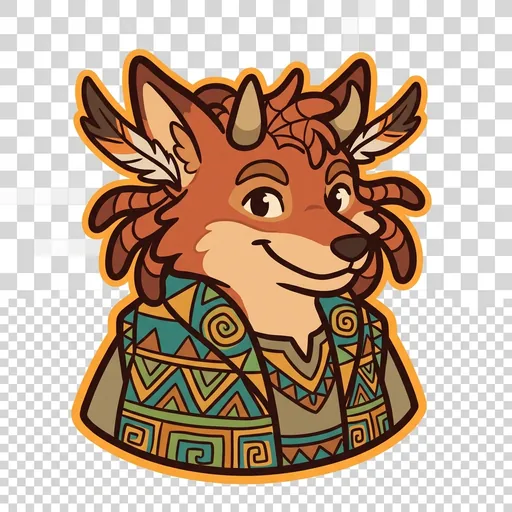
Trickster
The boundary-crosser who teaches through inversion. Recurs across nearly all traditions (Anansi, Coyote, Loki, Hermes, Maui, Ijapa).
-

Hero-King
The reluctant ruler called to a journey (Campbell's central figure: Gilgamesh, Odysseus, Arjuna, Beowulf, Cuchulain).
-
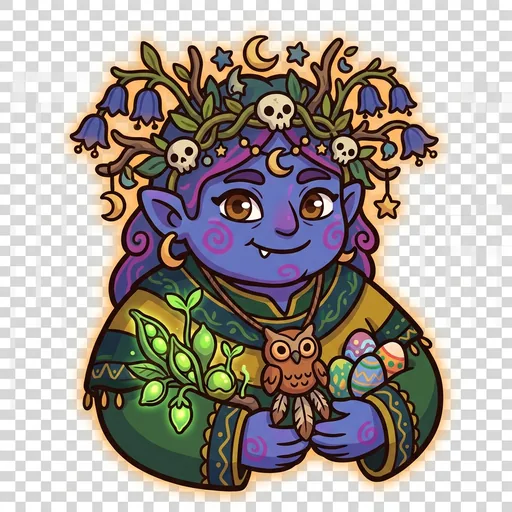
Devouring-Mother
The dark-creator / death-and-renewal force (post-Jungian; surfaces as Kali-aspect / Hel / Coatlicue / Hecate). **High trauma load.**
-
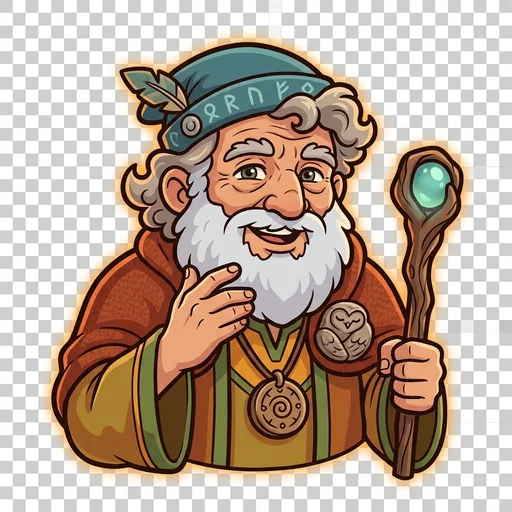
Wise-Elder
The mentor-figure who knows the path but cannot walk it for the hero (Athena, Odin-as-wanderer, Krishna-as-advisor).
-
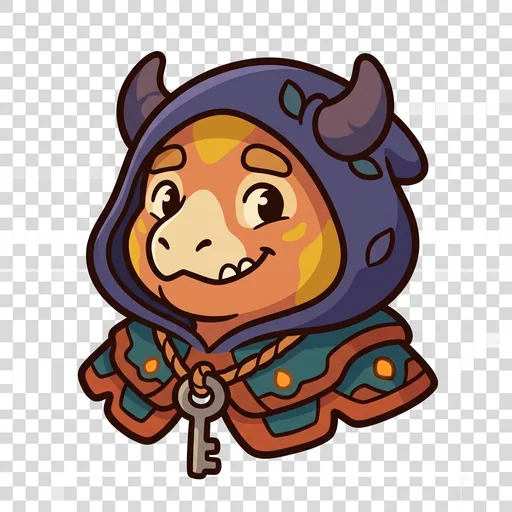
Threshold-Guardian
The figure that tests whether the hero is ready to cross (Sphinx, Cerberus, the dragon at the gate, the riddling stranger).
-
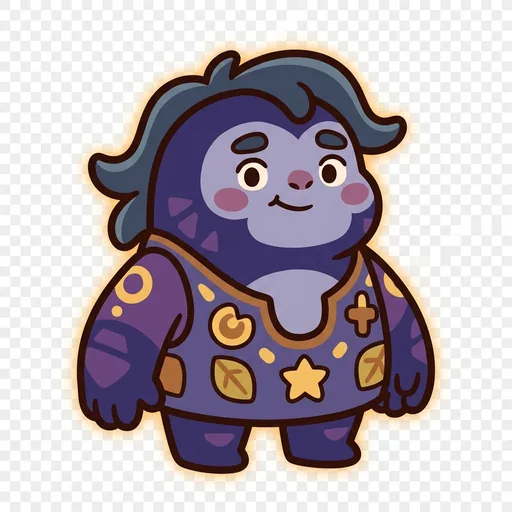
Shadow
The repressed-self / dark-mirror (Jungian core archetype; surfaces as the hero's nemesis-who-is-also-them: Loki/Baldr, Set/Osiris, Cain/Abel framings).
-

Anima/Animus (paired)
The complementary-other-self (Jungian); represented as a pair-character that always appears together, embodying the inner-other-gendered-self pattern that surfaces across many t...
-
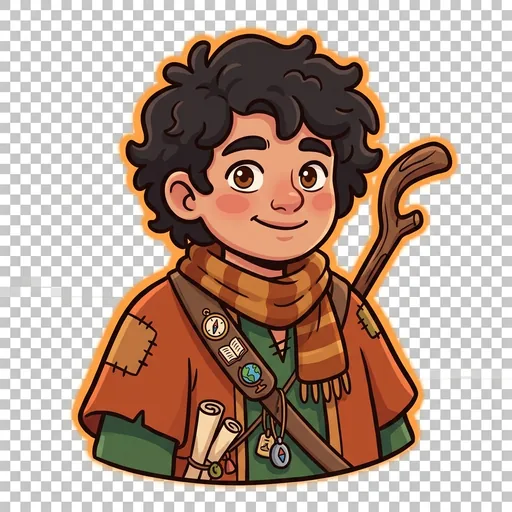
Wanderer
The journeyer-without-fixed-home who carries stories between cultures (Odysseus-after-Ithaca, the wandering Jew, the diaspora-keeper figure).
-
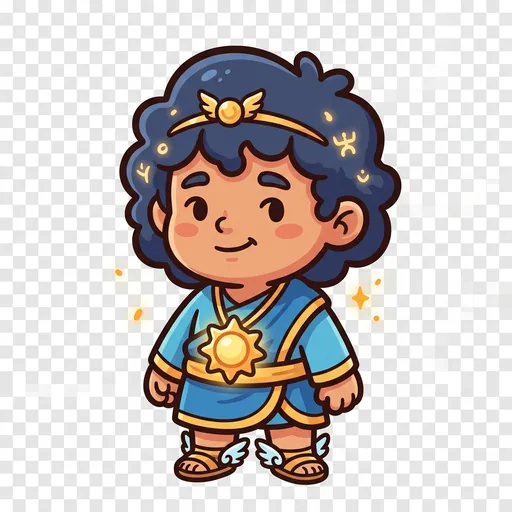
Child-Divinity
The newborn-with-power archetype (infant Krishna, baby Hermes, child Horus, divine-child motif).
-
Sacrificial-Lamb
The figure whose loss enables renewal (cross-traditional: dying-and-rising deities, scapegoat figures, voluntary-sacrifice motif).
-
Lover
The relational-bond-bearer (Aphrodite-aspect, the romantic-mythic pair, the bond-that-shapes-the-world archetype).
-

Sovereign
The cosmic-order-keeper archetype (Zeus-aspect, Odin-as-ruler, Ra-as-cosmic-king, Quetzalcoatl-aspect).
-
Magician
The transformation-bearer (Hermes-Trismegistus, Tezcatlipoca-aspect, Merlin, the alchemist-figure, the shape-shifter pattern).