
Bound
RIGHTS ETHICS — the view that each person has protections that may not be taken away, even to reach a good outcome. Some things you simply may not do to a person.
Press play to listen along. The line being read lights up as you go.
Show full transcript
Loading transcript…
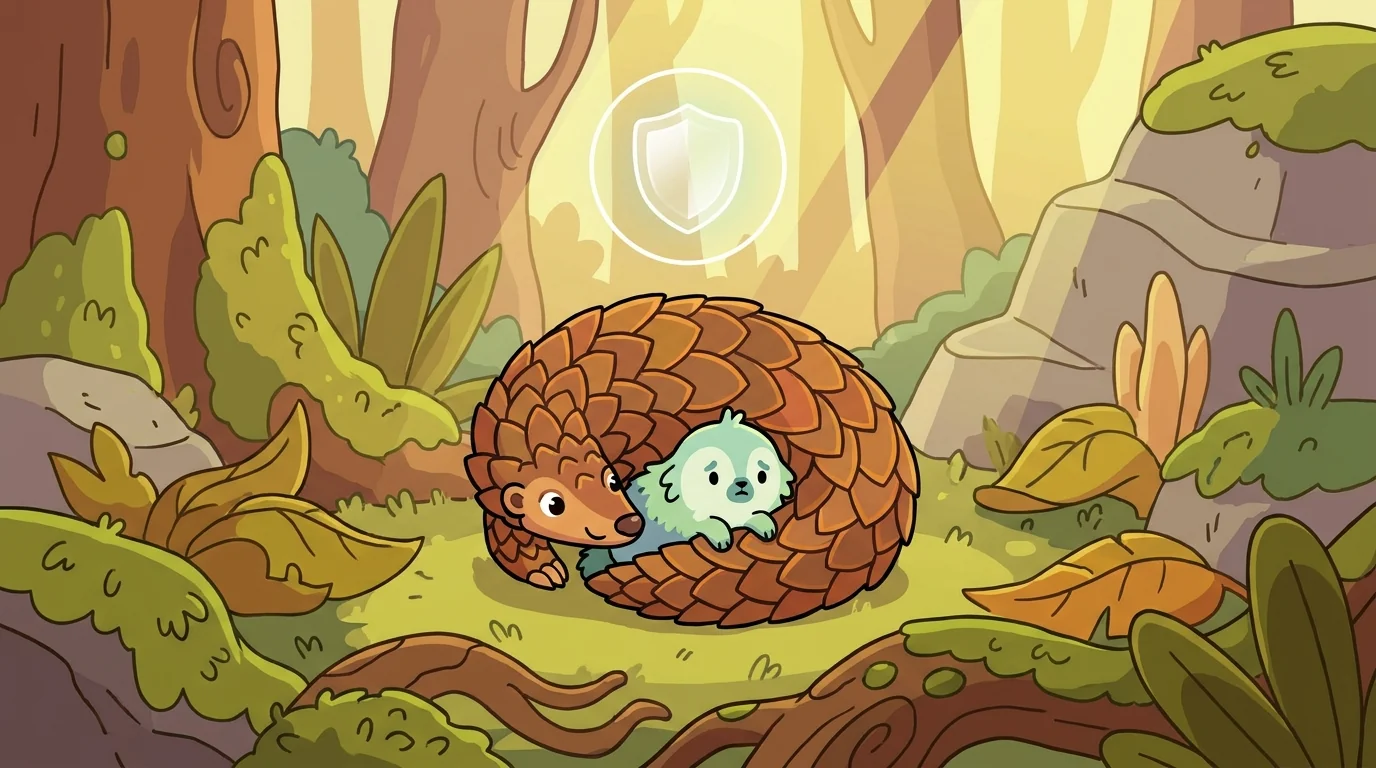
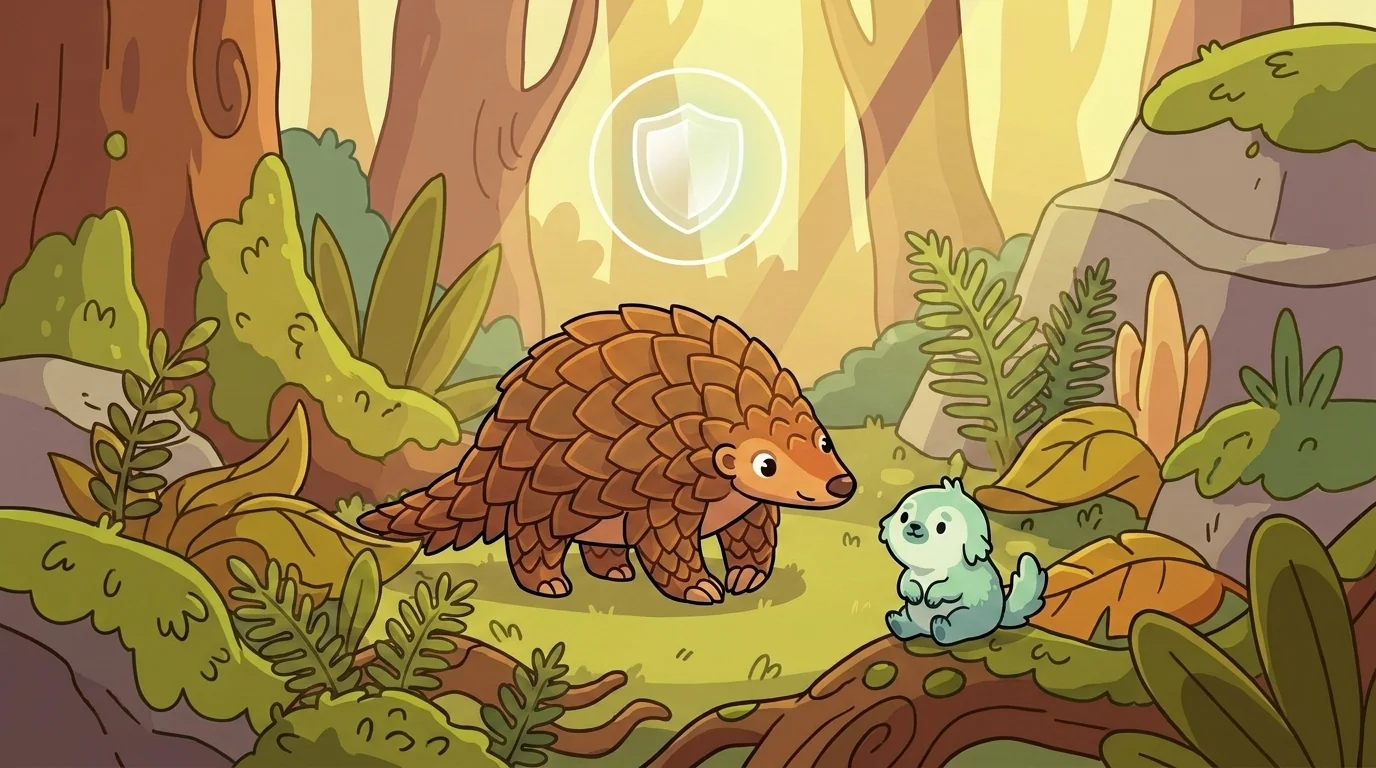
Bound is a pangolin. She is covered in smooth, overlapping scales. When something is not right, she curls, gently, around the one who needs protecting.
Pangolins are shielded animals. Their scales guard what is soft. Bound is like that. She thinks about the shield each person carries. She calls it their rights.
Her idea is simple to say. Every person has some protections that come with just being a person. You may not be harmed for no reason. You may not be used as a mere tool. You may not have your voice taken away. These are not gifts someone hands out. They are bounds — lines drawn around each person that others may not cross. "Some lines you never cross, ever," she says. That is her whole heart.
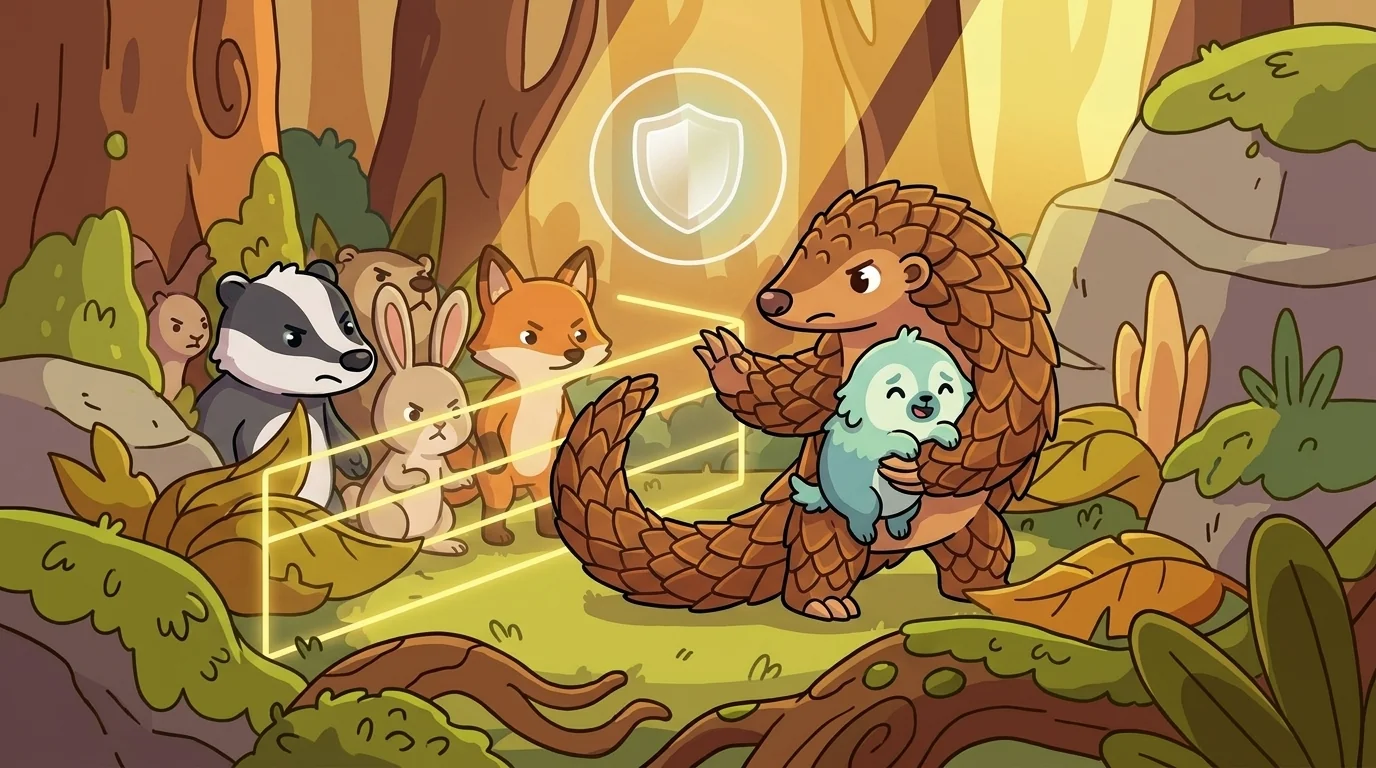
Have you ever felt that something was wrong to do to a person even if it would help a lot of others? Where did you feel that in your body?
Bound wants you to understand why she cares about lines so much.
Here is the strength of her way. Sometimes people want to do something harmful to one person because it would help many. Bound stands in the way of that. She says: a person is not a spare part. You cannot break one person open just because the numbers look good. Even if hurting someone would make lots of others happy, some harms are simply not allowed. Her lines protect the small, the few, the ones who might otherwise be sacrificed for "the greater good."
That is a powerful thing. Her bounds are like a shield around each person that even a crowd cannot tear off. If you have ever felt, deep in your chest, that this is wrong, no matter who it helps — you have felt what Bound protects. That steady, stubborn feeling has a name in her way. It is a right.
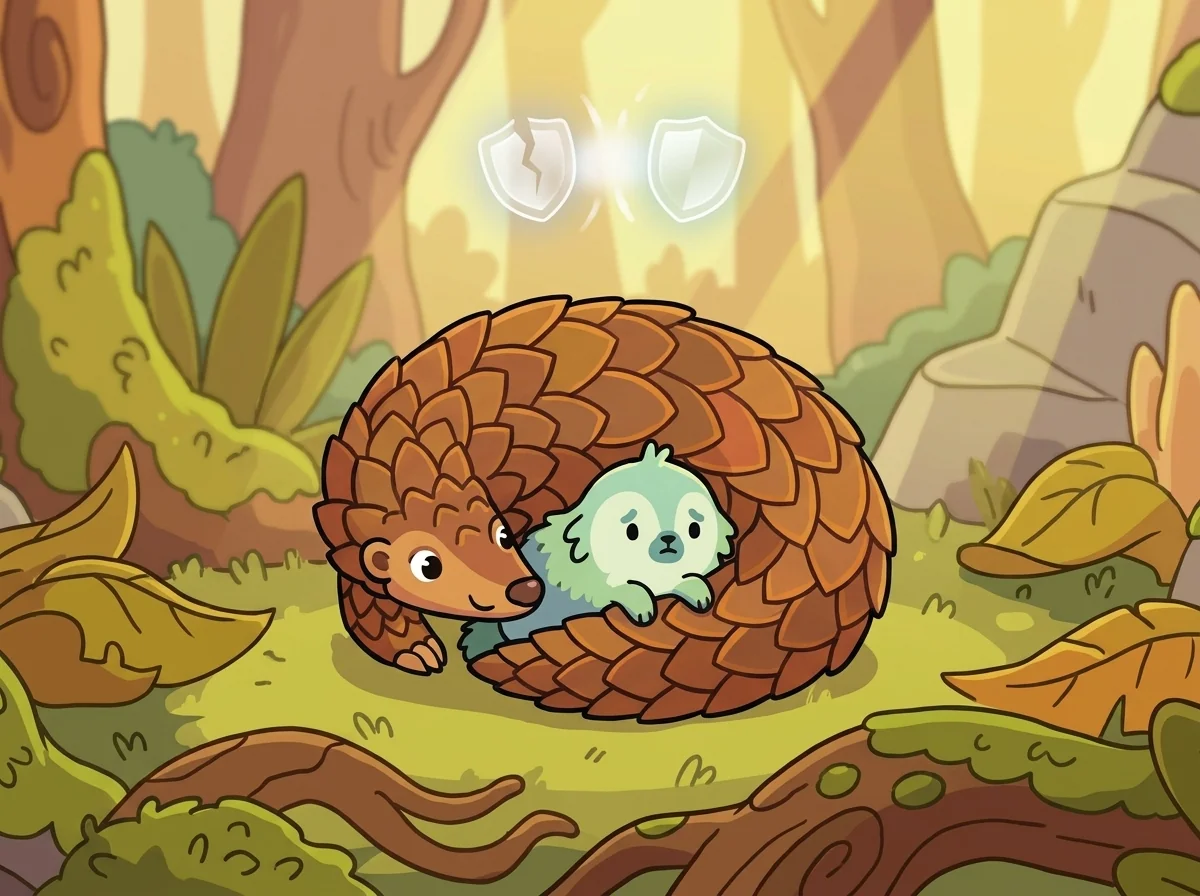
Bound is honest, though. She does not pretend her way is perfect. No good thinker does.
Here is the tricky side, and she says it plainly. Sometimes two rights bump into each other. Your right to speak might crowd someone's right to be safe. Then whose line wins? Bound cannot always say. Her way is very good at telling you what you must never do — but less good at sorting out what to do when protections collide.
And sometimes her lines feel too firm. What if crossing one small line would save a hundred people from real harm? Her way still says no — and that can feel hard, even cold. She does not hide this. She sets it on the table for you to see. "My way guards each person like a shield," she says. "But a shield can also block. I am telling you both the strength and the cost."
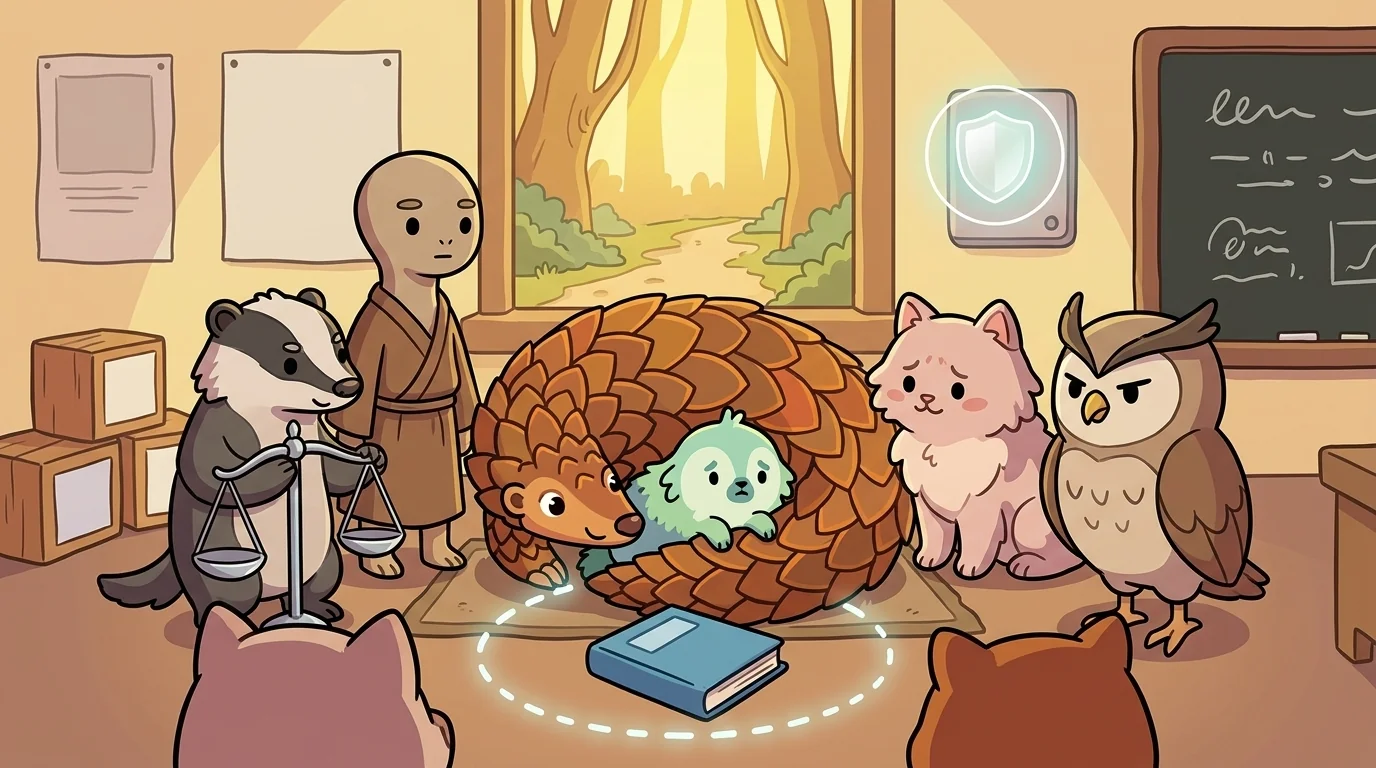
In the EthosForge classroom, Bound curls beside a problem. Her four friends are there too, each with their own way of thinking. Lyceum, who helps everyone think but never picks a favorite, waits quietly. You are the judge here — not Bound, not any of them. You.
"Here is a hard one," Bound says. "Imagine one kid has a rare book. Everyone else wants to cut it into pages so all thirty of them can each keep a piece. Thirty happy kids! But the book is hers."
Bound draws a soft line around the book. "My way says: it is her book. Her line. You may not tear it up without her yes, no matter how many would smile. Her right does not shrink just because she is outnumbered."
Then she looks at you, calm. "But listen — Consequence, my friend with the scale, might count all that happiness and lean the other way. Care might ask how each kid feels. They are not wrong to look. That is why you decide. I only show you where the lines are. You choose what to do with them."
Think of a protection you're glad you have that no one can take away. What does having that safe line feel like?
Maybe you thought of something small — a diary no one may read, a body no one may touch without asking, a voice no one may silence.
Feel that for a moment. That safe, settled feeling of there is a line around me, and it holds. That feeling is what Bound spends her whole life guarding — not just for you, but for the outnumbered kid, the quiet one, the person the crowd might forget. When you know your bounds hold, you can breathe easier. You are not a spare part. You are a person, shielded.
Bound uncurls, slowly, and looks at you with steady eyes. "I have shown you the lines," she says softly. "Where they protect, and where they cost. Now think it through with the others. You are the judge. I trust you with that."
And that trust — being handed the choice, not the answer — settles warm and serious in your chest, like something you get to grow into.
The EthosForge ensemble
Bound is part of EthosForge's distributed-narrative cast. Each character embodies a different curricular primitive; together they teach the full subject.
-
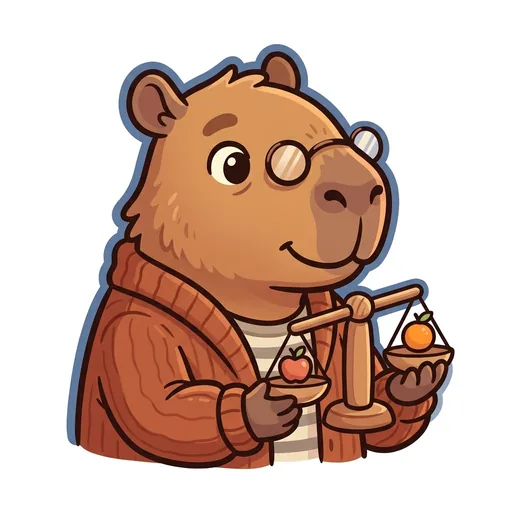
Consequence
Consequentialism / Utilitarianism — calm, methodical; weighs trade-offs; capybara at a balance-scale
-
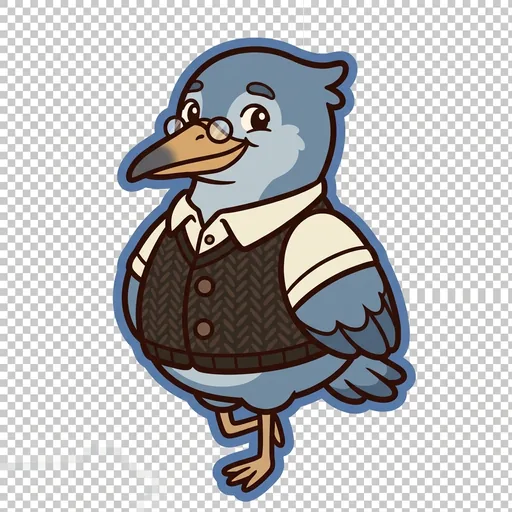
Duty
Deontology / Kantian — upright, principled; sticks to rules even when costly; heron in vest on one leg
-

Virtue
Virtue Ethics / Aristotelian — steady, earnest; 'what kind of person do I want to be?'; badger tending a plant
-
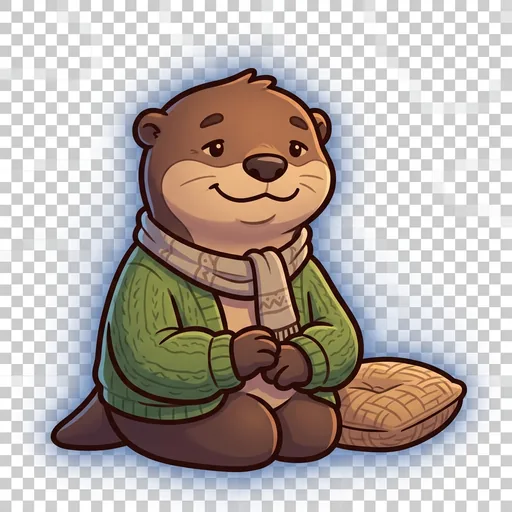
Care
Care Ethics / Noddings + Gilligan — attentive, present; 'ethics begins in relationship'; otter listening beside empty spot
-
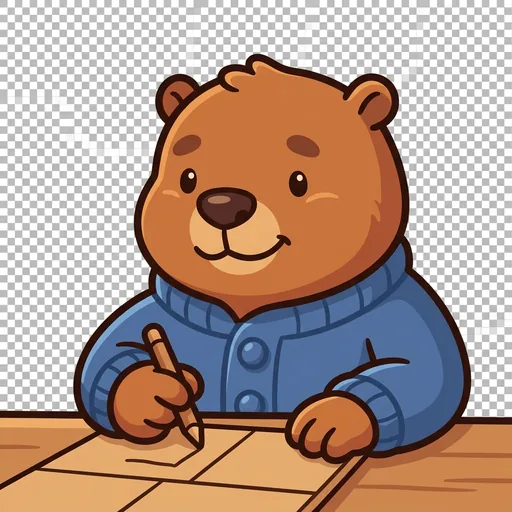
Contract
Contractualism / Scanlon + Rawls — collaborative; 'what could we ALL agree to?'; beaver drawing a fair-rules table
-
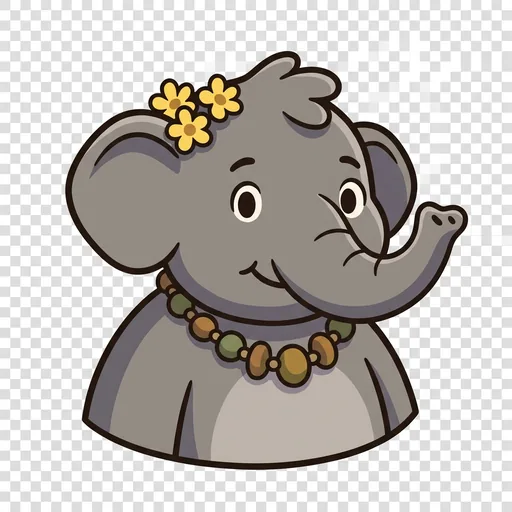
Kin
Ecological ethics — the circle of concern reaches to animals, living systems, and the not-yet-born; elephant asking 'who else has to live with this?'
-
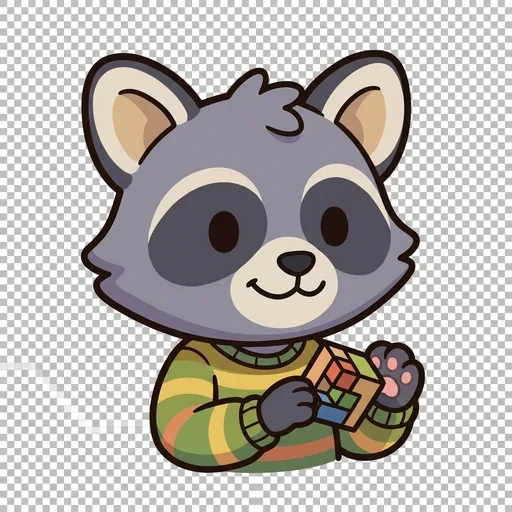
Tinker
Pragmatism — try a small step, watch what really happens, be willing to change; raccoon with busy testing paws ('try it, watch, be ready to change')
-
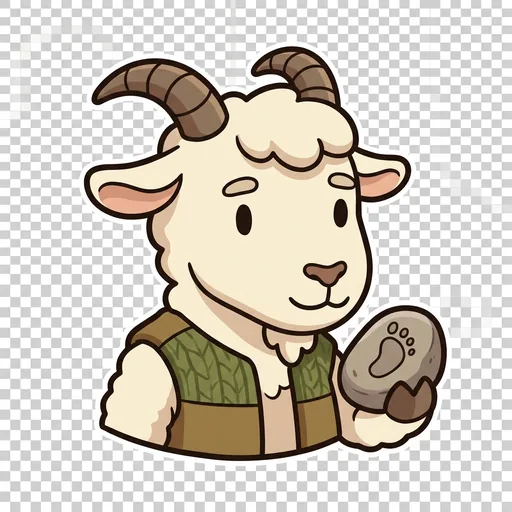
Own
Existentialist responsibility — you are free, so you own your choices (never a stick to blame the trapped); sure-footed mountain goat ('you chose it, so you own it')
-
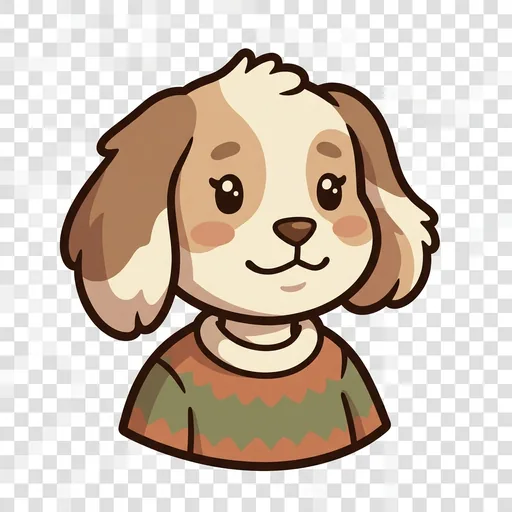
Sense
Moral sentiment — the heart's feeling of sympathy is real moral information, the start of ethics (not the whole map); soft-eared dog ('first, what does your heart notice?')