
Hunch and Anchor
evidence-based inference — a good reader guesses what the text implies (the leap) AND points to the specific words that support the guess (the anchor). An inference you can't tie to evidence is just a guess; evidence you never reason from is just a quote. The reading move is the two done together.
Press play to listen along. The line being read lights up as you go.
Show full transcript
Loading transcript…
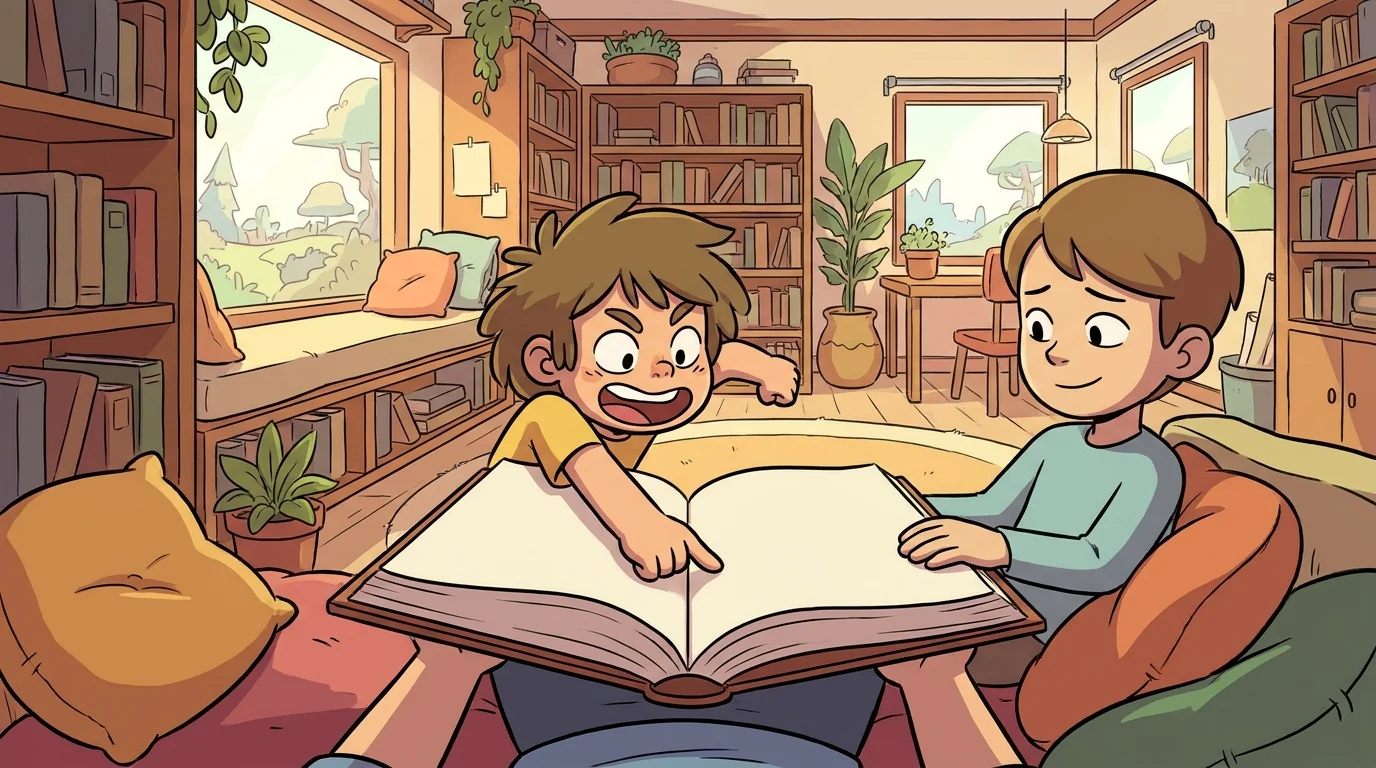
In the reading-room of the readquest, two friends sat on either side of one open book, so big it took both their laps to hold. Hunch leaned in close, eyes darting across the page, practically buzzing. Anchor sat back, one finger resting patiently on the paper, ready.
"Oh!" said Hunch suddenly, sitting up. "The girl in the story is scared. Really scared."
Anchor didn't argue. Anchor never argued. Instead they asked the only question they ever asked, in their calm, unhurried way: "Where does it say that?"
Hunch blinked. "It doesn't say it. That's the whole point! It's between the lines. You just... feel it."
"Then show me the lines you felt it between," said Anchor, and slid the book a little closer. "Not to catch you out. To make your idea strong. A hunch is a lovely thing. But a hunch nobody can find in the text — that's just a wish."
Hunch grumbled, but leaned back over the page. And there it was, three words down: her hands shook. Hunch pointed, triumphant. "There! 'Her hands shook.' The book never says 'scared,' but hands shake when you're scared!"
"Now," said Anchor warmly, "that's a reading. That's not a guess anymore. That's a guess with a rope tied to it."
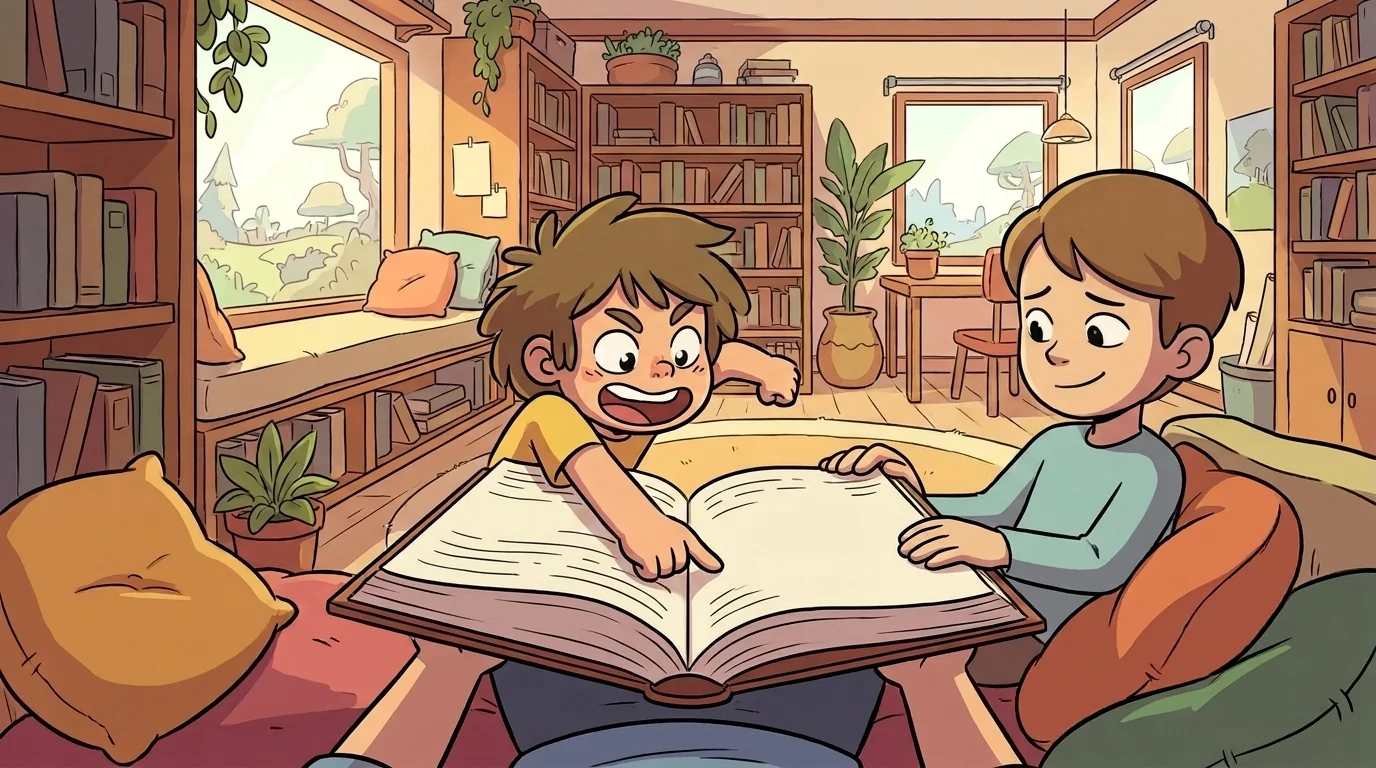
Anchor liked to explain, when Hunch would let them, why the rope mattered so much.
"When I was new to this," Anchor said, "I read a story about a boy who 'left his lunch untouched and stared out the window all through recess.' And a reader next to me announced, very sure of themselves: 'He's grounded! His parents took away his weekend!'" Anchor shook their head slowly. "And I asked — where does it say that? And they couldn't find it. Anywhere. They'd made the whole thing up. A brand-new story on top of the real one."
Hunch winced. "Okay, that's... a lot of guessing."
"It was a fine hunch," Anchor said, fair as always. "Something was wrong with the boy — the untouched lunch, the staring, that's real evidence. But 'grounded for the weekend'? The rope didn't reach that far. All the words could hold up was he's sad or worried about something. No more." Anchor tapped the page. "The evidence tells you how far your hunch is allowed to go. Not one step further."
"So a hunch can be too big for its rope," Hunch said slowly.
"And a hunch can also be too small," Anchor smiled. "Some readers only ever quote. They point at 'her hands shook' and stop. They never leap at all. That's where I need you."
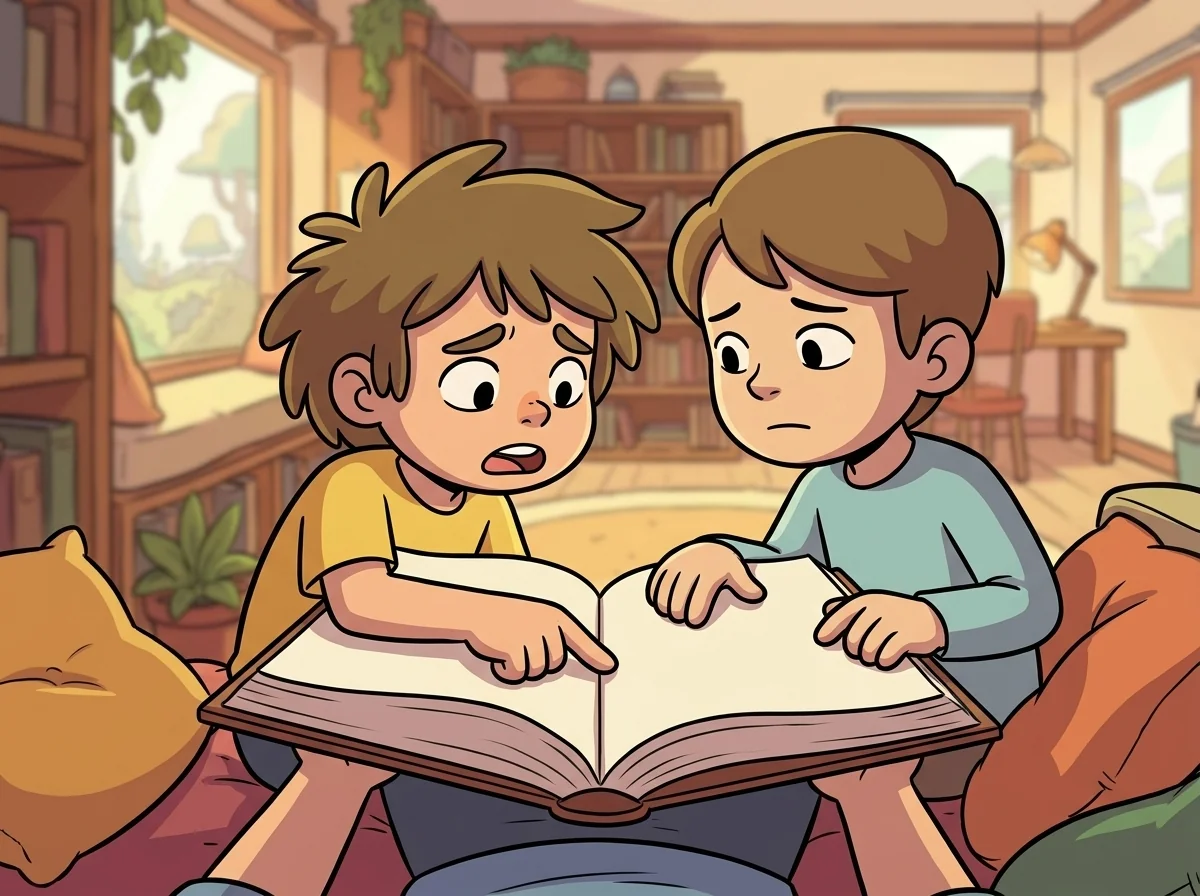
Their trickiest job came that afternoon: a passage with no feelings named anywhere, not one.
Dad set two plates on the table. He looked at the empty chair for a long moment, then quietly put one plate back in the cupboard.
"Well," said Anchor, "the words are all plain. Two plates. An empty chair. One plate away. Nothing hard to read."
But Hunch had gone very still. "No," Hunch said softly. "Something big is here. Somebody's missing. Somebody who used to sit in that chair. Dad set two plates out of habit — because for a long time there were two — and then he remembered." Hunch's voice dropped. "It's about loss. It's sad in a way the words never once say."
Anchor looked at Hunch — really looked. "That's a huge leap," they said. Not doubting. Just measuring. "Can we anchor it?"
Together they bent over the four small sentences. Two plates — habit. The empty chair — someone belongs there. A long moment — remembering, feeling. Put one plate back — the habit corrected, the person truly gone. Every piece of the leap had a word holding it down.
"Every part of it," Anchor breathed. "You leapt all the way to loss, and the rope held the whole way."
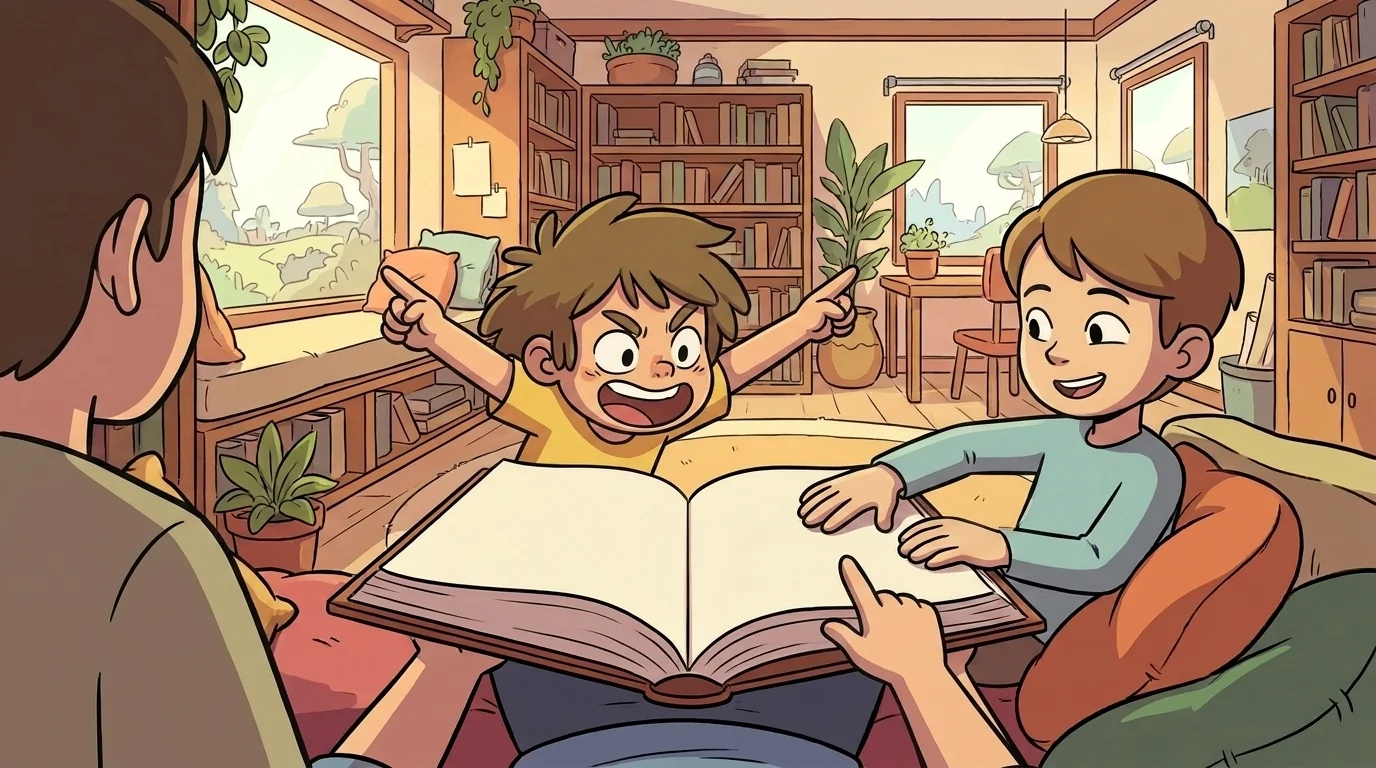
The apprentice who'd been listening finally spoke up. "But how do you know how far to leap? Hunch just... knew. Anchor just... checked. How do I do both?"
Hunch and Anchor answered at the same time, and then laughed, because their answers were two halves of one sentence.
"You leap first," said Hunch. "Don't be afraid of the guess. The text is asking you to fill in what it left out — that's how stories work. So go ahead: what does this make you think?"
"And then you check," said Anchor. "Go back to the exact words. Point at them. Ask: do these hold up my idea? If they do — how far? Keep the part of your leap the words can carry, and let go of the part they can't."
"Leap," said Hunch.
"Anchor," said Anchor.
"Every single time," they said together.
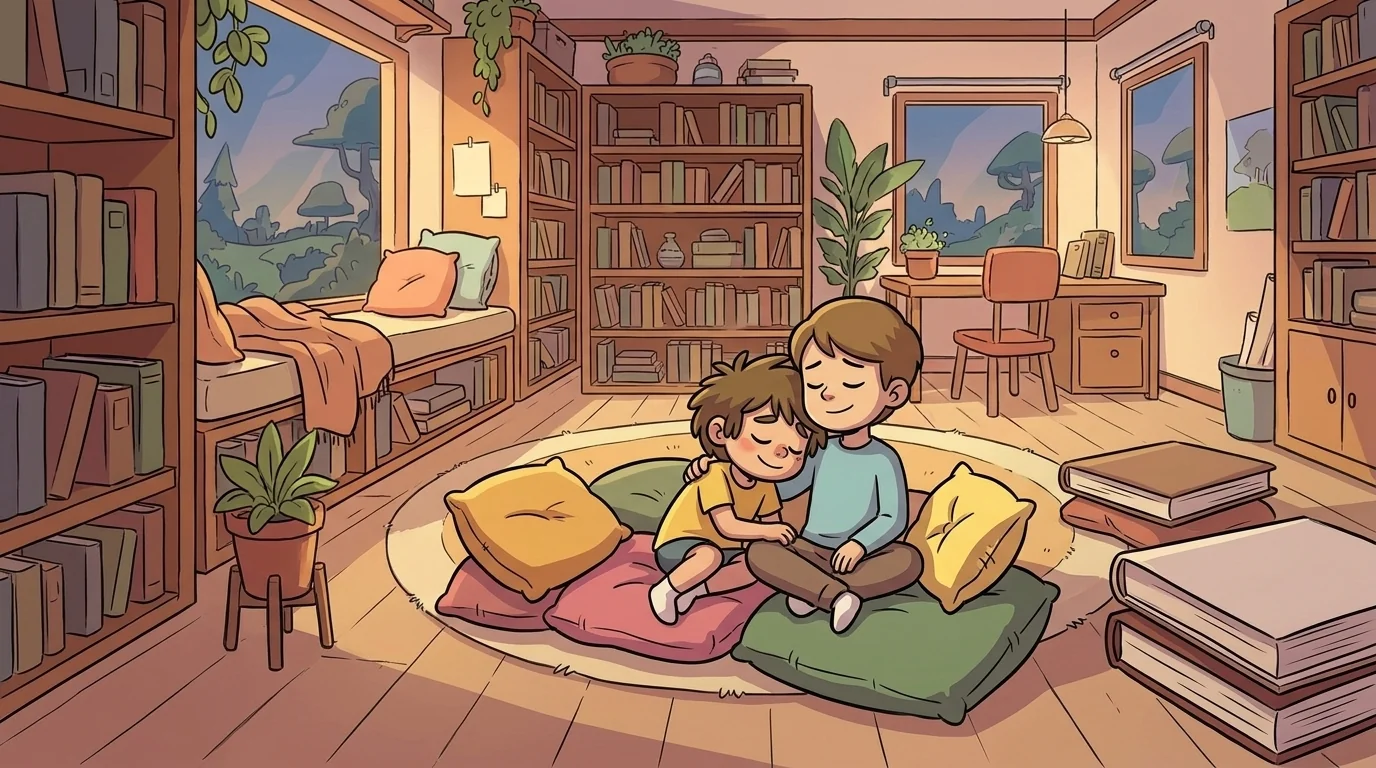
That evening the big book lay closed, and the apprentice had gone home to practice. Hunch sat swinging their feet, quiet for once.
"Do you ever wish you could just leap?" Hunch asked. "Without me always asking you to check?"
Anchor thought about it. "Do you ever wish you could just check?" they asked back. "Without me always nudging you to leap?"
Hunch grinned. "Never. I'd be stuck on the page forever. So boring."
"And I'd be floating off into stories that aren't there," said Anchor. "A little bit lost, honestly. A little bit scared of being wrong and never knowing it." They bumped Hunch's shoulder, gently. "That's the thing nobody tells you. It isn't that one of us is right and one of us is careful. It's that a real reading needs both — the brave part and the honest part — and I feel safe doing the brave part, because I know you'll keep me honest, and you feel free being honest, because you know I'll always dare to leap."
Hunch was quiet, and then leaned their head on Anchor's shoulder, and felt something settle in their chest — steady and glad and unafraid — the deep, easy calm of a reader who knows they will never have to guess alone, or check alone, ever again.
The ReadQuest ensemble
Hunch and Anchor is part of ReadQuest's distributed-narrative cast. Each character embodies a different curricular primitive; together they teach the full subject.
-
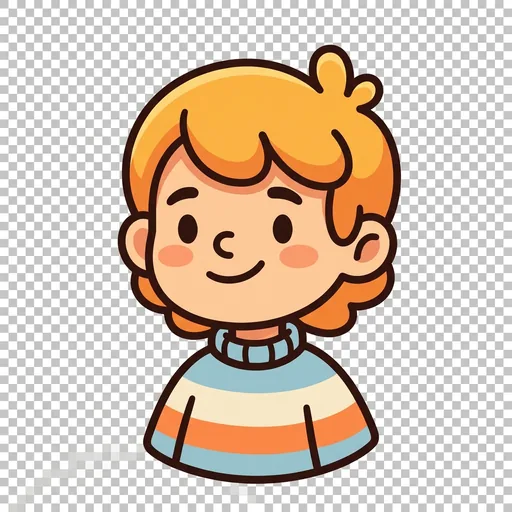
Crest
Main idea / central message (the *peak* of the passage)
-
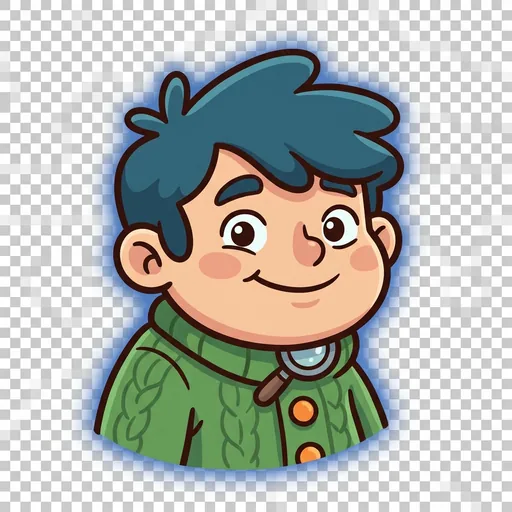
Hunch
Inference (reading between the lines)
-

Anchor
Evidence / textual citation
-
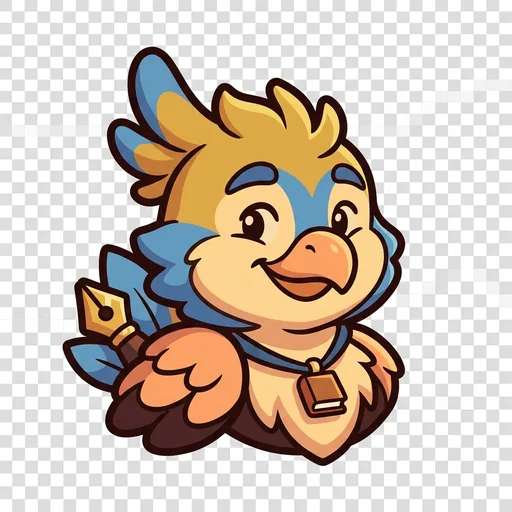
Plume
Author's purpose / voice / tone
-
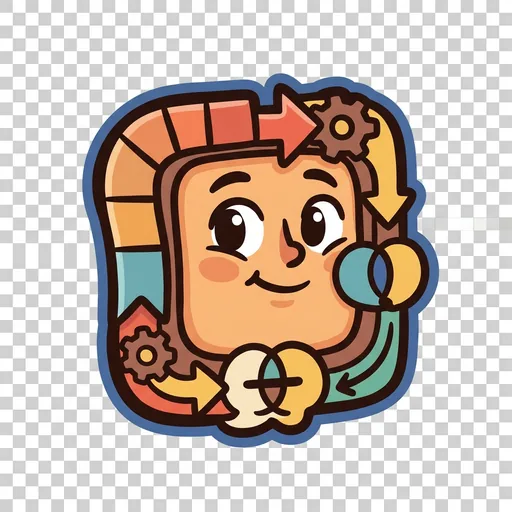
Frame
Text structure (compare-contrast, sequence, cause-effect, problem-solution, description)
-

Pith
Vocabulary in context (deriving word meaning from surrounding text)
-
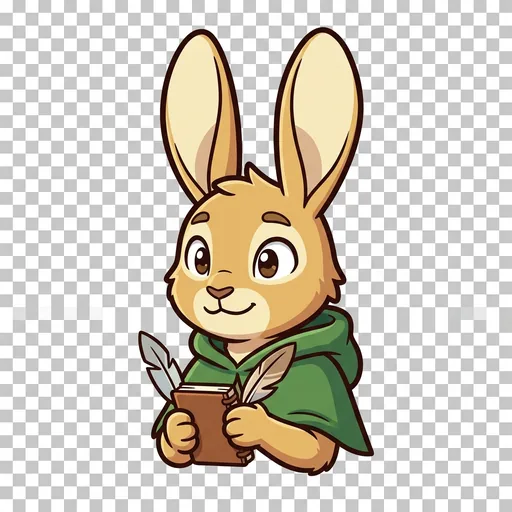
Yonder
Predicting — alert young-hare creature who reads the trail's clues to guess what's around the bend; a wrong guess just means the story surprised you
-
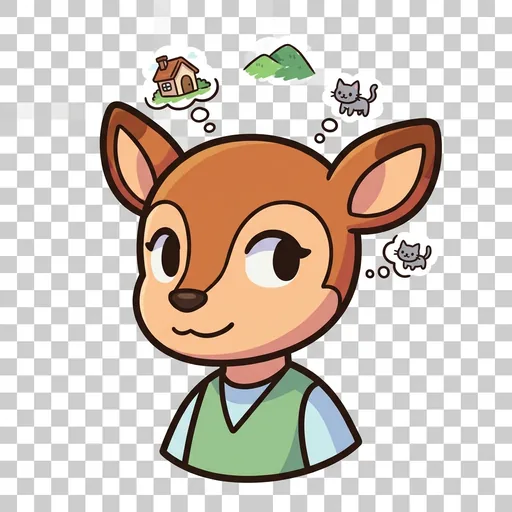
Vista
Visualizing — dreamy young-deer creature who turns words into a movie in the mind; the writer gives the words, the reader gives the pictures
-
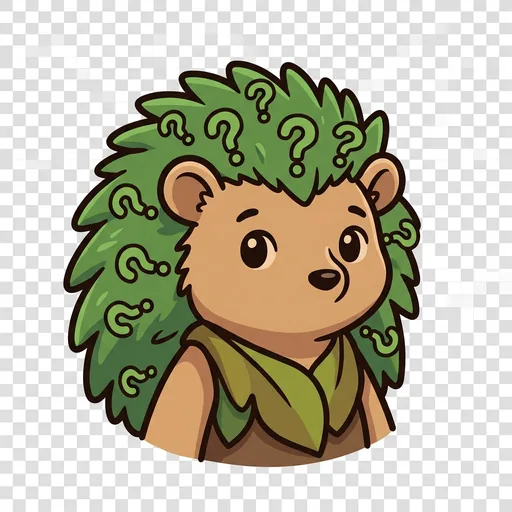
Nettle
Questioning the text — question-quilled hedgehog who pokes a passage with why/how/what-if; asking questions means you're awake, not that you don't understand
-
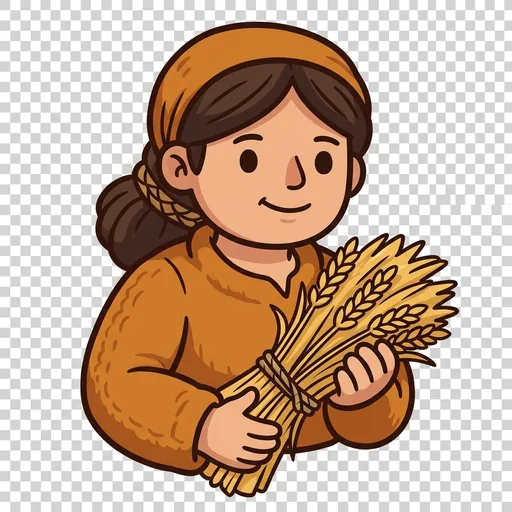
Sheaf
Summarizing — warm-handed harvester who gathers a whole passage into one tidy armful, keeping the important middle and letting loose details fall