
Bell
RHYME — when the end-sounds of lines ring together (cat / hat, away / today). Rhyme makes a poem feel finished and musical, and in forms like the limerick it is part of the form's shape: lines that must chime with each other.
Press play to listen along. The line being read lights up as you go.
Show full transcript
Loading transcript…
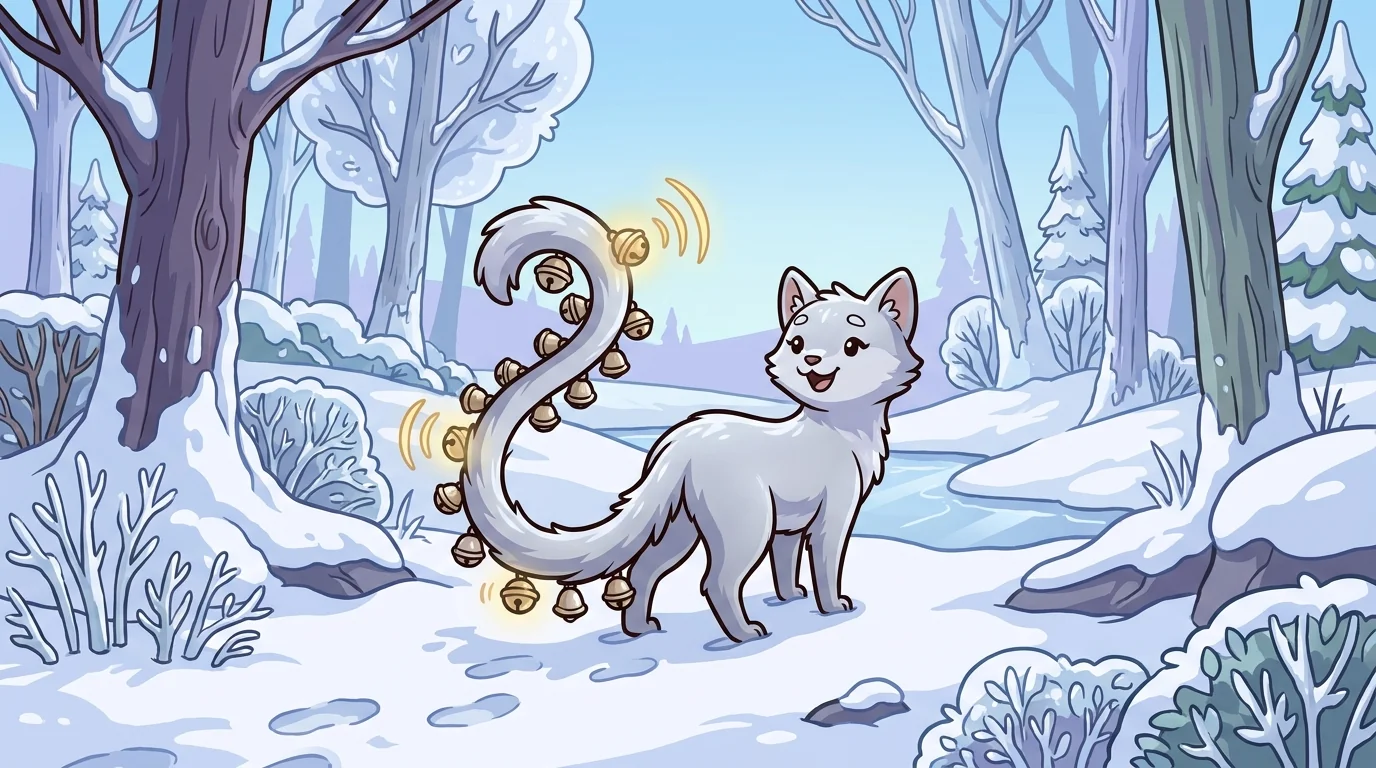
Cherry met Bell on a clear winter morning, when the grove was quiet enough to hear the smallest sounds.
Bell was a delicate, silver-furred creature with a row of tiny bells along her tail, each one tuned to a different note. As she moved, the bells chimed softly. But Cherry noticed something curious: whenever two words rang with the same end-sound, two of Bell's little bells would chime at the exact same pitch — a clear, happy ting of matching.
"Your bells answer each other," Cherry said.
Bell turned, and two tail-bells chimed in tune. "They do," she said, "when sounds match. My name is Bell. I keep the rhyme — the end-sounds of lines ringing together. Listen: night —" one bell chimed "— and light —" another bell chimed at the very same pitch, and the two notes rang together, bright and satisfied. "When two words rhyme, my bells sing the same note. It's the loveliest feeling — like two things clicking into place."
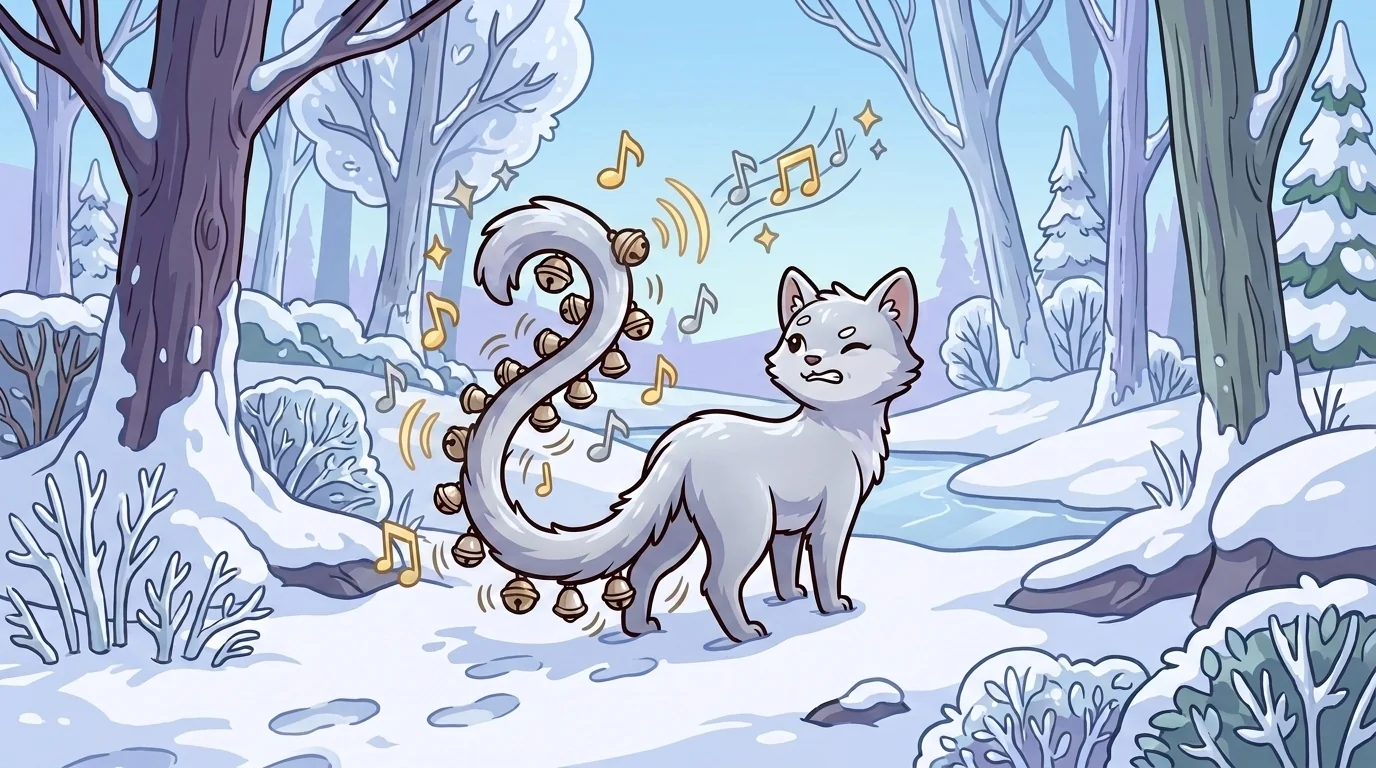
Cherry said a word. "Moon." One of Bell's bells gave a note. Then Cherry said, "Soon." A second bell rang — the same note exactly, and the two hummed together. Then Cherry tried "moon" and "tree." The two bells chimed at clashing pitches, and Bell winced a little.
"That's how I know," Bell said. "Rhyming words make my bells agree. Words that don't rhyme make them disagree." She gave her tail a gentle shake, and a little cascade of matched and unmatched notes spilled out. "In a limerick, certain lines have to chime — the first, second, and fifth all ring together, and the third and fourth ring with each other. The rhyme is part of the form's shape. Get the chimes right, and the limerick clicks shut like a perfect little box."
Cherry felt the satisfaction of it — the way a rhyme makes a poem feel finished, sealed, musical. She'd taught students to count and to cut, but the chime of matched end-sounds was its own kind of magic.
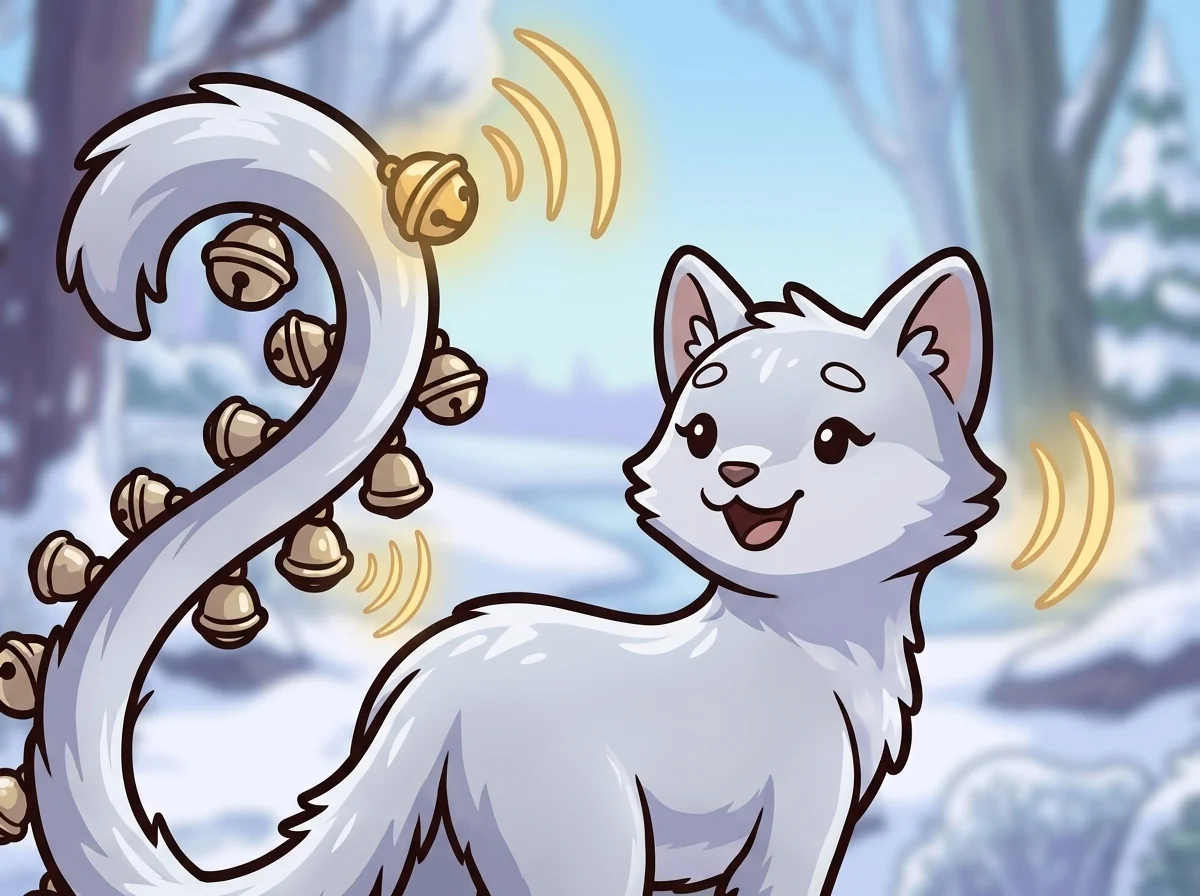
Cherry asked Bell to travel with her. "I coach children in rhyming forms," she said, "and their rhymes are often forced — they jam in any old word just to match. I think you could teach them to hear when a chime rings true."
Bell's tail gave a glad little peal. "I'll come," she said. "I do love a true chime. And I do wince at a forced one. I'll teach them the difference."
So Bell joined Cherry's travels, and the rhymes in her lessons began to ring true.
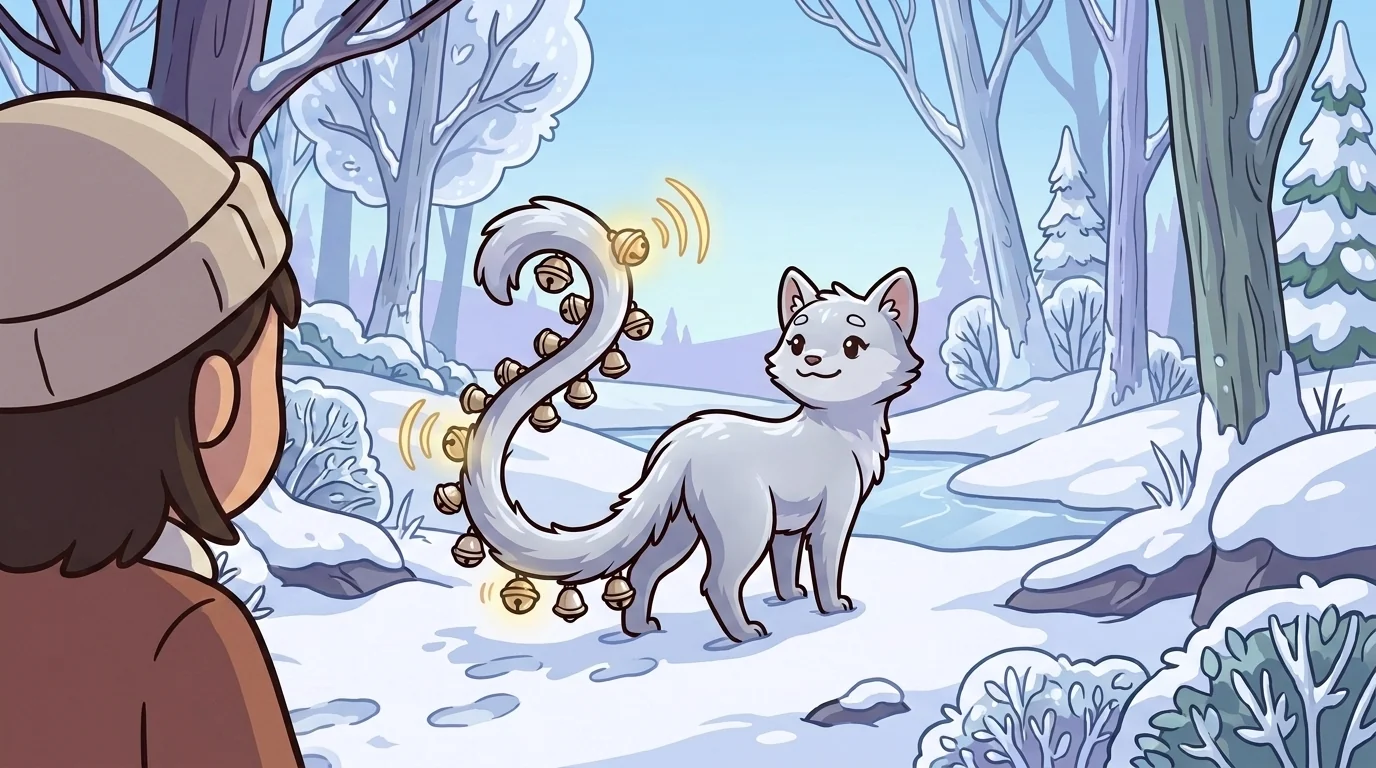
When Cherry teaches rhyme, Bell leads with her bells. "Say your two end-words," she tells the students. "If my bells chime the same note, they rhyme. If my bells argue, they don't." She has them test pairs — play / day (a bright matched ting), play / dog (a clashing wince) — until they can hear the chime themselves.
But then Bell teaches the lesson she cares about most. A student had written a limerick that ended with a word clearly jammed in just to rhyme — it made no sense, but it matched. Bell's bells chimed in tune... and yet she shook her head. "The sounds match," she said gently, "but listen — does it mean anything?" It didn't. "A rhyme that's forced in just to chime is worse than no rhyme at all. The best rhyme says something true and rings the bell. Never twist your meaning just to make a chime. Find the word that's both right and ringing — or change the other line instead."
The student rewrote it, and found a word that rhymed and made sense, and this time when Bell's bells chimed, they chimed warm and whole. "That's the one," Bell said. "True and ringing, both at once."
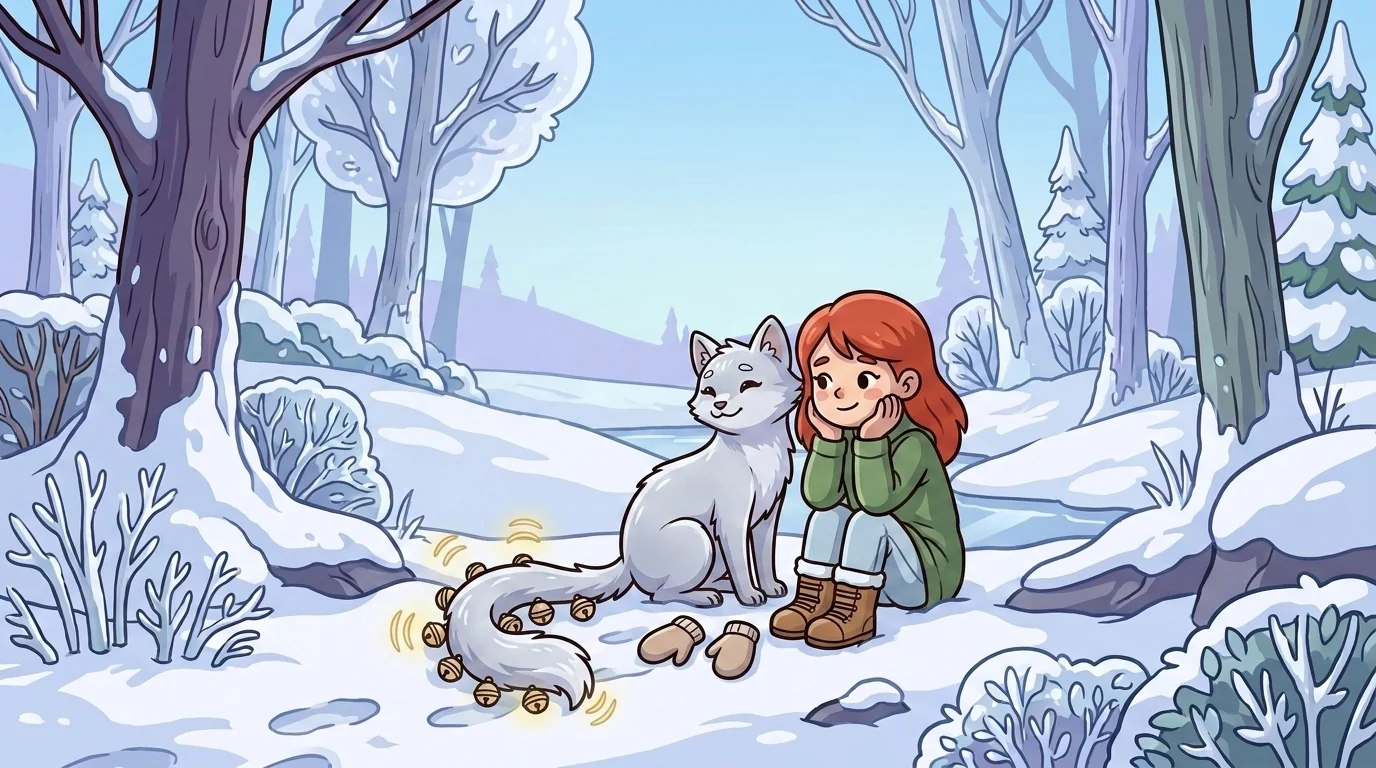
After the lesson, Bell sat with Cherry in the quiet, her tail-bells still now, resting.
For a long time, Bell had worried that she cared too much about matching — that her need for things to chime made her fussy, hard to please, always wincing at a sound that was almost right. She'd wondered if she'd ever just relax and let things be imperfect.
But sitting in the still grove, Bell understood her own gift more kindly. She didn't wince at imperfect rhymes to be fussy. She winced because she could hear the difference between a chime that was forced and a chime that was true — and she loved the true one so much. Helping a child find a rhyme that was both right and ringing, and hearing the bells sing whole — that was a deep, clear joy, like a perfect note held in cold air. A warm contentment settled her silver fur. Her ear for the true chime wasn't fussiness. It was love of the sound when it finally, honestly rang. And she gave her tail one soft, happy shake, and let the bells sing.
The HaikuQuest ensemble
Bell is part of HaikuQuest's distributed-narrative cast. Each character embodies a different curricular primitive; together they teach the full subject.
-
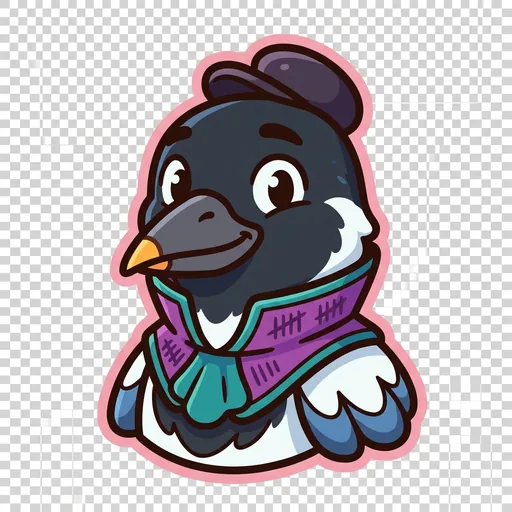
Count
Syllable count / count-discipline — magpie-tween whose beak-tap enacts the rhythmic underpinning of every counted form
-
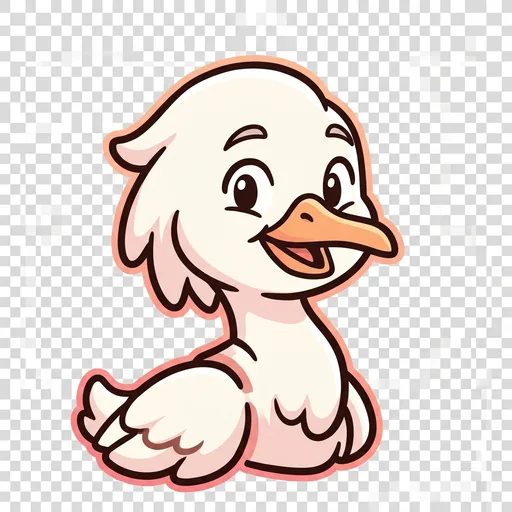
Pause
Kireji / cut / productive break — snowy-egret-tween whose perpetually-mid-step body IS the kireji in physical form
-
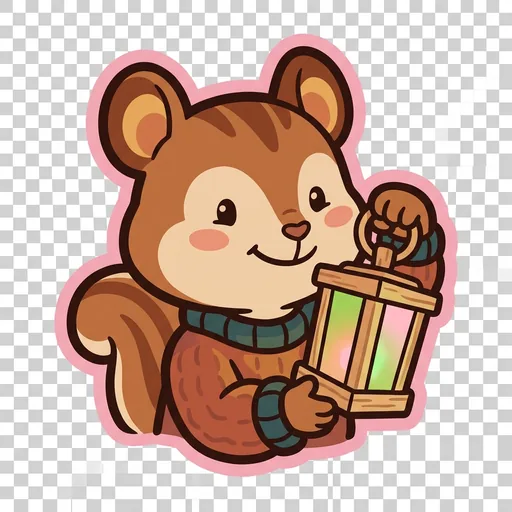
Lantern
Season-word / anchoring image — chipmunk-tween whose wooden lantern visibly shifts color with the season
-
Trim
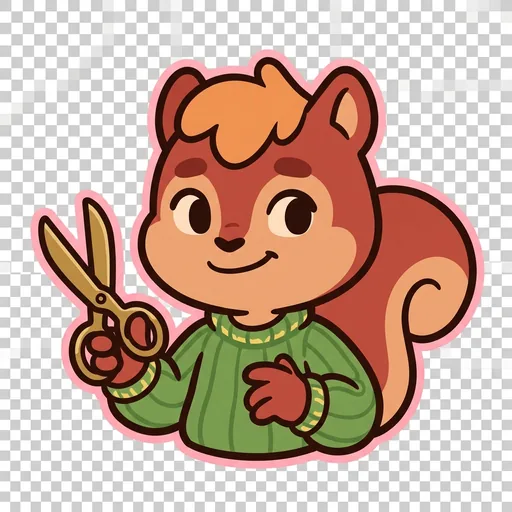
Brevity / saying-less — red-squirrel-tween with brass scissors who snips redundant words to find the smaller-stronger version
-

Flint
Juxtaposition — flinty badger-creature who strikes two smooth stones to make a spark; two images set side by side make a third meaning leap up in the gap
-
Gallop
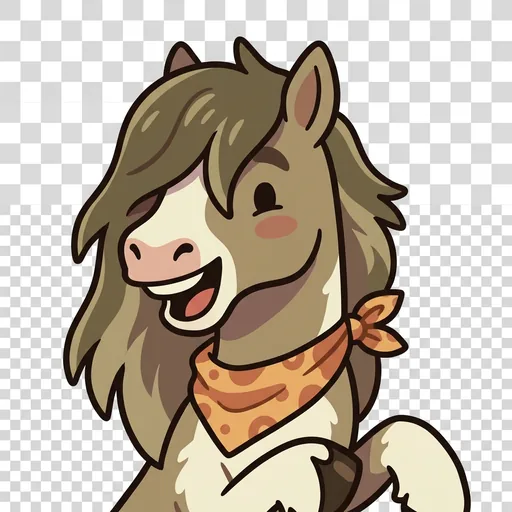
Meter / the stressed beat — long-legged pony-creature whose hooves fall da-da-DUM; not how MANY beats (that's Count) but which ones to stomp (esp. the limerick)
-

Hinge
The line break — folding-door creature who holds a small pause at the end of each line; the end of a line is a little stage, so end on a word that earns it
-
Mold
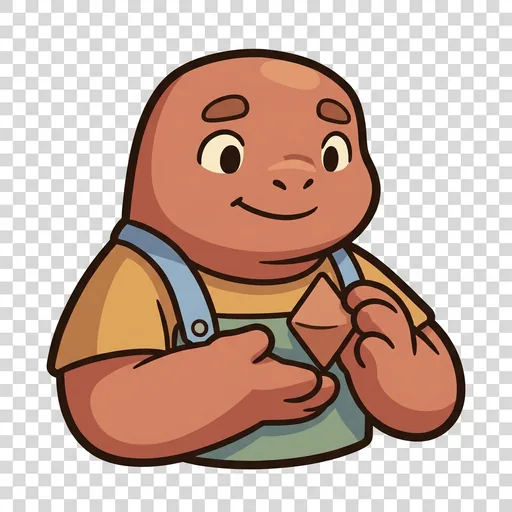
Shape on the page — clay-colored creature who builds a poem's silhouette (a cinquain's 2-4-6-8-2 diamond); shape is meaning you can see from across the room
-
Braid
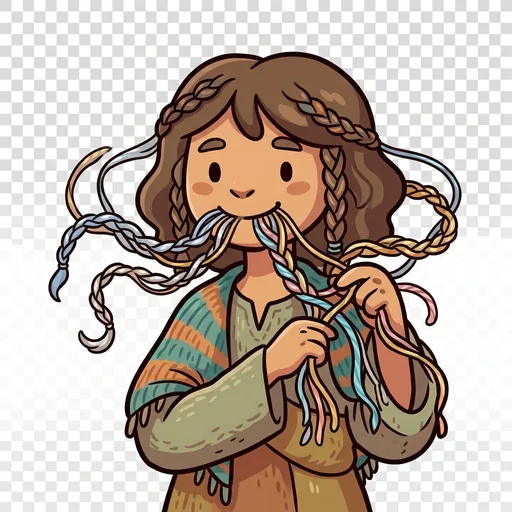
Sound texture — nimble creature who weaves repeated sounds through a line (alliteration + assonance); enough echo makes music, too much makes a tongue-twister knot