See-It
NOTICE HARM — the first step of the rupture-repair protocol. The move of not pretending not to see what happened. Includes the or-what-landed clarification: acknowledgment of impact is not the same as admission of guilt.
A story read by See-It
Loading audio…
Press play to listen along. The line being read lights up as you go.
Show full transcript
Loading transcript…
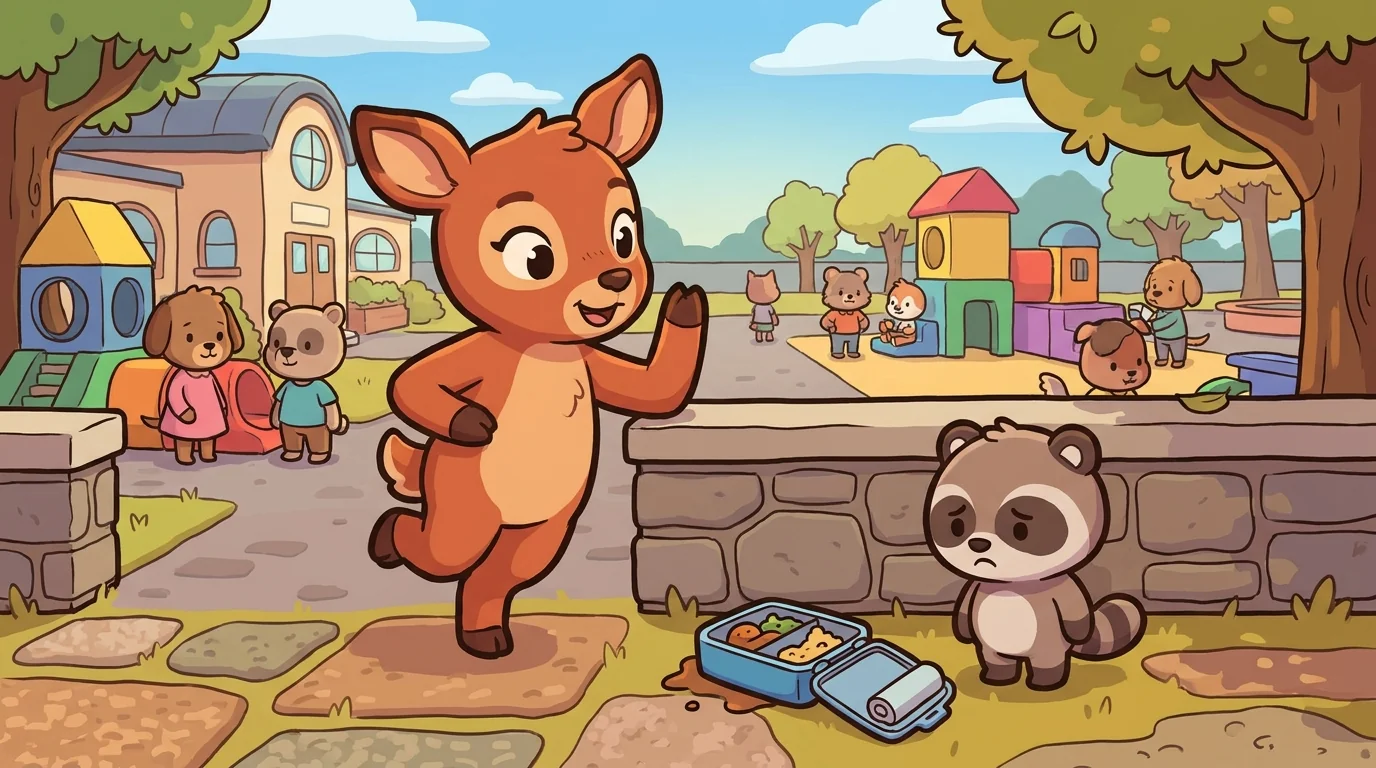
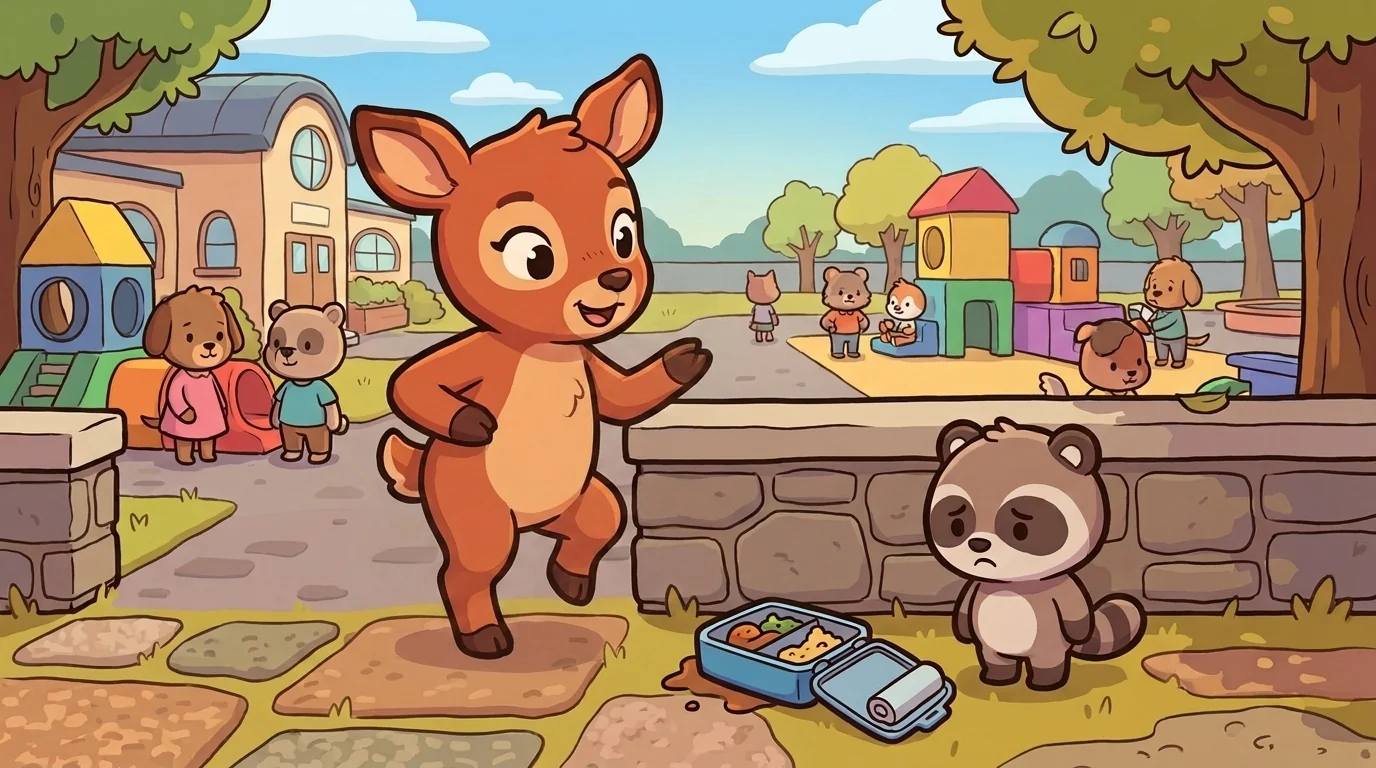
See-It froze with one hoof hanging in the air.
She was a soft warm-russet deer, halfway through a step across the schoolyard, and she stayed exactly like that — ears perked, eyes wide, hoof up — because a second ago her elbow had knocked a smaller kid's lunch tin clean off the wall, and it had rolled, and the kid's face had gone tight and small.
The easy thing would have been to keep walking. Pretend the tin was already on the ground. Pretend she hadn't seen the face go tight. Lots of kids did that. But See-It held still in the middle of her step, and she looked, really looked, at what had just happened.
"I see that," she said. Not loud. Just steady. "I bumped your tin off the wall."
The kid blinked at her, surprised anyone had stopped.
That was the whole thing See-It did, all day, everywhere she went: she paused in the middle of a step when something happened, instead of hurrying past it. She didn't decide yet what to do about it. She just refused to pretend it hadn't happened at all. Because the pretending — she'd learned this young — is its own second scrape on top of the first.
When See-It was small, her family were deer-watchers in a forest village.
That meant her mother and father spent their days out among the wild deer herd, noticing. Noticing when one deer limped. Noticing when a young one got separated from the others. Noticing when something in the herd was quietly wrong. They never went and fixed it — you can't walk up to a wild deer and fix its day — so the whole job was the noticing itself. Paying attention on purpose.
She remembered walking the tree line beside her mother one grey morning when her mother stopped mid-stride, one boot still lifted, and went very quiet.
"There," her mother murmured. "See her? The one at the edge. Something's different about her today."
See-It looked and looked until she saw it too — a doe standing a little apart, holding one leg careful. And her mother didn't rush to it, and didn't look away either. She just stood in her half-step and let herself see.
"That's the practice, love," her mother said. "You don't pretend she's fine. You don't fall to pieces about her either. You just let yourself see that today she's carrying something."
See-It practiced that pause for years, out among the trees. Standing still in the middle of a step. Letting the thing be true. It turned out people worked the same way as deer, in this one respect: the ones who got hurt could tell, instantly, whether you'd let yourself see it or slid your eyes away.
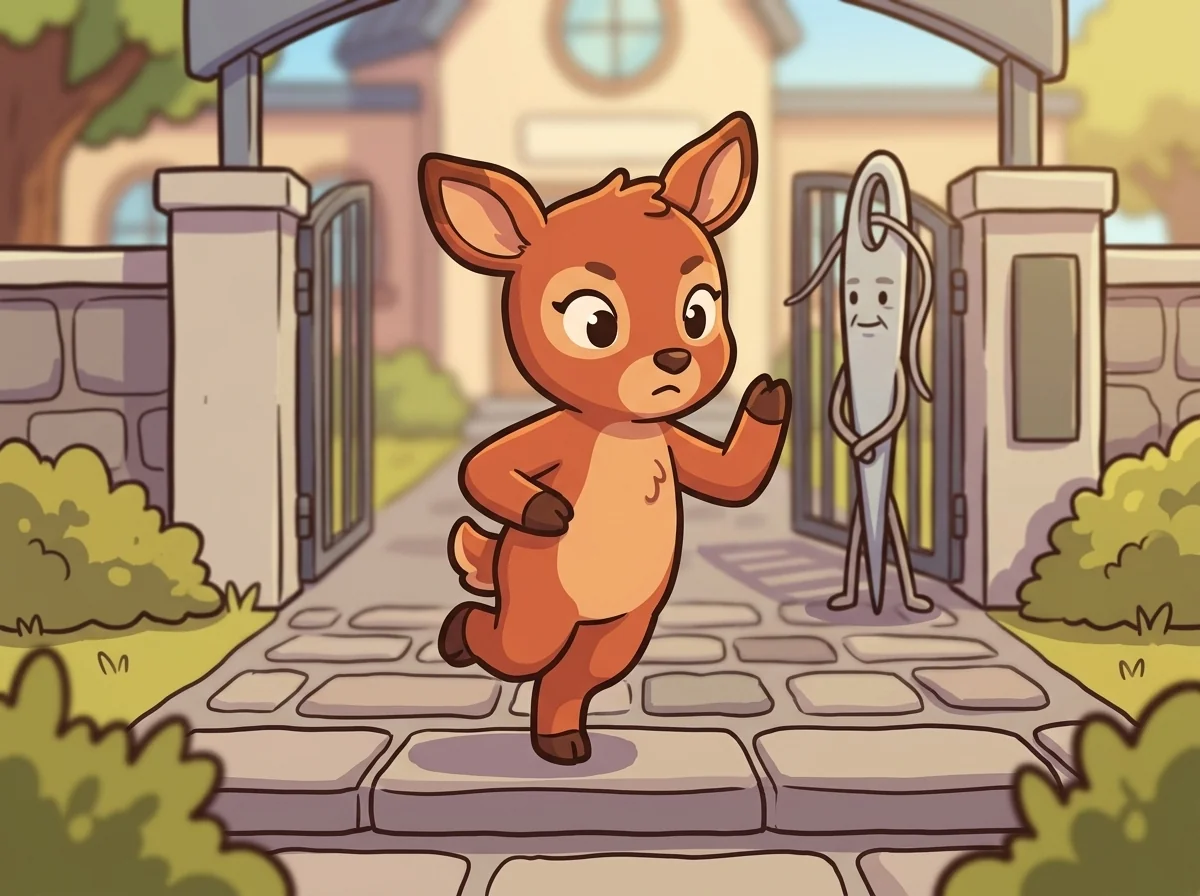
She walked to the RuptureRepair academy the spring she turned twenty-three, and Mend — the mentor, a calm needle-and-thread figure who watched more than she spoke — met her at the gate.
"Show me," Mend said. "What is the first step, when someone gets hurt?"
See-It didn't recite anything. She just did the thing. She lifted one hoof mid-step and held it there, ears up, and looked steadily at Mend as if Mend were the tin rolling off the wall.
"I don't pretend it didn't happen," See-It said. "I pause right here, in the middle of moving, and I let myself see it. I say what I see. Something happened — and either it's something I did, or it's how something landed for you. Either way, we start from there. Nobody has to drown in blame first."
Mend was quiet a long moment, the way she was. Then she gave the smallest nod. "You may stay."
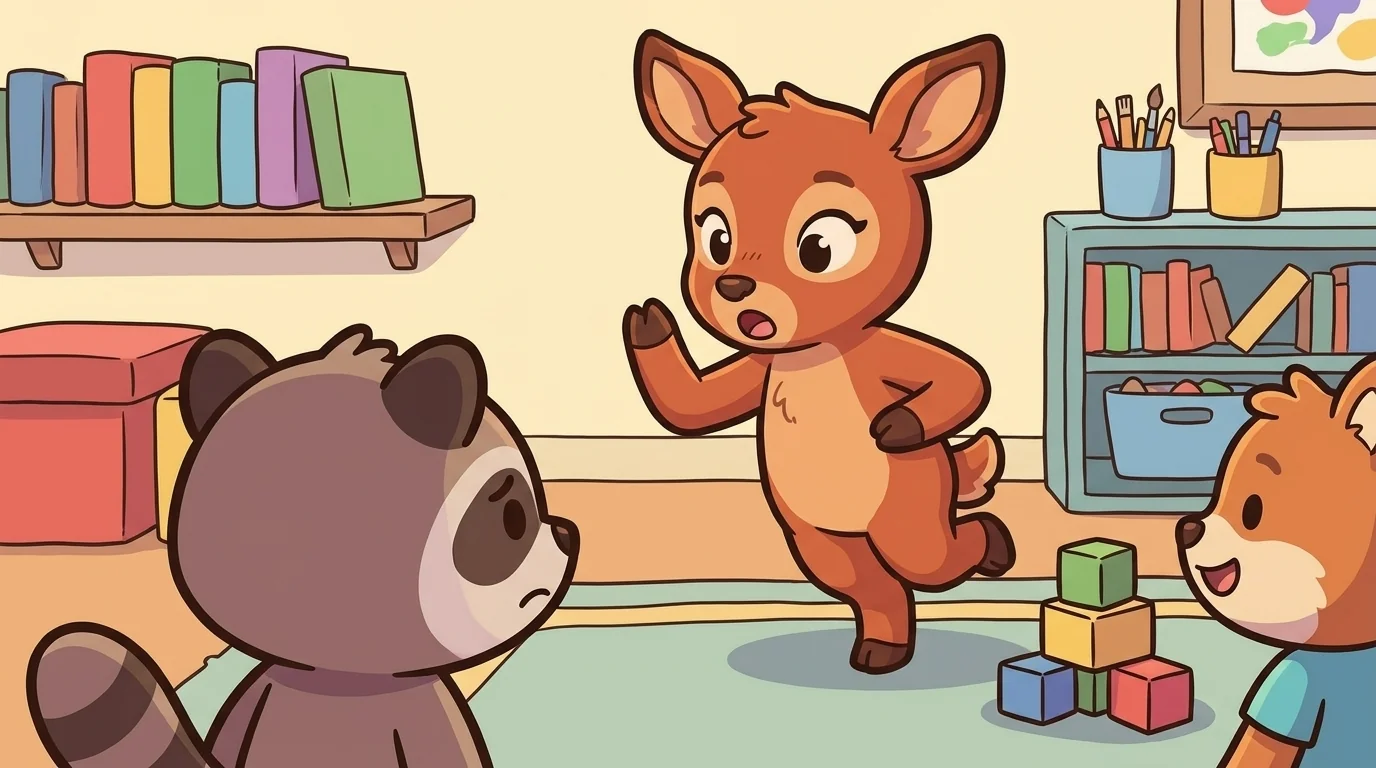
In the classroom, See-It always started the same way, and it made the little ones laugh every time — because she'd walk in briskly, then stop dead with one hoof in the air like a statue, and just hold it.
She'd hold it until they went quiet.
"The first move," she'd say, still frozen mid-step, "is this. You notice. You don't hurry past."
One day a worried-looking student named Pell put up a paw. Pell had shoved a friend's tower of blocks over, and the friend had walked away, and Pell had spent the whole morning insisting to himself it was no big deal.
"But if I say I see it," Pell said, "doesn't that mean I'm the bad guy? That the whole thing's my fault?"
See-It finally set her hoof down and came over and sat with him.
"No," she said gently. "Listen — there's a difference, and it matters. You can say 'I see what happened. I see it landed hard on him.' That's not the same as saying 'I'm a terrible person.' One is you being honest about the moment. The other is you piling rocks on your own back."
She tapped the fallen blocks. "Sometimes it landed because of what you did. Sometimes it landed even though you meant nothing by it. Both are worth seeing. Neither one means you have to hate yourself. Watch — I see what happened, or I see how it landed. That word 'or' is doing a lot of quiet work. It keeps the door open instead of slamming it on your own paw."
Pell breathed out, slower this time. "So I just... see it. Without deciding I'm the worst."
"That's the whole first step," she said. "Just that."
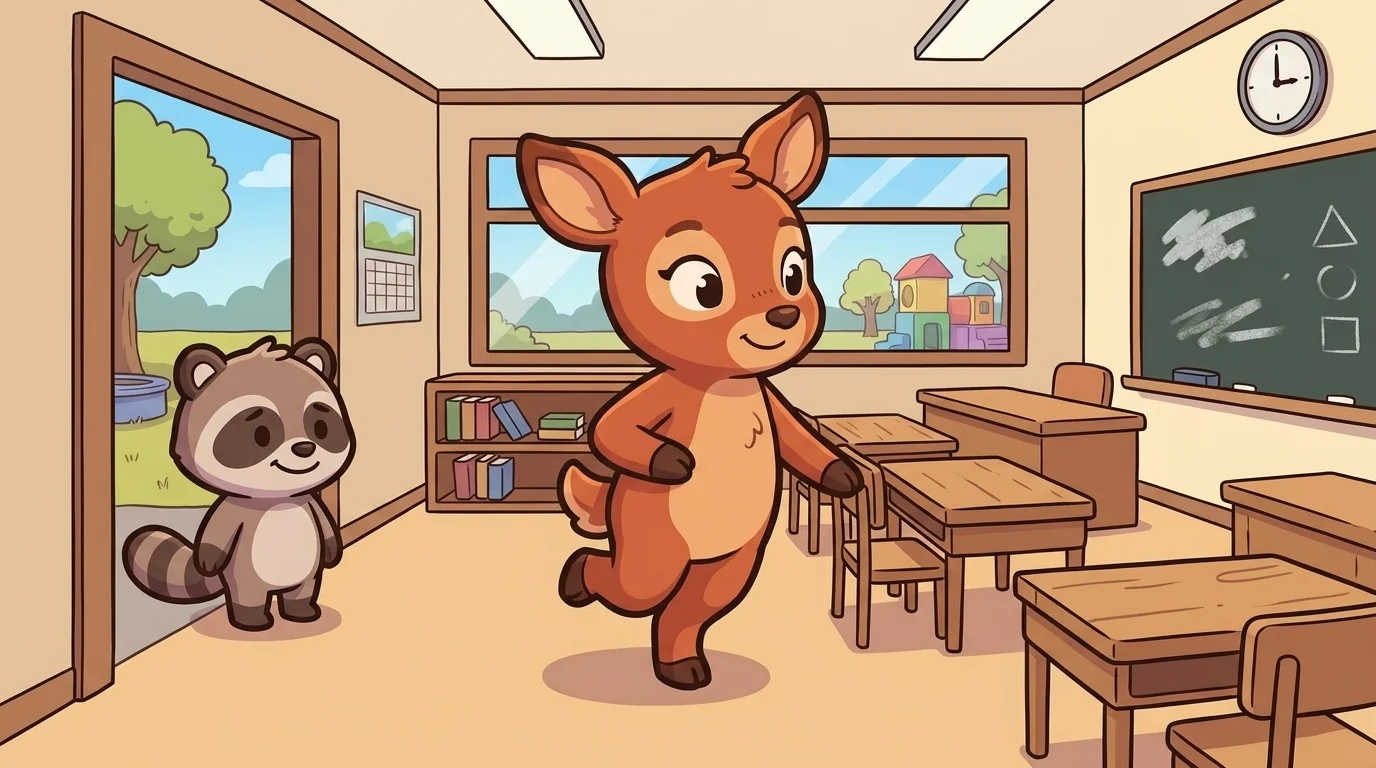
Later, when the room had emptied, Pell lingered by the door.
"It didn't feel as scary as I thought," he said. "Saying I saw it."
See-It smiled and did her mid-step pause one more time, just for him — hoof up, ears perked, holding still.
She felt it right there in her own chest whenever she did this: not the sharp squeeze of guilt, but something steadier and easier, like a held breath finally let go. Her shoulders sat lower. Her stomach stopped its little flip. Nothing had to be fixed yet, nothing had to be blamed yet — she'd just let the true thing be true, and stayed standing.
"That's the feeling," she told him softly. "Steady, not squeezed. That little bit of room in your chest — that's what noticing feels like when you stop pretending. We can start from there."
Pell grinned, his shoulders loose now, his breath slow and calm, and See-It felt that same warmth settle steady in her own chest — unsqueezed, unhurried, glad.
The RuptureRepair ensemble
See-It is part of RuptureRepair's distributed-narrative cast. Each character embodies a different curricular primitive; together they teach the full subject.
-

Sorry
Acknowledge — soft cream-and-amber otter-tween in chunky soft-blue scarf; palms-up open-hands level bow-pose (NOT cringe); treats acknowledgment as skill, never proof of badness
-

Felt
Name-impact — round soft-grey-and-cream badger-tween with tiny notebook + soft-charcoal pencil; mid-listening with head tilted; never assumes — always asks-then-listens
-

Offer
Offer-repair — warm-amber raccoon-tween with chunky-paw extended palm-up holding small soft hand-folded paper-crane (universal not specific cultural symbol); never grasping
-
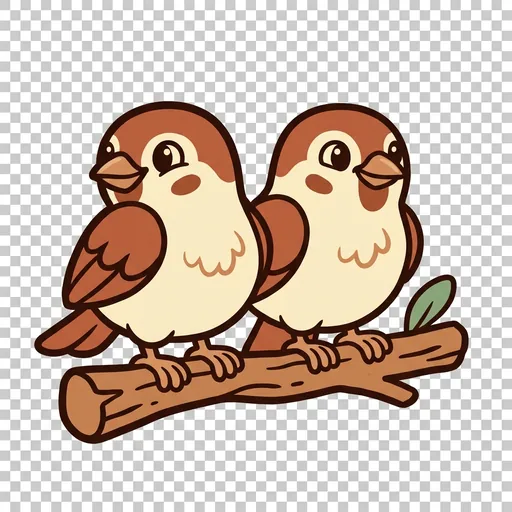
Together
Re-engage — two warm-cream-and-russet sparrow-twins on a single chunky branch, perched comfortable-distance-apart; both looking outward in same direction; `we're still here` energy
-

Eddy
Helps you steady yourself first, because you cannot mend anything while a big feeling is still rushing through you.
-
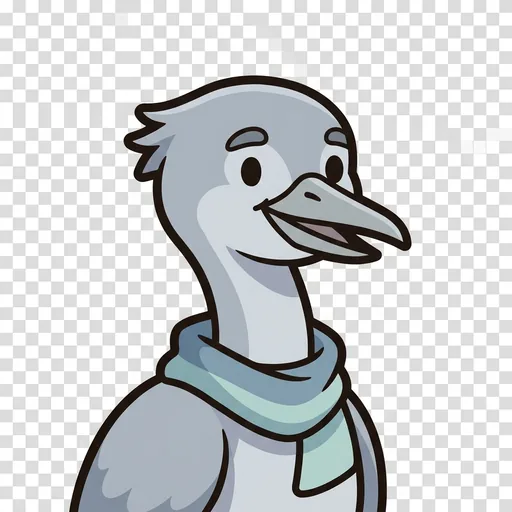
Lee
Shows that you can receive an apology from a safe place, at your own pace, without rushing to say it is okay.
-

Ease
Once you have made a real mend, helps you let the other person come back in their own time, with no pushing.
-
Grace
Reminds you that you can be truly sorry and still be worthy, so shame never stops you from repairing.
-

Levee
Shows that you can forgive someone and still keep a kind, clear limit that makes it safe to stay close.