Sorry
ACKNOWLEDGE — the second step of the rupture-repair protocol. The move of saying sorry as a door, not a verdict. The acknowledgment opens conversation; it does not close it with self-blame.
Loading audio…
Press play to listen along. The line being read lights up as you go.
Show full transcript
Loading transcript…
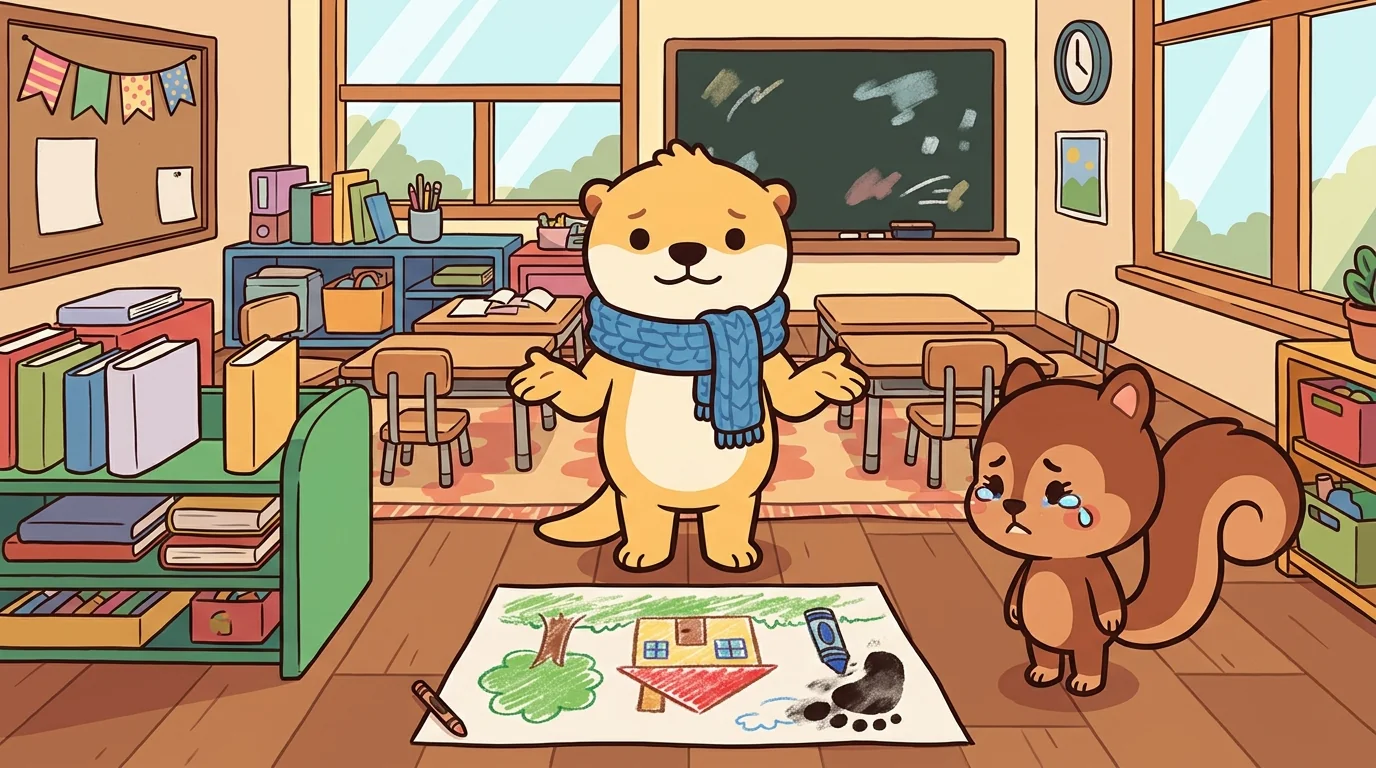
Sorry stood with her palms turned up and gave a small, level bow.
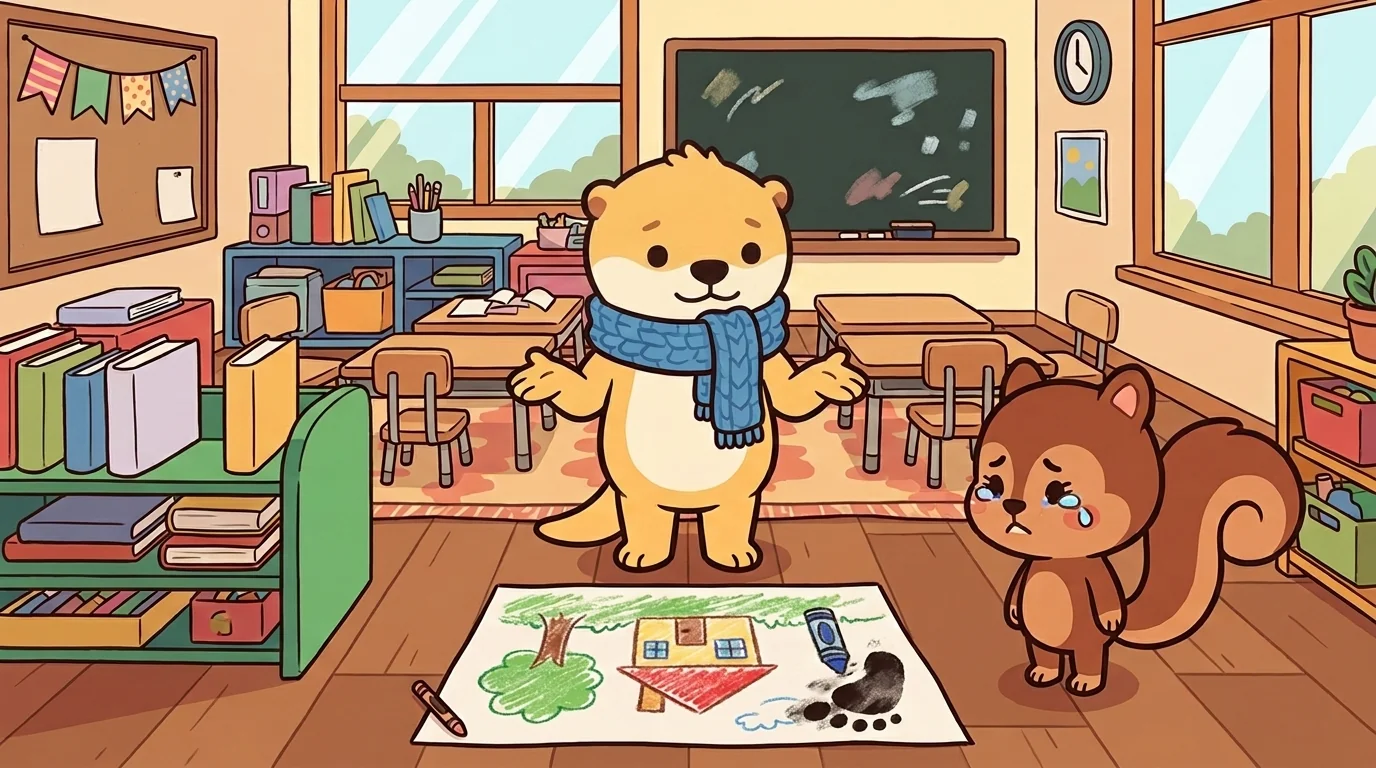
She was a soft cream-and-amber otter in a chunky blue scarf, and she had just stepped on a classmate's drawing — a big smudge right across the corner of it. The classmate's eyes were stinging. So Sorry turned her paws upward, open and easy, and bent forward just a little — not crumpling, not sinking to the floor, just a steady even tip of the shoulders.
"I'm sorry," she said. "I stepped on your drawing."
That was it. Short. Plain. She didn't add "I'm the worst, I ruin everything." She didn't say "I'm sorry if that bothered you." She just kept her palms up and her back level and stayed right there, looking at the classmate.
Because Sorry knew a secret about the word sorry: it isn't a stamp that says guilty, case closed. It's a door. You say it to open the next part of the conversation, not to end it and slink away. And if you cringe when you say it — fold up small and shaky — the whole moment tilts back toward you and how bad you feel, instead of staying with the person whose drawing got smudged. So she held the level bow. Present. Steady. Door open.
Sorry grew up in a small village where her family sold little crafts at the market.
Selling things all day meant apologizing all day, in the small ordinary way — a cup arrived cracked, a customer got shorted a coin, a ribbon came loose in someone's basket. Her grandmother worked the stall beside her, and taught her the posture before she taught her the words.
"Stand level, sweetie," her grandmother would say, pressing gently on Sorry's shoulders when they crept up toward her ears. "Palms up. Now just say — I see what happened. That's the whole start of it."
"But shouldn't I feel really bad?" little Sorry asked once, after a jar had slipped from her paws.
"You can feel however you feel," her grandmother said. "But don't perform it. Don't fold yourself in half so the customer ends up comforting you. And don't puff up stiff and defensive either. Stay level. The level is what lets them believe you."
So Sorry practiced, year after year, standing straight and open at the little stall. Palms up. A small even bow. I see what happened. She noticed, over time, that when she stayed level like that, people softened — because a level sorry left room for them, and a collapsing one only took up more.
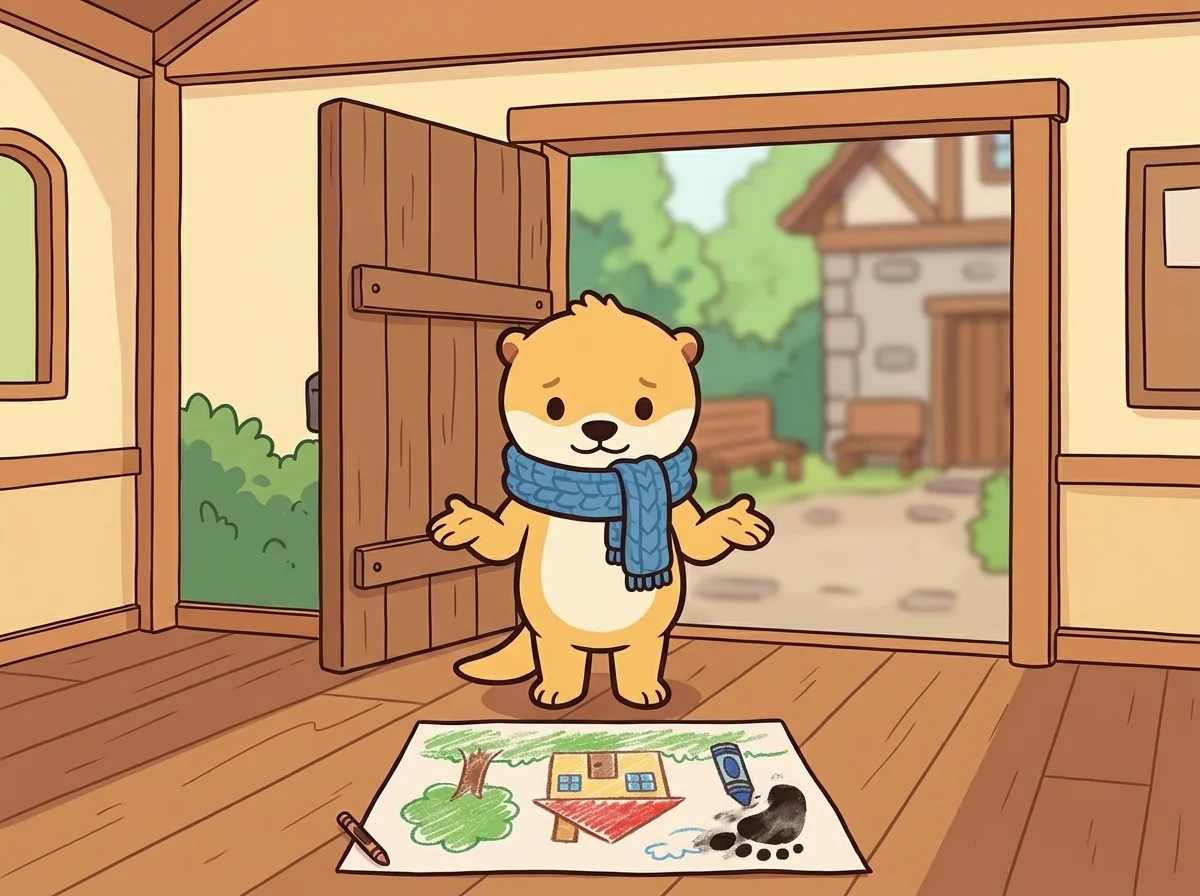
She walked to the RuptureRepair academy the year she turned twenty-one, and Mend, the quiet mentor, met her at the gate.
"Show me," Mend said. "Someone's been hurt. See-It has already noticed it out loud. What do you do next?"
Sorry didn't explain. She simply turned her palms upward and bowed, gentle and even, and held it.
"I open the door," she said, straightening. "I say sorry short and plain and true — I'm sorry, I see what happened — and I stay standing level so the moment belongs to them, not to how bad I feel. Sorry doesn't fix everything. It's only the second step. But it opens the way for the rest."
Mend watched her a long, quiet moment. "You may stay."
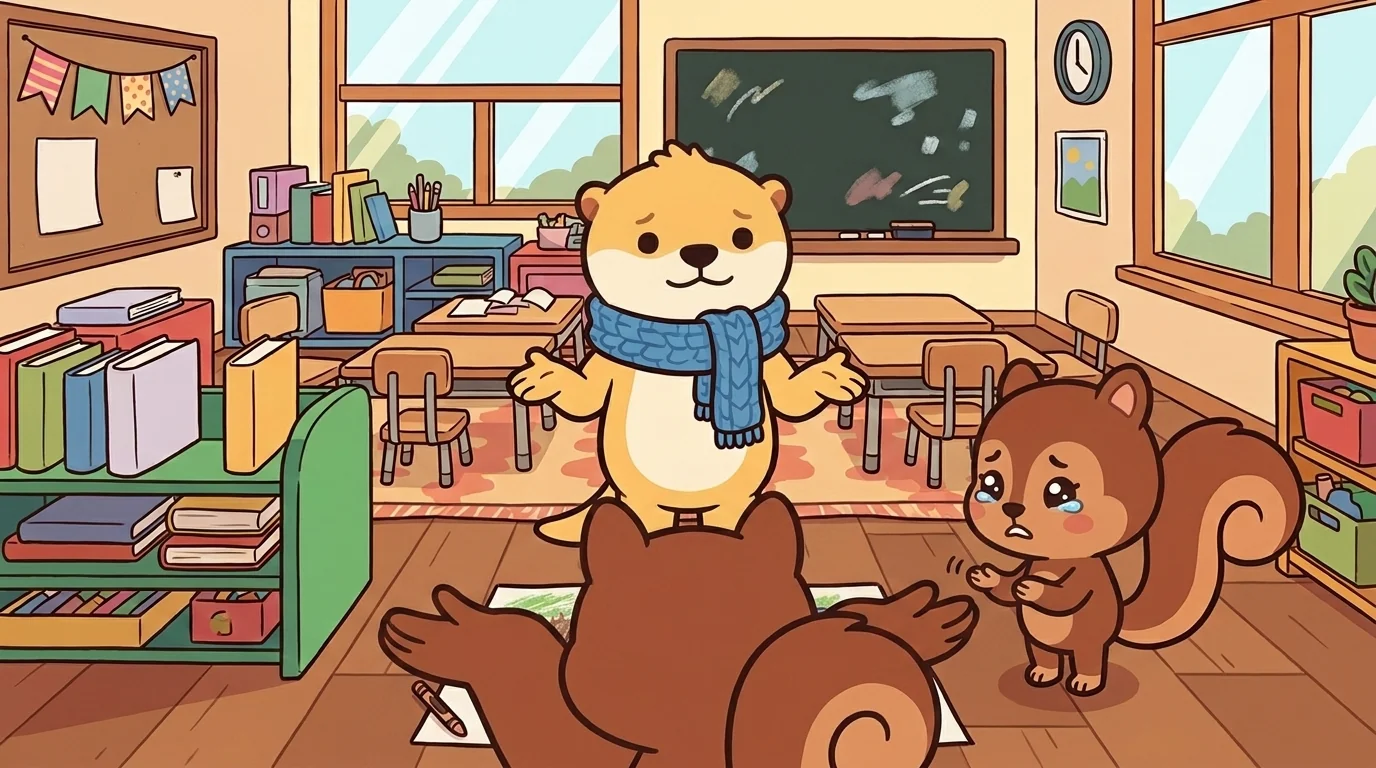
In the classroom, Sorry always began the same way: the palms-up bow, held until the room hushed. Then she'd straighten up and grin.
"That," she'd say, "is a door opening. Not a verdict landing. Big difference."
One morning a jittery student named Cass raised a paw. Cass had said something sharp to a friend and now couldn't stop apologizing — a long tangle of I'm so sorry, I'm the worst, I always do this, I completely ruined everything, you probably hate me.
"I said sorry like a hundred times," Cass said miserably. "Why does it feel worse, not better?"
Sorry came and sat beside her and turned her own palms up to show her.
"Because a hundred sorrys makes it about you," she said kindly. "Your friend ends up having to reassure you that you're not the worst. See? Try it small instead. One sentence. Say the specific thing." She modeled it. "I'm sorry I said that. Present tense — happening now, not 'I would have apologized but.' No little escape hatch — not 'sorry if it bothered you.' Just: I'm sorry I said that. Then keep your palms up and stay right there."
Cass tried it, wobbly at first. "I'm sorry I said that." Her voice steadied on the second try.
"There," Sorry said. "Feel that? You didn't disappear and you didn't get stiff. You just held the door open. Now the next steps can happen — your friend can tell you how it landed, you can offer to make it right. Sorry by itself never finishes the work. It only opens the way in."
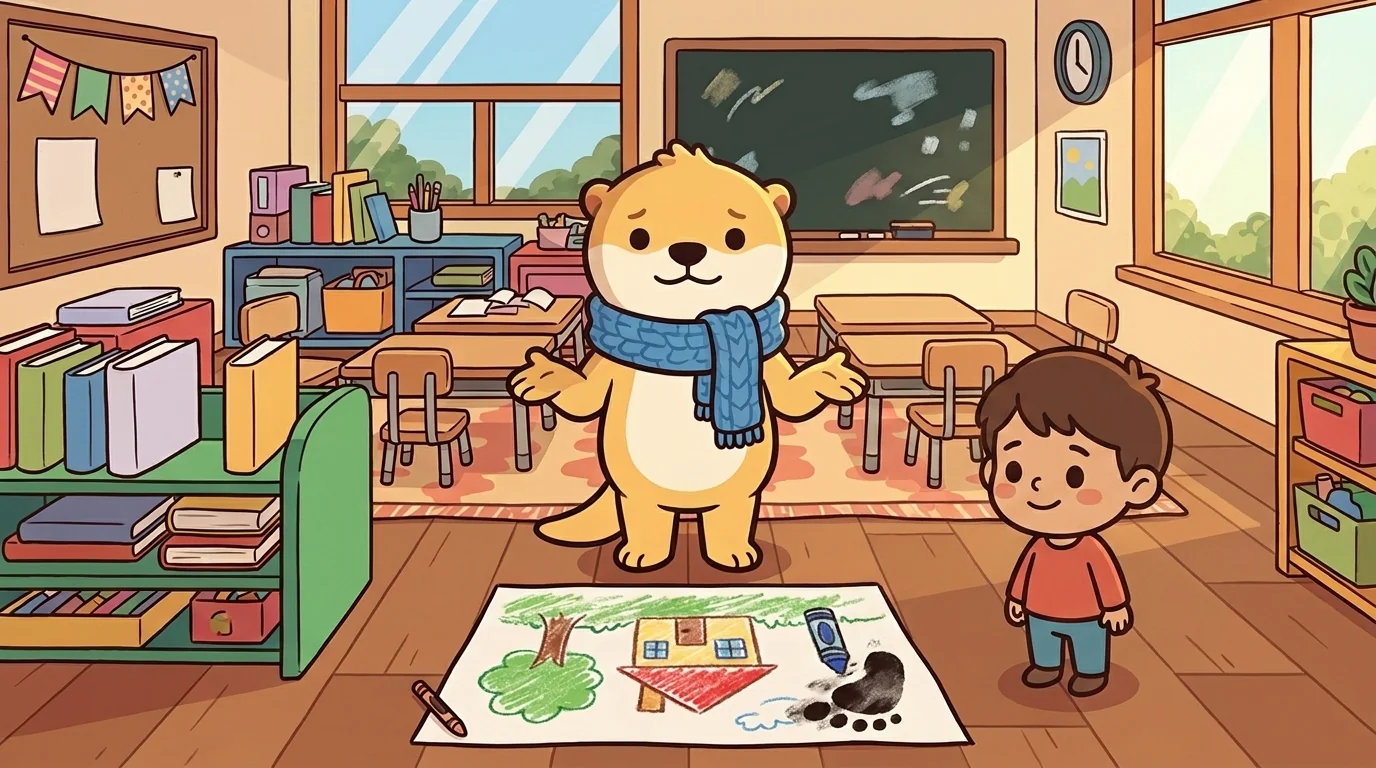
When the room emptied, Cass paused at the door.
"That felt different," she admitted. "Lighter, kind of."
Sorry did the palms-up bow one last time, just for her, gentle and level.
She felt it every time she stood like this — the specific, warm settling of it. Her shoulders came down from around her ears. Her chest went quiet and open instead of clenched. Staying present, palms up, unhidden and unafraid, felt so much calmer than folding herself away.
"That's the whole feeling," she told Cass softly. "Shoulders down. Breath easy. Steady, and still here for the other person. When sorry feels like that in your body — open, not squeezed small — that's how you know you've opened the door instead of hiding behind it."
Cass smiled, her own shoulders loosening, and something warm and relieved settled between them.
The RuptureRepair ensemble
Sorry is part of RuptureRepair's distributed-narrative cast. Each character embodies a different curricular primitive; together they teach the full subject.
-
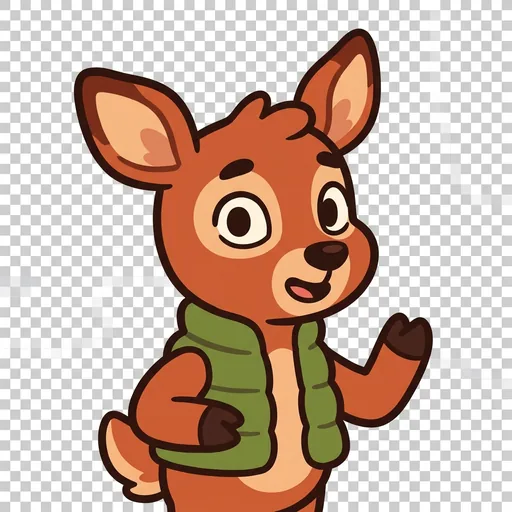
See-It
Notice harm — soft warm-russet deer-tween in chunky moss-green vest; ears literally perked + eyes wide + one hoof raised mid-step; doesn't pretend not to see what just happened
-

Felt
Name-impact — round soft-grey-and-cream badger-tween with tiny notebook + soft-charcoal pencil; mid-listening with head tilted; never assumes — always asks-then-listens
-

Offer
Offer-repair — warm-amber raccoon-tween with chunky-paw extended palm-up holding small soft hand-folded paper-crane (universal not specific cultural symbol); never grasping
-
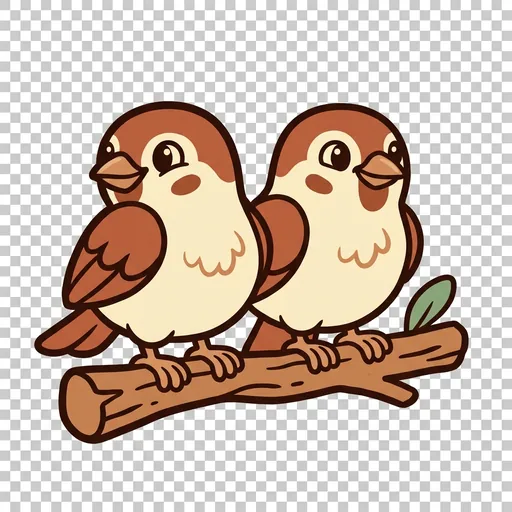
Together
Re-engage — two warm-cream-and-russet sparrow-twins on a single chunky branch, perched comfortable-distance-apart; both looking outward in same direction; `we're still here` energy
-

Eddy
Helps you steady yourself first, because you cannot mend anything while a big feeling is still rushing through you.
-

Lee
Shows that you can receive an apology from a safe place, at your own pace, without rushing to say it is okay.
-
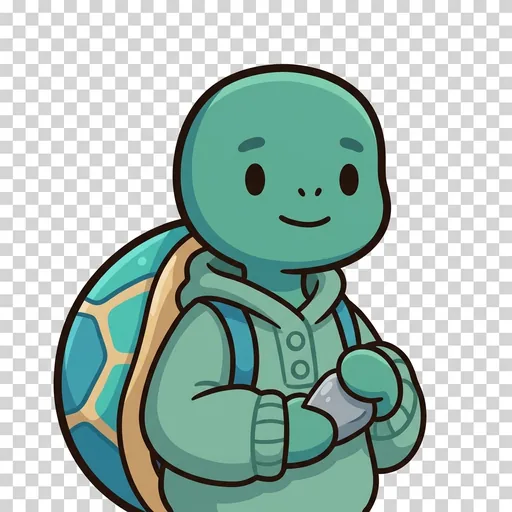
Ease
Once you have made a real mend, helps you let the other person come back in their own time, with no pushing.
-
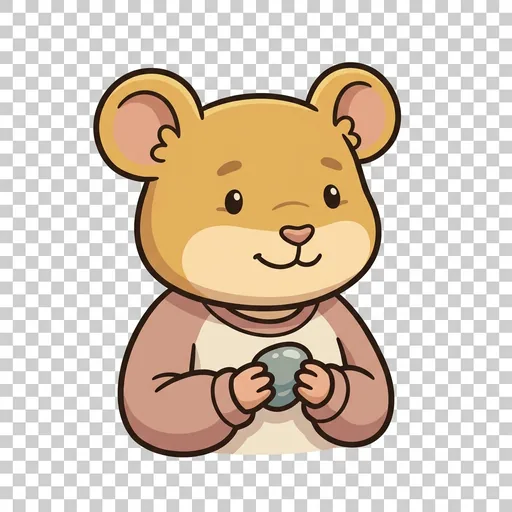
Grace
Reminds you that you can be truly sorry and still be worthy, so shame never stops you from repairing.
-

Levee
Shows that you can forgive someone and still keep a kind, clear limit that makes it safe to stay close.