Peglegra the Bold
PEGLEGRA — the brave forward-leap. commit the piece and trust the dice.
A story read by Peglegra the Bold
Loading audio…
Press play to listen along. The line being read lights up as you go.
Show full transcript
Loading transcript…

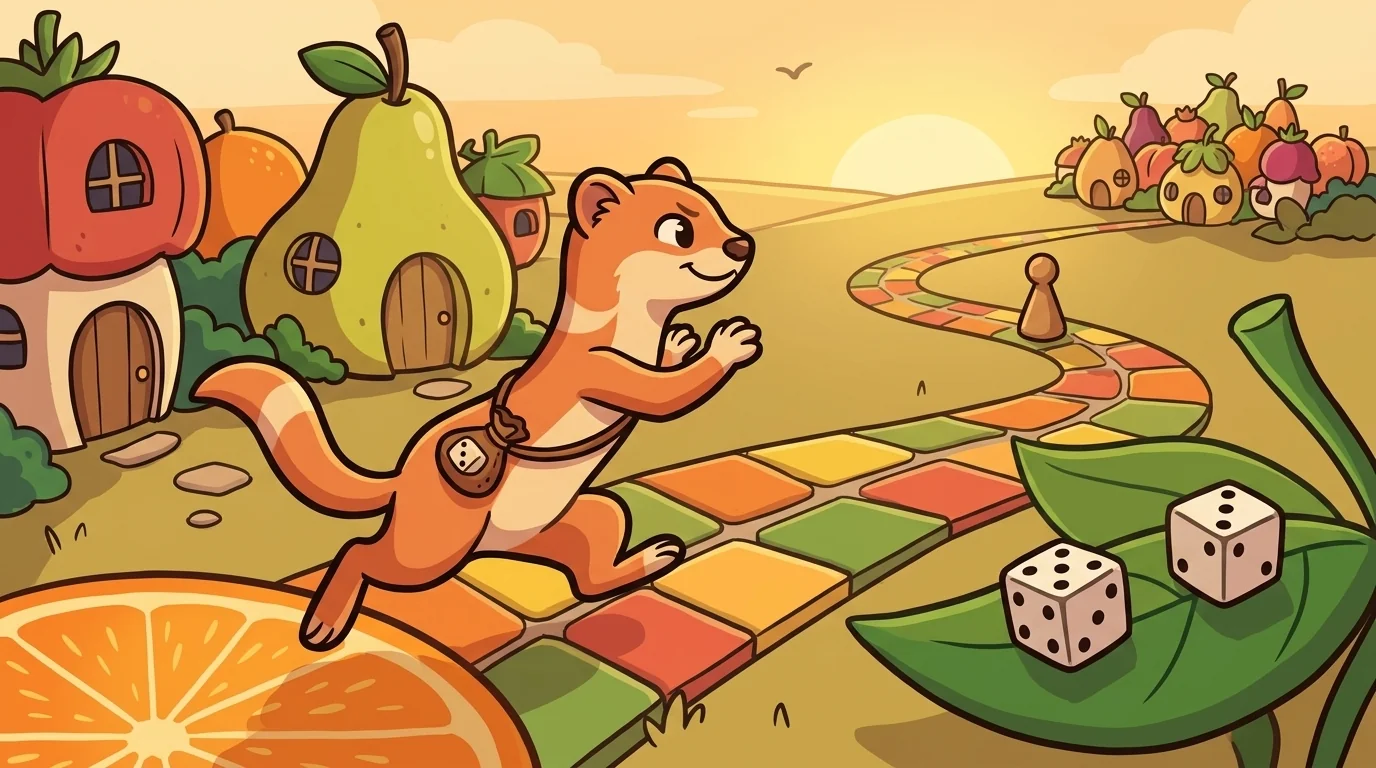
On the voyage board in Fruitlandia, Peglegra stood at the edge of a point and looked all the way home.
She was a small stoat with warm orange fur and soft cream stripes, and a little pouch of dice bounced at her side. One of her pieces sat far ahead of the others. Home was close for that one. But it stood all alone.
"You're going to leap it, aren't you?" a young player whispered.
Peglegra didn't answer yet. She rolled. A five and a three. Her whiskers twitched. She could send the lonely piece forward — a huge jump, almost home — but out in the open, where it could be knocked all the way back to the start.
She counted quietly under her breath. Then she grinned. "The math is on my side," she said. And she leaped.
The piece sailed forward. The other player rolled — and missed. Peglegra let out a long breath, and her shoulders finally dropped.
"That," she said, "is the brave forward-leap."
Peglegra had not always been bold.
When she was little, she froze at every roll. A piece all alone scared her. What if it got hit? What if she lost everything she'd built and had to crawl back to the beginning? So she never moved anyone forward on their own. She kept every piece paired up, huddled and safe — and she lost, slowly, every single time, because a voyage you never dare to run is a voyage that never ends.
One evening her grandfather sat beside her at the board. He didn't tell her to stop being scared.
"That flutter in your chest," he said, "the one right before a big move — do you feel it now?"
Peglegra nodded, small.
"Good. That flutter isn't a warning to hide. It's just your heart getting ready." He tapped a lone piece. "Brave doesn't mean you don't feel it. Brave means you count first, and then you leap anyway." He smiled. "Bold and counted is craft. Bold and guessing is only luck."
Peglegra didn't win that night. But something loosened in her. The flutter had a job now, and that made it easier to hold.
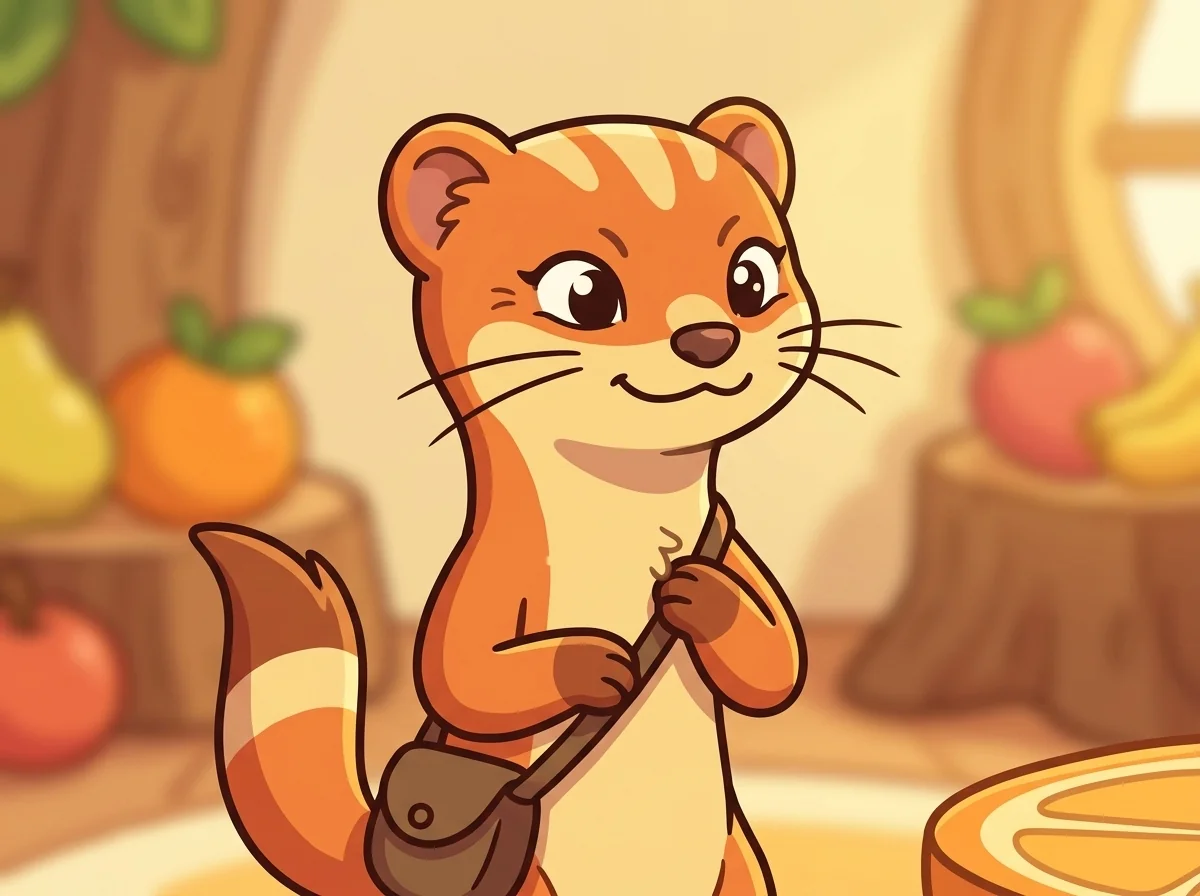
She came to PipQuest when she was twelve, because it was a place that cared about brave and smart at the same time.
Peg the mentor met her at the board. Peg didn't ask her to prove she was fearless. She just set out one lonely piece and asked, "Should it run, or should it wait?"
Peglegra looked. She counted the ways the other side could reach it — the exact rolls that would send it back. Only a few. "It should run," she said. "There are only four rolls that hit it. And running it gets me twelve steps closer to home. That's worth it."
Peg's eyes crinkled. "You didn't just feel brave," she said. "You counted your brave. You belong here."
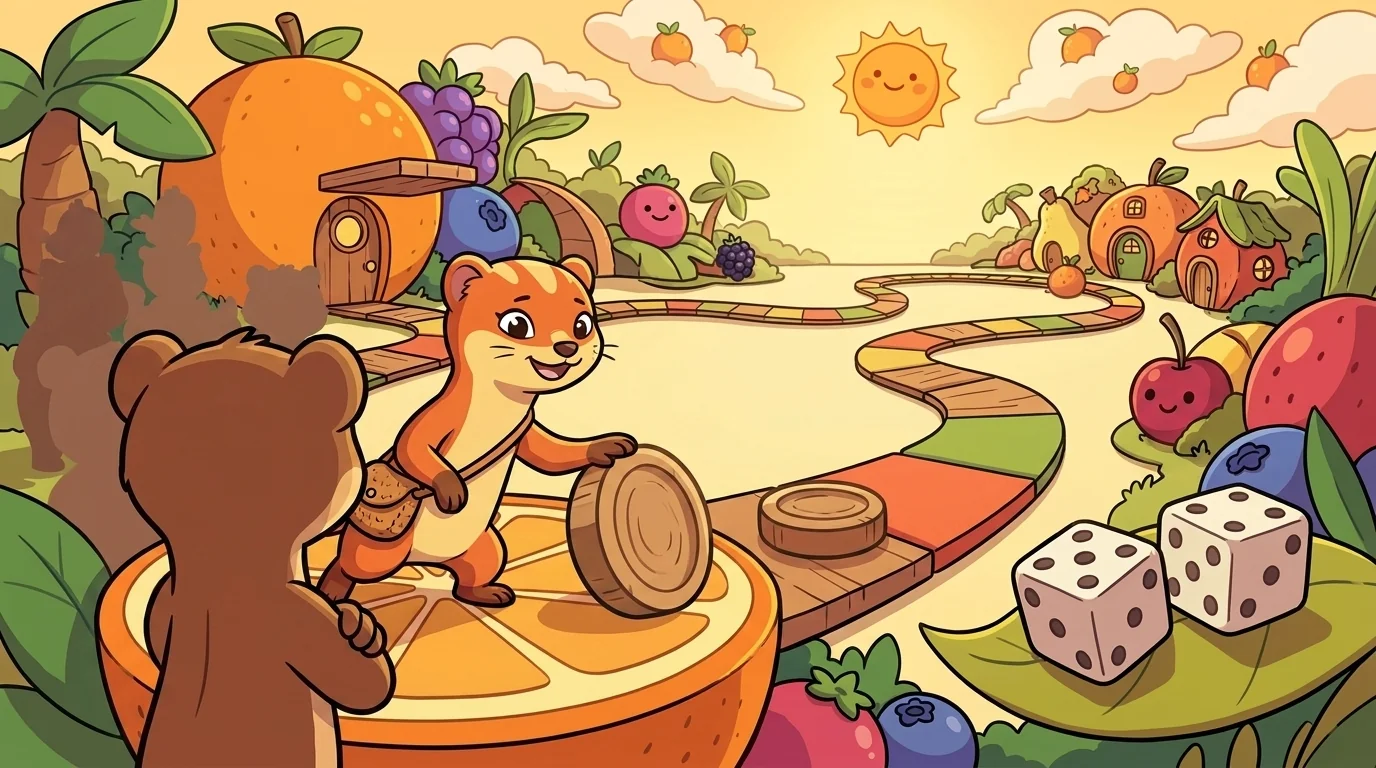
One afternoon a young stoat came to Peglegra's corner of the board, arms crossed, cross about it.
"I keep losing," he said. "Either I stay too safe and never get home, or I leap and get smashed back to the start. There's no winning."
Peglegra knew that feeling exactly. "Show me your board," she said.
He did. One of his pieces was far ahead, all alone. "I'm scared to move it," he admitted.
"Okay. Before you move anything — count," Peglegra said. "How many of your friend's rolls could reach that lonely piece?"
He worked it out on his paws. "Um... only three."
"Three out of thirty-six chances. That's small. And if you leap, how much closer to home do you get?"
His eyes went wide. "A lot. Almost there."
"So the leap is worth it. Not because you feel like it — because you checked it." She nudged the piece gently. "Try."
He leaped. The other side rolled — and rolled wrong. His piece was safe, and nearly home. He whooped so loud he startled a passing bird.
"See?" Peglegra said. "Boldness didn't beat the fear. Counting did. The fear got quiet once you knew the odds."
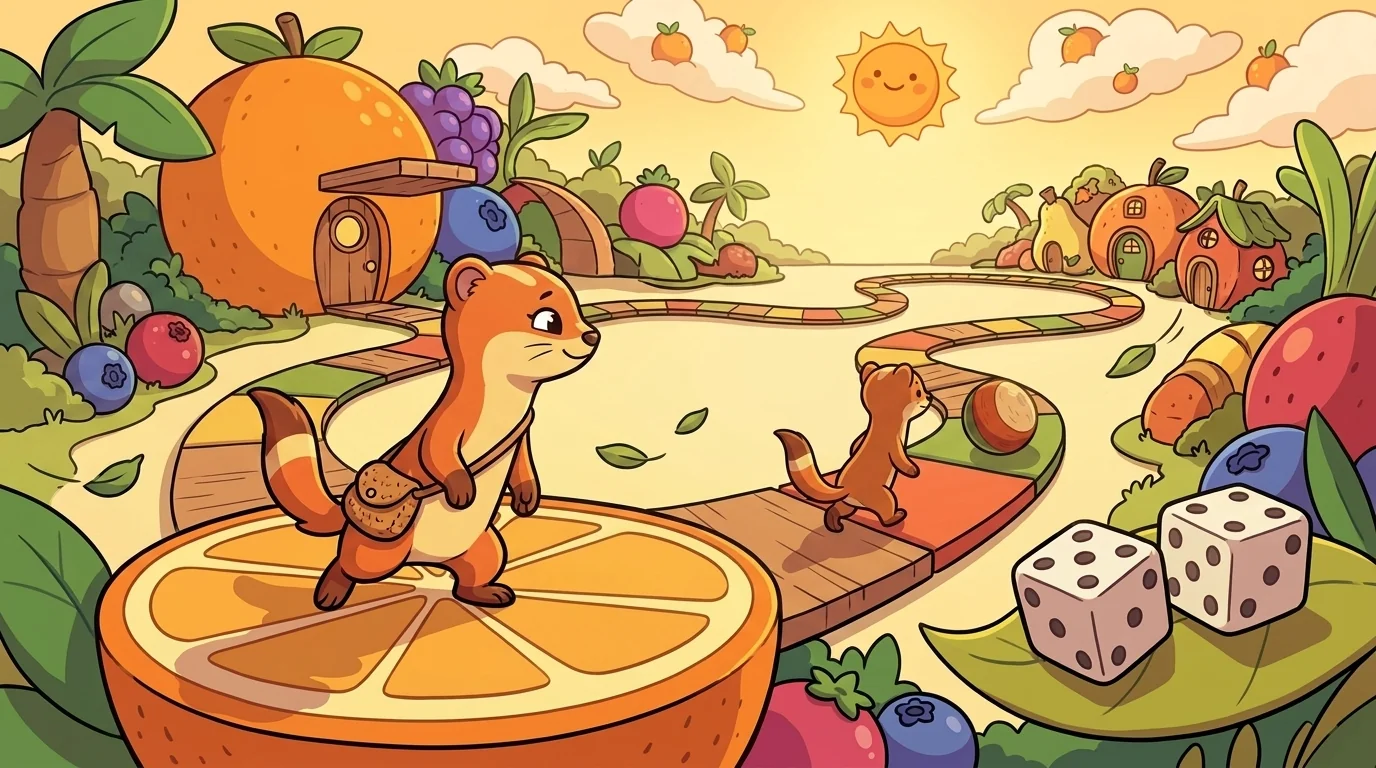
Later, when the board was still and the young stoat had gone home happy, he crept back with one more question. He was quieter now.
"When your heart's pounding," he said, "and you don't know for sure it'll work out... how do you make yourself leap anyway?"
Peglegra thought about the roost of her own small days — the frozen paws, the huddled pieces, her grandfather's calm voice.
"You don't make the pounding stop," she said. "You let it come. You count your chances until the fear goes small enough to carry. And then that flutter turns into something else — a lift, right under your ribs, like you're already halfway across the gap." She looked out over the voyage board toward home. "That feeling — heart-up, ready, about to go — that's not something to run from. That's the best part. That's brave getting ready to happen."
The young stoat nodded slowly, and Peglegra watched the worry ease out of his shoulders.
She didn't say the rest out loud. But she felt it, warm and steady in her chest: the flutter was never the enemy. It was just courage, arriving early.
The PipQuest ensemble
Peglegra the Bold is part of PipQuest's distributed-narrative cast. Each character embodies a different curricular primitive; together they teach the full subject.