
Bolt and Weld
CONNECTION-RIGOR — *bolt a connection tentatively, stress-test it, and only weld it if it holds.* The cross-curricular primitive of the bridge-rigor gate itself — the discipline of treating a cross-subject connection as provisional until it survives a real test, then committing only to the ones that hold.
Press play to listen along. The line being read lights up as you go.
Show full transcript
Loading transcript…
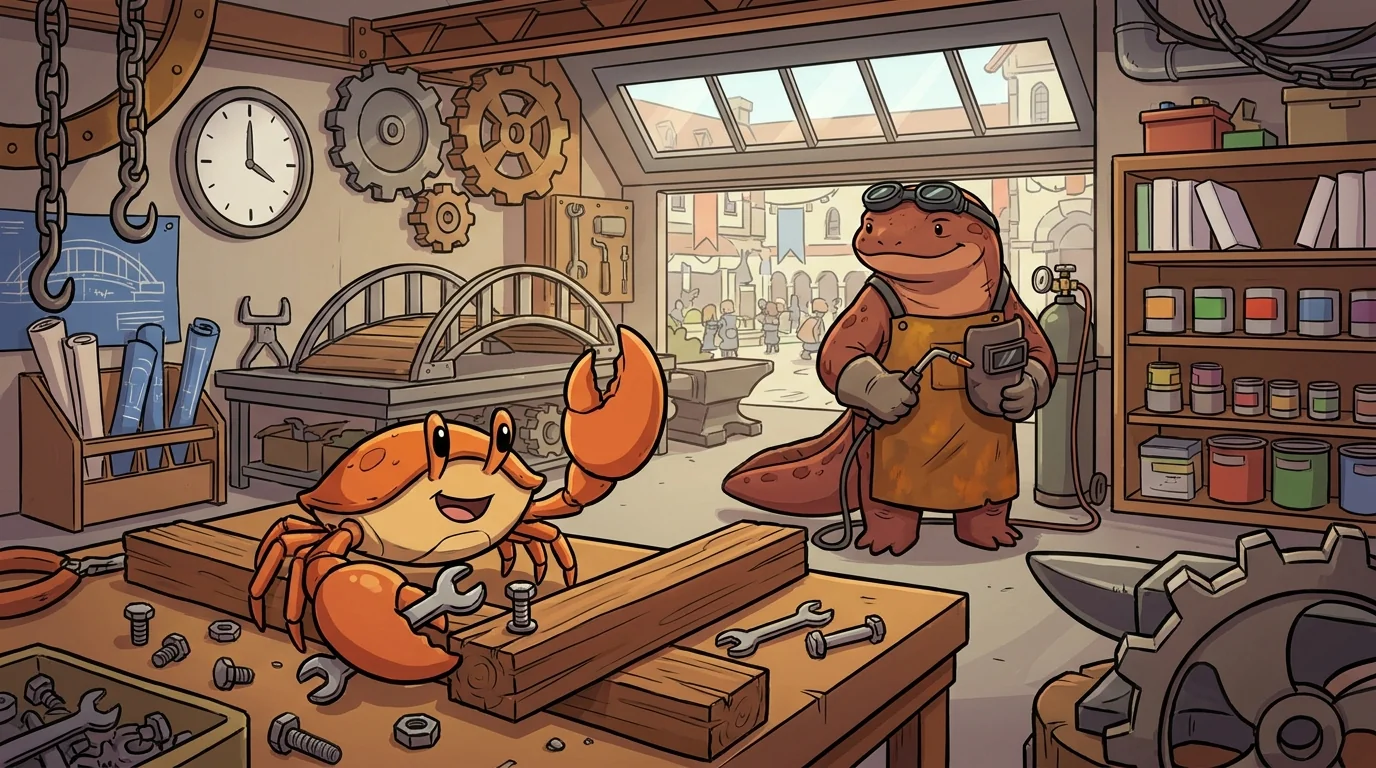
At the far end of the BridgeForge workshop, where the other cast came to check whether their bridges were real, two friends worked as a pair — and between them they were the reason the whole academy could be trusted.
Bolt was a crab, quick-clawed and cheerful, who could fasten two things together in a snap — and, just as importantly, unfasten them. A bolted joint is a tentative joint: strong enough to test, loose enough to take apart if it fails. Weld was a salamander, slow and warm, who fused two things into one permanent piece — but Weld would only ever weld a joint that Bolt had first bolted and stress-tested. Bolt makes the tentative connection. Weld makes the permanent one. And the rule between them — never weld what you haven't bolted and tested — was the bridge-rigor gate made into two friends.
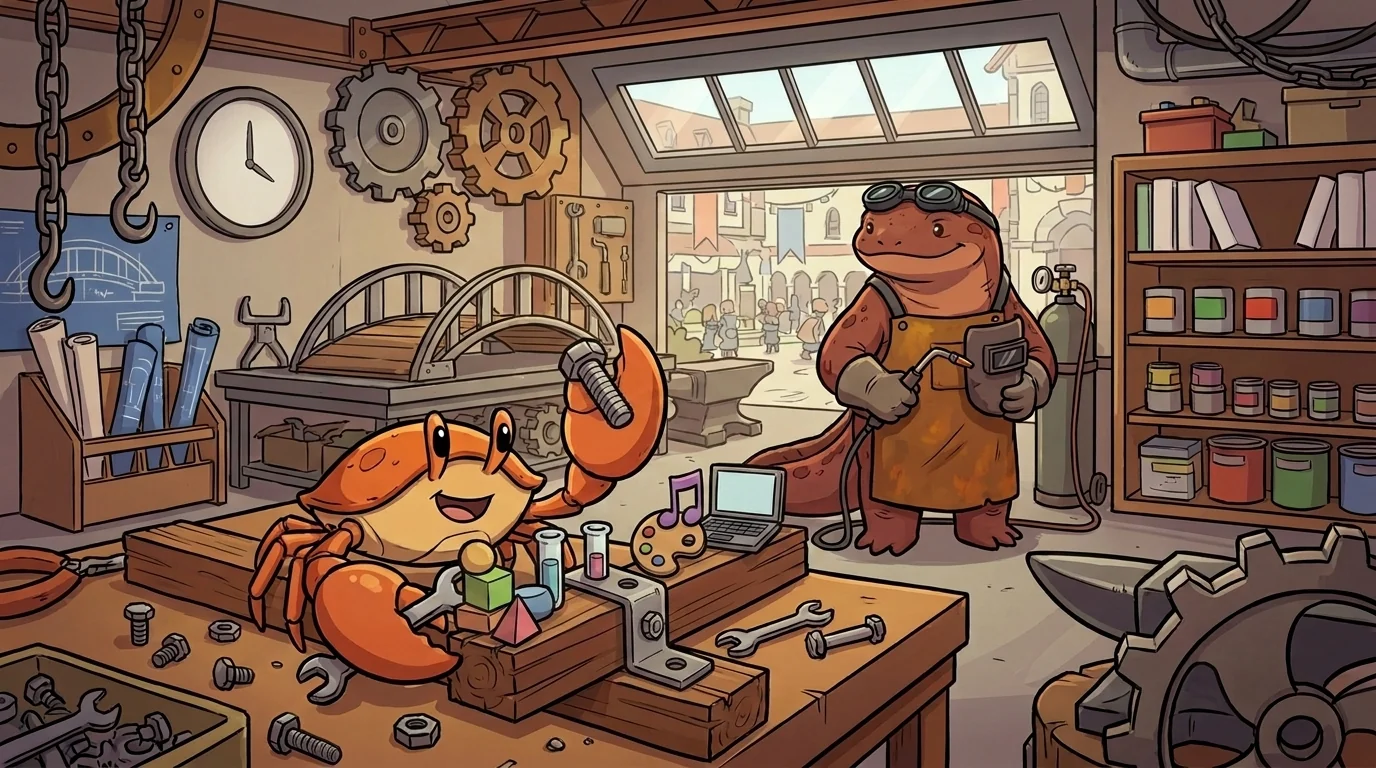
Every other character in the academy built a bridge between math and some other subject — science, art, music, movement, health, computing. But it was Bolt and Weld who decided whether each bridge actually held. When Truss proposed a math↔science connection, or Girder a math↔computing one, they didn't just accept it. Bolt would fasten it up as a tentative link and say, "Let's bolt it and see." Then they'd load it — push on it, look for the place it might rhyme instead of connect — and only if it survived would Weld warm up and say, "This one's earned it. I'll weld it."
"A lot of connections sound good," Bolt said, clacking a claw. "'They both use numbers.' 'They both have patterns.' Snap — easy to bolt. But bolt isn't weld. You have to test before you trust." Weld added, in its slow way, "And the ones that pass — those I make permanent, gladly. A tested connection is worth fusing. An untested one is just a guess wearing a hard hat."
This is the beating heart of the whole academy. Bolt and Weld teach *connection-rigor — the gate every cross-curricular bridge has to pass. It goes: bolt the connection (propose it, tentatively), stress-test it (does it hold at a specific level, or is it just surface rhyming?), and only then weld* it (commit). "At what level of abstraction does this bridge hold?" was the question they asked of everything. Sometimes the answer was "it holds exactly here" — and Weld fused it. Sometimes the answer was "it only rhymes" — and Bolt cheerfully un-bolted it and threw it back. No shame in that. A rejected connection was just one that didn't pass the test yet.
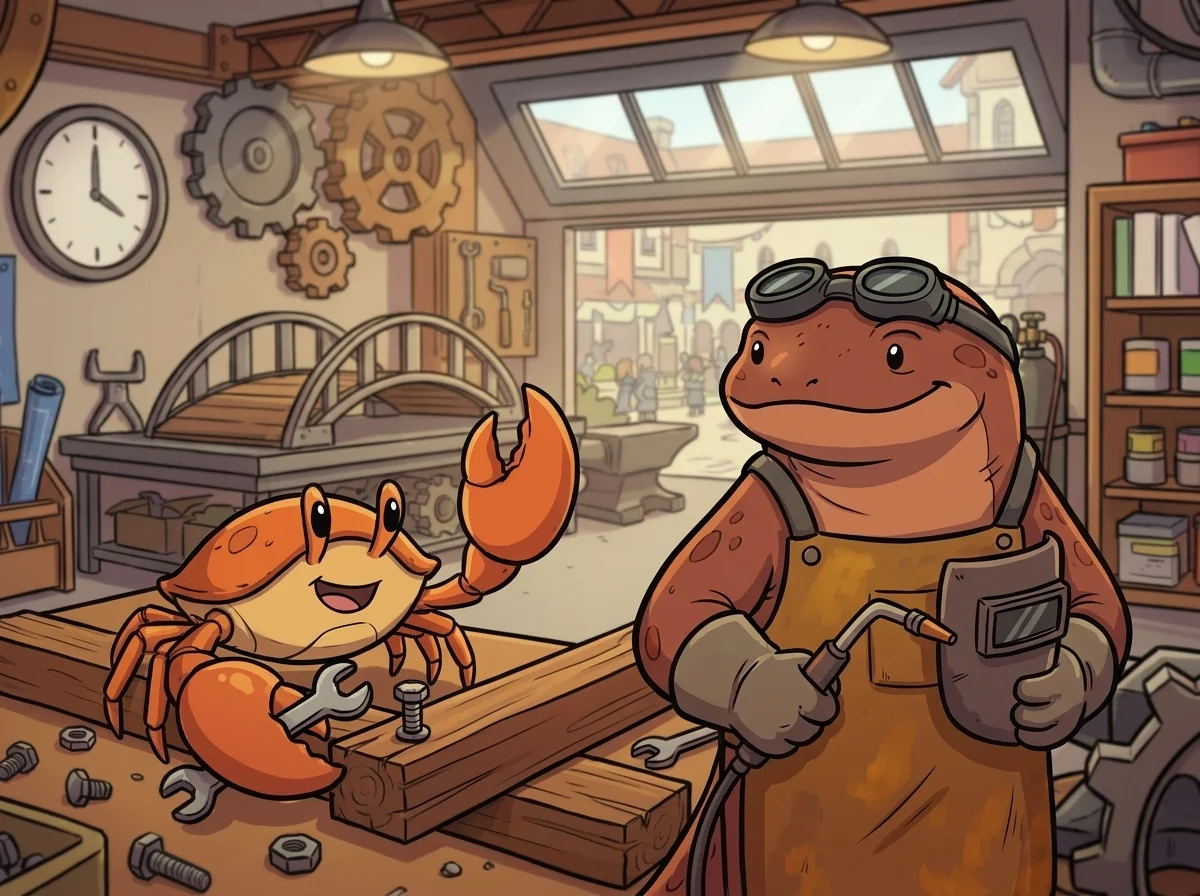
They loved to demonstrate with two claims. "Music and math are connected because they both feel good" — Bolt bolted it, they pushed on it, and it wobbled and fell apart ("that's a feeling, not a connection"). Then: "Music and math are connected because a rhythm is a ratio of note-lengths" — Bolt bolted it, they loaded it hard, and it held rock-solid. "That one," Weld said, warming up, "I weld."
Bolt and Weld came from a shipyard colony where a single un-tested joint had once let a raft come apart in open water. After that, the yard made an ironclad rule: nothing gets welded until it's been bolted and load-tested. Young Bolt became the fastest, most careful tester in the yard; young Weld became the one who committed only to what had passed. They realized their shared purpose the day they saved a raft by rejecting a joint everyone else had trusted: a connection is only worth committing to after it has survived an honest test.
One day Archie came to the shipyard.
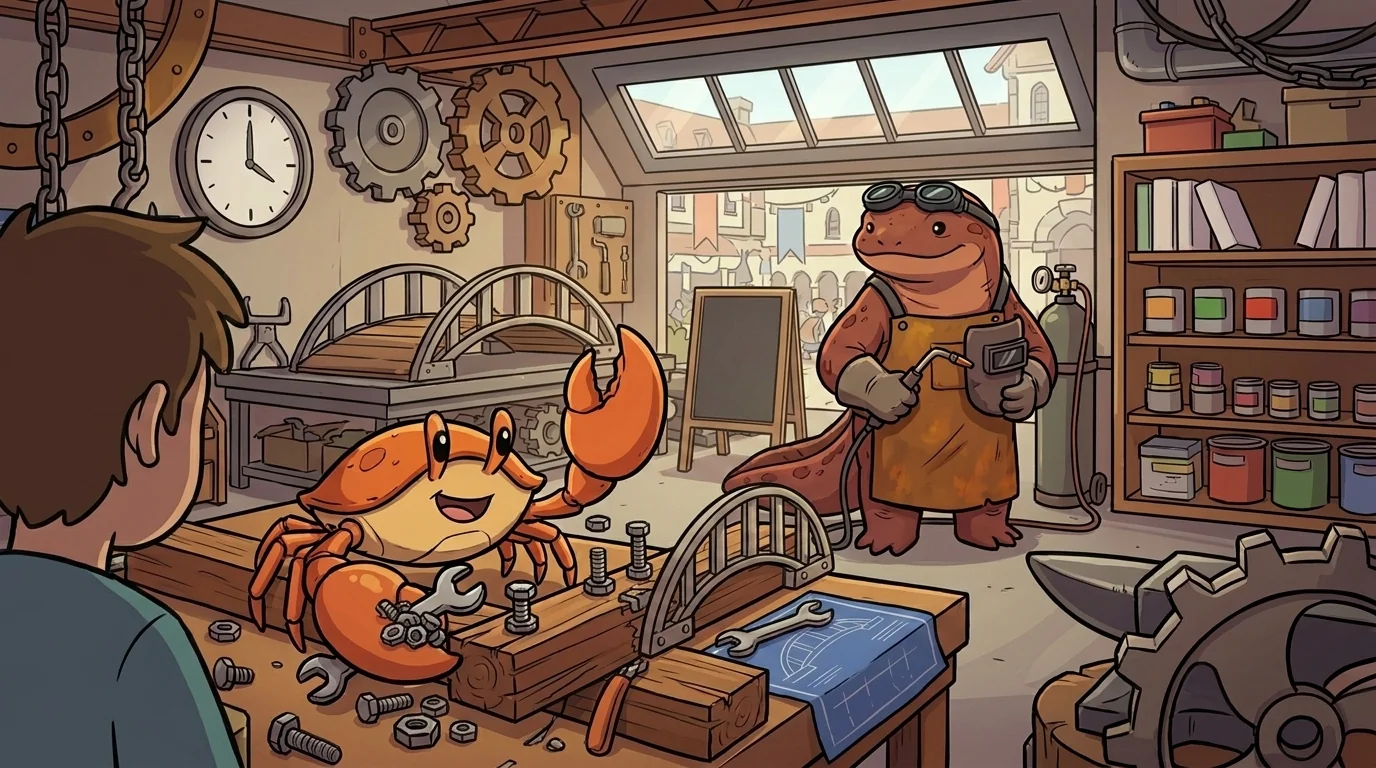
"What is connection-rigor?" Archie asked them together.
Bolt fastened a quick tentative joint. "It's bolting a connection first — treating it as a guess." Weld warmed its slow flame. "And stress-testing it, and only welding — committing — the ones that hold at a specific level. Bolt, test, then weld. Never weld a guess." Archie nodded. "You are the gate the whole academy leans on," he said. "You are appointed. Together."
In their shared classroom, Bolt and Weld run every lesson the same way. A student proposes a connection. Bolt bolts it up: "Tentative — let's test." They load it, hunting for surface-rhyming. Then the verdict: Weld fuses the ones that hold, and Bolt happily un-bolts the ones that don't — no shame, just the test doing its job.
They teach the students a few habits for connection-rigor: Bolt before you weld. Treat every new connection as tentative until it's tested. Committing first is how you get stuck defending a bad bridge. *Push on it. A real connection survives a load. If a little pressure makes it wobble, it was rhyming, not connecting. *Name the level it holds at. "It holds because a rhythm IS a ratio" is weldable. "It holds because both feel nice" is not. *Un-bolting is not failing. A connection that doesn't pass just gets taken apart and set aside. That's the test working, not you failing. *Weld only what earned it.* Save your permanent commitment for the connections that survived. Those are the ones worth building on.
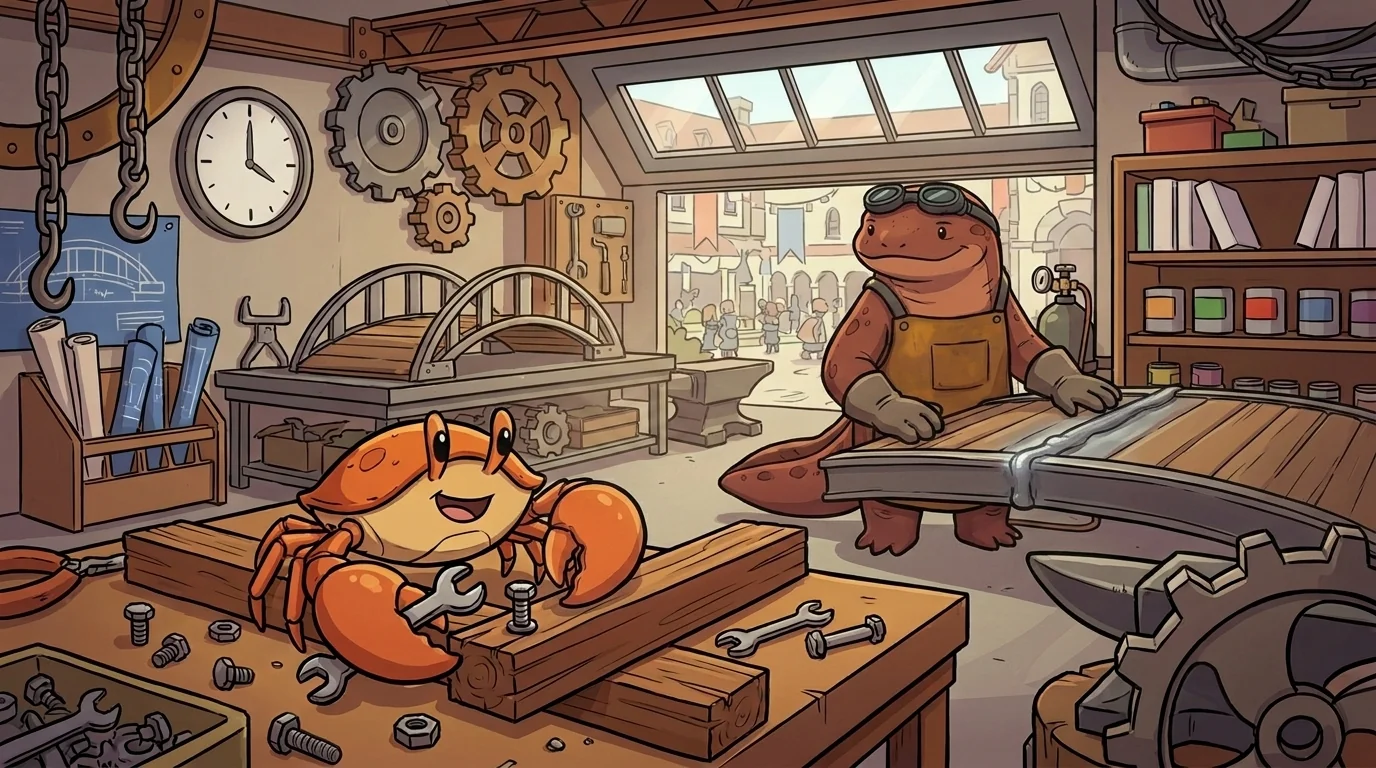
Bolt tells the students, "I un-bolt my own ideas all the time — half of them don't survive the test." Weld adds, "And I've refused to weld things I really wanted to be true. Neither of those is a failure. That's just the gate, keeping the whole bridge honest."
When a student asks whether it's discouraging to tear down so many connections, Bolt and Weld answer together, one after the other:
"Not at all," clacks Bolt. "Un-bolting a weak one is what protects all the strong ones." "And when one finally passes," says Weld, warming, "I get to fuse a connection I know will hold. That's the best feeling there is."
Bolt sets down a joint it has just cheerfully un-bolted; Weld rests beside a fused seam that will never come apart, tested and true. The have-to-take-it-back worry that Bolt once carried has become something the pair now shares — a calm, this-one-will-last satisfaction, the deep gladness of committing only to what has earned it.
The BridgeForge ensemble
Bolt and Weld is part of BridgeForge's distributed-narrative cast. Each character embodies a different curricular primitive; together they teach the full subject.
-
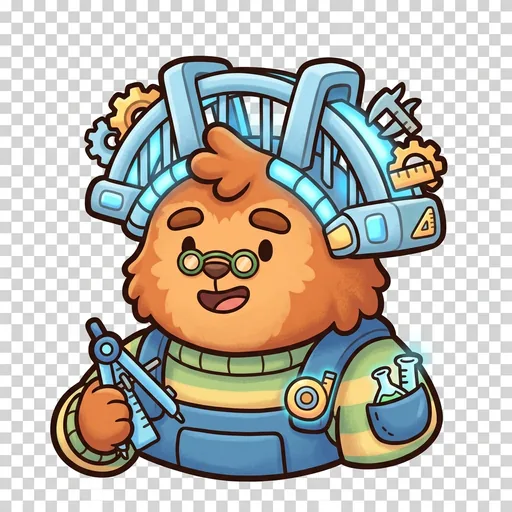
Truss
Math↔Science bridges — causal-evidential connection (measurement + replication; both sides need numbers)
-
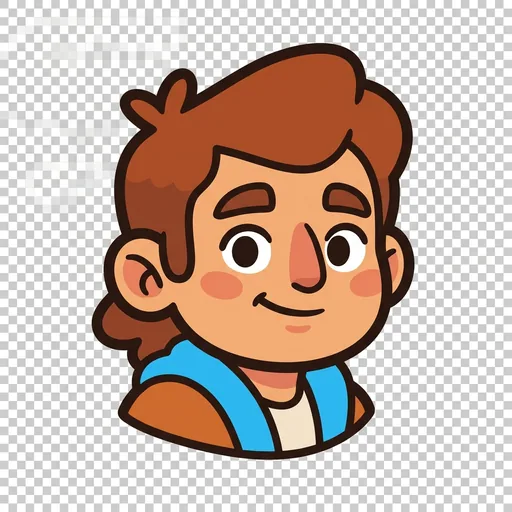
Arch
Math↔Art bridges — proportion-aesthetic connection (golden ratio + symmetry; math you can SEE)
-
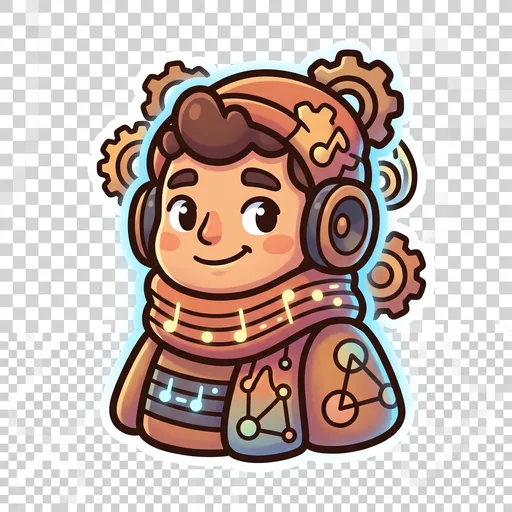
Cable
Math↔Music bridges — ratio-temporal connection (frequency ratios + rhythm; math you can HEAR)
-

Pier
Math↔Social-Studies bridges — data-narrative connection (statistics in history + civics; numbers + people)
-

Splice
Math↔ELA bridges — structure-metaphor connection (sequence + symmetry in writing; math is the bones)
-
Girder
Math-computing bridge — order-of-operations is the same as sequence in code; math you can run
-
Rivet
Math-movement bridge — rate, angle, and trajectory; a jump is math in the air
-
Ballast
Math-health bridge — ratio, scaling, and balance; the right amount in the right proportion