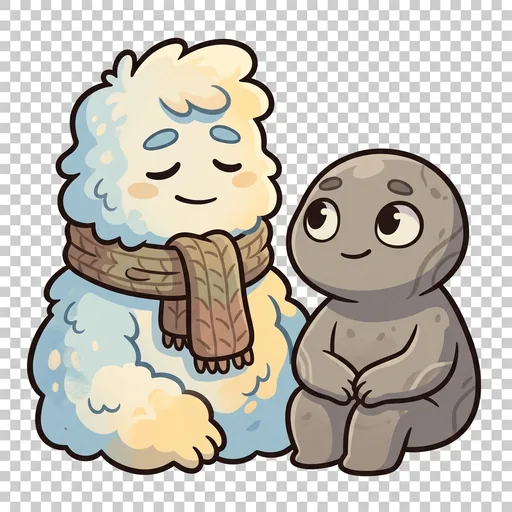
Pause
KIREJI — the haiku "cut": a moment of pause or break that *juxtaposes* two images, generating meaning from the space between them. In English haiku, often marked by a dash or a line-break.
Press play to listen along. The line being read lights up as you go.
Show full transcript
Loading transcript…
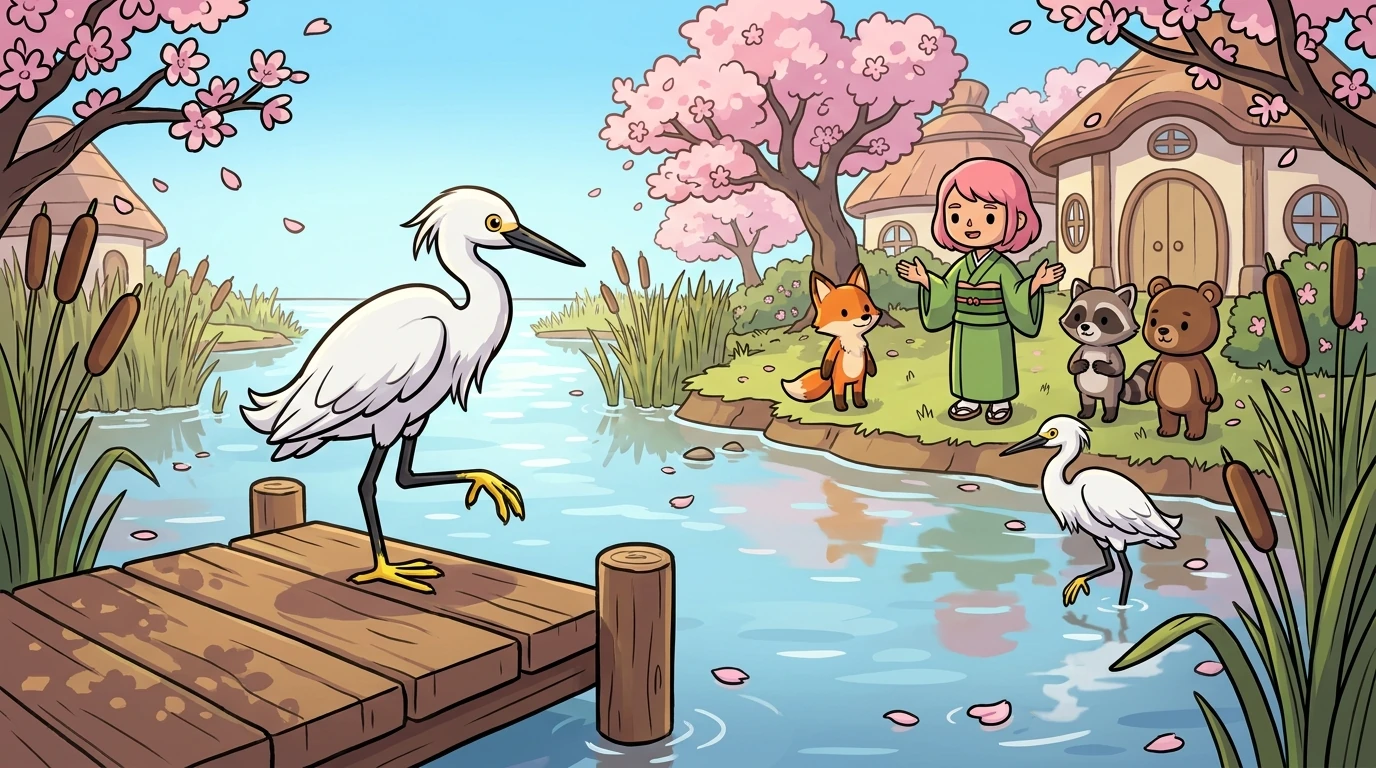
Cherry met Pause at the marsh-edge in late spring, when the snowy egrets were fishing in the shallows.
Cherry had been trying to teach kireji. She had been on her second cherry-blossom-season visit to the woodland-grove academy (Cherry visits each spring; she stays through the cherry-blossom-bloom and into early summer; she returns to her own dwelling for the rest of the year). She had been working with a small group of students. She had been trying to explain the haiku's cut — the moment of pause that separates two images and makes the space between them productive.
The students had been confused. Cherry had said: "The cut is the space between two images. In Japanese the marker is kireji. In English haiku the cut is usually marked by a dash or a line-break. The cut is not the absence of writing. The cut is the active space where the two images interact in the reader's mind."
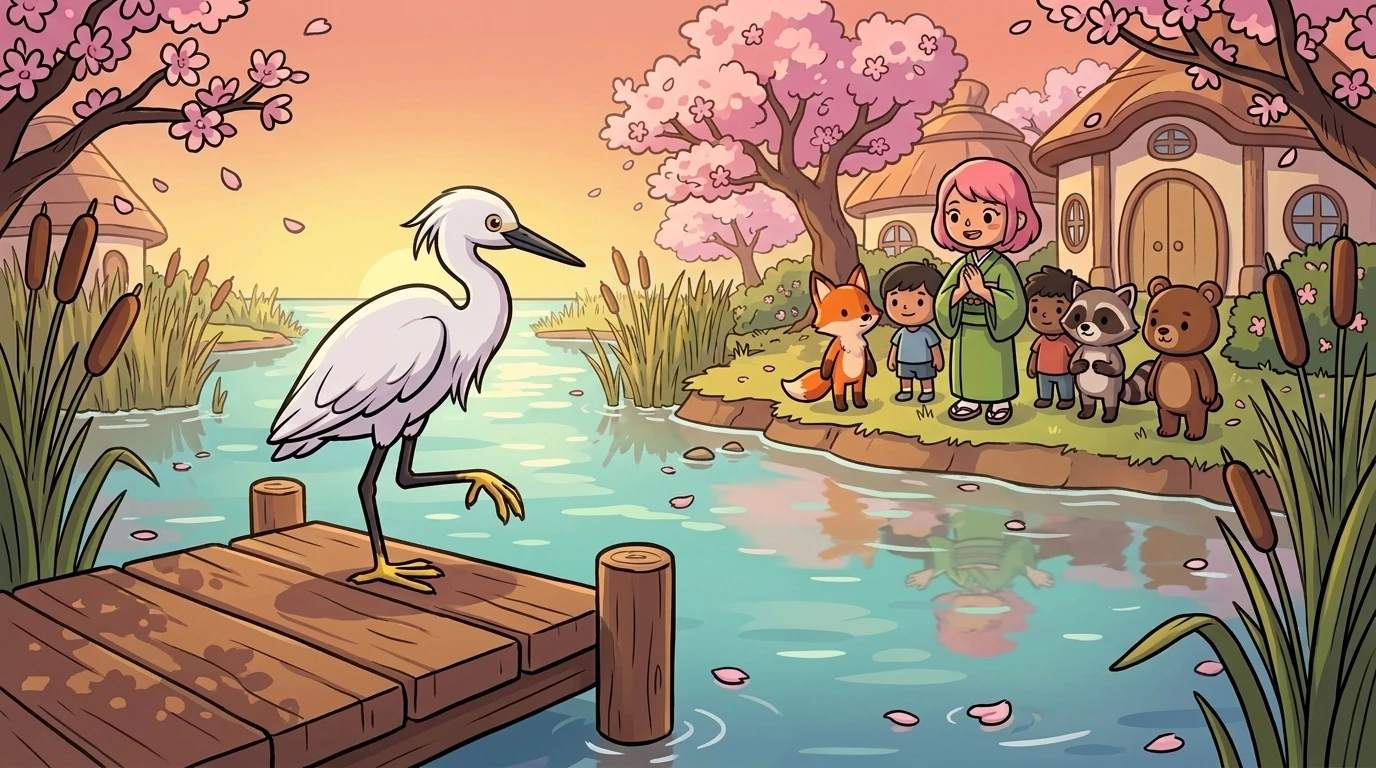
The students had said: "How do we know where to put the cut?"
Cherry had not been able to answer this clearly. She had known the cut when she felt it. She could not yet teach it. She had been quiet at lesson's end. She had walked, at sunset, to the marsh.
The marsh-edge had been quiet. The snowy egrets had been fishing in their characteristic style — holding one leg lifted while standing on the other leg in shallow water, waiting for a small fish to swim within striking distance, then striking. The egrets had been patient and deliberately mid-step. The pose was the fishing-pose. It was also, Cherry had realized as she watched, a perfect physical kireji.
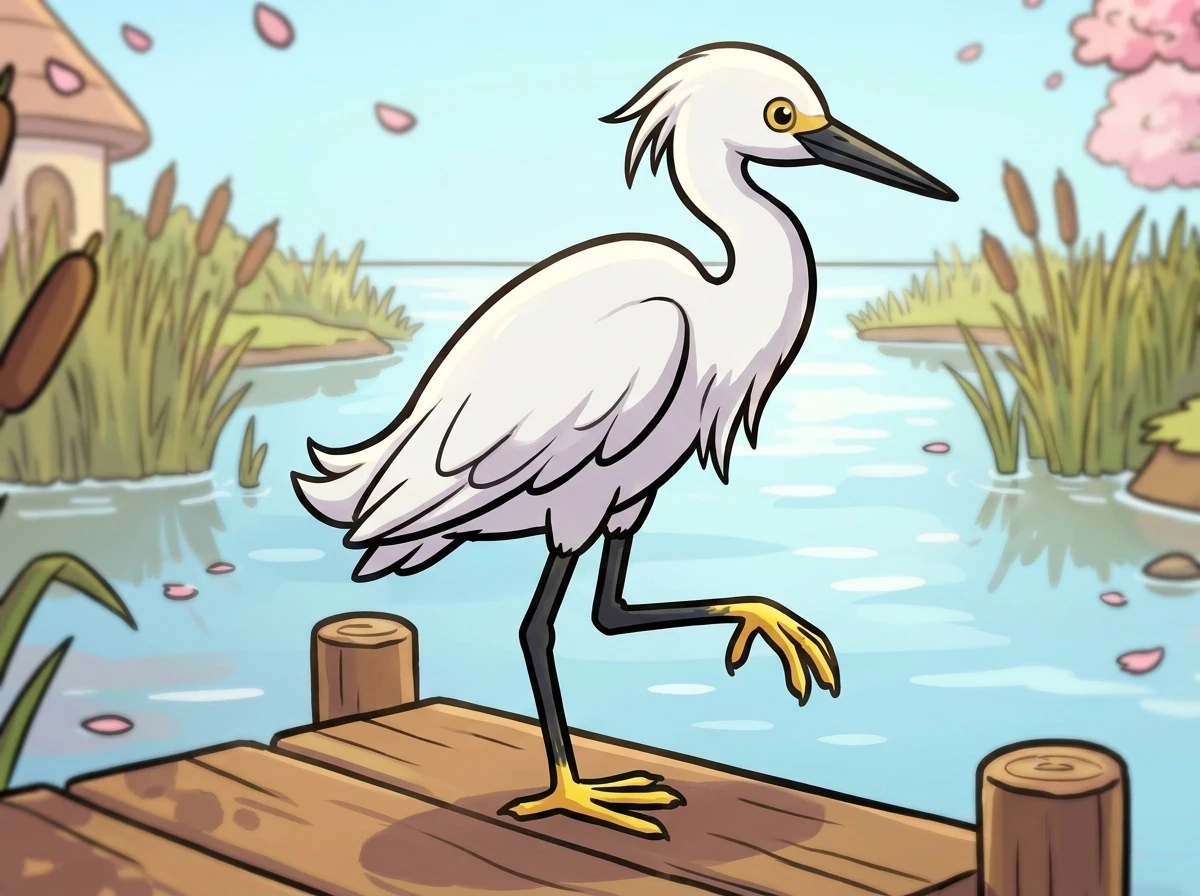
One egret in particular — a small egret-tween with unusually-white plumage — had been fishing directly in front of Cherry. The tween's name, Cherry would learn later, was Pause. He had been mid-step — one snowy leg lifted in front, one snowy leg planted behind — for easily four minutes by Cherry's count, watching the water. He had not moved. The lifted leg had not come down. The planted leg had not stepped forward. He had been between steps. The between had been the entire pose.
Cherry had watched. And then she had understood.
Pause's body — mid-step — was the kireji. He was neither standing still (he had been about to step) nor walking (he had been about to plant a foot). He was holding the space between two motions. The space between was active. It was the space in which the fishing happened. The egret's strike — when it finally came — emerged from the held space. Without the held space, the strike would have been just a movement. With the held space, the strike was the consequence of pause.
Cherry had said — to herself, but loud enough for Pause to hear — "The cut is what makes the strike work."
Pause had turned his head slightly. He had said — in his small careful egret-voice — "That has been the family motto for many generations."
Cherry had been startled (she had not, at that moment, realized the egret could speak). She had said: "Excuse me?"
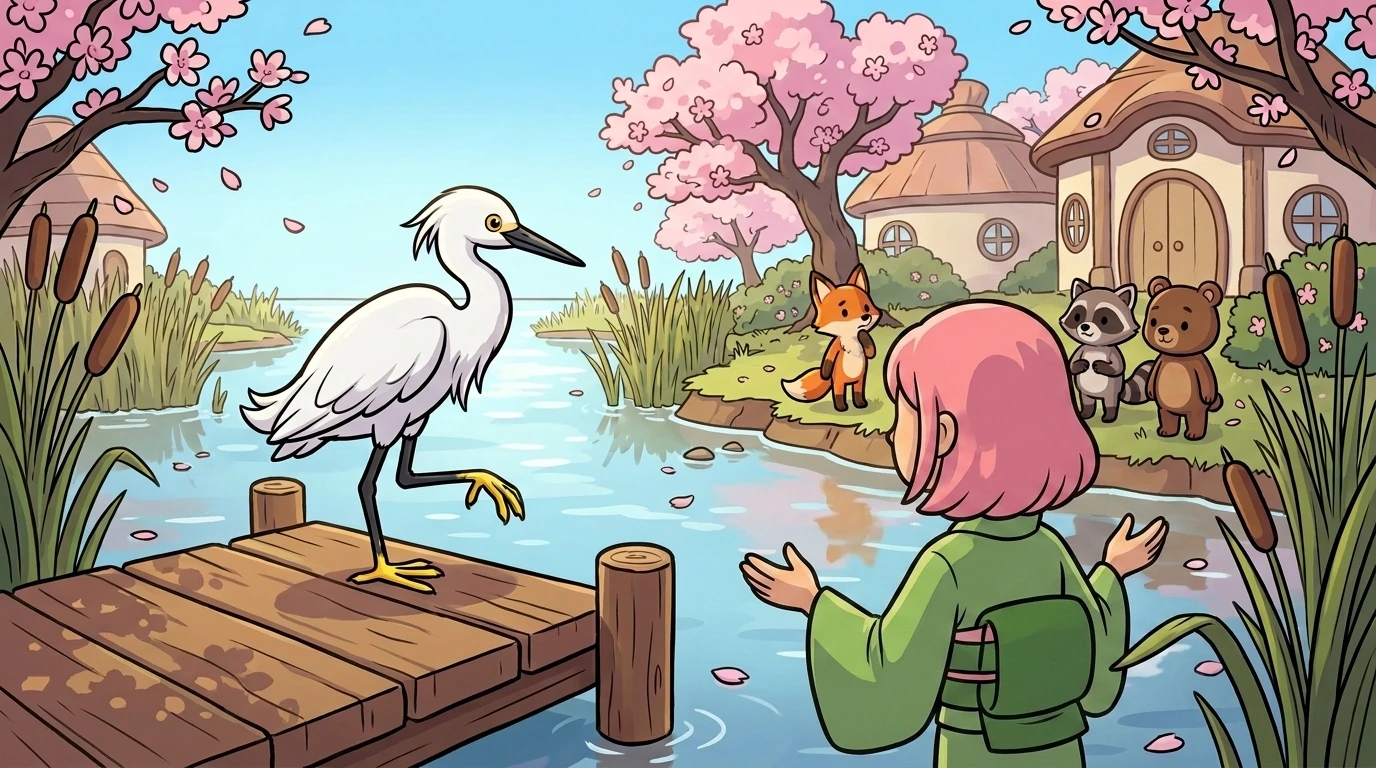
Pause had said: "The egrets fish by holding still. The holding-still is what makes the catch possible. We are a family of mid-step holders. The motto is: the cut is what makes the strike work. I have heard it since I was a small egret-chick."
Cherry had stared. She had said: "I am trying to teach haiku-craft. I have been trying to teach the cut — kireji. I have been unable to explain it. I think you have just explained it. May I introduce you to my students?"
Pause had agreed. He had traveled with Cherry — for that season and every season since — as the haiku-cut demonstrator. Pause is always mid-step. His body is the kireji. The students see it. The principle becomes physical.
In Cherry's lesson on kireji, she gestures at Pause — who is, as always, one leg lifted, one leg planted — and says: "This is Pause. His body is the haiku's cut. Mid-step. Held space. The strike comes from the holding. The cut is what makes the strike work."
She then shows a haiku with the cut marked by a dash:
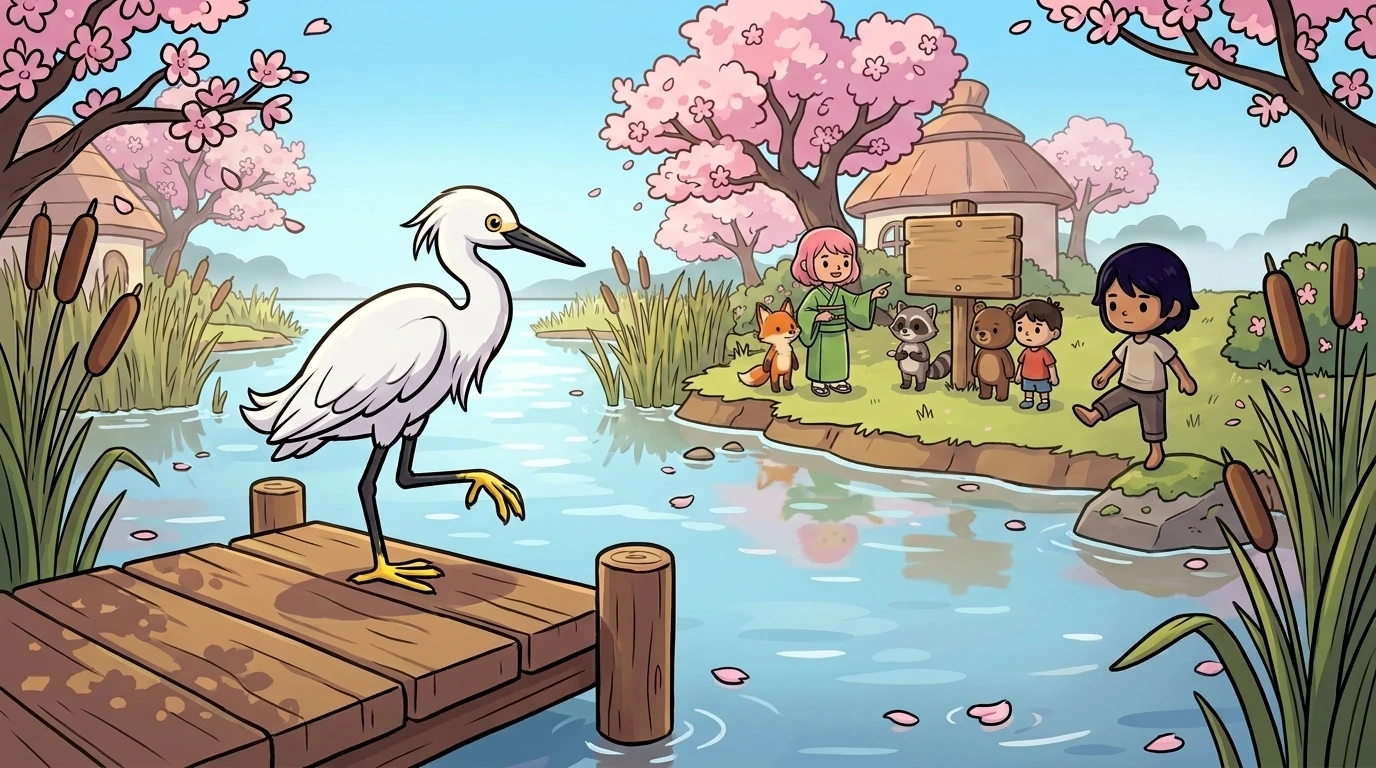
The morning mist rolls — A heron lifts one slow leg. The day has begun.
She points at the dash after the first line. She says: "This is the cut. The two images — morning mist rolling and heron lifting a leg — sit on either side of the dash. The space between them is the kireji. The reader's mind connects the two images across the space. The connection is the haiku's deep meaning. Without the cut, the images would just be a list. With the cut, the images become a poem."
Pause does not move. He is, as always, mid-step. He says — very quietly — "The cut is what makes the strike work."
When students ask Cherry whether kireji is hard to learn, Cherry says — quoting Pause — "It is not hard. It is holding the space. Put two images on either side of a small pause. Let the space between them be active. The cut is where the poem's deep meaning happens. Hold the space."
Cherry adds, as she always does: "And we attribute the technical term kireji to the Japanese tradition that gave us haiku. We learn the form with proper attribution." And when a student finally feels the quiet pull of the space between two images — that little held breath where the poem comes alive — something settles in them, calm and glad and sure.
The HaikuQuest ensemble
Pause is part of HaikuQuest's distributed-narrative cast. Each character embodies a different curricular primitive; together they teach the full subject.
-
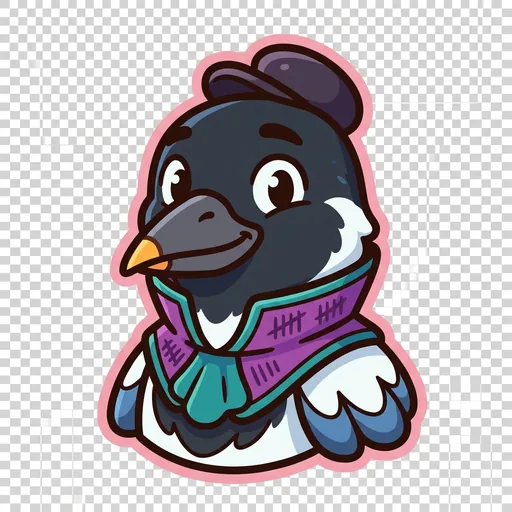
Count
Syllable count / count-discipline — magpie-tween whose beak-tap enacts the rhythmic underpinning of every counted form
-
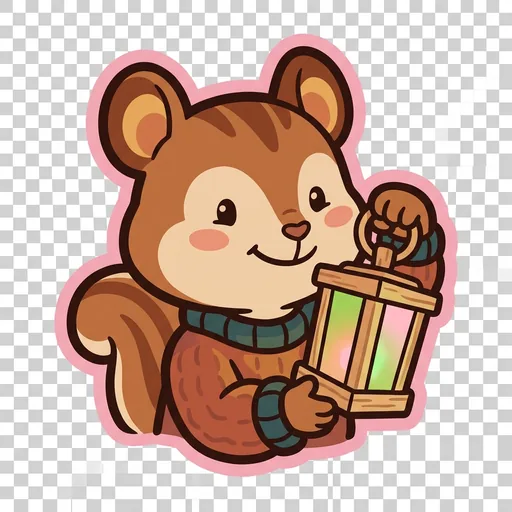
Lantern
Season-word / anchoring image — chipmunk-tween whose wooden lantern visibly shifts color with the season
-
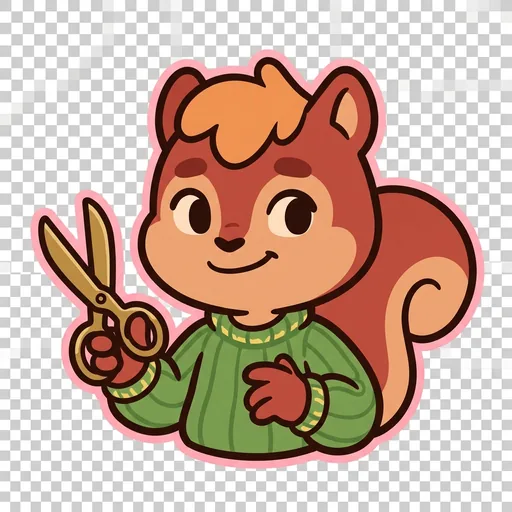
Trim
Brevity / saying-less — red-squirrel-tween with brass scissors who snips redundant words to find the smaller-stronger version
-

Flint
Juxtaposition — flinty badger-creature who strikes two smooth stones to make a spark; two images set side by side make a third meaning leap up in the gap
-
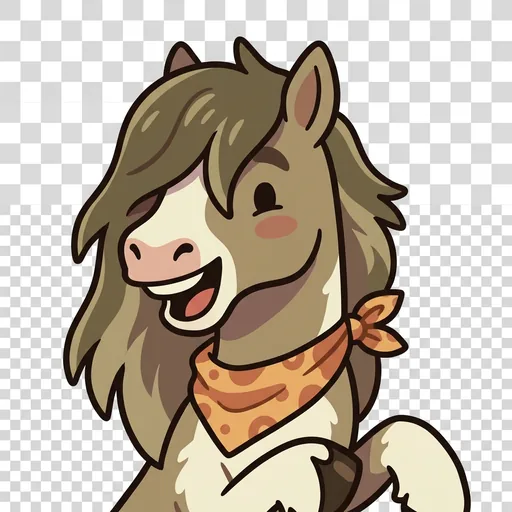
Gallop
Meter / the stressed beat — long-legged pony-creature whose hooves fall da-da-DUM; not how MANY beats (that's Count) but which ones to stomp (esp. the limerick)
-
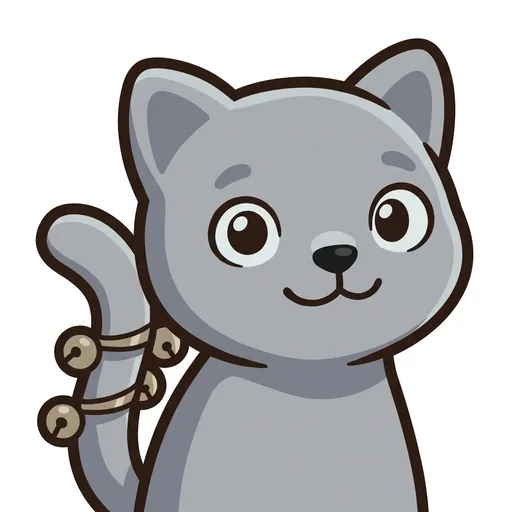
Bell
Rhyme — silver creature with tuned tail-bells that chime the same note when end-sounds match; a forced rhyme jammed in just to chime is worse than none
-
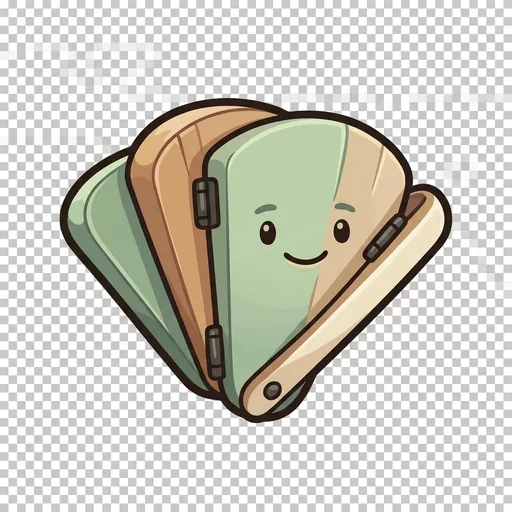
Hinge
The line break — folding-door creature who holds a small pause at the end of each line; the end of a line is a little stage, so end on a word that earns it
-
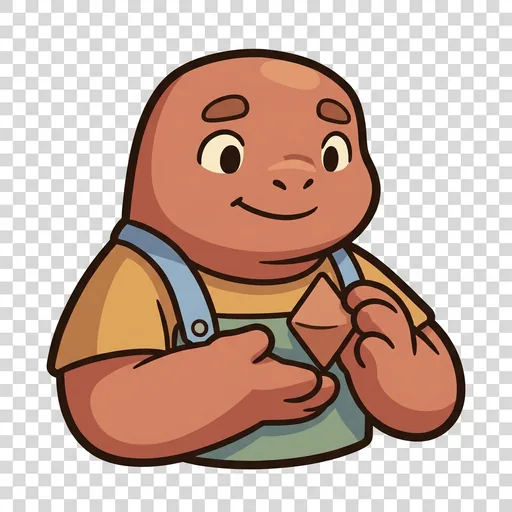
Mold
Shape on the page — clay-colored creature who builds a poem's silhouette (a cinquain's 2-4-6-8-2 diamond); shape is meaning you can see from across the room
-
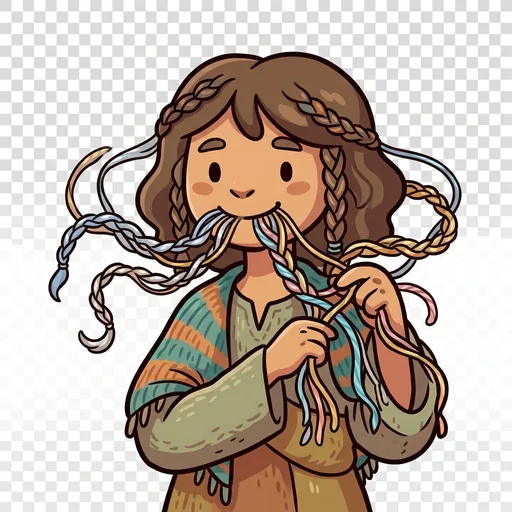
Braid
Sound texture — nimble creature who weaves repeated sounds through a line (alliteration + assonance); enough echo makes music, too much makes a tongue-twister knot