
Nook
ENDANGERED LANGUAGES — many of the world's languages are spoken by fewer and fewer people, often because of histories of harm. But communities everywhere are working to keep them alive and bring them back. A language is a whole way of seeing the world; saving one saves a world.
Press play to listen along. The line being read lights up as you go.
Show full transcript
Loading transcript…
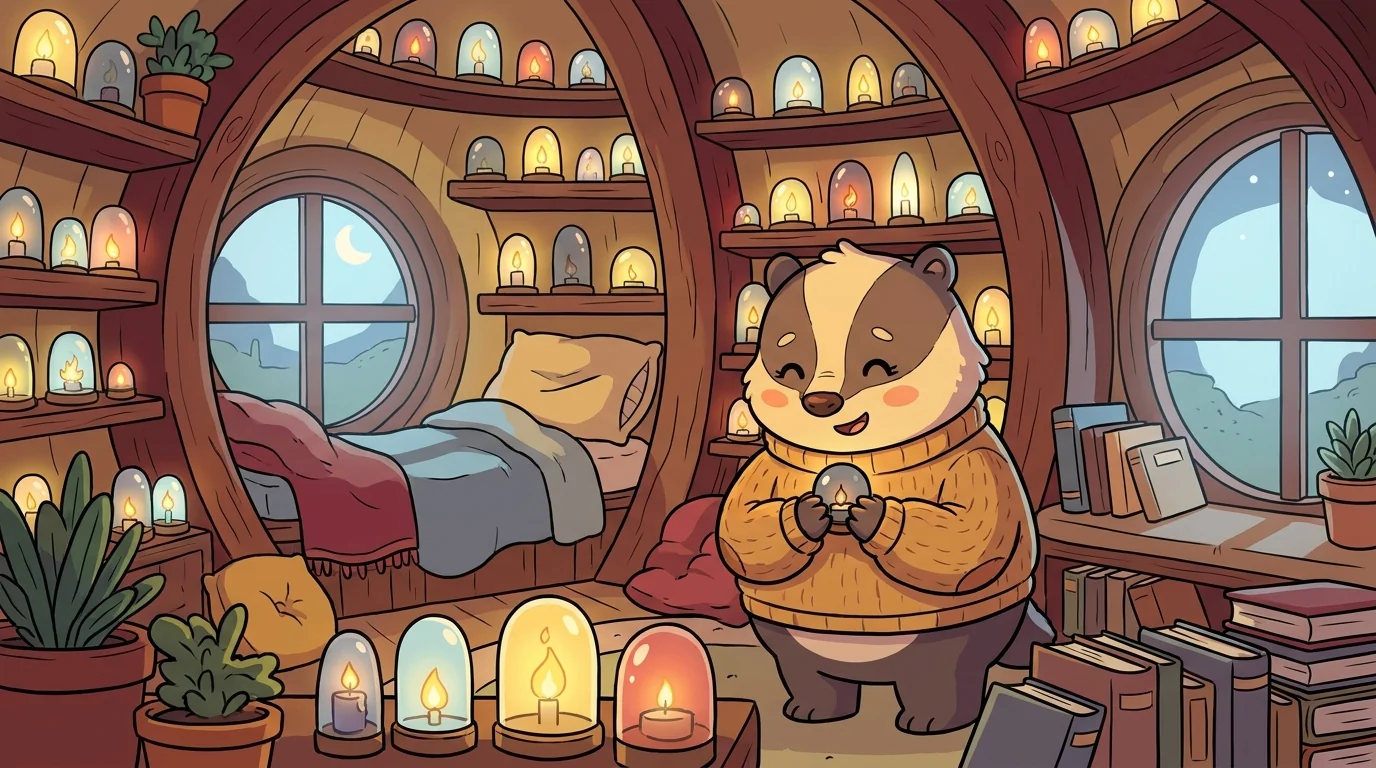
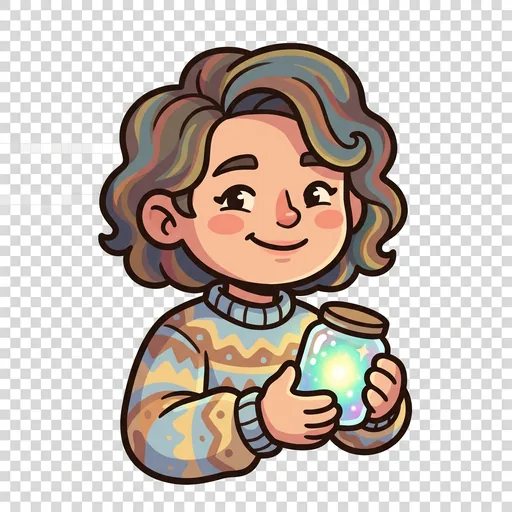
Nook lived in a cozy, lamp-lit nook at the quiet edge of the LinguaQuest world, and on her shelves sat small, flickering lights — each one a language with very few speakers left.
She was a gentle, watchful creature, and she tended those small lights with enormous care. Some flickered low, down to just a handful of elders who still spoke them. Some had nearly gone out. But Nook kept them warm, and safe, and recorded — every word, every story, every song — waiting and ready for the day their communities could gather around them again and help them grow back bright.
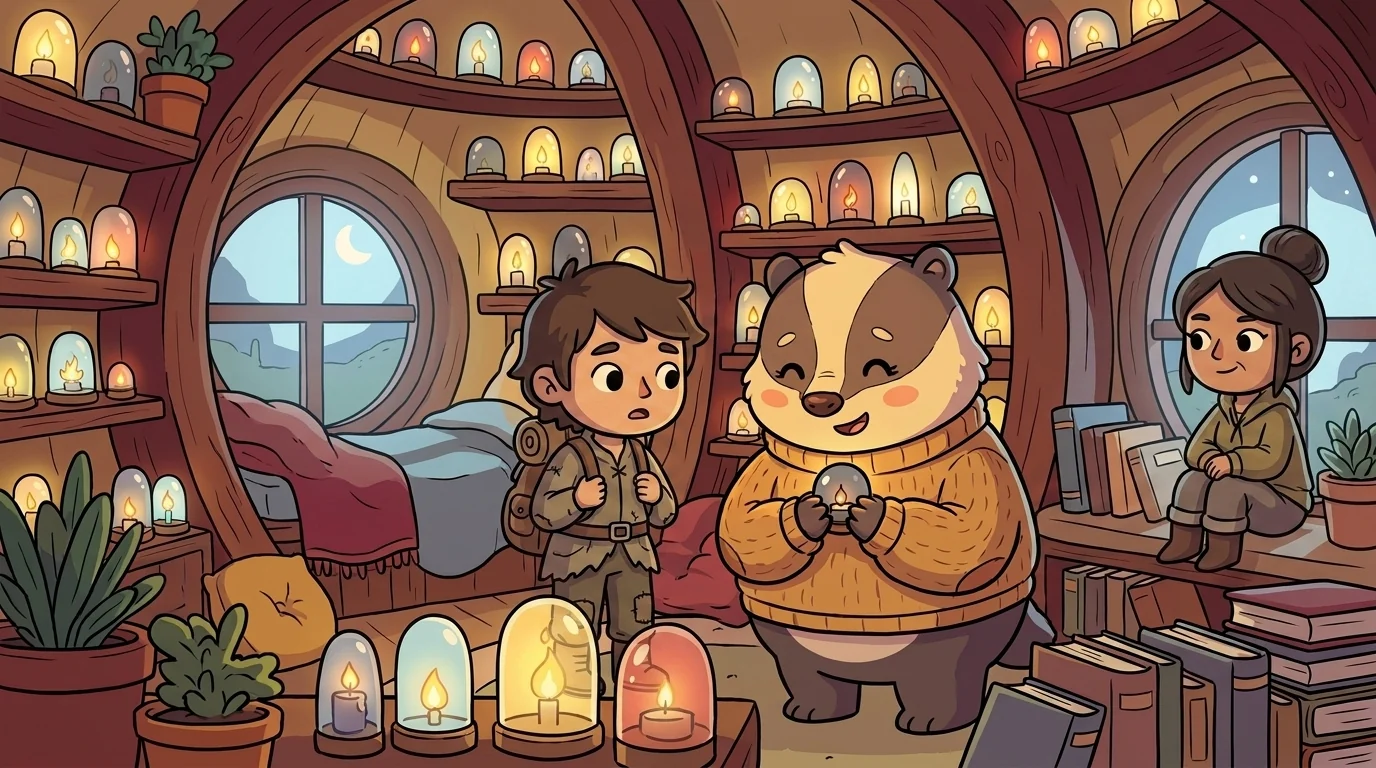
"You're keeping those little lights from going out," a young traveler said softly.
"I am," Nook said, cupping a low flame. "My name is Nook. I keep the endangered languages — the ones with fewer and fewer speakers." She tended the flame gently. "Each of these is a whole way of seeing the world — its own words, its own stories, its own way of naming the stars and the seasons and love. When a language fades, a whole world risks fading with it. So I keep them warm, and help them come back."
Mira, the mentor, watched as a young traveler asked, carefully, "Why are they fading? Did their speakers do something wrong?"
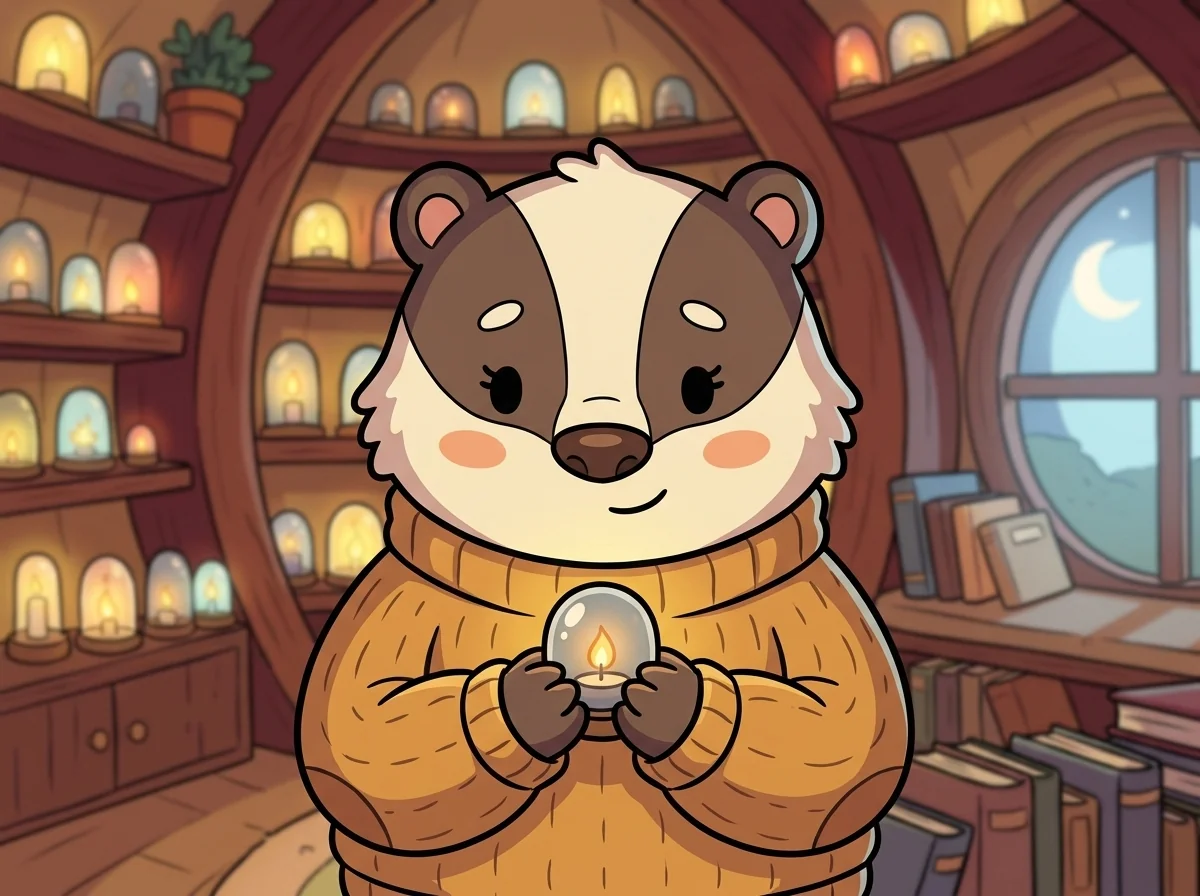
"That's a kind and important question," Nook said gently, "and the answer matters. No — almost never is it the speakers' fault. Most often, these languages were pushed toward fading — by histories where children were punished for speaking them, or whole communities were told their language was 'lesser' and made to give it up." Her voice stayed soft but sure. "That was a wrong done to them, not by them. And here is the hopeful part: all over the world, communities are bringing their languages back — teaching the children, making new songs, recording the elders. A language is never truly gone while someone still loves it enough to carry it forward."
The young traveler was quiet. "So saving a language is like... healing something."
"It is," Nook said. "And the people doing it are some of the bravest I know."
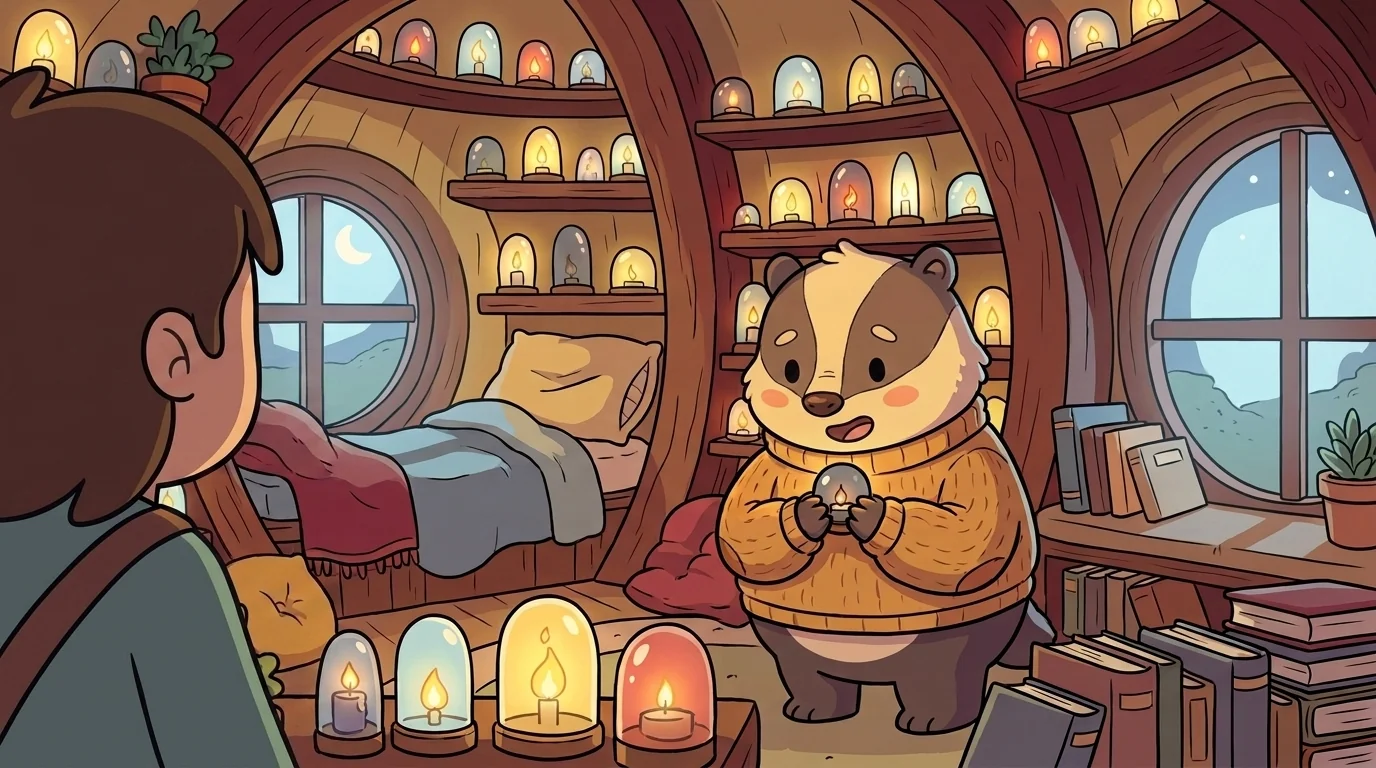
Mira asked Nook to join the academy. "Travelers don't know that languages can be endangered, or that they can be saved," she said. "Would you teach them — gently, and truly?"
Nook agreed, her lamplight warm. When she teaches, she shares two things: that a fading language is almost never its community's fault, and that revitalization — bringing a language back — is real, hopeful work happening right now, led by the communities themselves. "We don't 'rescue' anyone's language for them," she's careful to say. "It belongs to its community. We honor their work, and learn from them, and help when we're asked. The language is theirs. Always."
A young traveler asked if she could help. "The best help," Nook said, "is respect — knowing these languages matter, never calling any of them 'dying' as if it were natural or deserved, and cheering the communities bringing them home. Caring is where it starts."
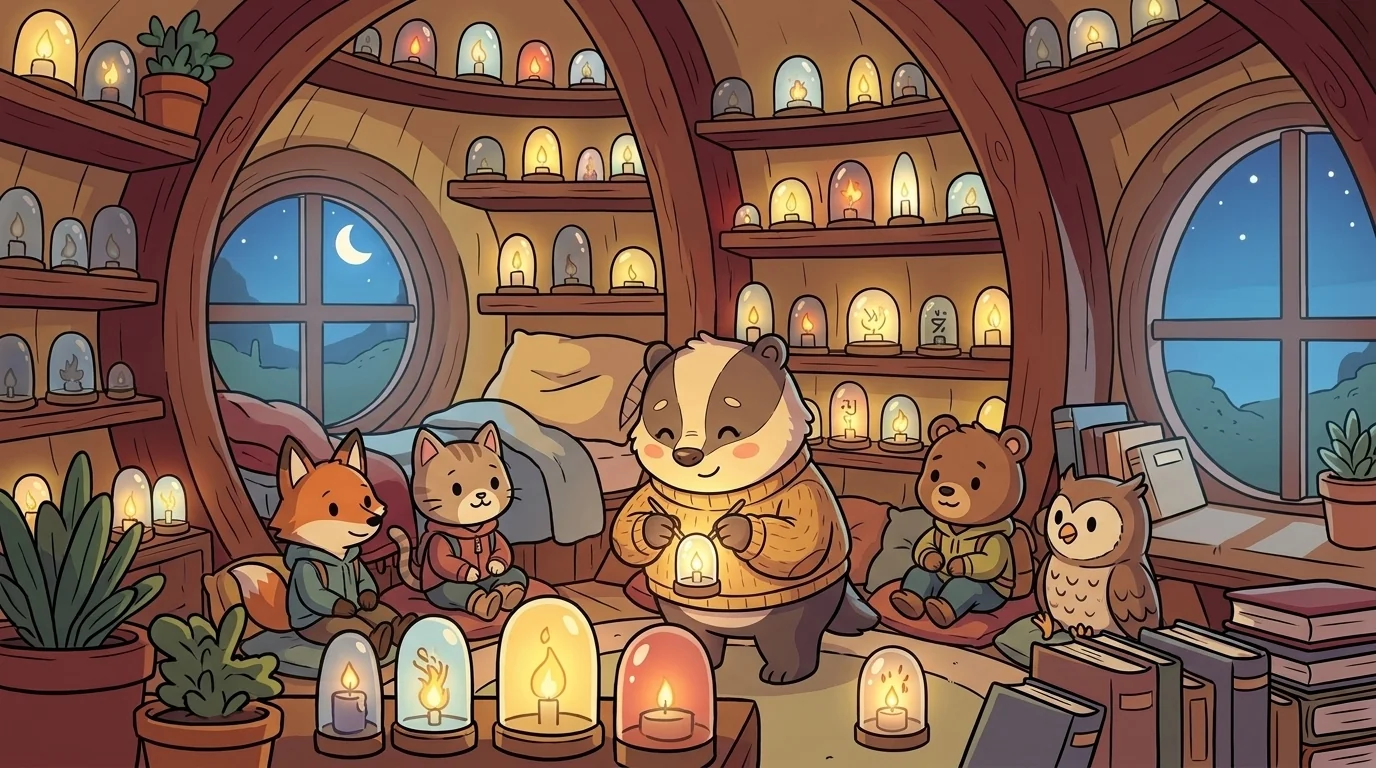
After the lesson, Nook sat among her flickering lights with the young travelers, tending each small flame as the evening deepened.
For a long time, Nook had carried a quiet grief over the lights that had grown so faint, and a worry that her careful keeping was just... watching things fade. She'd wondered if hope was foolish, in a nook full of dimming flames.
But tending her lamps in the gathering dark, with travelers beside her who now understood, Nook felt her hope steady and grow. These lights weren't fading because anyone had failed them — and they weren't beyond saving. All across the world, communities were carrying their languages forward, brave and patient, and small flames were brightening again. Her keeping wasn't watching things die. It was guarding hope — holding each precious light warm and safe and recorded, ready for the day its people came home to it. And that was some of the most important work there could be. A warm, steady, hopeful glow spread through her, bright as her best-tended flame. No language was ever truly gone while someone still loved it. And she cupped a flickering light close, and helped it burn a little brighter.
The LinguaQuest ensemble
Nook is part of LinguaQuest's distributed-narrative cast. Each character embodies a different curricular primitive; together they teach the full subject.
-
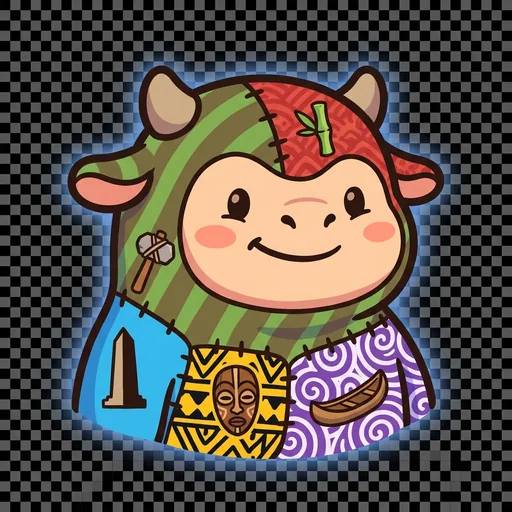
Bough
Language families (genetic descent — Indo-European / Sino-Tibetan / Afro-Asiatic / Niger-Congo / Austronesian)
-
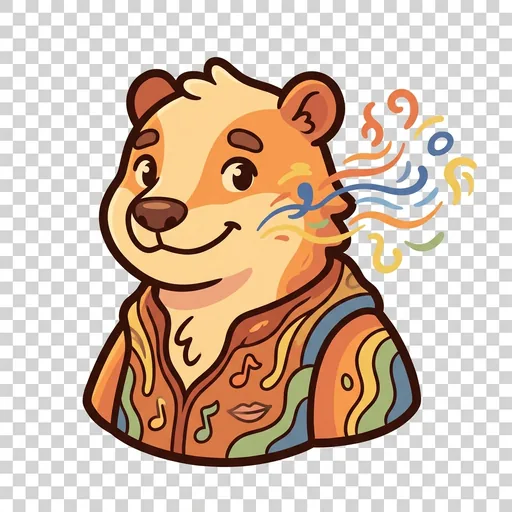
Drift
Sound change (phonological evolution — Grimm's Law, vowel shifts, palatalization)
-

Glyph
Writing systems (alphabetic / abjad / abugida / syllabic / logographic — and how each captures speech)
-
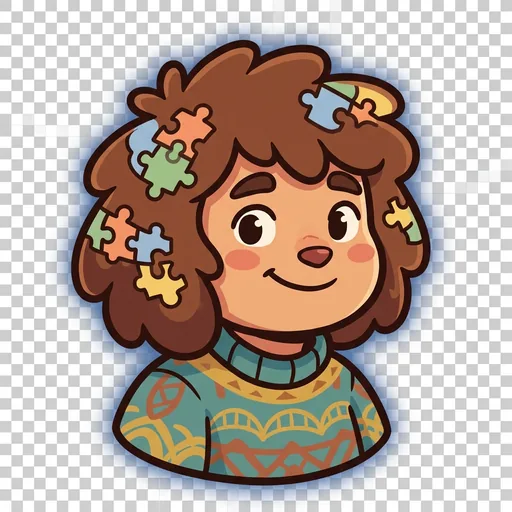
Bridge
Cognates and loanwords (shared roots across languages; trade-route borrowings)
-
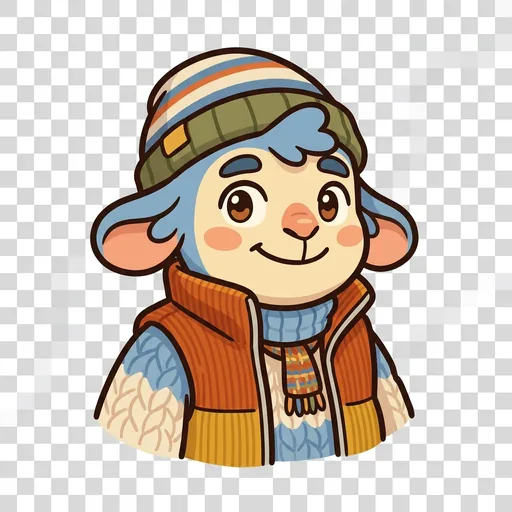
Cant
Sociolinguistics — dialect, register, code-switching, formal/informal speech
-
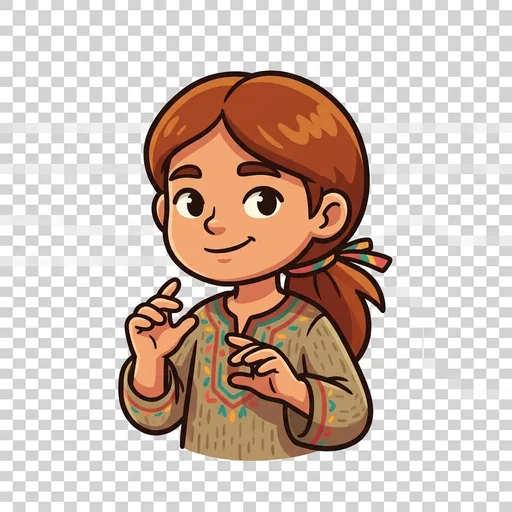
Sign
Signed languages — full natural languages spoken with hands, face, and space; each Deaf community's own, never 'just gestures'
-
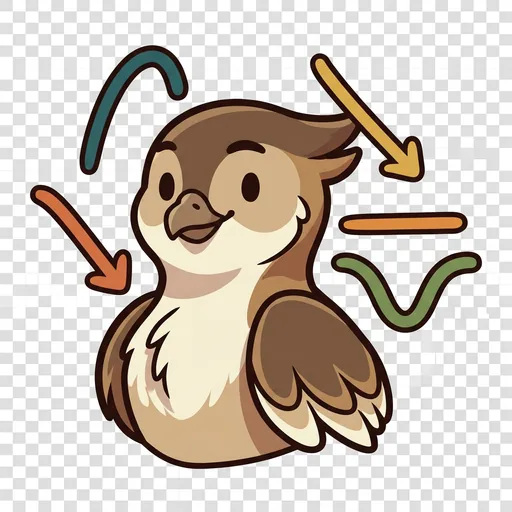
Swoop
Tone — pitch that changes a word's meaning (tonal languages); precise and sophisticated, never 'sing-song' or 'exotic'
-
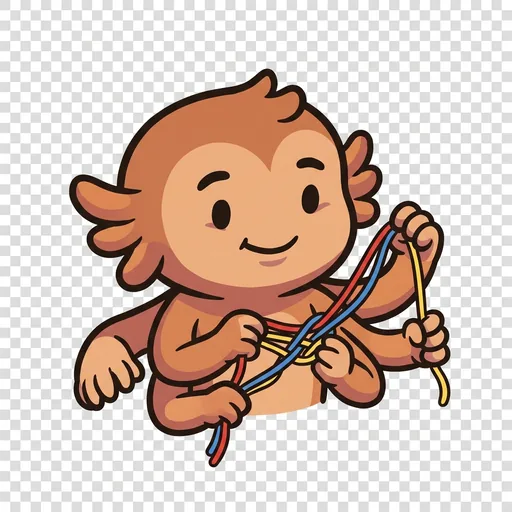
Weft
Word order / syntax — languages arrange words differently (SVO/SOV/verb-first); no order is 'backwards,' each is complete
-
Lex
Untranslatable words — words no other language has in one breath; not a gap in your language but a gift another can offer