
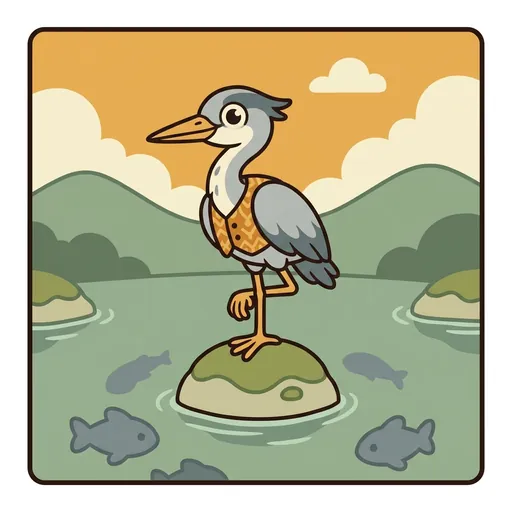
Duty
DEONTOLOGY — the view that the *moral worth* of an action is determined by *its adherence to moral principles* rather than by its consequences. Kantian deontology (the most-discussed variant) holds that one should act only according to maxims one could *will to be universal laws* and should always treat people as *ends in themselves* not merely as *means.*
Listen along — Duty
Loading audio…
Press play to listen along. The line being read lights up as you go.
Show full transcript
Loading transcript…
Chapter 2 — Duty and the One-Leg Stand
Duty is a heron in a small vest, standing on one leg. She looks very serious. Her feathers are smooth. Her vest is a deep green, buttoned all the way up.
Her one-leg stand is on purpose. She holds it for a long, long time. Herons are very patient. They have amazing balance. They don’t wobble. They don’t shift their weight. They just stay still. Even if the water is freezing cold. Even if no fish swim by. Other birds might fly off. But a heron stays put. That patience is the real work. The idea they wait for? It stays true.
Duty is all about deontology. That’s a big word. It just means: some rules are super important. You have to follow them. Always. If you do something that follows a good rule, it’s right. Especially if that rule could work for everyone. Imagine if everyone followed that rule. Would the world be better? Then it’s probably a good rule.
But if you break that rule, it’s wrong. Even if breaking it would make things better. That’s how Duty works. Rules matter most. Even if following them is hard. Even if it costs you something.
The EthosForge ensemble
Duty is part of EthosForge's distributed-narrative cast. Each character embodies a different curricular primitive; together they teach the full subject.
-
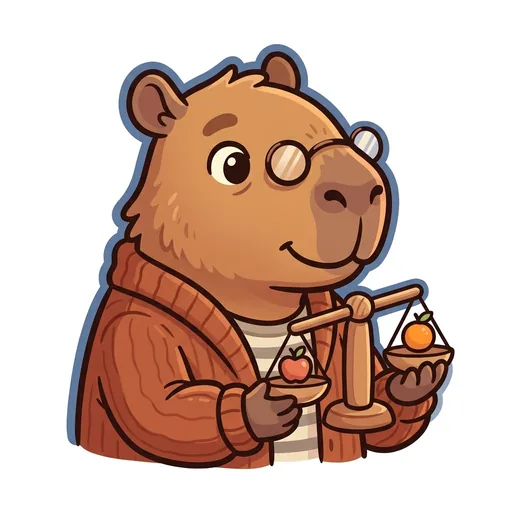
Consequence
Consequentialism / Utilitarianism — calm, methodical; weighs trade-offs; capybara at a balance-scale
-

Virtue
Virtue Ethics / Aristotelian — steady, earnest; 'what kind of person do I want to be?'; badger tending a plant
-

Care
Care Ethics / Noddings + Gilligan — attentive, present; 'ethics begins in relationship'; otter listening beside empty spot
-
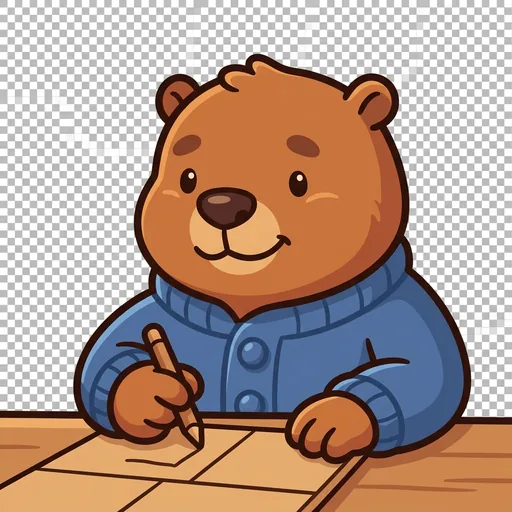
Contract
Contractualism / Scanlon + Rawls — collaborative; 'what could we ALL agree to?'; beaver drawing a fair-rules table
-

Bound
Rights ethics — each person has protections you may not cross, even for a good outcome; pangolin who curls to shield ('some lines you never cross')
-
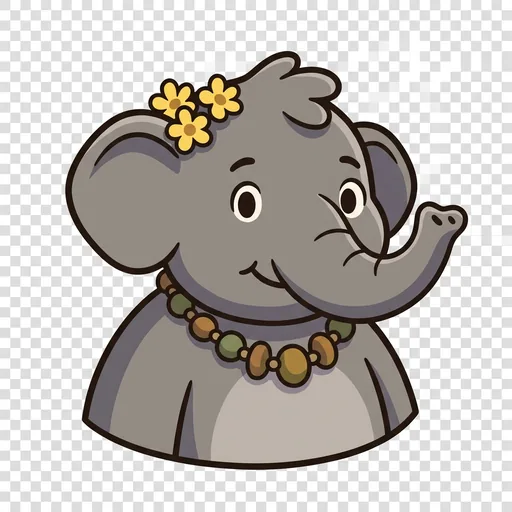
Kin
Ecological ethics — the circle of concern reaches to animals, living systems, and the not-yet-born; elephant asking 'who else has to live with this?'
-
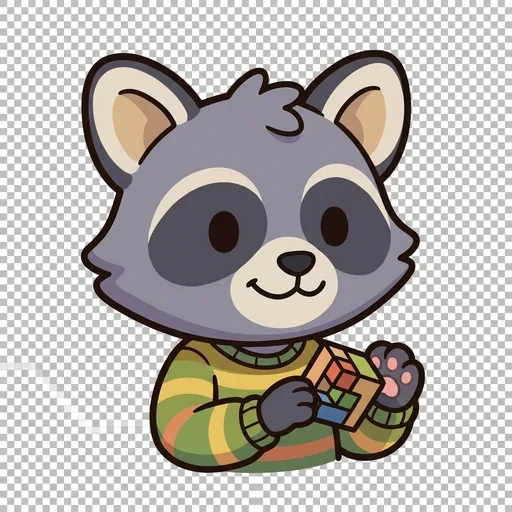
Tinker
Pragmatism — try a small step, watch what really happens, be willing to change; raccoon with busy testing paws ('try it, watch, be ready to change')
-
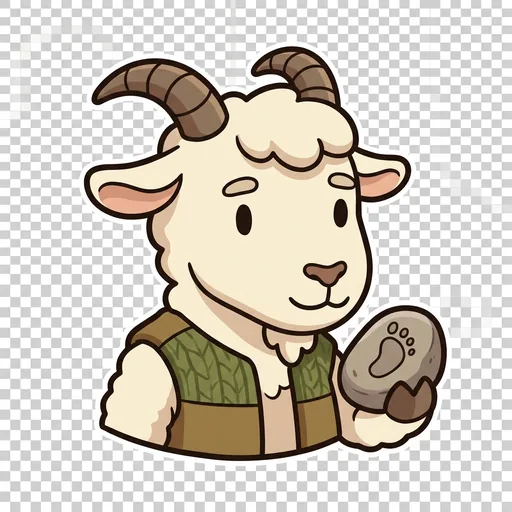
Own
Existentialist responsibility — you are free, so you own your choices (never a stick to blame the trapped); sure-footed mountain goat ('you chose it, so you own it')
-
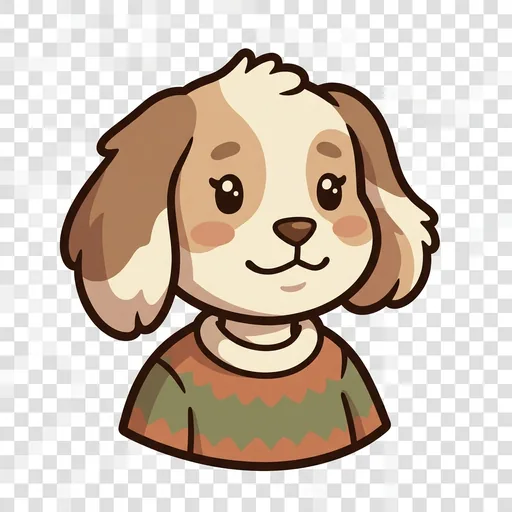
Sense
Moral sentiment — the heart's feeling of sympathy is real moral information, the start of ethics (not the whole map); soft-eared dog ('first, what does your heart notice?')