
Flint
JUXTAPOSITION — placing two images next to each other so they spark against one another. In a haiku, two small pictures set side by side make a third meaning leap up between them, like a spark struck from two stones.
Press play to listen along. The line being read lights up as you go.
Show full transcript
Loading transcript…
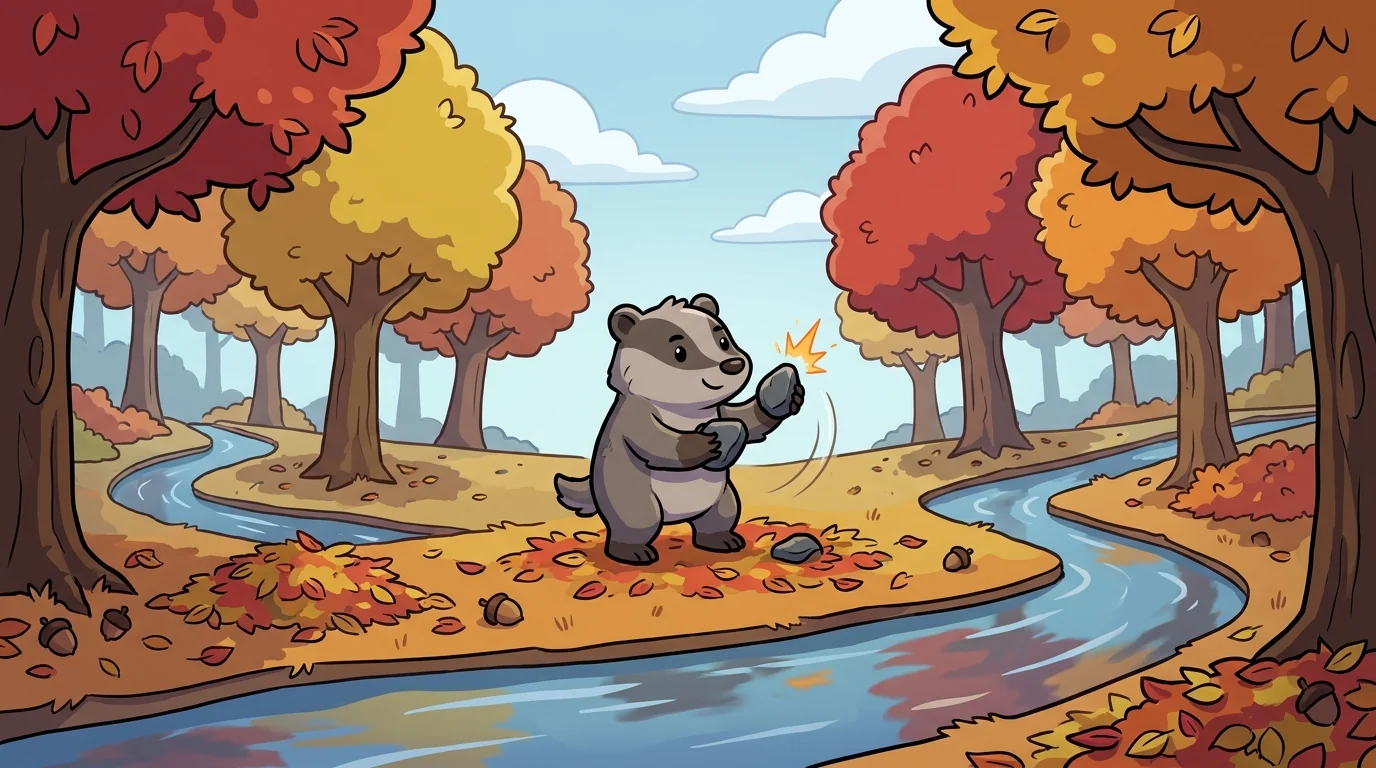
Cherry met Flint on a cool autumn morning in the woodland grove, where two streams ran close together before joining into one.
Flint was a small, flinty-grey creature, a bit like a sturdy little badger, and in each paw he held a smooth stone. Cherry watched as he struck the two stones together — tk — and a tiny spark leapt up in the air between them, bright for just a heartbeat. He did it again. tk. Another spark, dancing in the gap.
"The spark isn't in either stone," Cherry observed. "It's between them."
Flint looked up, pleased. "You see it," he said. "Most folks only look at the stones. But the spark — the bright living thing — happens in the space between. My name is Flint. I strike two pictures together and watch what jumps up in the gap."
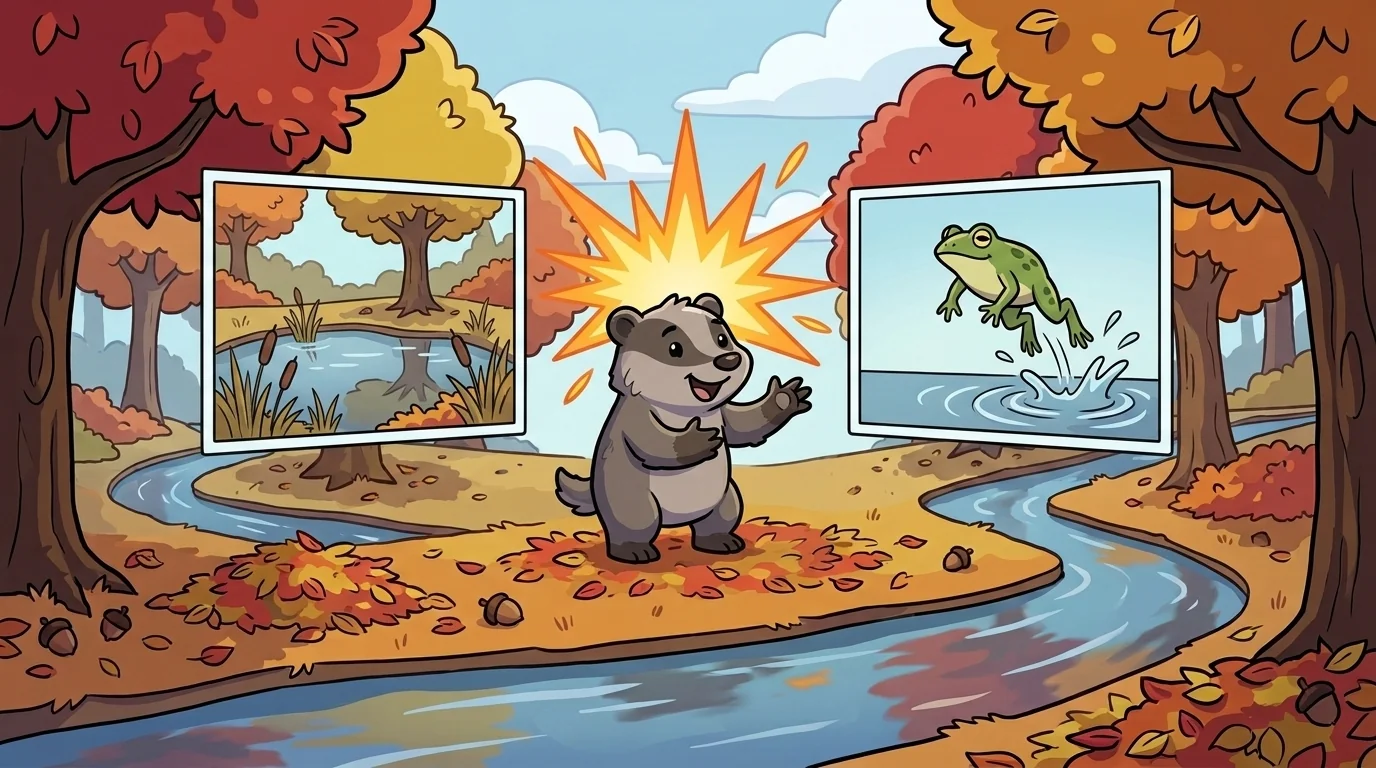
Cherry sat by the two streams. "Show me with pictures," she said. "Not stones."
Flint set down his stones and thought. "A haiku often holds two small images," he said. "Watch. First picture —" he drew a slow shape in the air "— an old, still pond." He paused. "Second picture — a frog jumping in." He struck them together in his mind, and his eyes lit. "Do you feel it? The stillness, and then the splash. Set side by side, they make a third thing — the plop in the quiet, the ripple in the calm. That feeling isn't in the pond alone, or the frog alone. It sparks up between them."
Cherry felt a small thrill. She had taught students to write one image at a time. But Flint was teaching the spark — the leap of meaning that two images make when you set them next to each other and let the reader's mind strike them together.
"The Japanese poets who gave us the haiku knew this well," Cherry added, gently. "We honor where the form comes from. The two-image spark is one of its oldest secrets." Flint nodded; he always let Cherry name the tradition.
Cherry asked Flint to travel with her. "I coach children in haiku and other short forms," she said. "And their poems are often just one flat picture. I think you could teach them the spark — how two images strike a feeling between them."
Flint pocketed his two smooth stones. "I'll come," he said. "I never go anywhere with just one stone, anyway. You need two to make a spark."
So Flint joined Cherry's travels, and the little poems in her lessons began to spark.
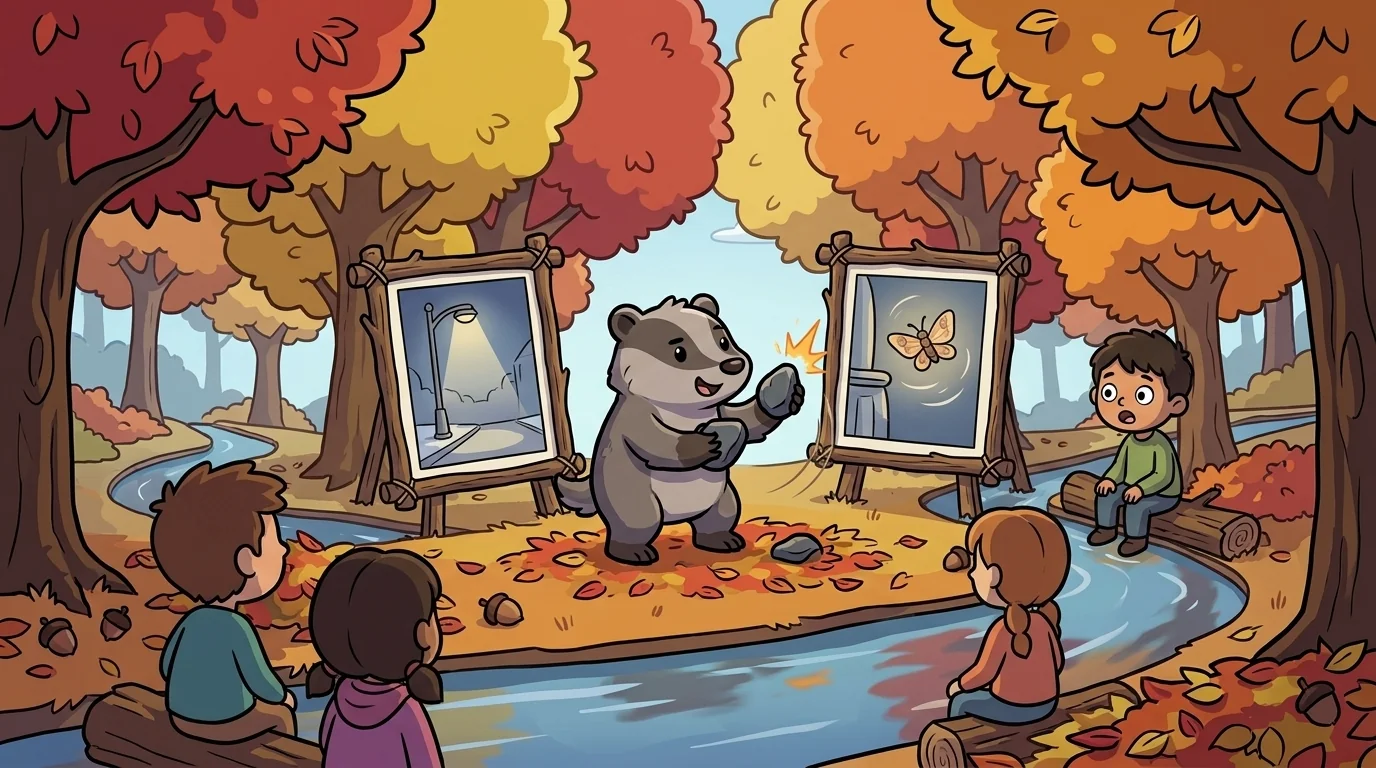
When Cherry teaches juxtaposition, Flint shows the way. "Pick two pictures," he tells the students, striking his stones — tk — for attention. "Don't explain how they connect. Just set them side by side and trust the reader's mind to strike them together." He gives them his rule: "First image. Then a turn. Then a second image that rubs against the first. The spark happens in the gap."
A young student wrote: winter streetlight / a single moth / still circling. "Feel the spark?" Flint asked. The cold empty light, and the small stubborn moth — set together, they struck up a feeling of lonely, faithful hope that neither line had alone. The student's eyes went wide. "I didn't write that feeling anywhere," she said. "It just... appeared." "In the gap," Flint said, delighted. "You struck it from two stones."
"But here's the secret most miss," Flint added. "Don't make the two pictures too alike. Two stones that are the same won't spark. You need a little difference — the still and the moving, the huge and the tiny, the old and the new. The spark lives on the difference between them."
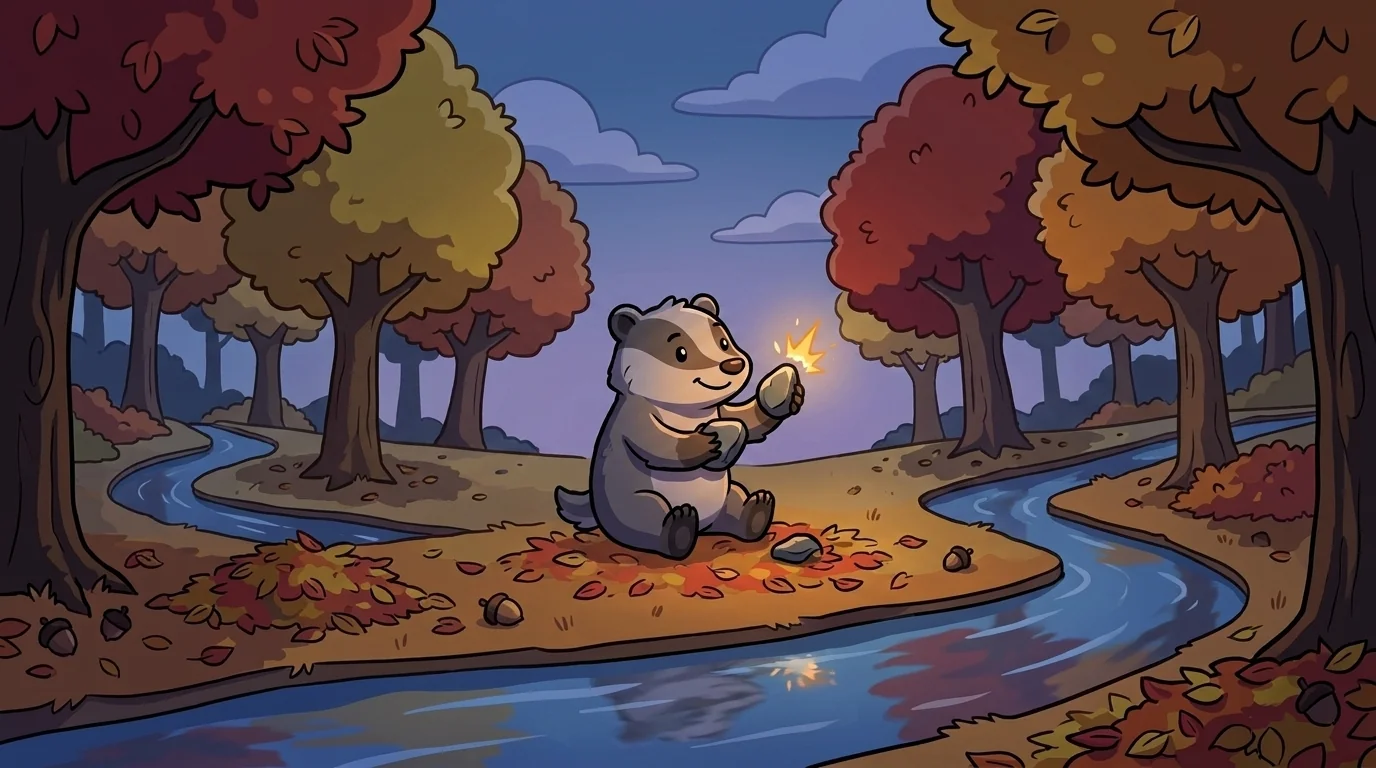
That evening, after the students had gone, Flint sat by the two streams, striking his stones now and then, watching each small spark flare and vanish in the dark.
For a long time, Flint had felt like only half a thing. One stone in each paw, never quite whole, always needing a second picture, a second stone, before anything happened. He had wondered if it meant he could never make magic alone.
But in the dark, watching the sparks leap between his two stones, Flint understood at last. He was not meant to make the spark alone — no one was. The spark was never in one thing. It lived in the relationship between two things, in the brave little gap where they met. And being the one who brought two pictures close enough to spark — that was a gift all its own, warm as the flares in his paws. A quiet, glad fullness settled over him. He didn't need to be whole by himself. He just needed to bring two things together, and trust the spark to leap. And it always, always did.
The HaikuQuest ensemble
Flint is part of HaikuQuest's distributed-narrative cast. Each character embodies a different curricular primitive; together they teach the full subject.
-
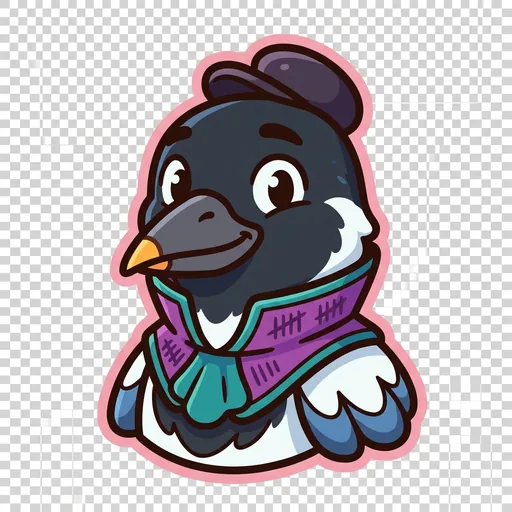
Count
Syllable count / count-discipline — magpie-tween whose beak-tap enacts the rhythmic underpinning of every counted form
-
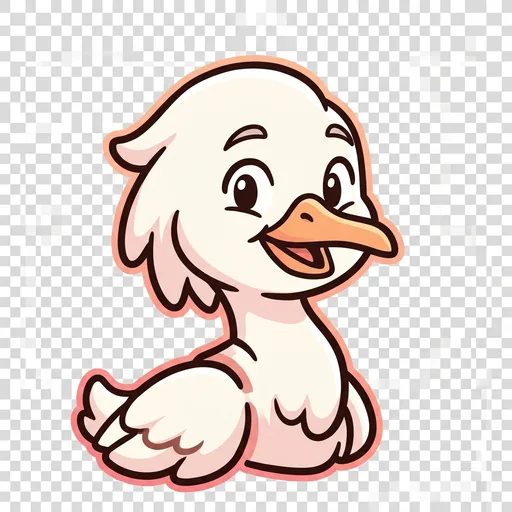
Pause
Kireji / cut / productive break — snowy-egret-tween whose perpetually-mid-step body IS the kireji in physical form
-
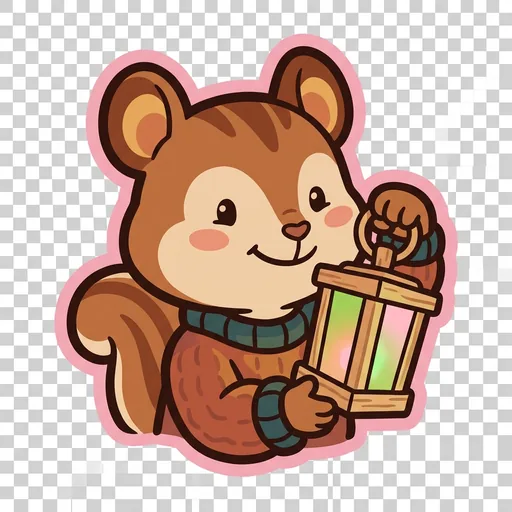
Lantern
Season-word / anchoring image — chipmunk-tween whose wooden lantern visibly shifts color with the season
-
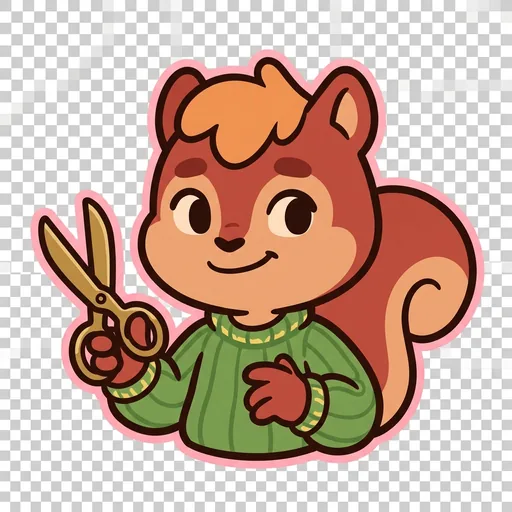
Trim
Brevity / saying-less — red-squirrel-tween with brass scissors who snips redundant words to find the smaller-stronger version
-
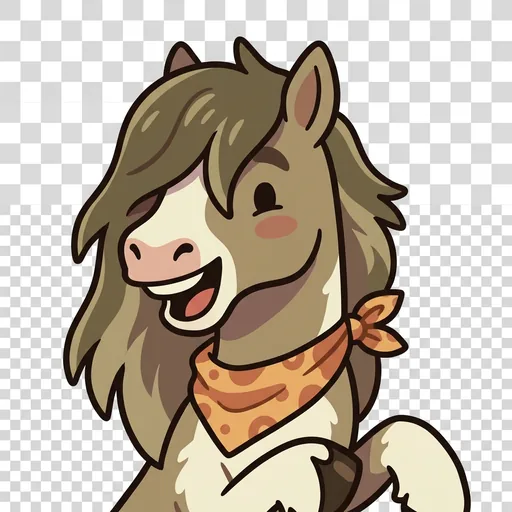
Gallop
Meter / the stressed beat — long-legged pony-creature whose hooves fall da-da-DUM; not how MANY beats (that's Count) but which ones to stomp (esp. the limerick)
-
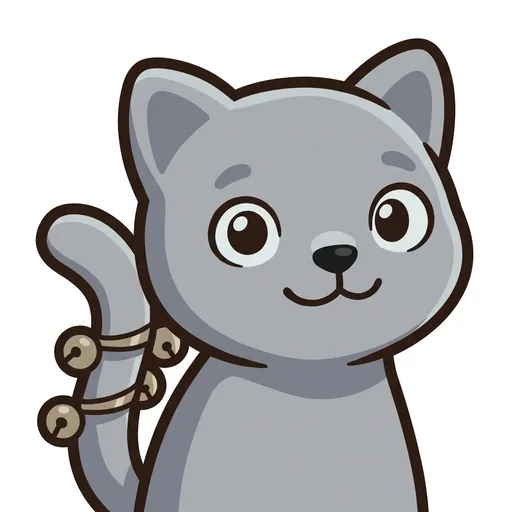
Bell
Rhyme — silver creature with tuned tail-bells that chime the same note when end-sounds match; a forced rhyme jammed in just to chime is worse than none
-
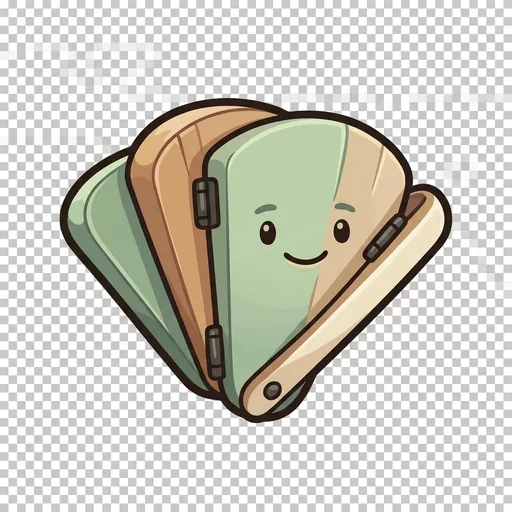
Hinge
The line break — folding-door creature who holds a small pause at the end of each line; the end of a line is a little stage, so end on a word that earns it
-
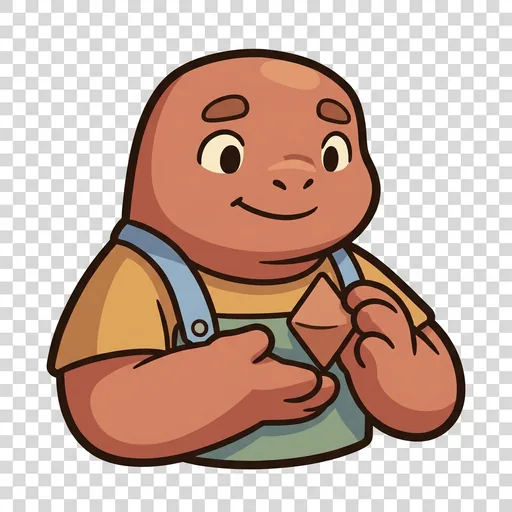
Mold
Shape on the page — clay-colored creature who builds a poem's silhouette (a cinquain's 2-4-6-8-2 diamond); shape is meaning you can see from across the room
-
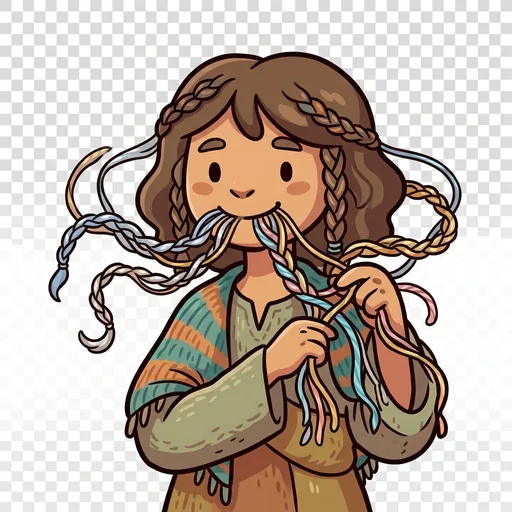
Braid
Sound texture — nimble creature who weaves repeated sounds through a line (alliteration + assonance); enough echo makes music, too much makes a tongue-twister knot