Rest
RHYTHM + SILENCE — the silence between dialogue lines is *also part of the dialogue.* A held pause communicates as powerfully as a spoken line.
Press play to listen along. The line being read lights up as you go.
Show full transcript
Loading transcript…
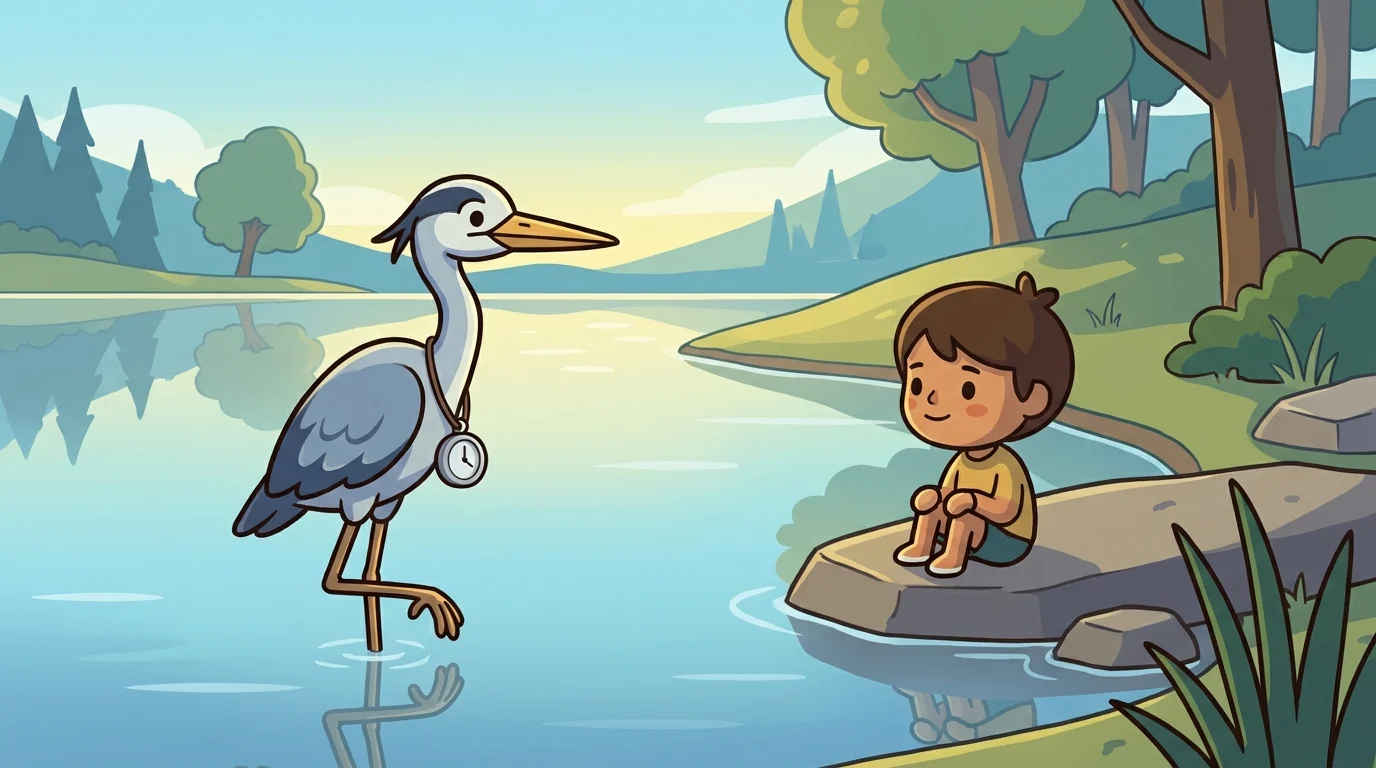
Patter met Rest at the lake's edge, on a still morning, when the water had been like glass.
Patter had been out at dawn (he goes out at dawn occasionally) when he had seen a heron-tween standing at the shallow water with one foot perpetually raised and a small silver pocket-watch around her neck. The heron had been completely still. The water had been completely still. The morning had been completely still. The stillness had been active. Something had been happening in the stillness — not motion, but attention.
Patter had not wanted to disturb the stillness. He had sat down quietly on a flat rock about ten paces away. He had waited.
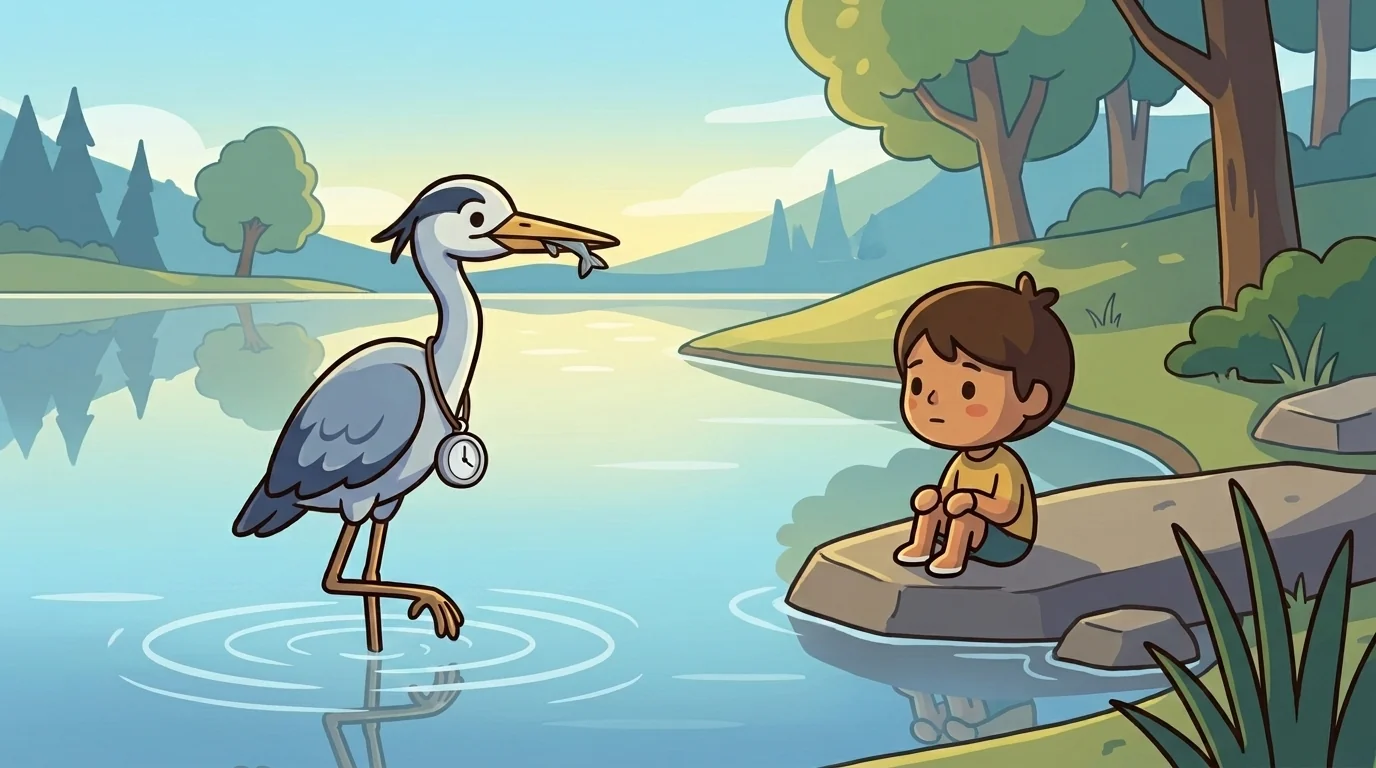
After perhaps three minutes — during which nothing visible had happened — the heron had struck. Her raised foot had come down, her neck had snapped forward, she had caught a small fish, the water had rippled outward, and then the stillness had returned. The pocket-watch around her neck had ticked once — audibly — and then resumed its silent stillness.
The heron had looked at Patter. She had said — very quietly — "You waited."
Patter had said: "Yes."
The heron had said: "Most observers do not. They want the strike to come quickly. The strike comes when it comes. The waiting is also the fishing. I am Rest. The waiting is my work."
Patter had been stunned. He had said: "You treat the pause as the action."
Rest had said: "The pause is the action. In fishing. In conversation. In music. In dialogue. The pause is a line of dialogue itself. The silence speaks. Most writers do not yet know this. They fill every gap with speech. They are afraid of the pause. The pause is what makes the speech meaningful. Without the pause, every line carries the same weight. With the pause, some lines land harder than others."
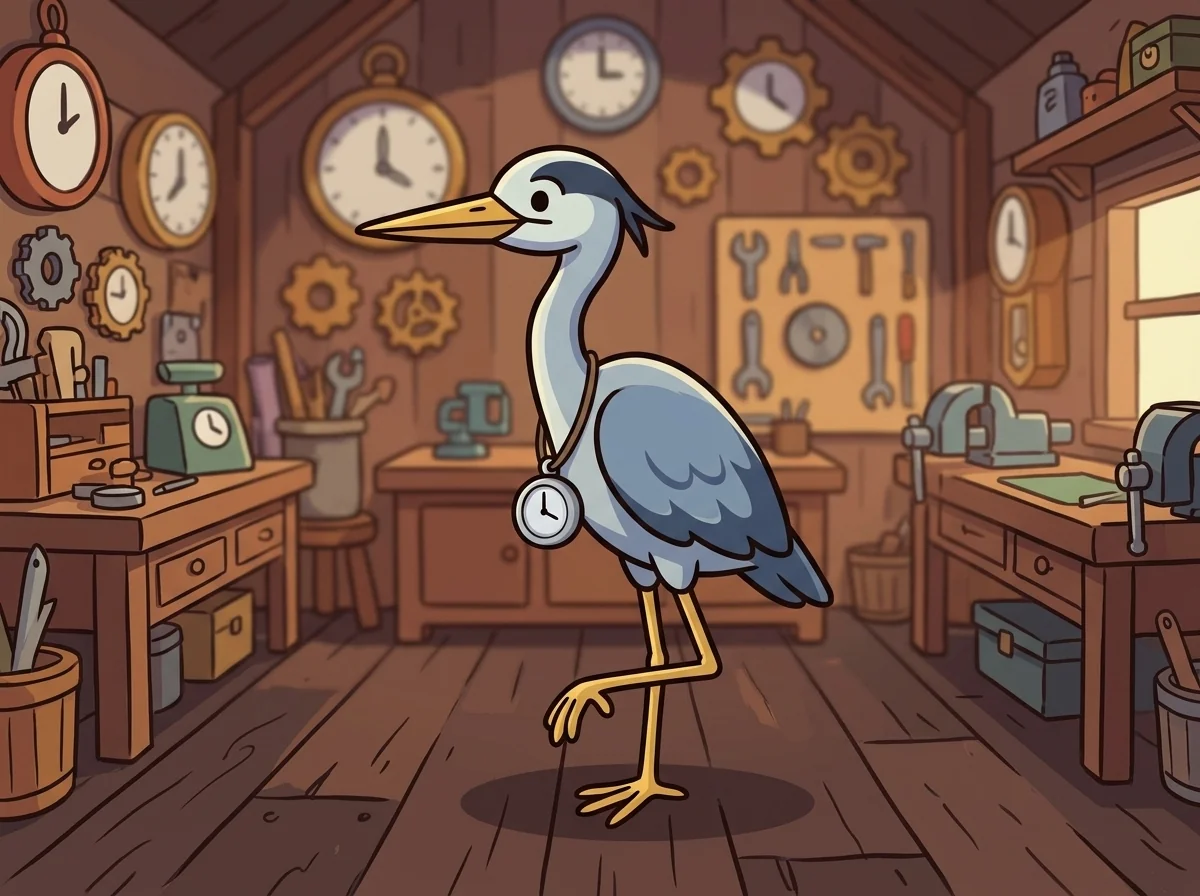
Patter had said: "Would you come to my pocket-workshop?"
Rest had said: "I will come slowly. I do not move quickly."
She had come. She has been in the workshop ever since. She stands at the front of the room with one foot perpetually raised — like Pause in HaikuQuest, but for dialogue rather than for kireji. She embodies the held pause. Her silver pocket-watch ticks softly — audible but unobtrusive — and only ticks when a meaningful pause is happening. Otherwise it is silent.
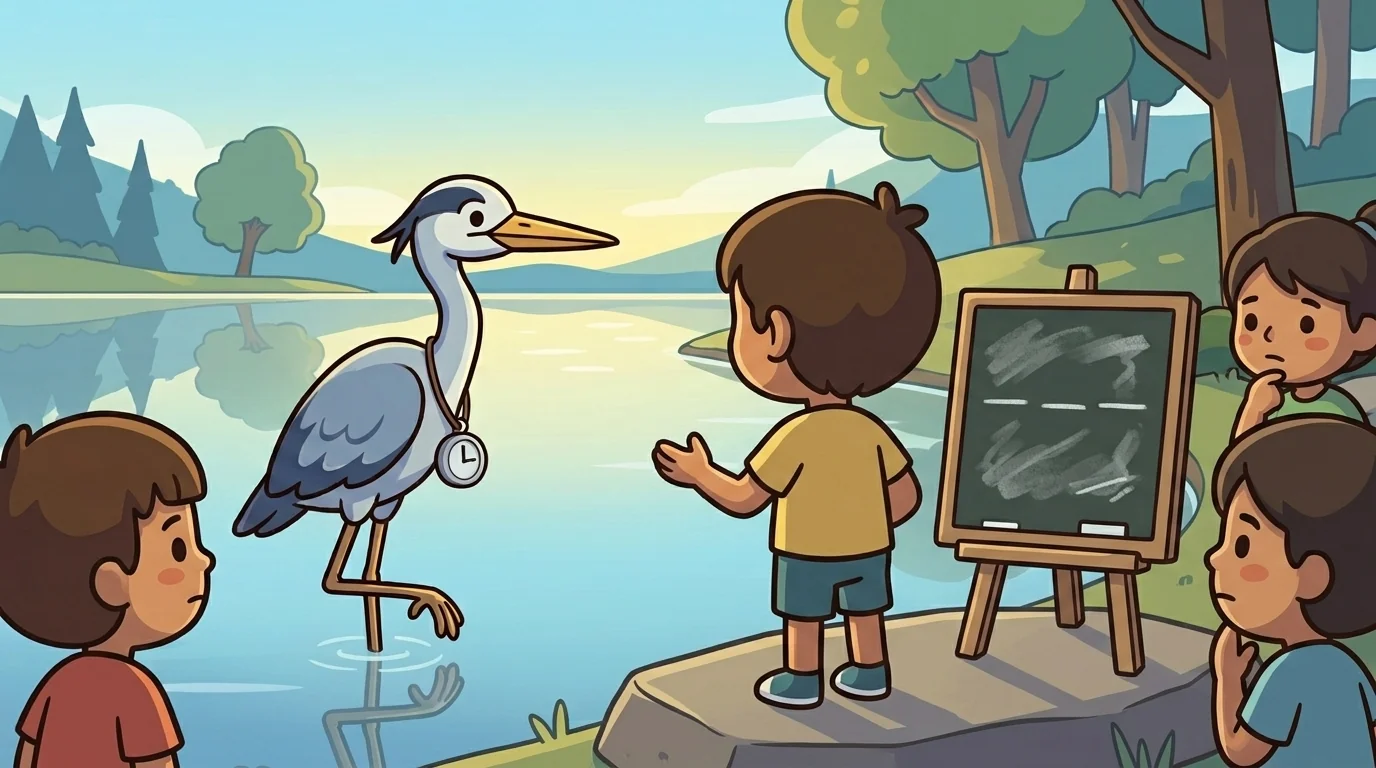
In Patter's introductory lesson on rhythm and silence, he gestures at Rest — who is, as always, standing with one foot raised, pocket-watch around her neck — and says: "This is Rest. She treats the pause as a line of dialogue. The silence between two lines is not nothing. It is its own communication. A pause can be uncomfortable (the character does not want to answer). A pause can be thoughtful (the character is thinking). A pause can be charged (something is about to happen). The pause is a line that does not have words."
He demonstrates. He writes on the board:
"Are you all right?" he asked.
[pause]
"Yes," she said.
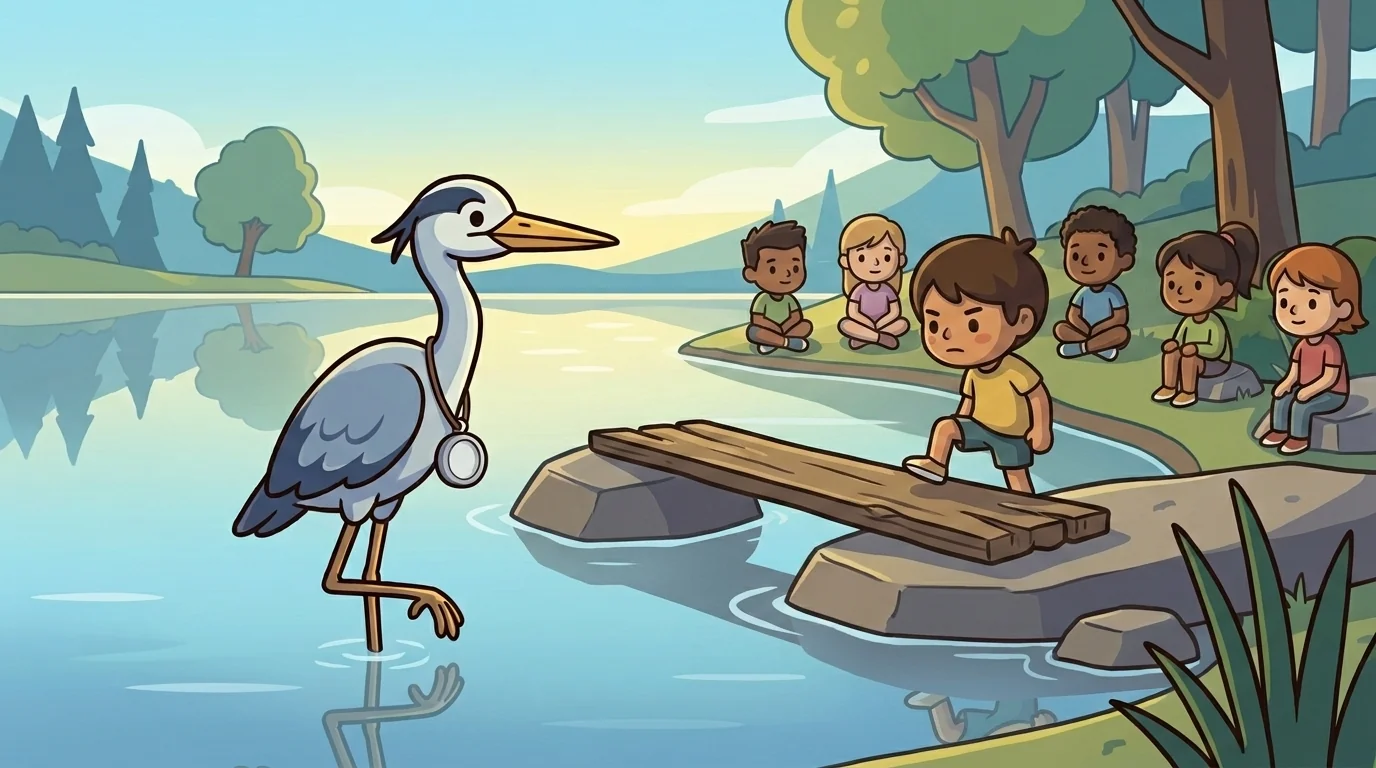
He says: "The pause between the question and the answer changes the answer. Without the pause: Are you all right? Yes. — the yes is quick and casual. With the pause: Are you all right? [...] Yes. — the yes is uncertain, considered, carrying weight. The pause has altered the meaning of the spoken line."
Rest's silver pocket-watch ticks once — audibly — when Patter pauses on the board. The students hear the tick. They see the pause register as active time.
Patter says: "In your dialogue, insert pauses deliberately. Use a line of empty space. Use a small narrative beat (she looked out the window). Use a held silence. The pause will make the next line land harder. Rest will tick when you have placed a pause that matters."
Rest nods. She does not move. She says — very quietly — "The pause is a line. The silence speaks. Use it."
When students ask Patter whether using silence is hard, Patter says — quoting Rest — "It is not hard. It is trusting the pause. Do not fill every gap with speech. Let a moment hang. The reader will feel it. The next line will land harder. The silence is part of the dialogue."
The DialogueQuest ensemble
Rest is part of DialogueQuest's distributed-narrative cast. Each character embodies a different curricular primitive; together they teach the full subject.
-

Sprig
Branch meaningfulness — sapling-tween whose visible branching skeleton shifts physically when she picks between dialogue options (the choice re-routes her body)
-

Glance
Subtext — arctic-fox-tween in a thick scarf; speech-bubble visibly half-empty with dotted-line ghost-text floating beside it
-
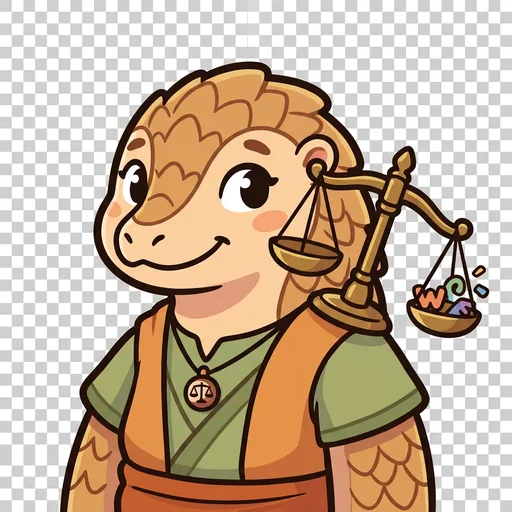
Weigh
Tag balance — pangolin-tween with a brass balance-scale on her shoulder; scales tilt visibly as dialogue happens around her
-

Brogue
Voice consistency — border-collie-elder in a worn flat-cap who uses exactly 4-5 signature words across every appearance (deliberately non-specific old-country accent)
-

Prop
Action beats — red-squirrel-tween whose paws are always busy with a small acorn; the little actions between lines show feeling and set the rhythm of a talk
-

Spar
Conflict / friction — pine-marten-tween whose speech bubbles push against the other speaker's; two characters wanting different things is the engine (the push stays kind)
-
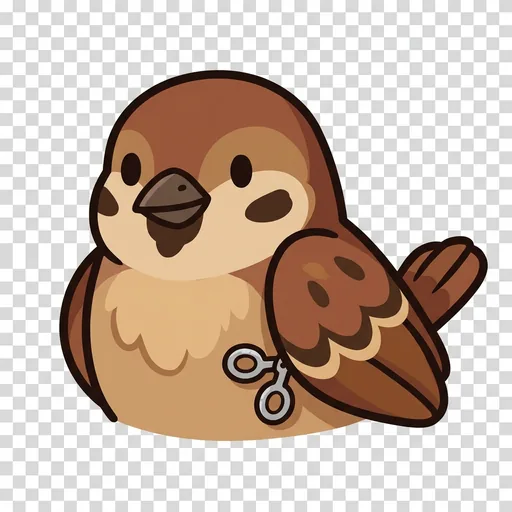
Clip
Economy — sparrow-tween with tiny silver scissors who trims the filler ('hello, how are you, fine') and starts scenes late, right where they get interesting
-

Dash
Interruption / overlap — chipmunk-tween who crashes into the ends of others' lines with a dash when feeling runs too high to wait (used on purpose, sparingly)
-

Aim
Line purpose — kestrel-tween with arrow-shaped speech bubbles that point at what each line is really trying to DO (ask, dodge, persuade), not just say