
Odds the Likelihood-Reader
BASIC PROBABILITY — every chance lives somewhere on a line from 0 (it can never happen) to 1 (it's certain). To find it, you count the ways a thing CAN happen and compare that to all the ways things could turn out. The more likely, the closer to 1.
A story read by Odds the Likelihood-Reader
Press play to listen along. The line being read lights up as you go.
Show full transcript
Loading transcript…
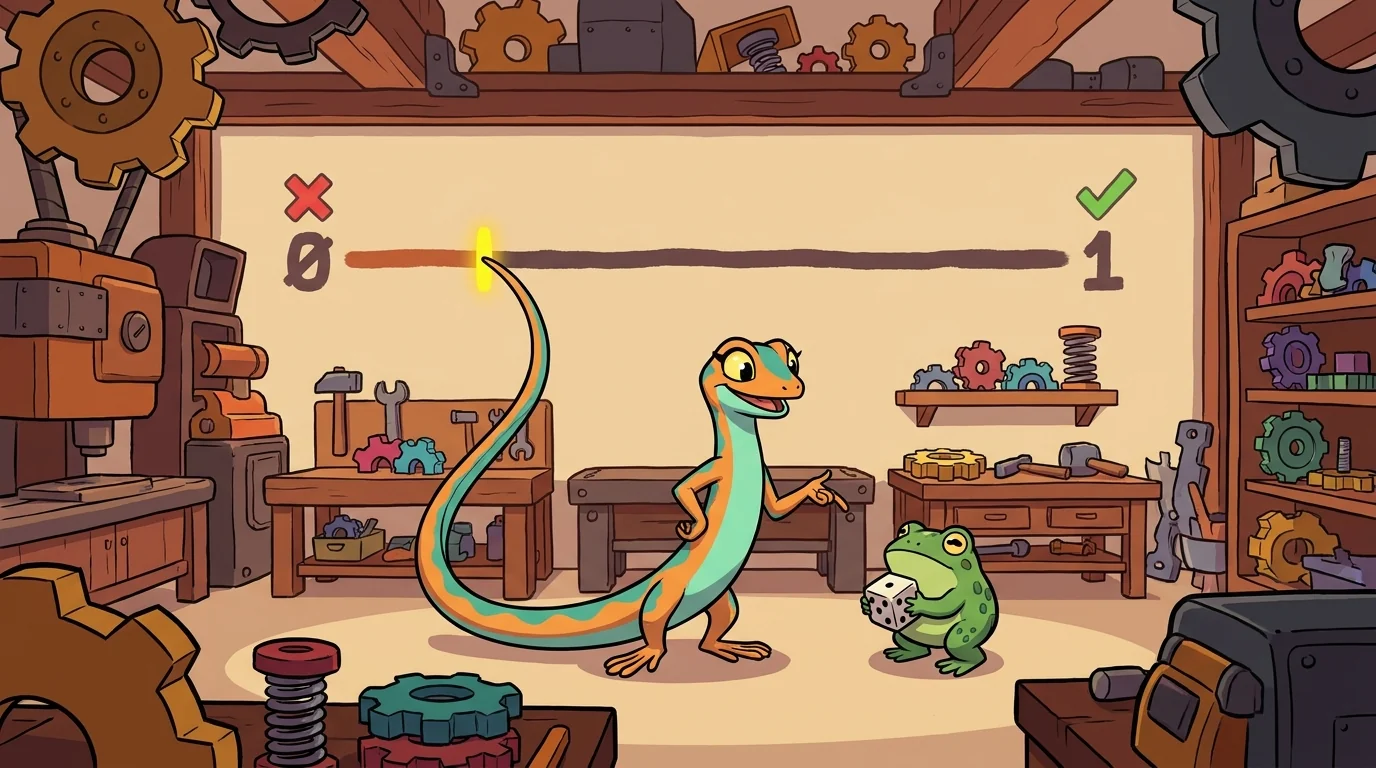
Odds was a slender, bright-eyed lizard with a long, graceful tail, and that tail was the most useful thing in the whole workshop.
Painted along one wall of the ChanceForge workshop was a long straight line. At the far left end was a 0, and beside it the word never. At the far right was a 1, and the word certain. Everything in between was the land of maybe. Odds spent her days resting her tail against that line, and wherever the tip of her tail pointed, that was how likely something was.
A young toad named Bib waddled in clutching a single die.
"Odds, will I roll a six?" Bib asked. "Just tell me yes or no."
"I can't tell you yes or no," Odds said gently, swinging her tail toward the line. "Almost nothing is a pure yes or a pure no. But I can tell you where it sits." Her tail-tip settled a little way up from the 0. "One six out of six faces. That's a chance of one in six. See where my tail lands? Down here — possible, but not likely. Not never. Not certain. Just... a small, hopeful maybe."
Bib stared at the tail. "So you don't guess. You point."
"I point," Odds agreed. "Everything that could ever happen lives somewhere on this line. My whole job is finding the right spot."
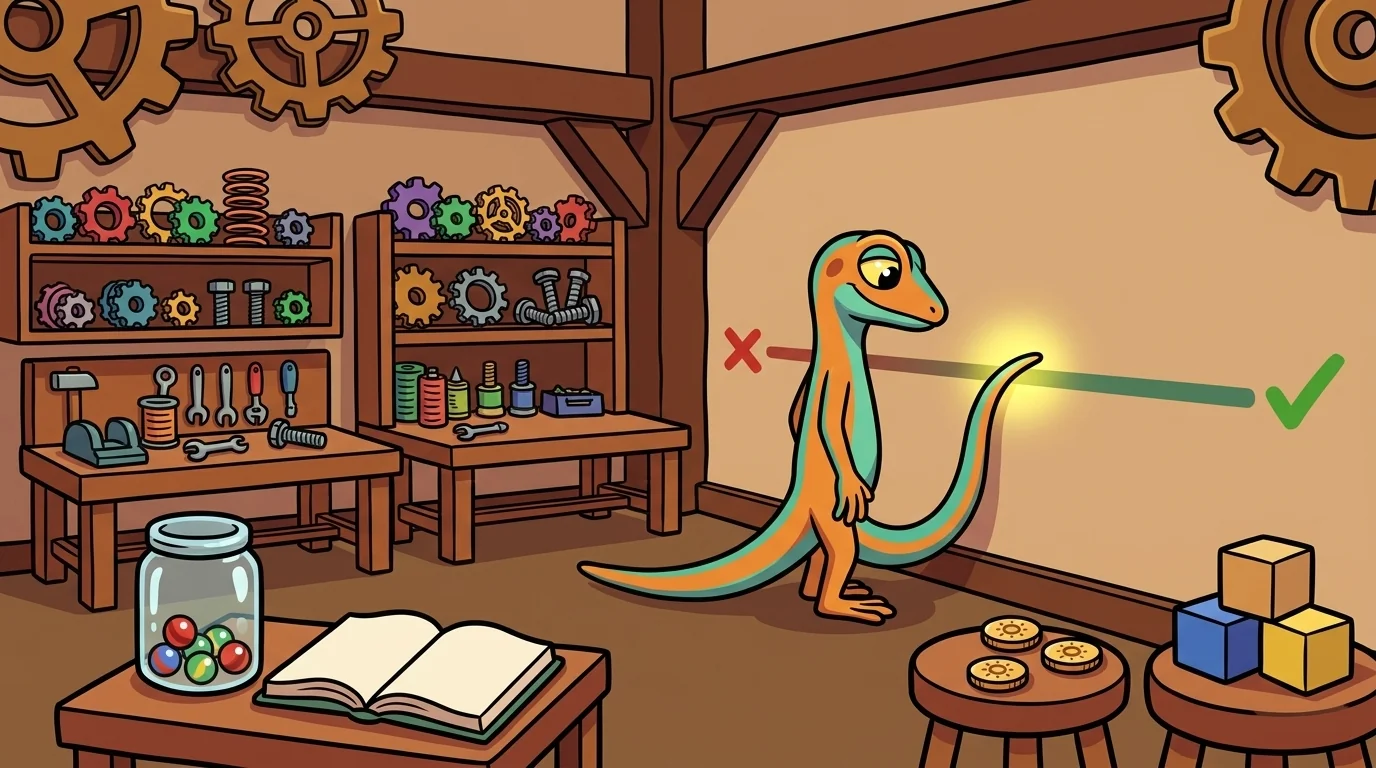
Odds had been reading the line since she was a hatchling.
She'd grown up sunning on a long garden wall, watching the world go by, and she'd noticed early that grown-ups talked about the future as if it were a coin-flip — it'll rain, it won't rain, we'll win, we'll lose. Yes or no. On or off. But the world never felt like yes-or-no to little Odds. It felt like shades.
One evening her grandmother stretched out beside her and pointed at the horizon with her tail. "People think there are two answers, little one," she said. "There aren't. There's a whole line between never and always, and almost everything lives somewhere in the middle of it. Your tail can find the spot. Count the ways a thing can happen. Count all the ways things could go. The first number over the second — that's where you point."
Odds tried it that night with a jar of marbles — three red among twelve. She counted the reds, counted them all, and rested her tail three-twelfths of the way up an imaginary line. A quarter of the way. When she drew a marble, and it wasn't red, she didn't feel wrong. She'd never said no red. She'd only said a quarter-of-the-way likely. And that had been exactly true.
She felt something settle in her chest that evening — a calm she'd never quite had before. The future stopped being a scary yes-or-no door and became a gentle line she could read.
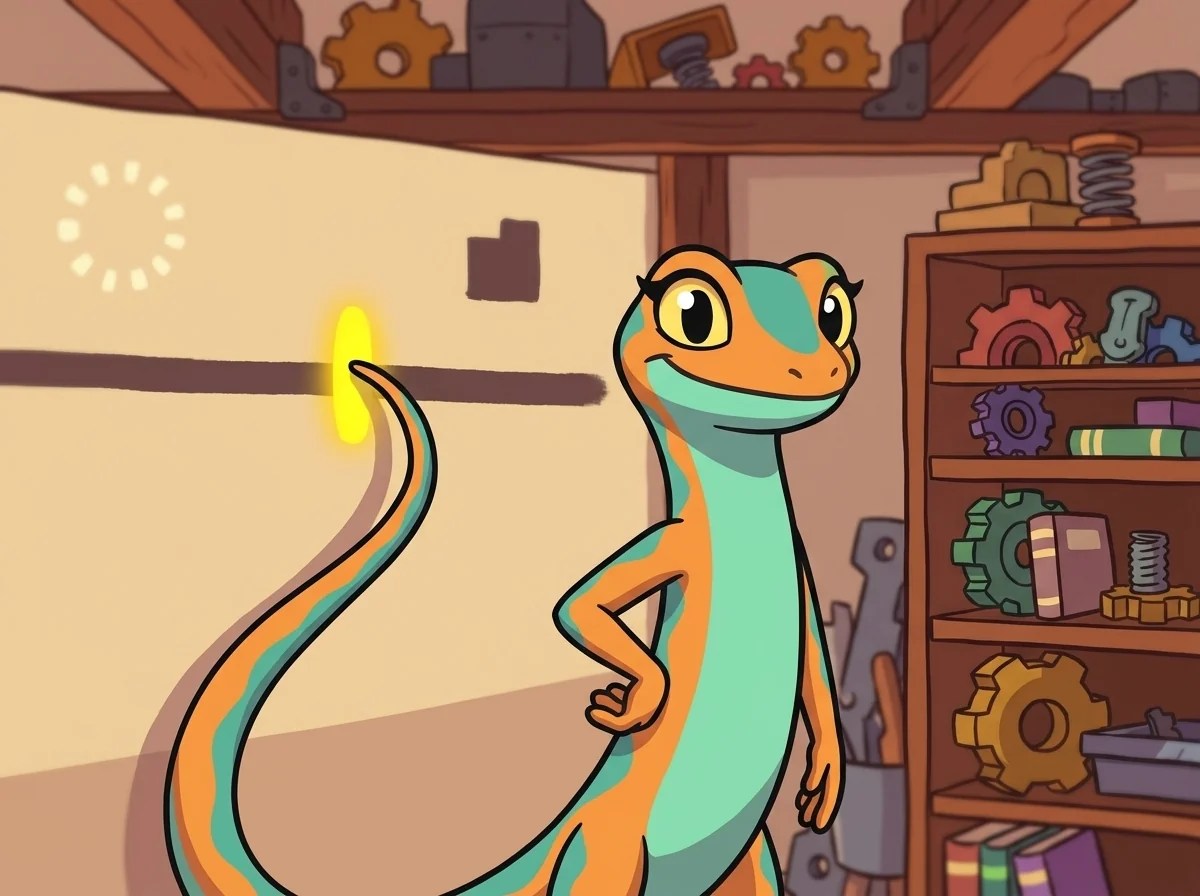
When she was grown, Odds came to the ChanceForge workshop, because she'd heard it was a place that respected maybe.
The keeper of the workshop was a wise old tortoise who asked, in his slow voice, "What is probability?"
Odds rested her tail along the painted line. "Probability is a number between 0 and 1 that says how likely something is," she said. "Zero means it can never happen. One means it's certain. Everything else lives in between. To find it, you count the ways the thing can happen, and compare it to all the ways things could turn out. More ways means closer to 1. Fewer ways means closer to 0."
"And nothing is ever simply yes or no?" the tortoise asked.
"Almost nothing," Odds said. "A coin isn't yes-or-no. It's a half — right in the middle of my line. Rolling a six isn't yes-or-no. It's one-sixth, down near the start. Even the things that feel certain are really just very, very close to the 1." She smiled. "I don't deal in promises. I deal in how likely."
The tortoise nodded slowly. "You are most welcome here."
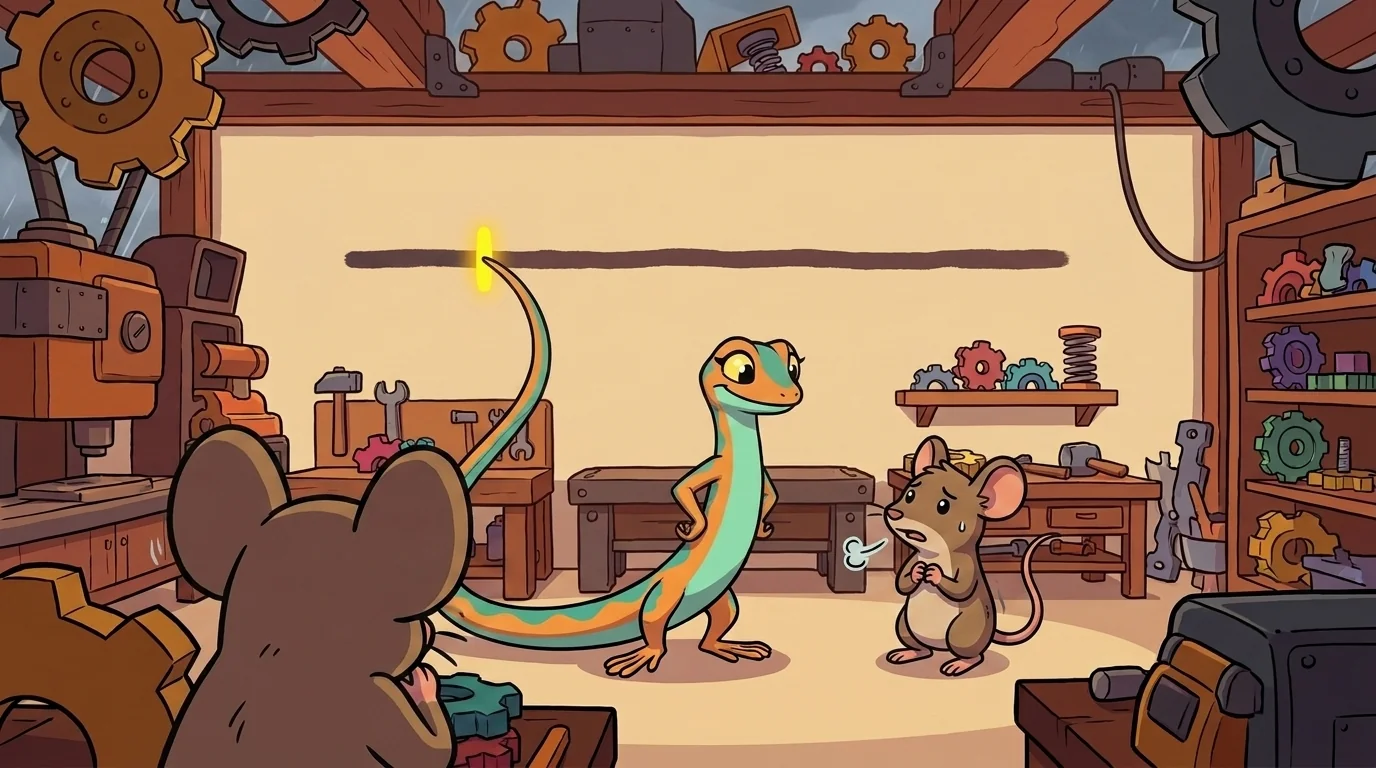
Odds's favourite thing was helping a worried kid move a fear to its real spot on the line.
A trembling mouse named Fenn came to her one storm-grey morning. "There's a thunderstorm coming," Fenn whispered, "and I'm sure — I'm just sure — that lightning's going to hit our house. I can't stop thinking it's going to happen."
"Let's find where that really sits," Odds said kindly, lifting her tail to the line. "You're feeling it like it's all the way up here, at certain. Like a 1. But let's count honestly. How many houses are in your village?"
Fenn thought. "Lots. Hundreds, maybe."
"And how many usually get hit in a storm?"
"Almost... none?"
"So the ways it happens to your house" — Odds slid her tail-tip down, down, down, until it hovered just a hair above the 0 — "sit way down here. Not impossible. I won't lie and say impossible. But about as close to never as the line gets." She looked at Fenn warmly. "Your fear was standing all the way at certain. The truth is standing way down here. That gap between them — that's the worry you don't have to carry."
Fenn breathed out, long and shaky, and watched the tail rest near the 0. "It felt like a 1," the mouse said. "It's really almost a 0."
"Most fears are," Odds said softly. "They just stand in the wrong spot until somebody points."
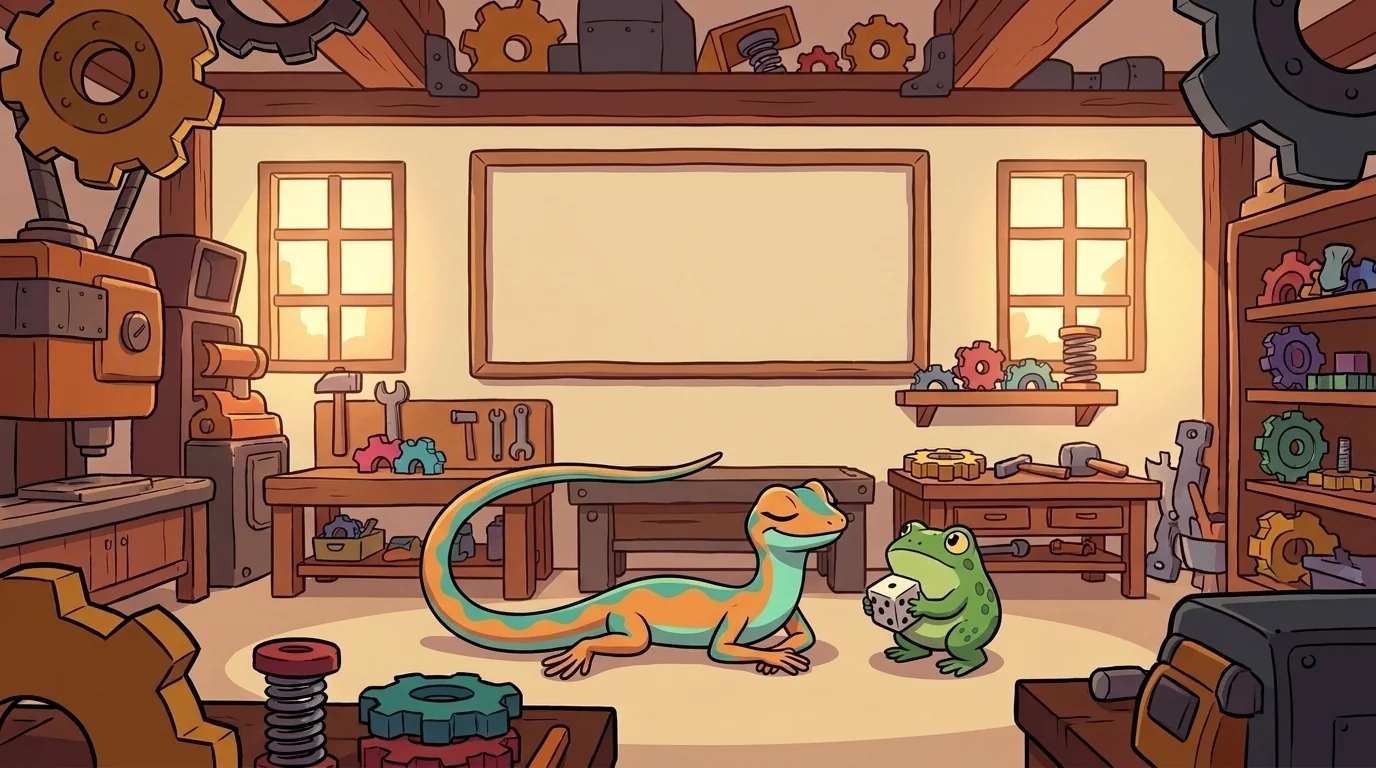
Later, when the storm had passed and the workshop windows glowed with after-rain light, Odds lay along the painted line and watched the colors fade.
Bib hopped back, die still in hand. "Can I ask you something? Doesn't it ever bug you, never knowing for sure? Always just... maybe?"
Odds was quiet for a while, her tail resting lightly on the middle of the line.
"It used to scare me," she admitted. "When I was little, I wanted the world to be yes or no, so I'd always know where I stood. But the line gave me something better than certainty." She swept her tail gently from 0 to 1 and back. "It gave me honesty. I don't have to pretend I know what'll happen. I just have to find how likely it is — and then I can stop bracing for the things way down near never, and stop taking the things up near certain for granted."
She looked at the long line, with its whole soft country of maybe stretched out between the ends.
And as Bib settled beside her and the light went golden, Odds felt the same quiet calm she'd felt as a hatchling on the wall — the deep relief of a world that isn't a slammed yes-or-no door, but a gentle line you can read, where almost nothing is certain and almost nothing is impossible, and there is room, all along the middle, simply to hope.
The ChanceForge ensemble
Odds the Likelihood-Reader is part of ChanceForge's distributed-narrative cast. Each character embodies a different curricular primitive; together they teach the full subject.
-

Tally the Counter-of-Outcomes
Data collection + frequency counting (the foundational "what happened, how often?" move)
-

Display the Picture-Maker
Graphs and visual displays (bar charts, histograms, dot plots, line graphs — turning numbers into pictures)
-

Center the Middle-Finder
Central tendency — mean, median, mode (the "what's typical?" question)
-

Sample the Estimator
Sampling, sampling distributions, inference from sample to population
-

Tree the Compound-Brancher
Compound events and probability trees — multiplication rule for independent events, addition for disjoint, conditional dependencies
-
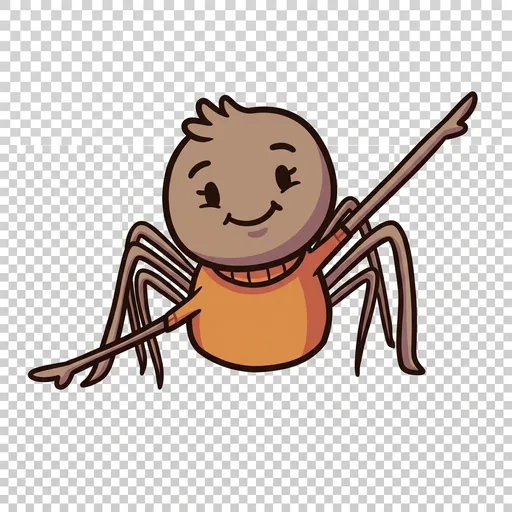
Scatter the Spread-Reader
Spread and variability — how far apart the data is (range), not just the middle
-
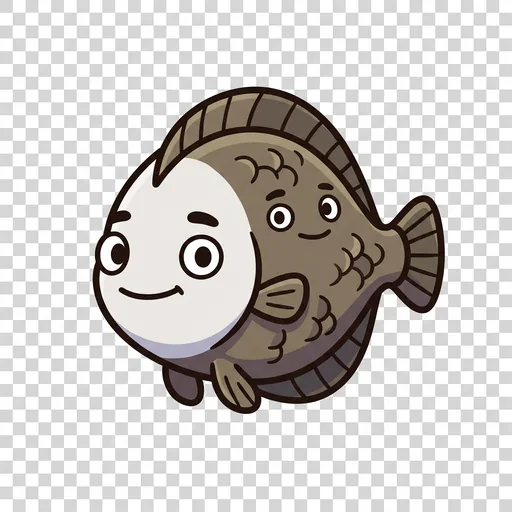
Flipside the Other-Outcome-Counter
The complement rule — find the chance it doesn't happen and subtract from 1
-
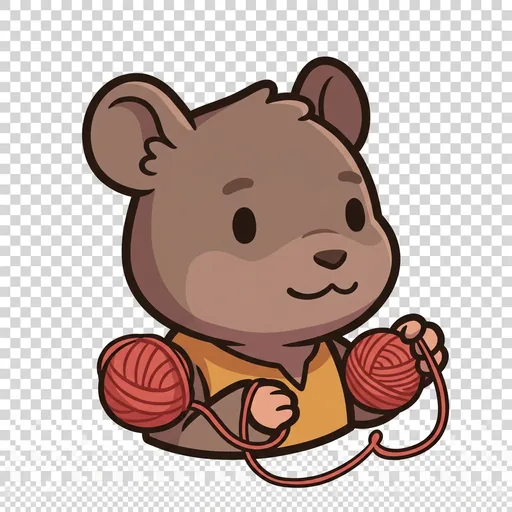
Clew the Clue-Follower
Conditional probability — how chances change once you learn a new fact
-
Evens the Long-Run-Settler
Expected value and the long run — results settle toward the average over many tries