
Yonder
PREDICTING — using what you've read so far to guess what will happen next. A good reader is always leaning a little into the future of the story, making predictions and then checking them against what actually comes.
Press play to listen along. The line being read lights up as you go.
Show full transcript
Loading transcript…
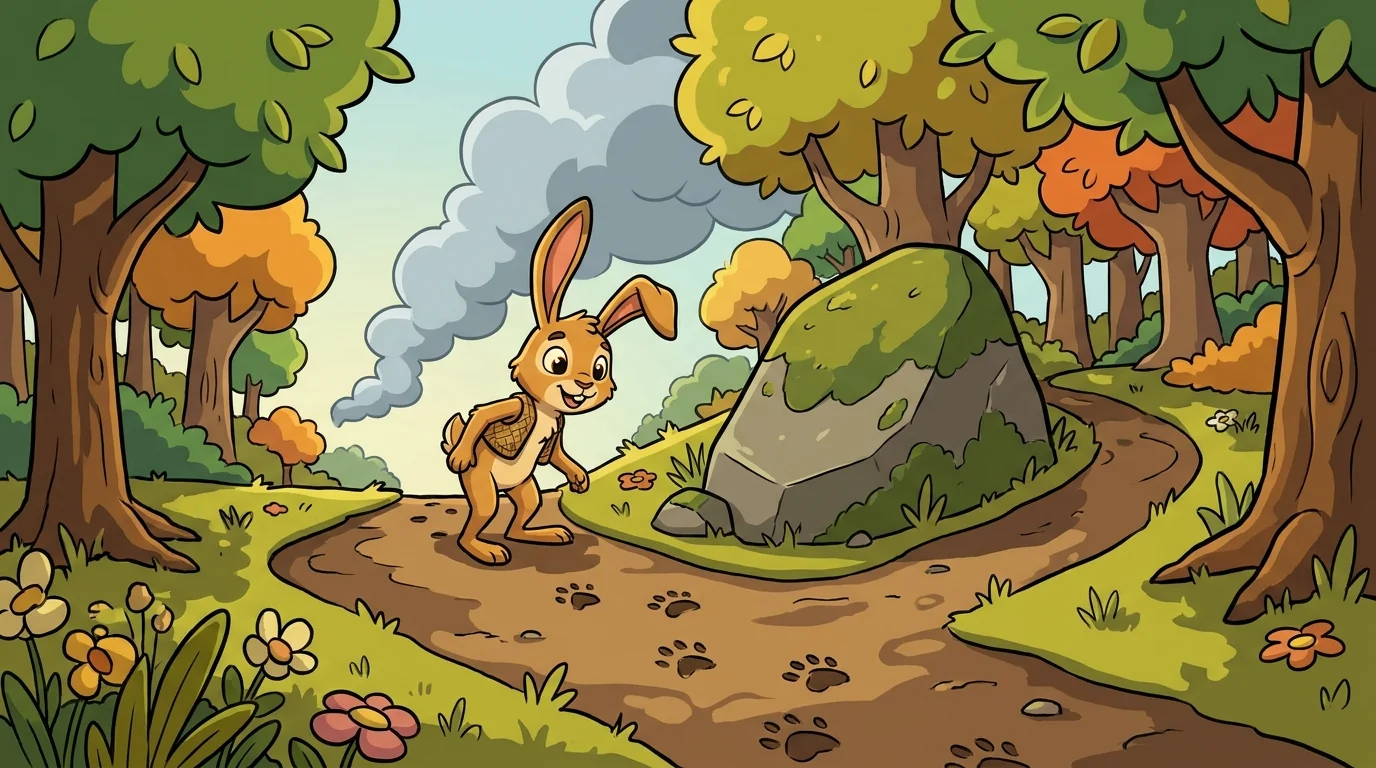
Yonder lived along the winding trails of the word-woods, and he was always looking ahead.
He was a long-eared, bright-eyed creature — something like an alert young hare — and he stood up tall on the path, reading the signs of what was coming. Clouds gathering yonder meant rain ahead. Fresh tracks meant a creature had passed. A bend in the trail meant something new was about to come into view. He couldn't see around the bend yet — but from the clues so far, he was always guessing, leaning eagerly into what came next.
Margin, the mentor, found him peering down a curving path. "You can't see what's past the bend," she said. "Yet you seem ready for it."
"I read the trail behind me to guess the trail ahead," Yonder said, ears up. "The clues so far always hint at what's coming. I'm usually close. And when I'm wrong — well, that's the fun. The trail surprised me."
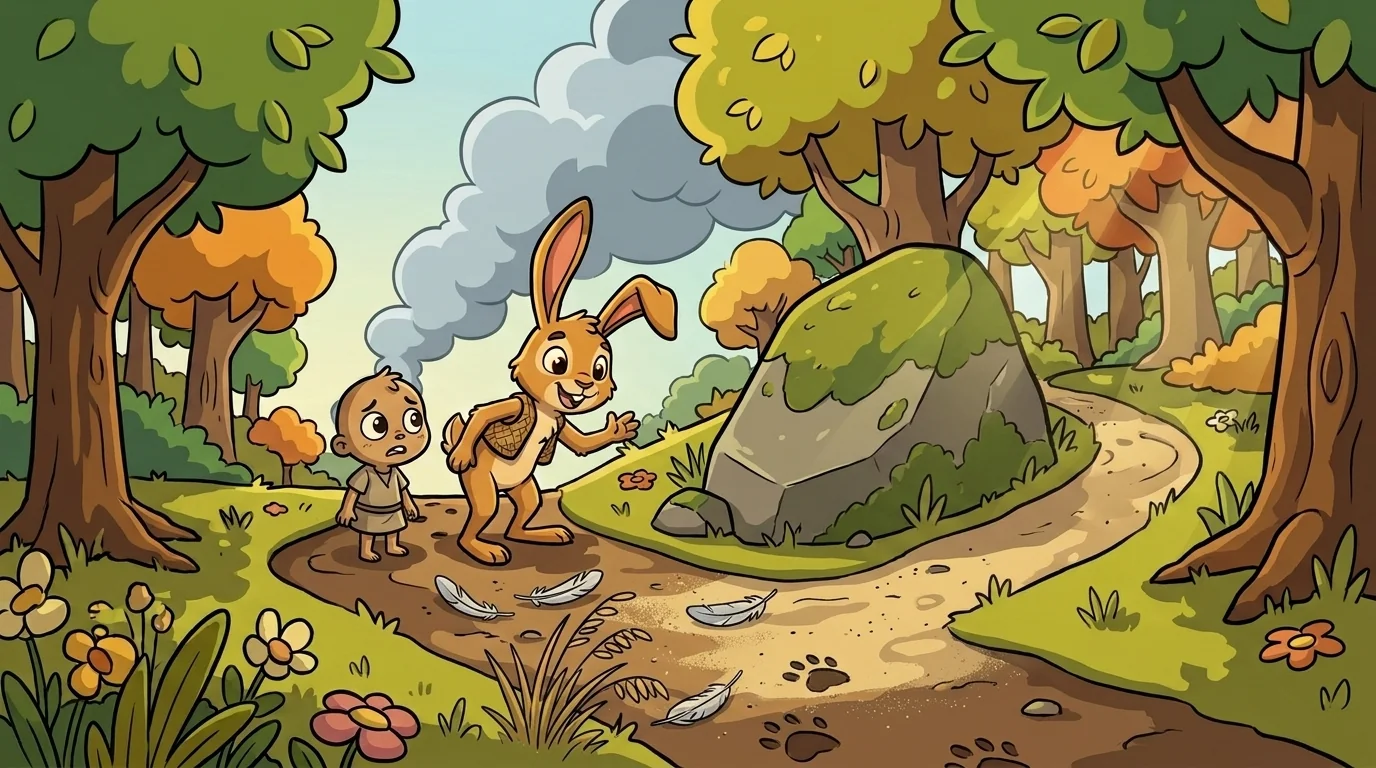
A young student came along, nervous about a fork in the path. "I don't know what's ahead," she said.
"Then let's guess," Yonder said brightly. "Look at the clues. The ground's getting sandy. I hear water. There's a gull feather on the path." He leaned forward, eager. "I predict the trail leads to a beach, just past that bend. I'm not certain — but the clues point that way." They walked on, and round the bend... was a wide, sparkling shore. "I guessed it from the signs," Yonder grinned. "And even if I'd been wrong, I'd have learned something new."
Margin smiled. This, she thought, is what readers do with a story. "Yonder," she said, "you've just done with a trail what a good reader does with a book."
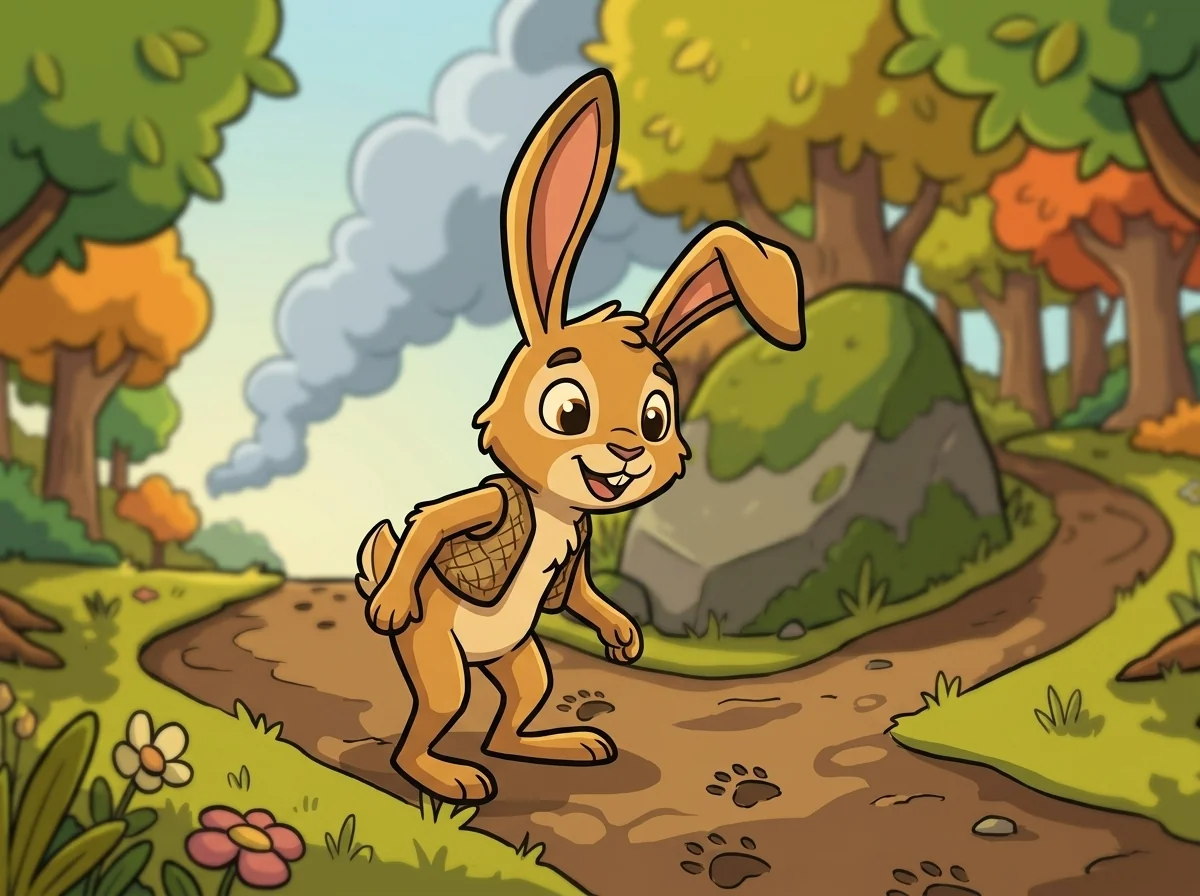
"Have I?" Yonder's ears swiveled.
"A good reader is always leaning a little into the future of the story," Margin said. "Using what's happened so far to guess what's coming. The dark clouds gathered as the hero stepped onto the old bridge..." She paused. "What do you predict?"
The young student's eyes widened. "Something bad's about to happen on the bridge! A storm — or the bridge breaks!"
"You predicted," Yonder said. "From the clues — the dark clouds, the old bridge — you leaned into what's coming. Now you'll read on to find out if you're right. And that's the thing —" his ears perked "— predicting makes you want to read on. You're checking your guess. The story's pulling you forward."
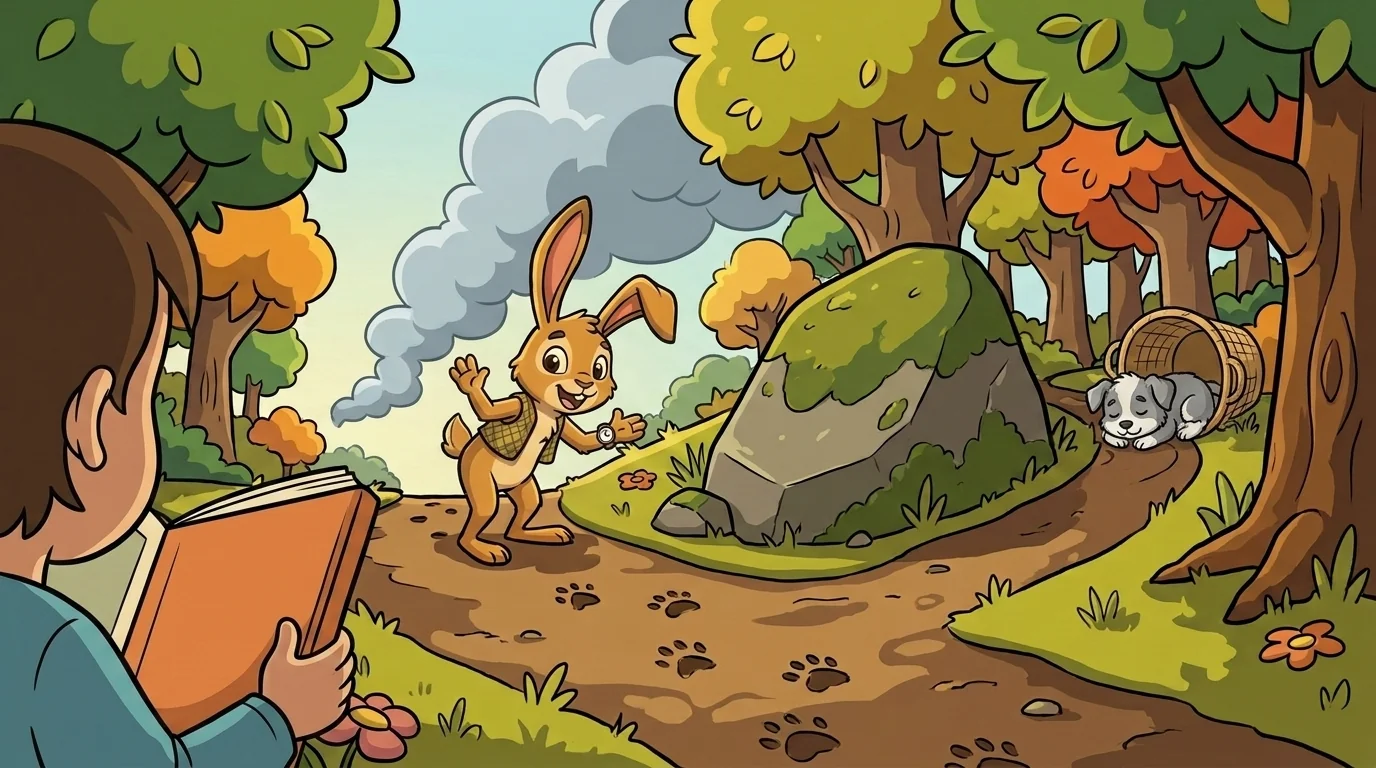
Margin asked Yonder to join the academy. "Our readers drift through stories without ever guessing what's next," she said. "Would you teach them to lean ahead?"
Yonder agreed, ears high. When he teaches, he gives readers one eager habit: "As you read, keep guessing what'll happen next. Use the clues so far. Say your prediction out loud. Then read on and check it. Right or wrong, you win — if you're right, you feel clever; if you're wrong, the story surprised you, which is even better."
A young reader predicted a story's lost dog would never be found — and read on, anxious, to check. When the dog turned up asleep in the laundry basket, she laughed out loud with relief. "Your prediction was wrong," Yonder said, "and wasn't that the best part? The story surprised you. That's the joy of guessing."
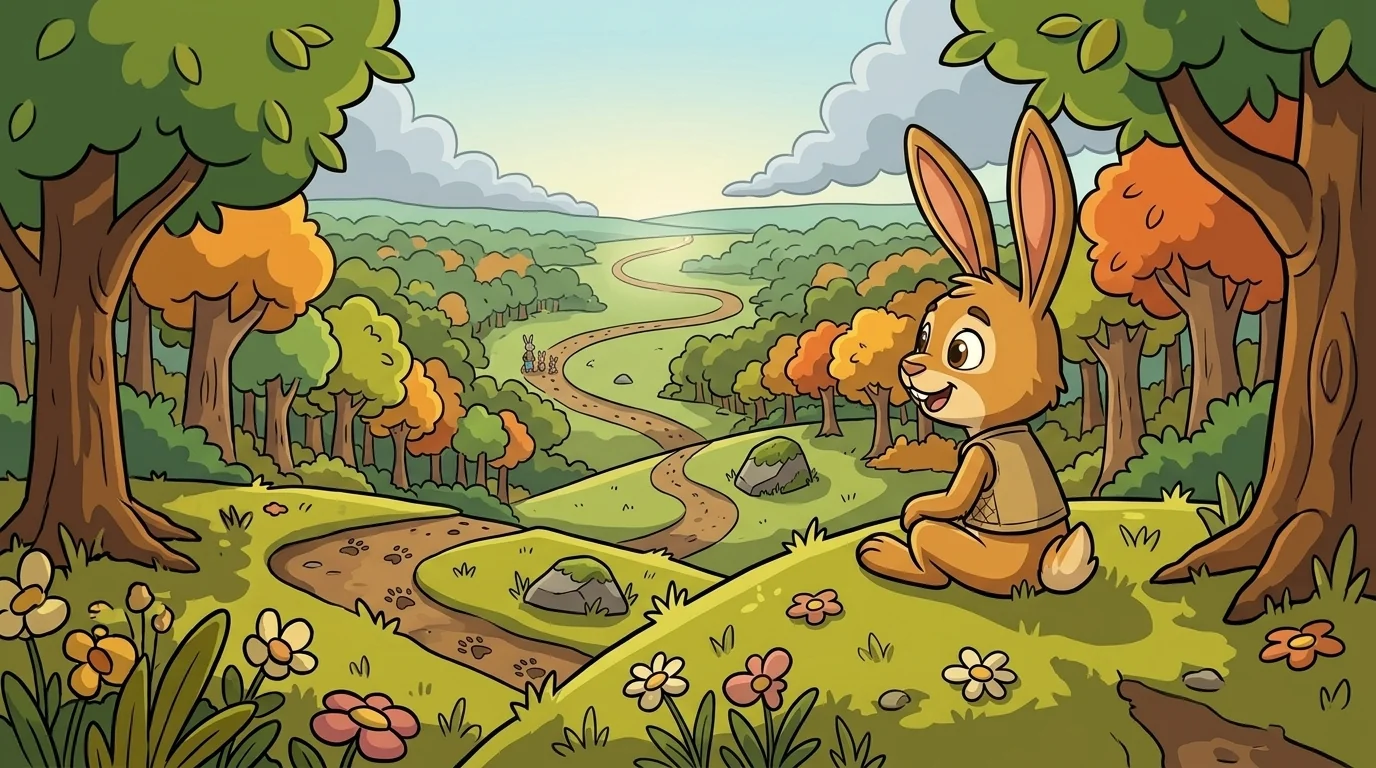
After the lesson, Yonder sat with the young readers at the top of a small rise, looking out over the trails winding off toward the horizon.
For a long time, Yonder had felt foolish about how often he guessed wrong. He'd predict rain and get sun; predict a beach and find a meadow. He'd wondered if all his eager guessing just made him look silly when the trail proved him wrong.
But sitting on the rise, looking out at all those winding paths, Yonder finally understood. A wrong guess was never a failure. It just meant the world had more surprises in it than he could see from here — and what a wonderful thing that was. His guessing wasn't about being right. It was about leaning forward, staying curious, wanting to know what came next. And that eager lean was the very thing that pulled a reader happily through a whole book. A bright, forward-leaning gladness filled him, ears up, eyes bright. He didn't need to guess right. He just needed to keep guessing — and to love being surprised. And he gazed off toward the bend in the farthest trail, eager for whatever lay yonder.
The ReadQuest ensemble
Yonder is part of ReadQuest's distributed-narrative cast. Each character embodies a different curricular primitive; together they teach the full subject.
-
Crest
Main idea / central message (the *peak* of the passage)
-
Hunch
Inference (reading between the lines)
-
Anchor
Evidence / textual citation
-
Plume
Author's purpose / voice / tone
-
Frame
Text structure (compare-contrast, sequence, cause-effect, problem-solution, description)
-
Pith
Vocabulary in context (deriving word meaning from surrounding text)
-
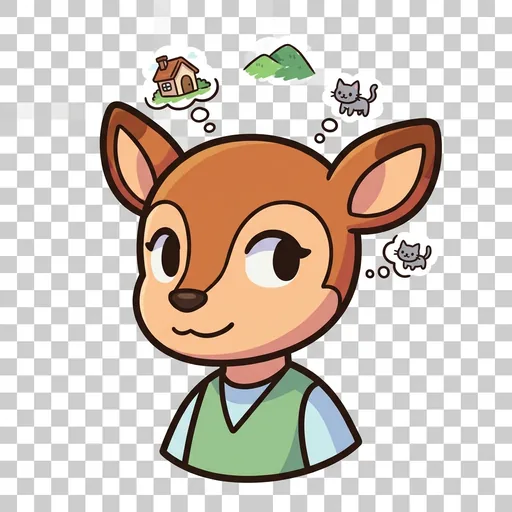
Vista
Visualizing — dreamy young-deer creature who turns words into a movie in the mind; the writer gives the words, the reader gives the pictures
-
Nettle
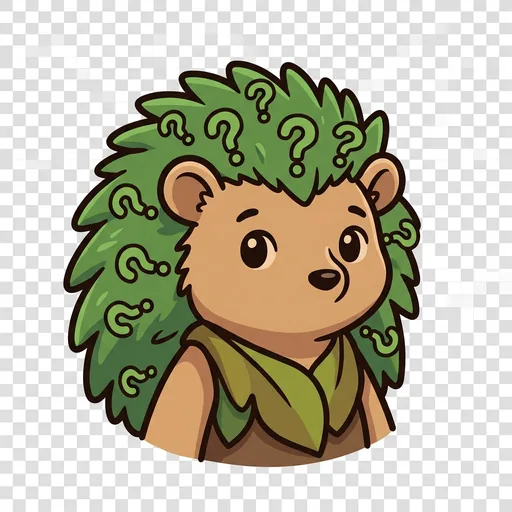
Questioning the text — question-quilled hedgehog who pokes a passage with why/how/what-if; asking questions means you're awake, not that you don't understand
-
Sheaf
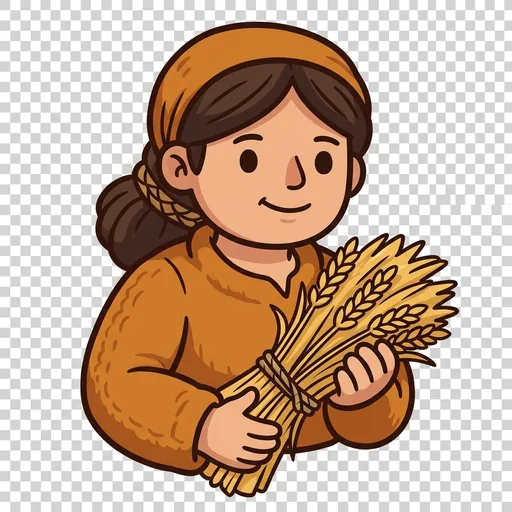
Summarizing — warm-handed harvester who gathers a whole passage into one tidy armful, keeping the important middle and letting loose details fall