
Coin
COIN — money is a shared agreement that stands for value, so any trade can happen without a perfect match.
Press play to listen along. The line being read lights up as you go.
Show full transcript
Loading transcript…
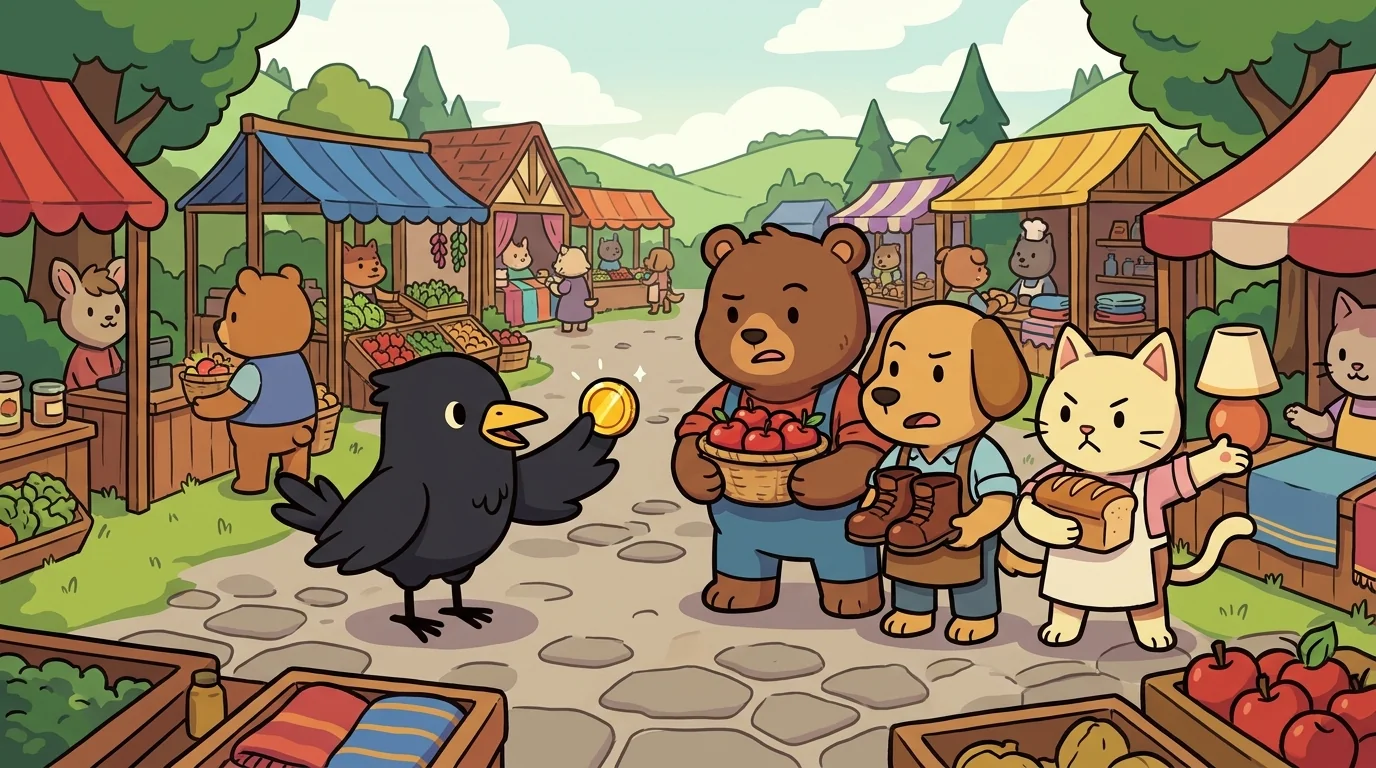
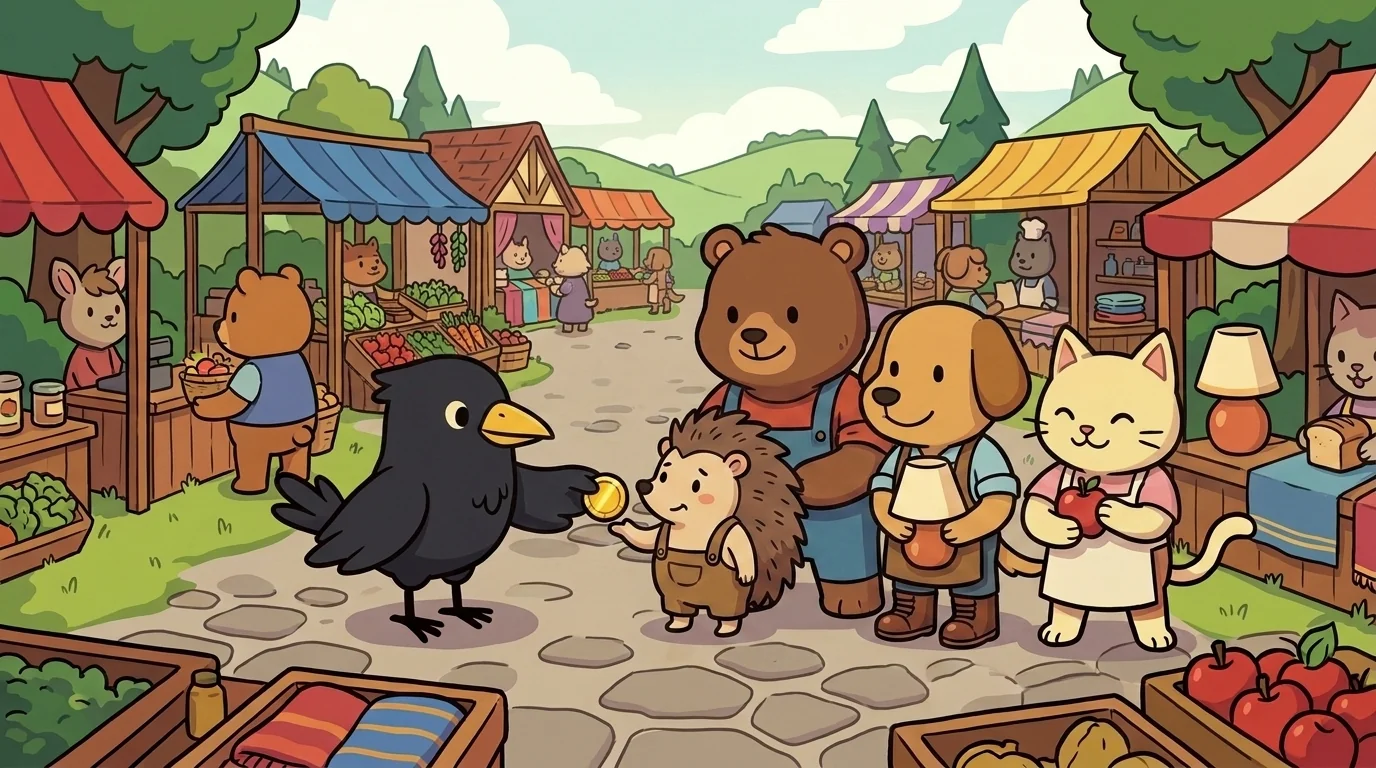
At the community market, a crow named Coin came upon a small traffic jam of frustration. A farmer had a basket of apples and wanted new shoes. The cobbler had shoes but didn't want apples — she wanted bread. The baker had bread but didn't want shoes — he wanted a lamp. And round and round it went, everyone holding something, nobody able to trade, because no two of them wanted exactly what the other had at exactly the same moment.
"You're all stuck on the same knot," Coin said, and held up a single round token. "It's called needing a perfect match. For a plain swap to work, I have to want what you have AND you have to want what I have, right now. That almost never lines up. So — use this instead." Coin pressed the token into the farmer's hand. "The farmer sells apples to whoever does want apples, and gets these. Then the farmer gives the tokens to the cobbler. The cobbler takes them because she can use them for bread, and the baker takes them because he can use them for a lamp. The token doesn't have to be wanted for itself. It just has to be trusted to pass along. That's all money is: a token everyone agrees to accept, so no trade ever has to wait for a perfect match again."
Within minutes, apples, shoes, bread, and a lamp had all found their homes.
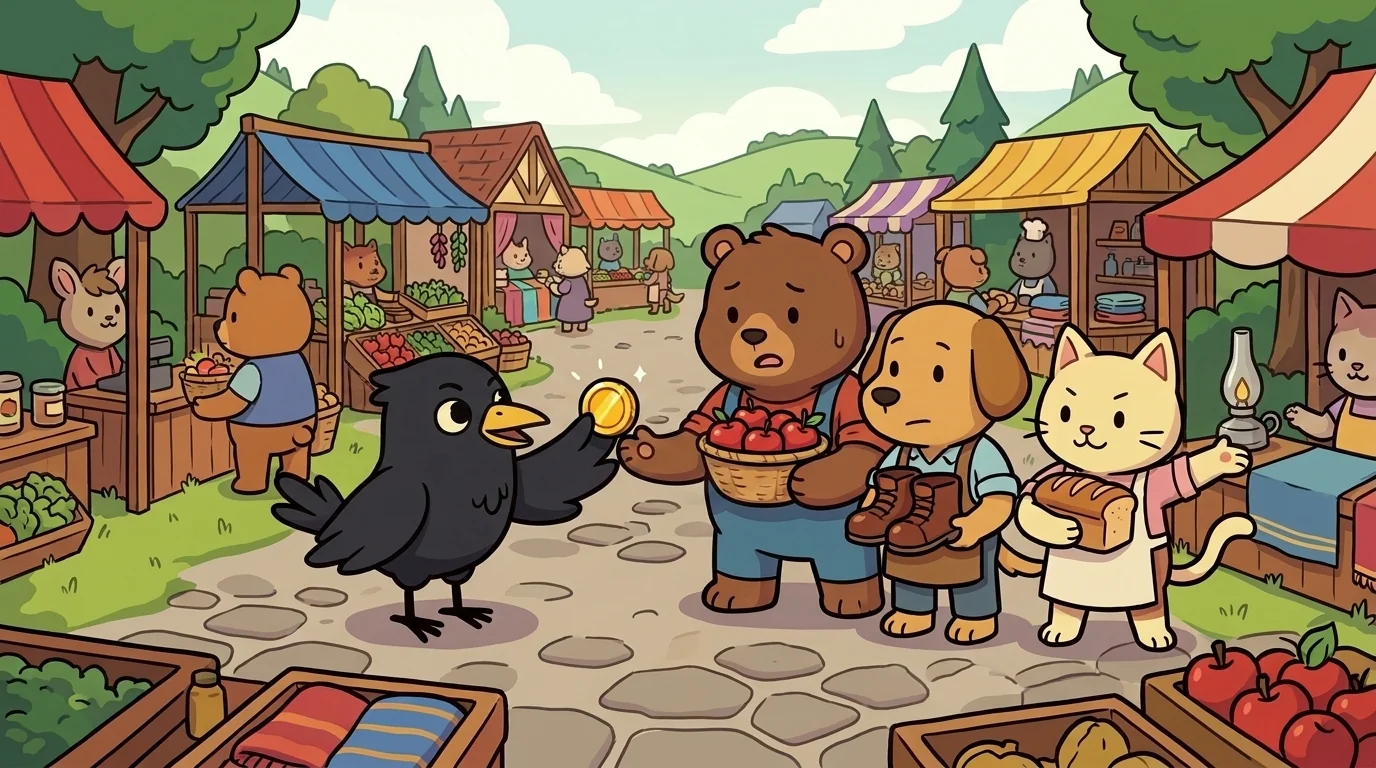
Have you ever wanted to trade something but the other person didn't want what you had? How did that stuck feeling sit with you?
Coin had grown up in a market before it had money, and remembered the stuckness well.
Back then, everything moved by barter, and Coin watched good things rot on stalls simply because the wants never lined up. Coin's own family grew wonderful pears, but the tool-maker they needed wanted wool, not pears, and the wool-farmer wanted grain, not tools, and the grain-grower wanted pears — but only in autumn, and it was spring. Everyone had something. Everyone needed something. And still the whole market sat half-frozen, because a plain swap needs both sides to want, at the very same moment, exactly what the other holds.
Young Coin felt the quiet ache of all that waste — pears softening, tools unsold, everyone poorer than they had to be, not from having too little, but from having no way to move what they had. Then a traveling trader introduced a simple agreed-upon token, and the market thawed almost overnight. Coin never forgot the wonder of it. Money isn't riches, Coin realized. It's a key. It's the thing that unsticks the trades that were stuck. And Coin decided to spend a life teaching people what the key was really for.
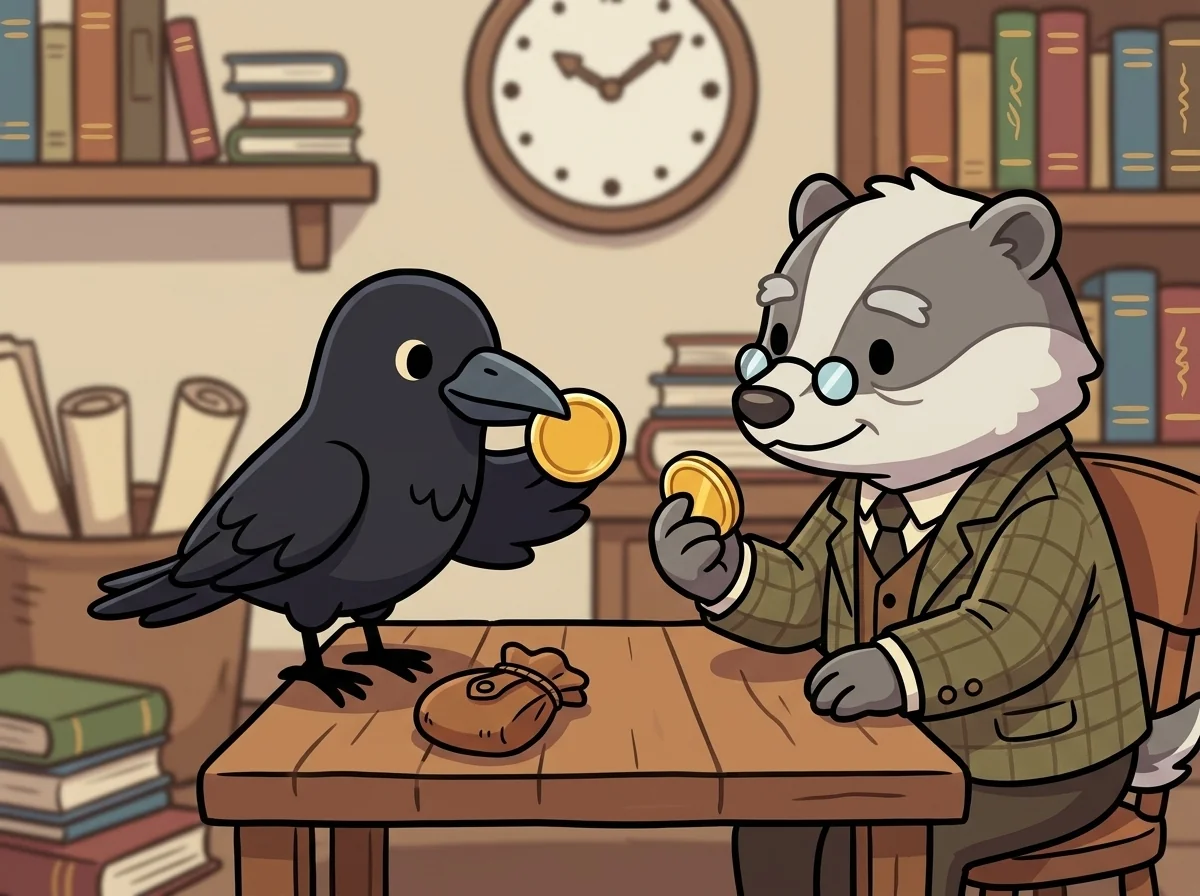
Coin flew to the market academy with a pouch of trusted tokens.
Stake, the old trader, met Coin and asked the question. "What is money?"
Coin set a single token on the table. "It's an agreement, wearing the shape of a coin. On its own it's just metal — you can't eat it or wear it. But because everyone agrees to take it, it can stand in for anything: it measures what things are worth, it stores value until you're ready to spend, and it moves value from any hand to any other. Money isn't the wealth. It's the tool that lets wealth flow."
Stake turned the plain token over, appreciating that Coin had named it a tool and not a treasure. "You are appointed."
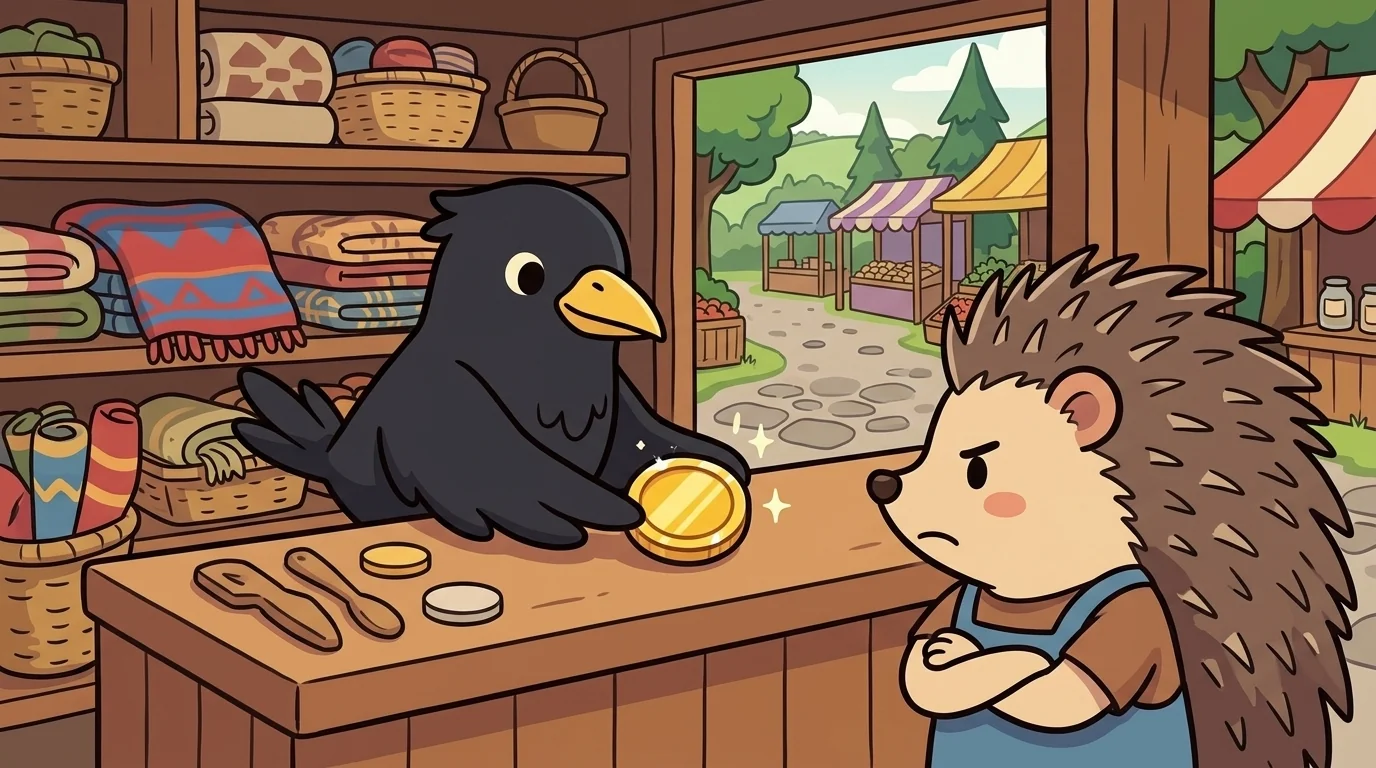
In Coin's stall, a young hedgehog frowned, arms crossed.
"Coin, everyone says money is what makes people greedy and mean. Isn't teaching kids to love money kind of... bad? Shouldn't we be above it?"
Coin settled the token gently between them.
"That's a fair worry, and here's the honest answer: money is a tool, like a hammer. A hammer can build a house or break a window — but we don't say hammers are evil, we look at the hand that swings them. Money is the same. It's a neutral key that unsticks trades; it lets a healer be paid, a garden be planted, a gift be given across a distance. Greed isn't in the coin — greed is a choice some people make about the coin. And here's the part that matters most: how many coins someone has says nothing about their worth as a person. A full purse doesn't make anyone better; an empty one doesn't make anyone less. Understanding money isn't loving money. It's just knowing how the key works, so nobody can use your not-knowing against you."
The hedgehog's arms uncrossed slowly. "So learning about money isn't the same as being greedy."
"Not even close," Coin said. "Knowing how a tool works is how you stay free."
Think of a time a simple tool made something hard suddenly easy. What did that click of "oh, THAT's how" feel like?
The hedgehog turned the token over, thoughtful.
"When I learned to use a lever to move a rock too big to lift, it felt like a secret," the hedgehog said. "Like the world had a hidden handle and someone finally showed me where it was."
"That's exactly the feeling I want you to have about money," Coin said warmly. "Not hunger for it — understanding of it. That calm, unlocked feeling of oh, THAT's how the market moves, and now I can move with it. When you understand the key, you stop being at the mercy of people who'd rather you didn't. You can trade fairly, spot a bad deal, help someone who's stuck. Understanding is the opposite of greed — it's the quiet confidence of someone who knows how the handle works and uses it kindly." Coin pressed the token into the hedgehog's paw. "Go unstick a trade for someone today. Feel how good the key feels when you use it to help."
The hedgehog closed a paw around the token, felt the steady confidence of understanding-not-craving, and went to find a trade that had gotten stuck.
The MarketQuest ensemble
Coin is part of MarketQuest's distributed-narrative cast. Each character embodies a different curricular primitive; together they teach the full subject.
-
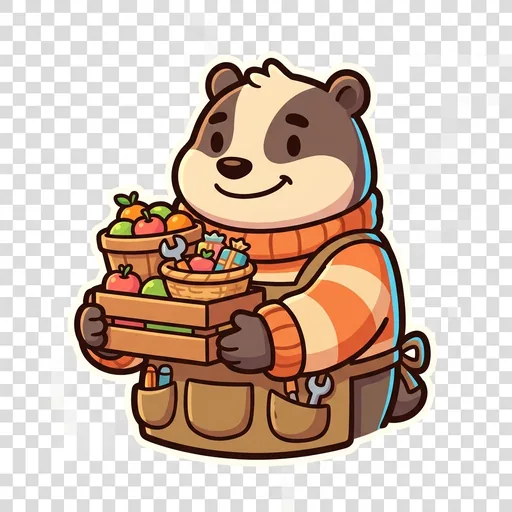
Stock
Supply — producer decisions, scarcity, what gets brought to market
-
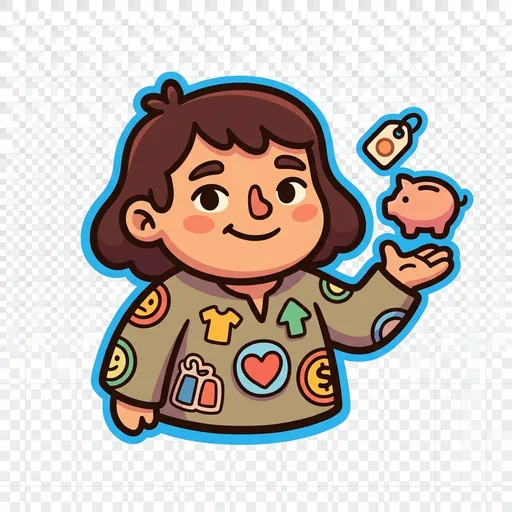
Crave
Demand — consumer preferences, needs vs wants, price-sensitivity
-
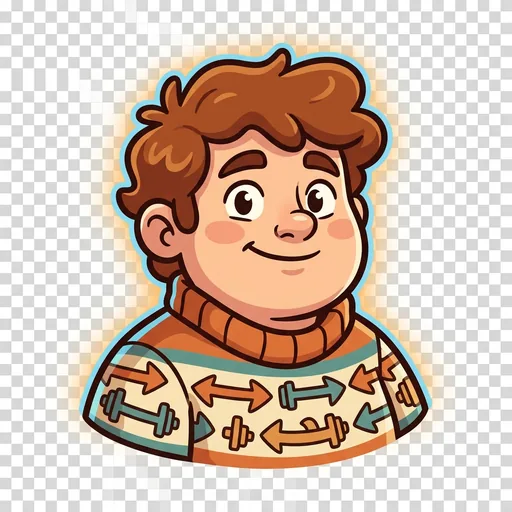
Even
Price equilibrium — where supply meets demand, the conversation point
-
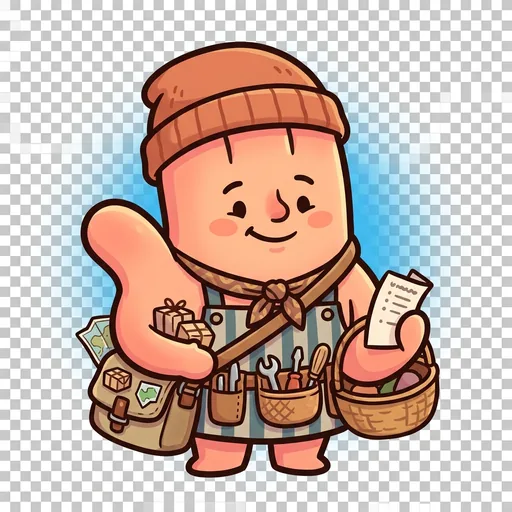
Hand
Market roles — producer + consumer + distributor, visible labor
-
Tide
Market events — shocks + policy + trade flows read as patterns
-
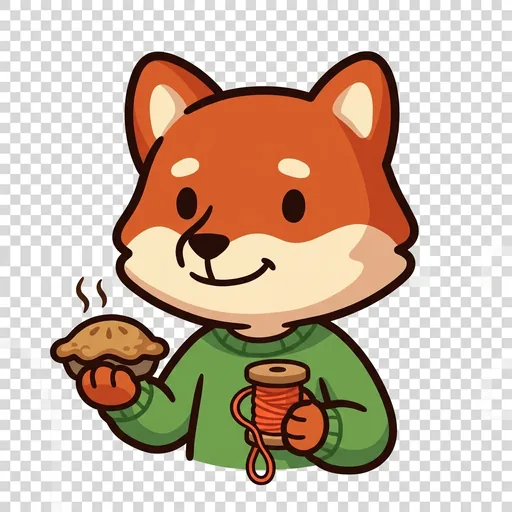
Forgo
Opportunity cost — every choice has a hidden price tag: the next-best thing you didn't pick; fox weighing two everyday choices
-
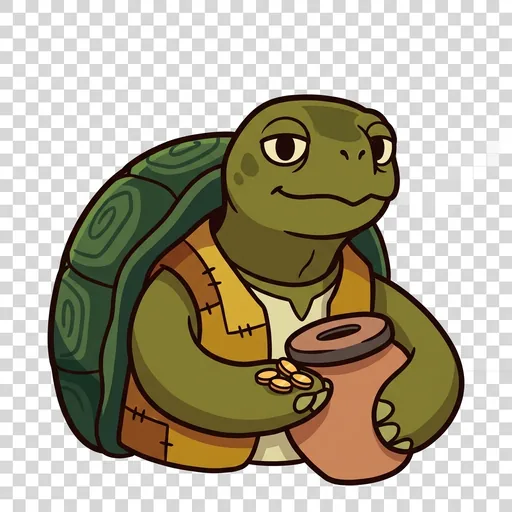
Seed
Saving + interest — set a little aside on purpose; patience grows a small store into a larger one; tortoise with a clay saving-jar
-
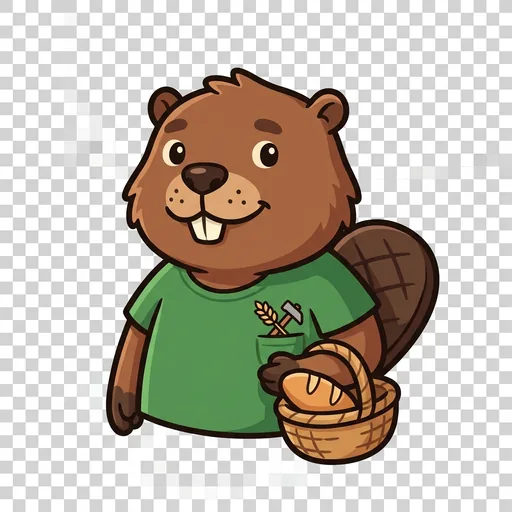
Knack
Specialization + trade — do the thing you do best, trade for the rest, and both sides end up with more; beaver brokering bread-for-baskets
-
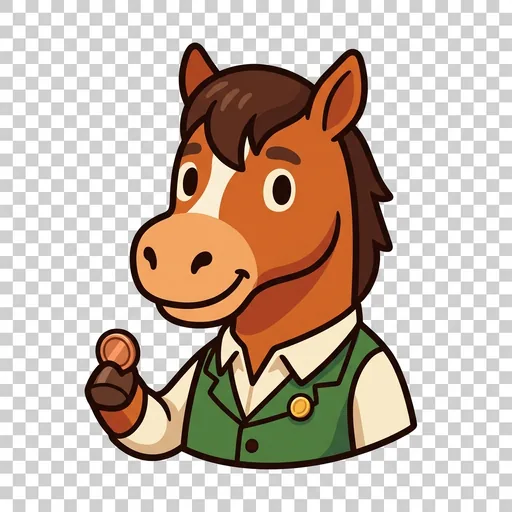
Spur
Incentives — people move toward rewards and away from costs; change the nudge, change the choice; horse aiming small fair nudges