
Recover
RECOVERY — every teller forgets a line, mixes up a name, or loses their place sometimes. The skill isn't never stumbling — it's recovering smoothly: keeping calm, improvising a bridge, and carrying on so the listener barely notices.
Press play to listen along. The line being read lights up as you go.
Show full transcript
Loading transcript…
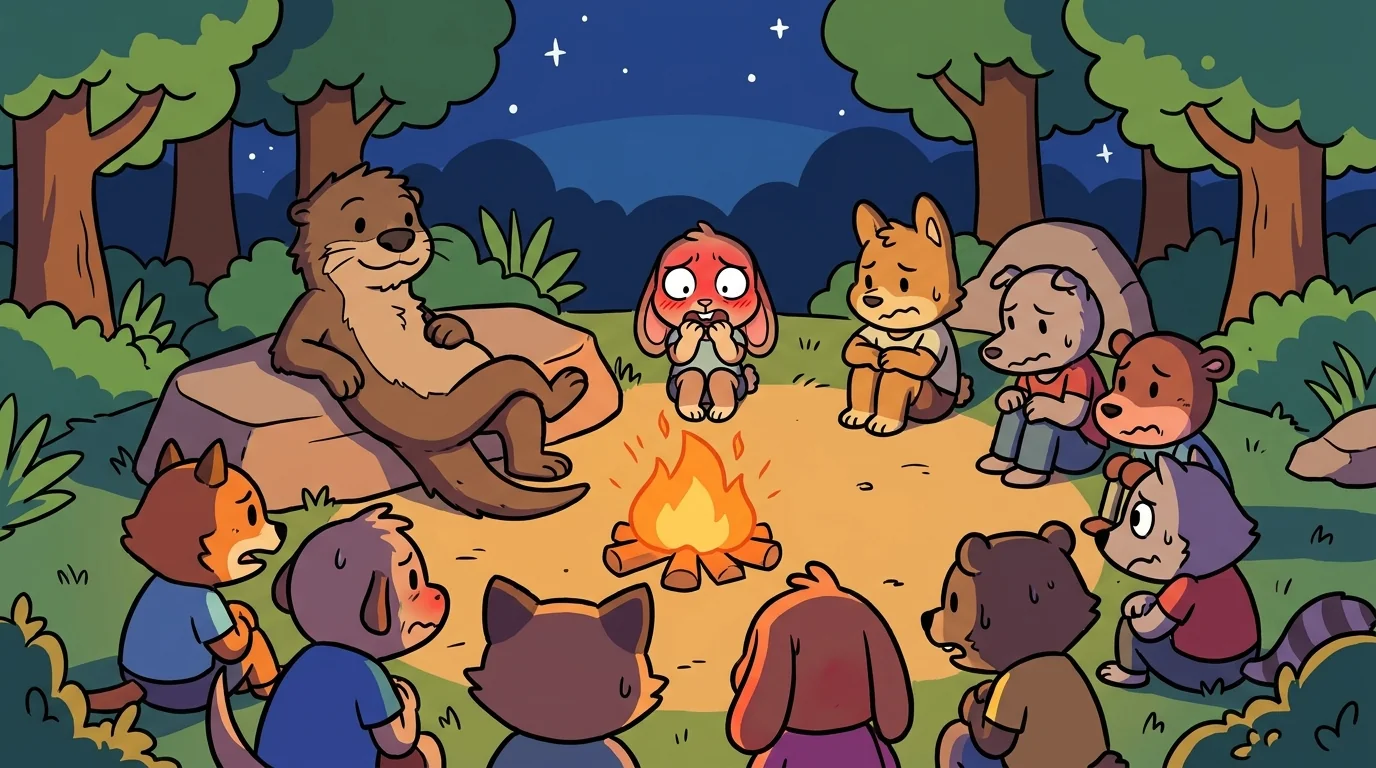
Bramble met Recover on the night a story fell apart — and then, somehow, didn't.
A young creature was telling a tale, doing beautifully, when suddenly she forgot what came next. Her mind went blank. And she froze. "And then the... the... um..." Her face went hot. "Sorry. Sorry. I forgot. Um. Let me start over. Sorry." She stared at the ground, and the whole circle squirmed with her, feeling her panic. The story was lost — not because she forgot a line, but because she froze and apologized and lost her nerve.
Near the fire sat a calm, scruffy otter, lounging easy on a flat rock. "The forgetting wasn't the problem," he said gently. "The freezing was."
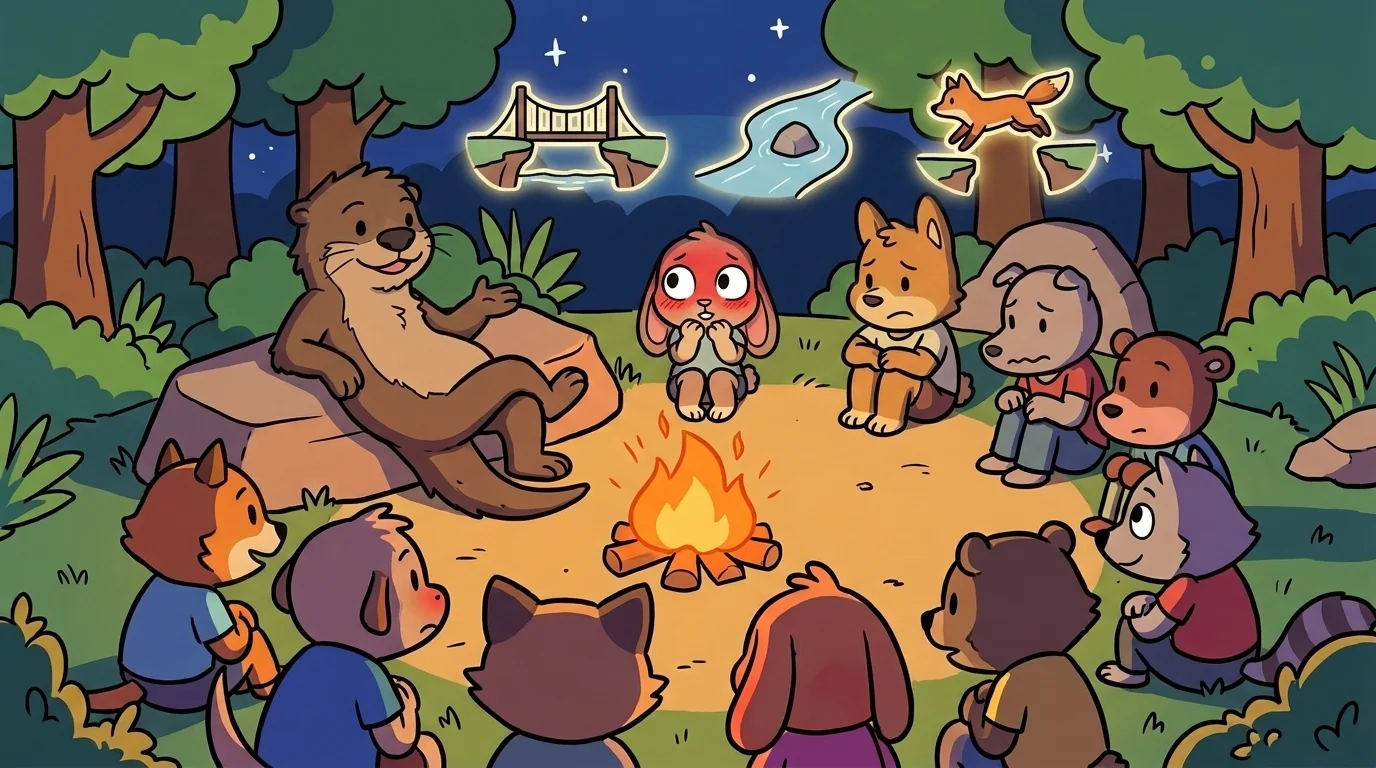
Bramble turned. "What do you mean?"
The otter stretched. "Watch. I'll tell you a story, and I'll forget a part on purpose." He began: "Once there was a fox who lived in a great big... " — and here he paused, as if his mind had gone blank — "...a great big somewhere, it doesn't matter where, because the important thing is what she found there." He carried right on, smooth as the river, and the story rolled forward. He'd forgotten the place — or pretended to — and simply built a little bridge over the gap. Nobody would ever have known.
"My name is Recover," the otter said. "I forget things all the time. Everybody does. The trick isn't never stumbling. The trick is what you do after the stumble." He grinned. "You stay calm. You build a little bridge with whatever words you have. And you keep going. The listener follows the river. They don't notice the one rock you slipped on."
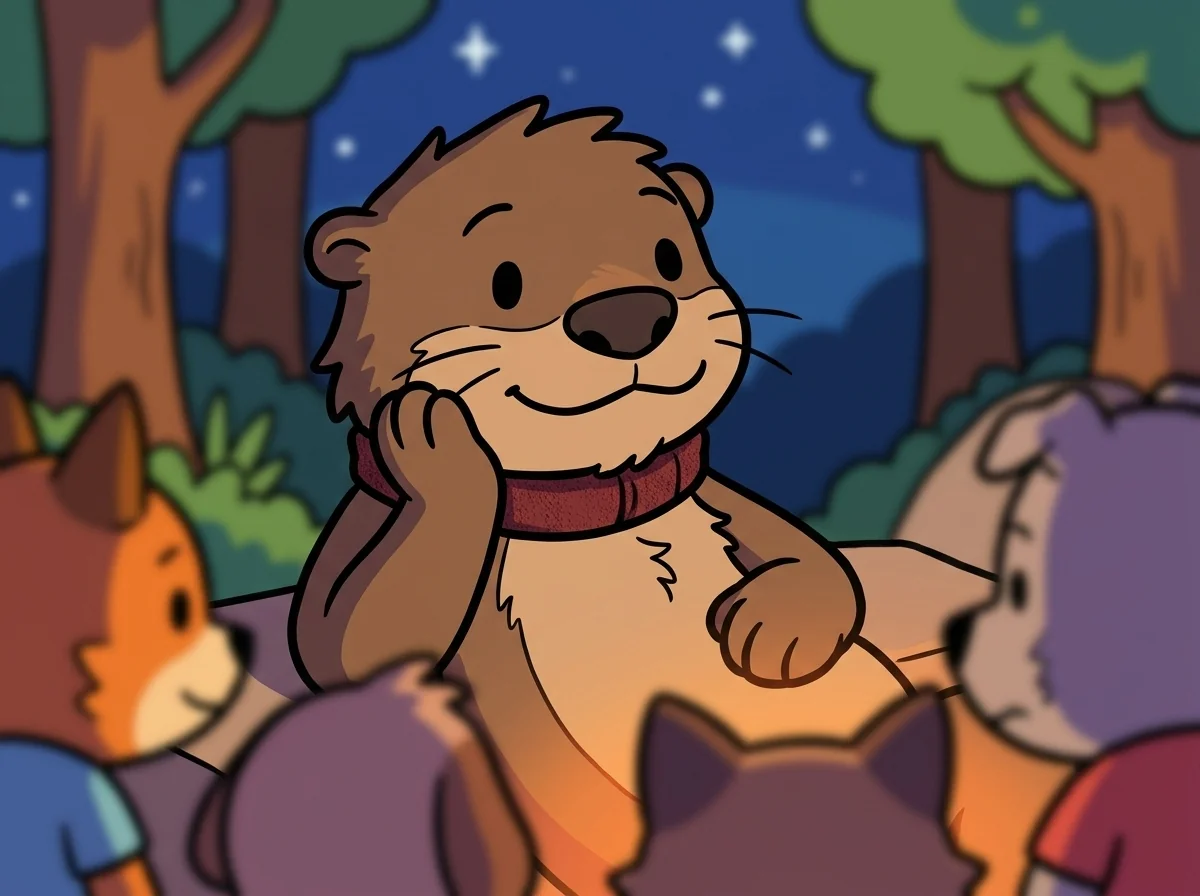
"Recover," Bramble said, "I run a listening-circle, and this is the thing that scares the kids most. They forget one word and the whole story collapses. They freeze, they apologize, they give up. Would you join us? Teach them how to keep going?"
Recover rolled off his rock with an easy laugh. "Oh, I'd love that," he said. "Forgetting is my specialty. I've turned it into an art."
So Recover joined the listening-circle, and the tellers there aren't so afraid of slipping anymore.
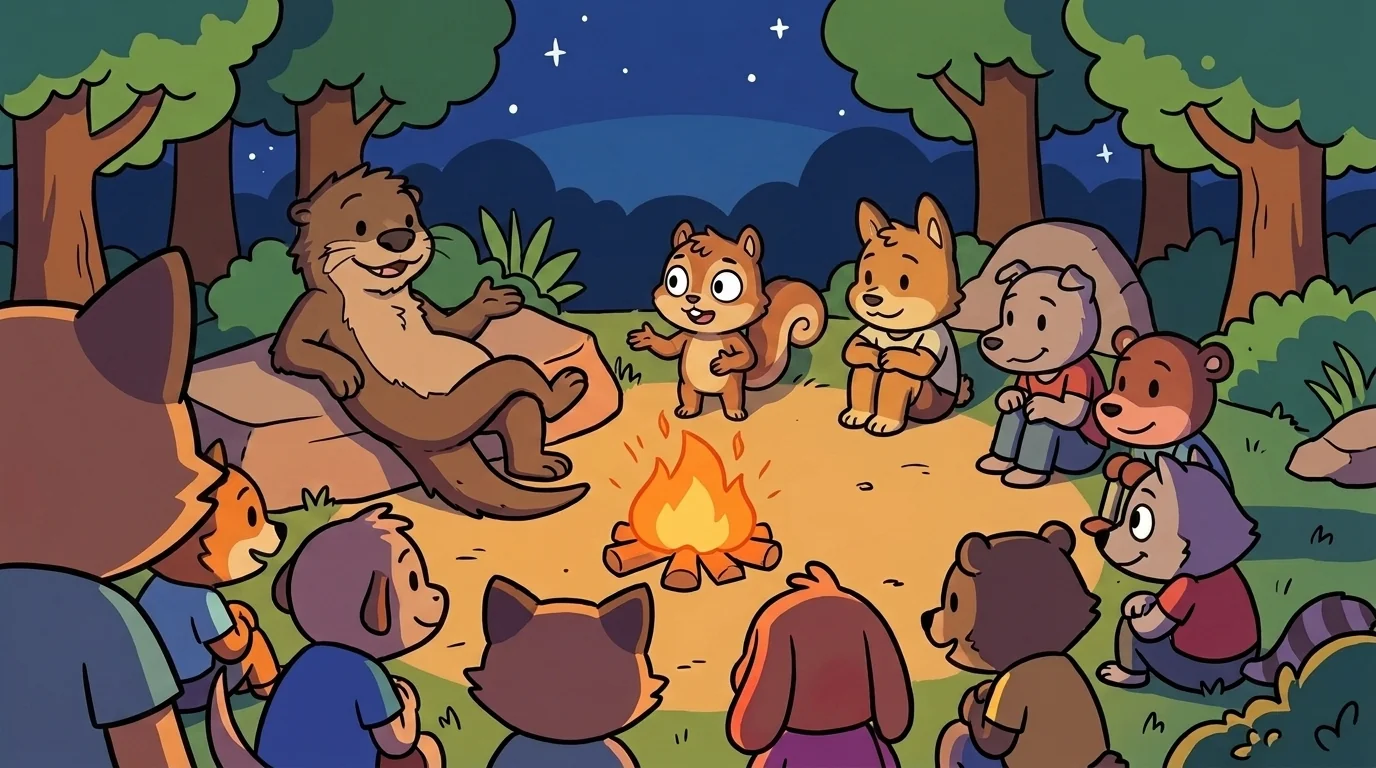
When Bramble teaches about recovery, Recover takes over. "You will forget things," he tells the kids, plainly. "It happens to every single teller who ever lived. So let's practice the part that matters — the after." He gives them his three calm tricks. "One: don't apologize. The listener didn't notice yet — so don't tell them. Two: build a bridge. Use any words to get to the next part you do remember. Three: breathe, and carry on. The story is bigger than one lost line."
A young squirrel tried it on purpose. Mid-story, he pretended to lose his place. His eyes went wide for a second — then he took a breath, said "...and what happened next was even stranger," and sailed right on to the next part he knew. The circle never blinked. He grinned, amazed at himself.
"You see?" Recover said warmly. "You slipped, and the story kept flowing. Nobody fell in." He looked around at the nervous young tellers. "The stumble was never the scary part. The scary part is the freeze — the panic, the sorry-sorry-sorry. Skip the freeze, and a stumble is just a tiny ripple in a long, good river."
A young creature asked, "But what if I forget the whole ending?"
"Then you make one up," Recover said, with a twinkle. "It might even be better. Some of my favorite endings are ones I invented because I forgot the real one."
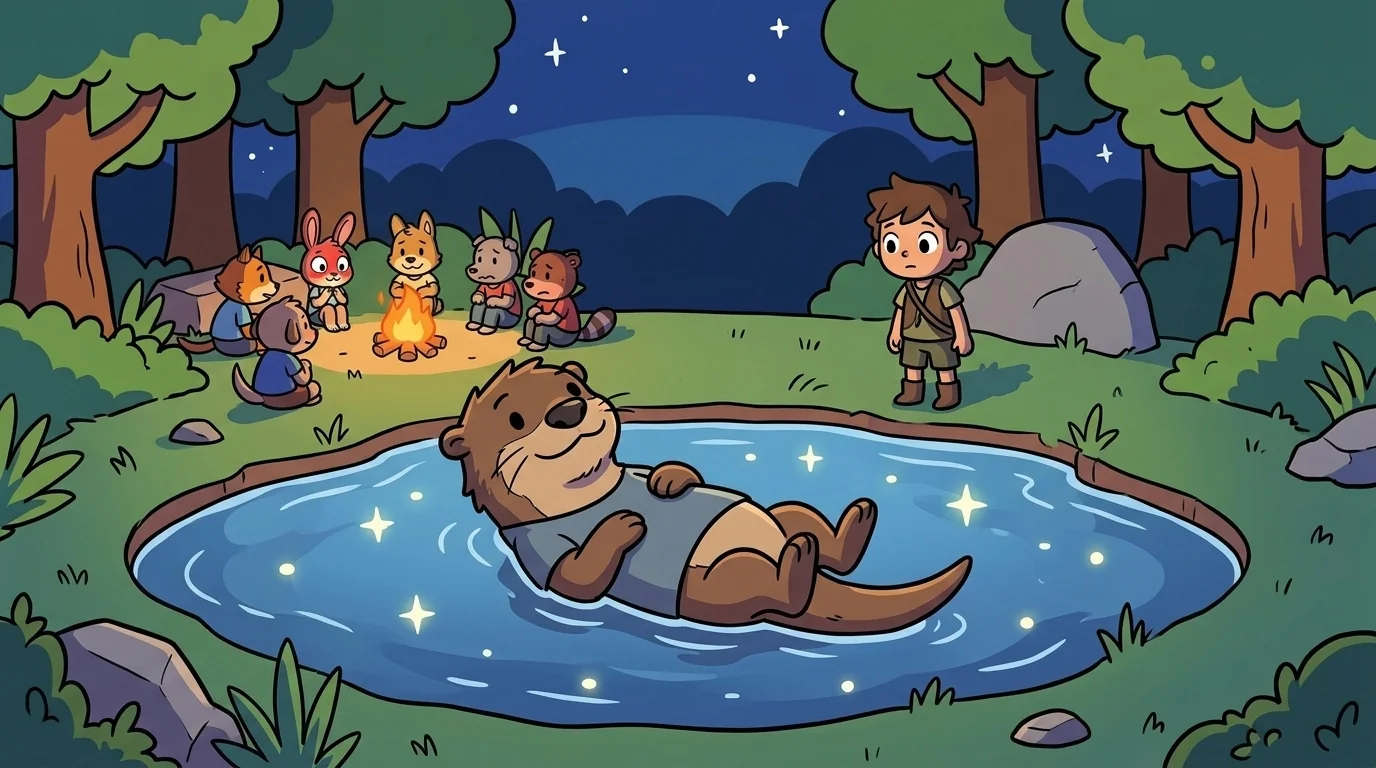
After the circle, Recover floated on his back in the little pond near the fire, gazing up at the stars.
"You really aren't afraid of messing up," Bramble said.
Recover was quiet a moment, drifting. "I used to be," he said. "Oh, I used to be terrified. I'd lie awake before every telling, sure I'd forget and everyone would laugh." He paddled gently. "But then one night I forgot a whole big chunk — and I just... kept going. Made something up. And do you know what? Nobody laughed. Nobody even noticed. The world didn't end." A slow, easy smile spread across his face. "That was the night I stopped being afraid. I learned that the mistake I dreaded was so much smaller than my fear of it. The stumble was nothing. Nothing." He let out a long, contented breath, and the stars wobbled in the pond around him. "Now when I slip, I almost smile. Because I remember: I'm okay. I was always going to be okay. And there's a deep, floating kind of calm in finally knowing that." And he drifted there, light as a leaf, unafraid.
The VoiceTale ensemble
Recover is part of VoiceTale's distributed-narrative cast. Each character embodies a different curricular primitive; together they teach the full subject.
-

Lean
Hook / leanability — badger-tween whose upper body visibly tips forward at second 5; if hook is weak she rocks back to neutral
-
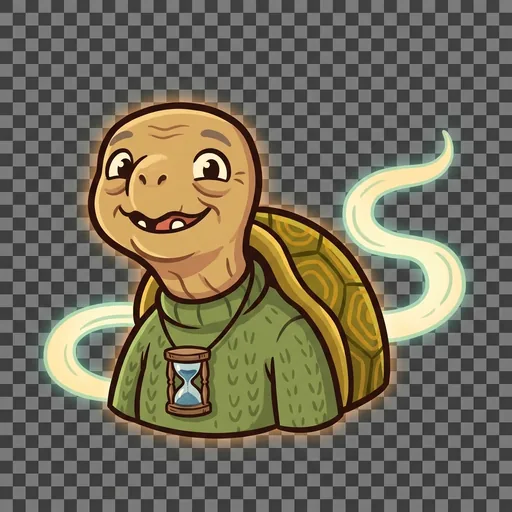
Slow
Pacing across the 5-beat arc — tortoise-elder with wooden hourglass; her tempo-trail stretches (slow) or bunches (fast) on purpose
-
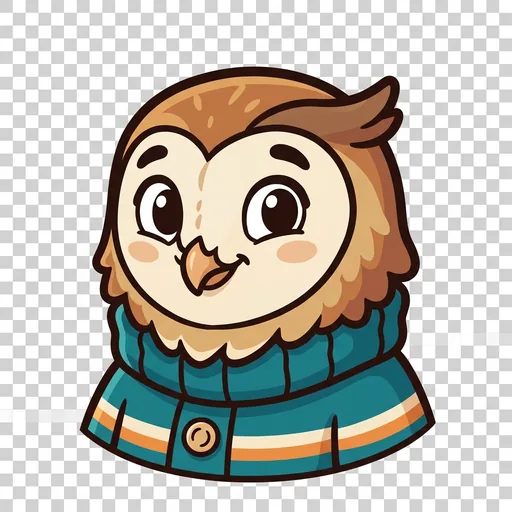
Pivot
The turn at beat 4 — barn-owl-tween whose head rotates 180° at the exact moment story / teller / listener turn together
-
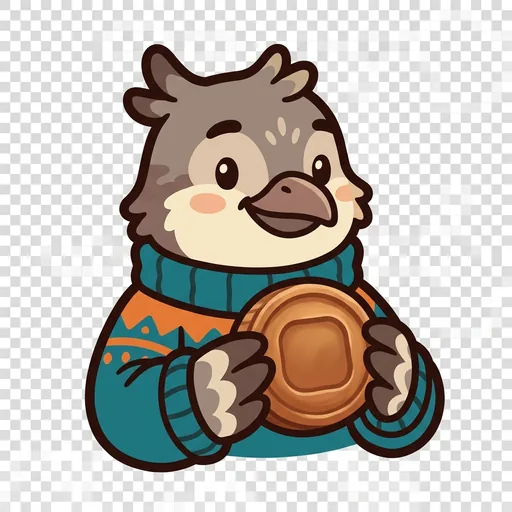
Refrain
Callback / refrain — mockingbird-tween with carved-wood phrase-token who repeats one phrase identically at the closing (same words, same shape, said again, said better)
-
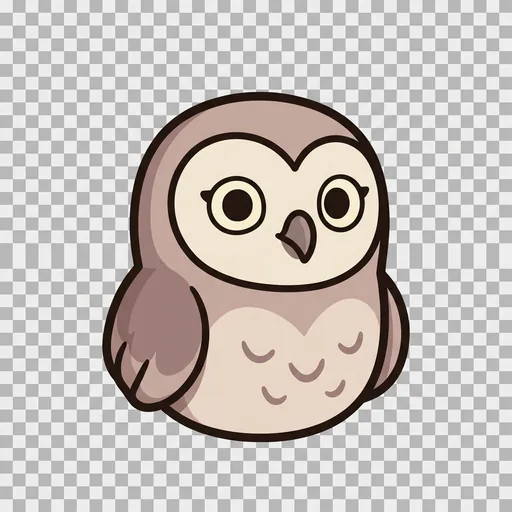
Hush
The pause / strategic silence — soft round owl who holds a held beat of quiet right before the important word, pulling the whole circle forward
-
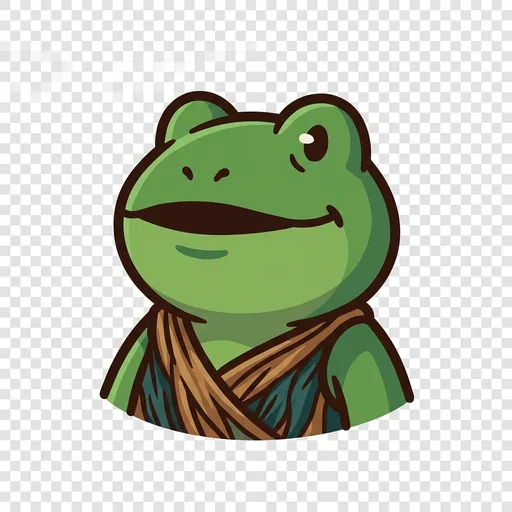
Boom
Volume + emphasis — wide-mouthed frog whose voice swells from the tiniest whisper to a big round roll; the soft pulls listeners close, the loud lands the surprise
-
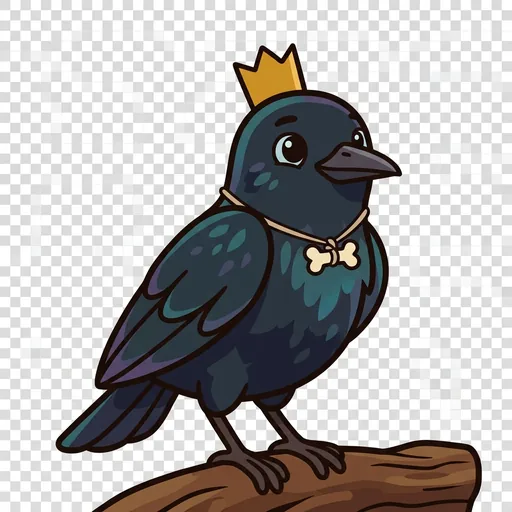
Mimic
Character voices — sleek starling who gives each character in a told tale one small distinct voice so listeners always know who is speaking
-
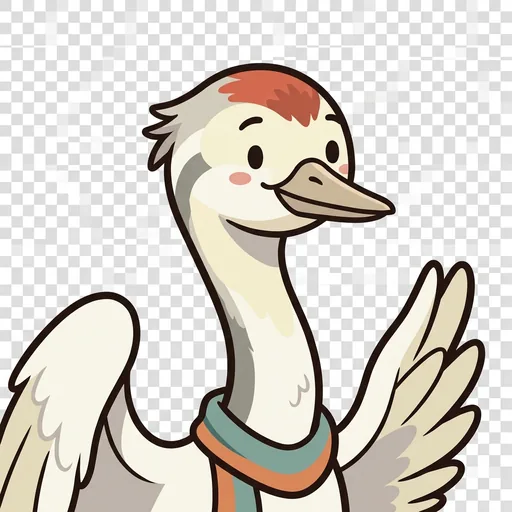
Flourish
Gesture — tall crane whose wings paint the story in the air (wide for huge, close for tiny); the body shows what the words say
-
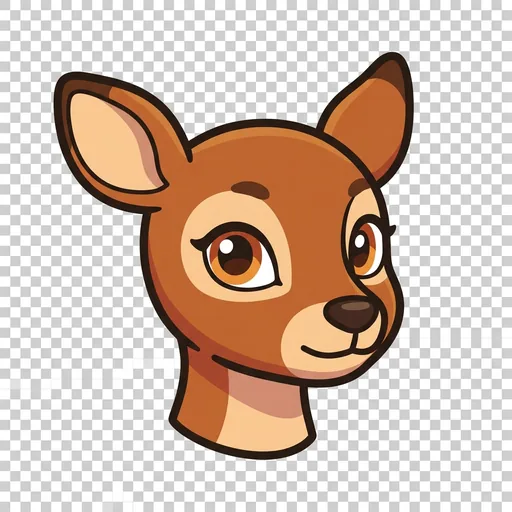
Gaze
Eye contact / reading the listeners — soft-eyed deer-fawn who tells to the faces of the circle and reads their faces back to know when to slow or hurry