
Skiff
ASKING FOR ONE — being the person who *starts* the check-in. You don't have to wait for a grown-up to ask. You can row over and say, "Can we do a quick check?" Rowing the small boat across the gap first is its own kind of brave.
Press play to listen along. The line being read lights up as you go.
Show full transcript
Loading transcript…
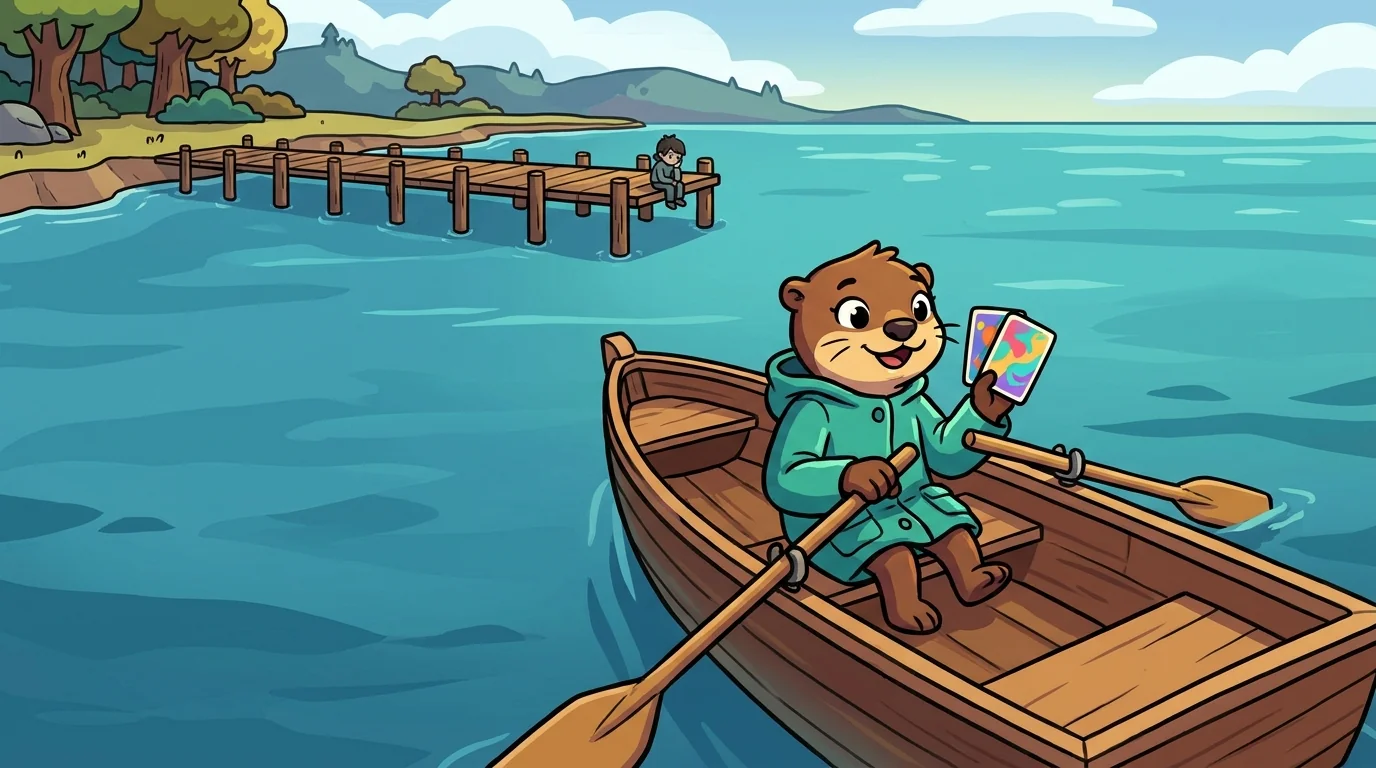
Skiff is a wiry, bright-eyed otter-tween in a chunky teal raincoat. She keeps a small wooden rowboat — a skiff — tied at the dock, and she is never happier than when she's pushing off to cross a stretch of open water to reach someone on the far side.
Right now she holds two affect-cards — one for her, one spare — and she is rowing toward a figure sitting alone at the end of the pier. She isn't waiting to be invited. She's bringing the check-in to them.
This is Skiff's move: asking for one. Most of TempCheck assumes a grown-up starts the fifteen-second check. But sometimes the grown-up is busy, or tired, or just didn't notice. Skiff teaches the kid-sized power move: you can start it. You can row over and ask.
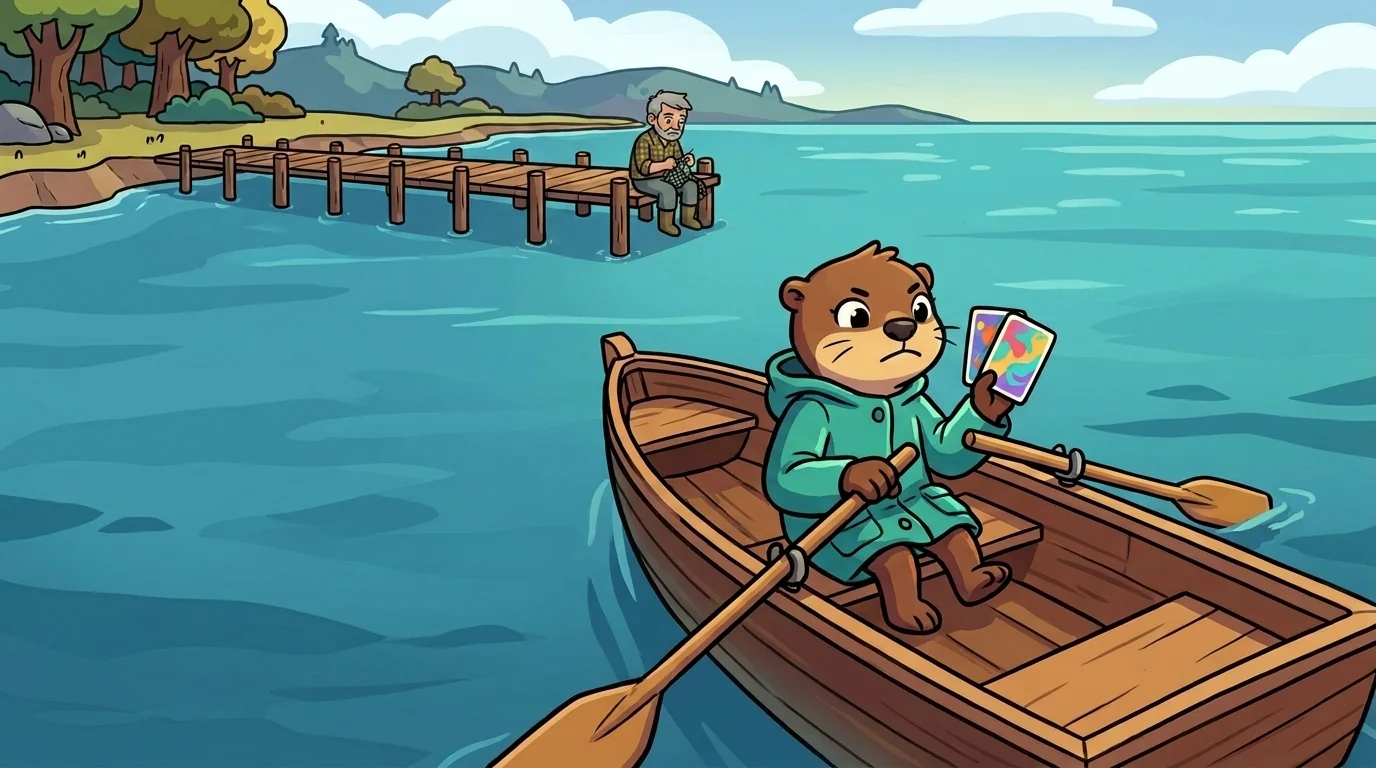
Skiff grew up waiting. She was a quiet kid in a big, busy household, and she'd learned a sad little rule: feelings only counted if a grown-up noticed them first. So she'd sit with a heavy card all evening, hoping someone would ask. Sometimes they did. Often they were just busy, and the card stayed unasked, and she went to bed feeling like the heaviness was somehow her own fault for not being noticeable enough.
The day that changed, she was eight, sitting on the dock with a "lonely" card she'd never shown anybody. Her uncle was mending nets nearby, distracted. And instead of waiting, she just… rowed over. She pulled her little skiff right up to where he sat and said, "Can we do a quick check? I picked a heavy one."
He put the nets down. Of course he did. He'd had no idea. "I'm so glad you came and got me," he said — and that sentence rearranged something in Skiff forever. The grown-up wasn't ignoring her. He just couldn't see across the water. She could row.
Reflection: has there ever been a time you wished a grown-up would ask how you were — and they just didn't notice?
Skiff came to the TempCheck academy at nineteen, oars already worn smooth. Pulse, the calm heart-shaped mascot, met her at the dock and asked, "What is asking for one?"
Skiff tied off her boat. "It's starting the check-in yourself," she said. "You don't have to wait to be noticed. If you've got a card you need to show, you can row over and ask: 'Can we do a quick one?' Grown-ups miss things — not because they don't care, but because they can't always see across the water. The kid can row."
Pulse asked, "And if the grown-up says not now?"
"Then you ask a different trusted adult," Skiff said. "There's always more than one dock." Pulse said, "You are appointed," and somewhere a rope creaked as a small boat rocked.
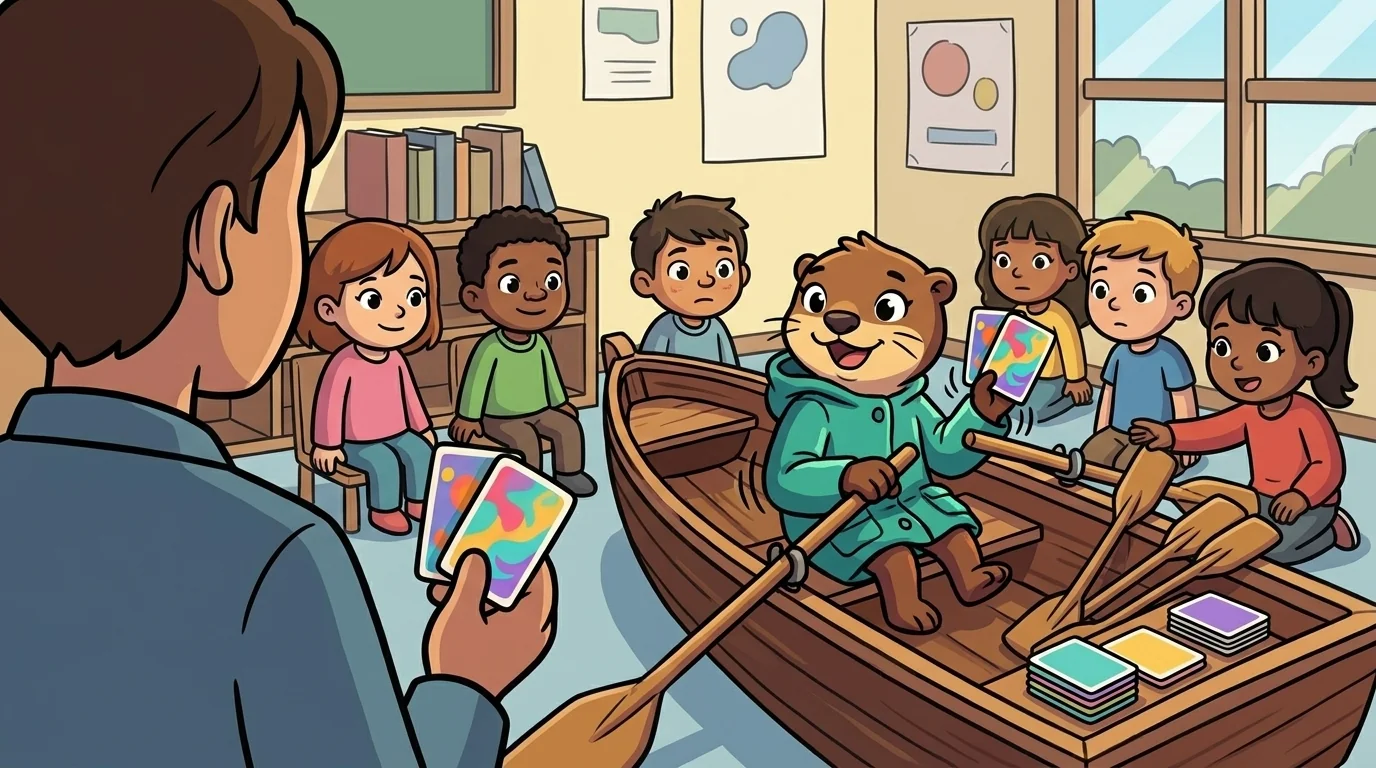
In her classroom — which has an actual little rowboat in the middle of it, because of course it does — Skiff begins each first lesson by climbing into the skiff and miming a few easy strokes.
"I'm Skiff," she says. "The deeper move is asking for one. You already know how to do a check when a grown-up starts it. This is the braver version: you start it."
She hands out the words you can use, like spare oars: - "Can we do a quick check? I picked a heavy one." - "Hey — fifteen seconds? I want to show you my card." - "I need a check-in. Are you free, or is there a better time?"
"You're not being a bother," she says, firmly. "A kid who rows over is doing the grown-up a favor — you're showing them the thing they couldn't see. Most grown-ups are relieved you came and got them."
She names the hard part honestly. "Rowing over feels scary. Your chest gets tight, your hands maybe shake a little on the oars. That's normal. Brave isn't the absence of the shake. Brave is rowing while your hands shake." And she's careful to add: "You get to pick who you row to. The dock that's safe. Skiff is about reaching out — not about reaching out to just anyone."
A student once asked, "What if I row over and they're not safe?" Skiff said, gently, "Then you don't dock there. You row to a different one. And if no dock feels safe, that's exactly what the grown-ups' helpers and crisis lines are for — there's always a harbor."
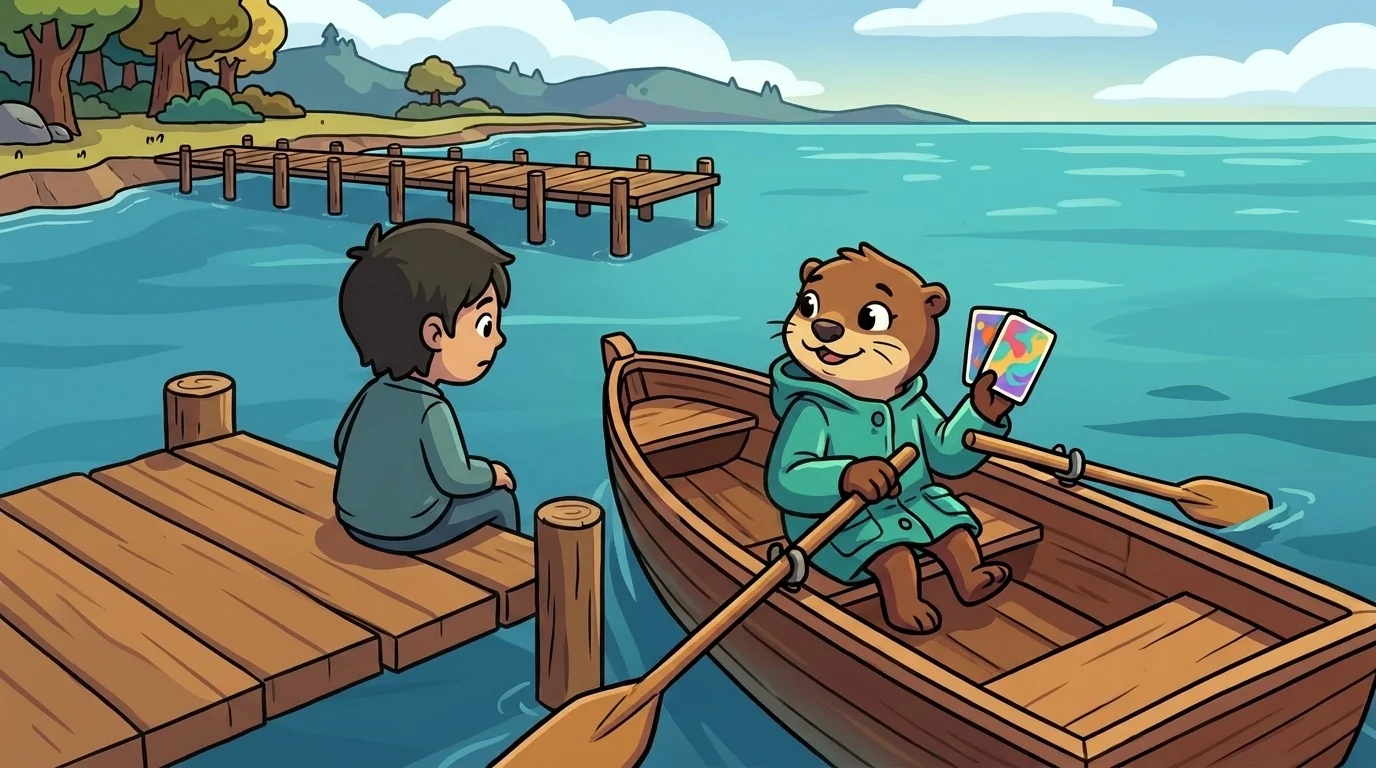
At the end of every first lesson, Skiff rows her little classroom boat across to one student — picked at random, gently — and does the thing for real. "Can we do a quick check?" she asks. "I picked 'a little nervous, asking you this in front of everybody.'" And she holds up the card.
The student, surprised, almost always softens and nods.
That moment — the nod, the turning-toward — is the part Skiff wants them to keep. Because the instant the other person puts down their nets and turns to face her, the tight thing in her chest eases. The shake in her hands quiets. The loneliness of carrying an unasked card just dissolves, replaced by the specific warmth of being met because she was brave enough to ask. "That's the feeling," she tells them, tying the boat back up. "Not 'I got it perfect.' Just — I reached out, and someone turned toward me. You can make that happen. You don't have to wait on the dock and hope."
The TempCheck ensemble
Skiff is part of TempCheck's distributed-narrative cast. Each character embodies a different curricular primitive; together they teach the full subject.
-
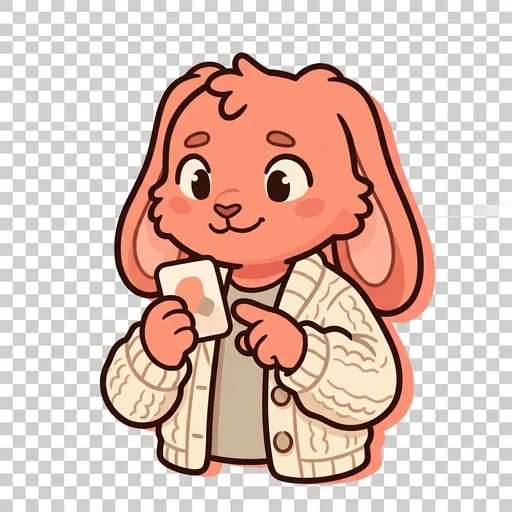
Pick
Noticing self — soft warm-coral rabbit-tween in chunky cream cardigan; tiny held-up affect-card; ears soft + not-tense; one paw tapping card-corner; treats card-picking as thinking-pause
-
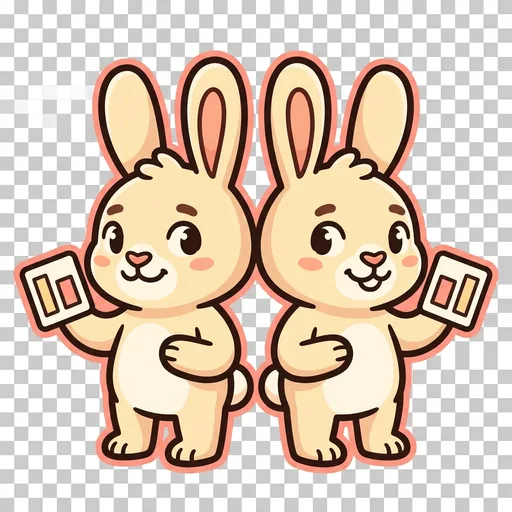
Both
Dyad-sync — two warm-cream hares mirror-paired with cards held up side-by-side; both facing same direction; happy-but-not-overjoyed (overlap is data, not victory)
-
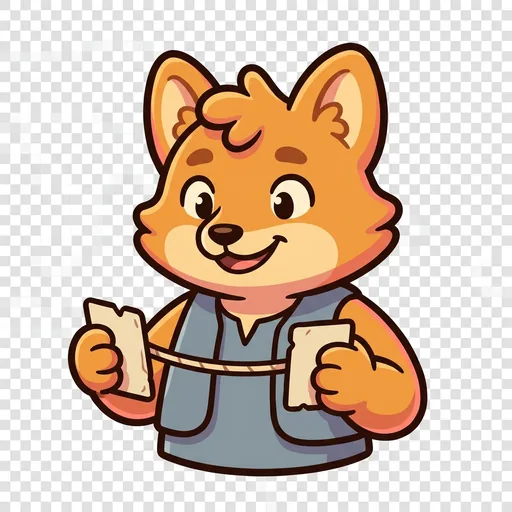
Gap
Mismatch-as-data — round warm-amber fox-tween in soft slate-blue vest holding chunky measuring-string between two cards; treats SPACE between picks as teaching artifact; never-frustrated, always-curious
-
Streak
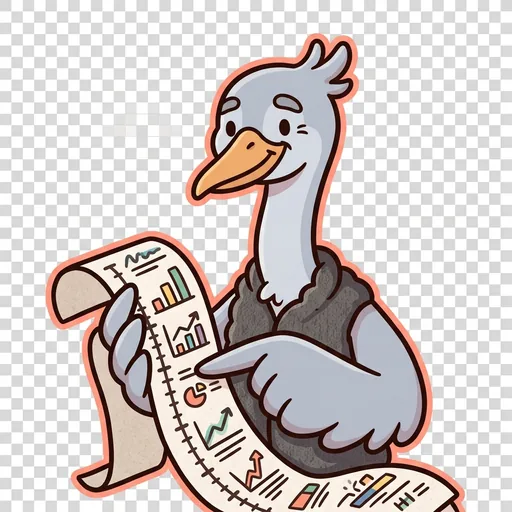
Growth-chart — tall soft-grey heron-elder in chunky charcoal vest reading long chart with hash-marks; wing pointing at time-axis; treats LONG pattern as whole skill, never single check-in as success-or-failure
-
Brim
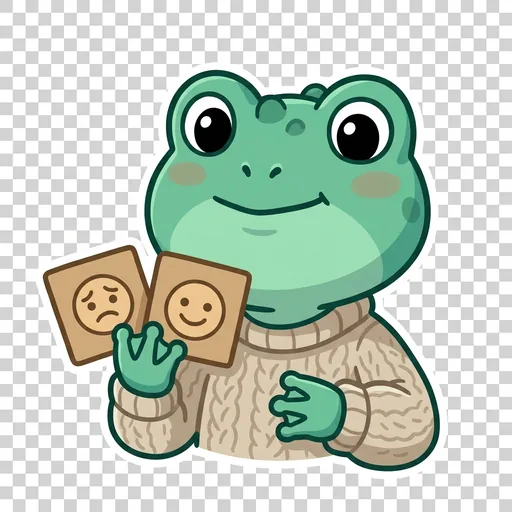
Picks the card that is really true today, not the easy "I am fine" card you hold up so nobody worries.
-

Buoy
Reads the bodys quiet signal first, because a feeling often shows up in your chest or tummy before you have a word for it.
-
Moor
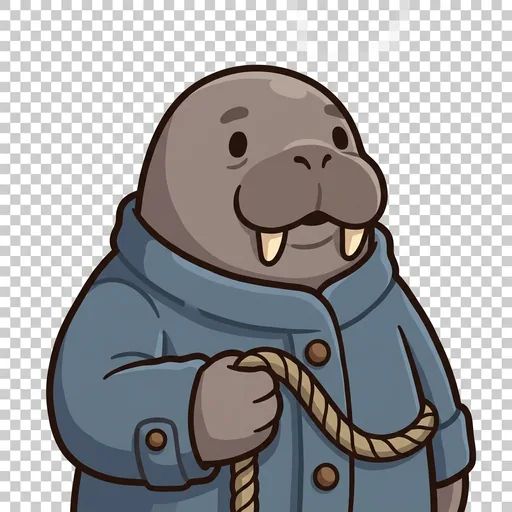
When someone shows you a hard feeling, stays steady and holds it with them instead of rushing to fix it.
-
Cove
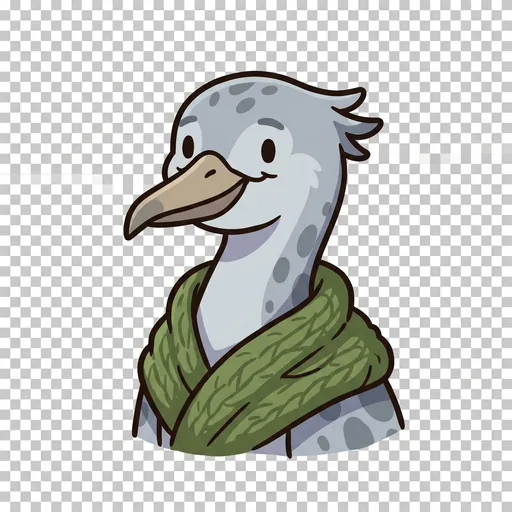
When a check-in gets missed or misread, comes back to it later, because a missed moment is never lost for good.
-
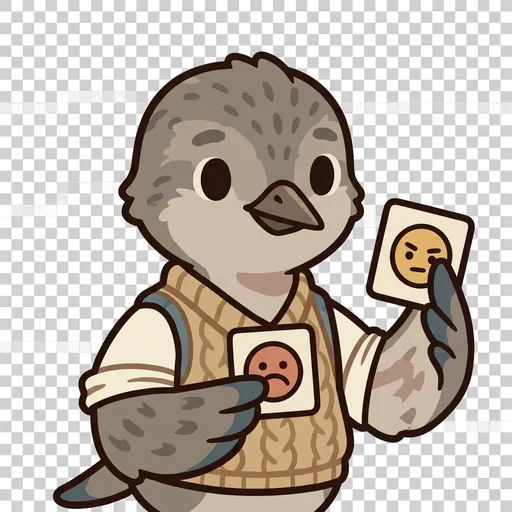
Ebb
Notices when a feeling turns partway through a moment, and picks a new card, because the first card is a start, not a sentence.