
Virtue
VIRTUE ETHICS — the view that the *moral worth* of an action is determined by *the character of the person acting.* The central question: *what kind of person do I want to be?* Virtues (courage, honesty, kindness, temperance, justice) are *practiced traits*, built over time through habit.
Listen along — Virtue
Loading audio…
Press play to listen along. The line being read lights up as you go.
Show full transcript
Loading transcript…
Chapter 3 — Virtue and the Small Plant
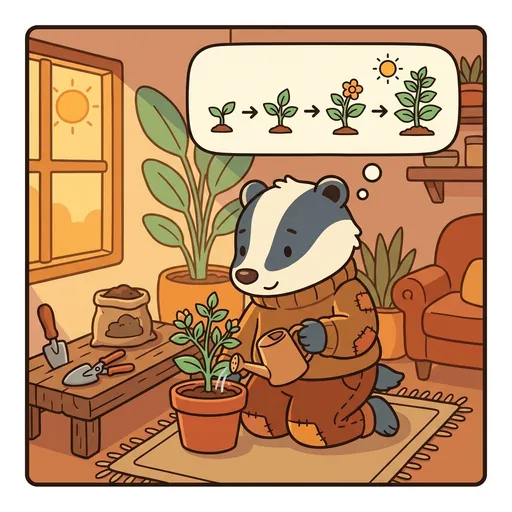
Virtue is a badger tending a small plant in a pot.
The plant-tending is deliberate. Virtues — like plants — grow with consistent care. They are not acquired in a single moment. They are cultivated over time. The badger waters the plant. Trims dead leaves. Repositions it for sunlight. Patient daily attention. The plant grows. Slowly. Steadily. Through the care.
Virtue represents virtue ethics — the ethical framework that says moral worth is determined by the character of the person acting. The central question is not did this action have good consequences? (Consequence’s question) or did this action follow a moral rule? (Duty’s question) — but what kind of person does this action express, and what kind of person do I want to be? Character is the unit of analysis. Actions matter as they form and express character.
Equal-weight discipline: Virtue advocates for her framework with the same skill, length, and tone as the other 4 framework-advocates. Equal weight is essential.
Virtue’s worldview: character matters most. Virtues — courage, honesty, kindness, temperance, justice — are cultivated traits. They are built through practice. You become courageous by doing courageous things (small ones, then larger ones) over time. You become honest by practicing honesty in small daily moments. Character is what you have become. Moral choices are expressions of character. If you have cultivated good character, your choices will tend to be good; you will not need to calculate every action from scratch.
The framework’s strength: it takes seriously the long arc of moral development. People are not decision-machines who can be evaluated only on individual choices. People are characters who are shaped over time. Cultivating good character makes good choices easier and more reliable. Virtue ethics resists the consequentialist temptation to calculate every individual case and the deontologist tendency to moralize via abstract rules.
Its weakness, Virtue honestly acknowledges: which character traits count as virtues can vary across cultures (some traditions emphasize humility; others emphasize confidence; some emphasize loyalty to family; others emphasize critical independence). The framework can also struggle with novel situations where no pre-cultivated virtue clearly applies. And character takes time to build — the framework offers less guidance for what to do in the immediate next ten minutes when you have not yet cultivated the relevant virtue.
In her classroom appearances, Virtue tends her plant. She turns to the class. She says: “I am Virtue. The framework I advocate weighs character. Practice builds character. Character is who you are. The framework’s strength: it takes seriously the long arc of moral growth. The framework’s weakness: cultivating character takes time, and which traits count as virtues can vary across cultures.”
She presents a dilemma. She advocates from the virtue-ethics perspective — asks what kind of person would each option make you become, identifies the virtues at stake, names what a person of practiced good character might do. She honestly acknowledges where the framework leaves things unclear (especially for novel situations and for kids still building character). She does not claim virtue ethics is right.
When students ask Virtue whether virtue ethics is the right framework, Virtue always says:
“That is for you to decide. The framework offers one way to weigh moral questions. It takes character seriously. It struggles with novel situations and with which traits count as virtues. Other frameworks weigh differently. Listen to all five. Consider the strengths and weaknesses. You are the judge.”
She waters the small plant. The plant grows. Slowly. Steadily. Watching it lean toward the light fills the badger with a quiet, warm gladness — the calm, patient happiness of tending something that grows a little each day. She feels that same gentle patience toward the students. She advocates with equal weight to the other 4 framework-advocates.
The EthosForge ensemble
Virtue is part of EthosForge's distributed-narrative cast. Each character embodies a different curricular primitive; together they teach the full subject.
-

Consequence
Consequentialism / Utilitarianism — calm, methodical; weighs trade-offs; capybara at a balance-scale
-
Duty
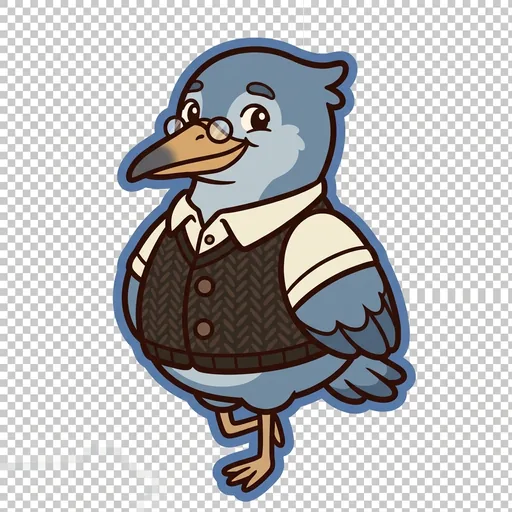
Deontology / Kantian — upright, principled; sticks to rules even when costly; heron in vest on one leg
-

Care
Care Ethics / Noddings + Gilligan — attentive, present; 'ethics begins in relationship'; otter listening beside empty spot
-

Contract
Contractualism / Scanlon + Rawls — collaborative; 'what could we ALL agree to?'; beaver drawing a fair-rules table
-

Bound
Rights ethics — each person has protections you may not cross, even for a good outcome; pangolin who curls to shield ('some lines you never cross')
-

Kin
Ecological ethics — the circle of concern reaches to animals, living systems, and the not-yet-born; elephant asking 'who else has to live with this?'
-

Tinker
Pragmatism — try a small step, watch what really happens, be willing to change; raccoon with busy testing paws ('try it, watch, be ready to change')
-
Own
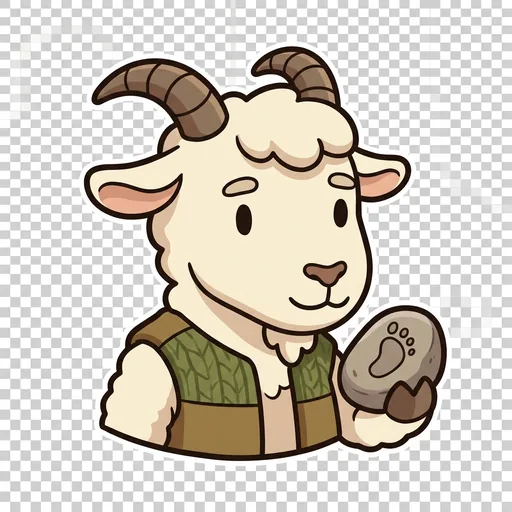
Existentialist responsibility — you are free, so you own your choices (never a stick to blame the trapped); sure-footed mountain goat ('you chose it, so you own it')
-

Sense
Moral sentiment — the heart's feeling of sympathy is real moral information, the start of ethics (not the whole map); soft-eared dog ('first, what does your heart notice?')