
Molt
THE CHANGE (ARC) — a character should not be the same at the end of a story as they were at the beginning. They grow, learn, soften, or harden. The reader feels the story most when they can see how far the character has come.
Press play to listen along. The line being read lights up as you go.
Show full transcript
Loading transcript…
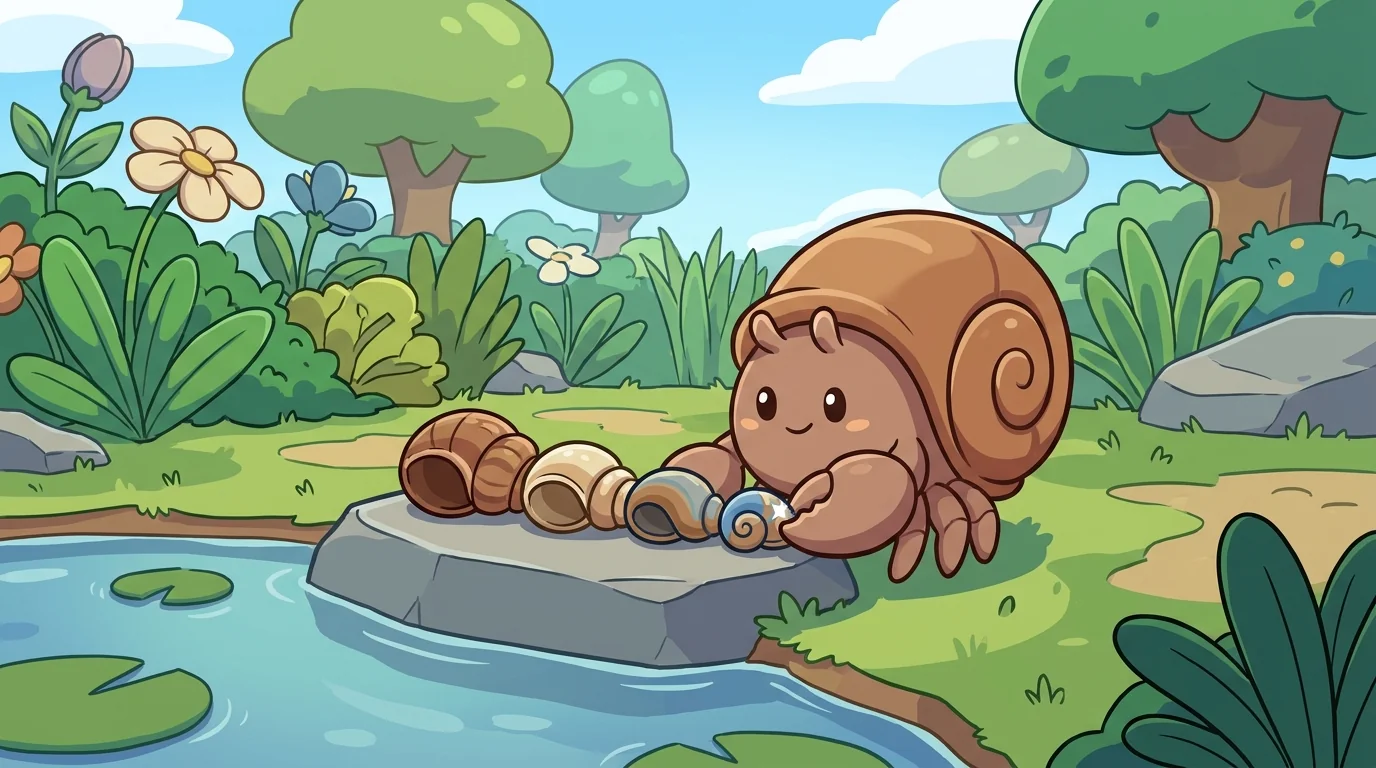
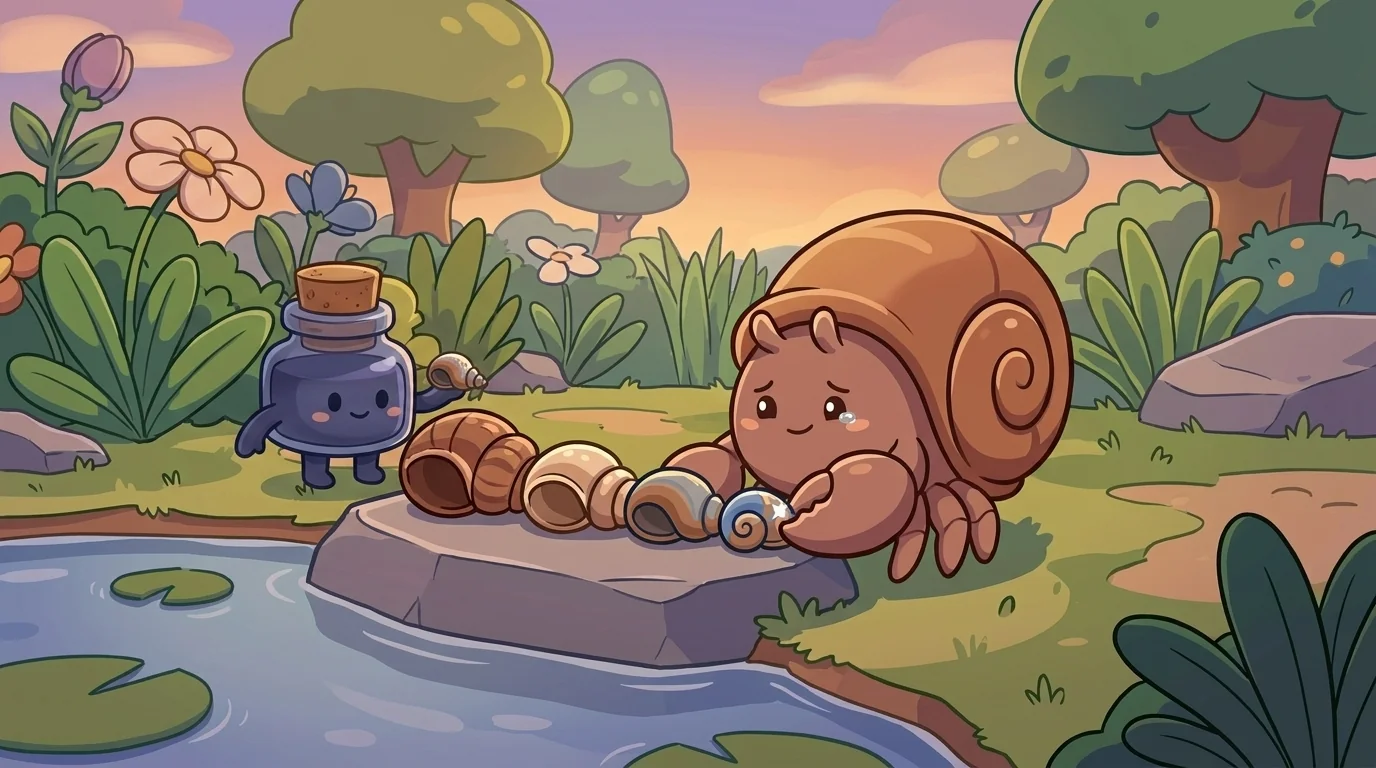
Ink met Molt by the little pond at the edge of the garden, where a creature was lining up empty shells on a flat rock.
Molt looked something like a small, round hermit crab, soft and brown, tucked into a snug shell. But behind him, in a neat row along the rock, sat four other shells — each one a little smaller than the last, all of them empty. He was polishing the smallest one with the tip of his claw, very gently, as if it were precious.
"What a lovely collection," Ink said.
"They're not a collection," Molt said. "They're me." He pointed his claw down the row, from smallest to largest. "This tiny one is who I was when I was very young. This next one is who I was after that. And this one. And this one." He patted the shell he wore now. "And this is who I am today. I grew, so I had to leave each old shell behind. But I keep them. So I can see how far I've come."
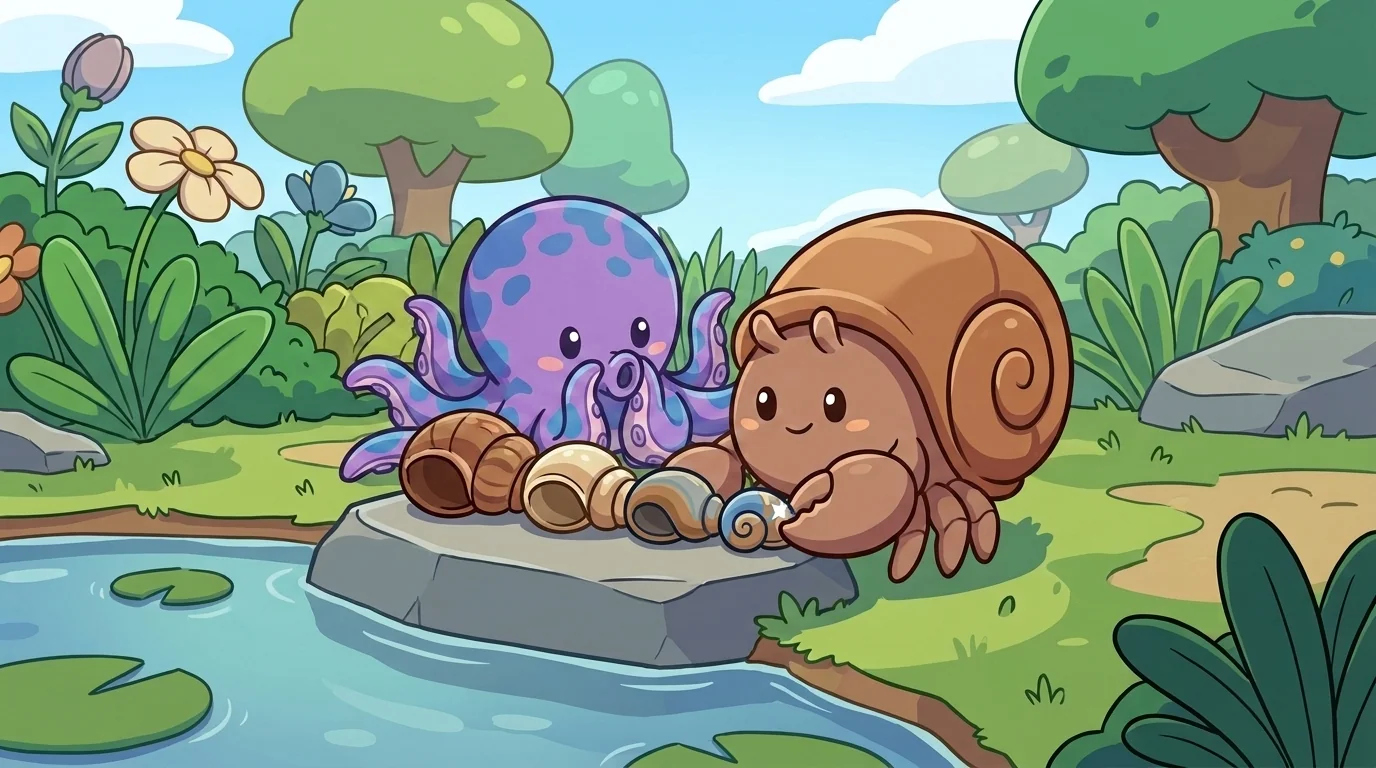
Ink crouched by the rock to look at the row of shells. From the tiny first one to the snug one Molt wore now, you could see a whole life in a line.
"You change shells as you grow," Ink said.
"I have to," said Molt. "A shell that fit me last spring would crush me now. When I outgrow one, it gets tight, and uncomfortable, and a little scary. So I climb out — and for a moment I'm soft, and bare, and unsure. Then I find the next shell, the one that fits the bigger me." He touched the empty shells one by one. "Every time, I'm a little different. Braver, usually. Or kinder. Or just... more."
"Doesn't it make you sad," Ink asked, "to leave the old ones behind?"
Molt considered this. "A little," he admitted. "I loved that tiny first shell. But I couldn't have stayed in it. If I'd never left it, I'd still be the smallest, most frightened version of me." He looked down the row, from who he was to who he'd become. "The shells aren't sad. They're proof that I grew."
And there it was — the quiet click in Ink's chest. His whole story is right here on this rock, Ink thought. A line from who he was to who he is. That distance — that's the thing I've been trying to teach.
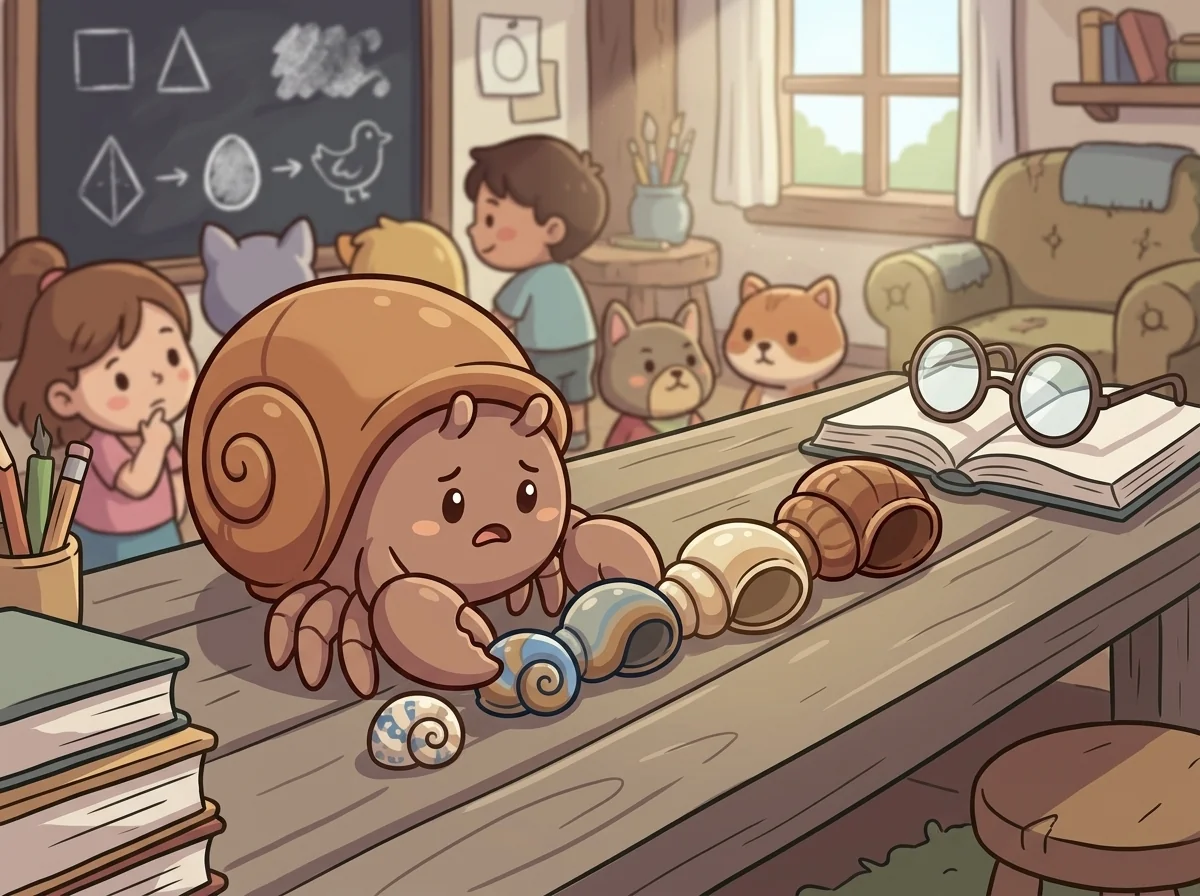
"Molt," Ink said, "I teach a class about building characters. And my students keep making characters who are exactly the same on the last page as they were on the first. Nothing happens inside them." He gestured at the row of shells. "Would you bring your shells to my class? I think they'd finally understand."
Molt blinked his small eyes. "You want to see all my old selves?"
"Every one," Ink said.
So Molt came to the cottage, carrying his shells very carefully so the row stayed in order. He set them out along the lesson-table, smallest to largest, and the students gathered close. And the lesson began the moment they followed the line with their eyes.
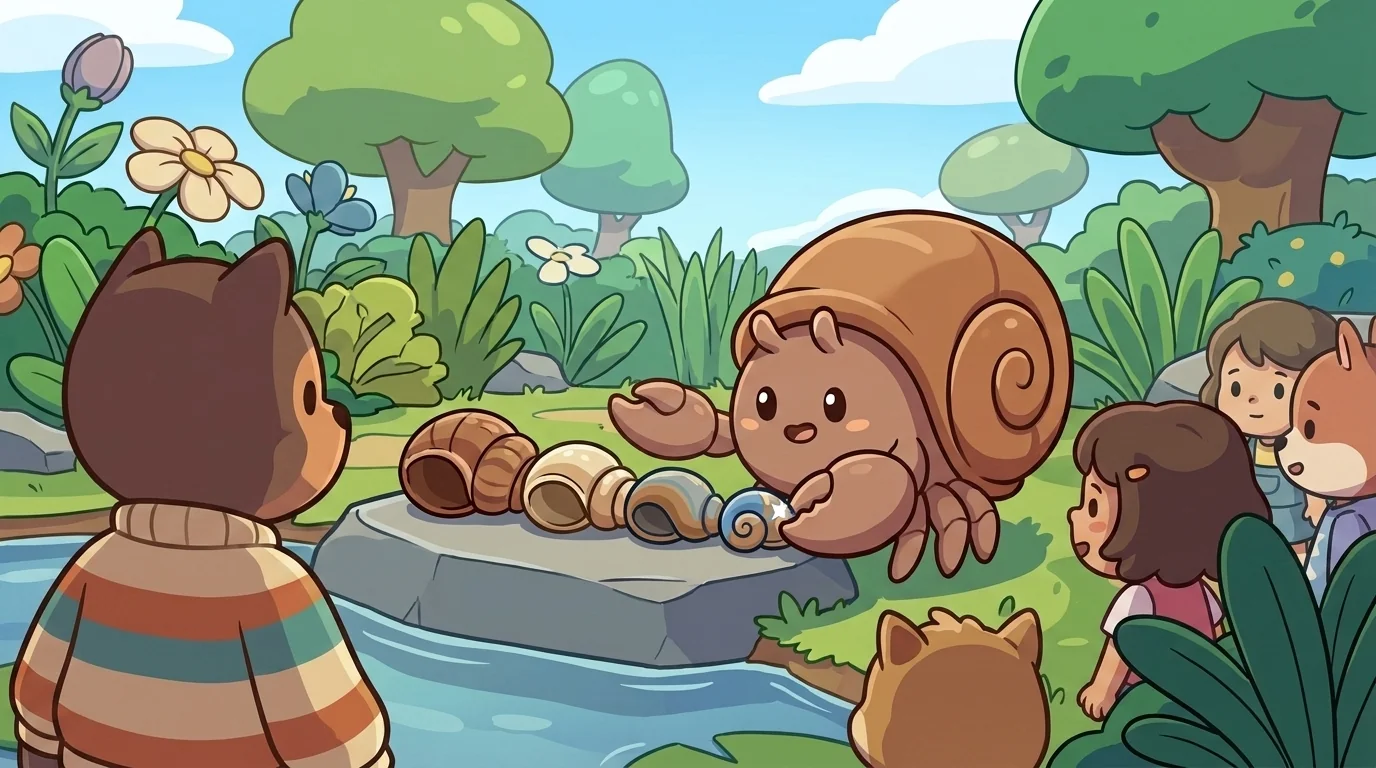
"Class," Ink said, "look at this row, from the tiny shell to the one Molt wears now. That whole line is one creature, growing." He let them look. "Now imagine a story where the character ends up in the same shell they started in. Nothing learned. Nothing outgrown. Would you feel anything?"
The students shook their heads. A story like that felt flat. But the row — the row made them feel something. They could see Molt becoming braver, bigger, more himself, shell by shell.
"That feeling," Ink said, "is the whole reason we read. A story is the distance a character travels — from who they were at the start to who they've become at the end." He pointed down the row. "When you build a character, ask: who are they on page one? And who will they be on the last page? Make them different. Make them outgrow an old shell. The change can be small. But the reader has to feel it — that quiet, satisfying distance between the beginning and the end."
A student asked, "What if the change is scary for them?"
"It usually is," Ink said gently. "Molt is soft and bare for a moment, every time he climbs out. Growing is like that. But the bare, scary moment is exactly where the story lives."
When the students had gone, Molt stayed to gather his shells back into their careful row. Ink helped him, handing over the tiny first one.
"It's so small," Ink said.
"I know," said Molt softly, turning it over in his claw. "I can hardly believe I ever fit." He set it at the start of the line. "Sometimes I worry about the next molt. The next time it gets tight, and I have to climb out into the open and be soft and unsure for a while." He looked at the snug shell he wore now, the one that fit him so well today. "But then I look at the row. And I remember — every single time before, the scary part led somewhere bigger."
He nudged the shells into a perfect line and gazed down it, from the frightened little creature he'd been to the steady one he'd become. A warm, brave feeling rose in him, quiet as the pond at evening. He wasn't afraid of changing anymore. He was just glad, deep down, to be someone who got to keep on growing.
The CharacterForge ensemble
Molt is part of CharacterForge's distributed-narrative cast. Each character embodies a different curricular primitive; together they teach the full subject.
-

Beacon
Want / engine — moth-tween who walks toward a small floating warm-light she can never quite reach (the want IS her motion)
-
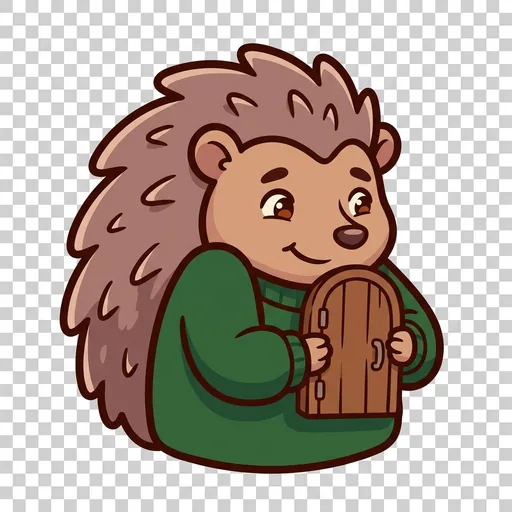
Crouch
Fear / brake — hedgehog-tween who tucks away from one specific wooden-door icon visible in every scene she appears in
-

Eight
Contradiction / depth — octopus-tween with eight arms in eight different directions (three forward / three back / two crossed)
-
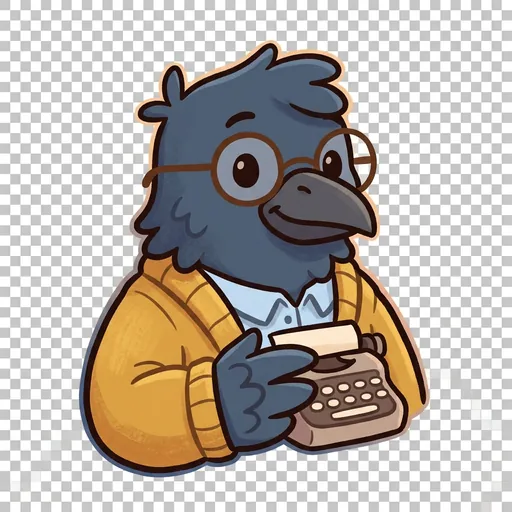
Click
Voice / signature — raven-tween in librarian-glasses with a portable typewriter (same idea, different mouth, different feel)
-
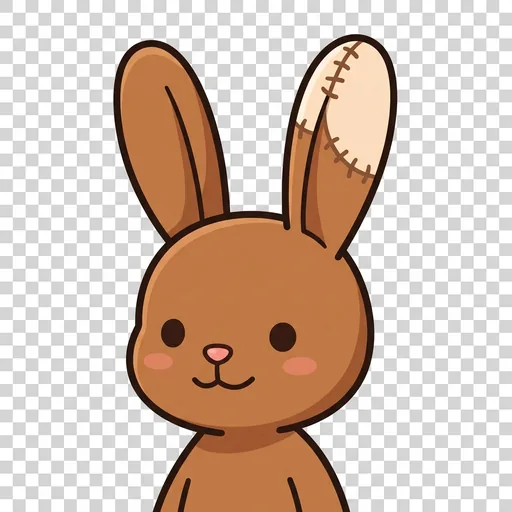
Patch
Backstory / the past — soft brown rabbit-tween with one mended patch on her ear from an old day; everything she does traces back to that healed-over moment
-
Snag
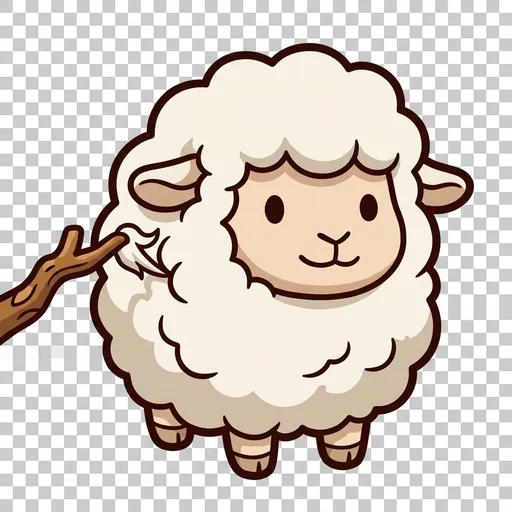
The flaw — round woolly sheep-tween who always takes the left path and snags his wool on the same branch (the repeated mistake that makes a character feel real)
-

Foil
The foil / contrast — thin silvery foil-tween who lies behind another character so their colors show brighter (you see someone best beside who they are not)
-
Fidget
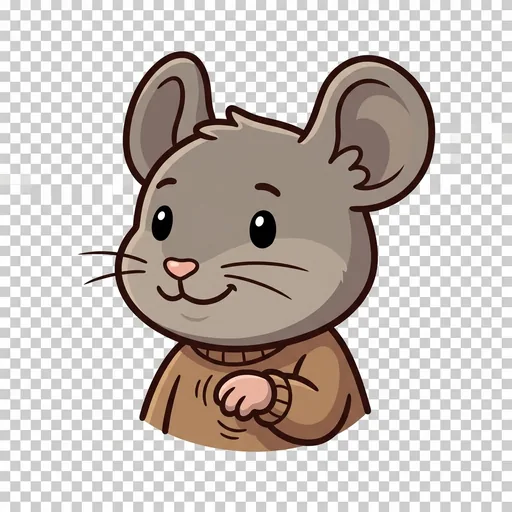
The tell / mannerism — quick grey mouse-tween who taps her paw twice before she speaks (the small repeated gesture that makes a character recognizable)
-

Worth
The stakes — sturdy badger-tween who carries one precious glowing bead in cupped paws (what a character has to lose is what makes us care)