Block
ZONING + DENSITY — *plan for the neighbors first, not the buildings.* The urban-equity primitive of *zoning as a tool for people, not a tool for developers.*
Press play to listen along. The line being read lights up as you go.
Show full transcript
Loading transcript…
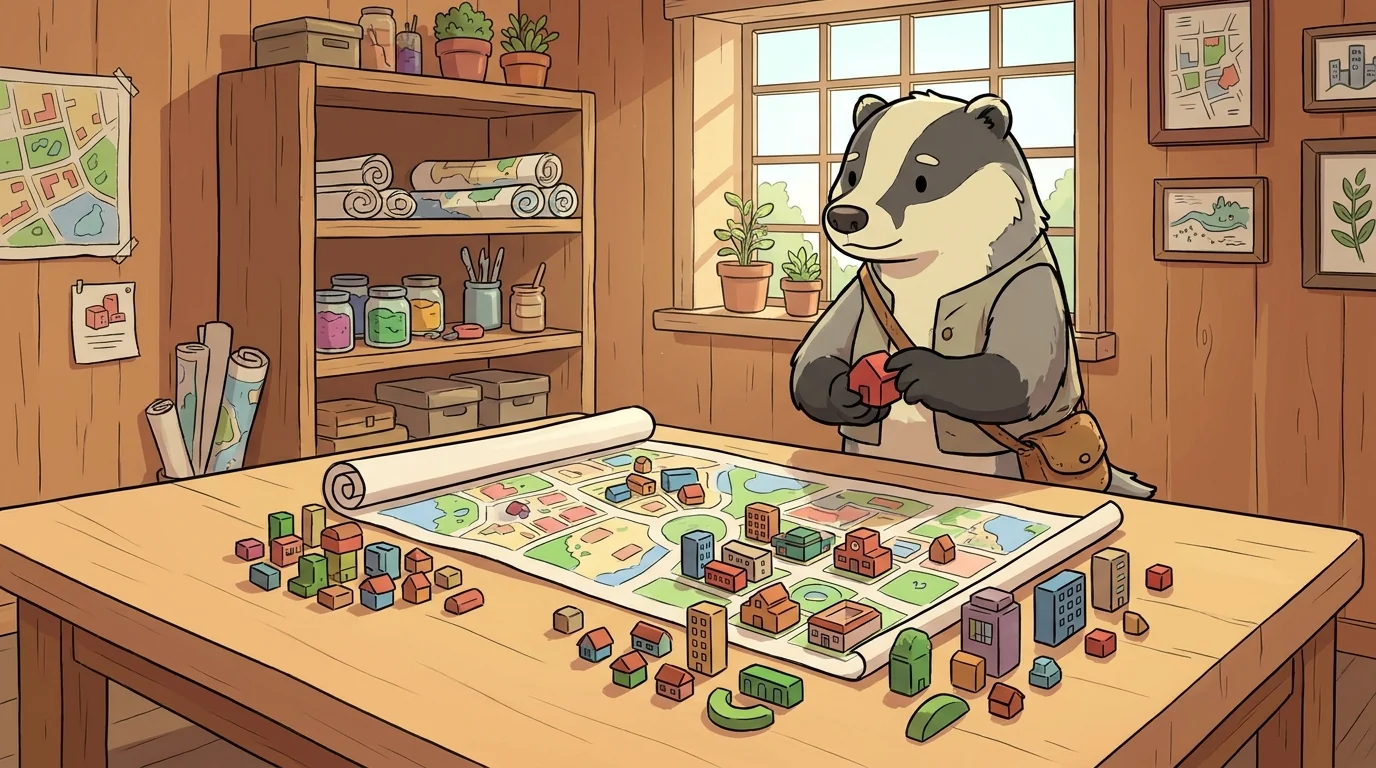
Block the badger wasn't very tall, but she had very steady eyes. She carried a worn leather pouch everywhere she went. It didn't hold snacks or toys. It held her special clay blocks. Block was a planner. She loved arranging things, especially when it helped her neighbors.
Her fur was a soft mix of gray, cream, and black stripes. In her workshop, she had a huge, flat table made of smooth, light wood. This is where she did her most important work. When Block designed a neighborhood, she didn't just sketch it on paper. She would unroll a map, take out her blocks, and build a tiny version of the whole place. Her pouch held every shape you could imagine. There were tiny squares for houses and tall rectangles for apartment buildings. There were special shapes for schools, shops, parks, and even libraries. But before she placed a single block, she always asked the most important question. "What do the neighbors here really need?"
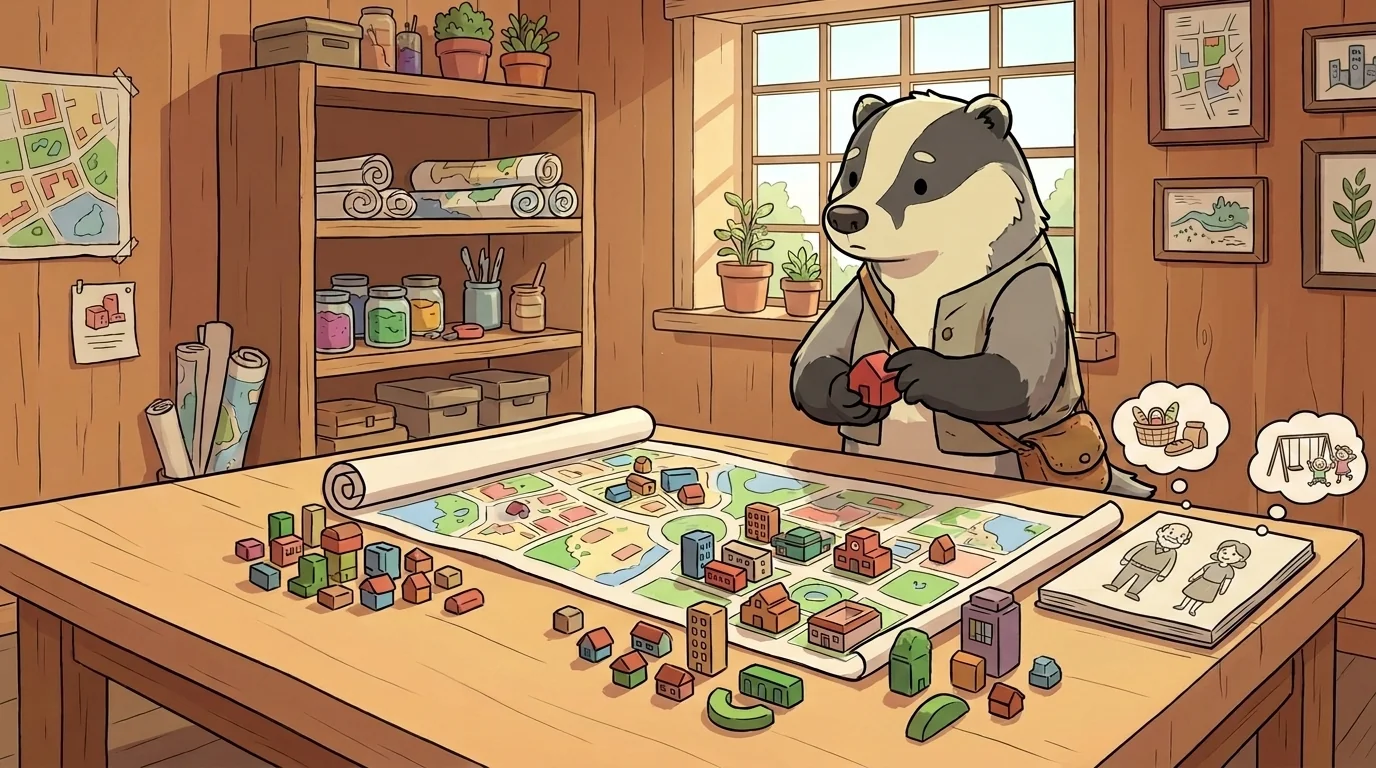
This was Block's whole secret. She called it *zoning + density*. It sounds complicated, but it’s not. It just means you think about people first, and buildings second. Most city planners started with buildings. They’d find an empty lot and think, “A giant glass tower would look amazing here!” They imagined the shiny new building, but they forgot about the people.
Block did it the other way around. She’d look at the same empty lot and see the real neighborhood. She'd see Mrs. Gable's kids who needed a safe place to play. She'd see Mr. Chen who wished the grocery store wasn't a twenty-minute drive away. Her whole job was to figure out what would make their lives better. Only then would she reach for her blocks.
Block believed *zoning wasn't a hard puzzle. It was just common sense. "Zoning is for the people," she would say, her voice calm and clear. "It's for everyone who lives here, and for everyone who visits. It's not about making big companies rich. It's for neighbors. Always plan for neighbors first. Then* you can place the buildings."
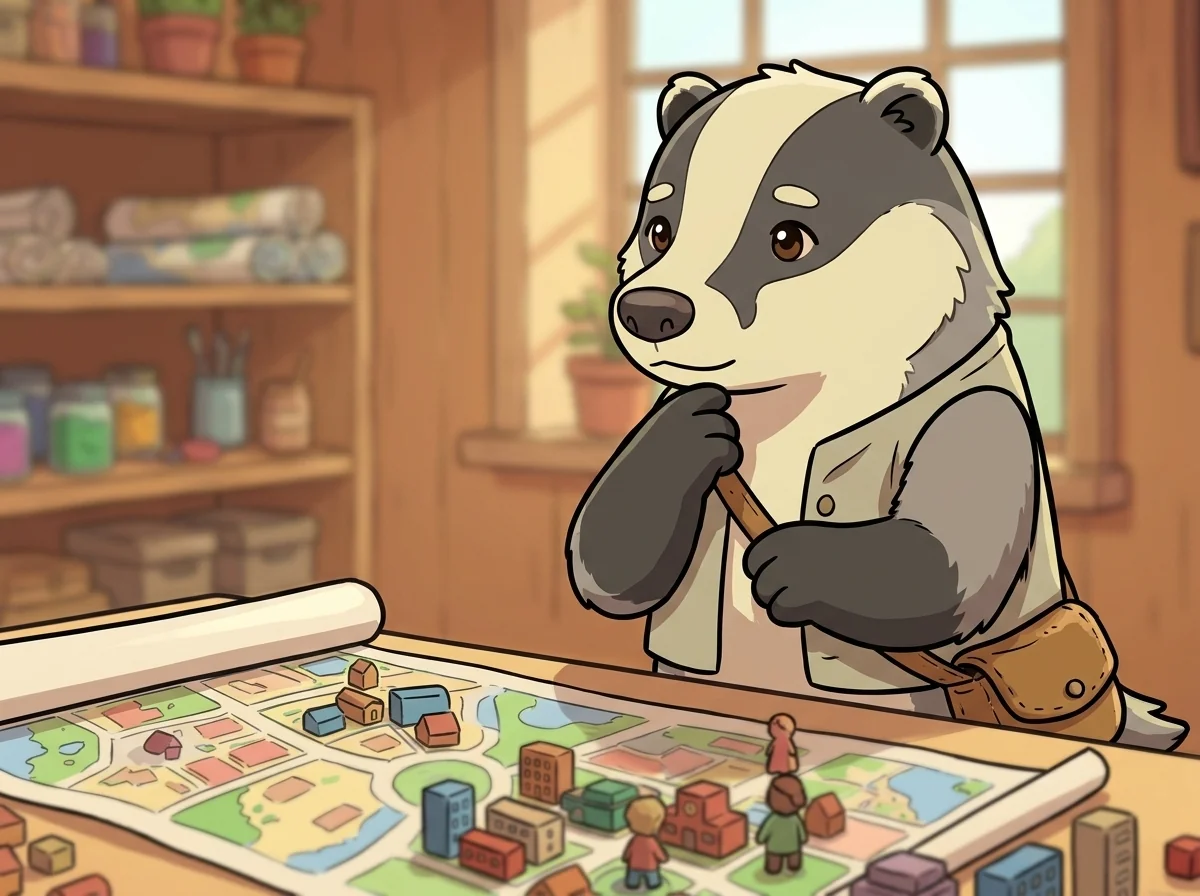
Block had a few simple rules for *zoning + density*. She called them her 'Neighbor-First Rules.'
Start with neighbors. She always asked, 'Who lives here right now? What do they need? What do they already have? What’s missing that would make their lives better?' *Mix things up. A good neighborhood needs a little of everything. Houses and shops. Schools and parks. Places to work and places to play. If you only have houses, life gets boring and you have to drive everywhere. *Density isn't about tall buildings. Density just means how many people can live comfortably in one area. A street with three-story buildings full of apartments and shops can be denser than a giant tower with a huge parking lot. More people can live there, closer to everything they need. *Walkable distances are key. Can you walk to school? Can you walk to the grocery store? If you can, your neighborhood feels more connected. Block called these '15-minute neighborhoods,' where everything you need is a short walk away. *Listen to the people who live there.* The people in a neighborhood know it best. "Don't try to 'fix' something that isn't broken," she always said. "Ask them what they truly need."
Block learned this when she was very young. She grew up in a tiny village where her family were the 'Allotment Keepers.' They took care of the big village garden where everyone had a patch to grow food. One summer, a new family wanted a bigger garden plot. Block watched her parents study the problem. A bigger plot would make the path to the well too narrow for old Mrs. Fitzwilliam's cart. It seemed impossible. But her parents talked to both families for days. They found a solution: a new path and a slightly different shaped plot. Everyone was happy. Block, who was only six, understood something important that day. Every single choice, even a small one, changes things for your neighbors.
Years later, she arrived at CityForge, a place buzzing with planners and builders. The great mentor Plumb met her at the gate. His face was as kind as it was wrinkly. "Tell me," Plumb said, his voice a low rumble. "What is *zoning*?"
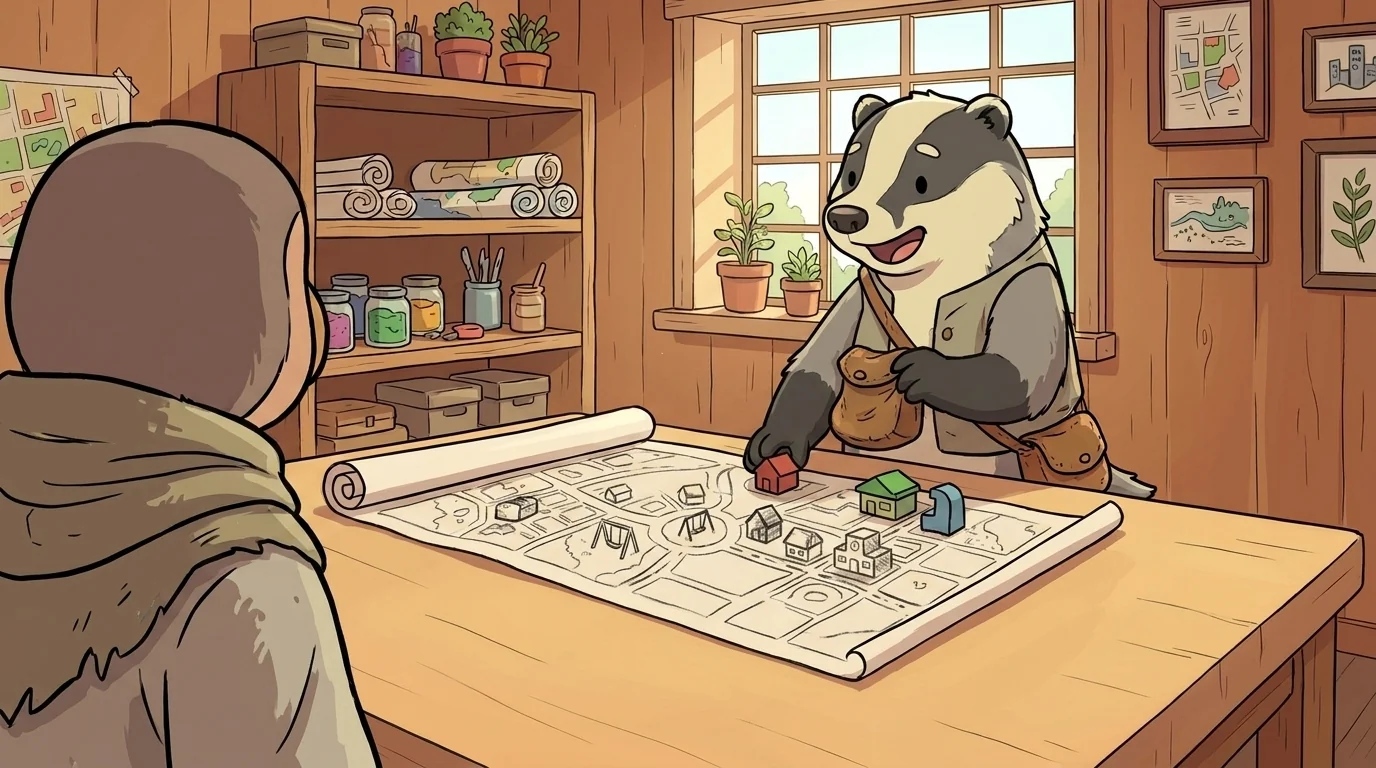
Block didn't hesitate. "It's planning for neighbors first," she said. "It's making sure they have shops and parks they can walk to. It's listening to what they need, instead of just building whatever you want." She clutched her pouch. "*Zoning* is for everyone who lives there. Not just for the builders."
Plumb’s wrinkly face broke into a huge smile. "You've got the heart of it," he boomed. "Welcome to CityForge. You are appointed."
In her workshop, Block unrolled a huge sheet of paper. With a soft charcoal pencil, she sketched the neighborhood of Sunny Meadow. There was the old bakery, smelling of yeast and sugar. There was the park with the one wobbly swing set. She drew each house and whispered the names of the families inside. 'Old Mr. Grumbles lives here,' she murmured, tapping a small cottage. 'He needs his quiet.'
Then she studied the empty spaces. What was missing? The bus only came twice a day. The market was across a busy highway. 'A small grocery store could go here,' she thought. 'And a new bus stop right beside it.'
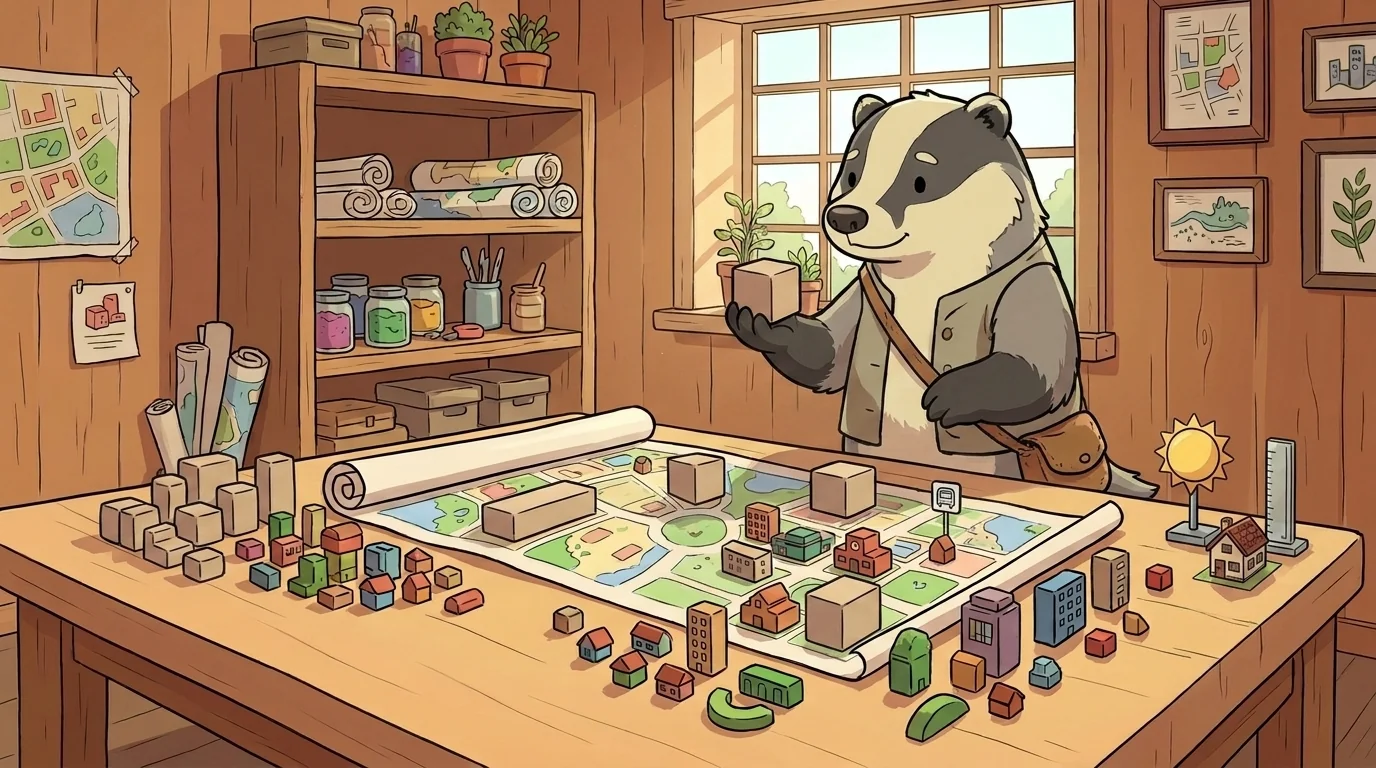
Only then did she open her soft leather pouch. The clay blocks felt cool and solid in her paws. She chose a long, low rectangle for the grocery store. She placed a tiny cube for the bus shelter. She made sure the new buildings wouldn't cast a shadow on Mr. Grumbles's porch. "I am Block," she would explain to anyone watching. "I teach *zoning + density*. My rule is simple. Plan for the neighbors first. Not the buildings. Mix things up. Make it walkable. And always listen first."
She held up a simple square block. "My clay blocks are simple for a reason," she explained. "Real buildings are complicated. They have fancy windows and pointy roofs. But these blocks help us see how all the pieces fit together. They help us see how a neighborhood works for the people who live there. We can worry about the fancy details later."
"It's not hard at all," Block would say with a small smile. "It's just neighbors first. Buildings second. Always plan with care."
The CityForge ensemble
Block is part of CityForge's distributed-narrative cast. Each character embodies a different curricular primitive; together they teach the full subject.
-

Stoop
Public space + community — the capybara-elder on a wooden stoop who treats public space as the city's living room, foregrounding existing stoop-cultures (Brooklyn / Latin American plazas / Italian piazzas / West African gathering trees)
-
Lane
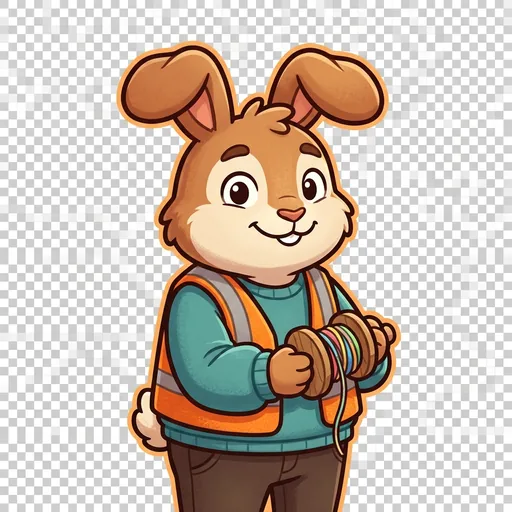
Walkability + mobility — the rabbit-tween in safety-vest with a chalk-spool who teaches streets-as-spaces ('streets are rooms; cars are guests, not owners')
-

Hub
Transit nodes — the pangolin-tween in conductor-vest who teaches that transit is about ACCESS, not about cars-vs-trains ('many ways, equal ways; the bus matters as much as the train')
-

Dwell
Housing equity + repair — the owl-elder in a mended quilted-coat who teaches anti-displacement, repair-not-replace urbanism ('repair before replace; listen before plan; the people who live here ARE the design')
-

Canopy
Green infrastructure — trees and parks cool the city and soak up rain; shade placed where it is needed most
-

Mix
Mixed-use land use — weave homes, shops, and work close so daily life is a short walk
-

Seam
Edges and connection — a highway can rip two neighborhoods apart; design can stitch them back