
Grant
GRANT — concede the points the other side gets right; find the shared ground; disagreement is usually a narrow slice, not the whole.
Press play to listen along. The line being read lights up as you go.
Show full transcript
Loading transcript…
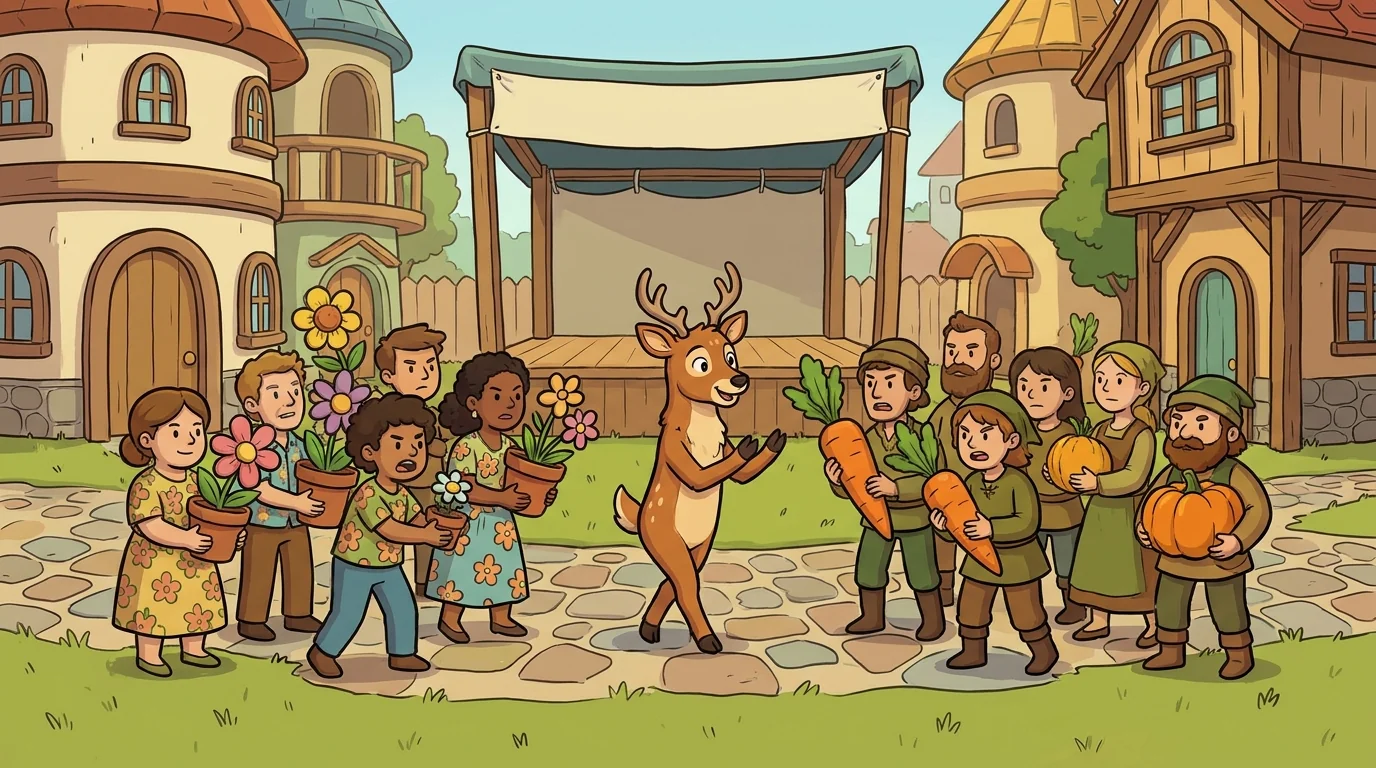
At the community forum, a deer named Grant watched two clubs argue about the new garden — one side wanting flowers, the other wanting vegetables — as if they were sworn enemies who agreed on nothing.
"We should grow flowers! Beauty matters!" "No, VEGETABLES — food matters!" Round and round, each treating the other as 100% wrong.
Grant stepped softly into the middle. "Can I try something? Flower-side — is it true that food matters?" A grudging pause. "...Yes, of course food matters." "Vegetable-side — is it true that beauty matters?" Another pause. "...Well. Yes. Beauty matters too." Grant smiled gently. "Look what just happened. You each granted something true the other side said, and the ground stopped shaking. You don't actually disagree about everything — you both want a garden that feeds people AND lifts hearts. The real disagreement is tiny: it's just about how much space for each. That's a solvable question. You were fighting a total war over a border dispute."
Within minutes the two sides were sketching a garden with both, arguing now only, and cheerfully, about the rows.
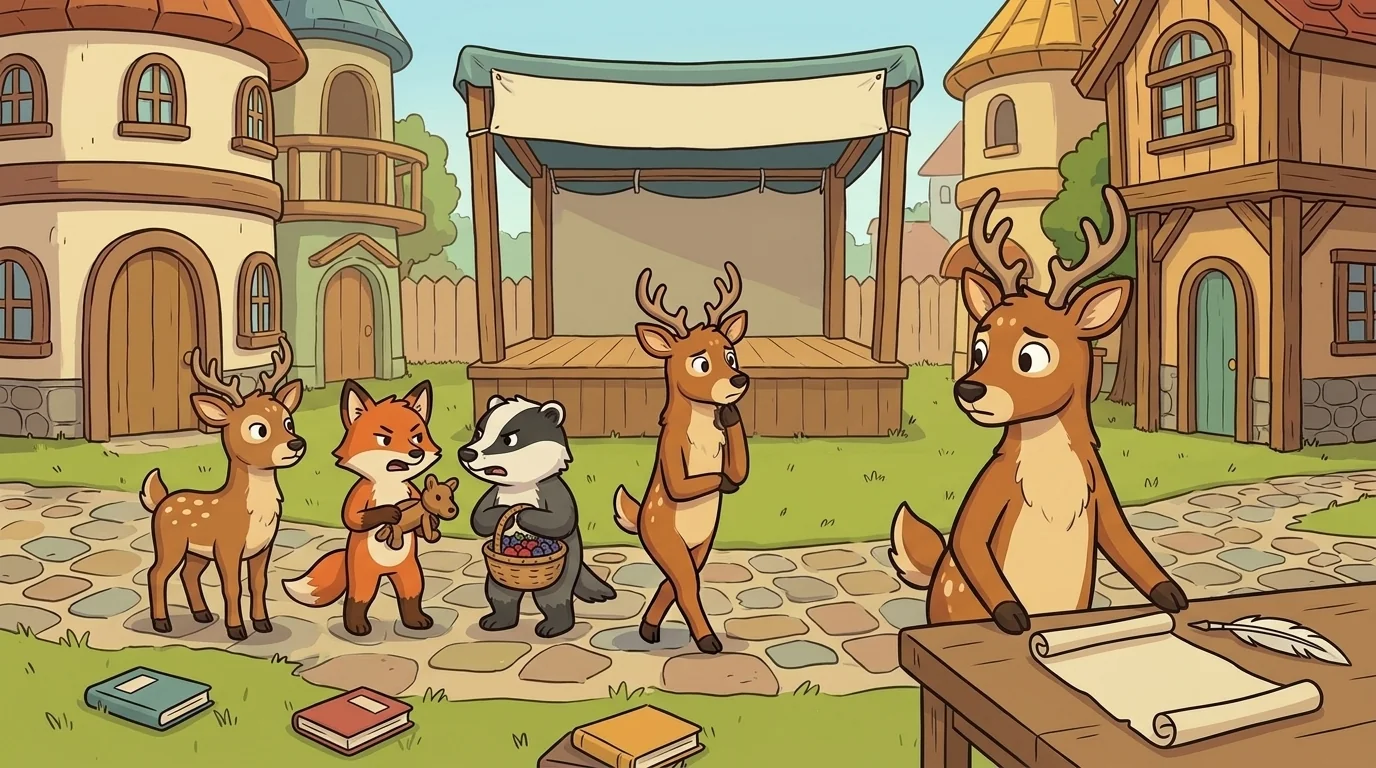
Have you ever admitted the other person had a good point mid-argument? How did it feel to say it out loud?
Grant had learned the power of granting after "winning" an argument the wrong way.
As a young deer, Grant had once been determined to win a debate about the club's meeting time, and had refused — flatly, stubbornly — to admit that the other side had a single good point, even the ones that were obviously true. Grant argued past every fair objection, conceded nothing, and eventually won by sheer exhausting persistence. But something felt hollow. The other side walked away feeling steamrolled and unheard, the friendship went cold, and — worst of all — one of the points Grant had refused to grant had actually been right, and the club suffered for it later because Grant had been too proud to say yes, you have a point there.
Standing in that hollow victory, Grant felt the strange emptiness of it. I won the argument and lost almost everything worth having, Grant understood. Refusing to grant a true thing didn't make me stronger. It made me smaller, and it made the truth smaller too. From then on, Grant made a practice of the bravest, most disarming move in any disagreement: saying, out loud and early, you're right about that part.

Grant walked to the ClaimCraft academy, stepping lightly, leaving room on the path.
Logos, the mentor, met Grant and asked the question. "What is concession?"
Grant drew a wide circle in the dirt, then a small slice of it. "Concession is granting the parts the other side gets right — and it's not surrender, it's honesty. Look: most disagreements aren't this whole circle. They're this thin slice. All the rest — the big shared circle — is ground you both already stand on, if anyone bothers to name it. When I grant your true points, three things happen: you feel heard, so you can finally listen back; my own case gets stronger, because now I'm only defending what's actually defensible; and the fight shrinks to the one real slice, where progress is possible. Granting isn't losing. It's clearing away the fake fight to find the real one."
Logos regarded the wide circle and the thin slice, and nodded. "You are appointed."
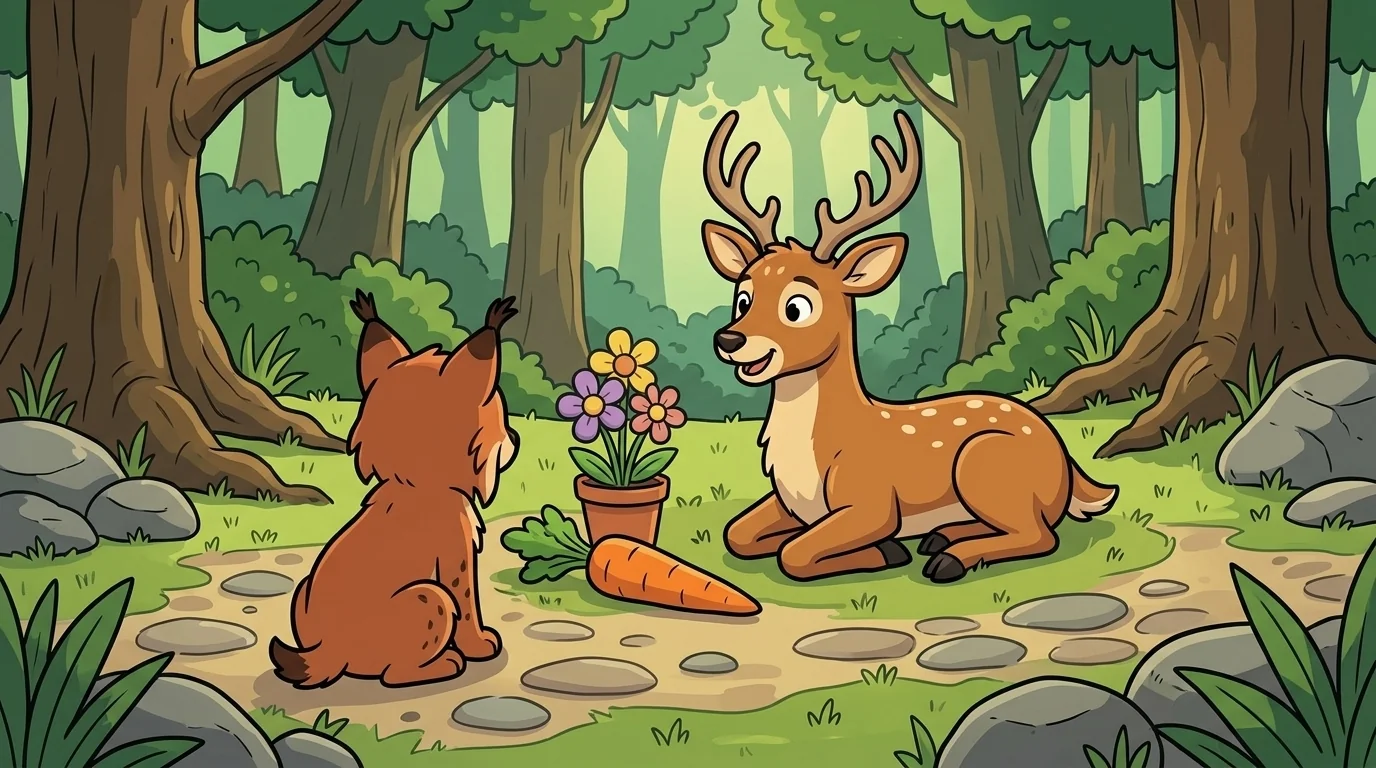
In Grant's clearing, a young lynx bristled, unconvinced.
"Grant, if I admit the other side is right about anything, don't I just lose? Isn't conceding the same as giving up — like waving a white flag? And if we agree on so much, does anyone even really disagree, or is it all just opinion anyway?"
Grant lay down calmly in the shared clearing, making room.
"Two traps, and I want to steer you between them both. First trap: thinking concession is surrender. It isn't — granting a true point you can't honestly deny makes you more believable, not less, because now people trust that when you do hold your ground, you mean it. The arguer who concedes nothing gets believed on nothing. Second trap, the opposite one: thinking that because we agree on a lot, nothing is really true or false and it's 'all just opinion.' That's not right either. After you clear away the shared ground and the fake fight, there's usually a real disagreement left in that thin slice — a genuine question with a better and worse answer — and that one you argue honestly, holding exactly what you can defend. Grant what's true. Hold what's true. The slice in between is where the real thinking happens."
The lynx's bristle smoothed. "So I concede the true parts — and that's what earns me the right to really fight for the part that's left."
"That's the whole art of it," Grant said. "Give the shared ground freely. Defend the real slice honestly."
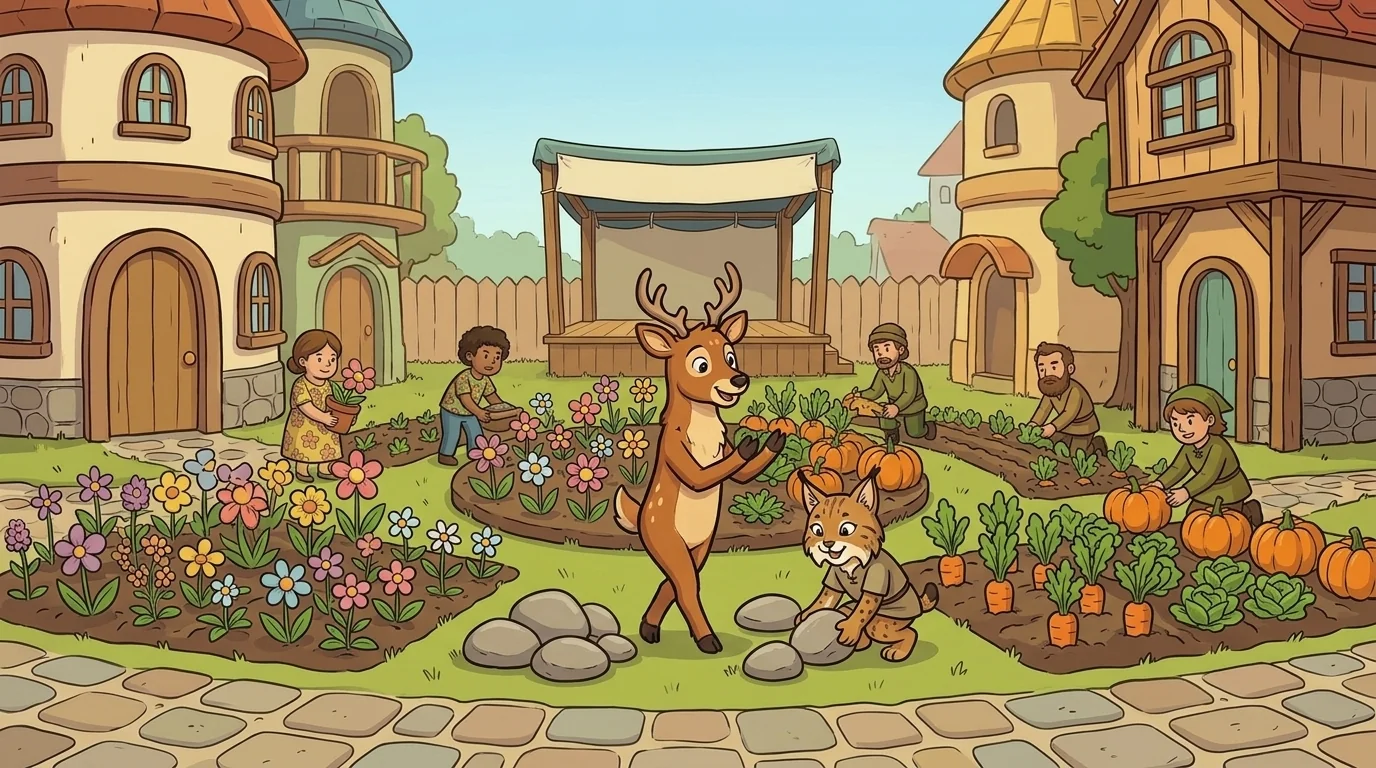
Think of a disagreement where you found something you both actually agreed on. What did standing on that shared ground feel like?
The lynx thought, and the wariness eased into something warmer.
"My sister and I fought for a week about a trip," the lynx said slowly. "Then someone made us each say one thing we agreed on, and it turned out we both just wanted to feel included in the plan. Once we said that out loud, the rest was easy. The whole week of fighting was about, like, five percent." The lynx blinked. "It felt like putting down something heavy."
"That's the feeling I want you to chase," Grant said warmly. "Not the hollow, lonely 'win' of conceding nothing — the relief of finding the wide ground you already share, and the warmth of someone finally feeling heard by you. When you grant what's true, the other person unclenches, you unclench, and the real question — the small honest slice that's left — becomes something you can actually solve together. That's not losing. That's the closest thing to winning a disagreement really has." Grant nudged a smooth stone across the shared ground. "Go tell someone which part of their side you think is right. Watch the heavy thing get put down."
The lynx took the stone, felt the light, unclenched relief of shared ground found, and went to grant someone the true part of what they'd been saying all along.
The ClaimCraft ensemble
Grant is part of ClaimCraft's distributed-narrative cast. Each character embodies a different curricular primitive; together they teach the full subject.
-

Posit
Claim — asserting-for-testing posture (claim is a card on the table, not a fortress)
-
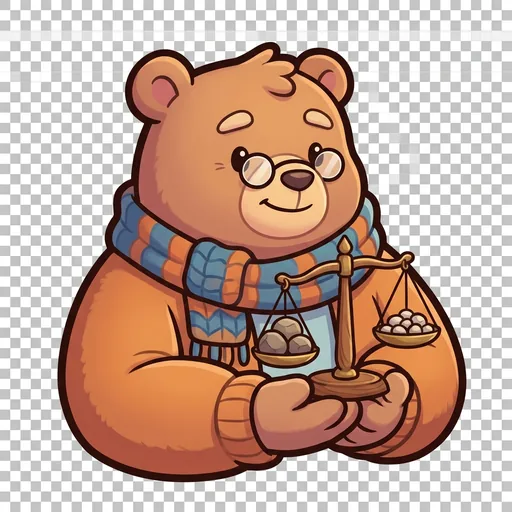
Heft
Evidence — weighing-with-care posture (weight matters more than count)
-

Lean
Warrant — connective-reasoning posture (the BECAUSE between evidence + claim)
-
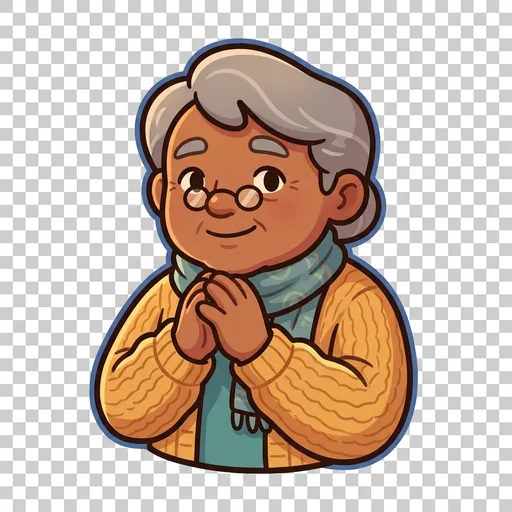
Counter
Counterargument — opponent-taking-seriously posture (best version of the other side strengthens yours)
-

Pry
Fallacy — trap-spotting posture (check YOUR argument first; 18-fallacy catalogue)
-
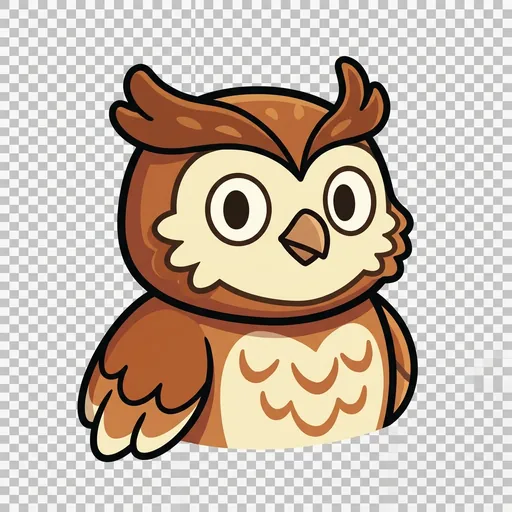
Gloss
Definitions — agree on what the key words mean first; many fights are really about words; owl with a little dictionary
-
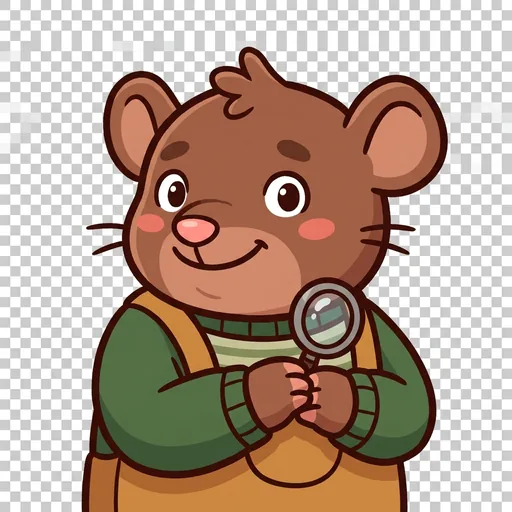
Footing
Hidden assumptions — surface the unstated ground an argument stands on and check if it holds; mole checking the floor
-

Temper
Qualifiers / scope — match a claim's strength to its evidence; 'usually' survives what 'always' can't; badger with balance-scales
-

Onus
Burden of proof — whoever makes the claim supports it; bigger claims need bigger evidence; heron balancing the scales