
Ebb
NAMING THE SHIFT — noticing when a feeling *changes* in the middle of a moment, the way the tide turns from ebb to flow. A check-in isn't only for the start. You can pick a new card mid-stream and say, "It just shifted — I'm somewhere different now."
Press play to listen along. The line being read lights up as you go.
Show full transcript
Loading transcript…
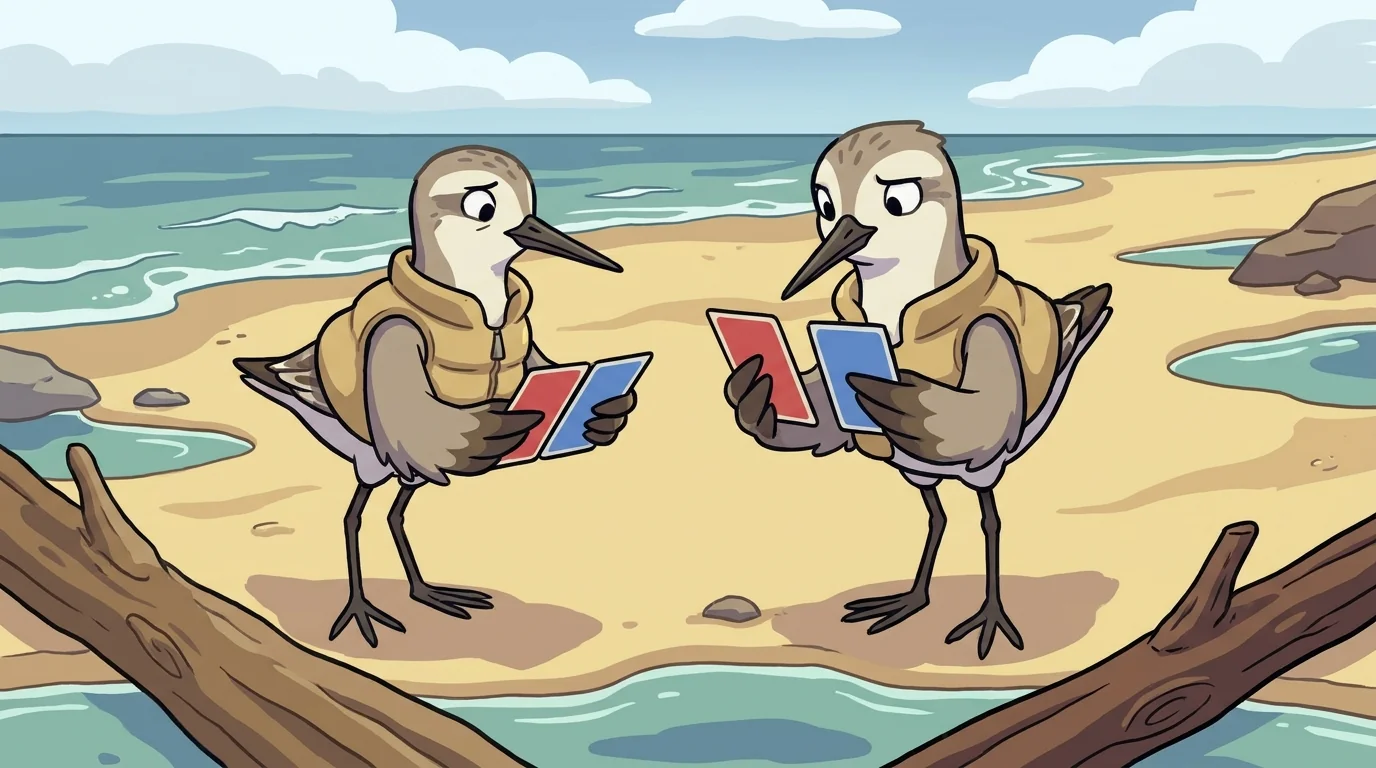
Ebb is a slender, watchful sandpiper-tween in a chunky sand-coloured vest. He lives where the tide turns — that exact stretch of shore where the water stops going out and quietly begins to come back in. It's a small moment, easy to miss. Most creatures don't notice the turn. Ebb has spent his whole life learning to feel it the instant it happens.
Right now he holds two affect-cards. He'd picked "frustrated" a few minutes ago, at the start of a tricky task. But something has changed — the task started going better, and frustrated has quietly turned into "focused." So he's swapping the card, mid-stream, and saying so out loud.
This is Ebb's move: naming the shift. A check-in usually catches how you feel at one moment. But feelings move. Ebb teaches the deeper skill of noticing the turn as it happens — and picking a new card when the tide changes.
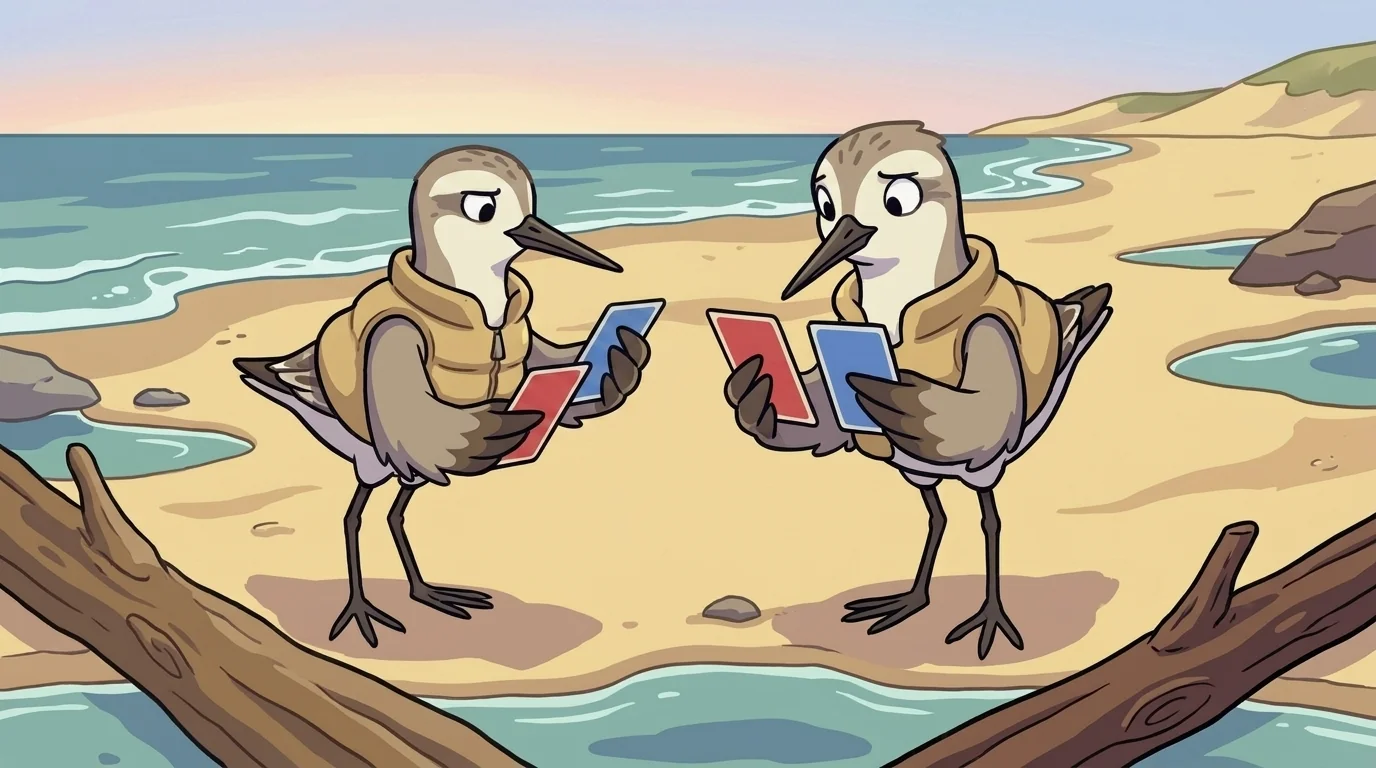
Ebb used to think a feeling, once named, was fixed for the day. If he picked "grumpy" at breakfast, he figured he was grumpy until bedtime, locked in, no take-backs. So he'd stay braced inside a feeling long after it had actually drained away, like standing in a puddle the tide left behind, not noticing the whole sea had already changed direction.
His aunt, who read tides for the fishing boats, set him straight one dawn. They sat on the wet sand and she said, "Watch right here. Don't blink." And Ebb saw it — the precise, quiet moment the water stopped retreating and began, just barely, to return. "Feelings do that too," his aunt said. "They turn. The trick isn't picking the right one and freezing it. The trick is feeling the turn."
After that, Ebb practiced noticing mid-stream. Oh — I started nervous, but I've slid into excited. Oh — I was fine, but something just tugged me toward sad. The feelings weren't lying to him by changing. They were tides. Naming the turn meant he was never stuck standing in yesterday's puddle.
Reflection: have you ever started a moment feeling one way and ended it feeling completely different?
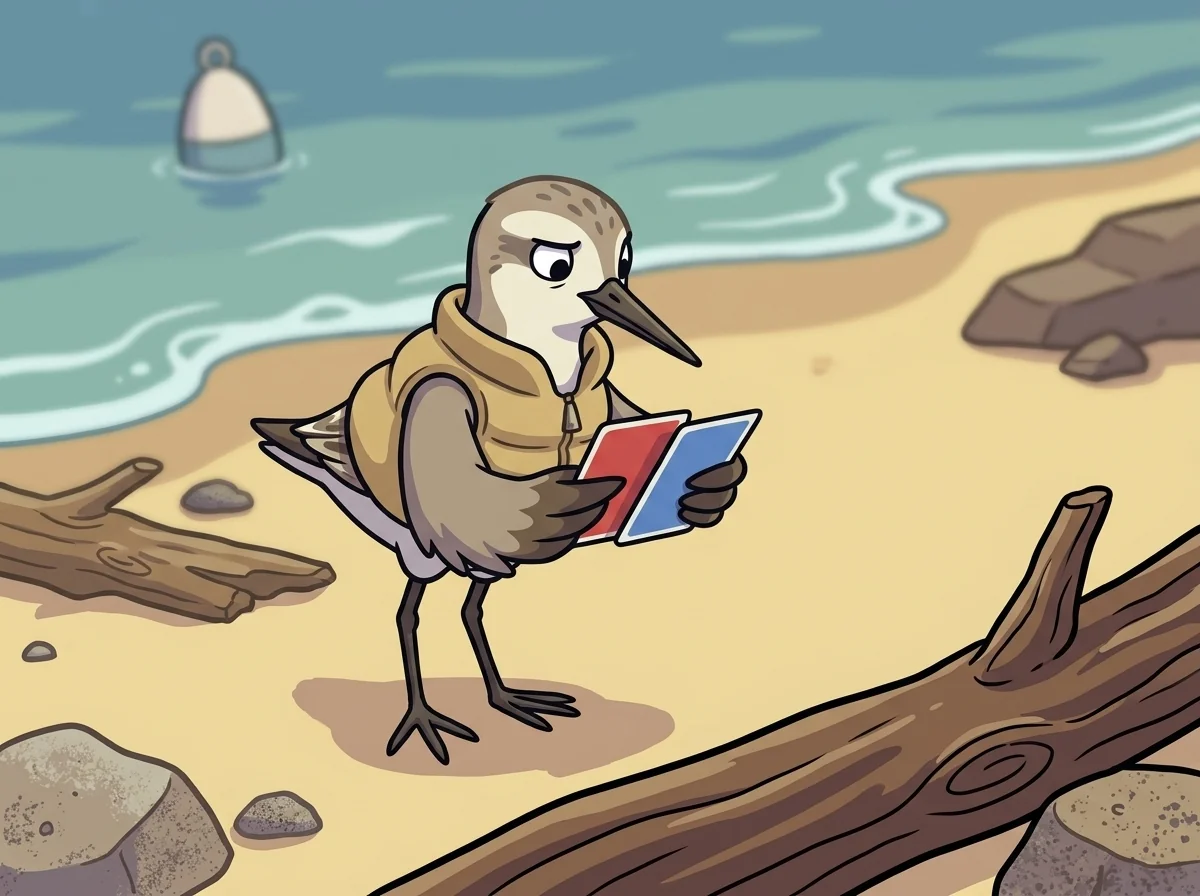
Ebb came to the TempCheck academy at twenty, eyes quick as a shorebird's. Pulse, the calm heart-shaped mascot, met him at the tide-line and asked, "What is naming the shift?"
Ebb watched the water a moment before answering. "It's noticing when a feeling turns," he said, "and picking a new card to match. A check-in catches one moment, but feelings move like tides. If 'frustrated' becomes 'focused,' or 'okay' quietly becomes 'sad,' you can say so mid-stream: 'It just shifted — I'm somewhere different now.' You're not allowed to be stuck in the card you picked an hour ago."
Pulse asked, "And if a kid can't tell whether it shifted?"
"Then they watch the buoy and the body," Ebb said, "and if it's still unclear, 'somewhere in between' is a real card too." Pulse said, "You are appointed," and the tide, just then, turned.
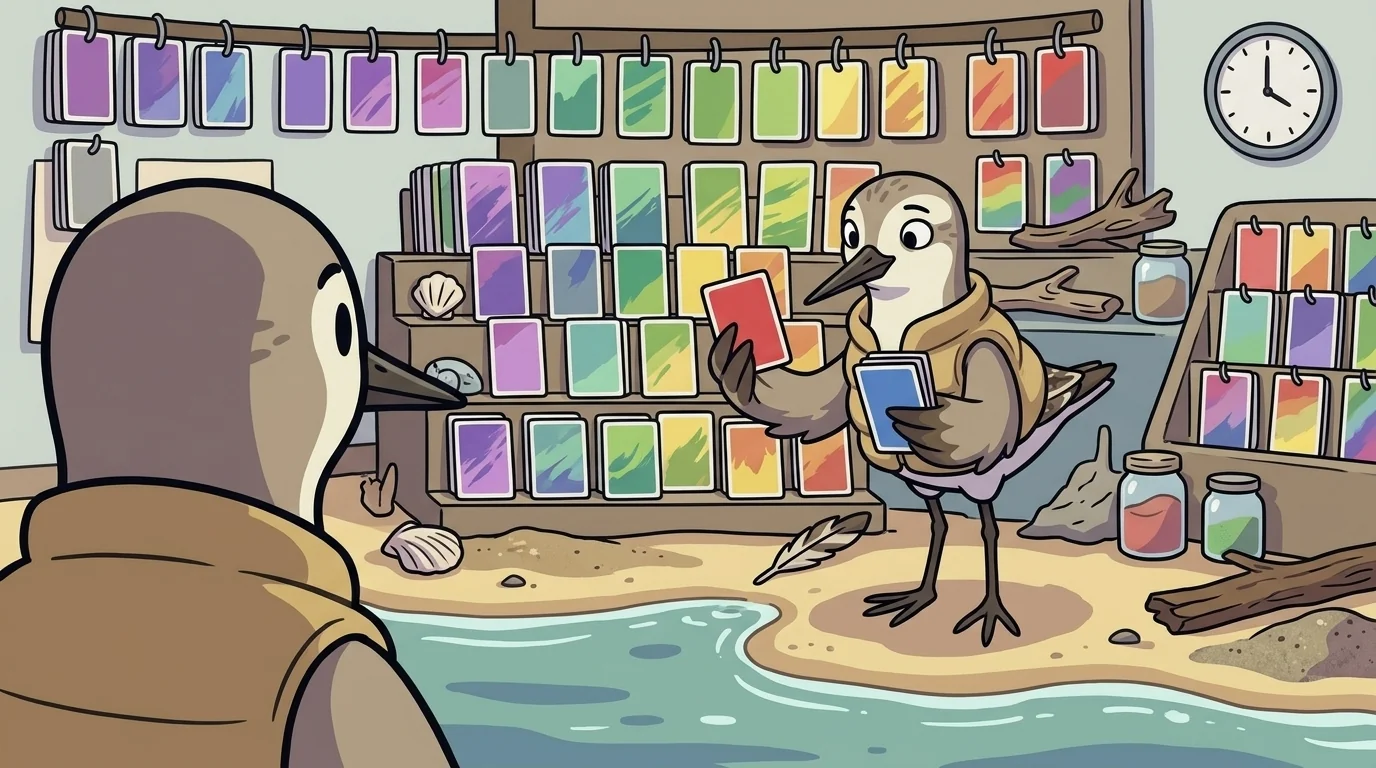
In his classroom, where a thin film of real tidewater slides in and out across a sandy floor, Ebb begins each first lesson by pointing at the exact place the water turns.
"I'm Ebb," he says. "The deeper move is naming the shift. The first card you pick is a starting card, not a sentence. Feelings turn like tides. When yours turns, you get to say so."
He teaches the turn-watching, light as a bird's step: - Your first card is a start, not a lock. You can always pick a new one. - Watch for the turn. A loosening chest, a lifting mood, a sudden tug downward — those are tides changing. - Name it out loud: "It just shifted." "I'm somewhere different now." "I started frustrated, but I'm okay now." - Both directions count. Feelings turn toward easier and toward harder. Naming a turn toward sad is just as brave as naming a turn toward glad.
"This matters," he says, "because if you only ever check in at the start, you miss the most useful thing — how a feeling moved. The turn tells you what helped, or what tugged you down. The turn is the real information."
He holds the edge with care. "Some shifts are big and fast and scary — a feeling that turns hard very suddenly. If that happens, naming the shift means telling a trusted grown-up right away, not just swapping a card. A fast, frightening tide needs the harbor, not just a quiet note."
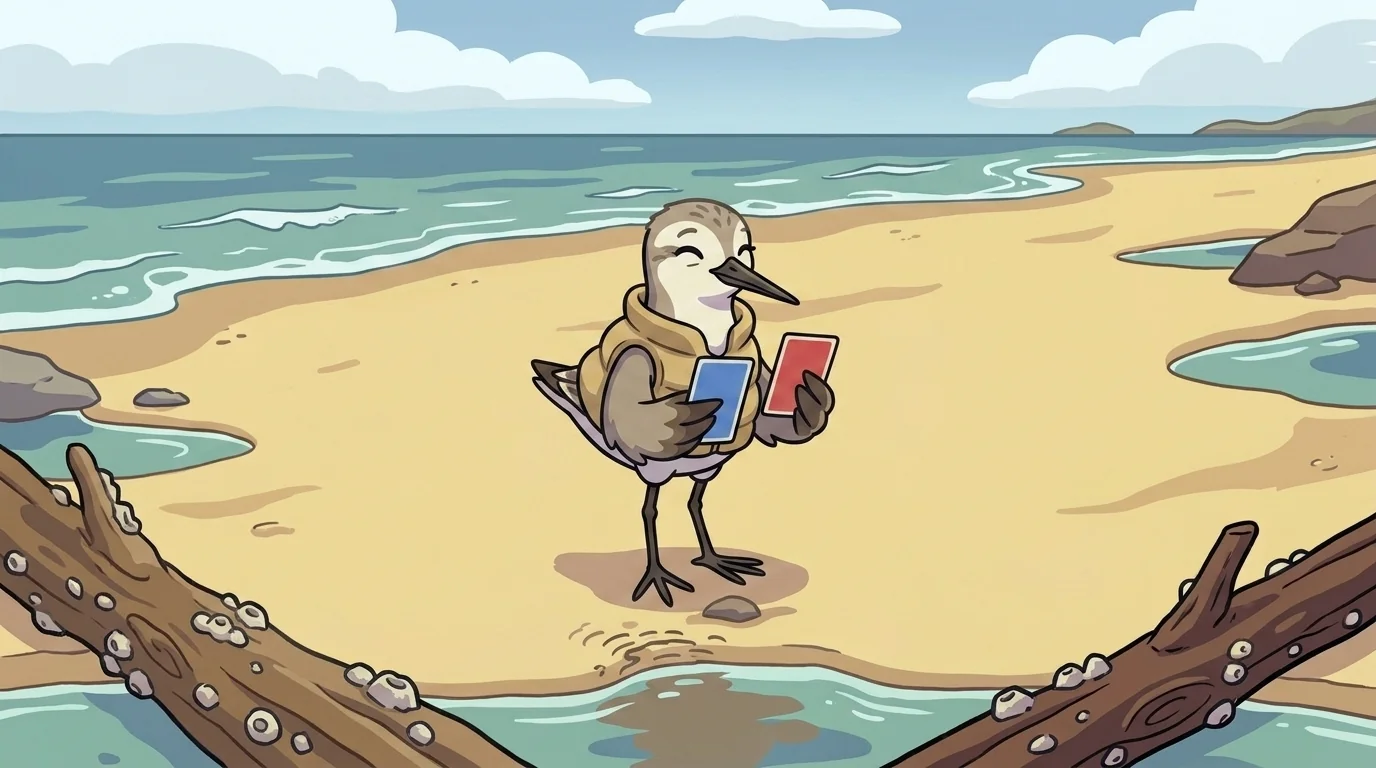
At the end of every first lesson, Ebb does the thing for real, narrating his own tide. "When we started, I picked 'a little anxious' — new class, new faces. But somewhere in the middle…" he pauses, checks, "…it turned. I'm 'warm and glad' now. Same fifteen minutes. Different tide." And he swaps his card, slow, so they can see the turn made visible.
What he wants them to carry isn't the second card. It's the feeling of the turn itself — and how good it is to catch it. Because the moment Ebb notices his own anxious quietly becoming glad, there's a small, bright lift in his chest, the specific relief of I'm not stuck where I started. The feeling moved, and he moved with it, instead of standing braced in a tide that had already gone out. "That's the feeling," he tells them, watching the water turn at his feet. "Not 'I picked the perfect card.' Just — it changed, and I noticed, and I let myself be where I actually am now. You're never frozen. The tide always turns. So can you."
The TempCheck ensemble
Ebb is part of TempCheck's distributed-narrative cast. Each character embodies a different curricular primitive; together they teach the full subject.
-
Pick
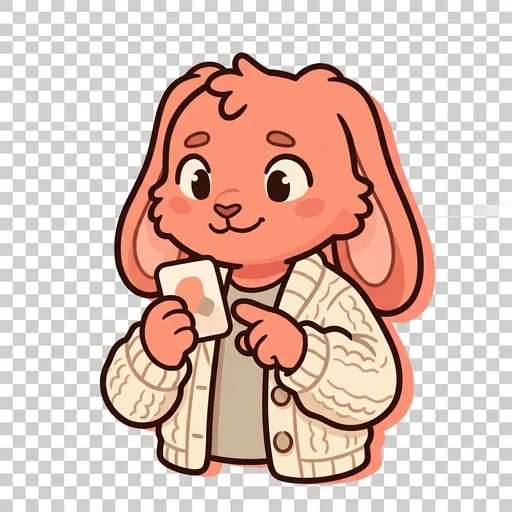
Noticing self — soft warm-coral rabbit-tween in chunky cream cardigan; tiny held-up affect-card; ears soft + not-tense; one paw tapping card-corner; treats card-picking as thinking-pause
-
Both
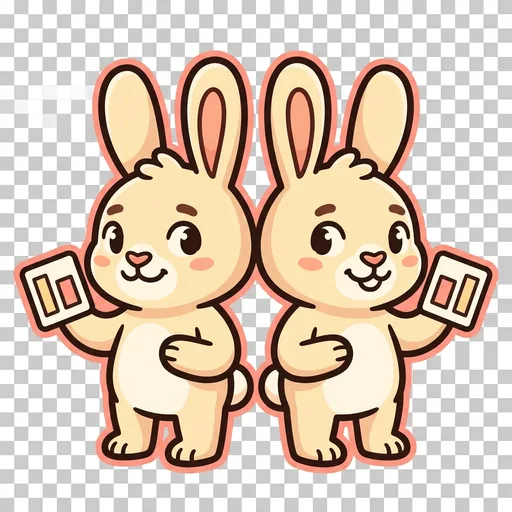
Dyad-sync — two warm-cream hares mirror-paired with cards held up side-by-side; both facing same direction; happy-but-not-overjoyed (overlap is data, not victory)
-
Gap
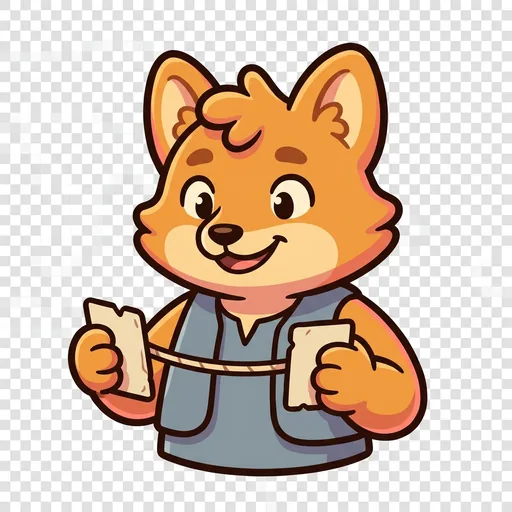
Mismatch-as-data — round warm-amber fox-tween in soft slate-blue vest holding chunky measuring-string between two cards; treats SPACE between picks as teaching artifact; never-frustrated, always-curious
-
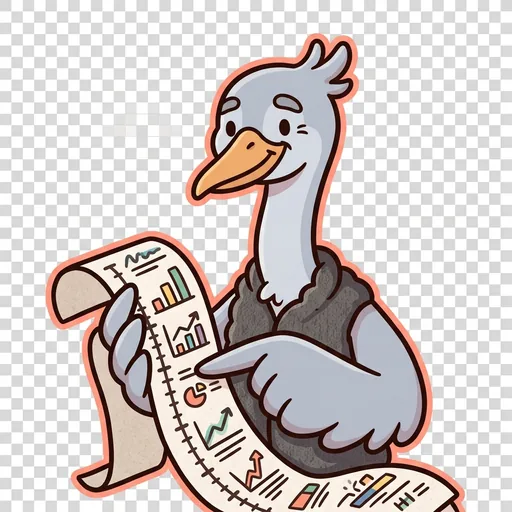
Streak
Growth-chart — tall soft-grey heron-elder in chunky charcoal vest reading long chart with hash-marks; wing pointing at time-axis; treats LONG pattern as whole skill, never single check-in as success-or-failure
-
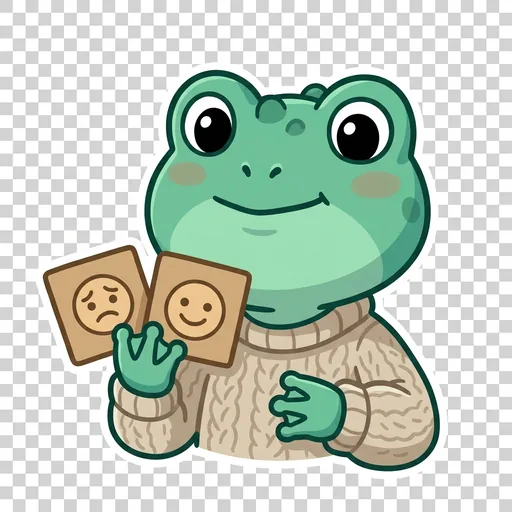
Brim
Picks the card that is really true today, not the easy "I am fine" card you hold up so nobody worries.
-

Buoy
Reads the bodys quiet signal first, because a feeling often shows up in your chest or tummy before you have a word for it.
-

Skiff
Shows that you do not have to wait to be noticed; you can be the one who starts a check-in and asks for it.
-
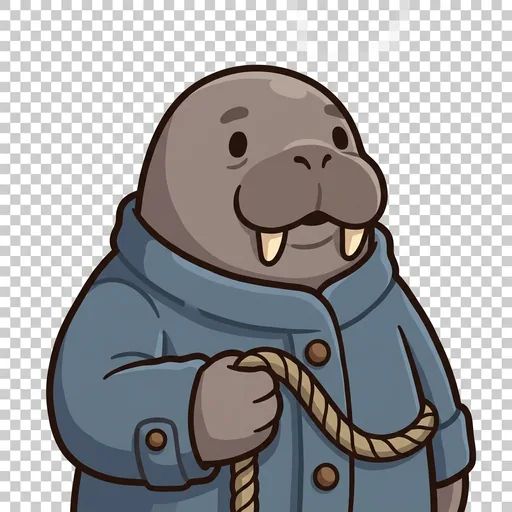
Moor
When someone shows you a hard feeling, stays steady and holds it with them instead of rushing to fix it.
-
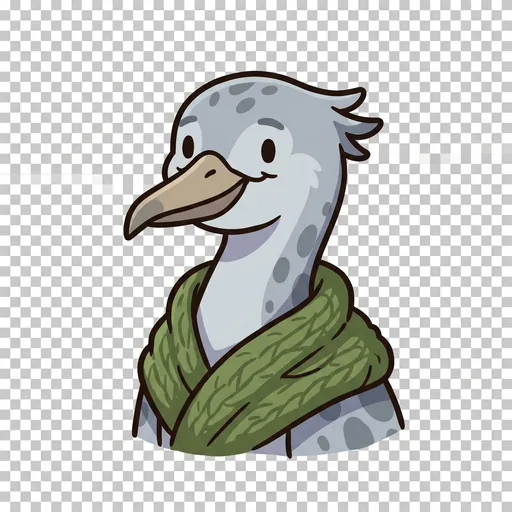
Cove
When a check-in gets missed or misread, comes back to it later, because a missed moment is never lost for good.