
Gloss
GLOSS — agree on what the key words mean first; many fights are really about words.
Press play to listen along. The line being read lights up as you go.
Show full transcript
Loading transcript…
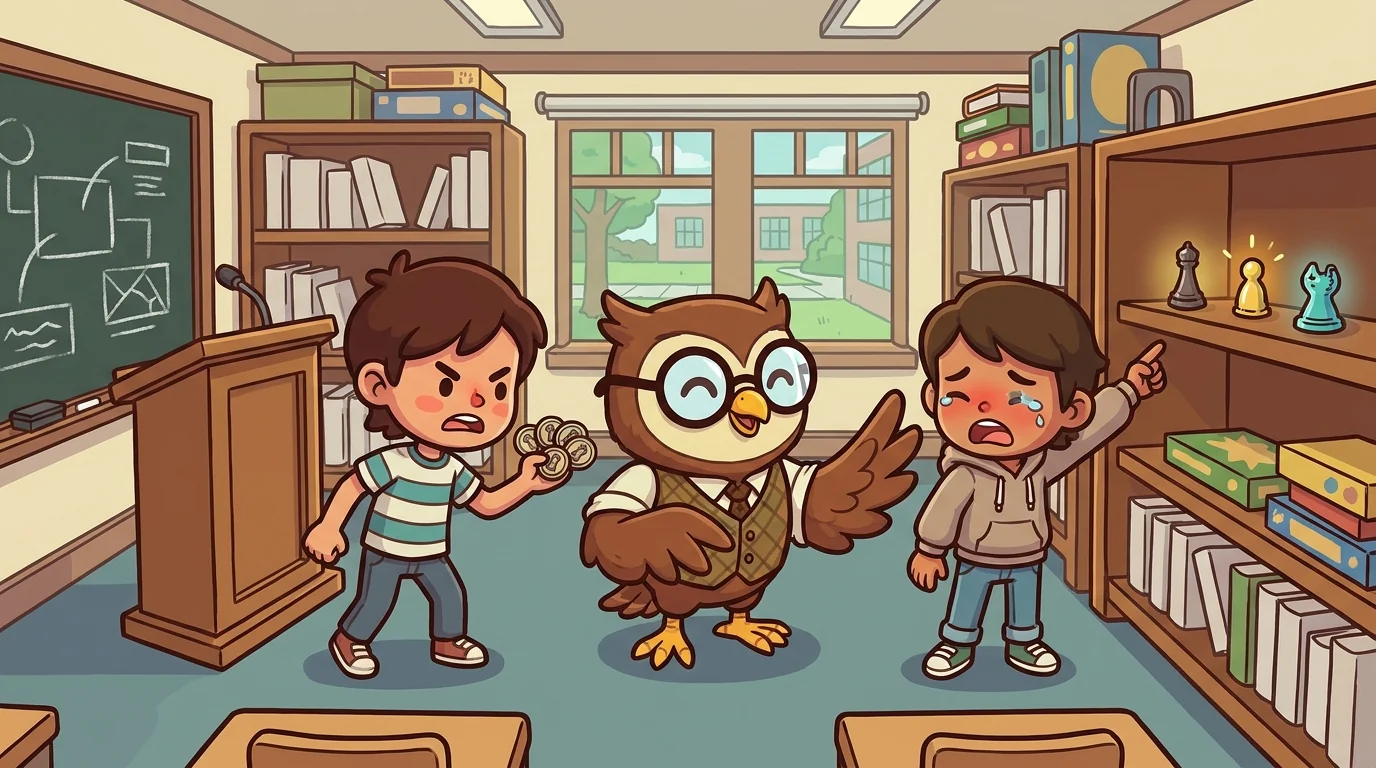
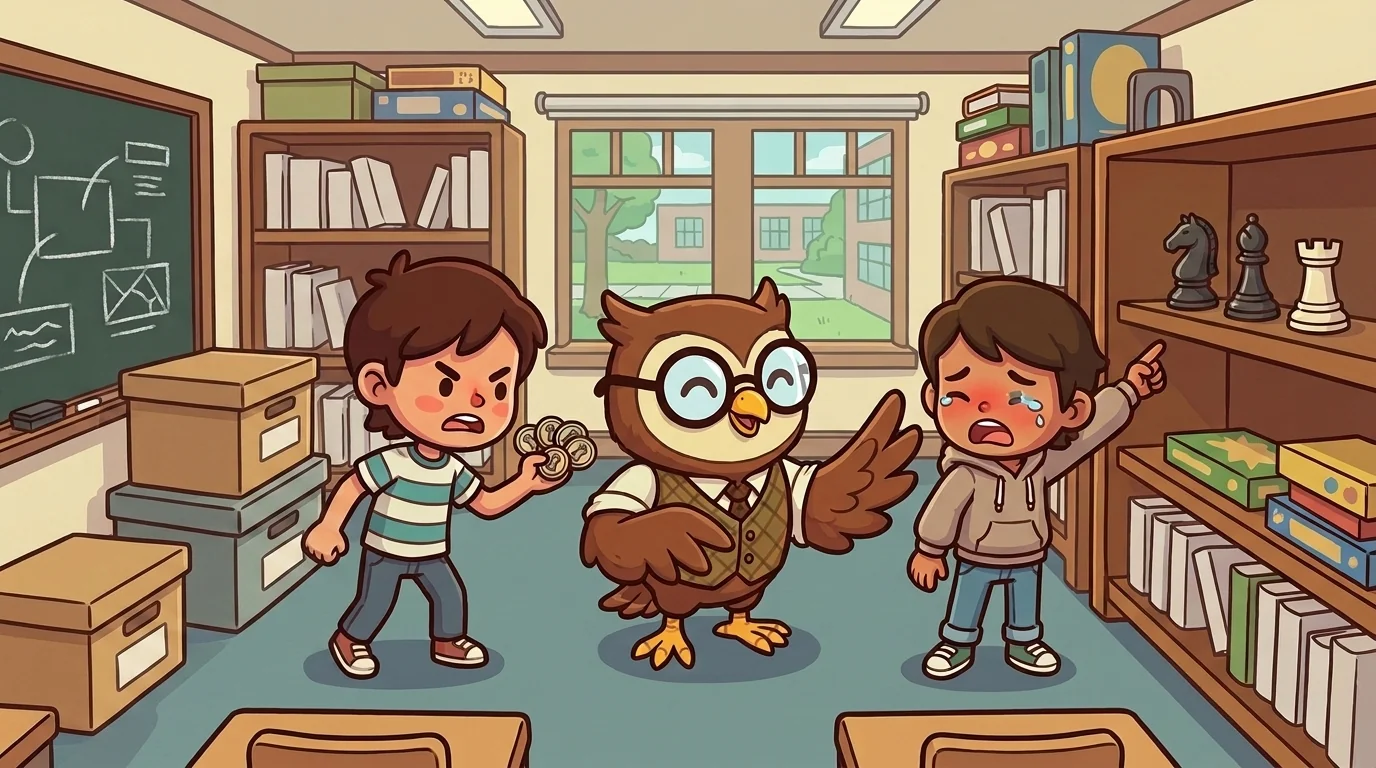
In the debate club's back room, an owl named Gloss watched two friends nearly come to tears over whether their group's new game was "fair."
"It's totally fair — everyone gets the same number of turns!" insisted the first.
"It is NOT fair — the youngest players can't reach the top shelf where the good pieces are!" cried the second.
They glared, sure the other was being ridiculous. Gloss gently stepped between them.
"Stop a moment. You're not actually disagreeing yet. You're each using the word fair to mean a different thing. You—" a wing toward the first "—mean fair as same rules for everyone. And you—" a wing toward the second "—mean fair as everyone can actually take part. Both are real meanings of the word. You've spent ten minutes fighting about the game when the whole tangle was one slippery word. Say what you each mean by fair, out loud, and then — then — you can have the real conversation."
The two friends blinked. "...Oh," said the first. "I didn't know you meant that."
Have you ever argued hard with someone and then realized you actually meant the same thing? How did that mix-up feel?
Gloss had learned this from a friendship that nearly broke over a single undefined word.
As a young owl, Gloss had once accused a close friend of not being "loyal," and the friend had been wounded and furious, and they'd stopped speaking for a whole miserable week. Only later did they untangle it: by loyal, Gloss had meant tell me the hard truth even when it stings. The friend had understood loyal as always take my side, no matter what. They had wanted the same thing — a real friendship — and had hurt each other badly, for days, over two different meanings hiding inside one word neither had bothered to define.
Sitting alone that week, Gloss felt the particular ache of a fight that never needed to happen — not a real disagreement, just two people talking past each other through a word they'd each quietly filled with something different. So many arguments aren't about the world at all, Gloss realized. They're about a word, worn like a mask over two different ideas. From then on, before any hard conversation, Gloss learned to ask the small, powerful question: when you say that word — what do you mean by it?
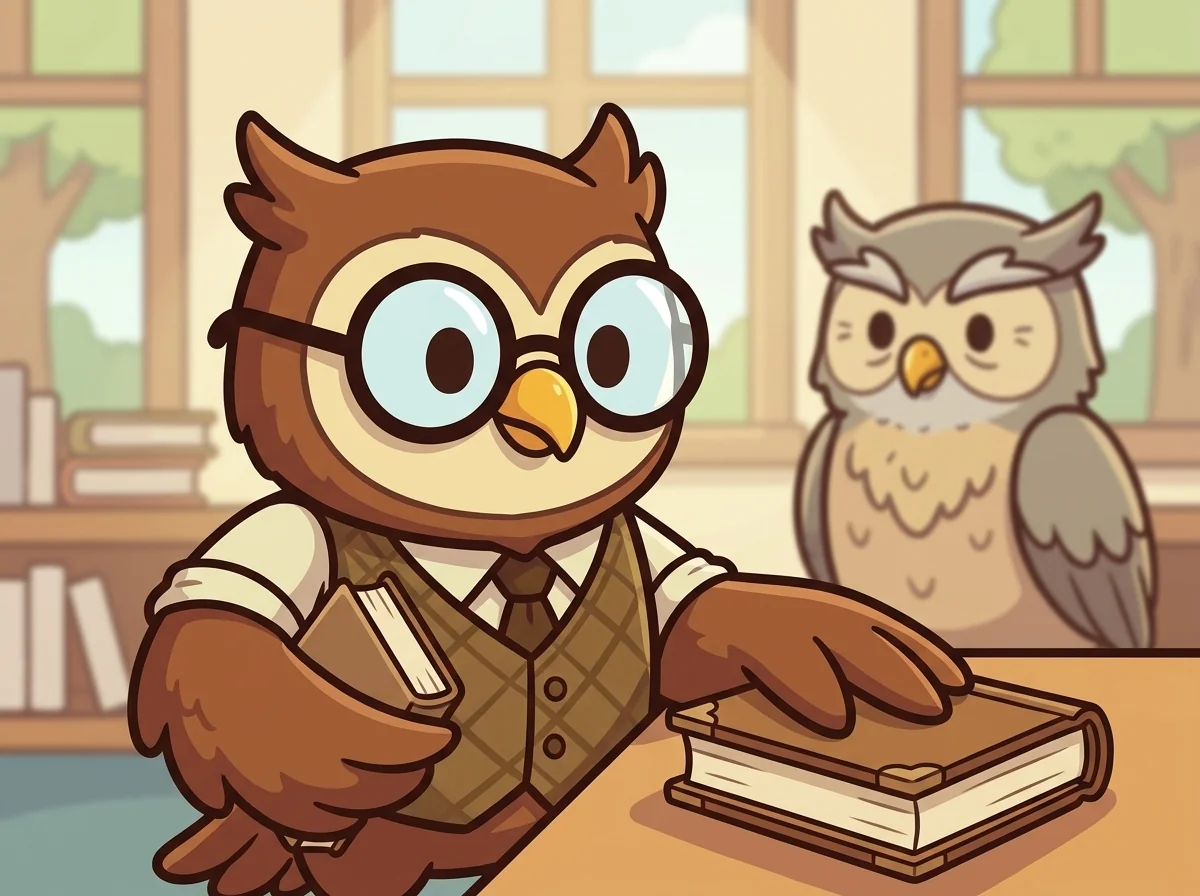
Gloss flew to the ClaimCraft academy, a little dictionary tucked under one wing.
Logos, the mentor who guided the club's reasoners, met Gloss and asked the question. "What is a definition's job?"
Gloss set the dictionary down but didn't open it. "Its job isn't to find the one true meaning — words hold many. Its job is to get everyone in this conversation using the key word the same way, just for now, so we can actually reach the thing underneath. A definition is a handshake before the debate: here's what I'll mean by this word; do you mean the same? Skip the handshake, and you'll argue for an hour about a word instead of a minute about the truth."
Logos nodded slowly at the wisdom of the handshake. "You are appointed."
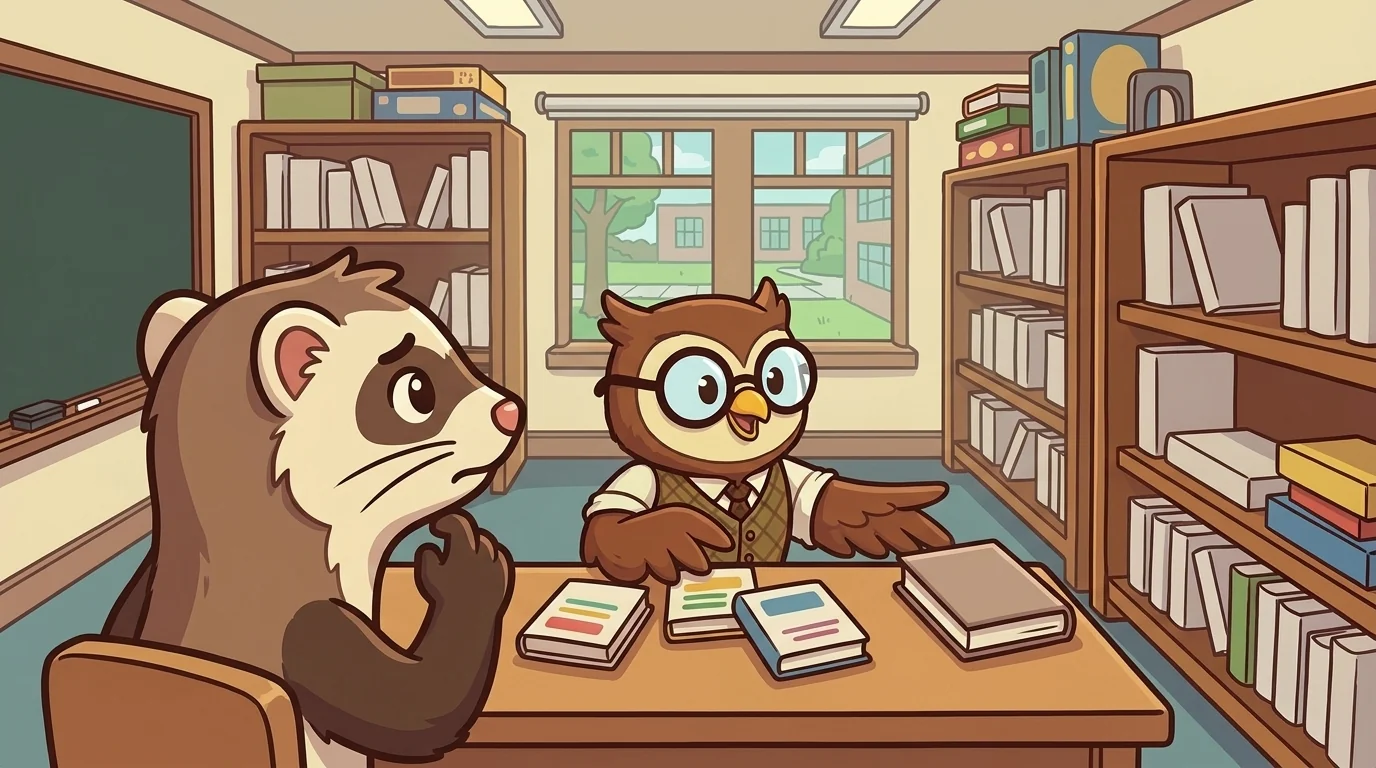
In Gloss's study, a young ferret rolled their eyes, impatient.
"Gloss, this is so slow. If I have to stop and define every word before I can say anything, I'll never get to make my point! Isn't this just fussy word-games?"
Gloss slid the little dictionary aside — deliberately not needing it.
"I understand why it feels fussy, so hear the real point: you don't define every word. You define the one or two the whole disagreement turns on — the fair, the loyal, the word both sides keep leaning on while meaning different things. That's not word-games. That's the opposite: it's how you get to the real argument faster, instead of wrestling a slippery word for an hour. And watch for the sneaky move where someone shifts a word's meaning halfway through — starts with fair meaning one thing, ends with it meaning another. Pin the key word down once, together, and hold it still. Then you can finally disagree about something that actually matters."
The ferret's eye-roll slowed into thought. "So it's not about being fussy. It's about not wasting the fight on a word."
"Not wasting the fight on a word," Gloss agreed. "Save your energy for the real thing."
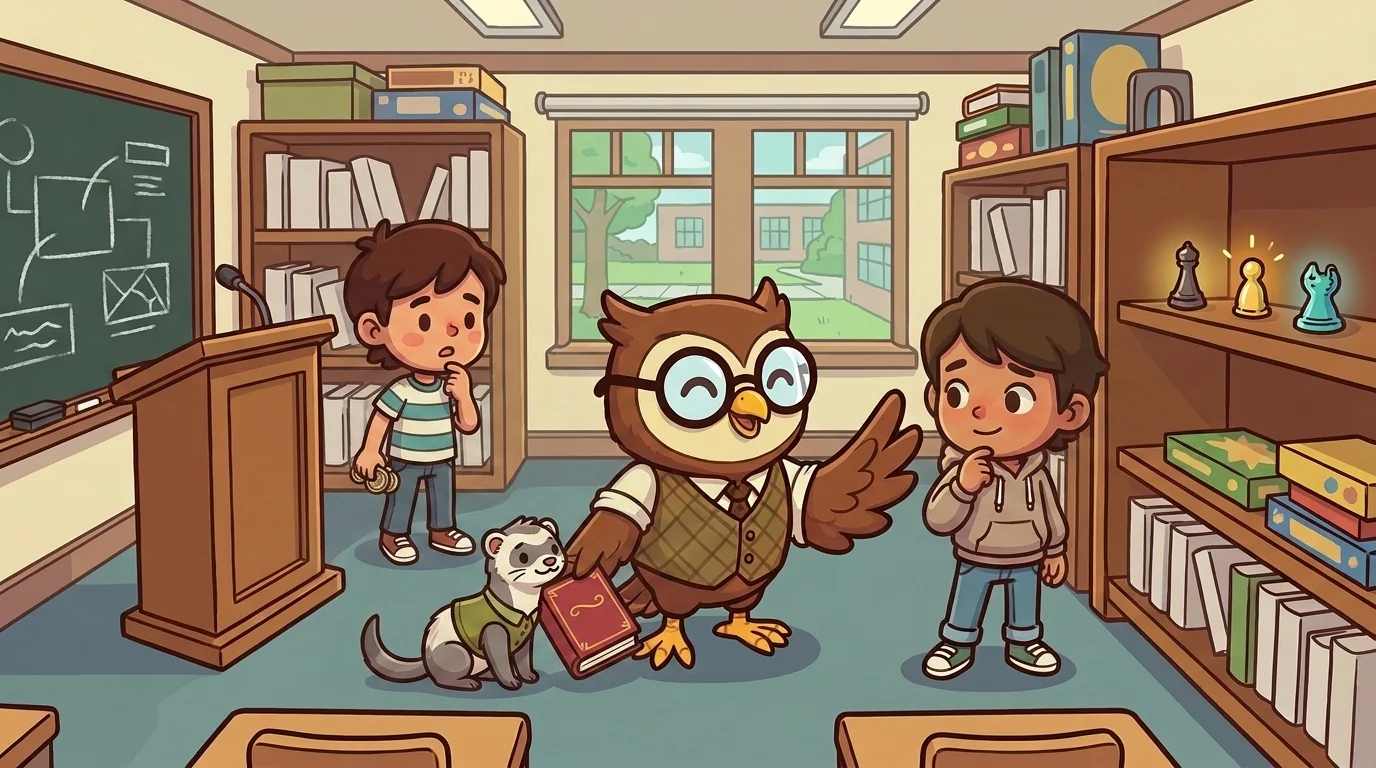
Think of a word you and a friend use differently — like "fair" or "cool." What happens when you finally say what you each mean?
The ferret went quiet, turning the idea over.
"My brother and I fight about who's 'messy' all the time," the ferret admitted. "But I think I mean leaves stuff on the floor and he means doesn't organize the shelves. We're both messy by the other one's meaning and neither of us knew it." The ferret half-laughed. "We could've skipped a hundred fights."
"That right there is the gift of it," Gloss said warmly. "That small, bright relief of oh — we were never really fighting, we were just missing each other through a word. Defining the key term doesn't make you a pedant. It's a kind of respect — it says I want to understand the real you, not the mask a word put on you. And there's a lovely calm on the other side of it, when the fake fight falls away and you can finally talk about what's true." Gloss nudged the little dictionary toward the ferret. "Go ask someone what they mean by a word you keep fighting about. Watch the fake fight disappear."
The ferret took the dictionary, felt the quiet relief of a hundred un-needed fights melting away, and went to ask their brother what messy really meant.
The ClaimCraft ensemble
Gloss is part of ClaimCraft's distributed-narrative cast. Each character embodies a different curricular primitive; together they teach the full subject.
-
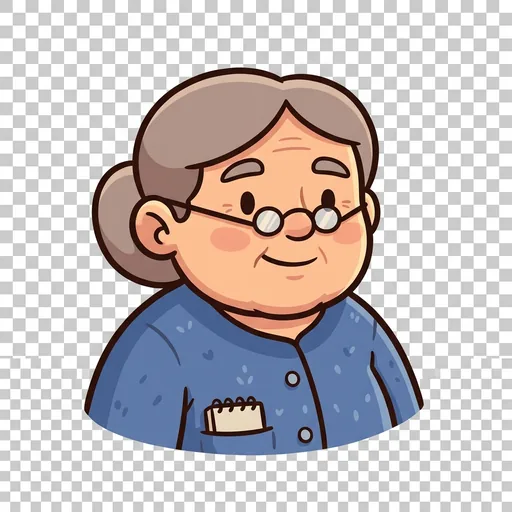
Posit
Claim — asserting-for-testing posture (claim is a card on the table, not a fortress)
-
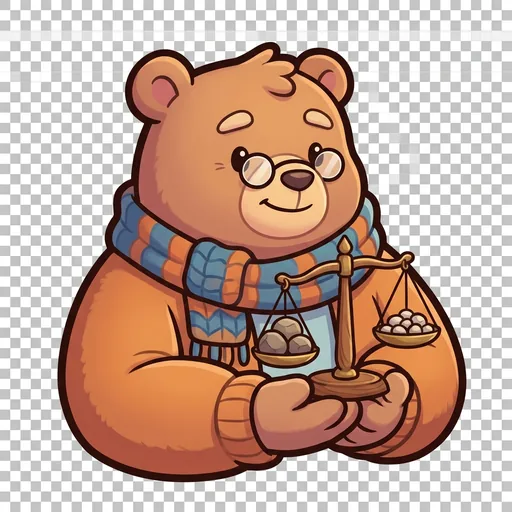
Heft
Evidence — weighing-with-care posture (weight matters more than count)
-

Lean
Warrant — connective-reasoning posture (the BECAUSE between evidence + claim)
-
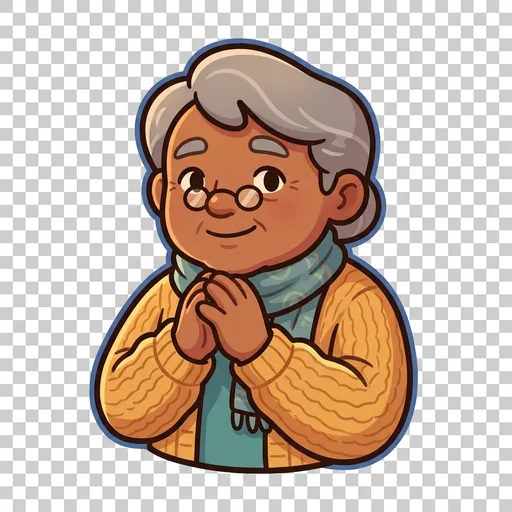
Counter
Counterargument — opponent-taking-seriously posture (best version of the other side strengthens yours)
-

Pry
Fallacy — trap-spotting posture (check YOUR argument first; 18-fallacy catalogue)
-
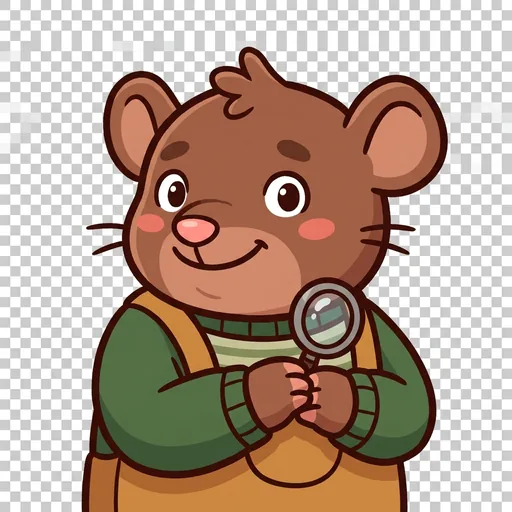
Footing
Hidden assumptions — surface the unstated ground an argument stands on and check if it holds; mole checking the floor
-

Temper
Qualifiers / scope — match a claim's strength to its evidence; 'usually' survives what 'always' can't; badger with balance-scales
-
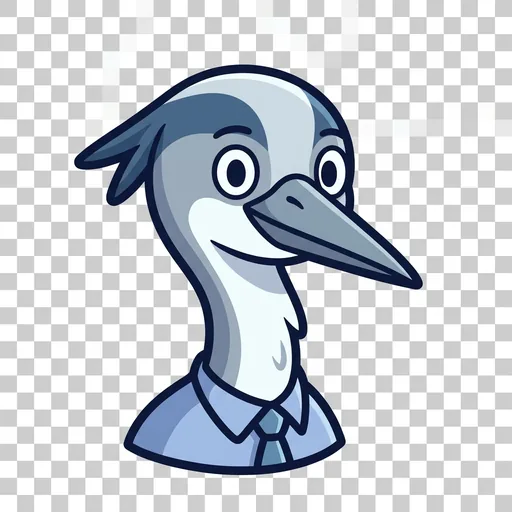
Onus
Burden of proof — whoever makes the claim supports it; bigger claims need bigger evidence; heron balancing the scales
-

Grant
Concession / common ground — grant the true points, find the shared ground, argue the real slice; deer in a shared clearing