
Eddy
REGULATE-BEFORE-REPAIR — you can't mend anything while you're still flooded. Eddy is the calm pocket of still water at the edge of the rush, where your body settles enough that repair becomes possible.
Press play to listen along. The line being read lights up as you go.
Show full transcript
Loading transcript…

Down where the Heart-Harbor river met the sea, the water mostly rushed — but in one spot, just behind a smooth grey stone, it turned slow and calm and went around in a gentle, patient circle. That circle was called an eddy. And the small, round, soft-grey creature who lived there was named Eddy too.
She was an otter-tween with a calm, low way of moving, and she spent her days in that still pocket of water while the current rushed by a paw's length away. "Everybody thinks the river is only the rushing part," she'd say. "But the river always makes these quiet spots, too. Right next to the rush. You just have to know they're there."
One afternoon a young squirrel named Wren came tearing down the bank, her whole body shaking. Something had gone wrong between her and a friend — a sharp word, a slammed door of a moment — and Wren was already trying to fix it, words tumbling out fast and tangled, making everything worse.
Eddy watched her for a moment. Wren's breath was high in her chest. Her paws were trembling. The words she was throwing at the problem were just splashing, not mending.
"Hey," Eddy said softly, paddling to the edge of her calm circle. "Come sit by the still water a minute. Before you fix anything. The river's rushing too hard through you right now to mend a thing."

Wren shook her head fast. "I have to fix it NOW. I said something bad and I have to take it back right now, right now—"
"I hear you," Eddy said, and she didn't argue, and she didn't say calm down, because she had learned long ago that the rush was not a thing you could order away. "You want to fix it. That's a good, kind wanting. But look —" she nodded gently at Wren's trembling paws — "your hands are shaking. Your breath is way up high. When the river's rushing through you like that, anything you try to build just gets washed away. Or comes out as more splashing."
Wren stopped, just for a second. She felt her own pounding heart. She felt the high, tight breath. She hadn't noticed, until Eddy named it, how flooded she was.
"It's not bad that the river's rushing," Eddy said. "Something hurt. Of course the water's high. There's nothing wrong with you for feeling it big." She patted the smooth stone beside her, at the edge of the calm circle. "I'm just saying — you don't have to mend from the middle of the rush. There's a quiet spot. Right here. Come let the water settle first."

Wren climbed onto the smooth grey stone, and Eddy showed her the only thing she ever taught: how to find the still water inside her own body, the way the river found it behind the stone.
"You don't push the rush away," Eddy murmured. "You can't. You just give it a quiet edge to slow against." She breathed, low and slow, so Wren could see it. "Feel your feet on the stone. Heavy. Then a slow breath — all the way down past the pounding, down to your belly. Let it out even slower. We're not trying to make the feeling leave. We're just slowing the water enough to see through it."
Wren pressed her paws to the cool stone. She breathed down past the pounding. The first breath barely helped. The second one reached a little lower. By the fourth, something in her had stopped tumbling — the rush was still there, off to the side, but she was sitting in a calmer pocket of it now, watching it go by instead of being swept along.
"There," Eddy said quietly. "That's the eddy. Not the rush gone. Just a calm place beside it, where your thinking comes back. Feel how your hands stopped shaking?"
Wren looked down. They had. She could feel her own breath reaching the bottom now. The sharp word she'd said still mattered — she still wanted to mend it — but the wanting wasn't a frantic splashing anymore. It had somewhere steady to stand.

"Now," said Eddy, once Wren's breath had found its slow rhythm, "now you could go mend it, if you wanted. Not because the feeling's gone. Because you can think again. You can hear yourself. You won't just splash."
Wren noticed the difference in her own body, and it amazed her. A few minutes ago, every attempt to fix things had made them worse, because she'd been trying to build in the middle of a flood. Now, from the calm pocket, she could actually picture what she wanted to say to her friend — slow, and clear, and real.
"I almost made it so much worse," Wren said softly. "I was throwing words at it while I was still shaking. None of them were even the right words."
"That's what the rush does," Eddy said, with no blame at all. "It makes you so desperate to fix the hurt that you try to mend before your hands are steady. But a steady hand mends. A shaking hand just tangles." She smiled. "The waiting isn't the opposite of fixing it. The waiting is the first part of fixing it. You found your still water. Everything you build now will actually hold."
Wren felt her breath, slow and reached-all-the-way-down, and felt how different her whole body was — not happy yet, the hurt was still there — but steady. Steady enough to go be kind on purpose. And she understood, sitting on the smooth stone by the calm circling water, that this steadiness was a gift she could give herself any time the river ran high, just by finding the quiet edge.

That evening, Mend — who watched over all the mending in Heart-Harbor with gentle, unhurried eyes — found Wren resting by the eddy, her breath finally low and even.
"She came down ready to fix everything from the middle of the flood," Eddy told Mend. "We just waited by the still water until her hands stopped shaking."
Mend nodded slowly. "And how does it feel now, Wren," they asked, "before you go and mend?"
Wren searched her body for the answer the way Eddy had taught her. The hurt was still there. But underneath it now was something solid. "Steady," she said. "My breath goes all the way down again. My hands aren't shaking. I feel like — like I could go say the real thing now, instead of just splashing." She looked at the calm circling water beside the rushing river. "Mostly it feels like relief. Like I didn't have to be swept away just because the water got high. There was a quiet place the whole time. I just didn't know to look for it."
And Eddy settled back into her gentle circling pocket of still water, glad in her low, calm way — because the rush would always come, for everyone, but now Wren knew that right beside it, always, there was a quiet edge where her own steadiness was waiting to be found.
The RuptureRepair ensemble
Eddy is part of RuptureRepair's distributed-narrative cast. Each character embodies a different curricular primitive; together they teach the full subject.
-

See-It
Notice harm — soft warm-russet deer-tween in chunky moss-green vest; ears literally perked + eyes wide + one hoof raised mid-step; doesn't pretend not to see what just happened
-

Sorry
Acknowledge — soft cream-and-amber otter-tween in chunky soft-blue scarf; palms-up open-hands level bow-pose (NOT cringe); treats acknowledgment as skill, never proof of badness
-

Felt
Name-impact — round soft-grey-and-cream badger-tween with tiny notebook + soft-charcoal pencil; mid-listening with head tilted; never assumes — always asks-then-listens
-

Offer
Offer-repair — warm-amber raccoon-tween with chunky-paw extended palm-up holding small soft hand-folded paper-crane (universal not specific cultural symbol); never grasping
-
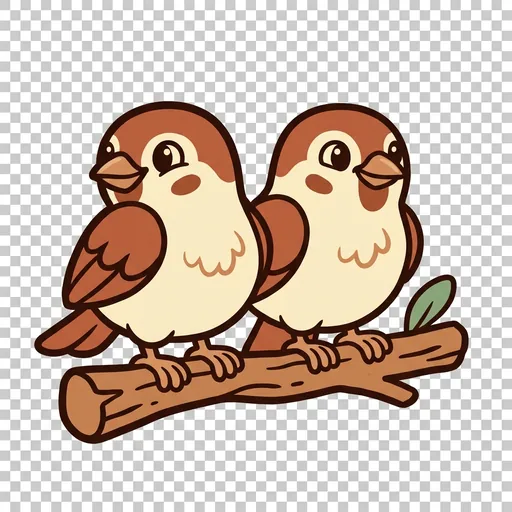
Together
Re-engage — two warm-cream-and-russet sparrow-twins on a single chunky branch, perched comfortable-distance-apart; both looking outward in same direction; `we're still here` energy
-

Lee
Shows that you can receive an apology from a safe place, at your own pace, without rushing to say it is okay.
-

Ease
Once you have made a real mend, helps you let the other person come back in their own time, with no pushing.
-

Grace
Reminds you that you can be truly sorry and still be worthy, so shame never stops you from repairing.
-

Levee
Shows that you can forgive someone and still keep a kind, clear limit that makes it safe to stay close.