
Echoes
ECHOES — *voice as listening-craft. if two characters could say it, neither one really did.*
Listen along — Echoes
Loading audio…
Press play to listen along. The line being read lights up as you go.
Show full transcript
Loading transcript…
Chapter 4 — Echoes and the Voice That Only Fits One Mouth
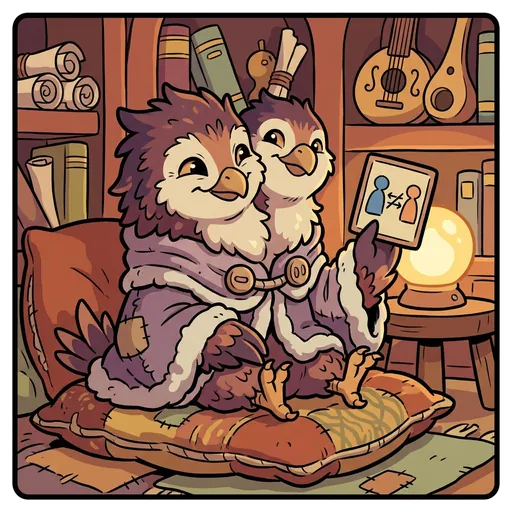
The two kids at the workshop table both said the exact same sentence, and Echoes went very still. Echoes was a small creature with chunky twilight feathers and creamy swirls around their throat — two throats, actually, which was pretty unusual, and both of them were listening. Their big-hooded cloak had fallen back. In their small paws they held a test card, and on the card were the two identical lines.
“‘I don’t know. Maybe,’” Echoes read aloud from the first kid’s page. Then, “‘I don’t know. Maybe,’” from the second. They laid the pages side by side and slid one line into the other character’s mouth. It fit perfectly. No wrinkle, no snag. “See how it slides right in?” Echoes chirped, tapping both throats gently. “A line that fits two mouths never really came out of one. Let’s find who each of these actually belongs to.”
Echoes had grown up in the listening-grove, a quiet green place where their family had spent generations sorting one voice from another. Their twin throats let them hear the tiniest wobble in pitch, the smallest catch of breath. As a chick, Echoes used to sit under the widest fern and just listen — the grocer who ended every sentence like a question, the ferryman who never once said a soft word, the aunt who talked around her fears but never at them.
One evening their grandmother set two river-stones in front of little Echoes. “Same rock?” she asked. Echoes turned them over. One was smooth as an egg; the other had a chip you could catch a claw on. “No,” Echoes said. “You can feel which is which in the dark.” Grandmother nodded slowly. “Voices are the same. Every one is chipped by a different life. Listen, and each will show you its own edge.” Echoes never forgot the feel of those two stones.
When they were twelve, Echoes walked the long road to TaleForge. Loom, the mentor who ran the writing-house, met them at the gate with a lantern.
“I’ve heard you can tell voices apart,” Loom said. “Show me.”
Echoes pulled two overheard lines out of the air — one from a market-caller, one from a librarian — and said them back in the exact rhythm each person had used. The market-caller’s tumbled fast and loud; the librarian’s came out slow, careful, with a little pause before every noun.
“How did you know which was which without seeing them?” Loom asked.
“I didn’t guess,” Echoes said. “I listened for the edge. The caller rushes because the crowd moves. The librarian pauses because she chooses. Nobody handed them those voices. Their lives cut them.” Loom held the lantern up and studied the small creature. “Then you belong in the dialogue workshop,” they said.
In the workshop, Echoes went back to the two kids with the matching line. They set a slate on the table and wrote both versions again, big enough for everyone to see.
“Watch what happens when we listen harder,” Echoes said. They erased the second kid’s line and turned to her. “You told me your character is scared to commit to anything, but hates to admit it. So she’d argue with herself out loud, right?” The kid thought, then nodded. Echoes wrote: “I — ugh, fine. Maybe. Probably not, though.”
“Now yours,” Echoes said to the first kid. “Your character is a careful thinker who never says more than she’s sure of.” Together they landed on: “Cannot say for certain. I’d need more.”
Echoes slid the first line toward the second character’s mouth, the way they had before. This time it snagged. “Try it,” they said. The kids tried swapping the lines and both winced — the words simply would not fit the other person. “There,” Echoes said softly. “Now each line could only come out of one mouth. That snag you feel? That’s a voice.”
A third kid raised a paw. “But what if my characters are from a made-up country? How do they sound?”
“You don’t borrow a real person’s accent for them,” Echoes said. “You listen for the edge and invent it. Give one a word she overuses. Give another a thing he never, ever says. Let their rhythms differ — long and flowing, or short and quick. That’s how you build a voice out of nothing but attention.”
The kids bent over their pages, whispering their characters’ lines to themselves, testing whether each one snagged. Echoes watched from the edge of the table, both throats quiet.
“How did you learn to hear all this?” the first kid asked without looking up.
“Nobody’s born hearing it,” Echoes said. “I sat under a fern and listened to my whole village until the voices came apart in my ears. You’ll do it by listening to the people around you, and by reading, and by paying more attention than you think you have to.” They rested a paw on the slate. “Your characters’ voices don’t come from your imagination. They come from your listening.”
Then the second kid read her new line aloud — that little argued “I — ugh, fine” — and it sounded so exactly like the person she’d been describing all morning that the whole table went quiet. Echoes felt a small warm flutter move through both throats at once: the quiet, glad feeling of someone finally being heard the way they actually sounded.
The TaleForge ensemble
Echoes is part of TaleForge's distributed-narrative cast. Each character embodies a different curricular primitive; together they teach the full subject.
-
Hook
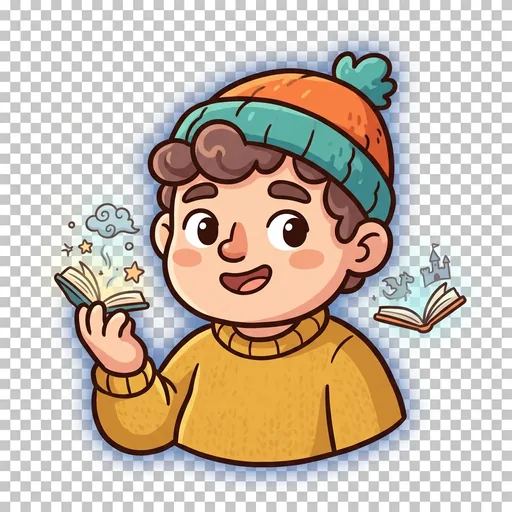
Story elements — opening as contract with the reader; the first line is a promise; 'Make me lean in. Then keep me leaning.'
-
Spine
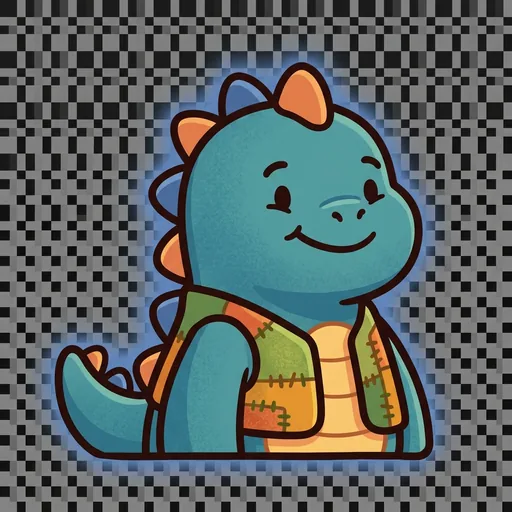
Character creation — character-as-tension (wants × fears × contradictions); 'Every character has a NO they keep saying YES to.'
-
Bough
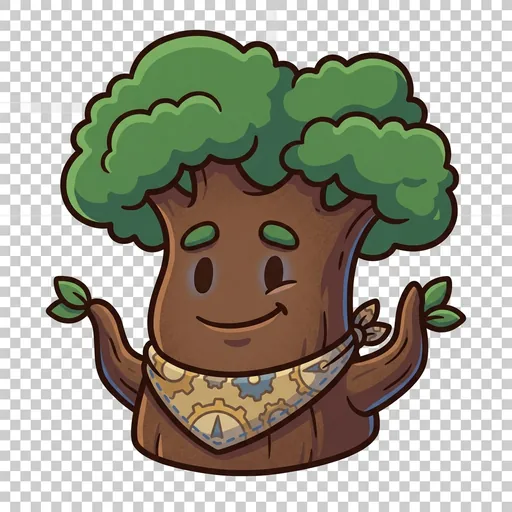
World-building — coherence-rules-as-promises-the-world-keeps; what the world ALWAYS does + NEVER does (SOFT collision with LinguaQuest Bough — different role/domain/visual)
-
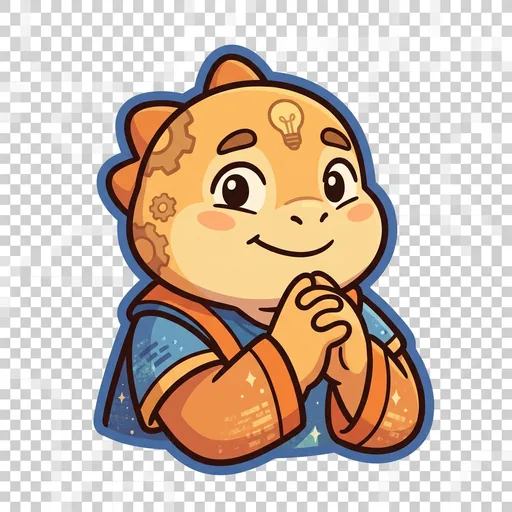
Glimmer
Revision + reflection — first draft as DATA not failure; the second look that makes the first attempt useful
-

Wager
Stakes — moss-soft creature (they/them) who carries one glowing marble holding everything they'd hate to lose; a story matters when something precious is at risk
-
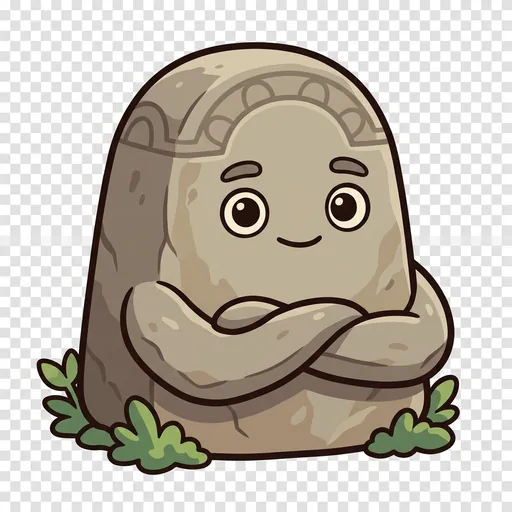
Keystone
World-consistency — kind-eyed stone (they/them) at the center of an arch; an invented world feels real when it keeps its own rules all the way through
-
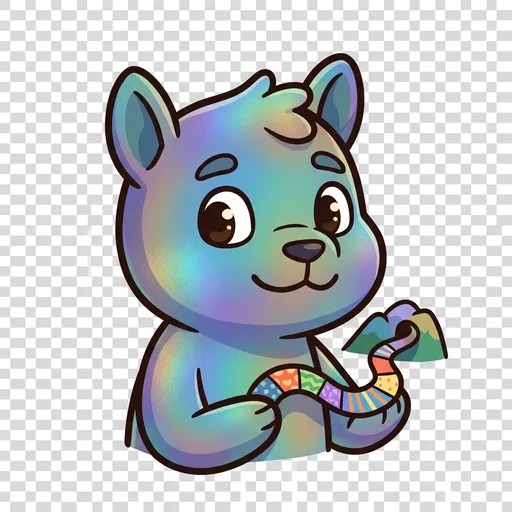
Swerve
The twist — sideways-shimmering creature (they/them) who loves a road that turns; a twist must be surprising AND fair (the clues there all along)
-
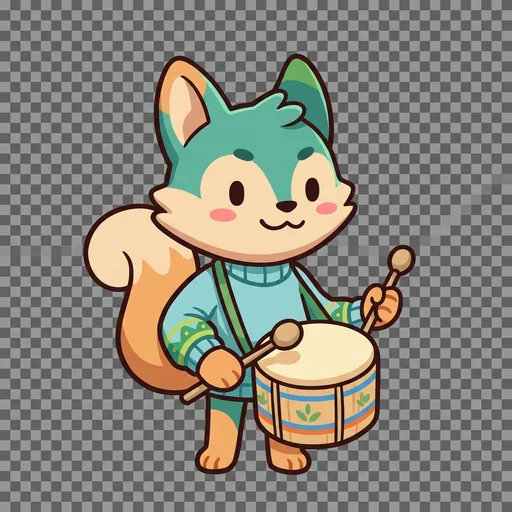
Tempo
Pace / rising tension — lithe creature (they/them) with a self-beating heartbeat-drum; a story breathes, fast and slow on purpose, climbing to its biggest moment
-

Heart
Theme — soft glowing creature (they/them) who listens for the true thing beating under a story; show the meaning, never announce it like a lesson