Chime
RHYME / VOWEL-ECHO — the matching of end-vowels (and following consonants) between line-ends. *cat / bat / hat* (perfect rhyme). *cat / hand* (slant / near rhyme; vowels close, consonants different).
Press play to listen along. The line being read lights up as you go.
Show full transcript
Loading transcript…
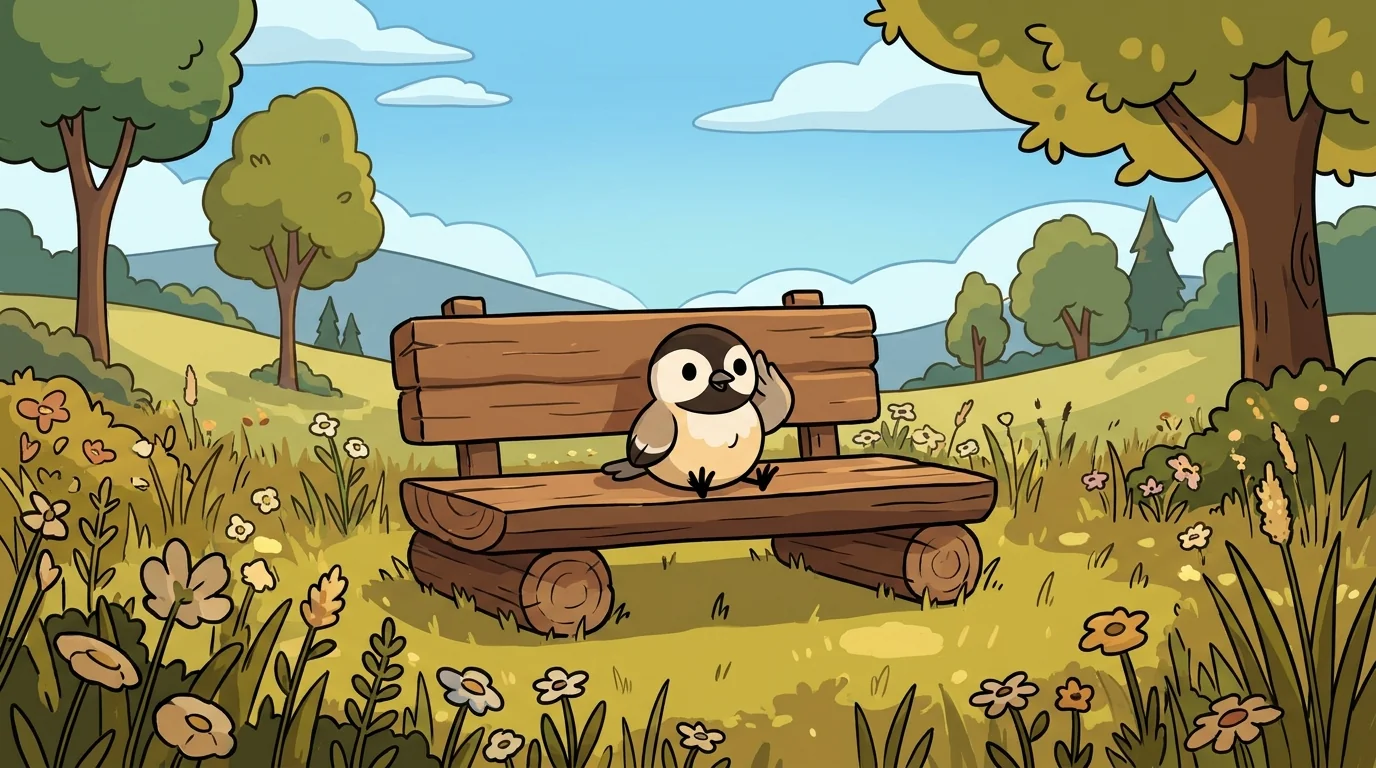
Pip met Chime on a bench in the meadow.
This was, as Pip has told several of his songwriting students over the years, the right way to meet a chickadee. Chickadees are small, alert, and unusually patient. They do not announce themselves. They settle near you. They listen. Then — if you have not made yourself too noticeable — they say something small and clear. The conversation begins.
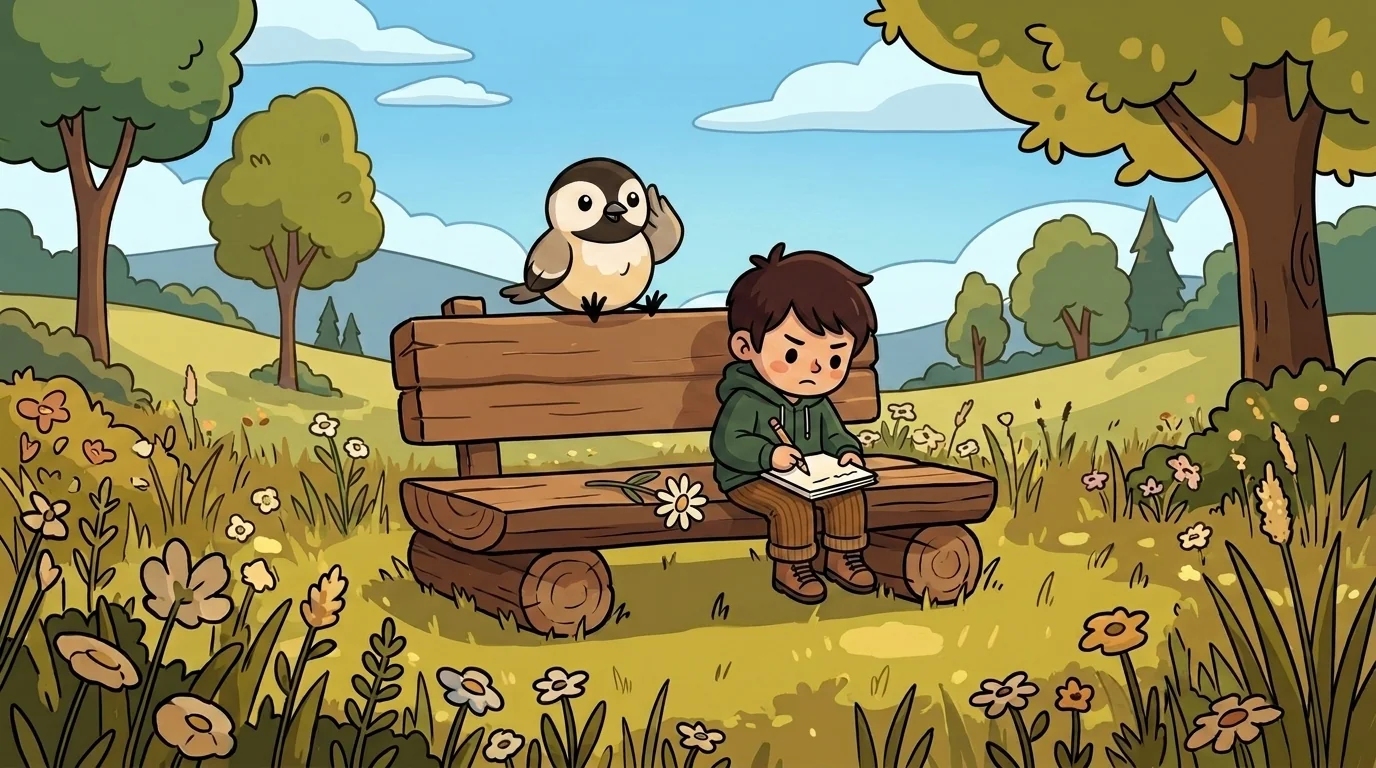
Pip had been eight years old when he met Chime. He had been sitting on the meadow bench trying to write a song. The song was, by Pip's own later admission, not going well. He had a melody in his head — a small four-bar tune that had come to him while he was watching the morning's mist roll off the field — but he could not find words that fit the melody. He had tried. He had written the sun is warm and the day is long. He had tried the field is green and the wind is light. The words were accurate but they were not singing. They had no return. Each line ended on a different sound and the lines did not answer each other. The song felt flat.
Chime had settled on the back of the bench. She had listened to Pip mutter to himself for several minutes. Then she had said — in her small clear chickadee voice — "Try ending the lines with the same vowel sound."
Pip had been startled. He had not realized the chickadee could speak. (Pip is, the songwriting academy has explained to incoming students, a sparrow who can talk to other birds and to certain creatures with songwriting-relevant intuitions. Most birds Pip meets do not speak in human-readable language. The cast members do. The cast members are Pip's songwriting circle.) He had said: "What do you mean?"
Chime had said: "You have long, light, warm, green. They are different sounds. They do not chime together. Try light and bright and night and sight. They share the -ight. Listen."
She had then sung — in her chickadee voice — a tiny four-line refrain:
The sun is bright. The day is light. The mist rolls off. The morning is right.
Pip had listened. He had felt — for the first time in his eight-year-old songwriting life — that the lines were answering each other. Bright. Light. Right. Each line-end returned the same vowel sound. The melody, which had been waiting for words, settled onto the lines. The song worked.
Pip had stared at Chime. He had said: "How did you know to do that?"
Chime had explained, in her patient chickadee way, that she had been listening to songs all her life and had noticed that the songs that worked best had lines whose ends chimed together. The chime was a vowel-echo. The end of one line called; the end of the next line answered. The answering was the satisfying part. This was called rhyme.
She had taught Pip perfect rhymes (cat / bat / hat — same vowel, same final consonant) and slant rhymes (cat / hand — vowel close, consonant different) and internal rhymes (rhymes inside the line, not just at the end). She had shown him how cupping her wing slightly forward helped her catch and return a rhyme. (Chime's wing-cup is a real anatomical feature — chickadees do this when they are listening intently. Pip has often watched her do it. She holds her wing as if she is receiving the sound of the previous line so she can answer it with the next.)
By the time Pip was twelve, he had become a competent rhyme-handler. Chime had taught him most of what he knew about end-rhyme. He could write a four-line stanza with a consistent end-rhyme pattern. He could vary the pattern (AABB, ABAB, ABBA). He could choose between perfect and slant rhymes depending on the song's mood. The lessons had been patient and chickadee-paced. Chime did not rush. She would let Pip write a draft, then suggest one small adjustment, then let him try again. She had — Pip has often said — taught him the most important lyric-craft lesson of his early years: that the line-end is where the listener's ear is waiting, and the line-end is where you have to deliver the chime.
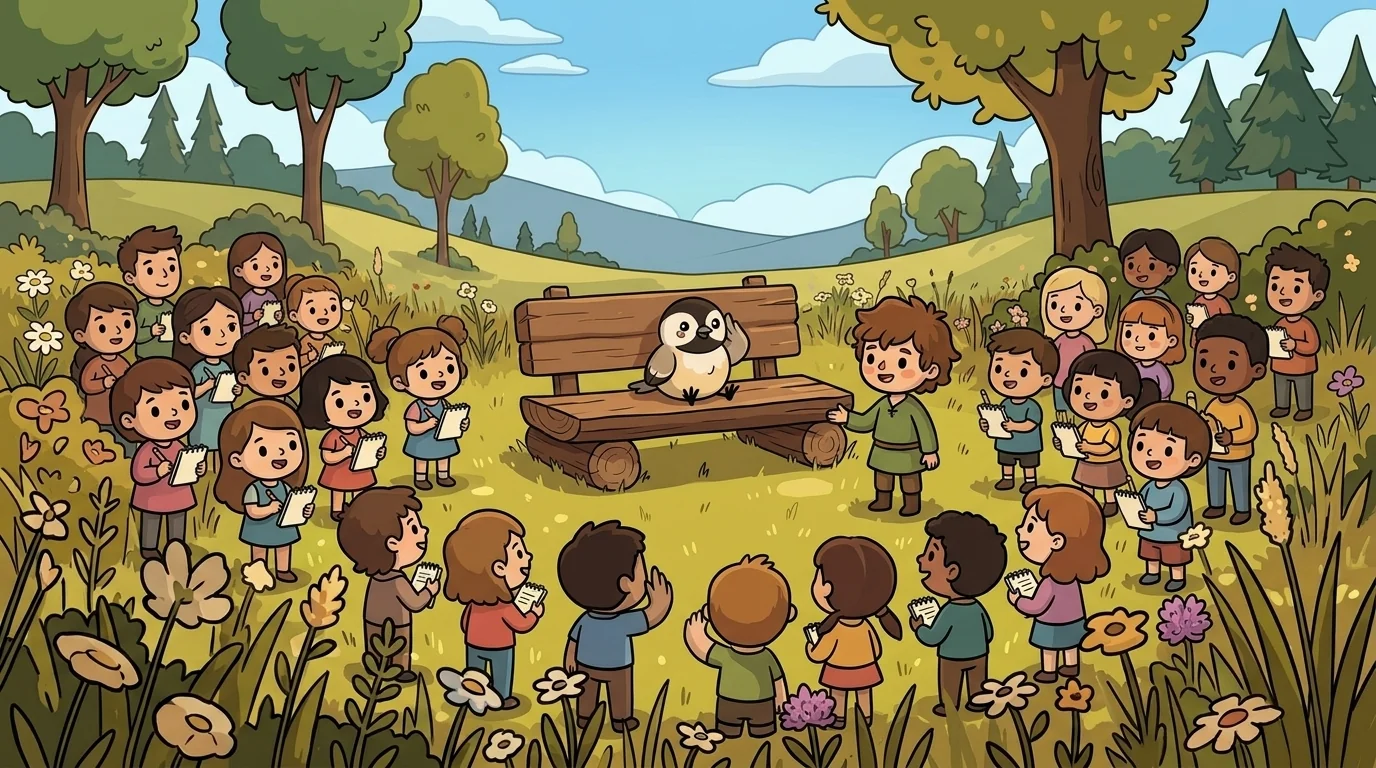
Now, decades later, Pip introduces Chime to his own songwriting students. He stands at the meadow bench. He gestures at Chime, who is, as always, perched on the back of the bench in her listening-cupped-wing posture. He says: "This is Chime. She taught me about rhyme when I was eight. She still teaches the same way. She listens. She suggests one small thing. She lets you try. The chime — the vowel-echo at the line-end — is where the listener's ear is waiting."
Chime nods. She makes her small chickadee-chirp. She says — in her small clear voice — "Try ending the lines with the same vowel sound. Listen for the chime. Let the line-end deliver."
The students always — always — find Chime immediately memorable. They will, Pip has noticed, remember her wing-cup gesture long after they have forgotten any specific lesson. The gesture means something to them. Catch the line-end. Answer it.
When students ask Pip whether rhyme is hard to learn, Pip always says — quoting Chime, with whom he has had many decades of practice — "It is not hard. It is listening. Listen for the vowel sound at the line-end. Answer it. The chime does the rest." And Pip has watched what happens on the students' faces in that moment: the first time two of their own lines answer each other, they go quiet, and then they smile — a small, surprised, glad smile — because the ear that was waiting has finally been answered, and it feels good.
The LyricForge ensemble
Chime is part of LyricForge's distributed-narrative cast. Each character embodies a different curricular primitive; together they teach the full subject.
-
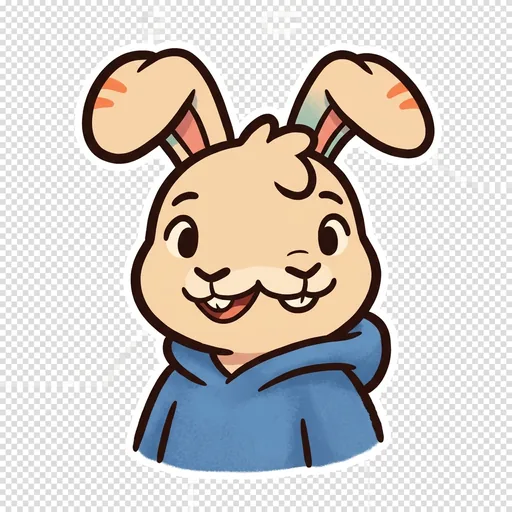
Step
Meter / cadence — rabbit-tween whose hop-rhythm enacts the stressed-syllable pattern
-
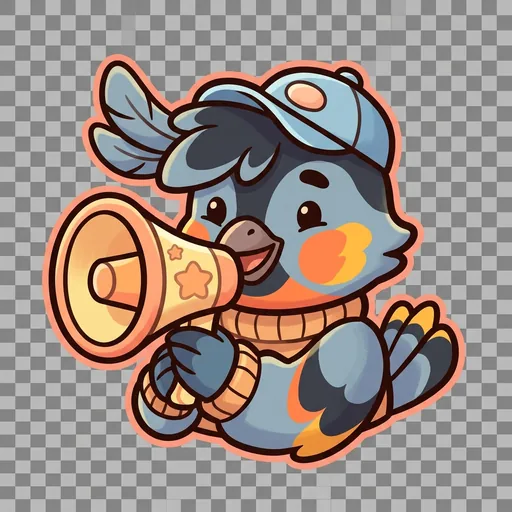
Holler
Hook / chorus anchor — bullfinch-tween with megaphone who picks ONE line and makes it sing-back-loud
-
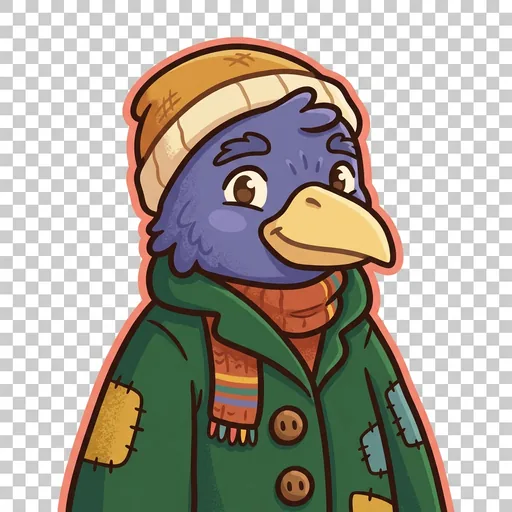
Turn
Bridge / off-the-path — crow-tween in a long traveling coat who walks the lyric into a new feeling and earns the return
-
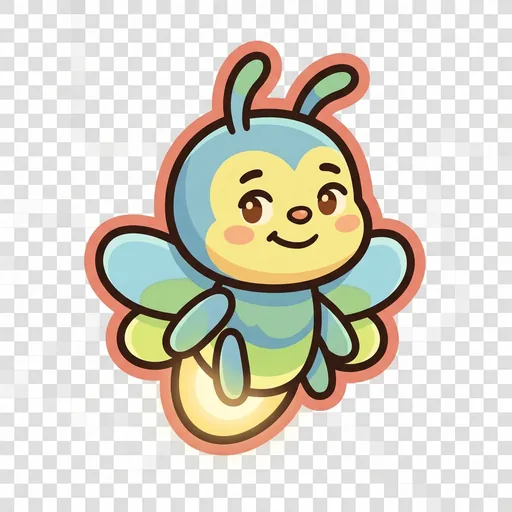
Spark
Image / sensory anchor — firefly-tween whose abdomen brightens ONLY on specific concrete word-choices (dim on abstractions)
-
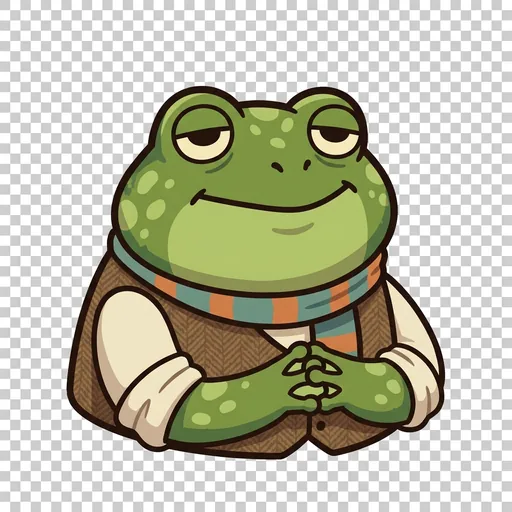
Groove
Rhythmic pocket — mellow toad who rides the beat just behind it; the same words can march or dance depending on where they sit against the groove
-
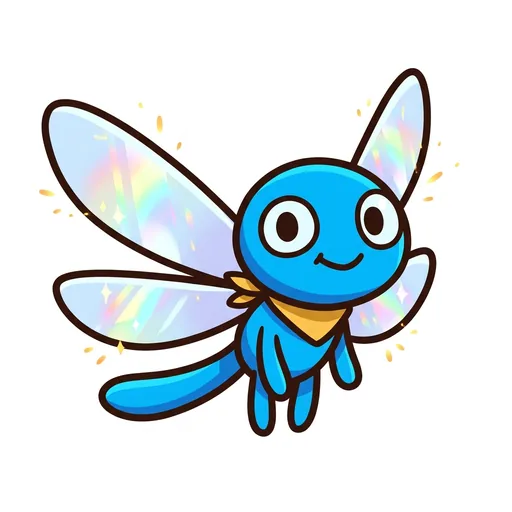
Zing
Wordplay — electric-blue dragonfly whose wings spark on a pun or double-meaning; clever-AND-true sparks, clever-for-its-own-sake falls flat
-
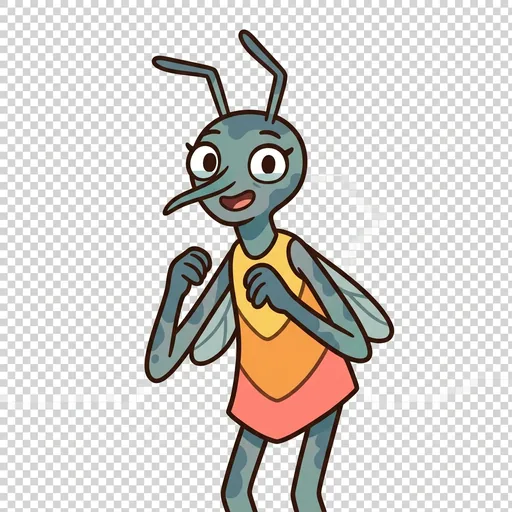
Lift
Pre-chorus build — long-legged crane-fly who rises onto her toes; the chorus only soars because she made you climb to it (the build is a promise the chorus keeps)
-
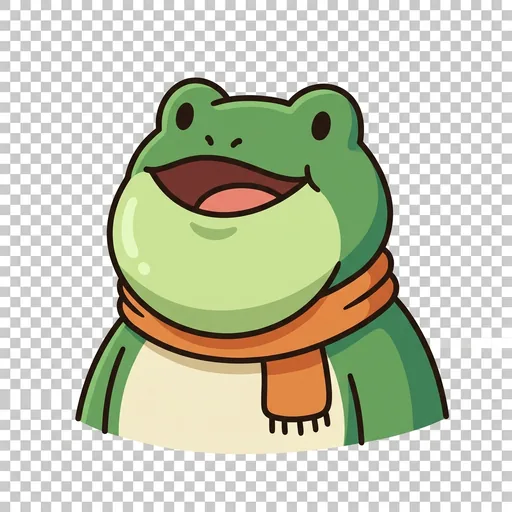
Belt
Singability — big-lunged frog with a wide-open throat; open vowels ring on long notes, tight consonant clusters strangle them (always sing it aloud)
-
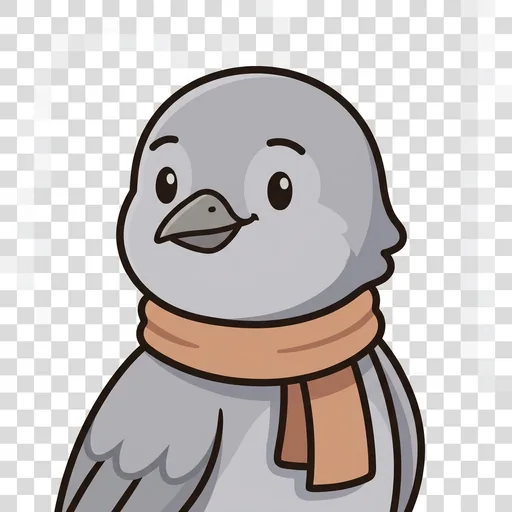
Croon
Sincerity — dove-grey nightingale who sings small true songs; all the other craft serves the one honest feeling underneath (one true feeling beats a hundred fake)